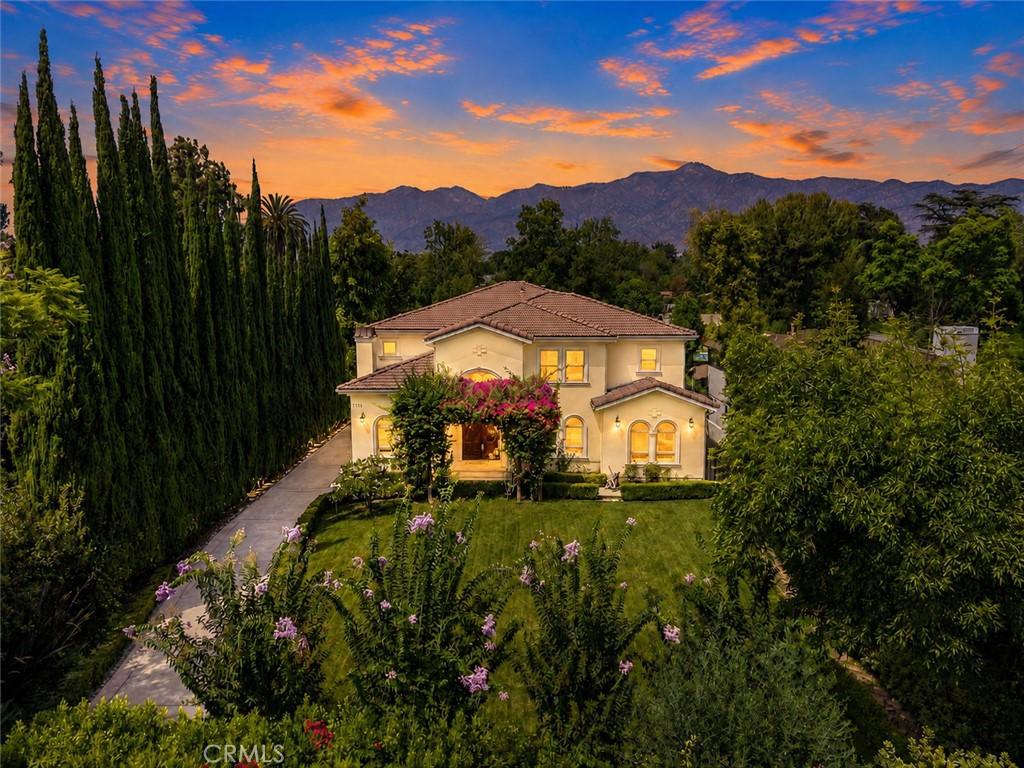
Luxury Homes for Sale in Pasadena CaListings

Luxury Homes for Sale in Pasadena

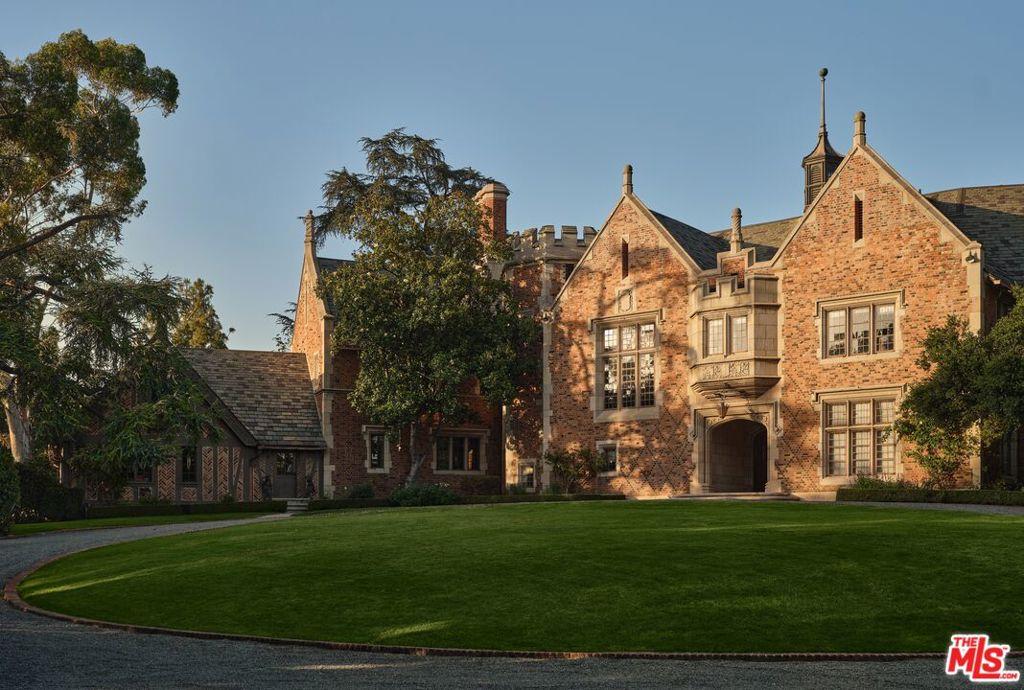
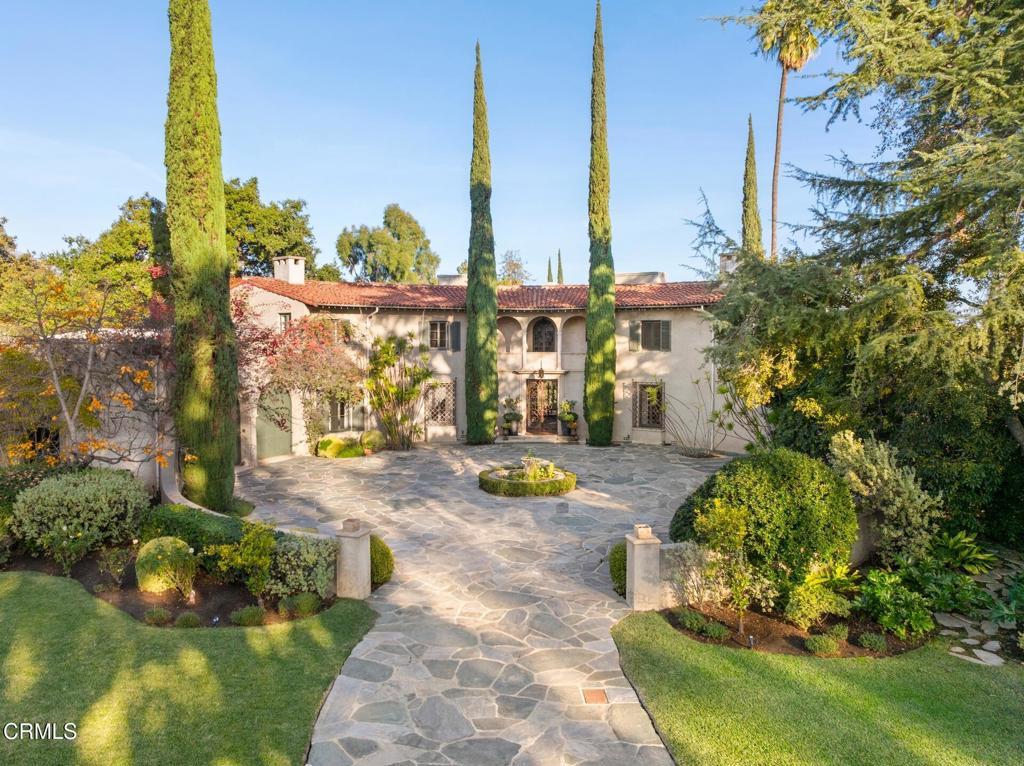
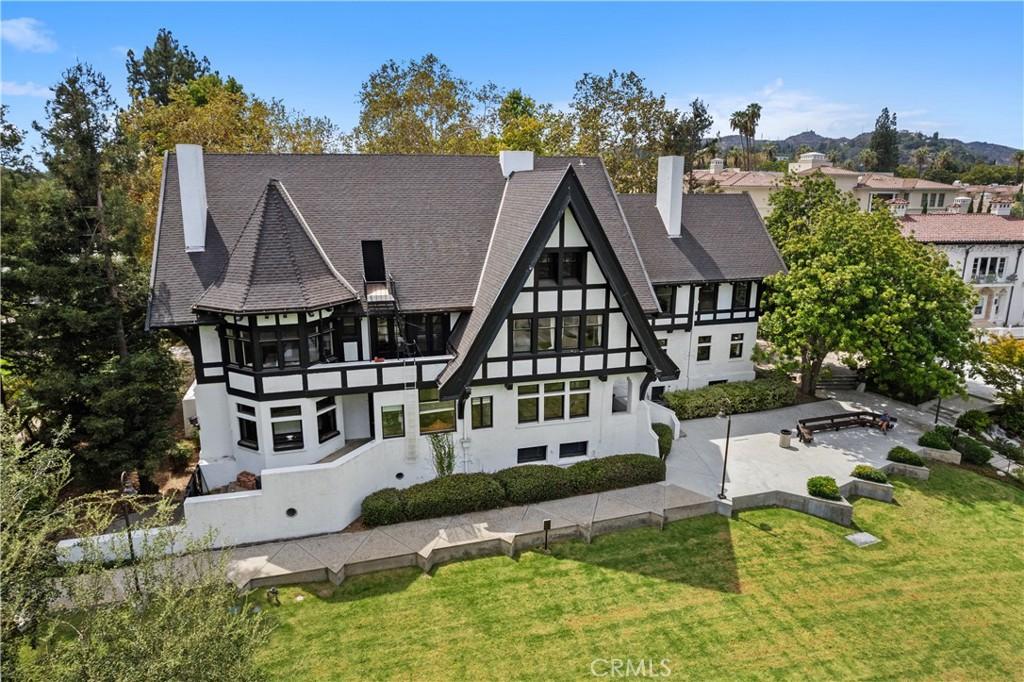
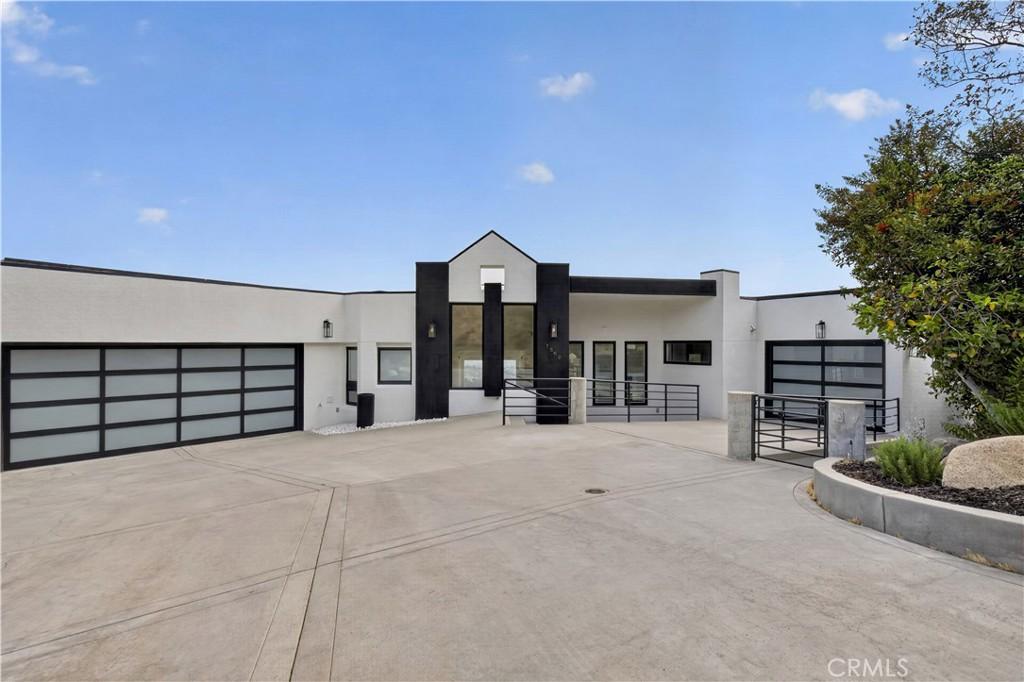
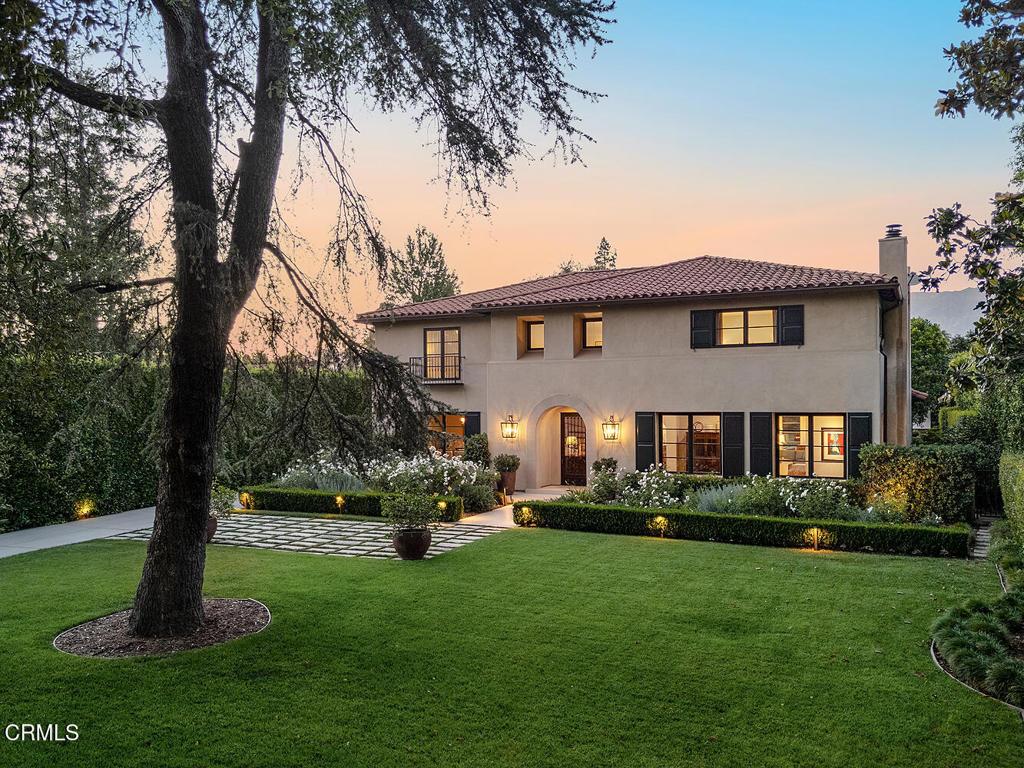
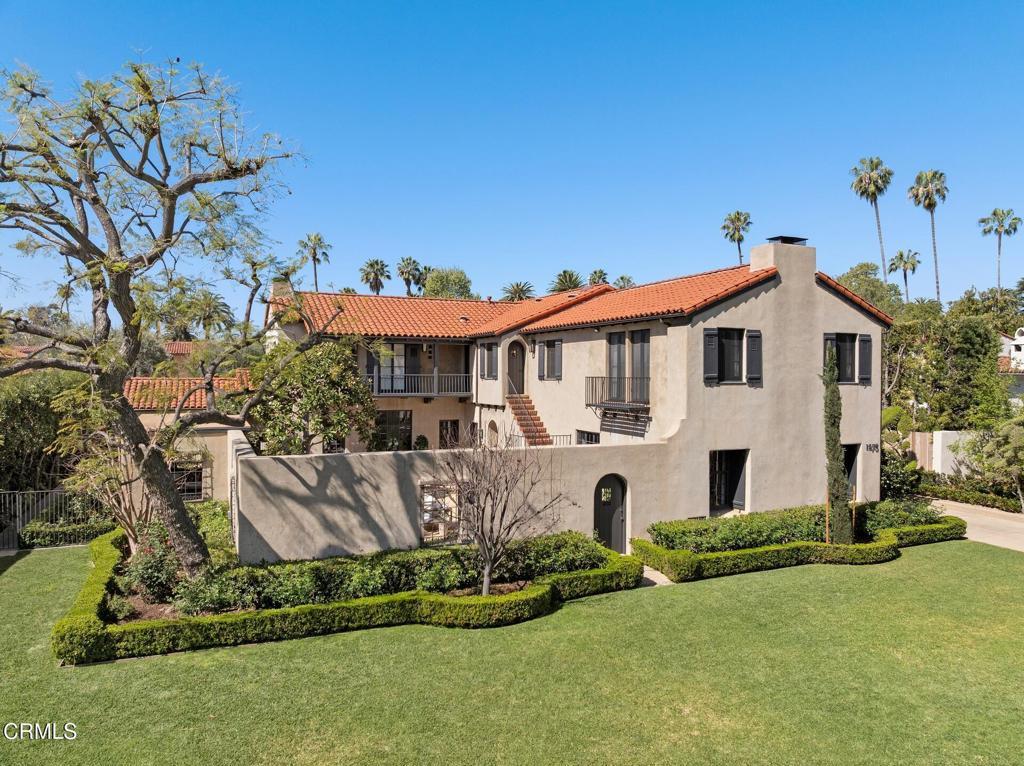
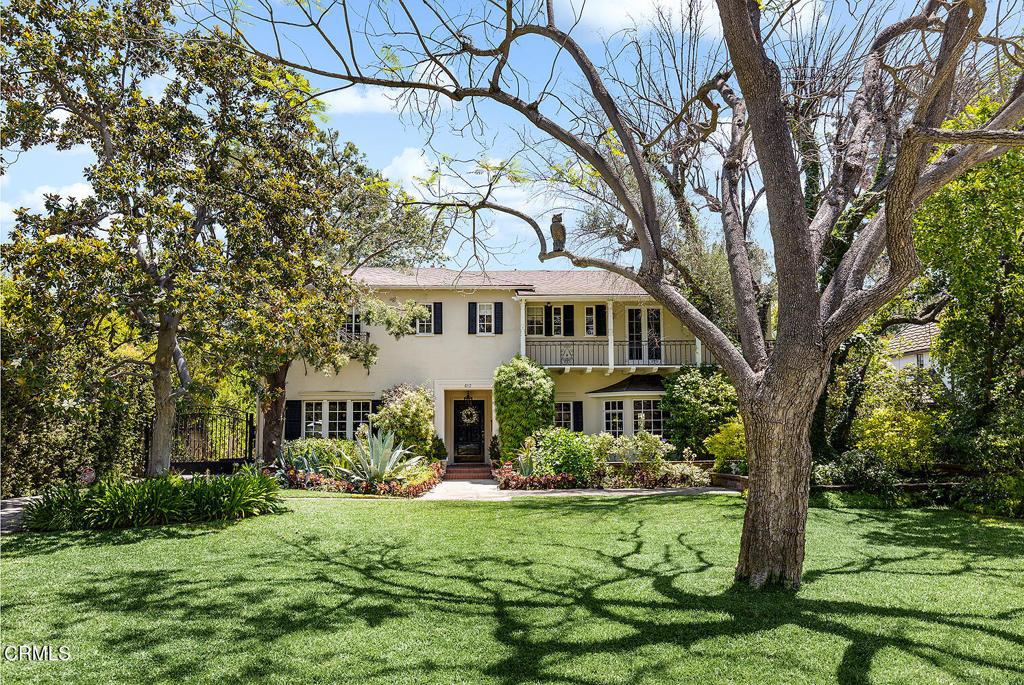
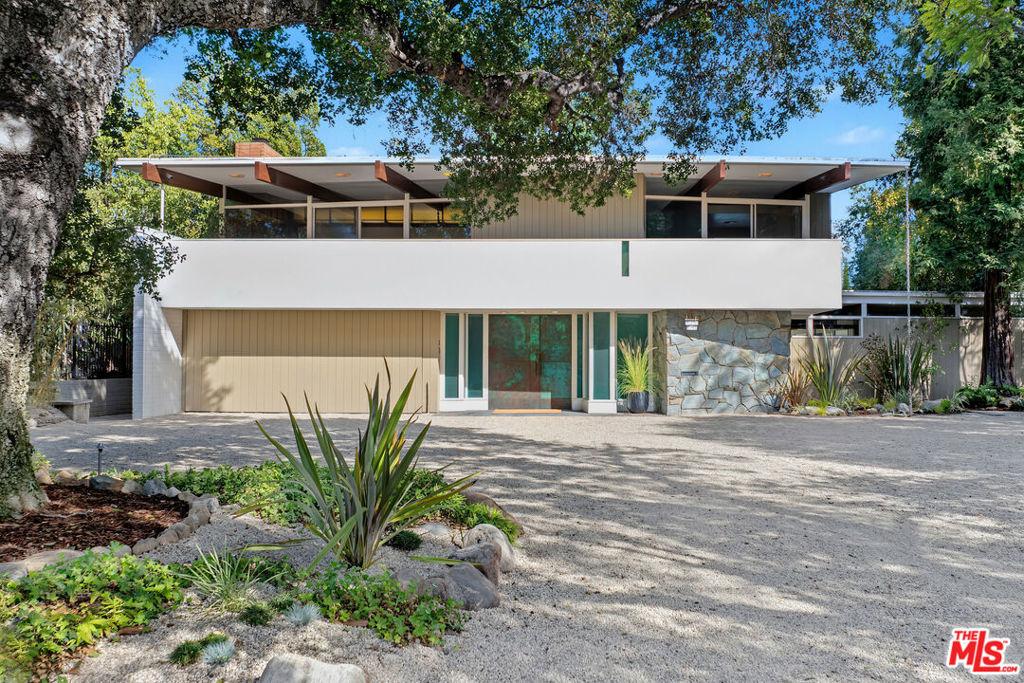
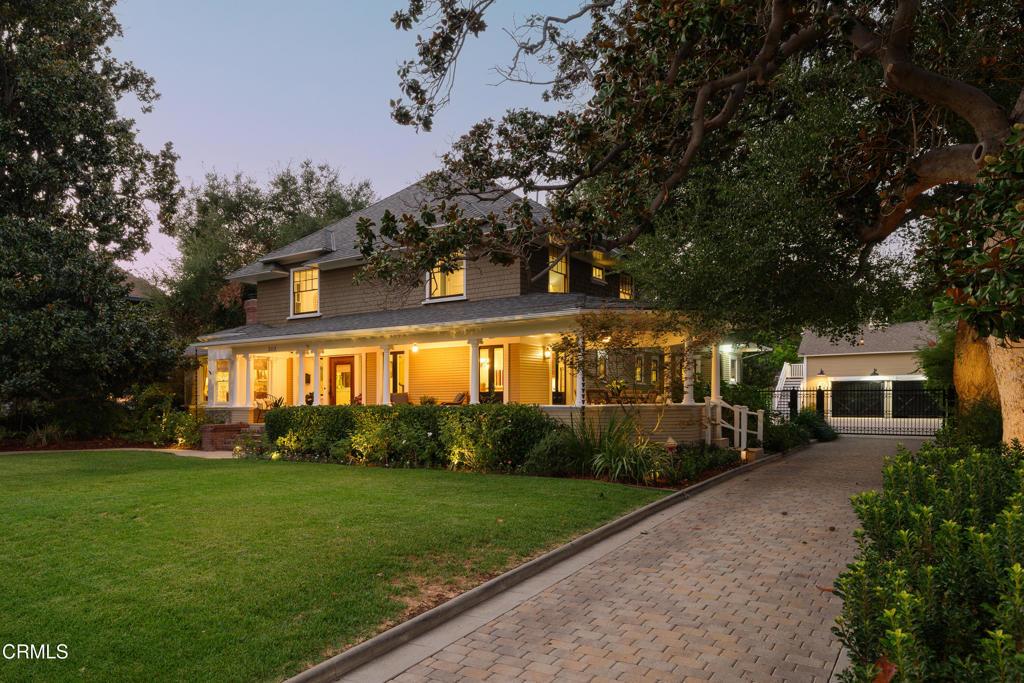
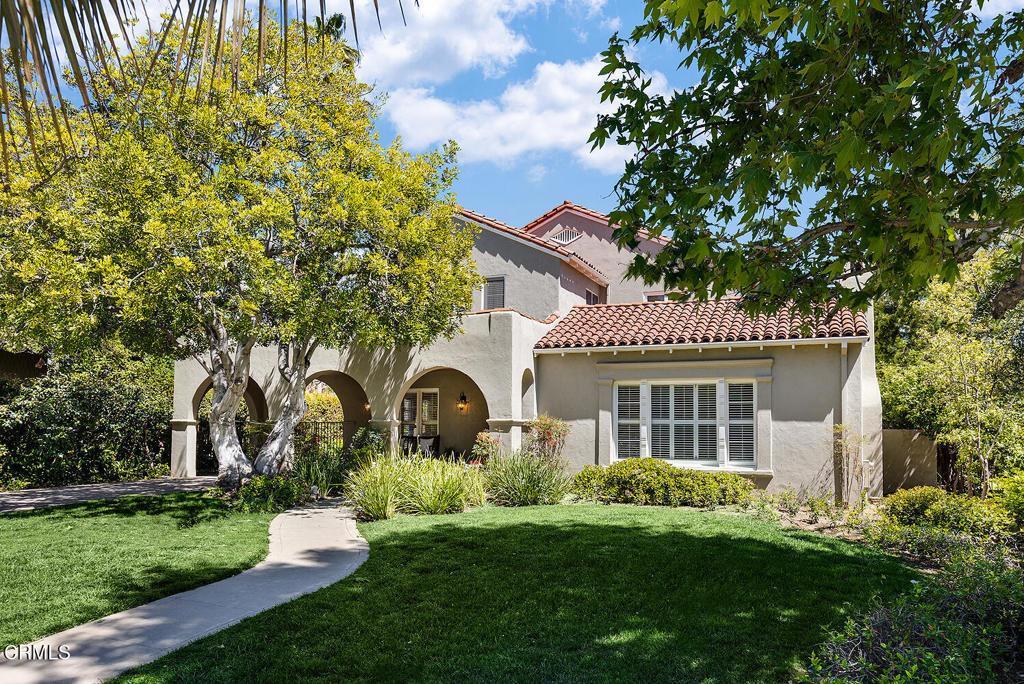
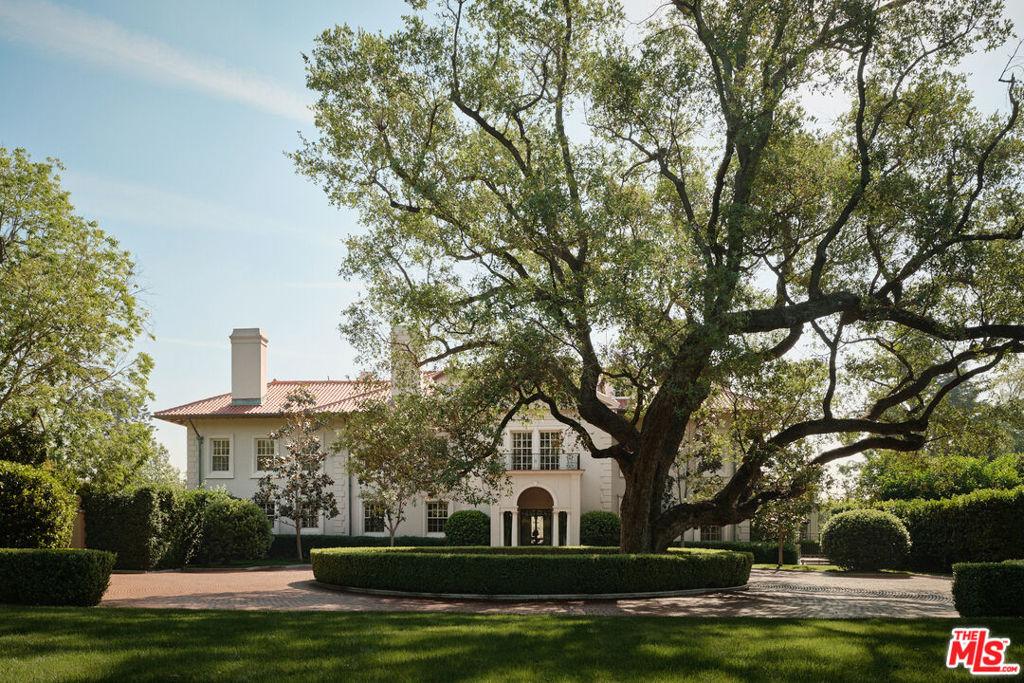
Pasadena is the San Gabriel Valley’s premier luxury residential market and the most significant concentration of Arts and Crafts residential architecture in the United States outside of Berkeley — a city of mature tree canopy, wide boulevard streets, historic estate homes, and a cultural and intellectual life centered on Caltech, the Huntington Library, and the Pasadena Playhouse that has no direct equivalent in the greater LA market. Luxury homes in Pasadena range from approximately $1.5 million for a well-maintained traditional home in the established residential streets to $10 million and above for the most significant restored Arts and Crafts, Spanish Colonial, and Georgian Revival estates in the neighborhood’s premier historic areas.

The Knight Group works Pasadena as part of its Los Angeles luxury practice. Pasadena’s luxury market is more specific and more architecturally informed than most LA luxury markets — buyers who approach Pasadena without familiarity with its Historic Districts, its Mills Act properties (which provide significant property tax benefits for historic structures), and the specific dynamics of the Arts and Crafts collector market will benefit from working with a brokerage that has direct knowledge of these factors. The listings below represent currently available Pasadena luxury inventory.

Luxury Homes for Sale in Pasadena Ca in Luxury Homes

Community

Pasadena Luxury Real Estate: Historic Districts and Property Types

Pasadena’s luxury residential geography is organized around its historic districts, the Arroyo Seco watershed, and the relationship between the city’s major cultural institutions and the residential neighborhoods that have coexisted with them since the early twentieth century. Understanding the city’s geographic organization helps buyers identify the right sub-market from the outset.

The area known as the “Old Town Pasadena” residential streets — the neighborhoods immediately north and west of the Old Town commercial district — contain traditional estate homes from the 1910s-1930s at price points from approximately $1.5 million to $5 million. These streets provide walkability to Old Town’s dining and retail (Colorado Boulevard, the Gold Bug, Sushi Roku, Pie ‘n Burger), combined with the historic residential character that defines Pasadena’s architectural identity at a price tier accessible to a wide range of buyers.

The Arroyo Seco / Upper Hastings Ranch area — the residential neighborhoods adjacent to the Arroyo Seco canyon that runs through the western portion of Pasadena — contains some of the neighborhood’s most architecturally significant properties. The California bungalow and Arts and Crafts homes that line the Arroyo streets (particularly Arroyo Boulevard and the adjacent Oak Knoll area) represent the style at its highest development: large-scale Craftsman bungalows and Prairie-influenced designs built by Greene and Greene, Arthur Heineman, and their contemporaries for the Pasadena social establishment of the early twentieth century. The Gamble House — one of the most significant Arts and Crafts structures in the US, designed by Greene and Greene in 1908 — is in this corridor, and several residential commissions of comparable quality are in the surrounding streets.

The Oak Knoll neighborhood and the streets surrounding the Huntington Library (San Marino border) provide the most estate-scale residential inventory in Pasadena, with large-lot properties of a half-acre to several acres that accommodate the compound-scale structures and gardens that define the upper tier of the Pasadena market. These properties range from approximately $3 million to $10 million and above for the most significant estates.

What are the Mills Act benefits in Pasadena?

Pasadena has one of the most active Mills Act programs in California. The Mills Act is a California state law that allows local governments to enter into contracts with historic property owners to reduce property taxes significantly in exchange for the owner’s commitment to maintain and preserve the historic character of the property. Pasadena’s participation in the Mills Act means that buyers who purchase a Mills Act-designated property can qualify for property tax reductions that, in some cases, reduce the annual property tax bill to a fraction of what it would be under standard Proposition 13 assessment. This is a genuine financial benefit that affects the total cost of ownership for Mills Act properties and should be factored into the investment analysis for any Pasadena historic property purchase. The City of Pasadena’s Historic Preservation Officer can advise on which properties are currently under Mills Act contracts.

Who Buys Luxury Real Estate in Pasadena

Pasadena attracts a buyer profile defined by intellectual engagement with the city’s specific assets — the Caltech and JPL professional community, buyers who specifically value the Arts and Crafts architectural heritage, and the San Gabriel Valley’s “old LA” professional and social establishment. Caltech faculty and JPL researchers are a consistent buyer segment, drawn by the proximity to their professional environment and the city’s specific intellectual character. Buyers from the entertainment and creative industries who want Central LA proximity without the specifically West Hollywood or Hollywood Hills lifestyle context choose Pasadena for its quieter, more established residential character. San Marino buyers priced out of that community’s extreme luxury tier find Pasadena’s adjacent neighborhoods a practical alternative with comparable architectural quality at lower price points.

Area Details

Living in Pasadena: Cultural Infrastructure, the Arroyo, and Old Town

Pasadena’s lifestyle assets include a concentration of cultural institutions that is exceptional for a city of its size. The Huntington Library, Art Museum, and Botanical Gardens — one of the great private cultural institutions in the world, with its collection of rare books, British portraiture, and 120 acres of botanical gardens — is within the city’s southeastern edge, accessible to Pasadena residents as a regular destination rather than an occasional excursion. The Norton Simon Museum on Colorado Boulevard houses one of the finest collections of European Old Masters and Impressionist paintings in the western US. The Pasadena Playhouse, one of California’s oldest and most respected professional theaters, provides performing arts access within the city. For buyers who weight proximity to cultural institutions as a lifestyle priority, Pasadena’s concentration of world-class institutions within a small radius is matched by few cities of its size anywhere in the country.

The Arroyo Seco — the canyon that runs through western Pasadena and connects to the Rose Bowl — provides a natural landscape corridor accessible from residential streets. The Rose Bowl and its surrounding Brookside Park provide recreation space, a legendary flea market (the monthly Rose Bowl Flea Market is one of the largest and most recognized in the country), and event access within a short drive or walk of western Pasadena residential addresses. The Arroyo Seco trail system provides hiking and cycling access through the canyon north toward Altadena and south toward the Figueroa interchange.

Old Town Pasadena — the historic commercial district on Colorado Boulevard between Fair Oaks and Lake — has been developed over the past three decades into one of the most active dining and retail districts in the San Gabriel Valley. The concentration of restaurants (Sushi Roku, the Wrigley Mansion and Grill, Maestro, and dozens of established venues), the Gold Bug arts district, and the weekly farmers market create a walkable commercial environment that is accessible from many Pasadena residential addresses within a short drive or bike ride.

What’s the commute like from Pasadena?

Pasadena is connected to Downtown Los Angeles via the Metro Gold Line, providing a rail commute option that most LA luxury neighborhoods cannot offer. The Gold Line commute from Del Mar Station or Pasadena’s other Metro stops to Union Station runs approximately 30-35 minutes, making Pasadena one of the few LA luxury residential areas where a car-free DTLA commute is realistic. Freeway access via the 210, the 134 (Ventura Freeway connecting to the 101 and 405), and the 110 Arroyo Seco Parkway provides connections to the broader LA freeway network. The westbound commute from Pasadena to Century City or Westwood — via the 134 to the 101 or the 210 to the 405 — typically runs 40-60 minutes under normal conditions, which is on the longer end of the LA luxury market range for Westside commuters.

Market Trends

Pasadena Real Estate Market: Price Dynamics and the Historic Premium

Pasadena’s luxury market operates with a structural value driver that is specific to the city: the Arts and Crafts architectural premium. Properties with verifiable architectural attribution to Greene and Greene, Arthur Heineman, Myron Hunt, or other architects of the California Arts and Crafts movement command premiums above comparable-size homes without attribution, and this premium has been sustained across market cycles as the collector market for significant Craftsman architecture has grown. The rarity of intact, attribution-documented Arts and Crafts estates — there is a finite supply, and these properties are rarely restored or replicated — supports long-term appreciation for the most significant examples.

Entry-tier luxury in Pasadena runs from approximately $1.5 million for a traditional or Craftsman bungalow that needs renovation to approximately $3 million for a renovated traditional estate in the established residential streets. This tier attracts buyers who specifically want the Pasadena lifestyle and architectural character at accessible price points.

The mid-tier — $3 million to $6 million — encompasses the core of Pasadena’s estate market: renovated Arts and Crafts bungalows and larger Craftsman estates, Spanish Colonial Revival homes, and the Georgian Revival and Colonial Revival properties that define the Oak Knoll and Arroyo-adjacent neighborhoods. Properties with Mills Act designation in this range represent particularly compelling total cost of ownership, as the property tax reduction can be substantial.

The upper tier — above $6 million — is occupied by the most historically significant estate properties: large-lot Arroyo-adjacent estates with documented architectural attribution, full restoration to original standards, and the landscape character that defines the finest Pasadena properties. These properties are the closest Pasadena equivalents to Westside estate pricing, though they still typically trade at 30-40% below comparable-quality properties in Beverly Hills or Bel Air.

FAQs

Frequently Asked Questions: Buying Luxury Homes in Pasadena

What is the price range for luxury homes in Pasadena?

Pasadena luxury homes range from approximately $1.5 million for a traditional or Craftsman bungalow in the established residential streets to $10 million and above for the most significant Arts and Crafts and Colonial Revival estates in the Arroyo Seco and Oak Knoll areas. The most active tier runs from approximately $2 million to $6 million, where a range of period homes from Craftsman bungalows to Spanish Colonial estates represent the core of the Pasadena luxury transaction market.

What is the Mills Act and how does it affect Pasadena property taxes?

The Mills Act is a California state law that allows cities to offer property tax reductions to owners of historic properties who commit to maintaining and preserving the property’s historic character through a formal contract with the local government. In Pasadena, the program is actively administered, and qualifying historic properties can see property tax bills reduced to a fraction of what they would be under standard Proposition 13 assessment. A property assessed at $4 million that would normally carry an annual property tax of approximately $44,000 under Proposition 13 might carry a Mills Act tax bill of $10,000-$20,000 per year, depending on the specific contract terms. Buyers should confirm the current Mills Act contract status and terms for any specific Pasadena historic property before purchase, as contracts are property-specific and the financial benefit varies.

What is the Arts and Crafts movement and why does it matter in Pasadena?

The Arts and Crafts movement was an international design philosophy from the late 19th and early 20th centuries that emphasized handcraftsmanship, natural materials, and the integration of the building with its landscape — a reaction against industrialized mass production. In residential architecture, the movement produced the California bungalow and the larger Craftsman home: structures characterized by wide eaves, natural wood and stone materials, built-in furniture and cabinetry, and an organic relationship between indoor and outdoor space. Pasadena was one of the movement’s American centers, and the firm of Greene and Greene — whose masterwork, the Gamble House (1908), is in Pasadena — produced some of the most significant residential expressions of Arts and Crafts principles anywhere. The Pasadena market for significant Arts and Crafts properties is a collector market, and prices for well-attributed examples have consistently exceeded what square footage and lot size alone would predict.

How does Pasadena compare to San Marino for luxury buyers?

San Marino — the small incorporated city adjacent to Pasadena’s southeastern boundary — is one of the most exclusive residential communities in the San Gabriel Valley, with median home prices above $2 million, a nationally recognized public school district (Huntington Drive Elementary, San Marino High School), and a very limited and controlled housing inventory. Pasadena offers comparable architectural quality in its historic districts at prices that are generally 20-30% below San Marino for comparable property quality, and a more active commercial and cultural life (Old Town, the Playhouse, the arts district) that San Marino’s purely residential character does not provide. Buyers who specifically want San Marino’s school district must purchase within San Marino boundaries; buyers who prioritize Pasadena’s broader cultural and commercial life at a lower entry price will find Pasadena’s historic neighborhoods the practical comparison.

Is there Metro rail access from Pasadena to Downtown LA?

Yes — Pasadena is served by the Metro A Line (formerly the Gold Line), with stations at Del Mar, Memorial Park, Lake, Allen, and Sierra Madre Villa within or adjacent to the city. The A Line commute to Union Station in Downtown LA runs approximately 30-35 minutes, making Pasadena one of the few LA luxury residential markets with a practical rail commute option to downtown. For buyers who work in Downtown LA or Chinatown and want a car-free commute, Pasadena’s Metro access is a material differentiator from other San Gabriel Valley communities.

Explore More

Hey, You ALMOST MISSED IT!

Lucky for you we’re looking out.

Subscribe to this Custom Search to be alerted when new properties hit the market in the area.

Choose the frequency that works for you.

get alerts

[showcaseidx_contact]