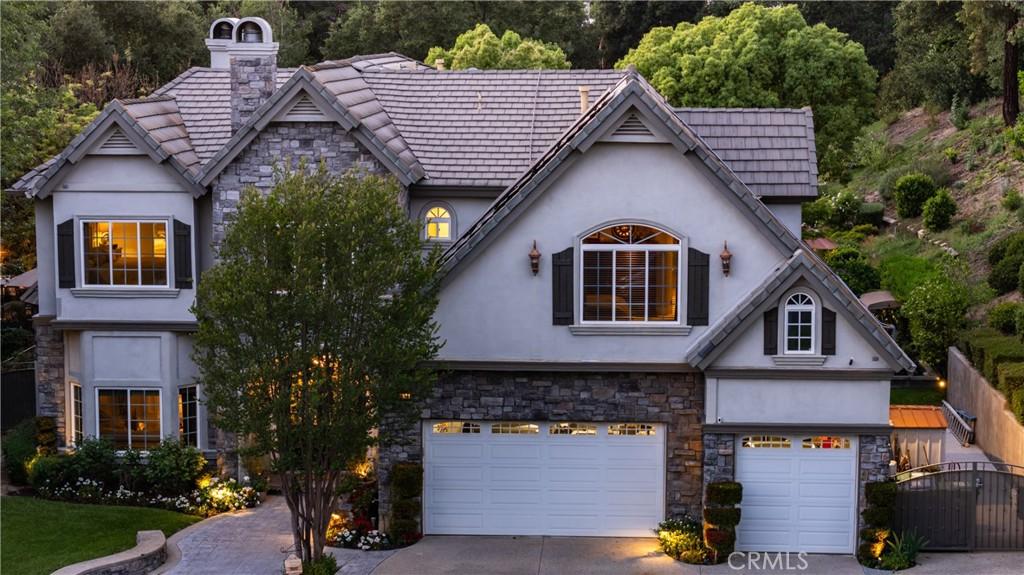
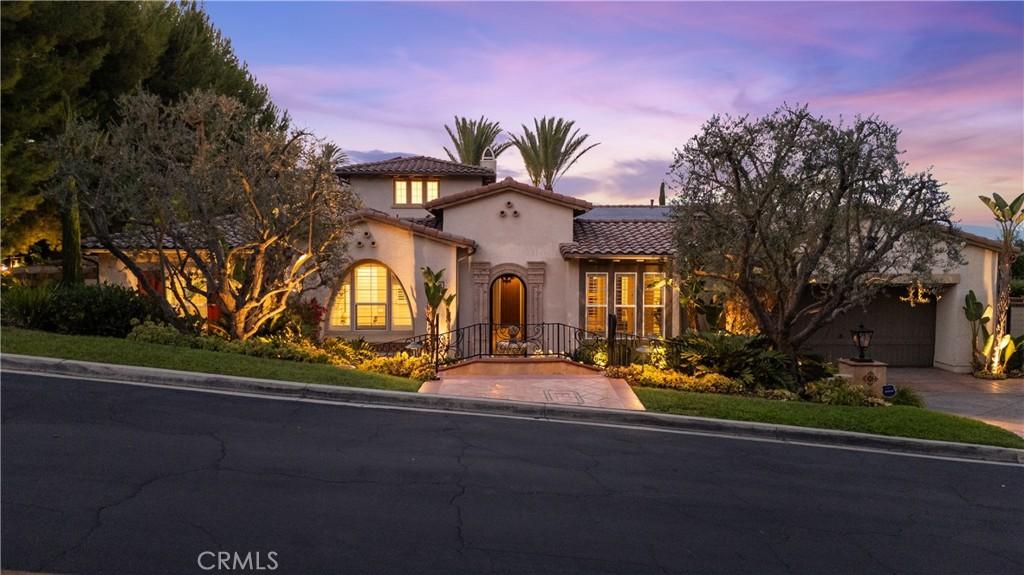
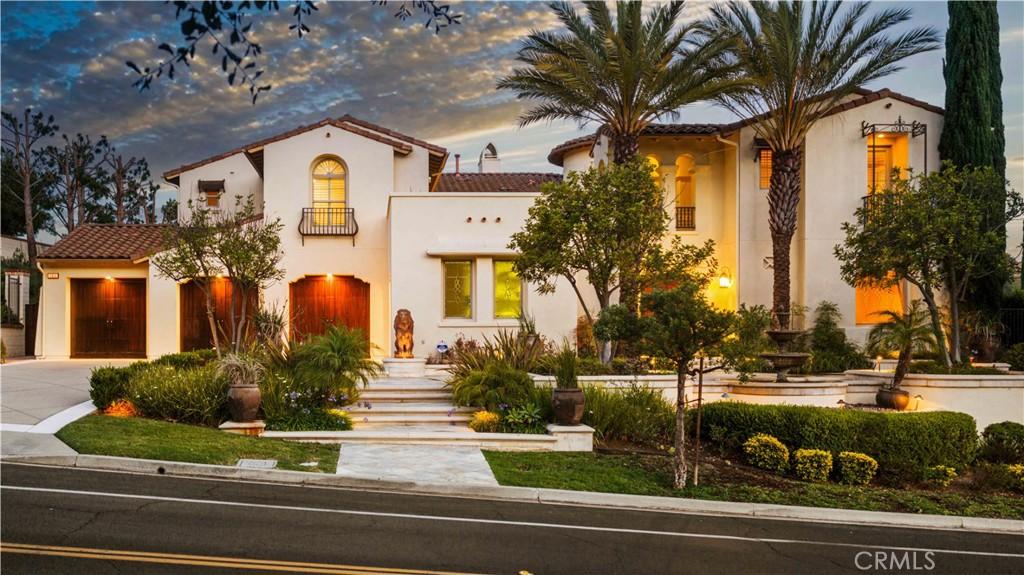
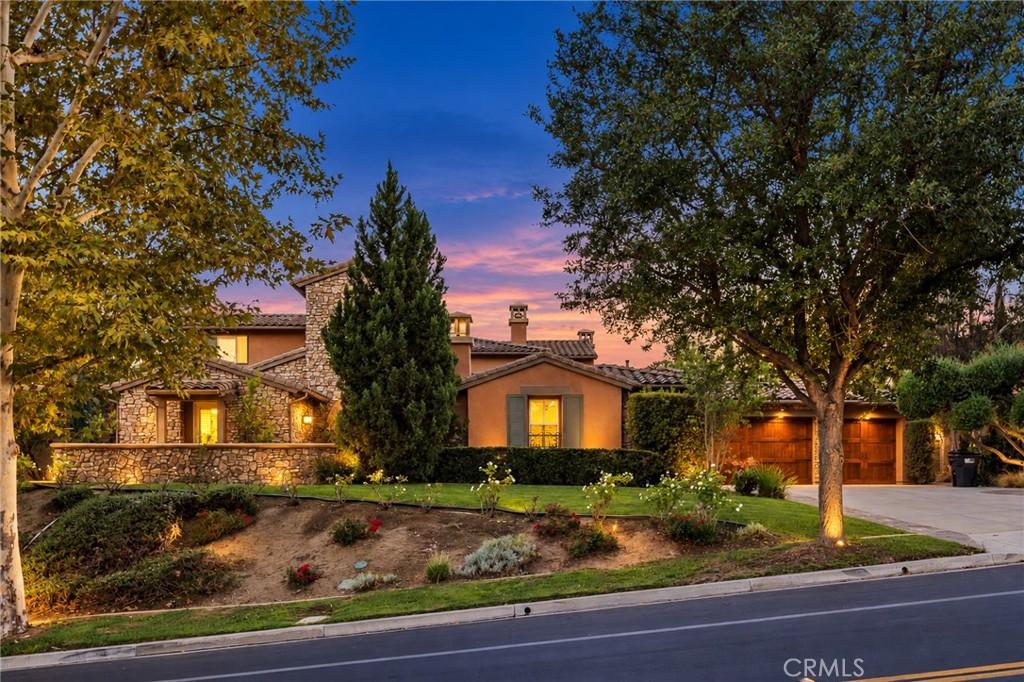
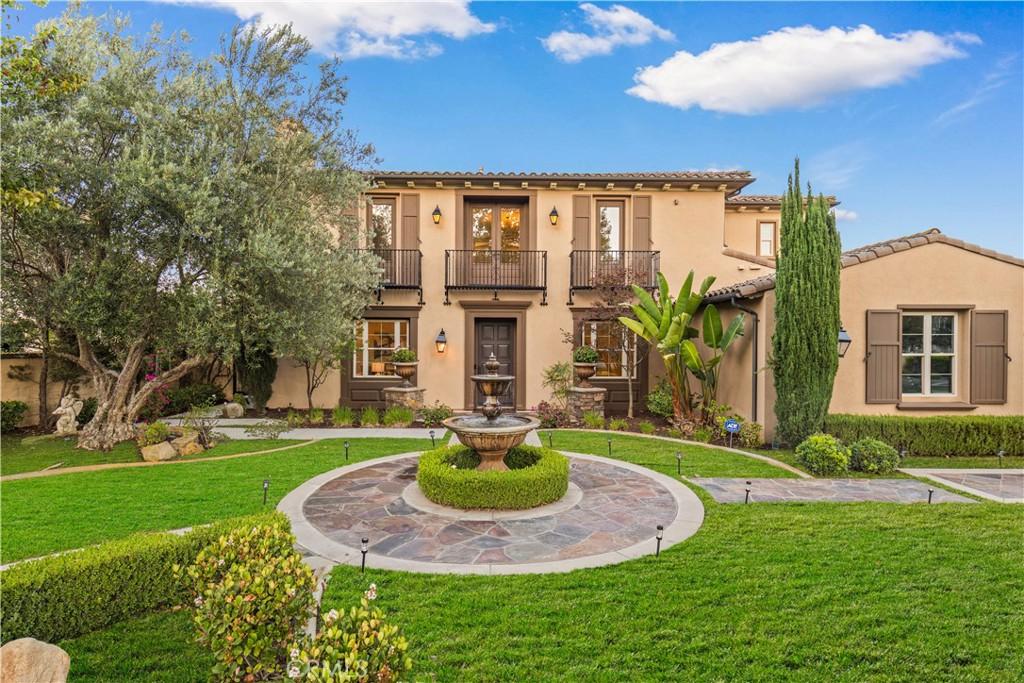
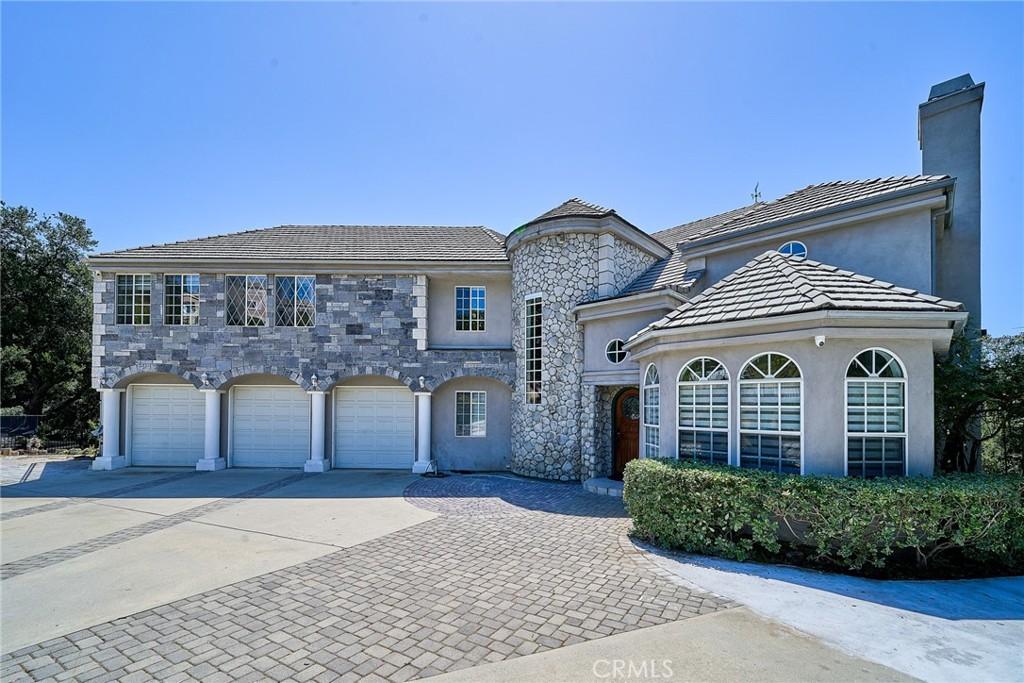
Chino Hills CA Homes for Sale
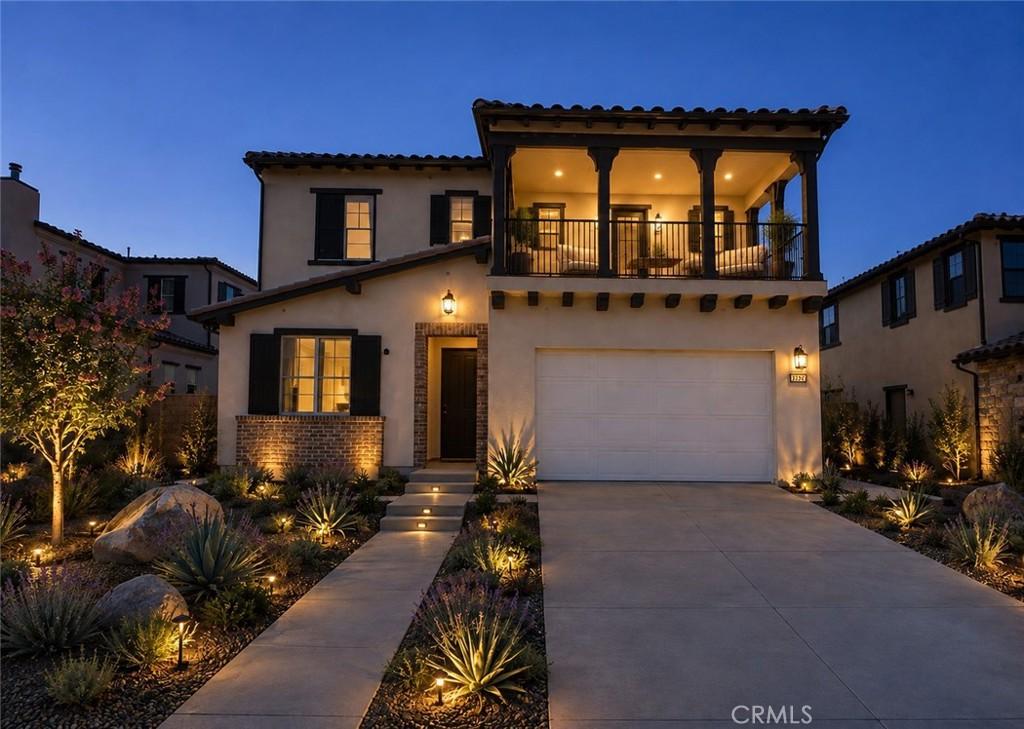
Chino Hills CA Homes for Sale currently number 181 active listings with a median asking price of $1,099,888 (CRMLS, September 2026).
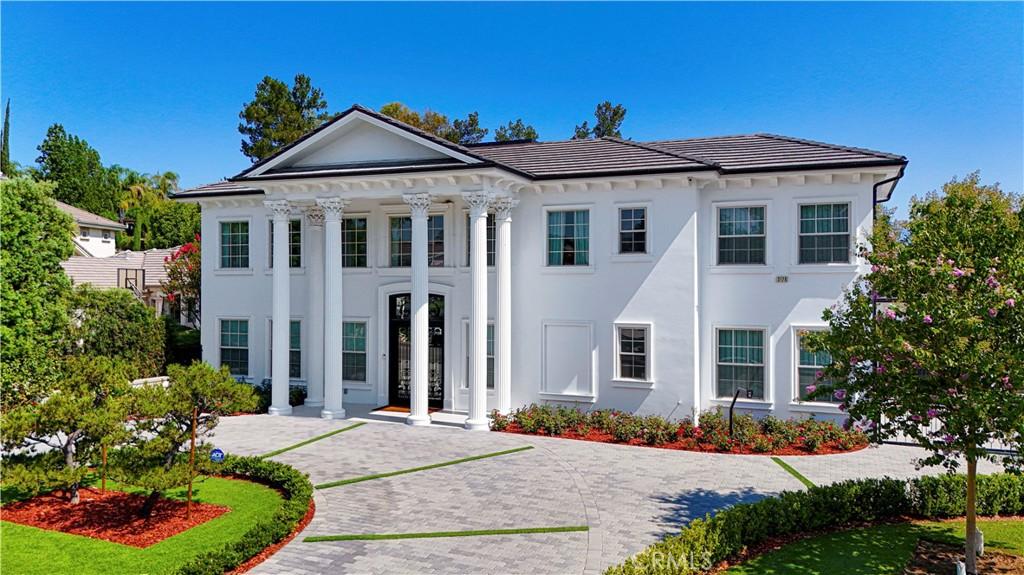
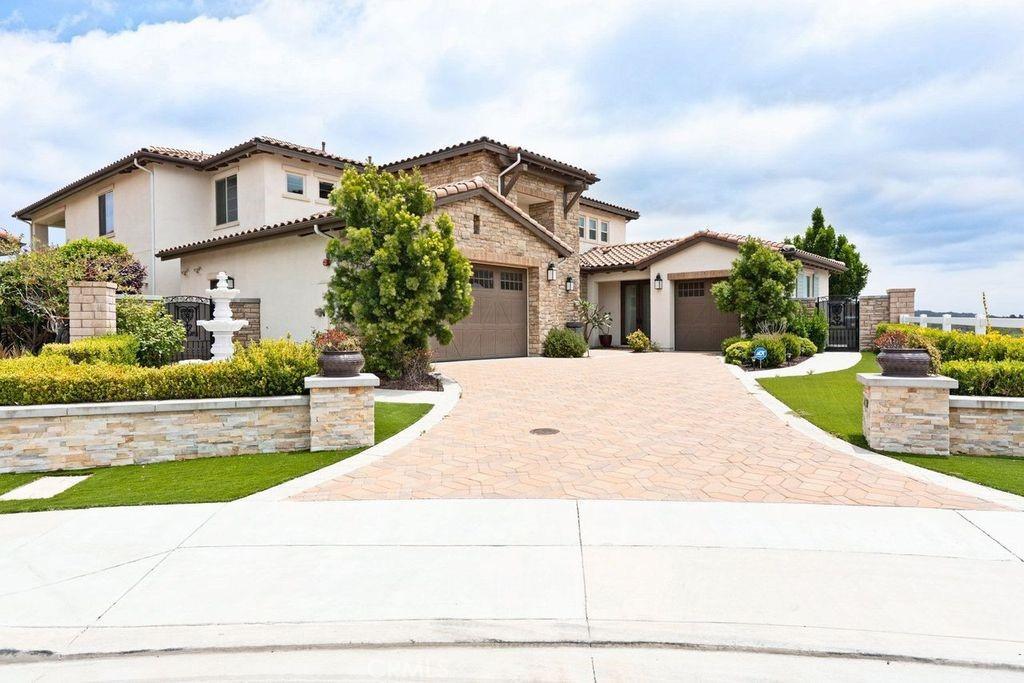
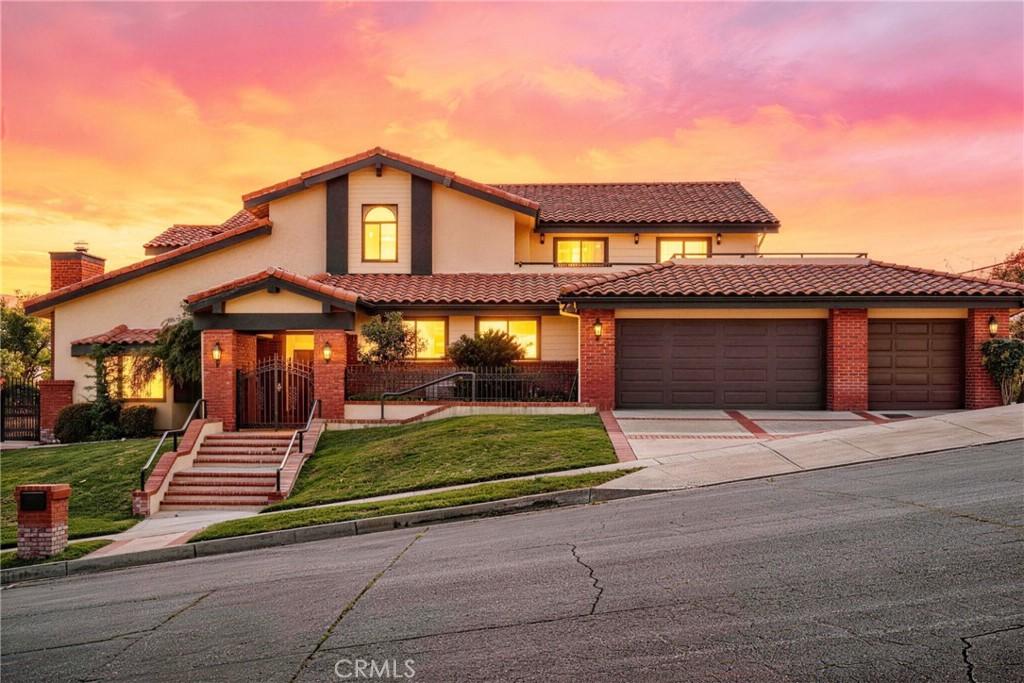
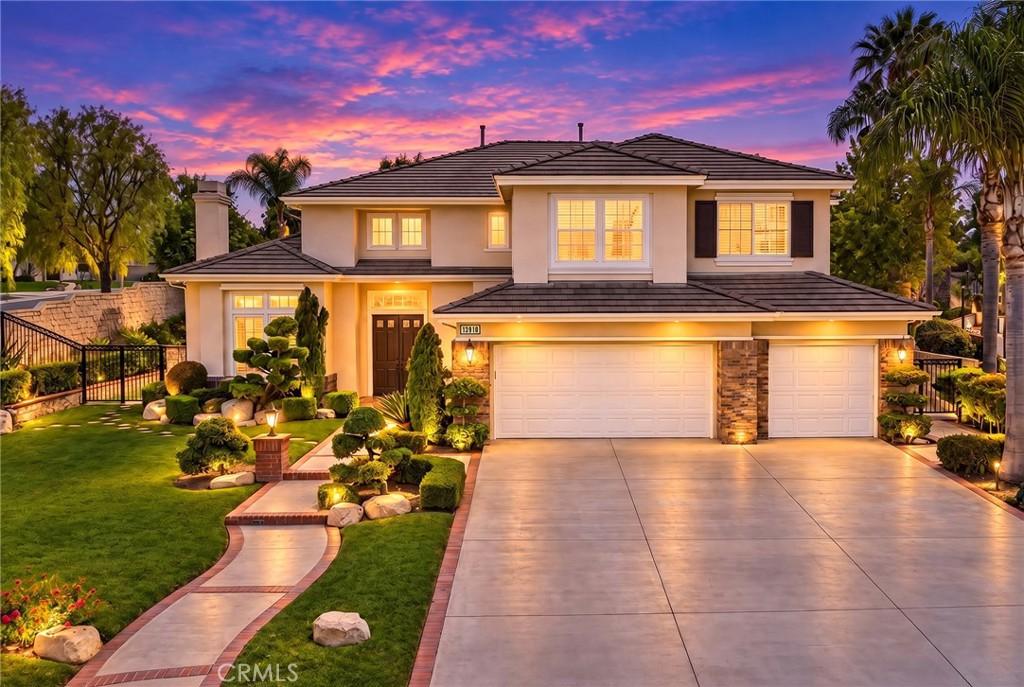
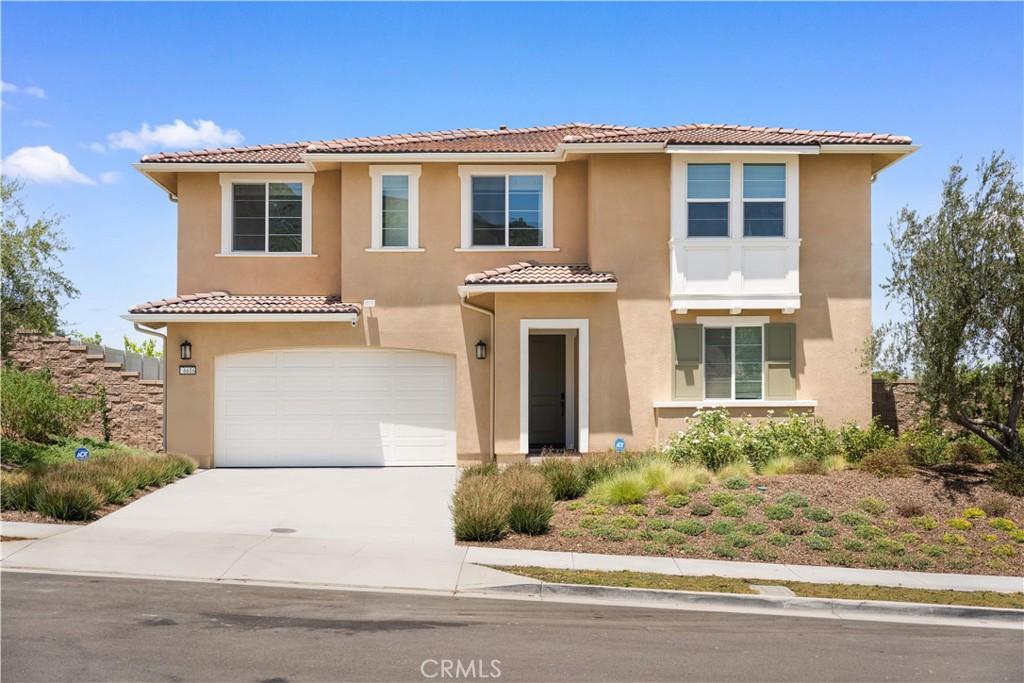
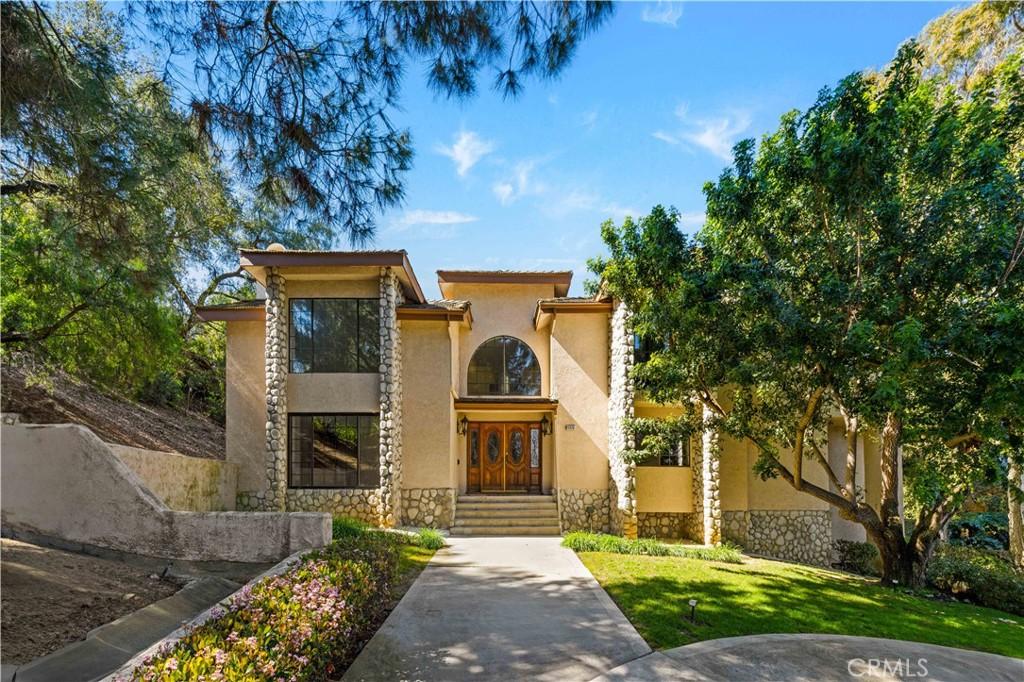
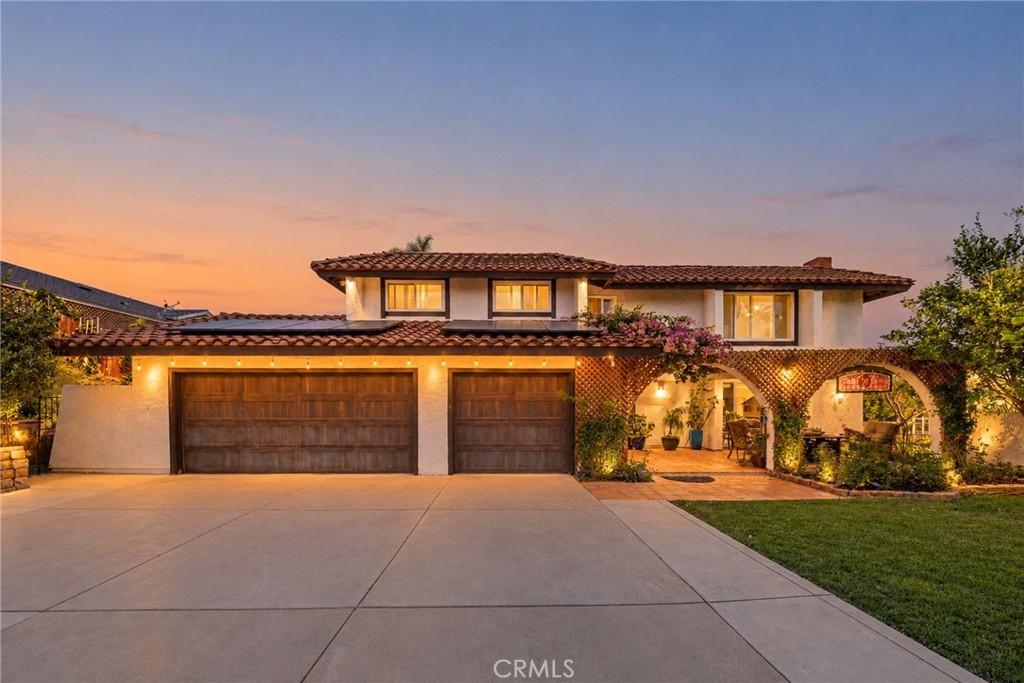
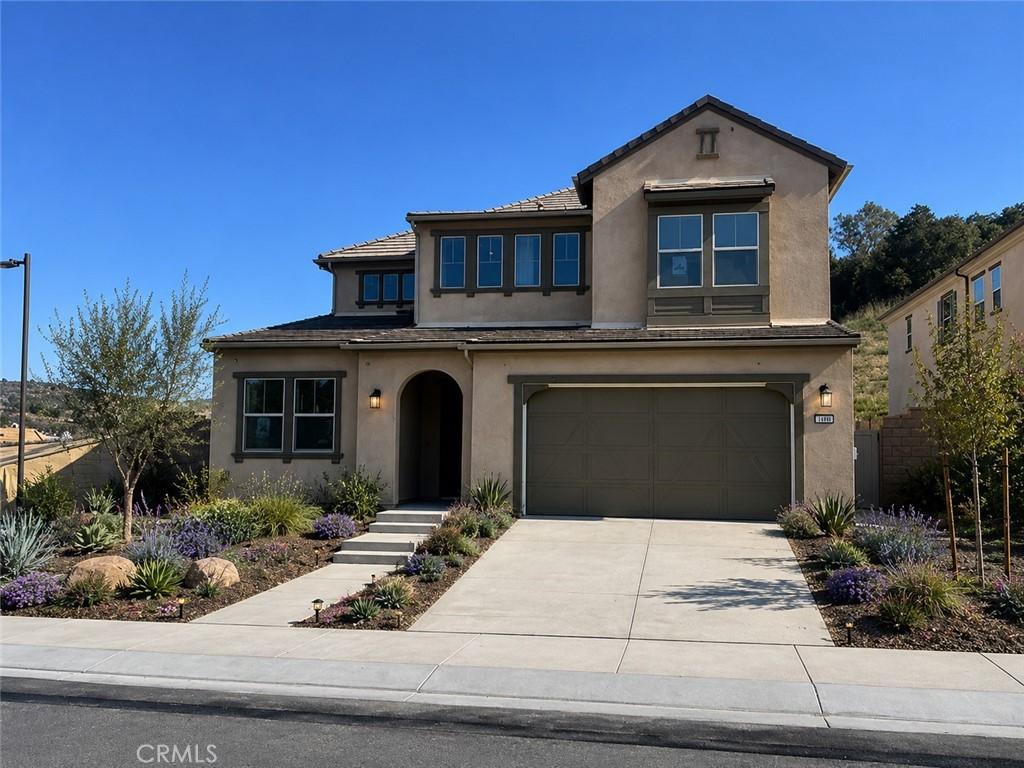
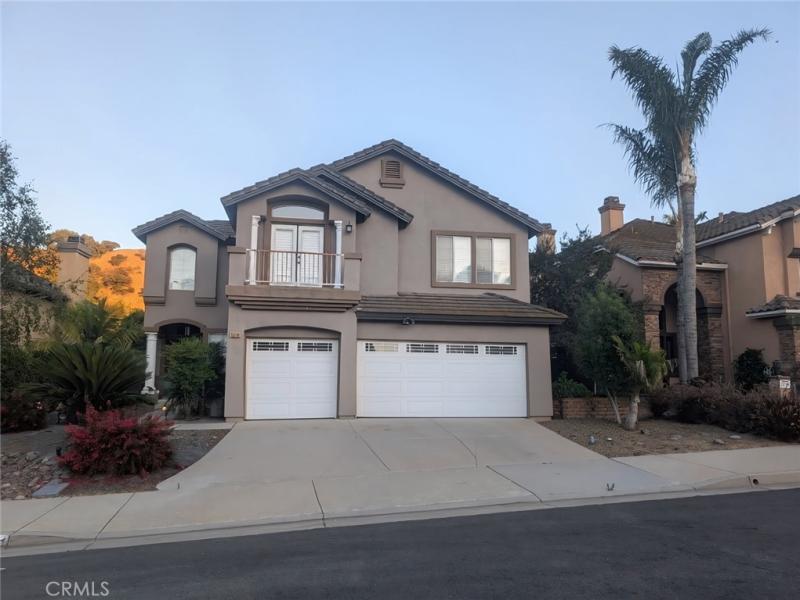
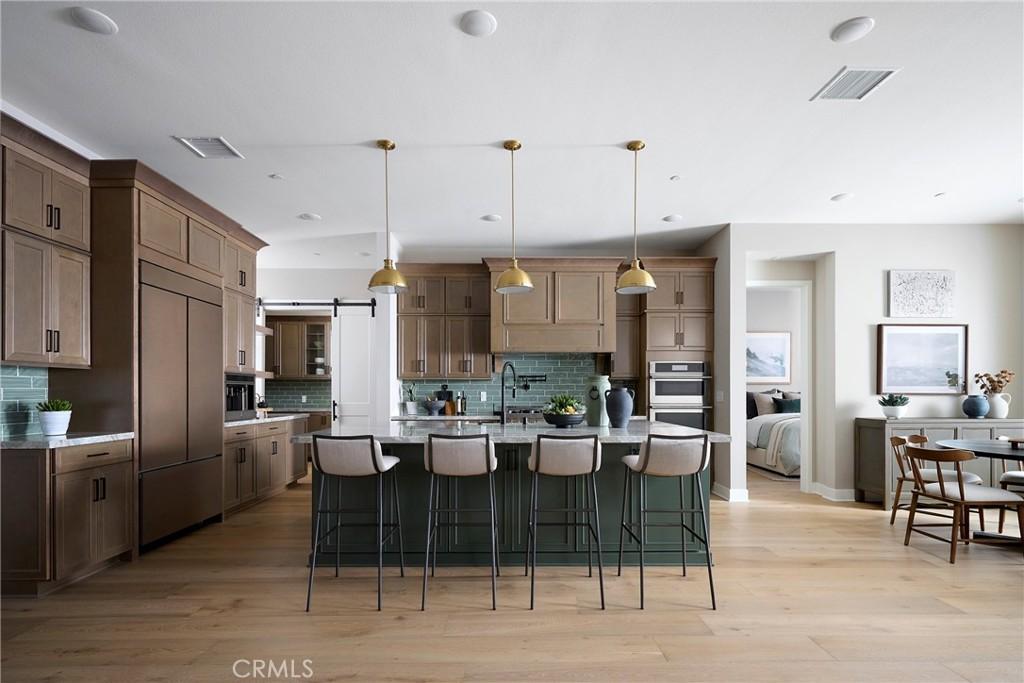
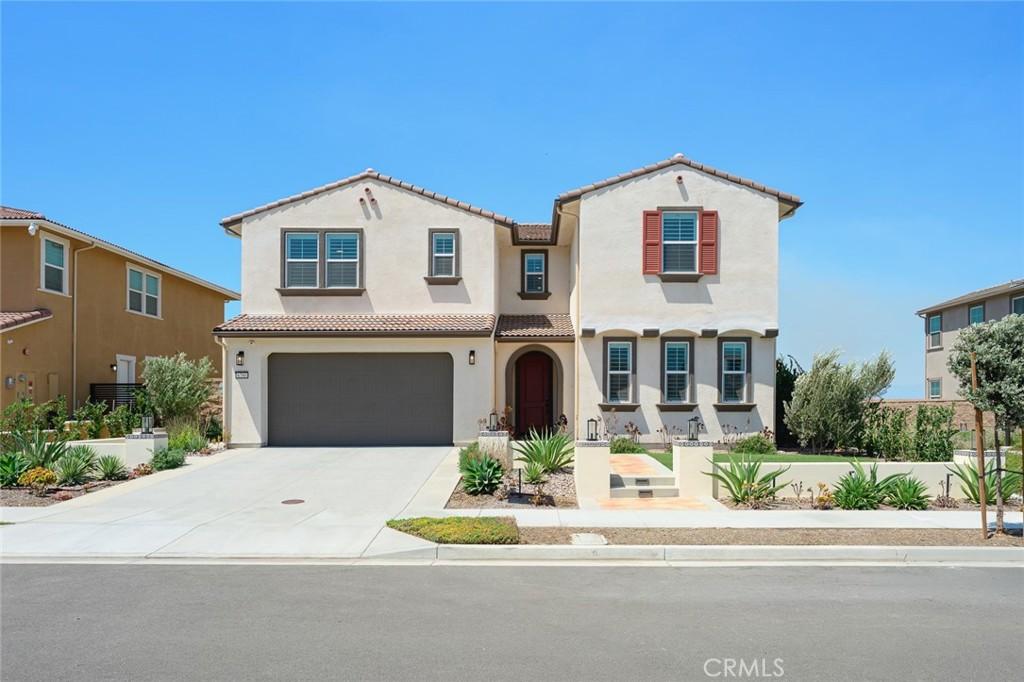
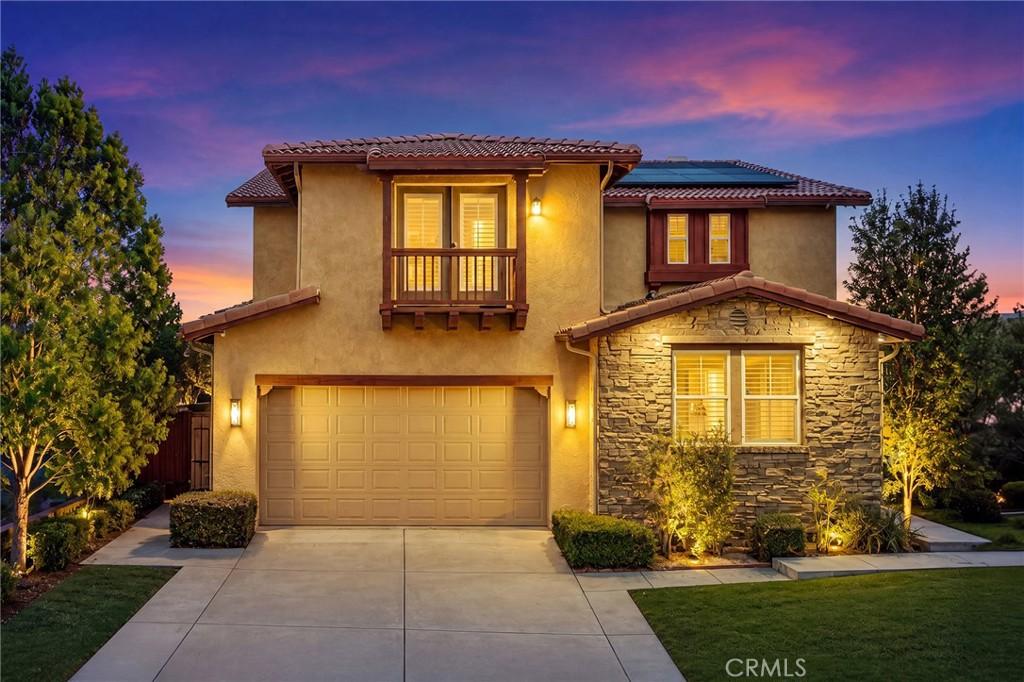
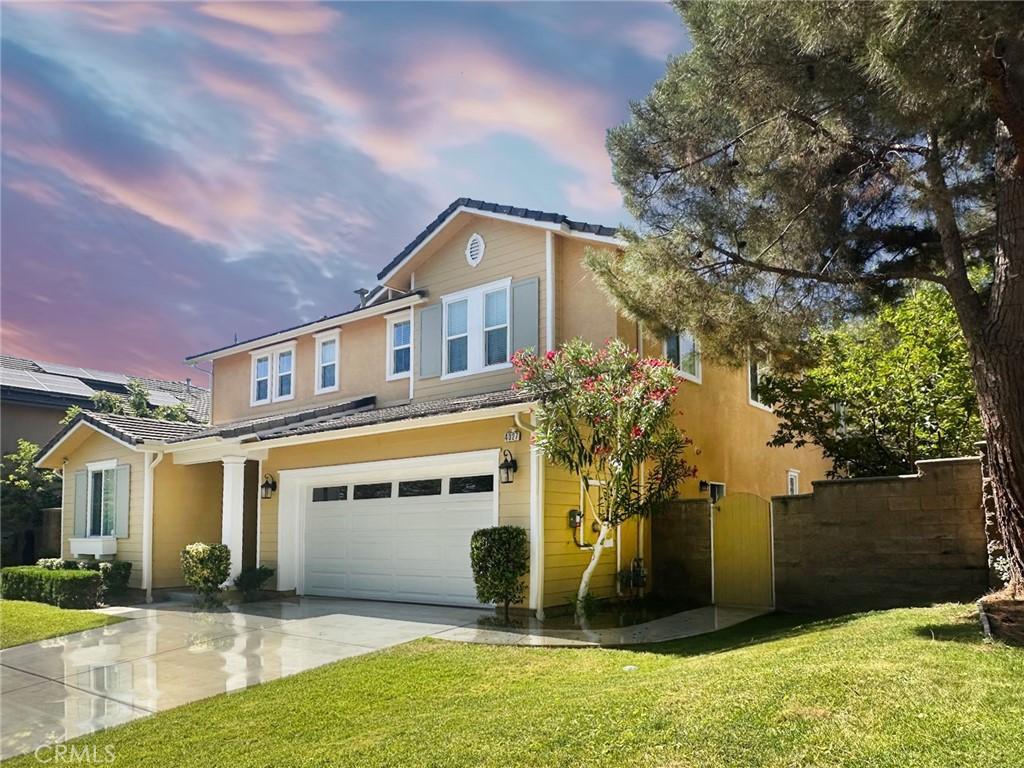
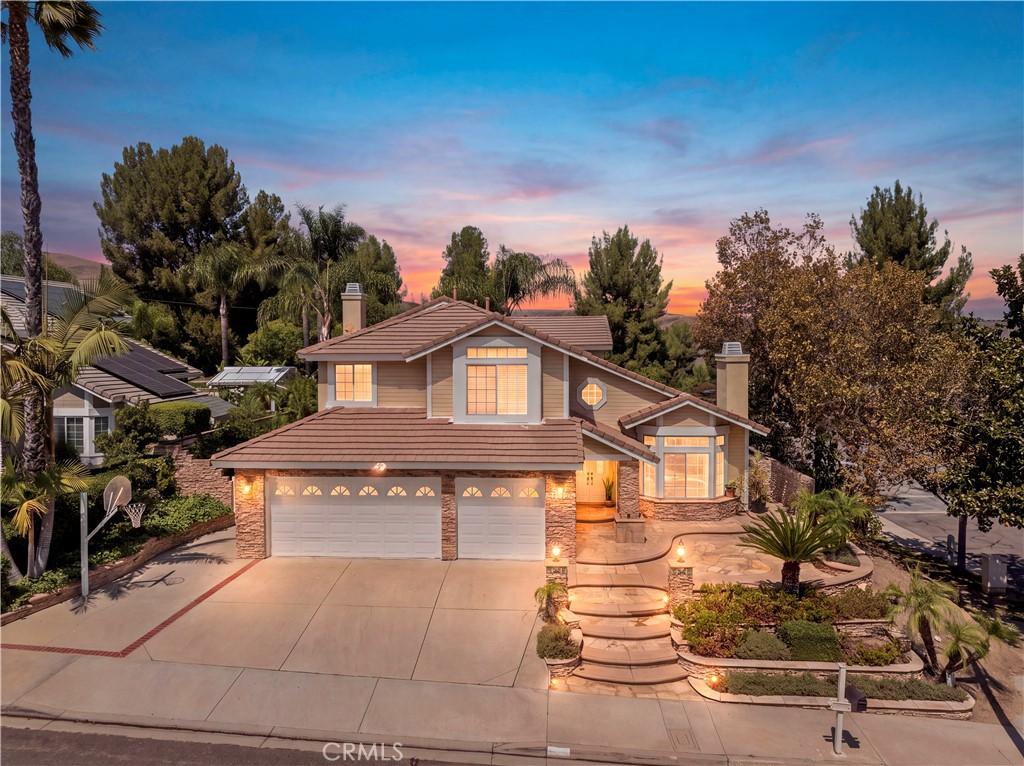
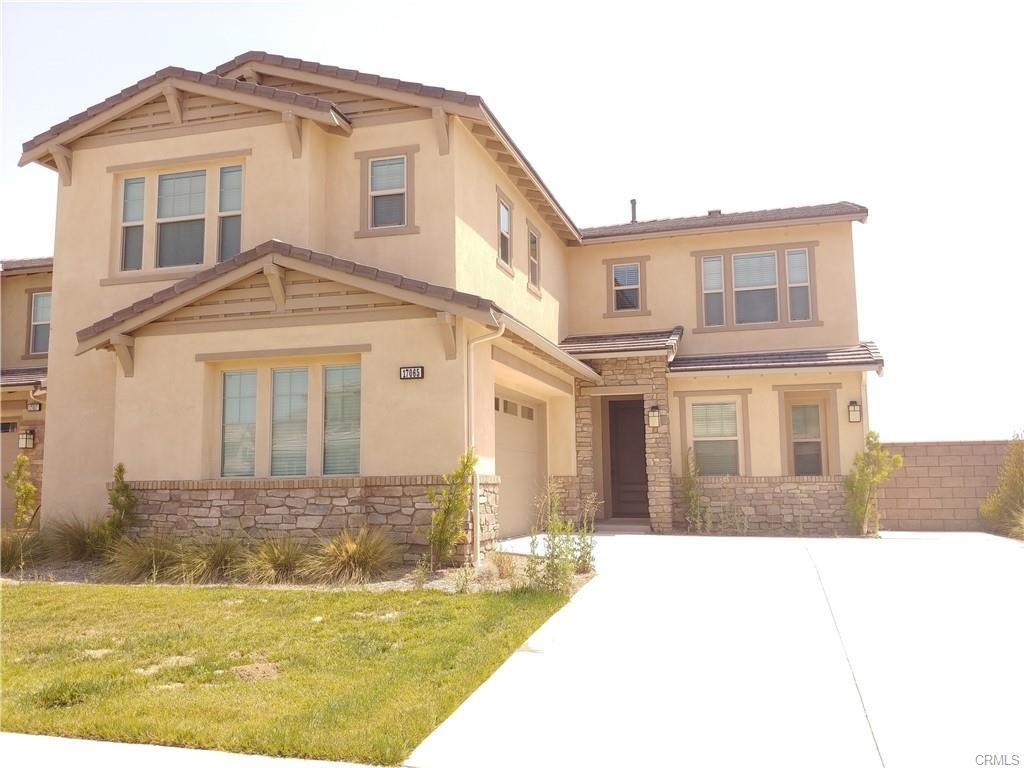
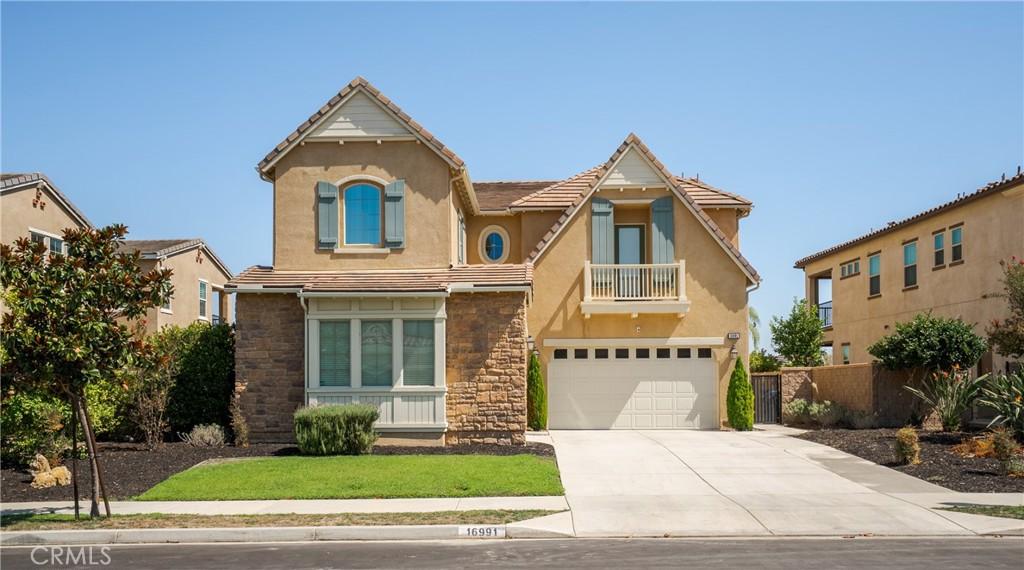
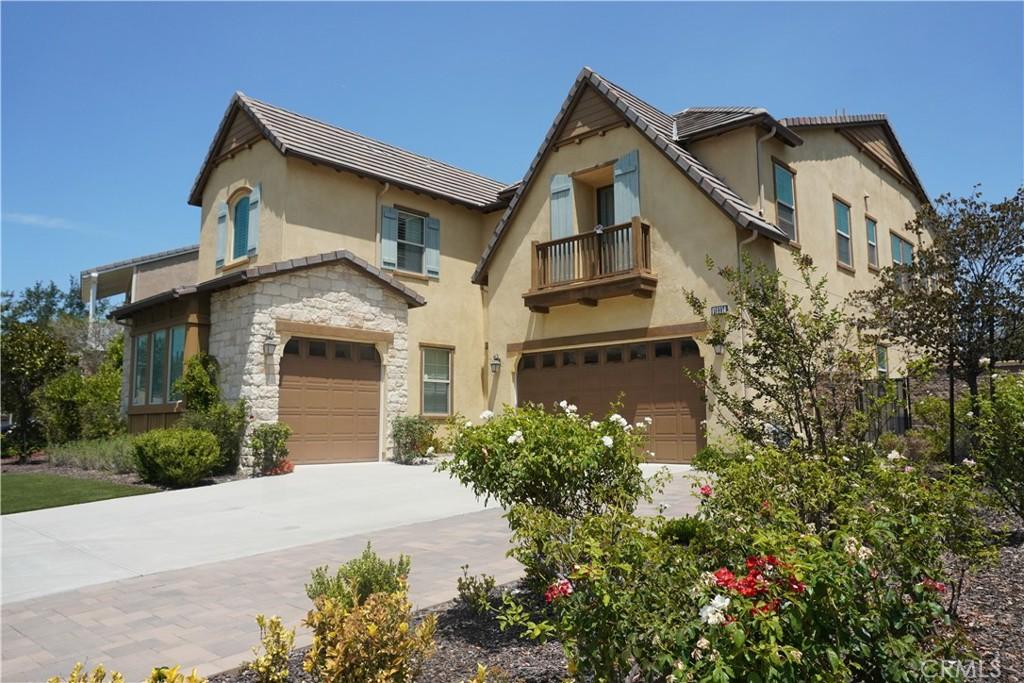
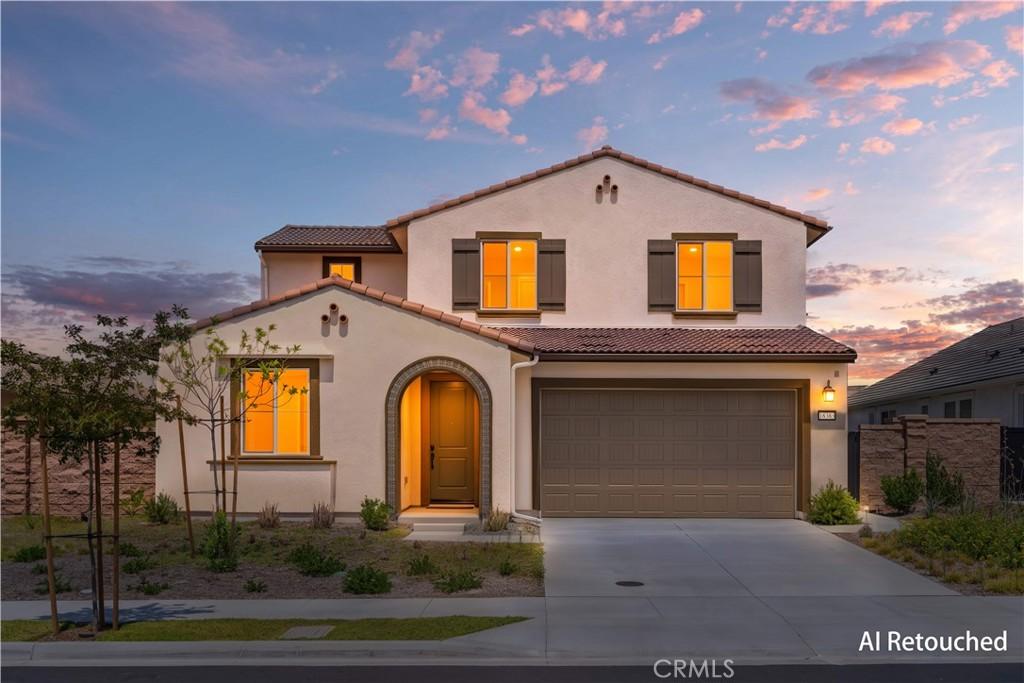
Most Chino Hills CA homes for sale are single-family detached houses — roughly 75 percent of the city’s housing units, according to NeighborhoodScout — built largely from the 1980s onward on what used to be ranch and dairy land. The city sits at the far southwestern corner of San Bernardino County, bordering Los Angeles County to the west and Orange and Riverside Counties to the south, which puts Diamond Bar, Brea, and Pomona within a quick commute. NeighborhoodScout puts the median house value above 1.1 million dollars, so this is a different tier of an expensive region rather than a discount to the coast.
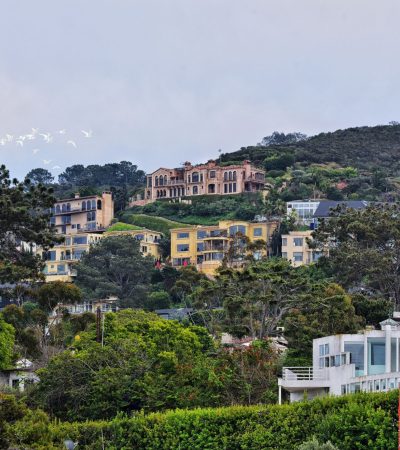
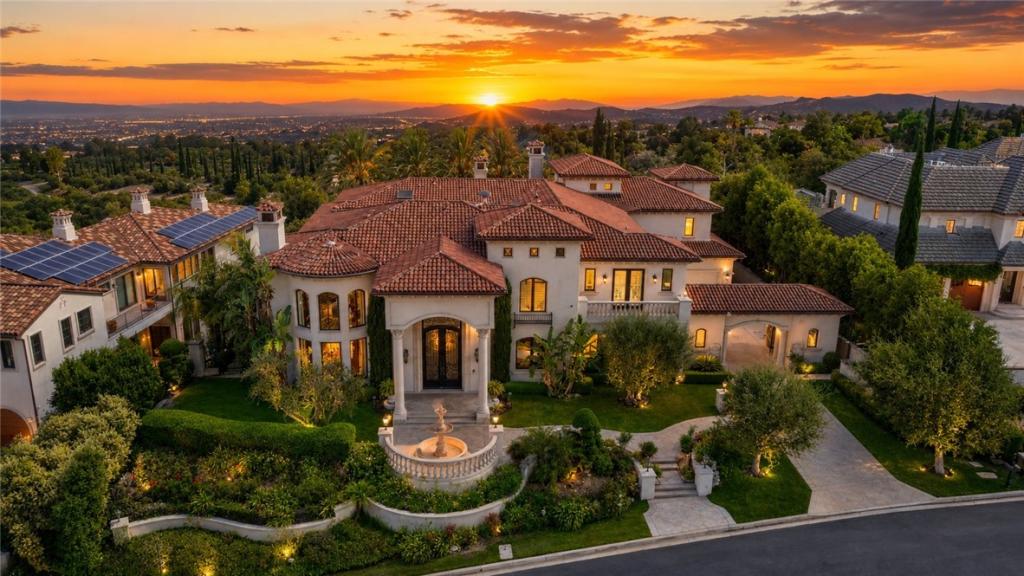
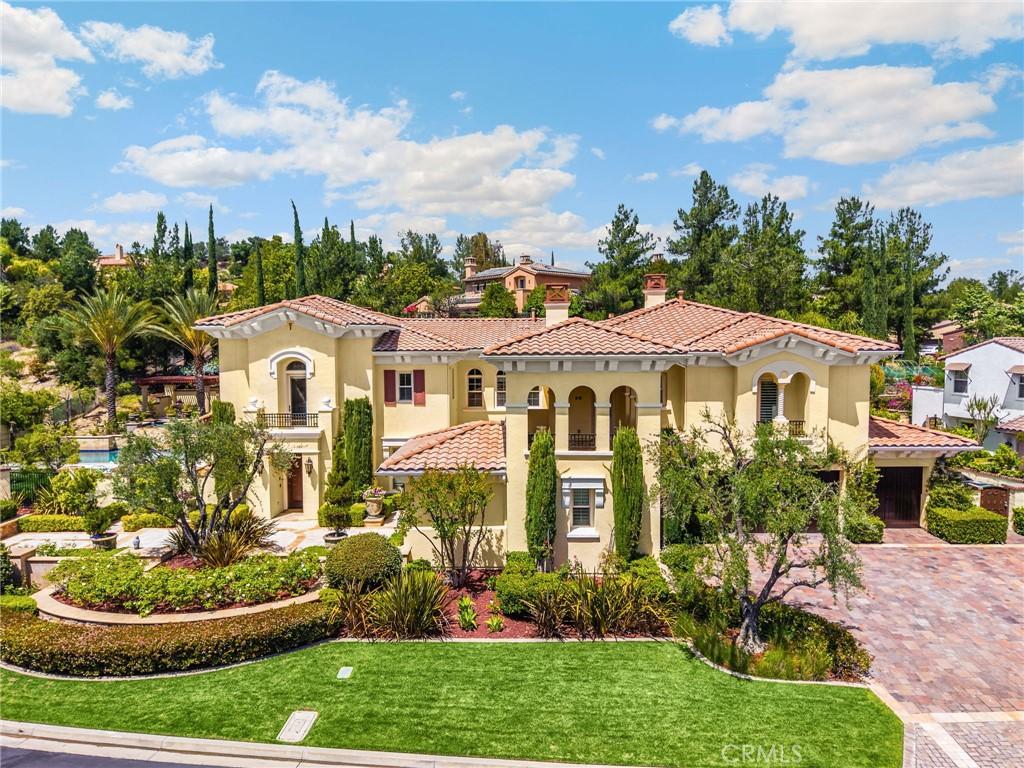
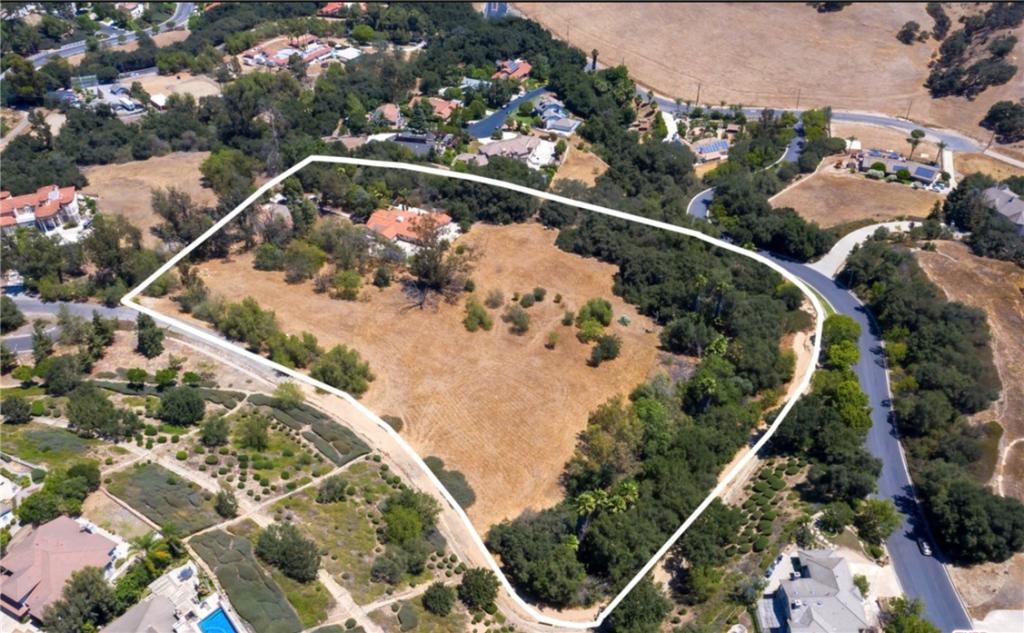
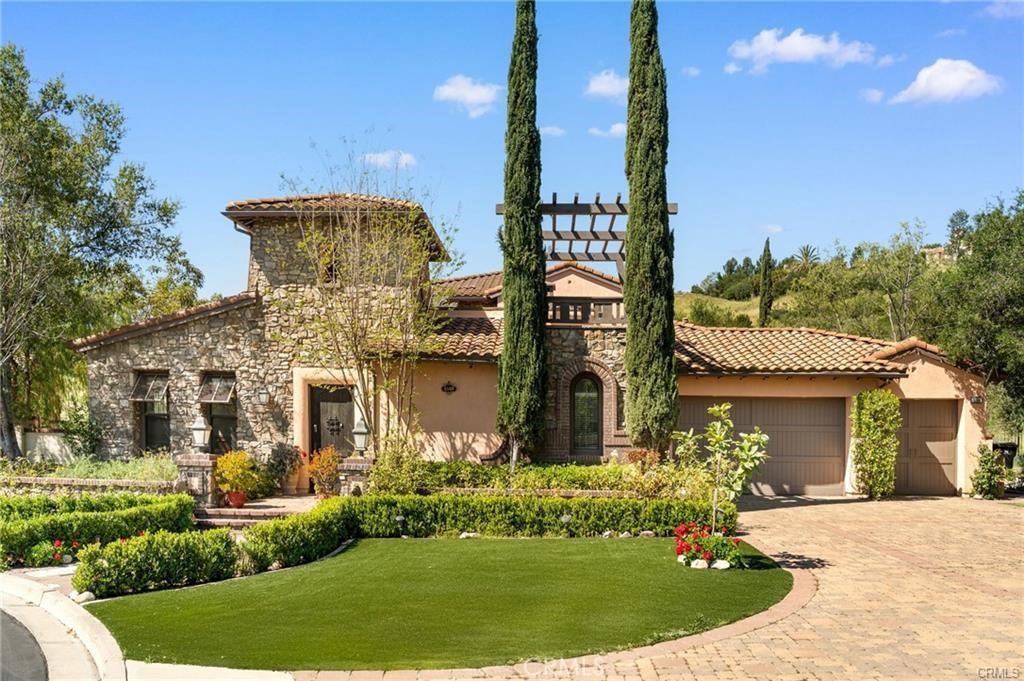
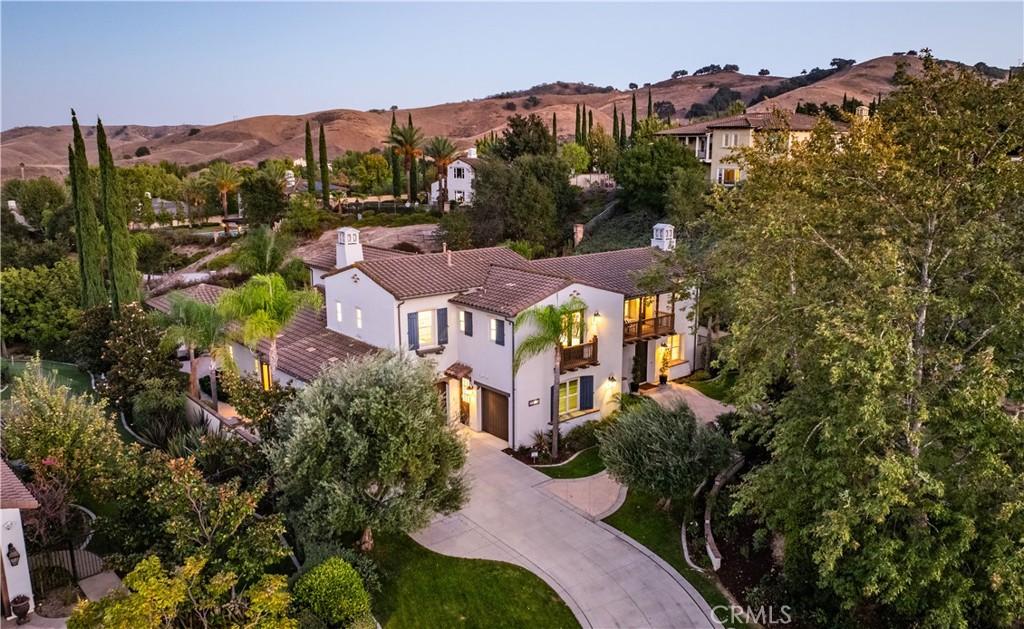
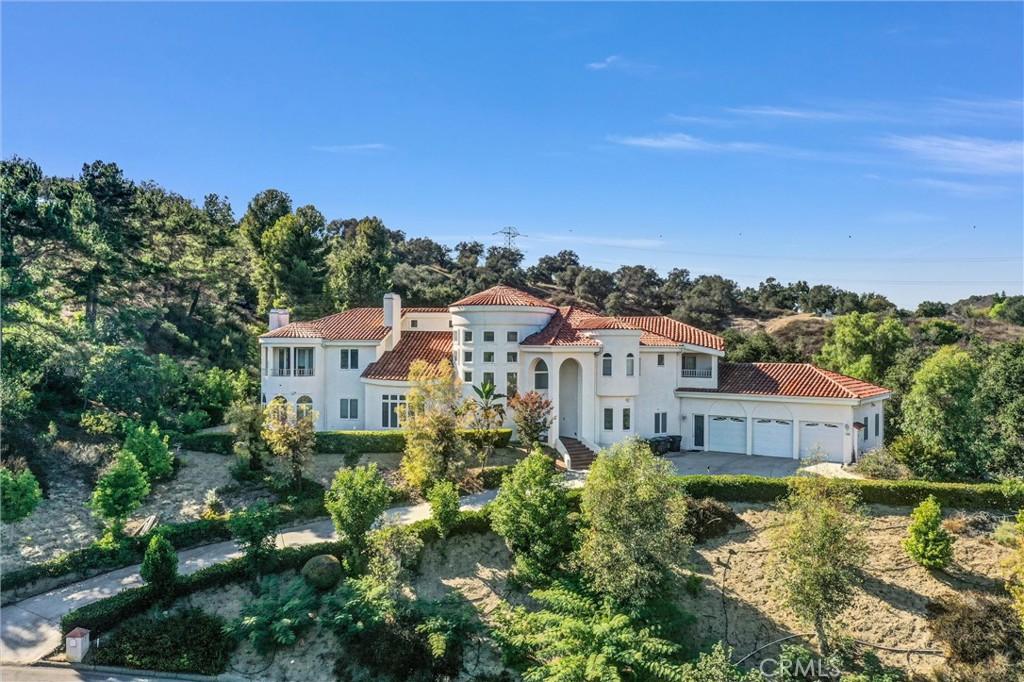
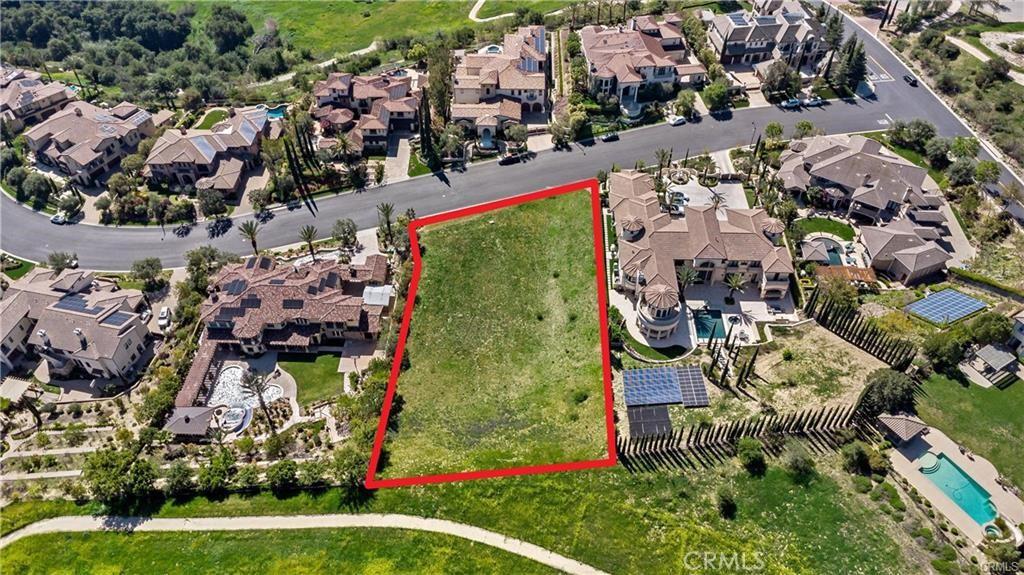
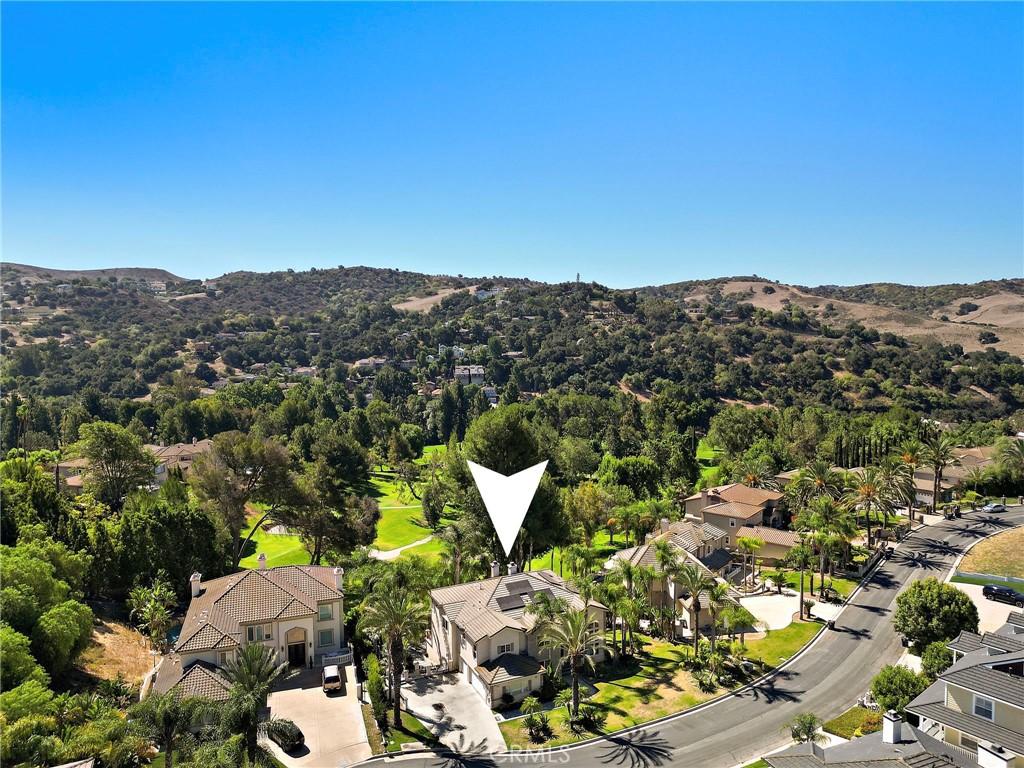
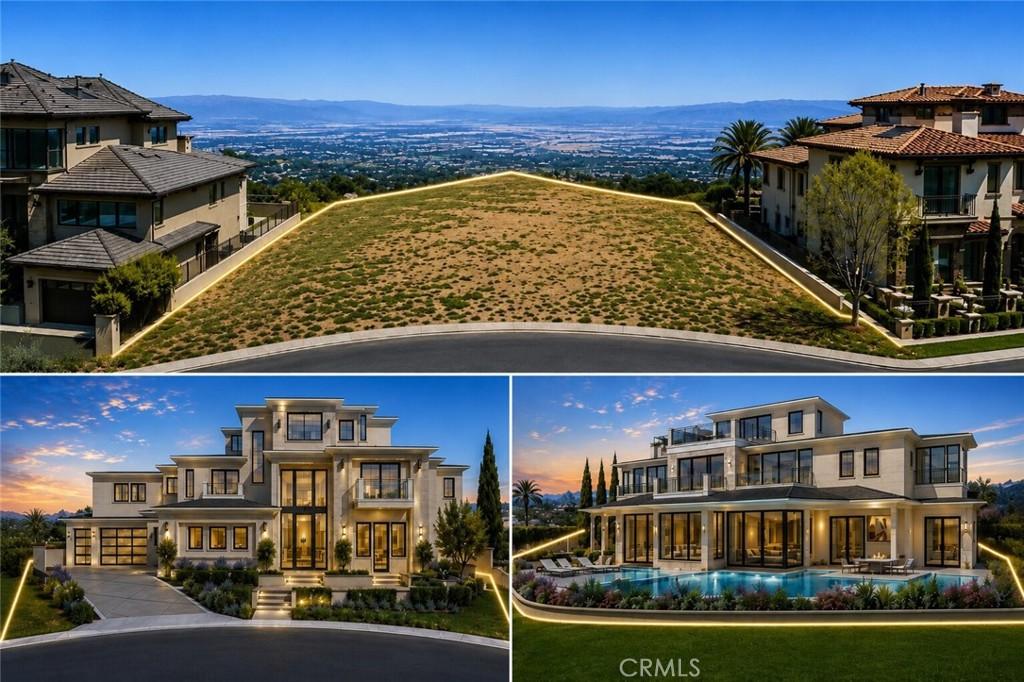
What you’ll find is tract subdivisions and cul-de-sac neighborhoods, plus gated and golf-oriented enclaves like Payne Ranch, Oak Tree Downs, Western Hills, and Grande Pointe. Price moves a lot by pocket: entry-level condos and attached homes fall well below the detached median, while gated communities and larger view lots run above it. The terrain is genuinely hilly, and elevation decides which lots carry views.
The listings below are organized by the individual neighborhoods and tracts inside Chino Hills. Browse them to see current inventory, or contact The Knight Group to talk through which pocket of the city actually fits how you live and what you plan to spend.
Where exactly is Chino Hills and what does it border?
Chino Hills sits at the far southwestern tip of San Bernardino County. It shares borders with Los Angeles County to the west and Orange and Riverside Counties to the south, which is the geographic fact that drives the whole market. A house here can put a commuter into Diamond Bar, Brea, or Pomona quickly, and Ontario is a short drive north.
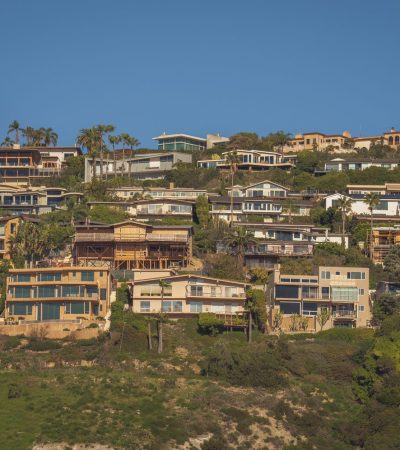
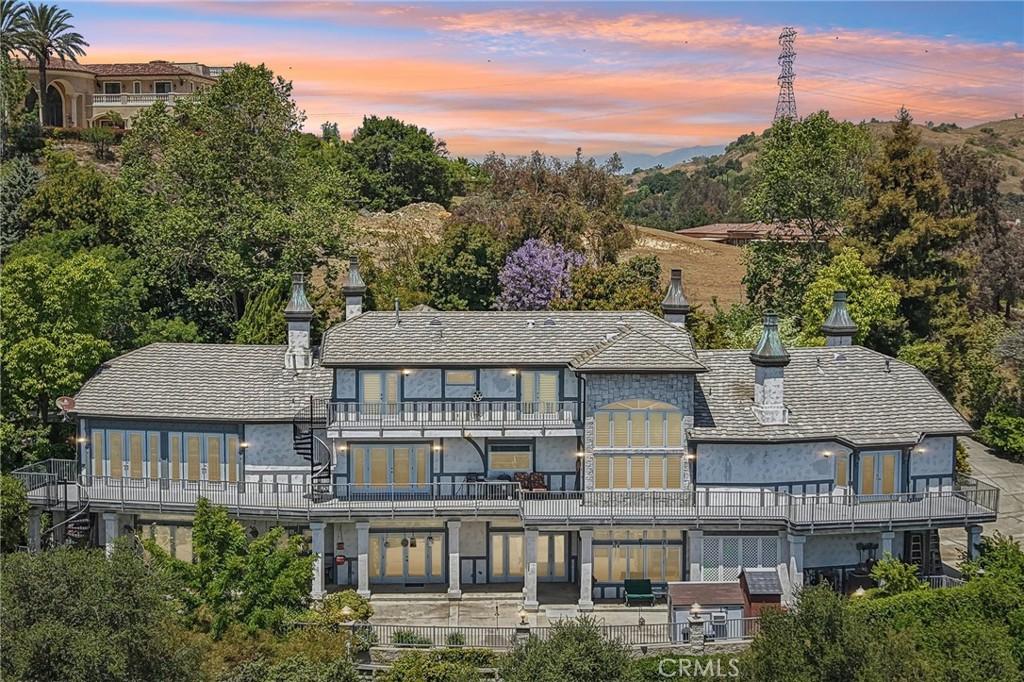
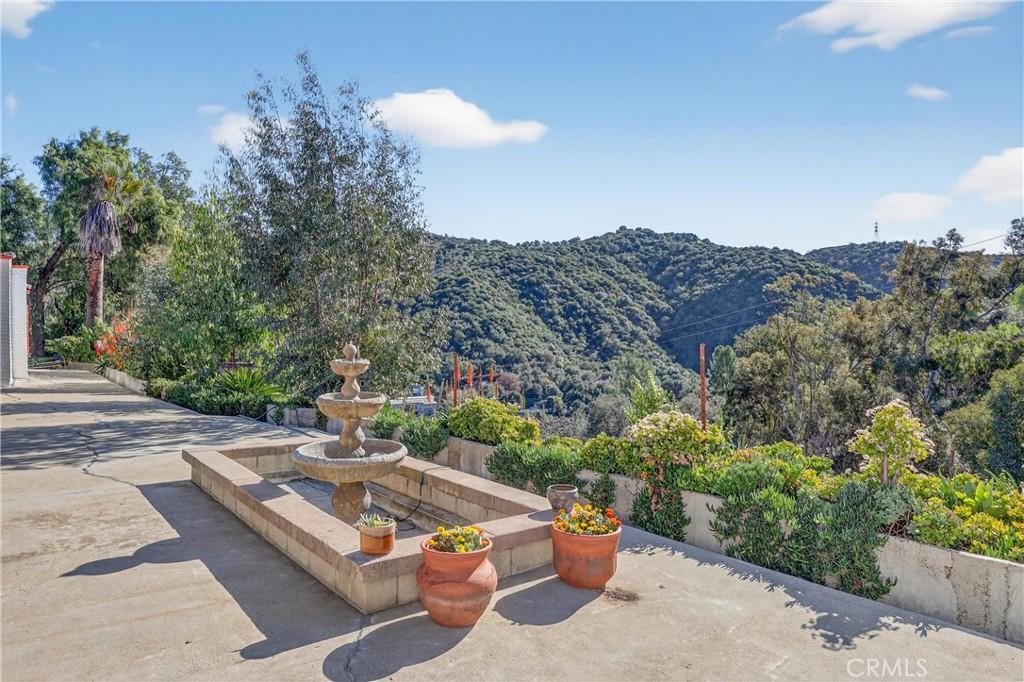
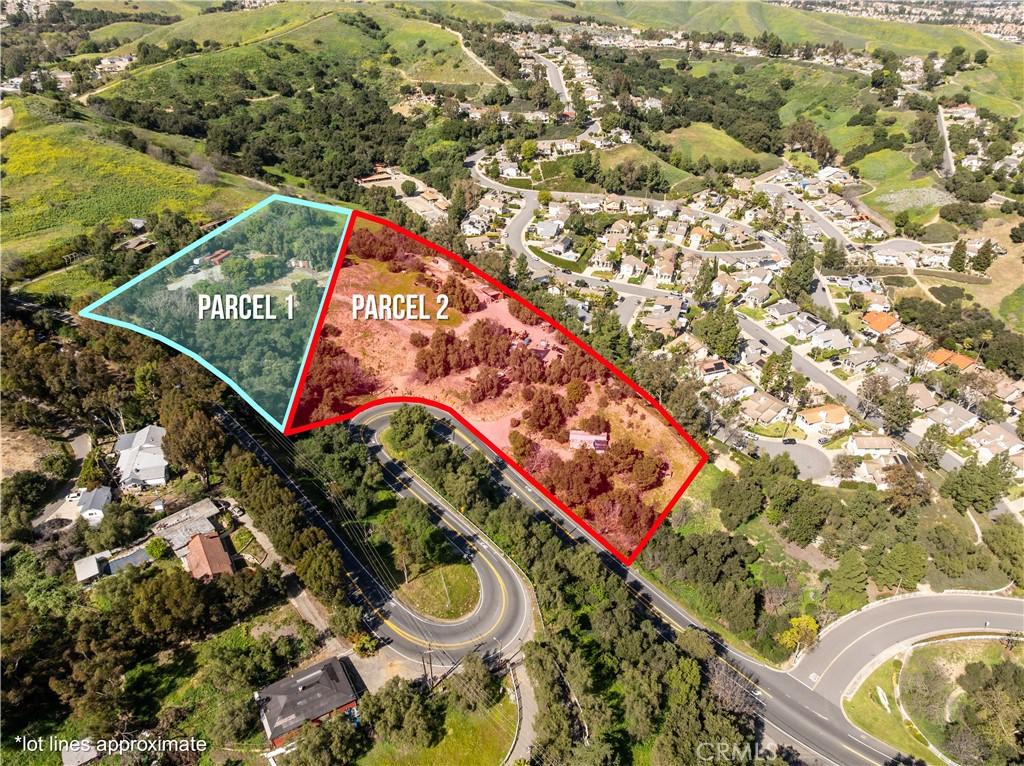
The terrain is genuinely hilly, which is not just branding. The city wraps around the western flank of the Chino Hills themselves, and elevation changes shape where the neighborhoods sit and which lots carry views. That topography also explains why so much of the surrounding land is open space rather than more rooftops, and why fire hazard mapping matters here in a way it does not in flatter inland cities.
How did Chino Hills become a city?
Chino Hills incorporated on December 1, 1991. Before that it was unincorporated San Bernardino County land, and for most of its history it was ranches and dairies rather than subdivisions. That changed in the 1970s, when population pressure from neighboring counties pushed housing demand outward and developers converted the ranch land into tract housing and shopping centers. By the time the city incorporated in 1991, the population had already grown to roughly 42,000.
The city has kept growing since. Worldwide and census-based counts now put the population above 77,000. For a buyer, the practical takeaway is that the housing here is relatively young. You are generally looking at homes built from the 1980s onward, with pockets of newer construction, rather than the older prewar and midcentury stock you find closer to central Los Angeles.
What do homes cost in Chino Hills?
Chino Hills is an expensive market by any national standard. NeighborhoodScout reports a median house value above 1.1 million dollars. HomeLight data cited a median sale price around 1.02 million dollars over a trailing twelve-month period, up about 2 percent from the prior year, with homes selling in roughly 40 days on average. Treat those figures as snapshots that move with the market rather than fixed numbers, and confirm current conditions before you set a budget or a list price.
Price varies widely inside the city. Entry-level condominiums and attached homes sit well below the detached-home median, while gated and golf-course communities and larger view lots run well above it. Household incomes support that spread: census-based data reports a median household income above 126,000 dollars, with a large share of households earning six figures. That income base is part of why the market holds up, but it does not make any single neighborhood a bargain. The right move is to price against the specific tract, not the city-wide median.
Chino Hills is also one of the more diverse suburbs in the region. Census-based data reports the largest resident groups as Asian at about 41 percent, Hispanic at about 27 percent, and White at about 24 percent, with a median age around 40. For buyers, that diversity shows up in the retail, dining, and school communities, and it is part of why demand for housing here stays broad rather than concentrated in a single buyer profile.
What are the neighborhoods and communities in Chino Hills?
Chino Hills is a collection of named subdivisions and tracts rather than one uniform district. Several of them, including Payne Ranch, Oak Tree Downs, Western Hills, and Grande Pointe, are gated. Others are open, walkable tract neighborhoods organized around parks and schools. The pages below cover the specific communities where The Knight Group tracks inventory.
Los Serranos Ranch sits in the part of Chino Hills tied to the Los Serranos Country Club, the golf landmark that gave the area its name. The club opened in 1925 and its North Course is among the oldest in California, with a South Course added in 1964. Residential development in this part of the city accelerated through the 1980s and 1990s. If proximity to golf and one of the older recorded parts of Chino Hills matters to you, this is where to look.
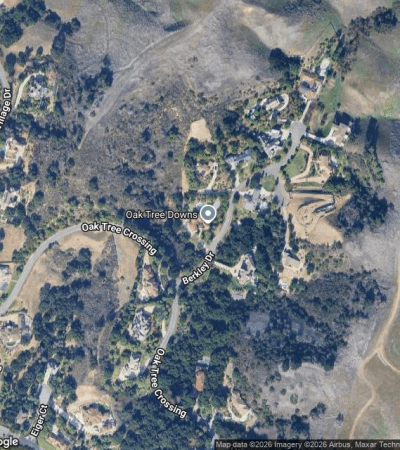
Oak Tree Downs is one of the city’s gated communities. Gating changes the ownership experience in concrete ways: controlled access, shared responsibility for private streets and common areas, and a homeowners association whose rules and dues you should read before you write an offer. See the page for current listings and ask us for the association documents on any specific home.
Rolling Ridge sits in the western part of Chino Hills near Grand Avenue and Chino Hills Parkway, which gives it direct connections toward Diamond Bar and Brea. It is a hillside, family-oriented area, and its position near those arterials is a real advantage for commuters heading into Los Angeles County or Orange County.
Fairfield Ranch is a subdivision in the southeastern part of the city, near the Rolling Ridge corridor. Like most of Chino Hills, it is a planned tract neighborhood, and homes here trade on the same fundamentals that drive the rest of the city: schools, access, and newer construction. Check the page for what is currently listed.
Alterra is another southeastern Chino Hills neighborhood, located near the Rolling Ridge and Los Serranos areas. It rounds out the cluster of tracts on that side of the city. Browse the listings to compare it against Fairfield Ranch and Rolling Ridge, which sit nearby and often draw the same buyers.
Sonora Springs is one of the smaller named tracts within Chino Hills. Inventory in a compact community like this turns over less often, so if it is on your list, the practical strategy is to watch it closely and be ready to move when a home comes up. The page tracks what is currently available, and we can set you up to hear about new listings early.
How are the schools in Chino Hills?
Chino Hills is served by the Chino Valley Unified School District, which also covers the neighboring city of Chino and part of Ontario. The district spans roughly 88 square miles and educates about 26,000 students across four high schools plus junior high, elementary, and K-8 campuses. Strong public schools are one of the main reasons buyers with children target this city.
Within Chino Hills, the two comprehensive high schools most families ask about are Chino Hills High School, which opened in 2001, and Ruben S. Ayala High School on Peyton Avenue. School assignment depends on your specific address, and boundaries can change, so confirm the current attendance area for any home before you rely on a particular campus. We can pull the assigned schools for any listing you are considering.
What is the commute like from Chino Hills?
Location is the practical draw here. Chino Hills sits at the junction of three freeways: the 60, the 71, and the 91. State Route 71, the Chino Valley Freeway, connects the city to Pomona and Corona and ties into the wider Inland Empire network, while the 60 and 91 handle regional east-west movement. That access puts job centers in Ontario, Brea, and Diamond Bar within a normal commute.
The trade-off is the one every Southern California suburb shares: those same freeways carry heavy peak-hour traffic, and a reasonable off-peak drive can stretch out considerably at rush hour. If your commute is fixed, test-drive it at the time you would actually travel before you commit to a specific side of the city. Where you land inside Chino Hills can change your daily drive by real minutes.
What is there to do in Chino Hills?
Chino Hills pairs suburban housing with a meaningful amount of open space and organized recreation. Chino Hills State Park covers more than 14,000 acres of hills and canyons on the city’s doorstep, with trails for hiking, mountain biking, and horseback riding. That protected land is a big part of the setting and a reason the hillsides stay green rather than fully built out.
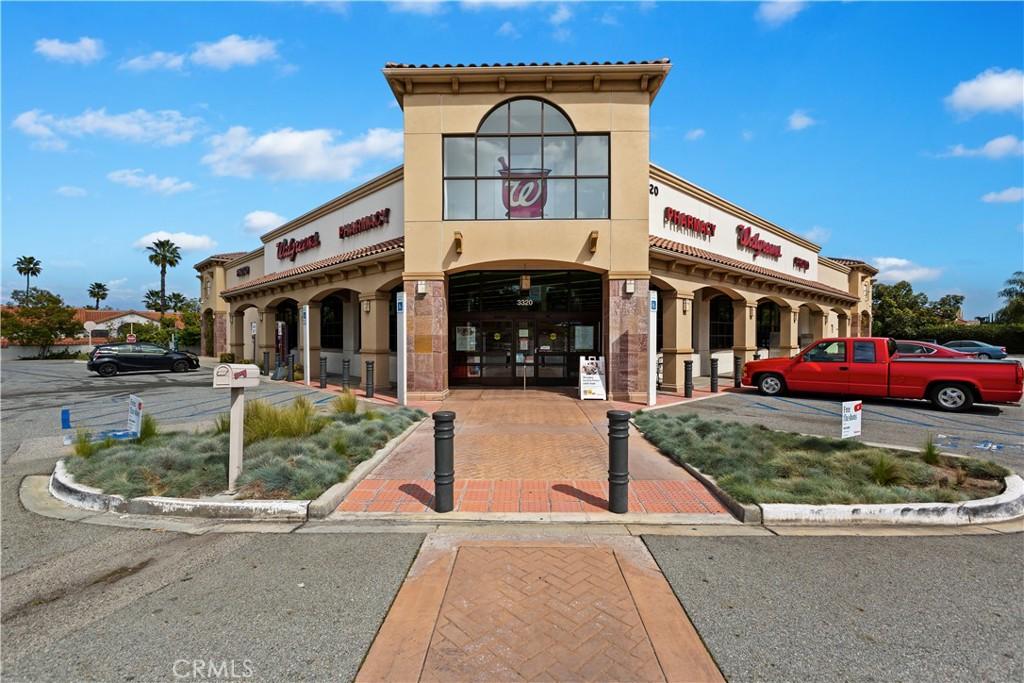
For everyday amenities, the Shoppes at Chino Hills and the neighboring Commons anchor the city’s retail and dining, with national restaurant and shopping tenants. Big League Dreams, a sports park with fields modeled on famous Major League ballparks, opened in 2003 and remains a local fixture for organized athletics. The city also has a layer of golf, from the historic Los Serranos Country Club to the Greg Norman Signature course at the gated Vellano community. Between the state park, the retail centers, and the golf, the recreational base here is deeper than a typical tract suburb.
What are the risks buyers should weigh in Chino Hills?
Two factors deserve real attention here. The first is wildfire exposure. CAL FIRE’s updated fire hazard severity zone mapping classifies tens of thousands of acres in and around Chino Hills, and reporting on those maps indicated that over 20,000 acres fell into the very high risk category, including large stretches of the Chino Hills State Park and nearby open space. Homes in a very high fire hazard zone carry defensible-space obligations, meaning owners must clear flammable material around the structure. Fire zone status can also affect insurance availability and cost. Before you buy, confirm whether a specific property sits in a designated zone and what that means for coverage.
The second is Mello-Roos. Chino Hills uses Community Facilities Districts, commonly called Mello-Roos, to finance public facilities, and the city has multiple such districts. A home inside one carries an additional special assessment on top of ordinary property taxes, which raises the true monthly cost of ownership. This is not a reason to avoid the city, but it is a line item you need to see in writing before you set a budget. We check Mello-Roos and HOA status on every property we show, so you are never surprised by a carrying cost after the fact.
Is Chino Hills a good place to buy right now?
Chino Hills tends to hold value because the fundamentals underneath it are durable: a strong school district, freeway access to multiple job markets, newer housing, and a high-income buyer base. Census-based data reports a median household income above 126,000 dollars, which supports demand even when rates rise. Homes have historically sold in roughly 40 days, per HomeLight data, which points to a market that moves but is not chaotic.
Whether it is a good buy for you depends on the specific home and neighborhood, not the city average. A gated golf-community house, a Mello-Roos tract home, and an attached condo are three very different financial pictures inside the same zip code. The honest answer requires running the numbers on the actual property. That is the conversation to have before you commit.
How to Compare Pockets Before You Shop
Because the city is built from named tracts rather than one continuous grid, shopping Chino Hills real estate works best when you narrow to two or three pockets first and compare within them. A gated community like Payne Ranch or Western Hills carries private streets, common areas, and an association with dues and rules, so the monthly cost of ownership is not just principal, interest, and taxes. Open tract neighborhoods organized around parks and schools trade that structure for fewer restrictions and, often, a lower entry point. Attached homes and condominiums sit at the bottom of the range, while larger lots and view parcels sit at the top.
Elevation is the other variable worth walking. Two homes a few streets apart can differ sharply because one sits on a rise and one does not, and the same topography that creates views also puts fire hazard mapping and insurance quotes on your due-diligence list. Ask us to pull association documents and hazard-zone details on any address before you write.
Frequently Asked Questions About chino hills Homes for Sale
What county is Chino Hills in?
Chino Hills is in San Bernardino County, at its far southwestern corner, bordering Los Angeles, Orange, and Riverside Counties.
When did Chino Hills become a city?
Chino Hills incorporated on December 1, 1991. Its population at incorporation was roughly 42,000 and has since grown past 77,000.
What school district serves Chino Hills?
Chino Valley Unified School District serves Chino Hills. It spans about 88 square miles and educates around 26,000 students, and it includes Chino Hills High School and Ruben S. Ayala High School. Confirm the assigned campus for any specific address, since boundaries can change.
How much do homes cost in Chino Hills?
NeighborhoodScout reports a median house value above 1.1 million dollars, and HomeLight data cited a median sale price near 1.02 million dollars over a recent twelve-month period. Prices range widely by neighborhood, from attached homes well below that median to gated and golf-community homes well above it. Verify current figures before setting a budget.
Does Chino Hills have Mello-Roos?
Yes. Chino Hills finances public facilities through several Community Facilities Districts, commonly called Mello-Roos. Homes inside a district carry an added special assessment on top of standard property taxes, so check a property’s status before you buy.
Is Chino Hills in a fire hazard zone?
Parts of it are. CAL FIRE’s updated maps classify large areas in and around Chino Hills, with over 20,000 acres designated very high fire hazard, much of it open space including the state park. Homes in a very high zone face defensible-space requirements and can see insurance impacts. Confirm any individual property’s designation.
What are the main freeways serving Chino Hills?
Chino Hills sits at the junction of the 60, 71, and 91 freeways. State Route 71, the Chino Valley Freeway, links the city to Pomona and Corona, and the 60 and 91 handle regional access toward Orange County and the rest of the Inland Empire.
Which Chino Hills neighborhoods are gated?
Several communities are gated, including Payne Ranch, Oak Tree Downs, Western Hills, and Grande Pointe. Gated homes come with association rules and dues, so review the governing documents on any specific property.
How does The Knight Group work in the Chino Hills market?
The Knight Group covers Chino Hills at the neighborhood level, not just the city level. That matters here because the difference between a gated Vellano home, a Los Serranos house near the golf course, and a Rolling Ridge tract home is the difference between three separate pricing and cost realities. We track inventory in the individual communities linked above and price each home against its actual comparables.
On any property you are considering, we confirm the details that change the real cost of ownership: Mello-Roos assessment status, HOA dues and rules for gated and attached homes, fire hazard zone designation and its insurance implications, and the current school assignment. On the sell side, we position a home against the specific tract it competes in rather than a city-wide average that can mislead. Browse the neighborhood listings below to see what is currently on the market, then contact The Knight Group to talk through which part of Chino Hills fits your budget, your commute, and your plans.
What are Chino Hills CA Homes like to live in?
- Chino Hills CA Homes are predominantly single-family detached houses, making the city a decidedly house-oriented market rather than a condo-heavy one.
- Housing stock across Chino Hills was built largely from recent decades onward, on land that previously served as working ranches and dairies.
- Chino Hills sits at the far southwestern corner of San Bernardino County, bordering Los Angeles County to the west and Orange and Riverside Counties to the south.
- Diamond Bar, Brea, and Pomona all sit within a quick commute, which is the practical draw for buyers weighing location against price.
- Median house values place this market in a different tier of an already expensive region rather than a discount alternative to the coast.
- Tract subdivisions and cul-de-sac neighborhoods form the backbone of the residential layout throughout the city.
- Gated and golf-oriented enclaves including Payne Ranch, Oak Tree Downs, Western Hills, and Grande Pointe sit alongside the standard tract neighborhoods.
- Entry-level condominiums and attached homes fall well below the detached median, giving budget-conscious buyers a genuine foothold in the city.
- Gated communities and larger view lots run above the detached median, so pricing swings widely from one pocket to the next.
- Terrain across Chino Hills is genuinely hilly, and elevation determines which lots carry views and which do not.
- The city wraps around the western flank of the Chino Hills themselves, with elevation changes shaping where neighborhoods sit.
- Open space surrounds much of the city because the topography limited how many rooftops could realistically be built.
- Fire hazard mapping matters in Chino Hills in a way it does not in flatter inland cities, a direct consequence of the terrain.
- Chino Hills incorporated after decades as unincorporated San Bernardino County ranch and dairy land, following a wave of outward housing demand.
What is there to do near Chino Hills CA Homes?
- Chino Hills sits at the junction of three freeways, giving residents regional access in multiple directions from a single suburban base.
- Job centers in Ontario, Brea, and Diamond Bar fall within a normal commute for households based in Chino Hills.
- Peak-hour traffic on those same freeways stretches a reasonable off-peak drive out considerably, the trade-off every Southern California suburb shares.
- Buyers with a fixed commute should test-drive the route at their actual travel time before committing to a specific side of the city.
- Chino Hills State Park covers thousands of acres of hills and canyons on the city’s doorstep, with hiking, mountain biking, and horseback riding trails.
- Protected open space keeps the hillsides around Chino Hills CA Homes green rather than fully built out with rooftops.
- The Shoppes at Chino Hills and the neighboring Commons anchor retail and dining, with national restaurant and shopping tenants.
- Big League Dreams, a sports park with fields modeled on famous Major League ballparks, remains a local fixture for organized athletics.
- Golf runs through the city, from the historic Los Serranos Country Club to the Greg Norman Signature course at gated Vellano.
- Wildfire exposure deserves real attention, since CAL FIRE mapping classifies large stretches of the surrounding hills and state park as high risk.
- Homes in a very high fire hazard zone carry defensible-space obligations, meaning owners must clear flammable material around the structure.
- Mello-Roos Community Facilities Districts finance public facilities here, adding a special assessment on top of ordinary property taxes for homes inside one.
- Chino Hills CA Homes hold value on durable fundamentals: a strong school district, freeway access to multiple job markets, and newer housing.
What should buyers know before shopping for Chino Hills CA Homes?
- Chino Valley Unified School District serves Chino Hills and includes Chino Hills High School and Ruben S. Ayala High School.
- School boundaries can change, so buyers should confirm the assigned campus for any specific address rather than assuming.
- Prices for Chino Hills CA Homes range widely by neighborhood, from attached homes well below the median to gated and golf-community houses well above it.
- Mello-Roos assessments apply in several Community Facilities Districts, adding a special charge on top of standard property taxes.
- Buyers should check a property’s Mello-Roos status before purchase, since the assessment changes the true monthly cost of ownership.
- CAL FIRE maps classify large areas in and around the city, with much of the very high hazard acreage falling in open space including the state park.
- Homes in a very high fire hazard zone face defensible-space requirements and can see meaningful insurance impacts.
- Gated communities include Payne Ranch, Oak Tree Downs, Western Hills, and Grande Pointe, each carrying association rules and dues.
- Governing documents deserve a careful read on any gated property, since association rules shape what owners can and cannot do.
- Chino Hills CA Homes differ sharply by tract, and a gated Vellano house, a Los Serranos home, and a Rolling Ridge tract home represent three separate cost realities.
- Pricing a home against its actual comparables inside its own tract beats measuring it against a city-wide average that can mislead.
- Details that change real ownership cost include Mello-Roos status, HOA dues and rules, fire hazard designation, and current school assignment.
- Sellers of Chino Hills CA Homes benefit from positioning against the specific tract the house competes in rather than the broader city.