Browse all Monterey County real estate.

Browse all Monterey County real estate.
Lockwood CA Homes for Sale currently number 7 active listings with a median asking price of $899,000 (CRMLS, September 2026).
Most Lockwood CA homes for sale are land purchases with a structure attached, not the other way around. Lockwood is an unincorporated ranching community in southern Monterey County, a census-designated place of 368 residents across roughly 11 square miles in the San Antonio River valley. King City, about 15 minutes out along Lockwood-Jolon Road for many parcels, handles the groceries, medical care, and the US-101 on-ramp.
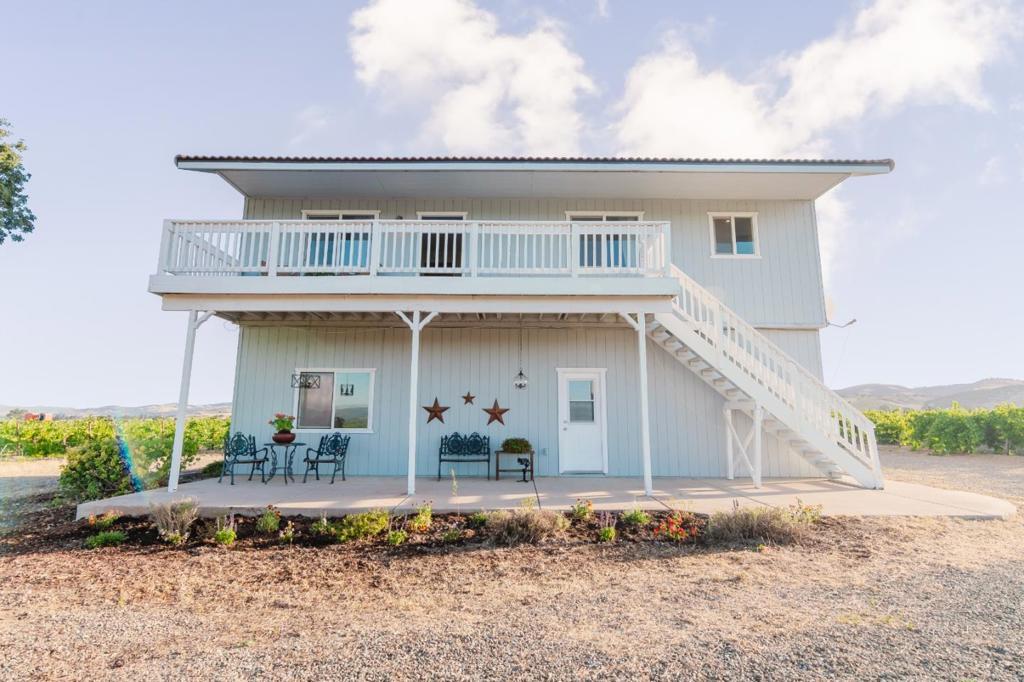
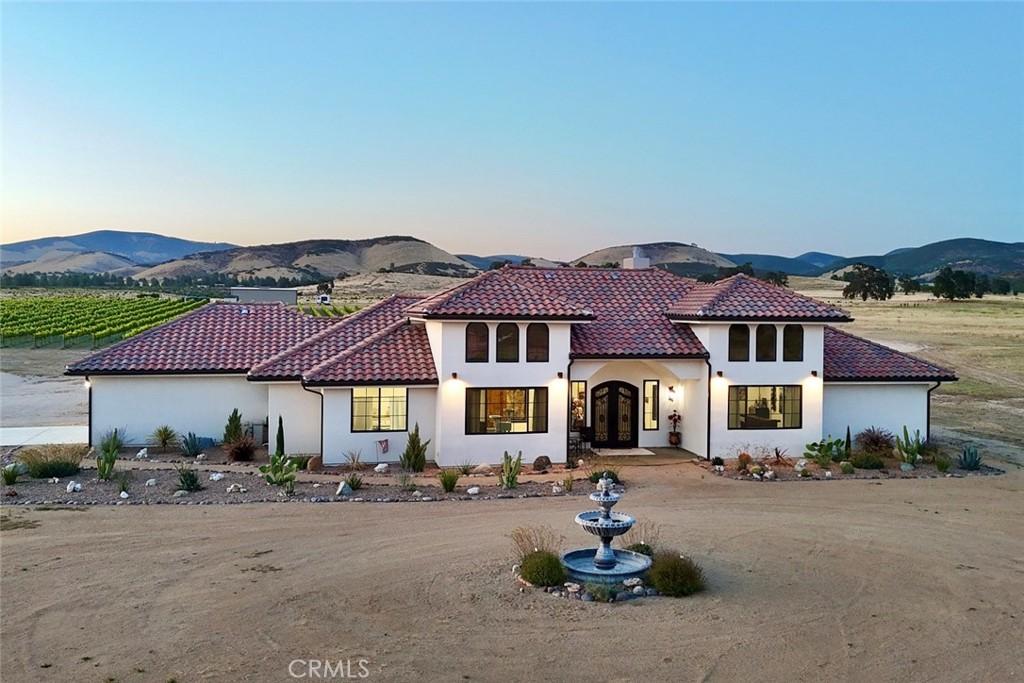
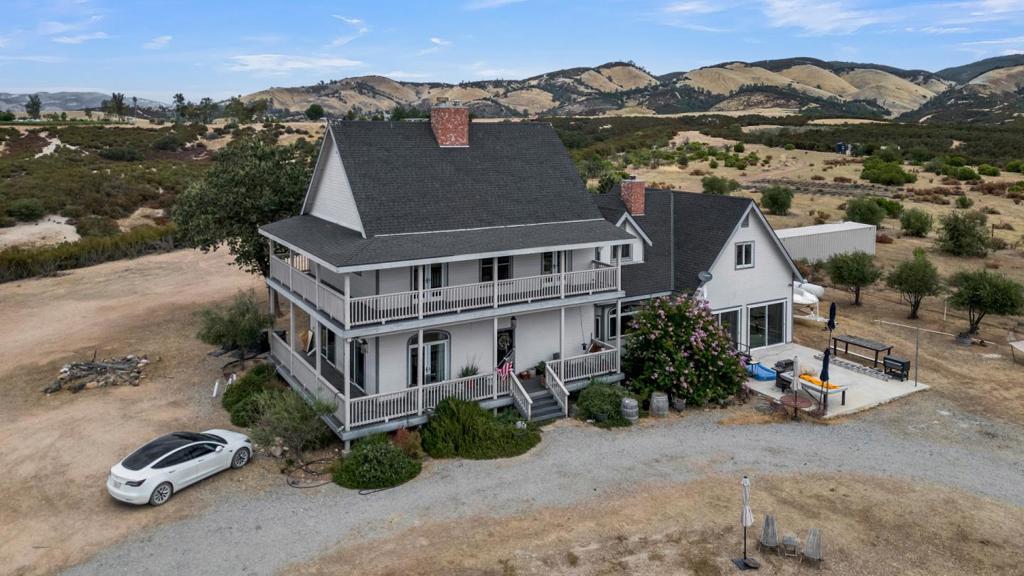
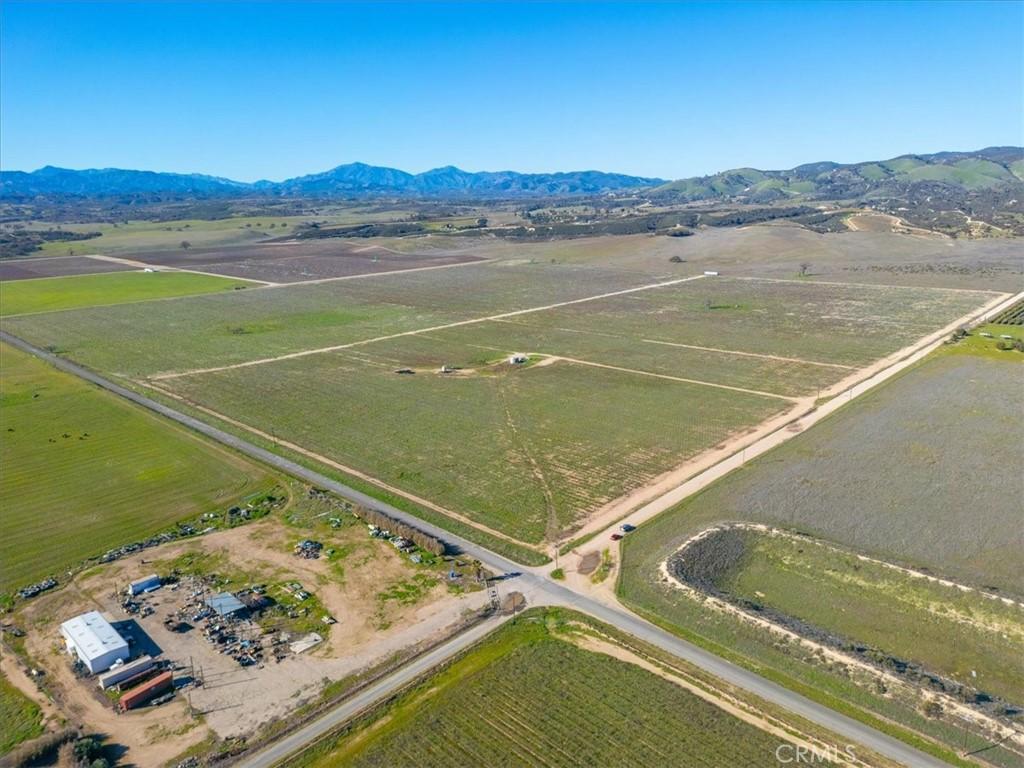
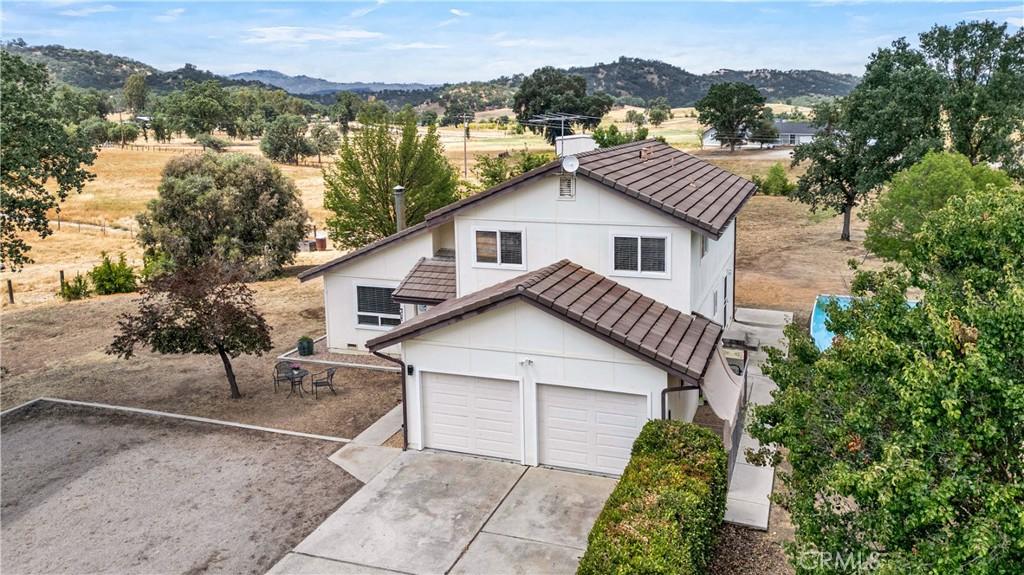
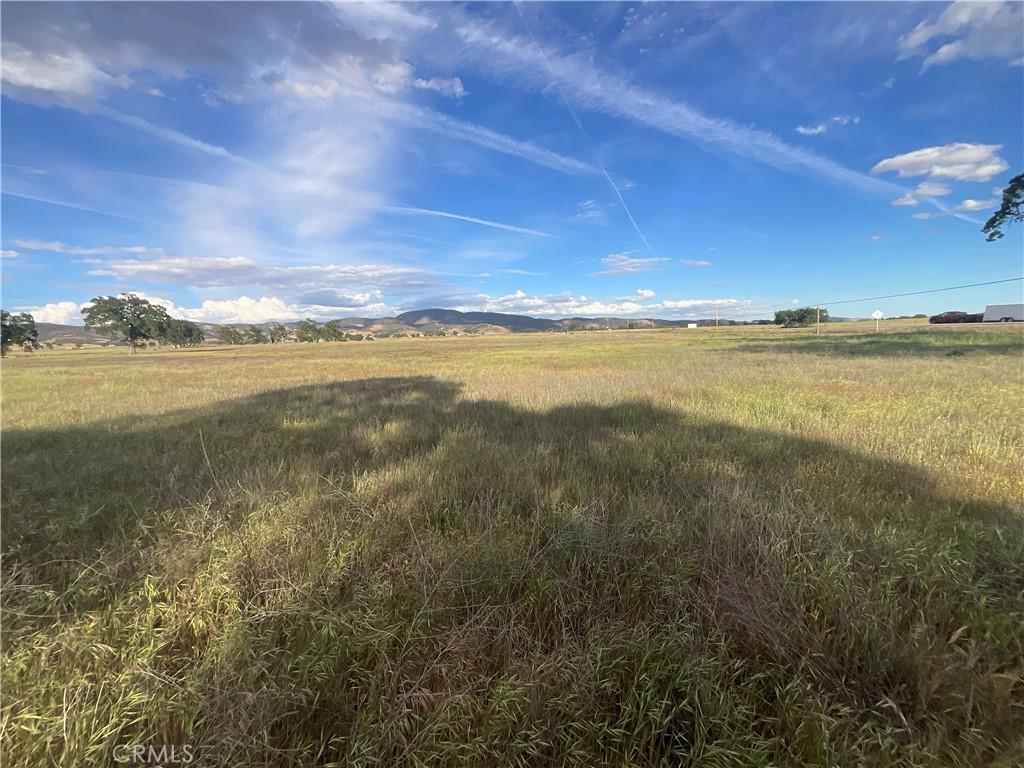
Inventory runs to working and hobby ranches, vineyard and agricultural parcels, and rural residential acreage on well and septic. Parcels in the 100-to-300 acre range are common. What varies most is not finish level but well output, fencing, road frontage, whether the ground is planted or grazed, and whether structures are permitted and habitable.
Browse the current Lockwood listings below, or contact The Knight Group to talk through what rural Monterey County acreage actually involves before you drive two hours to see it.
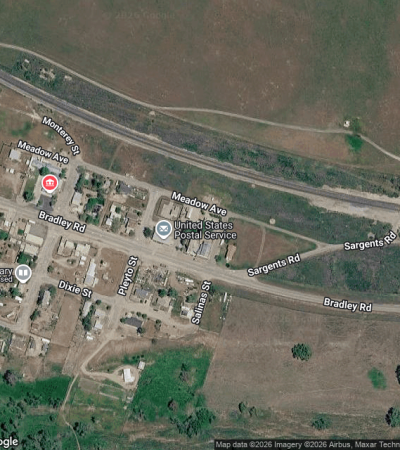
Lockwood sits in the San Antonio River valley in the southern reach of Monterey County. The community lies about 6 miles east-southeast of Jolon and roughly 9 miles northwest of Lake San Antonio, with Fort Hunter Liggett about 10 miles to the northwest. The nearest full-service town is King City, and several ranch properties in the area describe the drive to King City as around 15 minutes, though that varies with where the parcel sits along Lockwood-Jolon Road.
King City is the practical hinge. It carries the US-101 interchange, the grocery stores, the medical services, and the freeway on-ramp that connects the valley to Salinas to the north and Paso Robles to the south. From King City, Salinas is up the 101 corridor and the Monterey Peninsula is beyond that. This is the geography to understand clearly: Lockwood is not a suburb of anywhere. It is a rural valley that runs its errands through King City and reaches the wider world through the 101.
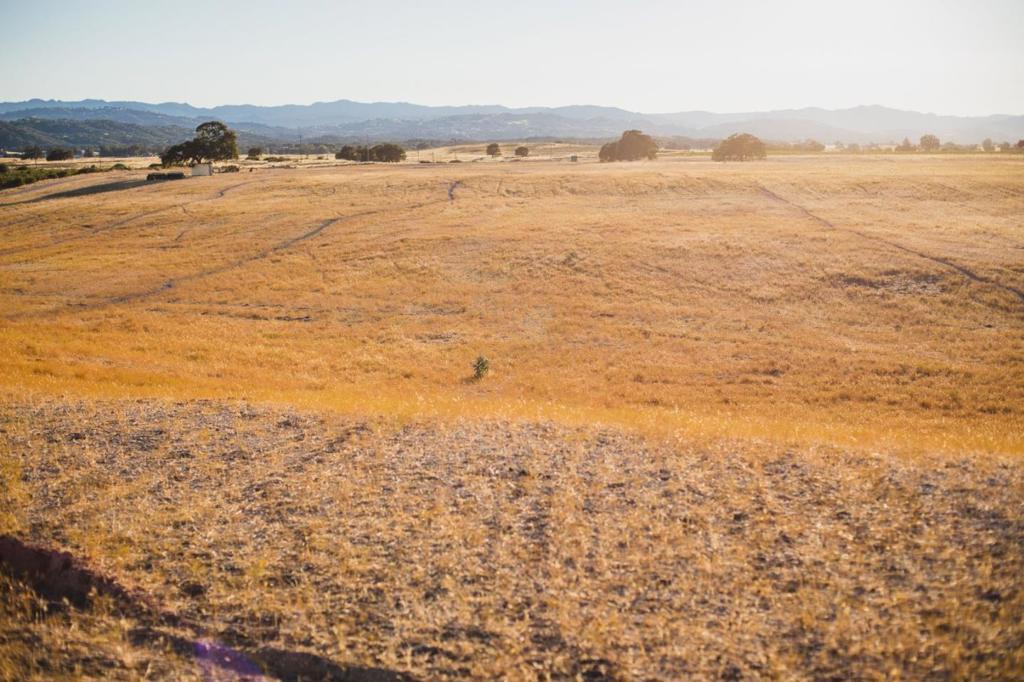
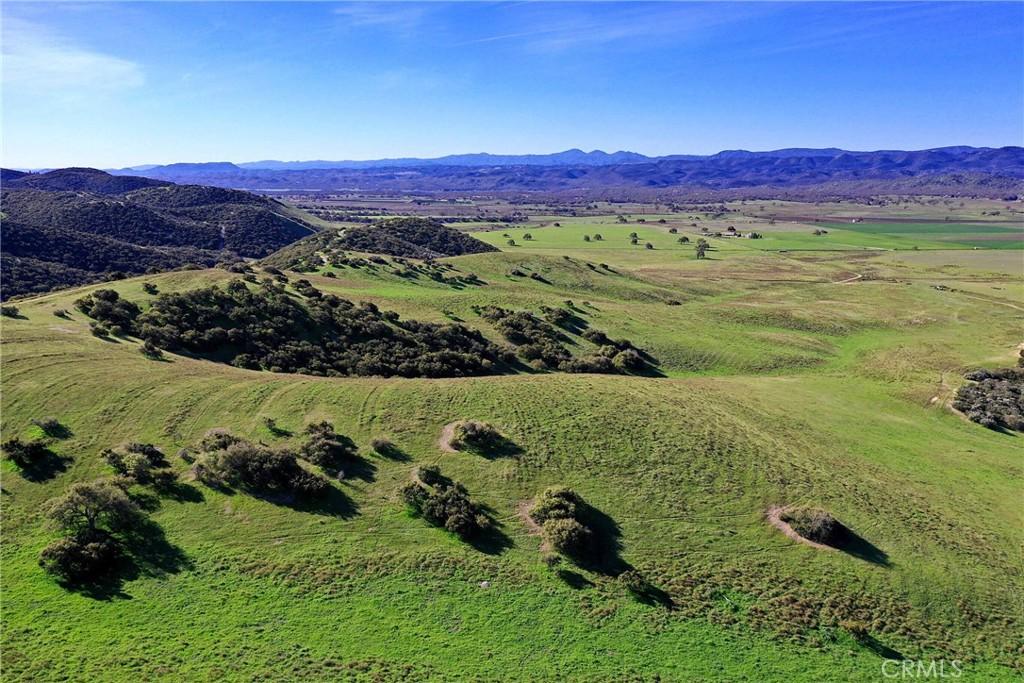
The ZIP code is 93932 and the area code is 831. The terrain is characteristic Santa Lucia foothill country, oak grassland and stream valleys, which is why the land supports both cattle and wine grapes.
Lockwood is an acreage market, not a home-price market. The properties that trade here are ranches, vineyard parcels, and rural residences on meaningful land, and value is driven far more by acres, water, road access, and usable ground than by finish level or square footage. Examples in the area have included parcels in the 100-to-300 acre range, such as a 160-acre property at the end of Lockwood Road and a 282-acre ranch known locally as Argyle Ranch. Those are illustrative of the type of inventory, not a fixed count. What is available at any moment is thin, because the total community is small: the 2020 Census recorded 145 households, with owner occupancy near 57 percent.
Because turnover is low and each parcel is distinct, comparable sales are harder to lean on than in a subdivision. Two ranches a mile apart can be worth very different figures depending on well output, fencing, road frontage, whether the ground is planted or grazed, and whether structures are permitted and habitable. This is a market where the due diligence is the deal. The Knight Group treats a Lockwood purchase as a land transaction with a house attached, not the reverse.
The California Air Resources Board has identified Lockwood as a low-income community, at or below 80 percent of the statewide median income. That is a demographic fact about the resident population, not a statement about ranch values, and buyers should not read it either way without looking at the specific parcel.
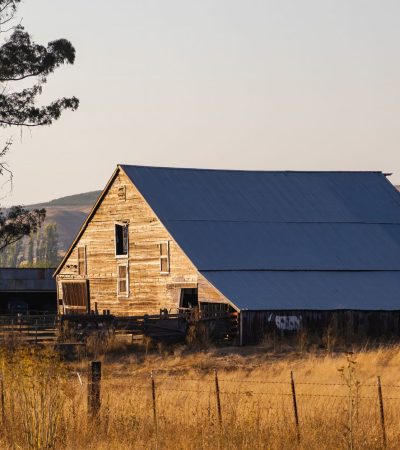
Expect three broad categories. First, working and hobby ranches: grazing land, cattle operations, fenced acreage with barns, wells, and outbuildings. Second, vineyard and agricultural parcels, some planted and some plantable, tied to the warm valley climate that suits wine grapes. Third, rural residential acreage, a home on enough land to be private and self-sufficient, often on a well and septic system rather than any municipal utility.
Very little here fits the profile of a conventional single-family purchase. There is no dense residential core, no HOA-governed subdivision of the kind you find on the Peninsula, and services that a city buyer takes for granted are handled at the parcel level. That independence is the appeal for the right owner and a real cost for the wrong one. Know which you are before you write an offer.
Financing also behaves differently on rural acreage. Lenders treat land, agricultural parcels, and properties with unpermitted or agricultural structures under different terms than a standard residential mortgage, and appraisals on distinct ranch parcels take longer and rely on fewer comparable sales. Insurance can be its own step, particularly given the inland fire exposure discussed below. Plan for those realities in your timeline and your budget rather than assuming a purchase here closes on the same schedule as a tract home closer to the coast.
Southern Monterey County is serious agricultural ground, and Lockwood sits in the middle of it. Two American Viticultural Areas define the local wine identity. The San Antonio Valley AVA, established in 2006, covers roughly 150,400 acres in the southern Santa Lucia Mountains, with a bowl-shaped valley and a warm, dry climate; as documented, it carried around 800 acres of planted vineyards across about 10 vineyards, leaning to Bordeaux and Rhone varieties and known for Cabernet Sauvignon. Nearby, the Hames Valley AVA, established in 1994, had about 2,200 acres of planted vineyards across 8 vineyards as of 2024, with a warm climate and pronounced day-to-night temperature swing.
Alongside the vineyards, cattle ranching and grazing remain a backbone of the local land use. For a buyer, the agricultural character matters in concrete ways: it shapes zoning, it shapes what a parcel can legally and practically be used for, and it shapes water. Agricultural land in California carries its own set of considerations around water rights, well capacity, and in some cases Williamson Act contracts that trade property tax relief for a commitment to keep land in agricultural use. Confirm the status of any of these before you assume you can build, plant, or subdivide.
Recreation here is outdoor and water-based, and Lake San Antonio anchors it. The lake lies about 9 miles from Lockwood and is described by Monterey County as its premier freshwater recreation area. It was formed by an earthfill dam completed in 1965, standing 202 feet tall, and it is owned and operated by the Monterey County Water Resources Agency for flood protection, water conservation, and recreation. The lake offers camping, boating, waterskiing, swimming, fishing, hiking, and horseback riding, with tent and RV sites including full hookups. Anglers target striped bass, largemouth and smallmouth bass, crappie, catfish, and bluegill.
Beyond the lake, this is horse country, open country, and quiet. The appeal is space and dark skies rather than nightlife or shopping. Anyone who needs restaurants, entertainment, and daily amenities within a short drive should weigh that honestly, because those things live in King City and beyond, not in Lockwood itself.
The Lockwood post office opened in 1888. The community took its name in honor of Belva Lockwood, who ran for President of the United States in 1884 and again in 1888 on the Equal Rights Party ticket, one of the first women to mount a presidential campaign. The old Lockwood Store served the community, and soldiers from the nearby military reservation, into the 1970s.
The broader valley has deep layers. Mission San Antonio de Padua was founded in 1771 near present-day Jolon, and the Salinan people were here long before that. In 1940 the Army purchased land for what became Fort Hunter Liggett, including ground bought from William Randolph Hearst, and the post was developed as a major West Coast training center in preparation for World War II. It remains an active installation today. That military and mission history is part of why this remote valley has the road network and the settlement pattern it does.
Local elementary education runs through the San Antonio Union Elementary School District, located at 67550 Lockwood-Jolon Road in Lockwood. The district operates a single school, San Antonio Elementary, a K-8 public school in a remote rural setting. Reported figures put enrollment around 137 students, with a minority enrollment near 60 percent and roughly 47 percent of students identified as economically disadvantaged.
For high school, families in the southern part of the county fall within the reach of the South Monterey County Joint Union High School District, based in King City, which operates King City High School among its campuses. Because this is unincorporated rural county, families with school-age children should verify current attendance boundaries and transportation directly with the districts rather than assume, since a single valley can straddle more than one zone. The Knight Group can point you to the right district contacts, but the districts are the authority on enrollment.
Set expectations honestly on drive time. Lockwood is a rural valley reached by county roads, and daily life routes through King City for the freeway, groceries, fuel, and services. From King City you pick up US-101, but King City itself is a drive from Lockwood, not a neighbor across the street. There is no rail transit, no commuter service, and no quick hop to a major job center. This works for remote workers, retirees, ranchers, agricultural operators, and second-home owners, and it does not work for anyone who needs to be in an office in Salinas or on the Peninsula five days a week.
The upside of that isolation is exactly what draws buyers: privacy, quiet, room for animals, and land you could not afford closer to the coast. The tradeoff is real and it is not marketing. Weigh it against your actual weekly pattern, not an idealized version of it.
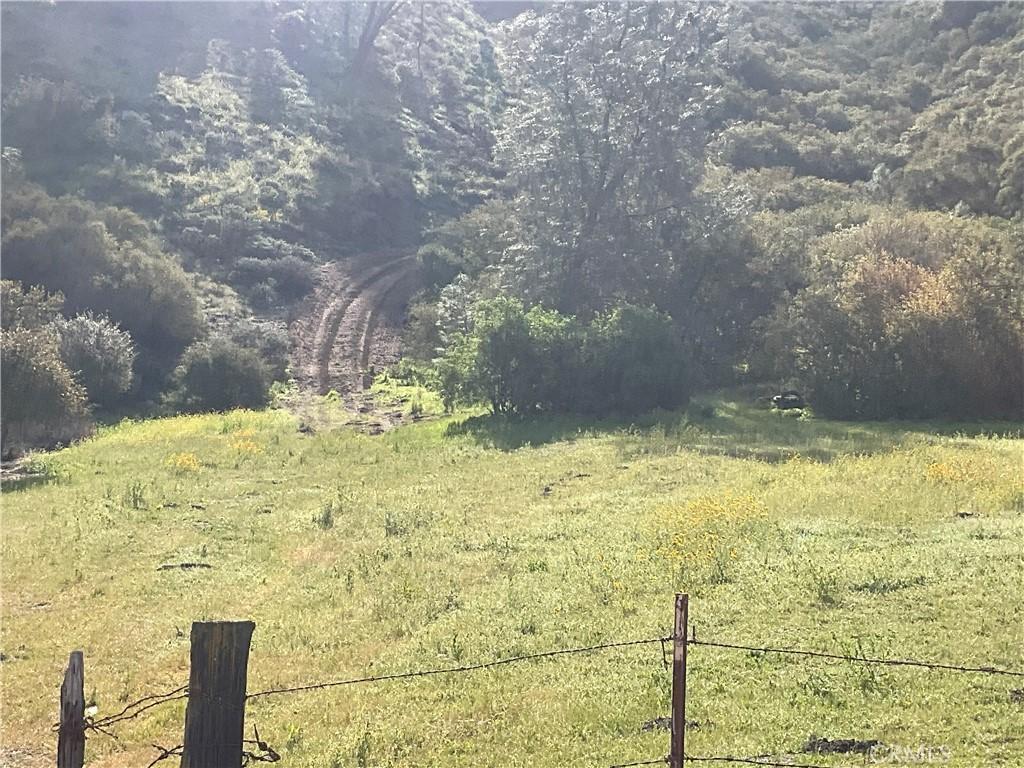
Rural acreage carries diligence that a city house does not. Start with water. Most parcels here rely on a private well rather than municipal supply, so well output, water quality, and depth are central, not optional. Confirm the septic system is permitted and functional, since there is no municipal sewer. Verify legal and physical road access to the parcel, including any shared or easement roads and who maintains them.
Then confirm what you can actually do with the land. Check the county zoning and any agricultural designations, including whether the parcel sits under a Williamson Act contract that limits use in exchange for tax treatment. Verify that structures are permitted and habitable, because rural properties sometimes carry unpermitted improvements that a lender or insurer will flag. Finally, take wildfire exposure seriously. This is dry coastal-range grassland and oak country with hot summers, the kind of terrain where fire risk, defensible space, and insurance availability all deserve a direct look before you commit. None of this is a reason to avoid Lockwood. It is the standard homework for buying land, and doing it well is how you avoid an expensive surprise after closing.
Lockwood has a warm-summer Mediterranean climate, hot and dry through the summer months with average monthly temperatures that climb above 90 degrees, and cooler, wetter winters. That heat and the diurnal temperature swing are precisely what make the surrounding valleys good for wine grapes and demanding on landscaping and water. For a rural buyer, the practical reads are irrigation planning, shade and cooling for structures and livestock, and the summer fire season that comes with dry inland California. It is a real inland climate, not the coastal fog belt of the Peninsula an hour away.
Neither. Lockwood is an unincorporated community and census-designated place in Monterey County. It has no city government of its own, so land use, permitting, and services are handled at the county level or at the individual parcel level.
The census-designated place covers roughly 10.9 square miles and recorded 368 residents in the 2020 Census, with about 145 households. It is a small, spread-out rural community rather than a dense town center.
Inventory skews to ranches, vineyard and agricultural parcels, and rural residences on acreage, often on well and septic. Conventional subdivision housing is essentially absent. Buyers here are usually purchasing land as much as, or more than, a house.
King City is the nearest full-service town and the closest freeway access via US-101. Some area ranch listings describe the drive as roughly 15 minutes, though it depends on where the parcel sits along Lockwood-Jolon Road. King City is where most daily errands and services get handled.
San Antonio Elementary, a K-8 school in the San Antonio Union Elementary School District, is the local school. For high school, the area falls within the reach of the South Monterey County Joint Union High School District in King City. Verify current attendance boundaries directly with the districts.
Yes. Lockwood sits amid the San Antonio Valley AVA, established in 2006, and near the Hames Valley AVA, established in 1994. These warm inland appellations are known for Bordeaux and Rhone varieties, particularly Cabernet Sauvignon, alongside continued cattle ranching and grazing.
Most rural parcels rely on a private well and a septic system rather than municipal water and sewer. Well capacity, water quality, septic permitting, and legal road access are the core items to verify before purchase, along with zoning and any agricultural use restrictions.
It deserves attention. The surrounding terrain is dry grassland and oak in a hot inland climate, which carries wildfire exposure. Buyers should evaluate fire risk, defensible space, and insurance availability for any specific parcel as part of standard diligence.
Rural southern Monterey County is a specialist market, and The Knight Group treats it as one. A ranch or vineyard purchase here is not a faster version of buying a house in the suburbs. It is a land transaction with its own diligence chain: water, septic, access, zoning, agricultural status, structure permits, and fire and insurance exposure. We work that chain deliberately, so you know what you are actually buying before you are committed, not after.
Inventory in Lockwood is thin and each parcel is genuinely different, which means the value is in matching the right property to how you actually intend to use the land, whether that is grazing, grapes, a rural residence, or a long-term hold. If you are weighing a purchase in Lockwood or the wider southern Monterey County valleys, contact The Knight Group. We will give you a direct read on the parcel, the tradeoffs, and the next move, and we will tell you plainly when a property does not fit what you are trying to do.
Lockwood CA Homes currently show 7 active listings priced from $469,000 to $1,575,000, with a median asking price of $899,000 (CRMLS, August 2026).
The Knight Group is here to help you with all your realty needs. To get started, fill out the form below and one of our experienced agents will contact you as quickly as possible.
Copyright © 2024 The Knight Group.
All rights reserved. License: 02133297
Lucky for you we’re looking out.
Subscribe to this Custom Search to be alerted when new properties hit the market in the area.
Choose the frequency that works for you.