Malibu Homes For Sale
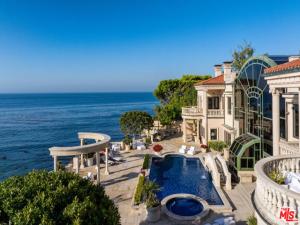
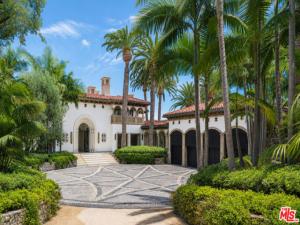
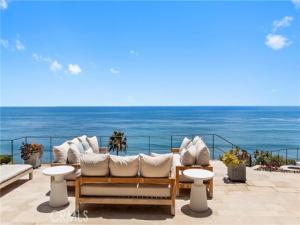
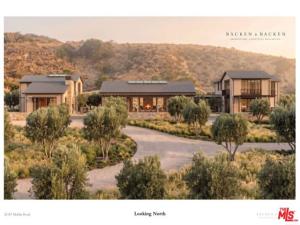
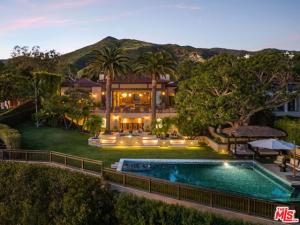
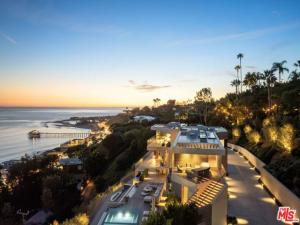
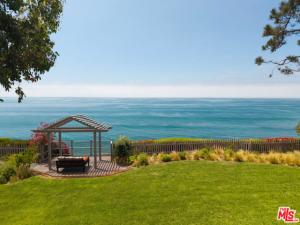
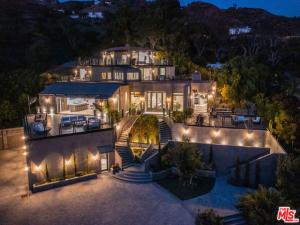
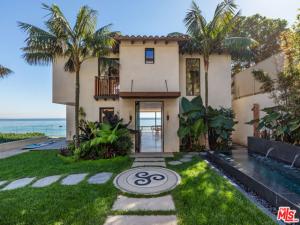
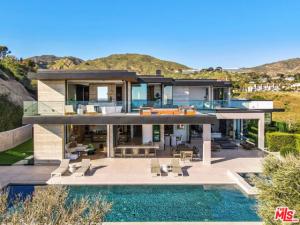
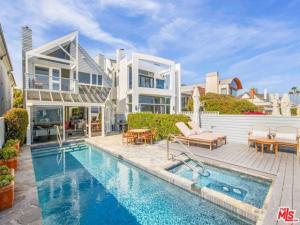
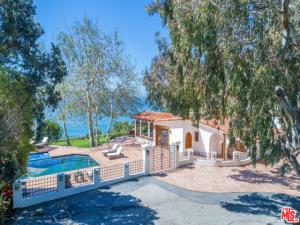
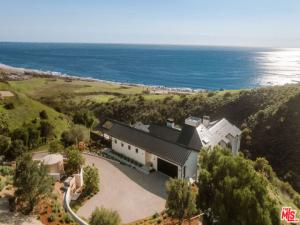
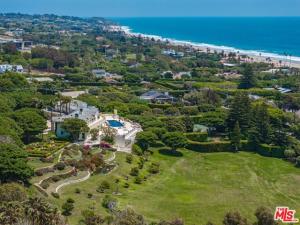
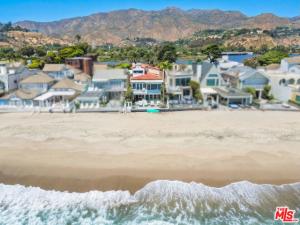
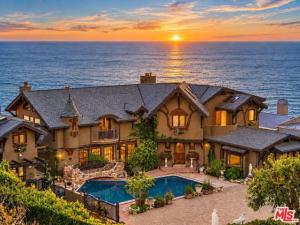
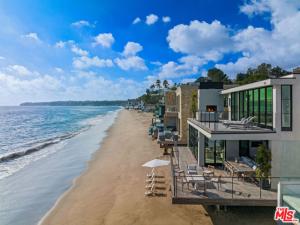
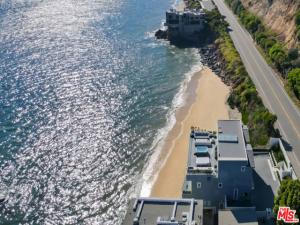
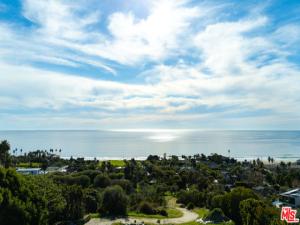
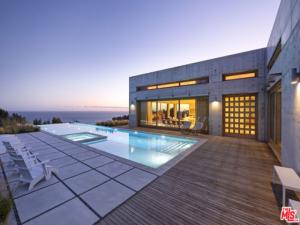
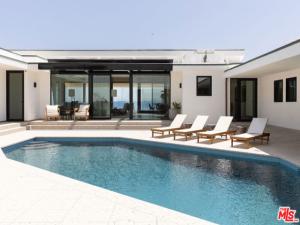
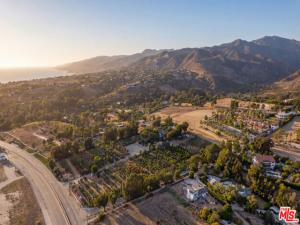
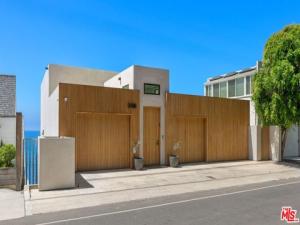
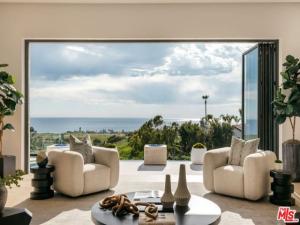
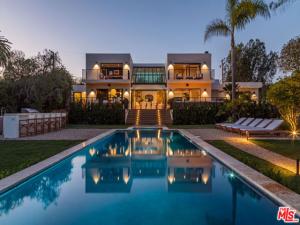
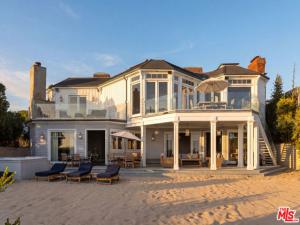
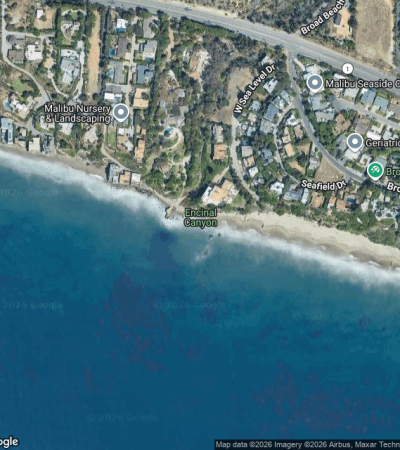
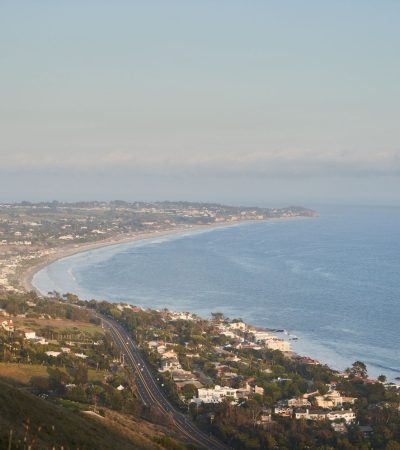
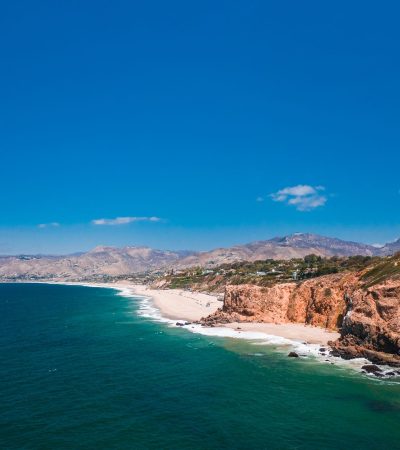
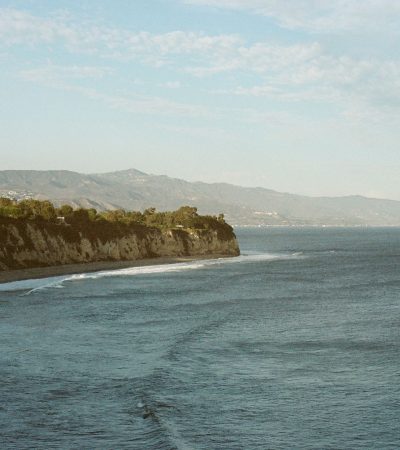
Malibu homes for sale sit along a stretch of coastline where the Santa Monica Mountains meet the Pacific in western Los Angeles County. The city runs long and narrow, following Pacific Coast Highway past beaches, canyon mouths, and ridgelines that hold hillside estates. Buyers here choose among oceanfront properties, bluff-top homes with water views, and canyon parcels set back from the shoreline. The listings on this page show what is currently available across those settings.
What is Malibu like as a place to live?
Malibu is a coastal city built around beach access, canyon roads, and open mountain terrain rather than a dense downtown core. Daily life centers on a handful of commercial nodes along Pacific Coast Highway, with the rest of the city given over to residential neighborhoods, parkland, and shoreline. The pace is quiet and residential, and much of the city looks directly onto the ocean or the ridgelines behind it.
- Malibu stretches along the Pacific coastline in western Los Angeles County, bordered inland by the Santa Monica Mountains.
- Commercial life in Malibu concentrates in shopping centers and small retail clusters spaced along Pacific Coast Highway.
- Ocean air keeps Malibu cooler near the water and warmer in the inland canyons, a difference buyers notice on tours.
- Malibu is an incorporated city with its own council and planning process, separate from unincorporated county areas nearby.
- Evening quiet is a defining feature of Malibu, where residential streets carry little through traffic after commuting hours.
What kinds of homes and lots are found in Malibu?
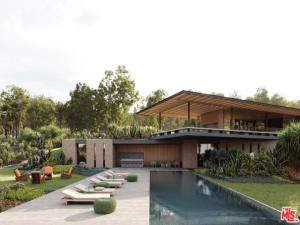
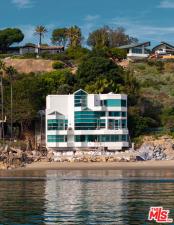
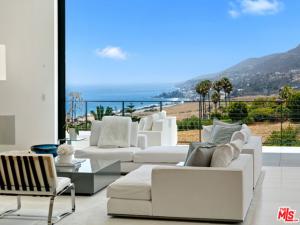
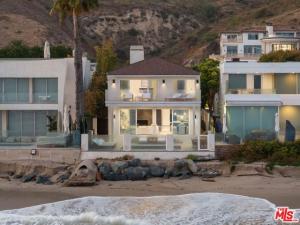
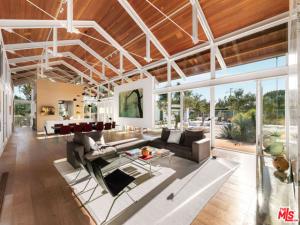
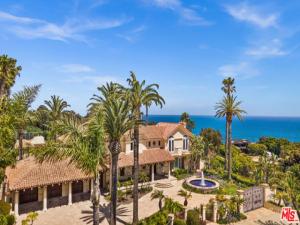
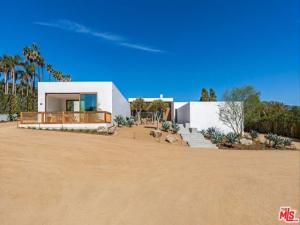
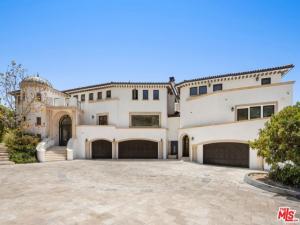
Malibu holds a wide range of housing, from compact beach cottages on narrow shoreline lots to large contemporary estates on open acreage. Architecture spans midcentury ranch, Cape Cod, Mediterranean, and glass-forward modern design, often reflecting when a given stretch was developed. Lot shape matters as much as the house, since coastal parcels tend to be narrow and deep while canyon and ridge parcels spread wider.
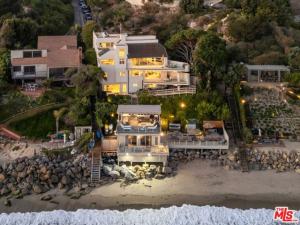
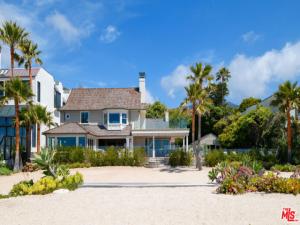
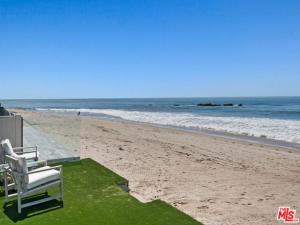
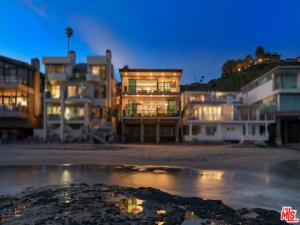
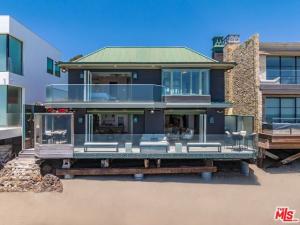
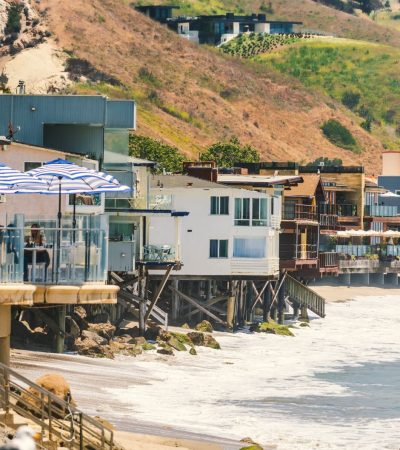
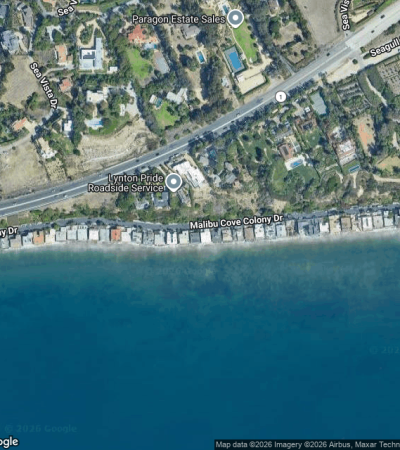
- Beachfront homes in Malibu commonly occupy narrow lots that run from the highway down toward the sand.
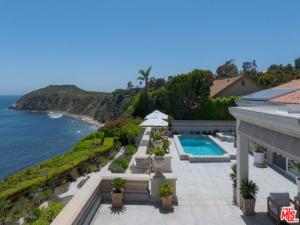
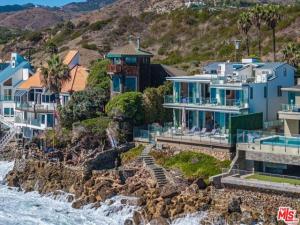
- Hillside properties in Malibu often include terraced yards, retaining structures, and driveways cut into the slope.
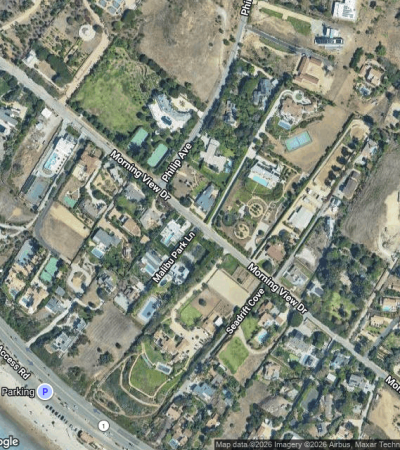
- Canyon parcels in Malibu can carry acreage suited to horses, gardens, guest structures, or detached studios.
- Condominium and townhome options exist in Malibu, generally clustered near commercial centers rather than along open coastline.
- Many Malibu homes have been remodeled over time, so finishes and systems vary widely even within a single street.
Which neighborhoods and sub-areas do Malibu buyers choose between?
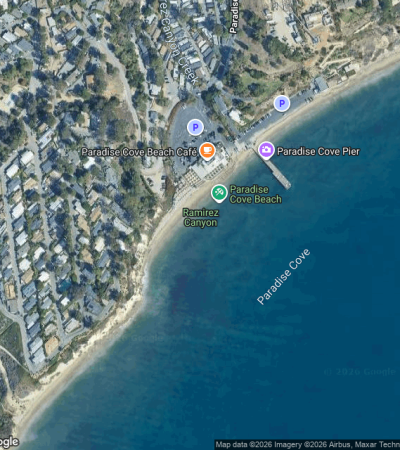
Malibu divides into distinct pockets that feel quite different from one another despite sharing a mailing address. The eastern end near Carbon Beach and Malibu Colony is dense and close to Santa Monica, while the western end past Trancas opens into wider lots and longer drives. Canyon communities such as Malibu Canyon, Latigo, and Ramirez sit inland and trade direct beach frontage for privacy and space.
- Point Dume in Malibu offers a bluff-top plateau with larger lots, private beach access rights, and neighborhood streets.
- Malibu Colony and the Carbon Beach area anchor the eastern end with close-set homes directly on the sand.
- Malibu Park and the Zuma area sit above the western beaches with view lots and room between houses.
- Canyon neighborhoods in Malibu, including Latigo and Ramirez, appeal to buyers who want acreage and seclusion over shoreline proximity.
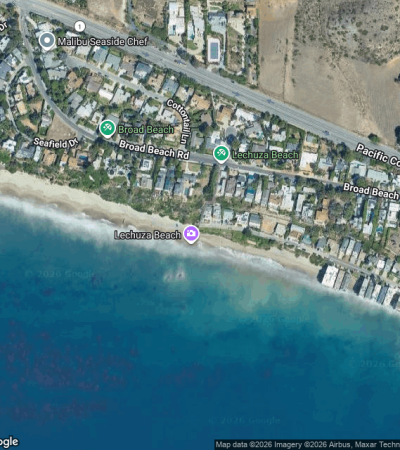
- The far western edge of Malibu near Trancas and Broad Beach feels the most rural and least trafficked.
What should buyers evaluate before making an offer in Malibu?
Due diligence in Malibu centers on the land, the utilities, and the permit history more than in most Los Angeles submarkets. Many properties rely on private septic systems, and some sit on slopes or near the shoreline where geology and coastal regulation shape what can be built. Reviewing permits, easements, and system condition early prevents surprises well into escrow.
- Septic systems serve much of Malibu, so condition, capacity, and county compliance records deserve careful review.
- Water supply in Malibu comes through a regional district, and service details vary by location and elevation.
- Coastal properties in Malibu fall under California Coastal Commission jurisdiction, which affects additions, decks, and shoreline structures.
- Geotechnical and drainage reports matter for Malibu hillside and canyon parcels where slope stability influences buildability.
- Permit history for a Malibu home reveals whether prior additions, guest units, or decks were properly documented.
How do residents get around Malibu?
Pacific Coast Highway is the main artery through Malibu, running the length of the city and connecting it to Santa Monica to the east and Ventura County to the west. Canyon roads including Malibu Canyon, Kanan Dume, and Topanga climb north over the mountains toward the San Fernando Valley and the freeway network. Most households in Malibu drive, and route choice depends heavily on where along the coast a home sits.
- Pacific Coast Highway carries most local and through traffic in Malibu and defines the city’s linear layout.
- Kanan Dume Road links central Malibu north through the mountains toward Agoura Hills and the Ventura Freeway.
- Malibu Canyon Road connects the Civic Center area to Calabasas and the broader San Fernando Valley.
- Commute times from Malibu vary with the season and time of day, so buyers should test their own route.
- Bus service along the coast serves Malibu, though most residents rely on private vehicles for daily travel.
What schools and public services serve Malibu?
Malibu is served by the Santa Monica–Malibu Unified School District, with campuses located within the city and in neighboring Santa Monica. Public safety comes through contracted county services, including a sheriff’s station and fire stations positioned along the coast and in the canyons. Pepperdine University sits above the Civic Center and contributes cultural programming and public events.
- Public schools serving Malibu operate under the Santa Monica–Malibu Unified School District, with campuses inside the city.
- Private and independent school options draw Malibu families both locally and toward Santa Monica and the Valley.
- Pepperdine University occupies a hillside campus in Malibu overlooking the coastline near Malibu Canyon Road.
- Los Angeles County provides law enforcement and emergency response to Malibu through stations serving the coast and canyons.
- The Malibu Civic Center area holds city offices, the library, and services that residents use regularly.
What outdoor access does Malibu offer?
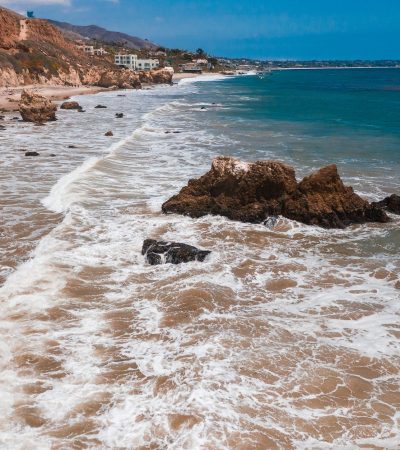
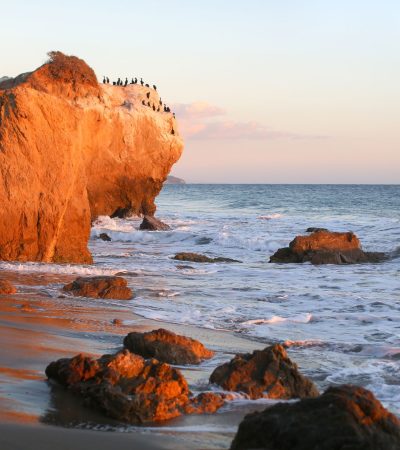
Malibu is surrounded by public beaches, state parks, and mountain preserves that put trails and shoreline within reach of nearly every neighborhood. Zuma, Point Dume, Surfrider, and El Matador are among the beaches open to the public along the coast. Inland, the Santa Monica Mountains National Recreation Area offers hiking, riding, and mountain biking on a connected trail network.
- Zuma Beach in Malibu provides wide sand, parking, and lifeguard service on the western side of the city.
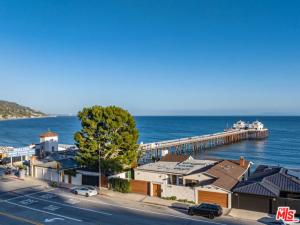
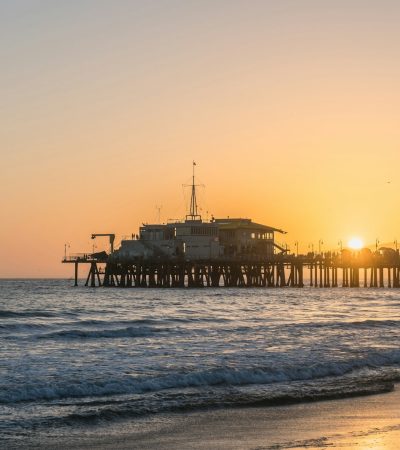
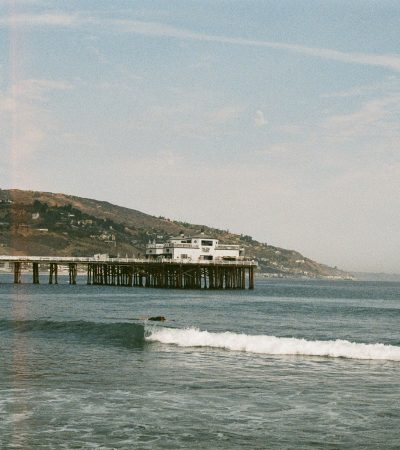
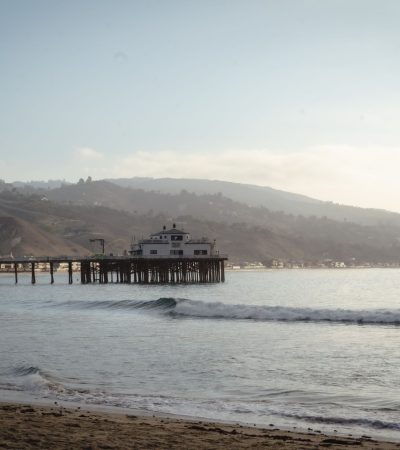
- Surfrider Beach in Malibu sits beside the pier and draws surfers to its long right-breaking point.
- Malibu Creek State Park lies inland from Malibu with trails, meadows, and a creek corridor through the mountains.
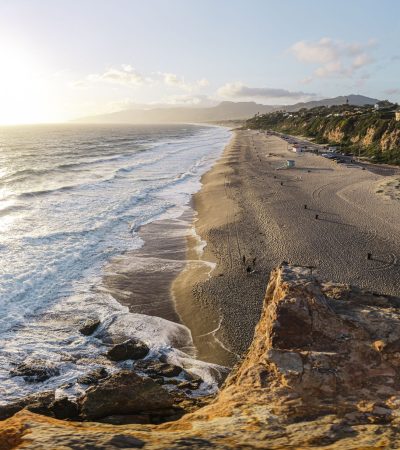
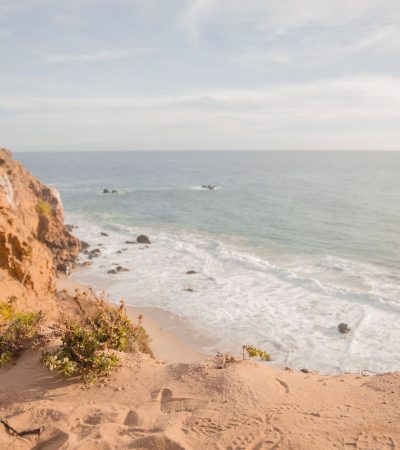
- Point Dume Natural Preserve gives Malibu visitors bluff-top trails with views across Santa Monica Bay.
- Trailheads throughout Malibu connect into the Santa Monica Mountains network used by hikers, riders, and cyclists.
How does The Knight Group work the Malibu market?
The Knight Group represents buyers and sellers across Malibu with attention to the details that distinguish coastal and canyon property. The team evaluates septic condition, permit records, access easements, and coastal regulation alongside the usual questions of layout and condition. Clients receive guidance matched to the specific stretch of Malibu they are considering, since conditions differ sharply from the Colony to the canyons.
- The Knight Group previews Malibu properties in person and reports on setting, access, and orientation before clients tour.
- Offer strategy from The Knight Group reflects how a given Malibu property is positioned and what its records show.
- Sellers working with The Knight Group receive preparation guidance tailored to how Malibu buyers evaluate coastal and canyon homes.
- The Knight Group coordinates septic, geotechnical, and permit review with inspectors familiar with Malibu property conditions.
- Current Malibu listings appear on this page, and The Knight Group can arrange showings for any of them.