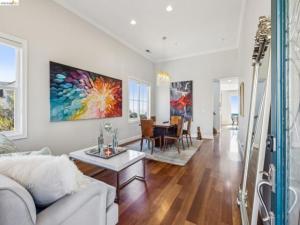
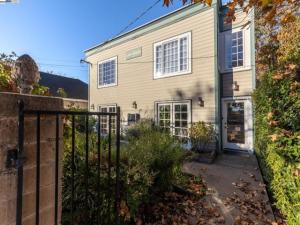
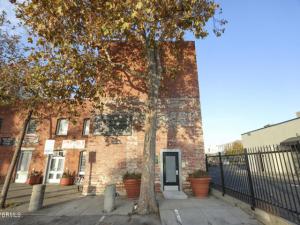
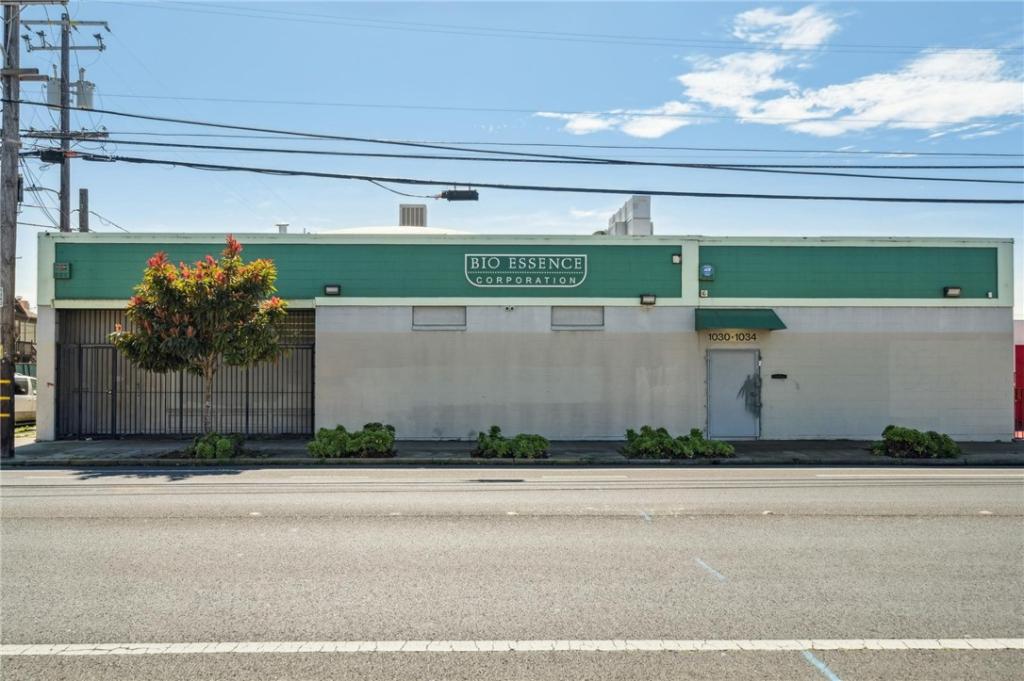
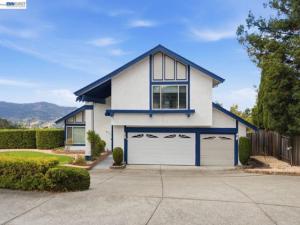
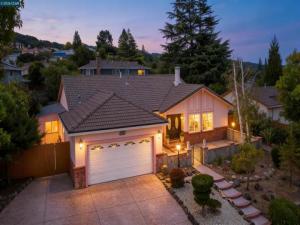
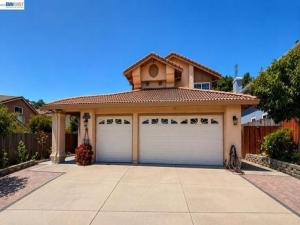
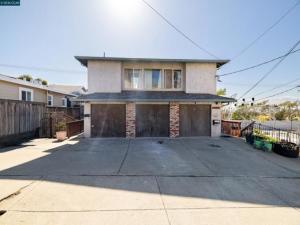
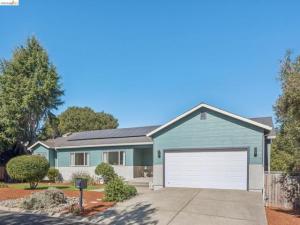
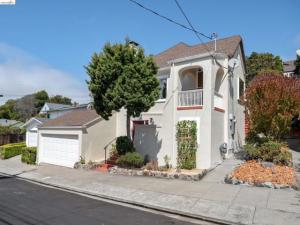
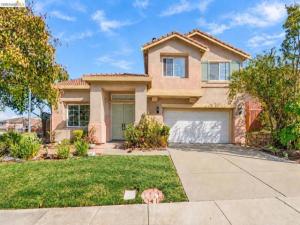
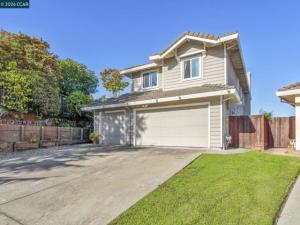
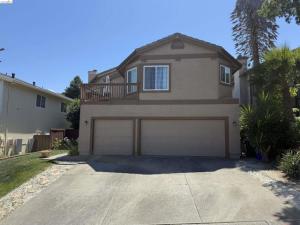
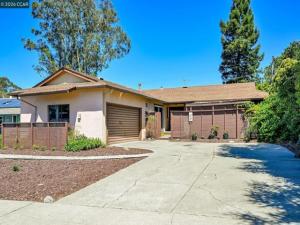
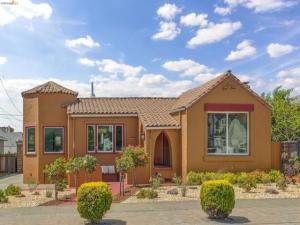
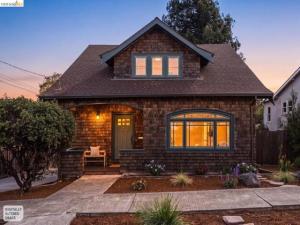
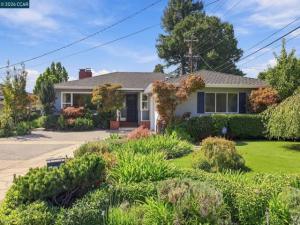
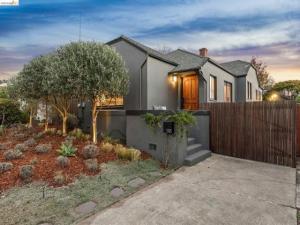
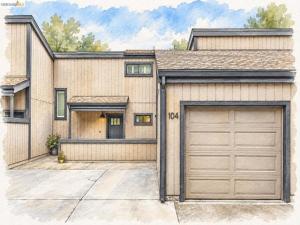
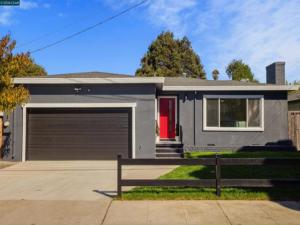
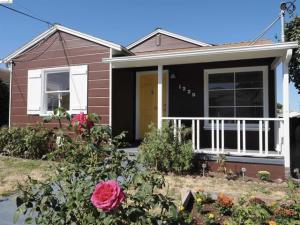
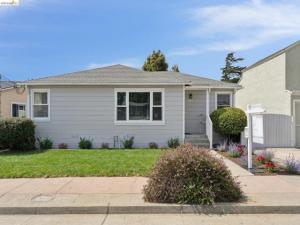
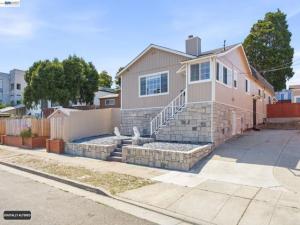
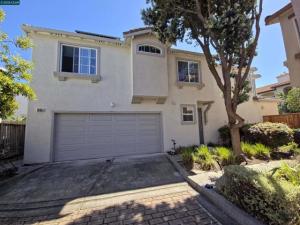
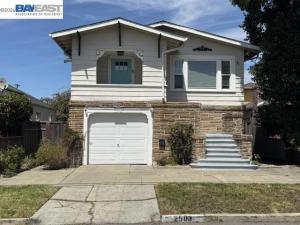
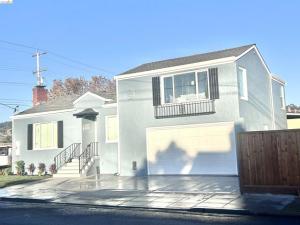
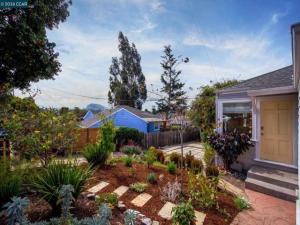
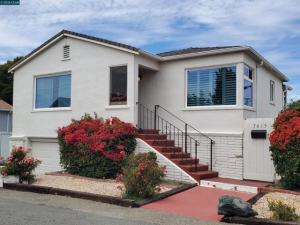
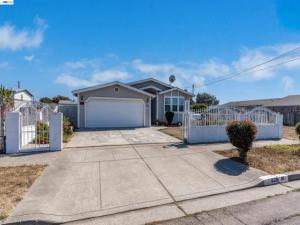
Point Richmond CA Real Estate currently number 160 active listings with a median asking price of $572,000 (CRMLS, September 2026).
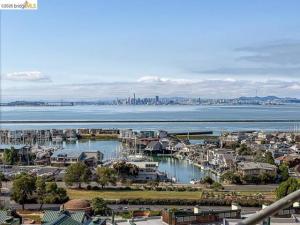
Point Richmond CA real estate sits at the extreme western tip of the peninsula, where the Richmond-San Rafael Bridge crosses toward Marin. It is the city’s most distinctive and historically established residential neighborhood, with Victorian-era homes, a walkable village commercial area of restaurants and specialty retail, and waterfront access to the Richmond Inner Harbor. Prices here overlap with El Cerrito and sometimes Albany, well above central and north Richmond, and residents identify with the neighborhood far more than with the broader city.
Housing stock runs older and more varied than the rest of Richmond, and condition and hillside position drive value as much as square footage. Nearby Marina Bay offers a different product entirely: contemporary condominiums, townhomes, and single-family homes around the marina. Schools fall under West Contra Costa Unified, where performance varies enough that you should check campus data at the address level.
Richmond is one of the Bay Area’s most strategically positioned and most misunderstood cities, a large West Contra Costa County city on the San Francisco Bay with BART service at two stations, a working waterfront that is actively being transformed by arts and residential redevelopment, the Point Richmond neighborhood with some of the most distinctive residential character in the East Bay, and a downtown that is the focus of significant civic investment. The city’s historically working-class and diverse identity coexists with a rapidly evolving real estate market that is attracting buyers who recognize the underlying value before the market fully prices in the improvements underway. This guide covers Richmond’s real estate market, neighborhoods, schools, and what buyers need to understand about the city’s genuine complexity.
Richmond’s market is heterogeneous: Point Richmond and the Marina Bay area trade at prices that overlap with El Cerrito and sometimes Albany, while central and north Richmond neighborhoods remain among the most accessible in the entire BART-connected Bay Area. Understanding which Richmond you are buying into is more important here than in almost any other Bay Area city, because the neighborhood context varies more dramatically within Richmond’s boundaries than in most comparable cities.
The BART premium in Richmond is significant. Properties near the Richmond and El Cerrito del Norte BART stations command premiums that reflect the direct transit access to San Francisco and Oakland that these stations provide. The Richmond BART station, with connections to both the Richmond-Fremont and Richmond-Millbrae lines, is one of the most transit-connected stations in the East Bay, providing access to multiple destinations without requiring a transfer.
The transformation of Richmond’s waterfront, including the Rosie the Riveter National Historical Park, the Marina Bay Yacht Harbor, and the residential development in the former Hilltop and Parchester Village areas, reflects a city that is making deliberate investments in public infrastructure and livability while navigating the legacy challenges of industrial decline and the resulting community impacts. Buyers who time their entry correctly in Richmond’s improving neighborhoods have historically captured meaningful appreciation as the city’s trajectory becomes more broadly recognized.
Point Richmond, at the extreme western tip of the peninsula where the Richmond-San Rafael Bridge connects to the Bay Area north, is the city’s most distinctive and historically established residential neighborhood. Victorian-era homes, a walkable village commercial area with restaurants and specialty retail, and waterfront access to the Richmond Inner Harbor give Point Richmond a character that is completely unlike the rest of Richmond and that would be considered highly desirable regardless of the surrounding city context. Point Richmond residents identify intensely with the neighborhood rather than the broader city identity.
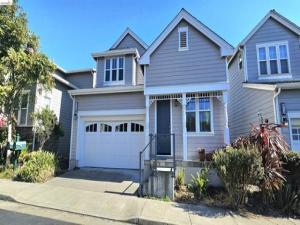
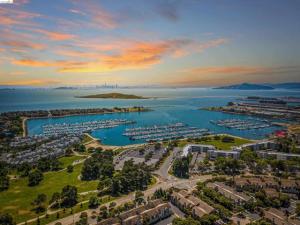
Marina Bay, a planned community on the Richmond waterfront, is a contemporary residential development with condominiums, townhomes, and single-family homes surrounding a marina and waterfront park. The area is newer, cleaner in its residential character, and more directly comparable to the waterfront planned communities of Hercules and Alameda. Marina Bay attracts buyers who want Bay waterfront lifestyle at Richmond prices.
Atchison Village, a mid-century townhome community in the central Richmond area, is a National Historic Landmark built to house WWII shipyard workers at the Kaiser Richmond yards. The community’s distinctive modernist architecture and cooperative ownership structure make it one of the most architecturally interesting residential communities in the East Bay.
The central and north Richmond flatlands neighborhoods have the most accessible pricing in the city but also the most variable neighborhood conditions. These areas attract value-oriented buyers and investors who are focused on the long-term trajectory of the city rather than current neighborhood character.
West Contra Costa Unified School District serves Richmond. The district operates numerous campuses across a large and diverse student population, with performance varying significantly across schools. Richmond High School is the city’s flagship secondary campus, with programs and improvement initiatives that reflect the district’s investment in its most-enrolled city. Buyers who prioritize school quality should review campus-specific data at the address level, as the variation within WCCUSD means that city-level generalization is inadequate for school-motivated buyers.
Rosie the Riveter/World War II Home Front National Historical Park is Richmond’s most distinctive civic asset, preserving the waterfront industrial history of the city’s role as the nation’s largest shipbuilding center during World War II. The park’s visitor center at the Ford Assembly Building is an architectural landmark and an interpretive resource about American wartime industrial mobilization that is genuinely significant in national historical context.
The Richmond Greenway, a multi-use trail on a former rail corridor through central Richmond, is an example of community-led open space development that has improved neighborhood quality in the sections it passes through. The trail connects to parks and community gardens that reflect the neighborhood investment that Richmond’s civic organizations and residents are making in the city’s long-term livability.
Richmond BART station, one of the Bay Area’s most transit-connected stations, provides service on the Richmond-Fremont/Millbrae line with connections throughout the BART system. Commute times from Richmond BART to San Francisco’s Embarcadero average 28 to 38 minutes, one of the shorter BART commute times from any Contra Costa County station. This transit access is Richmond’s most significant competitive advantage for transit-dependent buyers and is a primary reason that buyers from San Francisco and Oakland target Richmond when they need Bay Area ownership at accessible prices.
Richmond’s housing stock is among the most varied in the Bay Area, spanning Victorian and Craftsman-era homes in Point Richmond, mid-century bungalows and ranch homes in the central residential neighborhoods, contemporary condominiums and townhomes in Marina Bay, and everything between. Price ranges vary as dramatically as the housing types, from accessible post-war homes in the $400,000s in the central flatlands to Point Richmond Victorians and Marina Bay condominiums in the $700,000s to $1 million range.
The Knight Group serves Richmond buyers with the neighborhood-level analysis that is essential in a city where location within the city boundaries matters more than the city name itself. Understanding the Point Richmond premium, the Marina Bay waterfront character, and the value-add opportunities in the central residential areas requires specific familiarity with Richmond’s micro-market dynamics. TKG provides the honest assessment and due diligence coordination that each Richmond sub-market requires. Connect with TKG to discuss the current Richmond market.
Connect with TKG about Richmond real estate.
Richmond has one of the most active investment property markets in West Contra Costa County, driven by accessible acquisition prices, strong BART access, and a rental demand base that is sustained by diverse economic sectors including Port of Oakland adjacency, healthcare employment, and the broader Bay Area working-class housing need. Two BART stations provide the transit access that sustains rental demand at a price point that investors can acquire at favorable yield levels relative to closer-in Bay Area markets.
Rent stabilization provisions apply to most multi-unit buildings in Richmond under the city's Rent Ordinance, which includes just cause eviction requirements and annual allowable rent increase limits. Richmond's rent ordinance is among the more protective of tenant interests in Contra Costa County, and investors who acquire pre-covered-date multi-unit properties should thoroughly review the ordinance before committing to income projections that assume free-market rent adjustment.
Point Richmond and Marina Bay properties are appropriate for premium-tier investment given their distinctive character and the premium rents they support relative to the broader Richmond market. These sub-markets trade at higher acquisition prices that compress current yields but reflect the specific character and demand premium that differentiates them from the broader city market.
Buyers looking at Point Richmond California real estate are usually choosing between two very different products within a short drive of each other. The village itself offers older, varied housing — Victorian-era homes among them — where condition, updates, and hillside position matter as much as square footage, and where the walkable commercial area is part of what you are paying for. Marina Bay, by contrast, delivers contemporary condominiums, townhomes, and single-family homes around the marina and waterfront park, with newer systems and a more uniform feel. Neither is objectively better; they suit different tolerances for maintenance and different ideas of daily life.
Practical due diligence matters more here than the marketing does. Inspect older homes carefully, since age and slope both affect cost of ownership. Confirm your specific school assignments within West Contra Costa Unified at the address level. And compare your shortlist against El Cerrito and Albany, because pricing at this end of the peninsula frequently overlaps with both.
How does Point Richmond's residential market differ from the broader Richmond market?
Point Richmond is a self-identified village within Richmond with its own community identity, walkable commercial district, and distinctive Victorian-era architecture. Properties in Point Richmond trade at significant premiums over comparable square footage in other Richmond neighborhoods, reflecting the community character, the waterfront access, and the genuine walkability that is rare in West Contra Costa County at any price point. Point Richmond residents identify strongly with the neighborhood rather than with the broader city and are typically very committed to remaining in the community.
Is Richmond's Rosie the Riveter site worth visiting?
Yes. The Rosie the Riveter/World War II Home Front National Historical Park is one of the more historically significant National Park Service sites in the Bay Area, preserving the waterfront industrial history of the Kaiser Richmond Shipyards where 747 ships were built during World War II and where over 100,000 workers, including a historically unprecedented number of women, African Americans, and workers from underrepresented communities, participated in the war production effort. The visitor center at the historic Ford Assembly Building is a significant interpretive resource that contextualizes Richmond's place in American 20th-century history.
Richmond BART is one of the most strategically positioned BART stations in the system from a multi-modal transit standpoint. The station sits at the junction of the Richmond-Fremont and Richmond-Millbrae lines, providing service to both the East Bay and the San Francisco Peninsula without requiring a transfer. The station also has bus connections to AC Transit routes serving the broader West County area and to the West County Express bus service. This multi-modal connectivity makes Richmond BART a transit hub that is competitive with several Bay Area urban transit nodes in terms of network reach.
Richmond has developed an arts identity that reflects the creative energy of a city where lower commercial rents have attracted artists, musicians, and cultural workers who have been displaced from San Francisco and Oakland by cost increases. The RYSE Center, a youth arts and development organization, is a nationally recognized model for creative youth engagement that reflects Richmond's investment in community cultural infrastructure. The Point Richmond community has its own arts identity, and the waterfront venues in the marina area host musical and cultural events that draw attendees from across the West Bay.
Richmond buyers who succeed in the market have typically done their research on specific neighborhoods rather than the city as a whole, have a clear picture of the specific Richmond character they are buying into, and have realistic expectations about the timeline for appreciation and the management realities of owning rental property in an area with active tenant protection advocacy. Buyers who approach Richmond with a general "Bay Area value" thesis without doing neighborhood-specific analysis often end up in sections of the city where the value is real but the quality-of-life and management realities are not what they expected. TKG's advisory process for Richmond buyers begins with a candid neighborhood-level assessment rather than a city-wide opportunity pitch.
Richmond property owners face a property tax structure that includes the base Contra Costa County rate, West Contra Costa Unified School District parcel taxes, fire district assessments, and other applicable special assessments. The WCCUSD parcel taxes fund the school district's above-state-average per-pupil investment that is reflected in the district's improving academic outcomes. Total annual property tax obligations for a typical Richmond homeowner, including all parcel taxes and special assessments, are somewhat higher than in some neighboring counties given the WCCUSD parcel tax component.
Richmond's cost of living for ongoing housing maintenance is also relevant for buyers of the older housing stock that characterizes much of the city's inventory. Pre-war and early post-war construction requires periodic investment in foundation maintenance, plumbing system updates, electrical panel upgrades, and roof replacement that newer construction buyers do not face at comparable timeframes. TKG advises Richmond buyers of older properties to budget for these maintenance investment categories in their five-year ownership cost projections alongside the purchase price and mortgage payment.
Point Richmond is Richmond's most distinct and historically significant neighborhood, situated on a small peninsula at the northern edge of the city where the Richmond Inner Harbor meets San Francisco Bay. The neighborhood's Victorian and Craftsman residential architecture reflects its establishment as a company town for the Standard Oil refinery workers in the early 20th century, and the scale and character of the neighborhood are unlike any other Richmond residential area. The Point Richmond Town Square, with its historic hotel, restaurants, and independent retail shops, functions as a genuine neighborhood commercial center with walkable daily amenities for Point Richmond residents that are rare in Richmond's broader residential landscape.
The Point Richmond neighborhood's proximity to the Richmond Ferry Terminal gives residents direct ferry access to San Francisco's Ferry Building and the Embarcadero waterfront, which is a transit connection that no other East Bay community at comparable price points provides. For buyers who work in downtown San Francisco or the Financial District and want a car-free commute option, Point Richmond's ferry access combined with the neighborhood's residential character creates a specific lifestyle opportunity that is otherwise unavailable in the East Bay at this price range.
Richmond's diverse residential geography means that buyers need to understand the specific sub-market they are entering rather than treating Richmond as a homogeneous market. Point Richmond commands the highest prices in the city due to the waterfront character, the historic architecture, the village commercial center, and the ferry access. The Santa Fe neighborhood and the Iron Triangle area are the city's most affordable residential sections but require the most careful block-by-block evaluation due to variable neighborhood conditions. The Richmond Annex and Pullman sections, adjacent to El Cerrito on the eastern edge of Richmond, provide the most consistent residential quality and the highest proportion of owner-occupants of any Richmond residential area and are the section of the city that is most analogous to El Cerrito in daily-life experience while trading at a significant discount to El Cerrito prices.
The Richmond Annex specifically is one of the more consistently undervalued residential micro-markets in the East Bay from a fundamentals perspective: the Craftsman and bungalow housing stock is architecturally attractive, the proximity to the El Cerrito border gives it de facto El Cerrito commercial access, and the price differential to El Cerrito proper is substantial for properties that are essentially across the street from each other on the city boundary. TKG has seen multiple Richmond Annex buyers who investigated El Cerrito first, found the price gap too wide for their budget, and then discovered the Richmond Annex as the nearest comparable residential experience at a price they could achieve. For this buyer profile, the Richmond Annex represents one of the more rational value purchase decisions available in the inner East Bay market.
The Richmond Art Center, one of the oldest visual arts centers in the Bay Area, provides studio space, classes, and exhibition programming that has served the Richmond community's artistic traditions for decades. The Rosie the Riveter World War II Home Front National Historical Park in Richmond, operated by the National Park Service, commemorates the wartime industrial history that transformed Richmond's population and economy and provides a significant historical interpretation resource that draws visitors from across the region. These cultural institutions, alongside the Richmond Museum of History, give Richmond a cultural depth and historical significance that communities with more recent residential development histories cannot claim, and they are genuine assets for residents who engage with the city's artistic and historical programming.
Browse all Contra Costa County real estate.