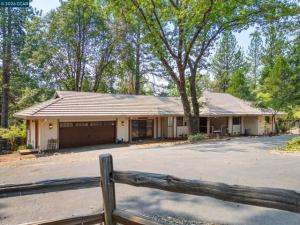
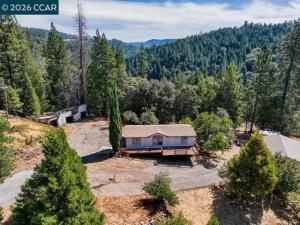
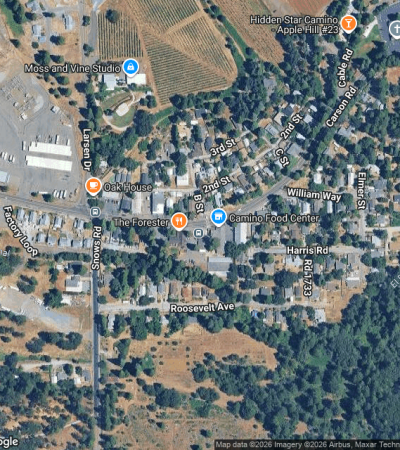
Camino CA homes for sale sit about 8 miles east of Placerville along the Highway 50 corridor, at elevations between 2,500 and 3,500 feet. This is the heart of Apple Hill, and the orchards here are working farms, not scenery. Prices generally run from around $400,000 for smaller residential properties without meaningful acreage up to $900,000 and above for established farmsteads with productive orchard land and maintained farm infrastructure.
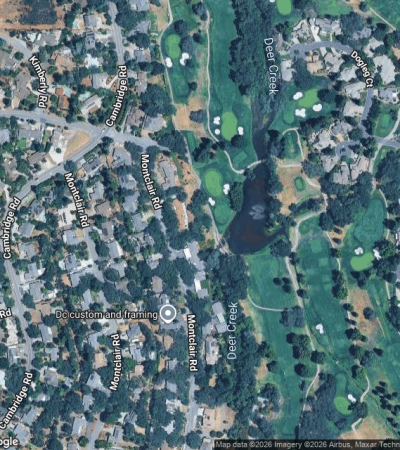
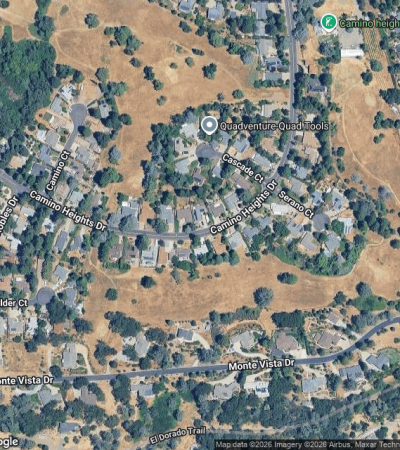
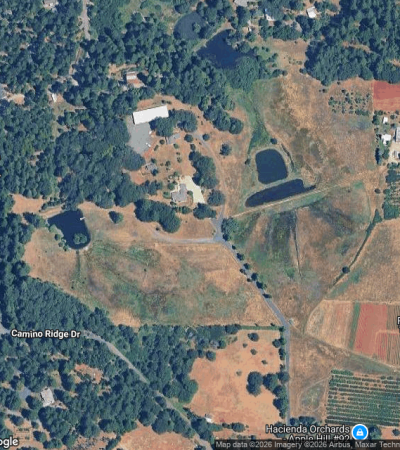
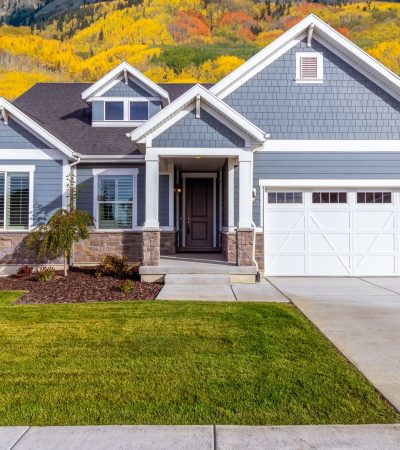
Housing stock is rural: farmsteads with orchard acreage, mountain homes on larger lots, and estates with agricultural outbuildings. Camino Heights and Camino Vistas hold higher ground with orchard and valley views; Camino Ridge Estates runs to estate-sized lots in a more natural setting; Goldstrike, Rancho del Sol, and Valley Vista are smaller. Schools are Camino Union Elementary K-8, then El Dorado High in Placerville.
No properties found. |
Camino is an unincorporated agricultural community in El Dorado County, situated on the Highway 50 corridor approximately 8 miles east of Placerville at elevations ranging from 2,500 to 3,500 feet. The community is best known as the center of the Apple Hill agricultural district, a network of apple orchards, u-pick farms, cideries, wineries, and pumpkin patches that draws approximately 1 million visitors to El Dorado County each autumn from the Sacramento region and beyond. Camino's permanent residential population of approximately 2,000 supports the agricultural economy through both direct farm operation and the hospitality and tourism infrastructure that serves Apple Hill visitors. The community's rural character, mountain microclimate, and established agricultural identity make it one of the more distinctive small communities in the Sacramento foothills region.
The Camino area's geography is defined by its position on the west-facing slope of the Sierra Nevada, where the combination of maritime influence from the Delta gap wind pattern and the mountain elevation creates a growing season well-suited to the apple varieties that first established the area's agricultural identity in the late 19th century. The orchards that cover the Camino hillsides are genuine working agricultural operations, not decorative rural amenity, and the community's identity as an agricultural working landscape distinguishes it fundamentally from the residential-suburban foothill communities to the west along the Highway 50 corridor.
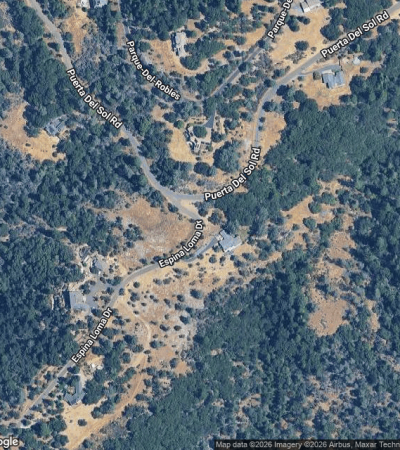
Camino's real estate market is small and rural, reflecting the community's limited permanent residential population and agricultural land-use character. Properties in and around Camino include farmsteads with orchard acreage, mountain residential homes on larger lots, and the occasional rural estate with multiple structures and agricultural outbuildings. The Camino Heights, Camino Ridge Estates, Camino Vistas, Rancho del Sol, and Valley Vista sub-communities provide the community's primary residential neighborhoods, each offering a different relationship to the agricultural landscape and the mountain terrain.
Pricing in the Camino market ranges from approximately $400,000 for smaller residential properties without significant agricultural acreage to $900,000 and above for established farmsteads with productive orchard land and well-maintained farm infrastructure. The agricultural land component of Camino properties introduces complexity to the valuation process that buyers unfamiliar with agricultural real estate should address specifically in their due diligence, including assessment of soil quality, water rights, irrigation infrastructure, and the condition of any farm buildings or processing facilities.
The Camino area's residential communities are organized along the ridge lines and hillside terraces that characterize the community's topography. Camino Heights occupies one of the area's more raise residential positions, with views across the apple orchard landscape toward the Sacramento Valley. Camino Vistas similarly offers raise positions with valley views. Camino Ridge Estates provides a residential alternative with estate-sized lots in a more natural mountain setting. Goldstrike and Rancho del Sol are smaller residential communities that reflect the varied character of Camino's rural residential development pattern.
The Apple Hill Growers Association, which coordinates the seasonal agricultural tourism program, represents approximately 50 member farms, wineries, and specialty food producers in the Camino area. The autumn Apple Hill season, running roughly from Labor Day through Thanksgiving, is the community's primary economic event of the year, generating significant visitor traffic on the narrow country roads that connect the various farm destinations and creating a temporary community character quite different from the quiet rural lifestyle of the other nine months. Buyers who are considering Camino residential properties should visit during the autumn season to understand the traffic patterns and visitor activity that characterize the community during its peak period, as the contrast with the off-season quiet is significant.
Camino students are primarily served by the Camino Union Elementary School District for K-8 education and El Dorado Union High School District for secondary education. El Dorado High School in Placerville is the primary high school for Camino students. The small enrollment that characterizes the elementary district creates close-knit classroom environments but limits the range of elective programs available at the elementary level compared to larger district schools in the western county communities.
Camino's transportation reality is entirely car-dependent. The US-50 freeway access at Ponderosa Road and at the El Dorado Road interchange provides the most direct route to the Sacramento employment base, with drive times of approximately 50 to 65 minutes depending on destination and traffic conditions. Placerville's commercial core is approximately 8 miles west on US-50 and provides the closest full range of commercial services. The community's mountain position means that seasonal weather conditions, including winter snowfall at higher elevations, are a practical transportation consideration that buyers should address when evaluating the community as a year-round primary residence.
The Camino buyer is typically motivated by the agricultural lifestyle, the mountain environment, and the specific character of a working rural community that is meaningfully different from the residential suburban foothill markets to the west. The community rewards buyers who are prepared for its rural infrastructure limitations, its seasonal weather variability, and the traffic and activity that the Apple Hill season brings. For those buyers, Camino provides a California agricultural and mountain residential experience that is genuinely rare in the Sacramento region and that commands committed loyalty from residents who have established themselves in the community.
The Apple Hill Growers Association represents approximately 50 member operations in the Camino area, ranging from small family orchards with u-pick operations to larger farms with processing facilities, farm stores, and value-added agricultural products. The diversity of the member operations, which include cideries, wineries, berry farms, pumpkin patches, and Christmas tree operations alongside the apple orchards that give the district its name, creates a year-round agricultural tourism infrastructure that extends well beyond the September through November apple harvest season that draws the majority of visitor traffic.
The Apple Hill district's success as an agricultural tourism destination has attracted both long-term farm families who have operated in the Camino area for generations and newer agricultural operations that have recognized the marketing opportunity of the established Apple Hill brand. The result is a diverse and evolving agricultural landscape that is continuously renewing itself with new products, new operations, and new community infrastructure, while maintaining the core character of a working agricultural district that is accessible to urban visitors in a way that purely agricultural operations are not.
The Camino area is part of the broader El Dorado County wine region, which has established itself as one of California's most rapidly developing wine appellations over the past two decades. The El Dorado AVA and the Sierra Foothills AVA both encompass portions of the Camino area, and the combination of volcanic and metamorphic soils, significant elevation variation from 1,200 to 3,500 feet, and the Sierra Nevada mountain microclimate creates growing conditions that produce wines with structural complexity and flavor profiles distinct from the valley wine regions that previously dominated California wine production. The Camino area's proximity to the established wine-growing corridors along Pleasant Valley Road and the Fairplay Road wine district in the southern El Dorado County gives Camino residents direct access to the wine culture that is increasingly defining the El Dorado County lifestyle brand.
The Camino area's elevation, which ranges from 2,500 to 3,500 feet depending on the specific location, creates a distinct four-season climate that differs meaningfully from both the Sacramento Valley and the higher Sierra Nevada communities. Winter temperatures in Camino typically produce occasional light snow accumulation at the upper elevations, with more frequent frost events and cooler temperatures than the valley floor. Summer temperatures are meaningfully cooler than Sacramento, with afternoon temperatures typically 10 to 20 degrees lower than the valley floor and nights that cool efficiently for comfortable sleeping without air conditioning. The spring apple blossom season and the autumn harvest period are the community's most characteristically beautiful seasons, with the orchard landscape providing a seasonal display that is unique in the Sacramento region.
Year-round residents of the Camino area typically structure their daily logistics around the agricultural calendar, the seasonal weather variability, and the community's limited commercial infrastructure. The nearest full-service grocery and major retail options in Placerville approximately 10 minutes west on US-50 serve most daily commercial needs, while specialty services and healthcare are available either in Placerville or in Sacramento for services not available in the foothill corridor.
The Camino residential market reflects the community's unique position as a working apple and wine production area with established residential properties embedded in the agricultural landscape. Buyers typically range from Sacramento metropolitan households seeking rural lifestyle and agricultural tourism access to remote workers who can work from any location and select Camino for its lifestyle character. Pricing generally ranges from $400,000 to $900,000 for single-family homes depending on size, acreage, and property condition, with working orchard properties or those with substantial view acreage commanding premiums.
The Camino market moves at a slower pace than western El Dorado County's suburban markets, with properties spending longer on market and transactions requiring buyers who understand and value the rural agricultural character. Sellers should expect marketing periods longer than El Dorado Hills or Cameron Park and should price realistically for the smaller pool of buyers who specifically seek the Apple Hill lifestyle.
Camino is the geographic center of the Apple Hill agricultural district, a 20-mile corridor of apple orchards, cideries, wineries, pumpkin patches, Christmas tree farms, and farm stands that attracts approximately one million visitors annually during the autumn harvest season from late August through November. This agricultural heritage is both a lifestyle asset and a community identity anchor that distinguishes Camino from any other El Dorado County residential option.
The Apple Hill Growers Association coordinates the community's agricultural tourism economy, and many Camino property owners participate either as direct producers or as accommodation and service providers for the harvest season visitor traffic. The community's identity as an agricultural destination provides seasonal economic activity and the social infrastructure of a working agricultural community that suburban markets cannot replicate.
El Dorado County wines, produced from vineyards at Camino's elevation range of 2,500 to 3,500 feet, are gaining recognition as a distinct Sierra Nevada foothill appellation. The elevation creates diurnal temperature variation that extends the growing season and concentrates flavor compounds, producing wines with characteristics not achievable in the warmer valley appellations. Several Camino-area wineries now have national distribution and critical recognition.
Camino's elevation range of approximately 2,500 to 3,500 feet creates a climate distinct from the Sacramento Valley and from the lower El Dorado County foothill communities. Summer temperatures average 5 to 10 degrees cooler than Sacramento, with warm days and cool nights that make outdoor activity comfortable through the season without the extreme heat periods that characterize the valley floor. Winter brings occasional snow accumulation at higher elevations, typically light but enough to require four-wheel drive or chains readiness for mountain road reliability.
The lifestyle accessible from Camino combines the agricultural community's season-specific activities, apple and wine harvest in fall, holiday tree farms in winter, orchard bloom viewing in spring, with year-round hiking, cycling, and outdoor recreation on the El Dorado National Forest lands beginning immediately east of the community. South Lake Tahoe is approximately 50 to 60 minutes east via US-50, making Camino one of the closest Sacramento-accessible communities to Tahoe's ski and summer recreation.
Q: What is it like to live in Camino year-round, not just during Apple Hill season?
A: Year-round Camino life centers on the rural community's natural landscape, the Placerville commercial corridor 10 minutes west, and the outdoor recreation of the El Dorado National Forest. The autumn harvest season is intense with visitor traffic, but the balance of the year returns to the quiet rural character that motivates most permanent residents to choose Camino. Winter can require snow preparedness at higher elevations.
Q: Can I have livestock or agricultural use on a Camino residential property?
A: Many Camino properties are zoned for agricultural use and can accommodate orchards, livestock, and farm operations. Zoning review is essential before purchase to confirm allowable uses. El Dorado County's rural zoning categories vary significantly in permitted agricultural activity.
Q: How far is Camino from South Lake Tahoe?
A: South Lake Tahoe is approximately 50 to 60 minutes east via US-50 under typical conditions. Winter weather can extend this drive or require chain stops on US-50's mountain sections. Camino residents have some of the most convenient access to Tahoe's ski resorts of any Sacramento-area residential community.
Camino's agricultural festival infrastructure, centered on the Apple Hill Growers Association member farms, creates a social calendar for permanent residents that metropolitan communities cannot replicate. The growers association hosts events beyond the autumn harvest season, including early-season farm tours, cidery and winery events, and agricultural education programming that integrates the community's farming identity with its residential population. Permanent residents who engage with the growers association community find an unusually deep social infrastructure rooted in agricultural production and community identity.
The wine country character of El Dorado County's mountain appellations is increasingly recognized nationally. El Dorado County wines, produced from Camino-area vineyards, feature varieties that perform well at elevation, including Rhone varietals, Zinfandel, and Italian-heritage grapes. Several El Dorado County wineries now attract wine-focused visitors from the Bay Area and beyond, adding a culinary tourism layer to Apple Hill's existing agricultural identity. Camino residents have direct access to this wine culture as part of their daily residential environment rather than as a destination experience.
Buyers considering Camino for primary residency should factor in the seasonal character of the community's peak activity. The autumn harvest season from late August through November is the community's highest-energy period, with visitor traffic creating temporary congestion on the area's two-lane roads. The balance of the year returns to the rural quiet that permanent residents choose the community for. Fire preparedness is an ongoing responsibility in the El Dorado County foothill landscape, and Camino properties in the apple orchard zone should be evaluated for fuel management practices and defensible space compliance.
Camino's rural character provides natural buffer against the intensification of development that has altered the landscape of communities closer to the Sacramento metropolitan core. The El Dorado National Forest's position immediately east of the community limits eastward development expansion, and the Apple Hill agricultural district's economic productivity maintains the farming land in agricultural use. These factors suggest that Camino's current character is stable over the medium-to-long residential investment horizon.
Buyers evaluating Camino residential properties benefit from agents who have direct knowledge of the rural El Dorado County market, including the specific zoning categories that govern agricultural use, the well and septic infrastructure that is standard in portions of the community, and the fire insurance landscape that has changed significantly since the 2017-2021 California fire season. An agent familiar with Camino's dual identity as an agricultural tourism destination and a permanent residential community will provide pricing and due diligence context that general Sacramento metropolitan agents may not have.
Sellers in the Camino market benefit from marketing that communicates the Apple Hill and wine country lifestyle access that motivates buyers to consider rural El Dorado County over the western county's more amenity-rich but less distinctive suburban communities. Properties with direct orchard, vineyard, or creek frontage command premiums that require appropriate buyer targeting to achieve efficiently. Working with agents who understand and can market the specific lifestyle proposition of the Camino community will produce better outcomes than agents who treat the community as undifferentiated foothill residential inventory.
Browse all El Dorado County real estate.
Lucky for you we’re looking out.
Subscribe to this Custom Search to be alerted when new properties hit the market in the area.
Choose the frequency that works for you.