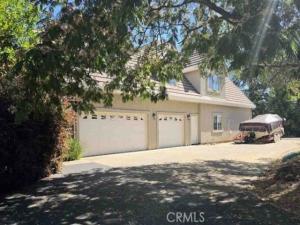
Shingle Springs is an unincorporated community in western El Dorado County on the US-50 corridor, situated between Cameron Park to the east and El Dorado Hills to the west at approximately 1,200 to 1,600 feet elevation. The community, with a population of approximately 10,000, shares its ZIP code with Cameron Park and functions as part of the western El Dorado County residential market without the distinct planned community identity of its neighbors. The Shingle Springs Band of Miwok Indians maintains tribal lands within the community, including Red Hawk Casino, which is a major regional employer and entertainment destination. The presence of the tribal lands and the casino creates a distinctive character element that is unique among El Dorado County communities and distinguishes Shingle Springs from the more conventionally suburban foothill residential markets.
Shingle Springs occupies a transitional position in the El Dorado County residential landscape, with the fully suburban character of El Dorado Hills to its west and the more established but less intensively planned residential character of Cameron Park to its east. The community's own residential stock includes both rural residential properties with larger lots and acreage, and more conventionally suburban residential neighborhoods with smaller lots and HOA management, reflecting the varied development history of the US-50 corridor community area.
Shingle Springs real estate ranges from approximately $500,000 for conventional suburban residential properties in established neighborhoods to $1 million for larger rural residential properties with significant acreage. The community's price positioning generally falls between El Dorado Hills and Cameron Park, reflecting its position between those communities and the varied residential product that includes both planned residential development and the more individualistic rural residential parcels that have developed outside the HOA structure. The tribal land presence and Red Hawk Casino create an employment anchor and a commercial entertainment destination that supports the local economy and generates consistent employment for local residents.
The five identified sub-communities within Shingle Springs include Barnett Estates, Deer Hills, Foothill Acres, Milton Estates, and Rancho Victoria, representing the community's varied residential neighborhoods. These sub-communities reflect the mix of established rural residential areas and more recent planned developments that characterize the broader Shingle Springs community, with pricing differentiation based on lot size, community management structure, and specific neighborhood character.
Barnett Estates is one of the community's established residential neighborhoods, with single-family homes on lots that reflect the community's rural-suburban transition character. Deer Hills provides a residential environment with the open foothill terrain and larger lot sizes that distinguish Shingle Springs from the more intensively developed El Dorado Hills planned communities to the west. Foothill Acres and Milton Estates are established residential areas within the community's development footprint. Rancho Victoria provides an additional residential neighborhood option within the Shingle Springs community area. Each of these sub-communities offers a somewhat different relationship to the US-50 commercial corridor, the tribal lands, and the surrounding rural foothill landscape.
Red Hawk Casino, operated by the Shingle Springs Band of Miwok Indians, is a significant regional employer and entertainment destination that contributes to the local economy and creates employment opportunities for Shingle Springs and surrounding El Dorado County residents. The casino complex includes hotel accommodations, multiple restaurants, and entertainment venues that serve visitors from across the Sacramento region and contribute to the commercial tax base that funds El Dorado County services. The tribal government's presence provides economic stability and community investment that is an asset for the broader Shingle Springs area economy.
Shingle Springs students are served by the Rescue Union Elementary School District for K-6 and El Dorado Union High School District for secondary education. The school assignment reflects Shingle Springs' position within the same school district service area as the adjacent El Dorado Hills and Rescue communities, providing access to the same quality El Dorado Union secondary schools that serve those higher-profile communities. Oak Ridge High School is the primary secondary school for Shingle Springs students, reinforcing the community's connection to the broader western El Dorado County educational infrastructure.
Shingle Springs' US-50 access points, including the Ponderosa Road and Cambridge Road interchanges, provide direct freeway connectivity for Sacramento commuters. Drive times to Sacramento range from approximately 35 to 50 minutes depending on traffic conditions and destination. The community's position between El Dorado Hills and Cameron Park provides access to the commercial and retail infrastructure of both communities without requiring a drive to either urban center. Red Hawk Casino's presence also brings a concentration of dining and entertainment options accessible within the community itself.
Shingle Springs provides a value entry point into the western El Dorado County US-50 corridor market, with access to the El Dorado Union High School District's school quality and the foothill lifestyle character at price points that are somewhat below the premium El Dorado Hills planned community market. The community's rural-suburban transition character, the tribal economic presence, and the access to both Cameron Park and El Dorado Hills commercial infrastructure give Shingle Springs a practical and balanced residential profile. Buyers who are focused specifically on school quality, freeway accessibility, and foothill character without requiring the HOA-managed planned community environment of El Dorado Hills will find Shingle Springs a strong value option in the western El Dorado County market.
Red Hawk Casino, operated by the Shingle Springs Band of Miwok Indians on tribal trust land within the Shingle Springs community area, is a major regional entertainment destination and one of El Dorado County's most significant employers. The casino complex includes hotel accommodations, multiple restaurants and bars, a concert venue, and the gaming floor that serves visitors from across the Sacramento region and beyond. The tribal economic enterprise provides employment for thousands of workers, including a significant proportion of Shingle Springs and western El Dorado County residents, and contributes to the local commercial tax base through business activities on the tribal commercial campus. The casino's presence creates a round-the-clock commercial energy and traffic pattern on the Shingle Springs Road corridor that is distinctive in the El Dorado County residential landscape.
The Shingle Springs Band of Miwok Indians' tribal government, headquartered on the Shingle Springs Rancheria adjacent to the casino campus, is an active civic presence in the Shingle Springs community area and a participant in the broader El Dorado County planning and infrastructure discussions that affect the western county corridor. The tribe's economic enterprise has funded tribal community programs, infrastructure improvements, and conservation activities on tribal lands that have positive externalities for the surrounding non-tribal residential community.
Shingle Springs occupies a distinctive value position in the western El Dorado County US-50 residential corridor. The community sits between the more expensive El Dorado Hills planned community market to the west and the somewhat less expensive Cameron Park established residential market to the east, capturing buyers who are price-sensitive relative to the El Dorado Hills premium while wanting the school district quality and the US-50 corridor access that both western county communities provide. The community's mix of rural residential acreage properties and more conventional suburban-scale homes creates a pricing range that accommodates both first-time buyers and move-up buyers within the broader western El Dorado County market.
Shingle Springs' commercial and service infrastructure is provided through the combination of the US-50 commercial corridor, the Red Hawk Casino's restaurant and entertainment complex, and the proximity to El Dorado Hills and Cameron Park commercial services to the immediate west and east. The community does not have a distinct downtown district or concentrated commercial center independent of the casino campus and the US-50 strip, reflecting its character as a transitional residential community rather than an incorporated town with its own civic infrastructure. The Shingle Springs Volunteer Fire Department and the El Dorado County Sheriff's Office provide emergency services for the unincorporated community, with response times reflecting the rural-suburban character of the western El Dorado County community area.
Shingle Springs serves as the US-50 corridor community between El Dorado Hills and Cameron Park, providing foothill residential options with western county school access at price points generally ranging from approximately $500,000 to $1 million for single-family homes. The community's position gives buyers the practical advantage of both communities' commercial infrastructure while paying pricing that reflects its slightly more rural character and varied development pattern.
Shingle Springs buyers are often El Dorado County foothill buyers who found El Dorado Hills priced beyond their target range, found Cameron Park's older stock less aligned with their preferences, and discovered Shingle Springs as the practical middle option. Remote workers who prioritize US-50 freeway proximity for occasional Sacramento access without daily commuting represent an increasing segment of the buyer pool.
The Shingle Springs Band of Miwok Indians operates the Red Hawk Casino and Resort on tribal land within the Shingle Springs community area, creating a significant commercial and employment destination within the community's geographic footprint. The tribal community's presence adds a distinctive historical and cultural layer to Shingle Springs' identity, reflecting El Dorado County's pre-Gold Rush indigenous heritage in a contemporary context.
Red Hawk Casino's resort and dining facilities provide recreational and employment infrastructure accessible from Shingle Springs residential addresses without a significant drive. The tribal gaming employment is a stable economic input for the local community that supplements the residential and commercial employment base along the US-50 corridor.
Shingle Springs' character as a US-50 corridor community gives it practical advantages in terms of freeway access, commercial service availability, and commuting efficiency that more raise or remote El Dorado County communities lack. The Ponderosa Road and Cambridge Road freeway interchanges provide multiple US-50 access points for Shingle Springs residents, and the commercial corridor along Ponderosa Road provides everyday services including grocery, fuel, and essential retail.
The community's terrain is gentler than the western ridgelines of El Dorado Hills or the canyon-rim positions of Cool and Georgetown, creating a more open residential landscape with varying view quality depending on specific property position. Buyers seeking dramatic foothill view lots may find greater selection in El Dorado Hills or Rescue's raise positions, while those prioritizing practical US-50 access and commercial service convenience will find Shingle Springs meeting those criteria well.
Shingle Springs students attend Rescue Union Elementary School District for K-6 and El Dorado Union High School District for secondary education, with Oak Ridge High School as the primary secondary campus. This shared school district with El Dorado Hills and Rescue places Shingle Springs within the same high-performing secondary education system at pricing that often undercuts the El Dorado Hills premium, making the school quality-to-price ratio attractive for education-motivated buyers.
Q: Is Shingle Springs too close to Red Hawk Casino for a quiet residential environment?
A: Red Hawk Casino is on tribal land within the Shingle Springs geographic area, but the casino's traffic and activity is concentrated on its own access roads and parking. Most Shingle Springs residential neighborhoods experience the casino as a commercial amenity option rather than a noise or traffic intrusion. Buyers should evaluate the specific proximity and access road pattern for any target property.
Q: How does Shingle Springs compare to El Dorado Hills in daily lifestyle?
A: Shingle Springs is less comprehensively planned than El Dorado Hills and lacks the Town Center's lifestyle retail concentration. Day-to-day logistics are similar given the shared freeway corridor, but buyers who use the Town Center regularly will find El Dorado Hills' more convenient proximity to that asset a meaningful difference. Both communities share the Oak Ridge High School district.
Q: What is the typical lot size in Shingle Springs?
A: Shingle Springs lot sizes vary substantially, from standard suburban-sized lots in newer planned neighborhoods to larger rural lots in the more established residential areas. The community's varied development pattern creates diversity in product type that buyers should assess against their specific space requirements.
Shingle Springs attracts a demographically diverse buyer pool that reflects the community's position between El Dorado Hills' premium tier and Cameron Park's value tier. Families motivated by Oak Ridge High School access who find El Dorado Hills pricing beyond their range often identify Shingle Springs as the practical alternative. Remote workers who want US-50 corridor foothill lifestyle without daily commuting find Shingle Springs' freeway access and residential value combination practical. Move-up buyers from the Sacramento Valley suburbs who want their first foothill property often evaluate Shingle Springs alongside Cameron Park and El Dorado Hills in their search.
The community's demographic mix creates a residential environment without the premium HOA-managed uniformity of El Dorado Hills or the specific community identity markers of communities like Serrano or Four Seasons. Shingle Springs provides a more typical California suburban residential experience with the foothill setting and school quality as the primary differentiators from the Sacramento Valley alternatives.
Shingle Springs' US-50 corridor position creates long-term value support from the westward expansion pressure of El Dorado County's residential market. As El Dorado Hills' pricing has risen with consistent demand, buyers evaluating the El Dorado County foothill lifestyle have increasingly focused on Shingle Springs and Cameron Park as value alternatives. This substitution demand provides a pricing floor that maintains Shingle Springs' value relative to El Dorado Hills even as the premium community's prices appreciate.
The community's relationship to the Shingle Springs Band of Miwok Indians tribal land and Red Hawk Casino creates a distinctive community identity asset that is unlikely to change over the relevant residential investment horizon. The tribal land's protected status limits residential development on those parcels and maintains the community's specific land use character, providing a degree of stability in the surrounding residential landscape that unincorporated communities without similar land use anchors lack.
Buyers evaluating Shingle Springs typically do so alongside El Dorado Hills and Cameron Park as the El Dorado County foothill alternatives, and sometimes alongside Folsom as the Placer County foothill option. The Shingle Springs value case is clearest for buyers who prioritize: Oak Ridge High School access over the Town Center lifestyle premium, freeway corridor convenience over either El Dorado Hills' comprehensive planned community infrastructure or Cameron Park's established community character, and US-50 position over the more rural or remote character of Rescue or Camino.
Buyers who find El Dorado Hills priced beyond their budget and Cameron Park's older housing stock less suited to their aesthetic preferences often find in Shingle Springs a practical middle path that delivers the most important community attributes, specifically the school quality and the foothill position, at a more accessible price point. Understanding what the Shingle Springs premium, relative to the Sacramento Valley suburban alternatives, is actually buying, primarily school access and foothill character, helps buyers make a confident and well-reasoned decision when they commit to the community.
Daily life in Shingle Springs combines the practical convenience of the US-50 corridor with the foothill residential character that motivates buyers to choose El Dorado County over the Sacramento Valley's more intensive suburban development. The Ponderosa Road commercial corridor provides everyday shopping access, with a grocery anchor, fuel stations, and essential services accessible from most Shingle Springs residential addresses within 5 to 10 minutes. El Dorado Hills Town Center's more extensive retail and dining is approximately 10 to 15 minutes west on US-50 for specialized shopping or dining needs that Shingle Springs' local corridor does not accommodate.
The foothill terrain provides the visual and ambient natural quality that Shingle Springs buyers value, with oak woodland landscape, seasonal wildflower displays, and wildlife typical of the western Sierra Nevada foothill transition zone. The community's position in the US-50 corridor means that the immediate roadway environment is more commercial and traffic-affected than the more raise Rescue or the more rural Camino, but within the community's residential neighborhoods the foothill character provides a meaningful quality of life advantage over the Sacramento Valley's flat suburban landscape.
Browse all El Dorado County real estate.