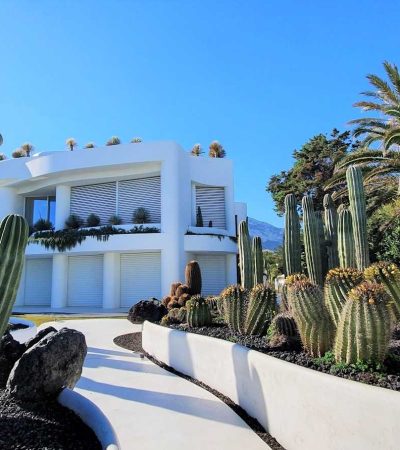
What are beachfront homes in Los Angeles?
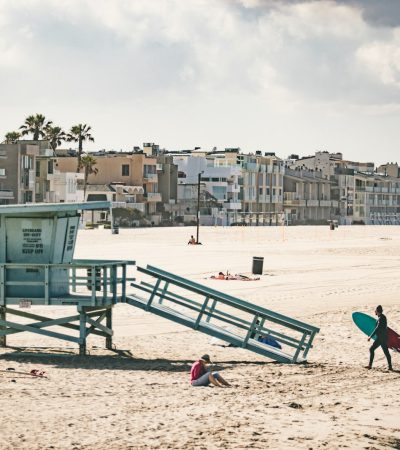
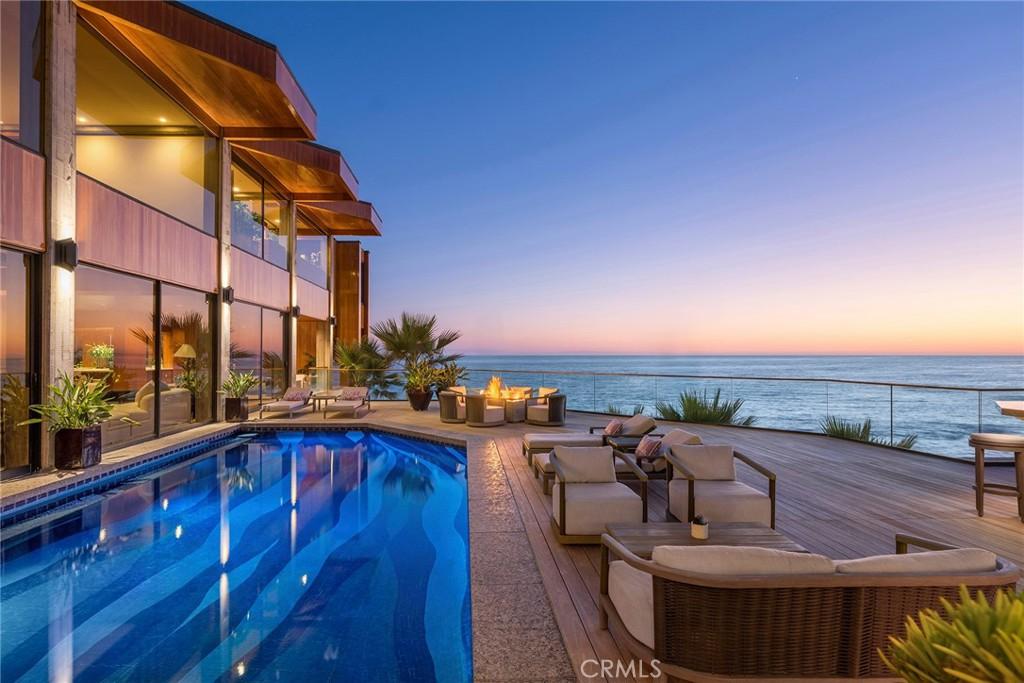
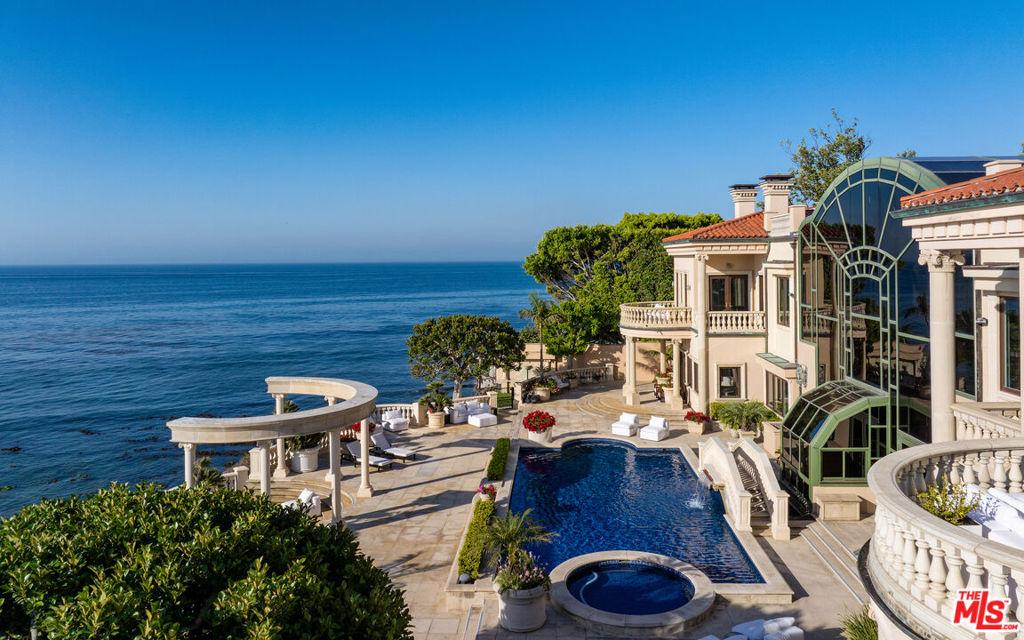
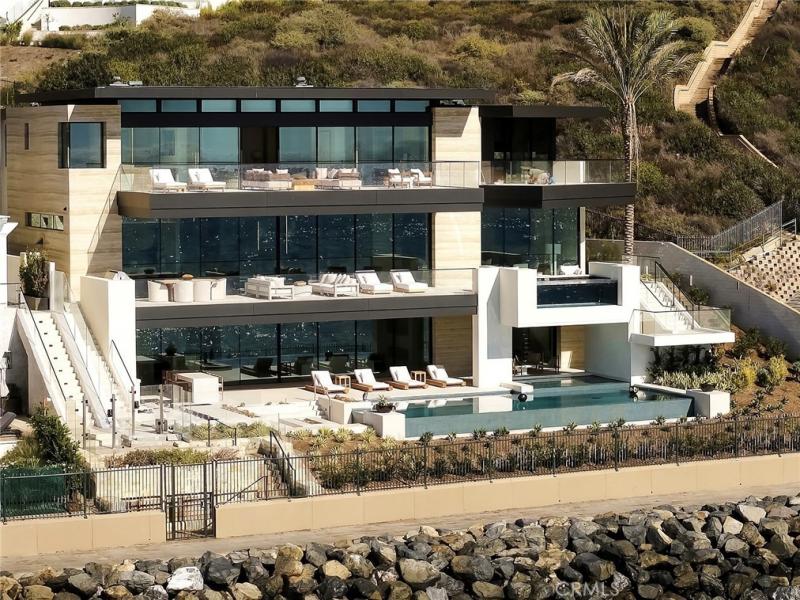
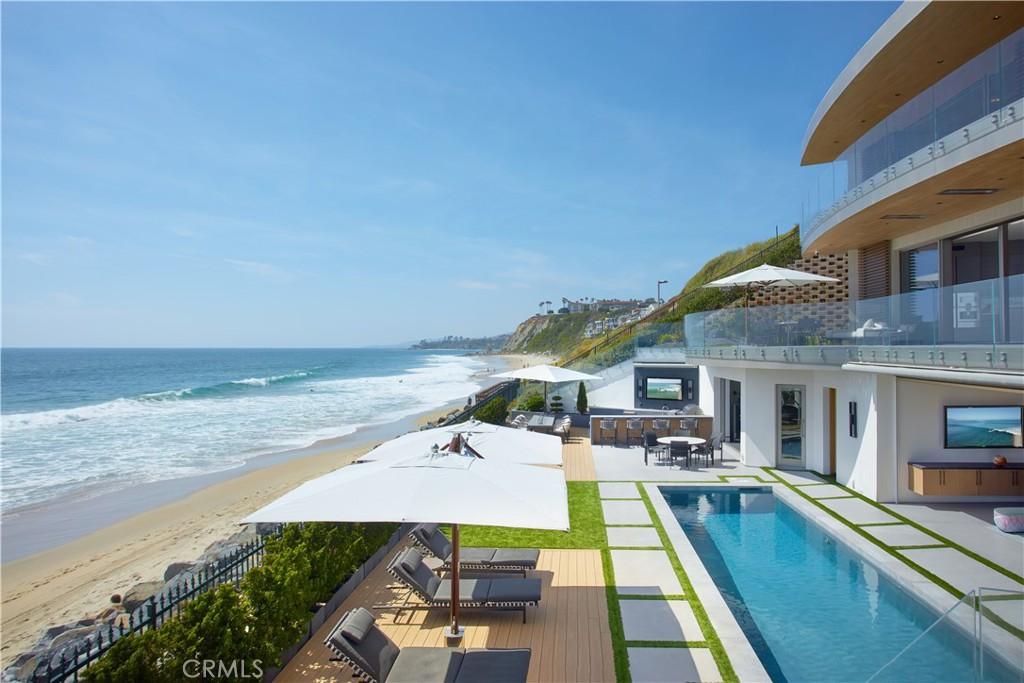
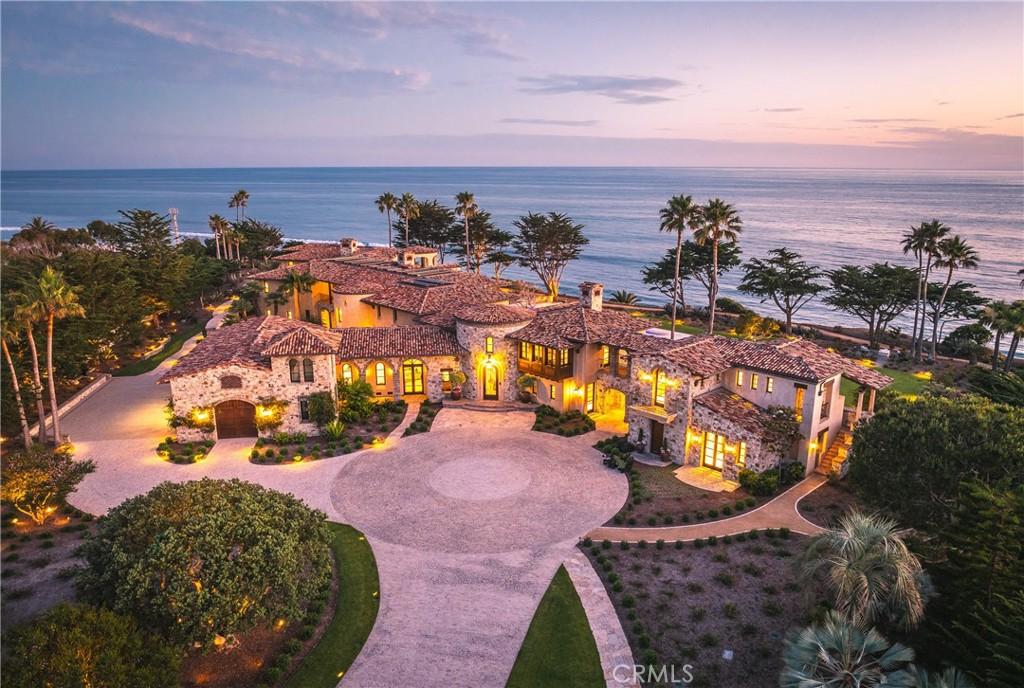
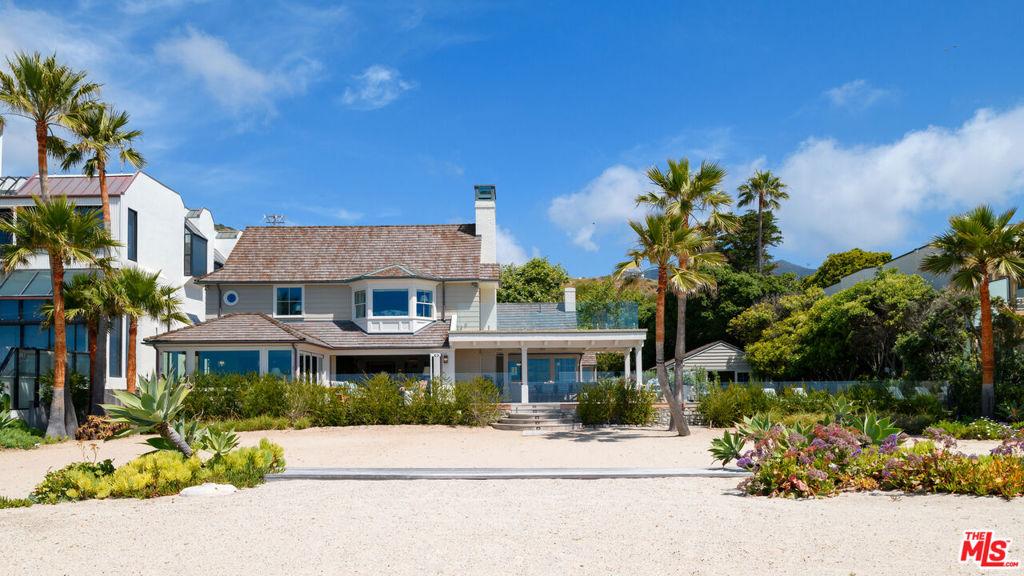
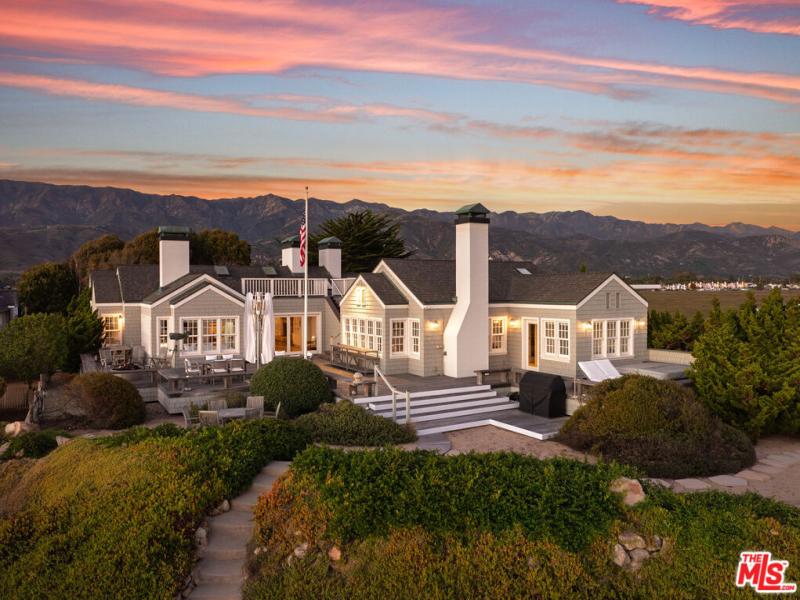
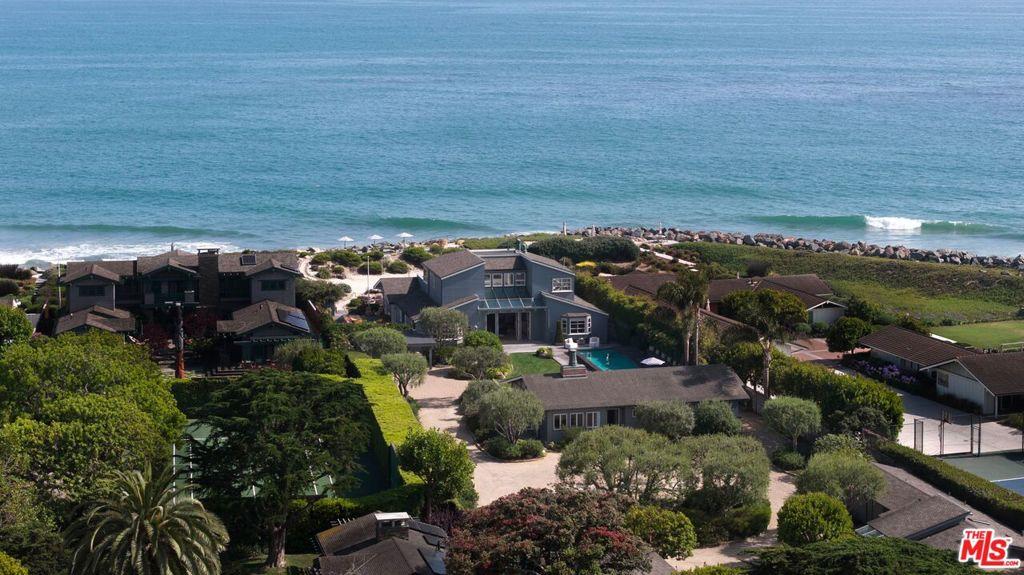
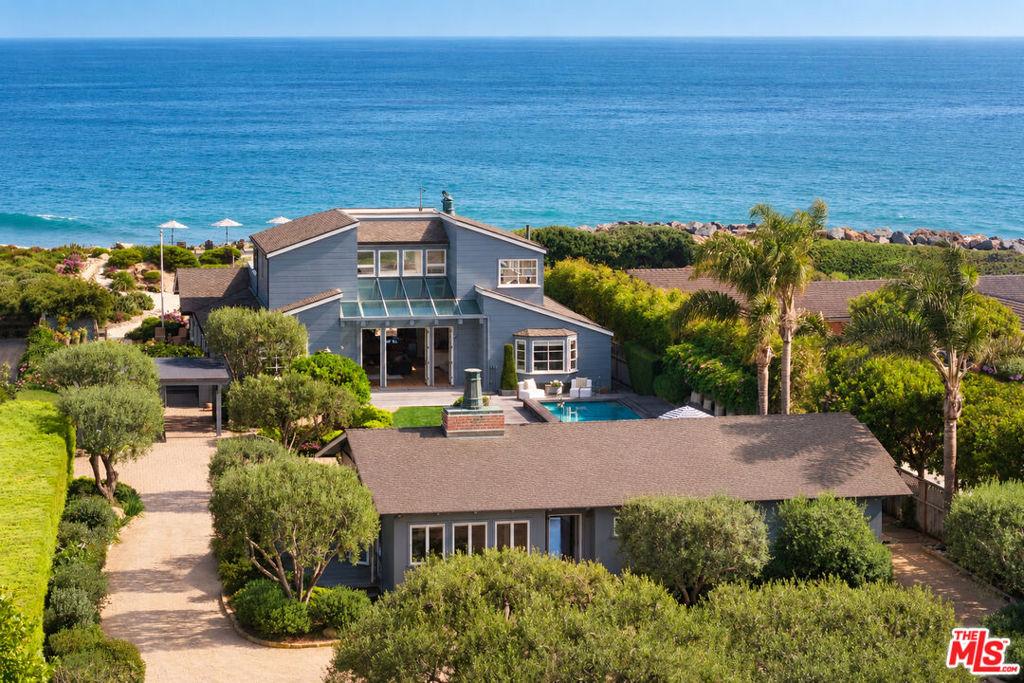
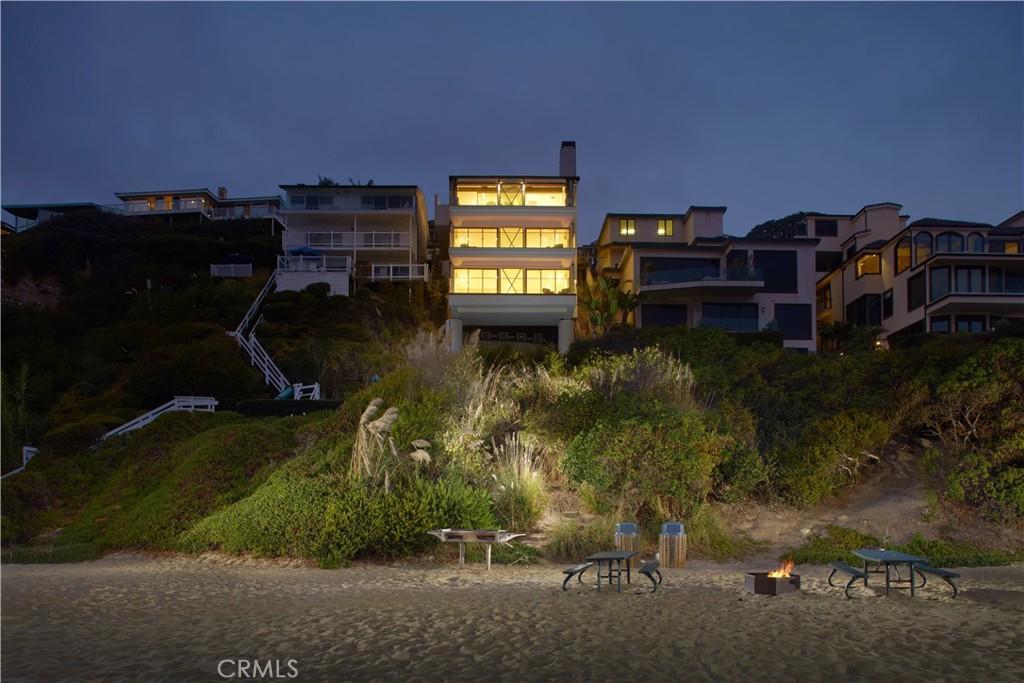
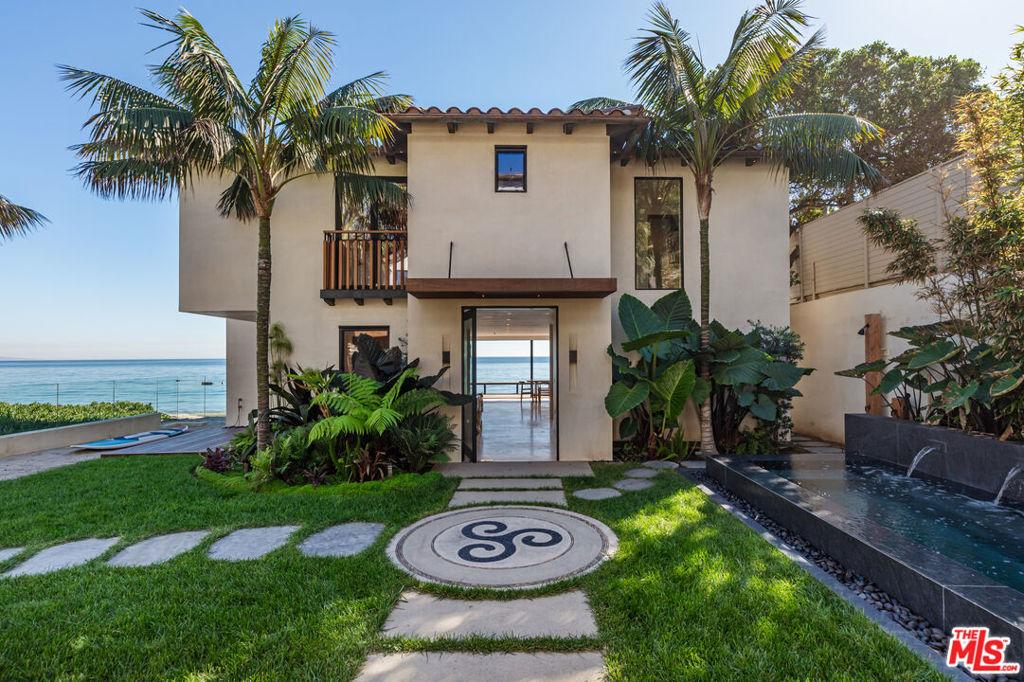
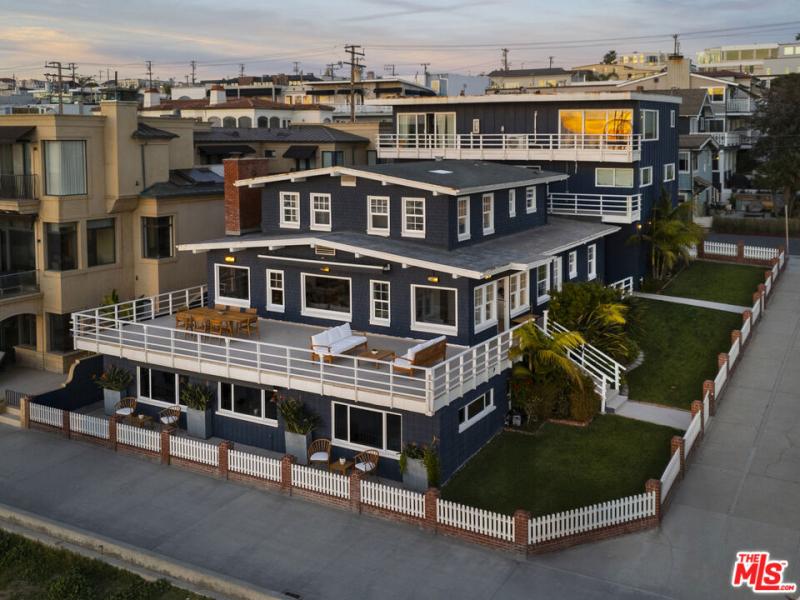
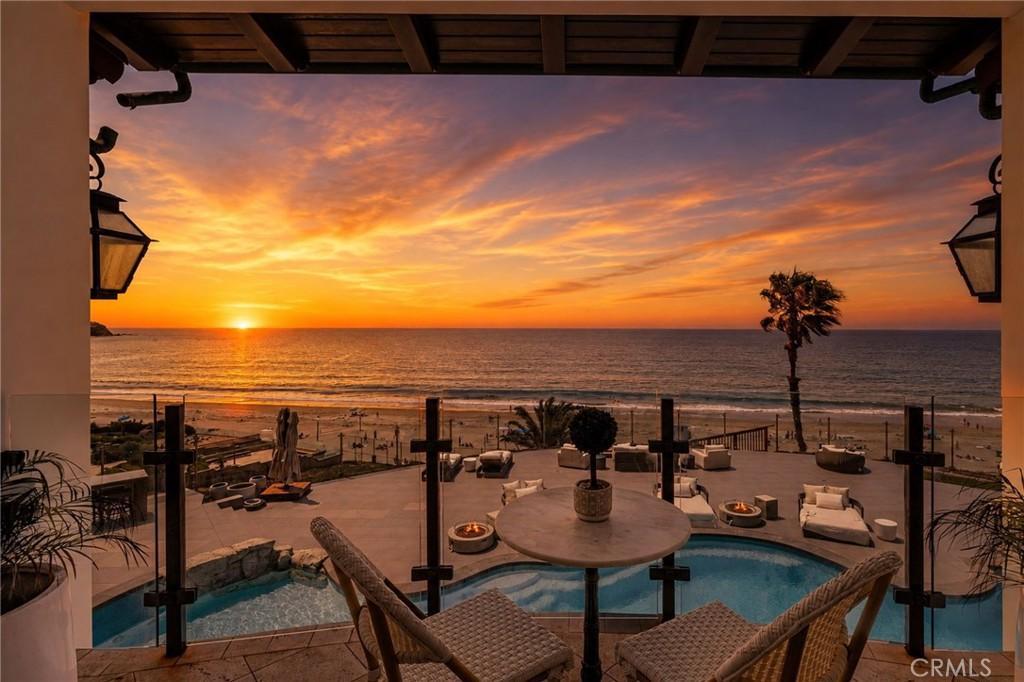
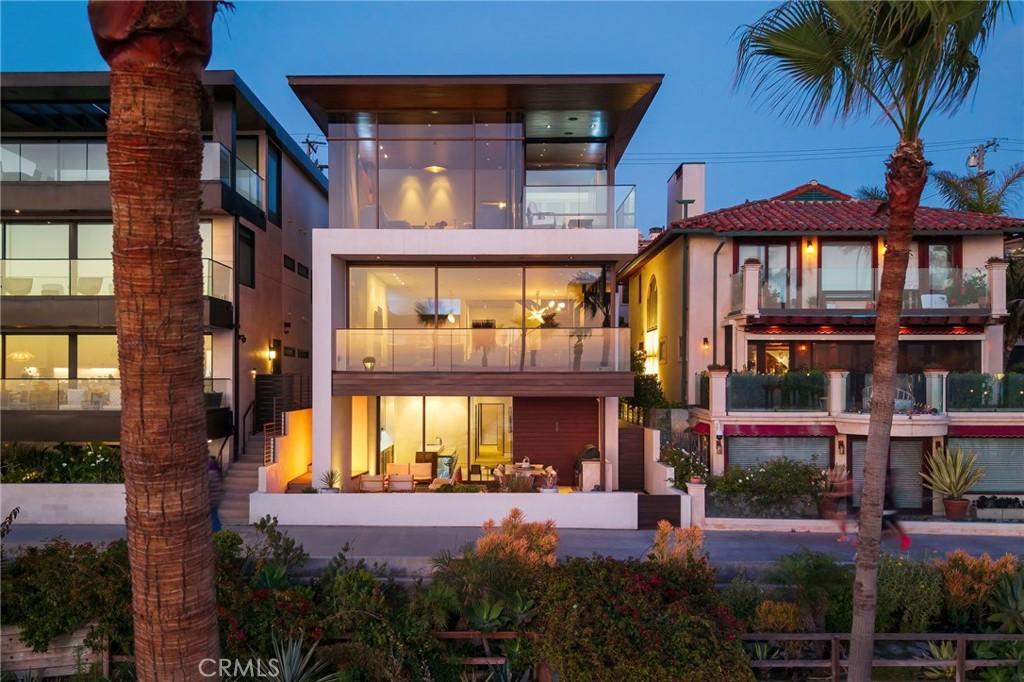
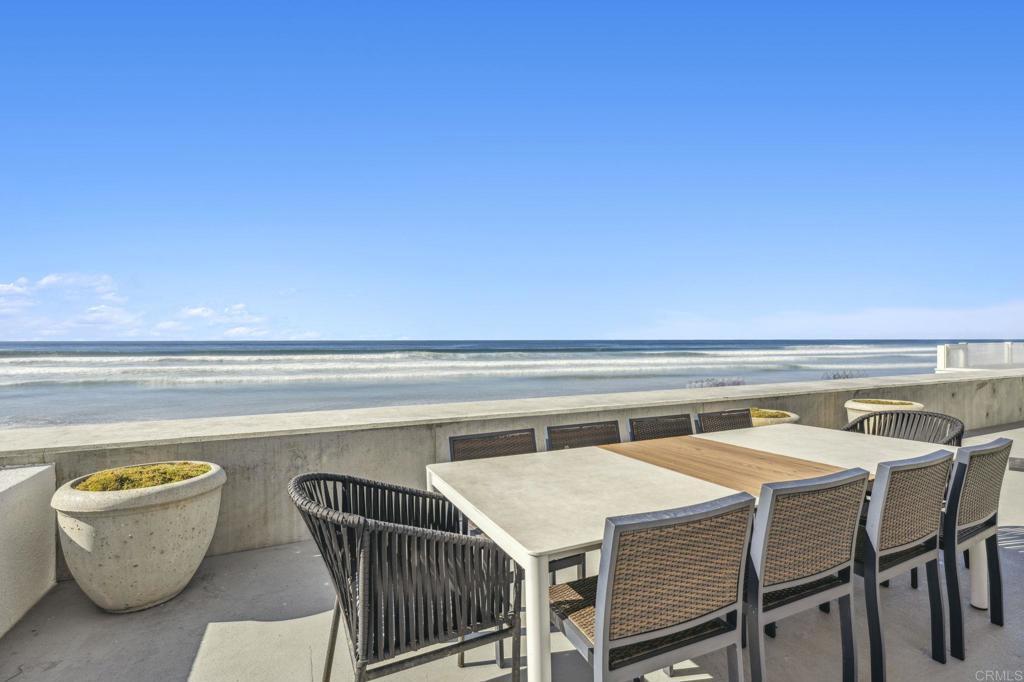
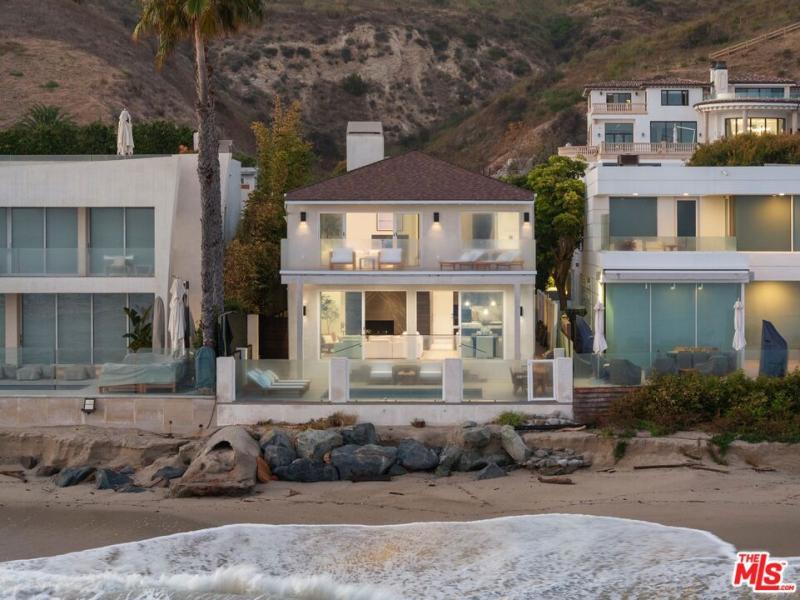
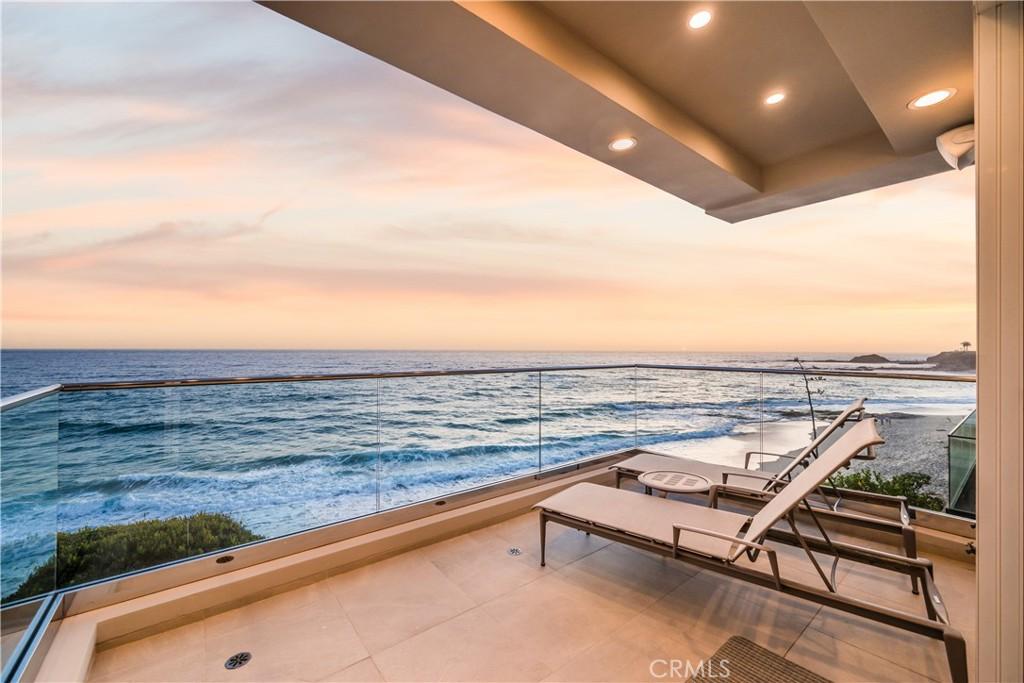
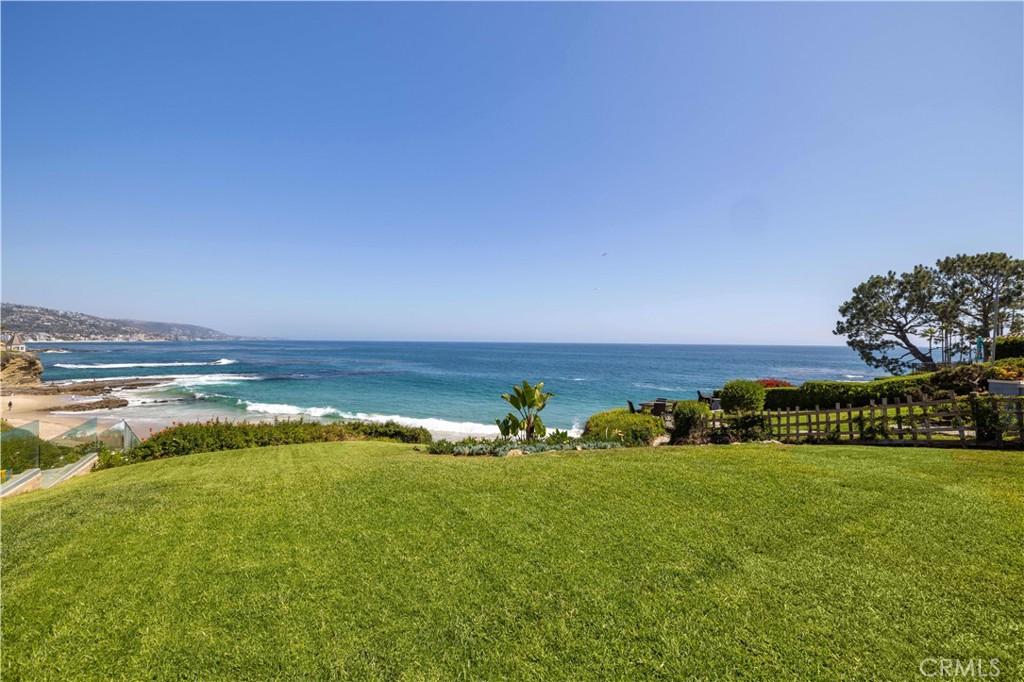
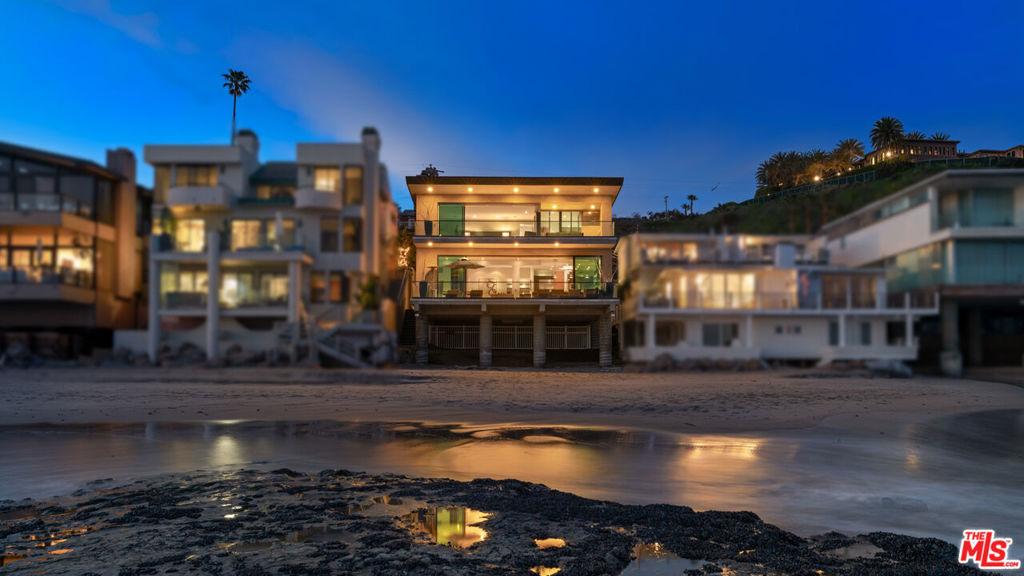
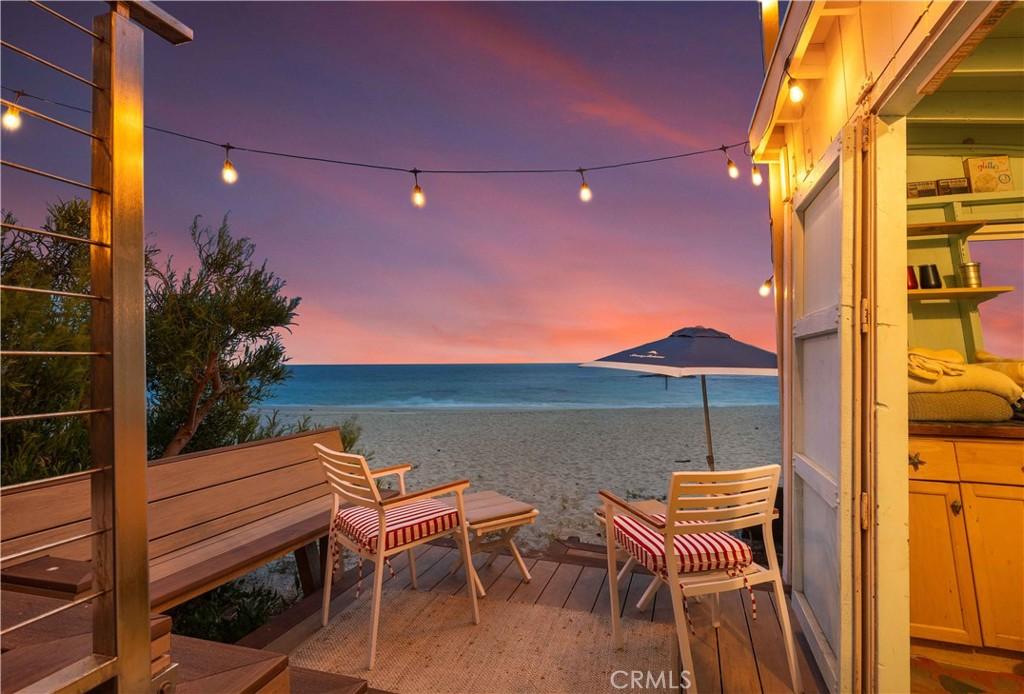
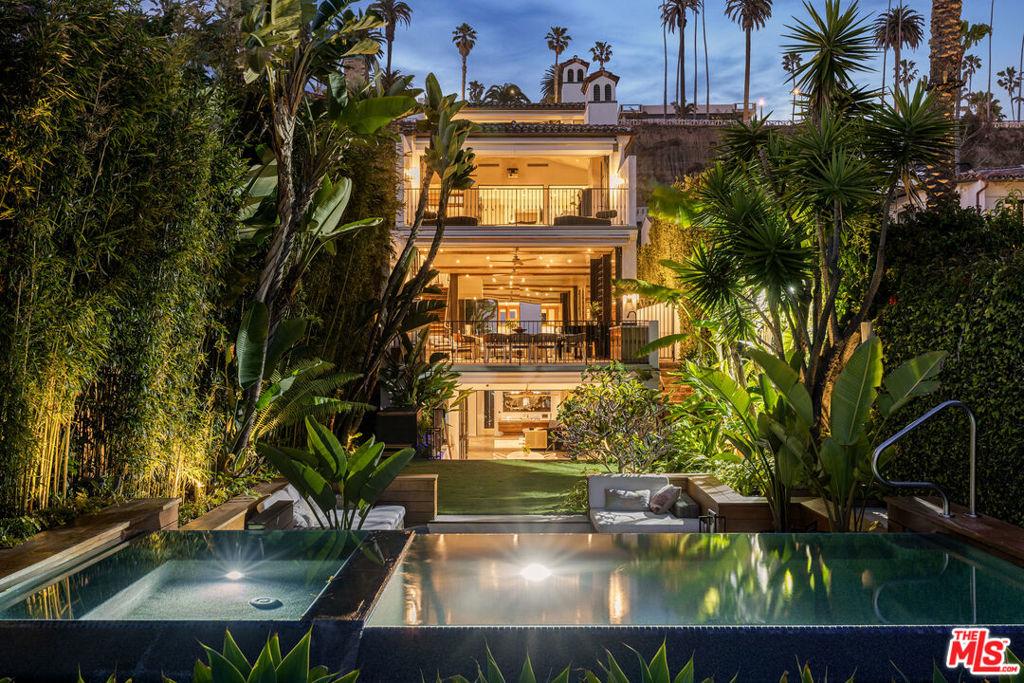
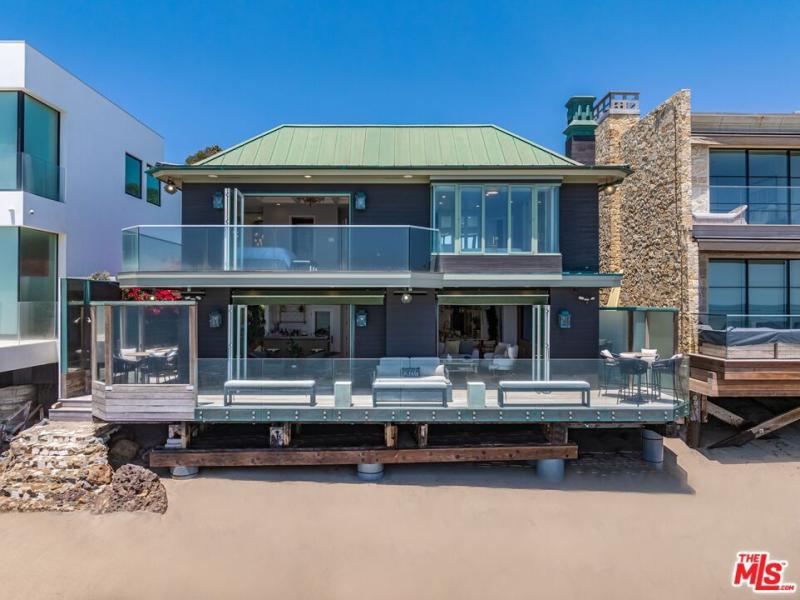
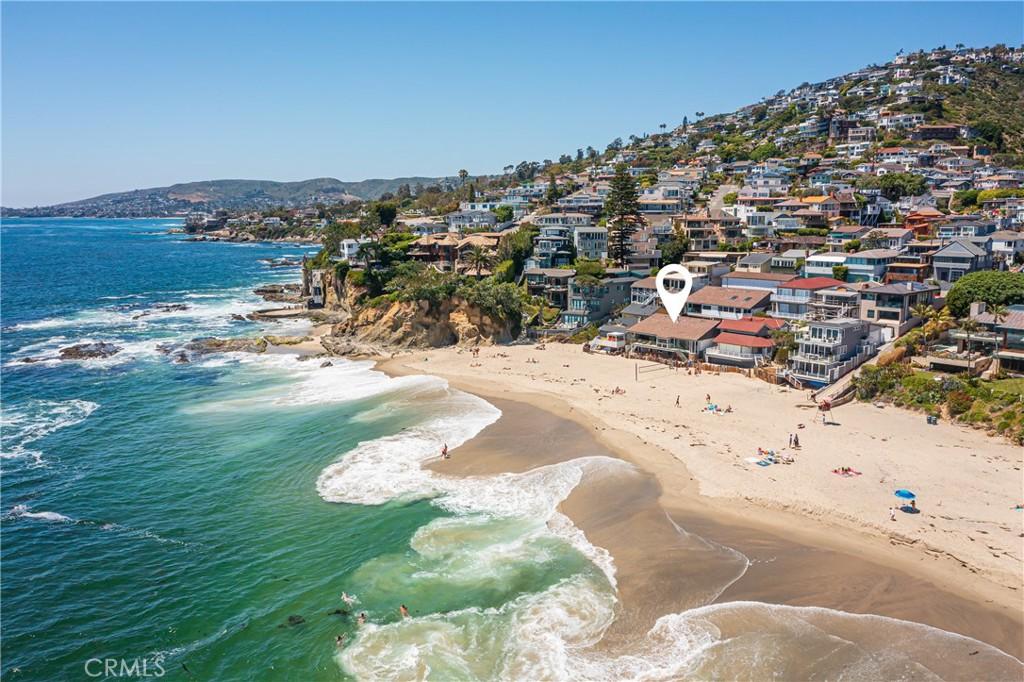
Beachfront homes sit directly on the sand or on the bluff above it, with no public road between the structure and the ocean. In Los Angeles County that describes a small, fixed set of addresses: the strand-front rows in the South Bay beach cities, the oceanfront blocks of Venice and Santa Monica, the Marina del Rey waterfront, and the roughly 21 miles of Malibu coastline the city has covered since it incorporated on March 28, 1991.
The supply cannot grow. The California Coastal Commission, created by voters through Proposition 20 in 1972 and made permanent by the California Coastal Act of 1976, regulates development in a coastal zone running inland from the mean high tide line. Nobody is adding new beachfront lots. What changes hands is what already exists. That scarcity is the pricing argument, and it is also why the category behaves differently from the rest of the LA market.
Browse the current beachfront listings below, or contact The Knight Group and we will tell you which of these submarkets actually fits what you are trying to do.
What actually counts as beachfront versus ocean view?
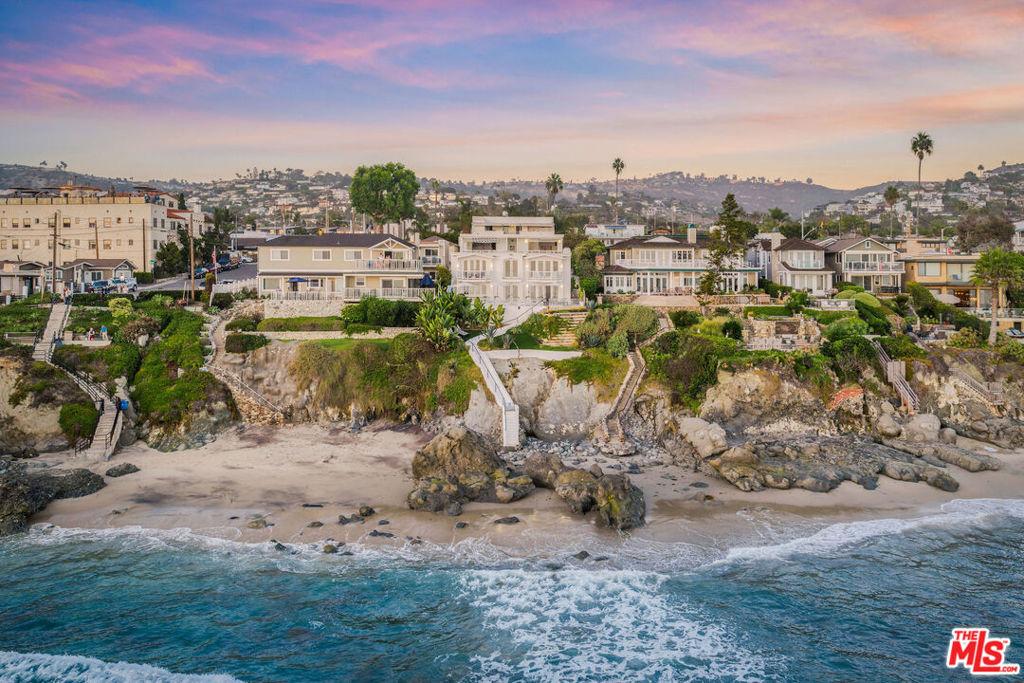
The distinction is worth money, and buyers get it wrong constantly. A true beachfront home has sand or water as its property line, or is separated from it only by a public walkway like The Strand. An ocean view home looks at the water from across a road, a bluff, or several blocks of houses. The price gap between those two categories inside one city is usually larger than the gap between two different cities.
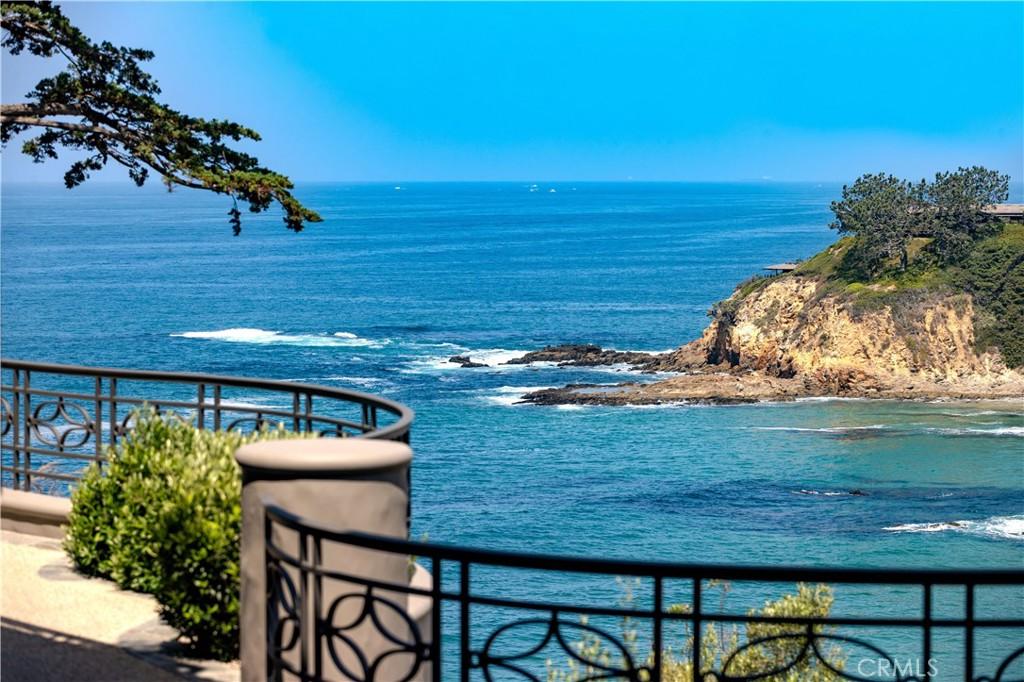
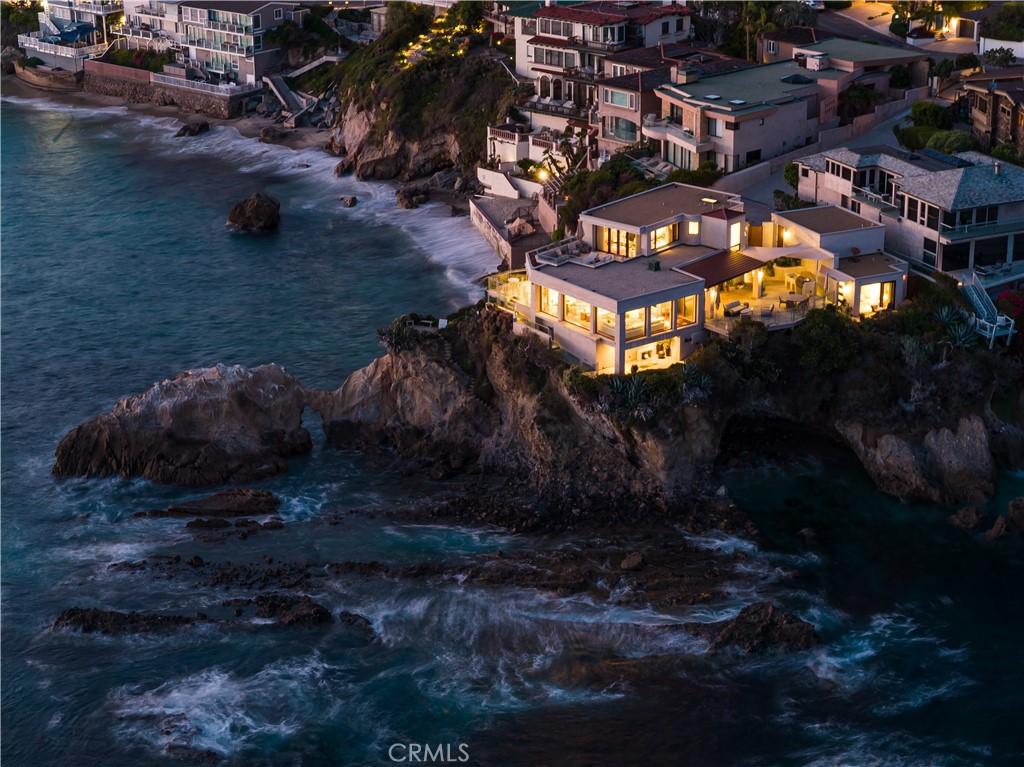
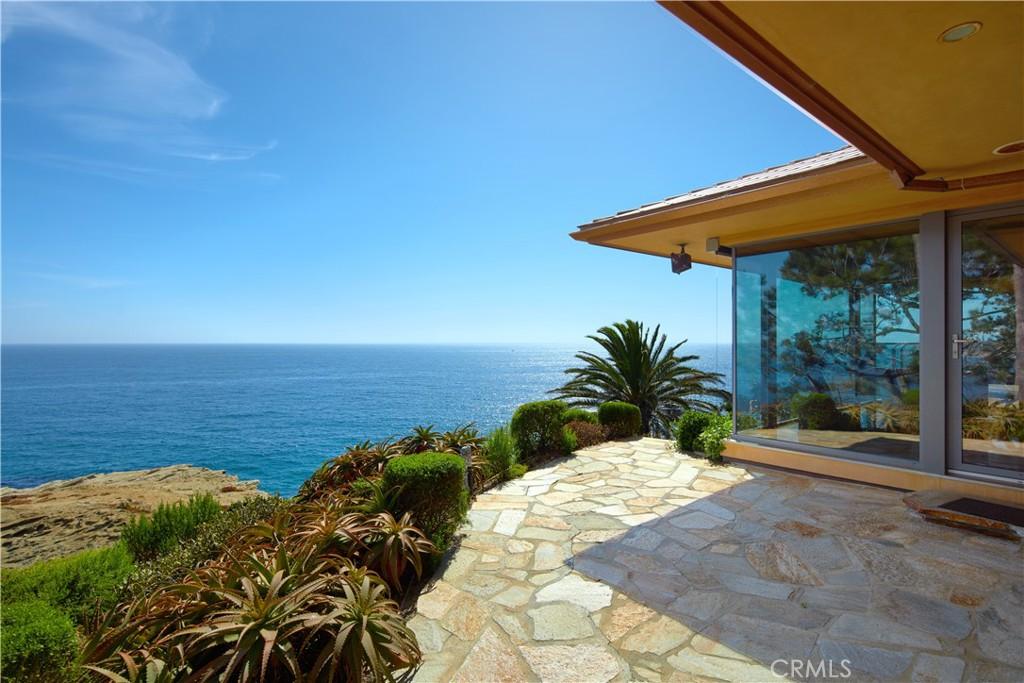
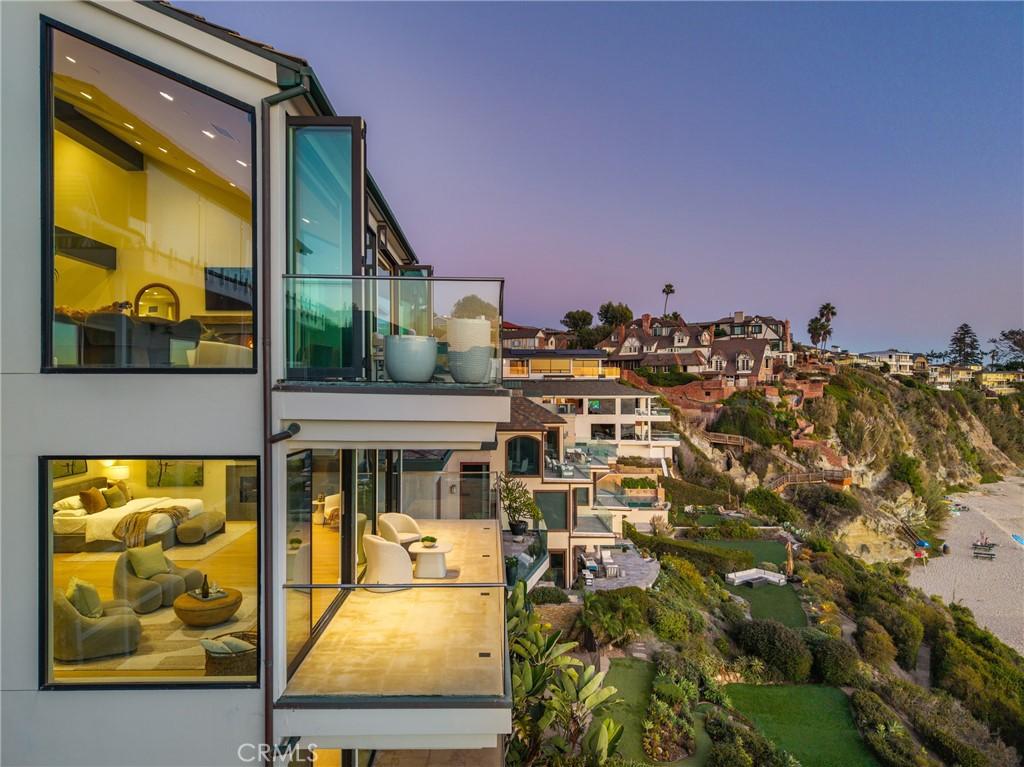
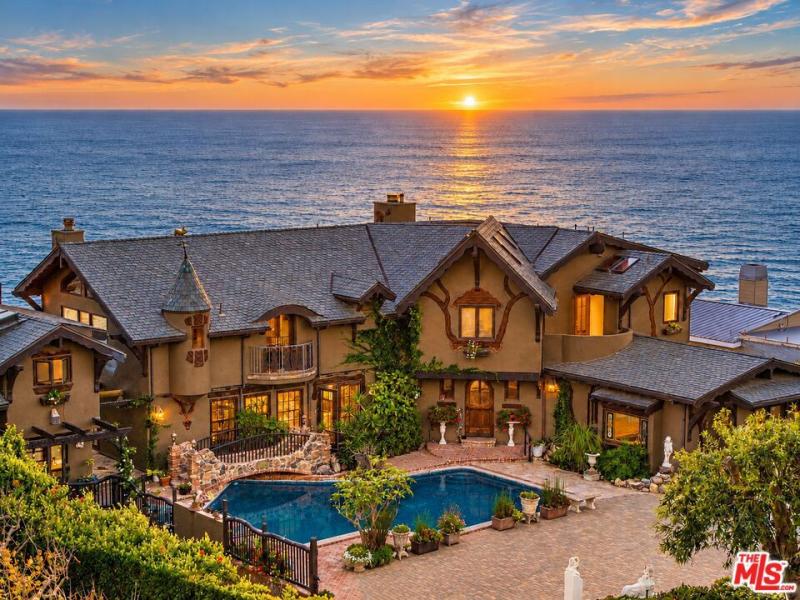
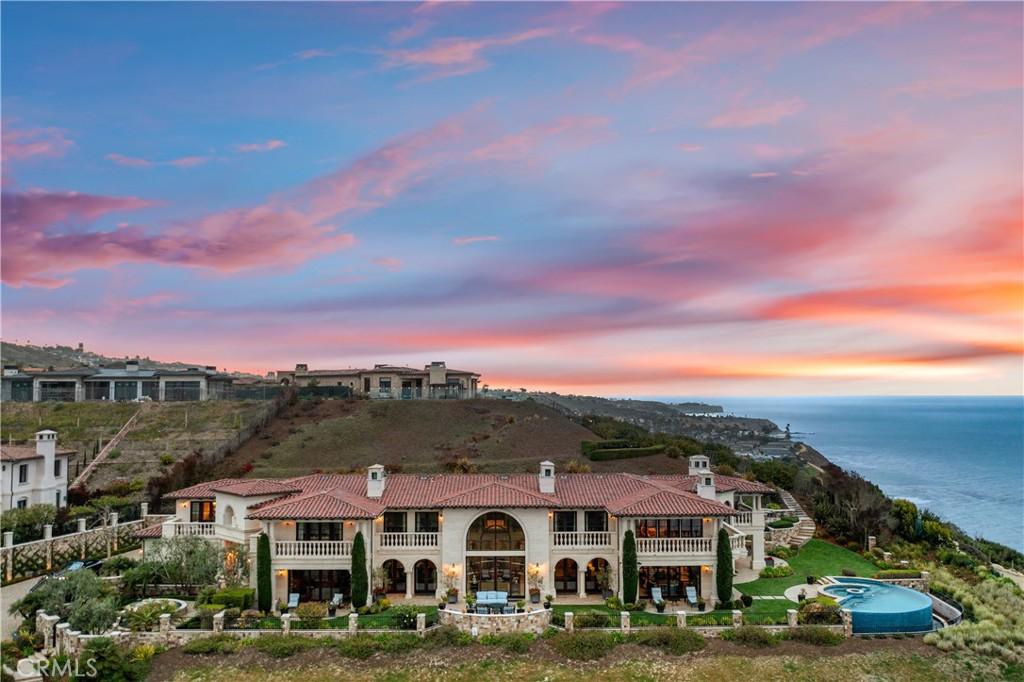
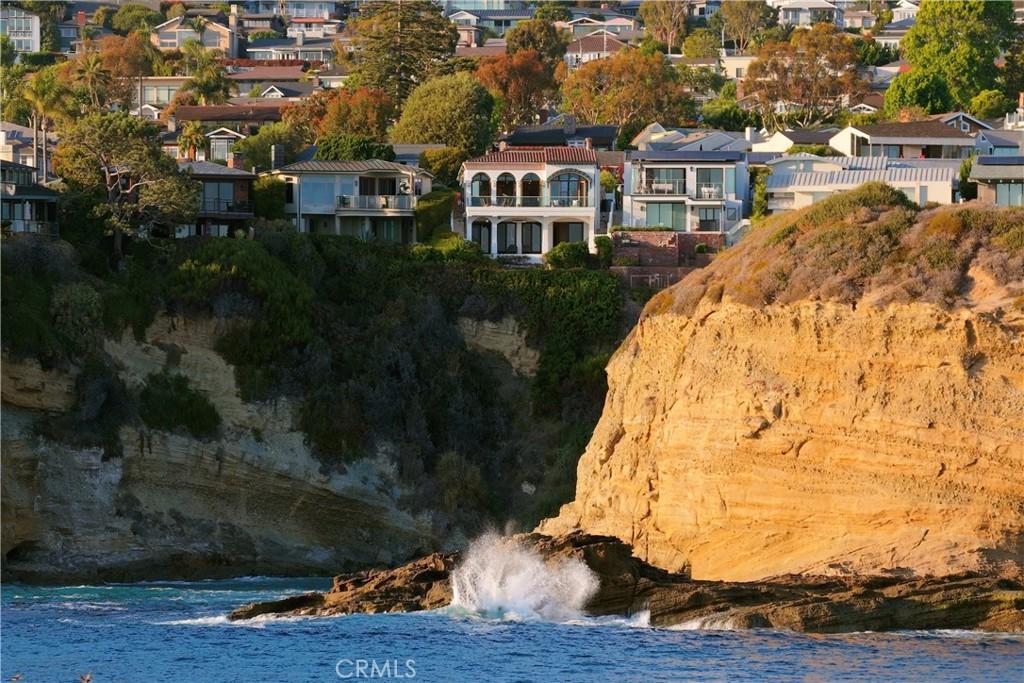
A third category gets marketed as beachfront and is not. Bluff-top homes above Palisades Park in Santa Monica, or the Castellammare pockets in Pacific Palisades that sit on small bluffs along Pacific Coast Highway, have ocean frontage in the visual sense but no direct sand access. Their risk profile differs too: bluff erosion and geotechnical review instead of wave run-up and flood zone construction standards. When comparing listings, ask what is between the house and the water, and who owns it.
Which Los Angeles beach communities have true beachfront homes?
The county’s beachfront inventory sits in a handful of submarkets, and they are not interchangeable. Start with the county-wide view at beachfront homes for sale in Los Angeles, or the companion roll-up at beachfront homes for sale across Los Angeles County. Use either as the starting filter, then narrow into a city once you know which trade-offs you can live with.
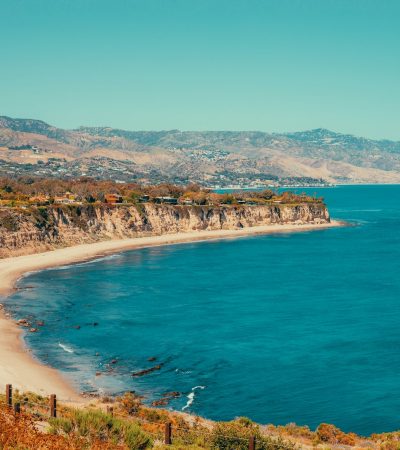
Malibu is the highest-priced and the most exposed. The city stretches along 21 miles of coast and had 10,654 residents at the 2020 census, a 15.7 percent decline from 2010. Pacific Coast Highway is the only spine, carrying roughly 40,500 vehicles a day during peak summer hours. The named beaches run as their own micro-markets: Carbon Beach, Broad Beach, Point Dume, Paradise Cove, and Zuma each price differently. See Malibu beachfront homes for current inventory.
Santa Monica puts beachfront inside a full-service city. Incorporated November 30, 1886, it holds 93,076 residents on 8.42 square miles of land with about three miles of coastline. The Santa Monica Pier dates to 1909 and its Looff Hippodrome carousel is a National Historic Landmark. Palisades Park, founded in 1892 by city co-founder Arcadia Bandini de Baker, runs the bluff line above the beach. The Metro E Line terminates here, which no other city on this list can claim. Inventory is at Santa Monica beachfront homes for sale.
Venice is the most architecturally varied and the most contested. Abbot Kinney founded it in 1905 as a beach resort town, and Los Angeles annexed it in 1926. The Venice Canal Historic District preserves part of Kinney’s original canal system, and Ocean Front Walk runs about two and a half miles. Four pedestrian-only walk streets, Marco Place, Amoroso Place, Nowita Place, and Crescent Place, hold some of the better residential blocks. Tech capital reshaped values: Google leased 100,000 square feet starting in 2011 and Snap Inc. took Market Street space. The counterweight is real: a 2020 count identified roughly 2,000 homeless people in Venice, up from 175 in 2014. Listings run at beachfront homes for sale in Venice Beach.
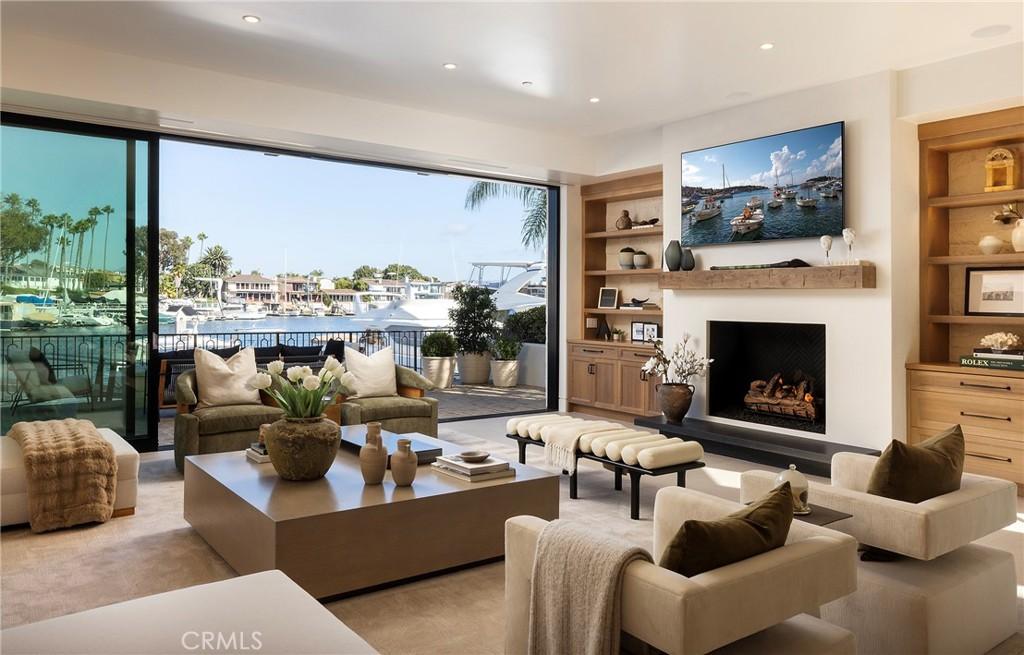
Marina del Rey is the structural outlier. It is unincorporated Los Angeles County, and all of the land is owned by the County, which issues long-term leases. The harbor holds roughly 5,000 boat slips and was dedicated April 10, 1965, making it North America’s largest man-made small-craft harbor. Housing skews to mid-rise and high-rise condominiums: the Admiralty complex alone holds about 800 condominiums and 2,500 residents. If you want water frontage with elevator access and a slip, this is the submarket. Start at beachfront homes for sale in Marina del Rey.
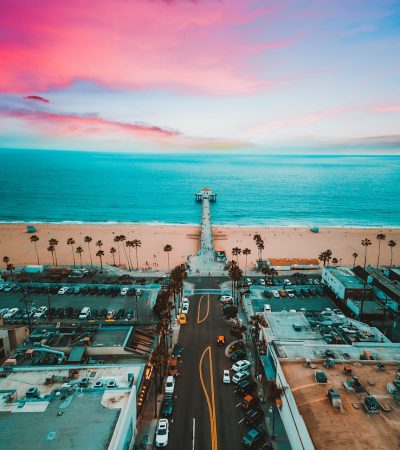
Manhattan Beach is the South Bay’s price leader. Incorporated December 12, 1912, it holds 35,506 residents on 3.94 square miles, and median household income was $193,904 in 2023. Strand-front homes there represent some of the most expensive real estate per square foot in the United States. The Sand Section’s walk streets, the Hill Section’s panoramic lots, and the Tree Section inland form a clear price ladder. Search beachfront homes for sale in Manhattan Beach.
Hermosa Beach is the tightest geography on the list. It became the nineteenth incorporated city in Los Angeles County on January 14, 1907, and packs 19,728 residents into 1.42 square miles, about 15 blocks east to west and 40 blocks north to south. The Strand bike path runs from Torrance Beach roughly 20 miles north to Santa Monica. Pier Avenue is the retail and dining core. See beachfront homes for sale in Hermosa Beach.
Redondo Beach offers the most entry points into the category. Incorporated April 29, 1892, it holds 71,576 residents across 6.21 square miles, the largest of the three beach cities. King Harbor and the Municipal Pier anchor the waterfront, the Esplanade holds the oceanfront condominium stock, and Riviera Village and Hollywood Riviera serve buyers who want walkable retail. The retired AES power plant site is the open development question: in 2023 the city rejected a proposal for 2,700 residential units including 540 affordable units, and local stakeholders continue to push for wetland restoration. Browse Redondo Beach beachfront homes for sale.
What does the California Coastal Commission control on a beachfront property?
More than most buyers expect. The Commission holds quasi-judicial authority over California’s 1,100-mile coastline. Its coastal zone extends inland from the mean high tide line, from a few hundred feet in urban areas to five miles in rural ones, and every parcel in this hub sits inside it.
Inside that zone, a coastal development permit is required for construction, land divisions, and anything that changes the intensity of land use or affects public access. That is a wider net than a normal building permit: adding square footage, replacing a deck, or altering a stairway to the sand can all trigger review. Some cities process these locally under a certified Local Coastal Program, which pairs a Land Use Plan with an implementation plan, usually the zoning code. The Commission still reviews many local decisions on appeal.
Shoreline armoring is the sharpest issue. The Commission can approve or deny seawalls and revetments, and the Coastal Act obligates it to permit protective devices for “existing structures,” a phrase litigated repeatedly. If a home’s long-term survival depends on future armoring, that permission is not guaranteed. Malibu shows how contested this gets: city councils in the 1990s could not write a Local Coastal Plan that preserved enough public access to satisfy the Commission, and the state legislature ultimately intervened. Treat permit history as a title-level issue: ask what was permitted, what was not, and whether open enforcement exists on the parcel.
How do transfer taxes and local rules change the math by city?
Jurisdiction matters more here than in almost any other LA category, because the beachfront runs across independent cities, City of Los Angeles neighborhoods, and unincorporated county land within a few miles of each other. Measure ULA, the Homelessness and Housing Solutions Tax, applies only inside Los Angeles city limits. Voters approved it in November 2022 with 57.77 percent support and it took effect April 1, 2023. The rate is 4 percent on sales above $5 million and 5.5 percent at $10 million or more, and as of July 1, 2025 those thresholds adjusted for inflation to $5.3 million and $10.6 million. The seller pays, and it stacks on existing documentary transfer taxes. Because it is tied to gross price rather than gain, it can exceed the profit on a short-hold trade.
So a Venice beachfront sale is exposed to ULA and a Manhattan Beach sale at the same number is not. Marina del Rey sits in unincorporated county territory on County-owned land under long-term lease, which introduces ground-lease term and rent-reset questions that do not exist in fee-simple beach cities. Santa Monica, Malibu, Hermosa Beach, and Redondo Beach each set their own rules as independent municipalities. Confirm current rates with escrow before modeling a sale.
What does it cost to insure and finance a home on the sand?
Expect friction. Beachfront parcels commonly fall inside a FEMA Special Flood Hazard Area, where a base flood carries a 1 percent annual chance of occurring. Federal law requires flood insurance for loans secured by buildings inside that area, so if you are financing, coverage is not optional. National Flood Insurance Program limits are capped, so high-value beachfront homes usually need excess flood coverage layered above the federal policy.
Fire is the other exposure, and in Malibu and the Palisades it now drives underwriting. Get a bindable quote during your contingency period, not after. Insurance is a material part of carrying cost here, and in some cases it decides whether the deal pencils at all.
Financing has its own texture. Lenders scrutinize appraisals in thin-comparable submarkets, Marina del Rey leaseholds require a lender who will write against a ground lease, and jumbo underwriting on a unique oceanfront property takes longer than a standard Westside purchase.
How did the January 2025 Palisades Fire change this market?
It changed it materially. The Palisades Fire began January 7, 2025, burned more than 11,000 acres, destroyed 6,831 structures, damaged 973 more, and killed 12 civilians. It ranks as the tenth-deadliest and third-most destructive wildfire on California record. Almost all of the beachfront homes in eastern Malibu were destroyed.
Three consequences follow. A meaningful share of what trades on that stretch is now land or rebuild opportunity rather than improved property, which changes the valuation method entirely. Rebuilding inside the coastal zone means a coastal development permit process on top of city plan check, and timelines are not standard. And insurance underwriting in and around the burn footprint is tighter than before. None of that makes the market unbuyable. It makes it one where diligence happens before the offer.
What should you check before writing an offer on a beachfront home?
Six items. Permit history with the city and the Coastal Commission, including unpermitted decks, seawalls, or additions. The exact seaward boundary and whether the mean high tide line has moved relative to it. Flood zone designation plus a bindable quote covering flood and fire. Public access easements, lateral and vertical. Geotechnical and structural condition, since salt air and wave action create maintenance obligations inland homes do not have. And on any leasehold, the remaining term and rent-reset schedule. All six are resolvable before closing and none are cheap to discover after it.
Are beachfront homes in Los Angeles a good investment?
The supply argument is genuinely strong. The Coastal Act freezes the number of parcels and demand for the LA coast is national rather than local, a combination that has historically supported values. The counterweights are three. Carrying costs run high once you add insurance, maintenance in a salt environment, and property tax at a coastal basis. Liquidity is thinner, because the qualified buyer pool for an eight-figure oceanfront property is small and shrinks quickly when rates move. And physical risk is real: erosion, storm surge, and fire are not theoretical here, and the tools available to defend a structure are limited by design. Investors who do well treat these as long-hold assets, not trades. If your model requires a three-year exit, transfer tax exposure inside City of Los Angeles alone can eat the return.
What is daily life actually like on the sand?
Different by city, and the differences are large. Manhattan Beach and Hermosa Beach are dense, walkable, and family-heavy, with The Strand as a continuous pedestrian corridor up the coast. Redondo Beach is larger and more residential, anchored by King Harbor and Riviera Village. Venice and Santa Monica are urban: restaurants, culture, and transit access, along with tourist volume, parking pressure, and a visible unsheltered population. Marina del Rey is quieter and boat-oriented, built around slips rather than sand. Malibu is the most private and the most isolated, with Pacific Coast Highway the single route in and out. Two constants apply everywhere: public beach access is a legal right in California, and summer traffic is a feature of the category rather than an exception to it.
How do schools and commutes work in the beach cities?
The South Bay carries the strongest district reputations. Manhattan Beach Unified operates five elementary schools, one middle school, and Mira Costa High School, ranks third-best in California, and was ranked sixth-best nationally by Forbes. Hermosa Beach City School District handles kindergarten through eighth grade across three schools, then sends students to Manhattan Beach or Redondo Beach. Redondo Beach Unified runs Redondo Union High School plus two middle and eight elementary schools. Santa Monica and Malibu share the Santa Monica-Malibu Unified School District. Venice and other City of Los Angeles beachfront areas fall under LAUSD, where assignment varies by block and should be verified address by address.
On commuting: the South Bay cities sit near the El Segundo and LAX employment corridor, and Northrop Grumman’s Space Park complex inside Manhattan Beach employs about 3,000 people. Redondo Beach station is the southern terminus of the Metro K Line, and Santa Monica sits at the terminus of the Metro E Line, the only rail connection to downtown from any of these communities. Malibu has no rail and one highway. If your work requires reliable weekday commuting east, that is the most important variable in your city selection.
Frequently asked questions about Los Angeles beachfront homes
Is the beach in front of a beachfront home private?
No. California protects public access to the coast, and the Coastal Commission’s mandate includes preserving it. Many beachfront parcels carry lateral access easements along the sand, and some have vertical accessways crossing or adjoining them. You own the structure and the lot, not the public beach seaward of your line.
Do I need a Coastal Development Permit to remodel?
Frequently, yes. A coastal development permit is required for construction, land divisions, and anything that changes the intensity of land use or affects public access within the coastal zone. In cities with a certified Local Coastal Program the city processes it, and the Commission can still review on appeal. Confirm with the city’s planning department before you design.
Does Measure ULA apply to my beachfront sale?
Only if the property is inside Los Angeles city limits, which covers Venice, Pacific Palisades, and Playa del Rey but not Santa Monica, Malibu, Manhattan Beach, Hermosa Beach, Redondo Beach, or Marina del Rey. Inside the city, the rate is 4 percent above the lower threshold and 5.5 percent at the upper one, set at $5.3 million and $10.6 million as adjusted July 1, 2025. Verify current figures with escrow.
Why are Marina del Rey properties structured differently?
All of the land is owned by the County of Los Angeles, which issues long-term leases, so many Marina del Rey properties are leasehold rather than fee simple. That affects financing, resale, and value as the term shortens. Read the ground lease and its rent-reset provisions before you make an offer.
Can I get a seawall approved to protect my house?
Not automatically. The Coastal Commission can approve or deny coastal armoring, and while the Coastal Act obligates it to permit protective devices for existing structures, that phrase has been contested in litigation. Treat future armoring approval as uncertain and price the property on that assumption.
Is flood insurance required?
If the property sits in a FEMA Special Flood Hazard Area and you are financing with a federally backed loan, yes. Federal law mandates coverage for loans secured by buildings in those areas. National Flood Insurance Program limits are capped, so most high-value beachfront homes need an excess flood layer above the federal policy.
Which beach city is best for families?
Manhattan Beach and Hermosa Beach draw the most family demand on school performance and walkability. Redondo Beach offers more inventory at a wider range of entry points, and Santa Monica pairs urban amenities with a unified district.
How long does a beachfront transaction take?
Longer than a standard Westside purchase. Coastal permit research, insurance binding, thin-comparable appraisals, and jumbo or leasehold underwriting each add time. Set contingency periods that match the diligence the property requires.
How does The Knight Group work this market?
We work the beachfront as a set of distinct submarkets rather than one category, because the rules change every few miles. A Venice purchase raises Measure ULA and LAUSD assignment questions. A Marina del Rey purchase raises ground-lease questions. A Malibu purchase raises fire underwriting and rebuild-permit questions. Treating them as one market is how buyers get surprised at closing.
On the buy side we run permit and access diligence before the offer, not during escrow: coastal permit record, recorded access easements, flood zone designation, and a bindable insurance quote early enough that it can still change your price. On the sell side we model net after transfer tax by jurisdiction first, because on an eight-figure City of Los Angeles sale that line determines the strategy.
Browse the listings below. When you want a specific property evaluated, or an honest read on which community fits your timeline and risk tolerance, contact The Knight Group and we will give you the analysis before the pitch.
What are Beach Houses In LA California and where are they actually located?
- Beachfront homes sit directly on the sand or on the bluff above it, with no public road between the structure and the ocean.
- Los Angeles County beachfront addresses form a small, fixed set that includes the strand-front rows in the South Bay beach cities.
- Beach Houses In LA California also cover the oceanfront blocks of Venice and Santa Monica, the Marina del Rey waterfront, and the Malibu coastline.
- Supply cannot grow, because nobody is adding new beachfront lots, so what changes hands is only what already exists.
- The California Coastal Commission regulates development in a coastal zone running inland from the mean high tide line.
- Scarcity is the pricing argument for Beach Houses In LA California, and it is why the category behaves differently from the rest of the market.
- A true beachfront home has sand or water as its property line, or is separated from it only by a public walkway like The Strand.
- An ocean view home looks at the water from across a road, a bluff, or several blocks of houses.
- The price gap between beachfront and ocean view inside one city is usually larger than the gap between two different cities.
- Bluff-top homes above Palisades Park in Santa Monica get marketed as beachfront but have no direct sand access.
- Castellammare pockets in Pacific Palisades sit on small bluffs along Pacific Coast Highway with ocean frontage in the visual sense only.
- Bluff properties carry erosion and geotechnical review risk instead of the wave run-up and flood zone construction standards facing sand-level homes.
- Malibu is the highest-priced and most exposed submarket, with Pacific Coast Highway serving as the only spine through the city.
- Named Malibu beaches run as their own micro-markets, including Carbon Beach, Broad Beach, Point Dume, Paradise Cove, and Zuma.
- Santa Monica puts Beach Houses In LA California inside a full-service city with the Santa Monica Pier, Palisades Park, and Metro E Line access.
- Venice is the most architecturally varied submarket, holding the Venice Canal Historic District, Ocean Front Walk, and pedestrian-only walk streets.
What is it like to own and live in Beach Houses In LA California?
- The Palisades Fire changed this market materially, destroying almost all of the beachfront homes in eastern Malibu.
- Much of what trades on the eastern Malibu stretch is now land or rebuild opportunity rather than improved property.
- Rebuilding inside the coastal zone requires a coastal development permit process on top of city plan check, and timelines are not standard.
- Insurance underwriting in and around the burn footprint is tighter than before, which makes diligence a pre-offer exercise.
- Permit history with the city and the Coastal Commission matters, including unpermitted decks, seawalls, or additions.
- Buyers of Beach Houses In LA California should confirm the exact seaward boundary and whether the mean high tide line has moved relative to it.
- Flood zone designation and a bindable quote covering flood and fire belong in diligence before an offer is written.
- Public access easements, both lateral and vertical, need to be identified because they run with the property.
- Geotechnical and structural condition deserve review, since salt air and wave action create maintenance obligations inland homes do not have.
- Leasehold properties require review of the remaining term and the rent-reset schedule before closing.
- Demand for the LA coast is national rather than local, a combination that has historically supported values.
- Carrying costs run high once owners add insurance, maintenance in a salt environment, and property tax at a coastal basis.
- Liquidity is thinner for Beach Houses In LA California because the qualified oceanfront buyer pool is small and shrinks quickly when rates move.
- Manhattan Beach and Hermosa Beach are dense, walkable, and family-heavy, with The Strand as a continuous pedestrian corridor up the coast.
- Marina del Rey is quieter and boat-oriented, built around slips rather than sand, while Malibu is the most private and isolated.
- Public beach access is a legal right in California, and summer traffic is a feature of Beach Houses In LA California rather than an exception.
What should buyers know before purchasing Beach Houses In LA California?
- A coastal development permit is frequently required for construction, land divisions, and anything changing the intensity of land use within the coastal zone.
- Cities with a certified Local Coastal Program process the permit themselves, though the Commission can still review on appeal.
- Planning department confirmation should happen before design work begins on any remodel inside the coastal zone.
- Measure ULA applies only to property inside Los Angeles city limits, covering Venice, Pacific Palisades, and Playa del Rey.
- Santa Monica, Malibu, Manhattan Beach, Hermosa Beach, Redondo Beach, and Marina del Rey sit outside the Measure ULA transfer tax.
- Marina del Rey land is owned by the County of Los Angeles, which issues long-term leases on the waterfront parcels.
- Many Marina del Rey properties are leasehold rather than fee simple, which affects financing, resale, and value as the term shortens.
- Ground lease terms and rent-reset provisions deserve a careful read before any offer on a Marina del Rey property.
- Seawall approval is not automatic, because the Coastal Commission can approve or deny coastal armoring on Beach Houses In LA California.
- Future armoring approval should be treated as uncertain, and the property priced on that assumption.
- Flood insurance is mandated by federal law for loans secured by buildings in a FEMA Special Flood Hazard Area.
- National Flood Insurance Program limits are capped, so most high-value Beach Houses In LA California need an excess flood layer above the federal policy.
- Manhattan Beach and Hermosa Beach draw the most family demand on school performance and walkability.
- Redondo Beach offers more inventory at a wider range of entry points, and Santa Monica pairs urban amenities with a unified district.
- Transactions on Beach Houses In LA California take longer than a standard Westside purchase because of permit research, insurance binding, and thin-comparable appraisals.
- The beachfront works as a set of distinct submarkets rather than one category, because the rules change every few miles.