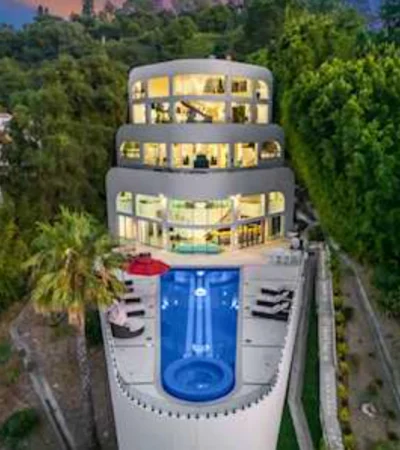
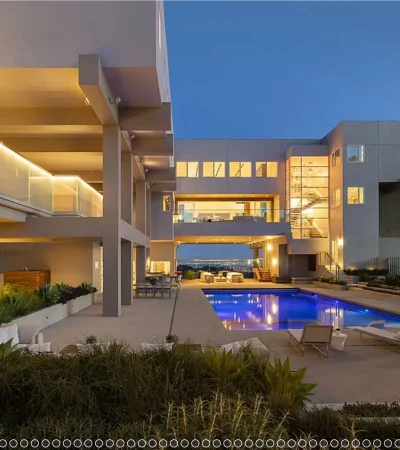
Bel Air CA Homes for Sale: What Buyers Are Actually Choosing
Most buyers looking at Bel Air CA homes for sale are making one specific trade: longer access times and estate-level carrying costs in exchange for privacy the flat neighborhoods can’t replicate. The gates at the north and south Bel Air Road entrances aren’t security theater — they mark a genuinely different residential environment, one where the distance between you and the nearest commercial street is the point rather than a concession.
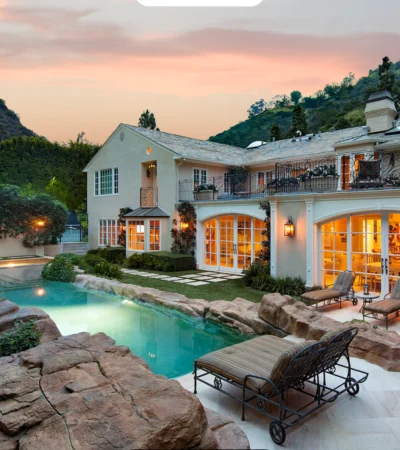
What’s available splits by pocket. Lower Bel Air, south of Sunset, runs $3M–$8M on more conventional parcels. Bel Air Crest is the master-planned gated community with a guard gate and HOA, $3M–$7M. Bel Air Ridge sits on the ridgeline with contemporary architecture and city-to-ocean views, $4M–$12M. Upper Bel Air, behind the gates, is acreage and long driveways at $8M–$50M+, and the Stone Canyon corridor around the Hotel Bel-Air runs $10M–$40M+ when it trades at all.
That trade is not for every buyer. It requires either a lifestyle that operates largely from home (or from a car, chauffeured or otherwise) or a specific and clear-eyed preference for the canyon over the corridor. The buyers who are happiest in Bel Air made this trade intentionally and are not looking back at what they gave up.
The Market Right Now
Bel Air has historically been the most volatile luxury market in the Los Angeles basin, responding sharply to interest rate cycles, international demand fluctuations, and the broader macro environment for ultra-high-net-worth real estate. The estate tier ($15M and above) saw dramatic appreciation through 2021, meaningful correction through 2022–2023, and is in the early stages of stabilization as international demand cautiously returns.
The mid-tier Bel Air market — Lower Bel Air south of Sunset, Bel Air Crest, and Bel Air Ridge — has behaved more like the broader Westside market: less dramatic peaks and troughs, more consistent buyer pool, shorter days on market. The entry-level Bel Air product in the $3M–$6M range is actively traded and serves a different buyer than the Upper Bel Air estate market.
One specific dynamic worth tracking: the inventory of pre-owned estate properties coming to market as the generation that built them ages out. Bel Air has a significant cohort of estates built in the 1970s–1990s that are reaching the market for the first time in decades. These properties often require substantial renovation — not because they were not maintained, but because tastes and technology have changed significantly in 40 years. Well-priced estate renovations are among the better value propositions in the current Bel Air market.
The Pockets That Matter (and What They’ll Cost You)
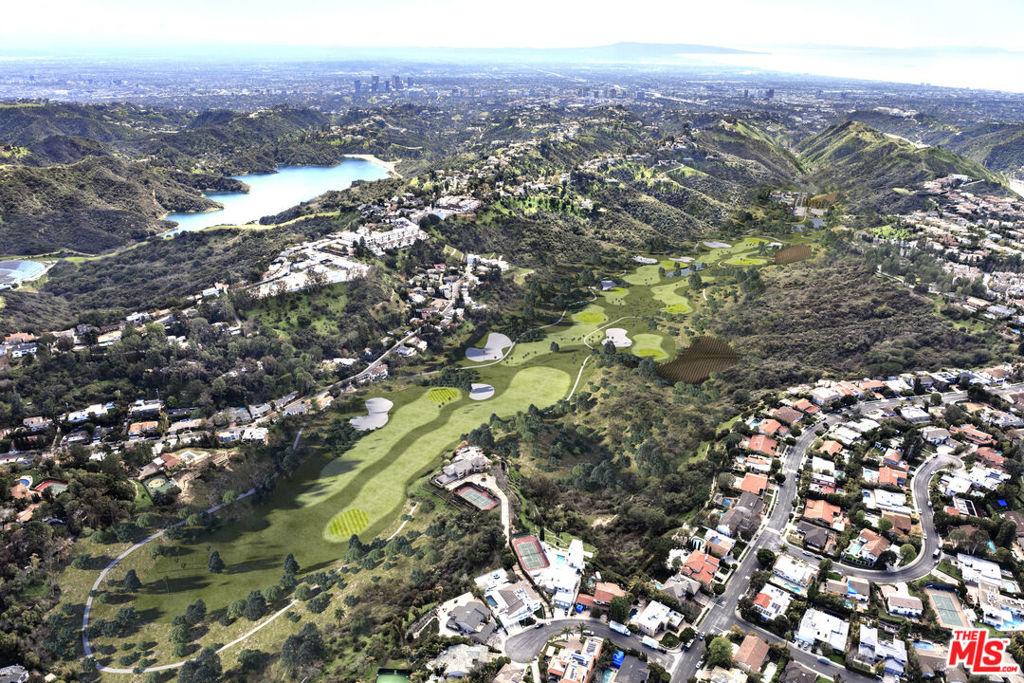
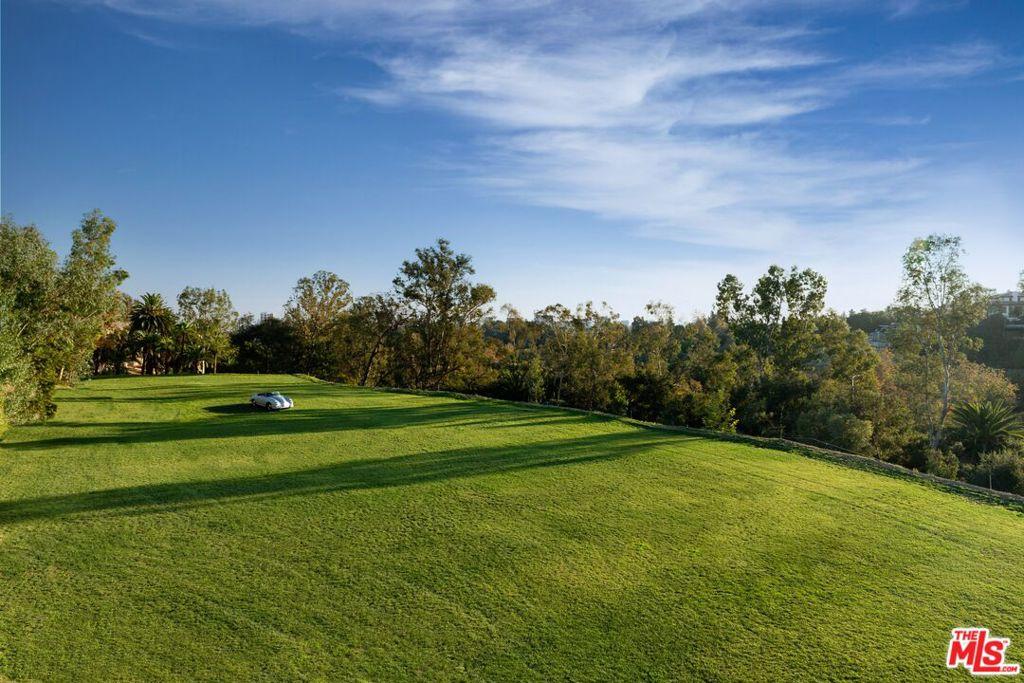
Upper Bel Air — North of Sunset, behind the gates, the neighborhood’s defining territory. This is the Bel Air that the name conjures: long driveways, guard stations (on the larger estates), gates with keypads or uniformed staff, properties that measure in acres rather than square feet. The streets — Bel Air Road, St. Pierre Road, Carolwood Drive — are names that carry their own history. Upper Bel Air is not a price range so much as a category: you’re either in it or looking at something adjacent. Price range: $8M–$50M+.
Lower Bel Air — South of Sunset, more accessible, the entry-level for the Bel Air address. Smaller properties, more conventional parcel sizes, but still within the Bel Air boundaries and carrying that address. Price range: $3M–$8M, with meaningful variation based on whether the property has a view corridor or is tucked into the hillside below the ridge.
Bel Air Crest — The master-planned gated community on the east side of the neighborhood, with guard gate, HOA, and a more conventionally luxury residential character than the estate streets of Upper Bel Air. Buyers who want Bel Air security and address but prefer a community infrastructure — managed entry, maintained common areas, a degree of imposed uniformity — find Bel Air Crest a better fit than the more organic estate development of Upper Bel Air. Price range: $3M–$7M.
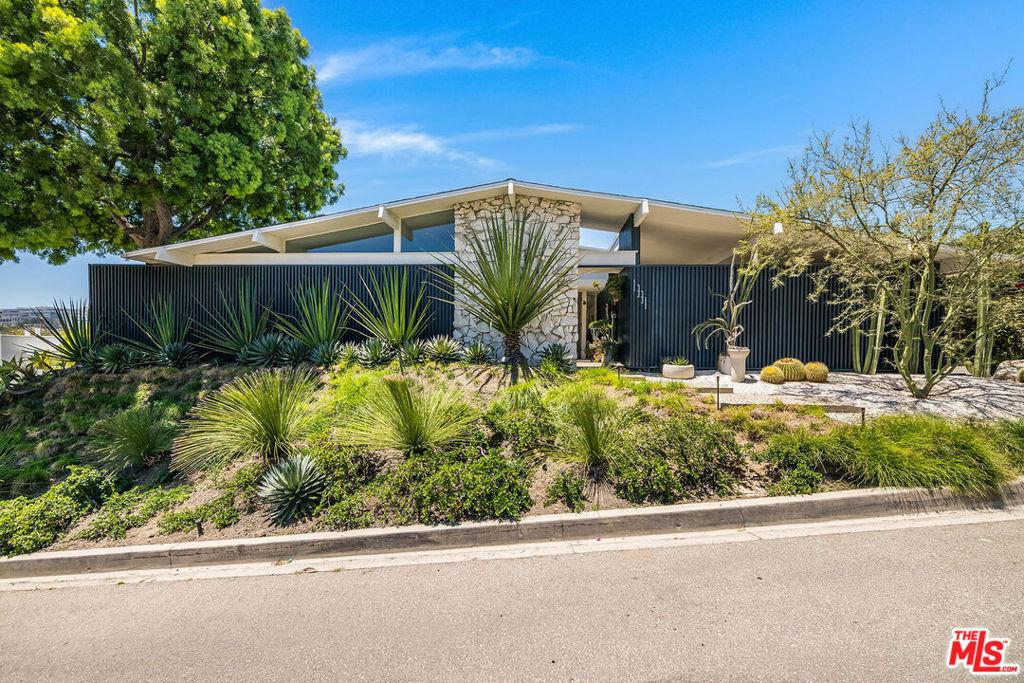
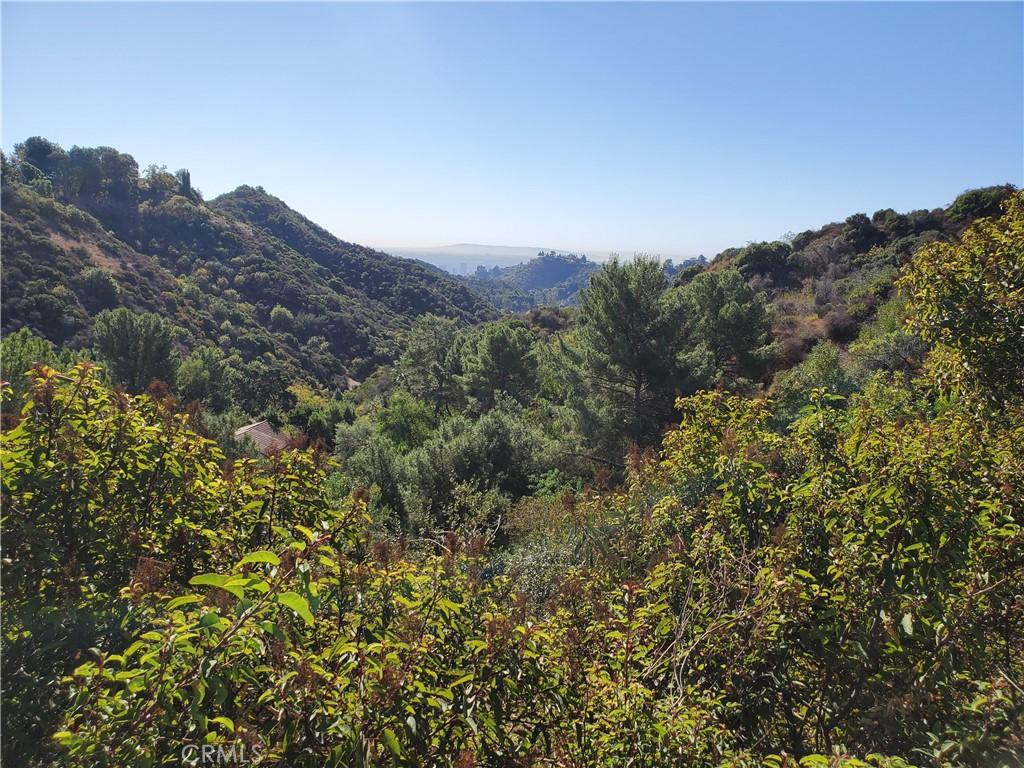
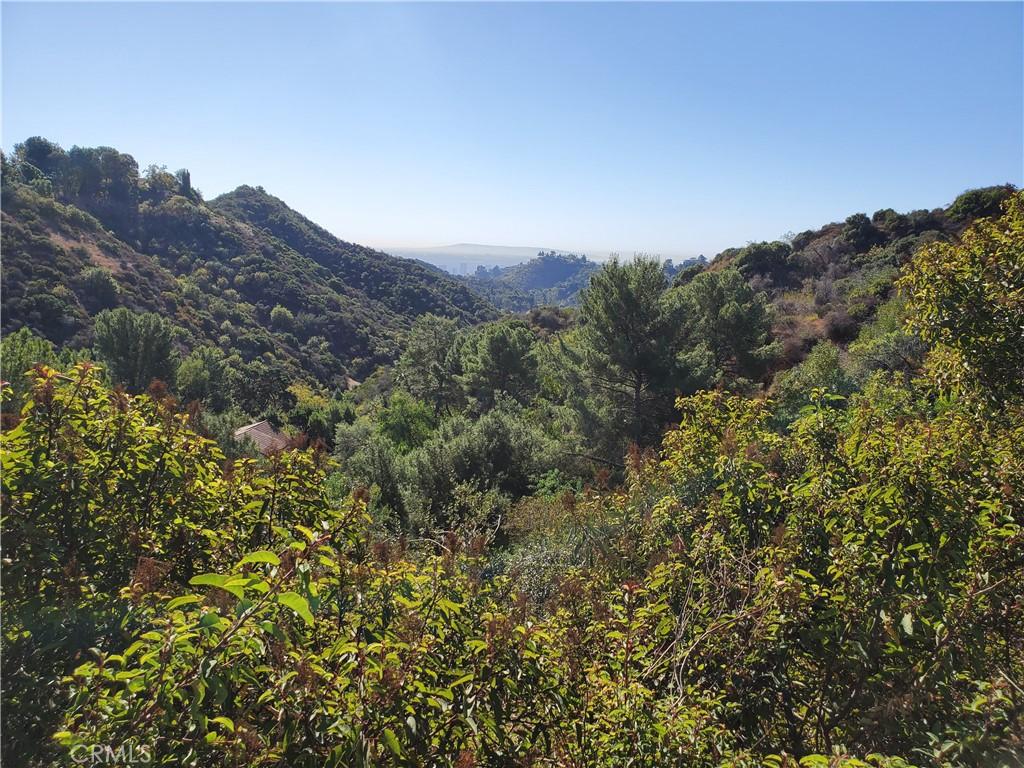
Bel Air Ridge — The ridgeline community with gated access and some of the best views in the neighborhood — south to the city, west toward the ocean on clear days. The architecture is more contemporary than much of Lower Bel Air, and the community character is distinct from the estate environment of Upper Bel Air. Price range: $4M–$12M.
Stone Canyon / Hotel Bel-Air Corridor — The streets surrounding and below the Hotel Bel-Air on Stone Canyon Road are among the most historically significant residential areas in Los Angeles. The mature oak canopy, the creek running alongside Stone Canyon Road, and the concentration of architecturally significant estates in this pocket give it a character that the rest of Bel Air aspires to but cannot quite replicate. Inventory is rare — properties here are rarely listed, and when they are, they transact quietly. Price range: $10M–$40M+ for the significant properties. TKG works this corridor directly.
Who Buys Here and Why It Adds Up
Tech founders and senior executives have, over the past 15 years, replaced the entertainment industry as the dominant buyer profile in Bel Air’s upper tier. The concentration of technology wealth in the Los Angeles area — both from the local startup and media tech ecosystem and from the Bay Area buyers who have relocated or are purchasing second homes — has made Bel Air’s ultra-luxury tier increasingly tech-centric. The appeal is straightforward: maximum privacy, maximum residential quality, a globally legible luxury address, and sufficient land to build the compound-style property that tech wealth tends to favor.
International buyers remain a significant and consistent force at the estate tier. For international families of significant wealth, Bel Air is one of a very small number of residential neighborhoods in the world that functions as a trusted store of value, a recognized address, and a quality-of-life environment simultaneously. The name recognition is lower than Beverly Hills but the product is more appropriate for serious estate buyers — the privacy that Beverly Hills can’t fully provide is the specific thing Bel Air offers.
Entertainment industry buyers at the peak of their careers — directors, showrunners, senior executives — are a sustained presence in the mid-to-upper tier. The industry’s relationship with Bel Air is long-standing; certain addresses in Upper Bel Air have a cultural weight within the entertainment community that functions as its own prestige signal.
What to Know Before You Start Looking
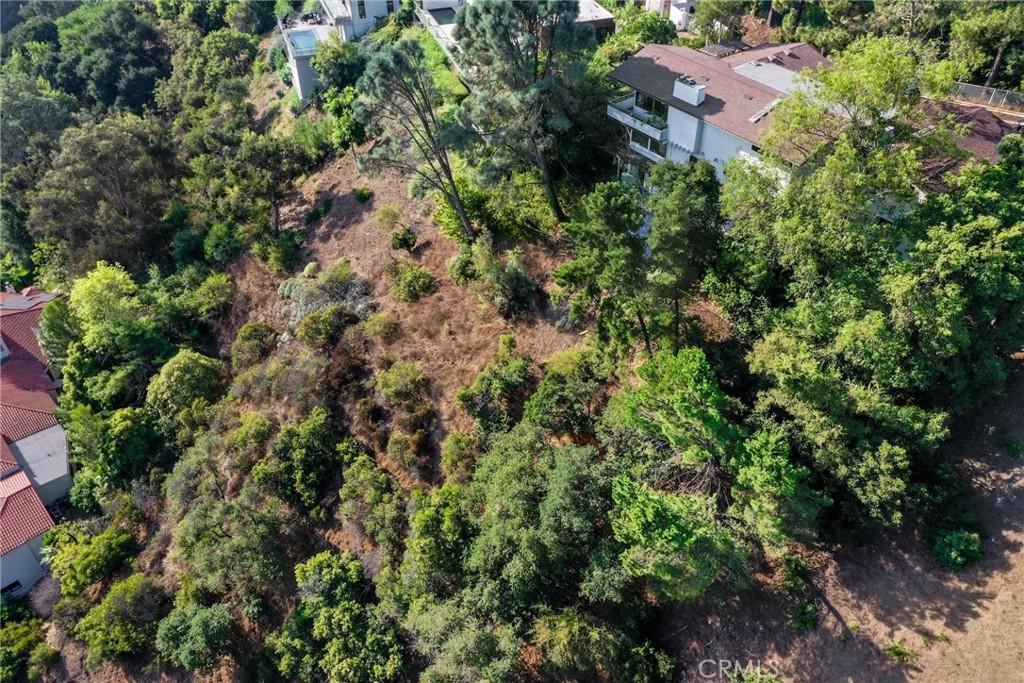
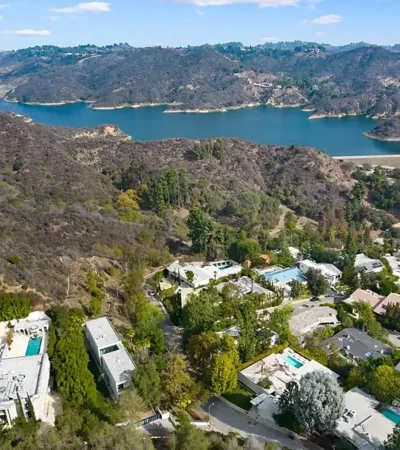
Wildfire is the overriding risk factor in Bel Air, and it is not theoretical. The 2017 Skirball Fire burned approximately 475 acres in the Sepulveda Pass adjacent to Bel Air’s western edge, destroyed multiple homes, and triggered evacuation of the neighborhood. The 2025 fire season brought the Palisades Fire to within a meaningful distance of western Bel Air properties. The combination of fire history, dense native vegetation, hillside topography, and single-access road infrastructure makes Bel Air one of the highest-risk neighborhoods in LA County.
The insurance market has responded accordingly. Obtaining adequate homeowners insurance on Bel Air properties — particularly Upper Bel Air and properties adjacent to the Sepulveda Pass and Roscomare corridors — is materially more difficult and expensive than it was in 2019. Multiple major insurers have exited or restricted California hillside coverage. For estate-tier properties, specialty insurance through surplus-lines carriers or Lloyd’s syndicates is increasingly the only realistic option, at premiums that can reach six figures annually on properties above $10M. Buyers must obtain current insurance assessments — not historical quotes, not estimates, but actual coverage confirmations from a broker who knows the current California market — before making offers on Bel Air properties.
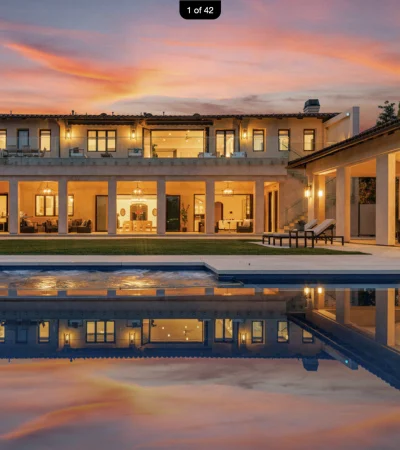
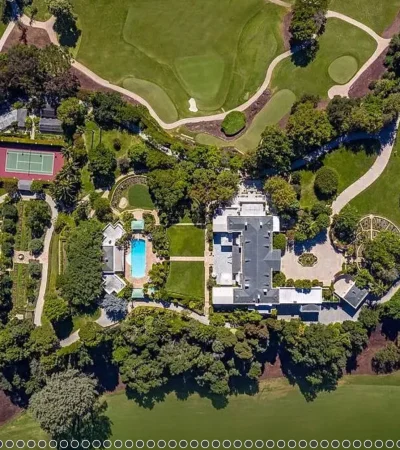
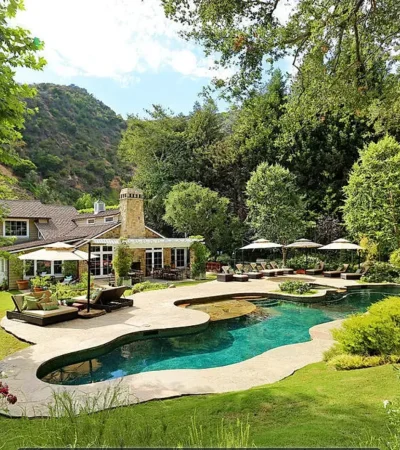
Estate-level maintenance costs are real and frequently underestimated by buyers who have not owned at this scale. A Bel Air estate of 10,000+ square feet on 1+ acres with pool, tennis court, guesthouse, and extensive grounds requires ongoing household and grounds staff, infrastructure maintenance (HVAC, generators, pool systems, gate machinery), and periodic capital investment in aging systems. Annual operating costs of $200K–$500K+ are not uncommon on significant estate properties. Buyers should model these costs explicitly as part of their total cost of ownership calculation, not as a variable to evaluate after purchase.
Weighing the Trade Before You Commit
The most useful question to answer early is not which pocket you prefer but how often you plan to leave the house. Access time compounds: a property behind the north gate with a long driveway asks for a different daily rhythm than one south of Sunset, where parcels are more conventional and the drive out is shorter. Buyers who work from home, or who are driven, absorb that cost easily. Buyers with a school run or a five-day office commute tend to find the ridgeline or Lower Bel Air a better fit than the estate streets above.
The second question is how much structure you want. Bel Air Crest hands you a guard gate, an HOA, and maintained common areas; the estate corridors hand you land and leave the rest to you. Bel Air real estate rewards buyers who decide which of those they actually want before they start touring, because the two paths rarely overlap in inventory.
What are Bel Air CA Homes like to live in?
- Buyers choosing Bel Air CA Homes accept longer access times and estate-level carrying costs in exchange for privacy the flat neighborhoods cannot replicate.
- Gates at the north and south Bel Air Road entrances mark a genuinely different residential environment rather than functioning as security theater.
- Distance between a residence and the nearest commercial street is the point of the address rather than a concession buyers tolerate.
- Lower Bel Air sits south of Sunset on more conventional parcels and represents the more accessible end of what is available.
- Bel Air Crest operates as the master-planned gated community, with a guard gate and an HOA governing the community.
- Bel Air Ridge occupies the ridgeline, pairing contemporary architecture with views that run from the city out toward the ocean.
- Upper Bel Air sits behind the gates and is defined by acreage and long driveways rather than conventional residential parcels.
- Stone Canyon corridor around the Hotel Bel-Air forms its own pocket and trades only rarely among Bel Air CA Homes.
- Bel Air CA Homes suit a lifestyle that operates largely from home, or from a car, chauffeured or otherwise.
- Buyers happiest among Bel Air CA Homes made the canyon-over-corridor trade intentionally and are not looking back at what they gave up.
What is the market for Bel Air CA Homes like right now?
- Bel Air CA Homes have historically formed the most volatile luxury market in the Los Angeles basin, responding sharply to interest rate cycles.
- International demand fluctuations and the broader macro environment for ultra-high-net-worth real estate drive movement across the estate tier.
- Estate-tier pricing saw dramatic appreciation, then meaningful correction, and now sits in early stabilization as international demand cautiously returns.
- Mid-tier Bel Air CA Homes in Lower Bel Air, Bel Air Crest, and Bel Air Ridge behave more like the broader Westside market.
- Entry-level product is actively traded and serves a buyer entirely different from the one shopping the Upper Bel Air estate market.
- Pre-owned estates are reaching the market as the generation that built them ages out, a dynamic worth tracking closely.
- Older estates often require substantial renovation because tastes and technology have changed, not because the properties went unmaintained.
- Well-priced estate renovations rank among the better value propositions currently available across Bel Air CA Homes.
- Bel Air Road, St. Pierre Road, and Carolwood Drive carry their own history and define the neighborhood’s most recognized territory.
- Stone Canyon Road offers mature oak canopy, a creek, and architecturally significant estates that the rest of the neighborhood cannot quite replicate.
Who buys Bel Air CA Homes and what should buyers know first?
- Tech founders and senior executives have replaced the entertainment industry as the dominant buyer profile in the upper tier.
- Technology wealth concentrated in Los Angeles, alongside relocating Bay Area buyers, has made the ultra-luxury tier increasingly tech-centric.
- Compound-style properties appeal to tech wealth because Bel Air CA Homes offer sufficient land, maximum privacy, and a globally legible luxury address.
- International families treat the neighborhood as a trusted store of value, a recognized address, and a quality-of-life environment simultaneously.
- Name recognition sits below Beverly Hills, yet the product suits serious estate buyers seeking privacy Beverly Hills cannot fully provide.
- Entertainment industry directors, showrunners, and senior executives remain a sustained presence across the mid-to-upper tier of Bel Air CA Homes.
- Wildfire is the overriding risk factor, driven by fire history, dense native vegetation, hillside topography, and single-access road infrastructure.
- Insurance on Bel Air CA Homes is materially harder and costlier to obtain, with major insurers exiting or restricting California hillside coverage.
- Buyers must obtain current coverage confirmations from a broker who knows the California market before making offers, not historical quotes or estimates.
- Estate maintenance covers household and grounds staff, HVAC, generators, pool systems, and gate machinery, and should be modeled before purchase.





![-1x-1[1]](https://theknightgroupla.com/wp-content/uploads/elementor/thumbs/1x-11-r9vo3305zudgzpqzt3v5l7lpx4j49fohkcuohgx6z8.jpg "-1x-1[1]")