Glendale Homes for SaleListings

Glendale Homes for Sale

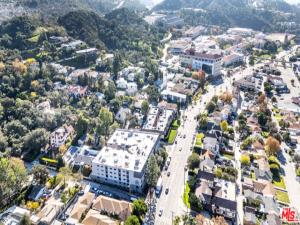
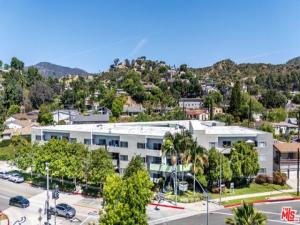
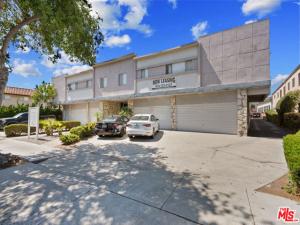
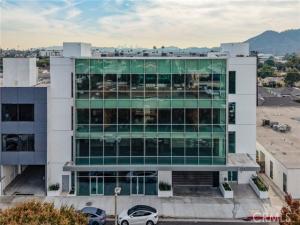
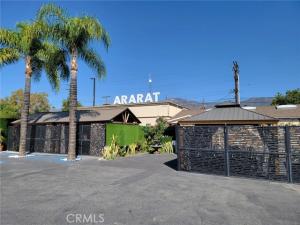
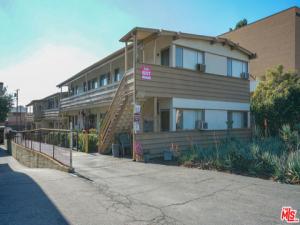
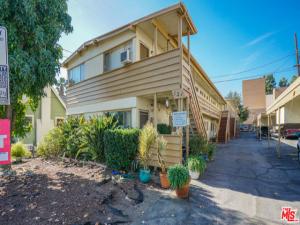
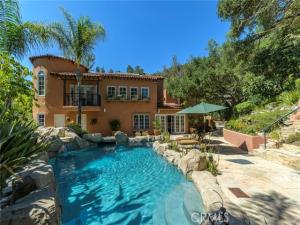
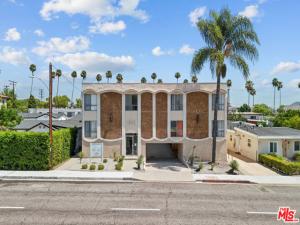
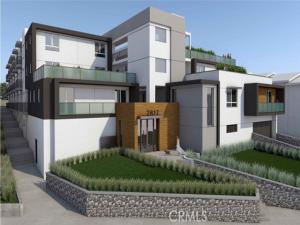
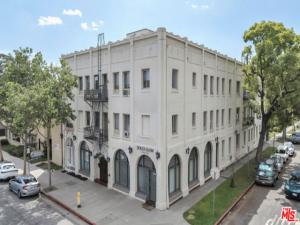
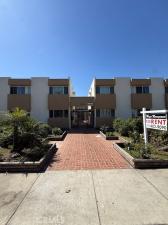
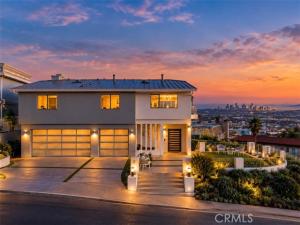
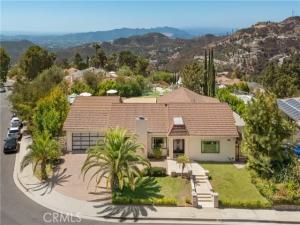
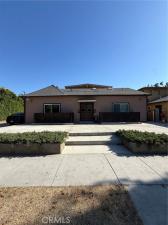
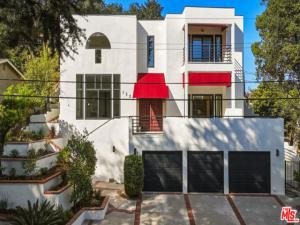
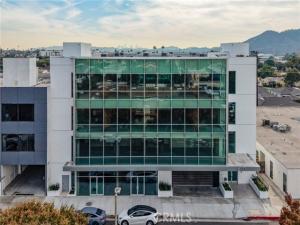
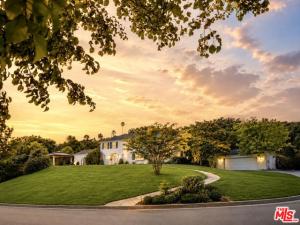
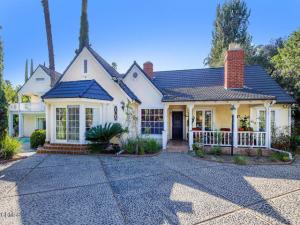
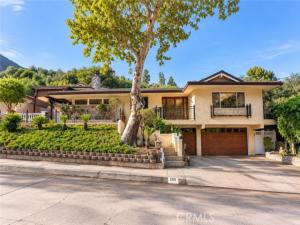
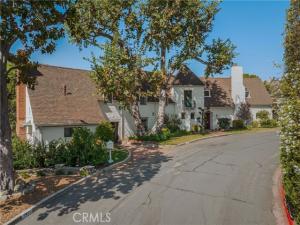
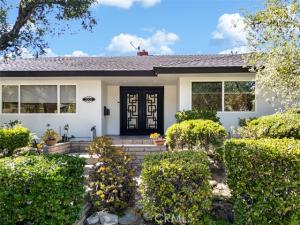
Glendale Homes for Sale range from $1.2 million to $400,000.+. Architectural Diversity: From Time Capsules to Space-Age Pads   Now, let’s talk eye candy. The Knight Group works this area directly, including off-market inventory that doesn’t reach Zillow or Redfin.

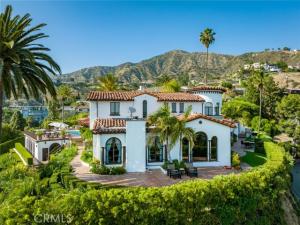
The Doctors House Museum , a Queen Anne-Eastlake style home built in 1890, offers a glimpse into this period. Spanish Colonial Revival (1920s-1930s) : Influenced by California s Spanish heritage, these homes feature stucco walls, red tile roofs, and wrought-iron details. Glendale Unified School District is like the overachiever of the family,always bringing home trophies and making the other districts jealous.

Buyers in Glendale should move on well-priced properties quickly: competition is consistent. The Knight Group tracks off-market inventory here and can provide early access.

Glendale Homes for Sale in Glendale

Community

The Glendale character: More Than Just Another L.A. Suburb

Picture this: You’re cruising down Brand Boulevard, the warm California sun kissing your skin through the car window. To your left, the art deco Alex Theatre stands proudly, a reminder of Hollywood’s golden age. To your right, sleek modern buildings house tech startups and creative agencies. This isn’t just any suburb,it’s a combination of old-world charm and new-age hustle.

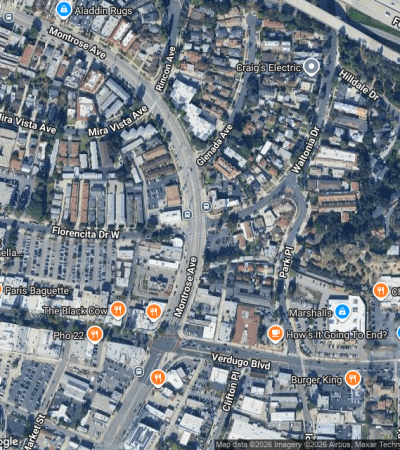
Let’s be real, though. You’re not just buying a house; you’re buying into a lifestyle. And Glendale? It’s serving up a lifestyle cocktail that’s hard to resist. From the hipster coffee shops in Montrose to the high-end shopping at The Americana at Brand. This city’s got range. It’s like the cool cousin who can hang with both the art crowd and the business types.


What Glendale neighborhoods fit different personalities?

Glendale isn’t just a place; it’s a character. Each neighborhood has its own personality, like characters in a sitcom you can’t stop binging. Take Verdugo Woodlands, for instance. It’s the tree-hugger of Glendale neighborhoods, with its winding streets and canopy of oaks. You half expect to see a Hobbit pop out from behind one of those craftsman bungalows.

Then there’s Adams Hill, perched up high like it’s trying to get a better view of L.A. It’s got this artsy, bohemian feel that makes you want to start a band or open a vintage boutique. And don’t even get me started on the schools. Glendale Unified School District is like the overachiever of the family,always bringing home trophies and making the other districts jealous.

But Glendale’s got more parks than you can shake a yoga mat at. Brand Park? It’s not just a park; it’s a whole mood. You’ve got hiking trails that’ll make your Fitbit do a happy dance, and views that’ll have your Instagram followers double-tapping like there’s no tomorrow.


What’s Glendale’s history?

You can’t truly appreciate Glendale without understanding its rich history. Originally inhabited by the Tongva people, Glendale was later shaped by Spanish and Mexican influences before becoming part of the United States in 1850. The city was officially incorporated in 1906, and from there, its growth was nothing short of explosive.

During the roaring ’20s, Glendale became a hub for the early film industry. Stars like Charlie Chaplin and D.W. Griffith set up shop here, leaving an indelible mark on the city’s culture. This Hollywood connection isn’t just ancient history,it continues to influence Glendale’s character today.

As you stroll through downtown, you’ll notice the Art Deco and Spanish Colonial Revival buildings that harken back to this golden age. The Alex Theatre, built in 1925, isn’t just a pretty facade,it’s a living monument to Glendale’s entertainment legacy.

But Glendale isn’t stuck in the past. The city has evolved into a modern urban center while carefully preserving its historical charm. This blend of old and new is part of what makes Glendale real estate so unique and valuable.

Who Lives in Glendale

Glendale draws buyers who have made deliberate trade-off decisions. The buyer profile here tends toward established professionals and families: people who have evaluated comparable options and chosen this pocket for specific reasons: lot size, privacy, school access, commute profile, or community character.

Properties ranging from $1.2M to $1.6M+ range from [entry-level in the pocket] to larger estate-scale homes depending on the specific street. Knowing the sub-block matters when pricing or making an offer here.

How can The Knight Group help in Glendale?

The Knight Group maintains active relationships in Glendale, including off-market sellers who have not listed publicly. For buyers, this means access to inventory before it reaches the portals. For sellers, it means qualified buyers who are already researching this specific area.

In a market like Glendale, where well-priced properties move quickly, having a relationship with an agent who knows the off-market layer changes what’s available to you. The Knight Group can typically show more options than what’s publicly listed at any given time.

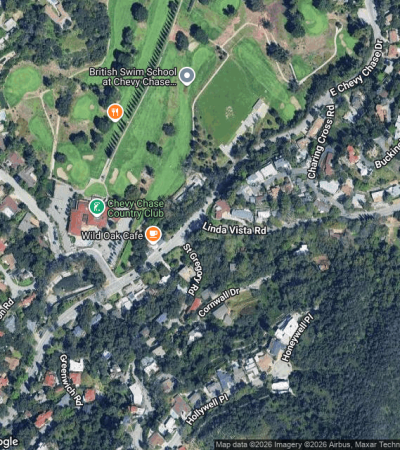
Glendale residential market structure reflects the city geographic diversity. The northern hillside and foothill sections, encompassing Adams Hill, Chevy Chase Canyon, Verdugo Woodlands, and Sparr Heights, carry premium pricing because of the pre-war architectural character, mountain-adjacency, and view exposure. The central and southern sections of Glendale offer more accessible pricing for buyers who prioritize retail proximity and commute convenience over hillside character. Rossmoyne commands a premium within the flat-land sections based on its pre-war planned-community architectural heritage.

Condominium and attached housing in Glendale provides an entry-level alternative for buyers who want the Glendale address and GUSD school assignment without the single-family price premium. The condo market is concentrated along Brand Boulevard, the central downtown section, and in renovated apartment conversion buildings. Entry-level condo pricing ranges from approximately ,000 for smaller units in older buildings through the upper ,000s for larger two-bedroom units in better buildings near the Americana.

Property tax in Glendale reflects the base 1% Proposition 13 rate supplemented by GUSD bond obligations, City of Glendale bonds, and other supplemental levies. The total effective property tax rate for most Glendale parcels falls in the range of 1.1% to 1.25% of assessed value. Buyers should confirm the specific assessment obligation for any property through a current tax bill and preliminary title report rather than relying on a general city average estimate.

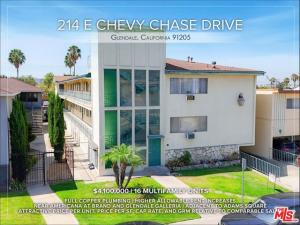
The Glendale rental market is active because of the city proximity to Burbank studio employment and the retail and service employment base at the Americana. Investor buyers typically target multi-family buildings in the central and southern sections of the city where rental demand from entertainment industry employees and service sector workers supports consistent occupancy. The Knight Group provides buyer and seller representation across all Glendale residential neighborhoods. Our buyer representation is provided at no cost to buyers. Contact our office for a consultation on your specific Glendale criteria or seller timeline.

Glendale position in the Los Angeles freeway network gives it one of the more balanced commute access profiles of any Los Angeles County incorporated city. The 134 Freeway connects Glendale east toward Pasadena and the San Gabriel Valley employment cluster, and west toward Burbank and the 5 Freeway interchange. The 2 Freeway provides a direct south connection to the 101 Freeway corridor at Cahuenga, routing Glendale residents toward the Hollywood and Westside employment centers via a freeway segment that is generally less congested than the 405-to-10 alternatives. The 5 Freeway to the west provides north-south access toward downtown Los Angeles to the south, and toward the San Fernando Valley and the I-5 corridor to the north. The concentration of freeway connectivity within a compact geographic area is part of what makes Glendale attractive to buyers whose employment involves commuting to multiple destinations across the metropolitan area.

The Glendale residential market has historically tracked slightly below comparable hillside markets in Pasadena and Los Feliz on a price-per-square-foot basis, reflecting the perception that Glendale sits at the edge of the prestige residential geography of the greater Los Angeles area. This discount relative to Pasadena and Los Feliz has historically attracted buyers who prioritize value within the pre-war hillside residential market. As Glendale retail infrastructure (particularly the Americana at Brand) has matured into a genuine regional destination, the perception gap with Pasadena has narrowed, and the price-per-square-foot differential for comparable hillside product has compressed over the past decade. Buyers entering the Glendale market at current pricing are benefiting from the remaining gap rather than paying the premium that full market convergence with Pasadena would imply.

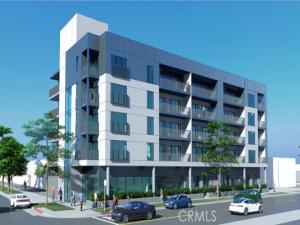
New construction in Glendale has been primarily in the multi-family and mixed-use category, with transit-oriented development concentrated around the Glendale Metrolink station and the Brand Boulevard corridor. Single-family new construction within the city residential sections is minimal, constrained by the built-out character of the flatland residential areas and the hillside terrain limitations in the northern sections. This limited new supply of single-family homes reinforces the structural demand for the existing housing stock at all price tiers, as the buyer pool seeking single-family Glendale addresses cannot be absorbed by new construction in the way that some other Los Angeles County markets can accommodate buyer demand growth through new development.

The multi-family investment market in Glendale has attracted significant institutional and private equity capital over the past decade, driven by the city strong rental demand from the entertainment industry employment base and the limited rent growth in the RSO-regulated buildings that represent the majority of Glendale older apartment stock. Smaller investors evaluating Glendale multi-family properties should understand the RSO implications for buildings constructed before 1979, as the rent stabilization regulations significantly affect the revenue trajectory and exit pricing of regulated properties. Buildings constructed after October 1, 1978 fall outside the RSO framework and can be operated with market-rate rent adjustments; these non-RSO properties carry a valuation premium in the Glendale investment market.

Buyer due diligence in Glendale should include verification of the specific school assignment for any property under consideration through GUSD school finder tool, as attendance boundaries in a city of Glendale size and density can be counterintuitive for buyers relying on neighborhood generalizations rather than address-specific verification. The GUSD magnet program options, particularly the Science Technology Engineering Math magnet at Wilson Middle School and the Clark Magnet High School program, provide educational alternatives that extend the district appeal beyond the neighborhood high school assignments. Families with children seeking magnet placement should research the application process and availability during their property search period. Contact The Knight Group for a buyer consultation covering all Glendale neighborhood options, school assignments, and current market conditions at your target price range.

Glendale seasonal market patterns follow a cycle similar to other established Los Angeles County residential markets. Spring (February through May) brings the highest concentration of new listings and the most competitive buyer activity, driven by school-calendar motivations and the psychological preference for completing a purchase before summer. Fall (September through November) brings a secondary listing cycle from sellers who missed the spring window. The winter months from December through January tend to have the lowest listing volume and the least competitive buyer activity, which creates opportunities for buyers whose timelines allow winter purchases to negotiate more favorable terms than the peak spring market typically allows.

Historic preservation interest in Glendale has grown alongside the broader Los Angeles County pre-war residential market appreciation that has characterized the past two decades of market activity. Several Glendale neighborhoods, including Rossmoyne and sections of Adams Hill, have been discussed in historic preservation contexts as potential candidates for local historic district designation or Mills Act participation. The Mills Act program provides property tax reductions for owners who commit to maintaining their historic homes according to preservation standards, and several Glendale homeowners have already enrolled eligible properties in the program. Buyers who are specifically seeking pre-war Glendale properties should ask their buyer agent whether the property they are evaluating has Mills Act potential or is already enrolled, as the tax benefit can significantly affect the total carrying cost of an historic Glendale property.

First-time buyers in Glendale often find that the city provides one of the better entry points into the pre-war Los Angeles residential market relative to adjacent communities like Los Feliz, Silver Lake, and Pasadena, where demand from a broader and more competitive buyer pool has driven entry-level pricing above the Glendale equivalent. Buyers who are flexible on the specific city boundary and are willing to evaluate Glendale alongside these higher-profile alternatives frequently find that Glendale provides better value for their budget while delivering the architectural character, community identity, and school quality that their criteria require. The trade-off is the Glendale address rather than the Los Feliz or Pasadena cachet, which some buyers treat as a meaningful factor and others treat as irrelevant relative to the housing value delivered at their budget. Contact The Knight Group for a cross-market analysis covering Glendale, adjacent communities, and the trade-offs specific to your priorities and price range.

Sellers in Glendale who are preparing a property for the market should be aware that Glendale buyer expectations around pre-listing preparation have risen substantially over the past several years. Buyers across the Glendale price spectrum now routinely expect professional photography, pre-listing inspection availability, and at minimum a fresh interior paint and general declutter before making competitive offers. Sellers in the pre-war hillside neighborhoods who invest in kitchen and bathroom updates consistent with the architectural character of their homes have historically achieved sale prices that more than recover the renovation investment. The Knight Group provides Glendale sellers with a pre-listing consultation that identifies the specific preparation investments with the highest return potential for their specific property address and condition level, and we can refer sellers to contractor relationships in the Glendale market who are experienced with the specific demands of pre-war residential renovations.

Area Details

Architectural Diversity: From Time Capsules to Space-Age Pads


Now, let’s talk eye candy. Glendale’s architectural scene is like a buffet of styles that’ll satisfy even the pickiest of home aesthetics. You’ve got your classic Craftsman homes, standing there all proud and historical, practically begging you to sit on their wide front porches with a glass of lemonade.

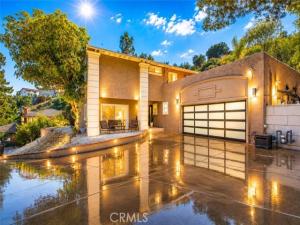
Then there are the mid-century modern gems, all clean lines and giant windows, making you feel like Don Draper might swing by for a martini. And for those with a taste for the contemporary, Glendale’s got sleek, boxy numbers that look like they were beamed down from the future.

But here’s the real tea: Glendale’s not just preserving these architectural treasures; it’s evolving them. You’ll find renovated Spanish Revivals with smart home tech that would make the Jetsons jealous. It’s like the city’s playing architectural Frankenstein, but in a good way,creating homes that honor the past while embracing the future.


A Deep Dive into Glendale’s Architectural Heritage

Glendale’s architectural landscape is a living museum of 20th-century design. Let’s break it down by era:

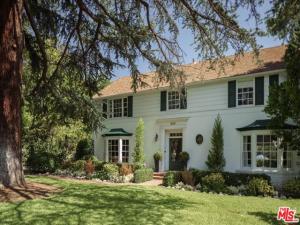
  1. Craftsman Era (1900-1930): These homes, characterized by their low-pitched gabled roofs, wide eaves, and spacious front porches, are abundant in neighborhoods like Rossmoyne and Cumberland Heights. The Doctors House Museum, a Queen Anne-Eastlake style home built in 1890, offers a glimpse into this period.
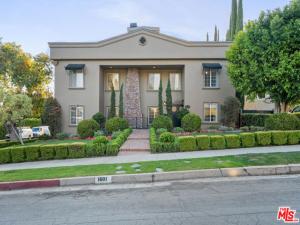
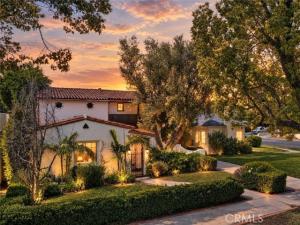
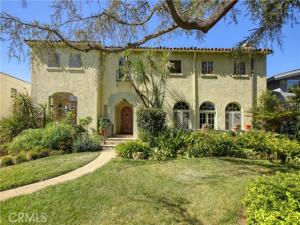
  2. Spanish Colonial Revival (1920s-1930s): Influenced by California’s Spanish heritage, these homes feature stucco walls, red tile roofs, and wrought-iron details. You’ll find examples in the El Miradero neighborhood.
  3. Art Deco and Streamline Moderne (1920s-1940s): While more common in commercial buildings like the Alex Theatre, you can spot residential examples with their sleek lines and geometric patterns in parts of downtown Glendale.
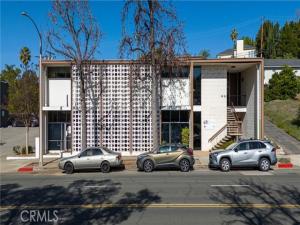
  4. Mid-Century Modern (1945-1970): Post-war Glendale saw an explosion of these homes, characterized by their flat planes, large glass windows, and integration with nature. The Verdugo Woodlands area is a hotspot for this style.
  5. Contemporary and Post-Modern (1970s-present): As you move into newer developments, you’ll see a mix of styles that often blend indoor and outdoor living spaces, a nod to Southern California’s climate.

Each of these styles tells a story about Glendale’s evolution. The preservation of these diverse architectural styles isn’t just about aesthetics,it’s about maintaining the city’s cultural heritage. In fact, Glendale has over 100 properties listed on the Glendale Register of Historic Resources, ensuring that these architectural gems will be enjoyed for generations to come.


How do you get around Glendale?

Glendale is located in the greater Los Angeles area. Drive times to major employment centers vary by time of day — this is Los Angeles. Buyers prioritizing specific commutes should test their route at the relevant time before committing to an address.

Most buyers in Glendale are car-dependent for daily errands. The Walk Score and transit access vary by specific street. If walkability is a priority, The Knight Group can identify which streets within Glendale score highest before narrowing your search.
What is Glendale’s neighborhood infrastructure like?

The Glendale area is served by standard Los Angeles infrastructure: LADWP for utilities, LAPD or LASD for public safety depending on the specific address, and LAUSD or a local district for schools (confirm your specific school assignment by address). Trash collection, street maintenance, and other city services generally reflect the standards of the surrounding area.

For buyers coming from out of state or out of the area: property taxes in Los Angeles County are assessed at purchase price. Expect approximately 1.1–1.25% of purchase price annually, depending on any local supplemental levies.

Market Trends

Market Trends: The Numbers Game (But Make It Fun)

Alright, let’s talk turkey,or in this case, real estate trends. If Glendale were a stock, you’d want to buy it yesterday. The median home price? It’s been doing the cha-cha slide up the charts, currently sitting pretty at around $1.2 million. Yeah, I know what you’re thinking: That’s more zeros than my bank account’s seen in a while. But hear me out.

According to the latest data, homes in Glendale are selling faster than hotcakes at a lumberjack convention. We’re talking an average of 29 days on the market. That’s less time than it takes most people to decide on a new Netflix series to binge.

And get this: about 45.6% of homes are selling above asking price. It’s like a reverse garage sale where everything’s marked up instead of down. But before you start hyperventilating into a paper bag, remember that this means your investment is likely to appreciate faster than you can say equity.


Diving Deeper into the Numbers

Let’s break down these stats a bit more, shall we? According to Redfin, as of November 2024:

  • The median sale price in Glendale was $1,150,000, up 5.3% year-over-year.
  • The average price per square foot has risen to $737, a 1.9% increase from last year.
  • Homes are selling after an average of 29 days on the market, compared to 18 days last year.

But here’s where it gets interesting. Despite the high prices, the Glendale market is showing signs of becoming more balanced. In November 2024, only 45.6% of homes sold above list price, compared to 55.9% a year ago. This suggests that while the market is still competitive, buyers might be gaining a bit more leverage.


Future Projections and Economic Factors

Now, you might be wondering, Where’s this market headed? While no one has a crystal ball, several factors suggest Glendale’s real estate market will remain strong:

  1. Tech Industry Growth: The expansion of tech companies in nearby Burbank and Pasadena is likely to increase demand for housing in Glendale.
  2. Limited Supply: With most of Glendale already developed, new housing supply is limited, which tends to keep prices stable or rising.
  3. Quality of Life: As more people seek work-life balance post-pandemic, Glendale’s mix of urban amenities and suburban comfort makes it increasingly attractive.

However. It’s not all roses and sunshine. Factors like rising interest rates and broader economic uncertainties could impact the market. As of early 2024, mortgage rates were hovering around 6-7%, which could affect affordability for some buyers.


The Knight Group Advantage: Your Secret Weapon in the Glendale Market

Now, you might be thinking, This all sounds great, but how do I navigate this real estate rollercoaster? That’s where The Knight Group LA comes in, wielding data like a samurai sword in a market that changes faster than L.A. traffic patterns.

We’re not just real estate agents; we’re your personal market whisperers. While other agents are still thumbing through yesterday’s listings, we’re crunching numbers and analyzing trends faster than you can say bidding war. Our data-driven approach means we can spot opportunities that others miss, like finding that hidden gem of a property before it hits the mainstream market.

Remember that out-of-state client who wanted to flip luxury properties with a 30% ROI? We didn’t just meet that goal; we crushed it with a 70% return. How? By using our secret sauce of slope analysis and city building ordinances to uncover properties with hidden potential. It’s like we’ve got X-ray vision for real estate value.

And let’s talk about our marketing game. In a world where everyone’s shouting to be heard, we’re the ones speaking in a language that resonates. We don’t just list properties; we tell their stories. Our bespoke marketing plans are tailored to each unique home, ensuring it catches the right eyes and opens the right wallets.


Case Study: The Hidden Potential of Rossmoyne

Let’s take a real-world example to illustrate our approach. In 2023, we worked with a client looking to invest in Glendale’s historic Rossmoyne neighborhood. While many investors were focused on flashier new developments, our analysis showed that Rossmoyne’s historic homes were undervalued relative to their potential.

We identified a 1920s Craftsman that had been on the market for months. The listing photos didn’t do it justice, and the dated interior was turning buyers away. But our team saw past the surface issues. We knew that with the right renovations. This home could be a showstopper.

Our client purchased the property for $950,000. We then connected them with our network of contractors who specialize in historic renovations. Over the next six months, the home underwent a careful restoration that preserved its historic character while adding modern amenities.

The result? The home sold for $1.6 million just nine months after the initial purchase. After renovation costs, our client walked away with a profit of over $400,000. This wasn’t just luck,it was the result of our deep market knowledge, extensive network, and ability to see potential where others saw problems.


Our Data-Driven Advantage

But our success isn’t just about individual properties,it’s about understanding the broader market trends. We use a combination of public data, proprietary algorithms, and good old-fashioned local knowledge to give our clients an edge. For example:
  • We track not just sale prices, but also factors like days on market, price reductions, and seasonal trends to identify the best times to buy or sell.
  • Our team analyzes zoning changes and development plans to spot up-and-coming areas before they become hot.
  • We monitor school performance data, crime statistics, and local business openings to gauge neighborhood desirability.

This data-driven approach allows us to provide our clients with insights they won’t find anywhere else. It’s not just about finding a house,it’s about making a smart investment in your future.

Verify current figures per MLS before making pricing decisions.
FAQs

Frequently Asked Questions About Glendale Real Estate


Q: What’s the average home price in Glendale?

A: As of the latest data, you’re looking at a median price of about $1.2 million. But don’t let that number scare you off,there’s a range of options for different budgets, from cozy condos to sprawling estates.
 

Q: How do I find a real estate agent in Glendale?

A: Well, you could Google till your fingers fall off, or you could skip the hassle and go straight to the pros. The Knight Group LA isn’t just any real estate team; we’re your personal Glendale market experts. Think of us as your real estate Sherpas, guiding you through the peaks and valleys of the Glendale market.


Q: What are the best neighborhoods to live in Glendale?

A: That’s like asking which flavor of ice cream is the best,it depends on your taste! Montrose is perfect for those who love a small-town feel with big-city amenities. Verdugo Woodlands is a nature lover’s paradise. And if you’re into that urban, walkable lifestyle, downtown Glendale might be your jam. But here’s a pro tip: let us take you on a tour. We’ll help you sniff out the neighborhood that feels like home.


Q: How has the COVID-19 pandemic affected Glendale’s real estate market?

A: Like many areas, Glendale saw a surge in demand for homes during the pandemic as people sought more space and suburban living. While the initial frenzy has cooled. The market remains strong. Remote work trends have increased demand for homes with dedicated office spaces or extra rooms that can be converted.


Q: Are there any upcoming developments or city projects that might affect property values?

A: Glendale is constantly evolving. The city has been focusing on downtown revitalization, including plans for more mixed-use developments and improved public spaces. The Glendale Downtown Specific Plan outlines many of these initiatives. These projects are likely to enhance the area’s appeal and could positively impact property values in the long term.


Q: What should I know about property taxes in Glendale?

A: Glendale’s property tax rate is relatively competitive for Los Angeles County. As of 2024, the base rate is 1% of the assessed value, plus additional local assessments. However, due to California’s Proposition 13, your assessed value is based on the purchase price and can only increase by a maximum of 2% per year, which can provide some predictability for long-term homeowners.


Q: Are there any special considerations for buying historic homes in Glendale?

A: Absolutely! Glendale has a rich architectural heritage, and many homes are protected under historic preservation laws. While this can mean extra charm and potential tax benefits (through the Mills Act), it also means there may be restrictions on renovations or alterations. Our team specializes in navigating these regulations to ensure you can honor your home’s history while making it work for modern living.

Explore More

Hey, You ALMOST MISSED IT!

Lucky for you we’re looking out.

Subscribe to this Custom Search to be alerted when new properties hit the market in the area.

Choose the frequency that works for you.

get alerts

[showcaseidx_contact]