What does it mean to buy a home near a Los Angeles golf course?
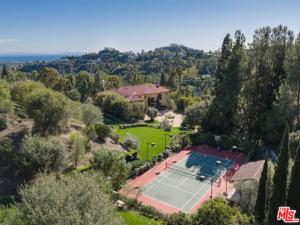
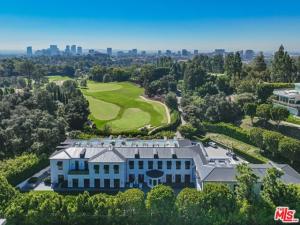
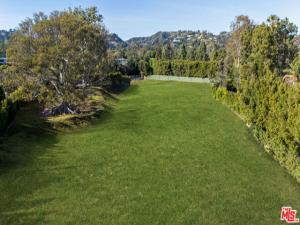
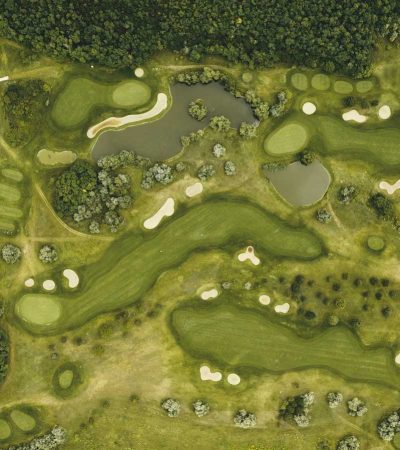
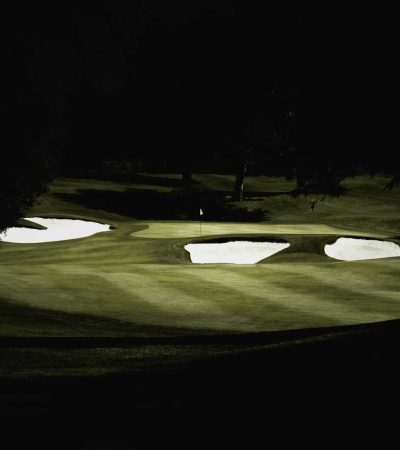
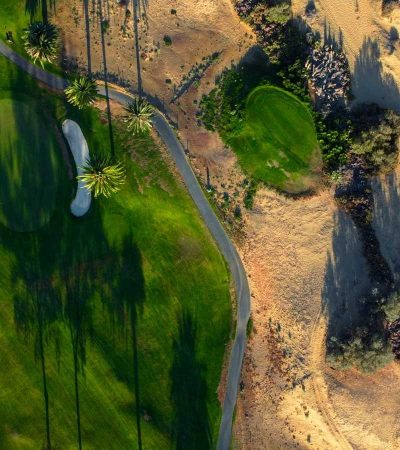
It means buying next to permanent open space. A golf course or country club is one of the few land uses in Los Angeles that will not be subdivided, built up, or turned into a mid-rise. The fairway behind the property line stays a fairway. That single fact drives much of the premium buyers pay for these addresses, along with the mature landscaping, the quiet, and the long sight lines that come with hundreds of protected acres.
Los Angeles County holds a deep bench of private clubs and public courses, from century-old Golden Age layouts on the Westside to resort golf in the Conejo Valley and the San Gabriel foothills. Homes tied to these courses range from guard-gated estates to Valley tract houses that happen to back onto a green. The price tier, the tax exposure, and the club access attached to each one vary widely, so the address alone does not tell the whole story.
Browse the club communities below to see what is available near each course, or contact The Knight Group to talk through which of these markets fits what you are trying to buy.
Why do golf course and country club addresses hold value in Los Angeles?
The value comes down to scarcity of open land. In a county this dense, a home that fronts protected acreage carries a durable advantage over one that does not. You are paying for the view, the setback, and the near certainty that nothing tall gets built next door.
There is a second layer for the private clubs. Many of the most established courses sit at the center of neighborhoods that were master-planned around them a century ago. When Alphonzo Bell laid out Bel-Air in the 1920s, the country club was the anchor, and the residential streets grew from it. That original planning logic still shapes lot sizes, street patterns, and prices today. The result is that a club-adjacent home often sits in a neighborhood with its own reputation, not just a course view.
The trade-off is real and worth naming. Course-adjacent homes can carry higher insurance and maintenance exposure, errant golf balls are a genuine nuisance on certain holes, and buying near a club does not grant membership to it. Those are separate transactions with separate waitlists.
Which country clubs anchor the Westside luxury market?
The Westside holds the densest concentration of prestige golf in the county. Riviera Country Club in Pacific Palisades is the best known. Founded in 1926 by members of the Los Angeles Athletic Club, its George C. Thomas layout opened for play in 1927 and has hosted the Genesis Invitational, formerly the Los Angeles Open, for decades, per the PGA. It is consistently ranked among the top courses in the country, and the Palisades streets around it price accordingly.
A short distance away, Bel-Air Country Club sits at the heart of Bel Air. Founded in 1926 by developer Alphonzo Bell Sr. and Burton Green and designed by the same George C. Thomas Jr. who shaped Riviera, it serves as the home course for UCLA’s men’s and women’s golf teams. Nearby, Brentwood Country Club traces its roots to 1915 and sits on South Burlingame Avenue in Brentwood, with a course shaped over the decades by William Watson, Max Behr, and a 2014 renovation by Todd Eckenrode. MountainGate Country Club takes a different form: a Ted Robinson Sr. layout of 27 holes above the Sepulveda Pass, wrapped by roughly 300 residences across a dozen planned neighborhoods, making it one of the few true golf-community developments on the Westside.
Hillcrest Country Club in Cheviot Hills carries its own history. Founded in 1920 as the first country club for the city’s Jewish community, at a time when Jewish members were excluded from other elite clubs, it drew a roster of Hollywood figures through the mid-century. Its William Watson course sits on land the club bought from Henry Huntington’s holdings.
Which club sets the standard for exclusivity in the city?
The Los Angeles Country Club is the answer most often given. Founded in 1897, it is among the oldest and most private clubs in the country. In 1911 it moved to its current 320-acre site on Wilshire Boulevard, where tunnels beneath the road connect its North and South courses. Gil Hanse restored the North Course in 2010 toward George Thomas’s original design, and it hosted the 2023 U.S. Open, its first major on that course. The land it occupies, in the corridor between Beverly Hills and Century City, is among the most valuable in Los Angeles.
Closer to the mid-city core, Wilshire Country Club anchors Hancock Park. Founded in 1919 with a Norman Macbeth course that opened the following year, it is bisected by Beverly Boulevard, with the two nines connected by a tunnel. It hosted the Los Angeles Open four times in the 1920s through 1940s, and a recent Kyle Phillips restoration revived the Golden Age layout. Hancock Park’s tree-lined estate blocks are among the most sought-after in central Los Angeles.
Which clubs define the San Fernando Valley golf scene?
The Valley offers a different value equation: comparable club amenities at prices well below the Westside. In Tarzana, El Caballero Country Club sits on land once owned by Edgar Rice Burroughs, the author of Tarzan and the namesake of Tarzana. The modern club was founded in 1957 by Bernie Shapiro on a nonsectarian basis, with a Robert Trent Jones course that got a comprehensive renovation led by Rees Jones in 2021.
Also in Tarzana, Braemar Country Club opened in 1959 with a Ted Robinson design of 27 holes across three named nines. The club has been rebranded as Mulholland Hills Country Club under its current owner Invited, which has invested in a full re-imagining of the layout. Both Tarzana clubs put buyers within reach of Valley neighborhoods that trade at a meaningful discount to their Westside counterparts while offering similar club life.
What about golf real estate in Pasadena, the South Bay, and the Conejo Valley?
The county’s golf map extends well beyond the Westside and the Valley. In Pasadena, Annandale Golf Club is one of Southern California’s oldest, established in 1906 by figures including railroad magnate Henry Huntington and George Patton Sr., father of the general. Its foothill setting and William Watson and Billy Bell course, renovated by Brian Silva in 2007, anchor some of Pasadena’s most established residential pockets.
On the Palos Verdes Peninsula, Rolling Hills Country Club opened in 1963 and was rebuilt in 2018 with a new championship course by David McLay Kidd, who filled a former quarry and opened up sweeping views toward Los Angeles. The peninsula’s coastal hillside homes carry their own premium tied to views and low density.
To the west in the Conejo Valley, Sherwood Country Club in Thousand Oaks is the marquee name. Founded in 1989 by Dole owner David Murdock on a 1,000-acre property, its Jack Nicklaus course hosted Tiger Woods’ World Challenge from 1999 to 2013. Sherwood’s gated estates represent the top of the Conejo Valley market.
Are there public golf options tied to these communities?
Yes, and they matter for buyers who want course proximity without a private membership. Los Robles Greens in Thousand Oaks is a city-owned public course built in the 1960s, managed by Arcis Golf, with a par-70 layout among oak-lined foothills that earned recognition after a Fry/Straka renovation completed in 2017. Homes near it offer the open-space benefit at a lower entry point than the private-club neighborhoods.
Industry Hills Golf Club at Pacific Palms Resort in the City of Industry runs 36 holes across two courses named for Dwight D. Eisenhower and Babe Didrikson Zaharias, both designed by William Bell Jr. and opened in 1979. As resort golf spanning 650 acres, it functions differently from a residential country club, but it expands the map of course-adjacent living into the San Gabriel Valley.
What do these clubs offer beyond the golf course?
For most buyers, golf is only part of the appeal. The full-service private clubs on this list are social institutions as much as courses. Bel-Air Country Club includes tennis courts alongside its 18 holes, and MountainGate pairs its 27 holes with tennis and dining as the center of its residential enclave. Braemar, now Mulholland Hills, has run swimming and racquet facilities alongside its golf for years. These amenities shape daily life in the surrounding neighborhoods and are part of why families with no interest in a low handicap still gravitate to club addresses.
The resort and public courses serve a different rhythm. Industry Hills at Pacific Palms Resort combines 36 holes with hotel and event facilities, and Los Robles Greens carries banquet space that makes it a community fixture in Thousand Oaks. When we walk a buyer through one of these markets, we treat the club’s non-golf life as part of the value, because for many households it is the part they will use most.
How does Measure ULA affect golf course home sales?
For any of these homes inside the City of Los Angeles, Measure ULA is a line item to plan for. The tax, often called the mansion tax, applies to the sale price, not the gain. As of July 1, 2025, it added 4% on sales from $5.3 million to $10.6 million and 5.5% on sales of $10.6 million or more, per the Los Angeles Office of Finance, with thresholds adjusted annually and rising again after June 2026. It sits on top of the existing city and county transfer taxes.
This matters directly for club-adjacent estates in Bel Air, Brentwood, the Palisades, Hancock Park, and Cheviot Hills, where sale prices routinely clear the threshold. Properties in Pasadena, Thousand Oaks, Rolling Hills Estates, Tarzana, and the City of Industry fall outside the City of Los Angeles boundary and are not subject to Measure ULA, though other local transfer taxes may apply. Confirming which jurisdiction a specific address sits in is one of the first things worth checking, because it can move the seller’s net by six or seven figures.
Does buying near a club get you into the club?
No. This is the single most common misunderstanding. Owning a home that borders Riviera, Bel-Air, or Los Angeles Country Club does not confer membership, a tee time, or clubhouse access. Private club membership is a separate process with its own application, sponsorship requirements, initiation cost, and, at the most exclusive clubs, a waitlist that can run years. Several of these clubs do not publicly disclose dues at all.
MountainGate is the closest thing to an exception, because it was built as a residential golf community, but even there, homeownership and club membership are distinct. If club access is part of what you are buying for, treat it as a parallel effort and start early. We can help you understand which clubs are realistically open to new members and which are effectively closed.
What are the real trade-offs of living on a golf course?
The upsides are open space, views, quiet, and value protection. The downsides deserve equal weight. Homes on active fairways, particularly along landing zones, take errant golf balls, and some holes are worse than others. Course maintenance runs early, which means mowers and irrigation at dawn. Insurance can cost more on course-fronting lots, and proximity to irrigated turf and mature trees raises humidity and pest considerations.
There is also the club’s own trajectory to consider. Several of these courses have changed hands or rebranded, as Braemar did in becoming Mulholland Hills. A club’s financial health and ownership affect the long-term stability of the open space next door. When we evaluate a specific listing, we look at which hole it fronts, the club’s ownership and condition, and how the address has traded historically, so the decision rests on specifics rather than the general appeal of a golf view.
Frequently asked questions about Los Angeles golf course homes
Which is the most prestigious golf club in Los Angeles?
The Los Angeles Country Club, founded in 1897, is generally regarded as the most exclusive, alongside Bel-Air and Riviera. All three sit on Westside land among the most valuable in the county. Prestige rankings are subjective, but these three appear at the top of nearly every list.
Do any of these clubs allow public play?
Most do not. Riviera, Bel-Air, Los Angeles Country Club, Wilshire, Hillcrest, Brentwood, Annandale, El Caballero, Braemar, MountainGate, Rolling Hills, and Sherwood are private. Los Robles Greens is a city-owned public course, and Industry Hills at Pacific Palms Resort offers resort and public access.
Is a golf course view worth the premium?
It depends on the hole and the home. A view over a protected fairway holds value well because the open space is permanent. A lot in an active landing zone carries nuisance risk that can offset part of the premium. The specific position on the course matters more than the fact of course frontage.
Which clubs are in the San Fernando Valley?
El Caballero and Braemar, now Mulholland Hills, are both in Tarzana. They offer club amenities comparable to the Westside at Valley prices, which for many buyers is the more efficient path to golf-community living.
Are golf course homes subject to the LA mansion tax?
Only if they sit inside the City of Los Angeles and sell above the Measure ULA threshold, which as of July 2025 starts at $5.3 million. Homes in Pasadena, Thousand Oaks, Rolling Hills Estates, and the City of Industry are outside the city and not subject to it, though other transfer taxes can apply.
Can The Knight Group help with off-market golf course listings?
Yes. Homes in these club neighborhoods often trade quietly, before or without a public listing. Our network and history in these markets give us access to sellers and pocket listings that never reach the open market. If you are targeting a specific club community, tell us and we will watch it for you.
How do property values near golf courses compare across the county?
They span a wide range. Westside club neighborhoods like Bel-Air, Brentwood, and the Palisades sit at the top. Valley clubs in Tarzana and public-course areas near Los Robles Greens offer meaningfully lower entry points, while the Palos Verdes Peninsula and Conejo Valley occupy the tier in between. The right comparison is always at the neighborhood and hole level, not the county average.
How does The Knight Group work in this market?
We work these club neighborhoods as specific submarkets, not as a single category. Buying near Riviera is a different transaction from buying near Sherwood or Los Robles Greens, with different price tiers, tax exposure, and inventory patterns. We start by clarifying what you are actually buying for: the view, the neighborhood, the club access, or the value protection, because those priorities point to different courses.
From there we evaluate specific listings on their specifics. We check which hole a home fronts, the club’s ownership and condition, the jurisdiction and its tax implications, and how the address has traded over time. Where club membership is part of the goal, we help you understand which clubs are realistically open and which are effectively closed. And because much of this inventory moves quietly, we watch for off-market opportunities in the communities you care about.
Browse the club communities linked above to see current availability, or contact The Knight Group to start a focused search in the golf course market that fits you.
What are Golf Courses like to live next to in Los Angeles?
- Golf Courses in Los Angeles function as permanent open space, since a course or country club is rarely subdivided or built up.
- Fairways behind a property line stay fairways, and that single fact drives much of the premium buyers pay for these addresses.
- Mature landscaping, quiet, and long sight lines come with the hundreds of protected acres attached to club-adjacent living.
- Los Angeles County holds a deep bench of private clubs and public courses spread from the Westside to the San Gabriel foothills.
- Golden Age layouts on the Westside, resort golf in the Conejo Valley, and foothill courses give the county unusual range.
- Housing tied to Golf Courses runs from guard-gated estates to Valley tract houses that happen to back onto a green.
- Price tier, tax exposure, and club access vary widely, so the address alone does not tell the whole story.
- Scarcity of open land explains why a home fronting protected acreage carries a durable advantage in a county this dense.
- Buyers near Golf Courses are paying for the view, the setback, and the near certainty that nothing tall gets built next door.
- Many established courses sit at the center of neighborhoods that were master-planned around them a century ago.
- Bel-Air grew from its country club anchor when Alphonzo Bell laid out the community, and that logic still shapes lot sizes and street patterns.
- Club-adjacent homes often sit in neighborhoods carrying their own reputation, not just a course view.
- Course-adjacent homes can carry higher insurance and maintenance exposure, and errant golf balls are a genuine nuisance on certain holes.
- Riviera, Bel-Air, Brentwood, MountainGate, Hillcrest, and the Los Angeles Country Club anchor the prestige end of the Westside map.
What do buyers need to know before buying near Golf Courses?
- Public options exist for buyers who want proximity to Golf Courses without carrying a private membership.
- Los Robles Greens in Thousand Oaks is a city-owned public course managed by Arcis Golf among oak-lined foothills.
- Homes near Los Robles Greens offer the open-space benefit at a lower entry point than the private-club neighborhoods.
- Industry Hills Golf Club at Pacific Palms Resort in the City of Industry expands course-adjacent living into the San Gabriel Valley.
- Resort golf functions differently from a residential country club, with hotel and event facilities alongside the play.
- Full-service private clubs on this list operate as social institutions as much as courses.
- Tennis courts at Bel-Air Country Club and tennis and dining at MountainGate shape daily life in the surrounding streets.
- Braemar, now Mulholland Hills, has run swimming and racquet facilities alongside its golf for years.
- Families with no interest in a low handicap still gravitate to club addresses because of the non-golf amenities.
- Measure ULA applies to the sale price rather than the gain for homes inside the City of Los Angeles.
- Club-adjacent estates in Bel Air, Brentwood, the Palisades, Hancock Park, and Cheviot Hills routinely clear the Measure ULA threshold.
- Properties in Pasadena, Thousand Oaks, Rolling Hills Estates, Tarzana, and the City of Industry fall outside the Measure ULA boundary.
- Owning a home bordering Golf Courses such as Riviera or Bel-Air confers no membership, tee time, or clubhouse access.
- Trade-offs of living on Golf Courses include errant balls in landing zones, mowers and irrigation at dawn, and higher insurance.
How do you choose a home near Golf Courses in Los Angeles County?
- Most of these Golf Courses do not allow public play, including Riviera, Bel-Air, Wilshire, Hillcrest, Brentwood, and Annandale.
- Los Robles Greens operates as a city-owned public course, and Industry Hills at Pacific Palms Resort offers resort and public access.
- Views over a protected fairway hold value well because the open space stays permanent.
- Lots in an active landing zone carry nuisance risk that can offset part of the course-frontage premium.
- Position on the course matters more to value than the simple fact of course frontage.
- El Caballero and Braemar, now Mulholland Hills, sit in Tarzana and bring club amenities to the San Fernando Valley.
- Valley clubs offer amenities comparable to the Westside at Valley prices, an efficient path to golf-community living.
- Homes in Pasadena, Thousand Oaks, Rolling Hills Estates, and the City of Industry sit outside the city and escape the mansion tax.
- Homes in these club neighborhoods often trade quietly, before or without ever reaching a public listing.
- Property values near Golf Courses span a wide range across the county rather than clustering at one tier.
- Westside club neighborhoods including Bel-Air, Brentwood, and the Palisades sit at the top of the county range.
- Palos Verdes Peninsula and Conejo Valley occupy the middle tier between Westside prices and Valley entry points.
- Club neighborhoods behave as specific submarkets, so buying near Riviera differs from buying near Sherwood or Los Robles Greens.
- Evaluating homes near Golf Courses means checking which hole a property fronts, the club’s condition, the jurisdiction, and trading history.