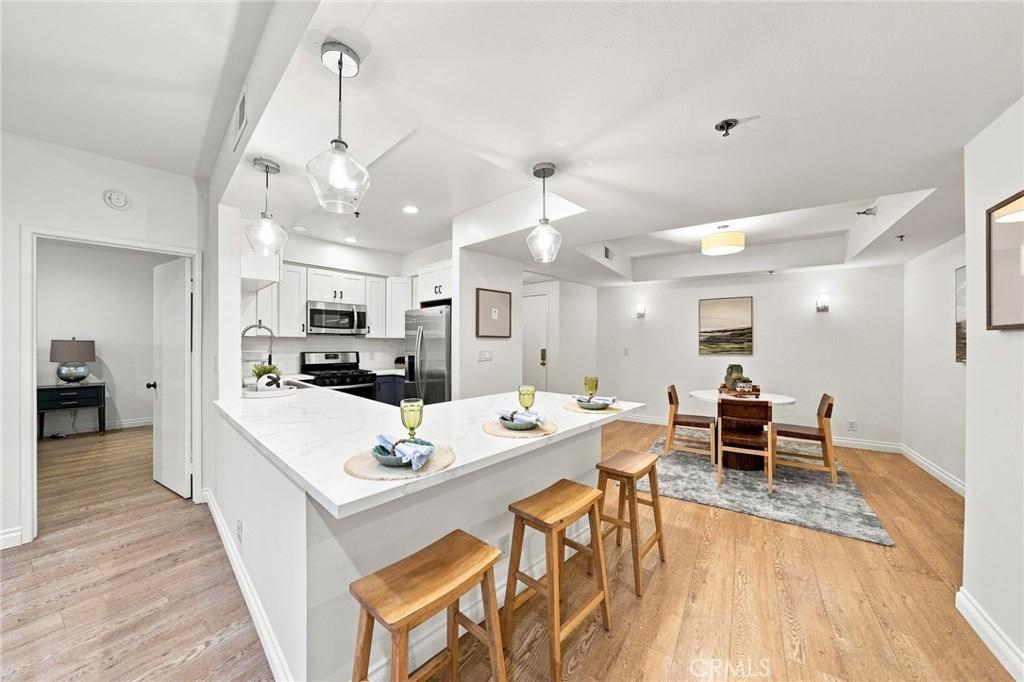
Buyers looking at Beachwood Canyon apartments and condos are shopping one of the more livable pockets of the Hollywood Hills — AreaVibes scores Beachwood Canyon 80 out of 100 for livability, a number that factors in crime rates, school quality, and local amenities. Zillow data puts Hollywood Hills property values up 8.2% over the past year, so pricing here has been moving. That appreciation is worth knowing before you write an offer, but it isn’t the whole picture on any individual building.
Much of the for-sale inventory sits in small condo communities like Beachwood Canyon Estates, and the differences between buildings matter more than the neighborhood average. HOA fees, parking allocation, and reserve fund balances vary from one association to the next, and a thin reserve fund can turn into a special assessment later. The Knight Group can pull HOA financials on any building you’re considering and flag problems early, before you’re committed.
Beachwood Canyon in Los Angeles sits apart from most hillside neighborhoods because it functions as an actual neighborhood rather than a string of driveways. The street grid runs up a single canyon corridor, which means traffic patterns, drive times, and the way you get in and out of your unit depend heavily on where on the canyon a building falls. Lower positions near the flats give you shorter trips to Franklin Avenue and easier guest parking. Higher up, you trade that convenience for quiet and elevation. Neither is better — but the difference is real enough that two similar units can feel like different neighborhoods.
The practical decision for buyers in Beachwood Canyon, LA usually comes down to building type. Small associations mean fewer units sharing the cost of a roof or a retaining wall, so budgets are tighter and individual owners carry more weight in decisions. Ask what the association has deferred, not just what it charges.
But the real estate market in this area is hotter than a summer blockbuster. That’s not just a home; it’s an investment in your future.
You’re not just buying a condo; you’re joining an exclusive community. Imagine rubbing shoulders with industry executives, successful artists, and maybe even a celebrity or two at the community pool. It’s like living on a permanent Hollywood A-list party guest list.
The community at Beachwood Canyon Estates is tight-knit but respectful of privacy, a rare combination in LA. You might find yourself joining impromptu sunset watching parties on the shared terrace or participating in the annual Fourth of July barbecue that’s become somewhat of a local legend.
One resident, a well-known TV writer (who prefers to remain anonymous), shared, Moving here was the best decision I’ve made. The community is supportive, the location is unbeatable, and I’ve written my best scripts sitting on my balcony overlooking the city.
Beachwood Canyon Estates appeals to buyers seeking a low-maintenance property in this part of Los Angeles. Condo ownership here means building management handles exterior upkeep, common areas, and infrastructure — a practical fit for buyers who travel frequently, maintain a second residence, or simply want fewer ownership obligations.
Units ranging from $1.8M+ attract a mix of primary residents and investors. Resale velocity at well-priced buildings in this corridor tends to be consistent, which matters for buyers weighing long-term liquidity.
The Knight Group tracks unit activity at Beachwood Canyon Estates closely. When a unit becomes available — including off-market sellers who prefer a quiet transaction — we’re positioned to move quickly. We can provide a detailed comparison of recent sales in the building to anchor your pricing decisions before you make an offer.
For sellers, The Knight Group’s buyer network includes qualified purchasers who are specifically looking at this building. That means faster transactions and less time on market.
Condo ownership at Beachwood Canyon Estates involves shared infrastructure and collective decision-making through the HOA. New owners become voting members of the association and inherit its financial position — both its assets and its liabilities. A well-run HOA is an asset; a poorly managed one creates ongoing exposure.
Before closing at Beachwood Canyon Estates, The Knight Group recommends reviewing: the last two years of HOA meeting minutes, the current reserve study, and any active litigation involving the association. These documents reveal operational patterns that a single showing cannot.
Condo resale performance at Beachwood Canyon Estates is influenced by supply within the building, the broader Los Angeles condo market, and building-specific factors like elevator reliability, parking, and amenity condition. Price range: $1.8M+. Buyers who understand the exit before they enter make better purchase decisions.
First-time condo buyers in Los Angeles often focus on the unit and miss building-level factors that matter more over time. At Beachwood Canyon Estates ($1.8M+), the items that most affect long-term ownership satisfaction are: elevator reliability and maintenance history, parking structure condition, building insurance coverage limits, and the HOA’s track record on resolving owner complaints.
The reserve fund is the most important financial indicator. A well-funded reserve means routine capital expenditures — roof replacement, elevator modernization, plumbing — are covered without special assessments. An underfunded reserve means future owners pay for deferred maintenance. The Knight Group checks reserve fund adequacy as part of standard buyer preparation at Beachwood Canyon Estates.
The buyers who consistently come to Beachwood Canyon Estates tend to fall into a few recognizable profiles: young professionals who want urban access without the maintenance burden of a house, downsizers moving out of a single-family home in the suburbs, and investors looking for rental-ready units in an established building. Each group has different priorities in the buying process, and The Knight Group adjusts its advisory approach accordingly.
For young professionals, the key factors are commute logistics, walkability to restaurants and services, and in-building amenities. For downsizers, the evaluation centers on building quality and maintenance track record, HOA governance, and guest accommodation. For investors, it comes down to rental demand, vacancy rates, and cap rate relative to the purchase price. All three profiles are active in the Beachwood Canyon Estates building market, and knowing which group dominates helps buyers understand competitive dynamics at the time they’re shopping.
Here’s what you need to know about the area:
According to AreaVibes, Beachwood Canyon scores an impressive 80 out of 100 for livability, factoring in crime rates, school quality, and local amenities. For those seeking a similar blend of luxury and location, Key Largo Condos offer another enticing option in the Hollywood Hills area.
Beachwood Canyon Estates sits within the greater Los Angeles street grid. Access depends on your commute pattern — buyers should drive the route at the relevant time of day before committing. Most buyers in this corridor are within 20-35 minutes of major Westside employment centers under normal conditions.
Parking at Beachwood Canyon Estates is typically assigned. Confirm the number of spaces per unit and guest parking availability before making an offer — these details affect daily livability more than most other factors.
Beyond the unit itself, buyers at Beachwood Canyon Estates should review: HOA meeting minutes from the past 12 months, reserve fund balance and funding percentage, any active or pending special assessments, and pet and rental restrictions. The Knight Group can obtain these documents during due diligence and flag anything that warrants closer attention.
Los Angeles condos are subject to seismic retrofit requirements, fire insurance mandates, and building code compliance obligations that shift over time. At Beachwood Canyon Estates, buyers should confirm the building’s current compliance status — particularly if the building was constructed before 1980 — and whether any retrofitting costs have been passed to unit owners.
Title review at Beachwood Canyon Estates should include examination of CC&Rs, any easements affecting the unit or common areas, and the relationship between the building and any ground lease (if applicable). The Knight Group’s network includes experienced real estate attorneys who specialize in LA condo transactions.
The period between accepted offer and close of escrow is when buyers at Beachwood Canyon Estates confirm what they’re actually buying. Key verifications: that the HOA is current on all obligations (no delinquent dues, no pending litigation), that the unit’s square footage matches the listed figure, that all included appliances and systems are functional, and that no unauthorized modifications were made to the unit.
For financed buyers: the lender will order an appraisal, and the appraiser will review building-level factors including HOA financial health. Buildings with high delinquency rates or ongoing litigation can affect loan approval. The Knight Group flags potential financing complications early — before they derail a close.
The age and construction era of a building matters significantly to buyers evaluating a condominium purchase. Buildings constructed before 1980 may have original plumbing and electrical systems that affect insurance costs and long-term maintenance. Buildings from the 1980s–2000s are often mid-range in both price and construction quality. More recently developed buildings carry newer infrastructure but also higher prices and potentially higher HOA fees to service development debt. Understanding where Beachwood Canyon Estates sits in this timeline helps buyers calibrate expectations correctly.
The Knight Group can provide building history, prior sale records within Beachwood Canyon Estates, and a current comparative analysis of similar buildings within a defined radius — all before you commit to a showing. This preparation time is consistently the difference between buyers who close confidently and buyers who back out after inspection.
Let’s talk numbers, because in real estate. They speak volumes. The Hollywood Hills market is not just hot; it’s sizzling. Here’s what you need to know:
But here’s the insider scoop, luxury condos like those in Beachwood Canyon Estates are becoming increasingly rare in this area. As one local real estate agent put it, These condos are like gold dust. When one comes on the market. It’s usually snapped up within weeks.
For those interested in exploring other options in the area, Universal Condos offer another prime location with views and amenities.
Verify current figures per MLS before making pricing decisions.
Condo purchases in Los Angeles carry specific considerations beyond standard due diligence. At Beachwood Canyon Estates, buyers should request and review the HOA financial statements before making an offer — not after. Underfunded reserves are common across older buildings and can result in special assessments that transfer to the new owner.
Condo prices at Beachwood Canyon Estates reflect both the unit’s individual characteristics and the building’s overall financial health, maintenance history, and amenity set. A lower-priced unit in a poorly managed building can cost more in total ownership than a higher-priced unit in a well-run building.
For buyers considering Beachwood Canyon Estates as an investment: rental restrictions (if any) affect your exit options. Some buildings in this area cap the percentage of units that can be rented — verify before purchasing if rental income is part of your plan. Price range in this building: $1.8M+. Verify current figures per MLS before making pricing decisions.
Sellers at Beachwood Canyon Estates who want to maximize their outcome should consider pre-marketing to The Knight Group’s qualified buyer network before public listing. Buildings with limited unit turnover — where there’s consistent demand but infrequent supply — respond well to off-market introductions that let serious buyers move before the listing goes public.
Pricing at Beachwood Canyon Estates should be anchored to recent comparable sales within the building, adjusted for floor, view, condition, and parking. The Knight Group can provide a building-specific comparable analysis to establish the right list price. Overpricing in a building with transparent comp data is particularly damaging to final outcomes.
Before making an offer at Beachwood Canyon Estates, buyers should ask: How many units are currently delinquent on HOA dues? Has the association levied any special assessments in the past five years, and are any planned? What is the current reserve fund balance and what percentage funded is it? Is there any pending or active litigation involving the association? These answers are in the HOA documents and meeting minutes — The Knight Group obtains and reviews these as standard preparation.
Also ask: What is the current unit rental rate if the buyer intends to rent? What is the current vacancy rate in the building? Is there a waiting list for parking spaces? These operational details reveal the building’s vitality and affect both quality of life and resale value. Price range: $1.8M+.
The Los Angeles condominium market behaves differently from the single-family market. Condos tend to appreciate more slowly in rising markets and hold value more steadily in declining ones, because the buyer pool is larger and more diverse — first-time buyers, investors, and downsizers all participate, while the single-family market is dominated by move-up buyers. Understanding this distinction helps buyers at Beachwood Canyon Estates calibrate their expectations for both purchase experience and long-term value trajectory.
Los Angeles condominium inventory has historically been constrained — relatively few new condo developments have been delivered in the last decade compared to demand growth. This structural supply constraint supports long-term values at established buildings like Beachwood Canyon Estates. The Knight Group tracks this inventory trend as part of ongoing market monitoring for clients considering condo purchases.
Darling. It’s all about location, exclusivity, and that je ne sais quoi. Unlike some cookie-cutter developments, each unit here has its own character. Plus, where else can you wake up to a view of the Hollywood Sign and be downtown for a power lunch in 20 minutes?
Now, now, discretion is key in Hollywood. But let’s just say if you bumped into an A-lister in the elevator, it wouldn’t be the first time it’s happened here. If you’re looking for similar star-studded neighborhoods, Highland Terraces Condos also offer a taste of the celebrity lifestyle.
Honey. It’s surprisingly serene. The clever design and elevation of the complex mean you’re above the hustle and bustle. One resident described it as living in a bubble of tranquility, with the option to pop down into the excitement whenever you want.
Often, yes. These condos are hotter than front-row seats at the Oscars. Your best bet is to get in touch with our sales team pronto and get on that list. If you’re exploring all your options, The Highlands Condos are another exclusive development worth considering.
It’s a delightful mix, darling. You’ve got your entertainment industry folks, successful entrepreneurs, and even some lucky trust fund babies. Ages range from young professionals in their 30s to retirees enjoying their golden years in style.
HOA fees at Beachwood Canyon Estates cover building maintenance, insurance on the structure, common area upkeep, and management costs. Fees vary by unit size and the building’s current budget. The Knight Group can pull the current HOA financials — including reserve fund status and any pending assessments — before you make an offer.
Rental restrictions at Beachwood Canyon Estates depend on the current HOA rules and any applicable local regulations. Some buildings cap the percentage of units that can be rented at any given time. Verify rental restrictions directly with the HOA before purchasing if rental income is part of your plan.
The right building depends on your priorities: price per square foot, HOA fees, amenities, building age, and management quality all vary significantly between buildings. The Knight Group can provide a side-by-side comparison of Beachwood Canyon Estates versus comparable buildings in this area to support your decision.
Investment performance at Beachwood Canyon Estates depends on purchase price relative to comparable units, HOA financial health, rental demand in the area, and your exit timeline. The Knight Group can provide a current investment analysis — cap rate, price per square foot trends, and vacancy context — for buyers evaluating Beachwood Canyon Estates as an investment. Verify all figures per MLS before making investment decisions.
Interior upgrades — kitchen, primary bathroom, flooring — typically add value at Beachwood Canyon Estates if they align with building-level buyer expectations. Building-wide amenities and management quality affect resale more than any individual unit upgrade. The Knight Group can advise on which improvements are supported by recent comp data in this building.
Reach out directly to The Knight Group. We’ll pull current availability at Beachwood Canyon Estates including off-market units, provide recent comparable sales, and review HOA financials so you have a complete picture before making any offer. No obligation — just the data you need to make a good decision.
Selling at Beachwood Canyon Estates follows the standard Los Angeles condominium transaction process. The Knight Group will pull current comparable sales in the building, advise on pricing and preparation, and market your unit to qualified buyers — including off-market outreach before any public listing. Buildings with limited unit turnover benefit particularly from pre-market outreach to known interested buyers.
Some buildings require owners to occupy the unit for a specified period before renting. FHA financing also requires a minimum owner-occupancy percentage across the building. Confirm the specific requirements at Beachwood Canyon Estates with the HOA and your lender before purchase if occupancy flexibility matters to you.
Parking at Beachwood Canyon Estates is typically assigned and associated with specific units. Confirm the number of spaces allocated to your unit, the location within the structure, and any restrictions on vehicle size or type. Guest parking availability is a quality-of-life factor that affects resale more than most buyers expect. The Knight Group will confirm parking details as part of standard due diligence.
Explore more Hollywood Hills neighborhoods:
Lucky for you we’re looking out.
Subscribe to this Custom Search to be alerted when new properties hit the market in the area.
Choose the frequency that works for you.