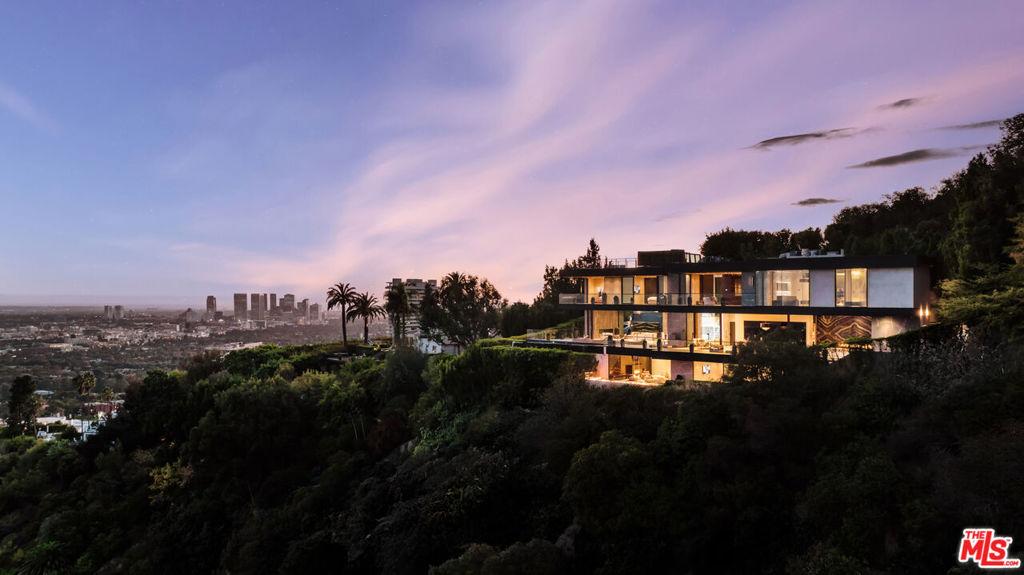
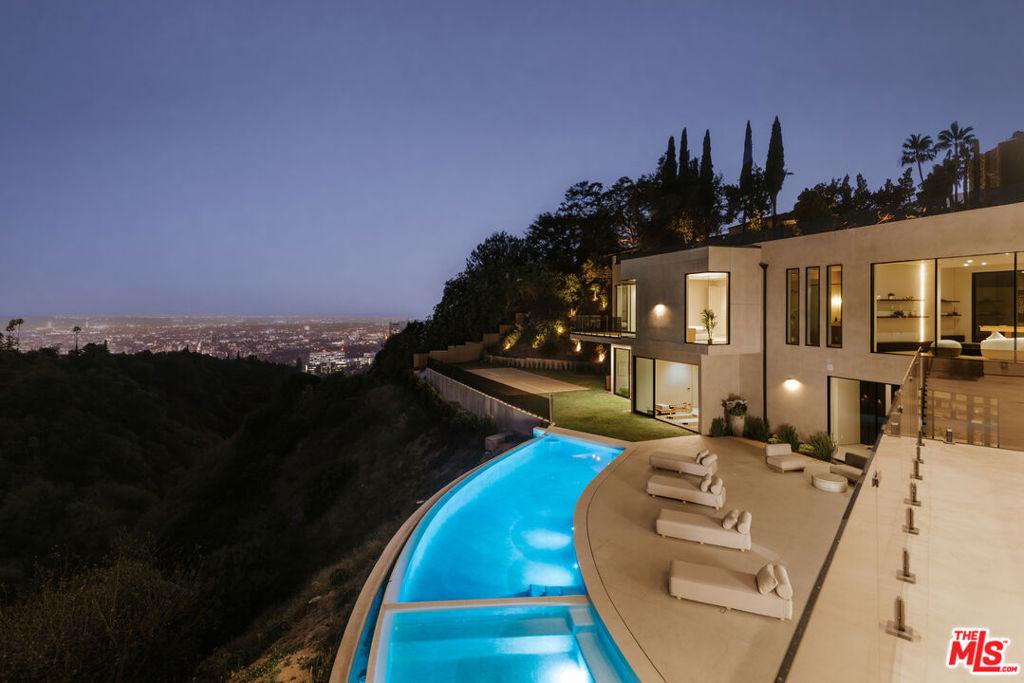
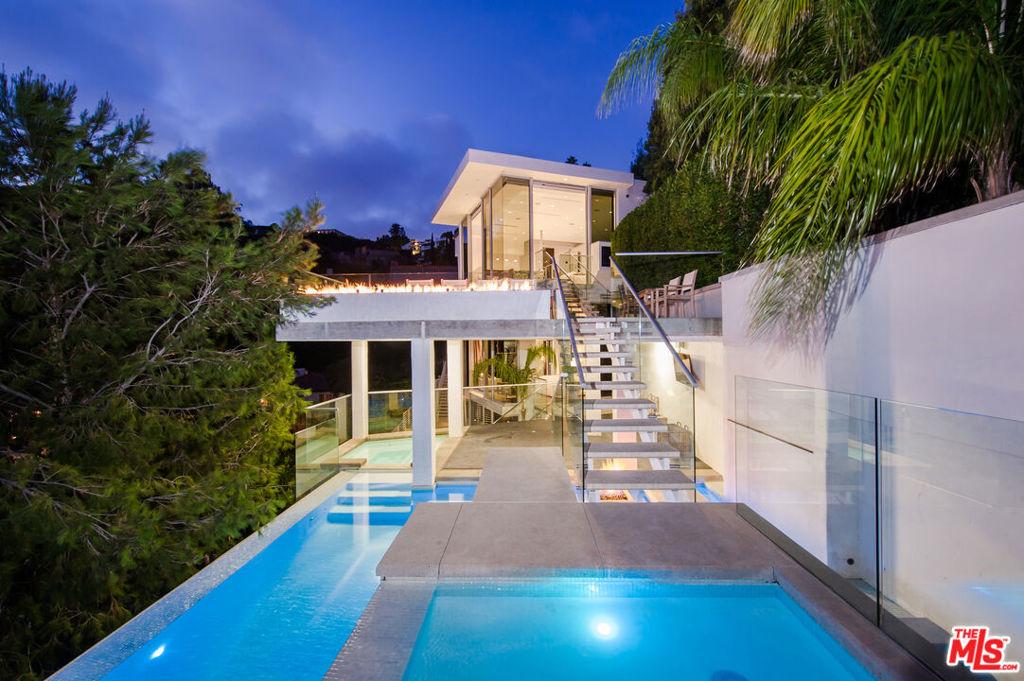
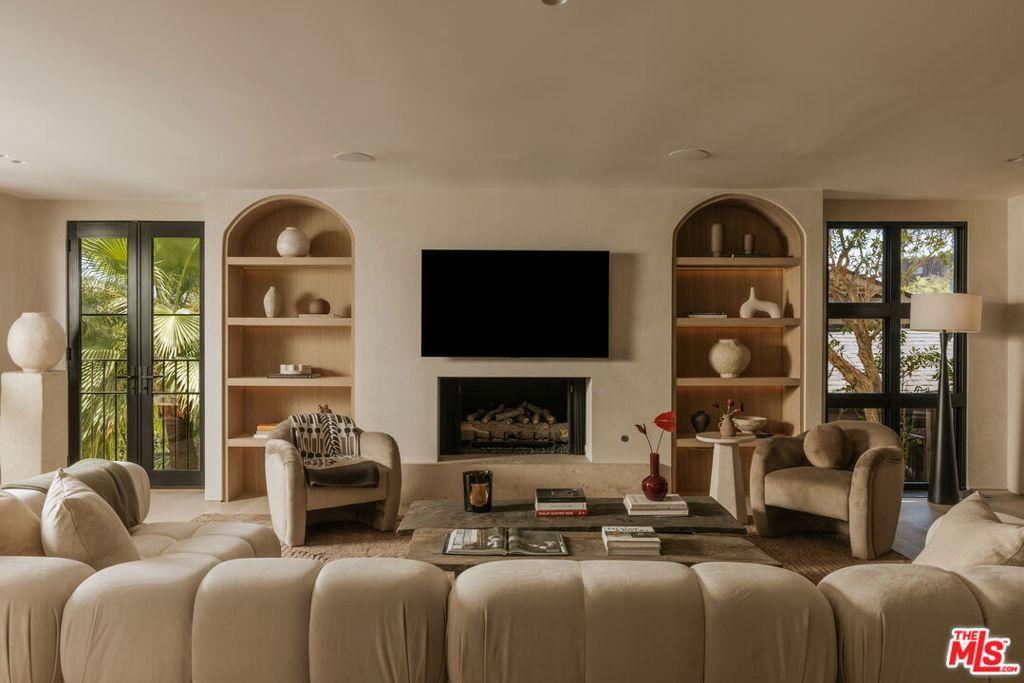
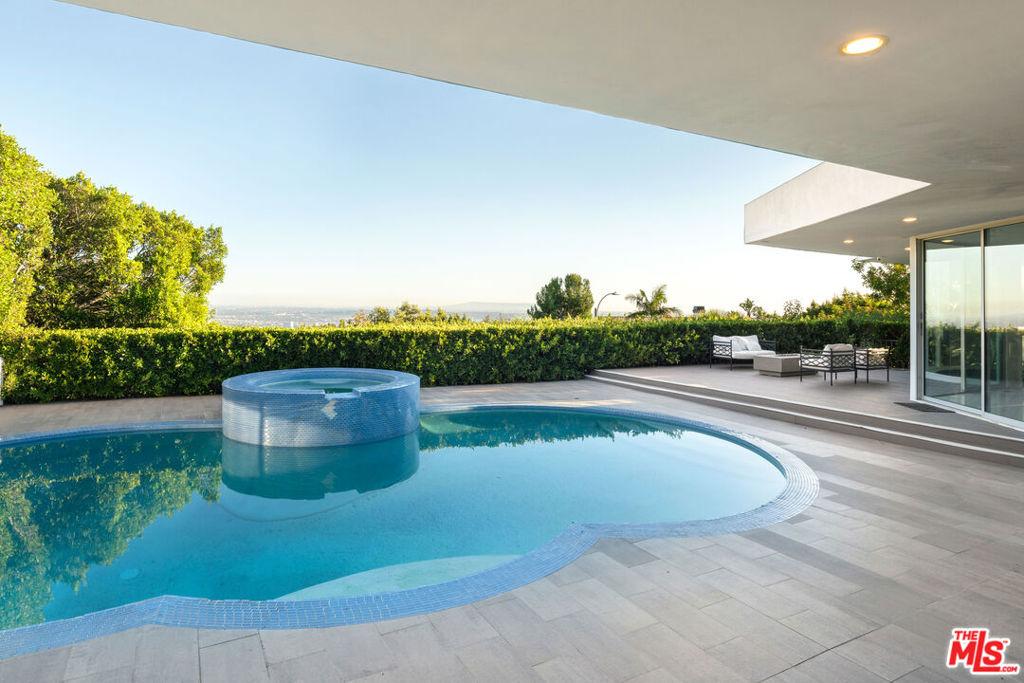
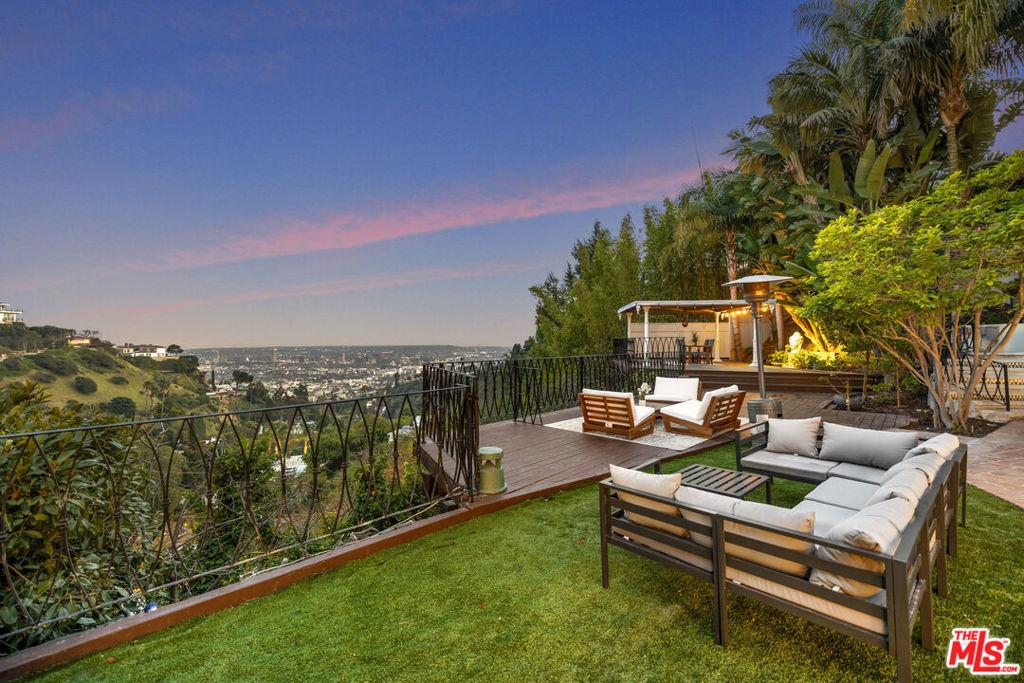
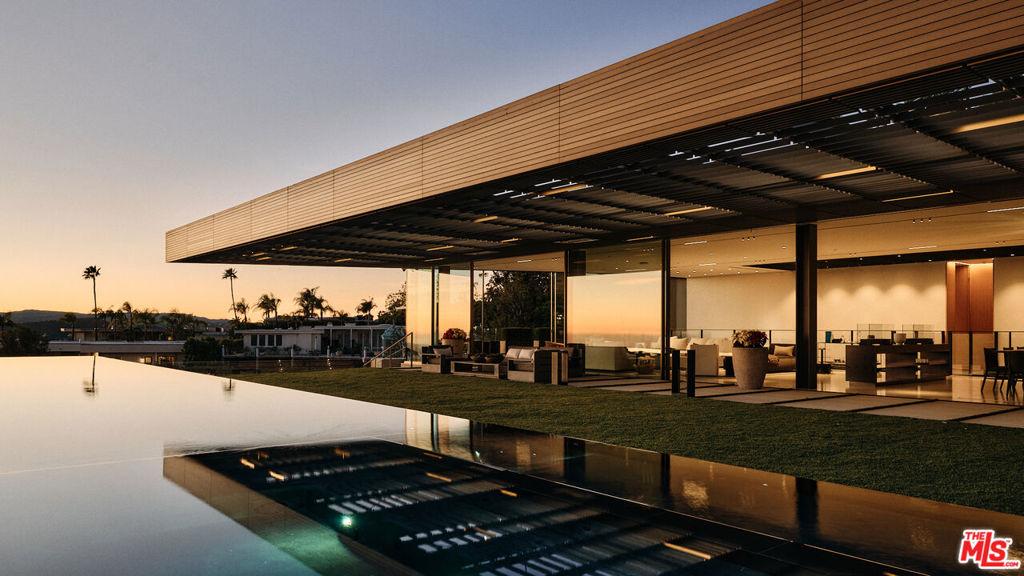
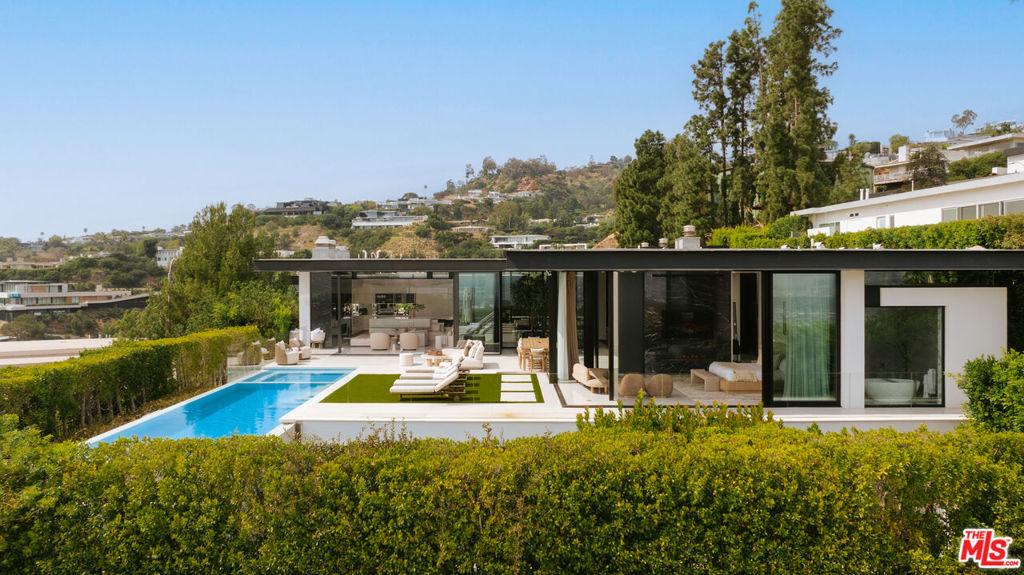
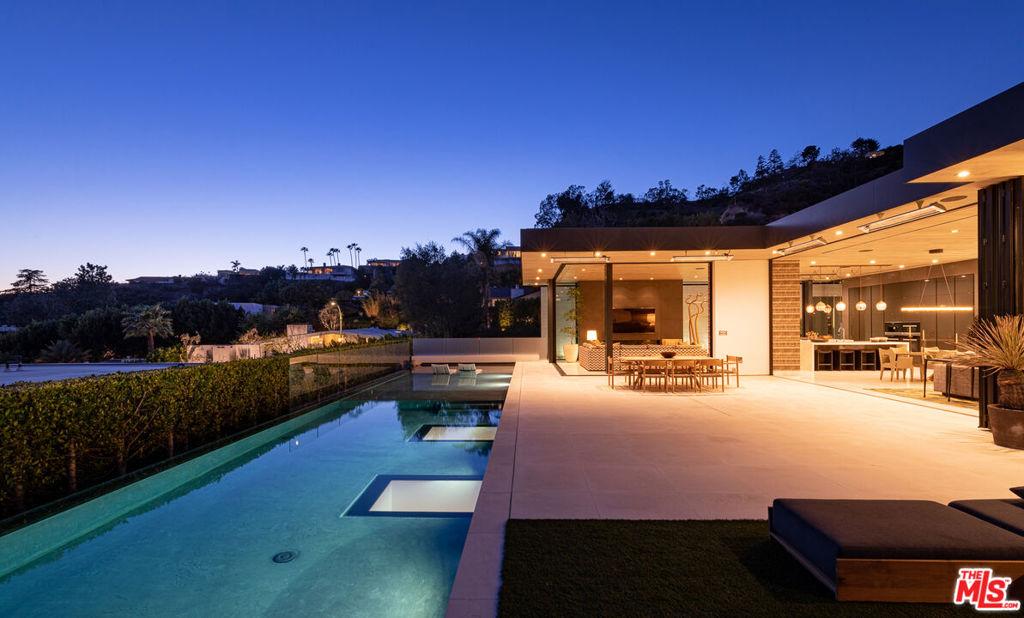
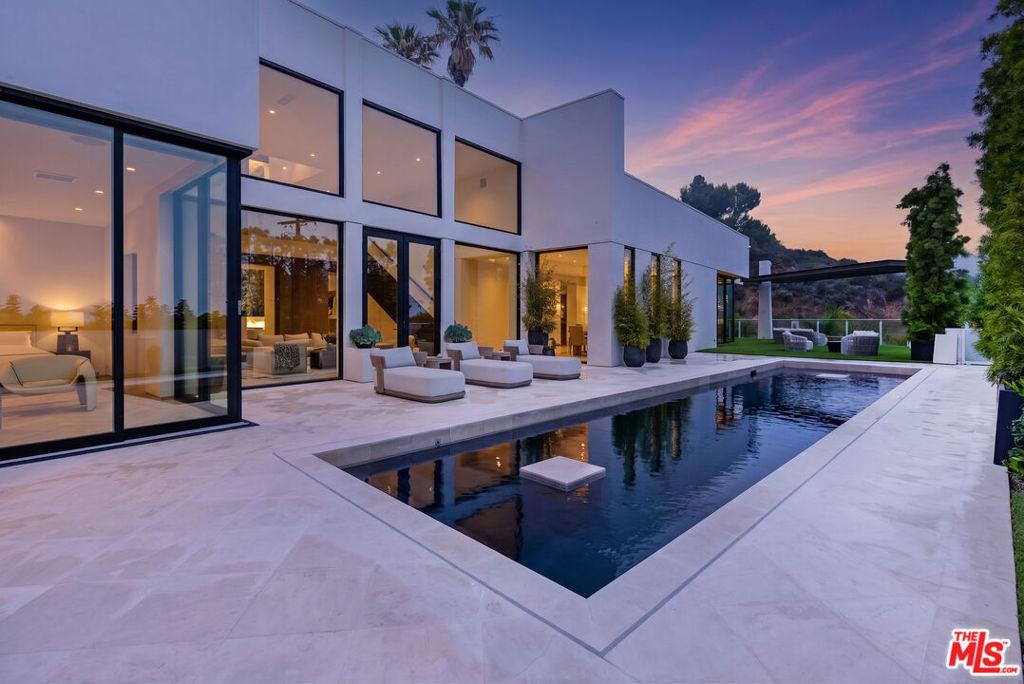
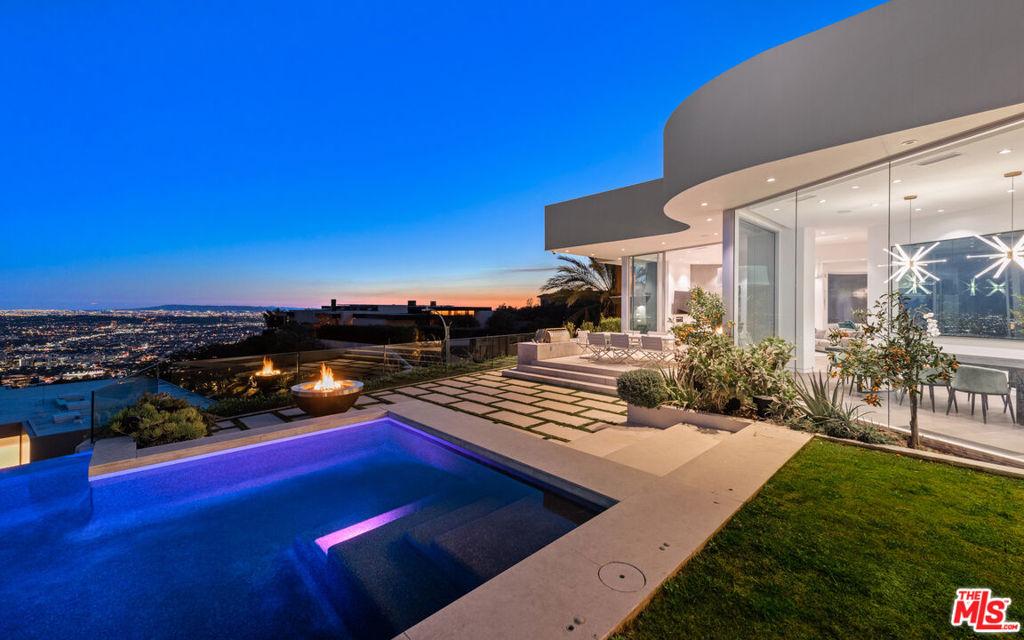
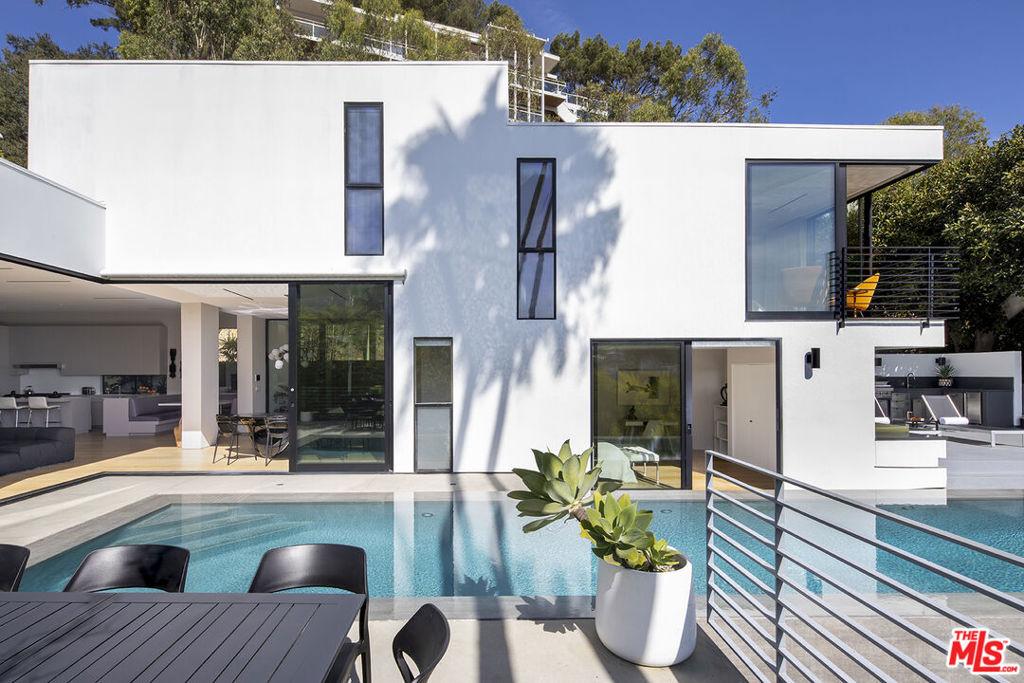
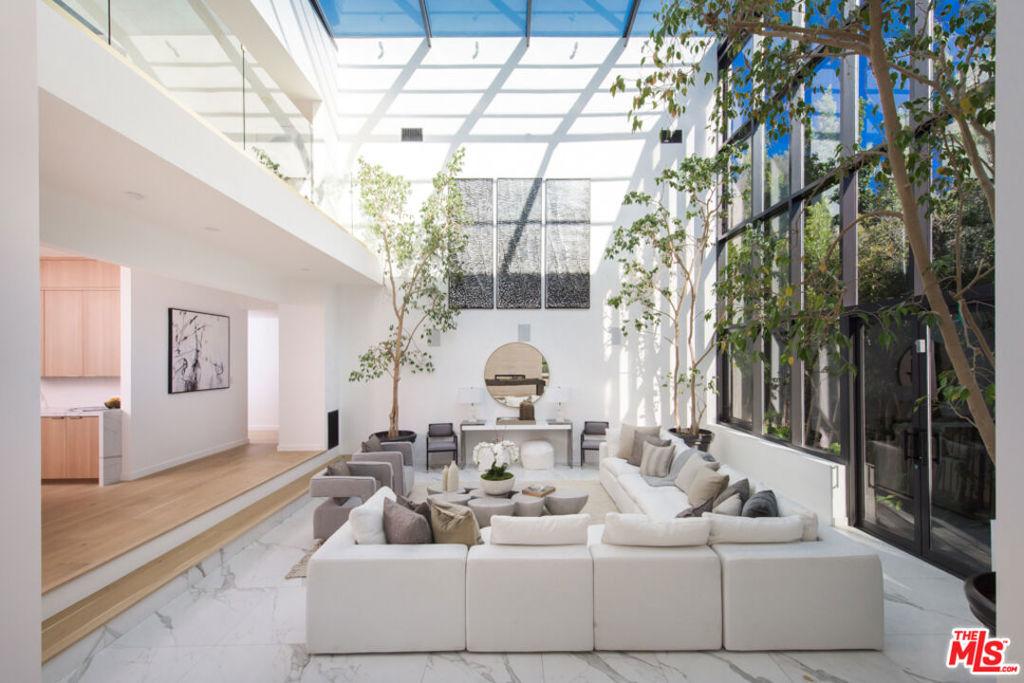
Bird Streets is a residential community in the Hollywood Hills — the mountainous terrain above Hollywood and the Sunset Strip where canyon living, panoramic city-lights views, and proximity to the entertainment industry’s creative core define a residential environment that is unique in the global luxury real estate market. The Bird Streets are Hollywood Hills’ most exclusive address cluster — a network of streets above the Sunset Strip named for birds (Nightingale, Robin, Oriole, Warbler, Tanager) where some of Los Angeles’s most valuable celebrity-owned residential estates achieve the neighborhood’s highest per-square-foot values. Hollywood Hills’ combination of mid-century modern and contemporary canyon architecture, hiking access to Runyon Canyon and Griffith Park, and the cultural identity of one of Los Angeles’s most storied addresses has made it a consistently sought-after destination for the entertainment industry’s most successful creative professionals and executives.
Bird Streets is one of Hollywood Hills’ distinctive residential communities, the bird streets are hollywood hills’ most exclusive address cluster — a network of streets above the sunset strip named for birds (nightingale, robin, oriole, warbler, tanager) where some of los angeles’s most valuable celebrity-owned residential estates achieve the neighborhood’s highest per-square-foot values within a broader neighborhood whose identity is shaped by the canyon and ridgeline topography, the views that elevation provides across the Los Angeles basin and beyond, and the architectural ambition of builders and architects who have treated the Hills’ dramatic terrain as an invitation for design creativity across a century of residential development.
The Bird Streets’ ultra-luxury positioning — celebrity-owned estates, panoramic city-light views, close Sunset Strip proximity — makes this the neighborhood’s most expensive and most globally recognized sub-community, where median prices regularly exceed $10 million for trophy properties. The Los Angeles Unified School District serves the Hollywood Hills area for K-12 public education, with specific campus assignments depending on address location within the neighborhood’s varied geography. Given the Hills’ reputation as an entertainment industry professional destination, many families in the neighborhood use private school options — Harvard-Westlake, Buckley, Campbell Hall, and other private institutions accessible from the Hills — as their K-12 solution. Public school assignments should be verified with LAUSD for any specific address under consideration.
The Hollywood Hills lifestyle is fundamentally about the balance between the canyon’s natural character and the entertainment industry’s creative energy directly below. The ability to hike Runyon Canyon before an evening on the Sunset Strip, to entertain on a terrace with panoramic city-light views, and to live in an architecturally significant home that uses the challenging terrain as an asset rather than an obstacle — this combination of nature, culture, and architecture defines the Hollywood Hills residential experience for the buyers who specifically choose the neighborhood over the flatland alternatives below. Property values reflect the premium that this lifestyle combination commands in one of the world’s most competitive luxury residential markets.
Mulholland Drive provides the hilltop road that connects Hollywood Hills properties to the broader canyon residential network — east toward Griffith Park and the Hollywood sign vista points, west toward Coldwater Canyon and Beverly Hills, and to the San Fernando Valley on the north side of the ridge. The road’s name carries decades of cultural resonance in Los Angeles — Mulholland Highway, the David Lynch film, the ongoing debate about Mulholland’s water legacy — and it provides the literal high road that Hollywood Hills residents use to navigate their elevated residential world.
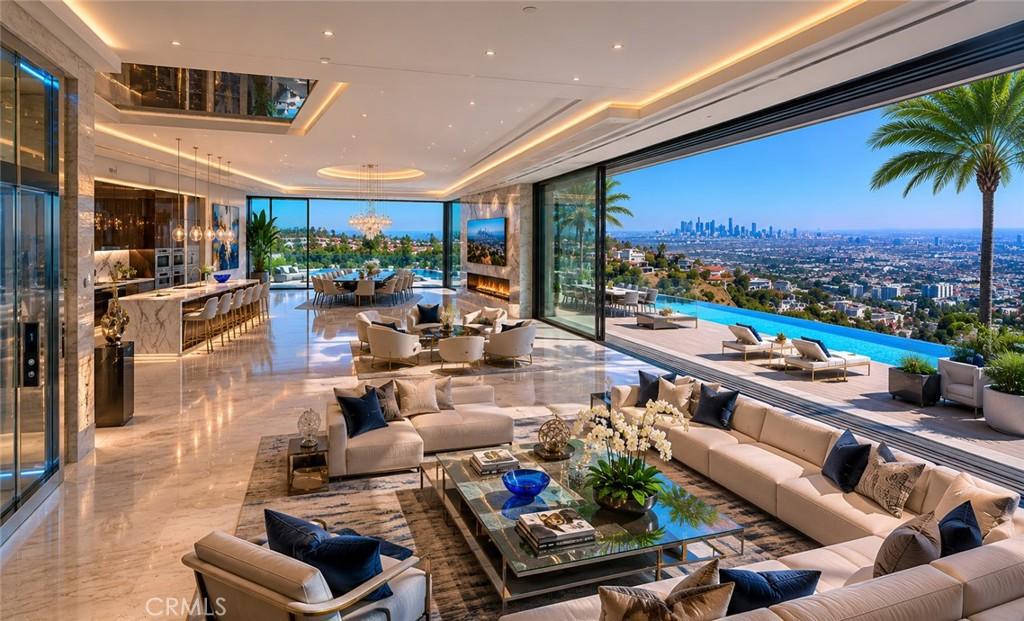
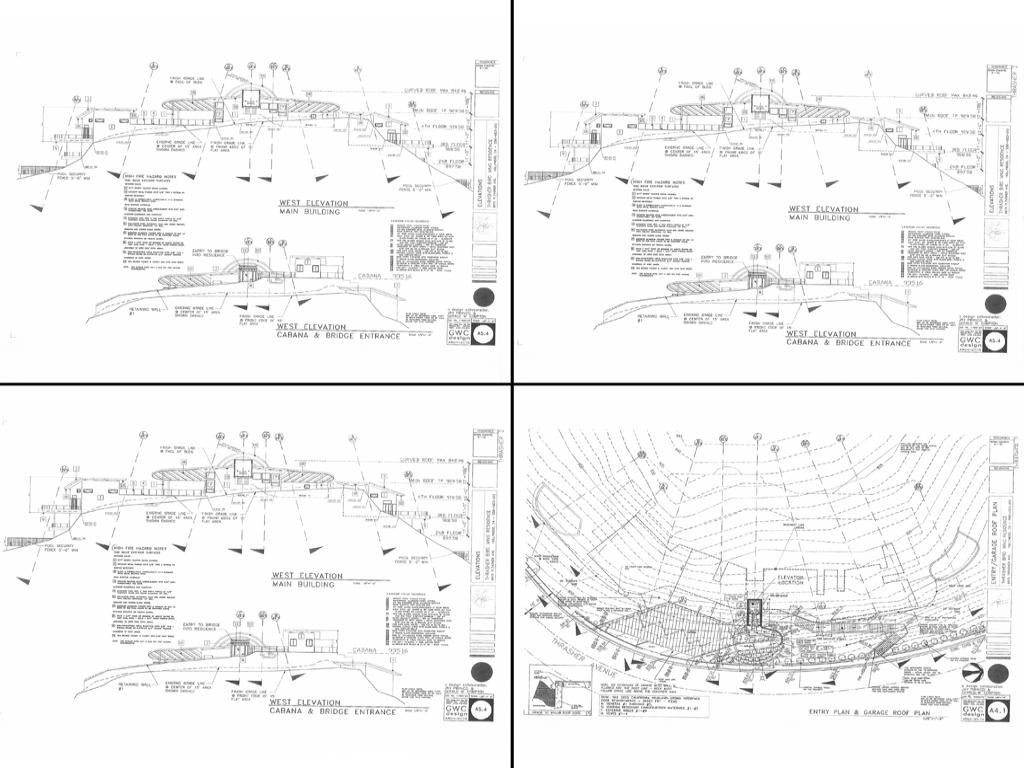
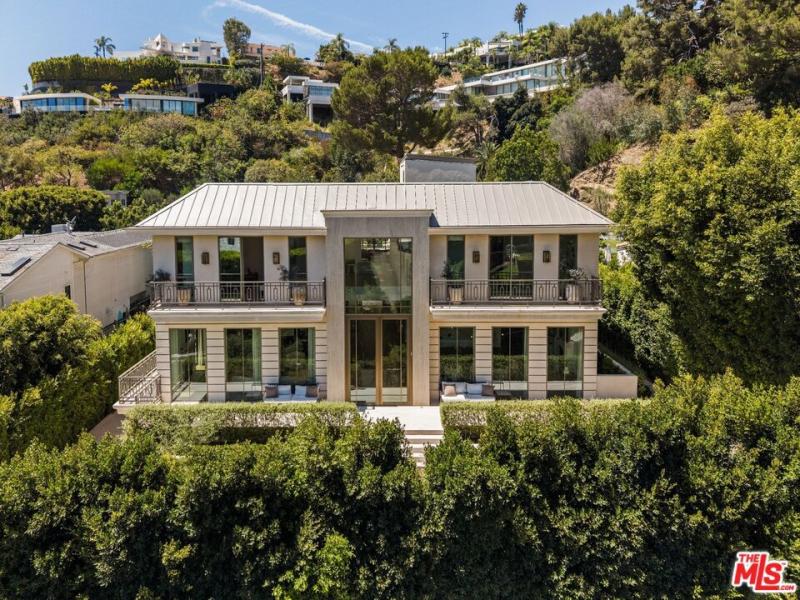
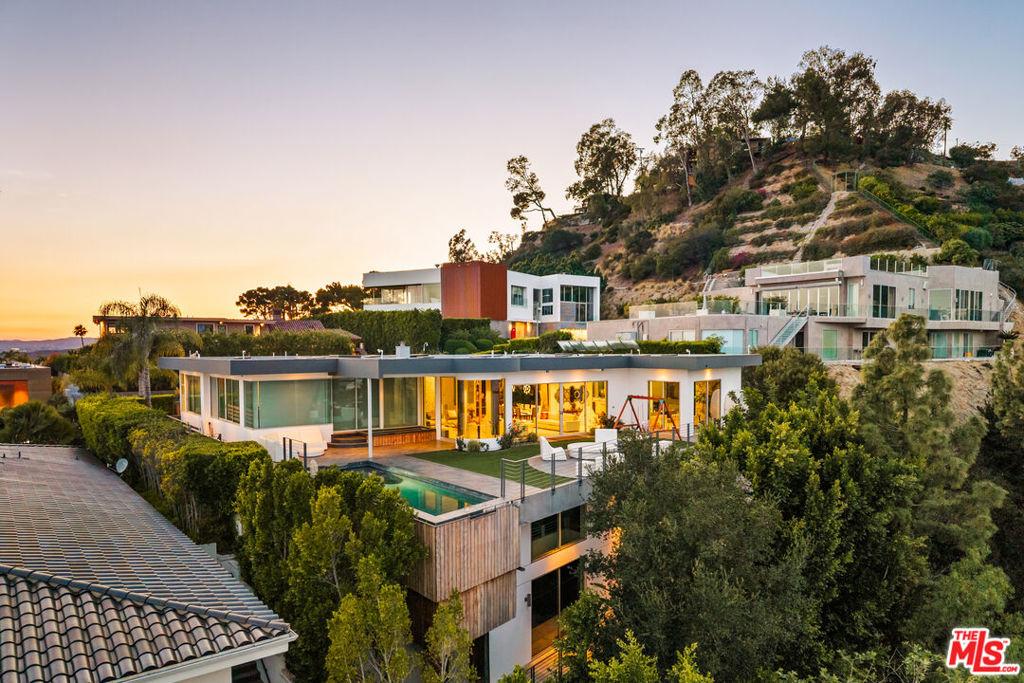
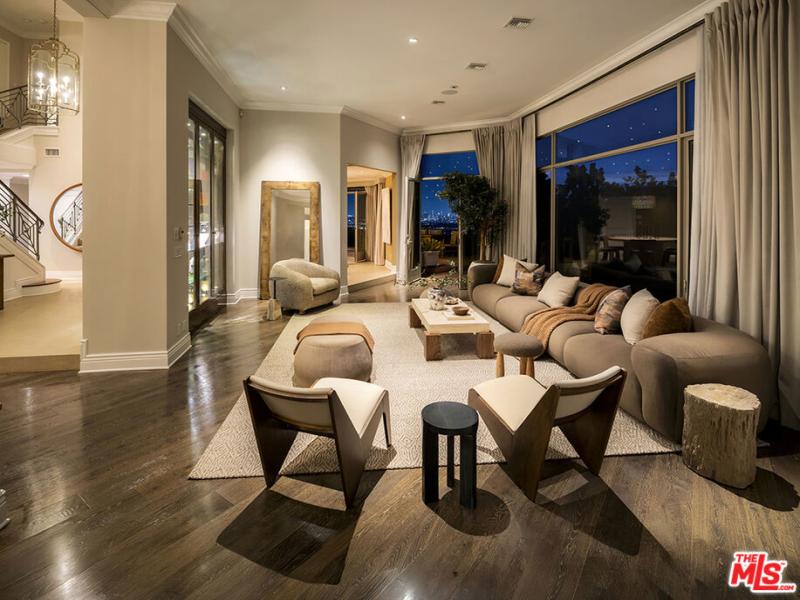
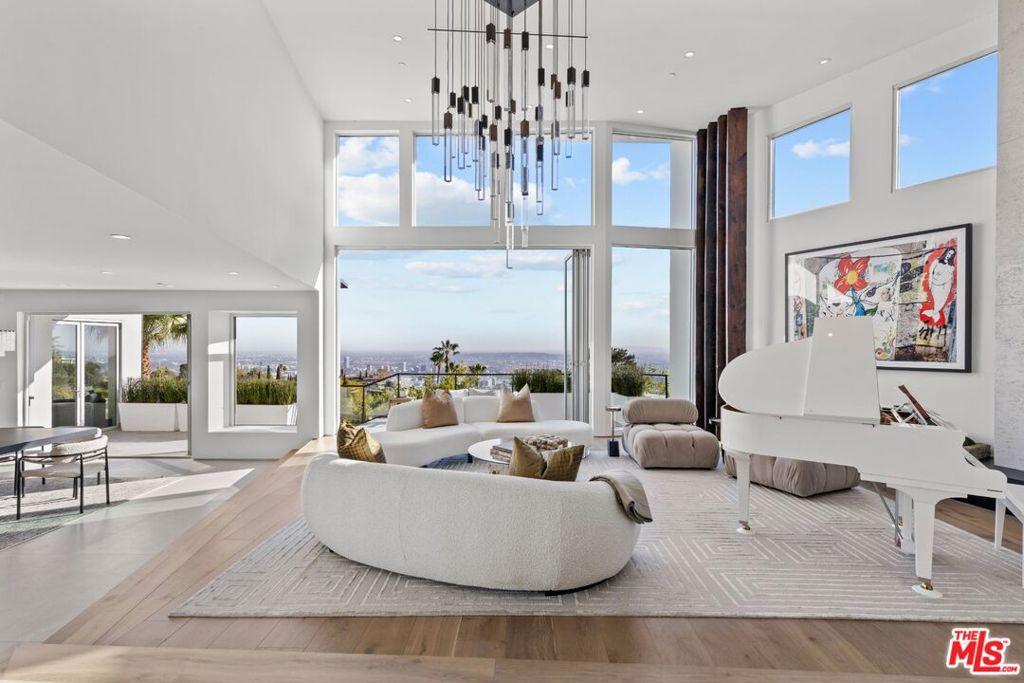
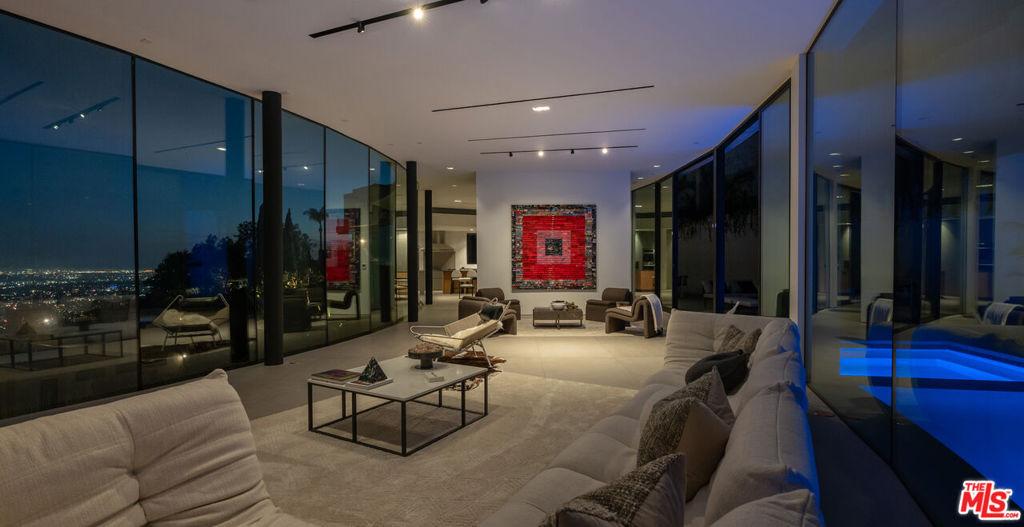
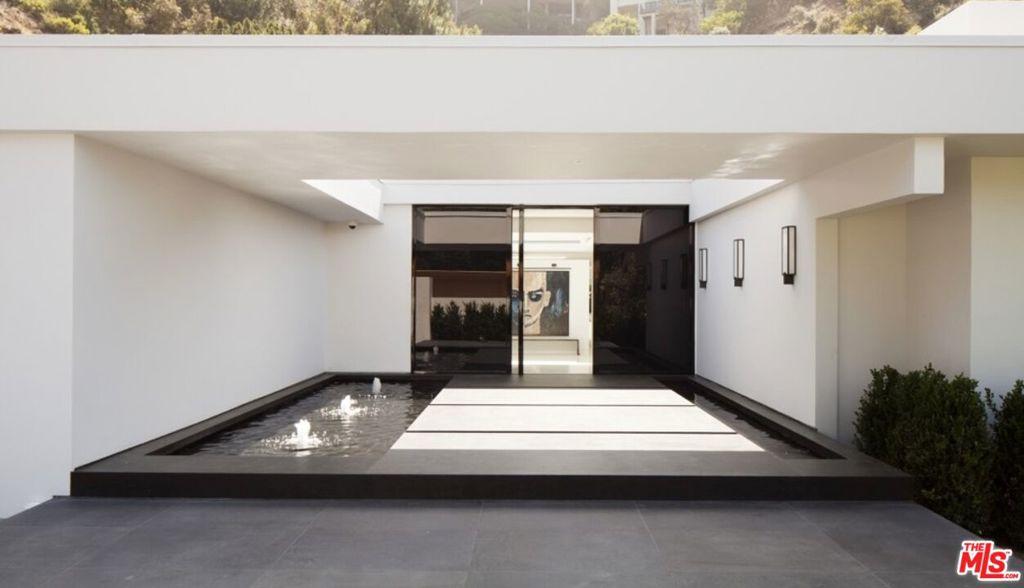
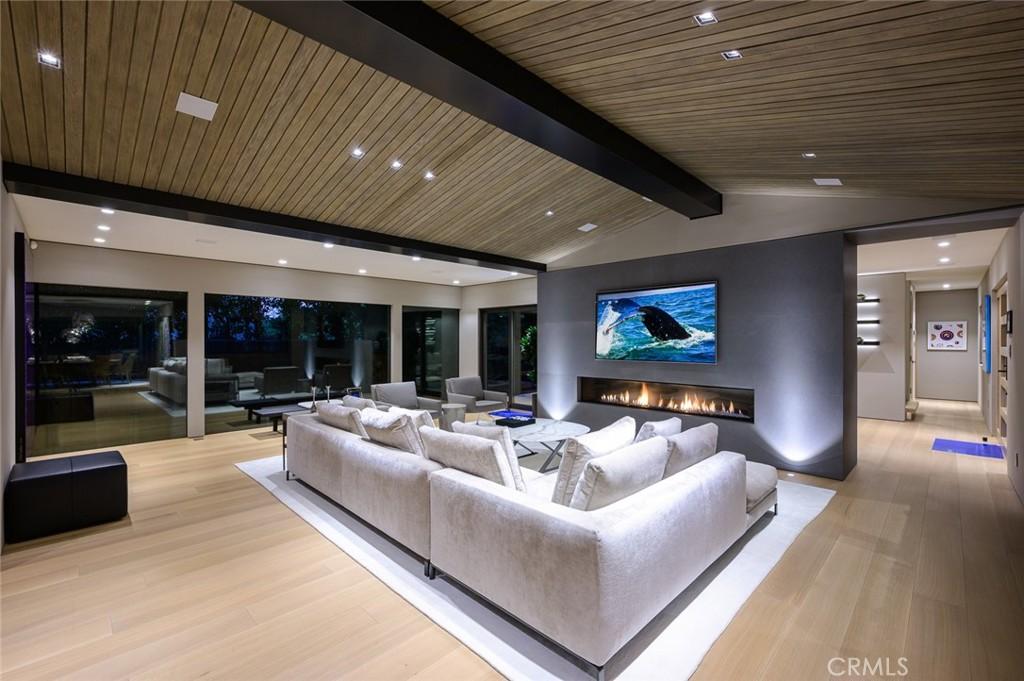
The Bird Streets — named for the avian names of the streets (Blue Jay Way, Nightingale Drive, Oriole Drive, Robin Drive, Thrasher Avenue) that form the neighborhood’s distinctive address character — occupy the Hollywood Hills ridgeline west of Laurel Canyon on terrain that provides the most expansive panoramic views of the Los Angeles Basin, the Pacific Ocean, and the Santa Monica Bay available from any residential neighborhood in the Hollywood Hills. The addresses command the highest prices per square foot in the Hollywood Hills and among the highest in Los Angeles — the $20M-$80M+ price range for the architectural estate properties that the Bird Streets’ ridgeline positions sustain reflects the view, the prestige, and the architecture that the neighborhood’s decades of celebrity and entertainment industry ownership have produced. The modernist and contemporary architecture that the Bird Streets’ residential collection showcases — properties designed by the architects whose names define contemporary residential design at the international level — makes the neighborhood the most concentrated collection of trophy residential architecture in the Hollywood Hills.
The Bird Streets’ residential market operates at the top of the Hollywood Hills luxury tier — the trophy estate market where the view, the architecture, the privacy, and the address prestige create the multi-factor premium that sustains pricing at levels that comparable square footage in more conventional neighborhoods cannot approach. The neighborhood’s celebrity ownership history (George Harrison immortalized Blue Jay Way in the Beatles song “Blue Jay Way”) adds the cultural cachet that the entertainment industry’s premium on address prestige reinforces.
Runyon Canyon Park is Hollywood Hills’ most beloved recreational amenity — a 160-acre dog-friendly park with hiking trails that provide panoramic views of the Los Angeles basin, the Hollywood sign, and on clear days, the ocean and Catalina Island. The park’s trails attract an eclectic mix of celebrities, fitness enthusiasts, and Angelenos from across the city who treat it as a daily ritual. For Hollywood Hills residents who live within walking distance of the park’s entrances, the ability to hike from their front door into one of LA’s most spectacular urban parks is a daily lifestyle feature that distinguishes the neighborhood from the flatlands below. Griffith Park, the largest municipal park with urban wilderness in the United States, borders Hollywood Hills on the east and provides additional trail access, the Griffith Observatory, and the Los Angeles Zoo.
The Sunset Strip — West Hollywood’s famous entertainment corridor of clubs, restaurants, boutique hotels, and nightlife venues — is accessible within minutes from most Hollywood Hills addresses, providing the entertainment access that makes the Hills the preferred address for the entertainment industry’s working creative class. Melrose Avenue’s design and restaurant district, the Chateau Marmont, Carney’s on Sunset, and the canyon road restaurants that have become institutions in their own right are all part of the Hollywood Hills residential lifestyle. The neighborhood’s food culture extends to the Canyon Country Store and other canyon institutions that provide a more intimate neighborhood character within the broader Hollywood Hills geography.
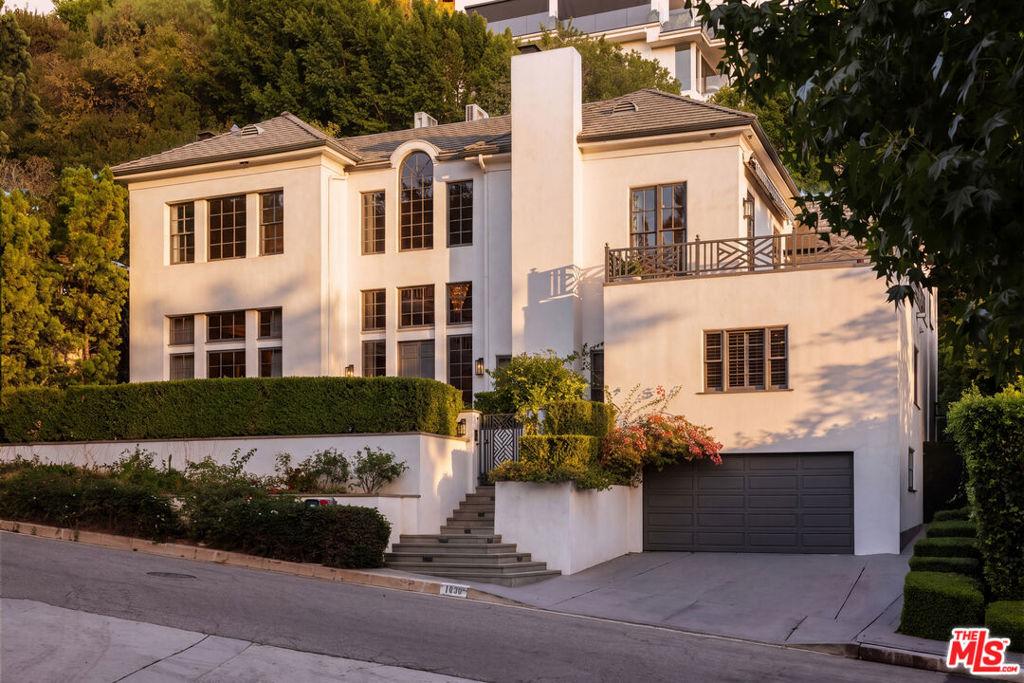
Laurel Canyon Boulevard, Mulholland Drive, and Coldwater Canyon Avenue are the primary road arteries through the Hollywood Hills, connecting the neighborhood to West Hollywood, Beverly Hills, and the San Fernando Valley. Traffic on these canyon roads during peak hours is a factor that Hollywood Hills residents navigate as part of daily life — the canyon experience that makes the Hills compelling comes with the road topology that requires navigating switchbacks and single-lane canyon roads to access the flatlands below. Many Hollywood Hills residents develop the local knowledge that allows them to navigate between multiple canyon routes to avoid congestion.
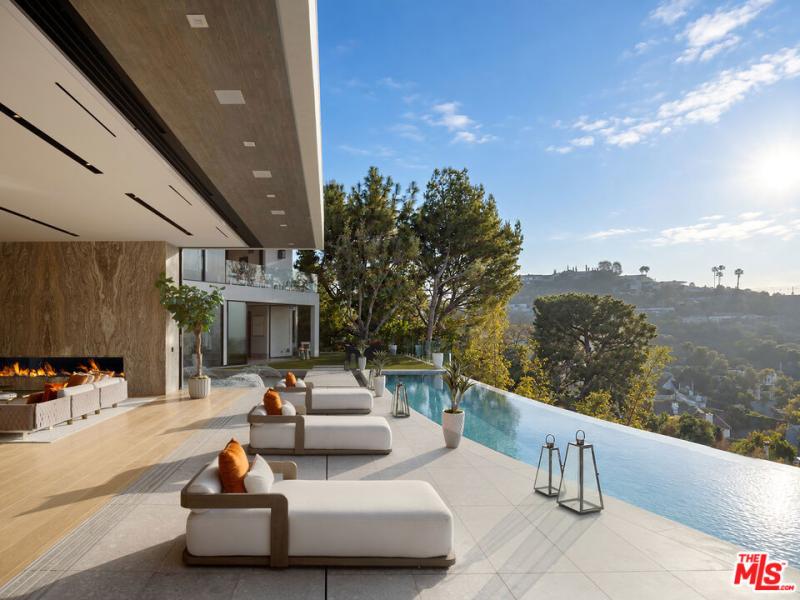
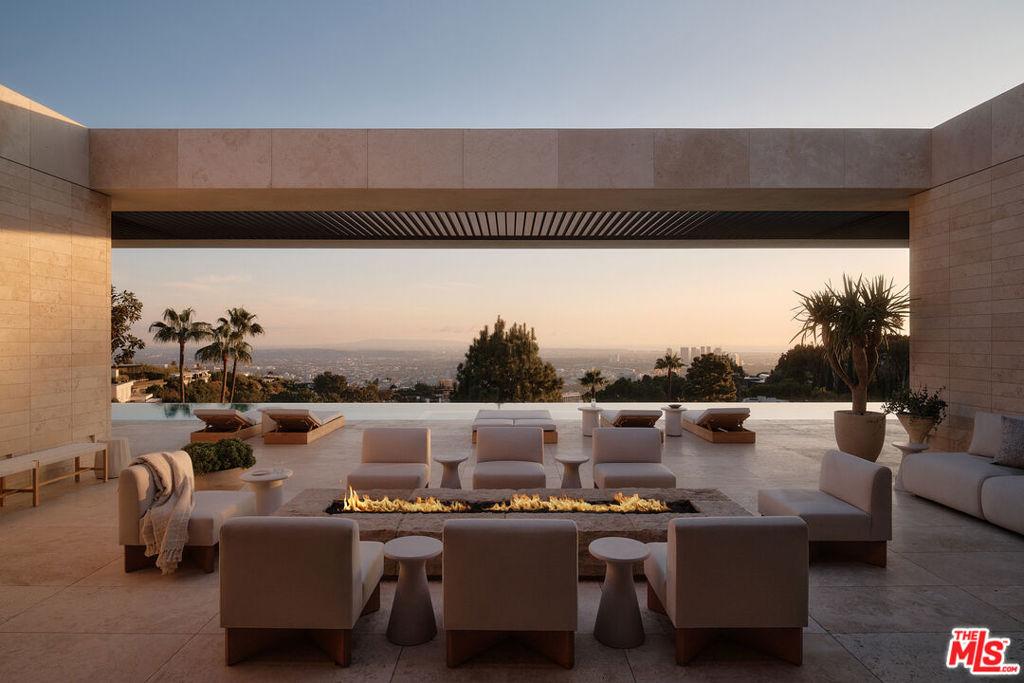
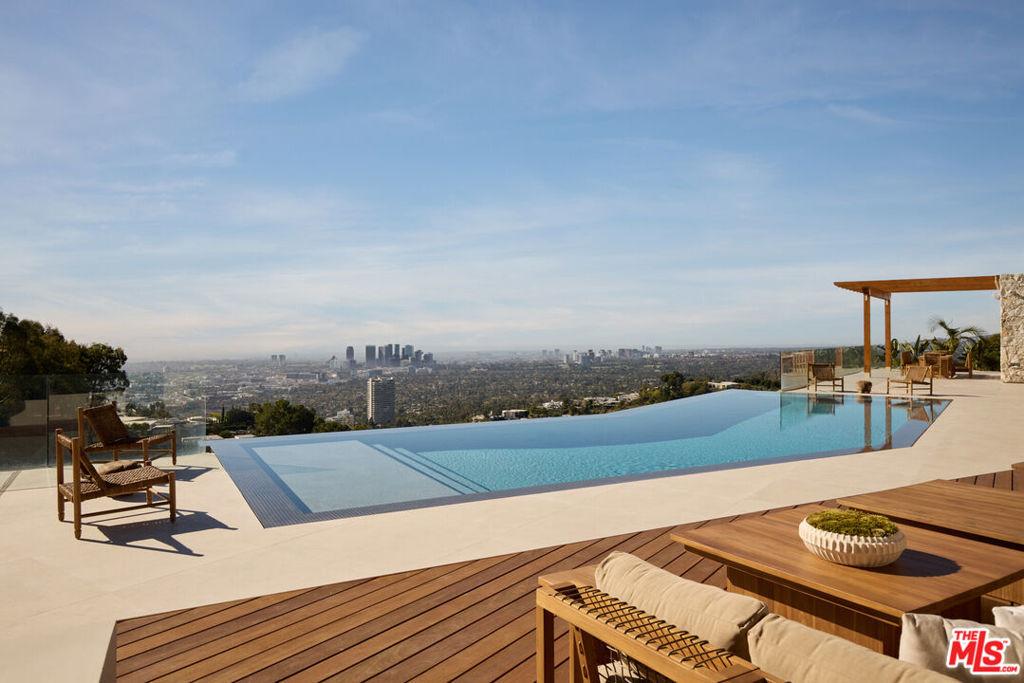
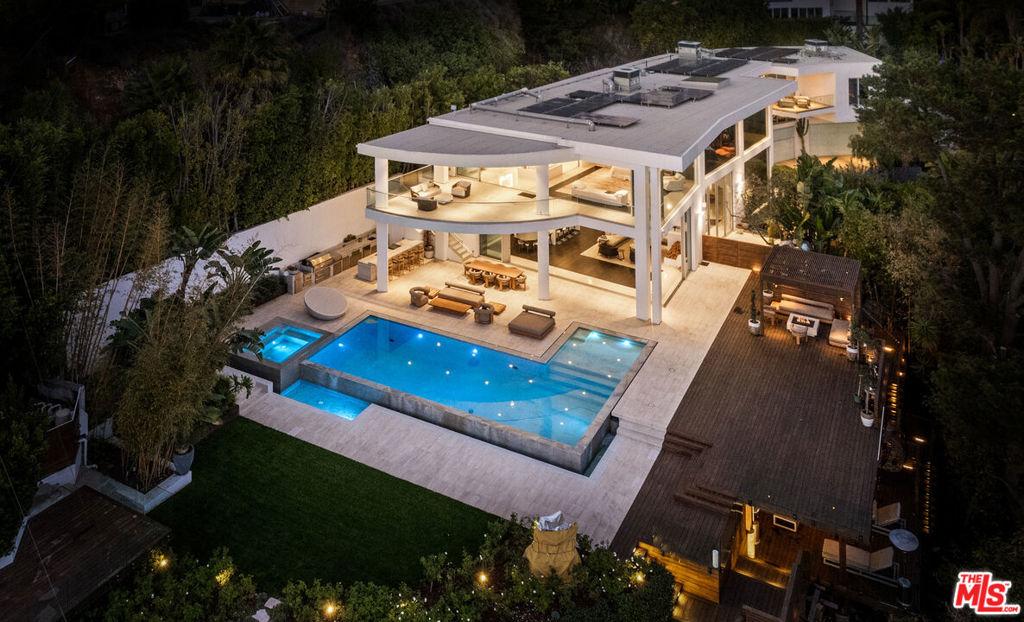
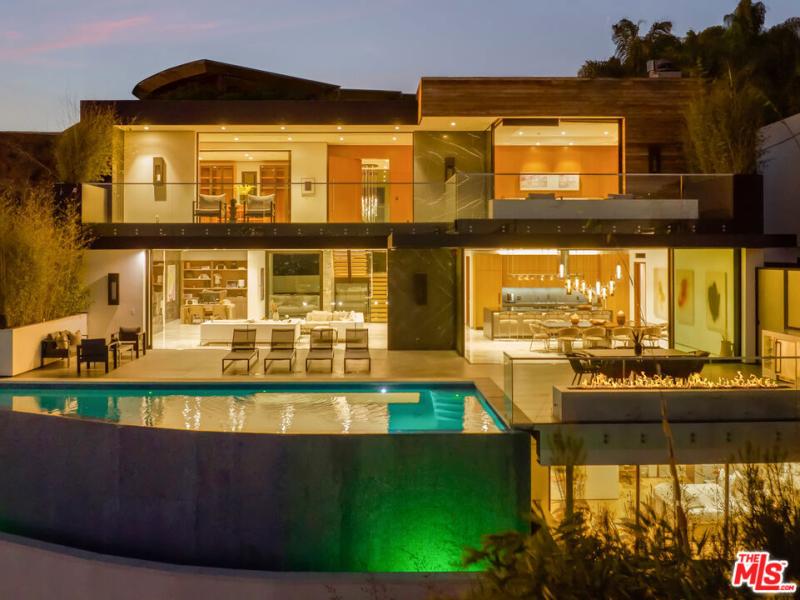
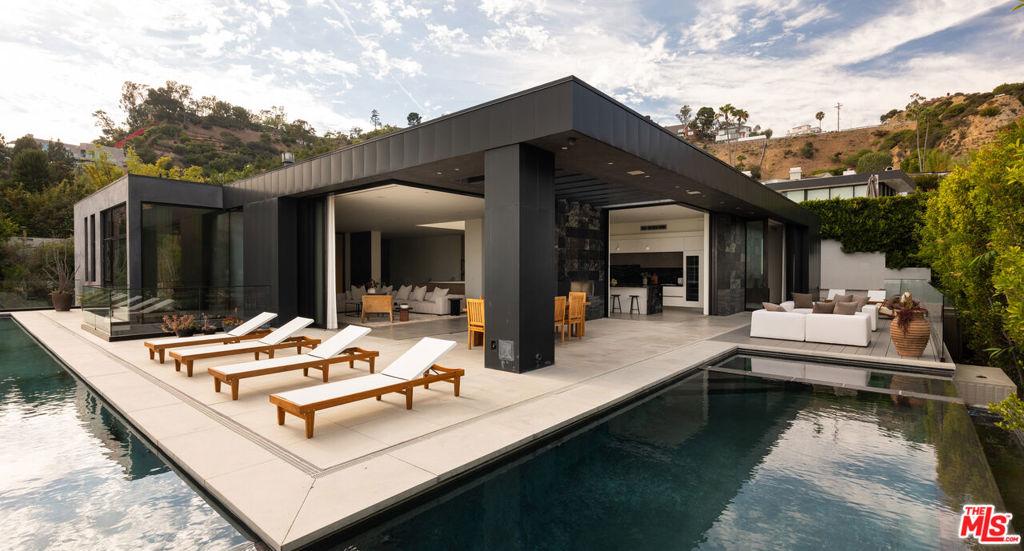
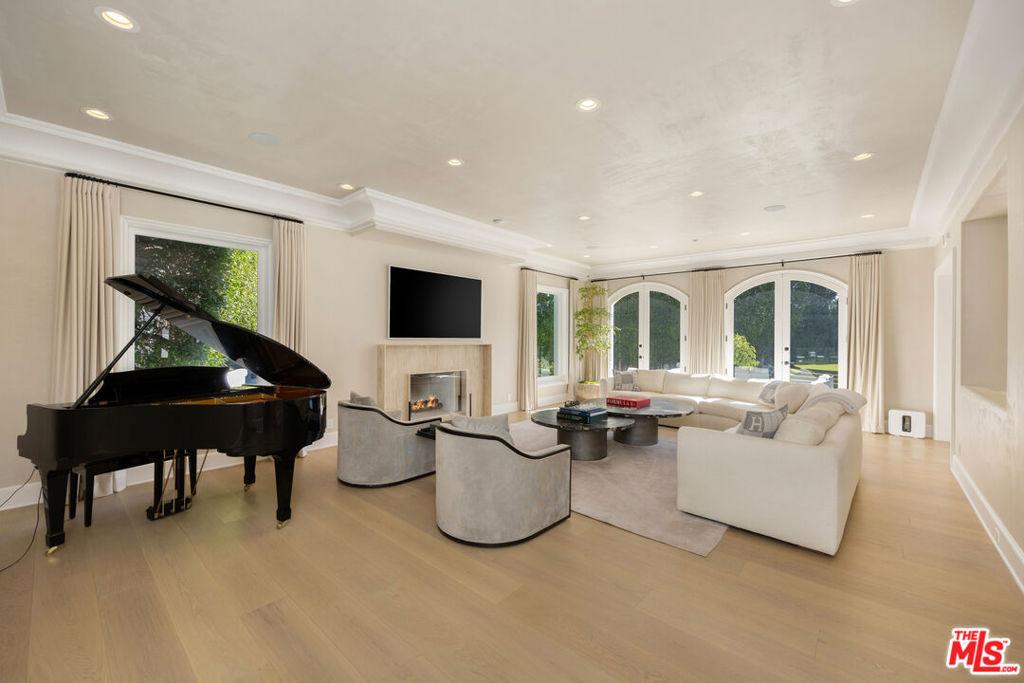
Hollywood Hills is one of Los Angeles’s most iconic residential landscapes — the mountainous terrain rising above Hollywood and the Sunset Strip where canyon living, panoramic city and ocean views, celebrity neighbors, and access to some of LA’s best hiking combine to create a residential environment that is unique in the global luxury real estate market. The 2026 median home price in Hollywood Hills ranges from approximately $2 million in the more accessible canyon reaches to $5 to $10 million or beyond for the premium viewtop estates in the Bird Streets and Outpost Estates. The neighborhood’s combination of indoor-outdoor canyon architecture, infinity pool culture, dramatic topography, and proximity to the entertainment industry’s creative core has produced one of the most globally recognized residential addresses in Los Angeles.
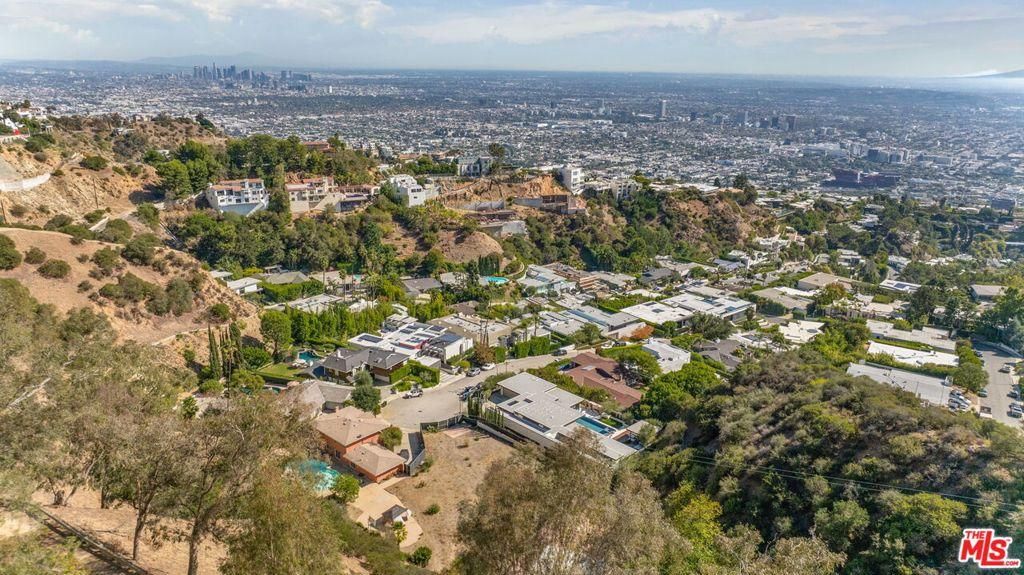
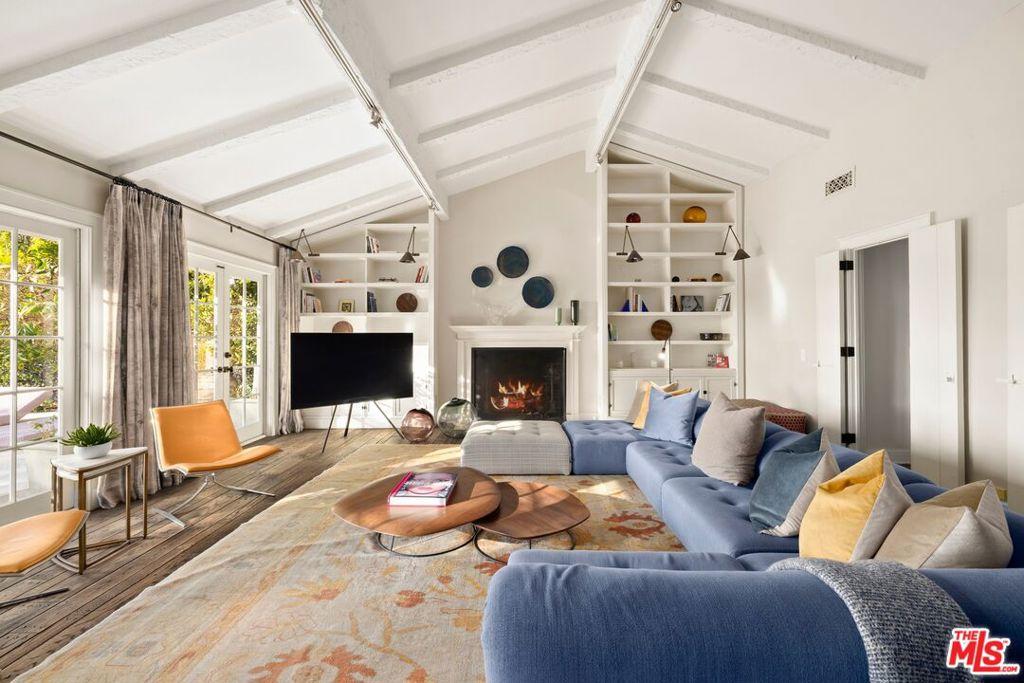
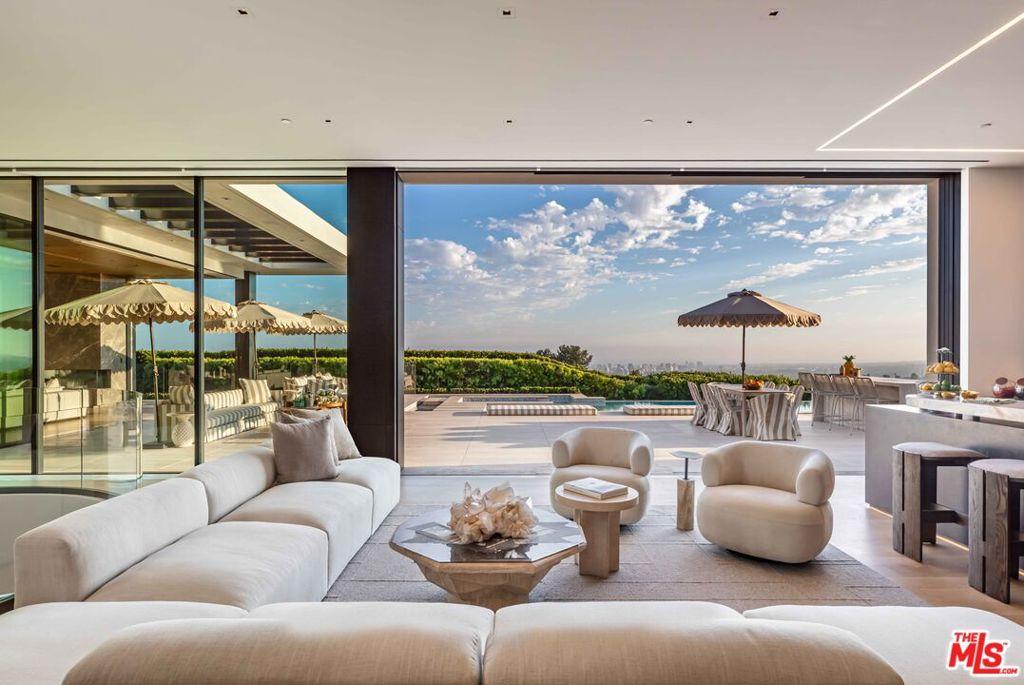
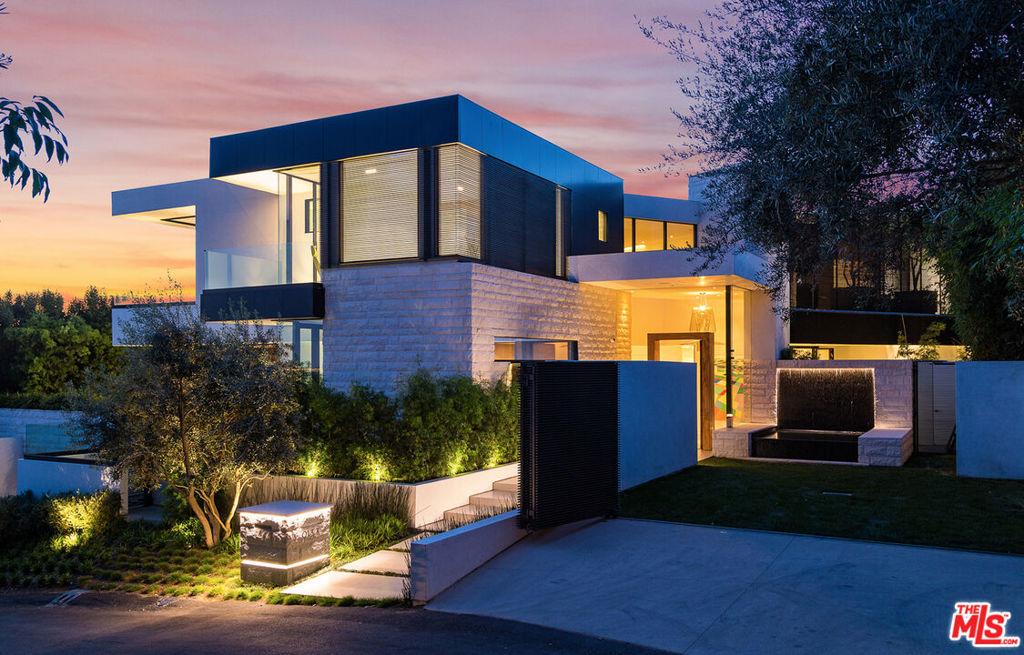
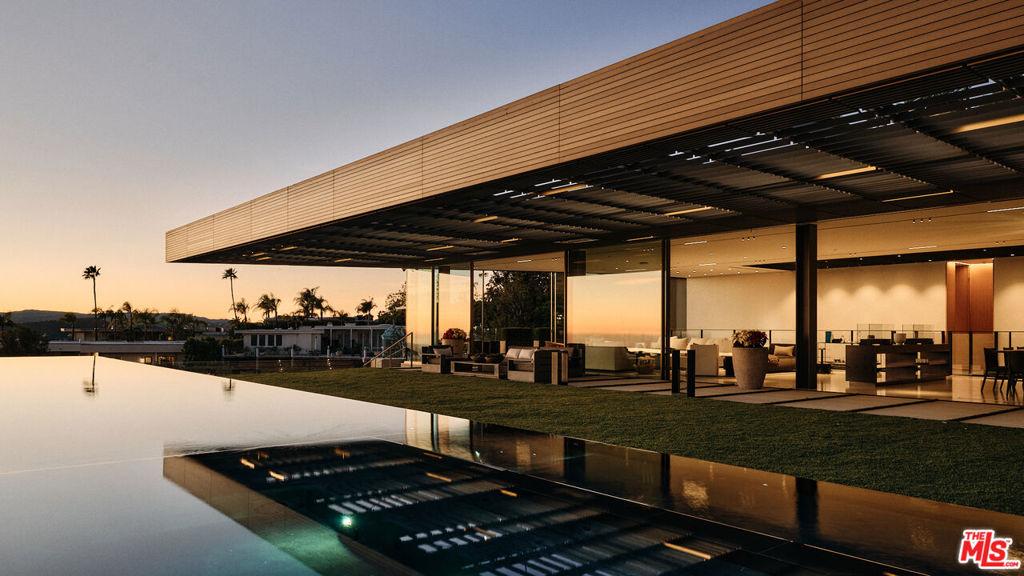
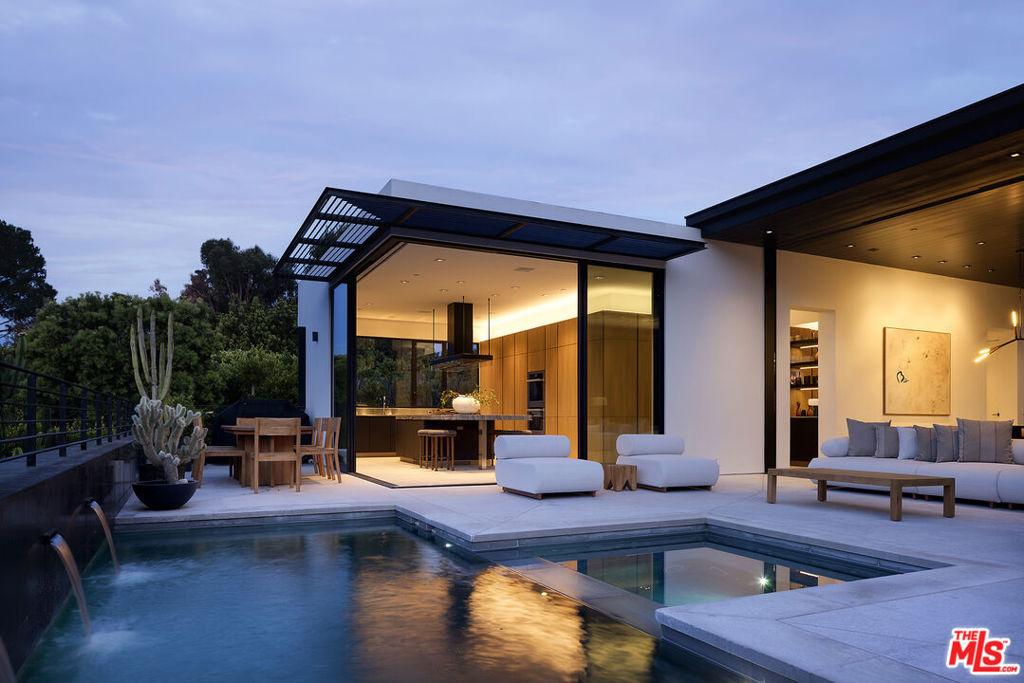
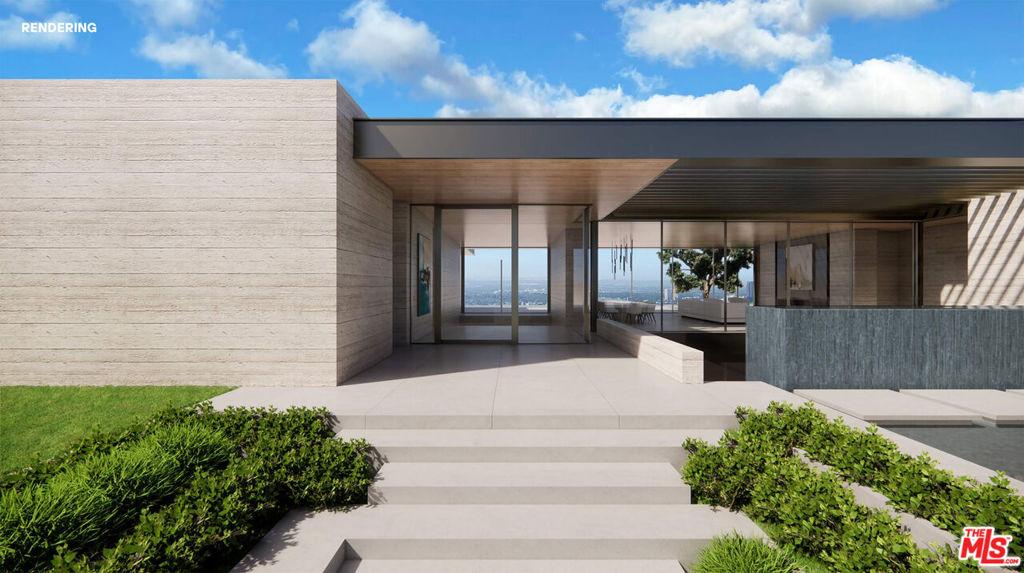
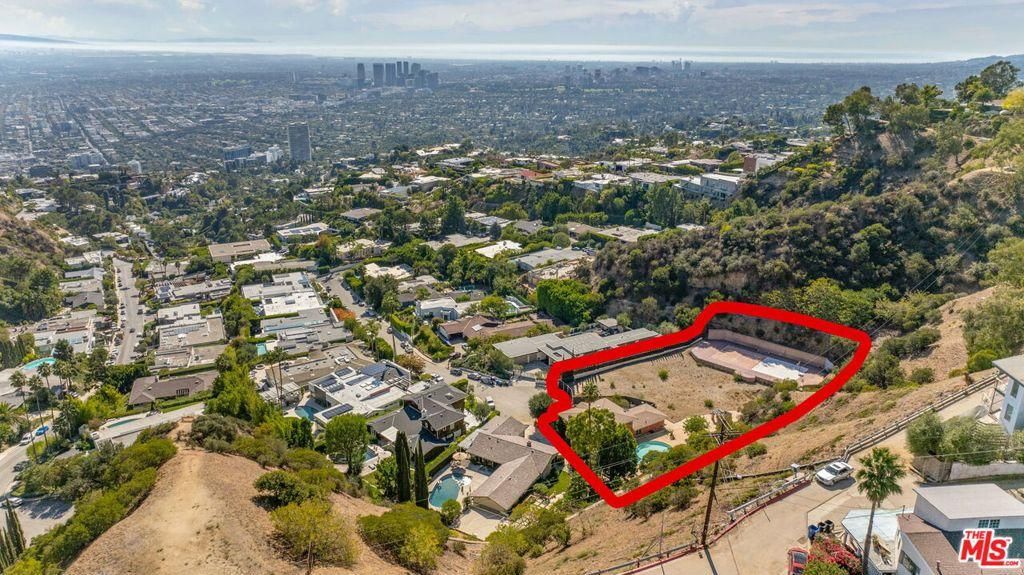
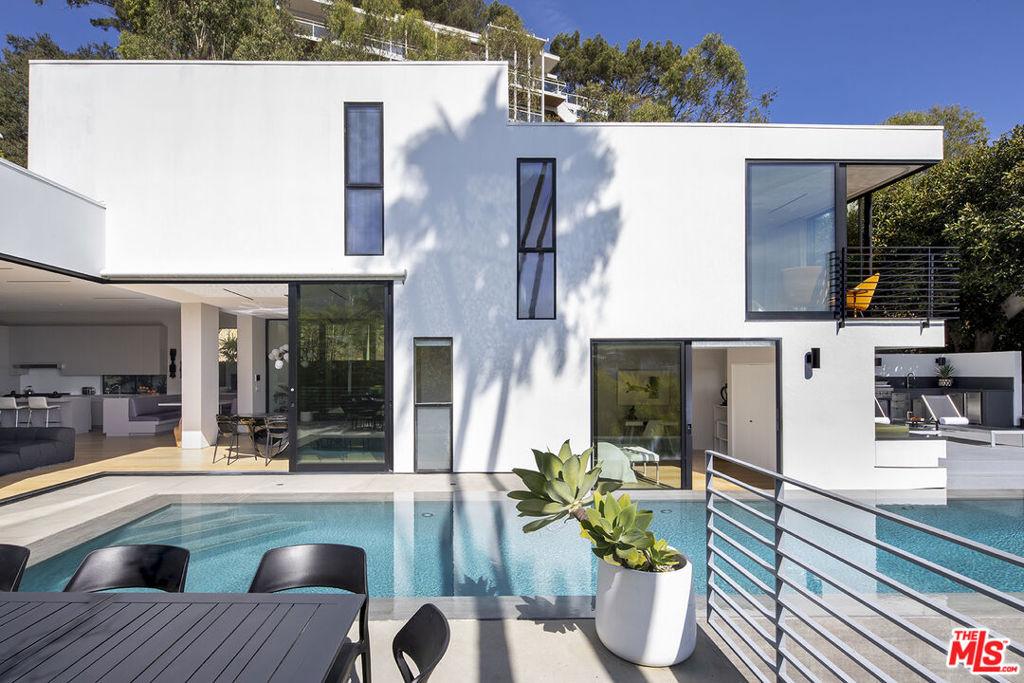
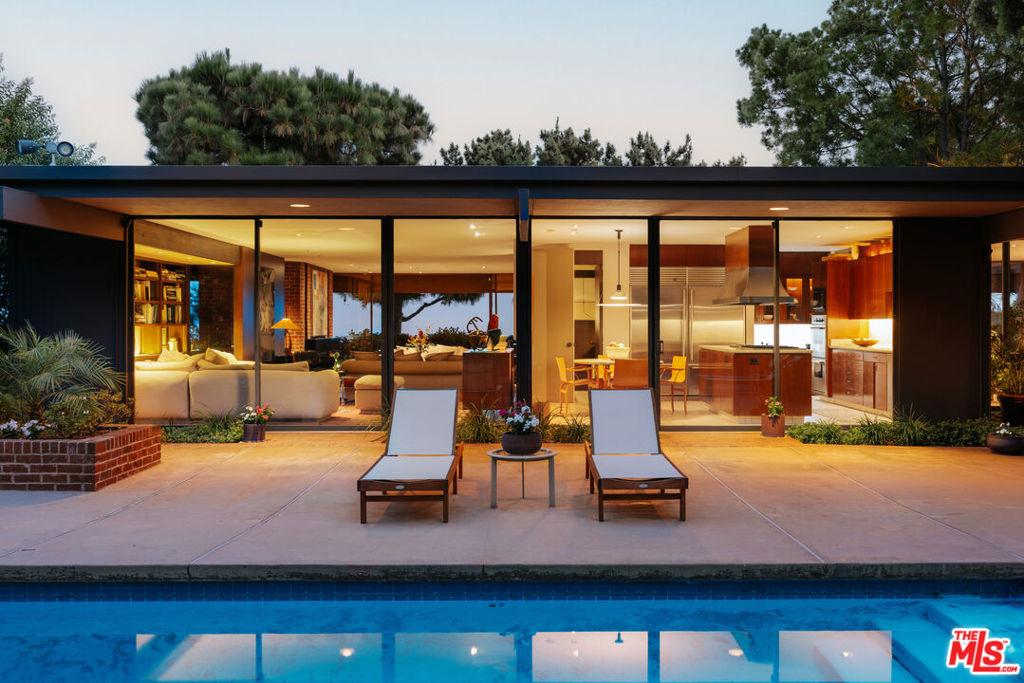
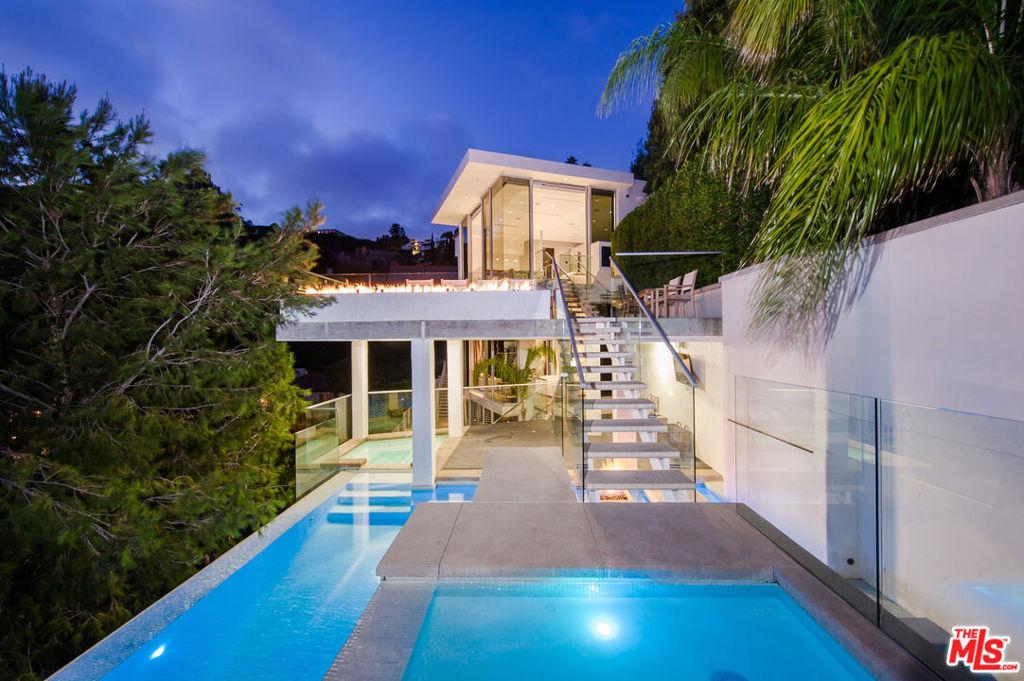
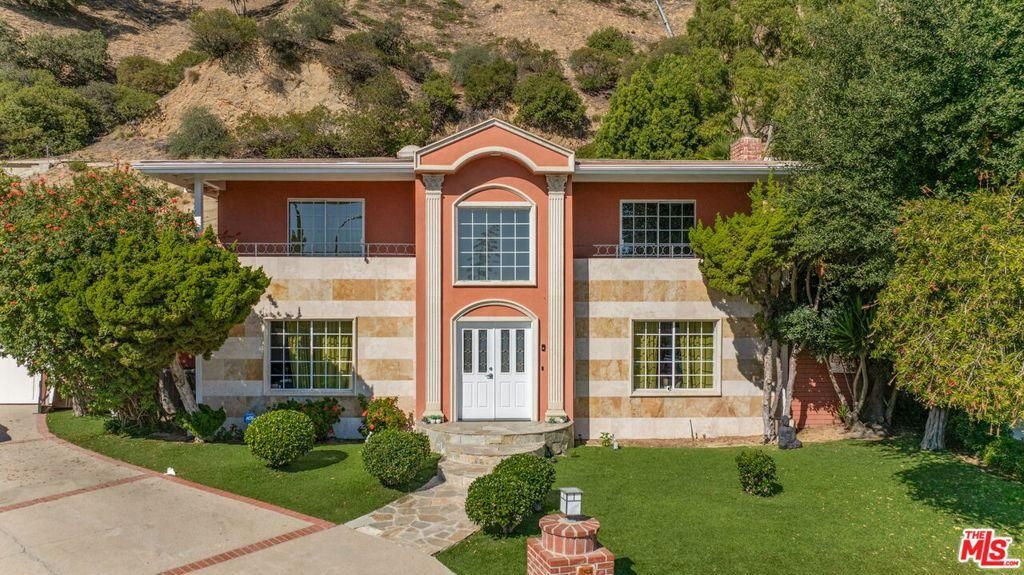
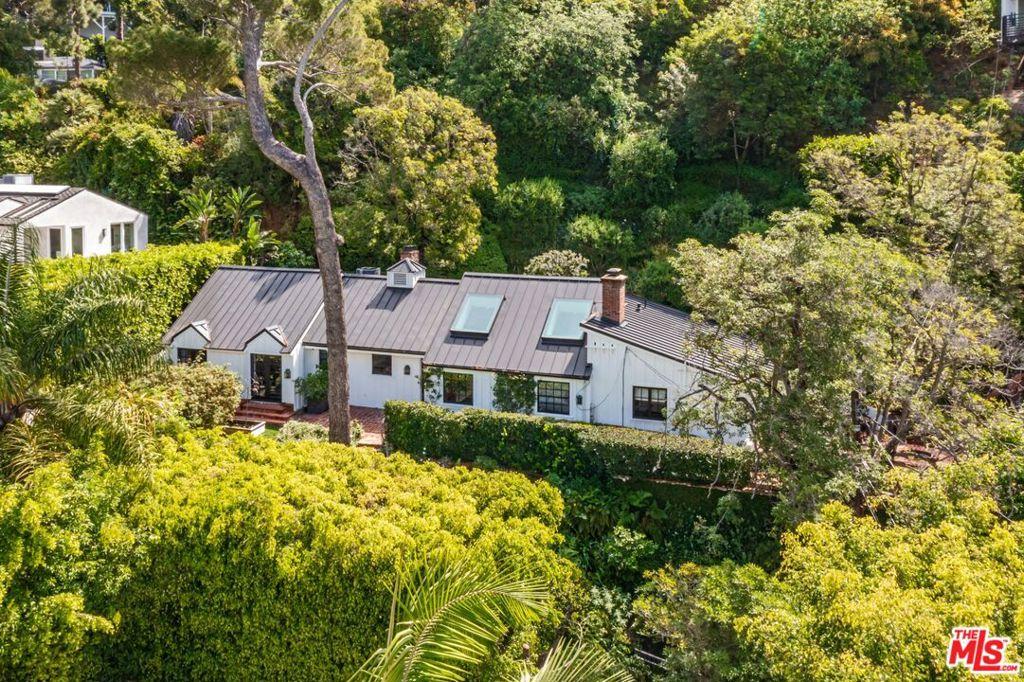
The housing stock in Hollywood Hills reflects the neighborhood’s unique topography — flat land is scarce, so homes are built into hillsides, on ridgelines, and at the edges of canyon slopes, often with dramatic cantilever construction and multiple levels that follow the terrain rather than fight it. Mid-century modern architecture is prevalent throughout the hills, with the Case Study houses and their many imitators establishing the indoor-outdoor, glass-and-steel vocabulary that remains the neighborhood’s architectural identity. Contemporary new construction on the neighborhood’s premium viewtop lots has pushed the architectural language further, with the most expensive recent builds employing engineering feats — pilings, drilled piers, hillside fill — that allow construction on sites that earlier eras would have considered unbuildable.
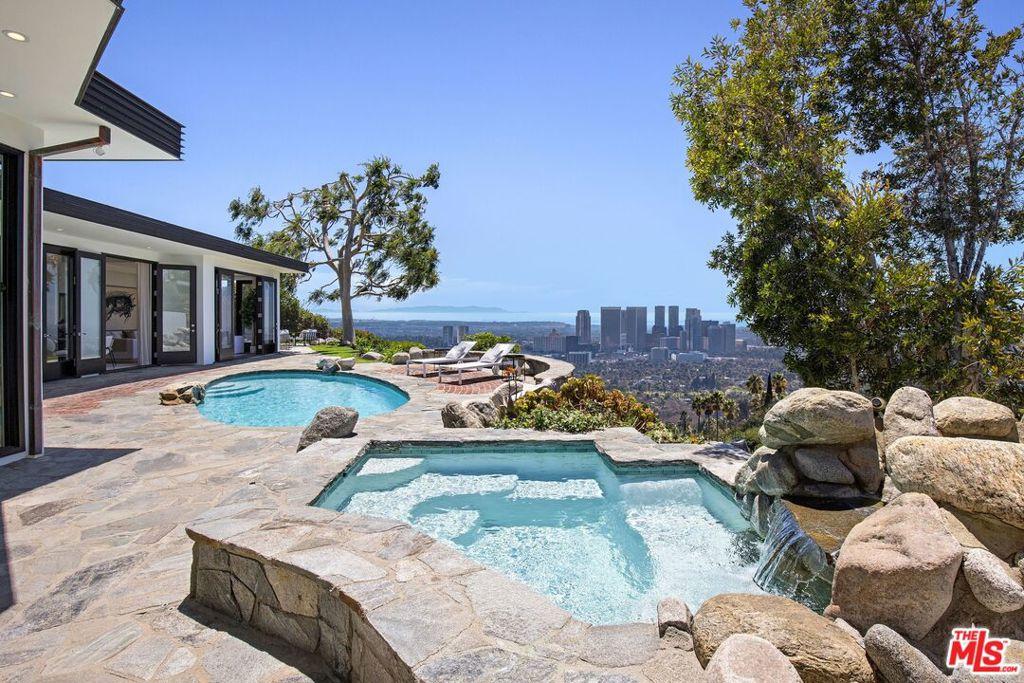
Views are the Hollywood Hills’ most fundamental value driver. Canyon views, city light views, and on elevated lots — ocean views — define property value more than any other single factor. The difference between a Hollywood Hills property with a panoramic city-lights view and an equivalent property with a canyon-facing orientation can be 30 to 50 percent in market value. Buyers approaching the Hollywood Hills should establish view quality as a primary due diligence criterion, including time-of-day and seasonal variation assessment, as the light changes dramatically across the hills’ varied orientations.
The entertainment industry’s creative class is the Hollywood Hills’ dominant buyer demographic — writers, directors, producers, executives, and artists who work in the studios of Hollywood, Burbank, and Culver City and who choose the Hills for the combination of canyon living, architectural drama, and the cultural identity of one of Los Angeles’s most storied residential addresses. The neighborhood’s celebrity population is real and persistent, creating the cultural energy that sustains the Hollywood Hills’ global name recognition and its position as one of the world’s most sought-after luxury residential destinations.
The Hollywood Hills — the eastern Santa Monica Mountains range that rises above Hollywood Boulevard and the Sunset Strip to form the rugged canyon and ridge terrain visible from throughout the LA Basin — is Los Angeles’s most romanticized residential landscape: the hillside homes with city-light views, the celebrity history embedded in every canyon and ridge, and the natural chaparral landscape that provides the Southern California canyon seclusion within minutes of Sunset Strip restaurants and Hollywood studios. The Hills’ geography — the canyons (Laurel, Coldwater, Benedict, Nichols) that drain south toward the flatlands, the ridges (Mulholland Drive’s iconic crest), and the neighborhoods of varying character from the architecturally significant (the Bird Streets’ modernist estates, Outpost Estates’ Spanish Colonial Revival) to the organically developed canyon neighborhoods — creates the residential diversity that sustains demand from buyers whose shared desire for the hillside city-view lifestyle is expressed across widely different community types and price points.
The Hollywood Hills’s creative industry heritage is not merely historical: the neighborhoods continue to house the actors, directors, writers, musicians, and entertainment executives whose work sustains the global entertainment industry, and the social concentration of creative professionals in proximity creates the industry networking and social culture that active entertainment career pursuit makes valuable. The Canyon culture — the informal community that develops when residents share hiking trails, encounter each other at Runyon Canyon (the most famous of the Hollywood Hills’ parks), and gather at the neighborhood restaurants at the canyon mouths — sustains the Hollywood Hills’ social character as a genuine neighborhood community within the celebrity-mystique narrative. The Hills’ fire risk (the chaparral vegetation and the terrain that creates dangerous fire behavior during Santa Ana wind events), the road infrastructure challenges (narrow canyon roads, limited second egress), and the parking scarcity of the hillside residential streets are the practical challenges that the canyon lifestyle creates alongside its singular views and privacy.
Bird Streets pricing reflects Hollywood Hills’ overall luxury residential market, which ranges from approximately $1.5 million for smaller or canyon-interior properties to $5 to $15 million or beyond for premium viewtop or significant architectural properties. The specific price position for Bird Streets depends on the community’s elevation, view quality, architectural character, and location within the Hills’ varied geography. Current comparable sales data is available from The Knight Group.
Bird Streets’s view profile depends on its elevation and orientation within the Hollywood Hills’ complex topography. Southward-facing properties on elevated terrain can capture panoramic city-light views across the Los Angeles basin; eastward-facing properties may overlook the Hollywood reservoir and Griffith Park; westward-facing properties may capture sunset and ocean views on clear days. The specific view from any individual property must be assessed in person, as the Hills’ terrain complexity means that view quality varies dramatically even between adjacent properties.
Hollywood Hills’ canyon road topography means that commuting involves navigating the canyon’s limited road network — Laurel Canyon Boulevard, Coldwater Canyon Avenue, Cahuenga Boulevard, and Mulholland Drive are the primary arteries. During peak hours, canyon traffic can extend commute times significantly compared to flatland alternatives. Most entertainment industry professionals who choose the Hills build their schedules around the canyon’s traffic patterns or supplement with knowledge of alternative routes. The proximity to Hollywood and West Hollywood employment means that despite the canyon traffic, overall commute distances are short even if travel times are variable.
Hiking access is one of Hollywood Hills’ defining residential amenities. Runyon Canyon Park offers multiple trail options from easy to strenuous within the Hills, with city and ocean views from the upper trail. Griffith Park provides an extensive trail network on the eastern edge of the Hills. Fryman Canyon, Franklin Canyon Park, and Coldwater Canyon Park provide additional options in the western Hills. Many Hollywood Hills addresses have direct trail access from neighborhood streets, making on-foot access to these hiking destinations practical without driving. The trails are widely used by neighborhood residents and visiting Angelenos throughout the year.
Blue Jay Way is a street in the Bird Streets neighborhood of the Hollywood Hills that achieved pop culture immortality through the Beatles song of the same name — written by George Harrison during his stay at a rented house on Blue Jay Way in August 1967, when Harrison was waiting for his friend Derek Taylor to arrive and found himself in the fog-shrouded Hollywood Hills late at night. The song’s atmospheric description (“There’s a fog upon LA / and my friends have lost their way”) captures the specific experience of the canyon-shrouded Hollywood Hills evening that inspired the lyric. The street’s fame has made it a minor celebrity destination — visitors occasionally seek out the street sign — and has become part of the neighborhood’s cultural identity alongside the architectural trophy homes and the panoramic views that define the Bird Streets’ residential character today.
Explore more Hollywood Hills neighborhoods:
Lucky for you we’re looking out.
Subscribe to this Custom Search to be alerted when new properties hit the market in the area.
Choose the frequency that works for you.