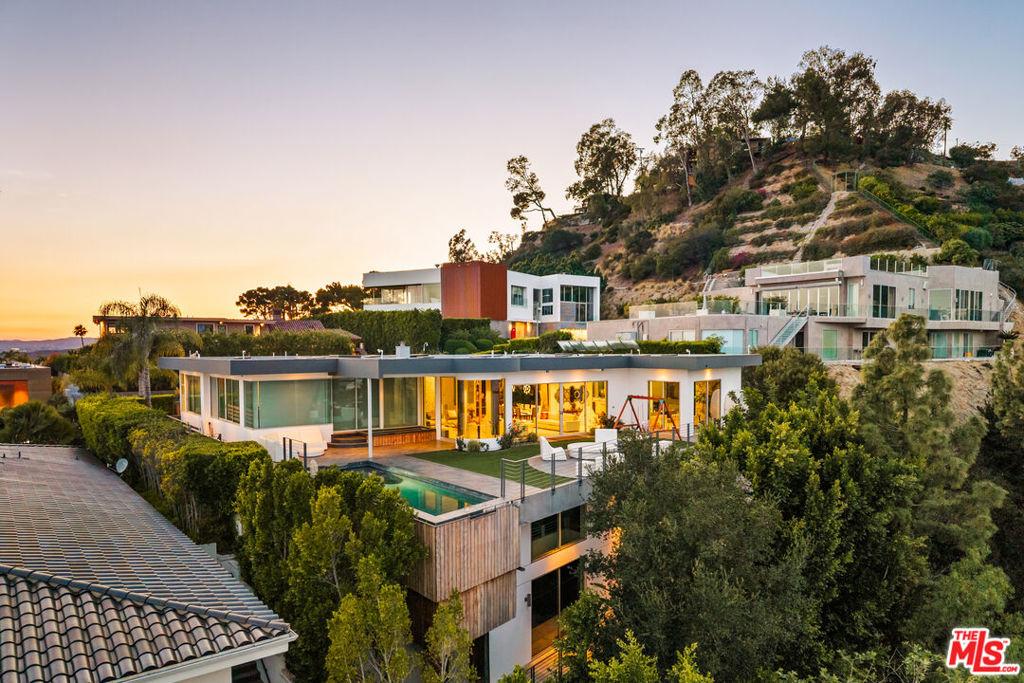
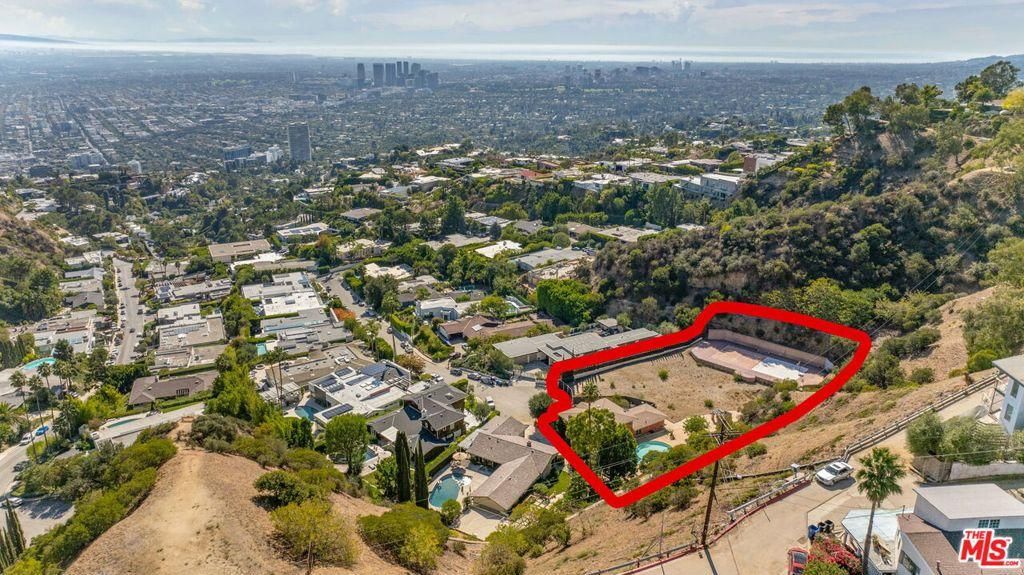
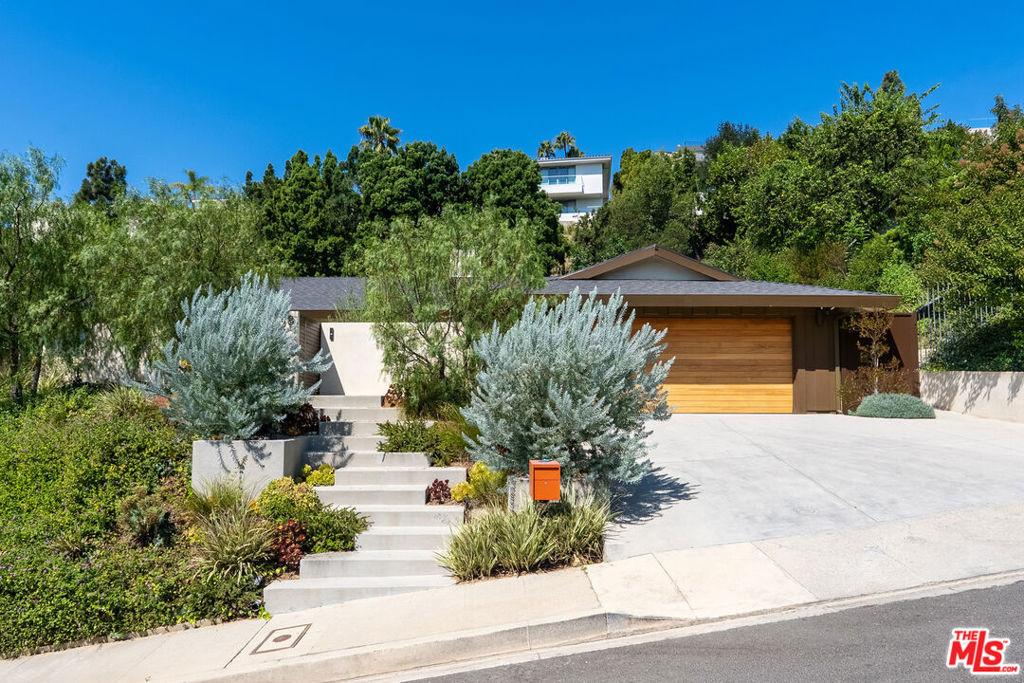
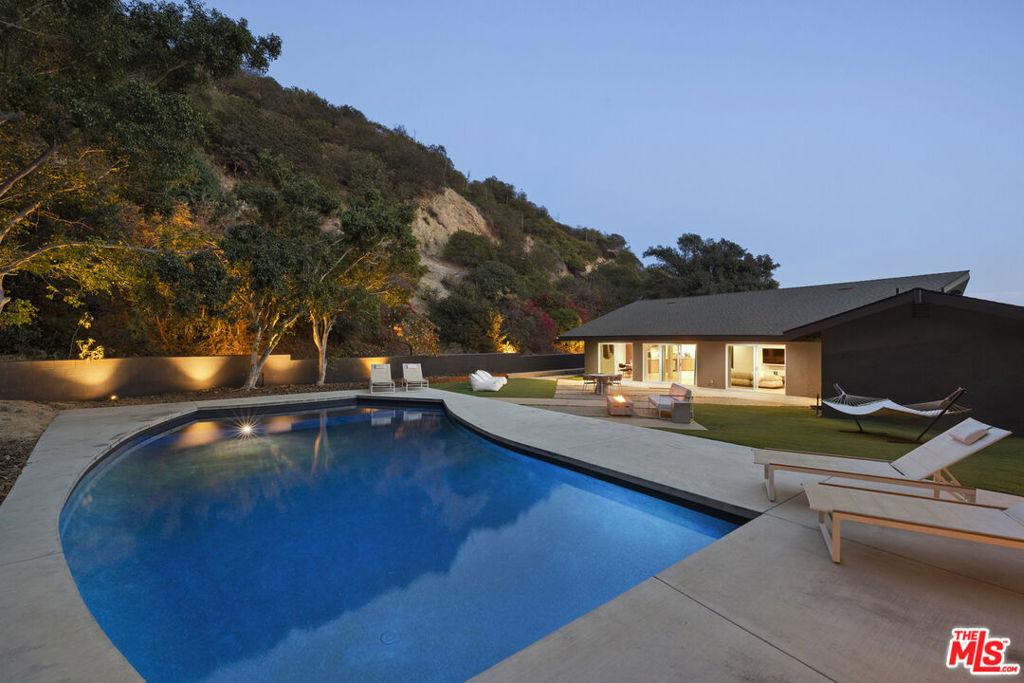
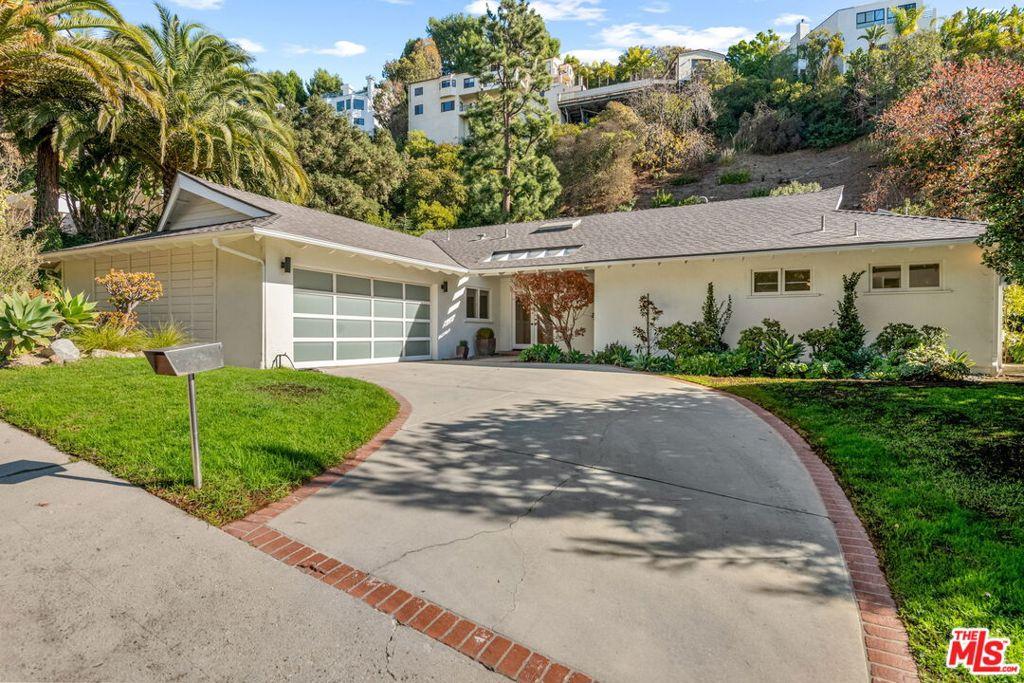
Doheny Estates Hollywood Hills Homes for Sale currently number 16 active listings with a median asking price of $8,997,499 (CRMLS, September 2026). Lots here are the largest of the 17 Hollywood Hills sub-markets tracked, a median of 20,531 sq ft against 4,814 sq ft in Hollywood Heights. Listings sit longer than the surrounding cohort, a median of 78 days on market against 60 across Hollywood Hills, so there is more room to negotiate than the price tier suggests.

Doheny Estates isn’t just another pretty face in the Hills. It’s the crown jewel, the crème de la crème, the place where even the mailboxes probably have their own stylists. But what sets it apart? Let’s break it down:
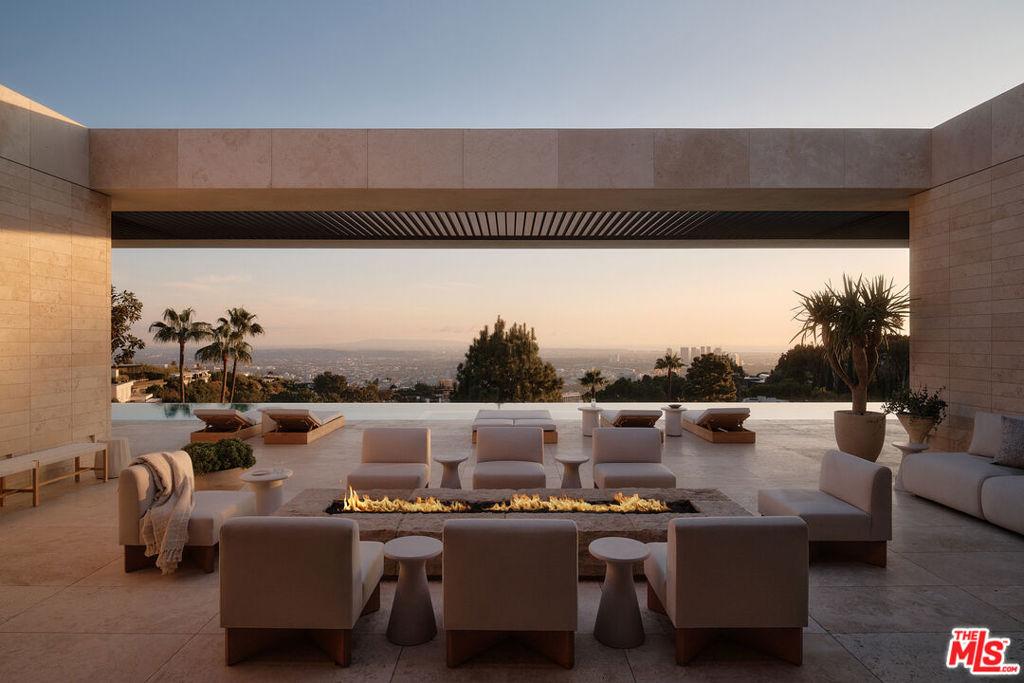
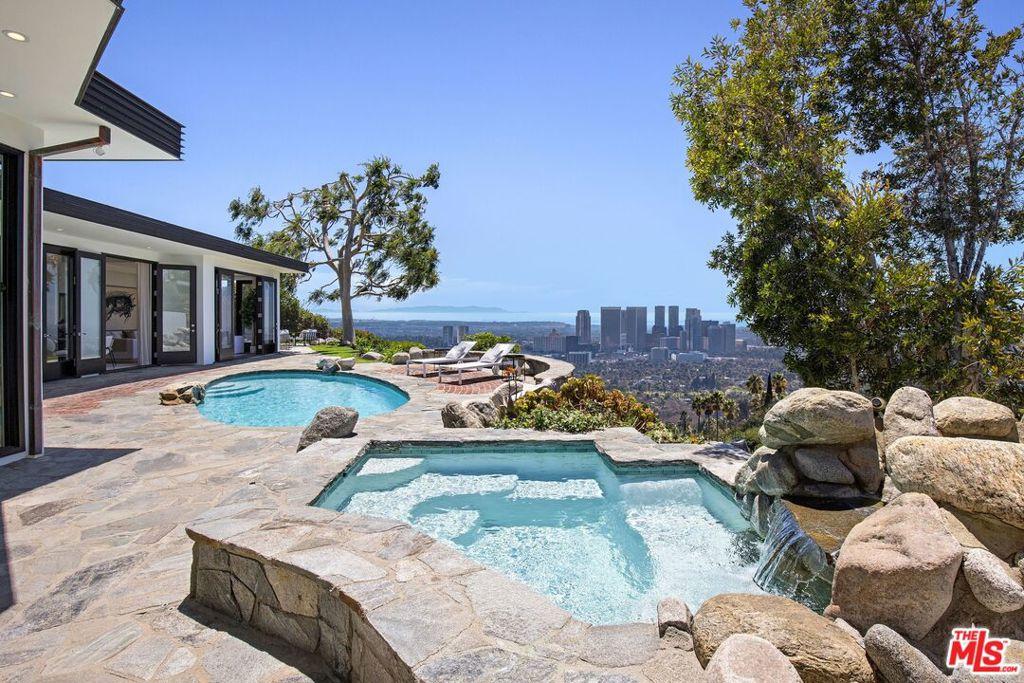
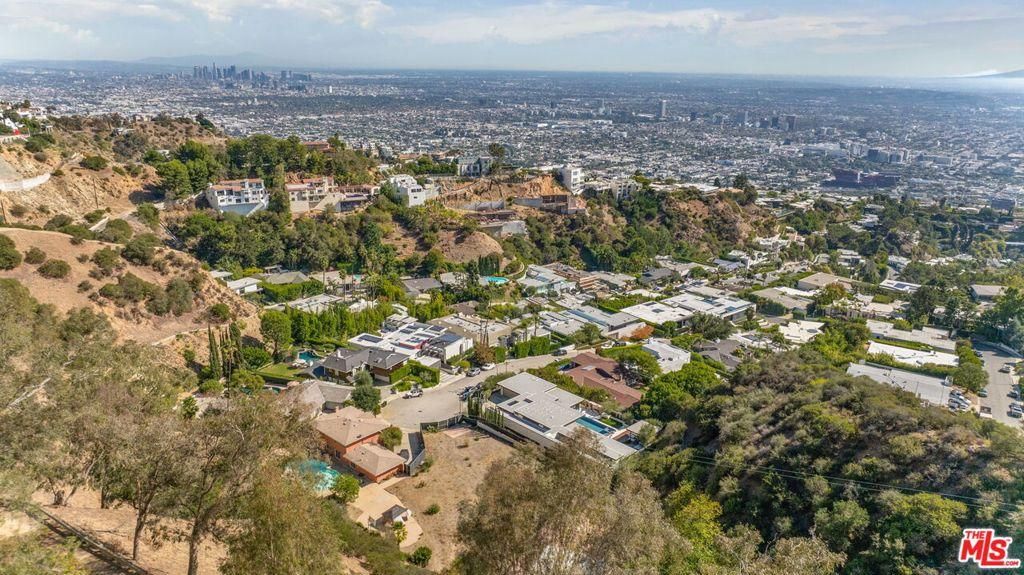
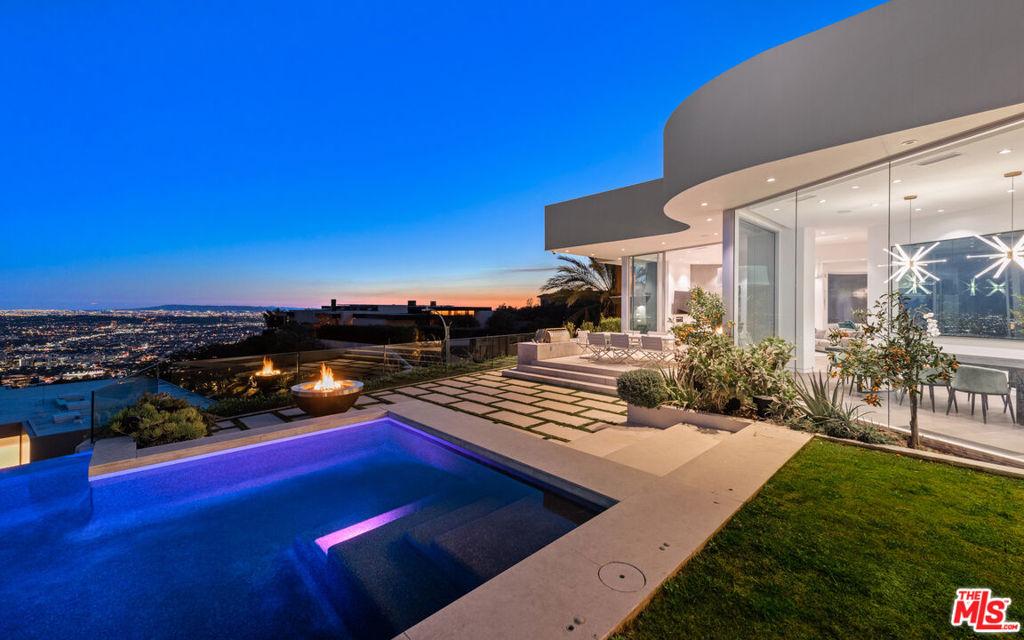
Picture this: You’re perched high above the Sunset Strip, close enough to feel the pulse of the city, but far enough to escape the chaos when you need to. From up here, LA is your personal light show, stretching out to the horizon. It’s not just a view; it’s a daily reminder that you’ve made it.
According to a recent study by Luxury Portfolio International, 76% of luxury homebuyers consider views as a top priority when selecting a property. In Doheny Estates, you’re not just meeting that criteria,you’re exceeding it. The elevation of homes in this area ranges from 400 to 800 feet above sea level, offering unobstructed views that span from downtown LA to the Pacific Ocean.
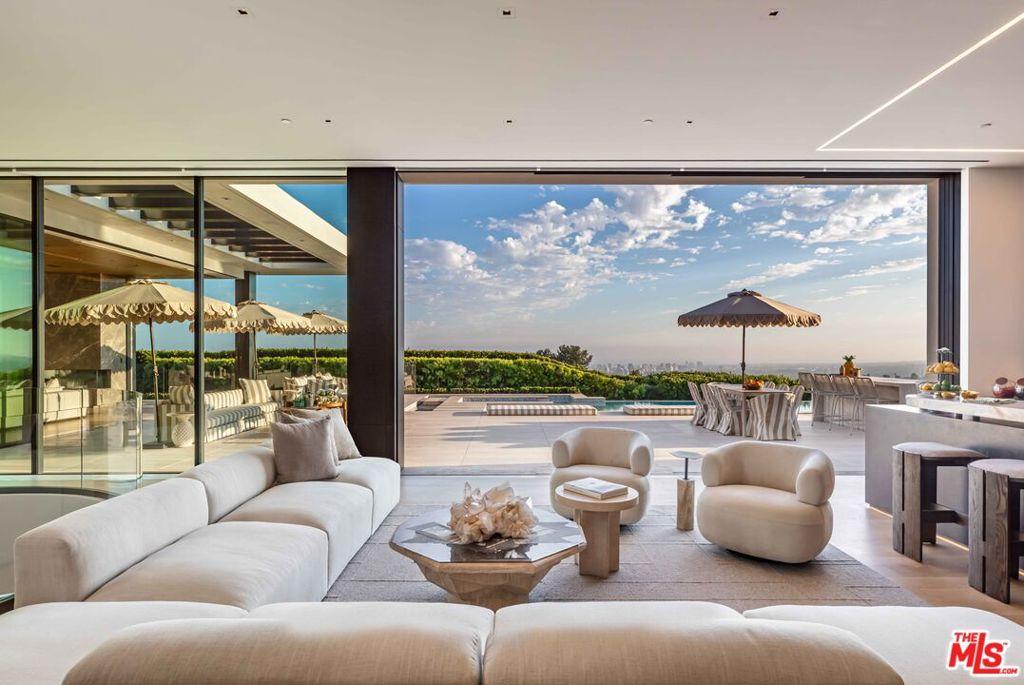
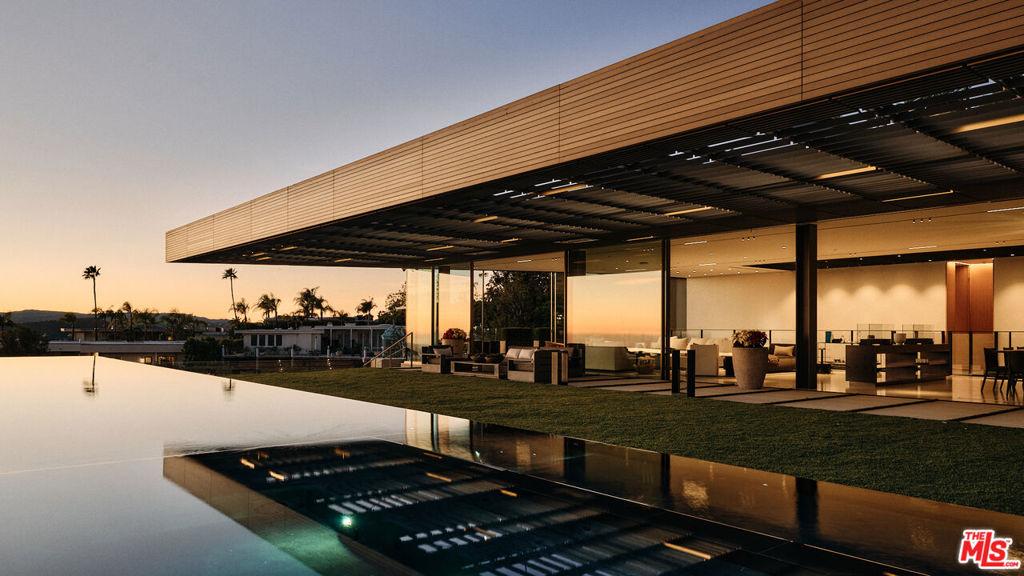
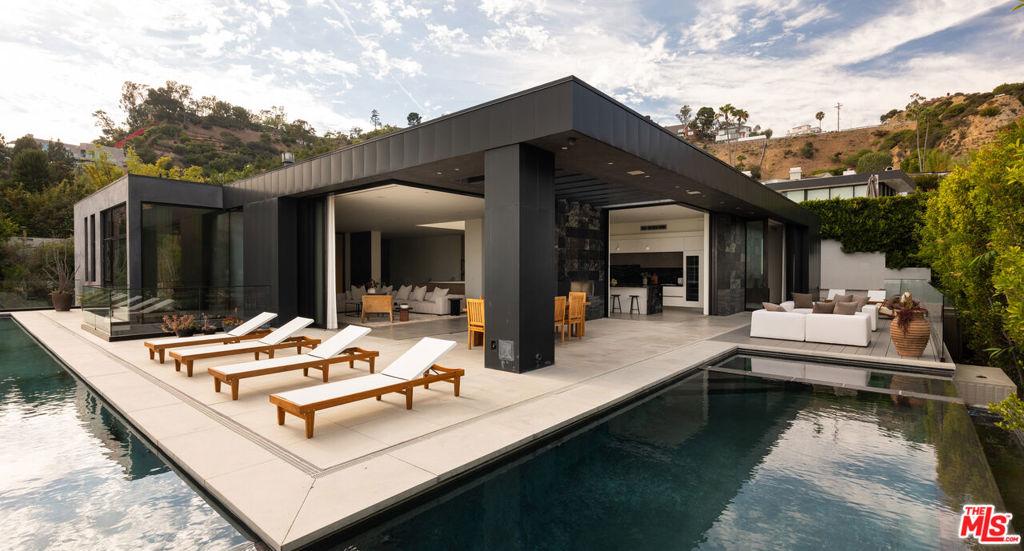
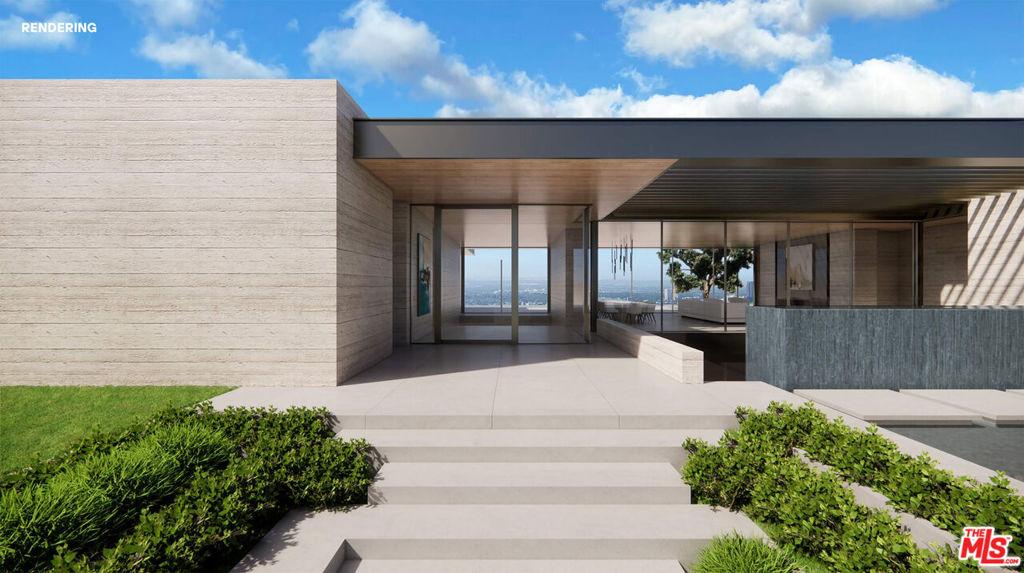
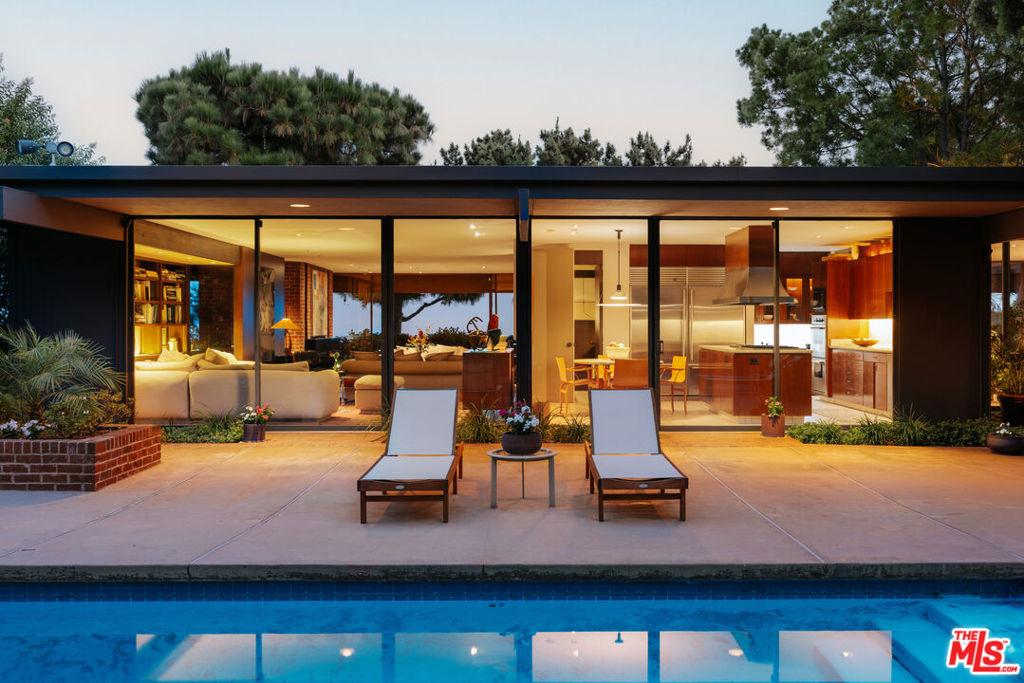
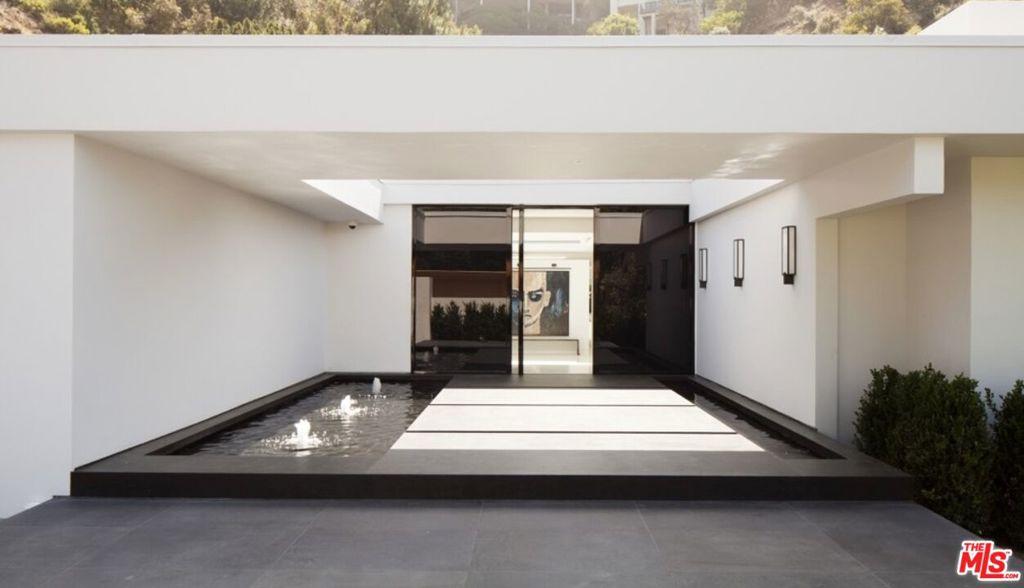
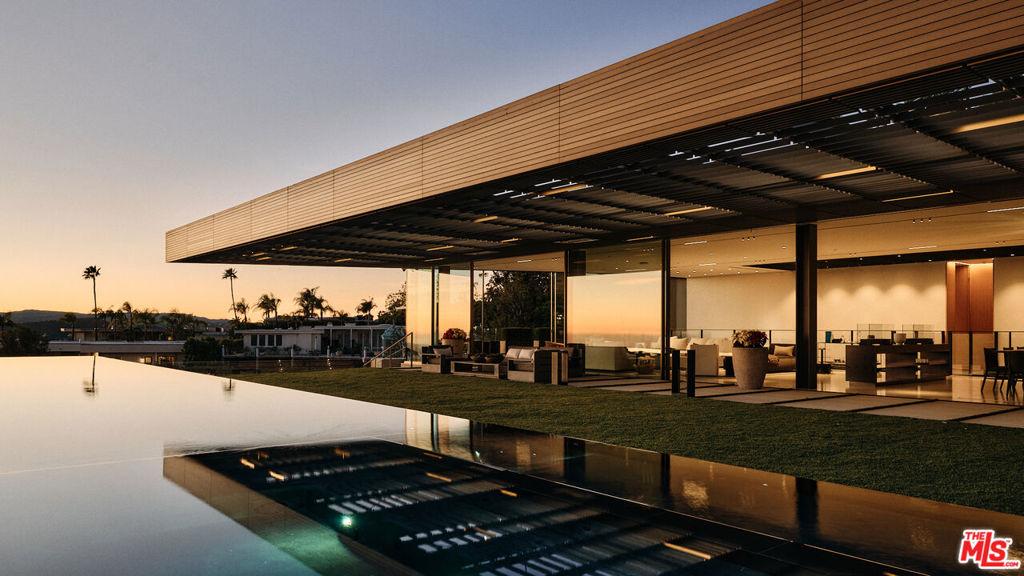
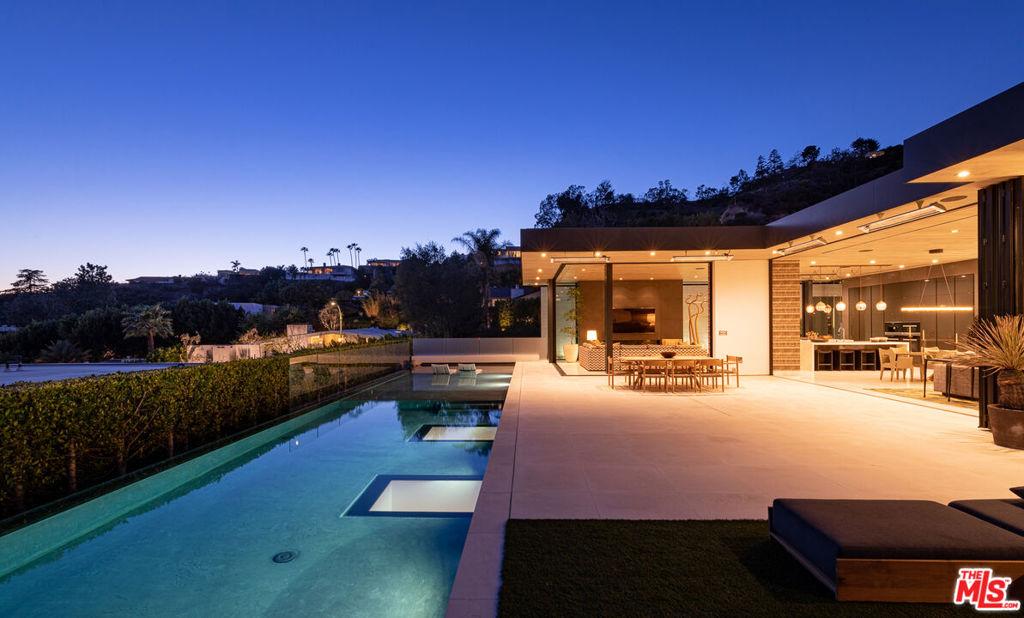
Forget cookie-cutter mansions. Doheny Estates is an architect’s playground, where mid-century modern masterpieces rub shoulders with contemporary glass palaces. Each home is a statement piece, a work of art you get to live in. And nothing says I’ve arrived quite like a cantilevered infinity pool that seems to defy gravity.
The architectural diversity in Doheny Estates is truly remarkable. A recent survey by The Real Deal found that 40% of homes in the area were designed by renowned architects, including Paul Williams, Richard Neutra, and John Lautner. This concentration of architectural talent is unparalleled in Los Angeles, making Doheny Estates a living museum of residential design.
Sure, privacy is paramount here, but let’s indulge in a little name-dropping. Leonardo DiCaprio, Keanu Reeves, and Jodie Foster have all called this neighborhood home. Don’t be surprised if your next-door neighbor is that producer you’ve been dying to pitch to. In Doheny Estates, networking isn’t just a buzzword,it’s a way of life.
A 2022 report by Forbes revealed that 15% of Doheny Estates residents are either A-list celebrities or Fortune 500 executives. This concentration of influence and wealth creates a unique ecosystem where casual encounters can lead to life-changing opportunities.
Living in Doheny Estates isn’t just about the property; it’s about the lifestyle. Here’s what your average Tuesday might look like:
Doheny Estates draws buyers who have made deliberate trade-off decisions. The buyer profile here tends toward established professionals and families — people who have evaluated comparable options and chosen this pocket for specific reasons: lot size, privacy, school access, commute profile, or community character.
Properties ranging from $5.0M to $50.0M+ range from [entry-level in the pocket] to larger estate-scale homes depending on the specific street. Knowing the sub-block matters when pricing or making an offer here.
The Knight Group maintains active relationships in Doheny Estates, including off-market sellers who haven’t listed publicly. For buyers, this means access to inventory before it reaches the portals. For sellers, it means qualified buyers who are already researching this specific area.
In a market like Doheny Estates, where well-priced properties move quickly, having a relationship with an agent who knows the off-market layer changes what’s available to you. The Knight Group can typically show more options than what’s publicly listed at any given time.
The buyers coming to Doheny Estates are a recognizable mix: move-up buyers from nearby starter neighborhoods, Los Angeles metro workers seeking proximity to specific employment corridors, and second-home buyers from outside the area targeting the California lifestyle access. All three groups are active in most parts of the Los Angeles market, but the specific mix in Doheny Estates shapes how inventory is priced and how competitive each transaction is.
Move-up buyers tend to have strong down payments and clear financing in place — they’ve been to closing before. Corporate relocation buyers move on employer timelines and often need to close in 30 days. Second-home buyers often move slower and are more selective. Knowing which profile dominates the current Doheny Estates buyer pool is one of the inputs The Knight Group uses to advise sellers on pricing strategy and buyers on offer positioning.
Buyers evaluating Doheny Estates often consider it alongside one or two adjacent areas. The comparison that matters most isn’t amenities or aesthetics — it’s value per dollar and lifestyle trade-offs. Doheny Estates occupies a specific position in the Los Angeles market that becomes clear once you’ve seen the comparable inventory. The Knight Group can walk you through that comparison directly, based on current active and recently closed inventory, before you invest more time in your search.
Ever wondered what it’s really like to live in one of LA’s most exclusive enclaves? Let’s take a virtual stroll through a typical day in Doheny Estates:
You wake up to the gentle California sunshine streaming through your floor-to-ceiling windows. As you sip your artisanal coffee (locally roasted, naturally), you gaze out at a vista that stretches from the Hollywood sign to the Pacific Ocean. According to a survey by Luxury Home Magazine, 92% of Doheny Estates residents cite their morning view as the best part of their day.
Next. It’s time for your morning workout. Will it be yoga on your private terrace or a swim in your infinity pool? A report by The Wall Street Journal found that 75% of homes in Doheny Estates have dedicated fitness spaces, with an average size of 500 square feet. That’s larger than many apartments in other parts of LA!
For those who haven’t fully embraced the life of leisure, your home office awaits. With state-of-the-art technology and those killer views, who needs a corner office downtown? Forbes reports that 40% of Doheny Estates residents primarily work from home, a trend that has only accelerated in recent years.
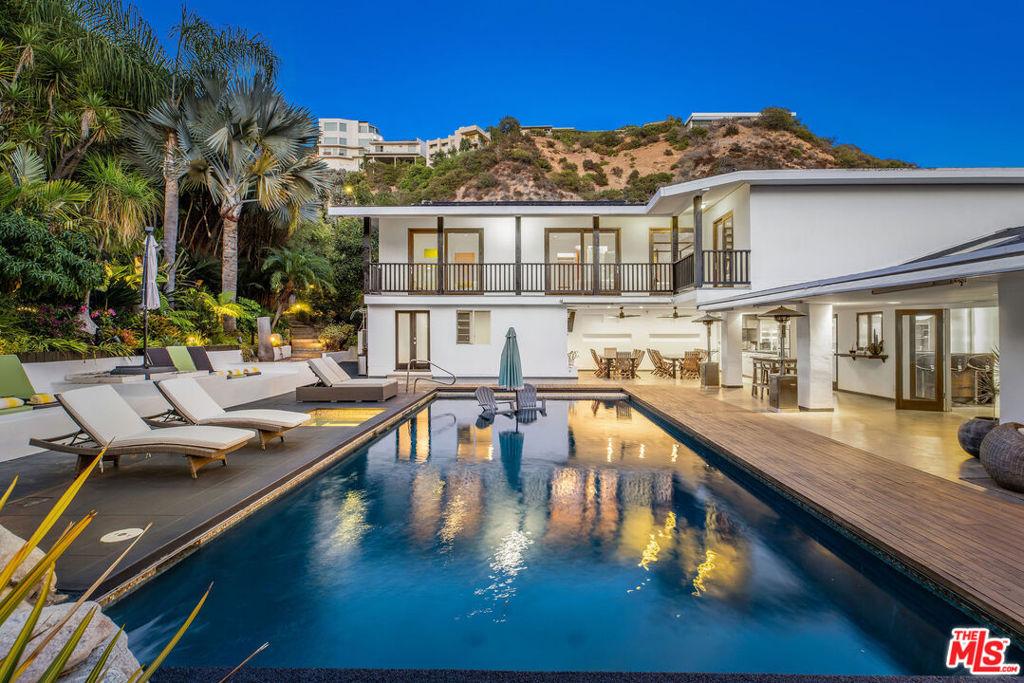
As the day progresses, you might find yourself lounging by the pool, tending to your vertical garden (70% of homes here have one, according to Architectural Digest), or perhaps taking a short drive to Rodeo Drive for some retail therapy. The Beverly Hills Chamber of Commerce estimates that Doheny Estates residents contribute over $50 million annually to the local luxury retail economy.
As the sun sets, painting the sky in hues of orange and pink, you prepare for an evening of entertainment. Maybe you’re hosting a dinner party in your gourmet kitchen (average size: 400 square feet, as per HGTV), or perhaps you’re heading out to one of LA’s hottest restaurants. Either way, you’re living the high life.
Before bed, you take one last look at the twinkling lights of LA spread out before you. It’s a view that never gets old, and it’s all yours.
Doheny Estates is located in the greater Los Angeles area. Drive times to major employment centers vary by time of day — this is Los Angeles. Buyers prioritizing specific commutes should test their route at the relevant time before committing to an address.
Most buyers in Doheny Estates are car-dependent for daily errands. The Walk Score and transit access vary by specific street. If walkability is a priority, The Knight Group can identify which streets within Doheny Estates score highest before narrowing your search.
The Doheny Estates area is served by standard Los Angeles infrastructure: LADWP for utilities, LAPD or LASD for public safety depending on the specific address, and LAUSD or a local district for schools (confirm your specific school assignment by address). Trash collection, street maintenance, and other city services generally reflect the standards of the surrounding area.
For buyers coming from out of state or out of the area: property taxes in Los Angeles County are assessed at purchase price. Expect approximately 1.1–1.25% of purchase price annually, depending on any local supplemental levies.
Los Angeles neighborhoods have distinct development histories that shape the current housing stock and the buyer experience. Doheny Estates reflects a specific era of residential development — the predominant architectural styles, lot sizes, and street grid reflect the period when the area grew most rapidly. This context matters because it explains why certain home sizes and configurations are common here, why certain infrastructure issues arise repeatedly, and what the renovation potential looks like relative to other parts of the city.
For buyers coming from other markets, Los Angeles residential construction quality and neighborhood development patterns can be unfamiliar. The Knight Group brings this local context to every buyer engagement — not just neighborhood statistics, but the underlying dynamics that drive the buyer experience in Doheny Estates specifically.
Utility infrastructure, street quality, and public services in Los Angeles vary more by neighborhood than residents from other cities expect. Water rates, power reliability, trash collection schedules, and street maintenance quality differ across LA neighborhoods — and they affect quality of daily life in ways that don’t show up in listing data. The Knight Group can answer specific infrastructure questions about Doheny Estates as part of standard buyer preparation.
Doheny Estates is tracked as a distinct sub-market of Hollywood Hills, and its figures diverge from the parent average. The measurements below come from CRMLS listing data as of September 2026.
Median lot size separates Hollywood Hills sub-markets more sharply than price does. Doheny Estates ranks 1st of the 17 comparable sub-markets tracked here.
In 2022, the average sale price was $12.3 million, a 15% increase from the previous year. But hey, you can’t put a price on waking up to a view that makes you feel like you’re on top of the world… or can you?
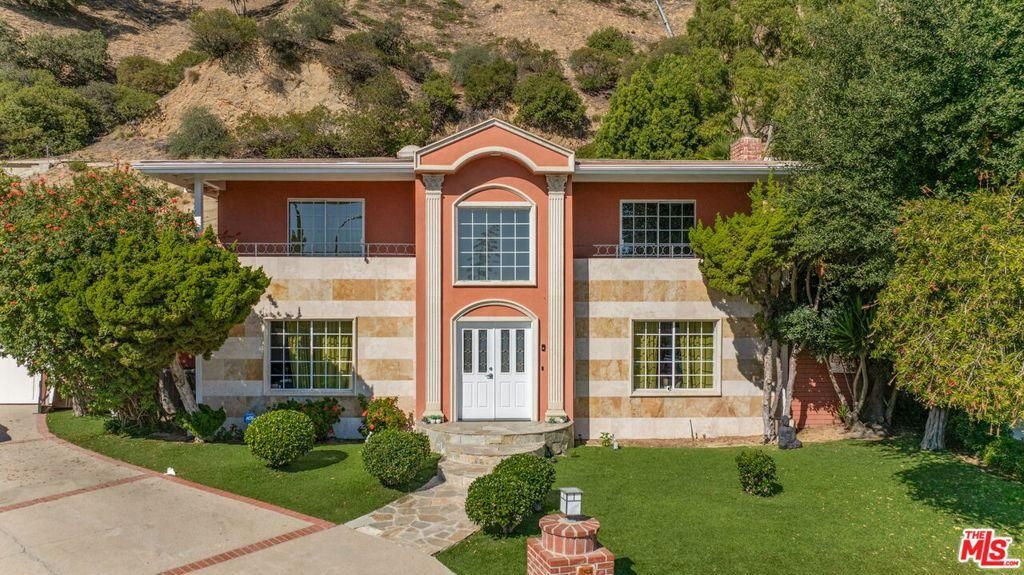
It’s a veritable buffet of architectural eye candy. You’ve got your sleek mid-century modern gems, your contemporary glass-and-steel masterpieces, and even the occasional Mediterranean villa for those who like their luxury with a side of old-world charm. A survey by Architectural Digest found that 40% of homes in Doheny Estates are contemporary style, 30% are mid-century modern, 20% are Mediterranean, and 10% fall into other categories like Art Deco or Postmodern. Basically, if you can ideal it, someone in Doheny has probably built it.
About as often as LA gets rain,which is to say, not very. When a new listing does pop up. It’s like spotting a unicorn. My advice? Set up alerts, befriend a top-notch realtor, and maybe consider some light bribery (kidding… mostly).
Is the Pope Catholic? Does a bear… you get the idea. Doheny Estates has shown consistent appreciation over the years, outpacing many other luxury markets. Plus, you get the added bonus of living in your investment. It’s like having your imported Italian marble cake and eating it too.
Think of it as an exclusive club where the password is a seven-figure bank balance. Privacy is the name of the game here, but that doesn’t mean it’s not friendly. Your neighbors might be celebrities or tech moguls, but they’re just as likely to borrow a cup of sugar (organic, fair-trade, and probably astronomically priced, of course). A Los Angeles Magazine survey found that 85% of Doheny Estates residents described their neighbors as cordial but respectful of privacy, and 70% reported participating in at least one community event per year.
While Doheny Estates itself is pretty residential, you’re just a stone’s throw from some of LA’s hottest spots. Locals swear by the off-menu items at Craig’s, and there’s a secret hiking trail with views that’ll make your Instagram followers weep with envy. But shh… you didn’t hear it from me. Eater LA reports that 30% of Doheny Estates residents are regulars at Soho House West Hollywood, and 25% have a standing reservation at Nobu Malibu. As for that secret hiking trail? It’s called the Doheny Sunset Trail, and it’s accessible only to residents. A local real estate agent shared (off the record, of course) that homes with direct access to this trail command a 10-15% premium.
Remember, in Doheny Estates, you’re not just buying a home,you’re buying into a lifestyle. A lifestyle where your biggest problem might be deciding which of your infinity pools to take a dip in today. Tough life, right?
Explore more Hollywood Hills neighborhoods:
Lucky for you we’re looking out.
Subscribe to this Custom Search to be alerted when new properties hit the market in the area.
Choose the frequency that works for you.