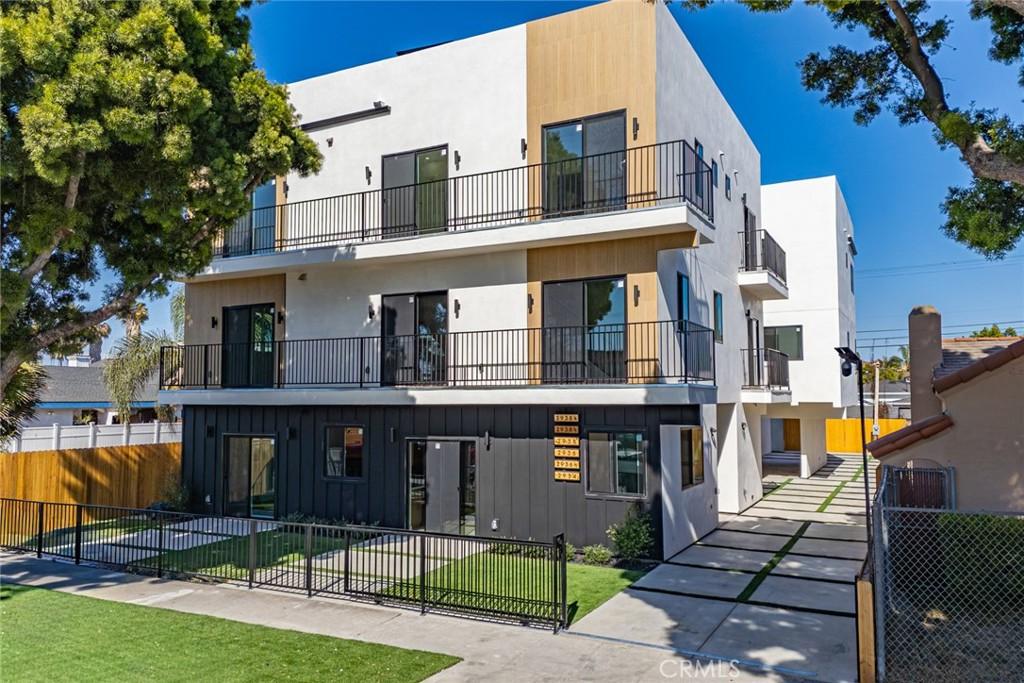
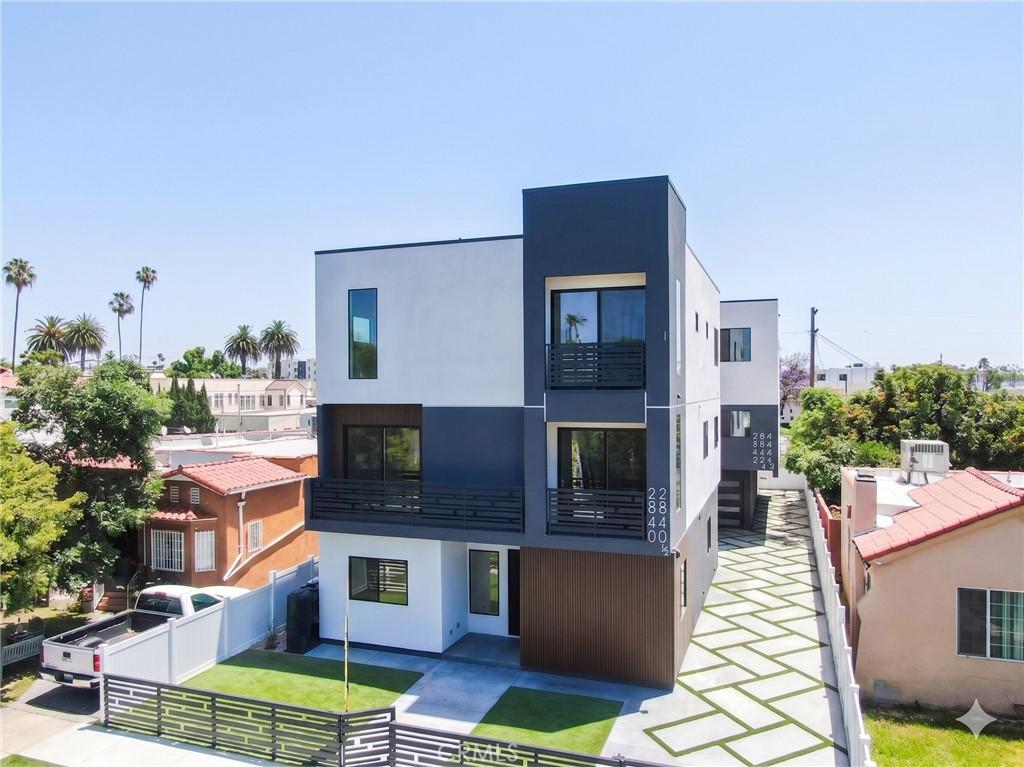
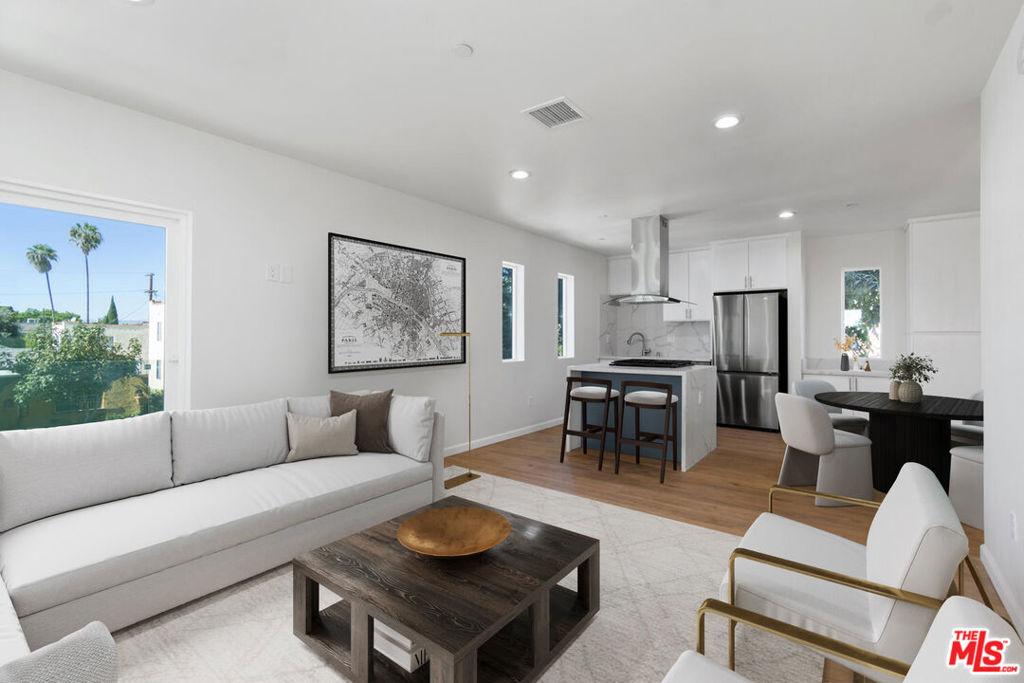
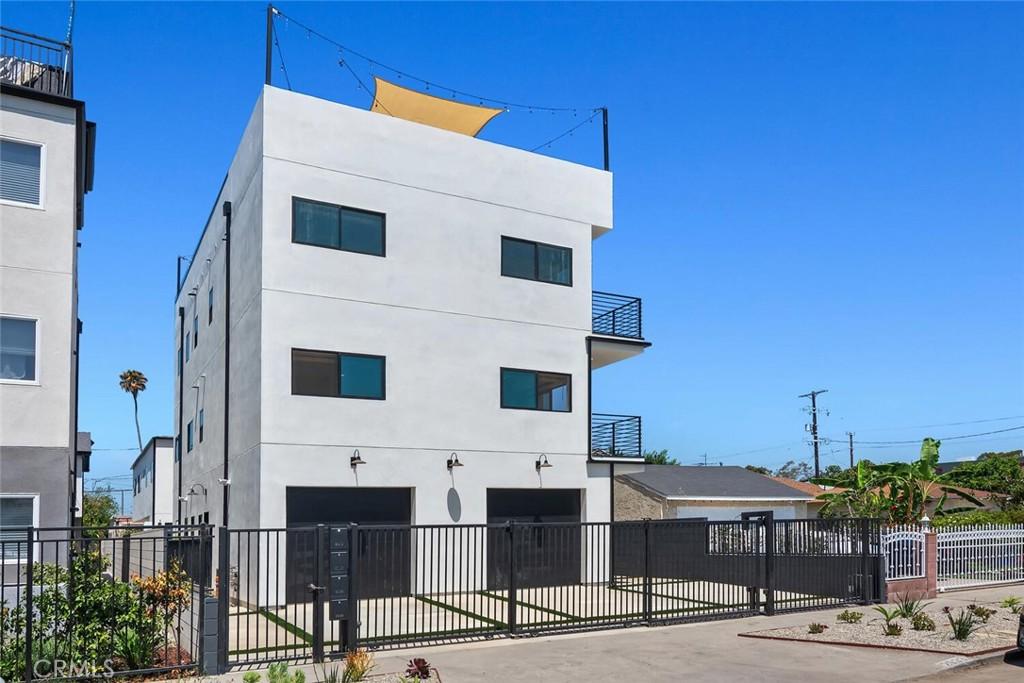
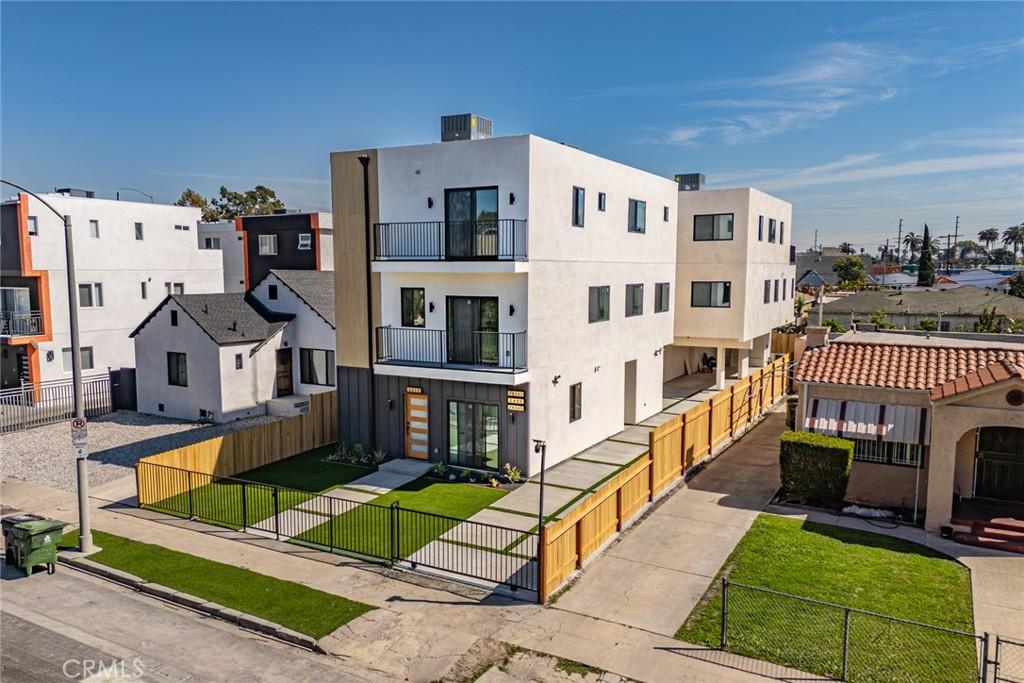
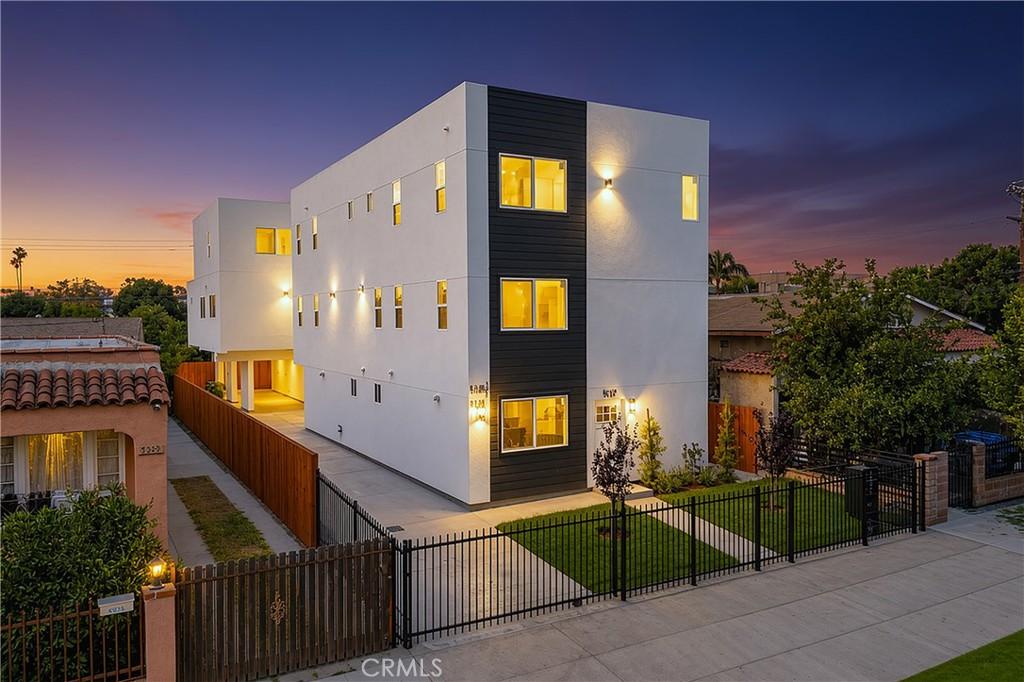
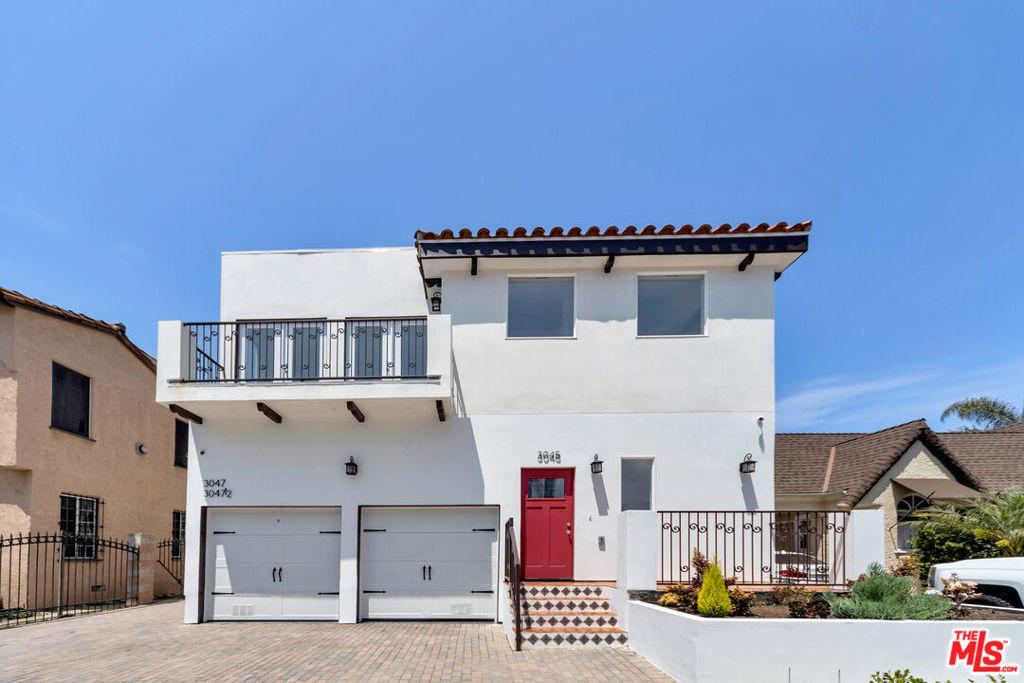
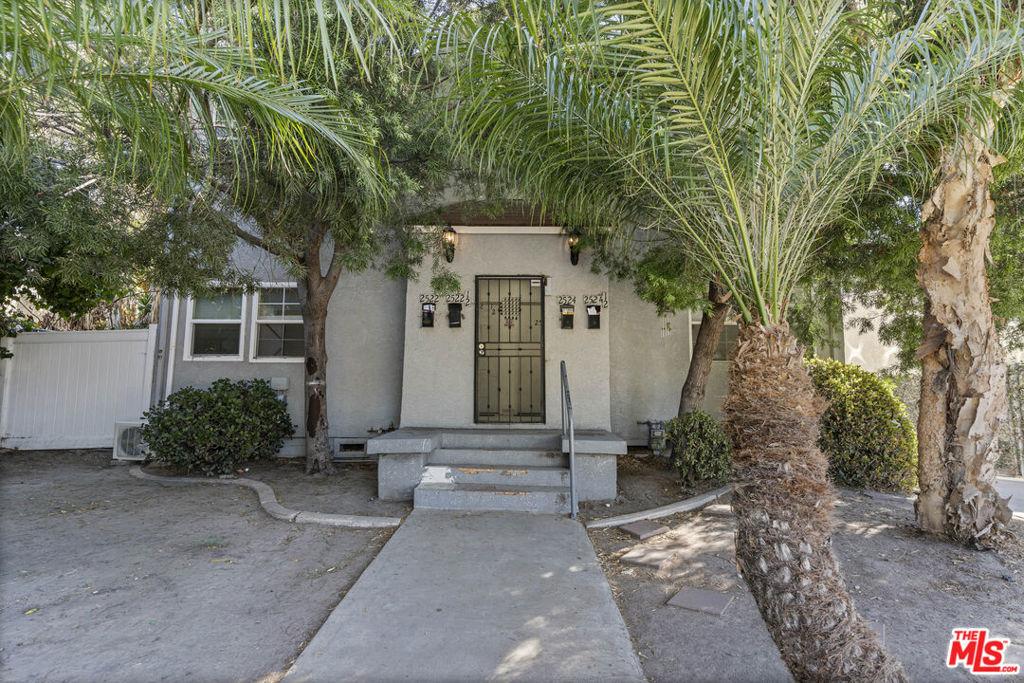
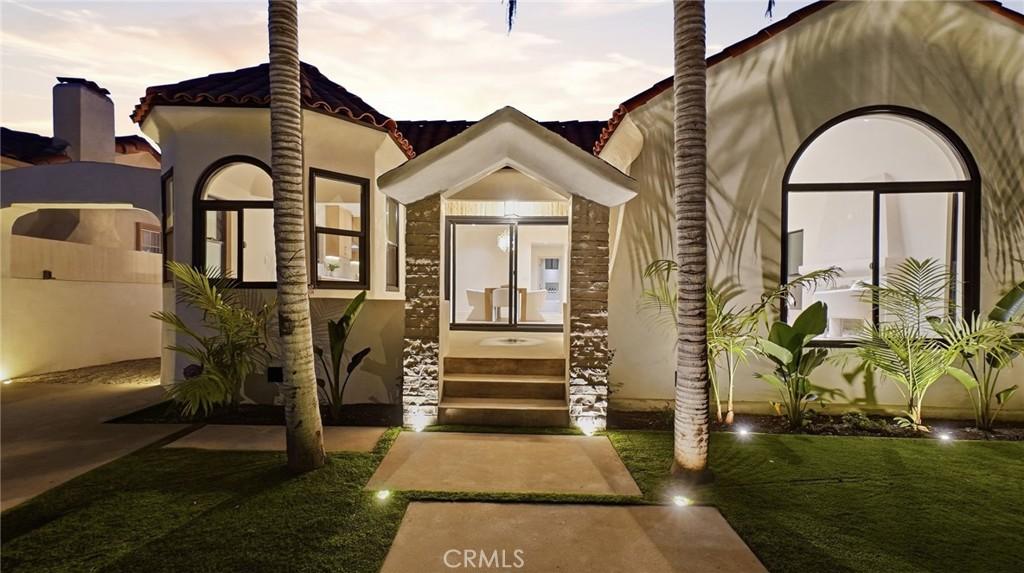
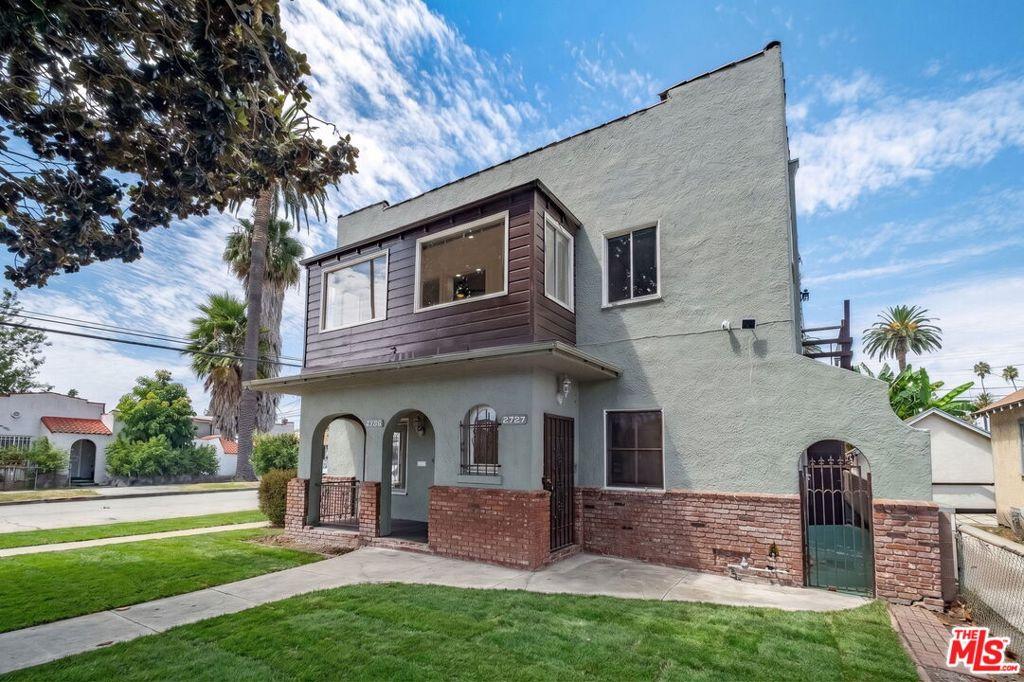
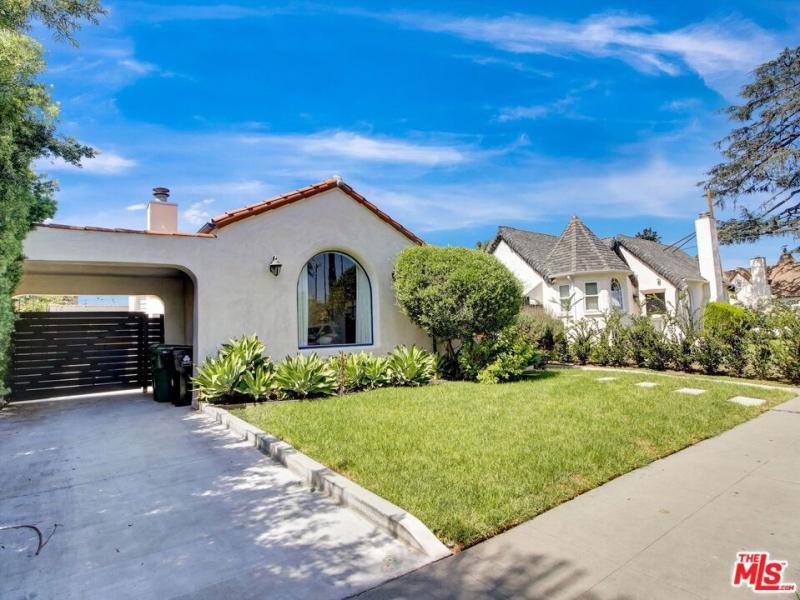
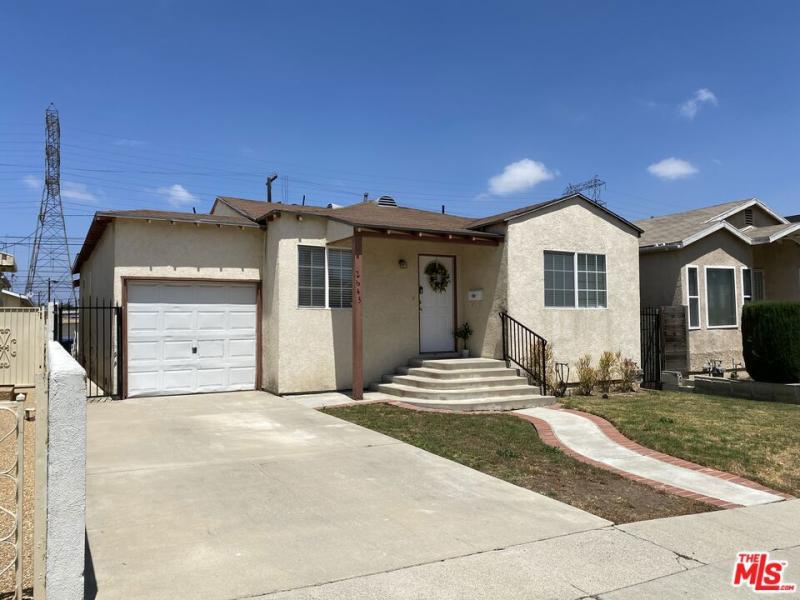
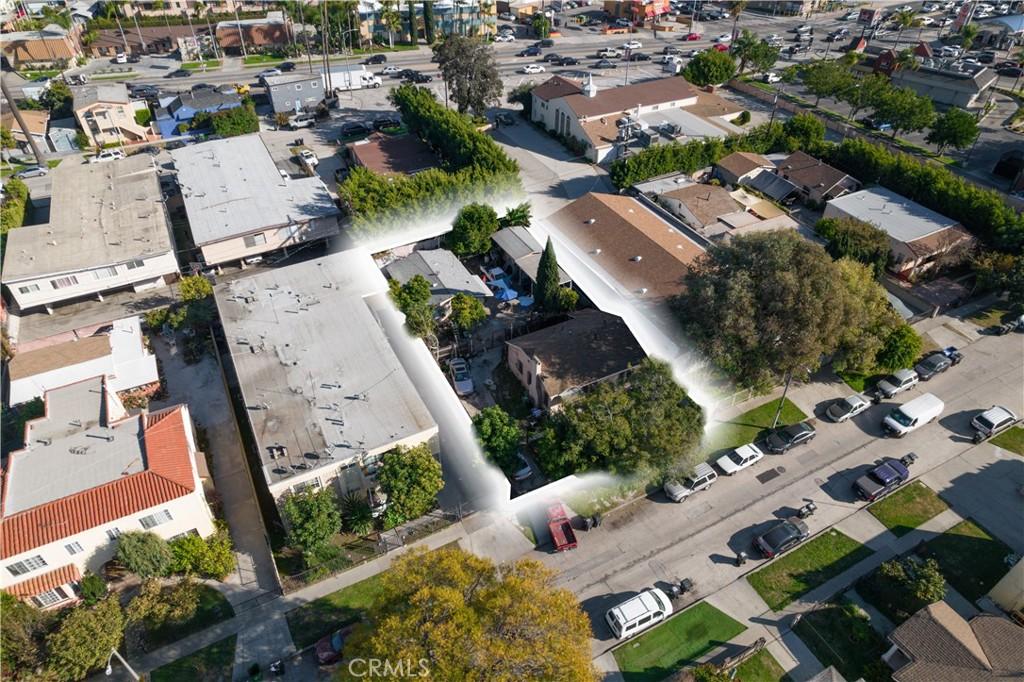
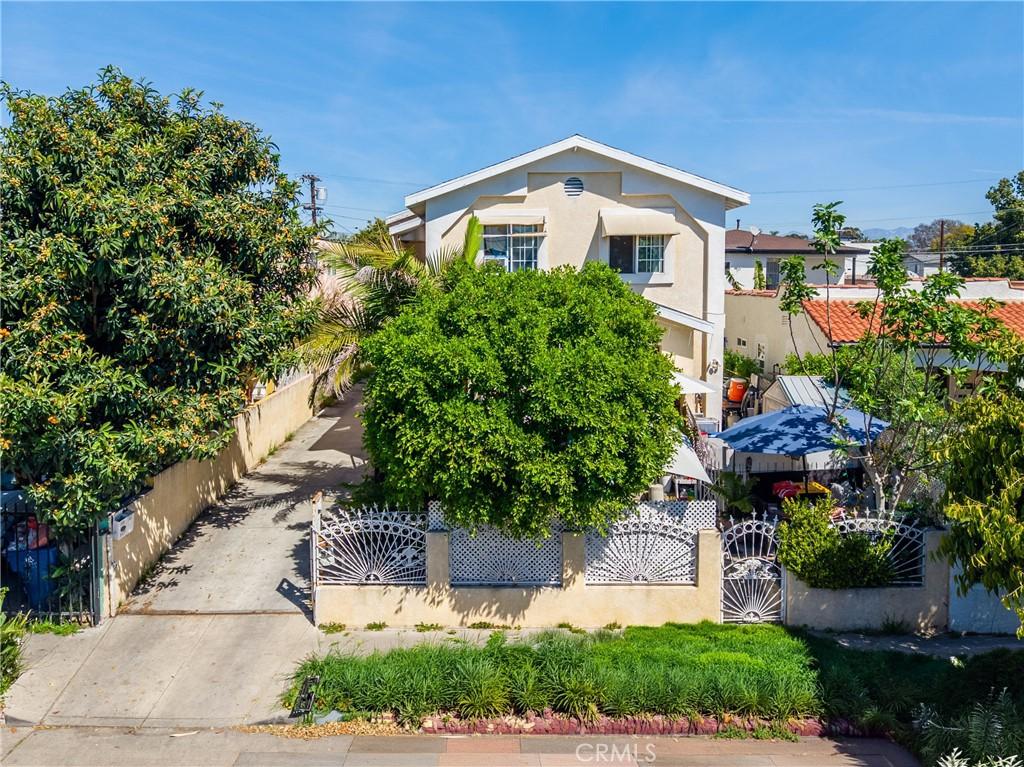
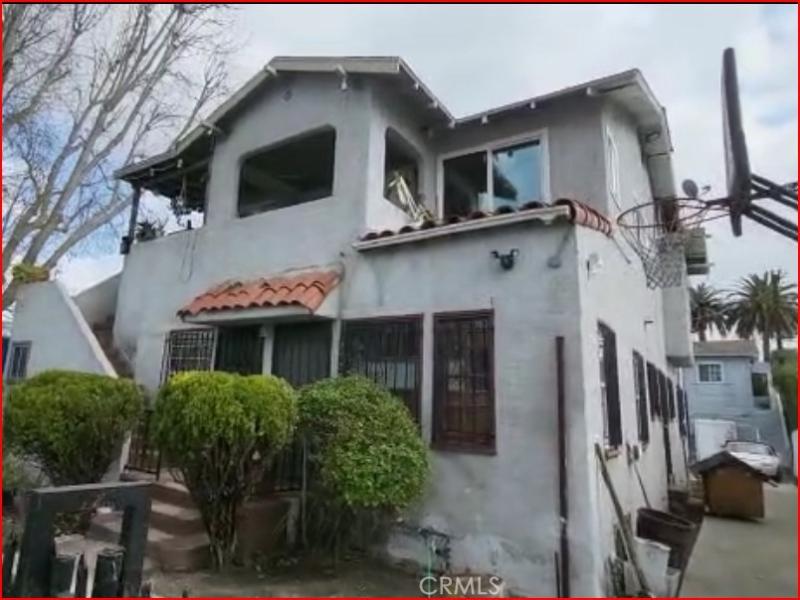
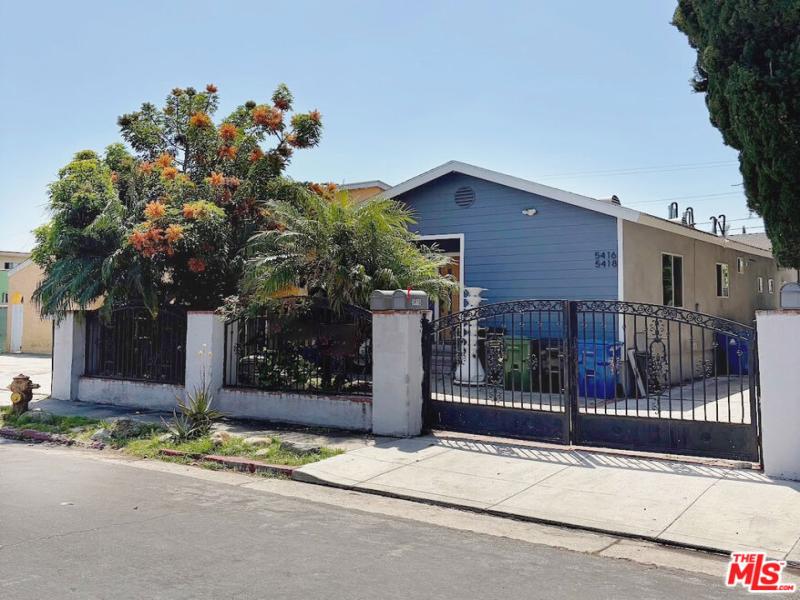
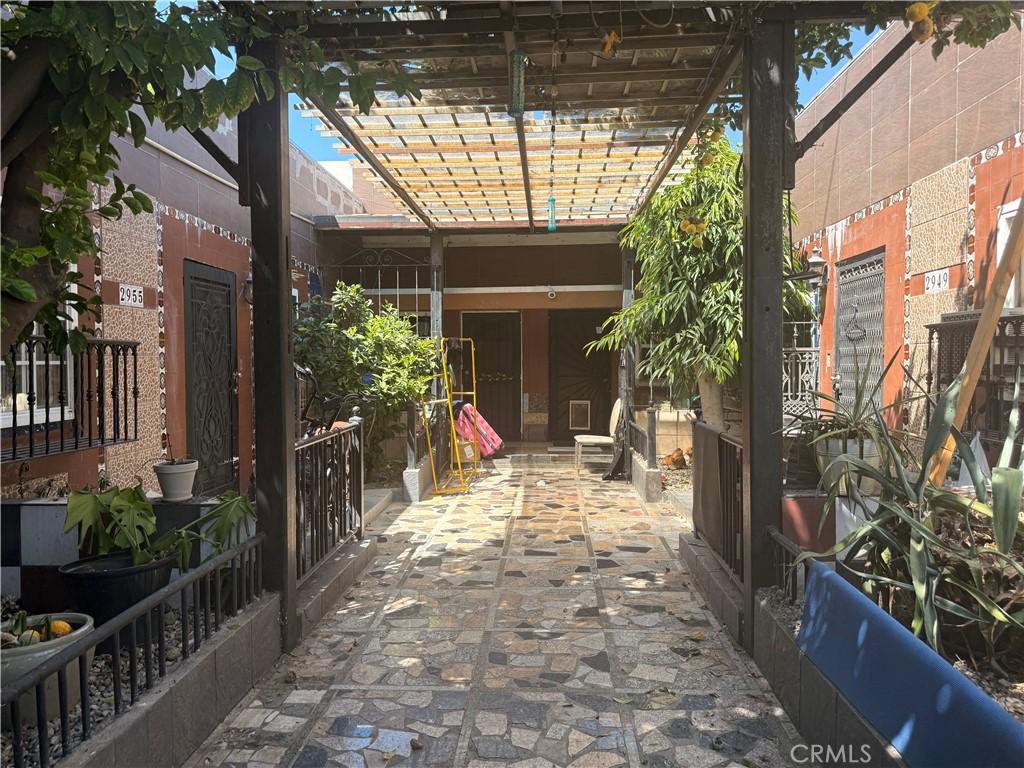
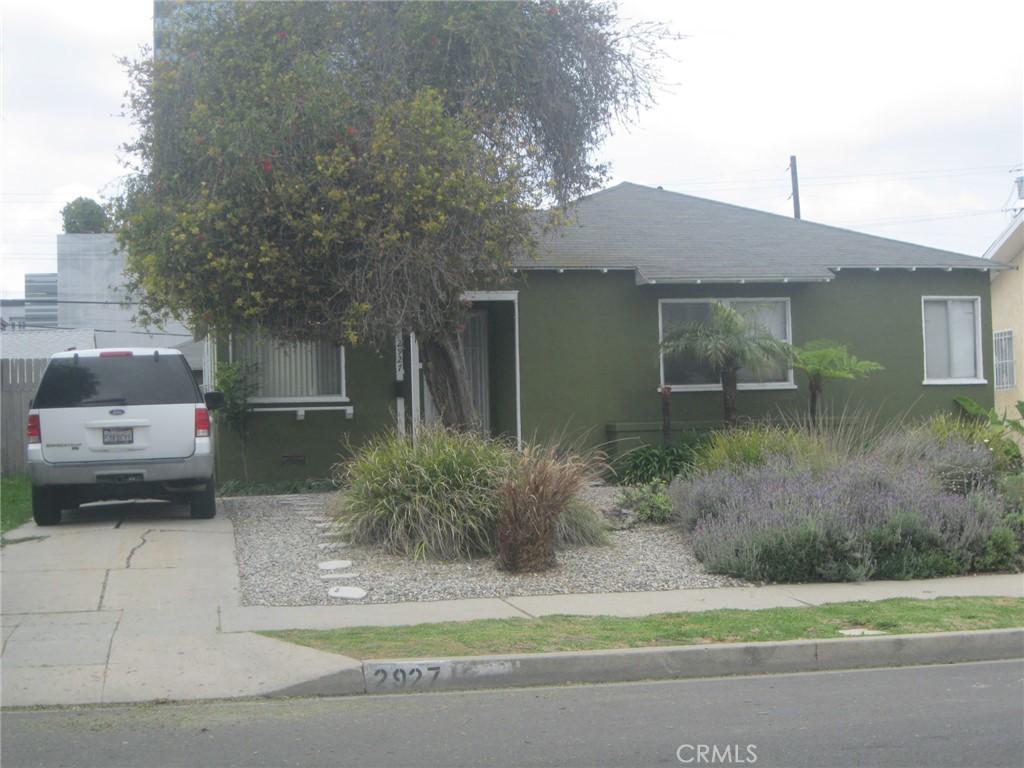
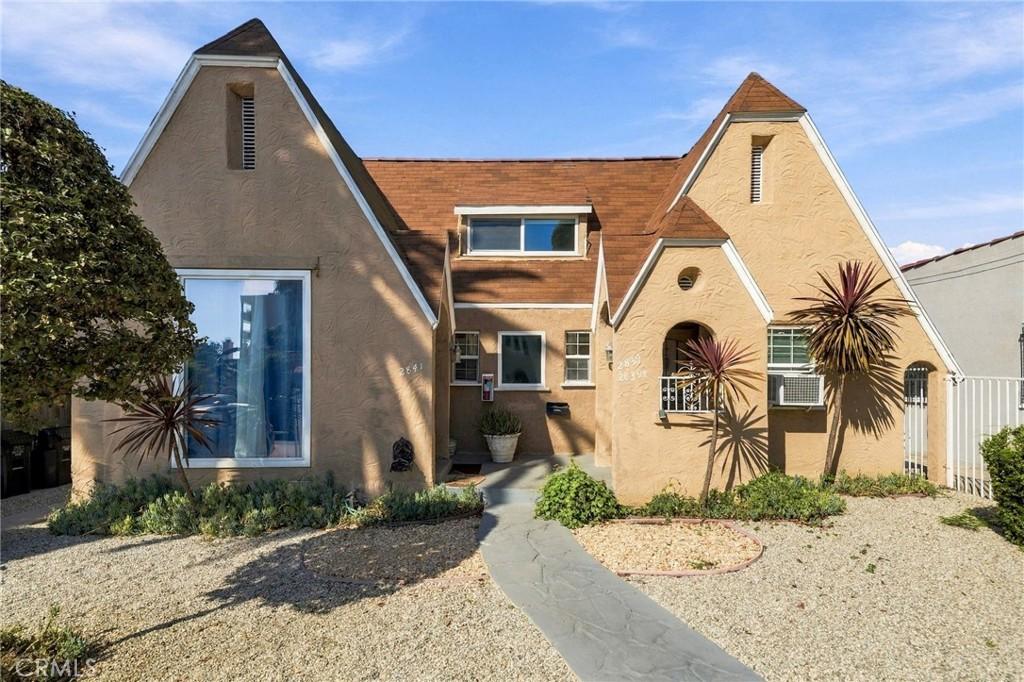
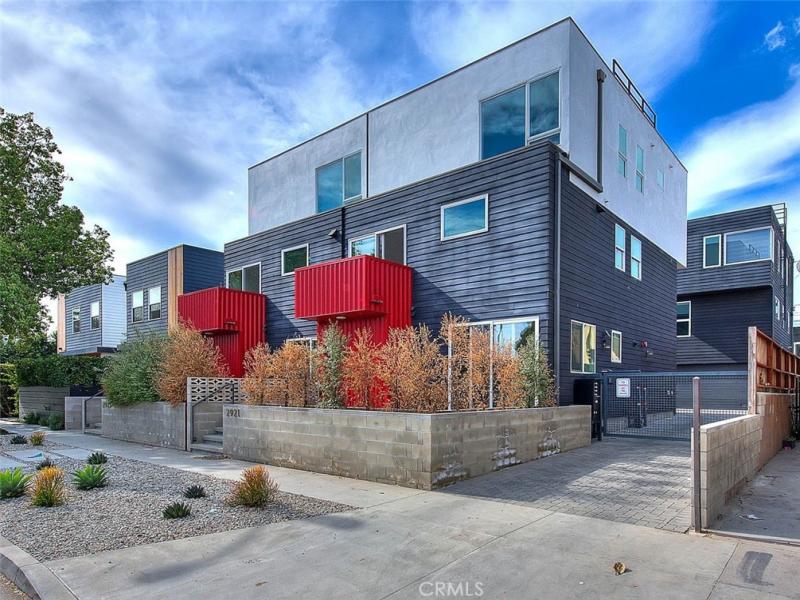
Homes for sale in West Adams Los Angeles generally run from about $900,000 to $3M and up, and the spread comes down to condition more than location. At the lower end you’re looking at a Craftsman bungalow that needs real renovation work. At the top are fully restored estates on the neighborhood’s historic streets. A good portion of the area sits inside the West Adams Heritage Association Historic Preservation Overlay Zone (HPOZ), where landmark guidelines shape what you can change and how. We work West Adams directly, including HPOZ properties.
The housing stock here was built mostly between 1895 and 1940 — Victorians, Craftsman bungalows, Spanish Colonial Revival estates, and Colonial Revival mansions. This is one of the oldest and most architecturally significant parts of Los Angeles, so what varies block to block is less the era than how much original detail survived and how much restoration a house still needs.

Browse all Los Angeles real estate — or explore the full Los Angeles luxury real estate market.
West Adams was developed in the late 19th and early 20th century as Los Angeles’s first wealthy residential suburb, built along the streetcar lines that connected downtown Los Angeles westward toward the coast. The neighborhood’s primary development period, from approximately 1895 to 1930, produced a remarkably intact collection of American residential architecture at a scale rarely found in Los Angeles. At its peak, West Adams was home to some of the city’s most prominent citizens: oil barons, film industry founders, and the professional class that built the early-20th-century city.
By the 1930s and 1940s, West Adams had become the center of Black cultural and professional life in Los Angeles as deed restrictions in other parts of the city made the neighborhood one of the few areas where African American residents could purchase homes. The neighborhood became a vibrant cultural district, home to jazz clubs, ballrooms, and the professional networks of Black Los Angeles during the height of the Jim Crow era. The Central Avenue jazz corridor, while geographically adjacent rather than within West Adams proper, was deeply interconnected with the neighborhood’s social fabric. This history has left West Adams with a cultural significance that shapes its identity and appeal to this day.
West Adams contains several Historic Preservation Overlay Zones (HPOZs), city-designated historic districts that require design review for exterior modifications and provide a degree of architectural protection not available in non-designated neighborhoods. The West Adams Heritage Association has been a primary force in identifying, documenting, and protecting the neighborhood’s most significant residential structures. Architectural styles present in West Adams include:
West Adams has been among the faster-changing neighborhoods in Los Angeles since approximately 2015. New restaurants, coffee shops, art galleries, and residential investment have transformed the commercial stretches along Adams Boulevard and West Washington Boulevard. The neighborhood attracts buyers who value architectural authenticity, community depth, and relative affordability compared to the Westside neighborhoods to the north and west, while accepting the ongoing changes that gentrification brings. The resident community spans longtime homeowners, new arrivals, renters, and a significant renter population that has been affected by the rent increases accompanying the neighborhood’s transformation.
West Adams occupies a central position in the Los Angeles basin, with reasonable access to downtown Los Angeles to the east, the Westside and Santa Monica to the west via the 10 freeway, and Culver City and the Crenshaw-Vermont corridor to its immediate west and east. The neighborhood’s location makes it workable for professionals employed in multiple areas of the city, though it is not a walking-distance destination in the way that Silver Lake or Larchmont Village are for their primary amenities.
Adams Boulevard is the neighborhood’s primary commercial corridor, with a growing restaurant and retail scene that has accelerated since 2018. Notable establishments on Adams Boulevard include restaurants, specialty food shops, and several independent businesses that have opened as the neighborhood’s demographic profile has shifted. The commercial density remains lower than in more established Los Angeles retail corridors, which means most daily errands still require driving to nearby Culver City, Baldwin Hills, or the Crenshaw area for full commercial access.
West Adams has limited parkland relative to its residential density. Rancho Cienega Recreation Center and Park, at Rodeo Road and Exposition Boulevard on the neighborhood’s southern edge, is the primary public recreation facility, with a pool, sports courts, and athletic fields. Exposition Park, with the Natural History Museum, California Science Center, and the Rose Garden, is approximately one mile to the east. Kenneth Hahn State Recreation Area, a 401-acre park in the Baldwin Hills with hiking trails and significant greenspace, is accessible within a 10-minute drive from most West Adams addresses.
West Adams is served by Los Angeles Unified School District. Elementary schools serving the neighborhood include the Norwood Street Elementary and several magnets accessible through LAUSD’s school choice process. Manual Arts High School is the primary public high school serving the area, with several LAUSD magnet programs offering alternative academic pathways. Private school access includes several South LA-based private schools and, with driving, the broader Los Angeles private school network in Culver City, the Pico-Robertson area, and downtown.
The neighborhood is served by the Metro E Line (Exposition Line) at the Expo/Western and Expo/Vermont stations near its eastern boundary, providing direct rail access to downtown Los Angeles, Culver City, and the Westside through Santa Monica. Bus service on Adams Boulevard and Vermont and Western avenues provides connections to surrounding transit networks. For drivers, immediate access to the 10 freeway at several on-ramps provides fast connections east and west. The 110 freeway to downtown Los Angeles is accessible approximately one mile to the east.
West Adams has been one of Los Angeles’s most active residential markets since approximately 2016, with significant price appreciation driven by a combination of relative affordability compared to adjacent neighborhoods, architectural authenticity, and buyer interest from the creative and tech industries that have expanded in Culver City and the broader Westside. The neighborhood’s price trajectory reflects the gentrification dynamic more directly than almost any other Los Angeles neighborhood.
West Adams home prices as of 2026 range across a wide band depending on property condition, lot size, and architectural significance:
Properties within the West Adams HPOZ area carry specific opportunities and constraints. The HPOZ designation provides protection from incompatible new construction adjacent to historic structures, which is a meaningful benefit in a neighborhood under development pressure. It also requires design review for exterior modifications, additions, and new construction on designated lots. HPOZ properties cannot receive approval for modifications that would significantly alter original character-defining features without review. Buyers planning extensive renovations should consult with the Los Angeles Office of Historic Resources and a contractor experienced in HPOZ compliance before purchasing, as the approval process can extend timelines and affect renovation scope.
West Adams experienced significant price appreciation from 2016 through 2022, with median sale prices roughly doubling over that period as buyer interest from the Westside creative economy spread eastward. The pace of appreciation has moderated since 2022 alongside the broader Los Angeles luxury and mid-market slowdown driven by higher interest rates and affordability constraints. In 2025 and into 2026, West Adams has stabilized at a level that still represents meaningful appreciation from pre-gentrification baselines but with less speculative premium than at the 2021 peak.
For long-term buyers, West Adams offers exposure to a neighborhood with genuine architectural significance, improving commercial infrastructure, and access improvements via the Metro E Line, at prices meaningfully below adjacent neighborhoods of comparable architectural quality. Culver City, which shares some of the same buyer profile, trades at 30% to 50% premiums for similar property types, making West Adams the relative value alternative for buyers who prioritize space and authenticity over the Culver City address.
West Adams has a meaningful off-market transaction component driven by longstanding homeowner families who prefer to transact privately rather than through a full MLS listing process. Estate sales, inter-family transfers, and sellers who learned about buyer interest through neighborhood networks are disproportionately represented in the neighborhood’s off-market transactions. The Knight Group’s direct neighborhood relationships and Compass Private Exclusives access provide buyers with a view of West Adams inventory that does not appear on Zillow or Redfin. For buyers interested in renovation-ready properties in particular, the off-market channel frequently offers better selection and less competition than the listed market.
West Adams attracts a specific buyer profile: buyers who value architectural authenticity over turnkey luxury, who are willing to engage with the renovation process or buy into a neighborhood in transition, and who find the relative price advantage over Culver City and the Westside compelling. The neighborhood also attracts buyers with a specific interest in the historic African American cultural history of the area. First-time luxury buyers for whom the $2M-$3M tier is their entry into homeownership find West Adams a meaningful alternative to comparable spend in less architecturally distinctive parts of Los Angeles.
Explore more Luxury neighborhoods:
Lucky for you we’re looking out.
Subscribe to this Custom Search to be alerted when new properties hit the market in the area.
Choose the frequency that works for you.