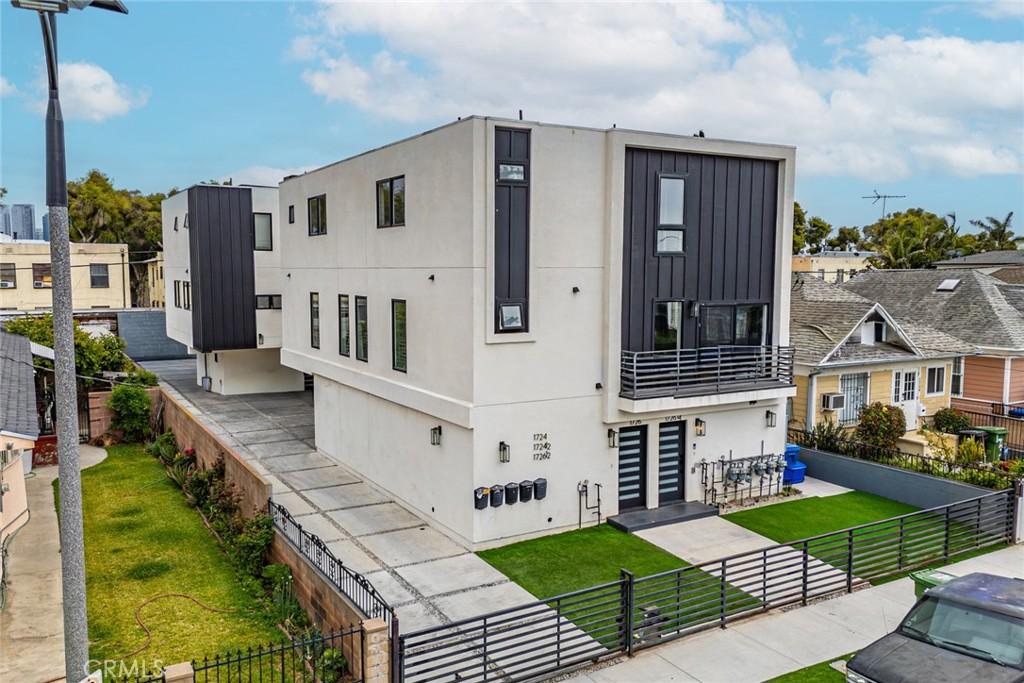
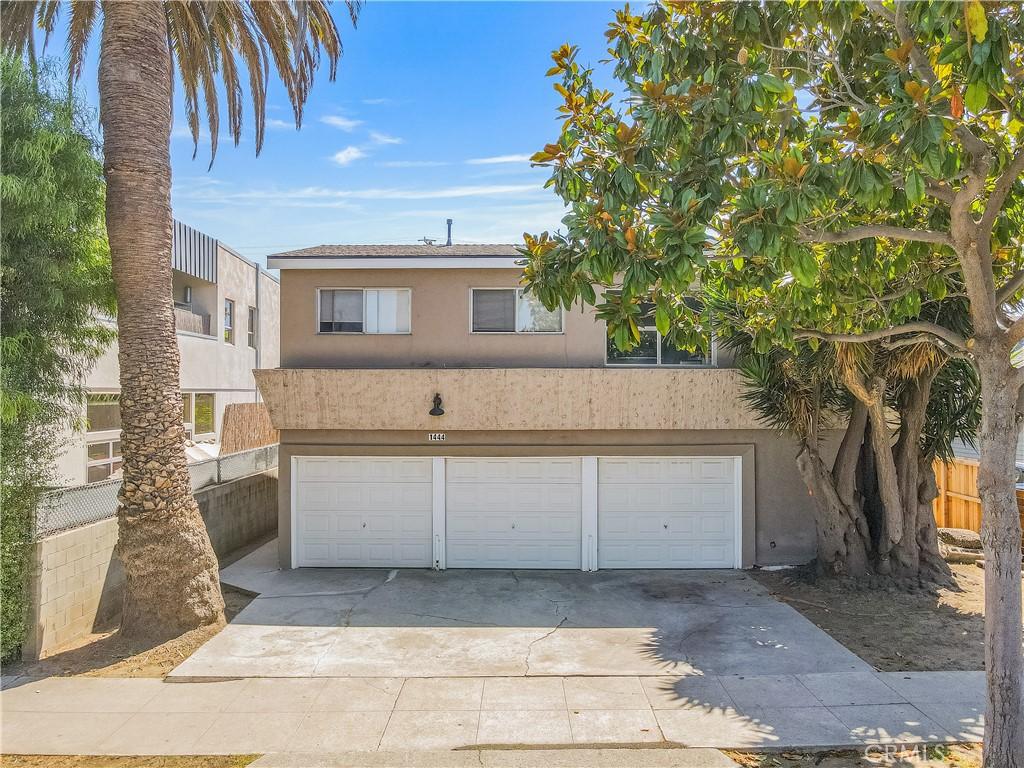
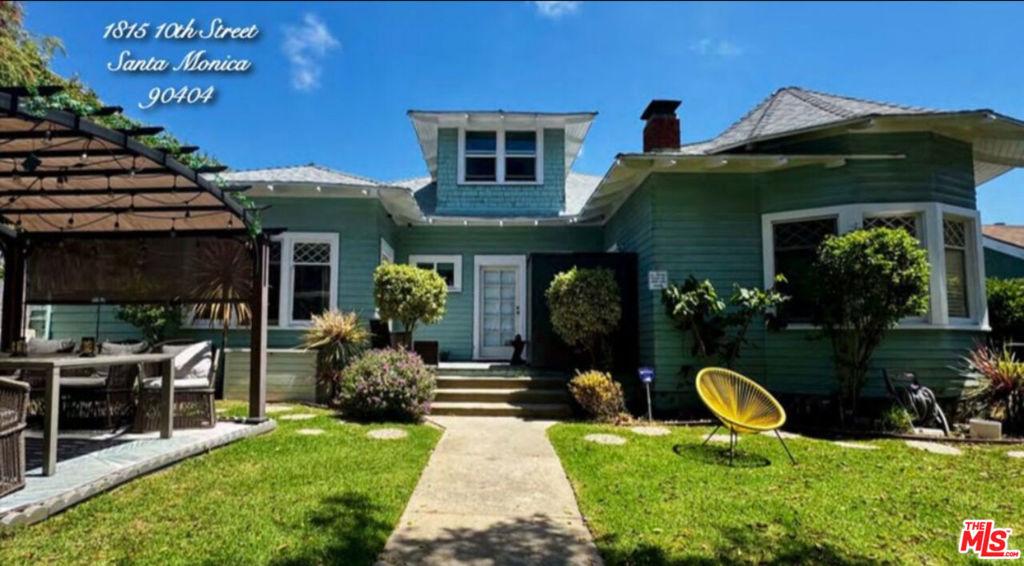
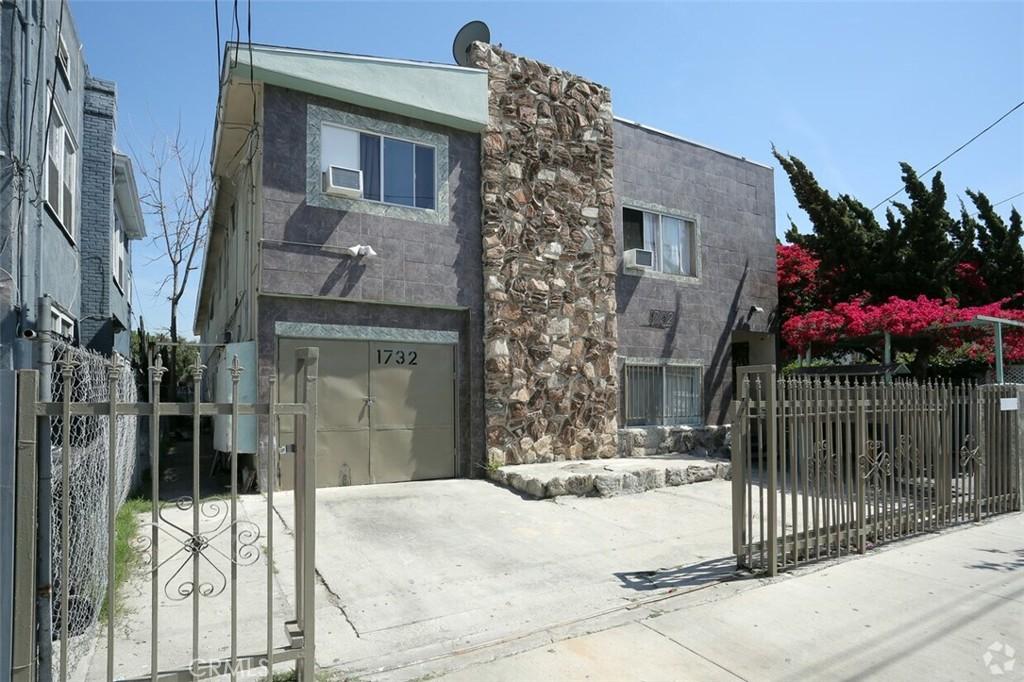
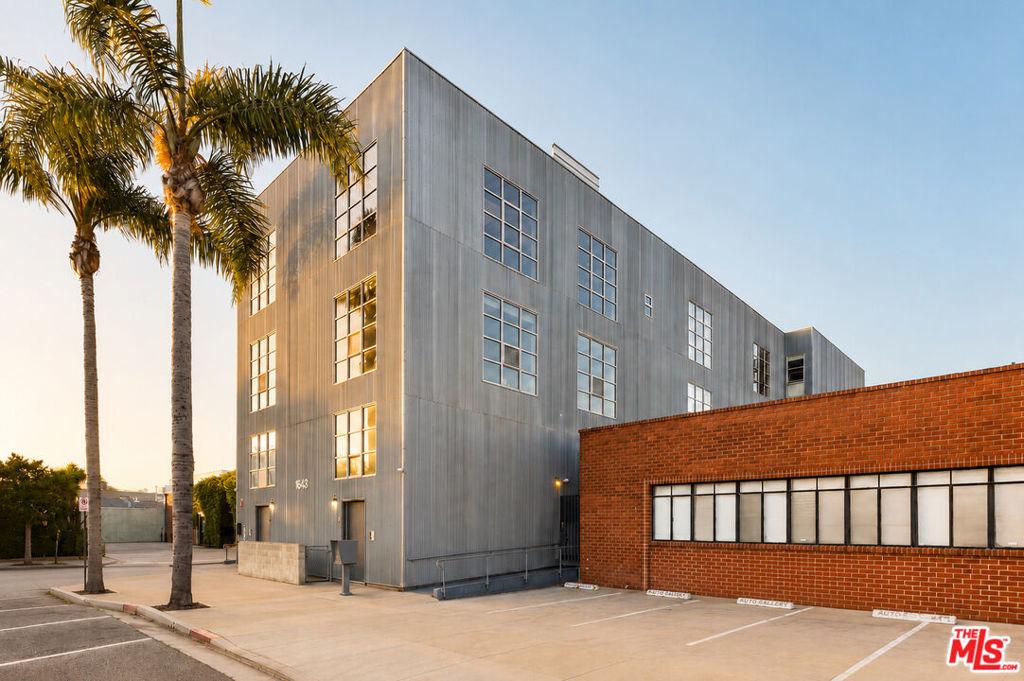
Pico District Homes for SaleListings

Pico Santa Monica Homes for Sale

Pico Santa Monica Homes for Sale carry a median list price of $1,199,444 across 30 tracked properties (CRMLS, September 2026). The median lot measures 7,494 sq ft, placing Pico District 7th of 8 Santa Monica sub-markets on land area. Listings move faster than the surrounding cohort, a median of 40 days on market against 75 across Santa Monica.

Pico District Homes for Sale in Santa Monica Homes for Sale

Community

The Pico District Lowdown: Where Dreams and Reality Collide

But let’s cut the Hollywood fluff and get real for a second. The Pico District isn’t just about aesthetics and good character (though it has those in spades). It’s a neighborhood that’s seen its fair share of ups and downs, and now it’s riding a wave of revitalization that’s turning heads across Los Angeles.

Location, Location, Location (and Then Some)

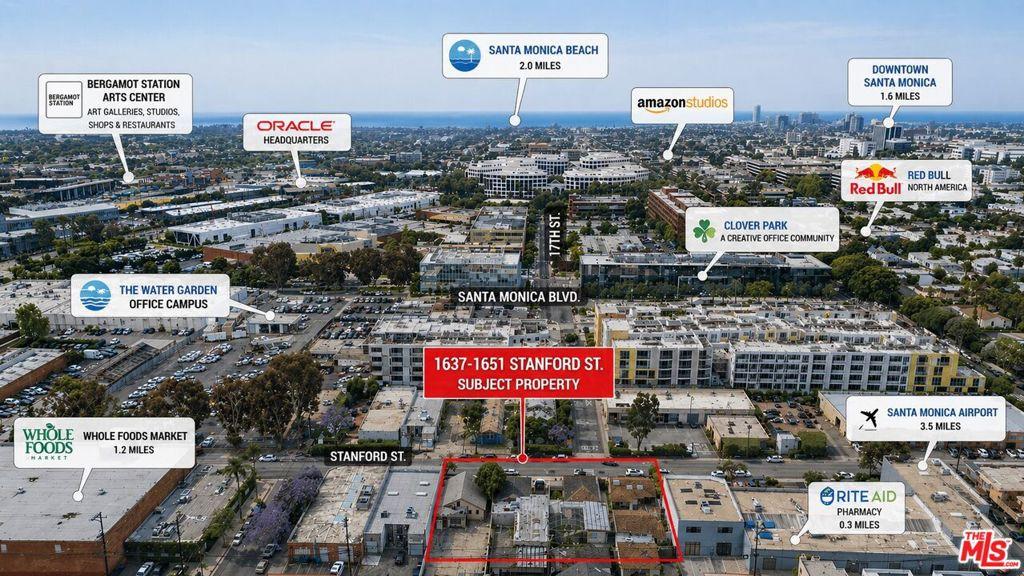
You’ve heard the real estate mantra, but in the Pico District, it takes on a whole new meaning. Situated between the glitz of Santa Monica and the urban grit of Downtown LA. This neighborhood is the Goldilocks zone of SoCal living. Close enough to the beach to smell the sea air. Yet far enough from the tourist traps to maintain its local charm.

But and something the glossy brochures won’t tell you: The Pico District is a neighborhood in transition. That trendy cafe you’re sitting in? Five years ago, it was a run-down laundromat. The sleek coworking space down the street? Once a forgotten warehouse. This isn’t just gentrification; it’s a community-driven renaissance that’s breathing new life into every corner.

The Pico District’s Unique Charm

What sets the Pico District apart from other Santa Monica neighborhoods? It’s a blend of factors:

  1. Diversity: The area has a rich tapestry of cultures, reflected in its eclectic mix of businesses and residents.
  2. Culinary Scene: From hole-in-the-wall taco joints to upscale fusion restaurants, the food scene is a microcosm of LA’s culinary diversity.
  3. Arts and Culture: With numerous galleries and performance spaces, the Pico District is becoming a hub for Santa Monica’s creative community.
  4. Green Spaces: Despite its urban setting, the neighborhood is dotted with parks and community gardens, offering pockets of tranquility.
  5. Accessibility: The upcoming Metro extension promises to make the Pico District even more connected to the rest of Los Angeles.

Historical Context

To truly appreciate the Pico District’s current renaissance. It’s essential to understand its history. Originally developed in the early 20th century, the area has undergone several transformations:

  • 1920s-1940s: The Pico District emerged as a middle-class residential area, with many of its iconic bungalows dating from this period.
  • 1950s-1960s: The neighborhood saw an influx of diverse communities, contributing to its multicultural character.
  • 1970s-1990s: Like many urban areas, the Pico District faced challenges during these decades, including economic downturns and urban decay.
  • 2000s-Present: A wave of revitalization has swept through the area, bringing new businesses, improved infrastructure, and renewed community spirit.

This historical context isn’t just trivia; it’s key to understanding the neighborhood’s character and potential for future growth.

Area Details

Hidden Gems and Upcoming Hotspots: Your Insider’s Guide

Let’s get real for a second. You’re not just buying a house; you’re buying into a lifestyle. And in the Pico District, that lifestyle is all about being in the know. So, let me spill some tea that your average realtor won’t tell you.

Off-Market Opportunities

Remember that unassuming corner lot with the For Sale sign that’s been there for months? Well, word on the street is that it’s zoned for mixed-use development. Imagine snagging that property now, before the hipster coffee roasters and artisanal soap makers discover it. You could be sitting on a gold mine, my friend.

Emerging Neighborhoods

And let’s talk about the north end of the district. It might not look like much now, but there’s a whisper campaign among urban planners about a potential green space project. We’re talking community gardens, bike paths, the works. Buy now, and you could be telling your friends, Oh yeah, I knew about that before they even broke ground.

Transit-Oriented Development

But here’s the real insider tip: Keep your eyes on the properties near the upcoming Metro extension. Yes. It’s a few years out, but savvy investors are already making moves. Imagine being able to zip downtown without battling LA traffic. That’s not just convenience; that’s a lifestyle revolution.

Case Study

To illustrate the potential of these hidden gems, let’s look at a real-life example. Ocean Park Boulevard, which runs through the Pico District, has undergone a significant transformation in recent years. Here’s a breakdown of its evolution:

  1. 2015: Ocean Park Boulevard was primarily residential with a few scattered businesses.
  2. 2018: The city initiated a streetscape improvement project, adding bike lanes and pedestrian-friendly features.
  3. 2020: New businesses began to open, attracted by the improved infrastructure.
  4. 2022: Property values along Ocean Park Boulevard increased by 15% compared to the district average.
  5. 2024: The area is now a active corridor with a mix of residential and commercial properties.

This case study demonstrates how infrastructure improvements and smart urban planning can dramatically impact property values and neighborhood desirability.

Upcoming Developments to Watch

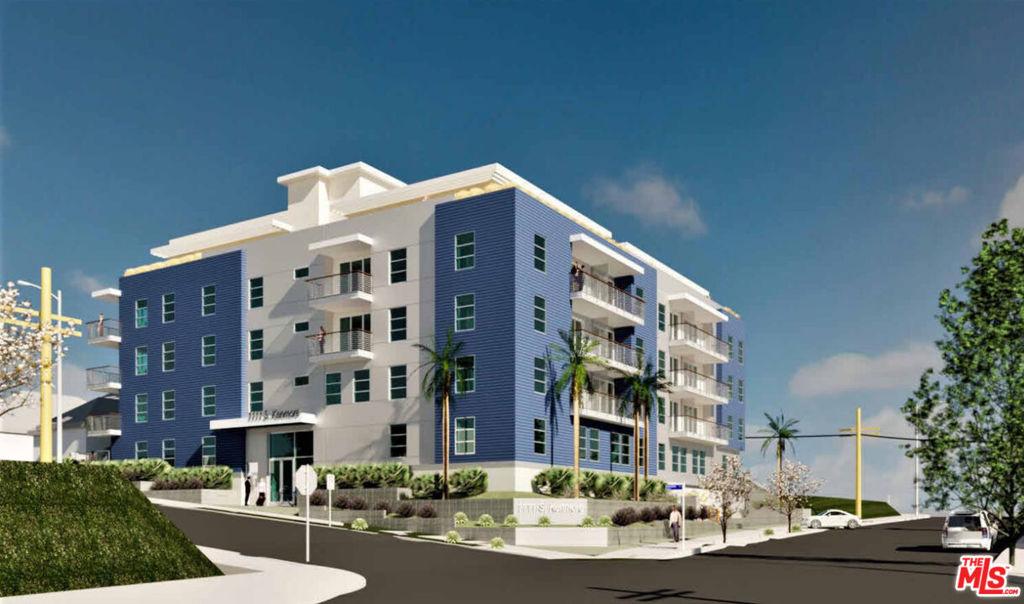
  1. The Pico Promenade Project: A proposed multi-use development that would create a pedestrian-friendly shopping and dining district.
  2. Santa Monica College Expansion: Plans for new facilities could bring increased demand for housing in the surrounding area.
  3. Tech Incubator Hub: Rumors of a major tech company establishing an incubator space could attract a wave of young professionals to the area.

Expert Opinion on Emerging Hotspots

The Pico District is on the cusp of a major transformation. Areas that might seem unremarkable today could be the next big thing in a few years. I’m particularly excited about the potential for transit-oriented development near the future Metro stations. These areas could see significant appreciation as the project nears completion.

Strategies for Identifying Hidden Gems

  1. Follow the Artists: Areas where artists are setting up studios often precede broader neighborhood revitalization.
  2. Monitor Zoning Changes: Keep an eye on city council meetings for discussions about zoning changes that could impact property values.
  3. Track Building Permits: An increase in renovation permits in a specific area can signal upcoming neighborhood improvements.
  4. Network with Local Business Owners: They often have their ear to the ground about upcoming developments.

The Risk and Reward of Emerging Areas

While the potential for appreciation in these hidden gem areas is significant. It’s important to acknowledge the risks:

  1. Longer Investment Horizon: It may take several years for an area to fully develop.
  2. Uncertainty: Not all planned developments come to fruition.
  3. Neighborhood Dynamics: Rapid changes can sometimes lead to community tension.

However, for those willing to take a calculated risk, these emerging areas offer the potential for substantial returns and the opportunity to be part of shaping a neighborhood’s future.

By keeping these insider tips in mind and staying ahead of the curve, you position yourself to not just find a home, but to make a savvy investment in the Pico District’s future. Remember, in real estate, timing and information are everything. Stay curious, stay informed, and you might just find yourself at the forefront of the next big thing in Pico District real estate.

Market Trends

What is the Pico District market like right now?

Pico District is tracked as a distinct sub-market of Santa Monica, and its figures diverge from the parent average. The measurements below come from CRMLS listing data as of September 2026.

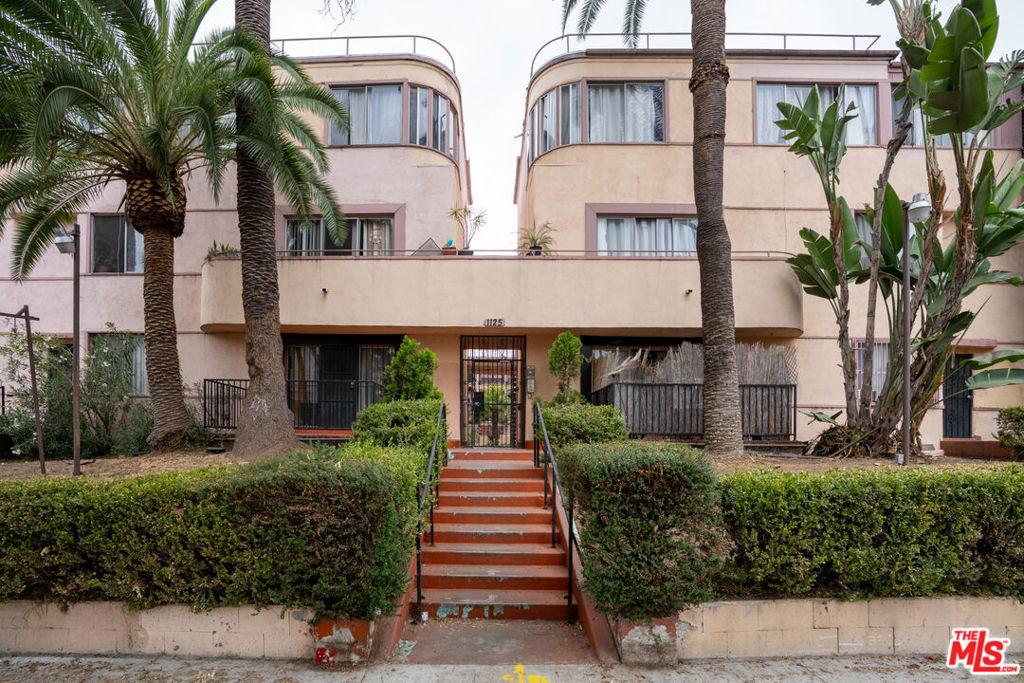
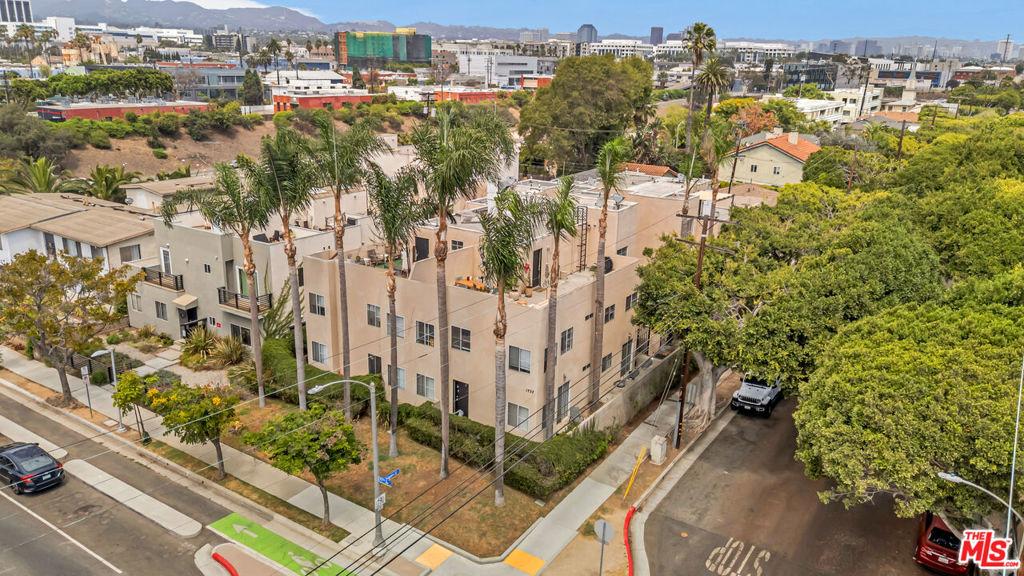
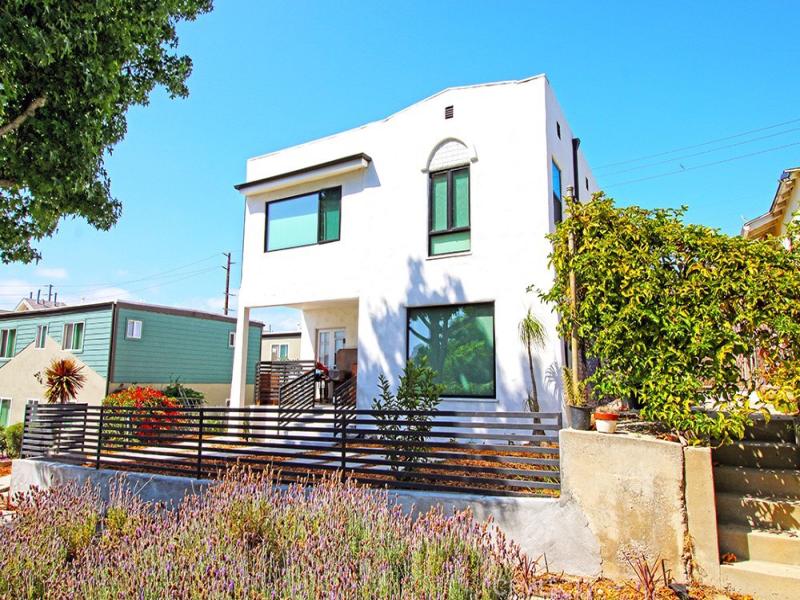
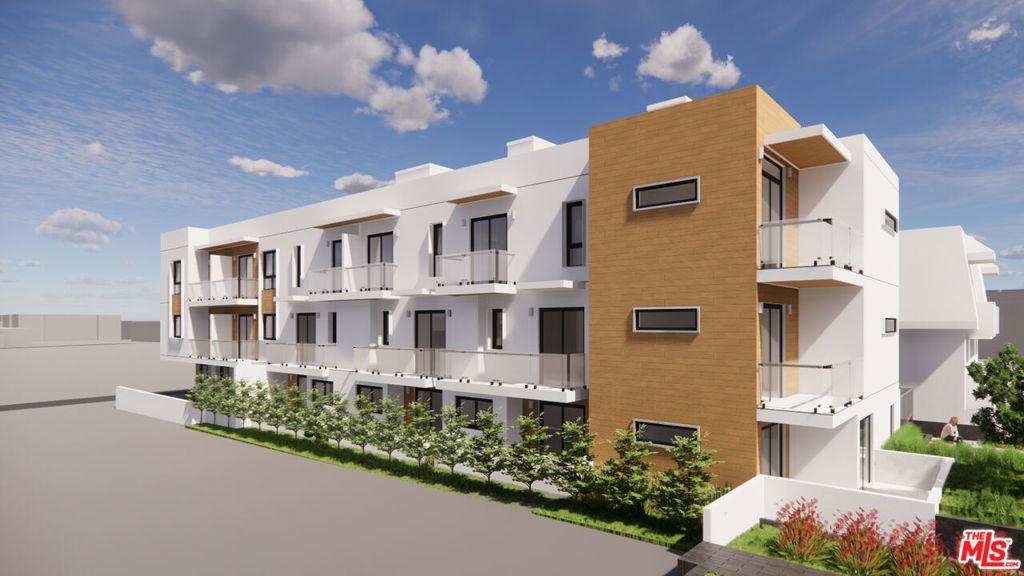
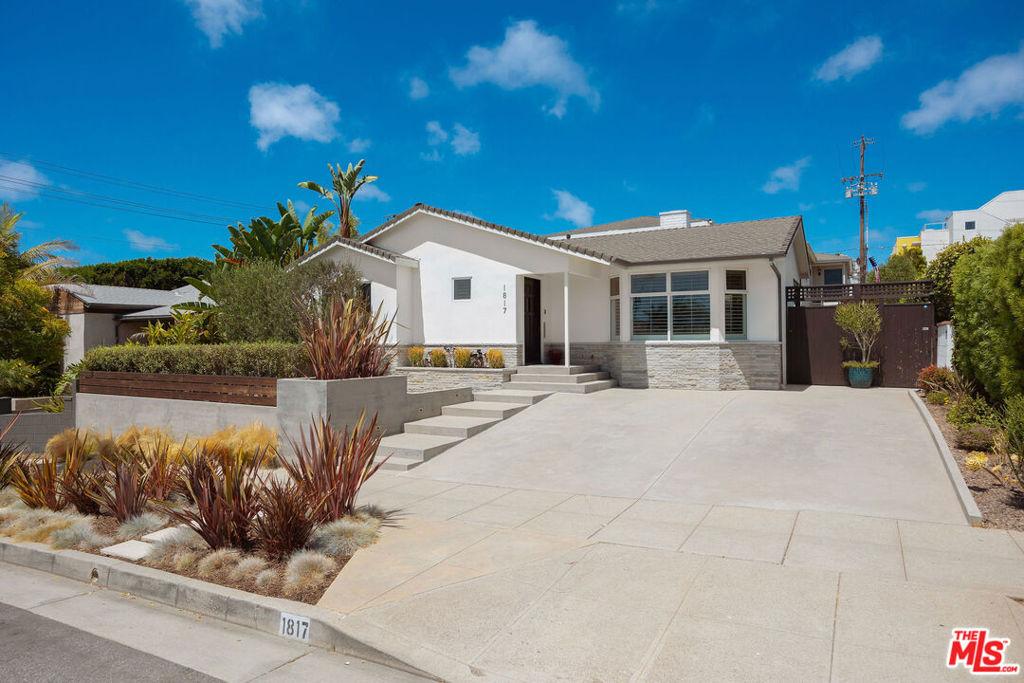
  • Median list price across 30 tracked Pico District properties: $1,199,444.
  • Median lot size in Pico District: 7,494 sq ft.
  • Median living area in Pico District: 1,383 sq ft.
  • Median days on market in Pico District: 40.
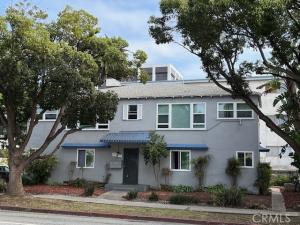
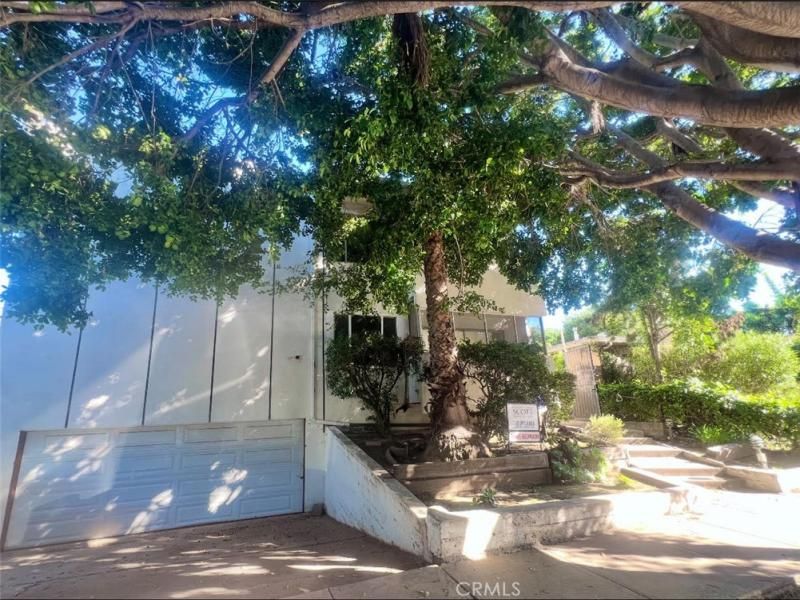
  • Housing stock in Pico District was built between 1928 and 2026, with a median year of 1976.
  • City Lights views are the most common outlook in Pico District, recorded on 17% of tracked properties.
  • Typical Pico District home height: 2 stories.

How does Pico District compare with nearby Santa Monica neighborhoods?

Median lot size separates Santa Monica sub-markets more sharply than price does. Pico District ranks 7th of the 8 comparable sub-markets tracked here.

  • Sea Colony II: median lot 134,148 sq ft.
  • Sea Colony III: median lot 134,148 sq ft.
  • Sea Colony I: median lot 134,148 sq ft.
  • Ocean Towers: median lot 57,750 sq ft, median list price $847,000.
  • The Waverly: median lot 40,870 sq ft, median list price $1,774,500.
  • Wilshire Montana: median lot 7,528 sq ft, median list price $1,382,000.
  • Pico District: median lot 7,494 sq ft, median list price $1,199,444.
  • Ocean Park: median lot 7,075 sq ft, median list price $1,862,500.

FAQs

FAQs: Because You Know You Want to Ask

What’s the average home price in the Pico District?

As of September 2024, the median sale price in the Pico area was $1.7 million. But don’t let that number scare you off, there’s a range of properties available at various price points. Here’s a breakdown:

  • Condos: Median price of $850,000
  • Single-family homes: Median price of $2.1 million
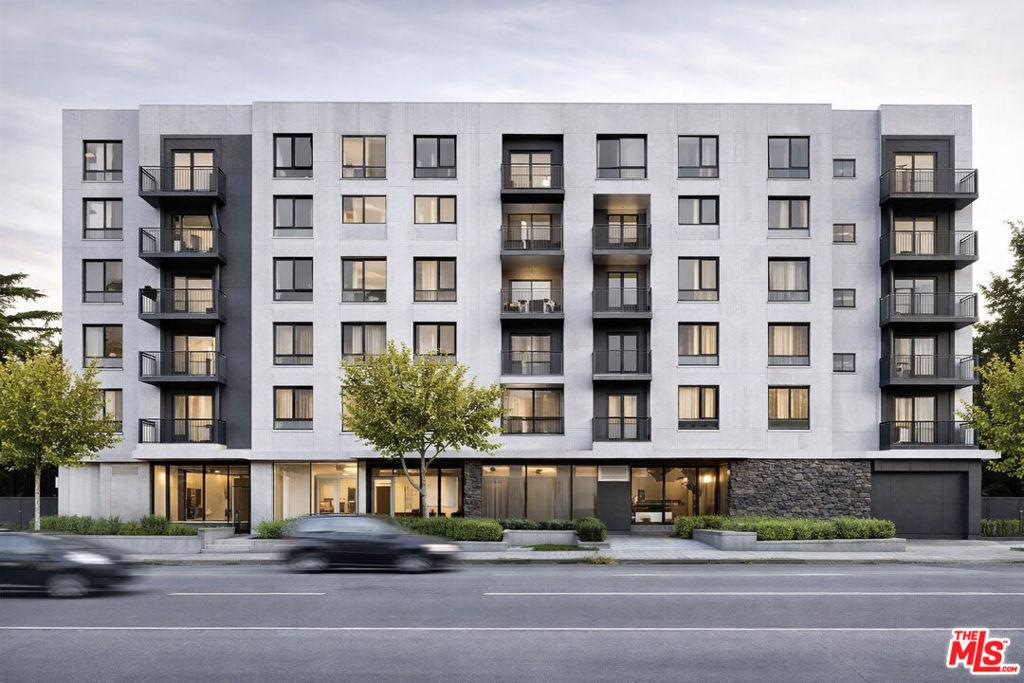
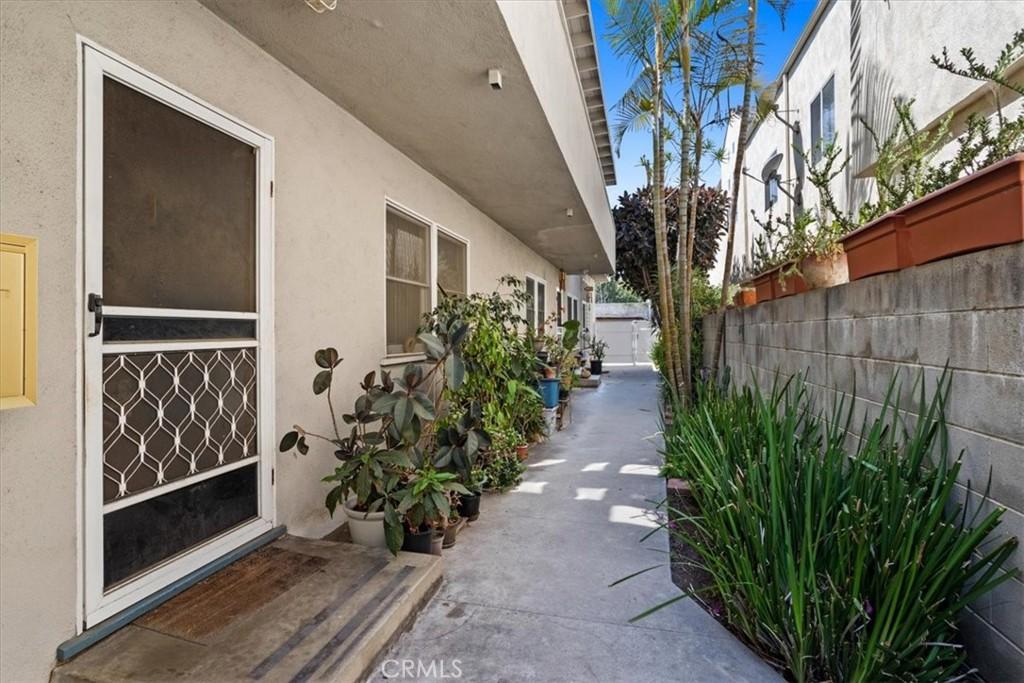
  • Multi-unit properties: Median price of $2.5 million

It’s worth noting that prices can vary significantly based on location within the district, property condition, and specific features.

How competitive is the Pico District real estate market?

It’s competitive, but not cutthroat. Homes are selling for about 2% below list price and spending an average of 46 days on the market. This means there’s room for negotiation, but you’ll still need to bring your A-game.

Key statistics:, Average number of offers per property: 3 – Percentage of homes sold above list price: 35%, Percentage of homes with price drops: 20%

Remember, these are averages. Highly desirable properties or those in prime locations may see much more intense competition.

What amenities are available in the Pico District community?

Where do I start? From trendy cafes and restaurants to boutique fitness studios and art galleries, the Pico District has it all. Plus, you’re just a stone’s throw from the beach and some of the best shopping in LA. Here’s a quick rundown:

  1. Dining: Over 50 restaurants ranging from casual cafes to upscale dining experiences.
  2. Fitness: Multiple yoga studios, CrossFit boxes, and boutique gyms.
  3. Culture: Several art galleries, a community theater, and regular street fairs.
  4. Education: Proximity to Santa Monica College and several highly-rated public and private schools.
  5. Outdoor Recreation: Multiple parks, including Virginia Avenue Park with its farmers market and community events.
  6. Shopping: A mix of local boutiques and national retailers along Main Street and Santa Monica Boulevard.

Is the Pico District family-friendly?

Absolutely! With its mix of single-family homes, excellent schools, and community-focused events, the Pico District is becoming increasingly popular with families. Here are some family-friendly highlights:

  • Schools: The district is served by the Santa Monica-Malibu Unified School District, known for its high-quality education.
  • Parks: Virginia Avenue Park and Clover Park offer playgrounds, sports facilities, and community programs.
  • Community Events: Regular family-oriented events like the Pico Festival and summer movie nights in the park.
  • Safety: The area has seen a 15% decrease in crime rates over the past five years, according to local police data.

What’s the public transportation situation like?

It’s getting better all the time. With the upcoming Metro extension and existing bus lines, getting around without a car is becoming more viable. Plus, the neighborhood’s walkability score is improving year over year. Here’s a breakdown:

  • Metro: The upcoming Expo Line extension will include stops in the Pico District, connecting it directly to downtown LA.
  • Bus: Multiple Big Blue Bus routes serve the area, connecting to other parts of Santa Monica and West LA.
  • Bike-Friendly: The district has seen an increase in dedicated bike lanes and bike-sharing programs.
  • Walkability: The current Walk Score for the Pico District is 78 out of 100, classified as Very Walkable.

Are there any upcoming developments I should know about?

Always! From potential new green spaces to mixed-use developments, the Pico District is constantly evolving. Your best bet is to work with a local agent who has their ear to the ground for the latest updates. However, here are a few notable projects in the pipeline:

  1. Pico Boulevard Revitalization: A city-led initiative to improve streetscaping and pedestrian access along Pico Boulevard.
  2. The Hub: A proposed mixed-use development featuring residential units, office space, and ground-floor retail.
  3. Green Corridor Project: Plans to create a series of connected green spaces and pedestrian pathways throughout the district.
  4. Santa Monica College Expansion: Potential new facilities and student housing projects that could impact the surrounding area.

What’s the rental market like in the Pico District?

The rental market in the Pico District is robust, with a mix of long-term rentals and some short-term vacation rentals. Here’s a snapshot:

  • Average monthly rent for a 1-bedroom apartment: $2,500
  • Average monthly rent for a 2-bedroom apartment: $3,500
  • Vacancy rate: 3.5%
  • Year-over-year rent increase: 4%

Keep in mind that Santa Monica has strict rent control laws that apply to many properties in the Pico District, which can affect both landlords and tenants.

How do property taxes in the Pico District compare to other areas?

Property taxes in Santa Monica, including the Pico District, are generally in line with the rest of Los Angeles County. The base property tax rate is 1% of the assessed value, with additional local assessments that can bring the total to around 1.2% to 1.3%. However. It’s important to note that:

  • Newly purchased properties are assessed at their purchase price
  • Properties owned for many years may have significantly lower assessed values due to Proposition 13 limitations on increases

<

>Q: What’s the demographic makeup of the Pico District?

  • Age: Median age is 38 years old
  • Education: 60% of residents have a bachelor’s degree or higher
  • Income: Median household income is $85,000
  • Ethnicity: A mix of Caucasian (45%), Hispanic (30%), Asian (15%), and African American (10%) residents

This diversity contributes to the cultural scene and eclectic mix of businesses in the area.

How does the Pico District handle parking and traffic?

Like much of Los Angeles, parking and traffic can be challenges in the Pico District. However, the city has implemented several measures to address these issues:

  • Residential permit parking in many areas to ensure residents have access to street parking
  • Increased investment in public transportation and bike infrastructure to reduce car dependence
  • Traffic calming measures on residential streets
  • Some new developments are required to include ample off-street parking

It’s worth noting that properties with dedicated parking often command a premium in the market.

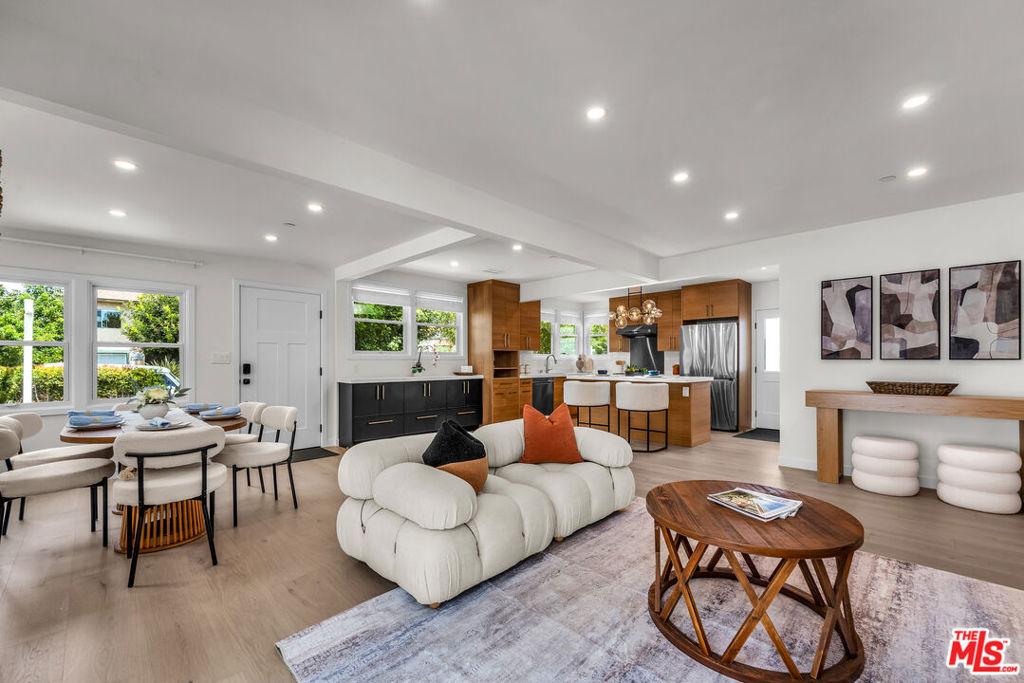
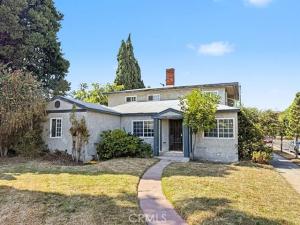
The real estate market here is as dynamic as the community itself, with properties that range from bungalows to sleek modern homes. And with median sale prices hitting $1.7 million in September 2024. It’s clear that the secret is out, but there’s still room for those in the know to make their mark.

What buyers ask about Pico District

These are the topics buyers most often search for when they reach this page, ordered by real search volume and answered from current Pico District listing and sales data (CRMLS, September 2026).

What should buyers know about Pico District?

The median list price across tracked Pico District properties is $1,199,444 (CRMLS, September 2026).

How much do homes in Pico District cost?

The median list price across tracked Pico District properties is $1,199,444 (CRMLS, September 2026).

How big are the lots in Pico District?

The median lot in Pico District measures 7,494 square feet. Median living area is 1,383 square feet.

When were homes in Pico District built?

Housing stock in Pico District was built between 1928 and 2026, with a median year of 1976.

What are the views like in Pico District?

City Lights views are the most common outlook in Pico District, recorded on 17% of tracked properties.

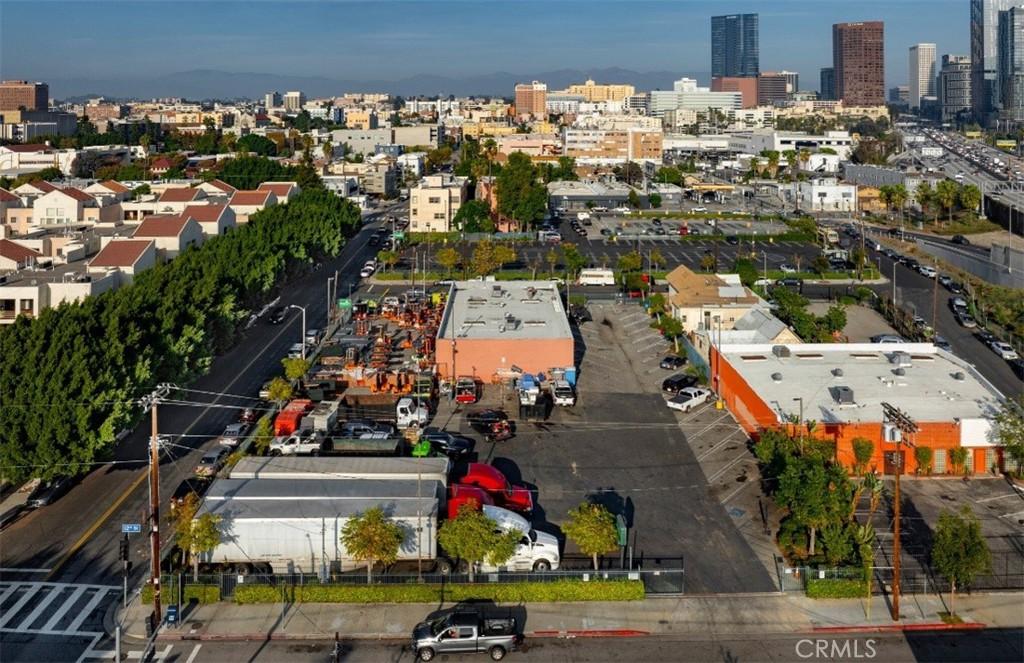
Hey, You ALMOST MISSED IT!

Lucky for you we’re looking out.

Subscribe to this Custom Search to be alerted when new properties hit the market in the area.

Choose the frequency that works for you.

get alerts

[showcaseidx_contact]