What is the Wilshire Montana market like right now?
Wilshire Montana is tracked as a distinct sub-market of Santa Monica, and its figures diverge from the parent average. The measurements below come from CRMLS listing data as of September 2026.
- Active listings: 56 in Wilshire Montana, priced at a median of $1,599,949 as of September 2026.
- Median asking price per square foot in Wilshire Montana: $969.
- Median list price across 68 tracked Wilshire Montana properties: $1,382,000.
- Median lot size in Wilshire Montana: 7,528 sq ft.
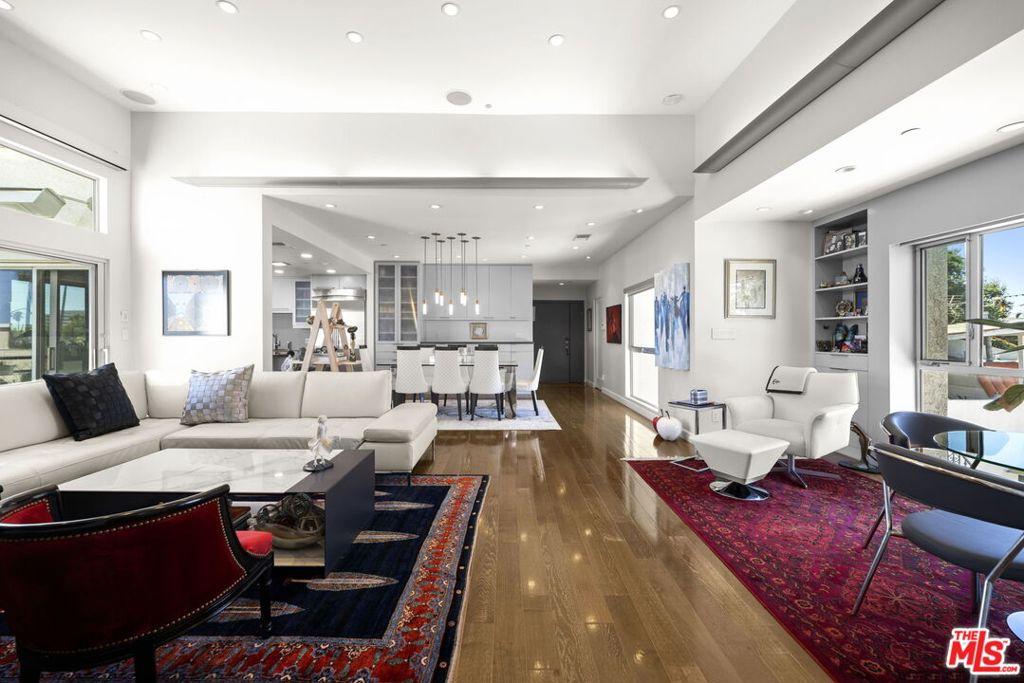
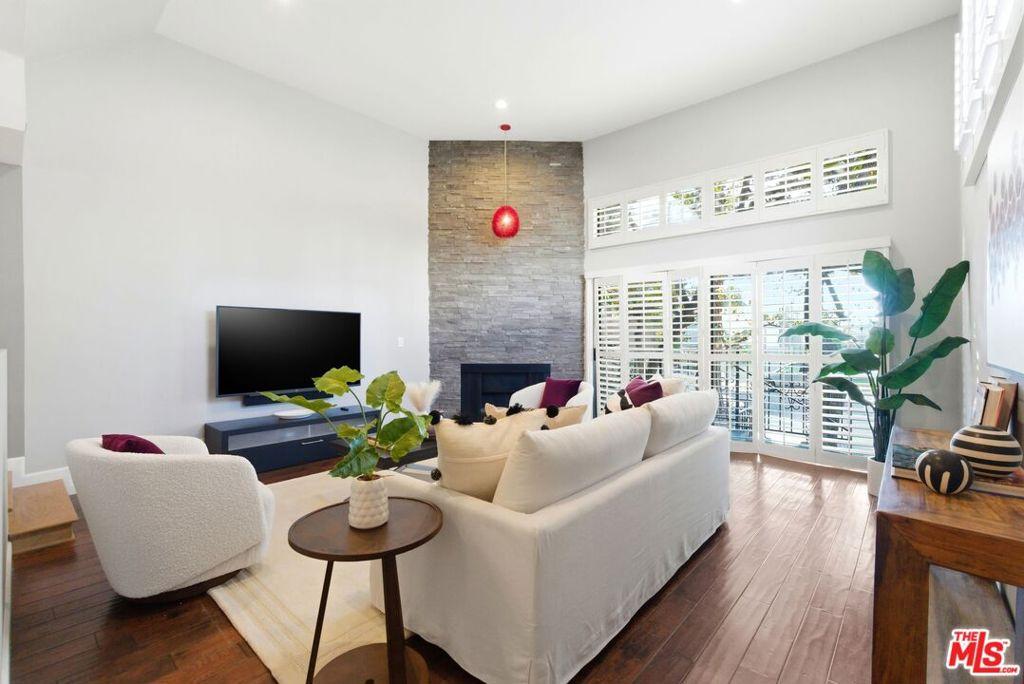
- Median living area in Wilshire Montana: 1,390 sq ft.
- Median days on market in Wilshire Montana: 60.
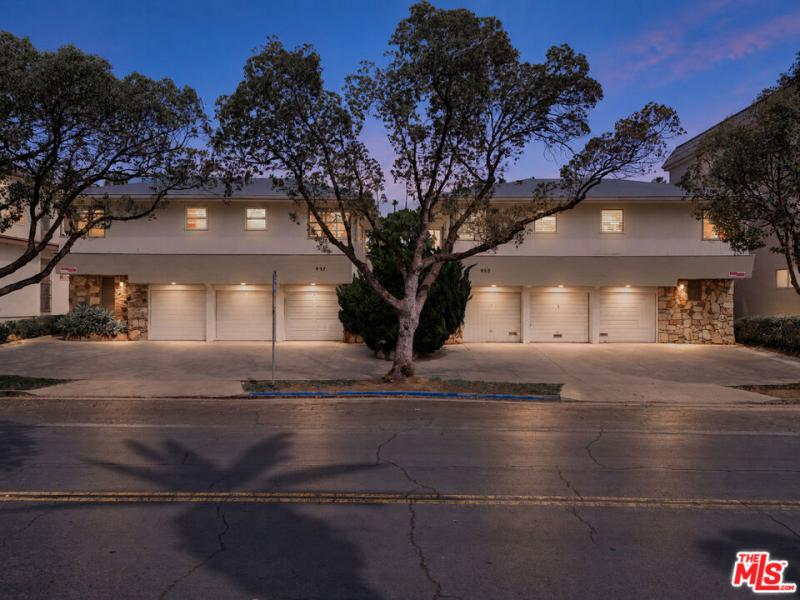
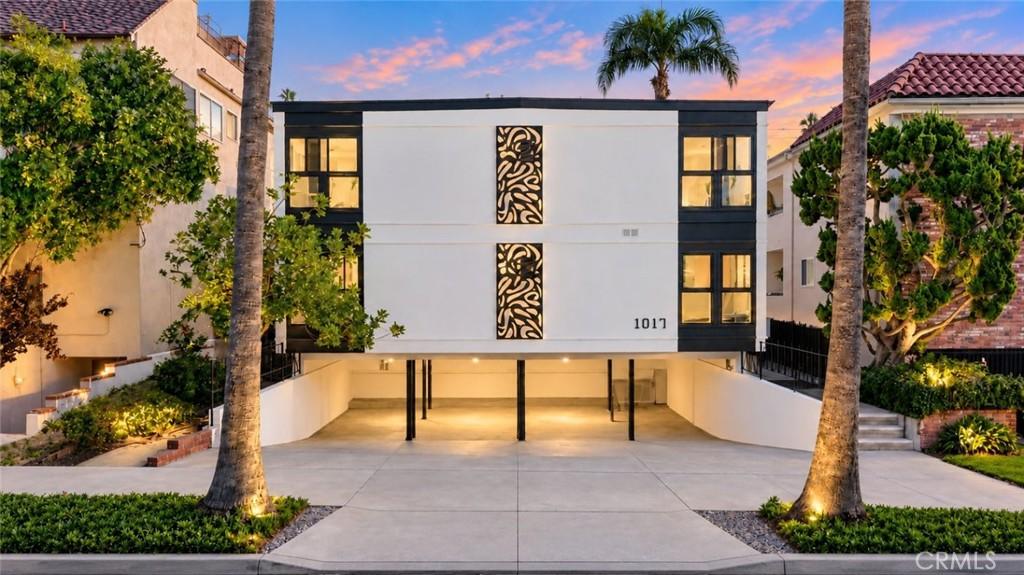
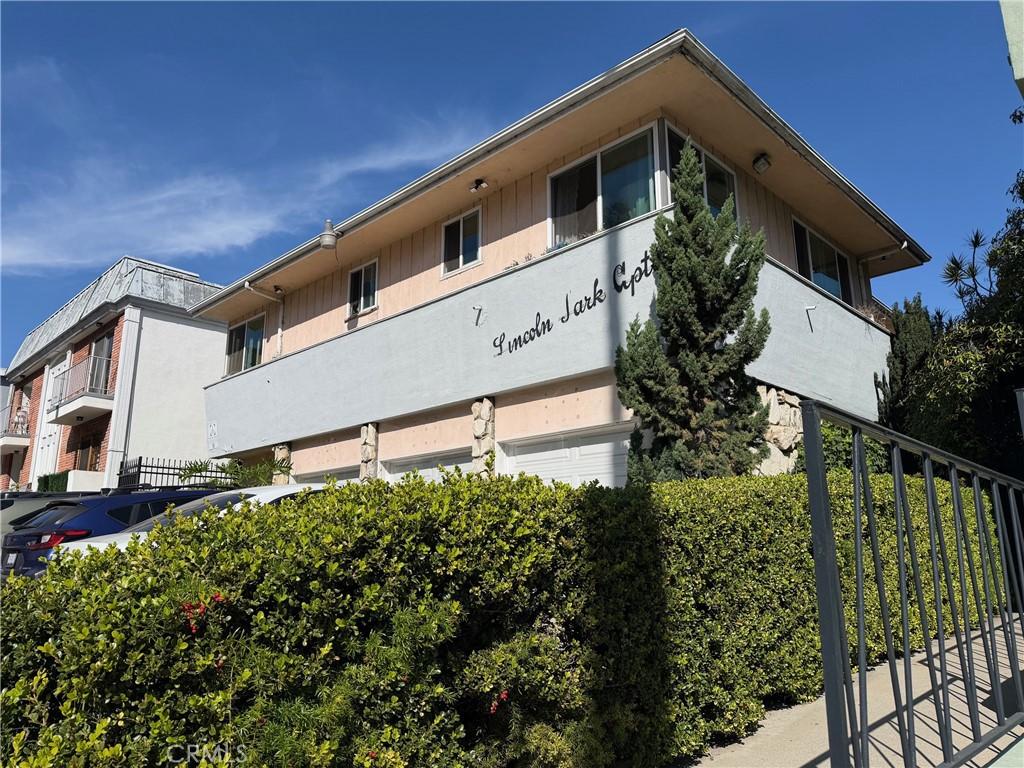
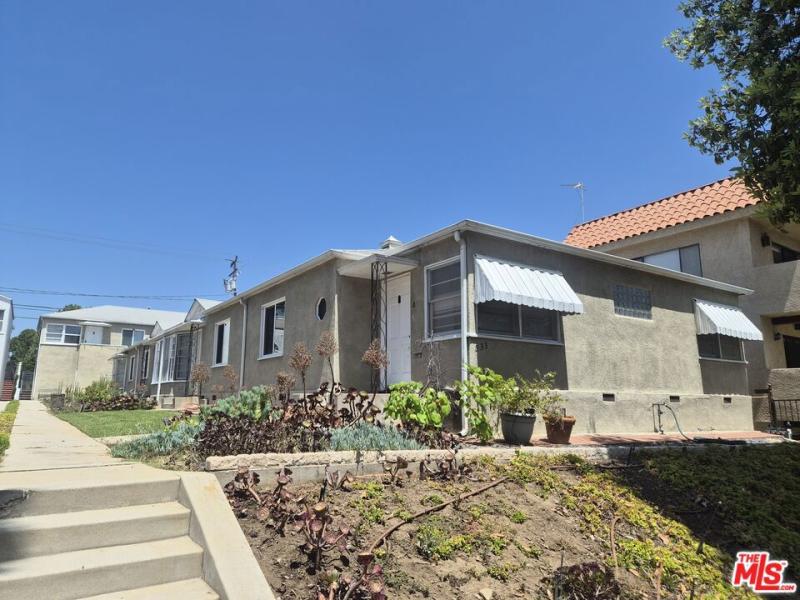
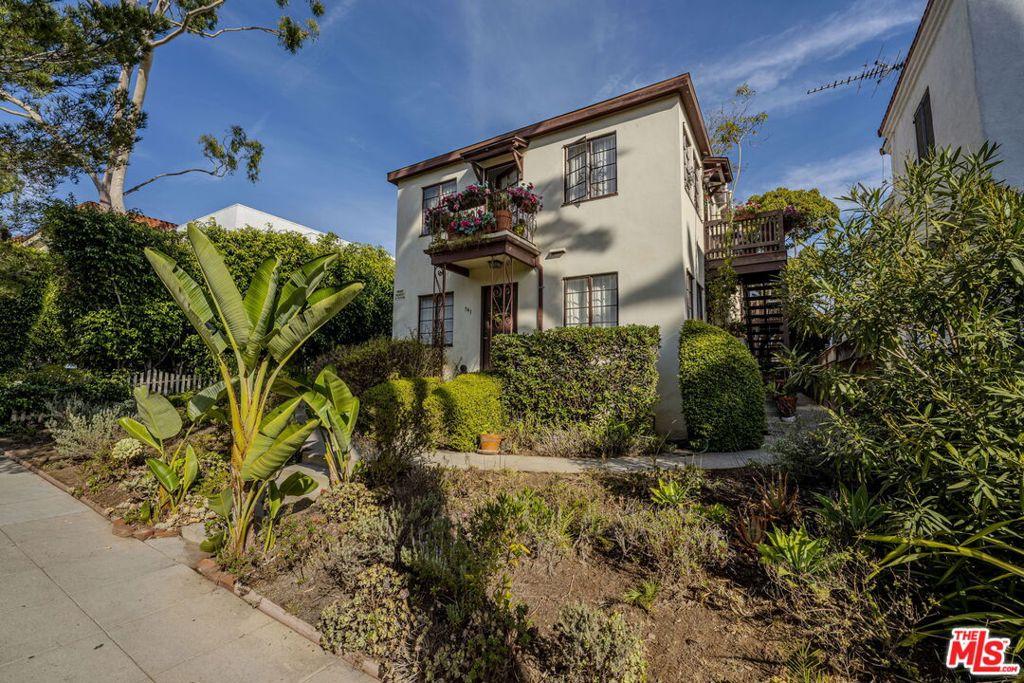
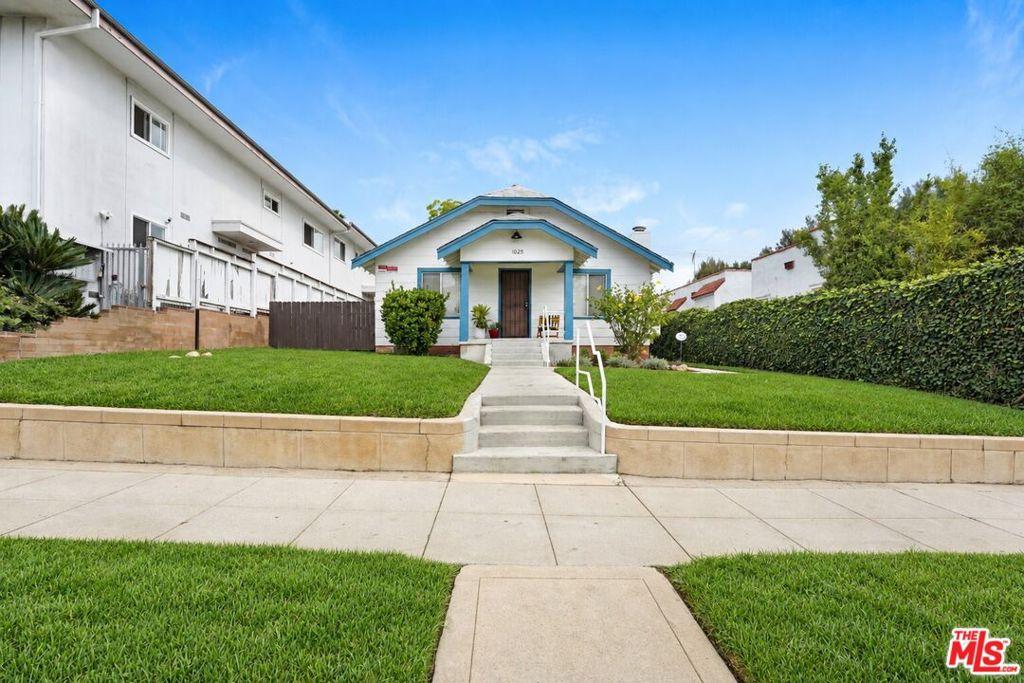
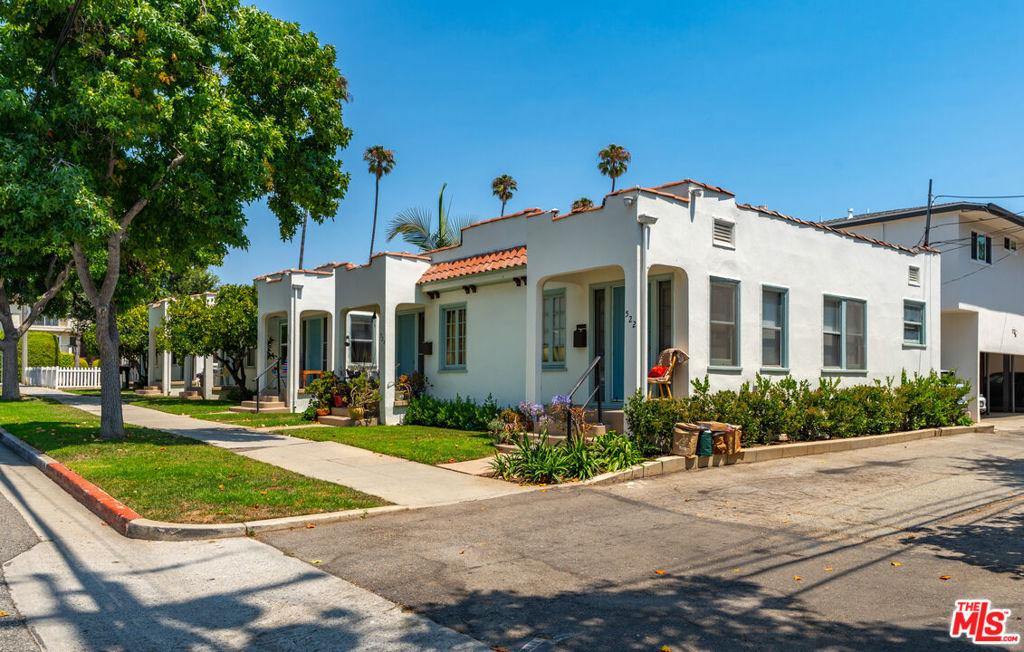
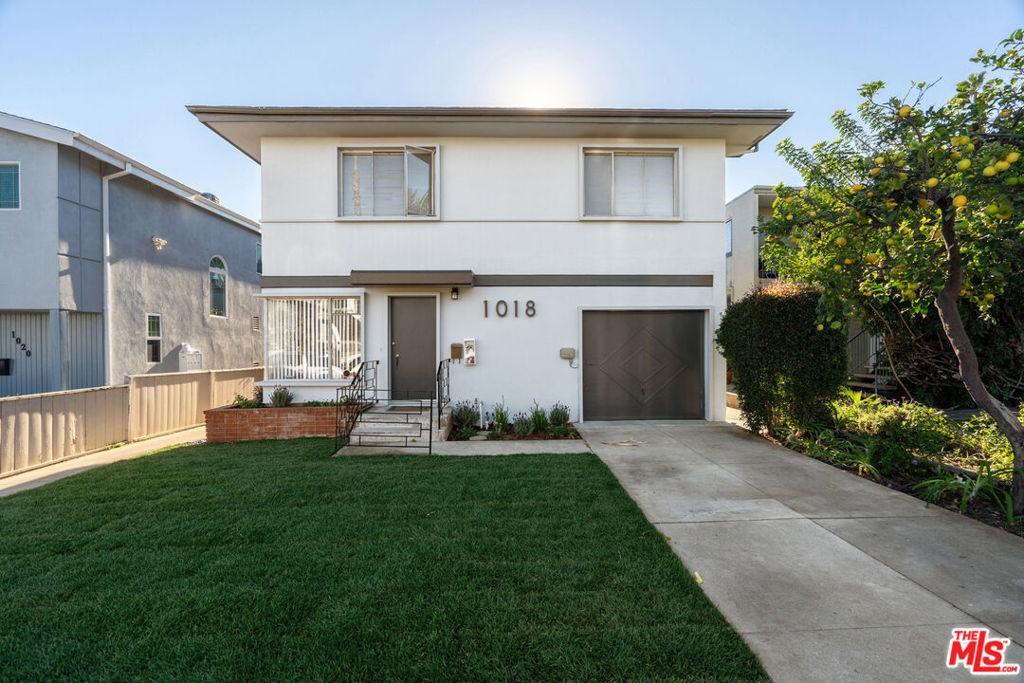
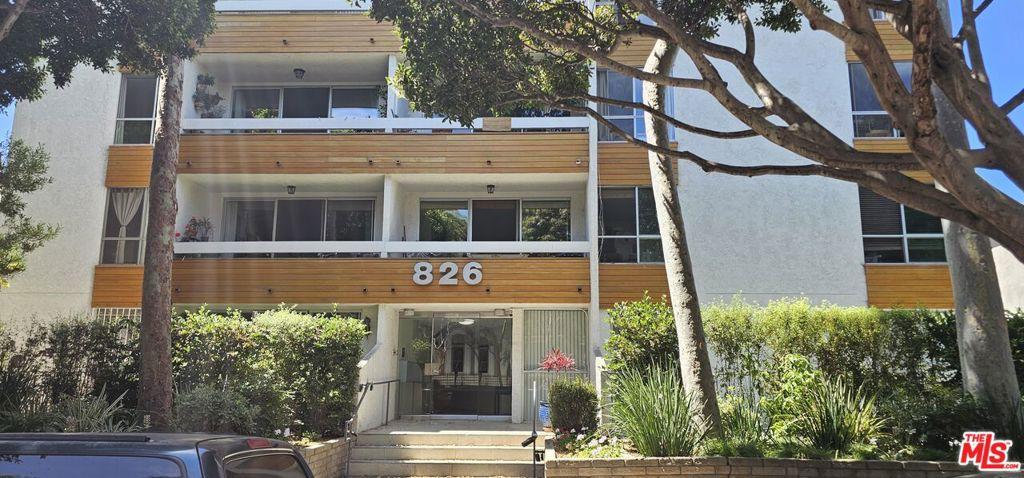
- Housing stock in Wilshire Montana was built between 1907 and 2013, with a median year of 1976.
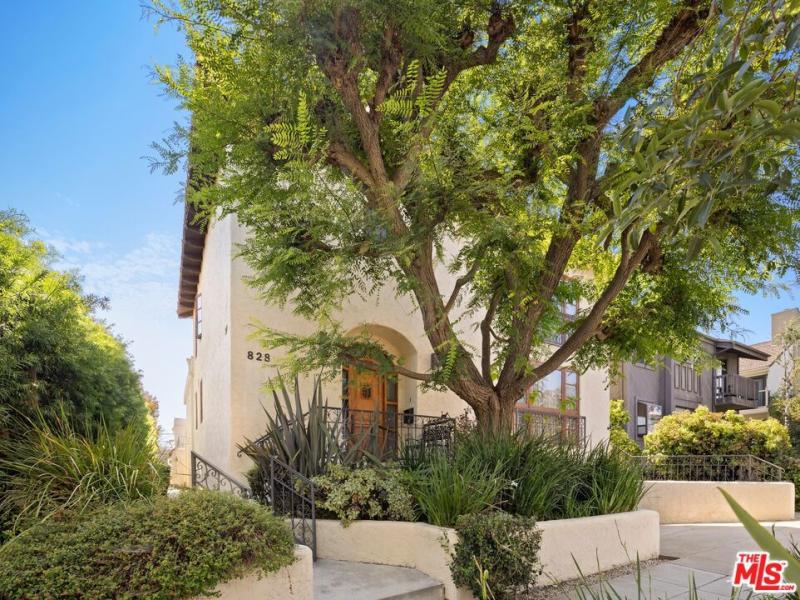
- Tree Top views are the most common outlook in Wilshire Montana, recorded on 22% of tracked properties.
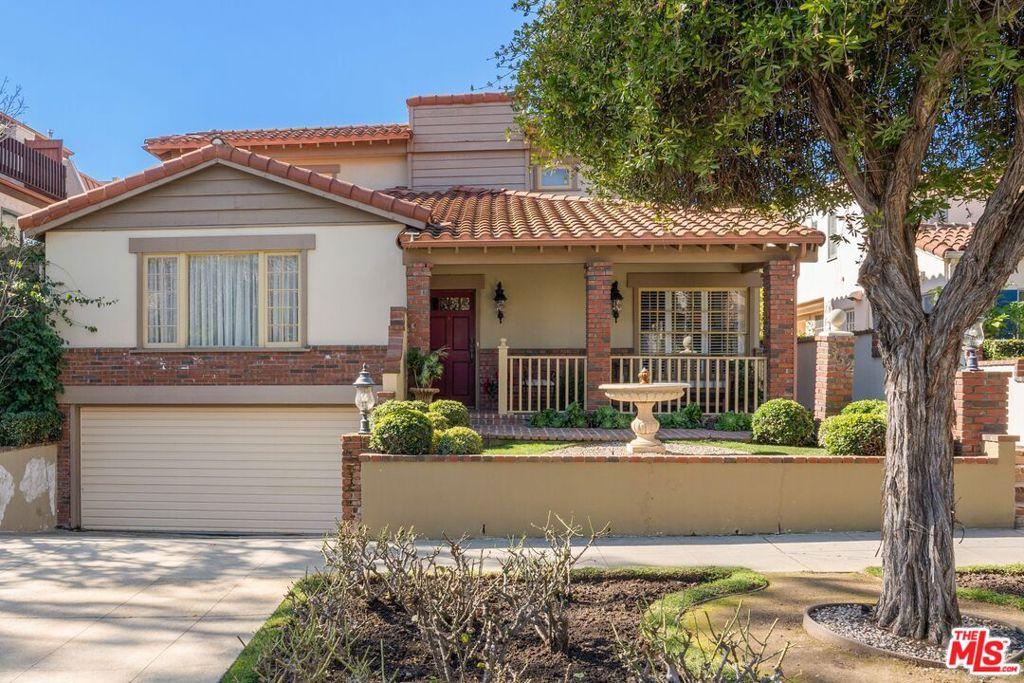
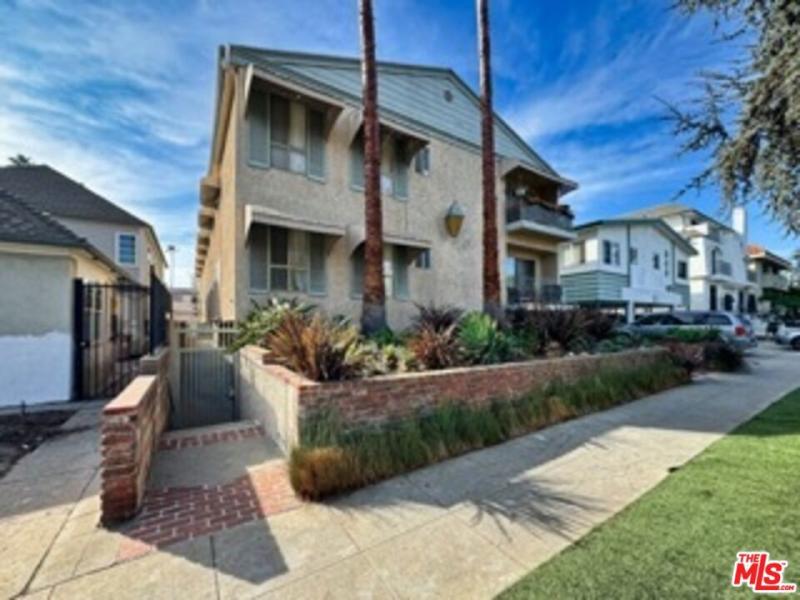
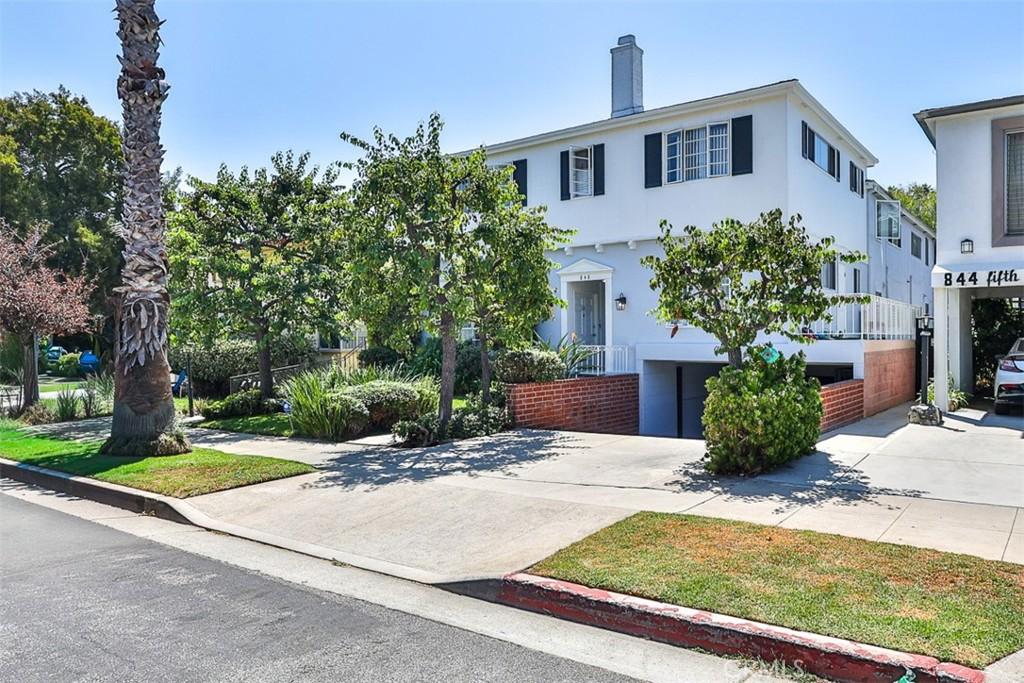
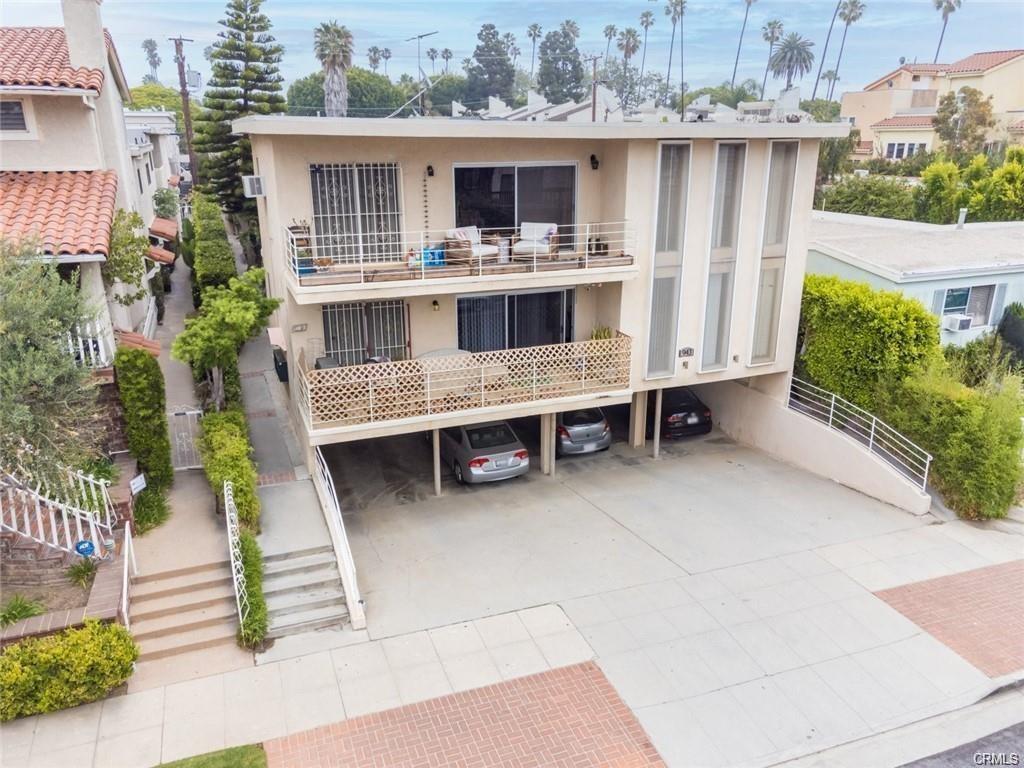
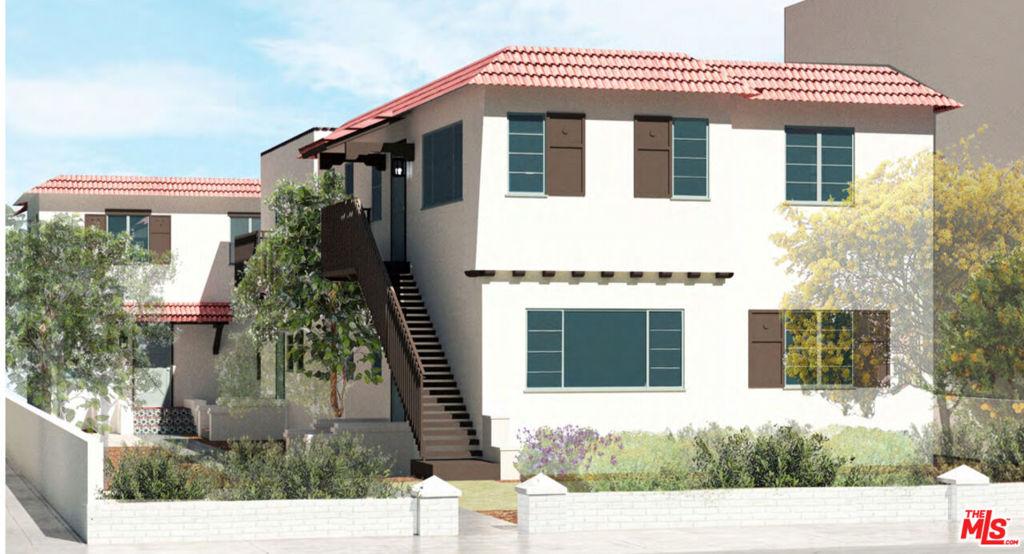
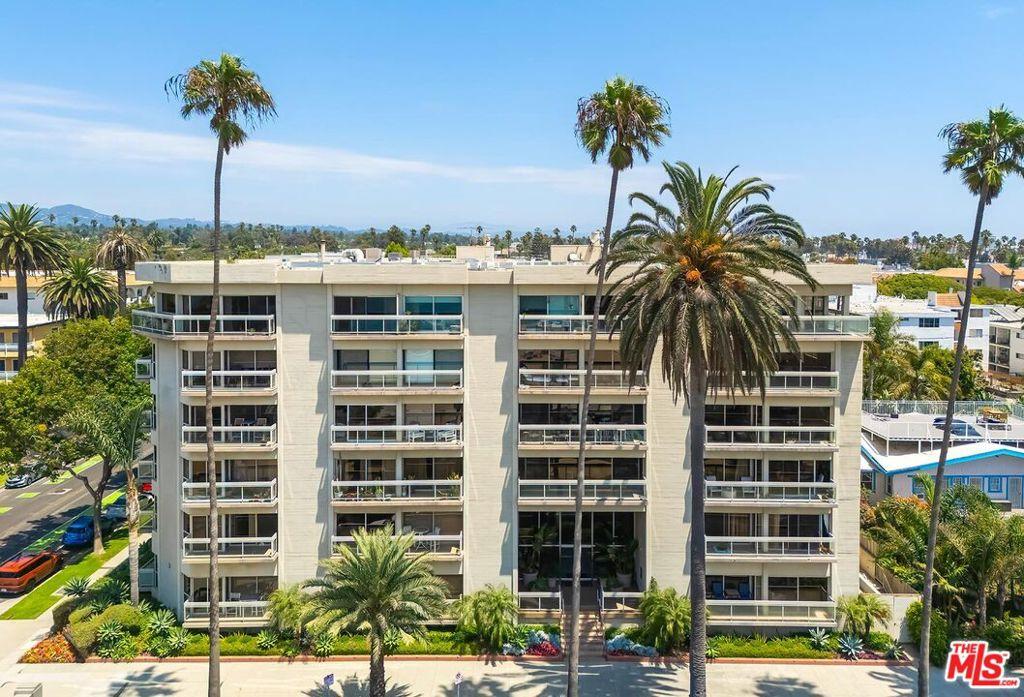
- Typical Wilshire Montana home height: 2 stories.
How does Wilshire Montana compare with nearby Santa Monica neighborhoods?
Median lot size separates Santa Monica sub-markets more sharply than price does. Wilshire Montana ranks 6th of the 8 comparable sub-markets tracked here.
- Sea Colony II: median lot 134,148 sq ft.
- Sea Colony III: median lot 134,148 sq ft.
- Sea Colony I: median lot 134,148 sq ft.
- Ocean Towers: median lot 57,750 sq ft, median list price $847,000.
- The Waverly: median lot 40,870 sq ft, median list price $1,774,500.
- Wilshire Montana: median lot 7,528 sq ft, median list price $1,382,000.
- Pico District: median lot 7,494 sq ft, median list price $1,199,444.
- Ocean Park: median lot 7,075 sq ft, median list price $1,862,500.
How much do homes in Wilshire Montana actually sell for?
Wilshire Montana trades close to asking price. Across 16 recorded sales, homes traded at a median of 99.5% of their original asking price after a median 18 days on market (CRMLS, September 2026). Asking prices are what sellers hope for; these are the numbers they accepted.
- Homes in Wilshire Montana sold for a median of 99.5% of their original asking price across 16 recorded sales.
- Median time on market in Wilshire Montana: 18 days.
- 25% of Wilshire Montana sellers reduced their price before selling.
- 25% of sales in Wilshire Montana closed above the original asking price.
- Median recorded sale price in Wilshire Montana: $1,772,000.
Where price resistance shows up in Santa Monica
Negotiating room is not evenly distributed across price. Measured across recorded sales in this dataset, the gap between asking and accepted widens sharply at the top of the market.
- Under $1M: sold at a median 98.7% of original ask after 20 days, with 33% of sellers reducing (1316 sales).
- $1M-$2M: sold at a median 99.3% of original ask after 19 days, with 28% of sellers reducing (1571 sales).
- $2M-$5M: sold at a median 98.9% of original ask after 22 days, with 20% of sellers reducing (752 sales).
- $5M and above: sold at a median 91.3% of original ask after 54 days, with 24% of sellers reducing (174 sales).
How is the Santa Monica Real Estate real estate market?
Santa Monica is one of the most sought-after residential addresses in Los Angeles — a city of approximately 90,000 residents on the Pacific Coast where the combination of beach access, the Third Street Promenade’s commercial vitality, Santa Monica College, top-rated Santa Monica-Malibu Unified schools, and the mild maritime climate that Pacific Ocean proximity provides creates a residential environment that consistently commands some of the highest prices in the Los Angeles metropolitan area. The 2026 median home price in Santa Monica ranges from approximately $2 million for smaller condominiums to $4 to $8 million or beyond for single-family homes in the most desirable neighborhoods north of Montana Avenue and near the Palisades. Santa Monica’s residential premium reflects both the genuine lifestyle quality that the city provides and the scarcity of Santa Monica addresses given the city’s fixed boundaries and high owner-occupancy rates.
Santa Monica’s residential geography spans approximately two miles from the Pacific Ocean to the eastern border at Lincoln Boulevard, with a north-south span from Montana Avenue (the northern residential limit) to the Santa Monica Airport and Venice borders in the south. Montana Avenue and Ocean Avenue command the highest residential premiums — single-family homes within walking distance of the Palisades Park, the beach, and the Montana commercial corridor consistently achieve the city’s strongest per-square-foot values. The downtown core around the Third Street Promenade and the Ocean Avenue condominiums serve a buyer demographic that specifically values the urban walkability and beachfront positioning that these central locations provide.
Santa Monica-Malibu Unified School District serves the city’s K-12 students, with Santa Monica High School (Samohi) as the primary high school campus. The district’s academic performance and the specific campus characteristics vary; Samohi is a large comprehensive high school with strong programs alongside the typical challenges of a 3,000-student campus. Many Santa Monica families supplement public school with private options or the district’s magnet and alternative programs. The school district premium that Santa Monica’s address commands is real and reflects the overall quality-of-life package that the city provides rather than a singular school quality argument.
Santa Monica Real Estate: Beachside Urban Living and the Third Street Promenade
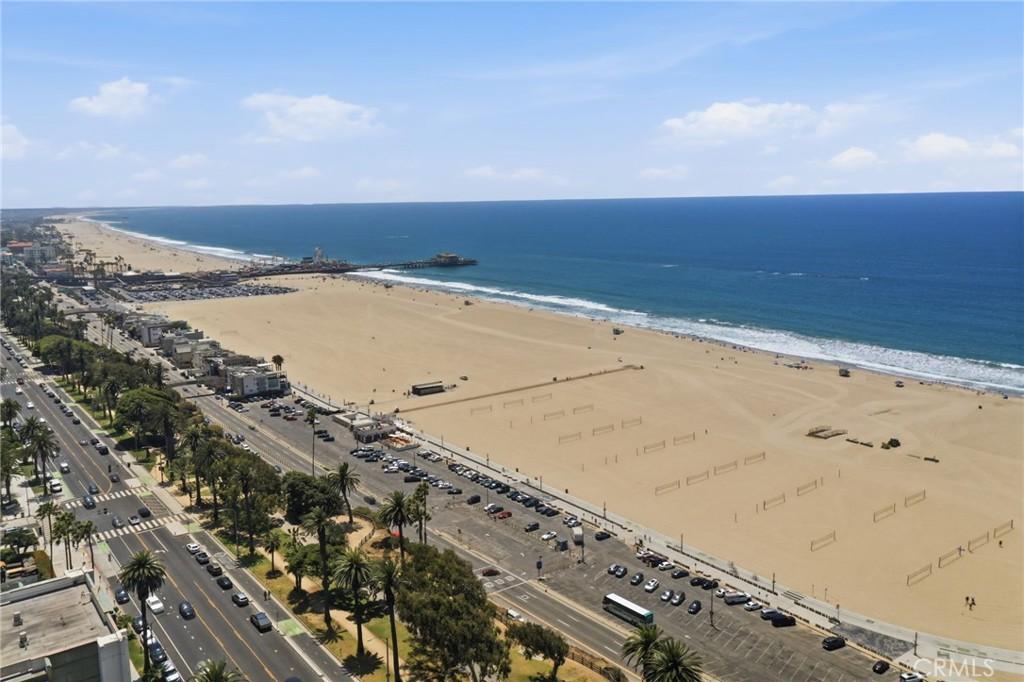
Santa Monica is the Los Angeles metropolitan area’s most complete beach city — the 8.3-square-mile independent municipality west of Los Angeles whose beachfront (3.5 miles of Pacific beach), the Third Street Promenade pedestrian commercial mall, the Montana Avenue boutique corridor, and the Silicon Beach tech employment cluster have created the most desirable and most expensive residential address on the LA coast outside Malibu’s private beach estates. Santa Monica’s residential identity reflects the convergence of the beach lifestyle and the urban amenity that few American cities can provide simultaneously: the ability to walk to the farmers market on the beach, the Expo Line light rail to UCLA or Downtown, and the tech-company offices of Google, Snap, and the dozens of Silicon Beach start-ups that have made Santa Monica the West Coast’s second tech hub. The city’s progressive municipal politics (rent control for pre-1979 buildings, a robust affordable housing program, the bike-lane and transit-first transportation policy) create the urban governance character that Santa Monica’s progressive residential demographic sustains through the political process.
Santa Monica’s residential market occupies the coastal premium tier of the Los Angeles market — the single-family homes north of Wilshire Boulevard (the more established residential neighborhoods) at $3M-$10M+, the Ocean Park and south-of-Pico single-family market at $2M-$5M, and the Wilshire Boulevard and Main Street corridor condo market at $1M-$3M. The Santa Monica-Malibu Unified School District (SMMUSD) serves the city’s K-12 student population with consistently high-performing public campuses that sustain the family residential demand that the beach-and-school combination creates in Santa Monica’s housing market.
What is the market like for Wilshire Montana Santa Monica Homes?
- Santa Monica ranks among the most sought-after residential addresses in Los Angeles, consistently commanding some of the metropolitan area’s highest prices.
- Beach access, Promenade commercial vitality, Santa Monica College, top-rated schools, and mild maritime climate anchor the residential premium buyers pay.
- Condominium pricing sits well below the single-family tier, with the strongest values found in desirable neighborhoods north of Montana Avenue and near the Palisades.
- Scarcity drives the Santa Monica premium, since fixed city boundaries and high owner-occupancy rates limit the supply of available addresses.
- Montana Avenue and Ocean Avenue command the highest residential premiums, placing Wilshire Montana Santa Monica Homes in the city’s strongest per-square-foot territory.
- Walking distance to Palisades Park, the beach, and the Montana commercial corridor defines the value ceiling for single-family properties here.
- Downtown core condominiums around the Promenade and Ocean Avenue serve buyers who specifically value urban walkability and beachfront positioning.
- Families near Wilshire Montana Santa Monica Homes often supplement public schooling with private options or the district’s magnet and alternative programs.
- Santa Monica occupies the coastal premium tier of the Los Angeles market, with established neighborhoods north of Wilshire Boulevard leading the range.
- Progressive municipal politics shape the city through rent control on older buildings, affordable housing programs, and transit-first transportation policy.
- Silicon Beach employers including Google and Snap have made Santa Monica the West Coast’s second tech hub, sustaining demand for Wilshire Montana Santa Monica Homes.