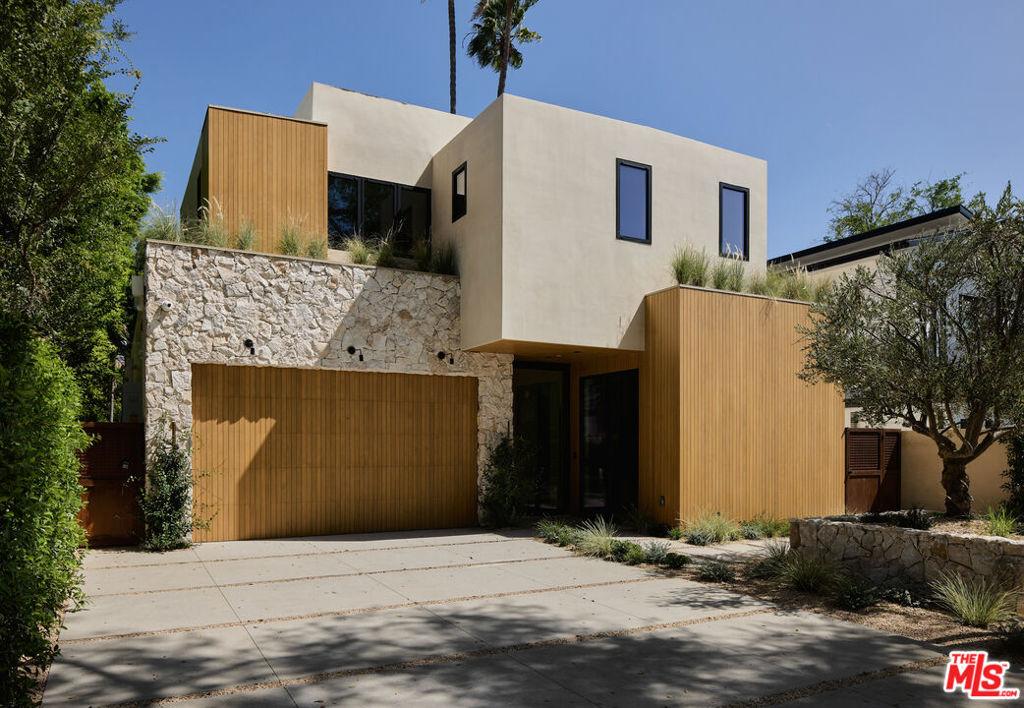
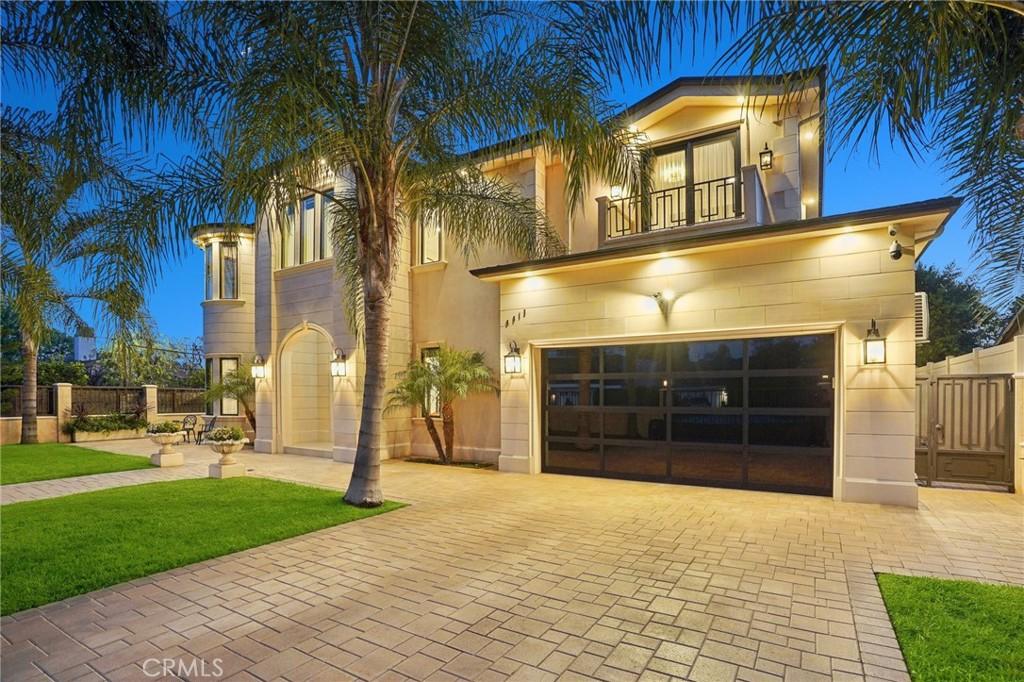
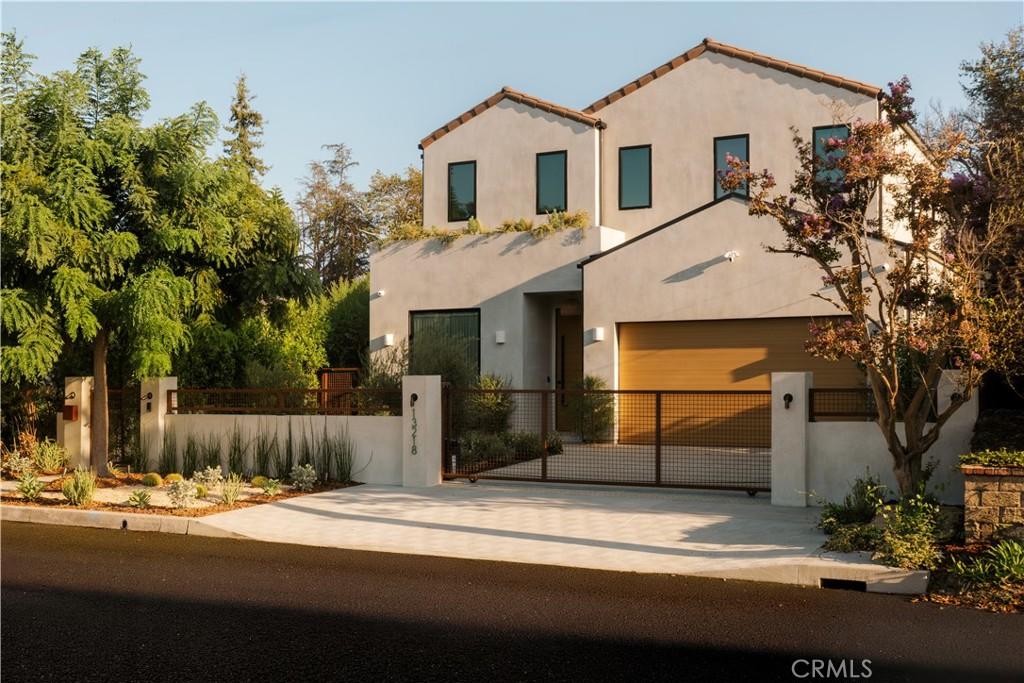
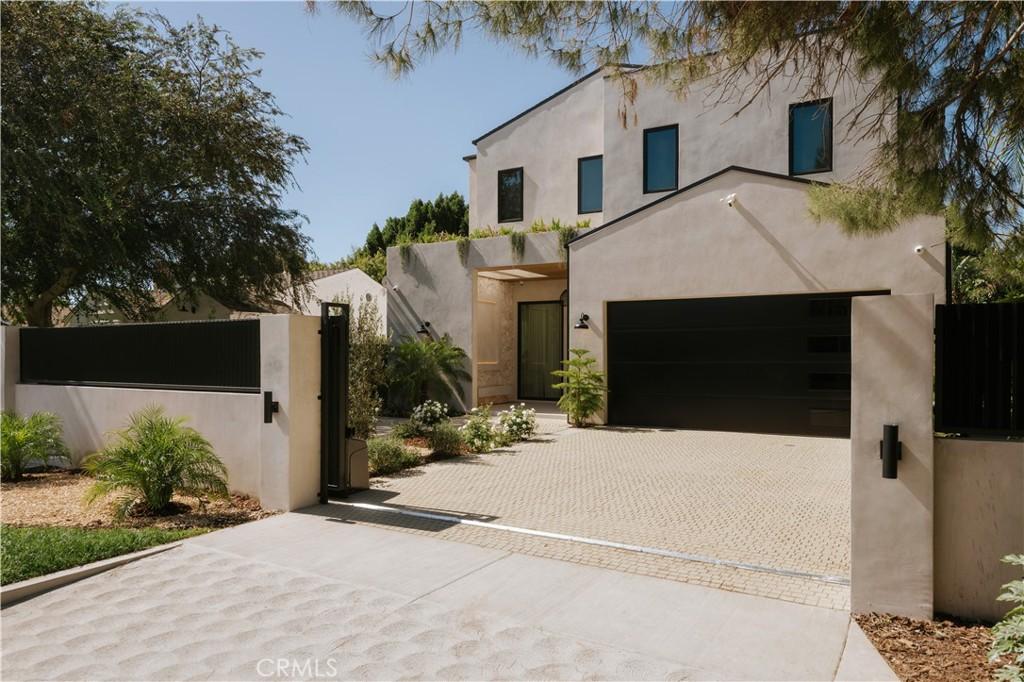
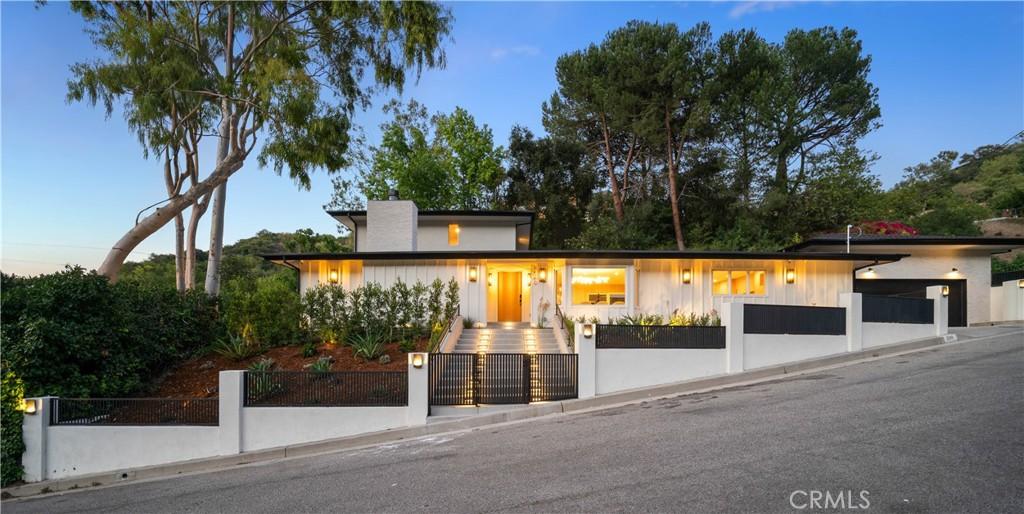
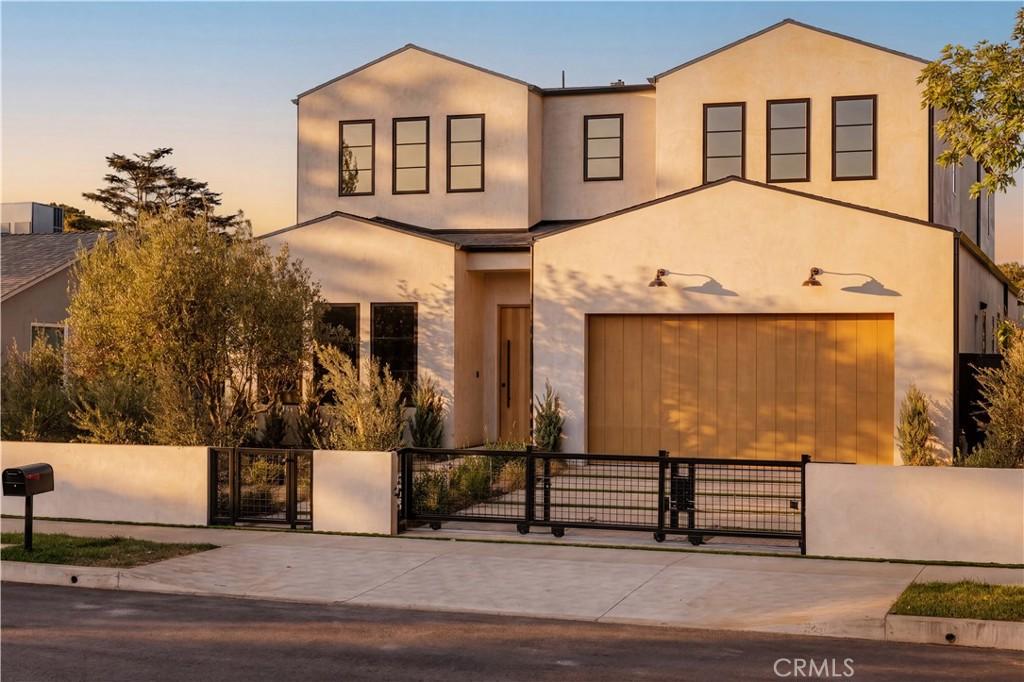
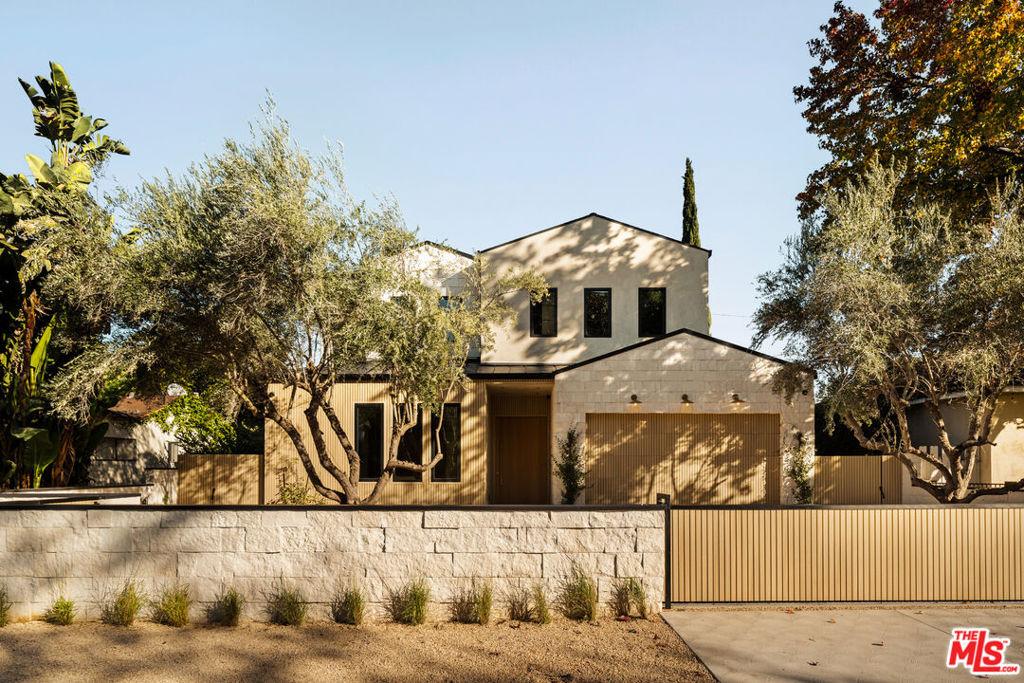
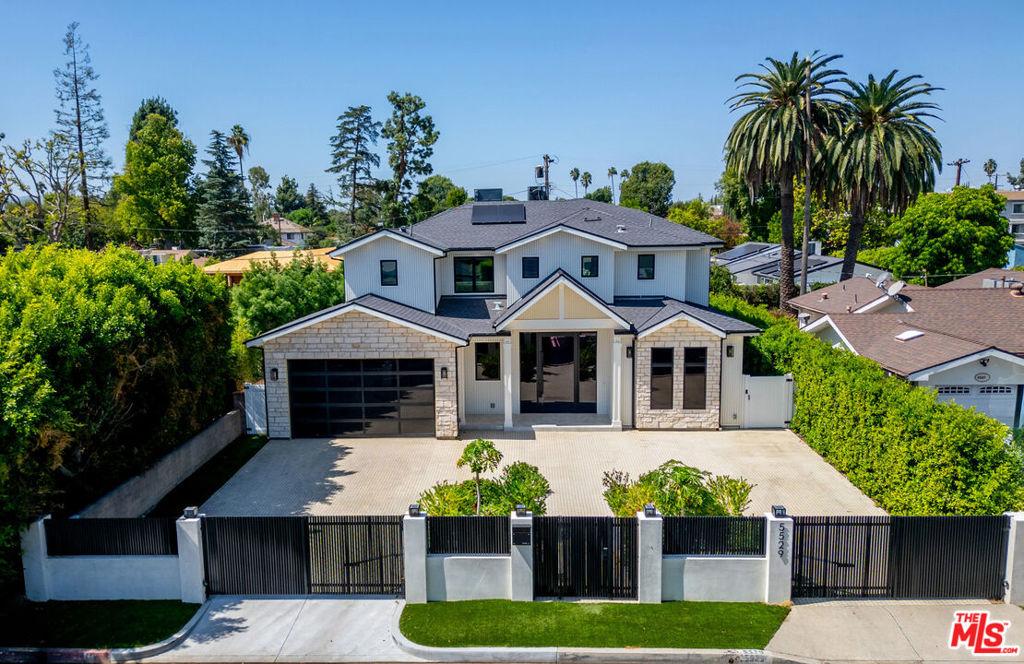
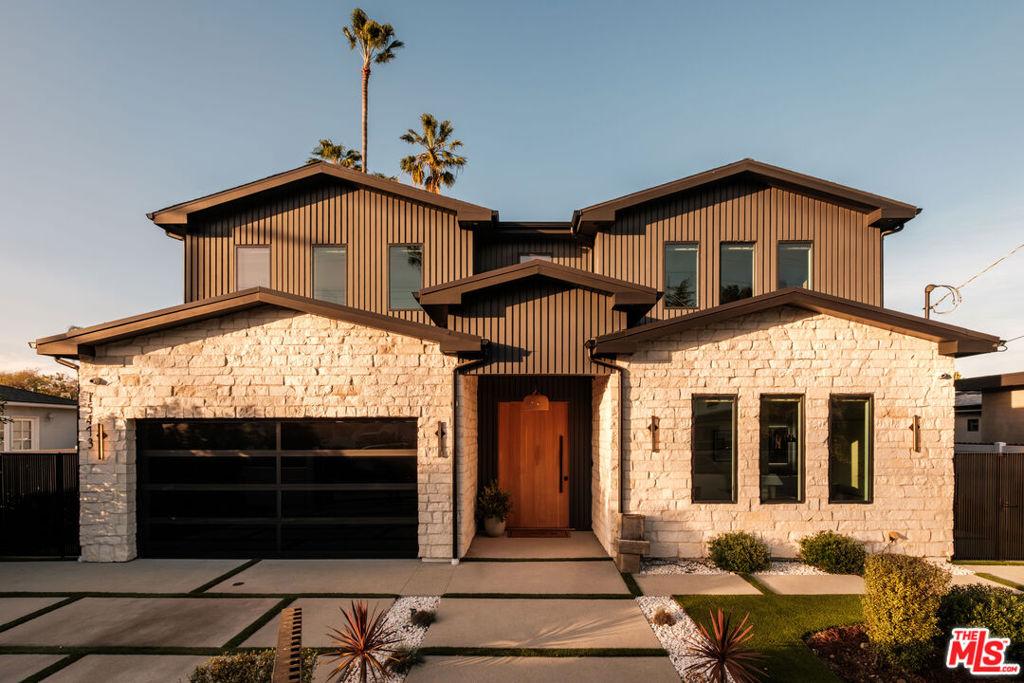
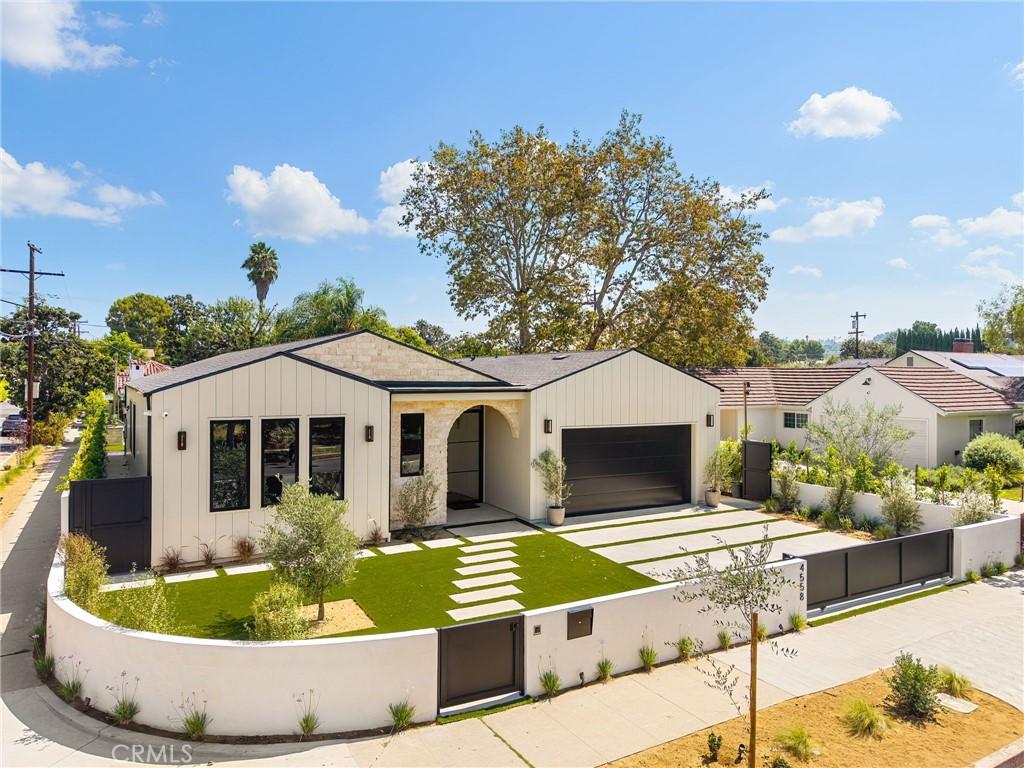
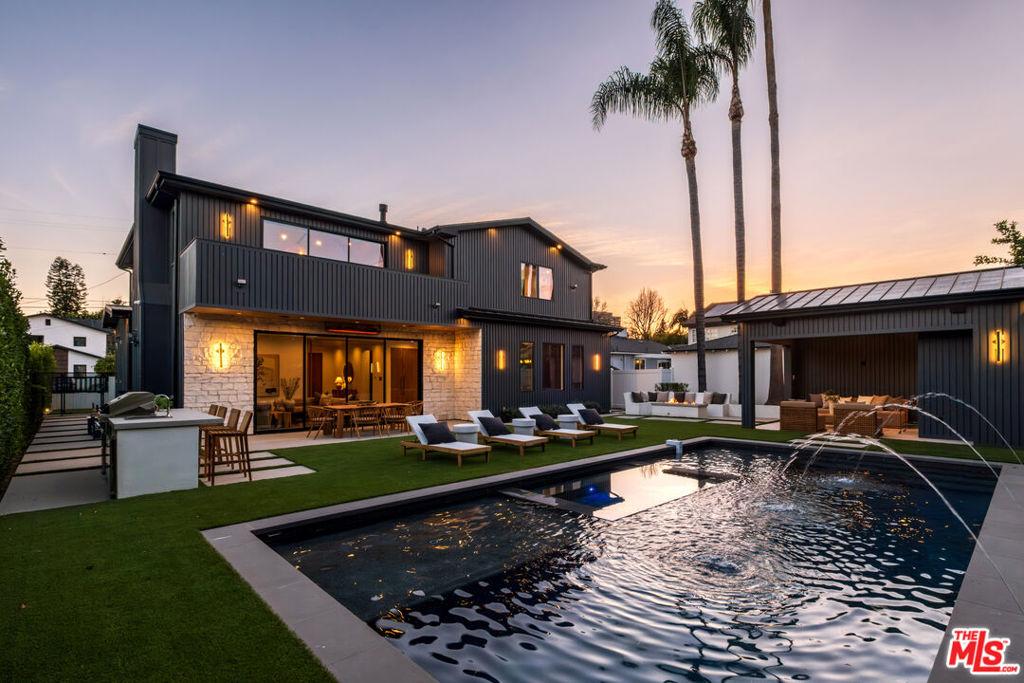
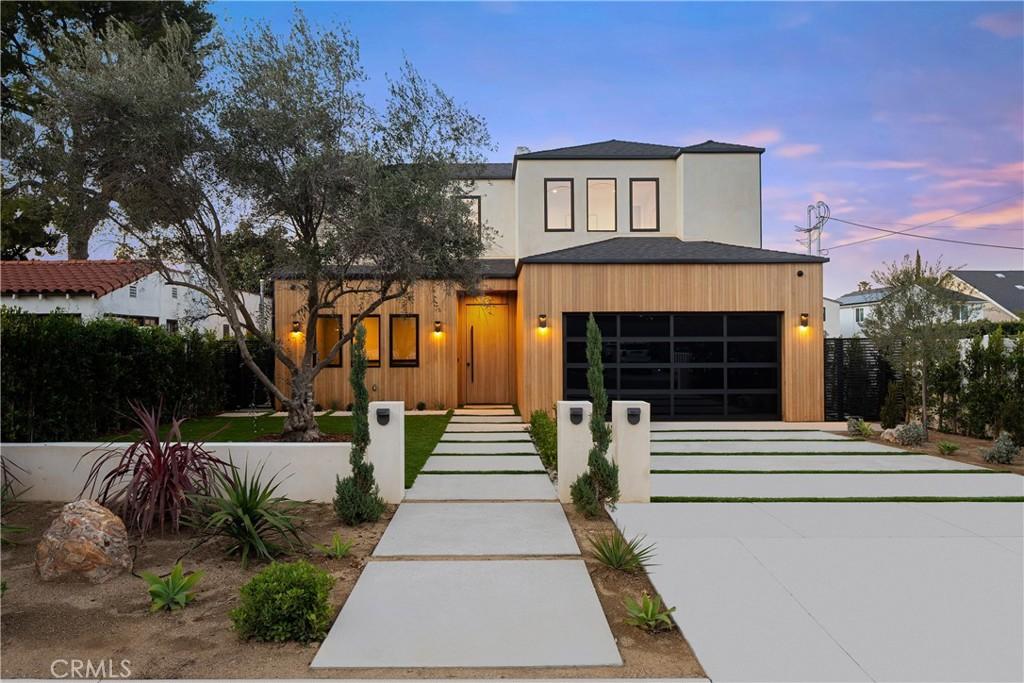
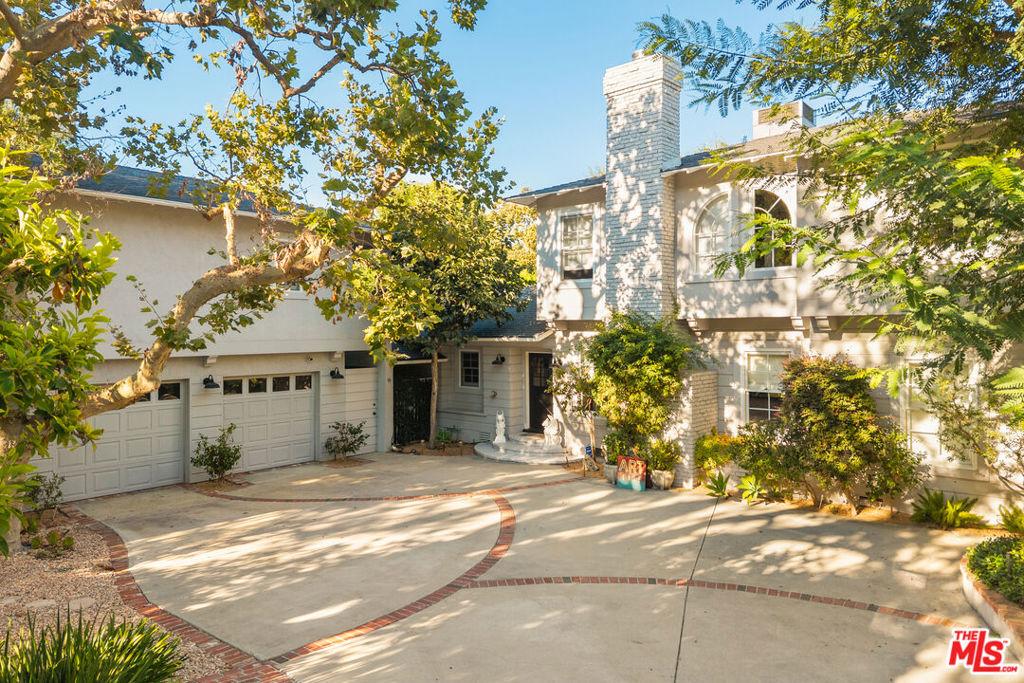
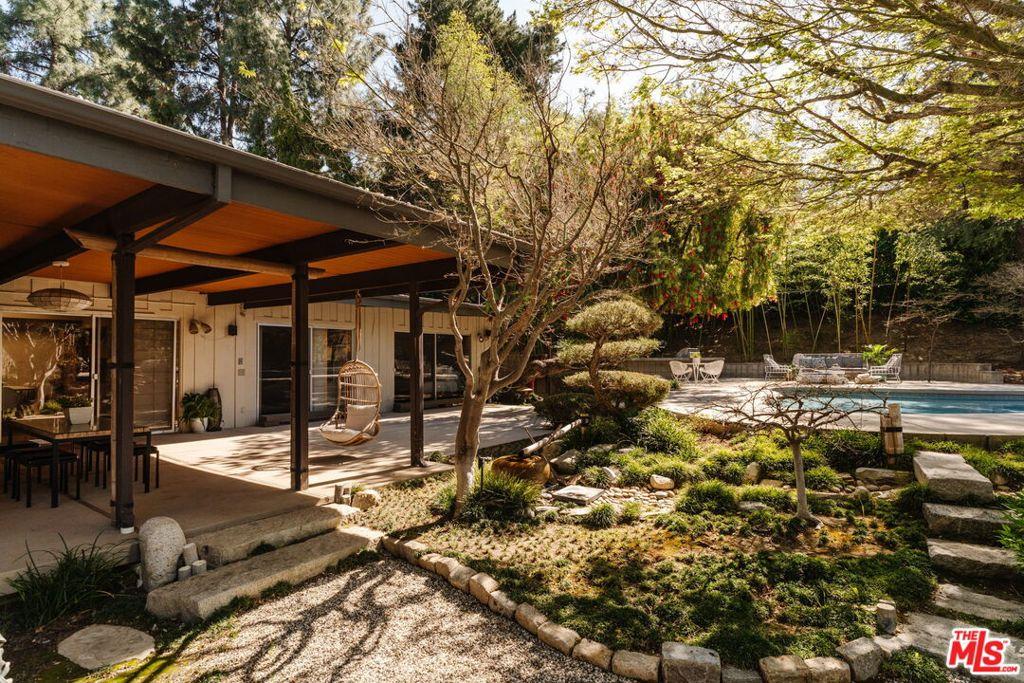
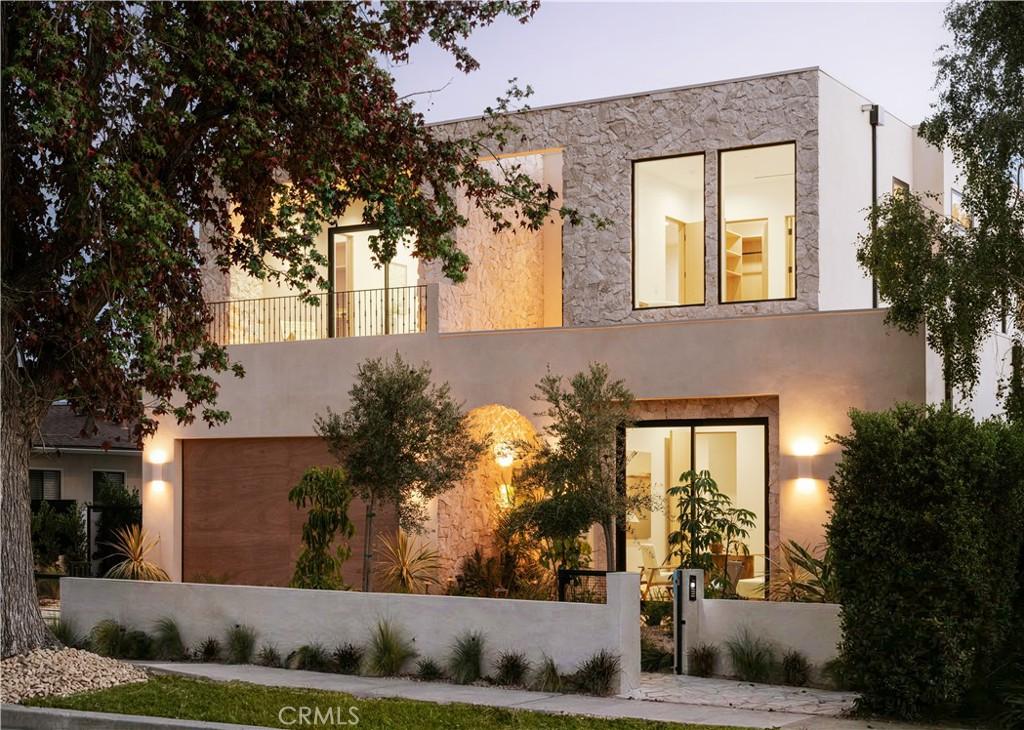
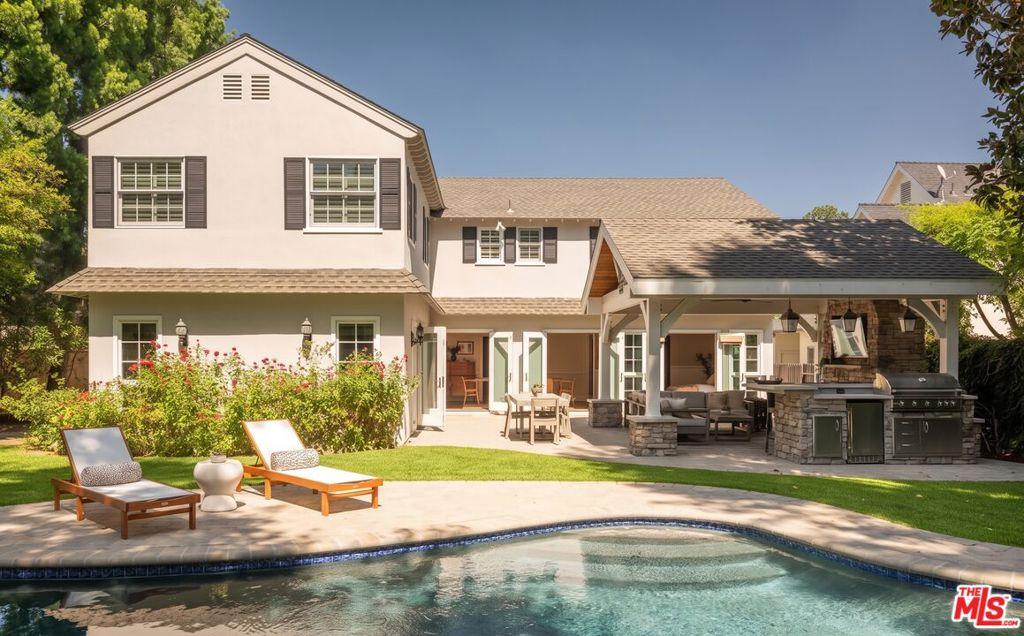
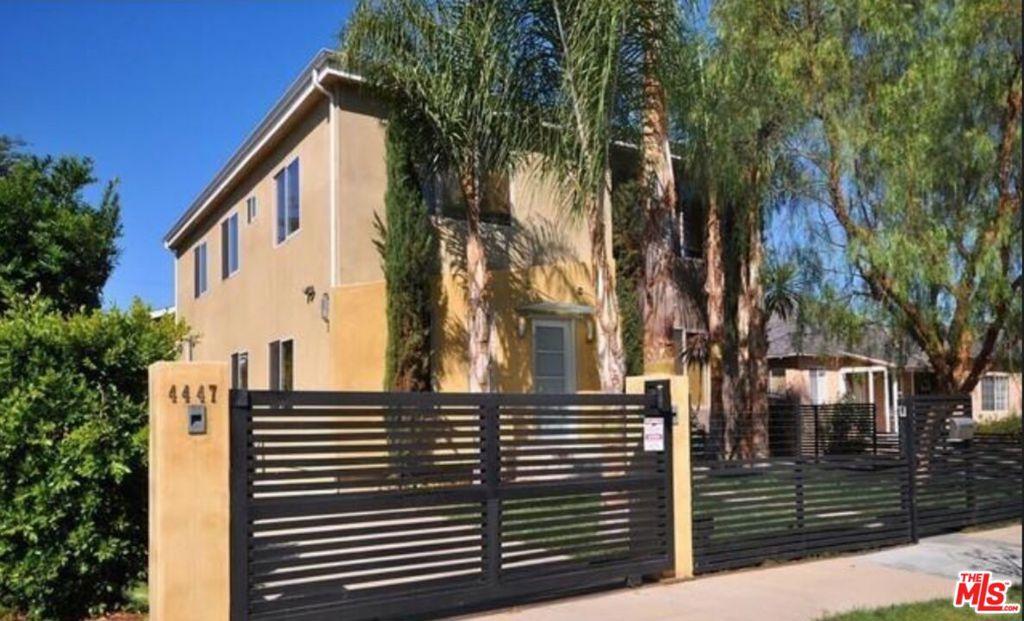
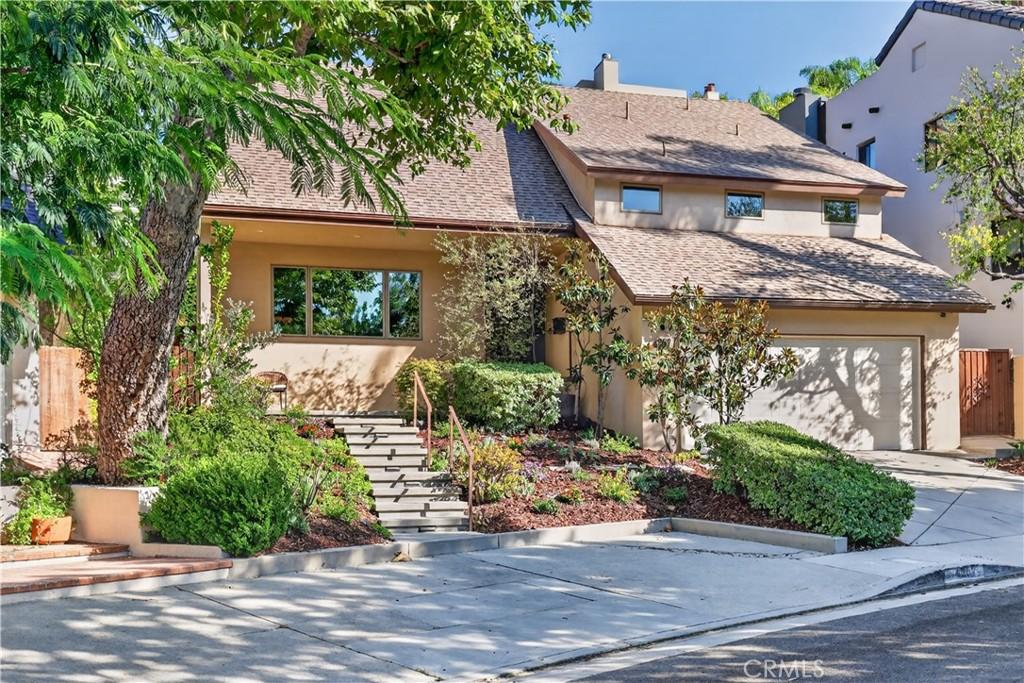
Stone Canyon is a high-end pocket of Sherman Oaks following Stone Canyon Avenue south along the canyon border, made up primarily of single-family homes with roughly 1,500 residents. The neighborhood sits quietly just moments from Ventura Boulevard and from some of the valley’s most regarded public schools, while carrying no homeowner association fees.
Browse current listings below, or call The Knight Group directly to access on- and off-market options in this area. Our team covers the full market, including inventory that never reaches Zillow or Redfin.
Browse all Los Angeles real estate — or explore the full Los Angeles luxury real estate market.
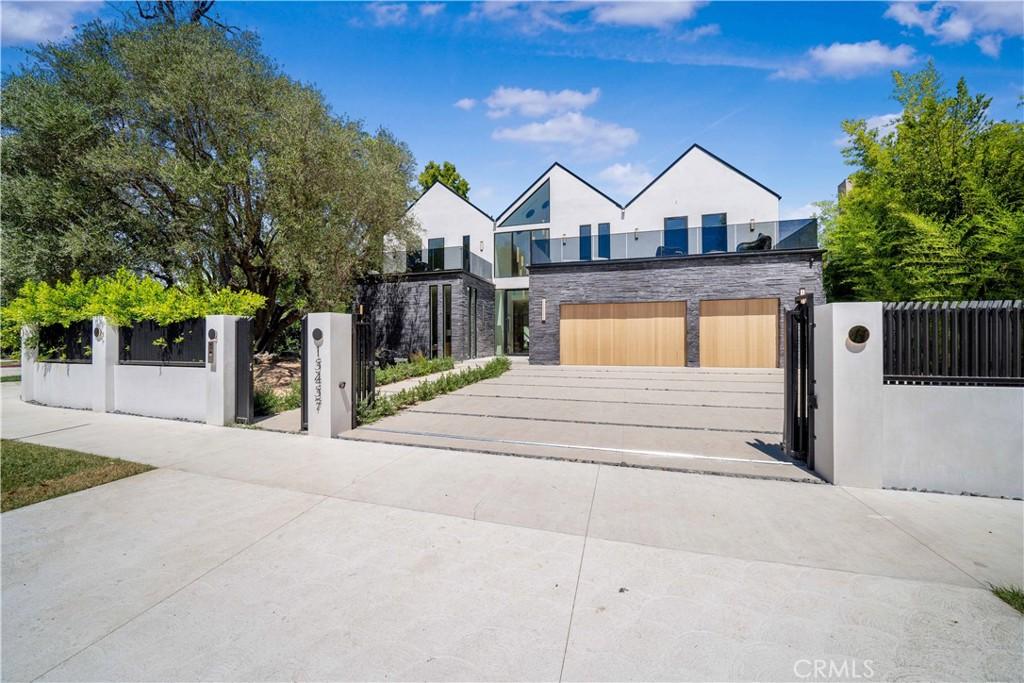
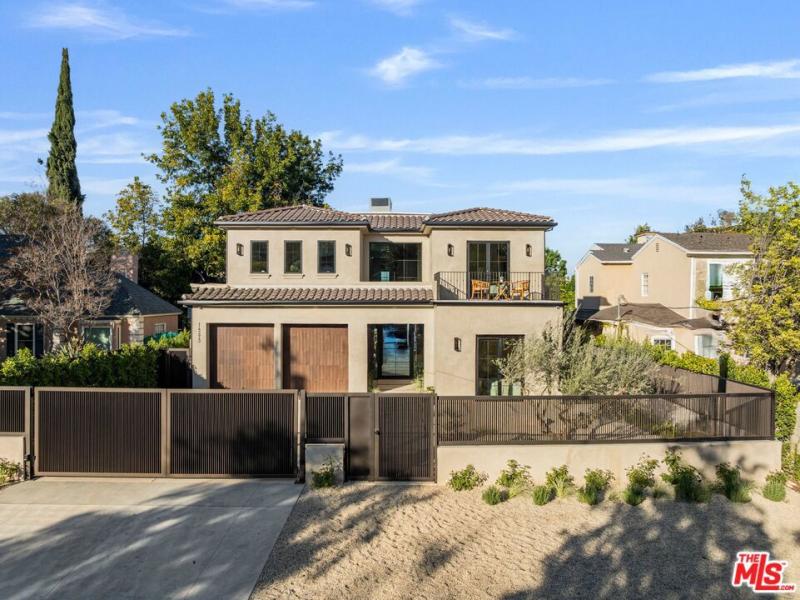
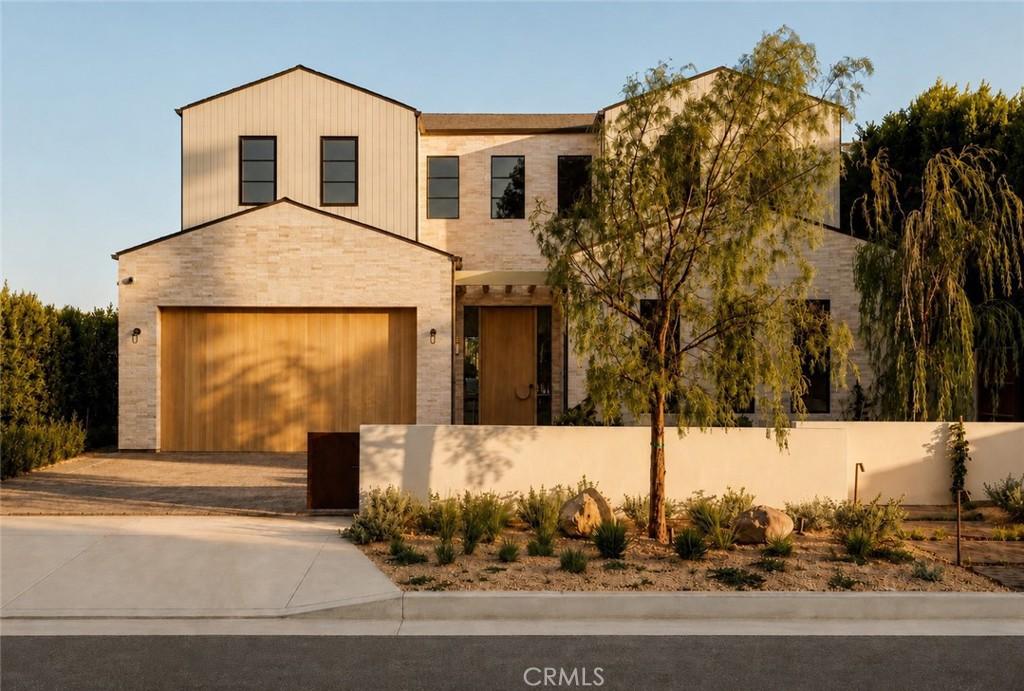
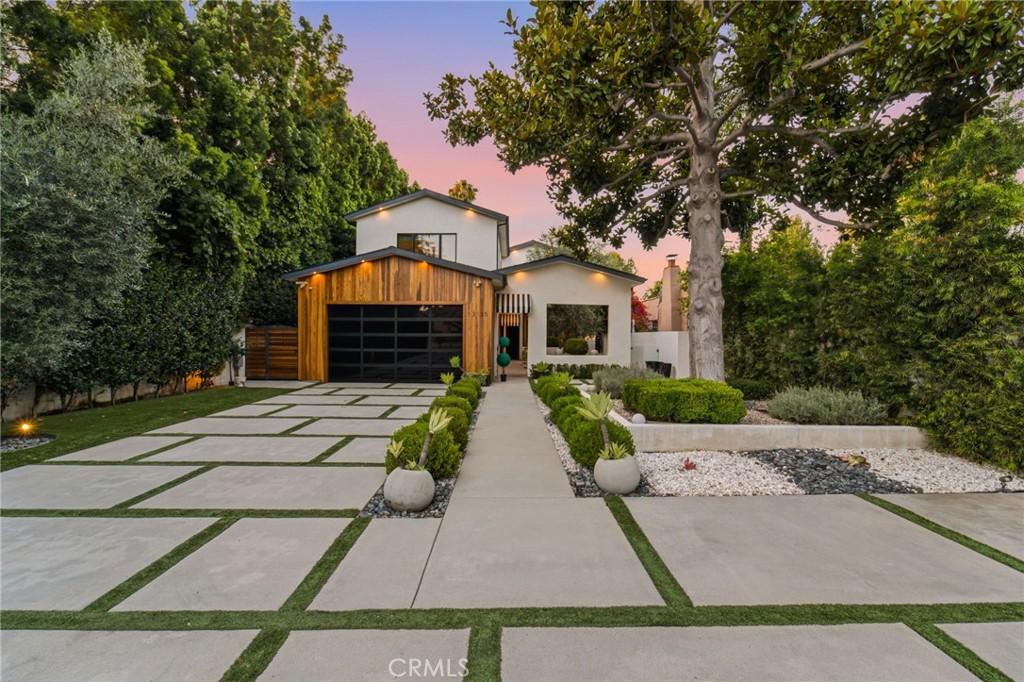
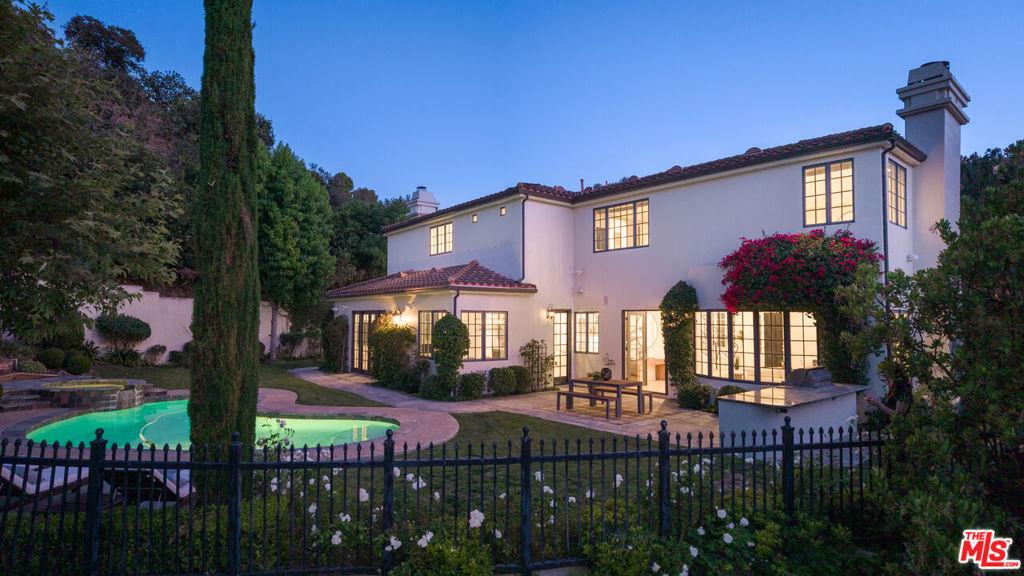
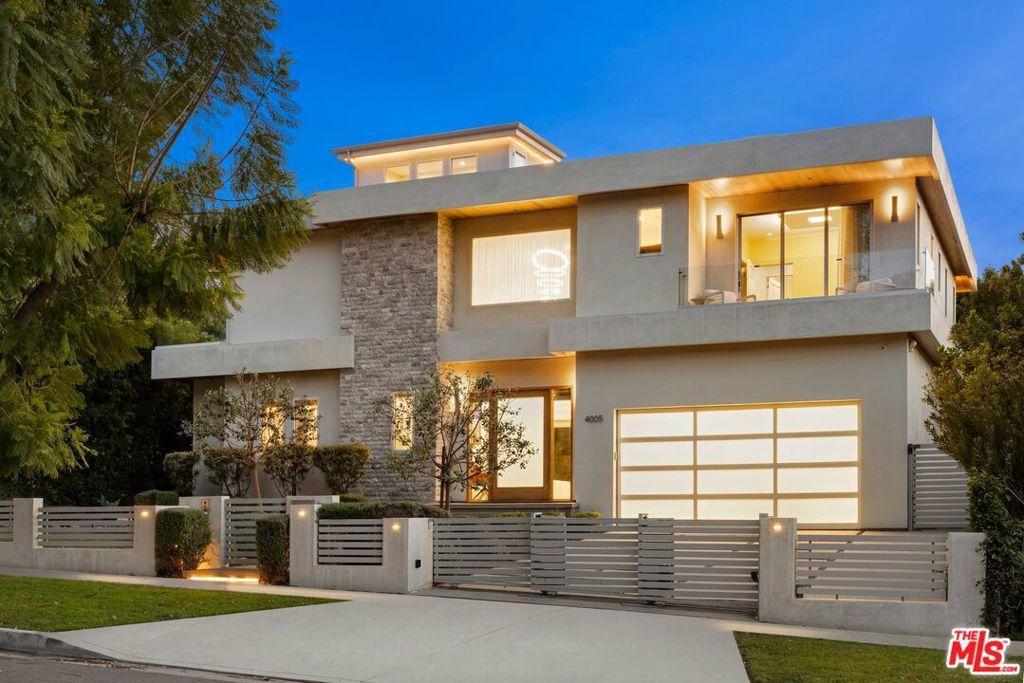
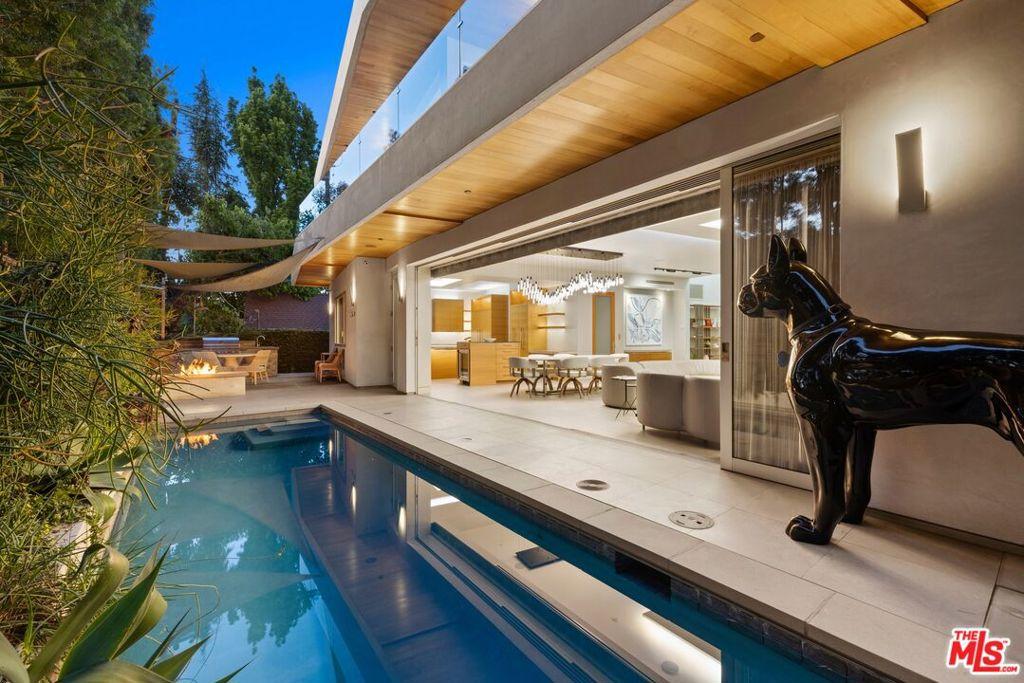
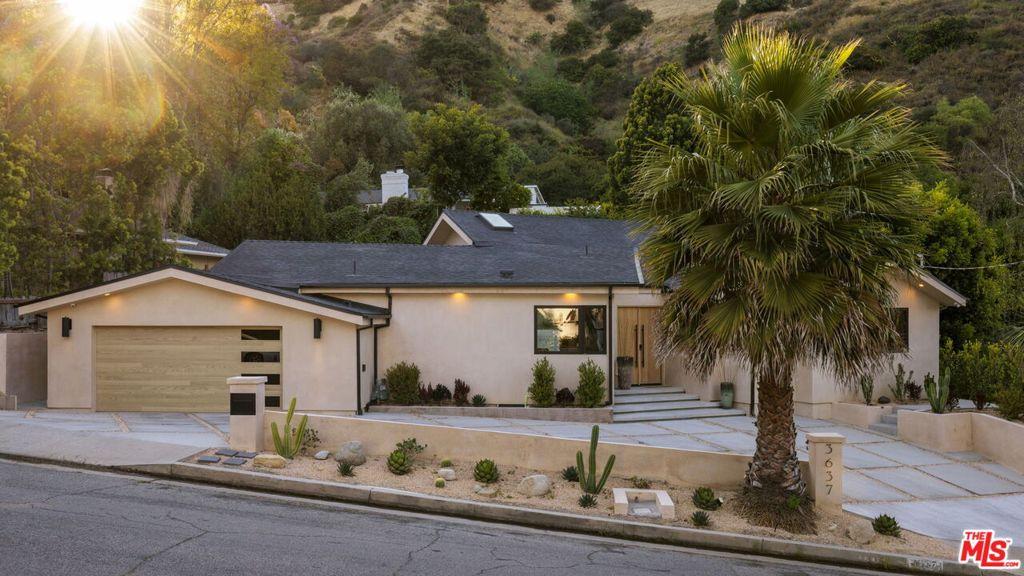
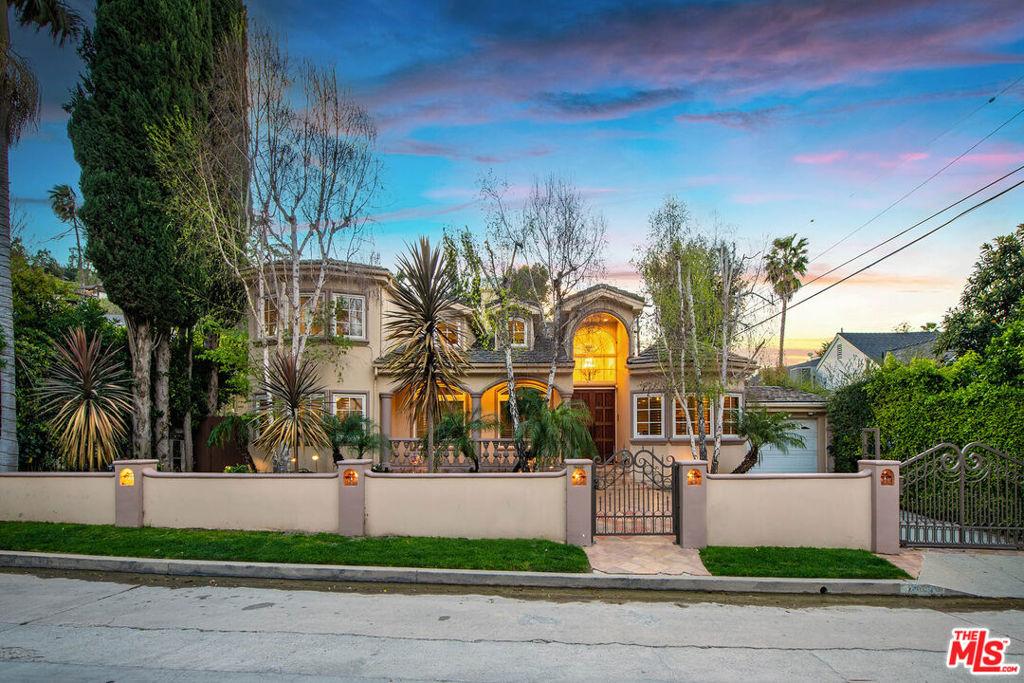
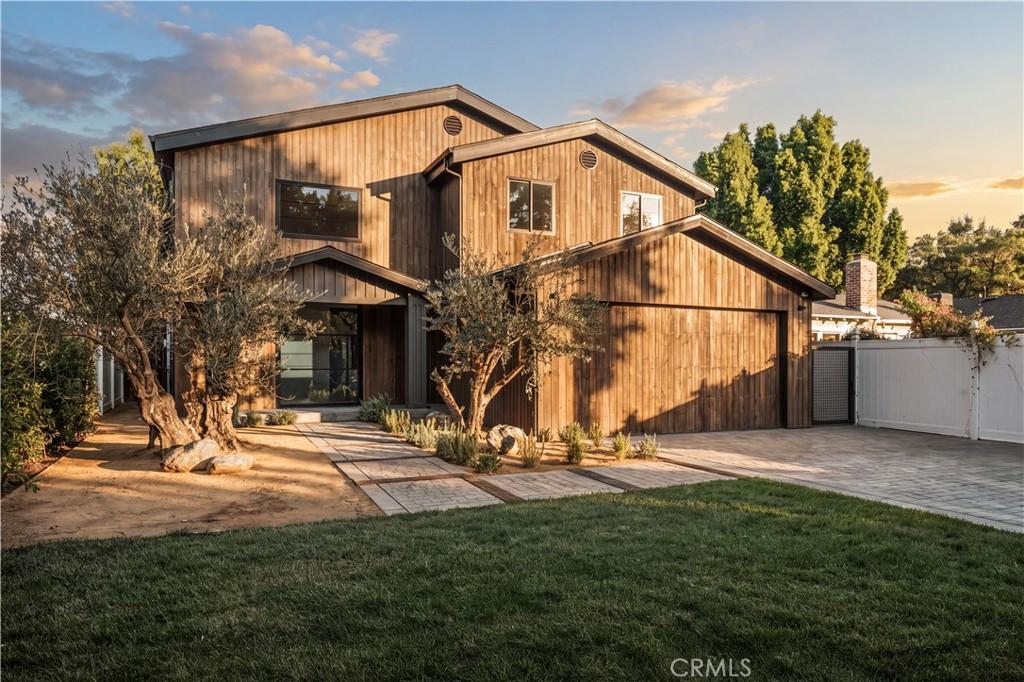
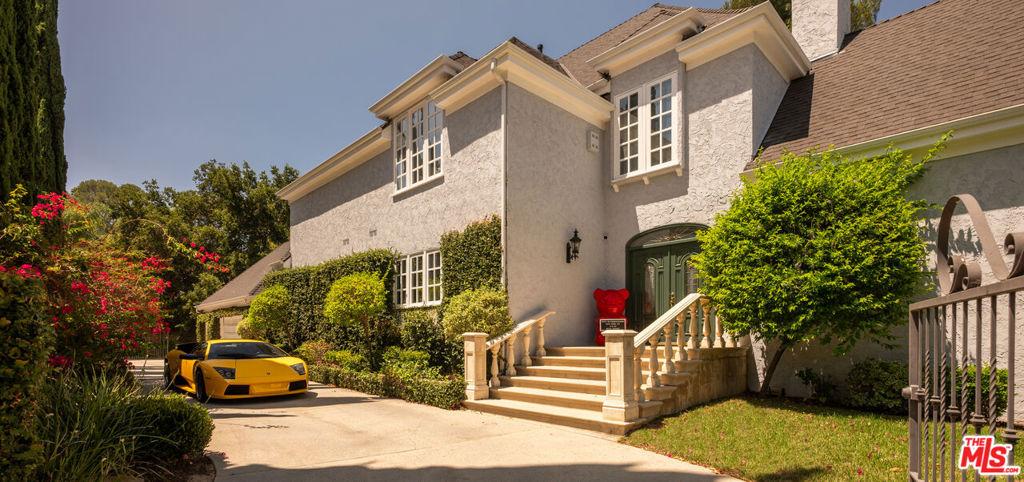
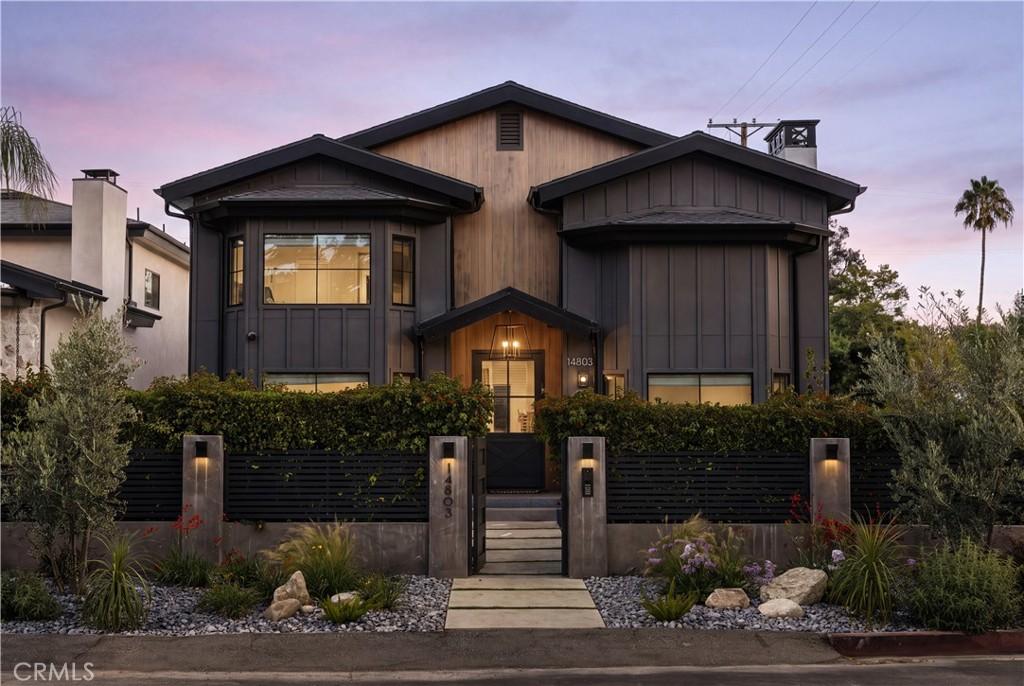
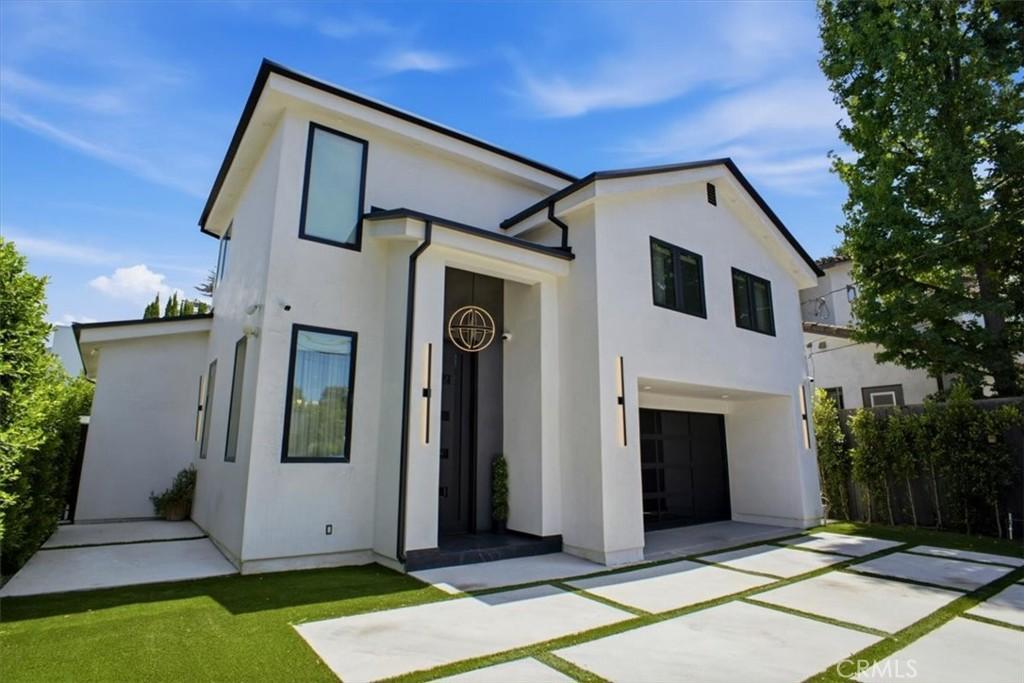
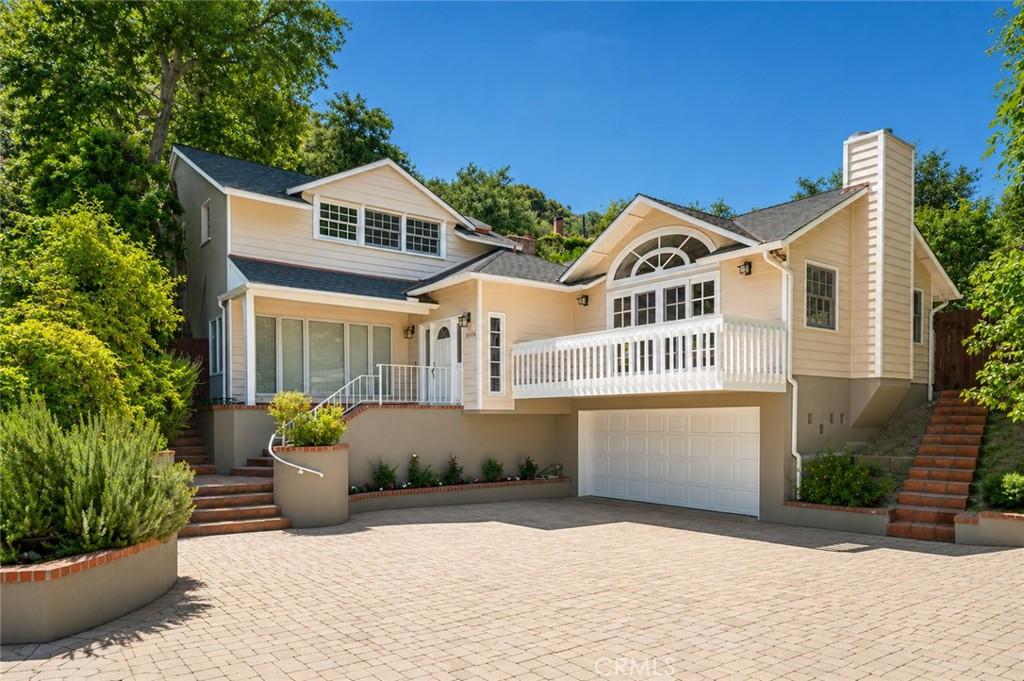
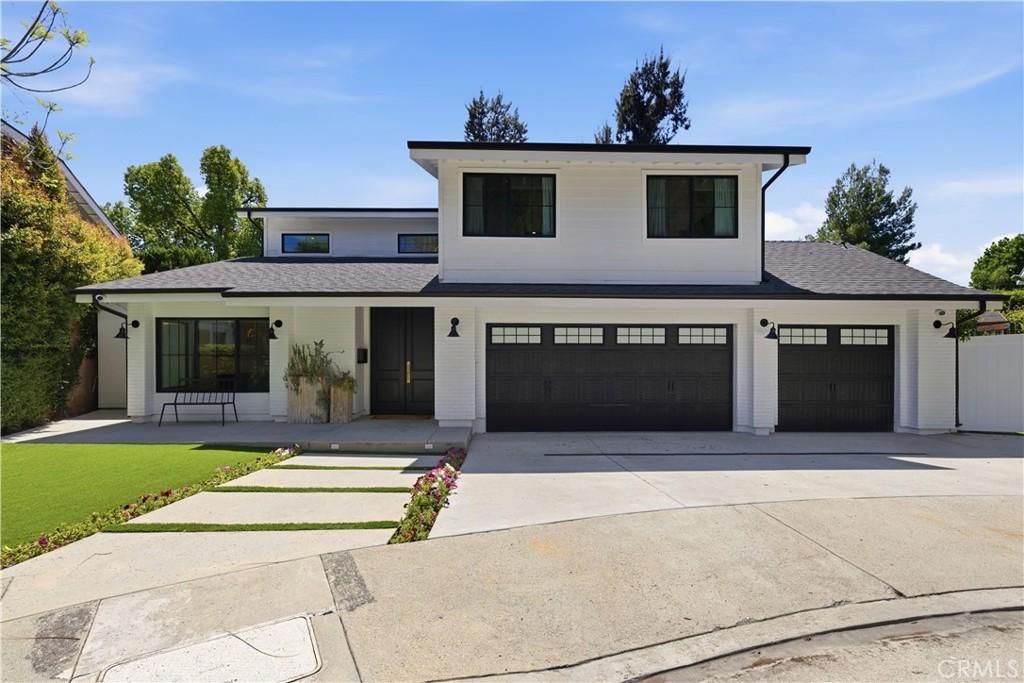
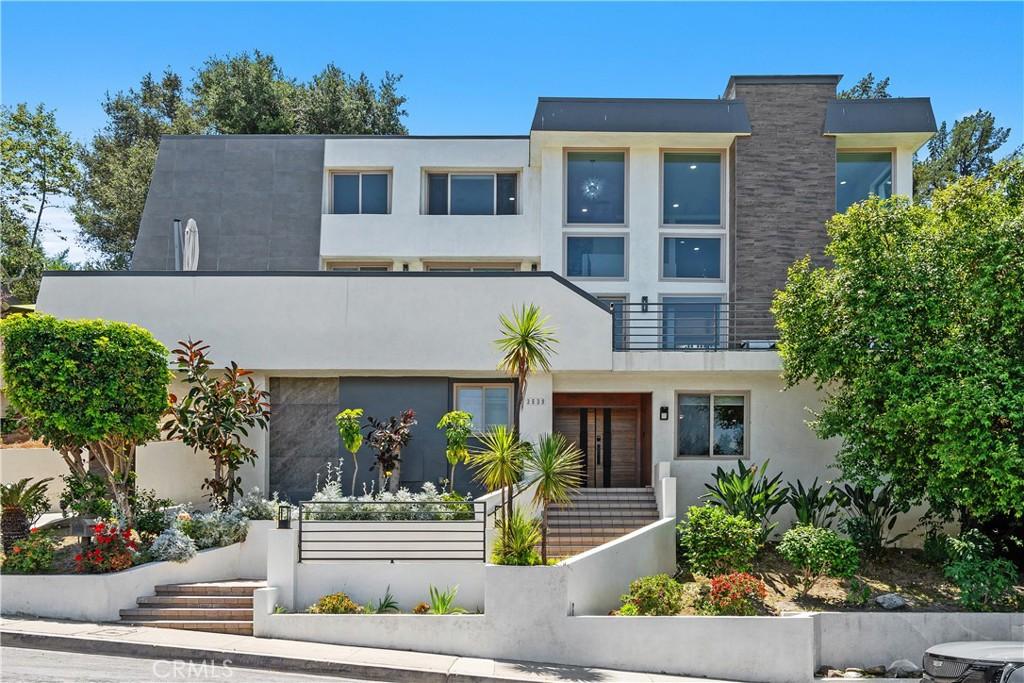
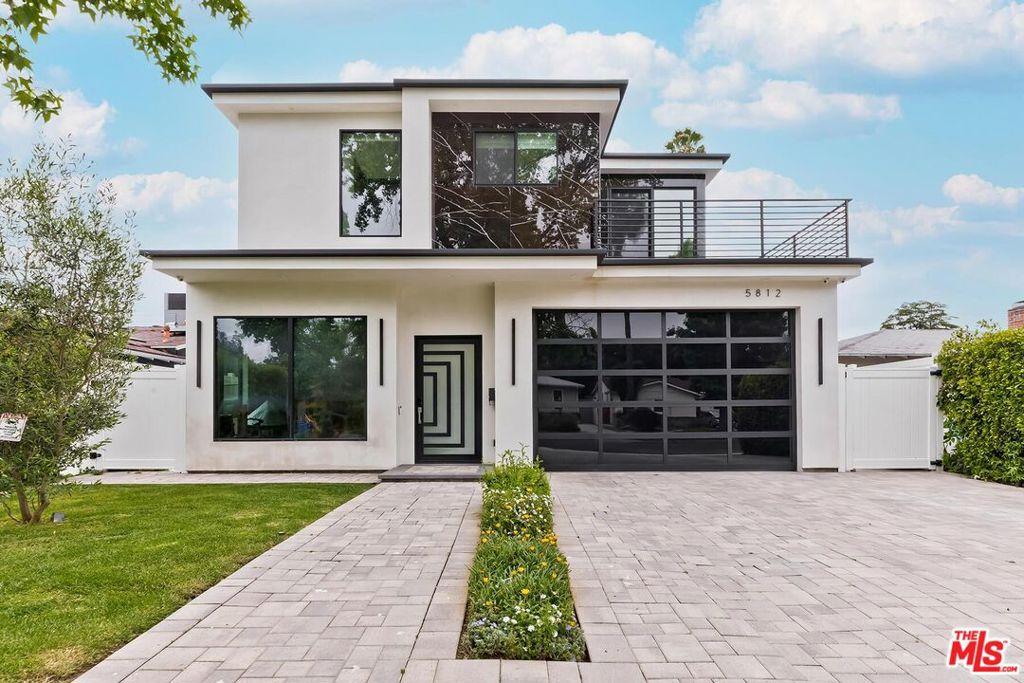
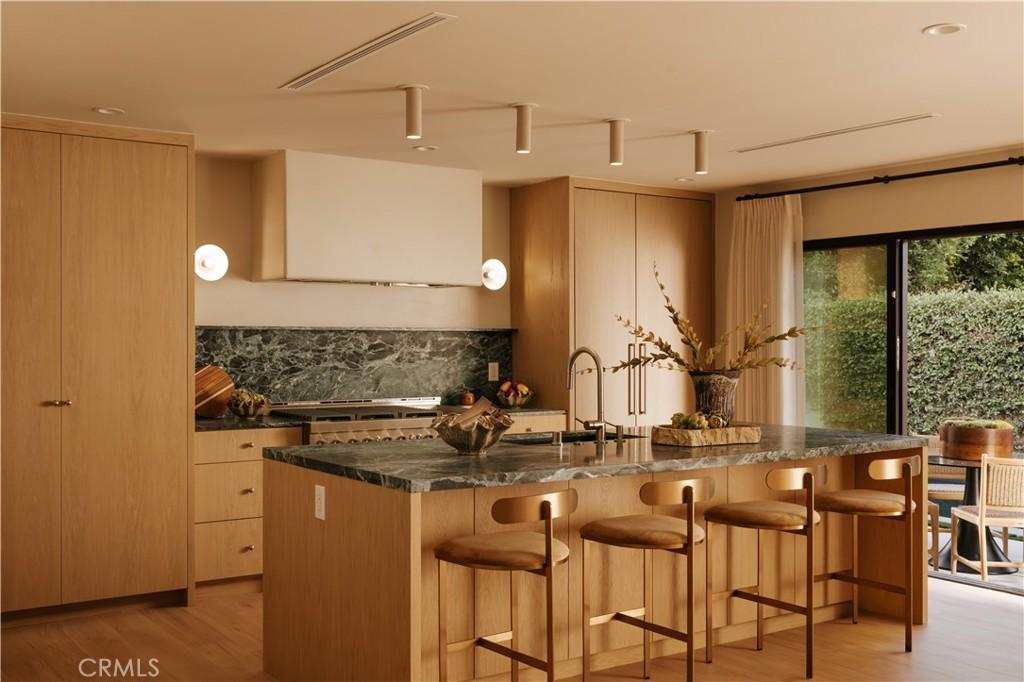
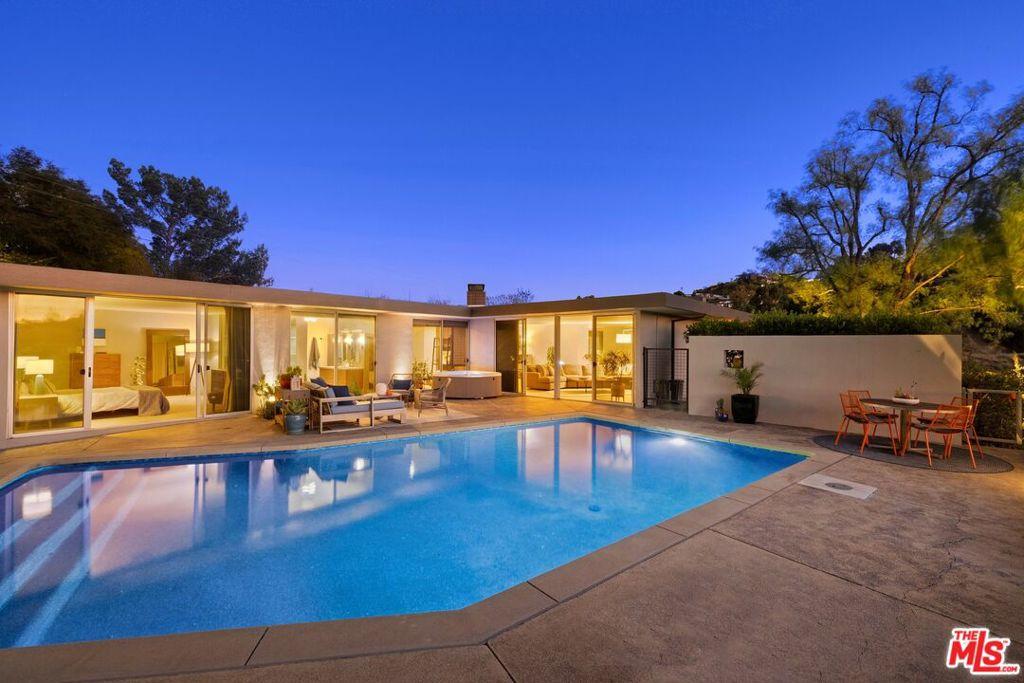
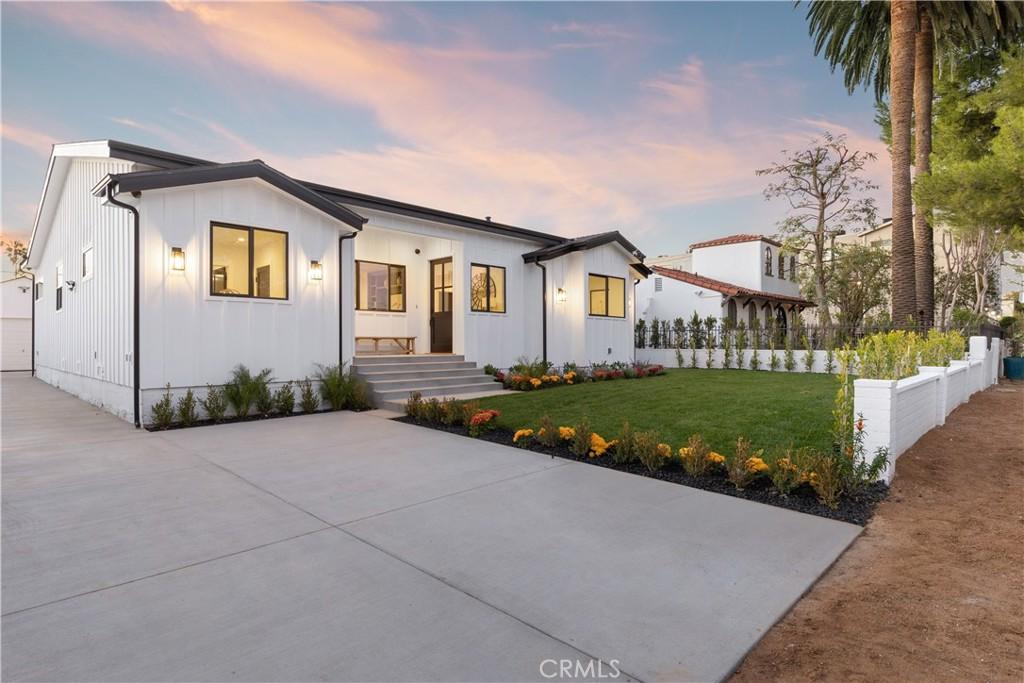
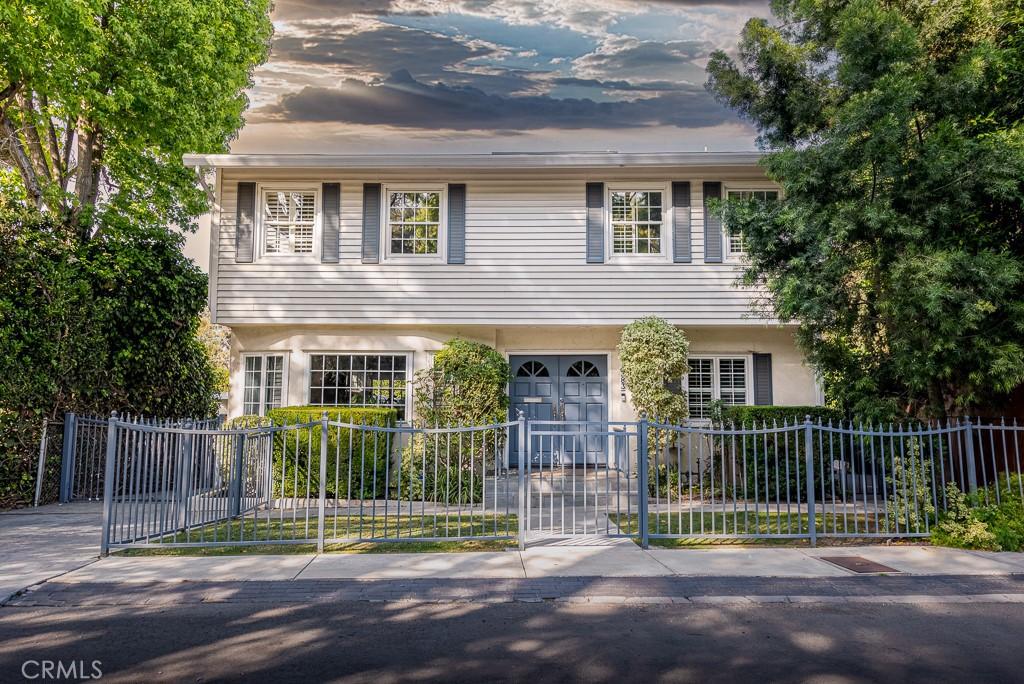
Homes in Stone Canyon were built from the 1950s through today, and the older homes have frequently been through complete renovations, tear-downs and rebuilds, or remodels. The result is a varied streetscape that includes Mediterranean architecture, mid-century modern California design, and contemporary new construction side by side.
Recent sales on Stone Canyon Avenue include a 4-bedroom, 5.5-bathroom home at 3907 Stone Canyon Ave, a 4-bedroom, 2.5-bathroom home at 3610 Stone Canyon Ave, and a listing at 3733 Stone Canyon Ave, illustrating the range of home sizes along the street (source: Redfin). Prices in the neighborhood range from around $700,000 to over $2 million depending on lot size and level of renovation.
Homes in this area of Sherman Oaks offer a combination of architectural character, established landscaping, and strong community identity that attracts buyers looking for something beyond a generic suburban tract. While the broader Sherman Oaks market provides a range of options, this particular pocket has its own micro-market dynamics — often with faster absorption times and tighter inventory than comparable addresses across town.
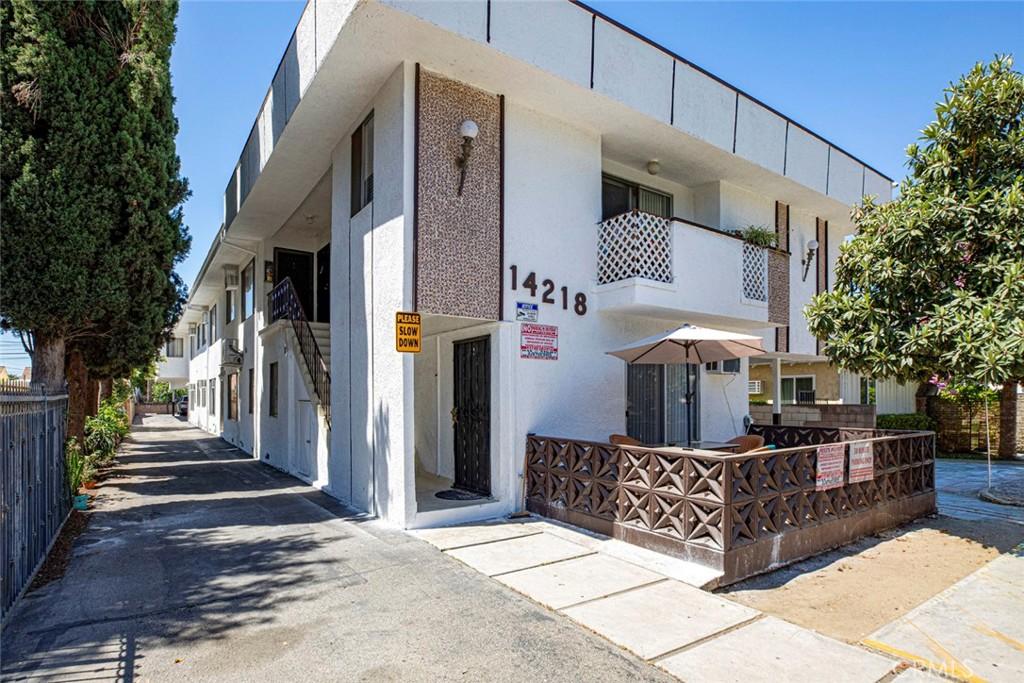
newer townhome communities and gated pocket developments carry monthly HOA dues; older single-family homes typically have none Buyers who prioritize privacy, outdoor space, and a neighbors-who-wave culture consistently point to neighborhoods like this one as undervalued relative to the broader San Fernando Valley market.
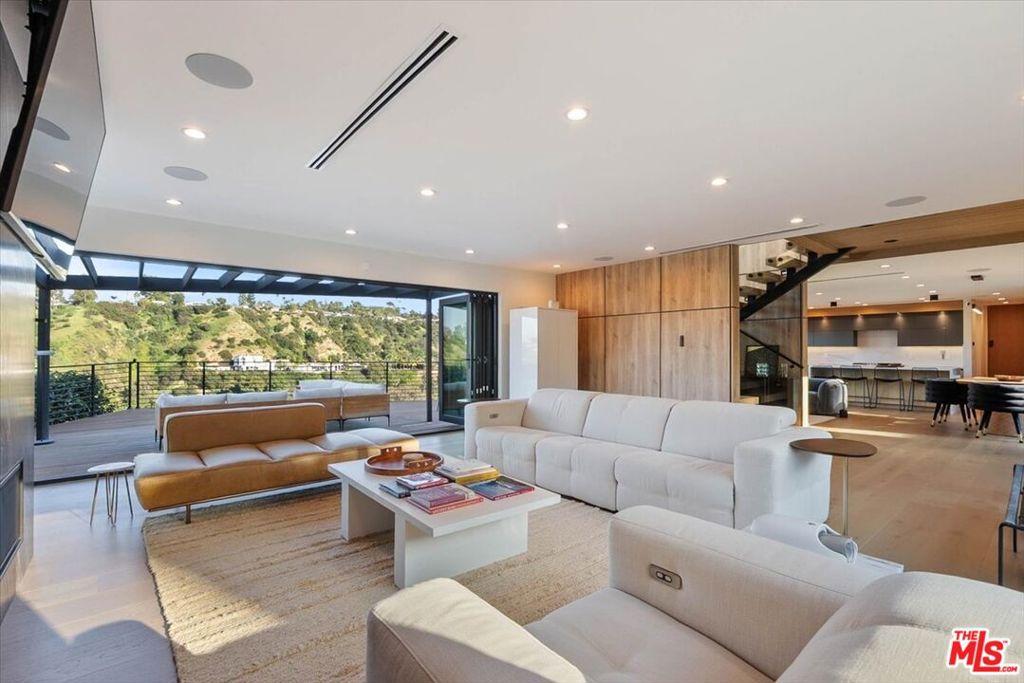
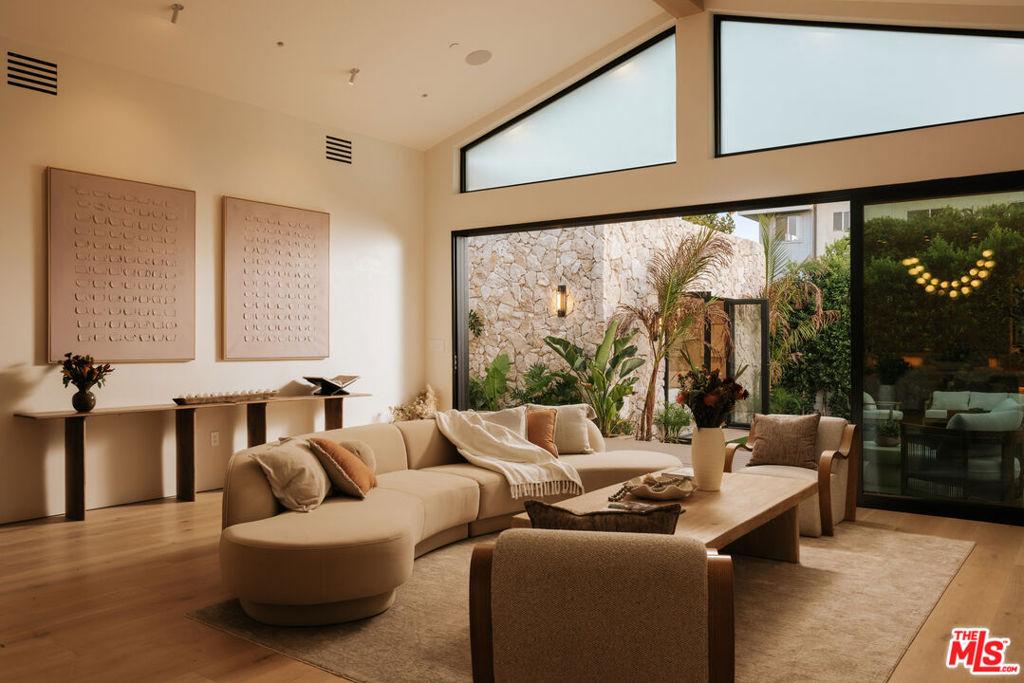
The homes in this area range from post-war single-family residences to updated modern builds, with many properties undergoing significant renovations over the past decade. Lot sizes are competitive for Los Angeles County standards. Most homes feature private outdoor space, attached garages, and mid-century design cues that have become increasingly sought-after in Southern California real estate.
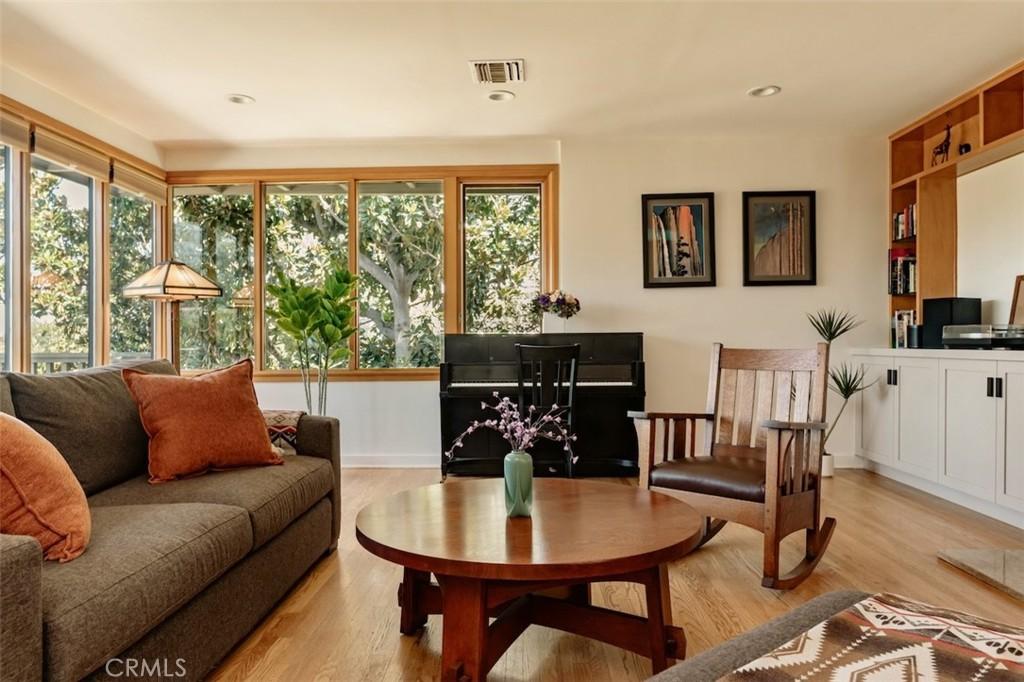
Buyers with specific taste — whether for Spanish Colonial, Craftsman, or Contemporary — will find homes here that meet that brief. The range of price points within the community also means that entry-level buyers and move-up buyers often shop the same streets, which keeps demand diversified across market cycles.
This area of Sherman Oaks has tracked alongside or above the broader San Fernando Valley appreciation curve over the past several years. Rental demand is also strong — single-family homes in Sherman Oaks attract quality long-term tenants, making buy-and-hold strategies viable even with current interest rate environments. The Knight Group tracks off-market opportunities in this area specifically because they rarely generate open-offer situations and tend to close with less friction than listed properties.
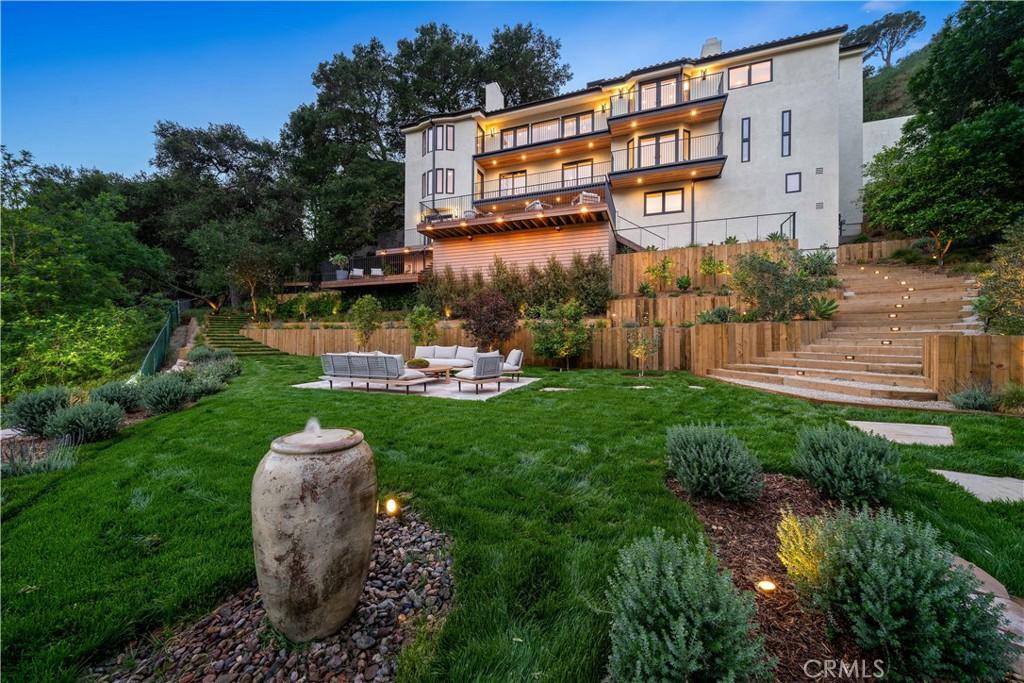
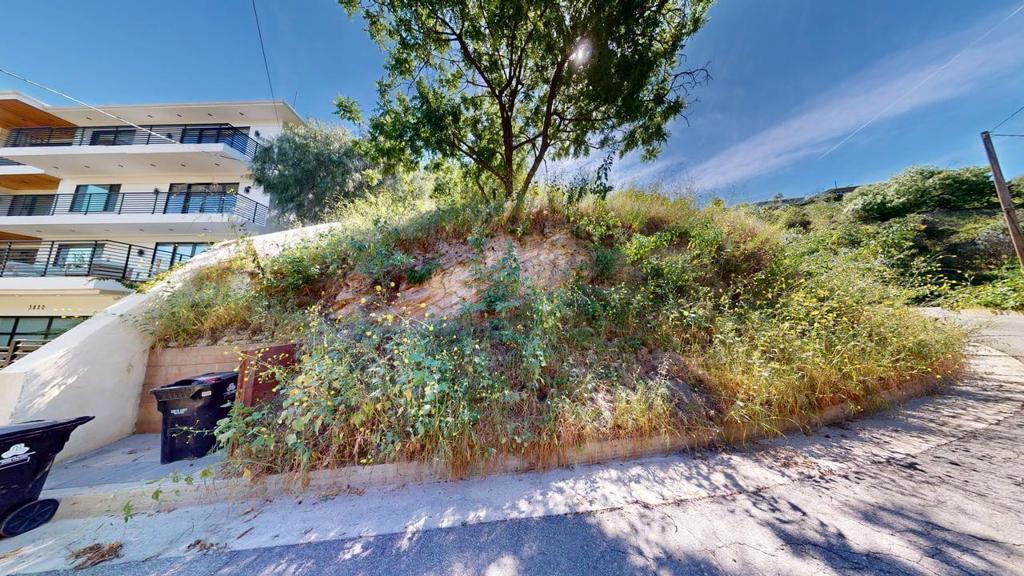
Stone Canyon is the Sherman Oaks hillside residential area above the Ventura Boulevard commercial corridor — the canyon-influenced residential zone where the terrain’s natural drainage creates the canyon character that the Stone Canyon name reflects. The neighborhood’s hillside position delivers the privacy and the natural landscape character that the canyon residential buyer prizes: the mature native and ornamental plantings that the canyon microclimate sustains, the separation from the flat-grid suburban fabric of the valley floor, and the wildlife corridor access (the coyote, the deer, and the bird species that the mountain-to-valley interface sustains) create the nature-connected residential experience that the Sherman Oaks hillside buyer specifically pursues. Home sizes in Stone Canyon typically range 2,500-5,000+ sq ft on lots of 10,000-25,000 sq ft, with the hillside topography creating the variety in lot usability that the flat-grid residential buyer must understand before evaluating any hillside canyon property. The canyon microclimate also creates the specific fire risk context that the Very High Fire Hazard Severity Zone designation reflects — the hillside-canyon interface’s vegetation density and the potential for wind-driven fire spread are the key environmental factors that the insurance, the defensible space maintenance, and the building material choices for any canyon property must address.
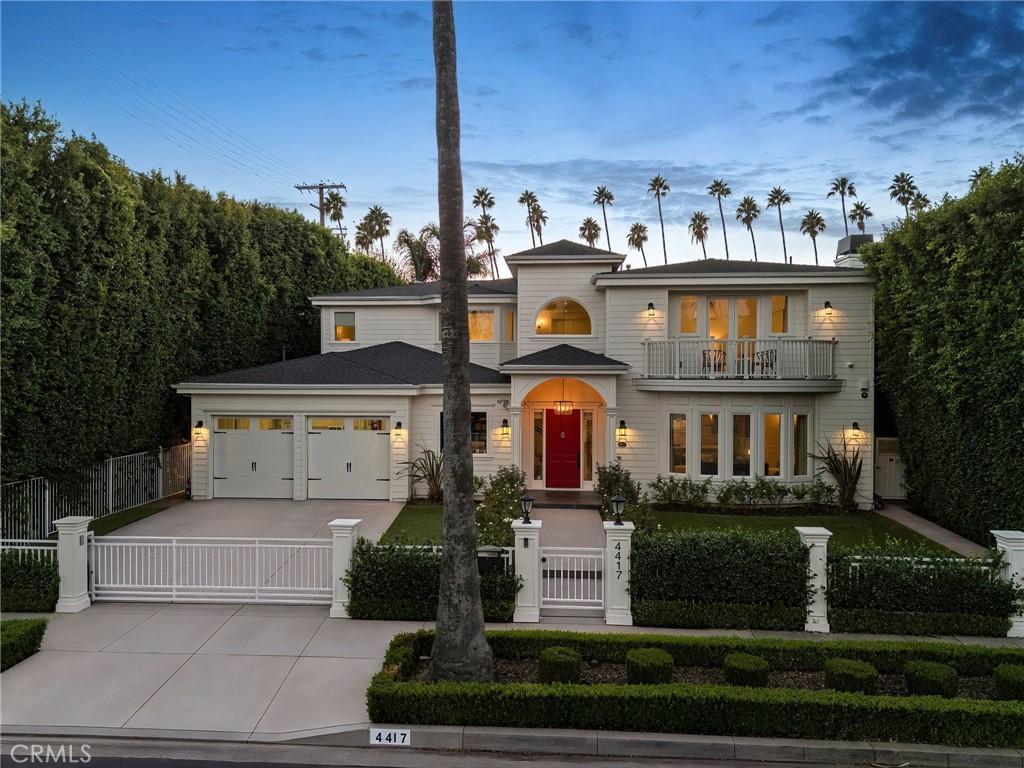
Stone Canyon’s residential community has developed the shared outdoor culture that the canyon landscape creates: the morning dog-walkers who use the canyon streets as the natural exercise path, the hummingbird feeders and the bird-friendly native plantings that the canyon microclimate supports, and the informal community of canyon residents who share the wildlife observations and the mountain weather consciousness that the canyon-adjacent residential experience creates as a distinctive daily-life awareness that the flat-grid suburban residential experience does not cultivate. The canyon’s oak trees (some approaching 100+ years of age) and the native chaparral that the canyon slopes support create the biodiversity that the residential community monitors and participates in preserving as the natural heritage that the Stone Canyon address encompasses alongside the residential property rights.
Fire Risk: Stone Canyon follows a canyon border, which can place some parcels closer to hillside vegetation than the flatland norm for Sherman Oaks. [INSERT: confirm the specific fire hazard severity zone designation for individual parcels via the LA Fire Department’s hazard map before publishing to a buyer.]
Climate: The canyon setting can bring slightly cooler conditions and more shade along the canyon-adjacent stretch of Stone Canyon Avenue compared with open valley-floor streets.
Getting Around: The neighborhood is quietly situated just moments from Ventura Boulevard, giving residents quick access to shopping and dining while remaining on a lower-traffic residential street.
Schools: Residents are part of the Los Angeles Unified School District and have access to some of the top-rated schools in the area, including Community Magnet Charter Elementary, Kester Avenue Elementary, an LAUSD high-tech magnet school, and Roscomare Road Elementary. [INSERT: confirm the specific school assignment for an individual address, as boundaries can vary along the canyon.]
Water: Water service is provided by the Los Angeles Department of Water and Power (LADWP).
Los Angeles Unified School District (LAUSD) serves this area. Within the neighborhood’s draw zone, families typically access Kester Avenue Elementary, Van Nuys Middle, and Birmingham Charter. LAUSD and private school options are also available for families pursuing specialized programs in math, arts, or bilingual education. The availability of strong public schools at multiple grade levels is a consistent driver of demand in this area.
Residents commute primarily via Ventura Blvd, the 405 Freeway, and Sepulveda Blvd, with typical drive times of 20–40 minutes to Century City, Burbank, and Downtown LA. For buyers who prioritize non-freeway alternatives, local surface streets and rideshare coverage are solid. Remote work has reduced the commute calculus for many buyers in this market, but access to major employment corridors still factors into pricing at the neighborhood level.
Day-to-day conveniences are handled by Ventura Blvd’s restaurant row, Westfield Fashion Square, and the Galleria. Grocery options, pharmacies, fitness studios, and coffee shops are accessible without significant driving. The mix of national brands and local independents gives the area a lived-in feel that distinguishes it from purely commercial suburban centers.
Outdoor recreation centers on Balboa Park, the Van Nuys Sherman Oaks Recreation Area, and easy 405 access to the coast. Year-round outdoor activity is the norm in Southern California, and this neighborhood’s access to trails, parks, and recreational facilities is a meaningful part of the value proposition for active buyers. Nearby options expand the range further for buyers who prioritize specific activities like cycling, hiking, or swimming.
Pricing Snapshot: As of mid-June 2026, Sherman Oaks citywide has a median sale price around $1,680,000, up 36.2% year over year, or about $759 per square foot (up 5.3% year over year), with a median list price around $1,730,000, or about $767 per square foot. About 275 homes were on the market with 54 recently sold, homes typically going pending in around 62 days at about 99.4% of list price, buyers averaging roughly two offers per home, and a typical down payment around 40.0% (source: Redfin).
Recent Sales and Inventory: Stone Canyon Avenue homes have ranged from around $700,000 for smaller or original-condition properties to over $2 million for larger rebuilt or remodeled homes, with recent listings including 4-bedroom homes with up to 5.5 bathrooms.
Price Trends: The mix of original 1950s homes, rebuilds, and new construction means Stone Canyon spans a wide price range, with fully rebuilt or remodeled homes pushing toward and above the Sherman Oaks citywide median while original-condition homes remain more attainable.
Active listings in this area of Sherman Oaks have been trading in the $900K–$3.5M range for single-family homes, depending on square footage, lot size, and renovation quality. The market is sensitive to condition: fully updated homes transact at the top of the range, while fixer-upper and dated inventory sits longer and tends to attract investor offers below list. Understanding this bifurcation is essential for buyers calibrating their search budget.
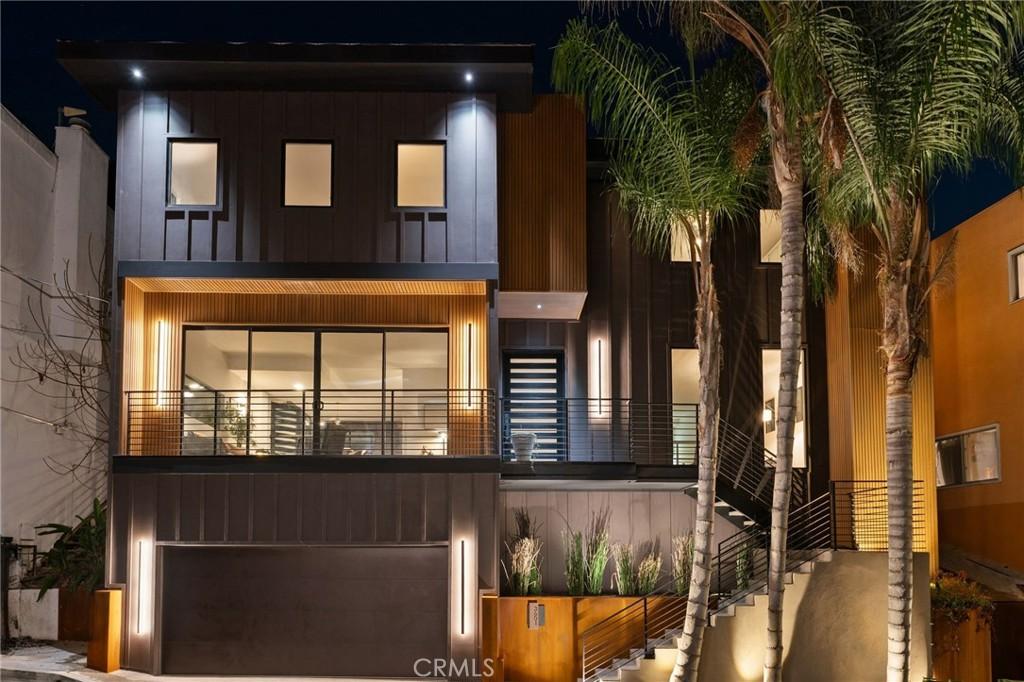
The buyer profile here skews toward young professionals, families upgrading from condos, and Valley commuters wanting proximity to the Westside. Demand is rarely speculative — most buyers who commit to this neighborhood are making primary residence decisions tied to school zoning, commute routes, or lifestyle preferences that are not easily substituted elsewhere. This makes the market relatively resilient during broader downturns: demand does not evaporate, it waits.
Inventory has been tight relative to historical averages. Well-priced homes in move-in condition typically receive multiple offers within the first week. Overpriced or significantly deferred-maintenance properties sit considerably longer — sometimes through multiple price reductions — before finding a buyer. The Knight Group uses real-time MLS data to identify mispriced inventory and act before market corrections happen.
The price dynamics in this area are shaped by Sherman Oaks’ central location and strong rental market create consistent demand from both owner-occupants and investors. Buyers who understand these local drivers are better positioned to make competitive offers and negotiate from strength. The Knight Group’s market intelligence extends beyond list prices and includes off-market sales, pending transactions, and expired listings that paint a more complete picture of true market value in this area.
Sherman Oaks is the SFV’s most balanced market — the combination of walkable Ventura Boulevard commercial access, established school options, and the Westside-proximate location that the Sepulveda Pass provides creates demand from the broadest buyer profile in the Valley. Within Sherman Oaks, sub-neighborhood pricing stratifies by the north-of-Ventura vs. south-of-Ventura divide and by proximity to the shopping center nodes (the Sherman Oaks Galleria area, the Ventura-Woodman node). North-of-Ventura Sherman Oaks flat-grid properties typically trade $1.3M-$2.2M for single-family detached, while the south-of-Ventura grid runs $1.1M-$1.8M. The Sherman Oaks Galleria-adjacent condo and townhome market provides the entry tier at $600K-$950K. Days on market in well-priced Sherman Oaks inventory average 14-21 days — among the fastest in the SFV — reflecting the depth of buyer demand across the broad target demographic that Sherman Oaks attracts. For the investment buyer, Sherman Oaks multifamily properties along Ventura and Van Nuys corridors offer 4.0-4.8% gross yields with the Valley appreciation backstop that the Westside proximity and the LAUSD school quality sustain.
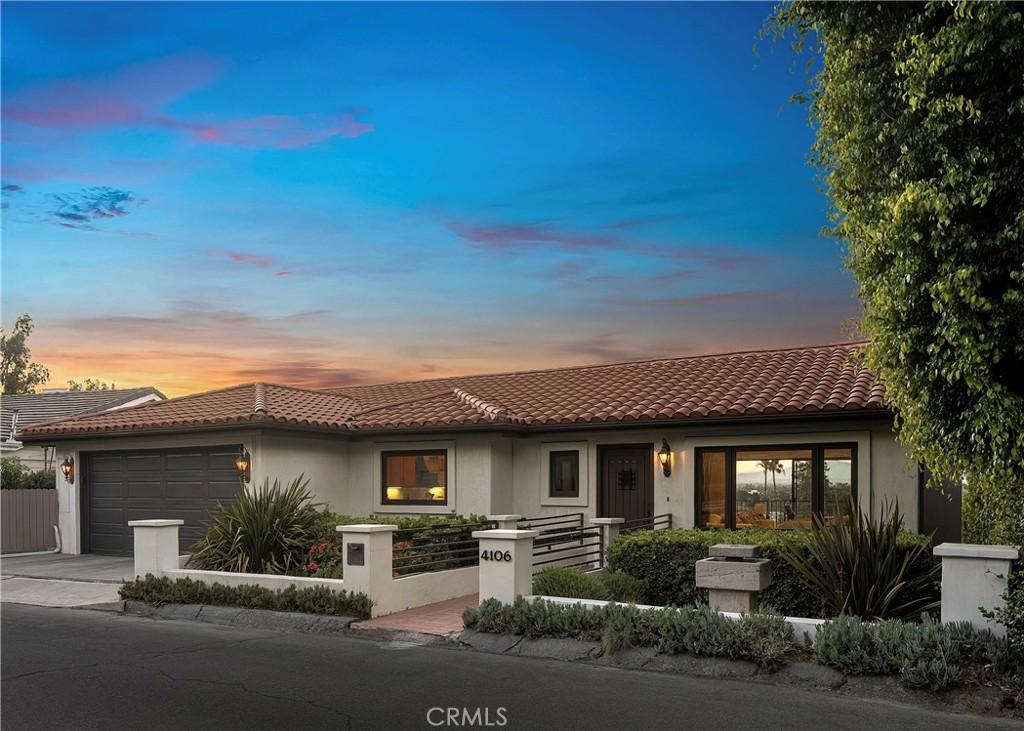
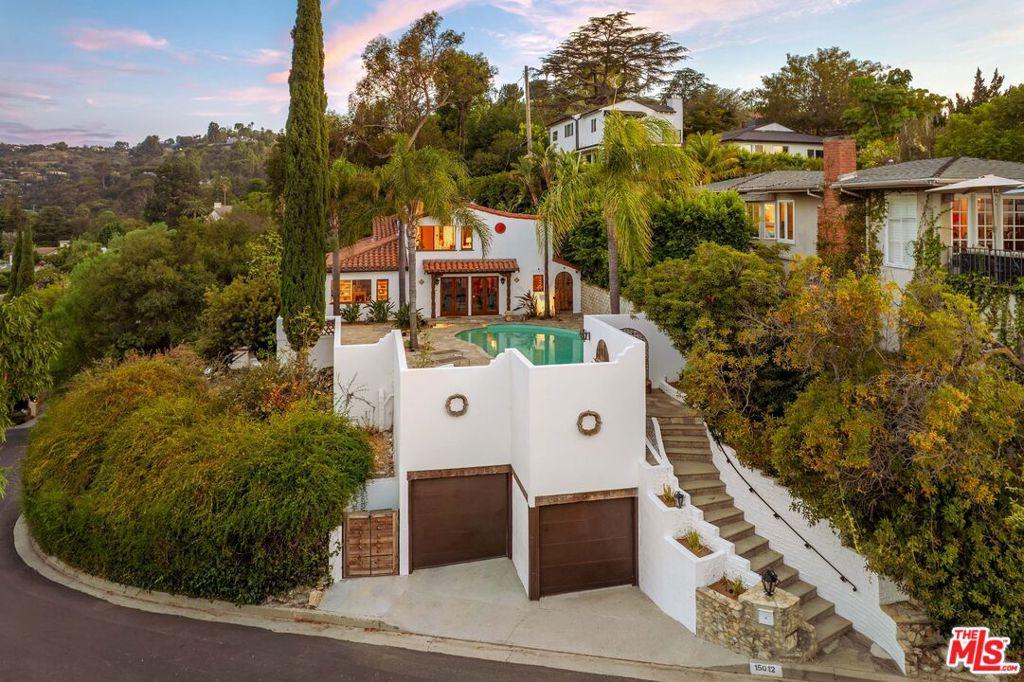
What architectural styles are found in Stone Canyon?
The neighborhood includes Mediterranean architecture, mid-century modern California design, and modern and contemporary new construction, reflecting homes built from the 1950s to today.
Is there an HOA in Stone Canyon?
No, homes in Stone Canyon do not carry homeowner association fees.
What schools serve Stone Canyon?
Residents are part of LAUSD and have access to schools including Community Magnet Charter Elementary, Kester Avenue Elementary, an LAUSD high-tech magnet school, and Roscomare Road Elementary, though specific assignments can vary by address.
Competition varies significantly by price point and condition. Turnkey single-family homes in desirable pockets of Sherman Oaks often attract multiple offers — particularly when listed under $900K. Fixer-uppers and properties with deferred maintenance see much softer competition. Working with an agent who has real-time visibility into days-on-market and offer-history data is critical to calibrating your bid strategy correctly.
Sherman Oaks has demonstrated consistent appreciation over the past decade, supported by Sherman Oaks’ central location and strong rental market create consistent demand from both owner-occupants and investors. While no market guarantees future returns, the fundamentals here — limited land supply, strong school performance, and proximity to employment — align with the characteristics that historically underpin sustained appreciation in Southern California. The Knight Group can provide a detailed appreciation analysis for specific streets or sub-neighborhoods on request.
A meaningful percentage of transactions in Sherman Oaks — particularly in the upper price tiers — never hit the MLS. Sellers who want privacy, convenience, or to avoid the preparation costs of a listed sale often prefer a direct buyer introduction. The Knight Group maintains an active off-market network in Sherman Oaks and can present qualified buyers to sellers before a property is listed. If your target property type is not available on-market, a conversation with our team about off-market options is worth having.
Sherman Oaks contains multiple distinct micro-neighborhoods, each with its own character, price range, and amenity profile. The differences between a north-of-Ventura address and a south-of-Ventura address in this area, for example, can be meaningful in terms of pricing, lot size, and school assignment. The Knight Group provides neighborhood-level guidance — not just city-level — to ensure buyers understand exactly what they are buying into before making an offer.
Stone Canyon properties are in Very High Fire Hazard Severity Zone designated areas due to their hillside-canyon position. Property insurance in this zone is more limited and more expensive than standard residential insurance — major insurers have restricted availability in hillside fire-risk areas, and buyers should obtain insurance quotes before entering escrow. Defensible space maintenance (clearing vegetation within 100 feet of structures) is legally required for properties in the VHFHSZ.
Explore more Sherman Oaks neighborhoods:
Lucky for you we’re looking out.
Subscribe to this Custom Search to be alerted when new properties hit the market in the area.
Choose the frequency that works for you.