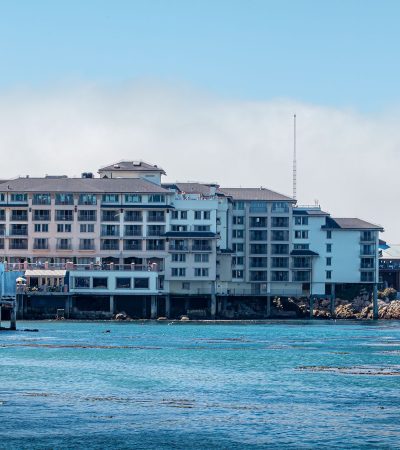
Homes for Sale in Marina, California
Homes for Sale in Marina currently number 64 active listings with a median asking price of $1,024,450 (CRMLS, September 2026).
Homes for sale in Marina give you Monterey Bay coastline and Highway 1 access at a lower price than the marquee towns nearby. This coastal city of roughly 23,000 people sits on the northern edge of the Monterey Peninsula in the 93933 ZIP code, wrapped around the former Fort Ord Army base. Per Zillow’s 2026 figures, the average home value in Marina was about $842,291, down roughly 3.9 percent over the prior year — and consistently below Monterey, Carmel, Pacific Grove, and Pebble Beach.
The housing stock splits in two. West of Highway 1, the original city grid holds most of the older single-story homes and the more affordable entry points. On former base land, The Dunes and Sea Haven offer new construction built around walkable village centers, with some of the city’s larger and more upgraded homes. Those newer neighborhoods often carry HOA dues and special district assessments, so get base taxes, assessments, and dues in writing before you write an offer.
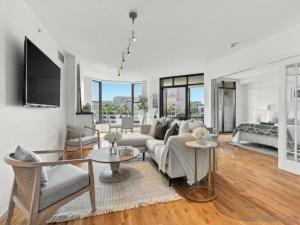
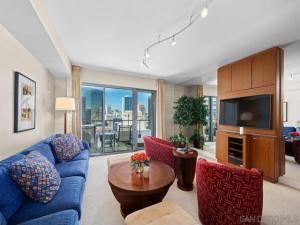
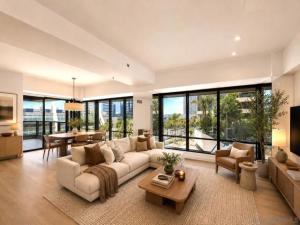
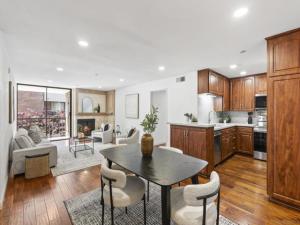
The listings below show what is currently available in Marina. If you want the honest read on a specific neighborhood, a new-construction contract, or what your budget actually buys on this stretch of the bay, contact The Knight Group and we will walk you through it.
Where is Marina and what surrounds it?
Marina occupies the coastline between Sand City and Seaside to the south and the open dunes and farmland to the north. Highway 1 runs along its western flank and is the spine of daily life here. To the east, agricultural land and the Salinas Valley begin almost immediately.
The defining fact of Marina’s geography is Fort Ord. The city grew up next to the Army post and, after the base closed, absorbed large tracts of former military land on its southern and eastern sides. That land is now home to a state university, a national monument, a state park, and two of the newest residential neighborhoods in the county. Understanding Marina means understanding that the older grid west of Highway 1 and the new development on former base land are effectively two different housing markets sharing one city name.
What is the history behind Marina and Fort Ord?
Marina incorporated on November 5, 1975, on land that had been agricultural ranchos going back to the 1860s. For most of the twentieth century, though, the area’s identity was tied to the Army.
Fort Ord was established in 1917 and became a major installation that trained soldiers for both World Wars, Korea, and Vietnam. It employed thousands and anchored the local economy until it closed in September 1994. That closure was a hard shock: the population dropped and the region had to reinvent itself. Redevelopment of the base has taken decades and produced concrete results, including the cleanup of Army munitions across thousands of acres, the creation of Fort Ord National Monument and Fort Ord Dunes State Park, and a joint Veterans Administration and Department of Defense health care facility in Marina.
The single most consequential piece of that reinvention was educational. California State University Monterey Bay was founded in 1994 on the former base and opened its doors to students that same year. If you are buying in Marina today, you are buying into the second act of a former garrison town, and the trajectory has been upward.
What does CSU Monterey Bay mean for the local market?
CSU Monterey Bay sits at the southern end of Marina, on former Fort Ord land. The campus serves close to 7,000 students and offers more than 30 degree paths. It is one of the younger campuses in the CSU system, and it functions as a genuine economic anchor for the north Peninsula.
For real estate, a university this size does two things. It supplies steady rental demand from students, faculty, and staff, which matters if you are weighing an investment purchase. And it brings a stream of employment and foot traffic that supports the retail and dining growth Marina has seen. A campus of this scale is a stabilizing force under local values, and it is one of the reasons Marina reads as a longer-term hold rather than a speculative bet.
What are the neighborhoods and new-construction areas in Marina?
Marina breaks into a few distinct areas, and the differences are large enough that you should decide which one fits before you tour.
The older core of Marina lies west of Highway 1, in the original city grid. This is where most of the more modest, single-story homes are, and it is the more affordable entry point into the city. Single-family detached homes are the most common housing type in Marina overall, and this is where you will find the largest supply of them.
On the former Fort Ord land, two newer neighborhoods have been rising: The Dunes and Sea Haven. These are master-planned communities built around the idea of walkable village centers, with newer construction and, in the case of Sea Haven, some of the larger and more upgraded homes in the city. If you want a newer build with contemporary systems and a planned-community feel, this is the part of Marina to focus on.
The trade-off is worth naming. New-construction neighborhoods on redeveloped land often carry homeowners association dues, and communities of this type can also carry special district assessments layered onto the property tax bill. Those costs are real and they change what you can afford at a given monthly payment. Before you write an offer in The Dunes or Sea Haven, get the full carrying cost in writing: base taxes, any special assessments, and HOA dues combined. We insist on that math before our clients commit.
How much do homes cost in Marina?
Marina is the affordability story of the Monterey Peninsula. Per Zillow’s Marina home-value figures in 2026, the average home value in the city was about $842,291, down roughly 3.9 percent over the prior year. Treat that as a citywide average rather than a quote on any specific home: a compact older house west of Highway 1 and a new-build in Sea Haven can sit far apart on either side of that number.
The comparison that matters is the neighboring towns. Marina consistently trades below Monterey, Carmel, Pacific Grove, and Pebble Beach. You are giving up the storied names and some of the drama of the southern Peninsula coastline, and in exchange you get more square footage and newer construction per dollar. For a lot of buyers, that trade is the entire reason to look here.
Prices move, and a citywide average can lag what is actually happening in a given month or a given neighborhood. For a current read on what your target price band buys right now, use the live listings below or ask us for a neighborhood-specific pull.
What kinds of homes and housing types are in Marina?
Marina has a more varied housing mix than most Peninsula towns. According to NeighborhoodScout, single-family detached homes are the most common type at roughly 48 percent of units. Large apartment complexes make up about 24 percent, duplexes and small converted apartment buildings about 15 percent, and row houses and other attached homes around 8 percent.
What that means in practice: Marina is one of the few places on this coast where a buyer can realistically choose between a detached house, an attached townhome, or a condo, and where an investor can find genuine multi-unit and rental product. The architecture in the older grid tends to be modest and functional. The newer neighborhoods bring current design and larger, more upgraded homes into the picture. If you have a specific product type in mind, tell us, because the right answer depends heavily on which of Marina’s submarkets you shop.
How is the commute and transportation from Marina?
Highway 1 is the main artery, and it puts Marina roughly 10 minutes from Monterey and about an hour from Santa Cruz. Heading east, Salinas is a short drive over Highway 68 and connecting surface routes. The most-traveled inland connectors include Imjin Parkway, Reservation Road, and Blanco Road, and those can back up at peak hours, so factor rush timing into any commute you are counting on.
Marina is also served by Monterey-Salinas Transit. MST bus service runs through the city and connects to the surrounding towns, and the Line 20 bus reaches Salinas in about 22 minutes. Transportation planning in the corridor is active: the SURF! Busway and Bus Rapid Transit project has been identified to receive up to $15 million in Measure X funding to build a faster transit corridor along Highway 1 between Seaside and Marina, and the Marina-Salinas Multimodal Corridor Plan aims to add capacity for transit, cycling, and walking through the former Fort Ord area. For a buyer, the takeaway is that Marina is more transit-connected than most Peninsula addresses, and the connections are being expanded.
What are the schools in Marina?
Almost all of Marina falls within the Monterey Peninsula Unified School District, which also serves Monterey, Seaside, Sand City, and Del Rey Oaks. Marina High School serves the city, and CSU Monterey Bay provides four-year public higher education right at the southern edge of town.
School attendance boundaries do not always follow neighborhood lines cleanly, and district assignments can change. If a specific school is a deciding factor for your household, confirm the exact attendance area for any address you are considering before you commit, and we will help you verify it against the current district maps rather than assumptions.
What is there to do outdoors in Marina?
Marina’s outdoor draw is the coast and the dunes, and it is genuinely distinctive. Marina State Beach is one of the premier hang gliding and paragliding spots in Central California, thanks to steady onshore winds and a clean launch off the dunes. The same beach draws surfers, kite flyers, birdwatchers, and walkers, with a trail through the Marina Dunes and long open sand.
Just to the south, Fort Ord Dunes State Park spans close to 979 acres of former military land, now open for hiking, jogging, and cycling with ocean views and interpretive signage about the site’s natural and military history. Inland, the broader Fort Ord National Monument offers extensive trail networks for hikers and mountain bikers. For a city of this size, the ratio of protected open space and coastline to residents is high, and that is a large part of Marina’s appeal.
What are the shopping and daily amenities like?
The commercial center of newer Marina is The Dunes on Monterey Bay, a shopping and dining district built on former base land. It anchors the everyday retail that a growing city needs and sits near the newer residential neighborhoods. The older commercial areas along Reservation Road and the original city grid handle the rest of daily errands.
Marina’s retail base has expanded alongside its housing, which is a meaningful change from the leaner years right after the base closed. It is not a resort shopping destination in the mold of Carmel, and you will still drive to Monterey or Salinas for some things. But for daily life, the amenity picture has improved substantially and continues to.
What risks and trade-offs should a Marina buyer weigh?
Marina is a strong value, but it is not without things to check. Name them up front and you buy with your eyes open.
Former base land. Large portions of the city sit on redeveloped Fort Ord property. Munitions cleanup across the former base has been extensive and documented, but the history is real, and you should review any environmental and land-use disclosures carefully for a given parcel.
Carrying costs on new construction. As noted above, newer neighborhoods can layer HOA dues and special district assessments on top of base property taxes. Get the combined monthly number before you fall for a floor plan.
Coastal and dune dynamics. This is an active shoreline. The Fort Ord coastline has experienced erosion over time, and dune environments move. For any property near the bluffs or dunes, understand the setback and the long-term coastal picture.
Two markets, one name. The older grid west of Highway 1 and the new development on former base land behave differently on price, product, and cost structure. Comparing a listing in one against a sale in the other can mislead you. We keep those submarkets separate when we run your numbers.
Who Marina Fits Best — and Who Should Look Elsewhere
The buyers who do well here are the ones who want coastal access without paying Peninsula-marquee prices, and who are comfortable with a city still working through its second act. If your priority is a walkable village setting and newer systems, focus on the former base land and budget for the full carrying cost, not just the mortgage. If your priority is the lowest entry price and a detached house on a conventional lot, the original grid west of Highway 1 is the better hunting ground. Commuters should also weigh the Highway 1 corridor honestly, since it carries most of the daily traffic in and out.
Where Marina real estate does not fit is the buyer who needs a settled, uniform neighborhood profile. One city name covers two different markets here, with different ages of housing, different monthly obligations, and different resale audiences. Decide which one you are actually shopping before you tour.
Frequently Asked Questions About marina Homes for Sale
Is Marina cheaper than the rest of the Monterey Peninsula?
Yes. Marina consistently trades below Monterey, Carmel, Pacific Grove, and Pebble Beach. Per Zillow’s 2026 figures, the citywide average home value was around $842,291, and that number sits well under the marquee Peninsula towns. You give up some of the prestige and coastline drama and gain more home per dollar.
Was Marina built on Fort Ord?
Partly. Marina incorporated in 1975 as its own city, but large tracts on its southern and eastern sides are former Fort Ord land redeveloped after the base closed in 1994. CSU Monterey Bay, Fort Ord Dunes State Park, and the newer neighborhoods of The Dunes and Sea Haven all sit on former base property.
What school district serves Marina?
Almost all of Marina is in the Monterey Peninsula Unified School District, which also serves Monterey, Seaside, Sand City, and Del Rey Oaks. Marina High School serves the city. Confirm the exact attendance area for any specific address, since boundaries do not always follow neighborhood lines.
How far is Marina from Monterey?
About 10 minutes by car via Highway 1. Santa Cruz is roughly an hour up the same highway, and Salinas is a short drive east over Highway 68 and connecting surface routes.
Are there new-construction homes in Marina?
Yes. The Dunes and Sea Haven are master-planned neighborhoods on former Fort Ord land with newer construction, including some of the larger and more upgraded homes in the city. Expect these to carry HOA dues and potentially special district assessments, so confirm the full carrying cost before you offer.
Is Marina a good place for investors?
It can be. Marina has a more varied housing mix than most Peninsula towns, including apartments, duplexes, and attached homes, and CSU Monterey Bay supplies steady rental demand. As with any purchase here, the returns depend on which submarket and product type you buy, so run the specific numbers before you commit.
What is the outdoor scene like in Marina?
Coastal and dune-driven. Marina State Beach is a premier hang gliding and paragliding spot with surfing and long open sand, and Fort Ord Dunes State Park offers close to 979 acres of trails and ocean views on former base land. The wider Fort Ord National Monument adds extensive hiking and mountain biking inland.
Is Marina still growing?
Yes. The city has added new neighborhoods, retail at The Dunes on Monterey Bay, and expanded transit planning along the Highway 1 corridor, including the SURF! Busway bus rapid transit project between Seaside and Marina. The trajectory since the base closed has been one of steady buildout.
How does The Knight Group work in the Marina market?
We treat Marina as what it is: two distinct submarkets under one city name, each with its own price logic and cost structure. When you come to us with a budget, we do not hand you a citywide average and call it a day. We separate the older grid west of Highway 1 from the new construction on former base land, run the real carrying costs including any HOA dues and special assessments, and confirm school boundaries against current district maps rather than assumptions.
For sellers, that same submarket precision is how we price. A home in Sea Haven and a home in the original grid are not comparable just because they share a ZIP code, and pricing them as if they were is how listings sit. For buyers and investors, we tell you the trade-offs plainly, including the base-land history and the coastal dynamics, so you commit with full information.
Start with the current Marina listings below. When you are ready to look harder at a specific home or neighborhood, contact The Knight Group and we will give you the grounded, number-first read that a purchase on this coast deserves.
What are homes for sale in Marina actually like?
- Marina is a coastal city on the northern edge of the Monterey Peninsula, wrapped around the former Fort Ord Army base.
- Average home values in Marina have run consistently below Monterey, Carmel, Pacific Grove, and Pebble Beach.
- The Dunes and Sea Haven offer new construction built around walkable village centers, with some of the city’s larger and more upgraded homes.
- Newer Marina neighborhoods often carry HOA dues and special district assessments, so get taxes, assessments, and dues in writing before offering.
- Marina occupies the coastline between Sand City and Seaside to the south and open dunes and farmland to the north.
- Agricultural land and the Salinas Valley begin almost immediately east of Marina.
- Fort Ord is the defining fact of Marina’s geography, with the city having grown up next to the Army post.
- Former base land inside Marina now holds a state university, a national monument, a state park, and two new residential neighborhoods.
- Marina incorporated on land that had been agricultural ranchos, though the area’s identity was long tied to the Army.
- Fort Ord trained soldiers for both World Wars, Korea, and Vietnam, employing thousands and anchoring the local economy until it closed.
- CSU Monterey Bay supplies steady rental demand from students, faculty, and staff, making Marina read as a longer-term hold.
What is daily life like around homes for sale in Marina?
- Imjin Parkway, Reservation Road, and Blanco Road are the most-traveled inland connectors and can back up at peak hours.
- Monterey-Salinas Transit runs bus service through Marina and connects the city to the surrounding towns.
- Transportation planning in the corridor is active, with the SURF! Busway project building a faster transit corridor between Seaside and Marina.
- The Marina-Salinas Multimodal Corridor Plan aims to add capacity for transit, cycling, and walking through the former Fort Ord area.
- Buyers looking at homes for sale in Marina find a more transit-connected address than most of the Peninsula, with connections still expanding.
- Monterey Peninsula Unified School District covers almost all of Marina and also serves Monterey, Seaside, Sand City, and Del Rey Oaks.
- Marina High School serves the city, and CSU Monterey Bay provides four-year public higher education at the southern edge of town.
- School attendance boundaries do not always follow neighborhood lines cleanly, so confirm the exact attendance area before committing to an address.
- Marina State Beach ranks among the premier hang gliding and paragliding spots in Central California, thanks to steady onshore winds.
- Surfers, kite flyers, birdwatchers, and walkers all use Marina State Beach, which has a dunes trail and long open sand.
- Fort Ord Dunes State Park spans former military land open for hiking, jogging, and cycling with ocean views and interpretive signage.
- The Dunes on Monterey Bay is the commercial center of newer Marina, anchoring everyday retail near the newest residential neighborhoods.
- Former base land, carrying costs on new construction, and active coastal and dune dynamics are the trade-offs to weigh in Marina.
What should buyers know before shopping homes for sale in Marina?
- Marina incorporated as its own city, but large tracts on its southern and eastern sides are redeveloped former Fort Ord land.
- CSU Monterey Bay, Fort Ord Dunes State Park, and the newer neighborhoods of The Dunes and Sea Haven all sit on former base property.
- Monterey Peninsula Unified School District serves almost all of Marina, along with Monterey, Seaside, Sand City, and Del Rey Oaks.
- Marina High School serves the city, though attendance areas should be confirmed for any specific address before a purchase.
- New-construction options among homes for sale in Marina include the master-planned neighborhoods of The Dunes and Sea Haven.
- Master-planned neighborhoods in Marina can carry HOA dues and potentially special district assessments, so confirm full carrying cost before offering.
- Investors find a more varied housing mix in Marina than in most Peninsula towns, including apartments, duplexes, and attached homes.
- CSU Monterey Bay supplies steady rental demand, though returns depend on which submarket and product type an investor buys.
- Marina State Beach is a premier hang gliding and paragliding spot with surfing and long open sand along the coast.
- Fort Ord National Monument adds extensive hiking and mountain biking inland beyond the coastal dunes.
- The Knight Group treats homes for sale in Marina as two distinct submarkets under one city name, each with its own price logic.
- Sellers benefit from submarket precision, since a home in Sea Haven and one in the original grid are not comparable by ZIP code alone.
- Buyers and investors get the trade-offs plainly, including base-land history and coastal dynamics, so they commit with full information.