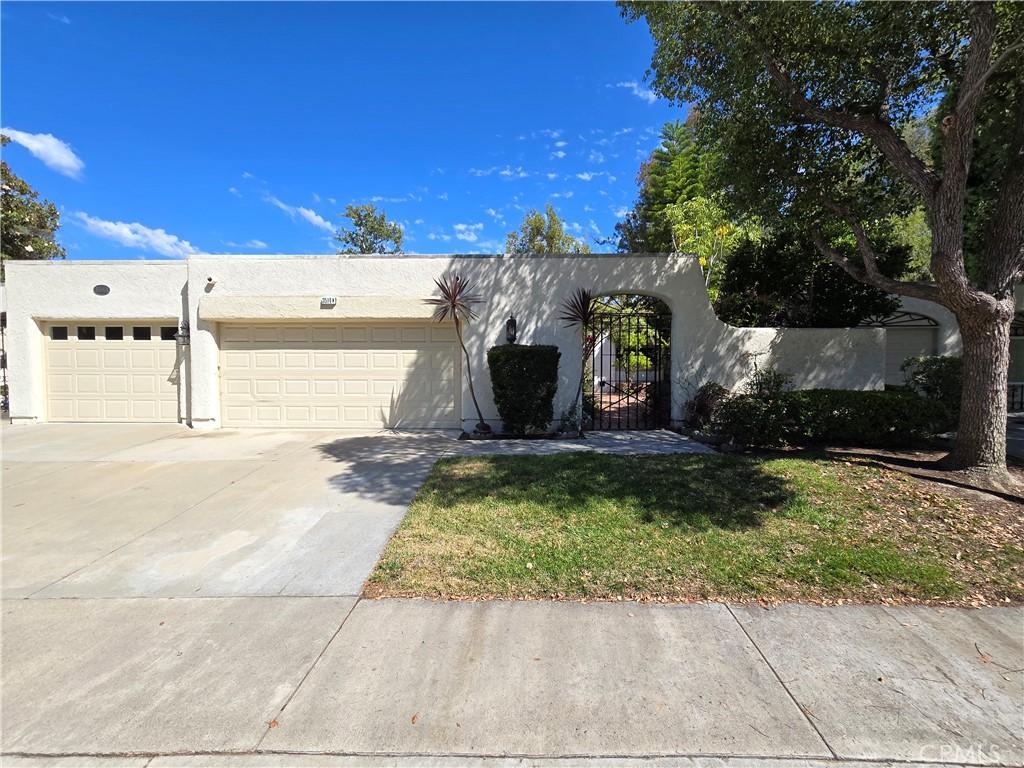
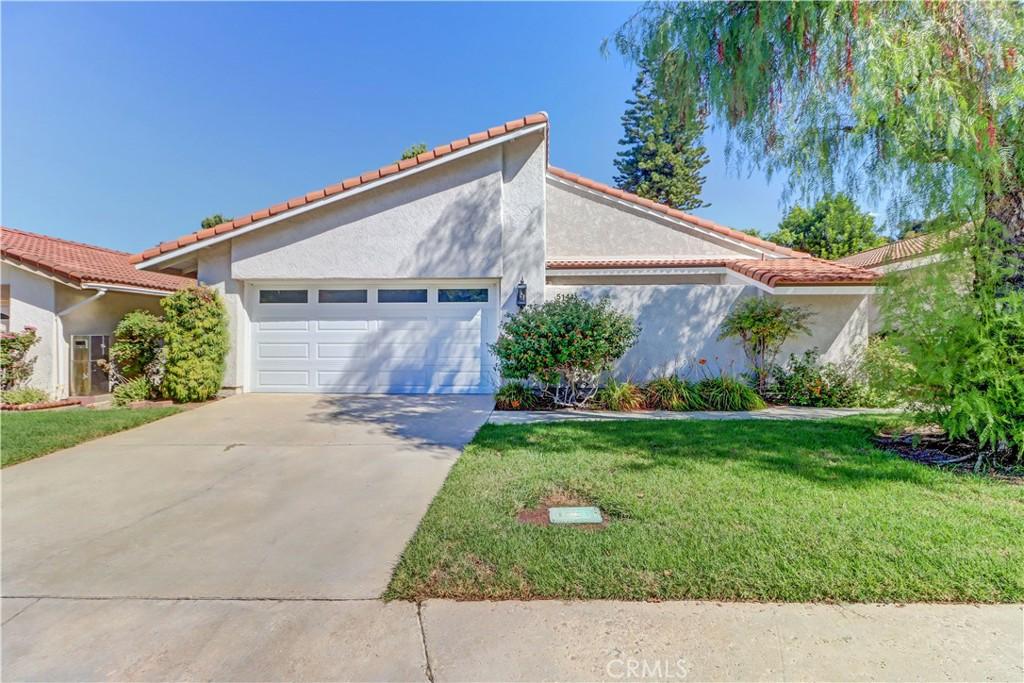
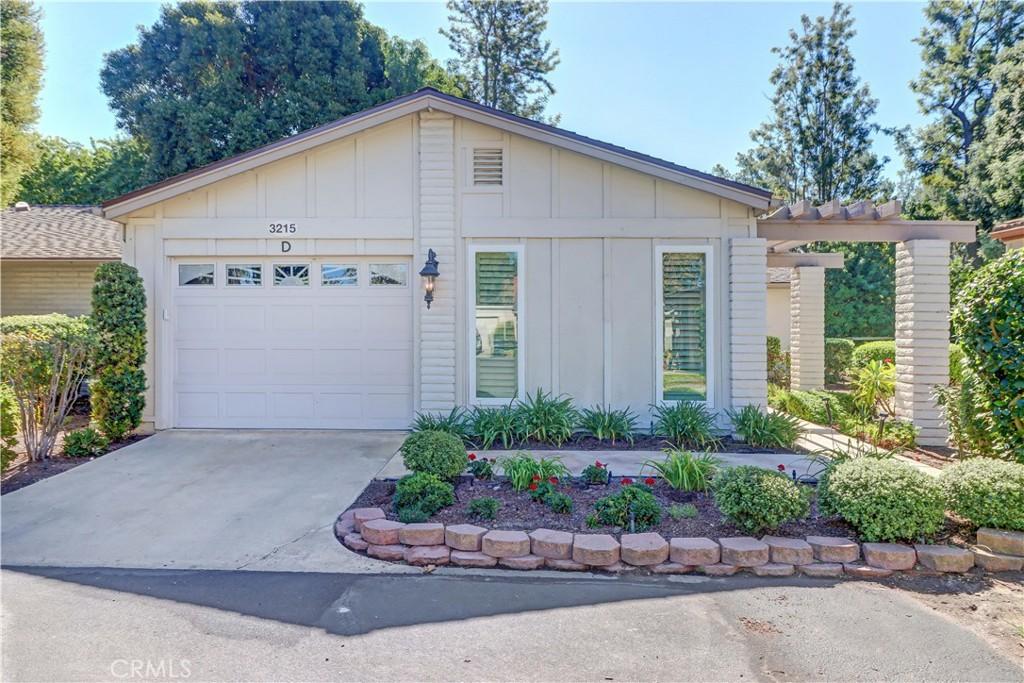
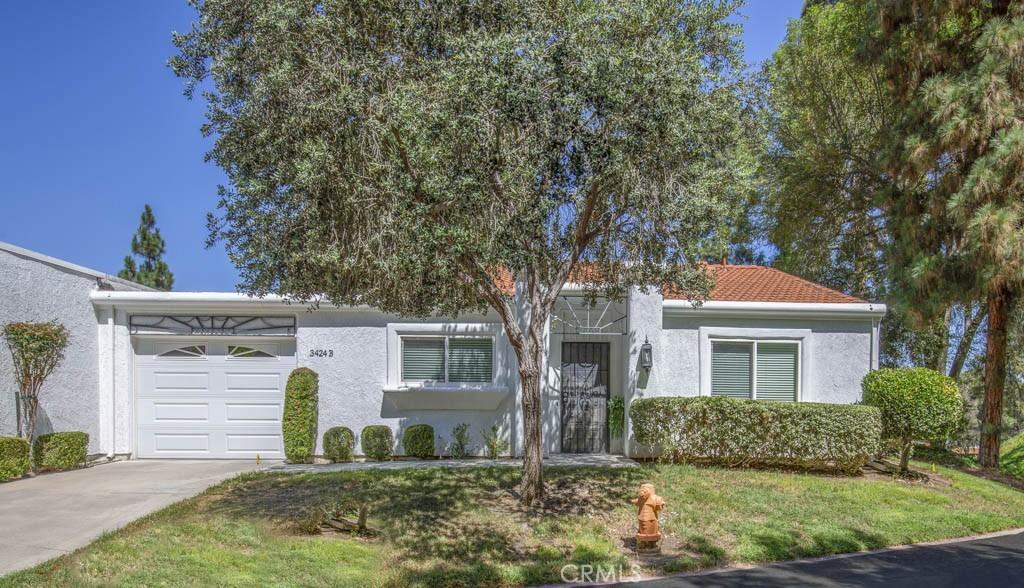
Laguna WoodsListings

Laguna Woods Real Estate | South Orange County, CA

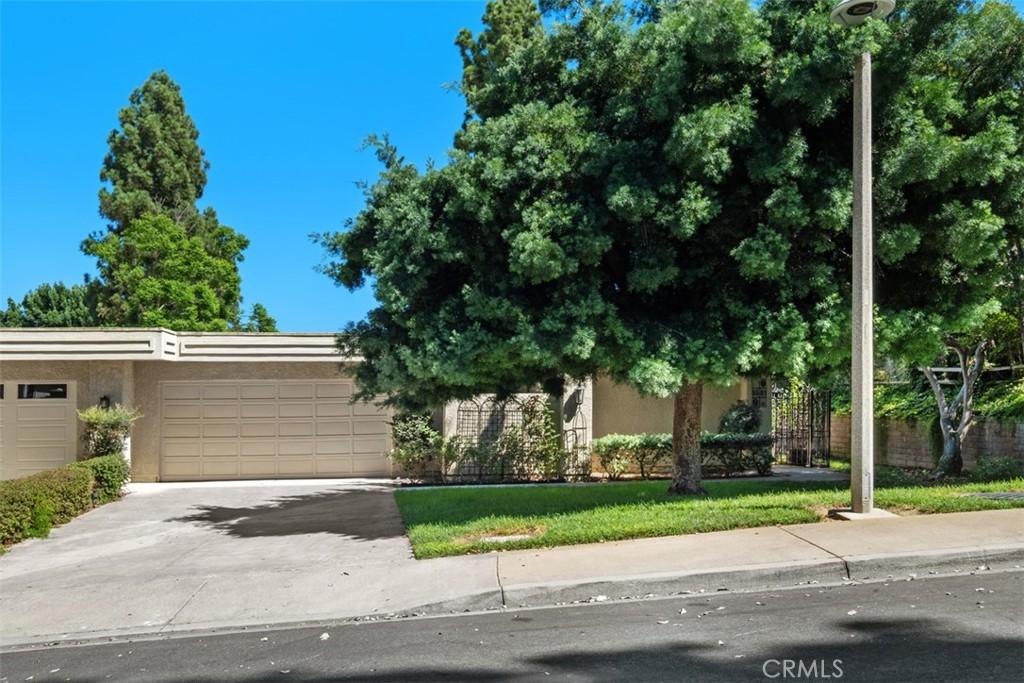
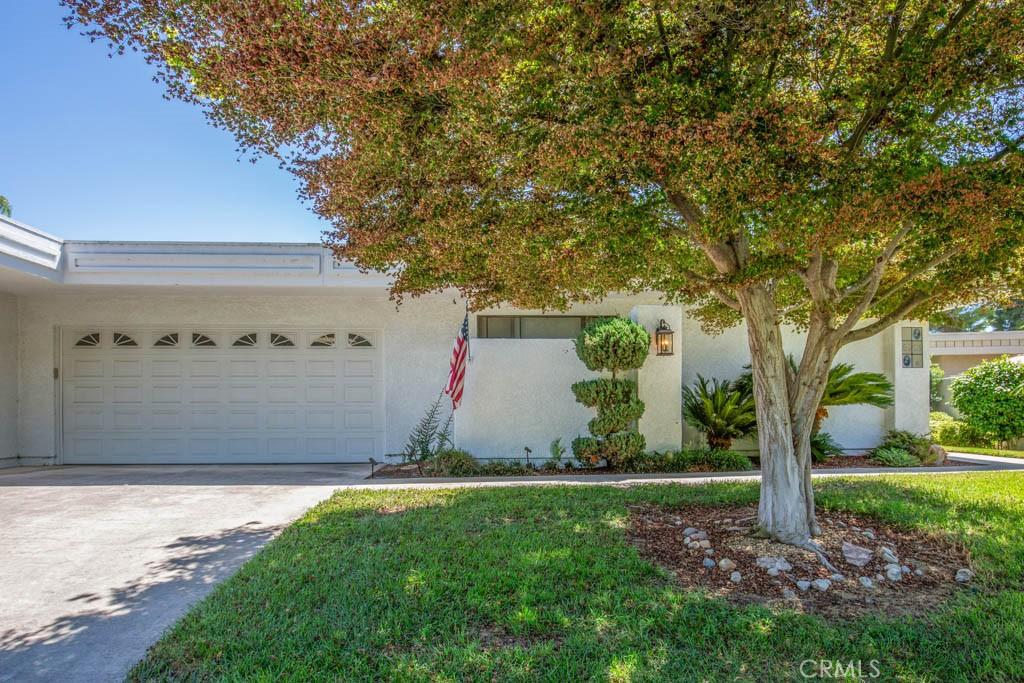
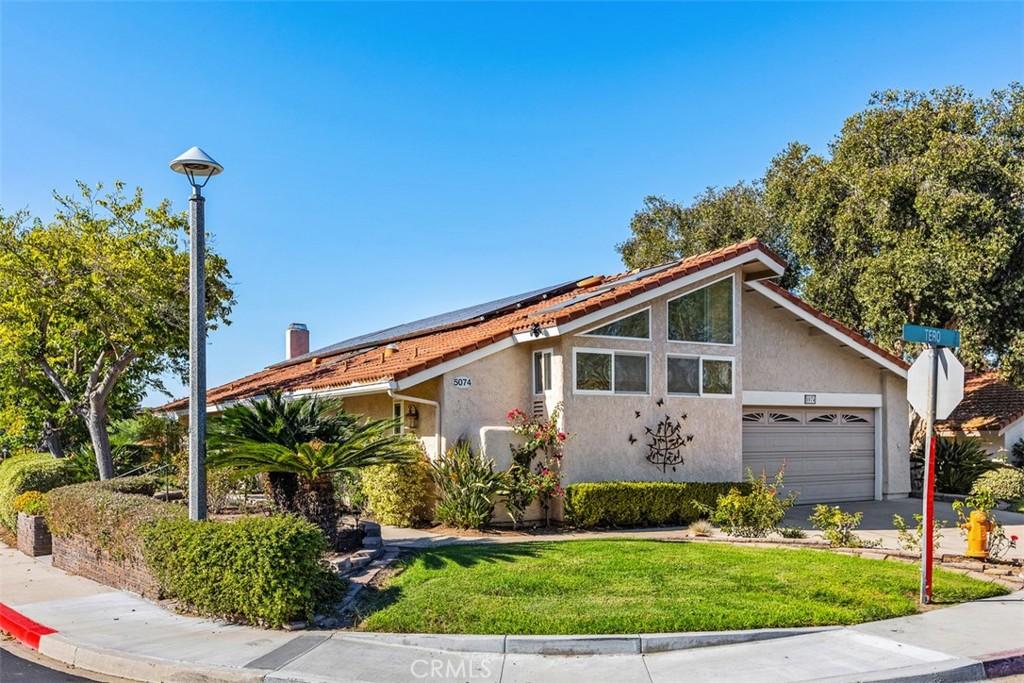
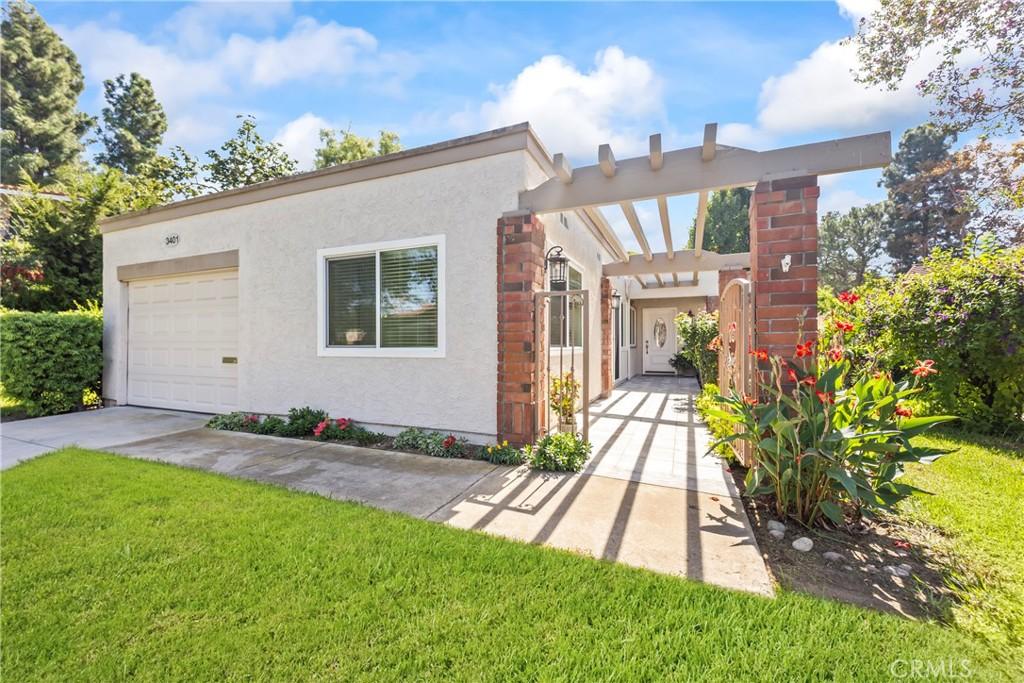
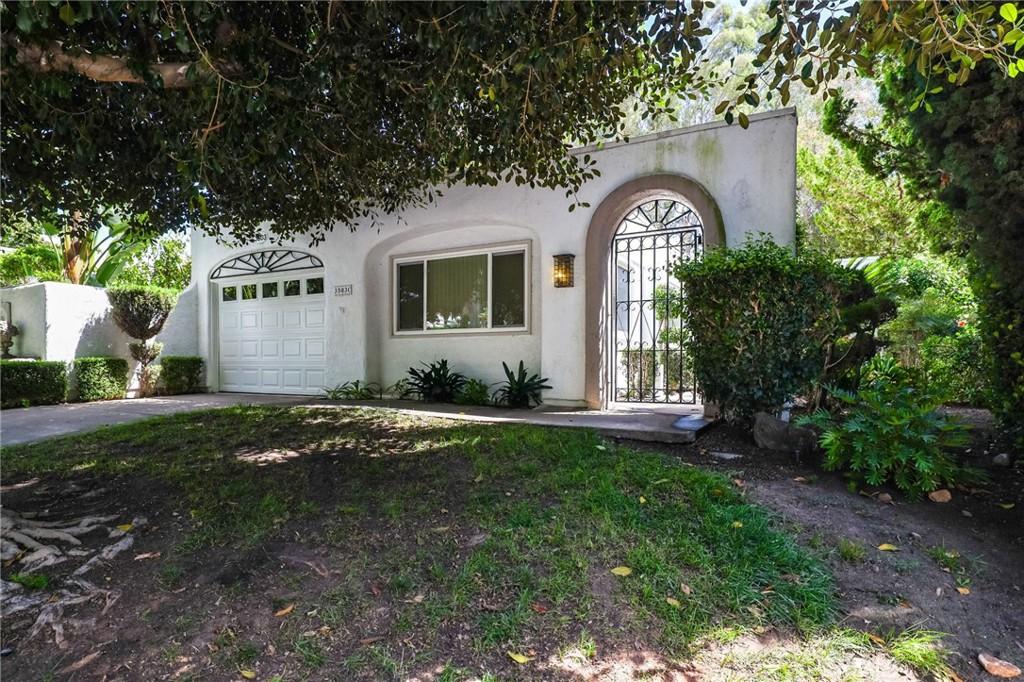
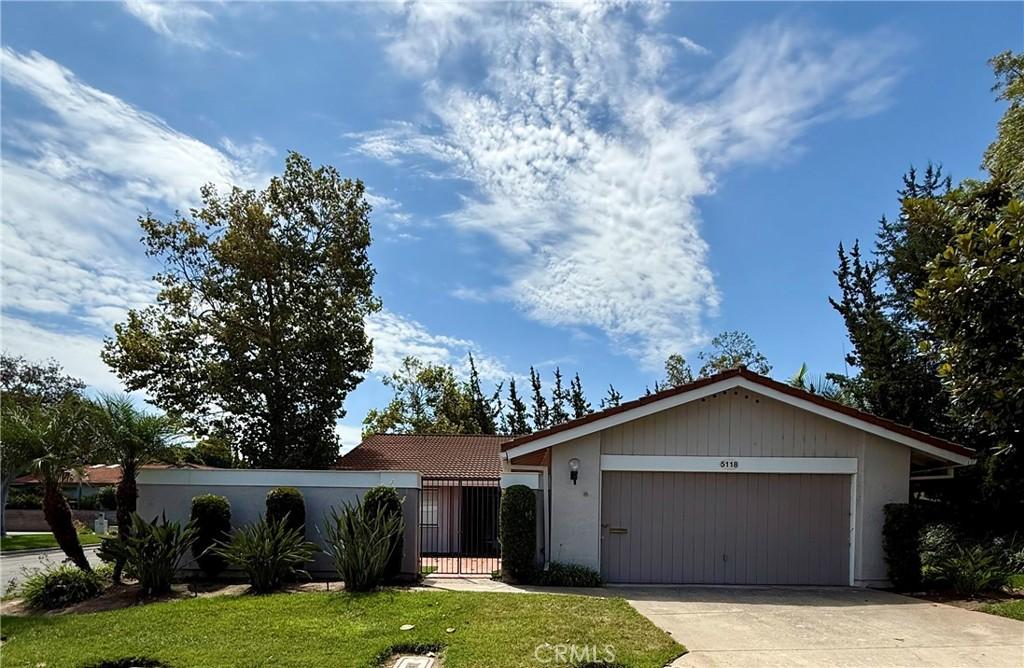
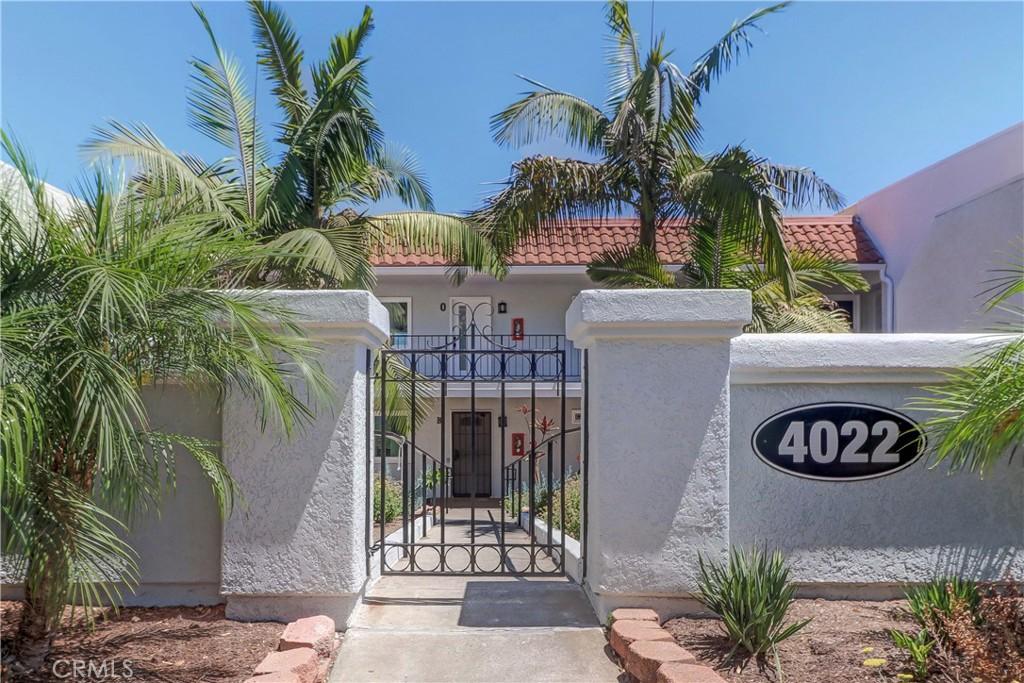
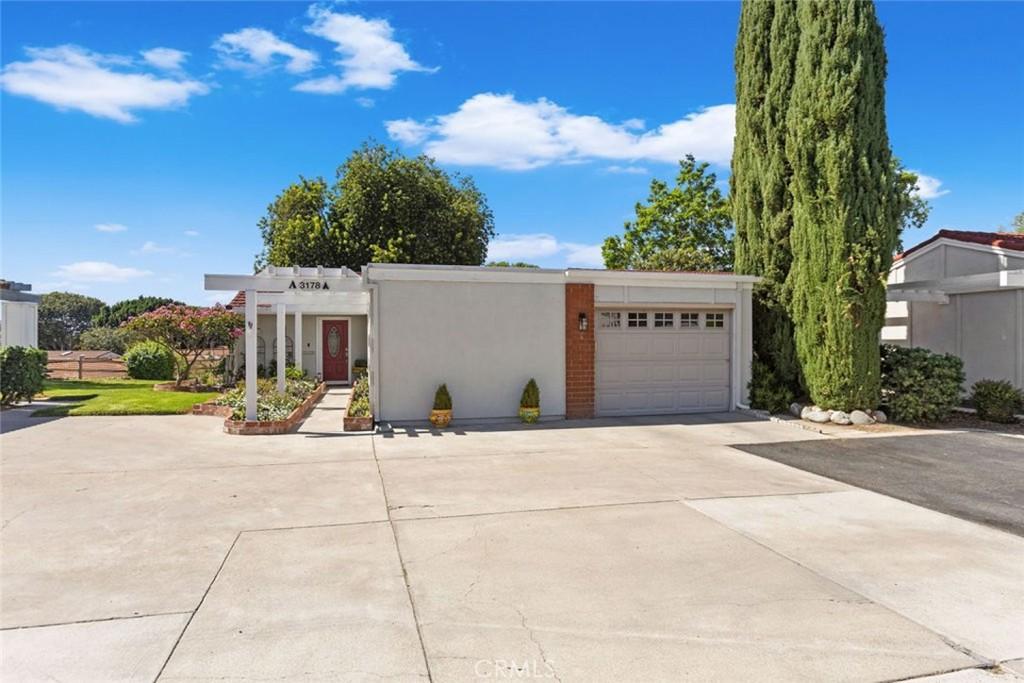
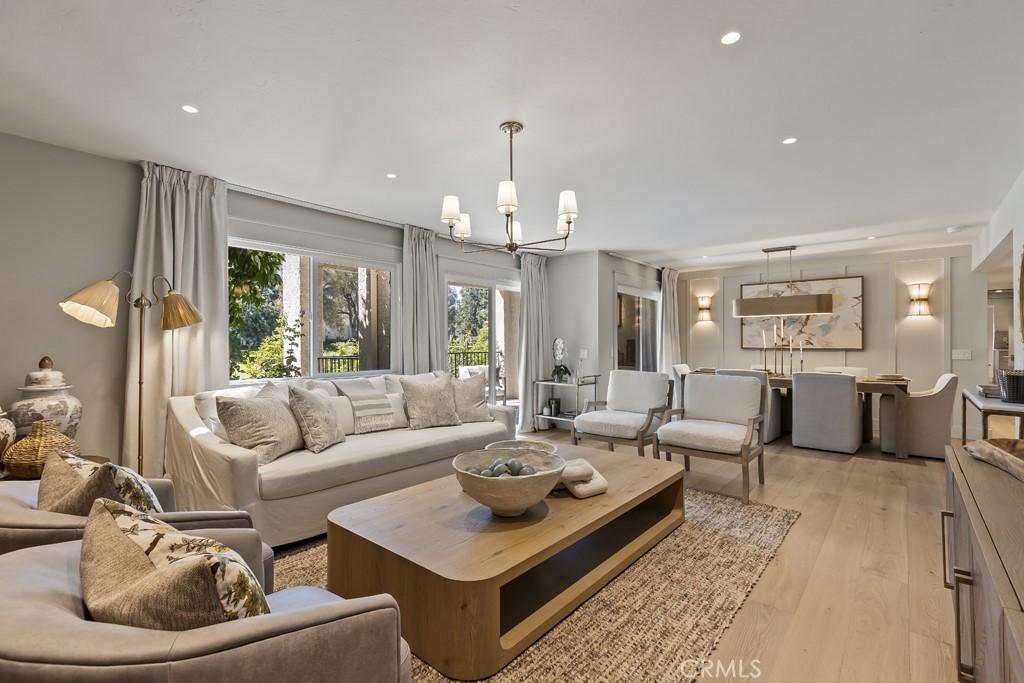
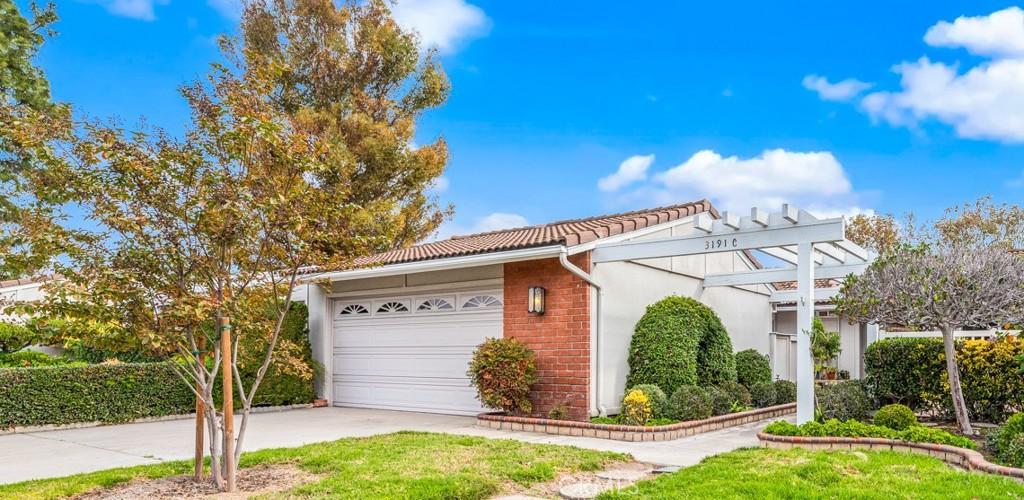
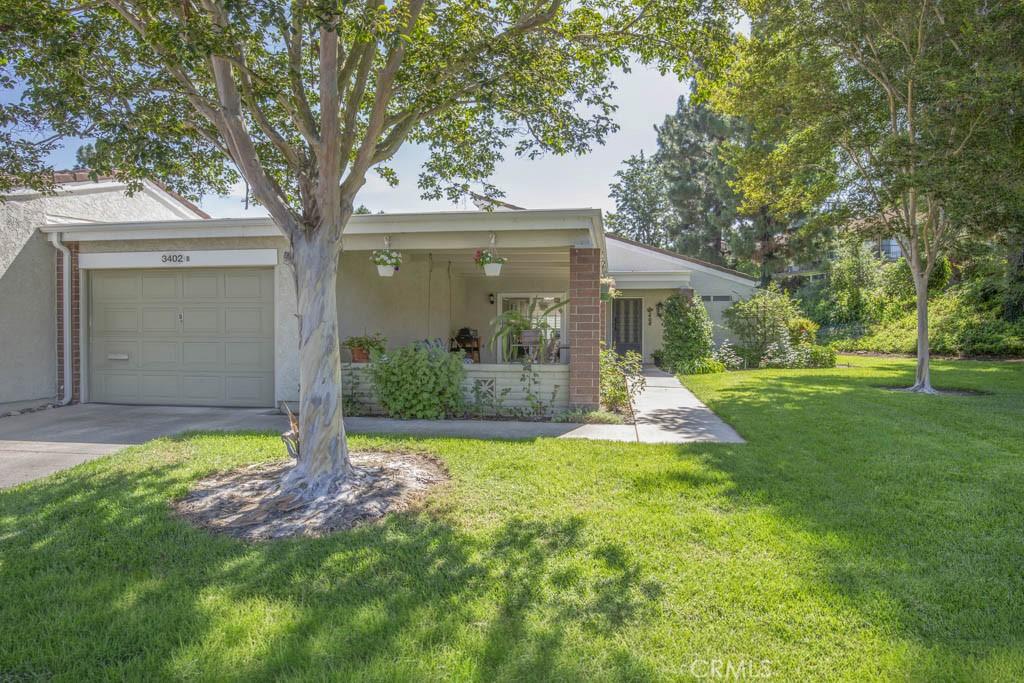
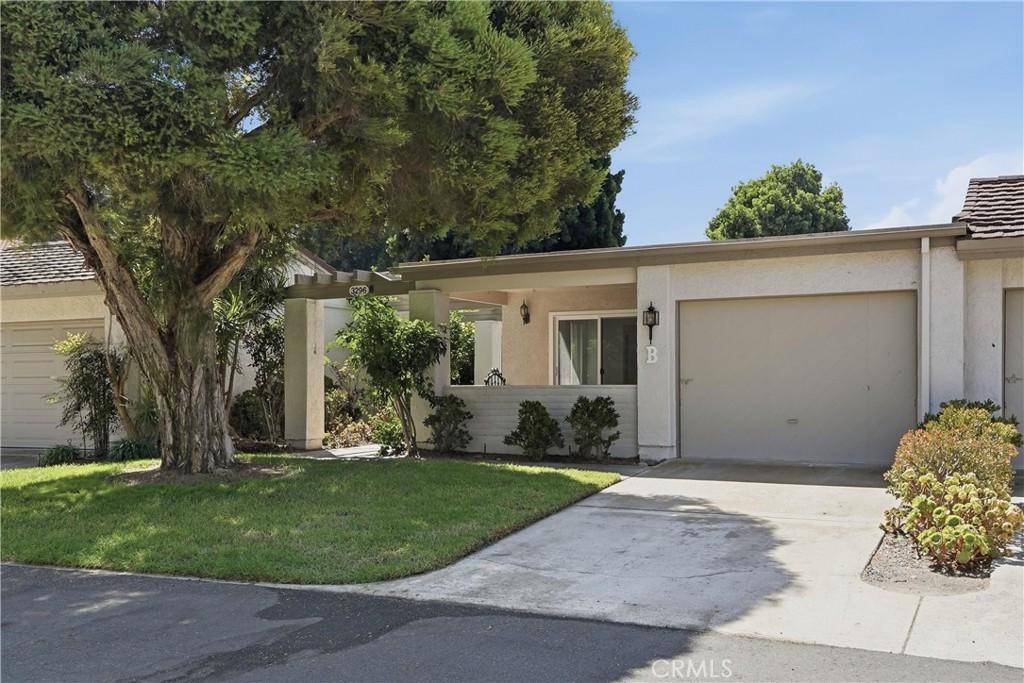
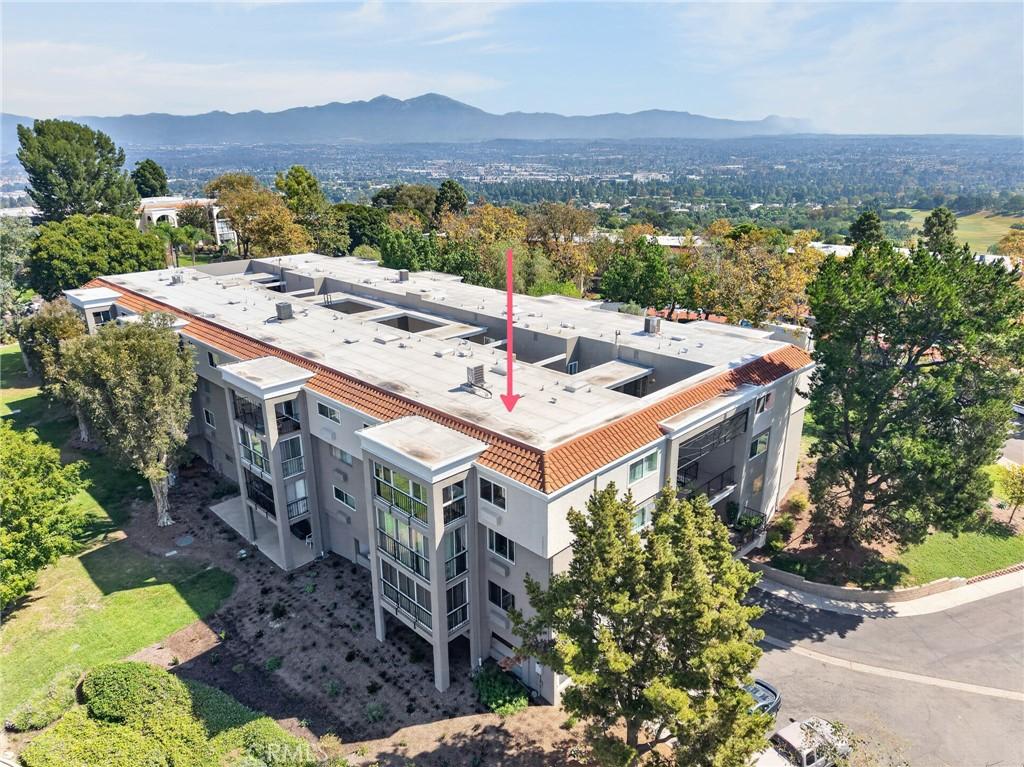
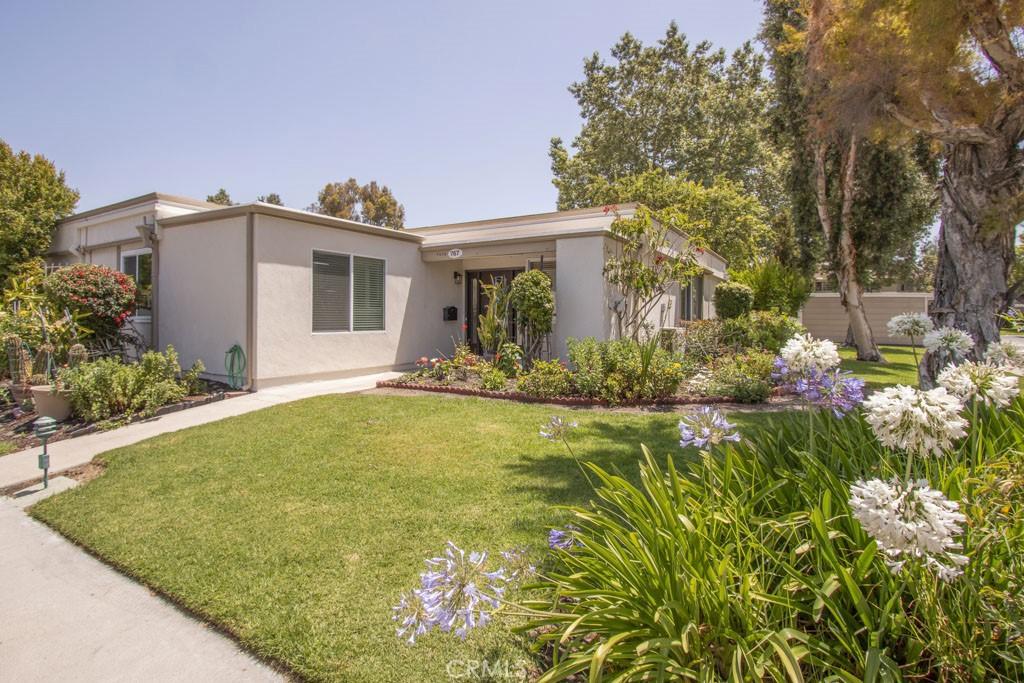
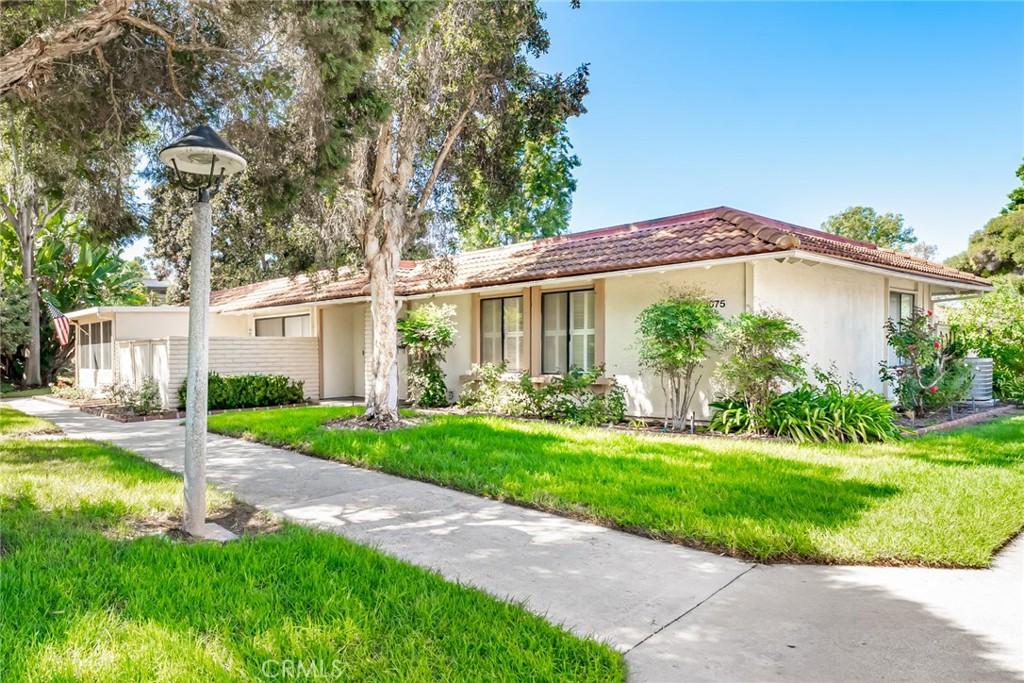
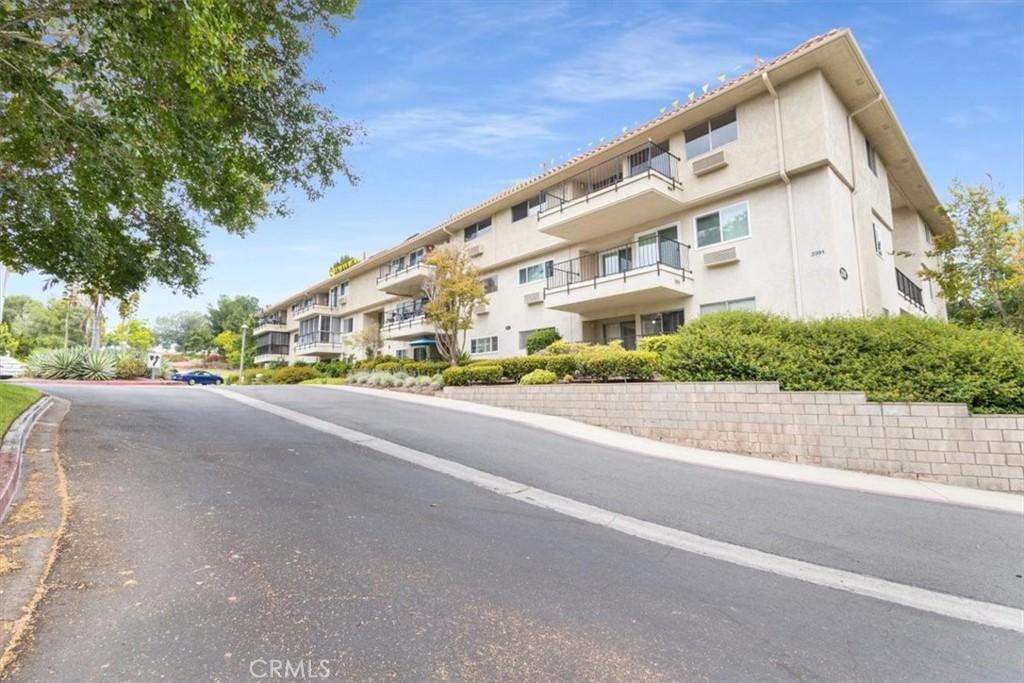
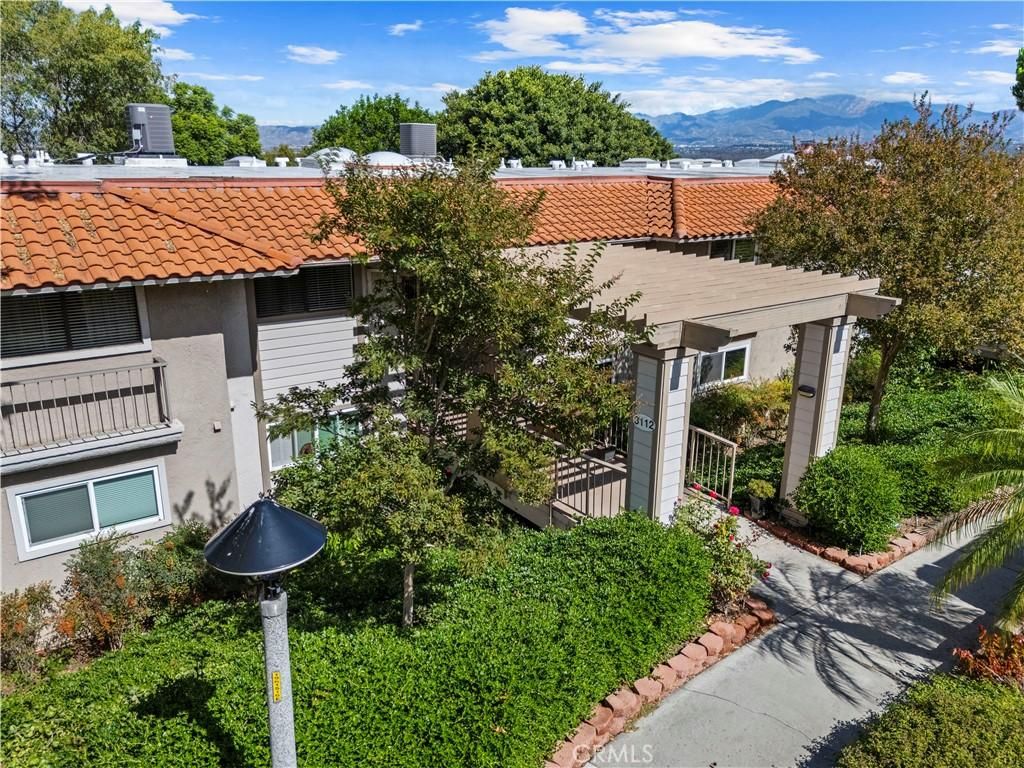
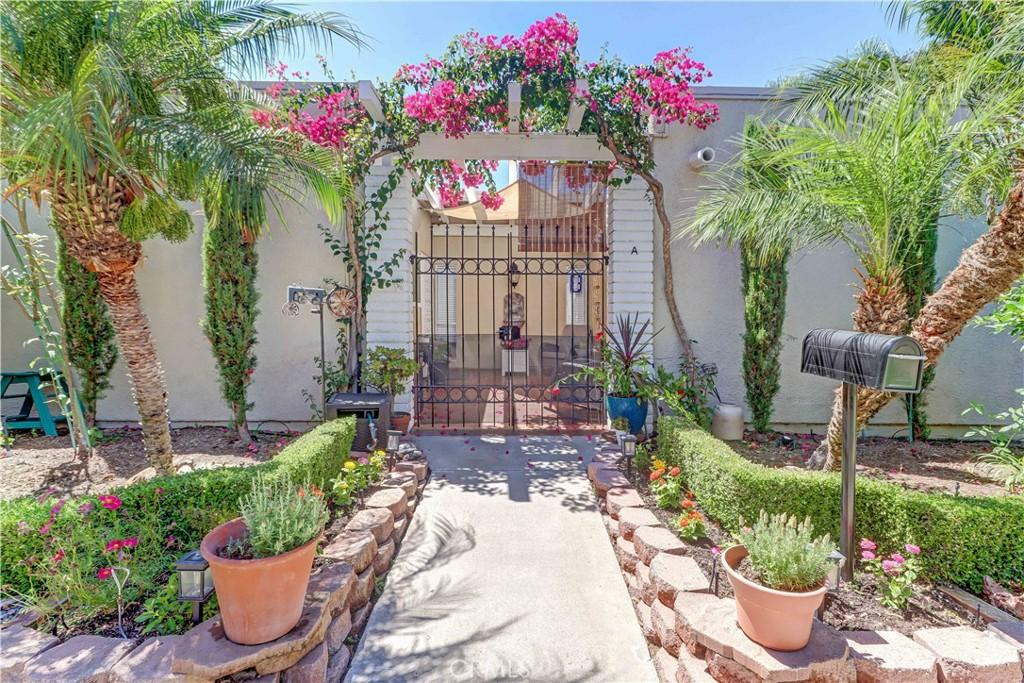
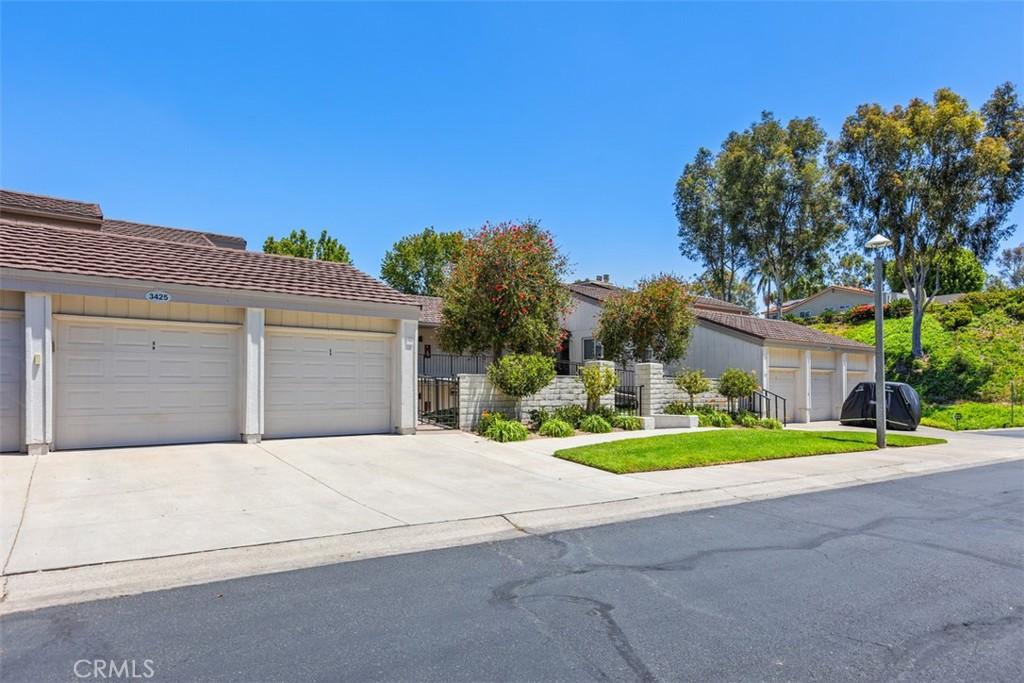
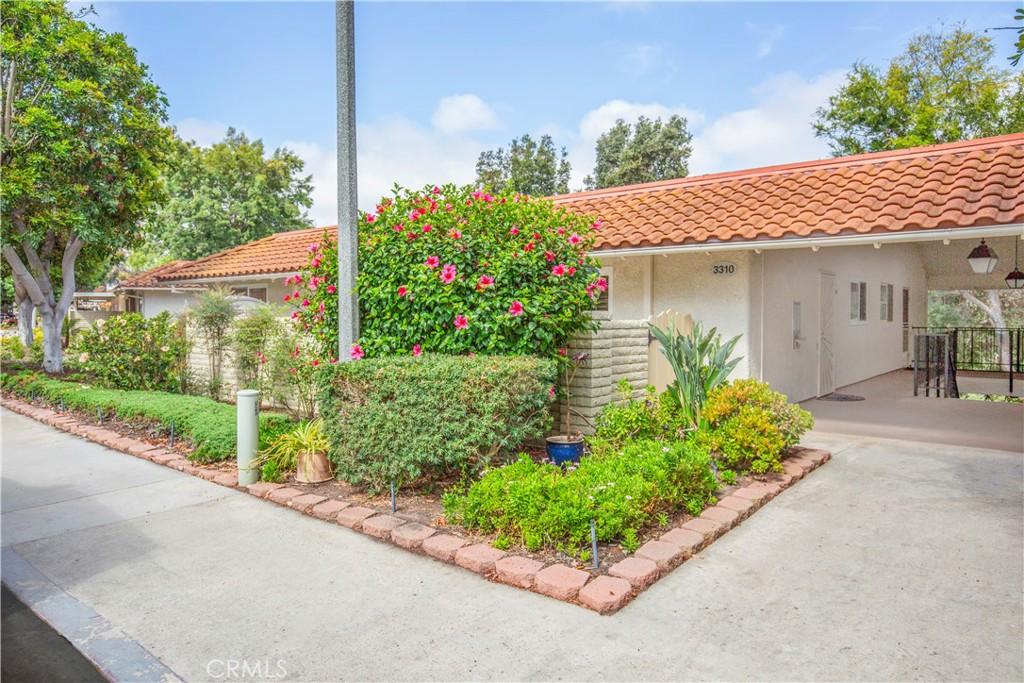
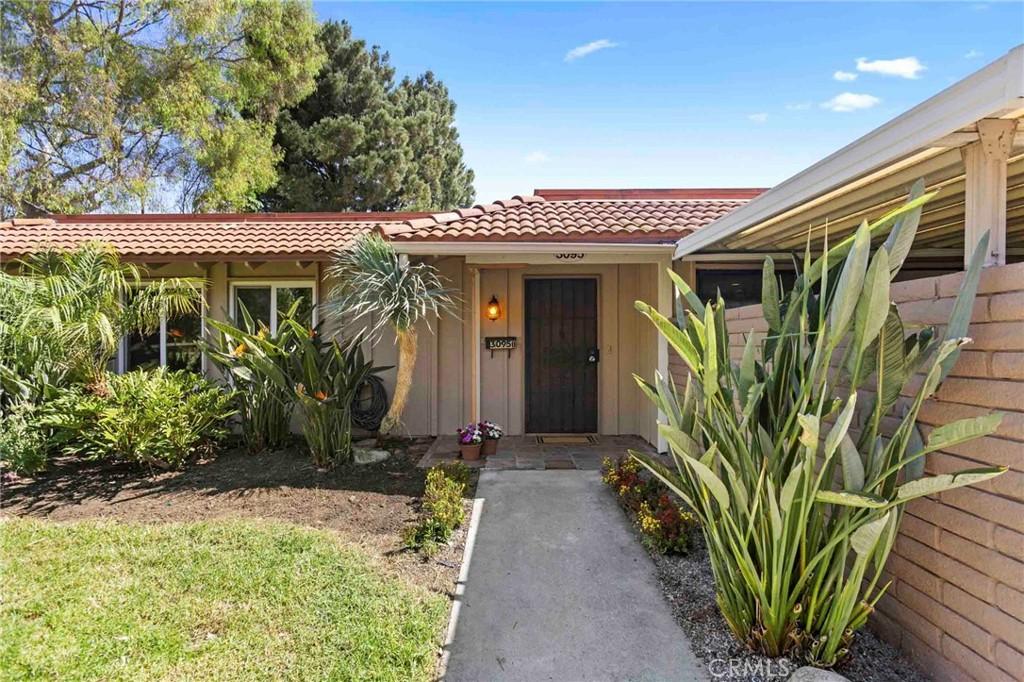
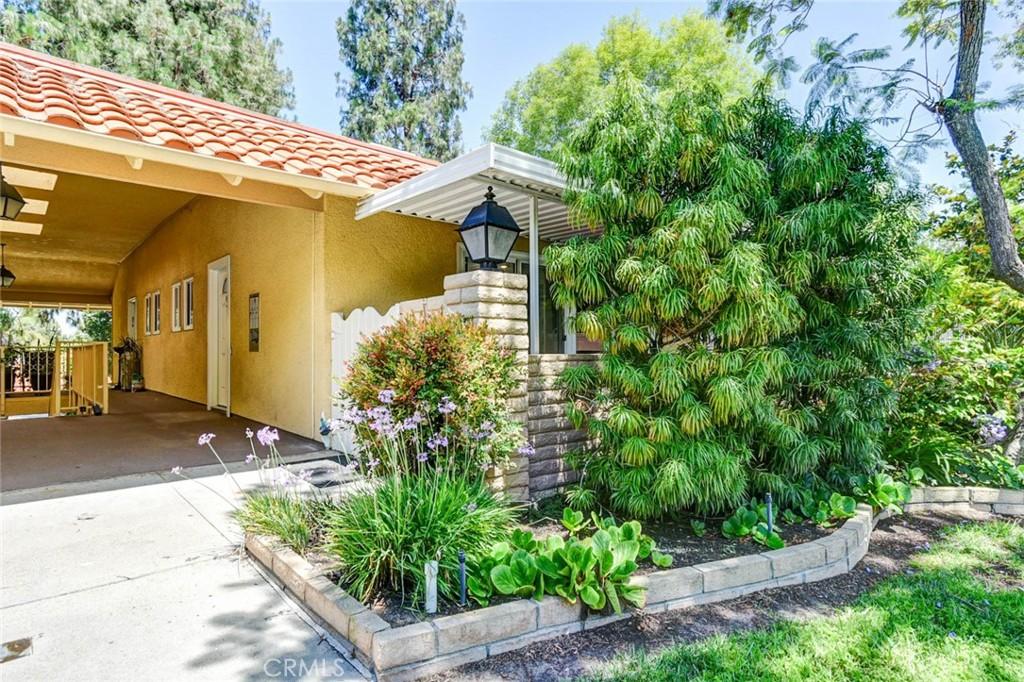
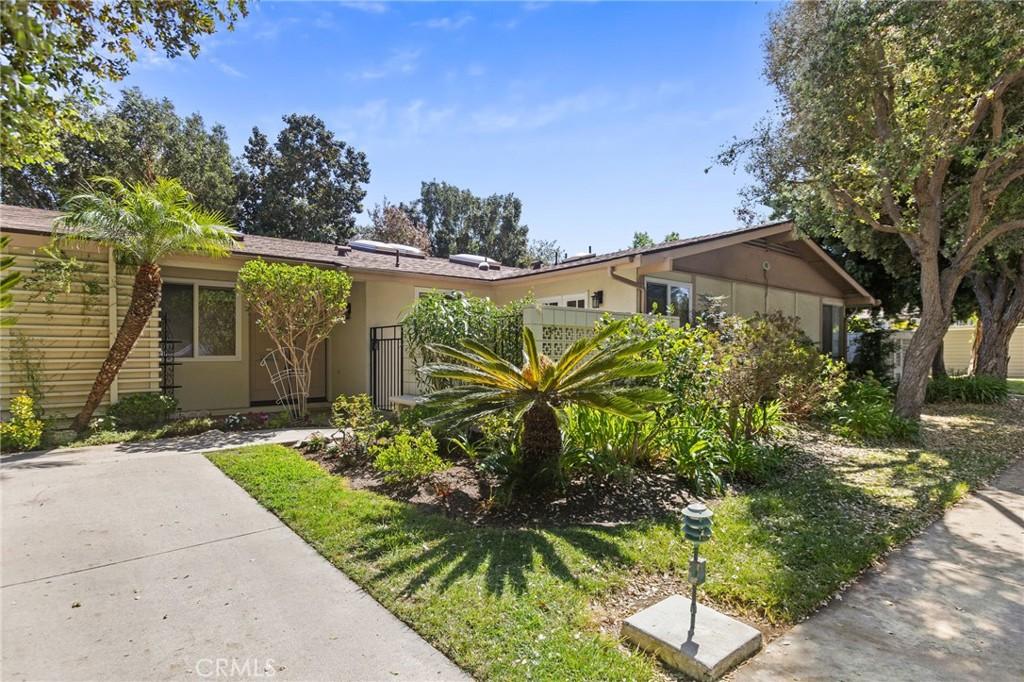
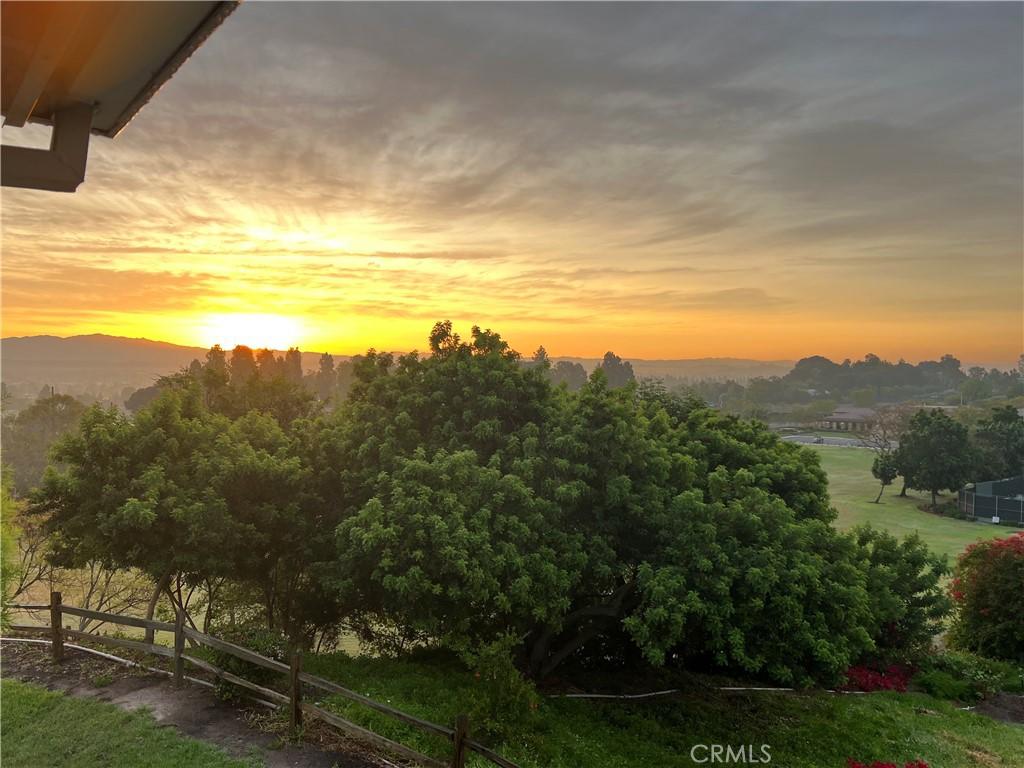
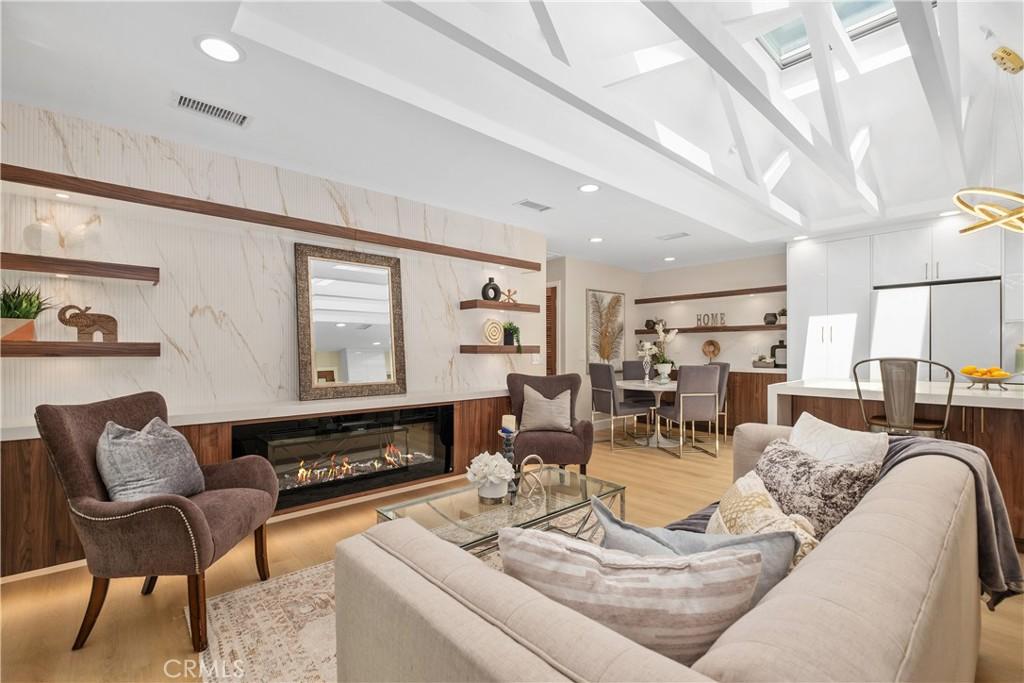
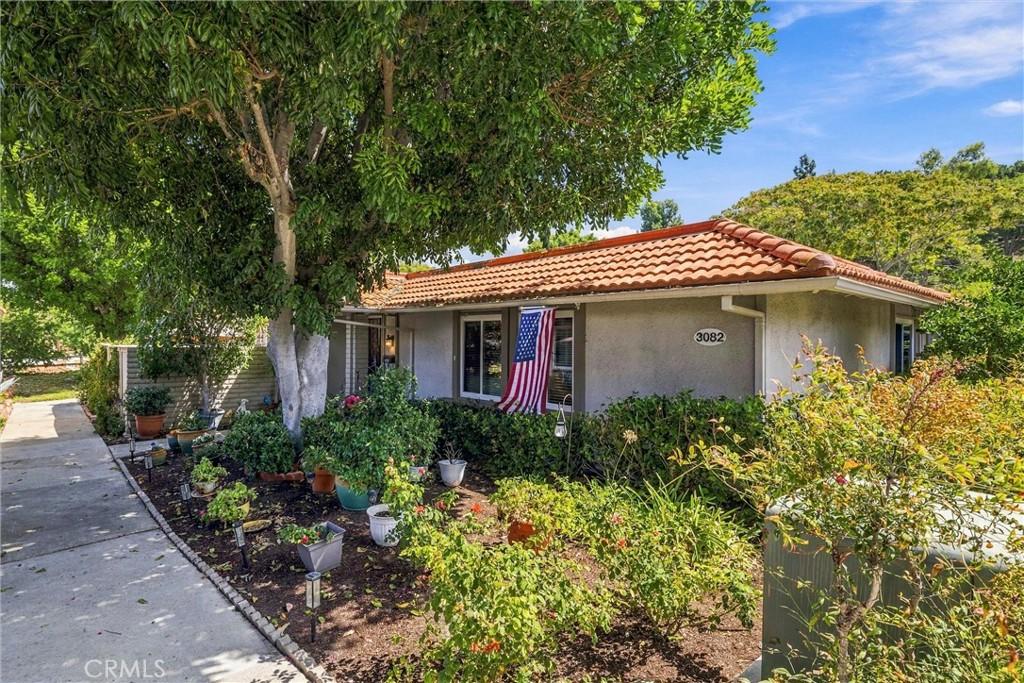
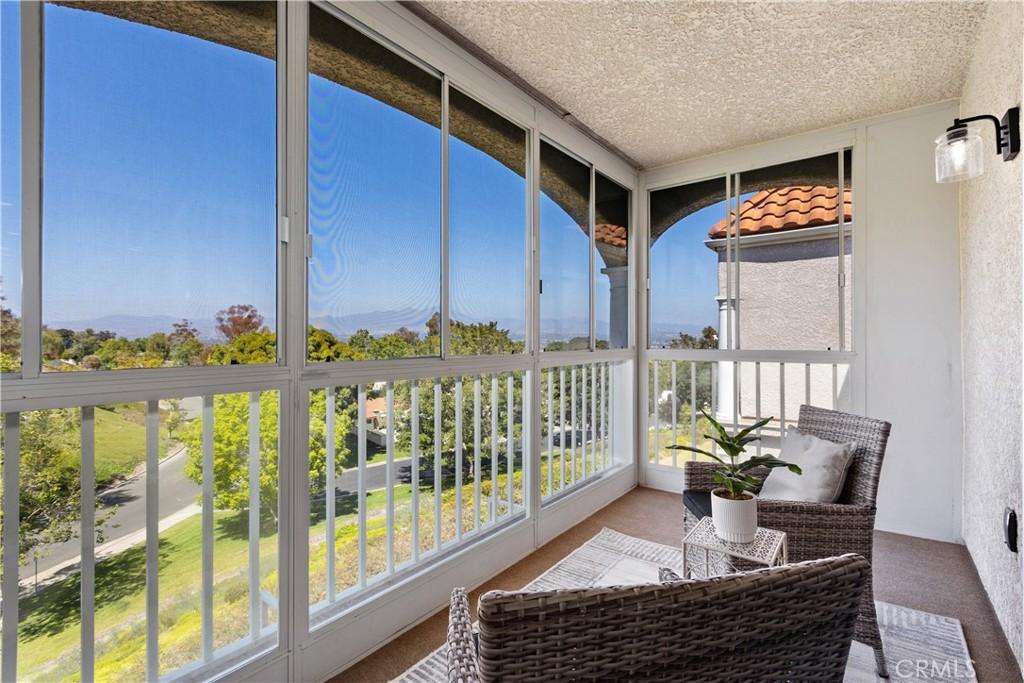
Laguna Woods is a community in South Orange County — one of California’s most affluent and most planned residential corridors, stretching from Irvine’s master-planned perfection and Newport Beach’s harbor luxury to the artist colony of Laguna Beach, the equestrian estates of Coto de Caza, and the remote canyon communities of Trabuco and Silverado Canyon. Laguna Woods is a South OC city of approximately 16,000 residents that exists almost entirely as Laguna Woods Village — a 55+ active adult community (one of the largest in the world) where low-density, master-planned senior living is the city’s defining purpose. Laguna Woods Village co-ops and condominiums range from approximately $200,000 to $600,000 — among the most accessible South OC pricing — reflecting the 55+ age restriction and the co-op (not fee-simple) ownership structure that most units have.

[showcaseidx_hotsheet name=”Los Angeles”]

Laguna Woods in South Orange County

Community

What is Laguna Woods known for?

Laguna Woods is one of South Orange County’s communities, laguna woods is a south oc city of approximately 16,000 residents that exists almost entirely as laguna woods village — a 55+ active adult community (one of the largest in the world) where low-density, master-planned senior living is the city’s defining purpose within a region whose residential diversity — from Irvine’s planned-city precision to Laguna Beach’s artists’ colony character to the hilltop gated communities of Coto de Caza and Rancho Santa Margarita — provides a range of lifestyle options within one of the most economically productive and residentially desirable corridors in California.

The school districts serving South OC — Irvine Unified (Irvine), Capistrano Unified (San Clemente, San Juan Capistrano, Dana Point, Ladera Ranch), Saddleback Valley Unified (Mission Viejo, Lake Forest), Newport-Mesa Unified (Newport Beach) — are among California’s highest-performing systems. South OC’s overall school quality is a primary driver of residential demand from the family demographic that can access the region’s pricing; the educational infrastructure that the school districts provide is one of the most consistent value drivers across South OC’s diverse communities. The specific district and campus assignment for Laguna Woods should be verified before purchase for families with school-age children.

The 5 Freeway runs through South OC’s inland corridor, connecting the region to Los Angeles to the north and San Diego to the south. The 405 connects Newport Beach and Irvine to the broader OC and LA freeway network. The 241, 261, and 133 toll roads provide express routes through the foothills for South OC residents commuting east. John Wayne Airport (SNA) in Santa Ana provides commercial air service accessible from most South OC communities within 20 to 30 minutes. The 5 Freeway corridor’s consistent congestion during peak hours is the primary commute challenge that South OC residents accept as a trade-off for the lifestyle quality that the region’s coastal and planned-community residential environments provide.

South OC’s coastal communities — Newport Beach, Laguna Beach, Dana Point, San Clemente — provide Pacific Ocean access in a variety of forms: Newport Harbor’s recreational boating, Laguna Beach’s intimate coves and clear water, Dana Point’s whale-watching and sport fishing, San Clemente’s surf culture and pier. The inland communities — Irvine, Mission Viejo, Lake Forest, Aliso Viejo — trade direct coastal access for larger homes, newer construction, and master-planned amenities at pricing below the beach city tier. The canyon communities — Coto de Caza, Trabuco Canyon, Silverado Canyon — provide rural and semi-rural character at the eastern edge of South OC’s residential geography, attracting buyers who prioritize land, equestrian lifestyle, and the Santa Ana Mountains’ natural setting over urban amenity access.

Laguna Woods Village: Active Senior Living at Scale

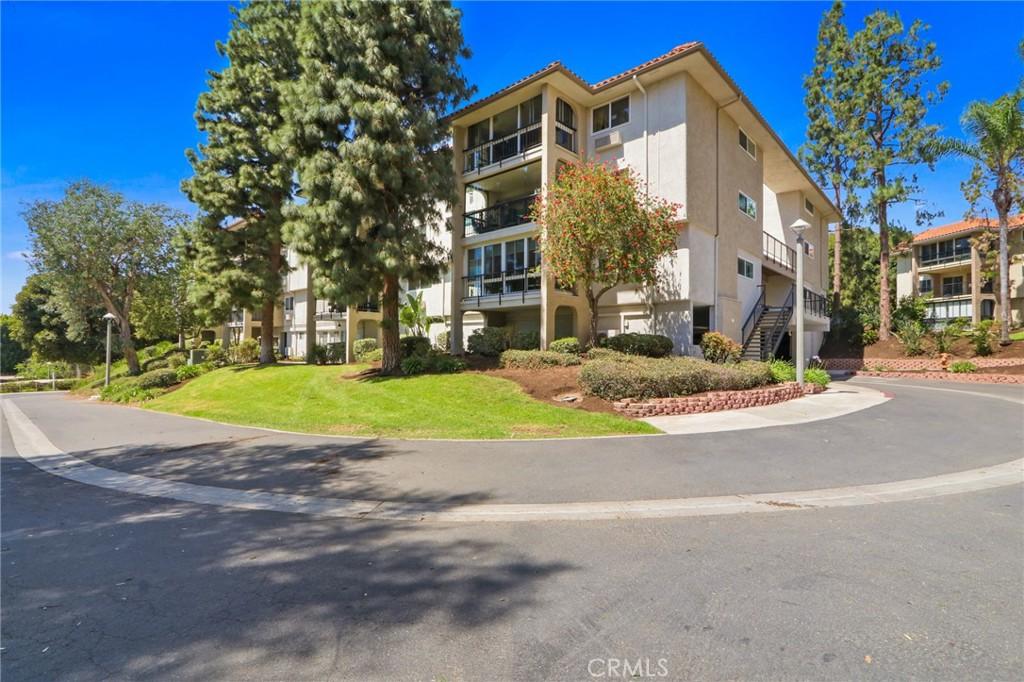
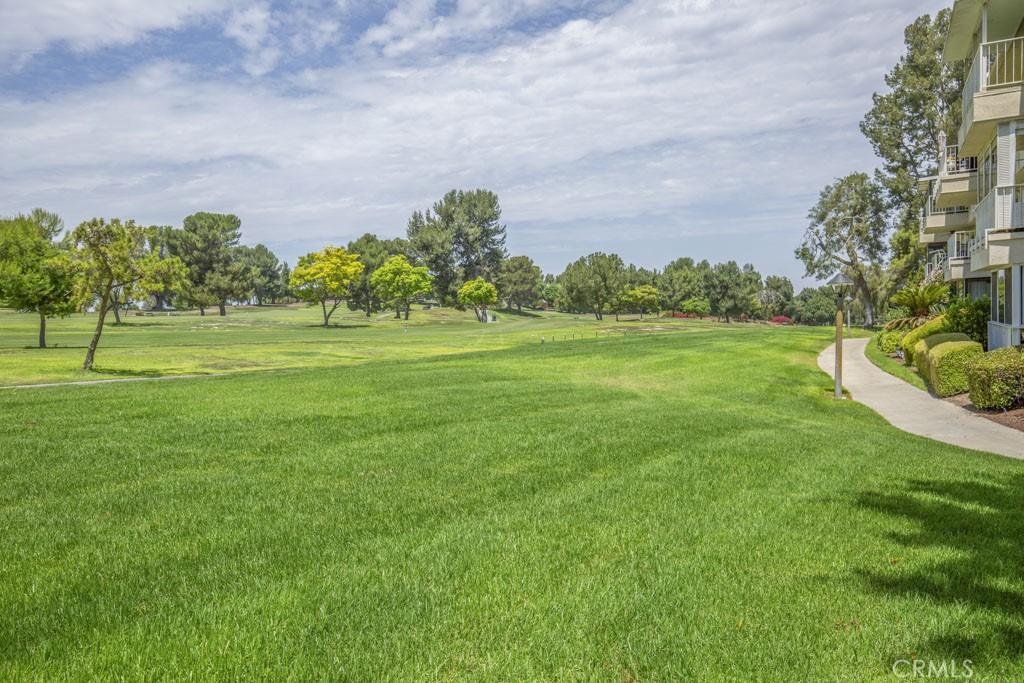
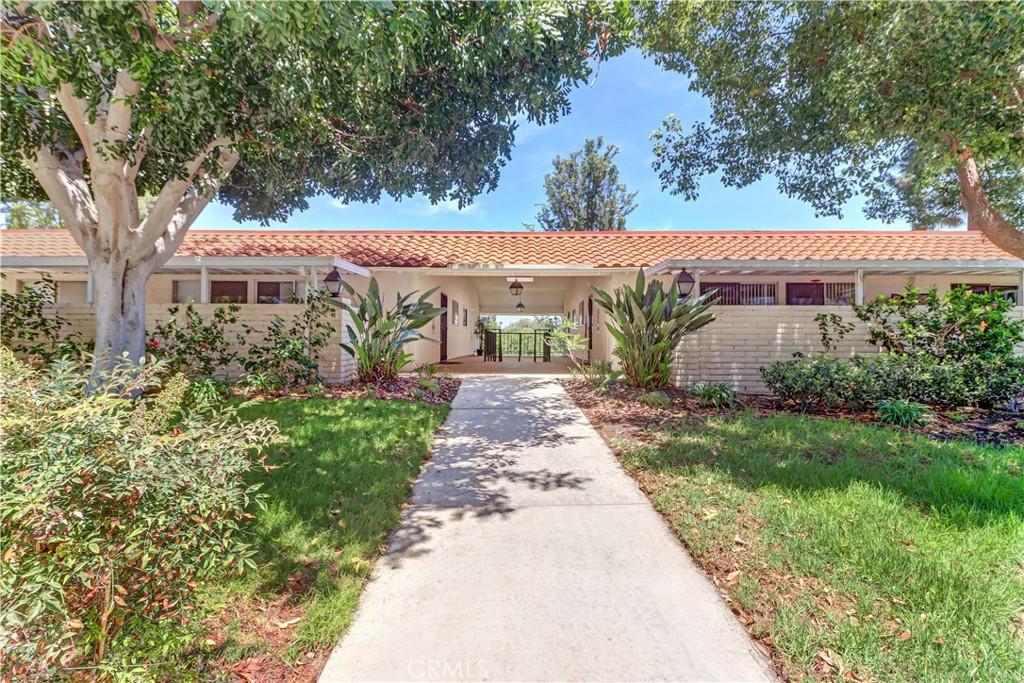
Laguna Woods Village is one of the largest age-restricted (55+) planned communities in the United States — a self-contained residential environment of approximately 12,700 units housing roughly 18,000 residents in a setting that provides the most comprehensive active senior amenity infrastructure available in Southern California. The community’s 27-hole golf course (two 18-hole courses and a 9-hole par-3 course), seven clubhouses, 250+ resident clubs and organizations, five swimming pools, an equestrian center, performing arts theater, woodworking shop, ceramics studio, and vegetable garden plots create an activity density that functions as a full-time lifestyle rather than a residential address. The Village’s programming is largely resident-organized and resident-led — the 250+ clubs range from the expected (golf, tennis, swimming, bridge) to the specialized (photography, astronomy, genealogy, foreign language conversation groups) — creating the self-sustaining community culture that has made Laguna Woods Village a model for age-restricted community development worldwide.

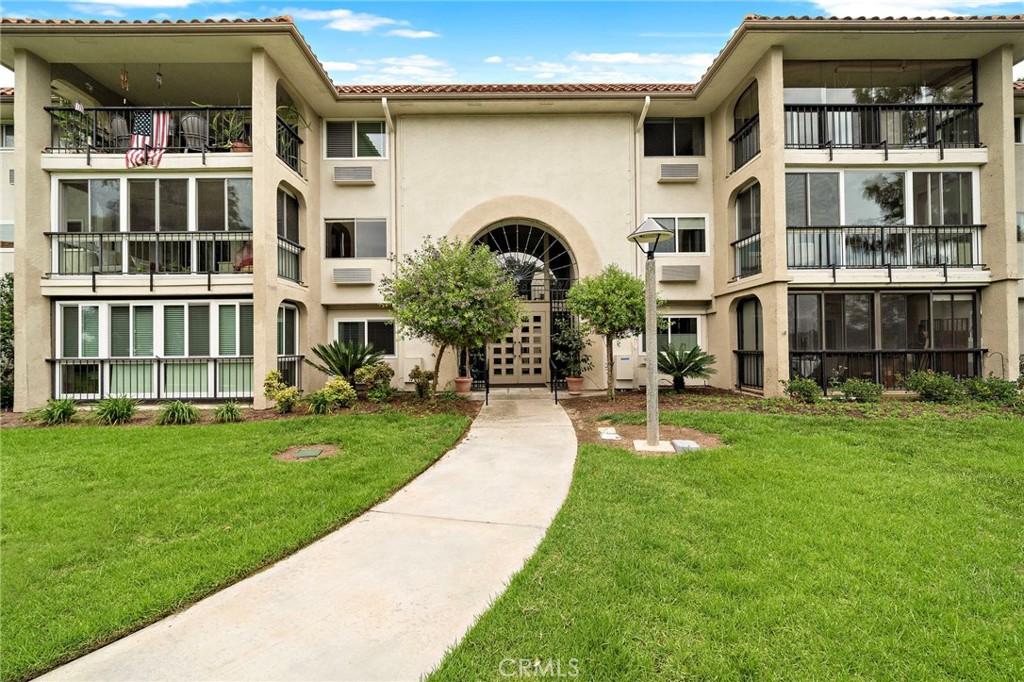
The ownership structure of Laguna Woods Village is primarily cooperative rather than fee-simple — residents purchase a “membership” in one of the Village’s cooperative corporations (Mutuals 1 through 50 and Mutual 47) that entitles them to exclusive use of a specific unit rather than fee-simple title ownership. This cooperative structure has significant implications: financing requires cooperative-specific lenders (conventional mortgage products typically do not apply), transfer rules require board approval in some Mutuals, and the Mutual’s financial health affects the ongoing monthly carrying costs (which include the underlying mortgage on the entire cooperative’s assets). Some sections of Laguna Woods Village were converted to condominium ownership, which allows conventional financing. Buyers should clarify ownership structure (cooperative vs. condominium) for any specific unit before proceeding, as the financing and transfer implications are substantial.

Area Details

How was South OC planned?

The Irvine Company’s 93,000-acre original Spanish land grant — now Orange County’s largest employer and most significant real estate developer — has shaped South Orange County’s residential development more than any other single entity in the history of planned community development in the United States. The company’s development of Irvine as a master-planned city, its management of Newport Coast, the Great Park Neighborhoods, and the ongoing development of Rancho Mission Viejo and other South OC projects sustains the planning quality and infrastructure investment that distinguishes South OC residential communities from the more organic (and less planned) development of the Los Angeles metropolitan area. The Trade-off of master-plan control for residential consistency — architectural standards, landscape maintenance, community facility investment — is the exchange that South OC buyers make when they choose planned communities over the individual character that comes with less-managed residential environments.

Newport Harbor’s 9,000 recreational boat slips provide one of the most extensive boating infrastructures on the West Coast — the harbor’s daily activity, from morning kayakers to afternoon sailing regattas to evening dinner cruises, creates a waterfront lifestyle that sustains Newport Beach’s identity as the prototypical Southern California boating community. Balboa Island’s walkable village, the Balboa Ferry, and the harbor’s Duffy electric boat culture are specific Newport Harbor lifestyle elements that residents use daily as part of the residential experience that they pay Newport prices to access. Dana Point Harbor, at the South OC coast’s southern end, provides a smaller but significant boating infrastructure that sustains Dana Point’s identity as a sport fishing and whale-watching destination alongside the residential lifestyle that the harbor’s commercial village supports.

The Capistrano Unified School District serves many South OC communities (San Juan Capistrano, San Clemente, Dana Point, Ladera Ranch) with above-average academic performance. Irvine Unified is one of California’s most highly ranked school districts. Newport-Mesa Unified serves Costa Mesa and Newport Beach. The Saddleback Valley Unified District serves Mission Viejo, Lake Forest, and surrounding communities with consistent above-average outcomes. South OC’s school district quality is a primary driver of residential demand from the family demographic that can afford the region’s premium pricing and who specifically choose South OC over less expensive Orange County communities based on the educational opportunity the school districts provide.

Market Trends

How is the South Orange County Real Estate real estate market?

South Orange County encompasses the communities south of the 405/5 junction — from Irvine and Newport Beach through the Laguna communities, Mission Viejo, Lake Forest, and the South OC hill and canyon communities to San Clemente at the San Diego County border. This is one of the most affluent and most planned residential zones in California, where master-planned communities (Irvine Company’s vast development portfolio, Ladera Ranch, Rancho Mission Viejo), world-class beach communities (Newport Beach, Laguna Beach, Dana Point), and rural canyon communities (Trabuco Canyon, Silverado Canyon, Modjeska Canyon) create a residential diversity across a 40-mile coastal and inland corridor. The 2026 median home price across South OC ranges from approximately $1 million in the more accessible master-planned communities to $4 to $10 million or beyond in Newport Beach’s most premium addresses.

Newport Beach is South OC’s prestige residential benchmark — a city of approximately 85,000 residents whose Fashion Island shopping center, Newport Harbor (one of the largest pleasure craft harbors on the West Coast), the Balboa Peninsula, and the corporate headquarters concentration (Pacific Life, PIMCO, Hoag Health System, and others) create a complete city identity anchored by wealth concentration that rivals Beverly Hills and Malibu within Southern California’s competitive luxury residential landscape. Laguna Beach provides the contrast of artistic bohemian heritage — its galleries, art festivals (Pageant of the Masters), and the concentration of visual artists who have sustained the city’s colony-era identity create a cultural richness that distinguishes it from Newport Beach’s more corporate residential character. Irvine’s master-planned perfection — the Irvine Company’s planned city model, Irvine Unified’s top-ranked schools, and the University of California Irvine anchor — provides the most complete suburban residential environment in Southern California at pricing that has escalated substantially as demand from Asian-American professionals and international buyers has intensified over the past decade.

South OC: Supply Constraints, School Premiums, and Long-Term Value

South Orange County’s residential market is structurally supply-constrained in ways that sustain long-term value through demand cycles. The Irvine Company’s land holdings — the largest private landowner in Orange County — control the pace of new residential development in most of the region’s master-planned communities, ensuring that supply additions are calibrated to market absorption rather than speculative overbuilding. The Santa Ana Mountains, the Cleveland National Forest, and the Camp Pendleton military reservation create hard geographic limits on development at South OC’s eastern and southern boundaries. The result is a market where demand from the Irvine and Newport Beach technology, finance, and healthcare employment corridor consistently presses against constrained supply — the fundamental dynamic that has sustained South OC’s above-market appreciation over multiple real estate cycles.
School district quality functions as one of the most powerful pricing mechanisms in South OC’s residential market — buyers who specifically target Irvine Unified, Capistrano Unified, or Saddleback Valley Unified for their children’s K-12 education are willing to pay measurable premiums over equivalent housing outside those districts. Research consistently shows that the school district premium in South OC ranges from 10–25% above equivalent properties just outside district boundaries — a premium that has historically been durable across market cycles because the family demographic that drives it is income-stable and long-term focused. For buyers who are not specifically motivated by school district quality, this creates the counterintuitive opportunity to purchase in communities adjacent to high-performing districts at lower prices — accessing similar lifestyle amenities and employment proximity without the school district premium attached to the property value.

The coastal communities of Newport Beach, Laguna Beach, Dana Point, and San Clemente provide the rarest residential asset in Southern California — oceanfront and ocean-view land — and that scarcity sustains pricing independence from broader market cycles that inland communities cannot claim. Pacific Ocean frontage in California is constitutionally public below the mean high tide line, but the private land adjacent to the bluffs and beaches commands the irreplaceable view and access premium that no amount of inland master-planning can replicate. Buyers who purchase coastal South OC properties understand they are buying a geographically constrained asset type whose supply is permanently fixed; that permanence of scarcity underpins pricing resilience that the inland master-planned communities, despite their planning quality, cannot match.

FAQs

What is the price range in Laguna Woods?

Laguna Woods Village co-ops and condominiums range from approximately $200,000 to $600,000 — among the most accessible South OC pricing — reflecting the 55+ age restriction and the co-op (not fee-simple) ownership structure that most units have. South Orange County’s overall market ranges from approximately $800,000 for condominiums in the more accessible master-planned communities to $10 million or beyond for Newport Beach’s premier oceanfront and harbor estates. Current pricing for Laguna Woods is available from The Knight Group.

What school district serves Laguna Woods?

South Orange County’s school districts — Irvine Unified, Capistrano Unified, Saddleback Valley Unified, Newport-Mesa Unified — are among California’s strongest performing systems. The specific district serving Laguna Woods should be verified before purchase for families with school-age children, as district boundaries don’t always follow city limits precisely and campus-level performance within a district can vary. South OC’s overall school quality is consistently among the state’s best for a region of its geographic scale.

What is the beach access from Laguna Woods?

South OC coastal communities — Newport Beach, Laguna Beach, Dana Point, San Clemente — have direct beach access from residential streets or within short walking or driving distance. Inland communities have beach access via the 5 Freeway or Laguna Canyon Road within 15 to 30 minutes for most South OC inland addresses. The Pacific Coast Highway (Highway 1) through Laguna Beach and Crescent Bay provides the scenic coastal route connecting the South OC beach communities for residents who prefer the surface road to the freeway for coastal travel.

Can anyone buy in Laguna Woods Village or are there age requirements?

Laguna Woods Village is an age-restricted 55+ community — at least one member of the purchasing household must be 55 or older to purchase, and the community’s rules require that residents meet the age minimum. The 55+ restriction is legally permissible under the Housing for Older Persons Act (HOPA) exemption to the Fair Housing Act; the community maintains the housing registration and compliance requirements that preserve this legal exemption. Buyers under 55 who purchase as an investment or with the intent to live there when they turn 55 should consult with legal counsel about the occupancy rules and whether non-resident ownership is permitted under the specific Mutual’s rules. The age restriction creates the demographic homogeneity and lifestyle focus that makes the Village’s amenity model work — a community of active adults who share retirement-phase lifestyle priorities that younger mixed-age communities cannot sustain at the same intensity.
Hey, You ALMOST MISSED IT!

Lucky for you we’re looking out.

Subscribe to this Custom Search to be alerted when new properties hit the market in the area.

Choose the frequency that works for you.

get alerts

[showcaseidx_contact]