Homes for Sale in Palm Desert: The Valley’s Most Livable City
Homes for Sale in Palm Desert currently number 237 active listings with a median asking price of $849,000 (CRMLS, September 2026).
Buyers looking at homes for sale in Palm Desert are usually the ones who compared every city in the Coachella Valley first and decided this is where they can actually live year-round. El Paseo runs more than a mile through the center of town with Gucci, Louis Vuitton, Tiffany, serious galleries, and restaurants that residents use on a Tuesday, not just in February. Add the McCallum Theatre, the Living Desert, and College of the Desert, and you get a city built to be lived in rather than visited.
The citywide median in the low-to-mid $600s is misleading, because HOA condo communities from the 1970s through the 1990s make up a large share of inventory. Single-family pricing runs higher: around $1,050,000 near Desert Willow, roughly $1,100,000 in South Palm Desert, with Ironwood Country Club in the upper-mid tier and Bighorn Golf Club in a category of its own.
What are buyers actually choosing in Palm Desert?
The Palm Desert buyer is making a primary-residence decision more often than the Palm Springs or Indian Wells buyer. Where Palm Springs attracts the second-home and weekend market and Indian Wells attracts the second-home ultra-luxury market, Palm Desert attracts people who plan to actually live in the desert for significant portions of the year. retirees who want to be here nine or ten months out of twelve, coastal California couples who have decided the Coachella Valley is where the next chapter happens, and a smaller cohort of families who have identified Palm Desert as the valley’s most functional city for children.
The specific comparison buyers make against Palm Springs is worth naming explicitly. Palm Springs has better architecture and stronger social energy in season. Palm Desert has better year-round infrastructure, more settled primary-residence character, quieter streets, and El Paseo as a genuine daily-life resource rather than a destination event. The buyer who wants to walk to dinner three nights a week and shop at Tiffany on a Tuesday afternoon is choosing Palm Desert. The buyer who wants the social energy of Palm Canyon Drive in February is choosing Palm Springs.
The comparison against Indian Wells is also worth naming. Indian Wells is more exclusive and more serene and less commercial. Palm Desert has more of everything commercial. more restaurants, more retail, more cultural programming, more services. at the cost of being a real city with traffic and development rather than a private residential enclave. For the buyer who wants the desert luxury lifestyle without the sense of residential isolation that Indian Wells carries between November and April, Palm Desert is the answer.
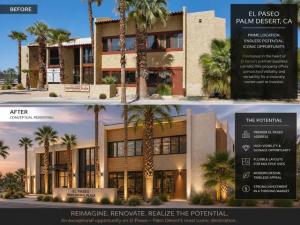
El Paseo is the city’s defining infrastructure and it deserves specific treatment. The street runs for more than a mile through the center of the city, lined with Gucci, Louis Vuitton, Tiffany, dozens of independent art galleries, white-tablecloth restaurants, and the kind of outdoor seating culture that works exceptionally well in the October-May climate. The gallery culture on El Paseo is not decorative. the street has genuine resident art buyers and serious galleries that have been operating here for decades, not a tourist gallery strip. Compared to the resort-mall retail at Fashion Island or the Beverly Hills luxury corridor, El Paseo is smaller and more concentrated, but it is real and it is at the center of the city’s daily life for the residents who chose Palm Desert for exactly this reason.
What is the Palm Desert housing market like right now?
The Palm Desert median listing price in early 2026 runs in the low-to-mid $600s for the city overall, which obscures the meaningful premium structure by neighborhood. The broader city median is pulled down by the significant volume of HOA-governed condominium communities from the 1970s-1990s that make up a large share of the residential inventory. For buyers shopping single-family homes in the desirable communities, the relevant price range is considerably higher.
Premium community benchmarks:
Ironwood Country Club, the established private club community in the southern section of the city, anchors the upper-mid tier with single-family home pricing that reflects the club membership, golf access, and community maintenance infrastructure.
South Palm Desert has a single-family median around $1,100,000, placing it as the city’s mid-premium residential tier.
Desert Willow Golf Resort area properties are priced around $1,050,000 median, reflecting the public-access golf infrastructure and the newer residential character of the neighborhood.
Bighorn Golf Club, the ultra-exclusive community in the Santa Rosa Mountain foothills at the southern edge of the city, is in a category of its own. club memberships run north of $300,000, and the residential properties within the community are among the most expensive in the valley. Bighorn is not a community for buyers who prioritize value; it is a community for buyers for whom privacy, elite club infrastructure, and mountain-setting exclusivity are the purchase drivers.
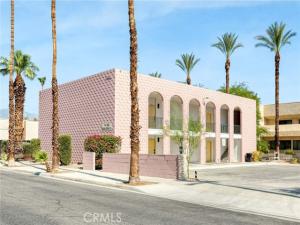
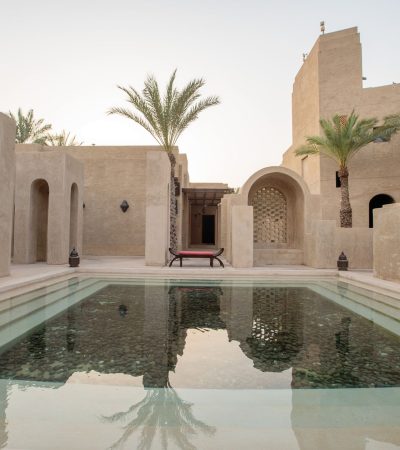
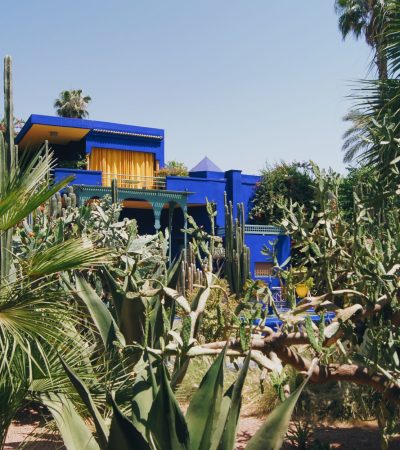
Marrakesh Country Club is notable as one of the few Coachella Valley communities with a documented mid-century modern design character. the community was designed with a Moroccan/modernist aesthetic that gives it a visual identity distinct from most HOA golf communities. For buyers who want something of the architectural character of Palm Springs in a Palm Desert address at a more accessible price, Marrakesh represents a specific answer.
Which neighborhoods should buyers know in Palm Desert?
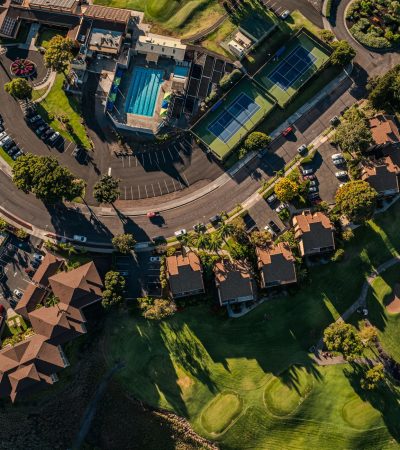
Ironwood Country Club occupies the eastern and southern sections of Palm Desert, a master-planned community centered on two private golf courses with the club amenity infrastructure. pools, tennis, dining. that characterizes the valley’s established private club communities. The residential variety here runs from attached condominiums to single-family homes to larger estate properties along the course perimeters. The community has a primarily year-round resident base, which gives it a social consistency that seasonal-weighted communities don’t sustain.
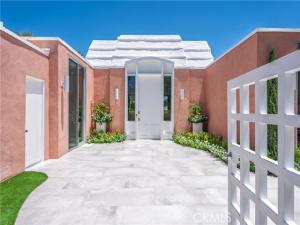
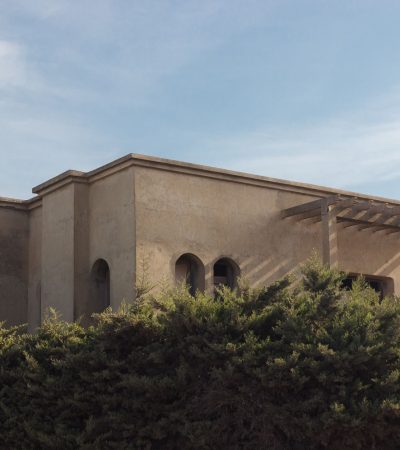
Marrakesh Country Club is architecturally distinctive. the community’s Moroccan-influenced modernist design, visible from the street in the domed and arched architectural elements, gives it a visual identity that stands out against the standard desert golf-community aesthetic. For buyers who want Palm Desert’s livability with some nod to the mid-century aesthetic consciousness of Palm Springs, Marrakesh is the specific answer.
Desert Falls Country Club is one of the valley’s more established golf communities in the central section of the city. The semi-private golf course. more accessible than the private Ironwood or Bighorn model. gives the community a different character: less exclusive, more active, with a mix of owner-occupants and rental investors typical of semi-private club communities.
The Gallery is a gated community in northern Palm Desert that appeals to the buyer who wants the security and maintenance of a HOA community with the character of a carefully planned residential enclave rather than an explicitly golf-defined community.
Palm Desert Country Club is one of the valley’s longer-established residential communities in the northern section of the city, with a public-access golf course and residential pricing at the more accessible end of the Palm Desert range.
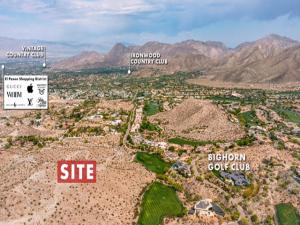
Bighorn Golf Club sits at the base of the Santa Rosa Mountains on the city’s southern edge, where the mountain terrain transitions directly into the residential community. The two private courses, the spa facilities, the fitness infrastructure, and the club dining program represent the most complete private club amenity stack in the valley. Entry requires application and approval; membership pricing places it beyond what most buyers in the broader Palm Desert market are considering. For those who are, the experience is specific and has no close equivalent in the valley.
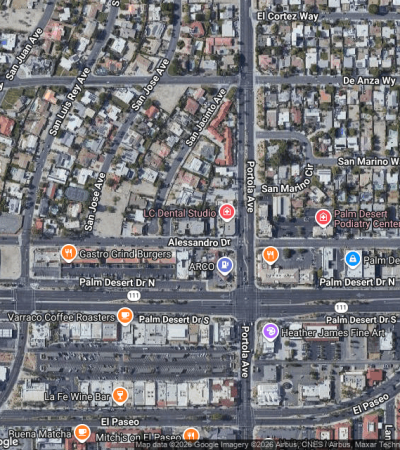
The El Paseo residential corridor. the streets between Portola Avenue and Deep Canyon Road flanking El Paseo. has its own residential identity: smaller lots, walking-distance access to the street’s restaurants and galleries, and a price premium that reflects the urban-adjacent character that most Coachella Valley residential addresses don’t offer.
Who is buying homes in Palm Desert?
The year-round primary resident. This is Palm Desert’s defining buyer profile. the person or couple who has decided that the Coachella Valley is home, not a retreat. They want the best possible retail access, the best restaurant options, the most complete cultural programming, and the most livable infrastructure. They found it in Palm Desert and they will tell anyone who asks that they’ve never second-guessed the choice.
The coastal California luxury downshift buyer. Someone who has owned in Beverly Hills, Newport Beach, or similar LA-adjacent addresses and has decided that the expense and traffic and density of coastal California is no longer worth it. They want to maintain a luxury lifestyle, they want space, they want the desert light and the mountain views, and they want to do it at a price point that releases significant equity from the coastal transaction. El Paseo is a genuine replacement for the coastal luxury retail infrastructure they’re accustomed to. Palm Desert makes that trade more completely than any other valley city.
The retiree with active lifestyle priorities. Golf, dining, theatre, warm winters, walking distance to daily errands. Palm Desert checks all of these. The McCallum Theatre’s programming, the Living Desert’s year-round operation, the El Paseo gallery culture, and the city’s community center infrastructure make it the most activity-rich address in the valley for the resident who wants daily engagement with a community rather than the quiet private-estate isolation of Indian Wells or Rancho Mirage.
The LA or OC second-home buyer who prefers quiet to scene. The Palm Springs weekend has a social calendar and a cultural energy that appeals to one type of second-home buyer. The Palm Desert second-home. a golf community property with El Paseo dinner access and quieter streets. appeals to another. The buyer in this category often specifically says they tried Palm Springs and wanted less of the traffic and the Modernism Week crowds.
What is unique to Palm Desert in the region?
El Paseo has no equivalent elsewhere in the Coachella Valley. Palm Springs’ Palm Canyon Drive has more nightlife and more cultural edge. Indian Wells has no commercial district. Rancho Mirage has resort hotels but no retail street. La Quinta’s Old Town is charming at a small scale. El Paseo is the valley’s only legitimate luxury commercial street. the kind of destination where you make a genuine retail trip rather than a resort excursion. and it is in Palm Desert.
The McCallum Theatre, the valley’s premier performing arts venue with 1,127 seats and a season that includes Broadway touring productions, major music acts, dance companies, and classical performances, is a quality-of-life differentiator that residents who use it describe as disproportionately significant. The Living Desert Zoo and Gardens. a genuine zoological facility with 1,800 acres of desert habitat, botanical gardens, and one of the best collections of desert fauna in the country. is the same category: a resident resource that you can visit regularly rather than a one-time destination. Neither has a valley equivalent.
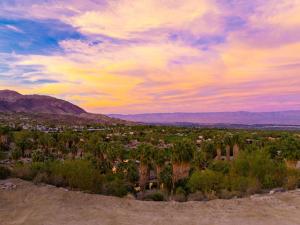
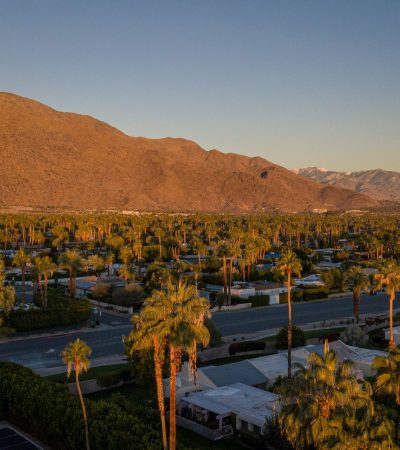
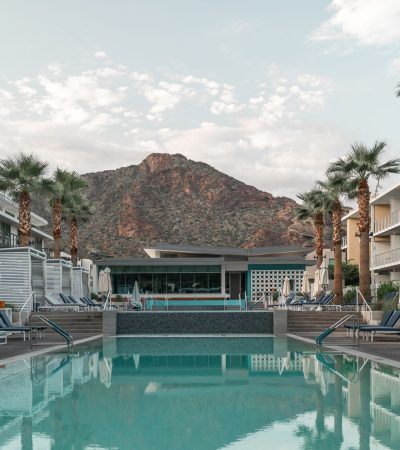
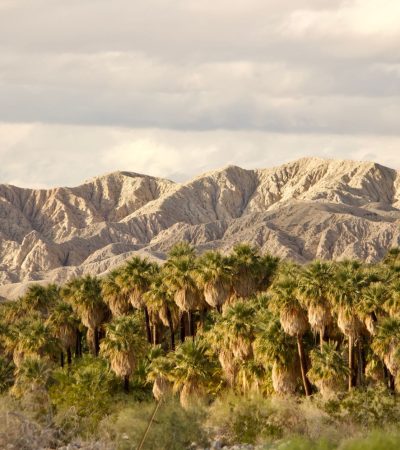
The mountain view context is the final differentiator. The Santa Rosa Mountains on the southern edge of the city, the San Jacinto range visible to the west, and the Eisenhower Mountain and surrounding terrain to the north produce a 360-degree mountain backdrop from central Palm Desert that is among the most complete in the valley. The view from the Bighorn community looking north across the city toward San Jacinto is one of the most dramatic residential vistas in the desert region.
What should buyers watch for before buying in Palm Desert?
Palm Desert has an identity problem that is worth acknowledging. It is not as dramatically cool as Palm Springs. It is not as exclusively private as Indian Wells. It wins on the quality-of-life evidence for the buyer who is choosing a primary or near-primary residence, but that evidence is not the stuff of a compelling lifestyle headline. Buyers who are partly motivated by the story they’ll tell about where they live may find that Palm Desert’s practical superiority is harder to convey than Palm Springs’ architectural mystique or Indian Wells’ exclusivity. This is a taste matter, not a real estate matter, but it is a consideration that TKG raises because buyers who find it post-purchase sometimes feel it as a missing element. If you care about that, be honest about it before you commit.
Summer applies here as everywhere in the valley. June through September brings sustained heat of 105-115 degrees Fahrenheit. The city’s infrastructure is better equipped for year-round residency than Palm Springs. more year-round residents means more year-round business. but the heat itself is identical. Plan for it. Budget for year-round air conditioning as a significant utility expense. And decide in advance how you’ll use the property from June through September rather than discovering in your first July that you hadn’t thought it through.
HOA communities require HOA due diligence. A significant portion of Palm Desert’s residential inventory sits inside HOA-governed developments, many of which have monthly fees ranging from $400 to $1,500 depending on the community and the amenity package. Before purchasing, obtain the HOA’s current financial statements, reserve study, pending assessments, and any deferred maintenance schedule. The older golf communities in Palm Desert. some dating to the 1970s. may have reserve fund situations that require a specific look.
Where can I see homes for sale in Palm Desert?
The 24 communities beneath the Palm Desert hub include private club communities, the mid-century architectural enclave at Marrakesh, urban-adjacent residential on the El Paseo corridor, and the mountain-base luxury tier at Bighorn.
Ironwood Country Club. The established private club community. Two golf courses, HOA maintenance, and the year-round resident base that gives the community its social consistency.
Marrakesh Country Club. Architecturally distinctive mid-century Moroccan design. For buyers who want Palm Desert’s livability with a nod to the architectural identity that Palm Springs commands outright.
Desert Falls Country Club. Semi-private golf community in the city’s central section. More accessible price points and a more active ownership mix than the fully private club communities.
Bighorn Golf Club. The valley’s most exclusive private club community. Mountain base setting, two private courses, and the most complete club amenity stack in the Coachella Valley.
The Gallery. Gated residential in northern Palm Desert. For buyers who want community security and maintenance infrastructure without an explicitly golf-defined community identity.
Palm Desert Country Club. Established community with public-access golf and pricing at the accessible end of the Palm Desert single-family range.
There are 24 Palm Desert communities in TKG’s research inventory. If you don’t see what you’re looking for here, contact us. we cover the full city.
The Knight Group serves buyers and sellers across the Coachella Valley, including the full Palm Desert market. Call us at [phone] or use the contact form below to connect with an agent who knows this city specifically.
How to Choose Between a Condo and a Single-Family Home in Palm Desert
The biggest decision most buyers face here is structural, not geographic. A large share of the city’s inventory sits in HOA condominium communities built between the 1970s and the 1990s, and those units are what pull the citywide median into the low-to-mid $600s. Single-family homes in the established neighborhoods run at a very different level — roughly $1,050,000 around Desert Willow and about $1,100,000 in South Palm Desert. Before comparing listings, decide which of those two markets you are actually shopping, because a search that mixes them produces price signals that mean nothing.
Each path carries different ongoing costs and obligations. Condo ownership means dues, association rules, and shared maintenance, with the trade-off of a lower entry price and less to manage from a distance. Club communities such as Ironwood and Bighorn add membership costs on top of the purchase. Working through Palm Desert real estate with someone who can price those carrying costs alongside the list price keeps the comparison honest.
What is it like to live in Homes For Sale In Palm Desert?
- Buyers looking at homes for sale in Palm Desert typically compared every Coachella Valley city first before deciding this is where they can live year-round.
- El Paseo runs more than a mile through the center of town with Gucci, Louis Vuitton, Tiffany, serious galleries, and resident-used restaurants.
- McCallum Theatre, the Living Desert, and College of the Desert give Palm Desert the character of a city built to be lived in rather than visited.
- Citywide median pricing is misleading because HOA condo communities built across several older decades make up a large share of inventory.
- Single-family pricing runs higher near Desert Willow and in South Palm Desert, with Ironwood Country Club in the upper-mid tier.
- Bighorn Golf Club sits in a category of its own within the Palm Desert pricing structure.
- Palm Desert buyers make a primary-residence decision more often than Palm Springs or Indian Wells buyers do.
- Retirees who want to be in the desert for most of the year form a core part of the Palm Desert buyer pool.
- Coastal California couples who have decided the Coachella Valley is where the next chapter happens are choosing homes for sale in Palm Desert.
- Families who have identified Palm Desert as the valley’s most functional city for children make up a smaller cohort of buyers.
- Palm Springs offers better architecture and stronger in-season social energy, while Palm Desert offers better year-round infrastructure and quieter streets.
- Indian Wells is more exclusive, more serene, and less commercial, while Palm Desert has more restaurants, retail, cultural programming, and services.
- Traffic and development come with Palm Desert being a real city rather than a private residential enclave.
- Gallery culture on El Paseo is not decorative, with genuine resident art buyers and serious galleries operating for decades rather than a tourist strip.
What are the neighborhoods and housing options for Homes For Sale In Palm Desert?
- Median listing pricing across the city obscures a meaningful premium structure that varies significantly by neighborhood.
- HOA-governed condominium communities from older decades make up a large share of residential inventory and pull the broader city median down.
- Ironwood Country Club anchors the upper-mid tier with pricing reflecting club membership, golf access, and community maintenance infrastructure.
- South Palm Desert sits as the city’s mid-premium residential tier for single-family homes.
- Desert Willow Golf Resort area properties reflect public-access golf infrastructure and the newer residential character of the surrounding neighborhood.
- Bighorn Golf Club, the ultra-exclusive community in the Santa Rosa Mountain foothills, holds some of the most expensive residential properties in the valley.
- Privacy, elite club infrastructure, and mountain-setting exclusivity drive Bighorn purchases rather than any value calculation.
- Marrakesh Country Club carries a documented mid-century modern design character with a Moroccan and modernist aesthetic distinct from most HOA golf communities.
- Buyers wanting Palm Springs architectural character at a Palm Desert address and a more accessible price find a specific answer at Marrakesh.
- Ironwood occupies the eastern and southern sections of the city, centered on two private golf courses with pools, tennis, and dining.
- Residential variety at Ironwood runs from attached condominiums to single-family homes to larger estate properties along the course perimeters.
- Desert Falls Country Club offers a semi-private golf course in the central section, giving it a less exclusive and more active character.
- The Gallery is a gated community in northern Palm Desert for buyers wanting a planned residential enclave rather than a golf-defined one.
- Palm Desert Country Club sits in the northern section with a public-access golf course and pricing at the more accessible end of the range.
What should buyers know before choosing Homes For Sale In Palm Desert?
- El Paseo has no equivalent elsewhere in the Coachella Valley as the region’s only legitimate luxury commercial street.
- Palm Canyon Drive in Palm Springs carries more nightlife and cultural edge, while Indian Wells has no commercial district at all.
- Rancho Mirage has resort hotels but no retail street, and La Quinta’s Old Town is charming only at a small scale.
- McCallum Theatre is the valley’s premier performing arts venue, with Broadway touring productions, major music acts, dance companies, and classical performances.
- The Living Desert Zoo and Gardens is a genuine zoological facility with desert habitat, botanical gardens, and one of the country’s best desert fauna collections.
- Santa Rosa Mountains to the south, the San Jacinto range to the west, and Eisenhower Mountain terrain north produce a full mountain backdrop.
- The view from Bighorn looking north across the city toward San Jacinto ranks among the most dramatic residential vistas in the desert region.
- Palm Desert has an identity problem worth acknowledging, being neither as dramatically cool as Palm Springs nor as exclusively private as Indian Wells.
- Buyers motivated partly by the story they tell about where they live may find Palm Desert’s practical superiority harder to convey.
- Summer heat runs sustained and severe from early summer through early fall, identical to conditions across the rest of the valley.
- Year-round air conditioning should be budgeted as a significant utility expense for anyone buying homes for sale in Palm Desert.
- HOA due diligence matters because a significant portion of Palm Desert’s residential inventory sits inside HOA-governed developments with varying monthly fees.
- Financial statements, reserve studies, pending assessments, and deferred maintenance schedules should be obtained before purchasing in any HOA community.
- Communities beneath the Palm Desert hub include private clubs, the Marrakesh architectural enclave, El Paseo corridor residential, and the mountain-base luxury tier at Bighorn.