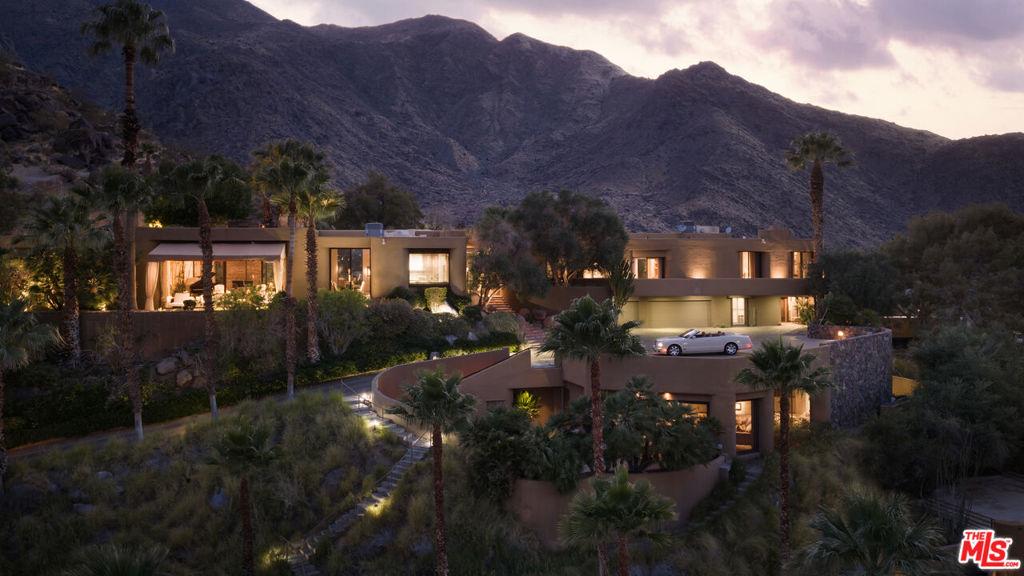
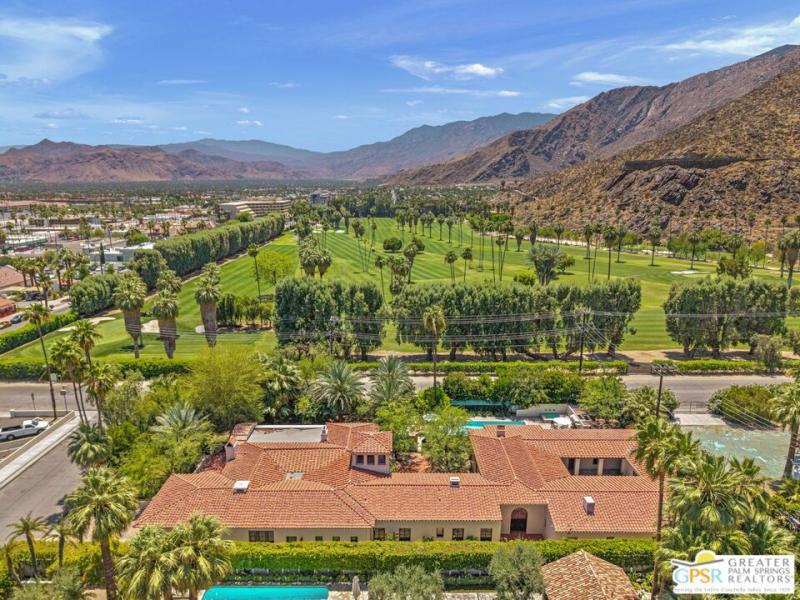
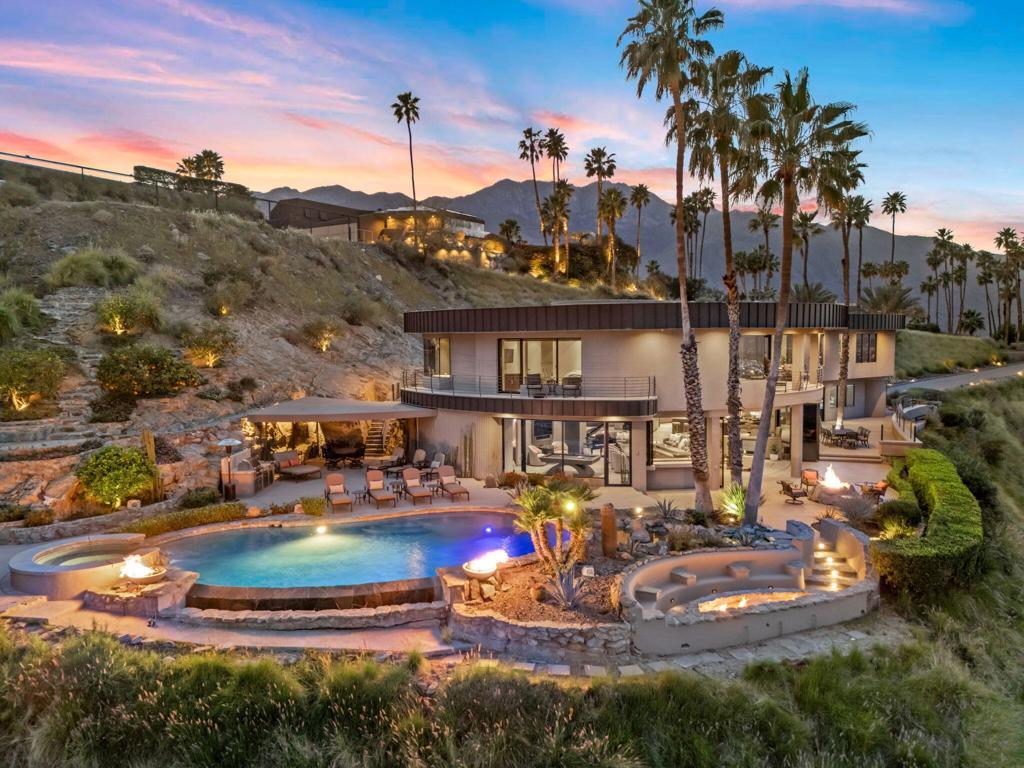
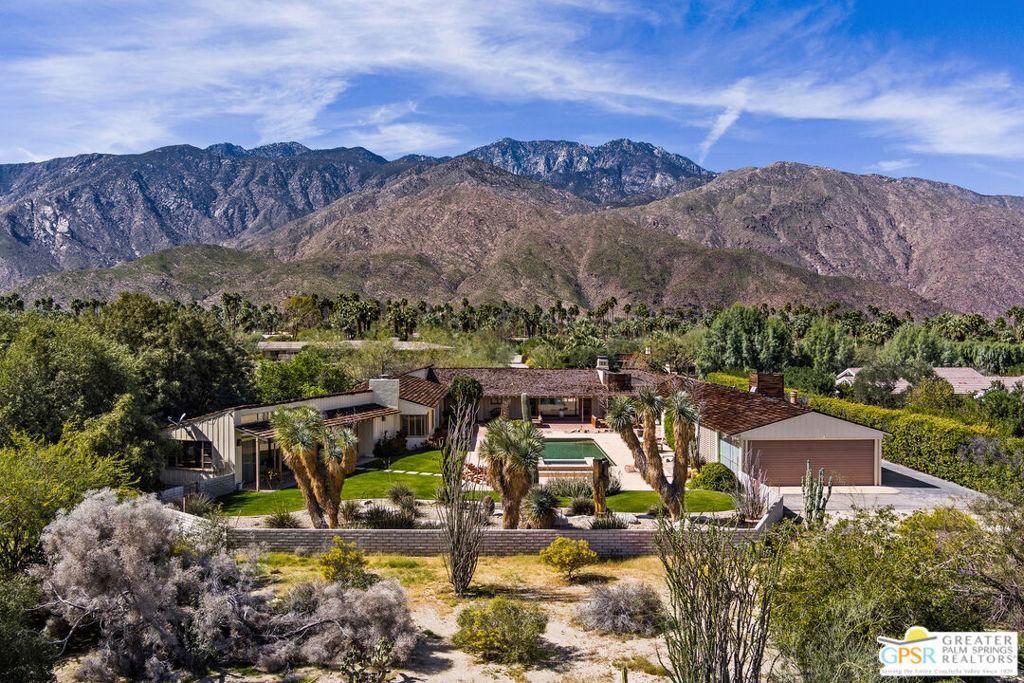
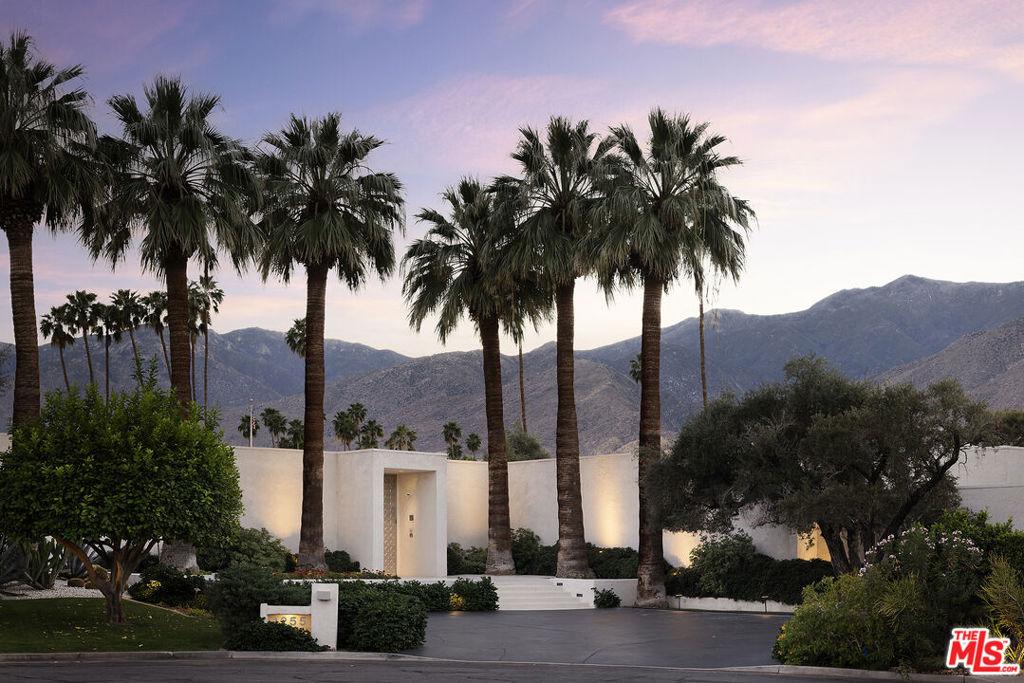
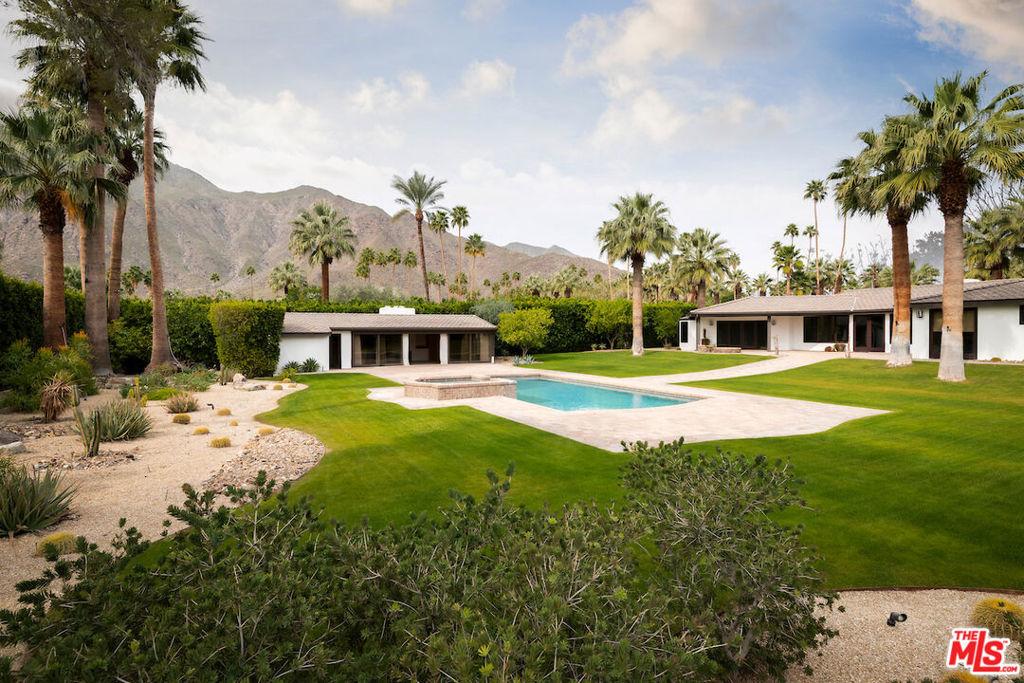
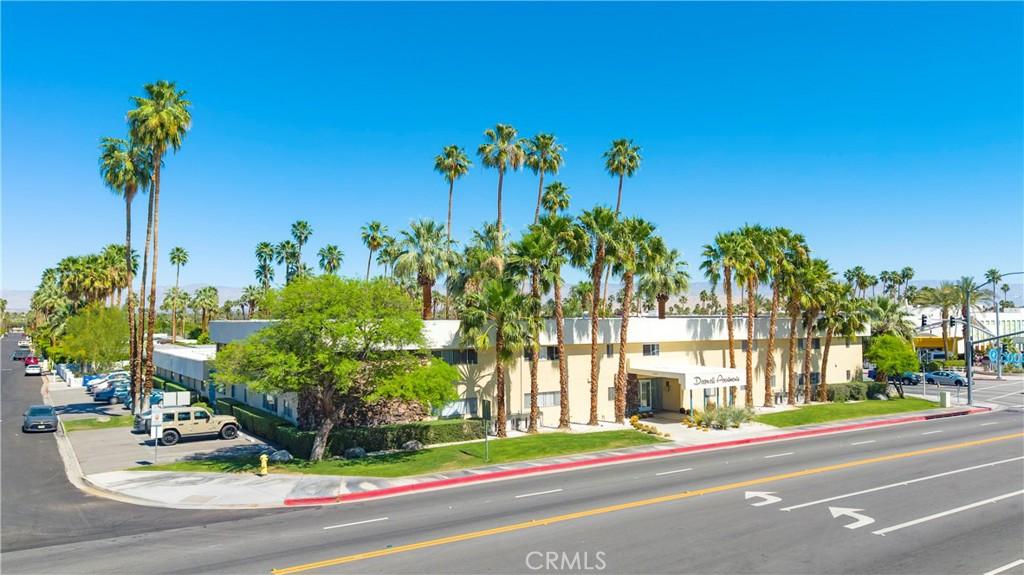
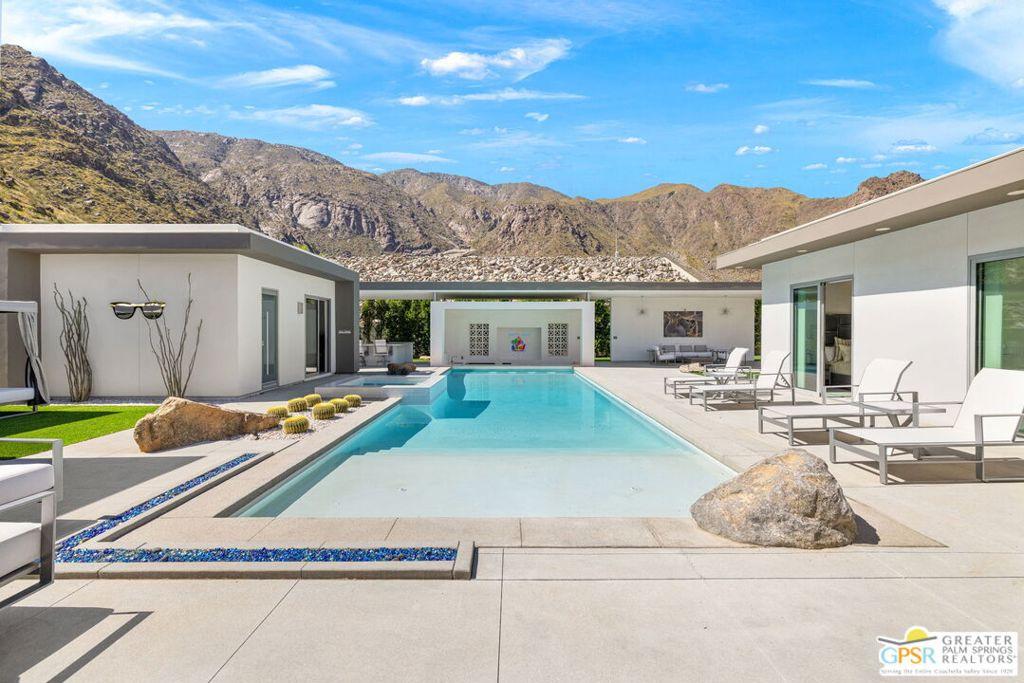
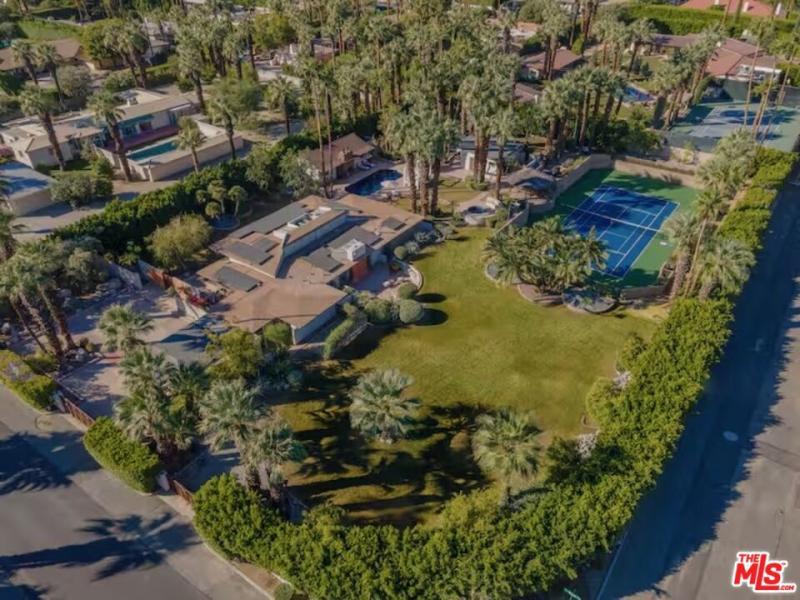
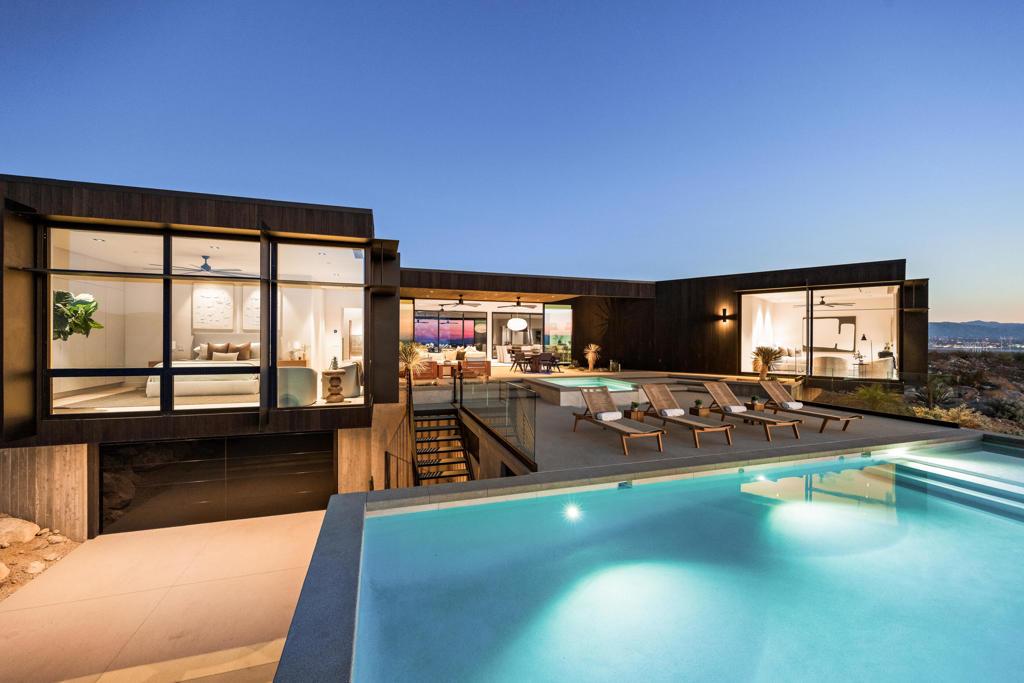
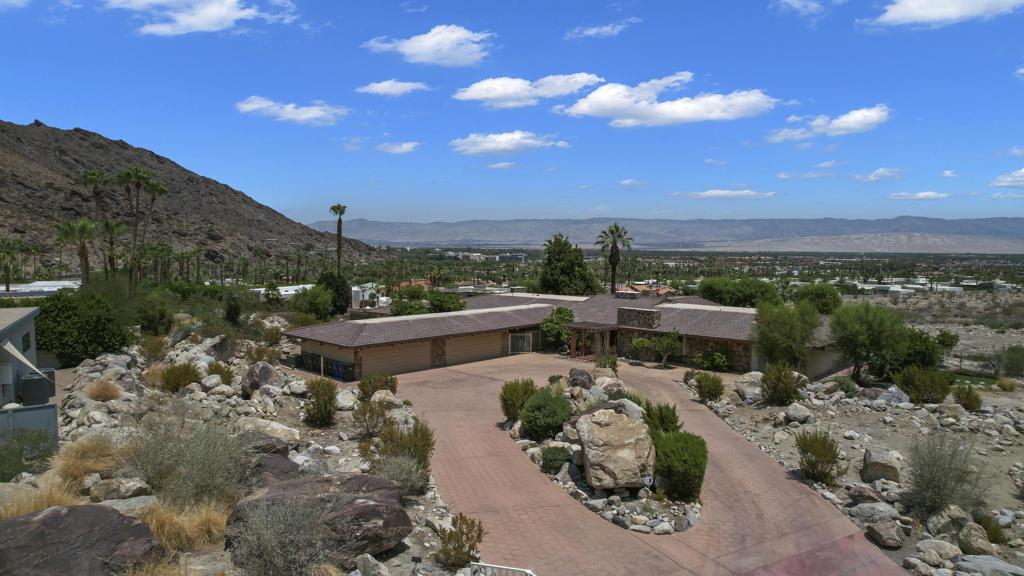
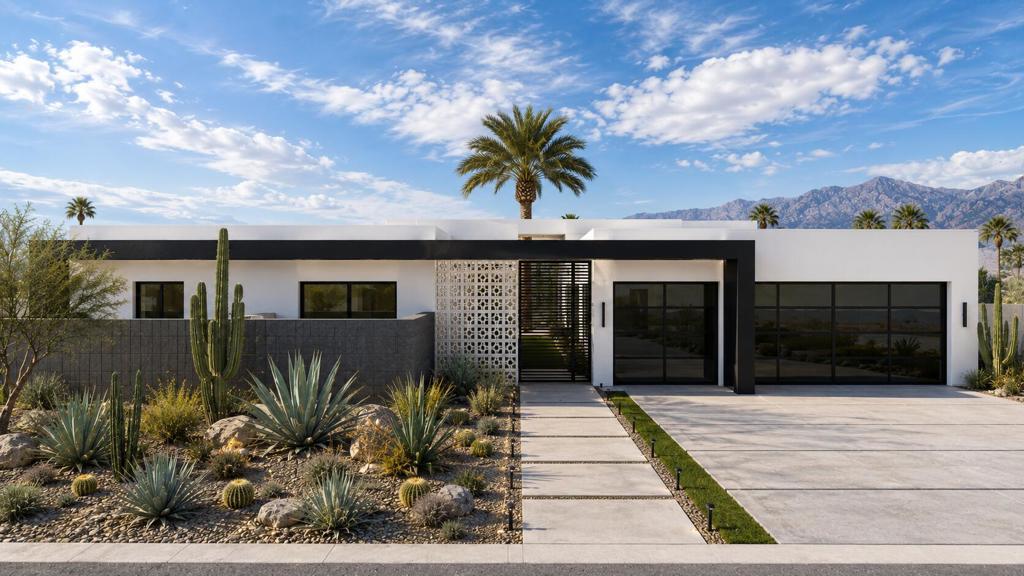
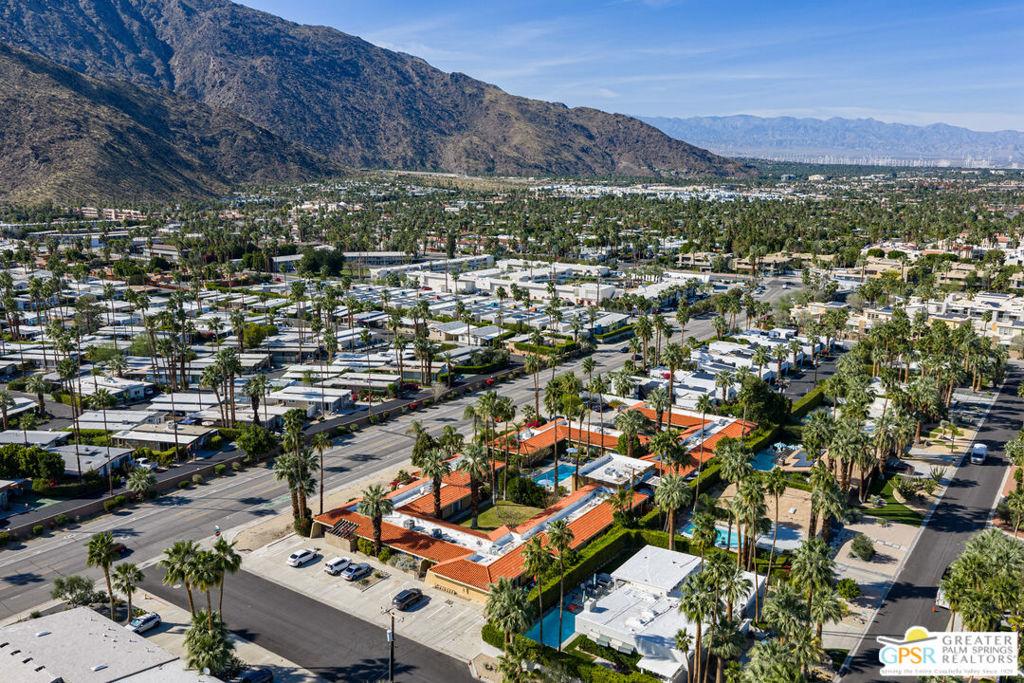
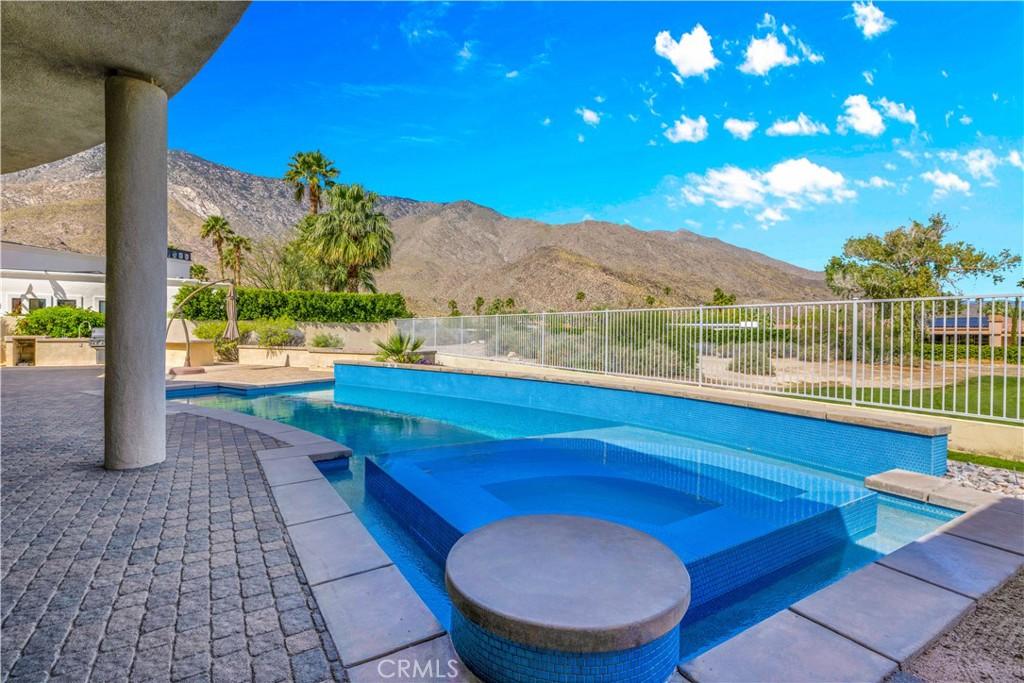
Palm Springs Homes for Sale is in Palm Springs — the Coachella Valley’s most iconic city, a globally recognized resort destination of approximately 48,000 residents where the concentration of mid-century modern architecture, the vibrant LGBTQ+ community, the Palm Springs Art Museum, and the celebrity heritage that has accumulated since the 1930s create a residential identity more culturally rich and architecturally distinctive than any other desert community in the American Southwest. Palm Springs homes for sale span the city’s diverse residential inventory — from vintage mid-century bungalows awaiting renovation to restored trophy modernism by celebrated architects to contemporary construction in the newer residential communities at the city’s edges. Palm Springs’s 2026 median home price of approximately $700,000 to $1.2 million reflects the diverse product range, with architectural significance adding substantial premiums for documented mid-century modern homes in the most coveted historic neighborhoods.
Browse all Palm Springs & Riverside County real estate.
Palm Springs is unique among Coachella Valley communities — where the other desert cities are primarily residential and resort, Palm Springs has a genuine downtown, a walkable commercial district along Palm Canyon Drive, and a cultural life that sustains year-round engagement rather than depending exclusively on the winter seasonal calendar. The Palm Springs Art Museum, the Modernism Week architectural festival (held annually in February), the Palm Springs International Film Festival, and the vibrant restaurant and nightlife scene along Palm Canyon Drive create a cultural vitality that distinguishes Palm Springs from the purely golf-and-resort communities to the southeast.
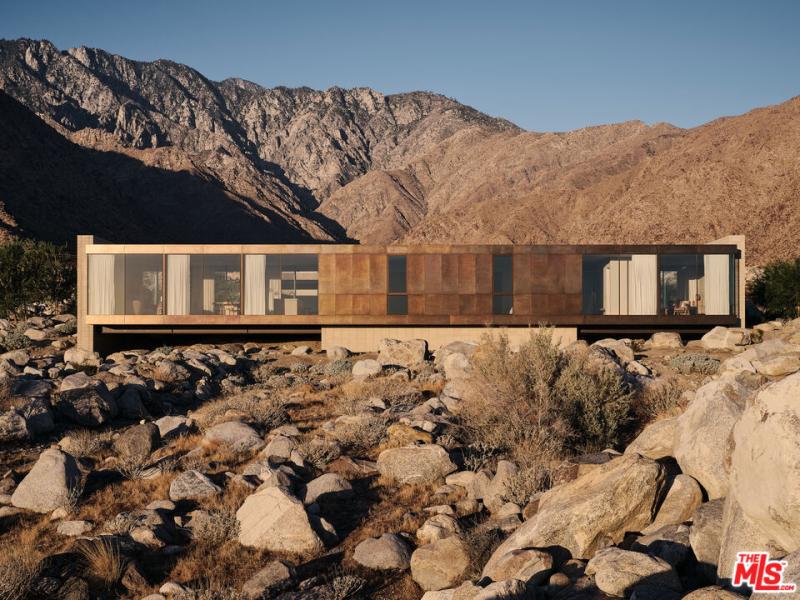
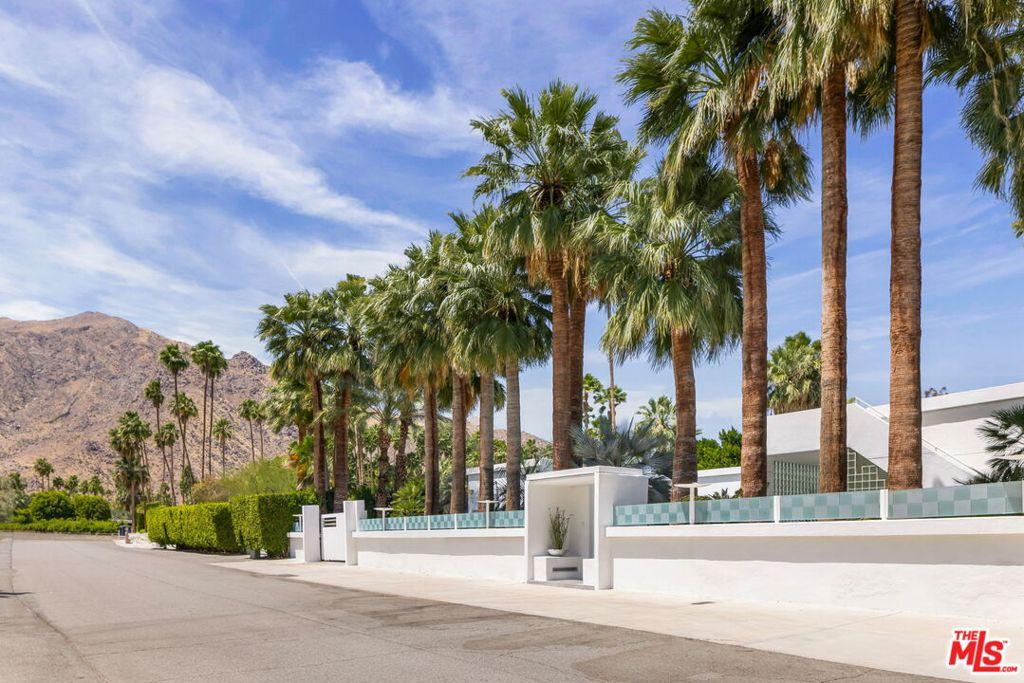
The mid-century modern architecture is Palm Springs’s most celebrated physical asset — the concentration of residential and commercial architecture from the 1940s through 1960s by architects including Richard Neutra, Albert Frey, John Lautner, and William Cody represents one of the most significant collections of the period’s design in the world. The Palm Springs Modern Committee and the Modernism Week festival sustain awareness of and market demand for the Historic Tennis Club, Movie Colony, Old Las Palmas, and Vista Las Palmas neighborhoods that contain the city’s most celebrated mid-century residential stock. A Donald Wexler-designed steel house or a Richard Neutra residential project in Palm Springs commands significant premiums both for the architectural significance and for the lifestyle brand association that ownership of Palm Springs modernism provides.
The LGBTQ+ community is a defining element of Palm Springs’s residential identity — the city has one of the highest LGBTQ+ population percentages of any city in the United States, has elected LGBTQ+ mayors, and sustains an openly welcoming community culture that draws LGBTQ+ buyers from across California and the nation. The White Party, the Palm Springs Pride festival, and the year-round social infrastructure that the LGBTQ+ community sustains make Palm Springs a specifically intentional choice for LGBTQ+ buyers who want a community that is not just tolerant but actively affirming. This demographic diversity is a residential asset that sustains community vitality in ways that more homogeneous resort communities cannot replicate.
Palm Springs’s residential price range is among the most diverse in the Coachella Valley — from vintage mid-century homes requiring renovation in the $500,000 range to restored trophy modernism in the $3 to $7 million range in Old Las Palmas and the most coveted historic neighborhoods. The specific price premium commanded by architectural significance, historic designation, and neighborhood pedigree is substantial in Palm Springs in a way that is unique among Coachella Valley communities, where golf community proximity rather than architectural significance is the primary value driver. Desert Island, Tahquitz Creek Golf Course vicinity, and the canyon communities provide residential options at more accessible price points within the broader Palm Springs geography.
Palm Springs’ Modernism Week — held annually in February and attracting more than 150,000 visitors to the city’s extraordinary collection of mid-century modern architecture — has transformed the city’s architectural heritage from a residential amenity into a national cultural destination. The city’s concentration of residential architecture designed by Albert Frey, E. Stewart Williams, William Cody, Richard Neutra, and Donald Wexler (along with the hotels, commercial buildings, and civic structures by the same architects) represents the most intact collection of mid-century modern built environment in the United States. For buyers who care about architectural quality and historical significance, Palm Springs offers the extraordinary opportunity to own a genuinely significant work of modern architecture — not a reproduction or a building “inspired by” the period, but an original structure whose authorship and historical record are documented and whose community of appreciators is national in scope.
The Palm Springs Aerial Tramway — ascending from the desert floor at approximately 2,600 feet to the San Jacinto Mountains station at 8,516 feet — provides the most dramatic accessible elevation change in California within a single trip. The tram’s rotating cars provide 360-degree views of the Coachella Valley, the Salton Sea, and the San Jacinto Wilderness State Park’s wilderness terrain. At the upper station, temperatures are typically 30–40°F cooler than the valley floor — a genuinely different climate zone accessible in 10 minutes from central Palm Springs. For residents, the tram provides the summer respite that converts a hot desert afternoon into a mountain hiking experience, making Palm Springs’ summer season more tolerable and more interesting than the valley cities that lack this elevation escape. The Palm Springs Art Museum, the city’s theater season (which includes major Broadway touring productions), and the growing year-round restaurant and nightlife scene along Palm Canyon Drive create the urban cultural density that distinguishes Palm Springs from the valley’s resort and golf communities.
Palm Springs International Airport provides direct service to Los Angeles (35 minutes), San Francisco (90 minutes), and major destinations across the United States and seasonal service to Canadian cities — the flight access that makes the Coachella Valley practical as a primary or secondary residence for buyers whose work and social connections are distributed nationally. The I-10 Freeway connects the valley to the Los Angeles basin (approximately 110 miles west) and to Phoenix (approximately 260 miles east), providing ground transportation access for buyers who prefer driving to flying for the LA-Palm Springs commute. Many LA-area professionals keep Coachella Valley homes as weekend destinations, making the 2-hour drive a routine element of their weekly lifestyle rather than an occasional trip.
The Agua Caliente Band of Cahuilla Indians’ sovereign land within the Coachella Valley — including significant portions of Palm Springs and the surrounding area — creates a unique land tenure situation that affects some residential properties. Homes built on Agua Caliente lease land operate under long-term ground leases rather than fee-simple ownership; buyers of such properties need to understand the lease term, renewal terms, and the implications for financing, resale value, and estate planning. Most lenders and buyers treat long-term lease land properties identically to fee-simple for practical purposes, but the distinction is important to research for any specific property under consideration.
The Coachella Valley’s summer heat — temperatures routinely exceeding 110 degrees Fahrenheit from June through August — is the primary lifestyle trade-off that the valley’s exceptional winter climate requires. Summer heat has historically emptied the valley as seasonal residents depart for cooler climates; the community facilities, restaurants, and cultural life that sustain the winter experience are often reduced during the summer months. Year-round residents adapt through pool lifestyle, early-morning outdoor activity before heat becomes prohibitive, and air-conditioned interiors that the architecture consistently accommodates. The Coachella music festival and the BNP Paribas Open tennis tournament at Indian Wells punctuate the spring calendar as major events that sustain the valley’s national profile.
The Coachella Valley is one of Southern California’s premier luxury resort and residential destinations — a desert basin rimmed by the San Jacinto, Santa Rosa, and Little San Bernardino Mountains where Palm Springs, Palm Desert, Indian Wells, La Quinta, and Rancho Mirage form a 30-mile corridor of golf courses, resort hotels, spa retreats, and luxury residential communities that attract buyers from across California, the United States, and internationally. The valley’s winter climate — sunny days in the 70s and 80s from October through April — drives a significant second-home and seasonal-residence market alongside the full-time residential population that has grown substantially as remote work has made year-round desert living increasingly practical for the professional demographic that once made the valley only a weekend or seasonal destination.
The Coachella Valley’s luxury residential market is golf-community-centric — the valley contains more golf courses per capita than virtually any comparable area in the United States, and the most prestigious communities are organized around championship golf courses designed by Jack Nicklaus, Pete Dye, Arnold Palmer, Tom Weiskopf, and other legendary course architects whose names on a community’s gates signal both the golf quality and the residential price tier. Guard-gated golf communities in Indian Wells, La Quinta, Rancho Mirage, and Bermuda Dunes provide the amenity package — golf membership, swimming, tennis, dining, social calendar — that the luxury second-home buyer demographic expects when they purchase in the desert at the price points that the valley’s premier communities command.
The 2026 residential pricing across the Coachella Valley spans from approximately $400,000 for standard condominiums in the valley’s more accessible communities to $5 million or beyond for the most exclusive estate properties in Indian Wells Country Club, Vintage Club, Quarry Golf Club, and other guard-gated trophy communities. The valley’s seasonal demand cycle — peak buyer activity from January through April during the winter residential season — creates price dynamics that differ from year-round residential markets; off-season (June through September) opportunities can exist for buyers willing to purchase during the extreme summer heat when touring activity declines significantly.
The Coachella Valley luxury real estate market operates on a seasonal rhythm unlike any California coastal market — the October through May “season” drives the majority of sales activity, as part-time residents arrive from the Pacific Northwest, Canada, the Midwest, and the Northeast to escape colder climates. This seasonal concentration means that the most competitive inventory windows are November through March, when buyer demand peaks alongside the BNP Paribas Open tennis tournament (Indian Wells, March), the golf tournament season, and the Coachella and Stagecoach music festivals (Indio, April). Off-season buyers (June through September) encounter less competition and more negotiating leverage but also reduced inventory, as sellers who can wait typically list during the high-visibility season months. Understanding this seasonal dynamic is essential for buyers and sellers navigating the CV market — the same property listed in February versus August will encounter fundamentally different buyer pools and pricing dynamics.
The Coachella Valley’s golf community market — the private club communities of Indian Wells, La Quinta, Rancho Mirage, and Palm Desert — has historically held value through economic cycles better than the Valley’s broader residential market. The supply constraint of limited equity memberships in the most exclusive clubs (The Quarry, Vintage Club, The Hideaway, Stone Eagle) creates a pricing floor that functions independently of broader market dynamics; when a club has a multi-year membership waitlist, the associated residential properties trade in a micro-market defined by club desirability rather than general real estate cycle. Buyers targeting specific club communities should understand both the club’s financial health and membership demand — factors that directly affect residential property values in ways that have no equivalent in non-club residential markets.
The desert luxury market’s long-term value drivers include the permanent seasonal demand from cold-climate snowbirds (a demographic that grows as Baby Boomer and Gen X wealth matures into retirement lifestyle spending), the increasing year-round viability created by modern air conditioning that has made desert summer residence comfortable for a growing segment of full-time residents, and the ongoing infrastructure investment (the Acrisure Arena, expanded Palm Springs International Airport service, and the Coachella Valley’s growing tech and entertainment industry presence) that is broadening the valley’s economic base beyond the traditional tourism and retirement economy. For buyers who approach the CV as a long-hold asset — a second home that will eventually become a primary residence as work-from-anywhere flexibility increases — the combination of lifestyle quality, supply-constrained club inventory, and growing year-round demand creates a fundamentally different risk profile than speculative purchasing based on short-term price movement.
Palm Springs’s 2026 median home price of approximately $700,000 to $1.2 million reflects the diverse product range, with architectural significance adding substantial premiums for documented mid-century modern homes in the most coveted historic neighborhoods. Palm Springs’s median home price of approximately $700,000 to $1.2 million spans a wide range — from accessible condominiums and vintage homes in standard residential sections to $5 million or beyond for trophy mid-century modern architecture in the most coveted historic neighborhoods. The specific price premium for architectural significance is a unique Palm Springs market dynamic that buyers should research carefully.
Palm Springs contains one of the most significant concentrations of mid-century modern residential and commercial architecture in the world — the period from the late 1930s through the 1960s when Hollywood celebrities and wealthy Los Angelenos built weekend retreats in the desert produced a remarkable body of work by California’s most celebrated modernist architects. Richard Neutra, Albert Frey, John Lautner, Donald Wexler, William Cody, and other architects designed homes that represent the optimistic, glass-and-steel, indoor-outdoor aesthetic of postwar California at its most confident. Owning a documented mid-century modern home in Palm Springs is both a lifestyle choice and a piece of design history.
Palm Springs has a walkable downtown, a culturally diverse resident population including a significant LGBTQ+ community, mid-century architectural heritage, and a year-round cultural calendar that the other Coachella Valley cities lack. The other cities — Indian Wells, La Quinta, Rancho Mirage, Palm Desert — are more exclusively golf-and-resort-residential in character. Palm Springs draws buyers who want cultural life alongside the desert lifestyle; the other cities draw buyers who want pure resort residential experience. The choice between them is a lifestyle preference question more than a quality-of-life comparison.
Palm Springs’ most celebrated architectural neighborhoods include: Movie Colony (where the Hollywood celebrity estates of the 1930s–1960s are concentrated, including homes associated with Frank Sinatra, Liberace, and other mid-century luminaries); the Movie Colony East and Tennis Club neighborhoods (early resort residential development adjacent to the original Racquet Club resort); Deepwell (a leafy residential area with significant Cody and Williams mid-century homes); and the Las Palmas and Little Tuscany neighborhoods at the base of the San Jacinto Mountains (some of Palm Springs’ grandest estate properties). Ruth Hardy Park and the surrounding Vista Las Palmas neighborhood provide another concentration of significant mid-century residential architecture. For architectural buyers, working with an agent who has specific Palm Springs architectural inventory knowledge is essential — the quality and significance of mid-century homes varies enormously and requires specialist knowledge to assess correctly.
Explore more Palm Springs neighborhoods:
Lucky for you we’re looking out.
Subscribe to this Custom Search to be alerted when new properties hit the market in the area.
Choose the frequency that works for you.