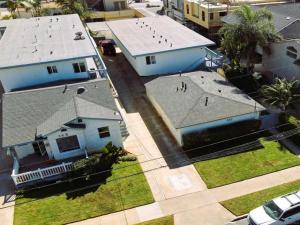
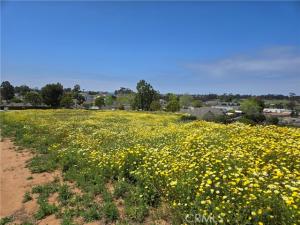
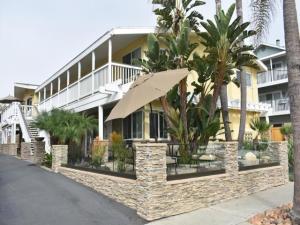
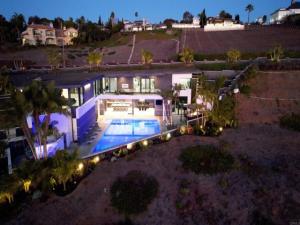
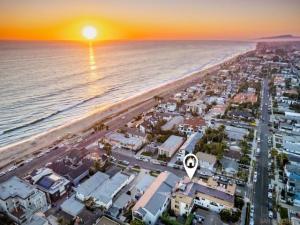
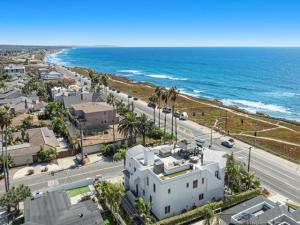
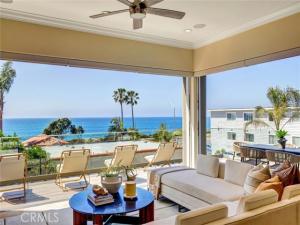
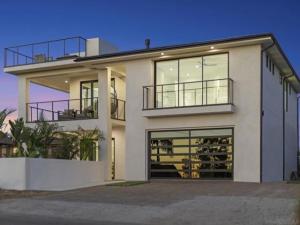
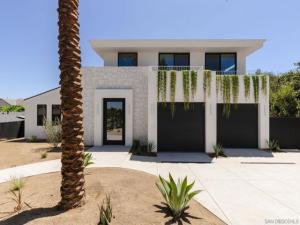
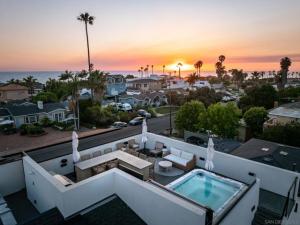
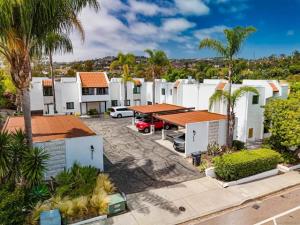
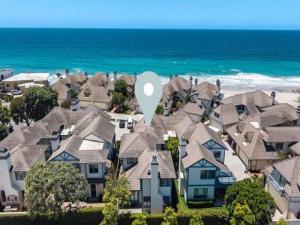
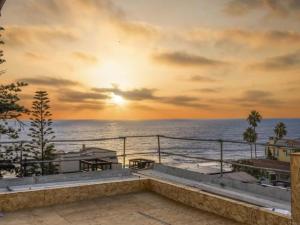
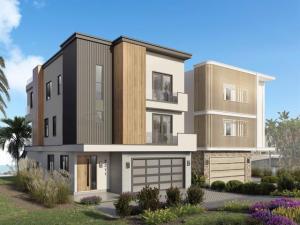
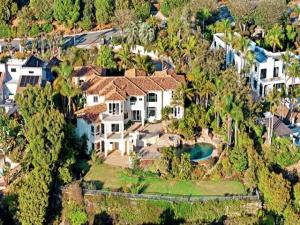
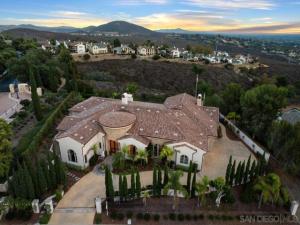
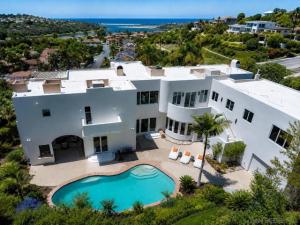
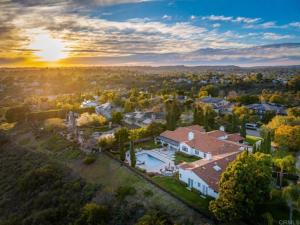
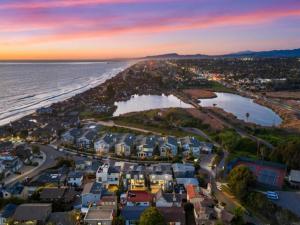
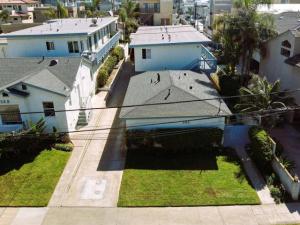
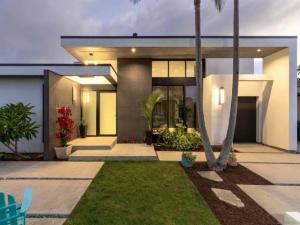
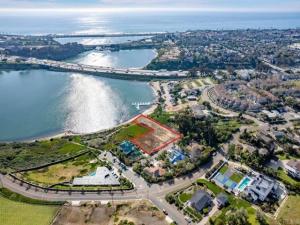
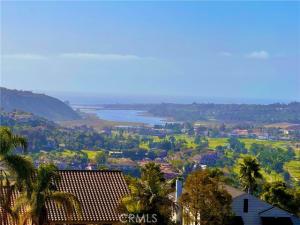
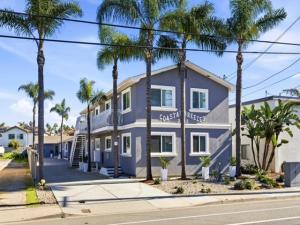
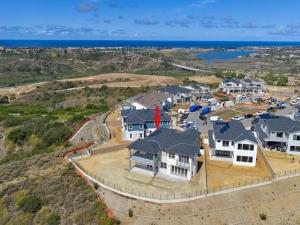
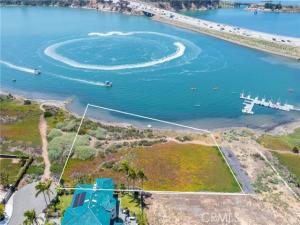
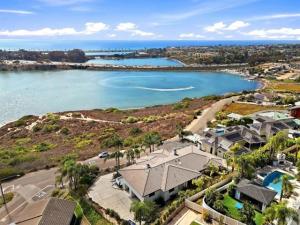
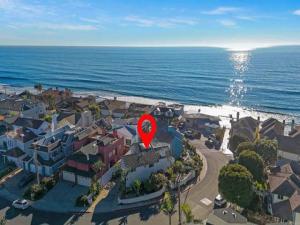
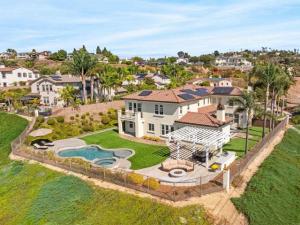
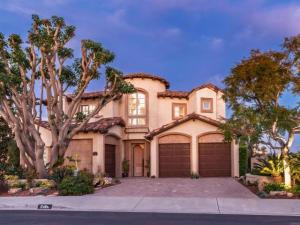
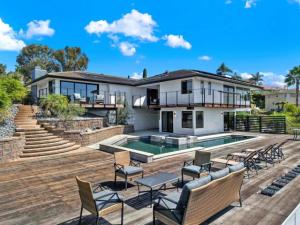
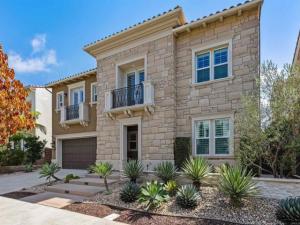
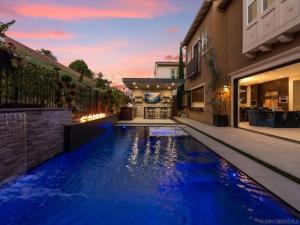
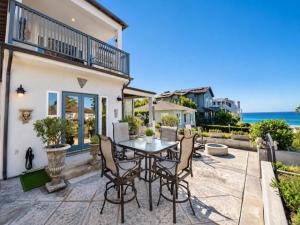
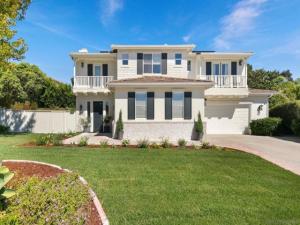
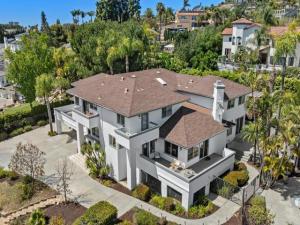
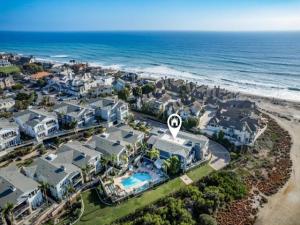
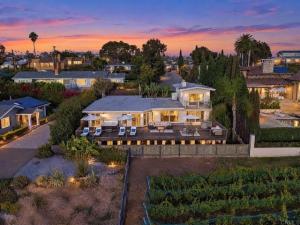
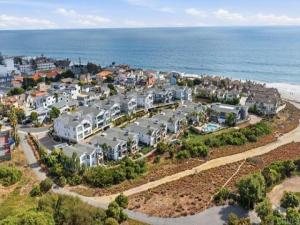
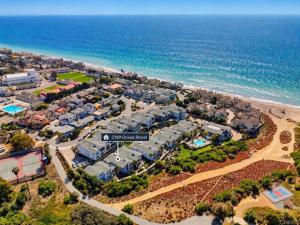
La Costa Valley is a neighborhood in Carlsbad — one of San Diego County’s most beloved coastal cities, a community of approximately 115,000 residents where the Pacific Ocean beachfront, Carlsbad Unified School District’s top academic performance, the La Costa Resort and Spa, and the biotech and technology employment corridor along Palomar Airport Road create a residential environment that consistently attracts buyers from across California who want the quintessential Southern California beach lifestyle within a thriving North County community. La Costa Valley is a gated residential community in Carlsbad’s La Costa section — a planned development near the La Costa Resort where the security, community amenities, and La Costa address create a residential offering that attracts buyers who want the La Costa lifestyle with gated community privacy. La Costa Valley homes range from approximately $1.2 to $2 million for single-family homes within this gated community.
Browse all San Diego County real estate.
La Costa Valley is one of Carlsbad’s distinctive neighborhoods, la costa valley is a gated residential community in carlsbad’s la costa section — a planned development near the la costa resort where the security, community amenities, and la costa address create a residential offering that attracts buyers who want the la costa lifestyle with gated community privacy within a city whose seven miles of Pacific Ocean coastline, well-maintained community parks, and strong Carlsbad Unified school system create a residential quality that sustains above-average appreciation across multiple economic cycles. Carlsbad’s identity as both a beach community and a technology employment hub — Callaway Golf, Invitrogen, and dozens of biotech and medical device companies maintain significant operations in the city — creates diversified residential demand that makes it more economically resilient than purely lifestyle-driven beach communities.
Carlsbad’s school system — Carlsbad Unified School District — is one of San Diego County’s strongest, with multiple elementary and middle campuses feeding into Carlsbad and Sage Creek High Schools. The district’s consistent academic performance is a primary driver of residential demand from families who want the beach lifestyle combined with public school quality that spares the private school cost. The specific campus assignment for Carlsbad addresses depends on neighborhood boundaries within the district; families with school-age children should verify enrollment before committing to a specific address.
The NCTD Coaster commuter rail serves Carlsbad with two stations (Carlsbad Village and Carlsbad Poinsettia), providing rail transit to downtown San Diego (approximately 50 minutes) and to Oceanside in the north. The Carlsbad Village station’s proximity to the Village’s commercial district creates a transit-oriented lifestyle option for Carlsbad residents who commute to downtown San Diego by rail. The I-5 Freeway runs through Carlsbad for freeway-based commuting. Highway 78 connects Carlsbad east to Escondido and the Inland North County employment corridors. Palomar Airport (McClellan-Palomar Airport) provides general aviation access and some commercial service within the city.
Carlsbad’s La Costa area — in the city’s southern section bordering Encinitas — is the city’s premier residential address tier, where the La Costa Resort and Spa, the La Costa golf courses, and the hillside residential communities overlooking the coast create a residential prestige that commands premiums above the city’s overall median. North Carlsbad’s Village area provides a more urban, walkable commercial character along Carlsbad Boulevard and the beachfront that gives North Carlsbad addresses a distinct lifestyle appeal compared to the master-planned inland communities. The beach — accessible at multiple points along Carlsbad’s several-mile coastline — is the residential amenity that all Carlsbad communities share regardless of their specific character or price tier.
La Costa Valley is one of Carlsbad’s most established master-planned residential communities in the southeastern La Costa area — a development whose community amenities (clubhouse, pool, parks, and the trail network connecting to the surrounding open space) and consistent architectural standards create the planned community residential experience that a significant segment of North County buyers specifically seeks. The community’s HOA manages the common areas and maintains the landscape quality that sustains La Costa Valley’s visual character across ownership changes and market cycles — the planned community maintenance infrastructure that prevents the gradual degradation of community aesthetics that unmanaged neighborhoods experience over time. La Costa Valley’s proximity to the La Costa Resort’s golf courses provides the nearby golf access that complements the community’s planned amenities for residents who play.
La Costa Valley’s residential product — primarily detached single-family homes with attached and detached garage configurations on moderate lot sizes typical of 1990s–2000s North County master planning — provides the move-up residential quality that families transitioning from attached housing or smaller earlier homes in the broader San Diego market target. The community’s school district assignment (Carlsbad Unified or San Dieguito Union depending on specific address, with La Costa Canyon High School as a potential secondary assignment) provides above-average K-12 access that sustains family residential demand. The I-5’s La Costa Avenue exit provides direct freeway access to the 78 connector for inland commuters and to the I-5 north-south spine for coastal commuters — positioning La Costa Valley well for the diverse employment destinations that North County’s residential workforce reaches.
Pacific Coast Highway (Highway 101) runs through the North County coastal communities as a surface street rather than a freeway — the pedestrian and cyclist-friendly commercial corridor that connects the region’s beach neighborhoods and commercial districts in a way that the I-5’s elevated freeway cannot. The beach communities along Highway 101 — Oceanside Harbor Village, Carlsbad Village, Leucadia, Cardiff-by-the-Sea, and Encinitas — each maintain distinct commercial identities while sharing the North County surfing culture, the outdoor dining infrastructure, and the farmers markets and artisan businesses that sustain the corridor’s identity as one of California’s most distinctive coastal commercial landscapes.
The San Diego County North Coast’s biotech cluster — anchored by the Salk Institute, Scripps Research Institute, UC San Diego, and the dozens of pharmaceutical and biotech companies that have clustered around these institutions in the Torrey Pines Science Park and Carmel Valley — provides one of the nation’s most significant concentrations of life sciences employment. The Carlsbad area’s technology and manufacturing corridor (Callaway Golf, several significant biotech and medical device companies) and the Palomar Airport Road industrial parks sustain additional professional employment that north coastal residents access without the I-5’s commute pressure that a downtown San Diego destination would require. The combination of beach lifestyle and high-quality professional employment within the coastal corridor is the specific residential value proposition that sustains North County’s residential demand through economic cycles.
The North County school districts are among San Diego County’s strongest. Carlsbad Unified School District consistently performs in California’s top tier for a comprehensive unified district of its size. Encinitas Union Elementary District and San Dieguito Unified High School District (serving Encinitas, Cardiff, Solana Beach) are among the county’s highest-rated systems. Oceanside Unified and Vista Unified serve the northern coastal communities with more variable but improving performance. School district quality is a primary driver of residential value differences across the North Coast corridor, and the specific district assignment for any address should be verified rather than assumed based on city name.
San Diego County’s North Coastal corridor — encompassing Carlsbad, Encinitas, Oceanside, Del Mar, Solana Beach, and the ocean-adjacent communities along Highway 101 — is one of the most desirable and fastest-appreciating residential zones in California. The Pacific Ocean’s moderating influence, the concentration of technology and biotech employment along the I-5 and Carmel Valley corridors, the highly rated Carlsbad, Encinitas Union, and San Dieguito Unified school districts, and the beach lifestyle that spans from Oceanside Harbor in the north to Torrey Pines State Reserve in the south create a residential environment that buyers from across California and the nation consistently target when seeking the combination of climate, lifestyle, and economic opportunity that few regions in the United States can match.
The 2026 median home price across San Diego County’s North Coast ranges from approximately $900,000 to $1.1 million in Carlsbad and Oceanside to $1.5 to $2.5 million in Encinitas and Solana Beach, reflecting the progressive price premium that proximity to Del Mar, Rancho Santa Fe, and La Jolla imposes as buyers move south along the coastal corridor. The biotech and technology employment concentration in Carlsbad’s Bressi Ranch and the Palomar Airport Road corridor, Qualcomm and other San Diego tech companies in the southern corridor, and the healthcare and life sciences industry’s significant North County presence create substantial professional employment demand that sustains residential values independent of the lifestyle buyer demographic that the beach cities primarily attract.
The I-5 Freeway is the North Coast corridor’s primary arterial — running from Oceanside through Carlsbad, Encinitas, Solana Beach, and Del Mar to La Jolla and downtown San Diego. The NCTD Coaster commuter rail provides an alternative to freeway driving, running from Oceanside through coastal North County cities to downtown San Diego’s Santa Fe Depot with multiple stops serving the North Coast communities. For residents who commute to downtown San Diego, the Coaster provides schedule reliability that the I-5’s variable peak-hour congestion cannot match, and the oceanfront scenery of the Coaster route is one of the most scenic commuter rail experiences in the United States.
Carlsbad’s residential market benefits from multiple overlapping demand drivers that sustain pricing resilience through economic cycles. The biotech and life sciences employment corridor along the Carlsbad Research Center and the broader Bressi Ranch and El Camino Real corridor — anchored by employers including Callaway Golf (headquartered in Carlsbad), Viasat, ViaSat, Invitae, and dozens of smaller biotech firms — creates a technology and life sciences employment base whose income levels and housing demand sustains the North SD coastal market at pricing that the general San Diego County median understates. The Carlsbad Premium Outlets, the Shoppes at Carlsbad, and the Village commercial district provide the retail infrastructure that a city of 115,000 residents requires, keeping daily-use commercial activity within the city rather than requiring the freeway drive that smaller North County communities demand.
Carlsbad Unified School District’s consistently above-average performance — with secondary campuses (Carlsbad High School, Sage Creek High School, and the continuation school) that achieve college matriculation results reflecting the community’s high educational attainment — is a primary driver of family residential demand in Carlsbad relative to adjacent Oceanside (a different school district). The district’s smaller enrollment relative to large unified districts creates the administrative focus and parent engagement depth that sustains academic outcomes across economic cycles. For families relocating to North San Diego County from Los Angeles, the Bay Area, or out of state, Carlsbad Unified’s track record is frequently the deciding factor that tips the choice toward Carlsbad over the lower-priced adjacent cities served by different districts. This school district premium is structural and durable — it will not disappear in a market downturn — making it a reliable component of Carlsbad’s long-term value proposition.
The I-5 corridor through Carlsbad provides the freeway spine that connects the city to San Diego (approximately 35 minutes south), Los Angeles (approximately 90 minutes north), and the Camp Pendleton military installation (immediately adjacent to the north) whose 38,000+ active duty personnel and family population create sustained housing demand throughout the North County. The Coaster commuter rail stops at Carlsbad Village and Carlsbad Poinsettia stations provide rail access to Downtown San Diego’s Santa Fe Depot (approximately 45 minutes) without the I-5 congestion that peak-hour commuters face. LEGOLAND California — located along the I-5 corridor — contributes to Carlsbad’s family destination identity and sustains the hospitality and retail employment that makes Carlsbad’s commercial tax base more diverse than purely residential bedroom communities.
La Costa Valley homes range from approximately $1.2 to $2 million for single-family homes within this gated community. Carlsbad’s overall market ranges from approximately $800,000 for condominiums in standard residential developments to $2.5 million or beyond for estate homes in La Costa and the beachfront South Carlsbad communities. Current pricing for La Costa Valley is available from The Knight Group.
Carlsbad Unified School District serves La Costa Valley for K-12 education. The district is one of San Diego County’s strongest, with Carlsbad High School and Sage Creek High School both performing consistently above state and county averages. The specific campus assignment for La Costa Valley addresses depends on district enrollment boundaries; verification with Carlsbad Unified is recommended before purchase for families with school-age children.
Carlsbad’s coastline runs approximately seven miles along the Pacific, and beach access from most Carlsbad neighborhoods is within 5 to 15 minutes by car or shorter by bicycle. State Street Beach, Tamarack Beach, South Carlsbad State Beach, and the beach access points in Terramar provide options for different activities and crowd preferences. Neighborhoods in western Carlsbad near the coast — Terramar, Tamarack Point, South Beach, North Beach — have the most direct beach access. The La Costa area’s inland hillside communities are farther from the beach but command views and the La Costa Resort’s proximity as compensating amenities.
La Costa Valley’s master HOA provides community park maintenance, the common area landscape management, and the community pool and recreation facilities that distinguish the planned community lifestyle from non-HOA residential neighborhoods. Specific amenity details — pool hours, park programming, and HOA-sponsored events — are managed by the community’s active HOA board and vary by season and board priorities. Monthly HOA fees in La Costa Valley typically reflect the amenity level and maintenance cost of the common areas; buyers should obtain the current HOA financial statements and reserve fund adequacy report as part of standard purchase due diligence, as HOA financial health directly affects the risk of special assessments and the long-term maintenance standard of the community’s shared amenities.
Lucky for you we’re looking out.
Subscribe to this Custom Search to be alerted when new properties hit the market in the area.
Choose the frequency that works for you.