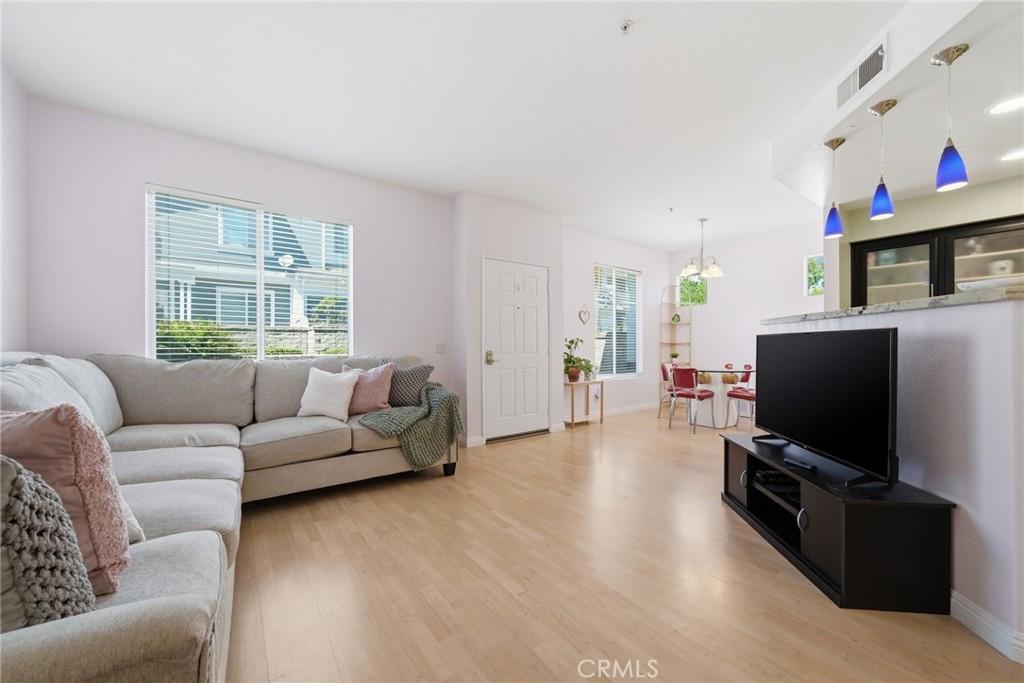
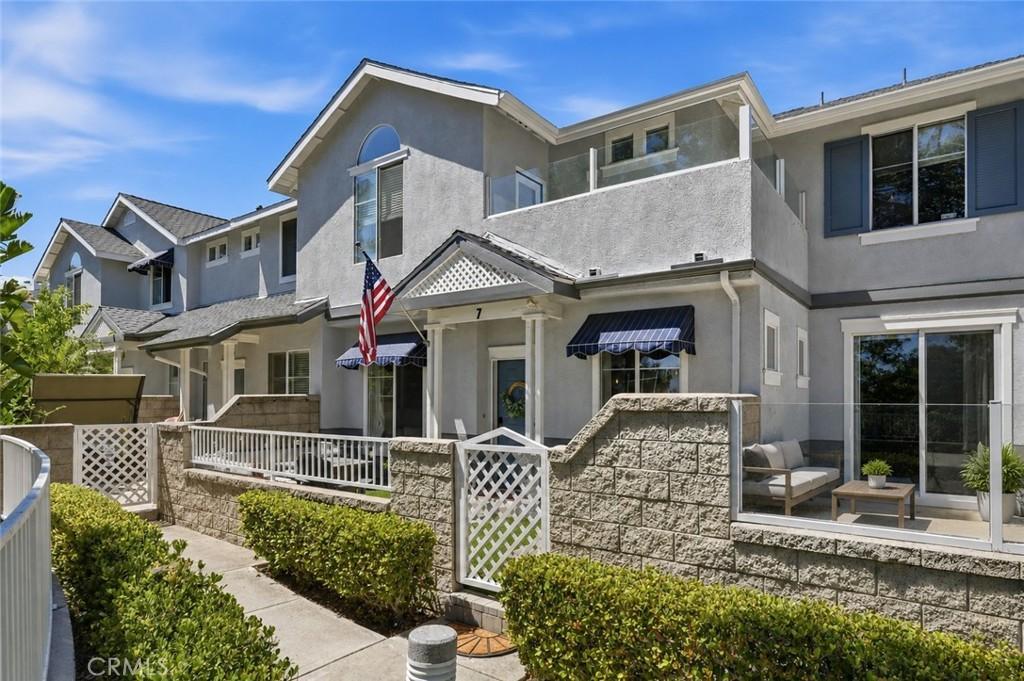
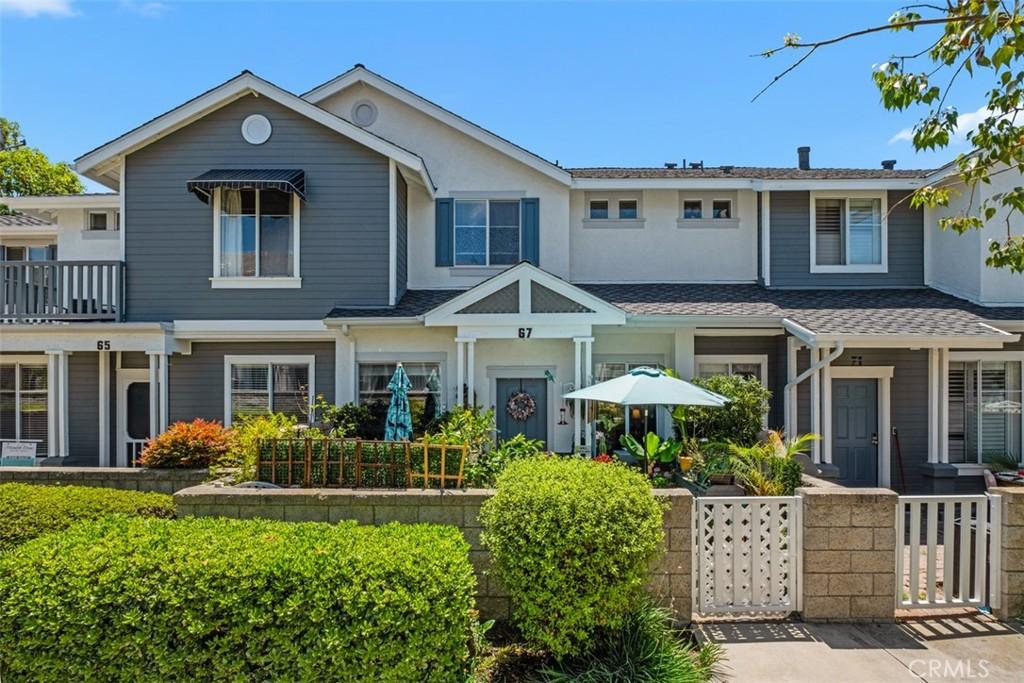
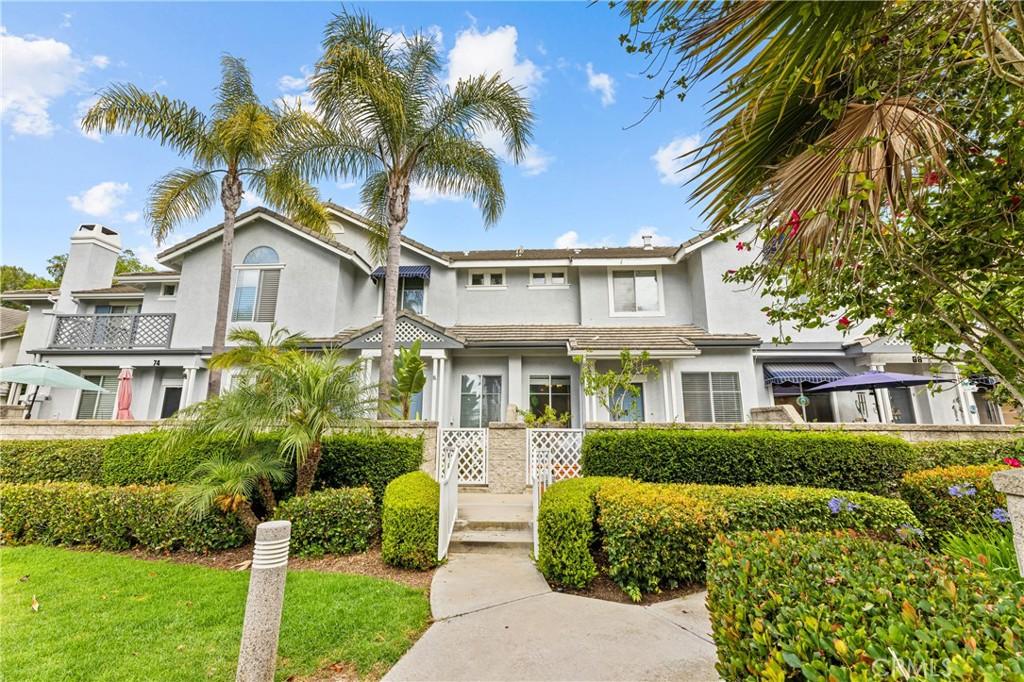
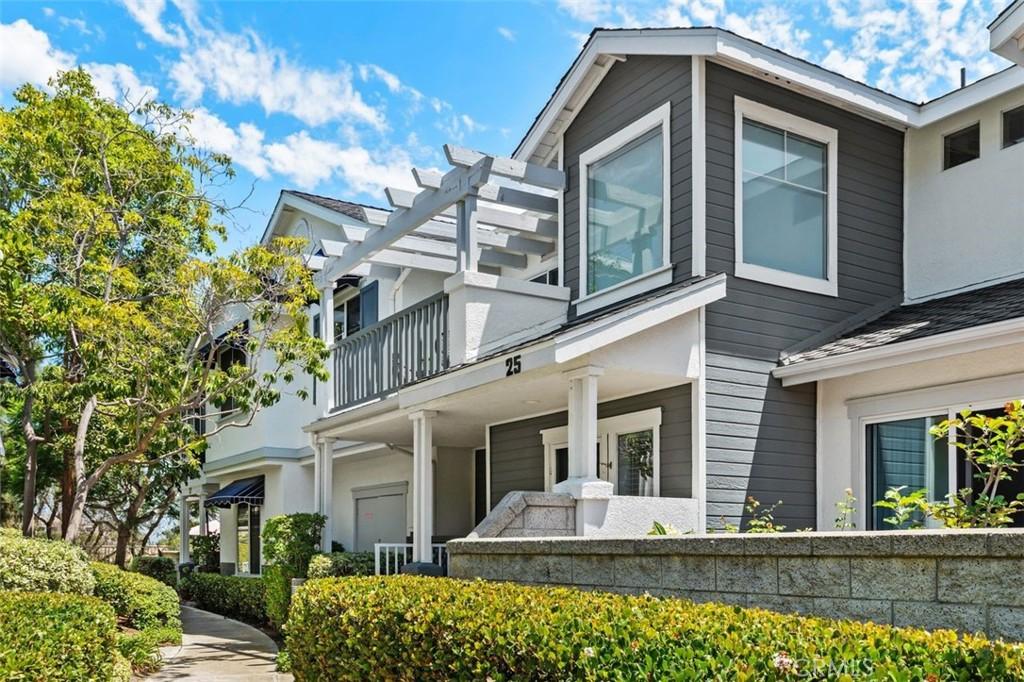
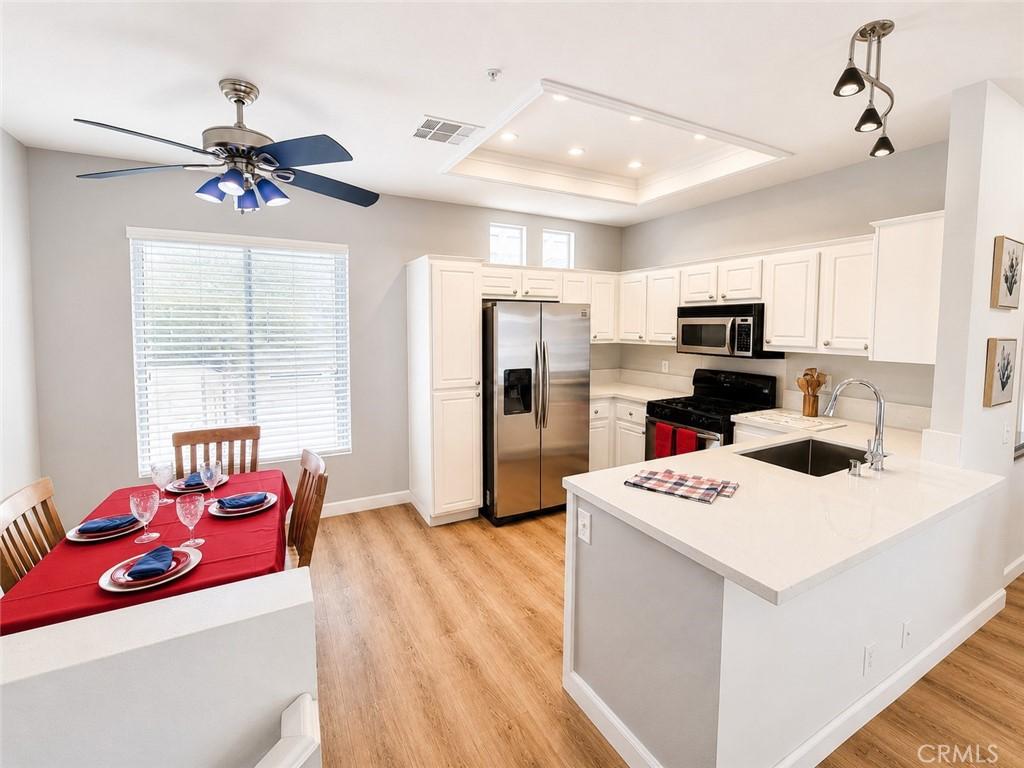
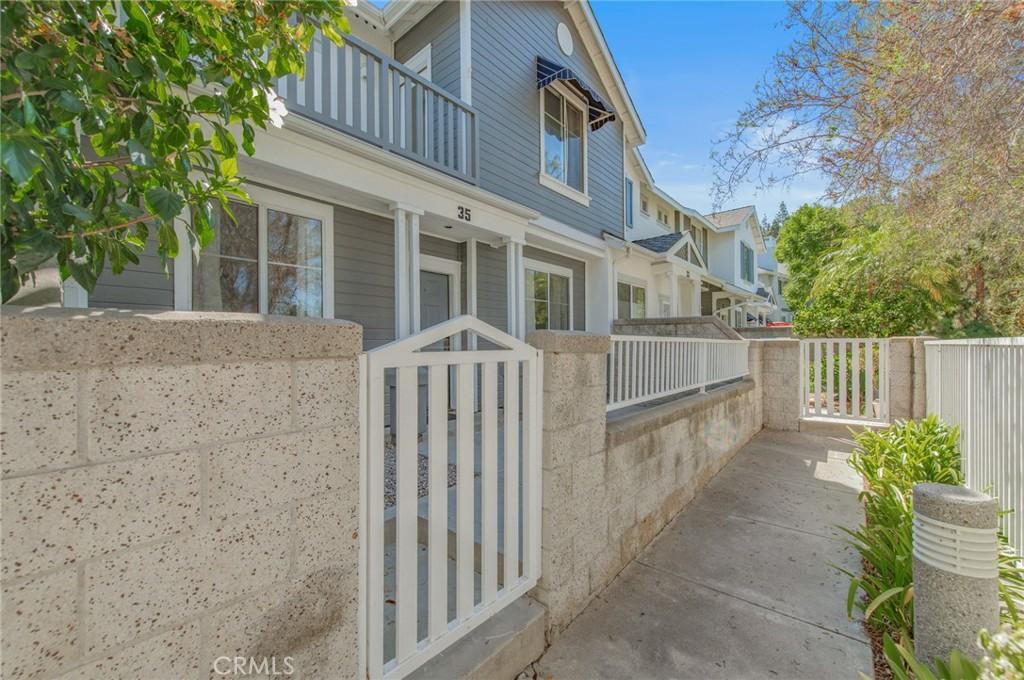
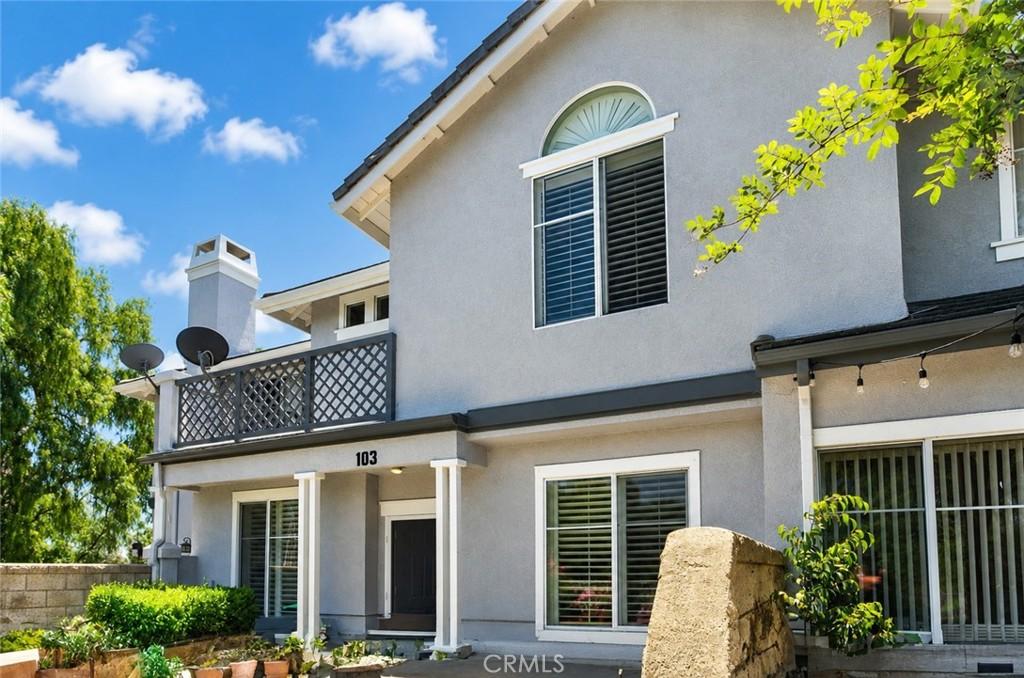
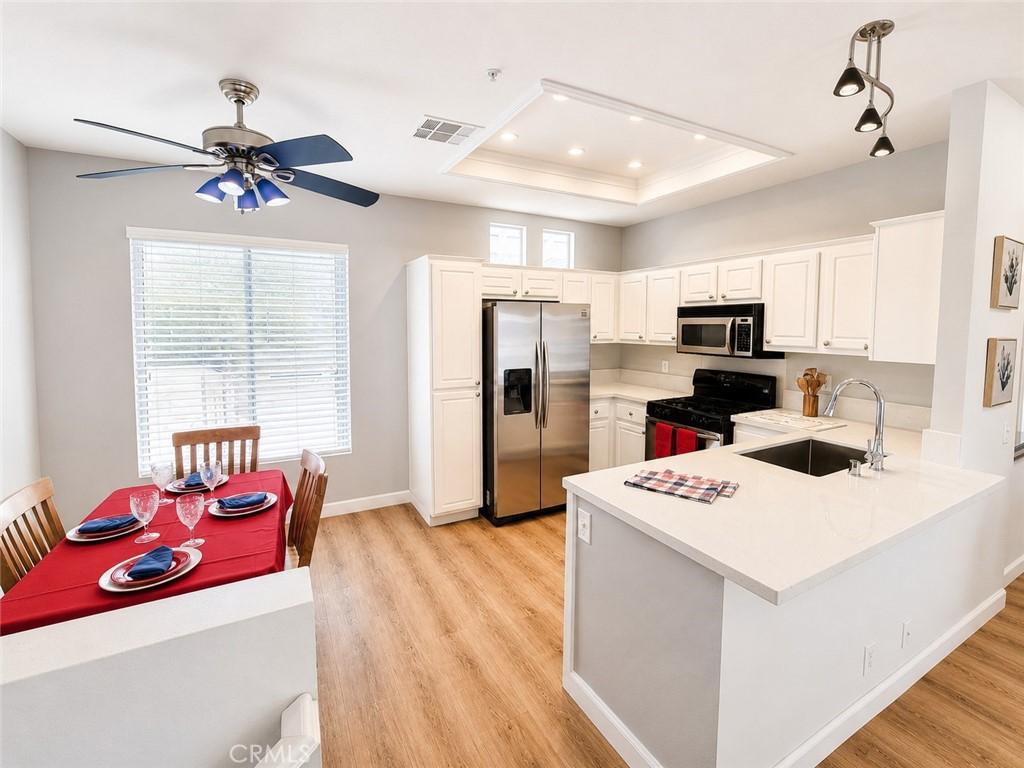
Coronado Homes for Sale is located in Coronado — one of California’s most extraordinary island communities, where the Hotel del Coronado’s Victorian grandeur, Naval Air Station North Island, pristine Pacific beaches, and the self-contained island lifestyle create a residential setting that commands among the highest prices in San Diego County. Coronado’s residential market spans from Coronado Cays townhomes and canal-front properties to Ocean Boulevard estate homes facing the Pacific — one of California’s most distinctive and limited-supply residential markets. Coronado’s 2026 median home price of approximately $2.5 to $3.5 million reflects the island’s extraordinary desirability and fixed supply — a market where patience and premium pricing are required to access any address.
Browse all San Diego County real estate.
Coronado Homes for Sale is one of Coronado’s residential communities, coronado’s residential market spans from coronado cays townhomes and canal-front properties to ocean boulevard estate homes facing the pacific — one of california’s most distinctive and limited-supply residential markets within an island city whose fixed geographic boundaries, military base occupancy, and extraordinary residential desirability create the supply constraint that sustains Coronado’s premium pricing through market cycles that affect the mainland San Diego residential market.
The Coronado Cays are a master-planned bayfront residential community on the southern portion of the Coronado peninsula (Silver Strand), connected to the main island by a short drive along Highway 75. The Cays were developed in the 1960s and 1970s as a boating community, with canals, boat docks at most properties, and a yacht club that provides the boating amenity infrastructure that sustains the Cays’ identity as one of the most complete live-aboard boating communities in California. The various “villages” within the Cays — Antigua Villas, Bahama Village, Blue Anchor Cay, Green Turtle Cay, Jamaica Village, Kingston Village, Mardi Gras Village, Montego Village, Port Royale Village, Trinidad Village, and The Landing — each have their own dock configuration, architecture, and community character within the broader Cays geography.
Coronado Cays properties provide one of the most complete boating lifestyles in California — private boat docks at most properties allow direct bay access without trailering, marina fees, or time-limited slip rentals. The San Diego Bay’s protected waters provide calm conditions for all skill levels from paddleboarding and kayaking to powerboating and sailing, and the bay’s connection to San Diego’s main harbor and the Pacific Ocean via the harbor entrance provides access to offshore destinations. The lifestyle that the Cays sustains — morning coffee on the dock, afternoon sail, sunset from the water — is genuinely distinct from any other residential lifestyle available in Southern California.
Coronado Unified School District serves Coronado’s K-12 population — a very small, highly performing district that benefits from the tight-knit community engagement of the island’s residential population. The district’s small size allows for more personalized educational experiences and high family involvement that sustains the academic culture across grade levels. Coronado High School’s small-school character — graduated classes of approximately 200-250 students — creates a community atmosphere that distinguishes it from the larger high school campuses serving San Diego County’s mainland cities.
The Coronado Bridge, ferry service, and Silver Strand provide Coronado’s connections to the mainland. Downtown San Diego is approximately 10 to 15 minutes by car via the bridge, and the ferry to the Broadway Pier provides the scenic transit alternative for the commute without a car. The bridge’s dedicated bicycle lane allows cycling commutes to downtown San Diego for the most committed cyclists. The island’s flat terrain and small size make cycling the practical primary transportation mode within Coronado itself, creating a car-free or car-light on-island lifestyle that is unusual in the Southern California context.
The Hotel del Coronado — the iconic Victorian beachfront resort completed in 1888 and now a National Historic Landmark — defines Coronado’s architectural character and global identity in a way that no other single building defines any other San Diego community. The Hotel Del’s distinctive red-roof turrets, the Crown Room’s self-supporting wooden dome, and the Pacific Ocean beachfront that the resort anchors provide the visual and historical character that Coronado’s residential market builds its identity upon. For residents, the Hotel Del’s proximity is not merely symbolic — the resort’s restaurants, spa, beach access, and public spaces are all accessible without reserving a room, and the annual events (the Halloween festivities, the Ice Rink in December, and the ongoing programming) create community anchors that residents participate in alongside the global visitor population that the resort attracts.
Orange Avenue — Coronado’s main commercial street running from the bridge approach to the Hotel Del — provides the walkable commercial district that sustains island life’s daily rhythm: the independent coffee shops, the restaurants ranging from casual to fine dining, the boutiques and galleries, the Coronado Library, and the Spreckels Park concerts that create the small-city commercial character that distinguishes Coronado from purely residential island communities. The Coronado Ferry provides an alternative to the bridge for residents who want car-free access to downtown San Diego’s waterfront — a 15-minute boat ride that delivers passengers to the Broadway Pier adjacent to the Gaslamp Quarter and the Embarcadero. Coronado Unified School District serves the island’s K-12 student population in a small, focused district whose community engagement and consistent academic outcomes reflect the island’s educated and financially stable residential demographic.
The Hotel del Coronado — opened in 1888, one of the few surviving examples of Victorian beach resort architecture in the United States — is Coronado’s most iconic landmark and most significant lifestyle asset. The Del’s presence sustains the island’s national profile, provides world-class dining, spa, and event facilities accessible to island residents, and creates the historical and architectural backdrop that gives Coronado a cultural depth that newer beach communities cannot replicate. The Del’s ownership by Hilton and its designation as a National Historic Landmark ensure its preservation and continued operation as the anchor of Coronado’s resort identity.
Coronado’s beach — approximately 1.5 miles of Pacific Ocean frontage facing southwest — is consistently ranked among the nation’s finest, with wide sandy strand, reliable surf, and the Silver Strand’s additional beach access to the south. The beach is walking distance from the entire Ocean Boulevard residential strip and a short walk or bike ride from most of Coronado’s residential neighborhoods. The cycling infrastructure on Coronado — the island’s small size and flat terrain make cycling the practical primary transportation mode for many residents — allows car-light or car-optional living in a way that is genuinely unusual in the southern California metropolitan context.
The Coronado Bridge provides automobile and public transit access to downtown San Diego (approximately 10 to 15 minutes to the Gaslamp Quarter), while the Silver Strand connects the island to Chula Vista and the South Bay via Highway 75. The ferry service from Coronado to downtown San Diego’s Broadway Pier provides a car-free, scenic transit option for residents commuting to downtown San Diego on foot or by bicycle. Coronado’s school district — Coronado Unified — is one of the smallest and highest-performing in San Diego County, with Ocean View Elementary and Coronado High School providing K-12 education to the island’s residential community at consistently above-average academic outcomes.
Coronado is one of California’s most extraordinary residential settings — an island city of approximately 24,000 residents connected to the San Diego mainland by the Coronado Bridge and the Silver Strand, where the Hotel del Coronado’s Victorian grandeur, the Naval Air Station North Island’s presence, miles of Pacific beach, and the self-contained island lifestyle create a residential environment that commands among the highest prices in San Diego County. The 2026 median home price in Coronado ranges from approximately $1.8 million for standard condominiums to $4 to $8 million for single-family homes on desirable streets, and to $10 million or beyond for beachfront estate properties on Ocean Boulevard facing the Pacific.
Coronado’s price premium reflects the genuine scarcity of inventory — the island’s fixed size, its military base occupancy (Naval Air Station North Island occupies the northern portion of the island), and the very limited new development that the built-out island accommodates create a supply constraint that sustains prices even through broad market corrections that affect the mainland. Coronado buyers are buying not just a home but a place in one of Southern California’s most exclusive and limited-supply communities — a city where “getting in” requires patience, financial qualification, and willingness to pay the premium that the island’s desirability demands.
The Naval Air Station North Island is Coronado’s largest employer and a defining element of the community’s character — the military community’s presence sustains a segment of residential demand from higher-ranking officers (flag officer housing is on base, but many officer families choose Coronado’s civilian neighborhoods) and the general connection between the naval community and the island’s residents that has been maintained since the base’s establishment in 1917. The base is also the homeport for multiple carrier strike groups; the periodic arrivals and departures of aircraft carriers and their associated ships are part of the seasonal rhythm of Coronado life that residents experience as community events rather than inconveniences.
Coronado’s residential market is among the most supply-constrained in California — an island connected to the San Diego mainland only by the San Diego-Coronado Bridge and the Silver Strand State Beach highway corridor, where the combination of Naval Air Station North Island’s institutional land use (approximately 50% of the island), the Silver Strand’s protected state beach and wetlands, and the Coronado Cays’ privately developed waterway community leave a relatively small footprint of privately owned residential land. This structural supply scarcity — the island cannot expand its residential land base regardless of demand — is the foundational dynamic that has sustained Coronado residential pricing at consistent premiums above San Diego’s overall market through economic cycles that have produced significant volatility in more supply-elastic markets. Buyers who understand Coronado’s supply constraint as a permanent structural feature rather than a cyclical market condition invest with a different risk profile than those who treat the premium as speculative.
Naval Air Station North Island — home to Carrier Air Wing and carrier strike group operations — sustains the military employment base that creates consistent demand for Coronado residential rental properties from active duty naval officers and their families. The officer housing market is distinct from the enlisted housing market in military communities; Coronado’s high median income and the officer housing allowance structure sustain demand for the higher-quality residential properties that the island’s market disproportionately provides. Military families who choose off-base housing in Coronado over the subsidized on-base family housing accept higher out-of-pocket costs in exchange for the lifestyle quality of island living — a choice that Coronado’s most experienced landlords understand and market to effectively. The military and civilian demand combination creates the residential demand diversity that sustains Coronado’s market through cycles when one demand segment softens.
The Coronado Cays — the master-planned waterway community on the Silver Strand south of the main island — provides a distinct residential market within the Coronado address that is defined by boating lifestyle rather than the Hotel Del and village character that defines the main island’s residential identity. The Cays’ canal-front lots, boat slips, and the gated community access create the boating-centric residential community that buyers who prioritize watercraft access over ocean beach proximity specifically target. Cays properties with direct bay or ocean access generally command premiums over canal-interior positions; the specific canal geometry (access to the Outer Bay versus Inner Bay) affects access quality and wind and wave exposure in ways that boaters evaluate carefully before purchasing.
Coronado’s 2026 median home price of approximately $2.5 to $3.5 million reflects the island’s extraordinary desirability and fixed supply — a market where patience and premium pricing are required to access any address. Coronado’s overall market ranges from approximately $1.5 million for Coronado Cays townhomes and condominiums to $8 million or beyond for the most desirable island estate properties. Current specific pricing for Coronado Homes for Sale is available from The Knight Group.
The Coronado Cays communities, including Coronado Homes for Sale, typically feature private boat docks accessible from the property or shared dock access within the community. San Diego Bay’s protected waters provide excellent conditions for boating of all kinds — from paddleboarding and small sailboats to powerboats and offshore fishing vessels. The Coronado Cays Yacht Club provides organized racing, social events, and the boating community infrastructure that residents of Coronado Homes for Sale can access. The bay’s direct connection to San Diego’s main harbor and the Pacific creates the cruising access that offshore-capable boats use for extended trips.
Coronado Unified School District is one of San Diego County’s smallest and highest-performing school districts — a K-12 system serving the island community with Ocean View Elementary and Coronado High School as the primary campuses. The district’s small enrollment (approximately 2,500 total students K-12) creates intimate educational environments with high family engagement. Coronado High School’s small-class environment is particularly valued by families who want a more personal high school experience than large comprehensive high schools provide.
Coronado’s daily lifestyle is shaped by its island geography — the 2-mile bridge crossing provides the connection to San Diego’s commercial infrastructure that the island itself cannot provide at city scale. Residents who work in downtown San Diego typically commute via the bridge (10–15 minutes off-peak, 20–30 minutes during peak hours) or take the Coronado Ferry for the car-free crossing. Daily errands — groceries, pharmacy, basic retail — are available on Orange Avenue and at the Coronado Shopping Center, but major retail requires a mainland trip. The trade-off of commercial inconvenience for the island’s quiet, the beach lifestyle, the Naval Air Station’s stable employment presence, and the community identity that island living creates is the conscious exchange that Coronado buyers make. For buyers who value residential character over commercial convenience, Coronado’s island geography is a feature rather than a limitation.
Lucky for you we’re looking out.
Subscribe to this Custom Search to be alerted when new properties hit the market in the area.
Choose the frequency that works for you.