
Del Mar Village Real Estate: The Historic Heart of Del Mar’s Coastal Lifestyle
Del Mar Village is the historic commercial and residential heart of Del Mar, the neighborhood that developed around the original Del Mar townsite platted in 1885 and that has evolved into the defining cultural and residential character of San Diego County’s most prestigious small coastal city. The Village sits between the Del Mar City Beach to the west and the I-5 corridor to the east, with the ocean immediately adjacent and Camino del Mar, Del Mar’s primary commercial street, running through its center. To live in Del Mar Village is to live at the intersection of the racing tradition, the coastal lifestyle, the small-city commercial culture, and the residential quality that Del Mar has assembled over 140 years of careful development and protective planning.
The City of Del Mar’s municipal government has historically been more vigilant about coastal development standards than almost any other San Diego County coastal jurisdiction. The Coastal Specific Plan that governs development within Del Mar’s city limits is among the most restrictive in Southern California, maintaining building heights, setbacks, design standards, and commercial use limitations that preserve the village character of the city’s center against the development pressures that have transformed adjacent coastal communities. The result is a Del Mar Village that looks and feels substantially similar to the community it was in the 1950s and 1960s, with the same small-city commercial scale, the same residential mix of historic and contemporary, and the same oceanic relationship that the original townsite was designed around.
Camino del Mar and the Village Commercial Life
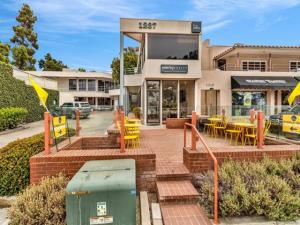
Camino del Mar, Del Mar’s primary commercial street, runs through the Village’s center and provides the walkable commercial and dining infrastructure that distinguishes the Village’s daily life from the more car-dependent lifestyle of Del Mar Heights and the inland communities. The concentration of restaurants, cafes, boutiques, art galleries, and specialty retail on Camino del Mar creates a pedestrian commercial environment that California beach towns struggled to maintain through the 20th century’s suburban development pressures but that Del Mar’s planning and property ownership have preserved. Saturday morning coffee on Camino del Mar, the Tuesday Del Mar farmers market, the evening stroll from one’s Village home to the restaurants on the commercial strip, and the coastal path walk from the Village to the beach are the daily-life infrastructure that Village residents cite most frequently as the irreplaceable quality-of-life advantage of the address.
The Dog Beach at the northern end of the Village commercial strip is one of Del Mar’s most distinctive civic amenities and a daily social destination for the dog-owning community that represents a significant portion of Village households. The off-leash beach section has created an informal social infrastructure around the daily dog-and-owner beach gathering that functions as a neighborhood meeting point across the full range of Del Mar Village residents. The culture that has developed around the Dog Beach is quintessentially Del Mar: egalitarian in the sense that everyone’s identity at the dog beach is defined by their dog’s personality rather than their professional status, and embedded in the daily rhythm of coastal life in a way that creates genuine community connection.
The Racing Tradition and Seasonal Identity
The Del Mar Thoroughbred Club, co-founded in 1937 by Bing Crosby and Pat O’Brien on land leased from the 22nd District Agricultural Association, has shaped Del Mar’s cultural identity for nearly 90 years. The racing season from late July through early September transforms the Village’s atmosphere: the post-race social scene on Camino del Mar, the Opening Day fashion tradition, the Saturday night concerts at the track, and the elevated restaurant and hospitality activity throughout the summer create a seasonal community event that Del Mar Village residents are simultaneously the hosts of and the participants in. The racing tradition has attracted celebrity ownership, significant wagering, and a social scene that extends from Southern California’s entertainment industry community through the national thoroughbred racing establishment, creating a community event that most small California cities would not otherwise achieve.
The Del Mar Fairgrounds, which occupies the race track facility during the non-racing months, hosts the San Diego County Fair in June and large concerts, equestrian events, and public gatherings throughout the year that bring additional activity to the Village’s commercial area. The fairgrounds’ adjacency creates seasonal traffic and activity that Village residents navigate as part of the community’s calendar rather than experiencing as an unwanted intrusion, though the traffic management during peak Fair weekends can be challenging for village residents who must enter and exit the neighborhood during event hours.
Residential Character and Architecture
The Del Mar Village residential fabric spans 140 years of construction history: the original 1880s and 1890s homes from the townsite’s founding period, the craftsman bungalows of the 1910s and 1920s, the Spanish Colonial Revival homes of the 1930s, the midcentury modernist beach houses from the 1950s and 1960s, and the contemporary custom homes built on infill lots in the past three decades. This range of architectural history creates the organic layered character that the Village’s historic preservation context has maintained. The Del Mar Planning Commission’s architectural review process, while sometimes frustrating to property owners who want to maximize development on their lots, has prevented the kind of redevelopment that replaces authentic historic coastal character with contemporary maximized-floor-area architecture. The result is a village that retains the human scale and the architectural variety that gives coastal residential communities their character.
Schools
Del Mar Village is within the Del Mar Union School District for K-6 and the San Dieguito Union High School District for 7-12. The nearest elementary school for many Village addresses is Torrey Hills Elementary or Del Mar Hills Academy, both DMUSD campuses with exceptional performance metrics. Torrey Pines High School serves the Village for high school. The school district access from the Village is the same quality as from the Heights, with the additional advantage of proximity to the Village commercial and cultural environment that complements the school district as a quality-of-life driver for family buyers.
Market Pricing
$2M-$4M: Interior Village homes and the village-area condominium product. Entry tier for the Village address within walking distance of Camino del Mar and the beach. Homes in this tier are typically 1,200 to 2,000 square feet in original or updated condition on standard Village lots.
$4M-$8M: The primary Del Mar Village single-family range. Updated homes, larger lots, ocean-proximity positions, and the renovated residences that the Village’s most competitive sales occupy. These homes compete with the Del Mar Heights premium tier and the southern Solana Beach oceanfront for the coastal North County buyer at this price point.
Above $8M: Ocean-adjacent and ocean-view positions within the Village, the historic homes with the most significant renovation investment, and the custom builds that have appeared on Village infill lots. The top tier of the Village market trades infrequently and often off-market.
Frequently Asked Questions
How restricted is development in Del Mar Village? Highly restricted. The Del Mar Coastal Specific Plan, the California Coastal Commission’s jurisdiction, and the City of Del Mar’s Planning Commission review process create one of the most controlled development environments in Southern California. Building heights are strictly limited, setbacks from the coast and from street frontages are maintained, and architectural design standards require review and approval before any significant modification. This restriction is the primary reason the Village has maintained its character across multiple development eras, and it is both a quality-of-life asset for existing residents and a constraint for property owners who want to substantially modify their buildings.
Can I rent a Del Mar Village home on short-term platforms? Del Mar has active short-term rental regulations that govern platforms like Airbnb and VRBO. The city’s STR licensing requirements, occupancy limits, and neighbor notification requirements apply to all STR operations. Confirm current STR permit requirements with the City of Del Mar before purchasing a property for STR investment purposes, as the regulatory environment has been evolving and the current requirements significantly shape the STR business model’s viability in the Village.
Current Del Mar Village Listings

This site was last updated Oct 21 2026 8:34:40 pm.