Stratford Woods Real Estate | Del Mar, CAListings

Stratford Woods Del Mar Homes for Sale

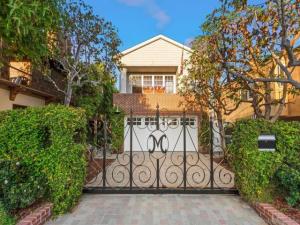
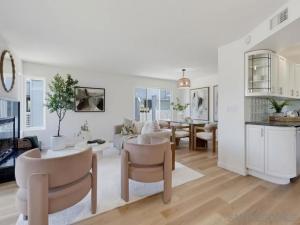
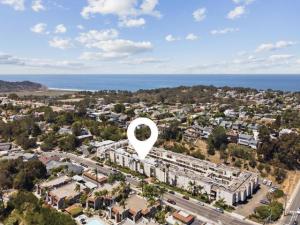
Stratford Woods Del Mar homes for sale sit in the Stratford neighborhood zone, an established wooded pocket of single-family houses inside a city of roughly 4,600 residents. Del Mar is one of California’s most exclusive small coastal communities, and buyers here are paying for a combination of things: Torrey Pines Reserve, the Del Mar Thoroughbred Club, San Dieguito Unified schools, and a small-town character the city has worked to preserve. That mix is what keeps prices among the highest in San Diego County.

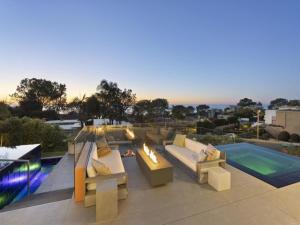
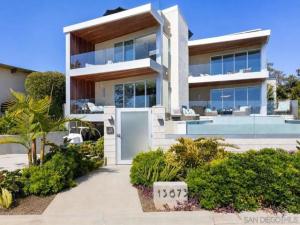
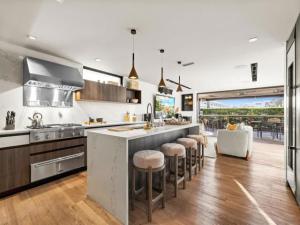
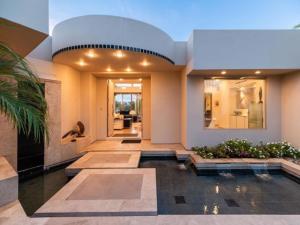
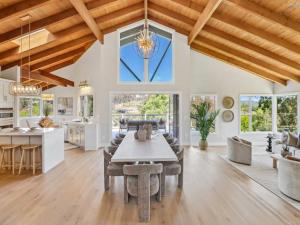
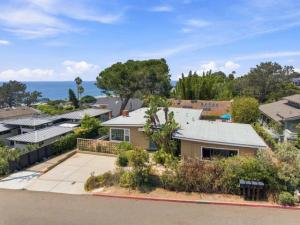
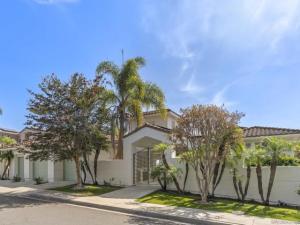
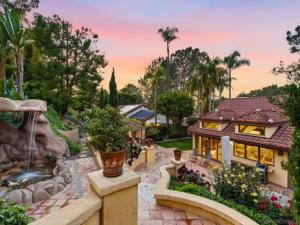
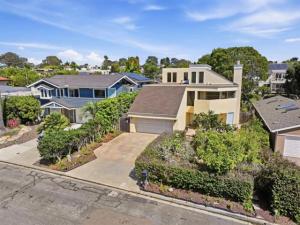
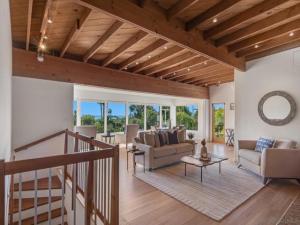
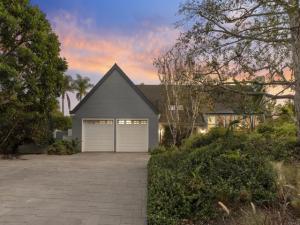
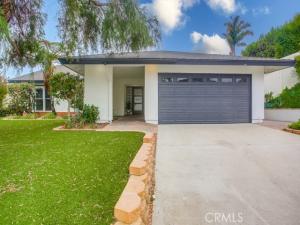
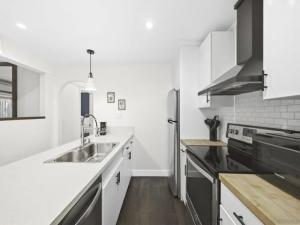
Homes in Stratford Woods generally run about $2.5 to $4.5 million. The housing stock is single-family, set among mature trees, and the established character of the neighborhood is a real part of what you’re buying. Where homes fall in that $2 million spread comes down to the individual property — the setting is consistent, the houses are not.

Stratford Woods Real Estate | Del Mar, CA in Del Mar Homes for Sale

Community

What should I know about Stratford Woods?

Stratford Woods is one of Del Mar’s residential neighborhoods, stratford woods is a del mar residential community in the stratford neighborhood zone — an established wooded setting with mature trees and single-family homes providing del mar’s school quality and community identity within a city whose residential geography is organized around the contrast between the west-of-I-5 coastal bluff communities — where ocean views, beach proximity, and the village’s walkable commercial core command the market’s highest prices — and the east-of-I-5 neighborhoods, which provide Del Mar school district access and the city’s community character at pricing below the oceanfront premium tier.

Stratford Woods is a Del Mar residential community in the Stratford neighborhood zone — an established wooded setting with mature trees and single-family homes providing Del Mar’s school quality and community identity Del Mar’s diverse residential neighborhoods each have their own specific character within the broader city — from the beachfront properties along Camino del Mar to the hillside estates of Del Mar Heights, the planned communities of Torrey Hills, and the equestrian-adjacent Polo Estates — but all share the city’s exceptional school districts, the Torrey Pines Nature Reserve proximity, and the racetrack-and-village cultural identity that gives Del Mar its specific appeal within the competitive San Diego County luxury coastal market.

San Dieguito Unified High School District serves Del Mar’s high school population, with Torrey Pines High School as the primary campus for the majority of Del Mar students. Torrey Pines High School is consistently one of San Diego County’s highest-ranked public high schools — the district’s demographics, engaged parent community, and strong academic culture produce outcomes that rival private school alternatives. Elementary school assignments are within the Del Mar Union School District, which is similarly high-performing at the K-6 level. Specific campus assignments depend on enrollment boundaries and should be verified for any address under consideration.

The I-5 Freeway and Del Mar Heights Road provide primary freeway access from most Del Mar neighborhoods to La Jolla (approximately 10 minutes), Sorrento Valley (approximately 10 to 15 minutes), and downtown San Diego (approximately 20 minutes). The Solana Beach Coaster station provides rail transit access to downtown San Diego (approximately 35 minutes) for Del Mar residents willing to drive or cycle the short distance to the station. Carmel Valley Road provides direct access to the Carmel Valley and One Paseo commercial district as an east-I-5 commercial alternative to Del Mar’s village for grocery and daily errands. The combination of beach lifestyle, exceptional school districts, and proximity to major employment corridors sustains Del Mar’s residential demand through multiple economic cycles.

Stratford Woods: English Manor Character in Canyon Del Mar

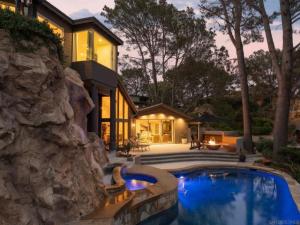
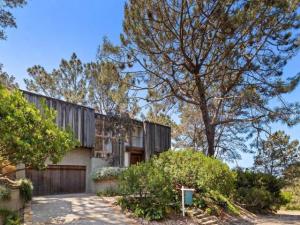
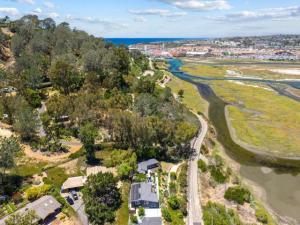
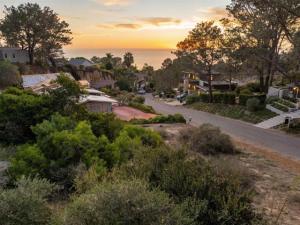
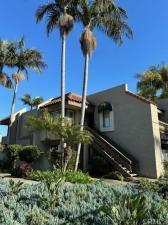
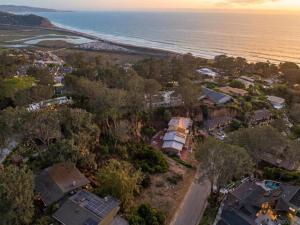
Stratford Woods is the wooded, canyon-adjacent section of Del Mar’s Stratford residential area — the tree-canopy and natural landscape character of the canyon drainage corridor that the “Woods” designation specifically names. The mature trees, the canyon vegetation, and the natural landscape depth that the Stratford Woods community occupies create the residential character that the English manor naming convention (Stratford-upon-Avon, Shakespeare’s birthplace) evokes — the wooded estate character that the English countryside’s manorial tradition is associated with in the aspirational residential naming that Del Mar’s developers used for the Stratford area’s community identity. The canyon drainage corridor that sustains the “woods” character provides the natural landscape backdrop and the wildlife habitat that creates a distinctly natural residential setting within Del Mar’s primarily mesa and bluff terrain.

Stratford Woods’ canyon and tree-canopy character creates the residential microclimate and visual environment that buyers who want natural landscape depth alongside the Del Mar address specifically seek — the shade of mature trees, the sound of canyon bird life, and the sense of enclosure that canyon-adjacent residential settings provide contrast with the open-sky mesa and coastal positions that the rest of Del Mar’s residential geography offers. Del Mar Union School District and San Dieguito Union High School District provide the K-12 academic access that sustains family residential demand throughout the Stratford area’s residential community. The “lower” (Lower Stratford) and “woods” (Stratford Woods) designations within the broader Stratford area create the geographic specificity within the neighborhood that helps buyers identify the particular terrain character and lifestyle that each section of the community provides.

What is it like to live in Stratford Woods Del Mar Homes?

  • Stratford Woods Del Mar Homes occupy the wooded, canyon-adjacent section of Del Mar’s Stratford residential area within the Stratford neighborhood zone.
  • Mature trees and single-family homes create the established wooded setting that gives the community its residential character and identity.
  • The canyon drainage corridor sustaining the woods character provides natural landscape backdrop and wildlife habitat within Del Mar’s primarily mesa and bluff terrain.
  • English manor naming conventions drawn from Stratford-upon-Avon, Shakespeare’s birthplace, evoke the wooded estate character Del Mar developers sought for the Stratford area.
  • Tree-canopy and canyon character create the residential microclimate and visual environment that distinguish Stratford Woods Del Mar Homes from other parts of the city.
  • San Dieguito Unified High School District serves Del Mar’s high school population, with Torrey Pines High School as the primary campus for most students.
  • Torrey Pines High School ranks consistently among San Diego County’s highest performers, with engaged parents and strong academic culture rivaling private school alternatives.
  • Elementary assignments fall within the similarly high-performing Del Mar Union School District, though campus boundaries should be verified for any address under consideration.

Area Details

What landmarks are near Stratford Woods in Del Mar?

Torrey Pines State Natural Reserve — the coastal preserve at Del Mar’s southern edge that protects the rare Torrey Pine tree and provides one of San Diego County’s most spectacular hiking and viewing experiences — is Del Mar’s most significant natural asset. The reserve’s trails above the Pacific offer the combination of ocean views, chaparral landscape, and the gnarled Torrey Pine’s distinctive silhouette that make the park a daily destination for residents and a reason that many buyers specifically seek a Del Mar address. Torrey Pines Golf Course, operated by the City of San Diego adjacent to the reserve, is one of California’s most celebrated public golf facilities — host to multiple US Open Championships, the course provides a world-class golf experience accessible to the public without the private club fee that comparable golf quality typically requires.

Del Mar’s village — centered on 15th Street and Camino del Mar — provides the walkable commercial core that sustains the city’s small-town identity. The mix of restaurants, boutiques, and the summer Farmers Market at the Civic Center creates the pedestrian commercial life that residents value as an alternative to the car-dependent commercial corridors of larger communities. The Coaster station at Solana Beach (approximately 5 minutes by car or bicycle) provides rail transit to downtown San Diego without a Del Mar station, which the community has historically resisted to preserve the town’s character. For buyers who value transit access, the proximity to the Solana Beach Coaster station makes the rail option practical despite the city’s lack of its own station.

The I-5 Freeway runs through Del Mar’s eastern edge, providing freeway access to downtown San Diego (approximately 20 minutes), La Jolla (approximately 10 minutes), and points north. The Del Mar Heights Road and Carmel Valley Road I-5 interchanges provide access that most Del Mar residents use as their primary freeway connection. The proximity to the Sorrento Valley and Carmel Valley technology and life sciences employment corridors — among San Diego County’s densest professional employment zones — makes Del Mar a highly practical residential address for the technology and biotech professional who wants the beach lifestyle within 10 to 20 minutes of their workplace. San Dieguito Unified’s Torrey Pines High School (for most Del Mar students) is one of the county’s strongest public high school campuses; the specific assignment depends on the address within SDUSD’s enrollment boundaries.

What is near Stratford Woods Del Mar Homes?

  • Torrey Pines State Natural Reserve sits at Del Mar’s southern edge, protecting the rare Torrey Pine tree and offering spectacular coastal hiking near Stratford Woods Del Mar Homes.
  • Reserve trails above the Pacific combine ocean views, chaparral landscape, and the gnarled Torrey Pine silhouette into a daily destination for residents.
  • Torrey Pines Golf Course, operated by the City of San Diego adjacent to the reserve, ranks among California’s most celebrated public golf facilities.
  • Golfers reach a world-class course that has hosted multiple US Open Championships without paying the private club fee comparable golf quality typically requires.
  • Restaurants, boutiques, and the summer Farmers Market at the Civic Center create pedestrian commercial life instead of car-dependent corridors found in larger communities.
  • Buyers seeking a Del Mar address often name the reserve specifically as the natural asset that drew them to the city.
  • Coaster rail service runs from the Solana Beach station, a short car or bicycle trip, connecting Del Mar residents to downtown San Diego.
  • Del Mar has historically resisted its own rail station to preserve town character, making the Solana Beach Coaster stop the practical transit option.
  • Del Mar Heights Road and Carmel Valley Road interchanges serve as the primary freeway connections most Del Mar residents use daily.
  • Sorrento Valley and Carmel Valley technology and life sciences corridors put dense professional employment within easy reach of Stratford Woods Del Mar Homes.

Market Trends

How is the Del Mar Real Estate real estate market?

Del Mar is one of California’s most prestigious small coastal cities — a community of approximately 4,600 permanent residents whose combination of the Del Mar Thoroughbred Club, Torrey Pines State Beach and Reserve, one of California’s finest public golf courses (Torrey Pines), the San Dieguito Unified High School District’s exceptional Torrey Pines High School, and a carefully preserved small-town character create a residential environment that commands among the highest prices per square mile in San Diego County. The 2026 median home price in Del Mar ranges from approximately $2.5 million for the city’s smaller and most inland properties to $8 million or beyond for ocean-view and beachfront estate homes on the bluffs and cliffs above the Pacific.

Del Mar’s residential market is defined by scarcity — the city’s fixed boundaries, the building height limits that preserve ocean views, and the established residential character that the community actively protects through design review and planning processes limit the supply of new inventory in ways that sustain pricing through market cycles. The city’s voter-approved building restrictions and the residents’ consistent advocacy for community character preservation create the supply constraint that makes Del Mar’s pricing more resilient than larger communities where infill development can add significant new supply. The result is a residential market where even modestly sized older homes command significant premiums purely on the basis of Del Mar’s address.

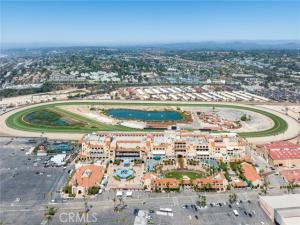
The Del Mar Thoroughbred Club’s horse racing season (typically late July through early September) is the city’s most visible annual event — the racetrack adjacent to the beach creates the specific cultural identity that “Where the Turf Meets the Surf” has encapsulated since 1937 when Bing Crosby and Pat O’Brien helped establish the track. Racing season brings visitors, hotel occupancy, and the specific festive energy that the opening day tradition and the track’s Pacific Ocean backdrop create as a uniquely California experience. The track’s 22-acre property is also the site of a significant annual fair, concerts, and other events that extend its economic contribution beyond the racing season calendar.

Del Mar Real Estate: Racetrack Legacy, Village Character, and Absolute Coastal Scarcity

Del Mar is one of the smallest incorporated cities in San Diego County — approximately 4,000 residents within a 2.1-square-mile land area — and one of the most expensive residential markets in California, with median home prices consistently above $2 million and a market that has sustained its premium positioning through every economic cycle since the city’s incorporation in 1959. The scarcity is structural and permanent: the Pacific Ocean to the west, Torrey Pines State Natural Reserve to the south (1,750 acres of protected coastal canyon and chaparral that cannot be developed), the San Dieguito River and Lagoon to the north, and the San Diego County Fairgrounds to the east create the boundary conditions that define Del Mar’s residential land area absolutely. No development cycle can expand Del Mar’s residential supply in meaningful ways; the city’s residential market is a genuinely fixed-supply asset where demand fluctuations, not supply additions, drive the price cycles that buyers experience.

The Del Mar Thoroughbred Club — “Where the Turf Meets the Surf” — has operated its summer racing season at the Del Mar Racetrack since 1937, when Bing Crosby, Pat O’Brien, and a group of Hollywood celebrities established the track on land adjacent to the San Diego County Fairgrounds. The racetrack’s seven-week summer meet (late July through early September) transforms Del Mar from a quiet coastal village into one of Southern California’s most active social destinations — the dress code, the Opening Day traditions, the celebrity sightings, and the horse racing community’s annual gathering sustain the cultural identity that defines Del Mar’s brand nationally in ways that no marketing campaign could replicate. The Fairgrounds’ year-round programming (the San Diego County Fair in June, concerts, swap meets, and the Del Mar Wine & Food festival among others) creates the event infrastructure that sustains the commercial and cultural vitality that the surrounding residential market benefits from as a consistent community identity anchor.

Del Mar Village — the walkable commercial district clustered around 15th Street and Camino Del Mar — provides the daily-life commercial character that sustains Del Mar’s residential quality as a genuine village rather than a purely residential enclave. The Village’s restaurants, cafés, boutique retail, the Del Mar Library, and the direct beach access at the foot of 15th Street create the walkable lifestyle that buyers pay significant premiums to access in California coastal markets where the standard suburban model requires driving for every commercial errand. The Coaster’s Solana Beach station (approximately 1 mile from Del Mar’s southern boundary) provides the North County coastal rail connection to downtown San Diego that Del Mar residents use as an alternative to the I-5 for specific commute and leisure trips, sustaining the transit-accessible lifestyle option that the broad coastal North County market values.

What is the market like for Stratford Woods Del Mar Homes?

  • Del Mar ranks among California’s most prestigious small coastal cities, shaping the pricing environment that surrounds Stratford Woods Del Mar Homes.
  • Scarcity defines the Del Mar residential market, where fixed city boundaries and height limits that preserve ocean views constrain new inventory supply.
  • Voter-approved building restrictions and consistent resident advocacy for community character preservation create supply constraints that make Del Mar pricing resilient through cycles.
  • Design review and planning processes let the community actively protect established residential character, limiting the infill development that adds supply in larger communities.
  • Older homes of modest size command significant premiums in Del Mar purely on the basis of the address itself.
  • Ocean-view and beachfront estate homes on the bluffs and cliffs above the Pacific anchor the top of Del Mar’s pricing range.
  • Buyers evaluating Stratford Woods Del Mar Homes enter a market that has sustained premium positioning through every economic cycle since the city’s incorporation.
  • Geographic boundaries lock Del Mar in place, with the Pacific Ocean west, Torrey Pines State Natural Reserve south, the San Dieguito River and Lagoon north.
  • The San Diego County Fairgrounds forms Del Mar’s eastern boundary, completing the conditions that define the city’s residential land area absolutely.
  • Demand fluctuations rather than supply additions drive the price cycles that buyers experience in Del Mar’s genuinely fixed-supply residential market.
  • The Del Mar Thoroughbred Club has run its summer racing season at the Del Mar Racetrack since Bing Crosby, Pat O’Brien, and Hollywood celebrities established the track.
  • Racing season transforms Del Mar from a quiet coastal village into one of Southern California’s most active social destinations near Stratford Woods Del Mar Homes.


FAQs

What is the price range in Stratford Woods?

Stratford Woods homes range from approximately $2.5 to $4.5 million, with the wooded setting and established character creating a distinct identity within Del Mar’s residential geography. Del Mar’s overall market ranges from approximately $2 million for the city’s most modest inland properties to $10 million or beyond for the most premier oceanfront and blufftop estate positions. Current pricing for Stratford Woods specifically is available from The Knight Group.

What school does Stratford Woods feed to?

Most Del Mar students attend Torrey Pines High School in the San Dieguito Unified High School District — one of San Diego County’s most academically competitive public high schools. Elementary school assignments are within Del Mar Union School District for K-6, with middle school in a transitional structure depending on the specific address and grade configuration at the time of enrollment. Specific assignments should be verified with the respective school districts for any address under consideration.

How close is Stratford Woods to Torrey Pines Golf Course?

Torrey Pines Golf Course is at Del Mar’s southern boundary, accessible from most Del Mar neighborhoods within 5 to 10 minutes by car. The course’s two 18-hole layouts (South Course and North Course) are available for public play via advance tee time reservations managed by the City of San Diego. The South Course hosted the 2008 and 2021 US Open Championships. For golf-oriented buyers, Del Mar’s proximity to one of California’s most celebrated public courses without requiring private club membership is a specific residential value attribute.

What wildlife lives in Del Mar’s canyon areas like Stratford Woods?

Del Mar’s canyon drainage corridors — including the canyon terrain adjacent to Stratford Woods — support the coastal sage scrub and chaparral habitat that is native to San Diego County’s coastal canyon landscapes. The wildlife that these habitats sustain includes mule deer (regularly sighted in canyon-adjacent residential gardens), California quail, red-tailed hawks, Cooper’s hawks, and the urban-adapted coyote population that uses the canyon corridors as movement pathways through the developed residential landscape. The endangered Coastal California gnatcatcher — a species of special concern whose habitat protection drives significant planning and development regulation in San Diego County — occupies the coastal sage scrub of some canyon areas in Del Mar. Residents of canyon-adjacent communities experience the wildlife presence as both an amenity (the natural landscape vitality) and an occasional concern (coyote interaction with small pets); the canyon lifestyle requires the wildlife-aware residential practices that sustain the coexistence that Del Mar’s canyon habitat supports.
Hey, You ALMOST MISSED IT!

Lucky for you we’re looking out.
Subscribe to this Custom Search to be alerted when new properties hit the market in the area.

Choose the frequency that works for you.

get alerts

[showcaseidx_contact]