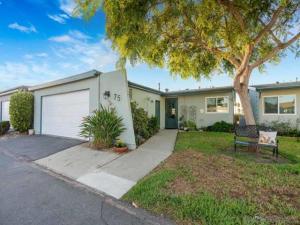
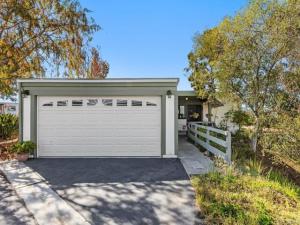
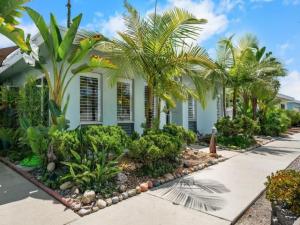
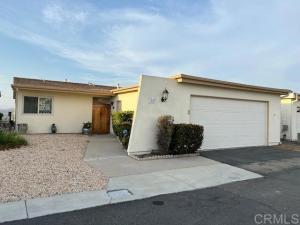
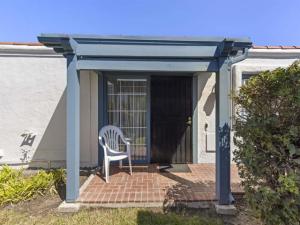
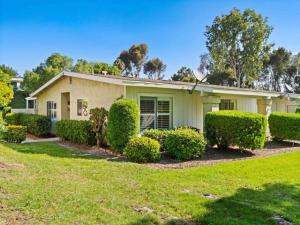
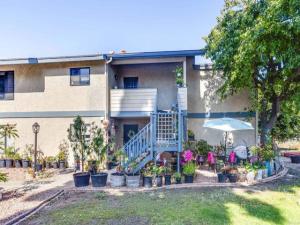
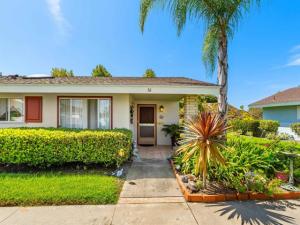
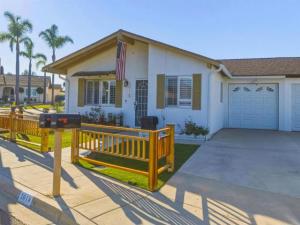
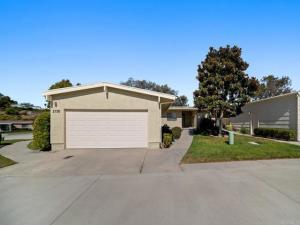
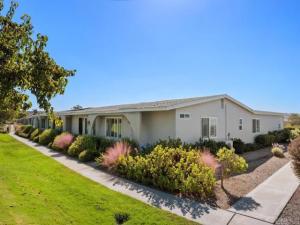
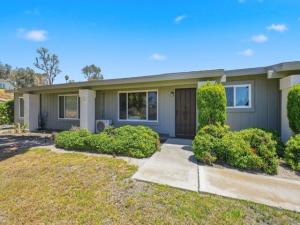
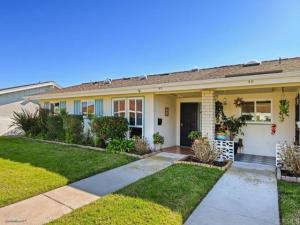
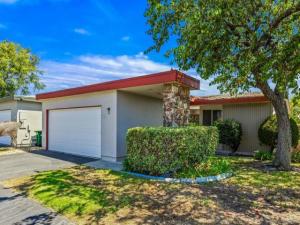
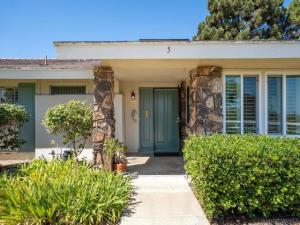
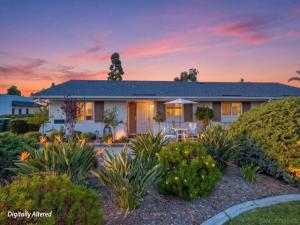
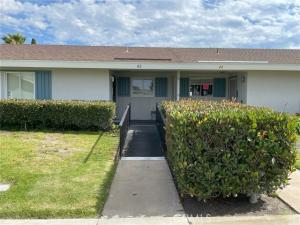
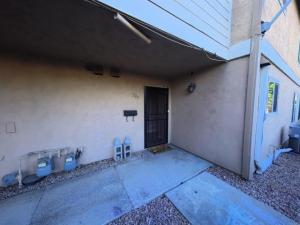
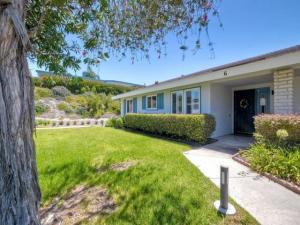
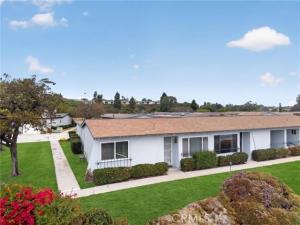
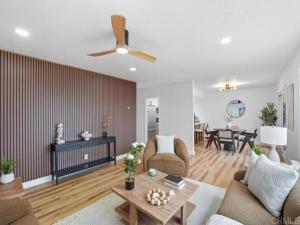
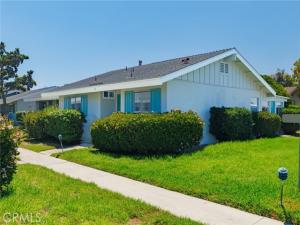
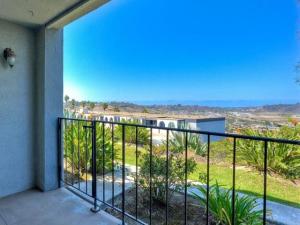
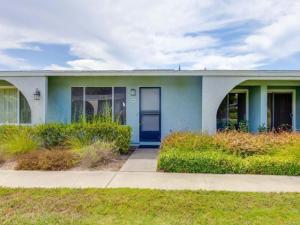
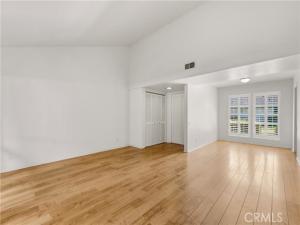
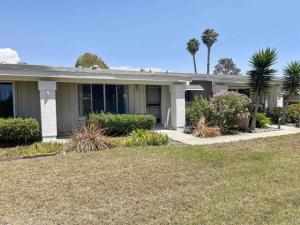
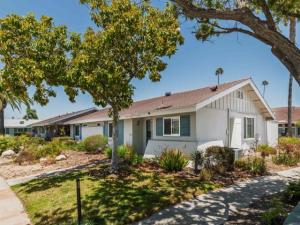
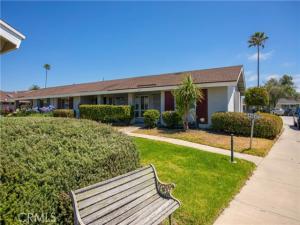
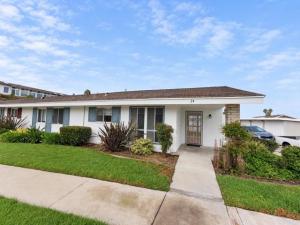
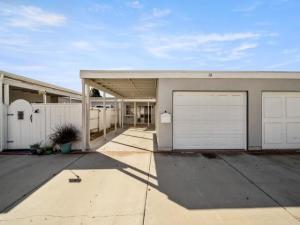
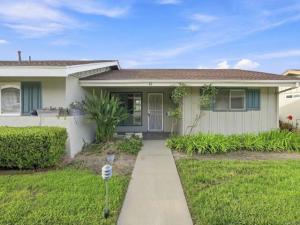
Oceana is a neighborhood in Oceanside — San Diego County’s northernmost and third-largest city, a community of approximately 175,000 residents where Camp Pendleton Marine Corps Base, Oceanside Harbor, several miles of Pacific beach, and the most accessible beach-city pricing in San Diego County’s North Coast create a residential market that attracts both military families and civilian buyers who want North County coastal living at more accessible cost. Oceana is an Oceanside residential community — an established neighborhood in the city’s residential core providing the typical single-family home character that Oceanside’s mid-century and later residential development produced across the city’s flatland residential zones. Oceana homes range from approximately $750,000 to $1.1 million, reflecting the established mid-century residential character and central Oceanside positioning.
Browse all San Diego County real estate.
Oceana is one of Oceanside’s distinct neighborhoods, oceana is an oceanside residential community — an established neighborhood in the city’s residential core providing the typical single-family home character that oceanside’s mid-century and later residential development produced across the city’s flatland residential zones within a city whose diverse residential geography spans from the beachfront properties and Harbor Village in western Oceanside to the master-planned communities of East Oceanside, the equestrian community of Guajome, and the suburban residential zones in the city’s northern and eastern sections — providing a range of residential options and lifestyle profiles within a single city that accommodates both the beach-lifestyle buyer and the family seeking more residential space at North County pricing.
Oceanside Unified School District serves the city’s K-12 population. The district’s academic performance is above average for a large urban district of its size, with several strong campuses and a growing network of magnet and choice programs. El Camino High School, Oceanside High School, and Vista High School are the district’s primary high school options; specific campus assignments depend on enrollment boundaries and program selection. Charter school options and NCTD educational programs provide alternatives for families seeking non-traditional options.
Camp Pendleton Marine Corps Base is Oceanside’s most significant neighbor — the 125,000-acre base directly north of the city employs tens of thousands of military personnel and civilian workers who form a substantial portion of the residential demand for Oceanside’s housing market. The base’s proximity creates both employment support (stable military families who need civilian housing when on-base housing is unavailable) and some lifestyle constraints (occasional training activity noise, traffic patterns near base gates). The military community’s presence is a defining element of Oceanside’s residential character that distinguishes it from the more civilian-dominated beach cities to the south.
Oceanside Harbor provides a boating and recreational facility that amplifies the coastal lifestyle beyond the beach itself — 950 boat slips, waterfront dining along the harbor village, and fishing and whale-watching charter access create an additional recreational amenity that coastal buyers specifically value. The Strand, Oceanside’s beachfront walkway and bike path, and the several miles of Pacific beach give Oceanside an accessible beach character that the city’s lower price tier makes available to a broader demographic than the more expensive coastal cities to the south. The proximity to Camp Pendleton’s Del Mar Beach (accessible to base personnel and guests) extends the beach options beyond Oceanside’s civilian beach access points.
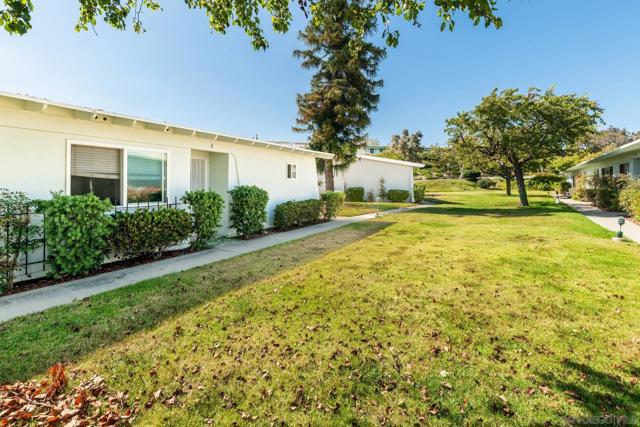
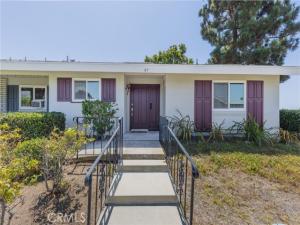
Oceana is an age-restricted (55+) residential community in Oceanside providing the active senior residential lifestyle at pricing that reflects both Oceanside’s overall market position (more affordable than Carlsbad and Encinitas to the south) and the age-restricted community’s specific product type (typically smaller homes or condominiums at lower price-per-square-foot than age-unrestricted communities in the same area). The community’s amenity programming — which for active senior communities typically includes recreational facilities, organized social activities, and the peer community of residents in similar life stages — provides the lifestyle infrastructure that the 55+ demographic specifically seeks when transitioning from larger family homes to the maintenance-reduced, socially connected active adult community model. Oceanside’s overall coastal access, the city’s revitalized downtown and harbor, and the proximity to Camp Pendleton’s healthcare and commissary access (available to military retirees) make Oceana’s Oceanside location particularly appealing for the military retiree demographic.
Oceana’s age restriction (at least one household member must be 55 or older) is legally maintained under the Housing for Older Persons Act exemption; the community actively manages its compliance with the age-restriction requirements that preserve the HOPA exemption. The HOA manages the community’s shared amenities and maintains the standards that sustain the age-restricted community’s character and value proposition for its membership. Monthly HOA fees support the amenity operations, common area maintenance, and community programming; buyers should review the HOA financials and reserve fund adequacy as part of standard due diligence. Oceanside Unified School District school assignments are not a primary consideration for most Oceana buyers given the age restriction, though the district serves the surrounding non-age-restricted residential community.
Pacific Coast Highway (Highway 101) runs through the North County coastal communities as a surface street rather than a freeway — the pedestrian and cyclist-friendly commercial corridor that connects the region’s beach neighborhoods and commercial districts in a way that the I-5’s elevated freeway cannot. The beach communities along Highway 101 — Oceanside Harbor Village, Carlsbad Village, Leucadia, Cardiff-by-the-Sea, and Encinitas — each maintain distinct commercial identities while sharing the North County surfing culture, the outdoor dining infrastructure, and the farmers markets and artisan businesses that sustain the corridor’s identity as one of California’s most distinctive coastal commercial landscapes.
The San Diego County North Coast’s biotech cluster — anchored by the Salk Institute, Scripps Research Institute, UC San Diego, and the dozens of pharmaceutical and biotech companies that have clustered around these institutions in the Torrey Pines Science Park and Carmel Valley — provides one of the nation’s most significant concentrations of life sciences employment. The Carlsbad area’s technology and manufacturing corridor (Callaway Golf, several significant biotech and medical device companies) and the Palomar Airport Road industrial parks sustain additional professional employment that north coastal residents access without the I-5’s commute pressure that a downtown San Diego destination would require. The combination of beach lifestyle and high-quality professional employment within the coastal corridor is the specific residential value proposition that sustains North County’s residential demand through economic cycles.
The North County school districts are among San Diego County’s strongest. Carlsbad Unified School District consistently performs in California’s top tier for a comprehensive unified district of its size. Encinitas Union Elementary District and San Dieguito Unified High School District (serving Encinitas, Cardiff, Solana Beach) are among the county’s highest-rated systems. Oceanside Unified and Vista Unified serve the northern coastal communities with more variable but improving performance. School district quality is a primary driver of residential value differences across the North Coast corridor, and the specific district assignment for any address should be verified rather than assumed based on city name.
San Diego County’s North Coastal corridor — encompassing Carlsbad, Encinitas, Oceanside, Del Mar, Solana Beach, and the ocean-adjacent communities along Highway 101 — is one of the most desirable and fastest-appreciating residential zones in California. The Pacific Ocean’s moderating influence, the concentration of technology and biotech employment along the I-5 and Carmel Valley corridors, the highly rated Carlsbad, Encinitas Union, and San Dieguito Unified school districts, and the beach lifestyle that spans from Oceanside Harbor in the north to Torrey Pines State Reserve in the south create a residential environment that buyers from across California and the nation consistently target when seeking the combination of climate, lifestyle, and economic opportunity that few regions in the United States can match.
The 2026 median home price across San Diego County’s North Coast ranges from approximately $900,000 to $1.1 million in Carlsbad and Oceanside to $1.5 to $2.5 million in Encinitas and Solana Beach, reflecting the progressive price premium that proximity to Del Mar, Rancho Santa Fe, and La Jolla imposes as buyers move south along the coastal corridor. The biotech and technology employment concentration in Carlsbad’s Bressi Ranch and the Palomar Airport Road corridor, Qualcomm and other San Diego tech companies in the southern corridor, and the healthcare and life sciences industry’s significant North County presence create substantial professional employment demand that sustains residential values independent of the lifestyle buyer demographic that the beach cities primarily attract.

The I-5 Freeway is the North Coast corridor’s primary arterial — running from Oceanside through Carlsbad, Encinitas, Solana Beach, and Del Mar to La Jolla and downtown San Diego. The NCTD Coaster commuter rail provides an alternative to freeway driving, running from Oceanside through coastal North County cities to downtown San Diego’s Santa Fe Depot with multiple stops serving the North Coast communities. For residents who commute to downtown San Diego, the Coaster provides schedule reliability that the I-5’s variable peak-hour congestion cannot match, and the oceanfront scenery of the Coaster route is one of the most scenic commuter rail experiences in the United States.
Oceanside’s residential market has historically traded at a discount to Carlsbad and Encinitas to the south — a gap that reflects the city’s larger working-class residential base, the Oceanside Unified School District’s more variable performance, and the proximity to Camp Pendleton’s economic volatility. However, the discount has been narrowing consistently as Oceanside’s downtown revitalization, the Harbor district’s development, and the increasing recognition of the city’s Pacific Ocean access (3 miles of beaches including the 1,954-foot Oceanside Pier, one of the longest wooden piers on the West Coast) attract buyers priced out of Carlsbad and Encinitas. For buyers who prioritize coastal lifestyle access at North County pricing below the Carlsbad and Encinitas premiums, Oceanside’s trajectory toward the broader North County market suggests a value opportunity that is contracting rather than expanding.
Camp Pendleton — the largest Marine Corps base on the West Coast, occupying 125,000 acres immediately north of Oceanside — is the economic anchor that sustains Oceanside’s workforce housing demand and creates the consistent rental market that investor buyers target in the city’s more affordable residential sections. The base’s 38,000+ active duty Marines and their families, the civilian workforce that supports base operations, and the veteran population that retires to the area create a residential demand profile that is more stable than markets dependent on private sector employment cycles. Oceanside’s downtown revitalization — the Tremont Street corridor, the Mission Avenue arts and dining district, and the Strand at North Beach — has attracted the independent restaurants, breweries, and lifestyle commercial mix that sustains the community revitalization momentum that drives appreciation in gentrifying coastal neighborhoods. The Harbor district’s continued investment in dining, retail, and maritime recreation provides the recreational amenity anchor that distinguishes Oceanside from the purely residential communities to the east.
Oceana homes range from approximately $750,000 to $1.1 million, reflecting the established mid-century residential character and central Oceanside positioning. Oceanside’s overall market ranges from approximately $650,000 for condominiums in standard residential developments to $2.5 million or beyond for beachfront properties in the most premium coastal locations. Current pricing for Oceana is available from The Knight Group.
Camp Pendleton Marine Corps Base is directly north of Oceanside, sharing the city’s northern border. All Oceanside neighborhoods are within proximity of the base’s primary gate locations, and the military community’s presence is a constant element of Oceanside’s character. For military buyers, Oceanside’s proximity to base creates the short commute that sustains strong demand for the city’s residential market from active-duty and civilian base employees. For civilian buyers, the base’s presence is part of the community context to understand before choosing an Oceanside address.
Oceanside’s beach access spans several miles from the harbor in the north to the city’s southern limit at Buena Vista Lagoon. The Strand boardwalk provides a continuous connection along the beachfront. The Harbor Village’s waterfront dining and boat launch facilities provide harbor access in addition to the Pacific beach. Most Oceanside neighborhoods are within 5 to 15 minutes of direct beach access by car or shorter by bicycle for the western neighborhoods closest to the coast.
Oceanside’s proximity to Camp Pendleton — the largest Marine Corps base on the West Coast — creates significant appeal for military retirees who retain access to base facilities (commissary, NEX/PX retail, healthcare through Tricare and the base medical facilities, recreational facilities, and the social community of fellow military retirees). Military retirees can continue using Camp Pendleton’s facilities from off-base housing, making Oceanside’s proximity a substantial ongoing benefit. Oceana’s age-restricted character aligns well with the demographic profile of retiring military members (who often retire in their 40s to 50s after 20+ years of service), and the community’s social programming creates the peer community connection that many military families value after careers defined by close unit cohesion. The combination of base access, coastal California lifestyle, and the active senior community format makes Oceanside one of the most consistent retirement destinations for Camp Pendleton-affiliated military families.
Lucky for you we’re looking out.
Subscribe to this Custom Search to be alerted when new properties hit the market in the area.
Choose the frequency that works for you.