
Rancho Santa Fe Covenant Real Estate: San Diego County’s Most Prestigious Residential Address
The Rancho Santa Fe Covenant is the most prestigious residential address in San Diego County and one of the most exclusive private residential communities in the United States. The Covenant refers to the deed restrictions and community covenants that govern property use within the boundaries of the original 8,800-acre land grant that became the Rancho Santa Fe community, and which have maintained the community’s large-lot, low-density, agricultural-heritage character since the 1920s when the Atchison, Topeka and Santa Fe Railway first developed the ranch as a eucalyptus tree plantation and then converted it to a premier California residential community. The Covenant’s covenants include minimum lot size requirements (typically 3 acres), architectural standards administered by the Rancho Santa Fe Association’s Art Jury, restrictions on commercial activity and signage, and the community governance provisions that a private residential community of this stature requires to maintain the character that its residents chose when they purchased in the Covenant.
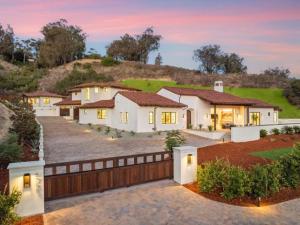
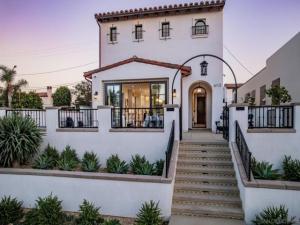
The Covenant’s historical development in the 1920s and 1930s by the Santa Fe Railway brought the early architectural sensibility that Lilian Rice, the primary architect who shaped the Covenant’s design language, expressed in the Spanish Colonial Revival style that dominates the community’s buildings and the Ranch’s primary commercial block at the intersection of Paseo Delicias and Avenida de Acacias. Lilian Rice’s work in Rancho Santa Fe is recognized as among the finest California Spanish Colonial Revival residential architecture produced during the style’s peak period, and the Rice-designed homes that remain in the Covenant are significant architectural landmarks in addition to their real estate value. The design vocabulary that Rice established, the tile roofs, the stucco facades, the courtyard orientation, and the deep overhang eaves that the California climate necessitates in the Santa Fe heat, has been maintained through the Art Jury’s architectural review process as a community standard rather than simply a historical artifact.
The Rancho Santa Fe Association’s Art Jury is the architectural review body that governs all exterior construction and modification within the Covenant. Any new construction, any exterior renovation, any addition, and any landscaping change visible from the street or from neighboring properties must receive Art Jury approval before construction begins. The Art Jury’s design standards require that all new construction and renovation be compatible with the Spanish Colonial Revival design vocabulary that defines the Covenant’s built character, and the review process has successfully maintained the visual coherence of the Covenant through nearly 100 years of development and redevelopment. Buyers who are contemplating significant construction or renovation projects in the Covenant should engage with an architect experienced in the Art Jury process before finalizing project scope and budget.
The Art Jury and Architectural Standards
The Art Jury of the Rancho Santa Fe Association is one of the most rigorous architectural review processes in California residential development, and this rigorous oversight is a primary reason the Covenant has maintained its architectural coherence through market cycles, demographic shifts, and the development pressures that have transformed comparable California estates communities around the Covenant’s boundaries. The Art Jury reviews all exterior work from single-story additions through complete estate construction, evaluating proposals for compatibility with the community’s design guidelines, the relationship to adjacent properties and to the street, the landscape plan’s compatibility with the Covenant’s eucalyptus and native landscape character, and the specific material and color standards that maintain the Spanish Colonial character the community expects.
The practical implication for buyers is that Covenant construction is more complex, more time-consuming, and frequently more expensive than comparable construction in communities without architectural review. The Art Jury’s approval process adds months to the pre-construction timeline. Contractors and architects who have worked within the Covenant’s review process are significantly more efficient in navigating the Art Jury than those who are unfamiliar with the process, and the community’s established professional network of Covenant-experienced design and construction professionals is a practical resource for buyers contemplating significant improvements. The Art Jury’s oversight is also the most significant protection that existing Covenant property owners have against adjacent development that would compromise the community’s character, a protection that is worth the operational complexity of the review process from the perspective of established Covenant owners.
The Rancho Santa Fe Golf Club and Community Amenities
The Rancho Santa Fe Golf Club, the Covenant’s private golf and social club, is the organizing social institution of the Covenant community and the primary venue for the social life that the Covenant’s wealthy professional and entrepreneurial households sustain through the club’s programs and events. The golf club’s 18-hole course, originally designed by Max Behr in 1929 and substantially renovated over the subsequent decades, provides the private golf access that the Covenant community’s golf-oriented members use as a primary recreational outlet. The club’s membership is separate from property ownership in the Covenant; owning a Covenant property does not automatically provide golf club membership, and the golf club’s membership waitlist and sponsorship requirements should be confirmed independently from the property purchase process.
The Covenant’s additional community amenities include the community center, the tennis courts managed by the Rancho Santa Fe Association, the extensive horse trail network that runs through the Covenant’s open space corridors and connects the residential parcels to each other and to the broader backcountry trail system beyond the Covenant’s boundaries, and the covenant roads, the private road network maintained by the Association for exclusive use by Covenant property owners, guests, and service providers. The covenant roads, identified by the distinctive signage and the Association’s management, provide the quiet, private circulation that the community’s large parcels require and that distinguishes the Covenant’s street environment from the public road infrastructure of the surrounding Rancho Santa Fe communities.
Horse Trails and Equestrian Heritage
The Rancho Santa Fe Covenant’s equestrian heritage is among the most deeply embedded of any Southern California residential community. The Covenant’s horse trail network, developed alongside the original residential planning in the 1920s and 1930s, runs through the community’s open space corridors and connects the residential parcels in a network that allows equestrians to ride from property to property through the Covenant’s natural landscape without using the road system. The network extends beyond the Covenant’s boundaries into the surrounding horse trail systems that connect Rancho Santa Fe to the broader San Diego County equestrian trail infrastructure, enabling the multi-day rides and the organized equestrian events that the community’s horse-keeping households participate in through the Rancho Santa Fe Riding Club and other equestrian organizations.
Equestrian facilities within Covenant properties range from the personal-use 2 to 4-stall barn that many properties include as standard amenity infrastructure to the full professional-grade training and boarding operations that the largest parcels accommodate. The Covenant’s minimum lot sizes, typically 3 acres, and the covenants’ permission for agricultural use (including horse keeping) on residential parcels create the framework for genuine horse keeping at the scale that serious equestrians require. Some Covenant properties with 10 or more acres have been developed as full equestrian centers with multiple barns, covered arenas, training tracks, and the pasture acreage that a significant horse operation demands.
Schools
The Rancho Santa Fe Covenant is served by the Rancho Santa Fe School District for K-8, a single-campus elementary school district with a decades-long reputation as one of the highest-performing K-8 school districts in California. The Roger Rowe School, the district’s campus, is frequently cited in California school performance discussions and has maintained the academic outcomes that the community’s parent demographic invests in sustaining. For grades 9-12, Covenant students transition to the San Dieguito Union High School District, with Torrey Pines High School in Del Mar or Santa Fe Christian School (a private option) as the primary secondary school choices. Torrey Pines High School’s academic reputation, its AP program, and its college placement outcomes are competitive with the best public high schools in San Diego County.
Commute and Access
The Rancho Santa Fe Covenant’s inland position, approximately 5 miles east of the I-5 freeway via Via de la Valle or Encinitas Boulevard, requires 15 to 25 minutes to reach I-5 from most Covenant addresses depending on the specific location within the 8,800-acre community’s boundaries. Downtown San Diego is 40 to 55 minutes southbound via I-5. The Del Mar commercial corridor and the I-5/56 interchange are accessible in 15 to 20 minutes. The Solana Beach Coaster station, the most convenient commuter rail access for Covenant residents, is 20 to 30 minutes by car. The Covenant’s lifestyle is most practical for buyers with flexibility in their work schedule, remote work capability, or employment in the North County research and professional corridors that are within a reasonable commute distance.
Market Position
$4M-$8M: Entry Covenant. These properties are typically smaller Covenant parcels (3 to 5 acres), original-construction homes that have not been fully renovated to current standards, or properties on less premium lot positions within the community’s large footprint. Even at this entry tier, the Covenant address, the lot size, and the community covenants’ protection of the neighborhood’s character create the investment foundation that the Covenant’s long-term appreciation history has sustained.
$8M-$20M: The core Covenant range. Established estates with comprehensive equestrian facilities, updated or recently-constructed custom homes, and the lot positions with mature landscape and the pastoral views that the Covenant’s design standards sustain. This range represents the typical transaction tier for the Covenant’s established market.
Above $20M: The Covenant’s most significant estates: the largest parcels, the most architecturally distinguished homes, the most comprehensive equestrian operations, and the specific positions within the community that combine all of the Covenant’s primary residential assets in one property. Some of these transactions occur off-market. The Covenant’s most significant sales have exceeded $50M in recent years.
Frequently Asked Questions
What does the Covenant’s Art Jury process cost and how long does it take? The Art Jury review timeline varies significantly by project complexity. A simple exterior modification (paint color change, minor landscaping) may be approved administratively in 2 to 4 weeks. New construction or major renovation requires multiple Art Jury review cycles, typically adding 3 to 9 months to the pre-construction timeline relative to non-review communities. Fees are set by the Rancho Santa Fe Association and should be confirmed for the current fee schedule. Architects experienced in the Covenant’s Art Jury process can significantly reduce review iterations by understanding the standards in advance.
Is Rancho Santa Fe Covenant membership required for property owners? Ownership of property within the Covenant boundaries automatically makes the owner a member of the Rancho Santa Fe Association, which assesses the annual dues that fund the Association’s operations, road maintenance, and community programs. Golf Club membership at the Rancho Santa Fe Golf Club is separate and requires the club’s membership application, sponsorship, and approval process independent of property ownership. The Association membership is non-optional for Covenant property owners; the Golf Club membership is a separate, optional additional membership.
Can I use my Covenant property for agricultural or commercial purposes? The Covenant’s deed restrictions permit agricultural use of residential properties, which is interpreted to include horse keeping, gardens, vineyards, and other non-commercial agricultural activities. Commercial agricultural operations and non-residential commercial uses are not permitted within the Covenant’s residential land use designation. Home offices for professional services are generally considered compatible with residential use; businesses that generate client or employee traffic to the residential property are subject to the Covenant’s restrictions on commercial activity. Confirmation of specific uses with the Rancho Santa Fe Association prior to purchase is advisable for buyers whose intended use includes any commercial or professional component.
How private is the Covenant compared to other gated communities in San Diego? The Covenant’s privacy is more comprehensive than most San Diego County gated communities because it is not a gated community in the conventional sense: there is no single entry gate. The Covenant’s privacy comes from its size (8,800 acres makes it impossible to trespass through), its covenant road network (private roads that are legally restricted to owners, guests, and service providers), and the Rancho Santa Fe Association’s active management of road use. The large lot sizes mean that neighbors are typically not visible from each other’s homes, and the combination of lot size, landscape maturity, and the community’s scale create a genuinely private residential environment that conventional gated communities achieve only imperfectly.
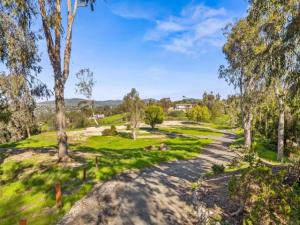
What is the history of the Rancho Santa Fe eucalyptus trees? The Atchison, Topeka and Santa Fe Railway purchased the Rancho Santa Fe land in 1906 with the plan of growing eucalyptus trees to supply railroad ties for the expanding California rail system. The approximately 3 million eucalyptus trees the Railway planted were ultimately unsuitable for railroad ties due to the wood’s tendency to split, and the Railway’s plan was abandoned. The land was subsequently developed as an upscale residential community starting in the 1920s. The eucalyptus groves that remain throughout the Covenant are descendants of the original Railway planting and give the community its distinctive fragrant, shaded landscape character that eucalyptus trees provide at maturity. The trees’ iconic role in the Covenant’s history and landscape is protected by the community’s design standards, which require preservation of significant eucalyptus specimens.
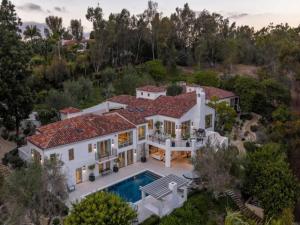
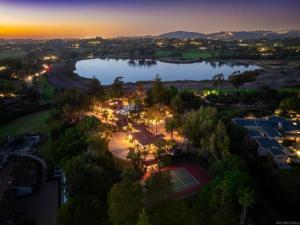
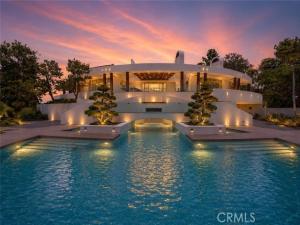
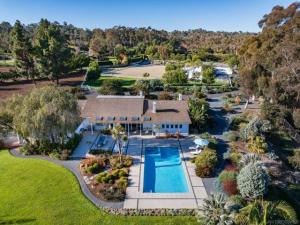
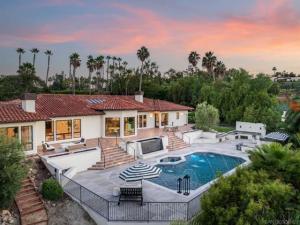
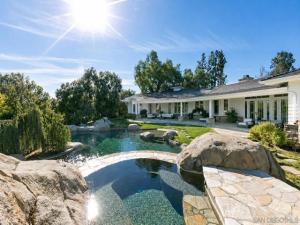
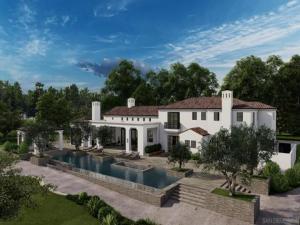
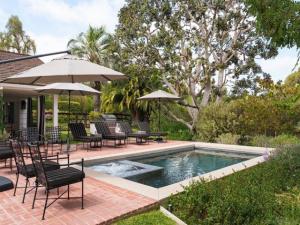
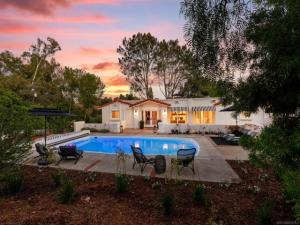
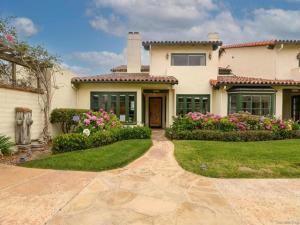
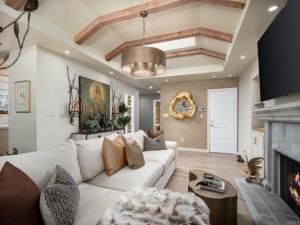
Current RSF Covenant Listings


This site was last updated Oct 23 2026 12:32:30 am.
Connect with TKG about Rancho Santa Fe Covenant real estate.