
Pacific Beach Real Estate: San Diego’s Premier Urban Beach Neighborhood
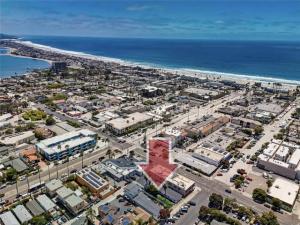
Pacific Beach is the most densely populated and most energetically active beach neighborhood in San Diego, a coastal community that stretches for approximately 3.5 miles along the Pacific Ocean from the Mission Bay Park jetty in the south to the La Jolla boundary at Tourmaline Surfing Park in the north, encompassing the full range of San Diego beach neighborhood character from the Mission Beach party strip at the south end through the increasingly family-oriented and upscale character of the northern Pacific Beach streets that approach the La Jolla border. Pacific Beach is simultaneously San Diego’s most iconic beach neighborhood, its most searched real estate geography by buyers relocating from outside the region, and the neighborhood that defines the San Diego beach lifestyle in the popular cultural imagination that coastal California has sustained since the surfing and beach culture movements of the 1950s and 1960s. Understanding Pacific Beach for real estate purposes requires understanding that it is not a uniform neighborhood but a geographic zone with dramatically different sub-character by specific block and distance from the water.
The geography of Pacific Beach is organized around three primary corridors. Garnet Avenue runs east-west through the heart of the neighborhood as the primary commercial and entertainment street, home to the bars, restaurants, surf shops, and the commercial activity that has made Pacific Beach one of San Diego’s most consistently active nightlife districts since the 1980s. Bayard Street and Cass Street provide the secondary commercial services that serve the resident population’s daily needs: coffee shops, grocery access, and the neighborhood-service commercial that reduces car trips for daily needs. Mission Boulevard runs north-south along the flat coastal terrain between the ocean and Mission Bay, providing the primary pedestrian and cycling corridor that connects Pacific Beach to Mission Beach to the south and to the Tourmaline access at the La Jolla boundary to the north.
The Pacific Beach boardwalk, the paved concrete path that runs for approximately 3 miles along the beach front from the Crystal Pier at the foot of Garnet Avenue northward to the La Jolla boundary, is the neighborhood’s most used public infrastructure. The boardwalk’s flat grade, its ocean-adjacent position, and its year-round accessibility make it the most consistently populated public space in Pacific Beach at all hours: morning joggers and cyclists, midday walkers, afternoon skateboarders and rollerbladers, sunset watchers and social gatherings, and the late evening activity that the beach’s open-air accessibility sustains through the long summer evenings and the mild winter nights. The boardwalk is simultaneously a recreational resource, a social venue, and the connective tissue that gives the neighborhood’s diverse populations a shared public space.
The Pacific Beach Demographic and Community Character
Pacific Beach’s demographic is more layered than the party-neighborhood reputation suggests. The neighborhood’s closest blocks to the beach, particularly the streets between the ocean and Mission Boulevard on the south (Mission Beach boundary area) end of the neighborhood, are the densest in apartments and rental housing, attracting the young, transient, party-oriented resident that gives Pacific Beach its nightlife reputation. The northern section of the neighborhood, particularly the blocks north of Garnet Avenue and the streets approaching the La Jolla boundary near Tourmaline, has a significantly different character: long-term owner-occupants, families, and the established residents who appreciate the northern Pacific Beach location as an entry into the La Jolla lifestyle geography at substantially lower price points than the La Jolla Unified School District addresses just north of the boundary.
The significant price differential between San Diego Unified (which serves Pacific Beach) and La Jolla Unified (which begins at the La Jolla boundary a few blocks north) creates one of the most notable value-versus-cost trade-offs in San Diego residential geography. Families who want the Pacific Beach coastal lifestyle and are specifically targeting La Jolla Unified access must move to the streets just north of Tourmaline Surfing Park, where the school district boundary runs, paying the La Jolla premium for the school district access. Families who want the beach lifestyle and are satisfied with San Diego Unified, or whose children are beyond school age, can access Pacific Beach’s coastal character at prices that are 20 to 40% below comparable La Jolla addresses.
Crystal Pier and the Pacific Beach Coastline
The Crystal Pier, a historic wooden pier at the foot of Garnet Avenue that was built in 1927 and includes the Crystal Pier Hotel’s collection of cottages built over the water on the pier structure, is Pacific Beach’s most iconic landmark and one of the most photographed structures in San Diego. The pier extends approximately 900 feet into the Pacific and provides the fishing access, the ocean viewing platform, and the historic architectural character that have made it a neighborhood institution for nearly 100 years. The Crystal Pier Hotel’s over-water cottages, rented exclusively to guests who experience the unique sensation of sleeping directly above the Pacific Ocean, provide Pacific Beach with the hospitality landmark that few San Diego beach neighborhoods can match for distinctive guest experience quality.
The Pacific Beach coast line from the Mission Beach boundary to Tourmaline runs along a series of sandy beach blocks, with the beach varying from the wider and more exposed sand south of the pier to the rockier and more surfable terrain north of the pier where the wave energy increases and the beach character transitions from swim beach to surf beach. The Tourmaline Surfing Park at the northern end of the community, the no-swimming longboard surf venue that Bird Rock and Pacific Beach share as their neighborhood break, is one of the busiest surfing venues in San Diego County. The Pacific Beach shoreline’s consistent wave quality, accessible for beginners to intermediate surfers south of the pier and for more experienced surfers at the north end, makes the neighborhood’s beach one of the most actively used in the region throughout the year.
Schools
Pacific Beach is served by San Diego Unified School District throughout its geography, with Pacific Beach Middle School (formerly Pershing Middle School) serving the 6-8 years and Mission Bay High School as the primary high school campus. San Diego Unified’s Mission Bay High School cluster includes the school’s international baccalaureate program, the Cluster of Excellence in the Arts, and the athletics programs that a large comprehensive urban high school can sustain. The school district distinction between Pacific Beach and La Jolla Unified to the immediate north is the most consequential school-quality geography in the coastal San Diego market, and buyers with school-age children should understand this boundary before choosing between the two communities based on school district priorities.
The private school landscape in the Pacific Beach area includes Bishop’s School (K-12) and other independent schools in the La Jolla area that are accessible from Pacific Beach addresses, providing the private school alternative for families who prioritize premium educational quality but are purchasing in Pacific Beach for the price accessibility. The commute from Pacific Beach to La Jolla independent schools (Bishop’s, etc.) is typically 10 to 15 minutes via La Jolla Boulevard or I-5 northbound, making the private school alternative practical for Pacific Beach families.
Commute and Connectivity
Pacific Beach’s coastal position provides I-5 access via Grand Avenue or Garnet Avenue to the Rose Creek/Mission Bay Drive interchange within 5 to 10 minutes from most residential addresses. Downtown San Diego is accessible in 15 to 20 minutes southbound via I-5 in standard conditions, making Pacific Beach one of the most conveniently downtown-connected beach neighborhoods in San Diego County. The 805 freeway access via Garnet Avenue and Interstate 5 to 805 provides the alternative route to Mission Valley and the eastern employment corridors. UCSD and the Torrey Pines research corridor are 15 to 20 minutes northbound via I-5 or via La Jolla Boulevard/Torrey Pines Road.
The Mission Bay Park bicycle trail network connects Pacific Beach to Mission Beach, Ocean Beach, and the Mission Bay recreational areas without requiring street riding, providing the car-free recreation and transportation alternative that the flat coastal terrain of Mission Bay enables. The Pacific Beach boardwalk connects northward to the La Jolla coastal path, creating a multi-mile coastal cycling and walking corridor that is one of the most extensive and most used non-motorized transportation resources in San Diego County. The proximity of these non-motorized corridors to Pacific Beach’s residential streets gives the neighborhood the cycling infrastructure that reduces car dependence for recreational trips in a way that inland residential areas cannot achieve.
Market Tiers and Buyer Profiles
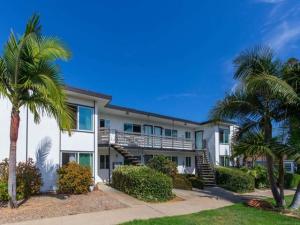
$800K-$1.4M: Entry Pacific Beach. Condominiums, smaller single-family homes on the inland streets east of Mission Boulevard, and the older smaller-lot properties that represent the most accessible Pacific Beach price point. This tier attracts first-time buyers entering the San Diego coastal market, young professionals who want the beach lifestyle at the accessible price, and investors targeting the vacation rental or long-term rental income that Pacific Beach’s high-demand rental market produces. The strong rental demand in Pacific Beach, driven by the neighborhood’s appeal to the young professional and visitor demographics, makes the entry tier investment analysis particularly straightforward relative to comparable coastal San Diego neighborhoods with lower rental demand.
$1.4M-$2.5M: The core single-family Pacific Beach market. Homes on standard lots west of Cass Street, with proximity to the beach, the boardwalk, and the Garnet commercial corridor. Updated homes with outdoor living infrastructure, the alley-accessed garage formats that the Pacific Beach street grid accommodates, and the indoor-outdoor connectivity that the coastal California lifestyle expects. The majority of Pacific Beach’s single-family transaction volume occurs in this range, and the buyer profile includes the established professional, the upsizing family, and the move-up buyer from Mission Beach and Ocean Beach who has built equity and is choosing a more established neighborhood address.
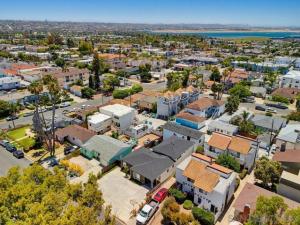
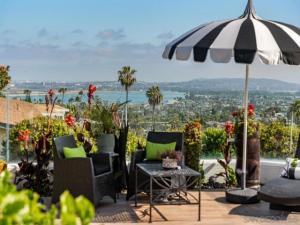
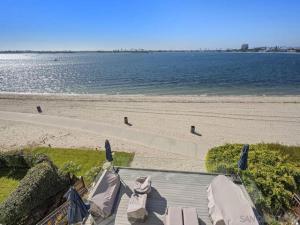
$2.5M-$5M+: The premium Pacific Beach range: bay-view and ocean-view positions on the streets with elevated terrain or the upper floors of multi-story homes that deliver the ocean panorama from above the surrounding development, the large lots that allow the outdoor living and pool infrastructure that the premium tier expects, and the beach-front positions with immediate sand access that are the most rare and most sought-after in the Pacific Beach inventory. Some Pacific Beach bay-view homes looking across Mission Bay provide views of the bay’s water, the Mission Bay Park, and the distant ocean horizon that are arguably more visually dynamic than the direct ocean-front positions, as the bay’s activity, the marina facilities, and the island shapes within the bay create a more complex visual composition than the open-ocean blufftop view.
Vacation Rental Potential
Pacific Beach is one of the most active short-term vacation rental markets in San Diego County, reflecting the neighborhood’s combination of beach access, the Garnet Avenue entertainment strip, and the visitor draw that San Diego’s coastal community has sustained throughout the year. The City of San Diego’s short-term residential occupancy (STRO) permit system governs vacation rental operations in Pacific Beach, with primary-residence permits allowing owner-occupants to rent their home for a limited number of nights per year and non-primary-residence permits subject to a separate allocation system. The competitive demand for Pacific Beach vacation rental inventory reflects the neighborhood’s visitor appeal, and properties with optimal locations (close to the beach, the boardwalk, or the Garnet corridor) and the amenities that vacation renters expect command premium nightly rates in both the peak summer season and the shoulder seasons.
Frequently Asked Questions
Is the Pacific Beach party reputation a liability for long-term residents? The Pacific Beach party reputation is concentrated in specific geographic areas and time periods rather than representing the entire neighborhood’s character uniformly. The blocks closest to the Garnet Avenue and Grand Avenue intersection, the beach-front blocks south of the pier, and the Mission Boulevard corridor near the Mission Beach boundary are where the nightlife activity is most concentrated. The northern sections of Pacific Beach, particularly north of Grand Avenue and along the streets approaching the La Jolla boundary, are substantially quieter in residential character. Long-term residents in the northern sections of Pacific Beach consistently report satisfaction with the neighborhood’s residential quality and describe the party reputation as accurately characterizing a specific portion of the geographic zone they don’t live in.
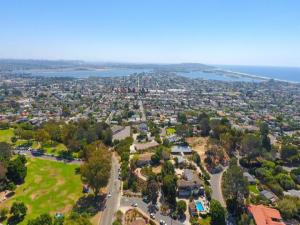
How does Mission Bay affect the Pacific Beach lifestyle? Mission Bay Park is one of Pacific Beach’s most significant quality-of-life assets and is genuinely underappreciated by buyers who focus exclusively on the ocean side of the neighborhood. The bay’s protected water is the preferred venue for kayaking, paddleboarding, electric-powered boat rentals, and the water sports that the Pacific Ocean’s wave energy makes impractical. The Mission Bay Park’s 4,235 acres of parkland surrounding the bay provide the recreational infrastructure for park events, walking and cycling on the bay-perimeter path, and the Mission Bay Aquatic Center’s instructional programs in sailing, windsurfing, kayaking, and other water sports. Pacific Beach addresses that are convenient to both the ocean and the bay access enjoy a dual-water recreational resource that is available to very few San Diego County residential neighborhoods.
What is the surf like at Pacific Beach? Pacific Beach has surfable waves at multiple breaks along its 3.5-mile coastline, with the character varying significantly by location. The beach breaks south of the Crystal Pier have gentler, sandier conditions that are suitable for beginners and longboarders learning the sport. The break near the pier itself and the rockier north end of the beach are more appropriate for intermediate to experienced surfers. Tourmaline Surfing Park at the La Jolla boundary is specifically managed as a surfing-only venue (no swimming) with the consistent conditions that make it one of San Diego’s most reliable surf spots. The overall Pacific Beach surf is not as consistent or as powerful as the Point Loma and Ocean Beach breaks, but the accessibility and the gentle character make it the preferred learning environment for many San Diego surfers.
Is Pacific Beach a good long-term investment? Pacific Beach has produced strong long-term appreciation relative to the San Diego median, reflecting the combination of irreplaceable coastal location, the high rental demand that the neighborhood’s visitor appeal sustains, and the scarcity of beachfront and beach-adjacent single-family residential inventory that the neighborhood contains. The long-term appreciation record, combined with the rental income potential that the STRO permit system enables, makes Pacific Beach one of the most compelling dual-use coastal investments (primary residence with rental income potential) in the San Diego County market. The neighborhood’s enduring appeal to visitors and to the young professional demographic that continues to arrive in San Diego ensures that demand for Pacific Beach residential product will remain robust through economic cycles that affect lower-demand residential markets more significantly.
What should I look for when comparing specific blocks in Pacific Beach? The Pacific Beach buyer’s due diligence should evaluate three dimensions for each specific block under consideration: distance to the beach and to the boardwalk (measured in actual walking time, not street count, since Mission Boulevard and the alley street grid create irregular walking paths), proximity to the Garnet entertainment corridor (closer is better for access, less close is better for residential quiet during weekend nights), and the specific micro-neighborhood character of the surrounding blocks (the northern residential blocks near Tourmaline have a genuinely different character from the southern blocks near Mission Beach that the neighborhood level description cannot capture). Walking the specific blocks at different times of day and on weekend evenings before finalizing a purchase decision is the most reliable due diligence for understanding what daily life in the specific Pacific Beach location will actually be like.
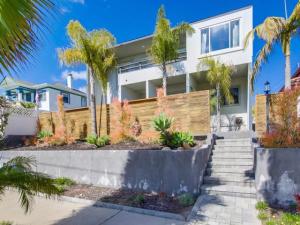
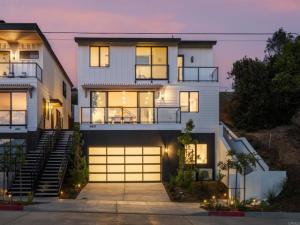
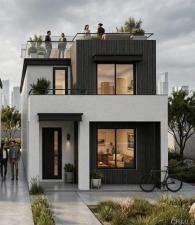
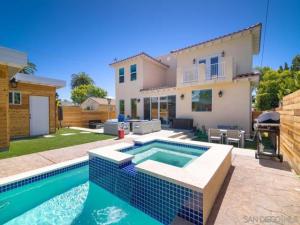
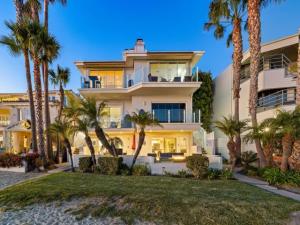
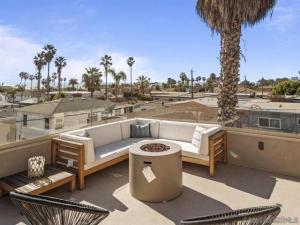
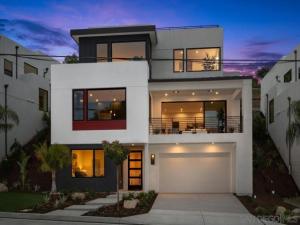
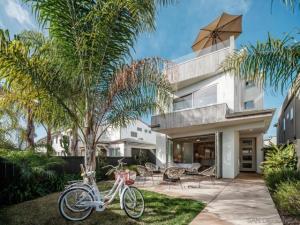
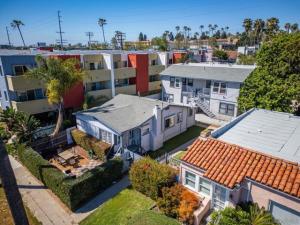
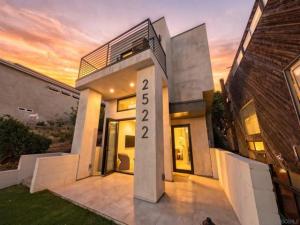
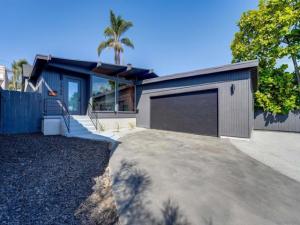
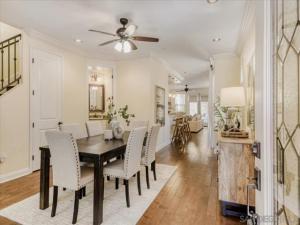
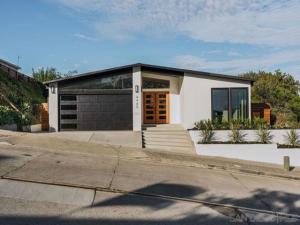
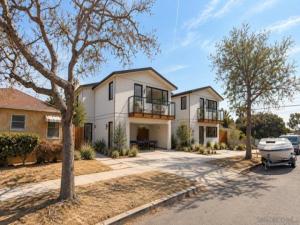
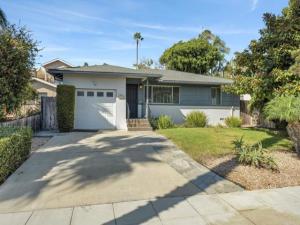
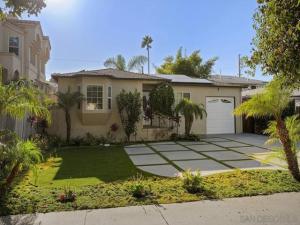
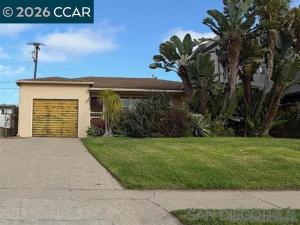
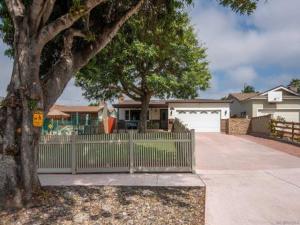
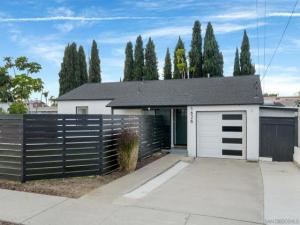
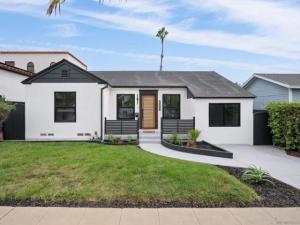
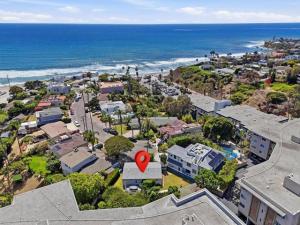
Current Pacific Beach Listings

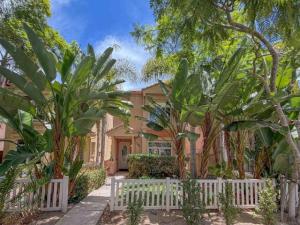
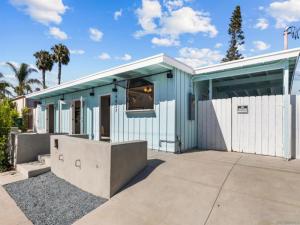
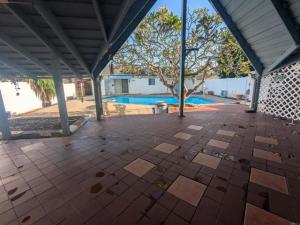
This site was last updated Oct 21 2026 10:29:38 pm.