Homes for Sale in Simi Valley: What Buyers Should Know First
Most people looking at homes for sale in Simi Valley get here after a priced-out moment somewhere else — Chatsworth, West Hills, Porter Ranch, Granada Hills. The trade is straightforward: you give up proximity to Los Angeles and take back square footage, a real yard, and a mountain backdrop. The median sale price is $849,000, homes are averaging 41 days on market, and sellers are getting asking price. That’s a market in equilibrium, not a frenzy and not a correction.
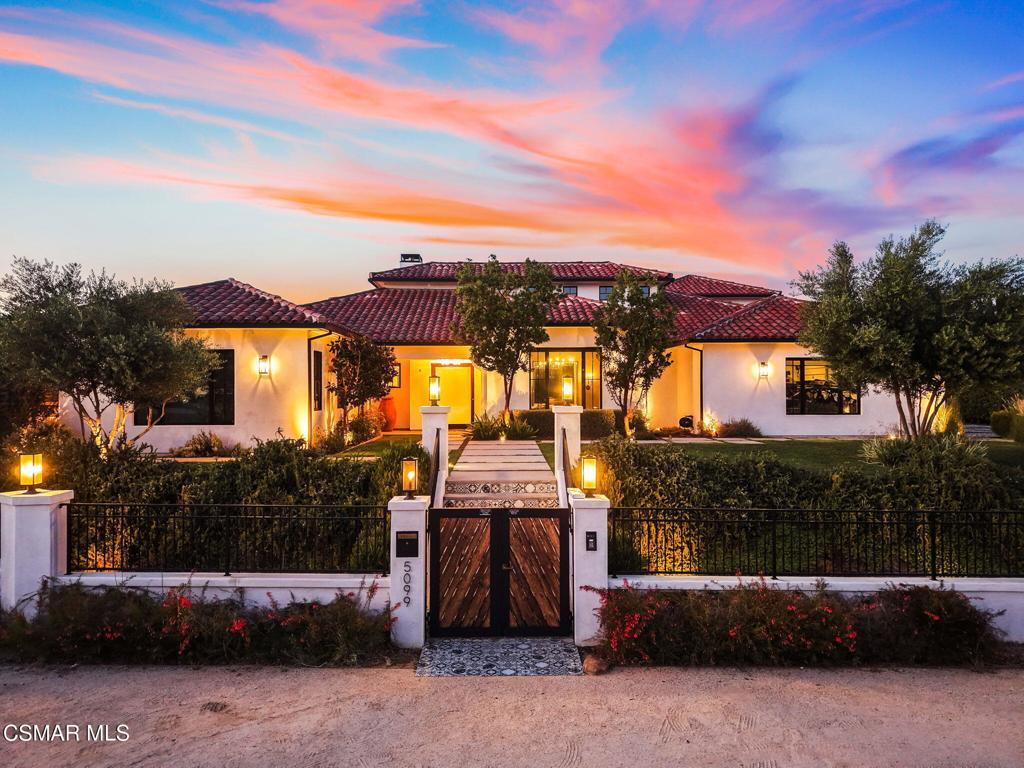
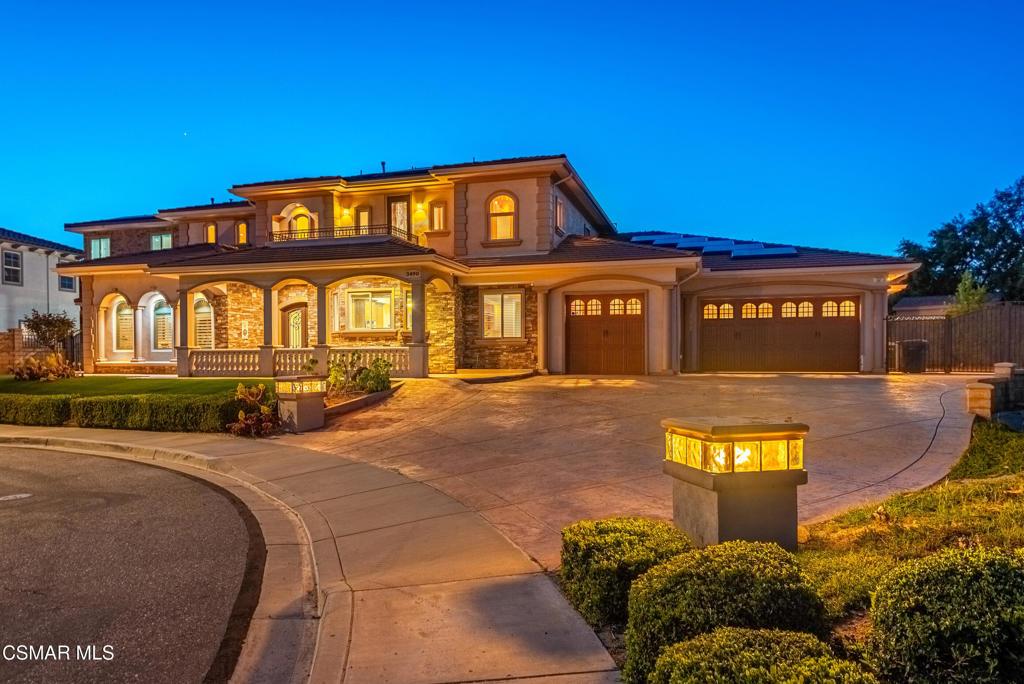
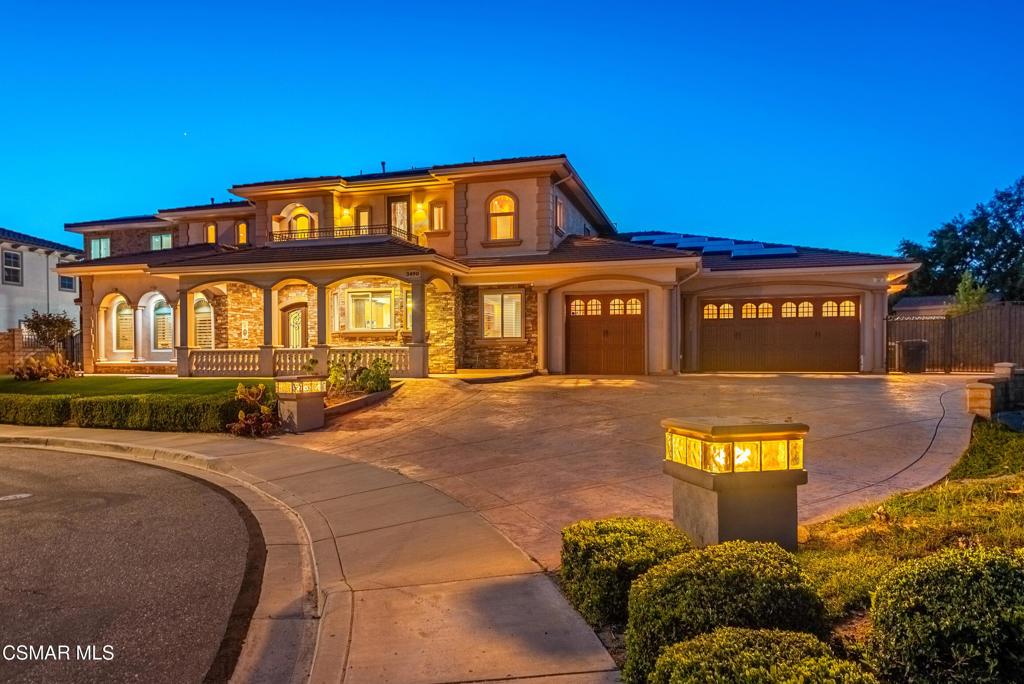
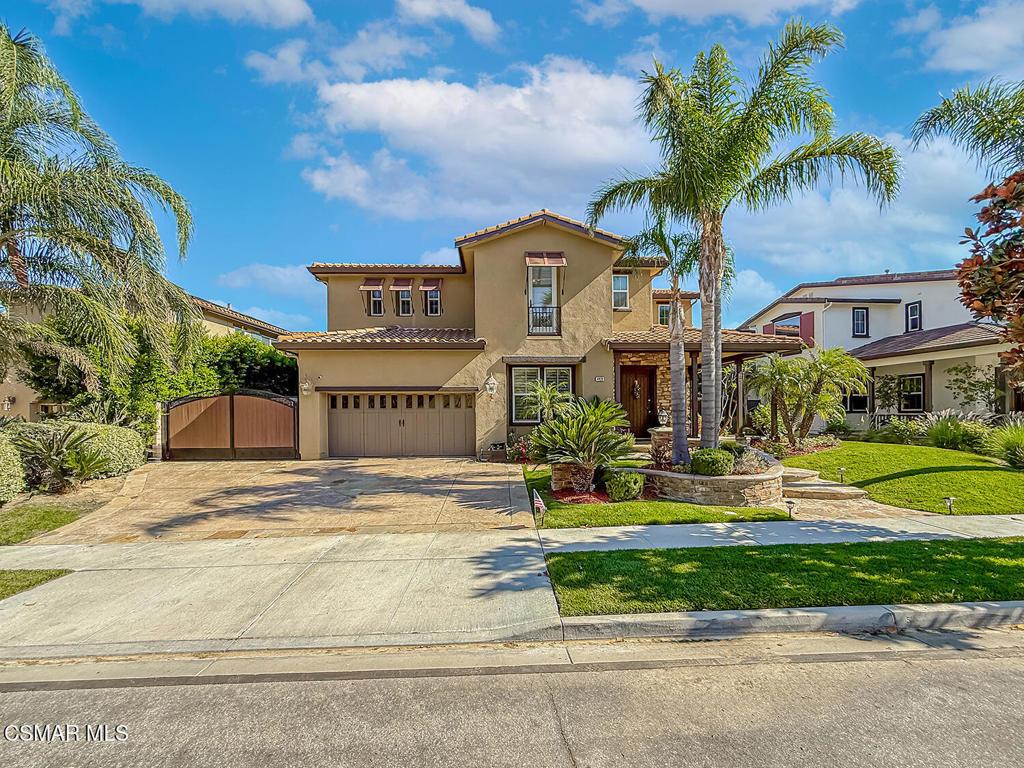
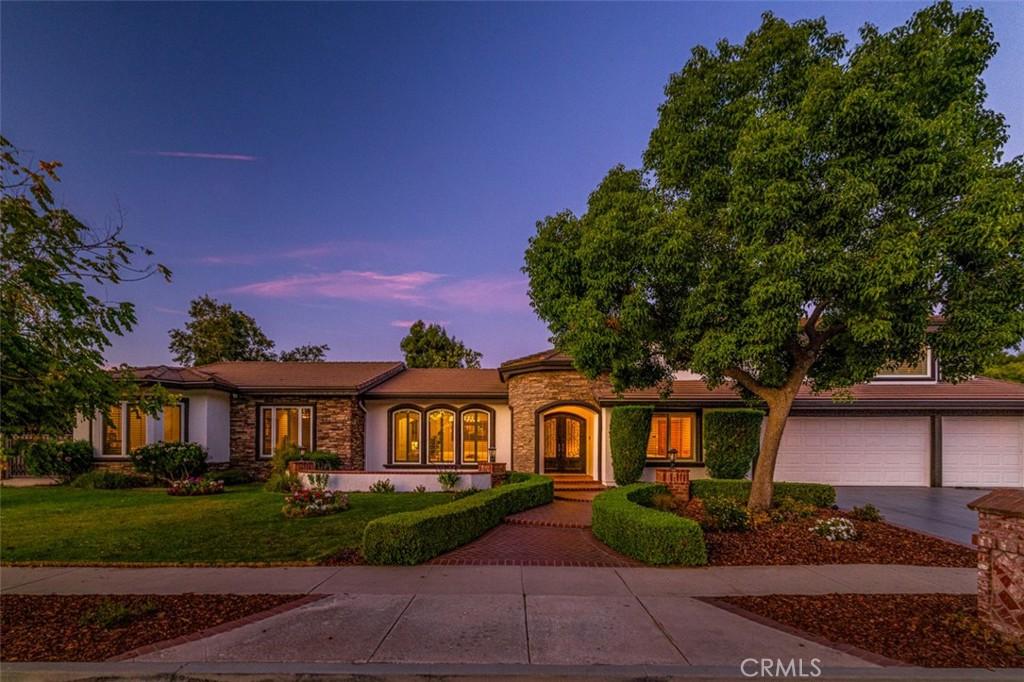
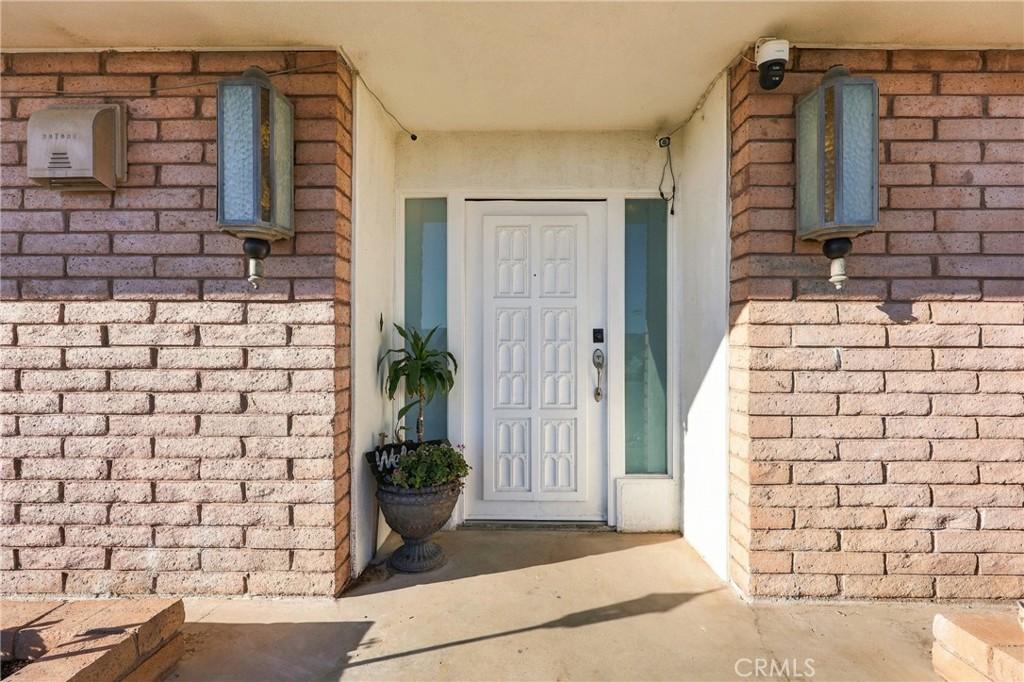
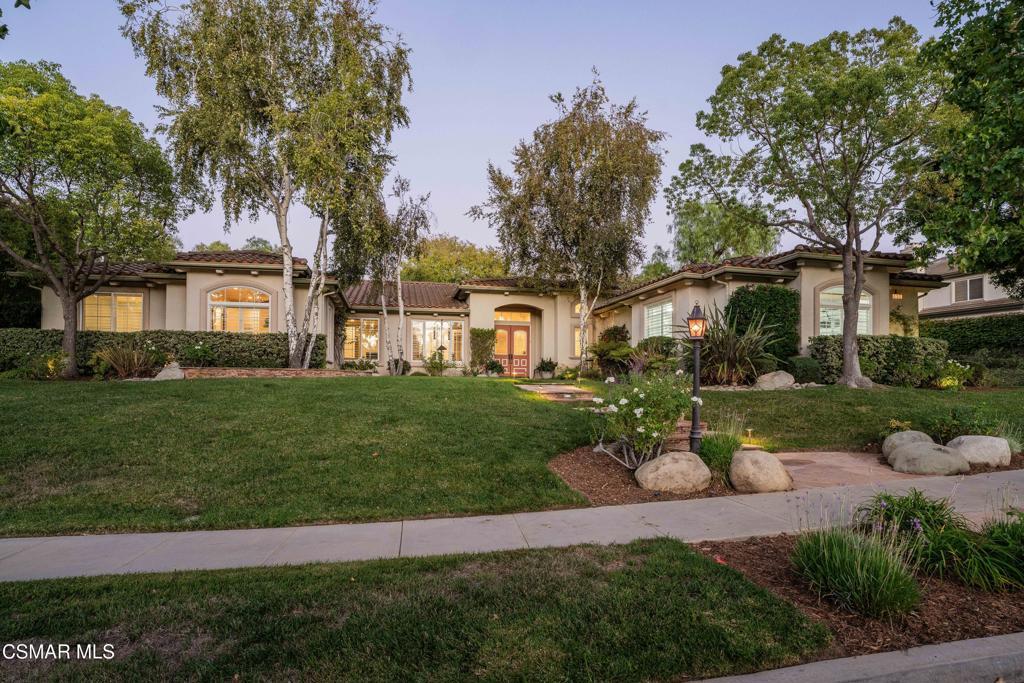
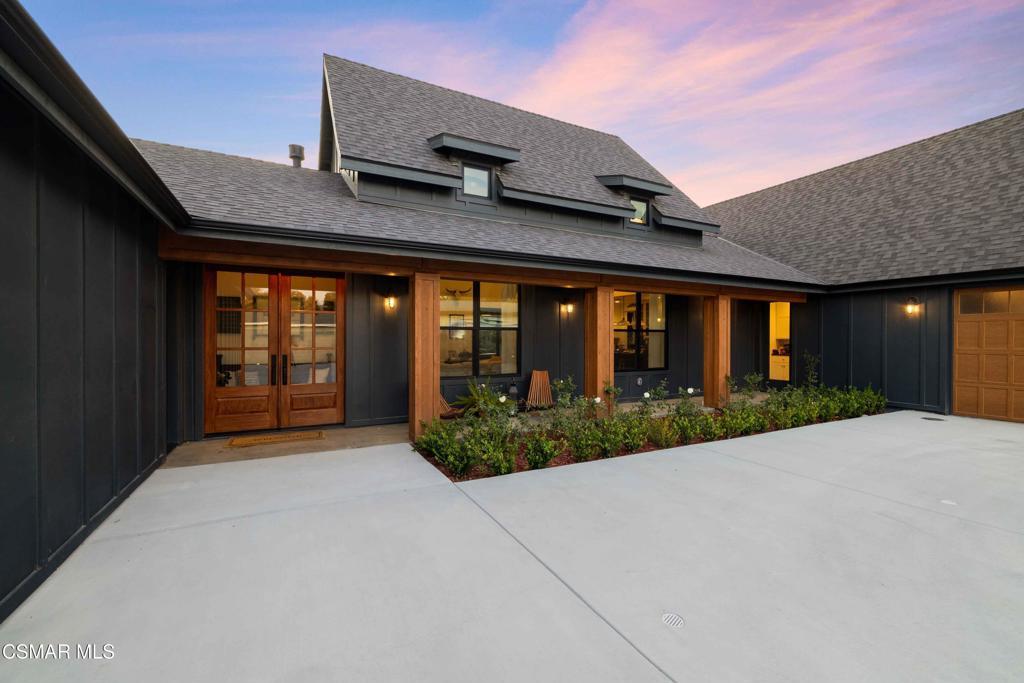
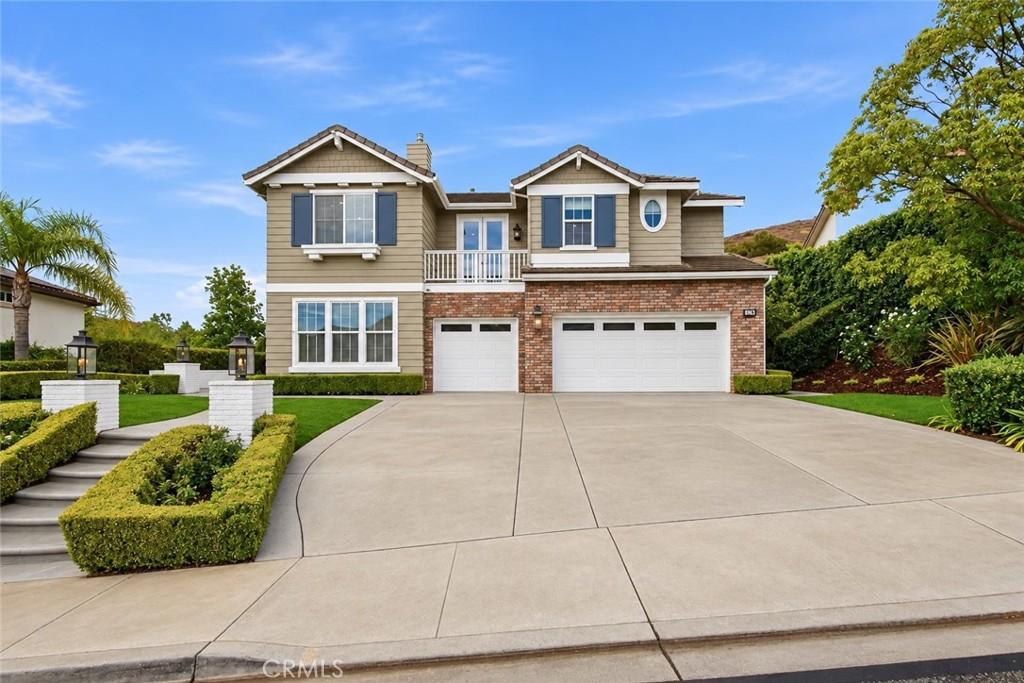
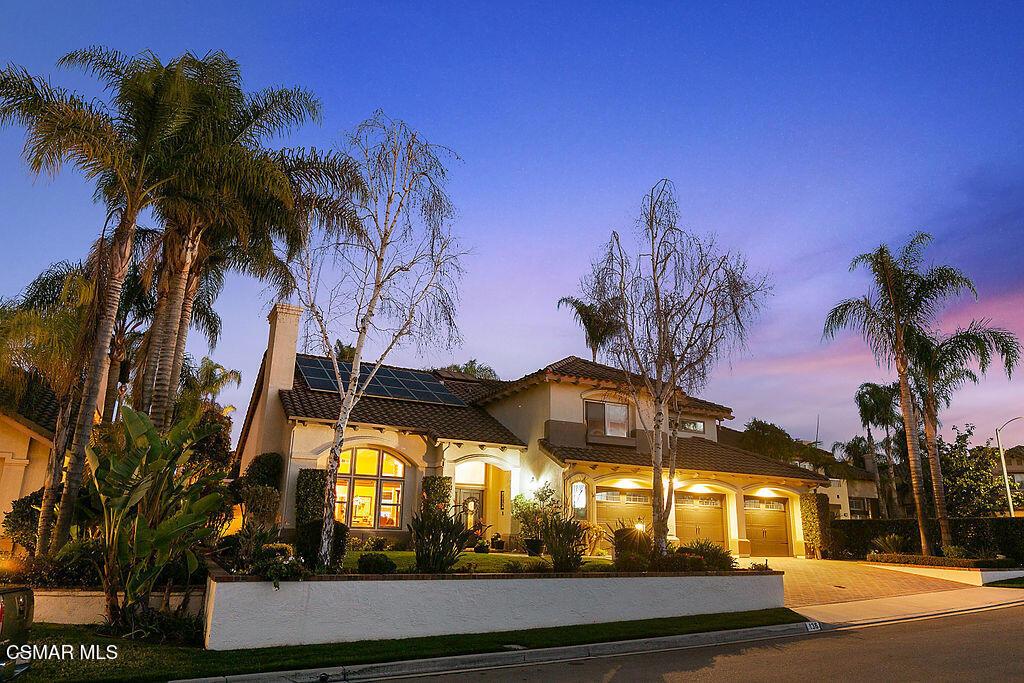
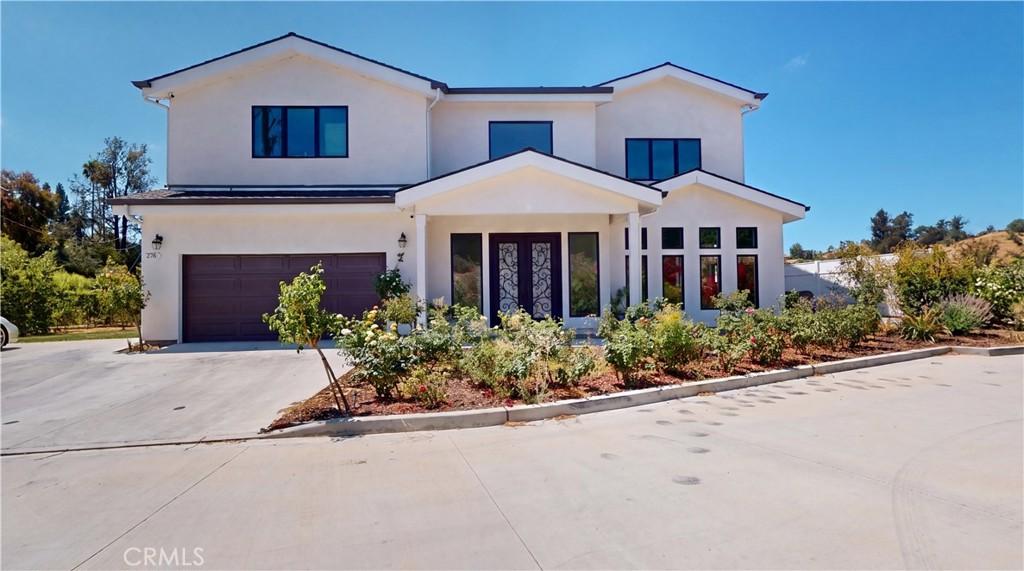
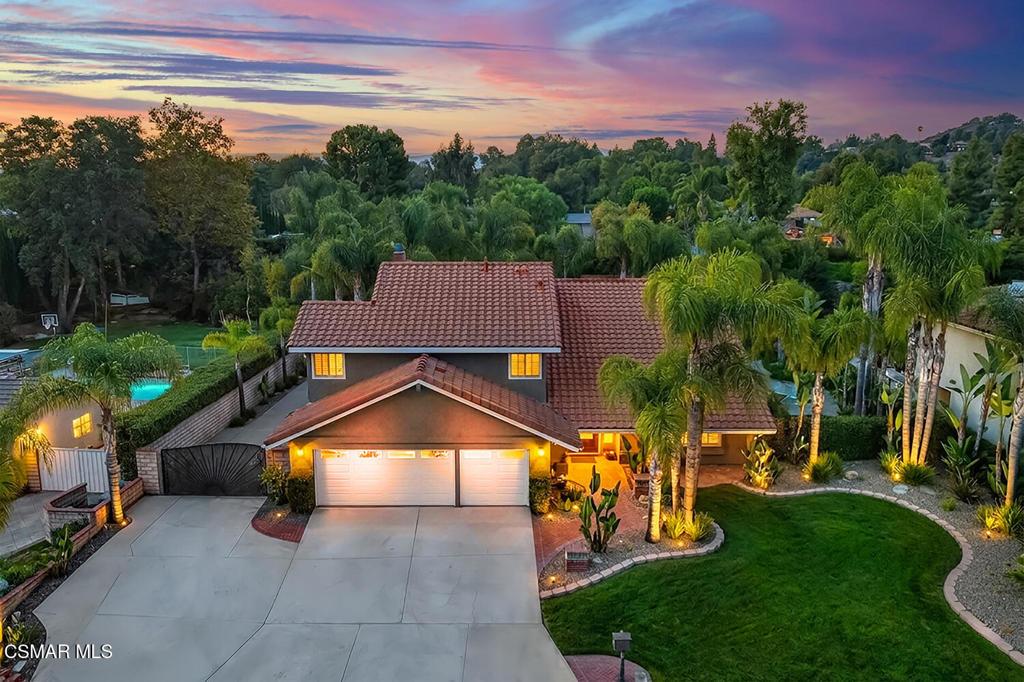
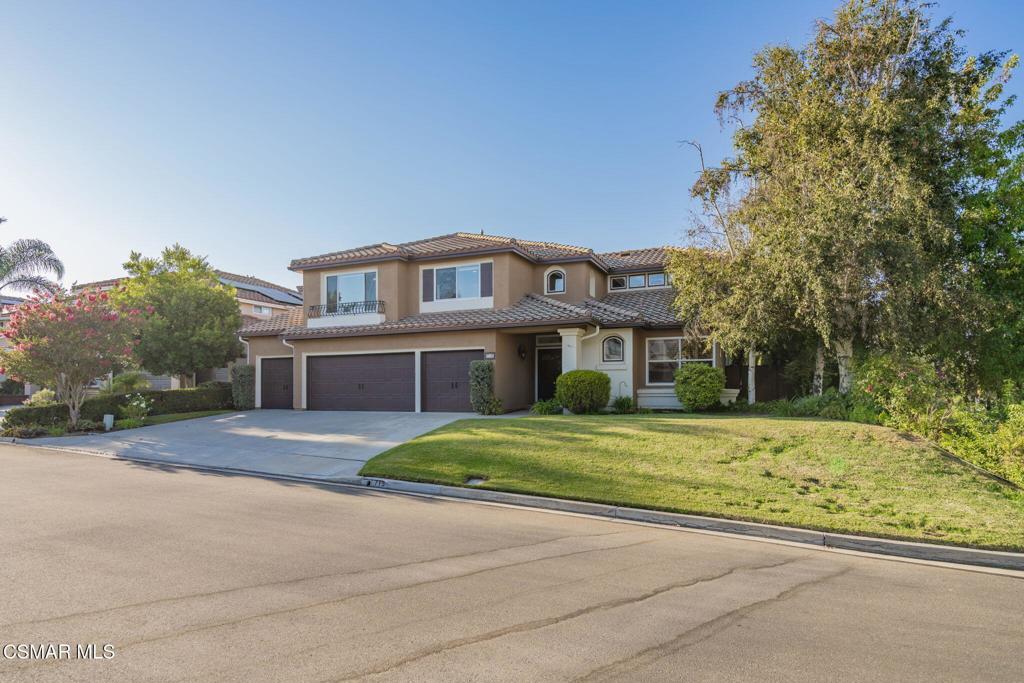
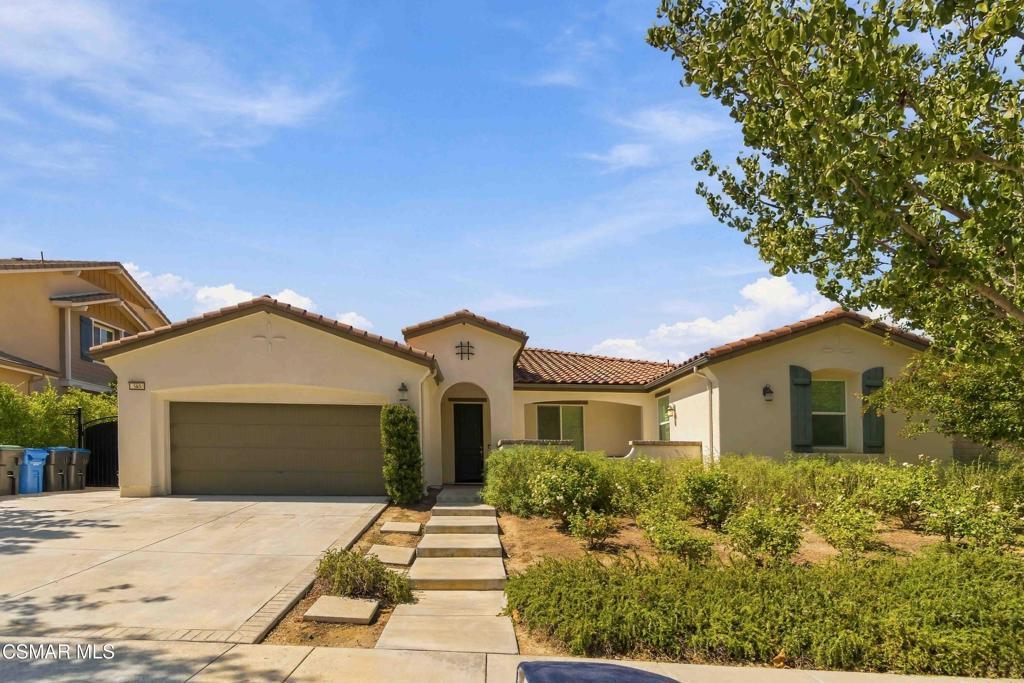
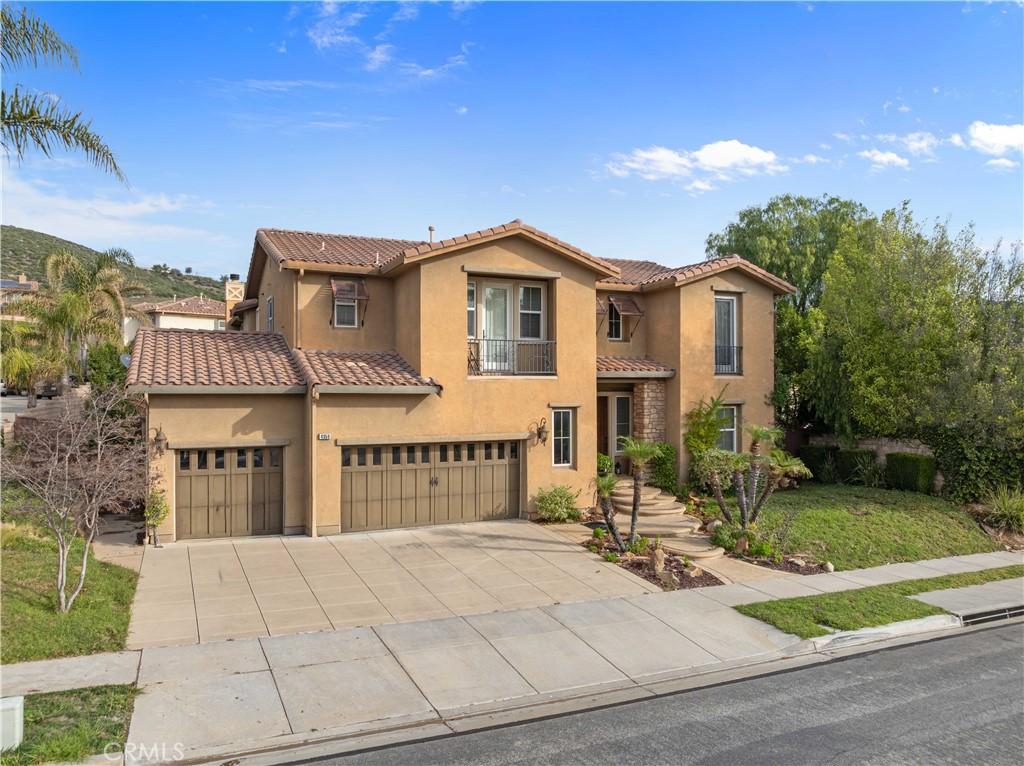
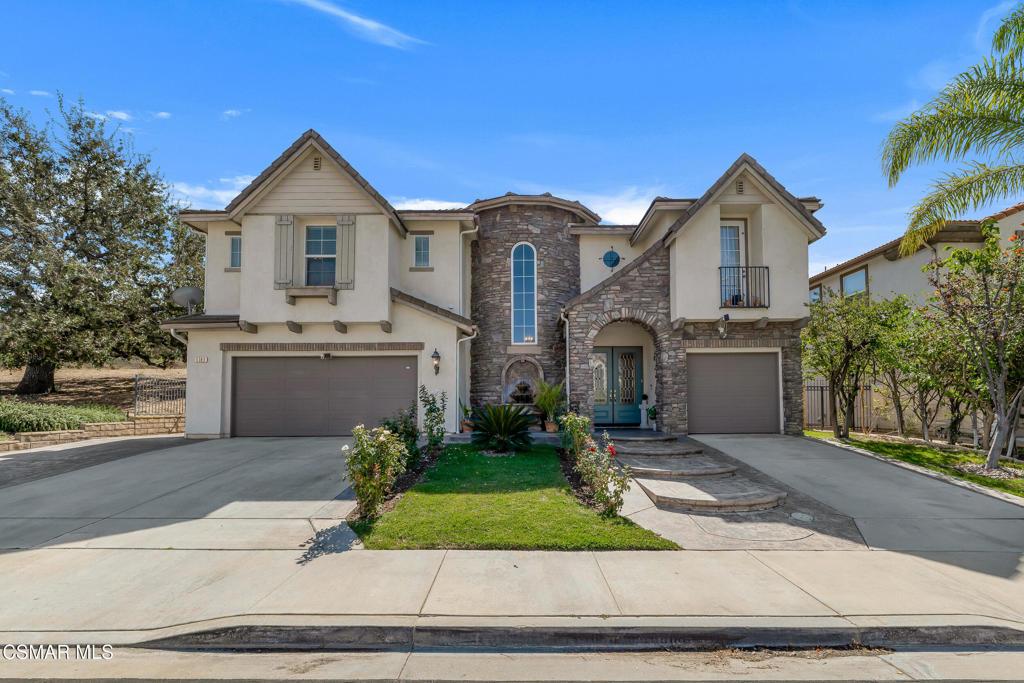
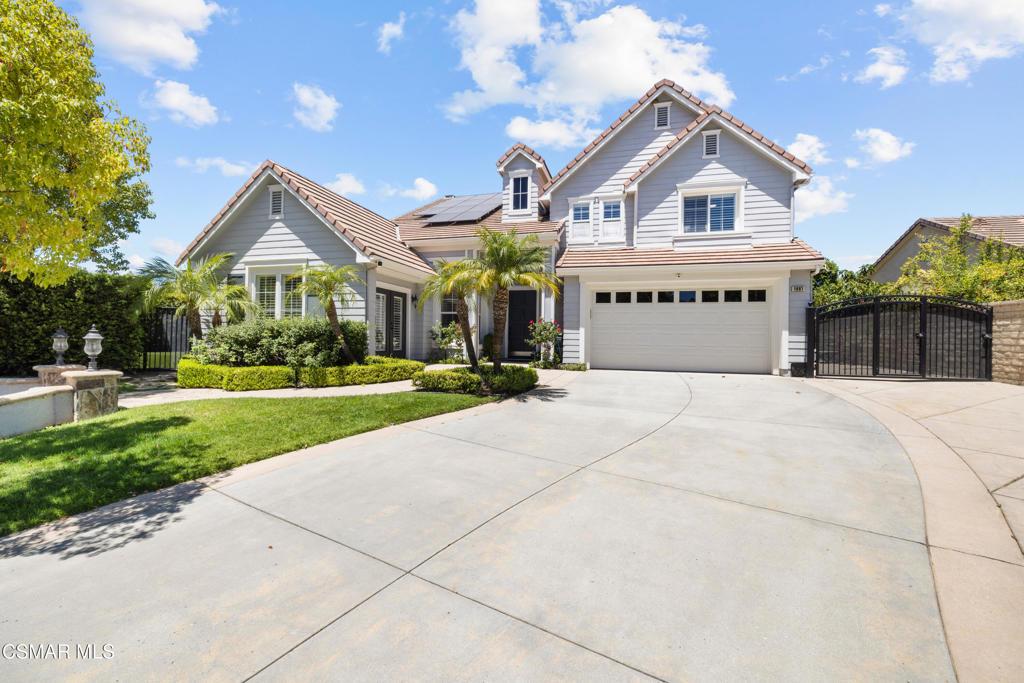
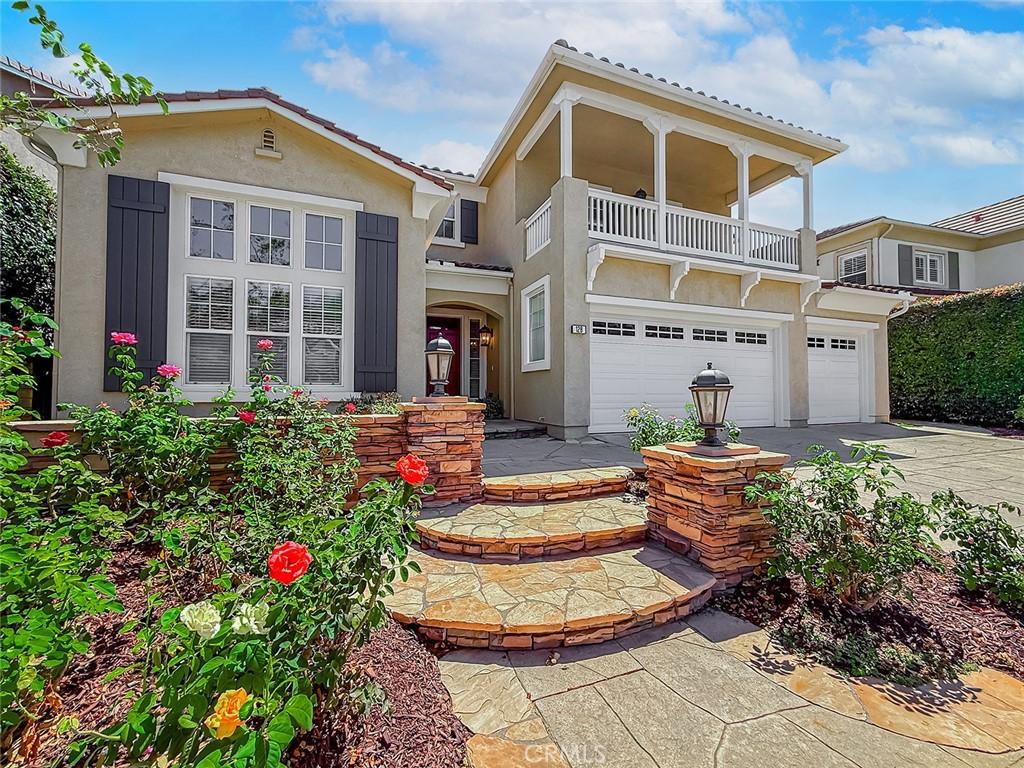
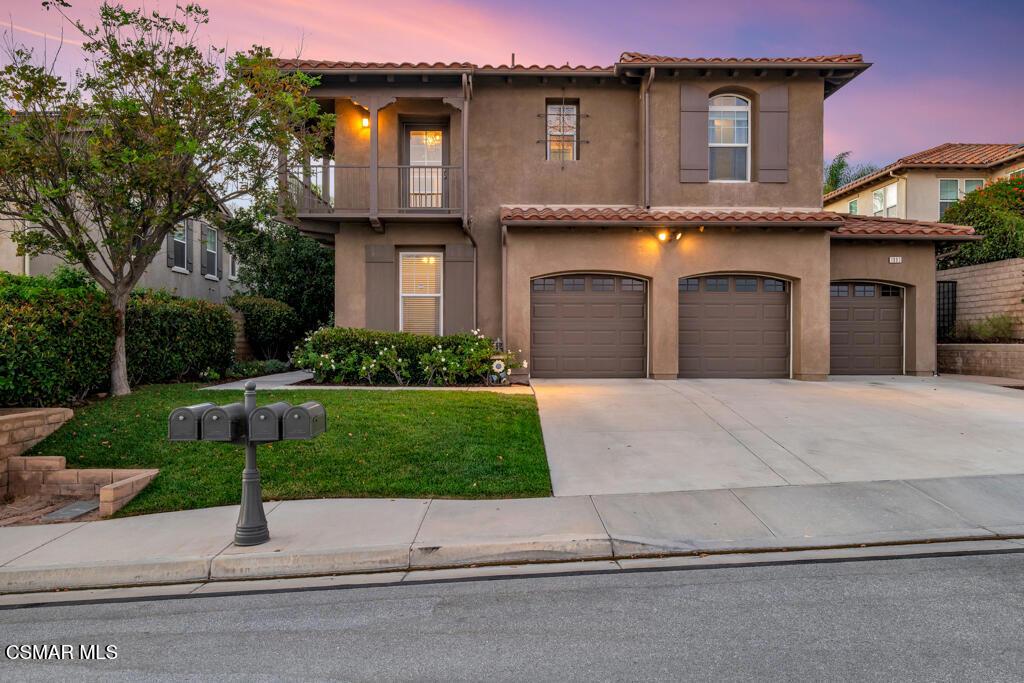
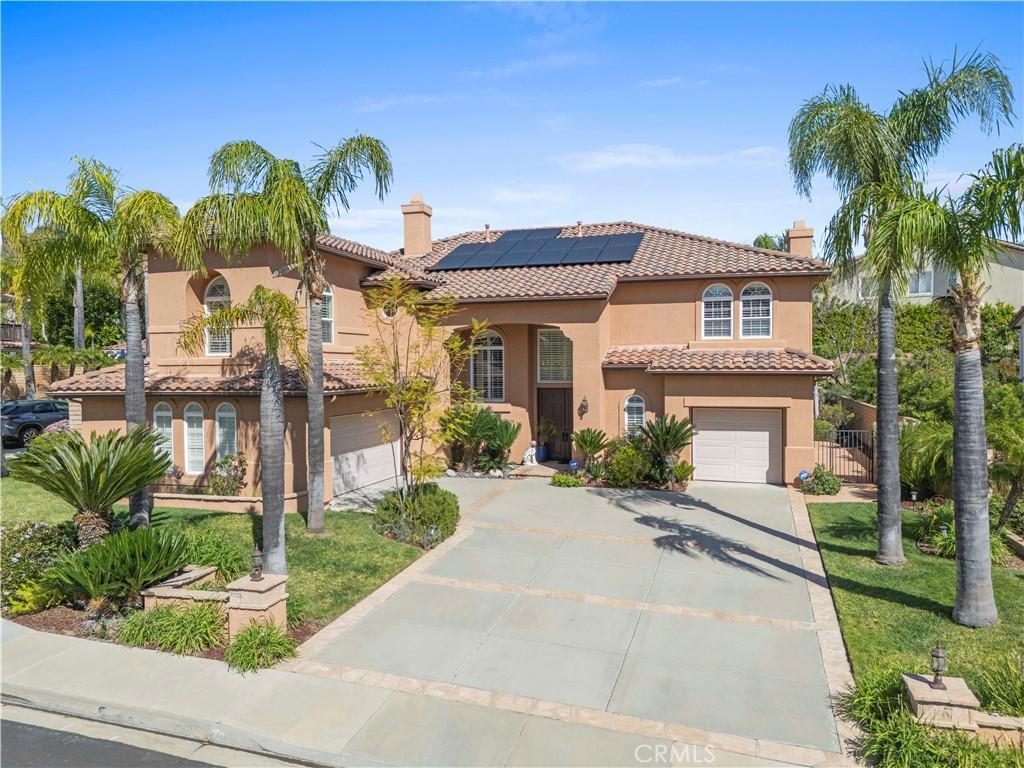
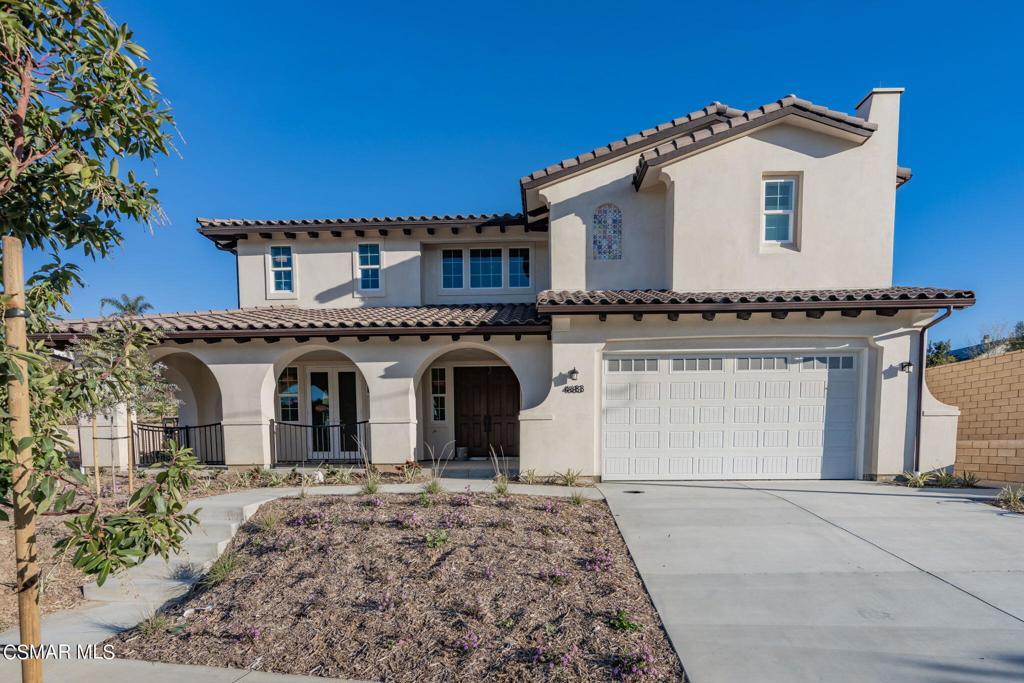
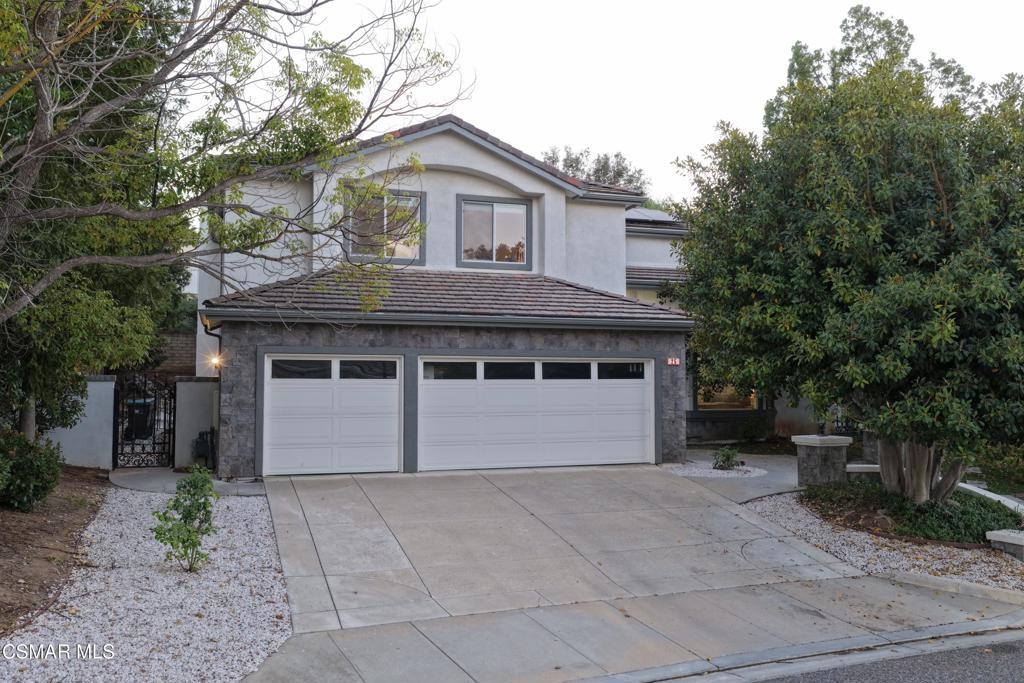
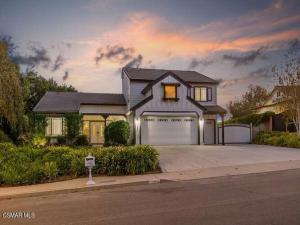
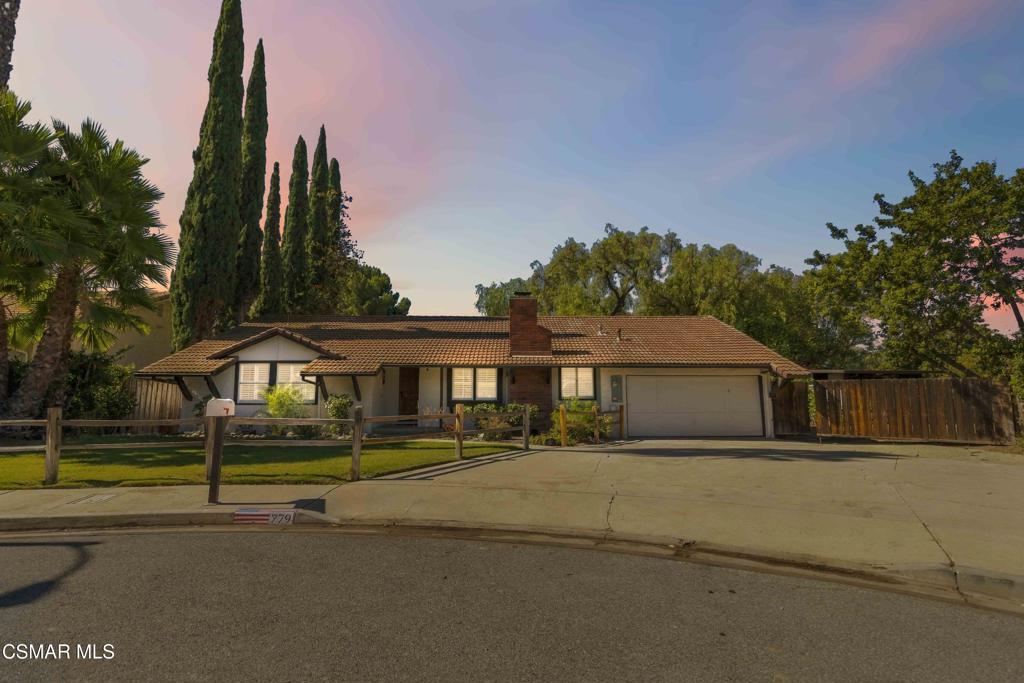
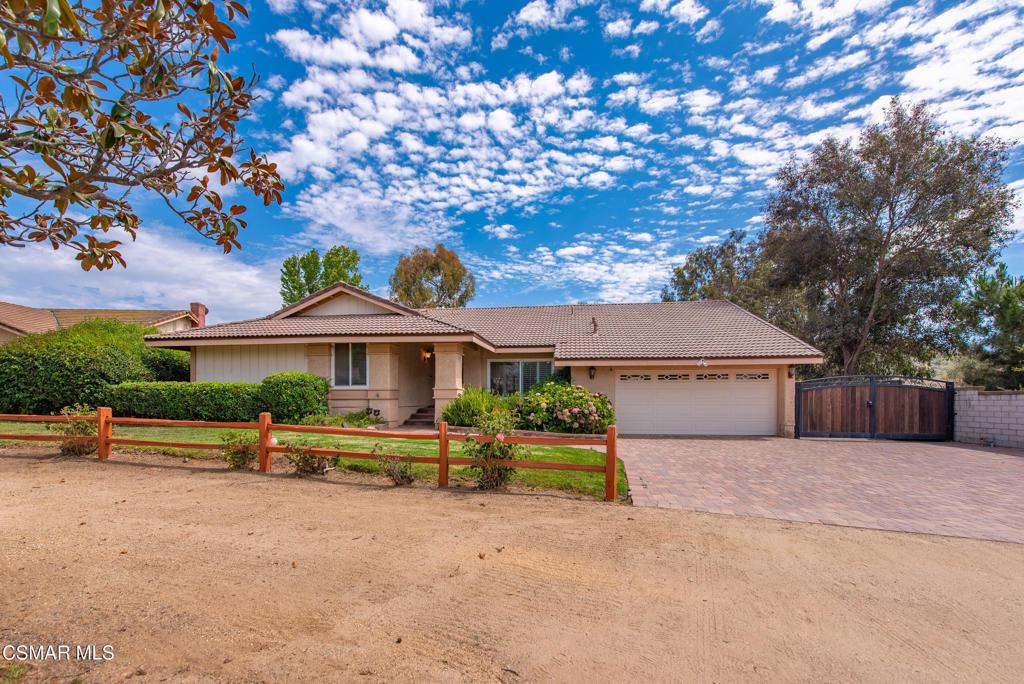
The housing stock is mostly detached single-family — 1970s and 1980s ranch homes in the $650K–$800K entry tier, updated single-story ranches with good lots in the $800K–$1.2M volume band, and hillside estates and large-lot properties from $1.2M–$2M. What varies most is geography and construction era: valley floor versus hillside, older central corridors versus Wood Ranch, the master-planned prestige address around the golf club.
What are buyers actually choosing in Simi Valley?
The choice to buy in Simi Valley is usually not about Simi Valley specifically. It starts somewhere else. usually a priced-out moment in Chatsworth, West Hills, Porter Ranch, or Granada Hills, or a moment where someone did the math on a Woodland Hills house and realized they were paying a $400K premium for a 600-square-foot lot and a shorter commute to an office they only go to three days a week.
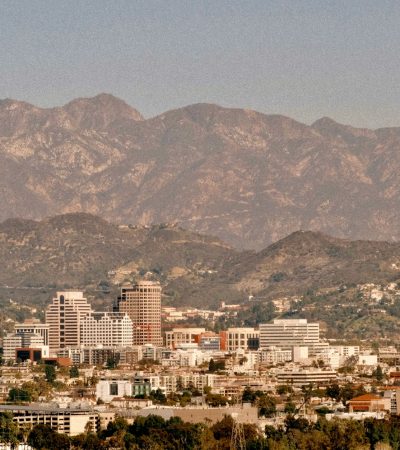
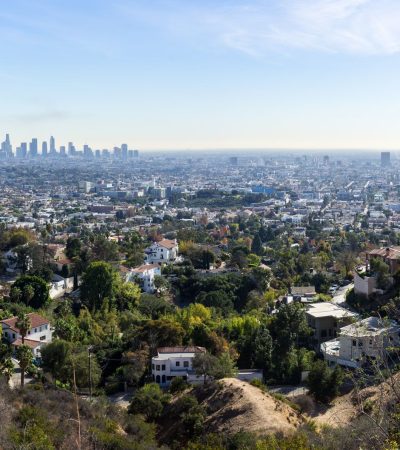
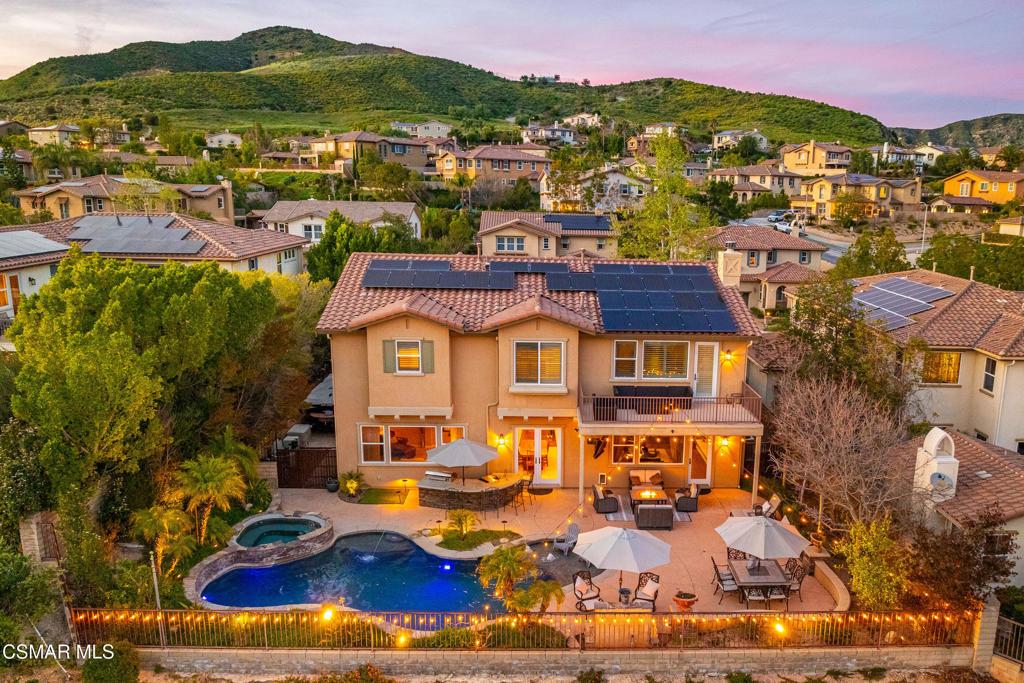
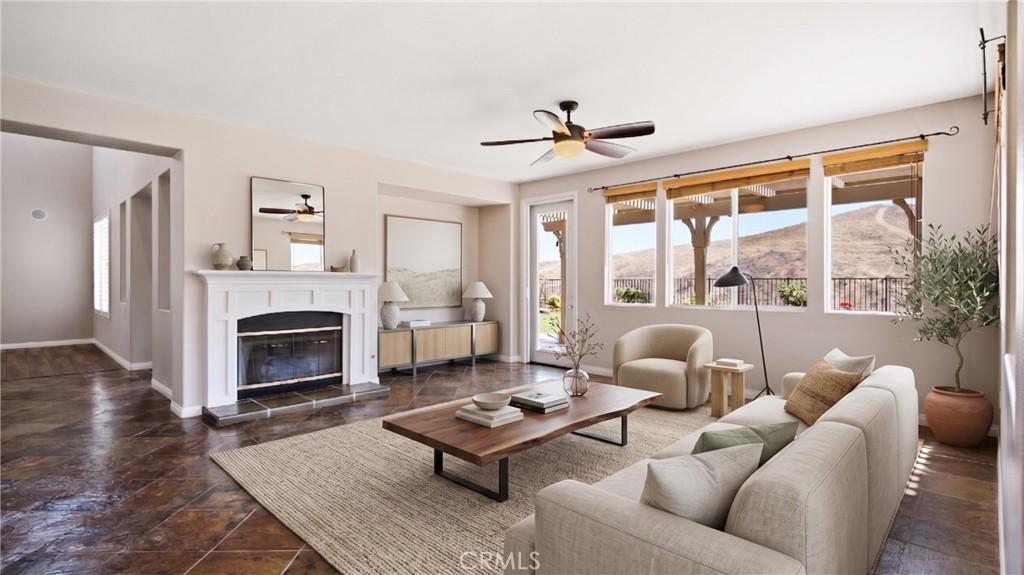
What Simi Valley offers in response is simple: more house, more lot, lower price, and a valley that’s contained by mountains on three sides in a way that gives it a visual distinctiveness that the flat grid of the San Fernando Valley cannot. The 118 Freeway corridor through the Simi Hills has a genuine geographic drama. Drive north from the Valley floor through the Santa Susana Pass and the terrain changes. you drop into a broader, quieter valley with a sky that feels bigger and a horizon that isn’t interrupted by the next subdivision.
The Ronald Reagan Presidential Library is the city’s most visible cultural landmark, and its campus. a Spanish-style complex on a hilltop above the valley with views in every direction. says something accurate about what kind of place Simi Valley aspires to be. It’s aspirational California suburbia: spacious, patriotic, oriented around families, schools, and the idea that hard work and space to breathe are reasonable things to want. More than 300,000 people visit the Library each year. It’s a destination, not just a local attraction, and it anchors the community’s identity in a way that most suburban cities don’t have.
The real estate consequence of all this: Simi Valley attracts buyers who are making a deliberate choice, not a reluctant compromise. The buyers who find their way here tend to stay.
What is the Simi Valley housing market like right now?
As of May 2026, the median sale price in Simi Valley is $849,000. roughly flat year-over-year after a modest softening from the peak years of 2021-2022. The average sale price sits closer to $906,000, which tells you that the upper half of the market (hillside homes, larger lots, premium community addresses) is pulling the average meaningfully above the median. Sale-to-list ratios are at 100 percent, meaning sellers are getting asking price on average. Days on market: 41 days, essentially unchanged from the prior year.
That’s a market in equilibrium. Not the frenzy of 2021, not the correction some buyers were hoping for. Inventory is moving at a pace that suggests real demand without the desperation bidding that characterized the post-pandemic window.
The tiering is worth understanding:
$650K–$800K is the entry tier. older construction, typically 1970s-1980s ranch-style homes in the central and eastern Valley corridors, smaller lots, sometimes the lower-rated elementary school assignments. This is where first-time buyers and downsizing seniors most often land. Competition here is consistent; well-priced homes move.
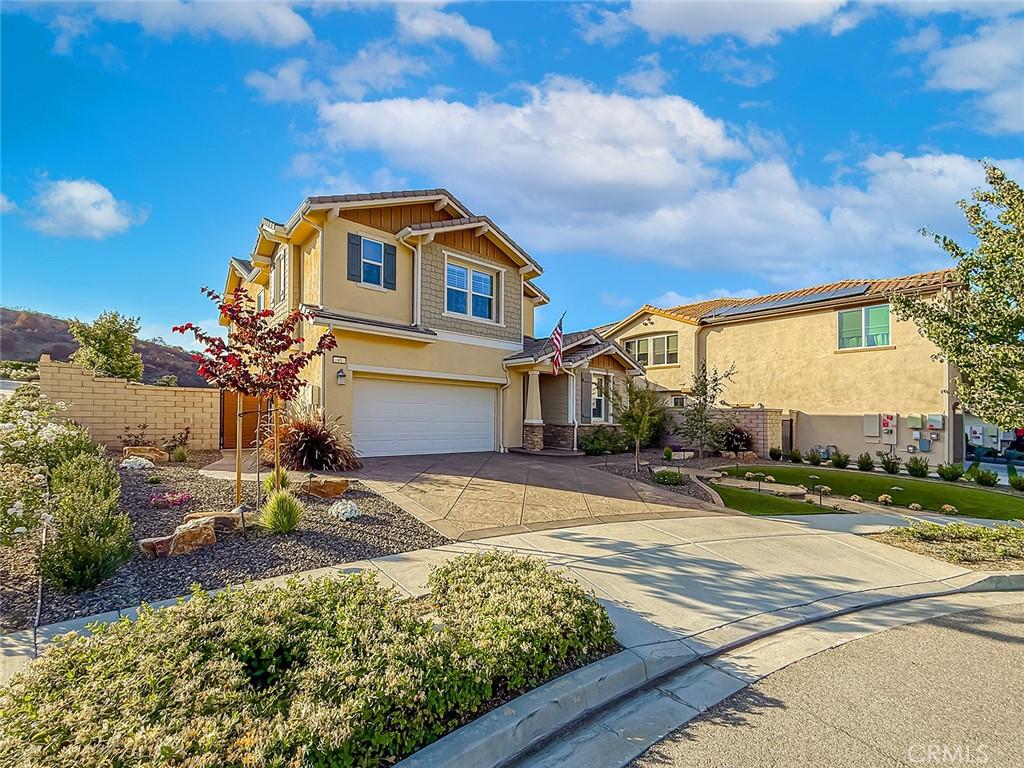
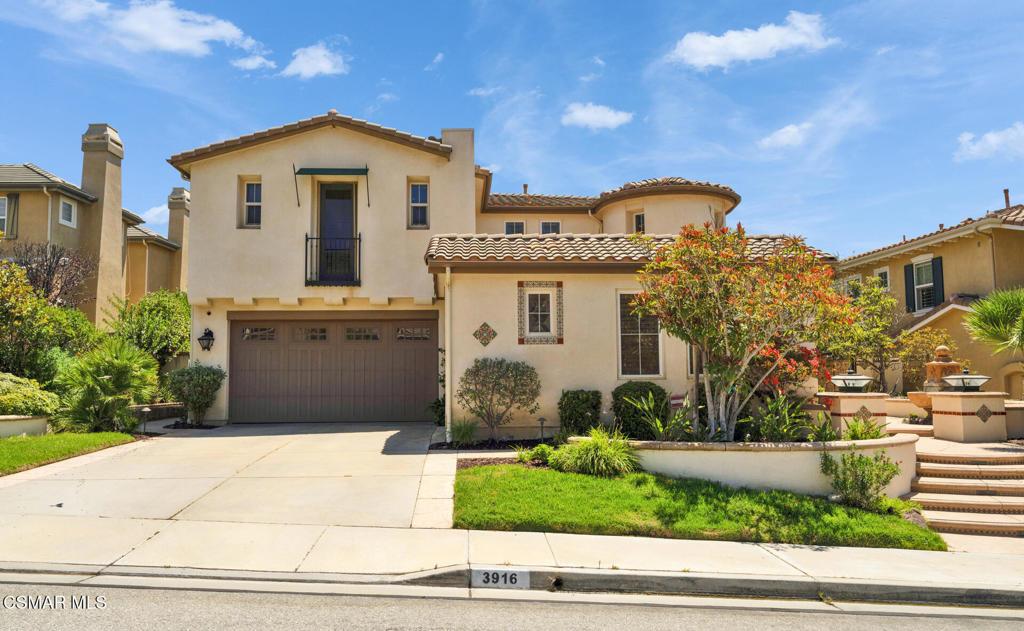
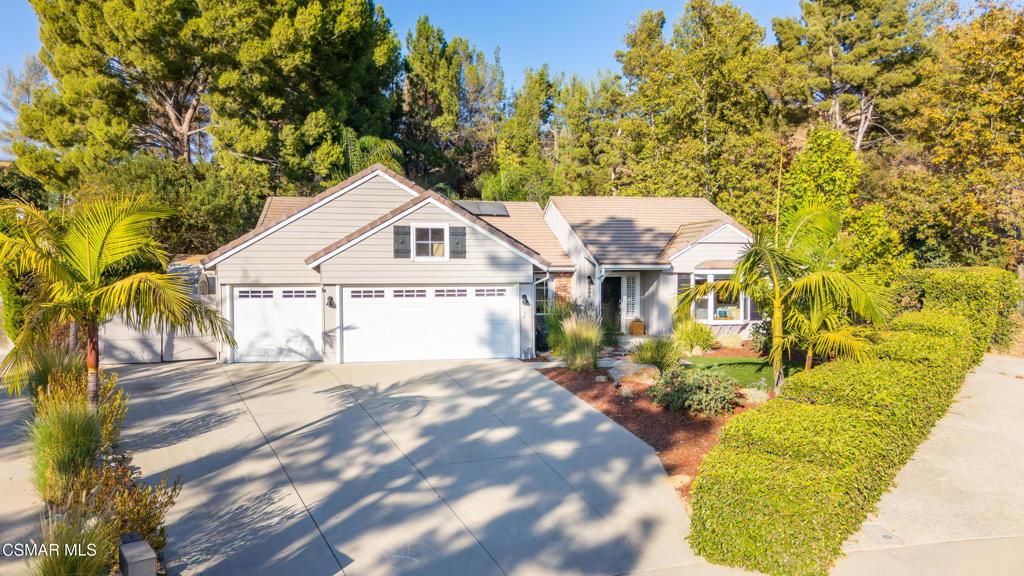
$800K–$1.2M is the volume band. single-story ranch homes with good lot sizes, updated kitchens, the neighborhoods where the 2020-2022 migration buyers put their money. This is the heart of the market. Expect to see 2-4 offers on desirable properties that price correctly. Wood Ranch homes, which have been averaging $951,000 over the past 12 months with a $1,033,000 average sale price, sit at the upper reach of this tier.
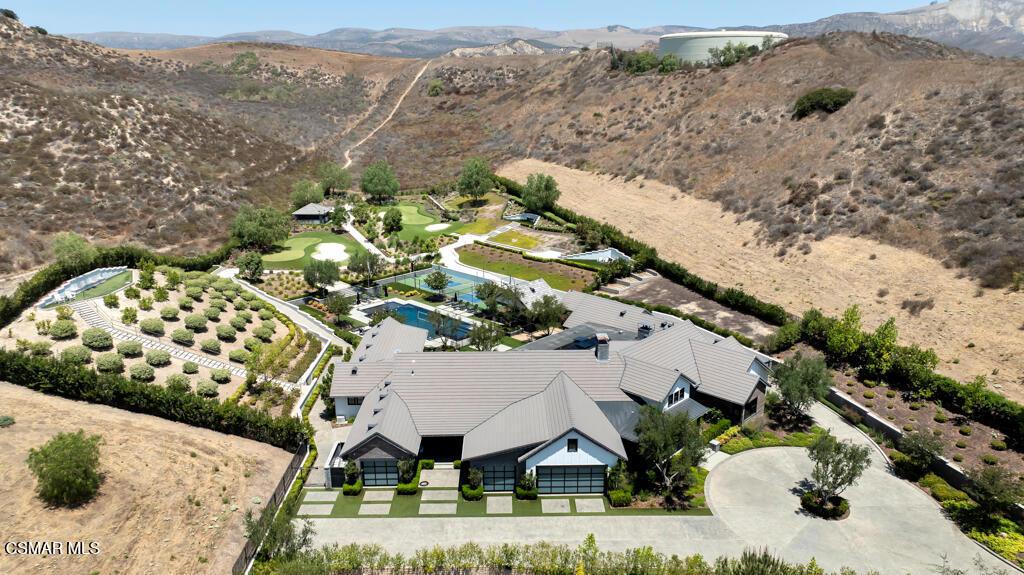
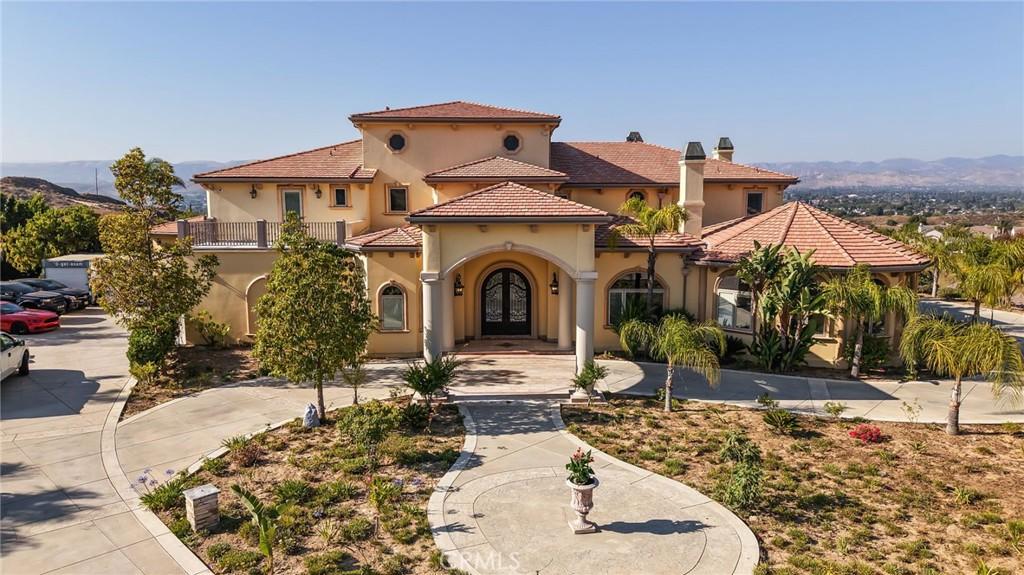
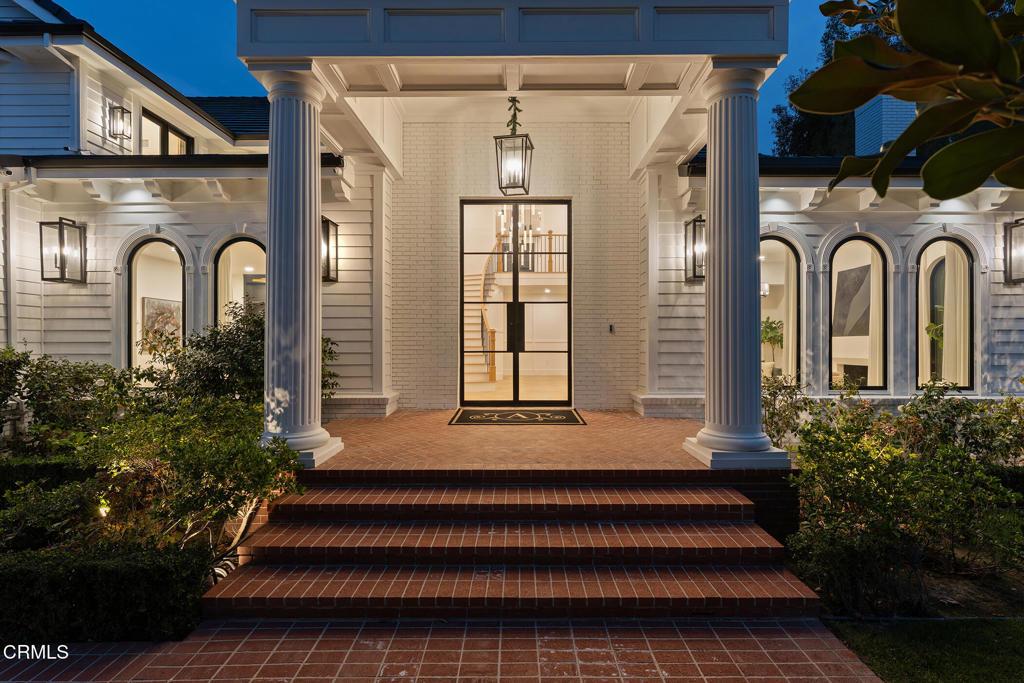
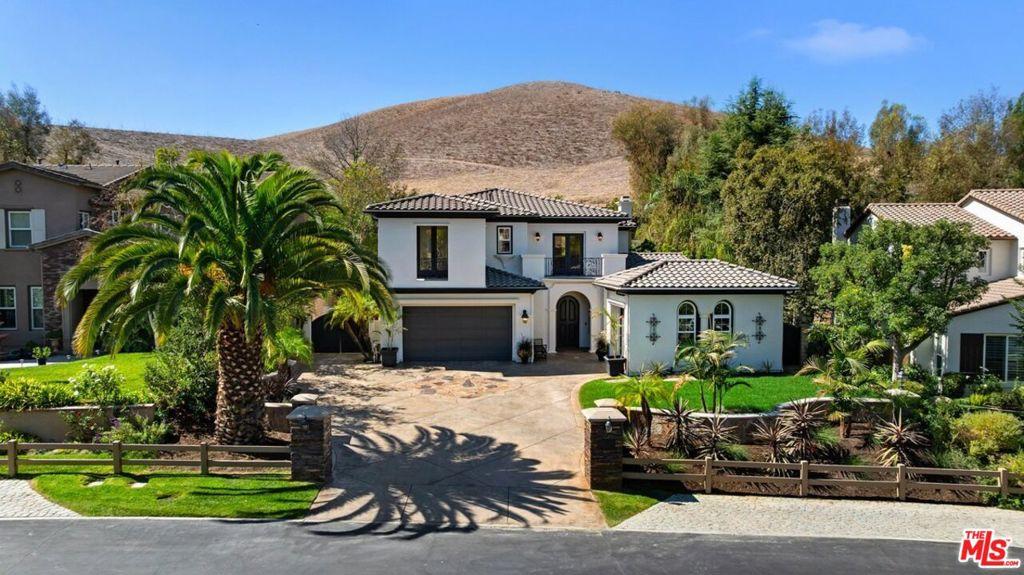
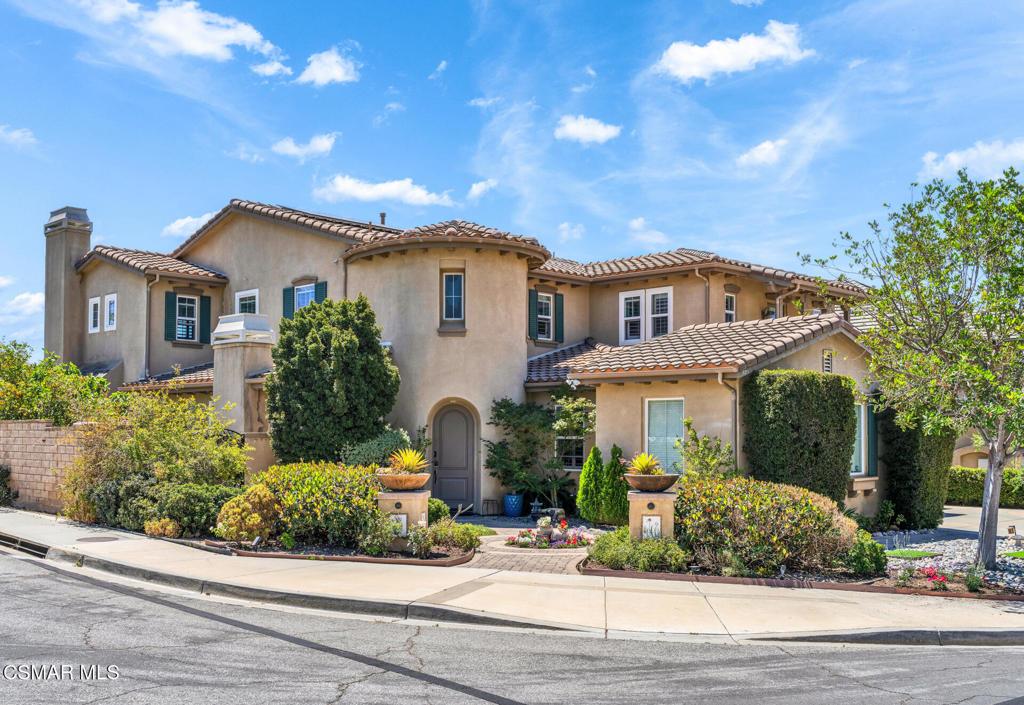
$1.2M–$2M is the premium tier. hillside estates, large-lot properties in the Knolls, homes with documented views, and the few new-construction or comprehensively rebuilt homes that appear in the inventory. Days on market can stretch to 60-90+ days at this price point. The buyer pool is real but patient.
The honest market read: the value spread between Simi Valley and comparable square footage in the SFV has compressed since 2021. A home in Simi Valley that would have been $150,000-$200,000 cheaper than its Chatsworth equivalent in 2019 might now be only $75,000-$100,000 cheaper. The trade-off against commute time needs to pencil differently now than it did when remote work was still a novelty.
Which neighborhoods should buyers know in Simi Valley?
Simi Valley is not a city of dramatically different neighborhoods in the Pasadena-has-San-Marino-has-Arcadia sense. It’s more a city of gradations. geographic position (valley floor vs. hillside), construction era, and lot size drive the meaningful distinctions. That said, there are pockets where buyers specifically shop.
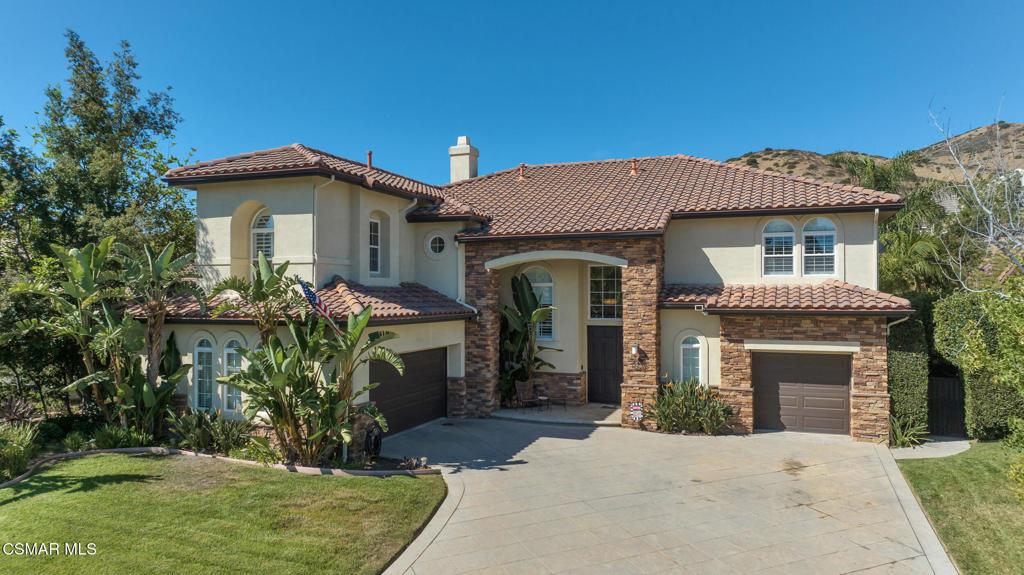
Wood Ranch is the city’s prestige address, a master-planned community in the southwestern part of the city organized around the Wood Ranch Golf Club. The homes here. a mix of 1980s-1990s construction with a significant inventory of rebuilt and comprehensively updated properties. are on generally larger lots with the golf course and mature landscape as the organizing backdrop. If you’re approaching Simi Valley from a Calabasas or West Hills address and you want a community that delivers some of the same planned-community polish, Wood Ranch is where you look. Current pricing puts the median above $950,000.
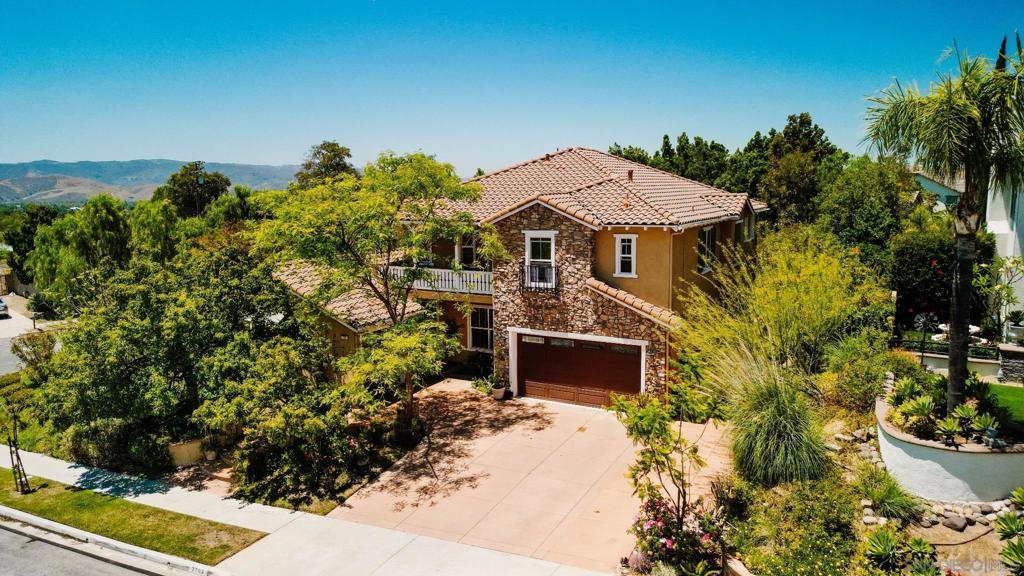
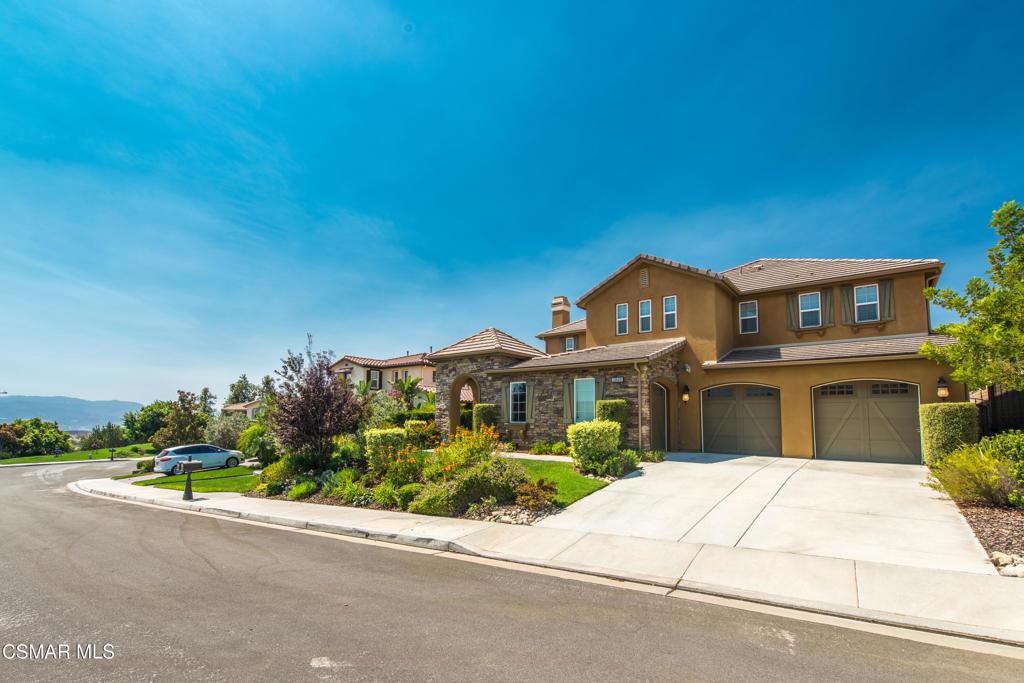
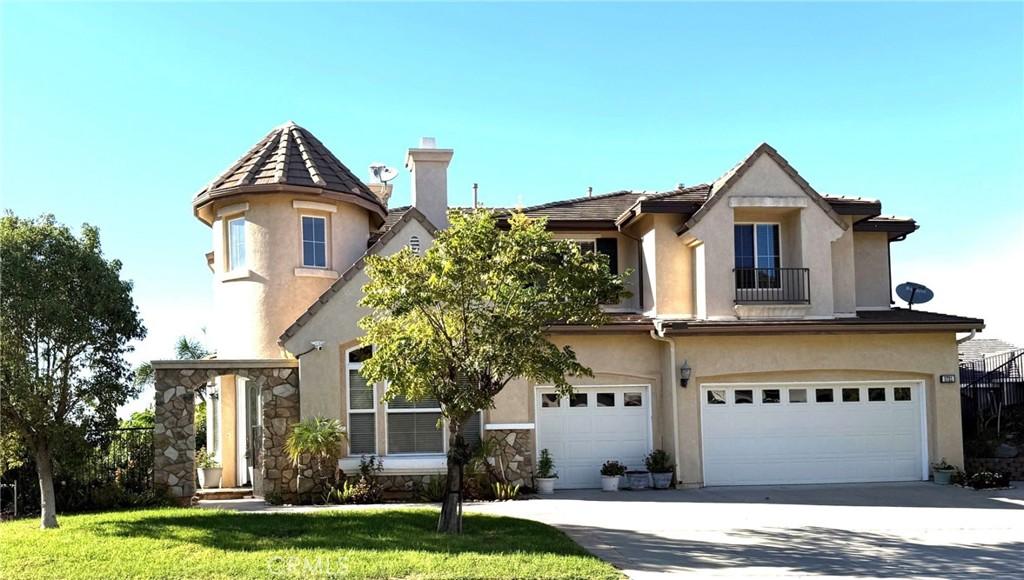
Big Sky occupies the northeastern hills above the valley floor with the advantage of elevation. many Big Sky homes have views across the Simi Valley floor to the mountains on the far side. The community was developed in phases from the 1990s into the early 2000s and has sub-communities including Castlewood at Big Sky, Windstone at Big Sky, and Crosspointe at Big Sky. These are larger, two-story homes that appeal to families wanting newer construction and the view premium.
Bridle Path sits in the western section of the valley and is one of the few communities in Simi Valley where horse-keeping is built into the community infrastructure. Equestrian trails run through the neighborhood and connect to the broader open space. Buyers who specifically want a horse property in the $1M-$2M range look here first.
Santa Susana Knolls is the part of Simi Valley that is least suburban in character. an older neighborhood on the western hillside terrain with larger lots, more irregular street geometry, and homes that were built to individual specifications rather than tract standards. Architecturally and in terms of lot character, it’s one of the more distinctive addresses in the city. Pricing varies widely based on condition, lot size, and view.
Wild Horse Canyon represents the city’s hillside premium tier. a gated enclave with view-oriented properties on larger lots at the upper reach of the Simi Valley price scale.
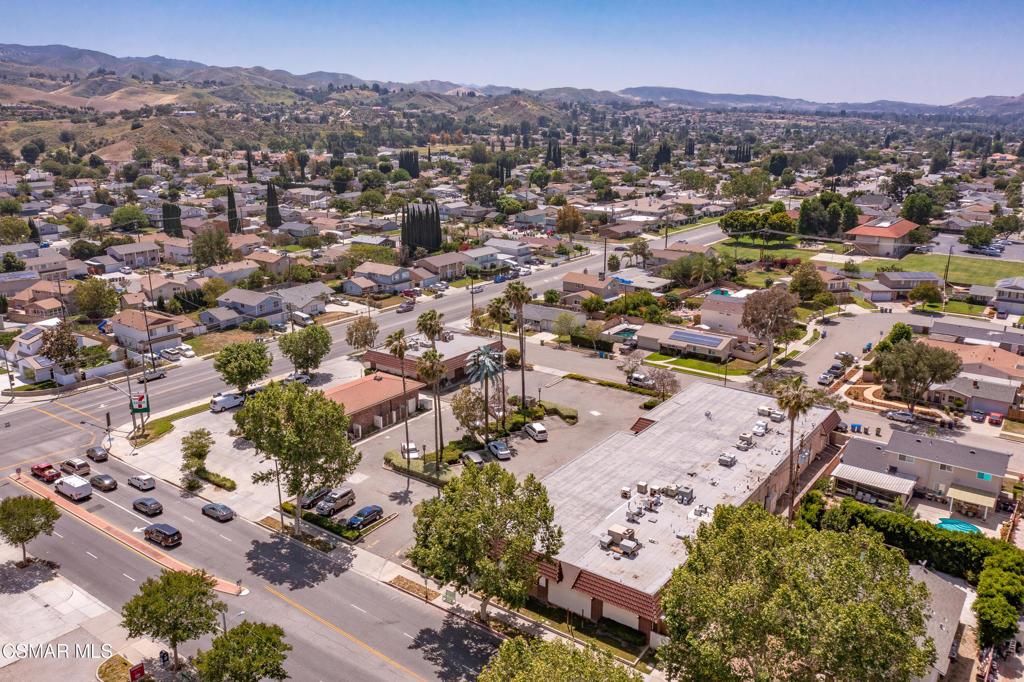
For buyers interested in the flat valley floor, the neighborhoods surrounding the Los Angeles Avenue and Tapo Canyon Road corridors offer the best volume of entry-to-mid tier inventory, with the trade-off of less distinctive character and tighter lots.
Who is buying homes in Simi Valley?
The Simi Valley buyer in 2026 is mostly one of five people:
The SFV refugee with school-age children. They looked at Chatsworth and Porter Ranch, ran the school district numbers, and realized they could get more house and equivalent. sometimes better. public school quality with a 15-minute push to the Valley floor. The Simi Valley Unified School District routinely scores above California averages. Royal High School and Simi Valley High School both have academic and extracurricular infrastructure that competes with the upper-tier SFV public schools.
The hybrid worker who made the commute peace. From 2020 to 2022, a significant wave of buyers decided the 118 was worth it if they were only driving it twice a week. Most of them are still here and still satisfied with the choice. These buyers paid peak prices but locked in sub-4% mortgages, and the math still works for them. The buyers entering now need to make the same assessment freshly. two-to-three-day commuters are the most natural fit.
The move-up buyer from Moorpark or Simi Valley’s own starter tier. This is a real and active cohort. Families who bought in the $650K range five to seven years ago and now need a bigger home are trading up to the $900K-$1.3M range in Wood Ranch or Big Sky.
The cash-equity buyer from LA County. Someone who sold a Northridge or Canoga Park home for $800K-$1.1M, has significant equity, and wants to step into a genuinely larger home without taking on an unmanageable mortgage. Simi Valley’s price point still enables this move in a way that Porter Ranch or Chatsworth may not.
The retiree seeking suburban quiet. Single-story ranch homes on large lots with good access to medical services and the commercial infrastructure of the 118 corridor. Simi Valley delivers this profile efficiently.
What is unique to Simi Valley in the county?
Simi Valley’s competitive position within Ventura County is specific. It isn’t competing with Ventura City’s coastal character or Thousand Oaks’s biotech executive address. It’s competing with the eastern San Fernando Valley for buyers who are genuinely on the fence about crossing the county line.
What it offers that the SFV doesn’t is the geography. The valley itself, ringed by the Santa Susana Mountains, the Simi Hills, and the range to the north, creates a contained, visually distinctive setting that no SFV neighborhood can replicate. The Corriganville area, on the eastern edge of the city, occupies former Western movie ranch terrain and accesses Rocky Peak Open Space and the broader Santa Monica Mountains National Recreation Area trail network. The hiking accessible from residential streets here is genuinely serious. not paved pedestrian paths, but single-track and fire road terrain into protected wilderness.
The school district. Simi Valley Unified. deserves mention as a specific county differentiator. Compared to the Oxnard or Ventura school districts, SVUSD operates in a narrower demographic band with a family-oriented community that invests heavily in extracurricular programming and parent engagement. For families choosing between western Ventura County cities, the school district factor consistently points toward Simi Valley.
And the price point. at $849K median in May 2026. puts a 4-bedroom, 2,000+ square foot detached home within range of buyers who in Los Angeles County would be looking at townhomes or condominiums at comparable budgets.
What should buyers watch for before buying in Simi Valley?
The commute is real and you need to test it. The 118 Freeway in the westbound morning direction and the 23 Freeway connector to the 101 are both congested during peak commute windows. Drive your specific commute route on a Tuesday morning before you make an offer. “35 miles” from downtown LA is not a meaningful data point. “73 minutes in traffic” is. Remote and hybrid workers need to be honest about their actual office attendance frequency and how stable that is likely to be over a 5-7 year ownership horizon.
The political and cultural context is real. Simi Valley is among the more politically conservative cities in Southern California. The city hosted the 1992 Rodney King trial verdict that triggered the Los Angeles riots. This history is documented, discussed, and known in the LA real estate community. The buyer who wants a politically homogeneous, conservative suburban community will find it here. The buyer who is moving from a more diverse urban environment and for whom community cultural composition matters should be explicit with themselves about what they’re choosing. There is no value judgment embedded in naming this. but omitting it from a buyer’s due diligence would be a disservice.
Post-pandemic repricing has happened. The wave of buyers who entered between 2020 and 2022 pushed Simi Valley prices toward near-SFV equivalency. The discount-versus-the-Valley that existed for decades has compressed. This means the current buyer is paying for an asset that has already absorbed a significant appreciation event. That’s fine if you’re holding for 10+ years. It’s a more complex picture if your horizon is 3-5 years and you’re counting on similar appreciation to fund a move-up.
Wildfire risk exists in the hillside communities. The terrain above the Knolls, the eastern corridors, and the open space-adjacent neighborhoods on the northern edge of the city carry material fire risk during Santa Ana wind events. Insurance availability and cost have changed significantly in California in the past five years. Before purchasing in any hillside Simi Valley neighborhood, verify fire insurance availability, current annual premium, and any recent changes to defensible space requirements for the specific property.
Where can I see homes for sale in Simi Valley?
The 83 communities beneath the Simi Valley hub span the full range of what this city actually looks like: from master-planned golf communities to hillside enclave estates to the older, more eclectic residential fabric of the western Valley. A few worth starting with:
Wood Ranch. The city’s benchmark community for buyers crossing over from the Conejo Valley or Calabasas side of the market. Golf course setting, mature landscaping, and a price tier that starts at $850K and runs past $1.5M.
Big Sky. Newer construction, elevated terrain, and some of the best valley views available in the city without going into full hillside estate territory. Sub-communities within Big Sky include Castlewood, Windstone, and Crosspointe.
Wild Horse Canyon. For buyers at the upper end of the market who want the gate, the views, and the space that defines Simi Valley’s luxury tier.
Bridle Path. The equestrian community for buyers who want horses and trail access integrated directly into the residential setting.
Santa Susana Knolls. Older, more individual, with character that the tract communities don’t have. Larger lots, irregular streets, a different pace. For the buyer who specifically doesn’t want a planned community.
The Oaks. A smaller enclave community that represents mid-tier Simi Valley at a community scale that feels less corporate than the larger master-planned developments.
Sycamore Ridge. Valley-floor community with the mature sycamore tree canopy that earns the name and provides a landscape character that newer construction can’t replicate.
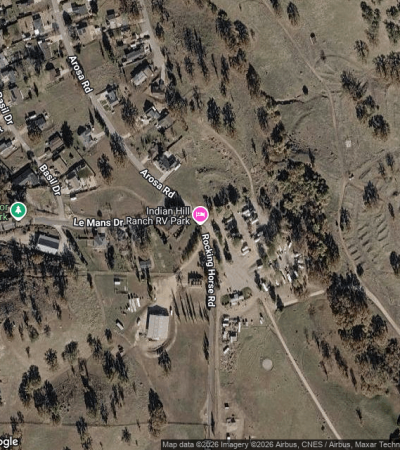
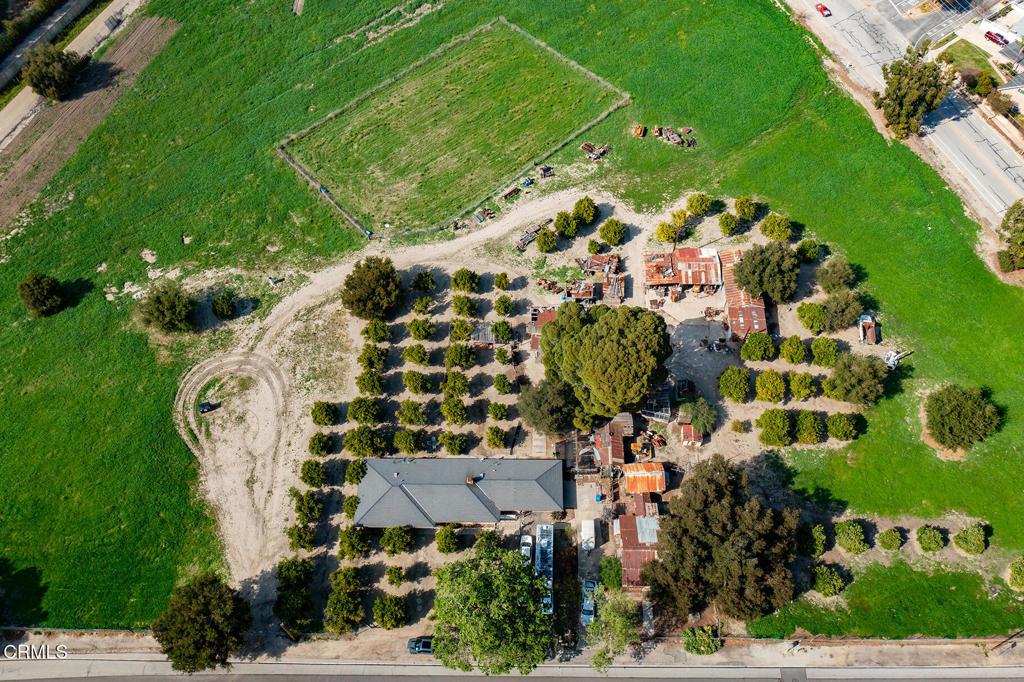
Indian Hills Ranch. Ranch-style properties with larger lot standards that appeal to buyers who want the feel of a semi-rural address within city boundaries.
There are 83 Simi Valley communities in TKG’s research inventory. If you don’t see what you’re looking for here, contact us. we work the full market.
The Knight Group serves buyers and sellers across Ventura County, including the full Simi Valley market. Call us at [phone] or use the contact form below to connect with an agent who knows this city specifically.
How Should Buyers Weigh Commute Against Space in Simi Valley?
The math that brings most people over the Santa Susana Pass has shifted. When the price gap against comparable Chatsworth square footage was $150,000 to $200,000, the drive paid for itself quickly. At today’s narrower $75,000 to $100,000 spread, the calculation depends on how many days a week you actually commute. Buyers heading into an office five days a week need to price the drive honestly. Buyers on a two- or three-day hybrid schedule are usually still ahead, and they’re the ones filling the $800K–$1.2M volume band.
Where you land in the valley changes the trade differently than price alone suggests. Valley floor addresses in the central and eastern corridors sit closest to the 118 and carry the lowest entry cost. Hillside and Wood Ranch properties cost more and add minutes to every trip out. Anyone shopping Simi Valley real estate should decide which of those two things they’re actually buying before touring, because the two tiers rarely appeal to the same household.
What is it like to buy Homes For Sale In Simi Valley?
- Homes For Sale In Simi Valley draw buyers arriving from a priced-out moment in Chatsworth, West Hills, Porter Ranch, or Granada Hills.
- Buyers trade proximity to Los Angeles for square footage, a real yard, and a mountain backdrop that frames the valley floor.
- Housing stock across the city is mostly detached single-family, with ranch homes from the seventies and eighties forming the entry tier.
- Updated single-story ranches with good lots occupy the volume band, while hillside estates and large-lot properties sit at the top.
- Geography and construction era vary most, separating valley floor from hillside and older central corridors from Wood Ranch.
- Wood Ranch functions as the master-planned prestige address organized around the golf club.
- Simi Valley sits in equilibrium, described as neither a frenzy nor a correction, with sellers getting asking price.
- Woodland Hills comparisons often push buyers here once the math on a premium for a tiny lot stops penciling.
- Commute logic has shifted for buyers who go into an office only part of the week rather than daily.
- Mountains contain the valley on three sides, giving a visual distinctiveness the flat grid of the San Fernando Valley cannot match.
- Santa Susana Pass delivers drivers into a broader, quieter valley with a bigger sky and an uninterrupted horizon.
- The Ronald Reagan Presidential Library anchors community identity from a Spanish-style hilltop campus with views in every direction.
- Homes For Sale In Simi Valley attract buyers making a deliberate choice rather than a reluctant compromise, and those buyers tend to stay.
What is the market for Homes For Sale In Simi Valley like?
- Median pricing across Simi Valley has held roughly flat year-over-year after a modest softening from the peak years.
- Average sale price sits above the median, showing that hillside homes, larger lots, and premium addresses pull the upper half higher.
- Sale-to-list ratios indicate sellers are getting asking price on average across the city.
- Days on market have stayed essentially unchanged from the prior year, pointing to a market in equilibrium.
- Inventory moves at a pace suggesting real demand without the desperation bidding of the post-pandemic window.
- The entry tier holds older ranch-style construction in central and eastern Valley corridors, with smaller lots and sometimes lower-rated elementary assignments.
- First-time buyers and downsizing seniors land most often in the entry tier, where well-priced homes move consistently.
- The volume band covers single-story ranch homes with good lot sizes and updated kitchens, the heart of the market.
- Wood Ranch homes sit at the upper reach of the volume band on both median and average sale price.
- The premium tier gathers hillside estates, large-lot properties in the Knolls, documented-view homes, and rare new or rebuilt construction.
- Homes For Sale In Simi Valley at the premium tier can sit longer, since the buyer pool there is real but patient.
- Big Sky occupies the northeastern hills with elevation, view premiums, and sub-communities including Castlewood, Windstone, and Crosspointe.
- Bridle Path in the western valley builds horse-keeping into community infrastructure, with equestrian trails connecting to broader open space.
- Homes For Sale In Simi Valley form a city of gradations rather than dramatically different neighborhoods, driven by position, era, and lot size.
What should buyers know before choosing Homes For Sale In Simi Valley?
- Simi Valley competes with the eastern San Fernando Valley for buyers genuinely on the fence about crossing the county line.
- Geography is the differentiator, with the Santa Susana Mountains, the Simi Hills, and the northern range ringing a contained valley.
- Corriganville on the eastern edge occupies former Western movie ranch terrain and reaches Rocky Peak Open Space and regional trail networks.
- Hiking from residential streets runs to single-track and fire road terrain into protected wilderness rather than paved pedestrian paths.
- Simi Valley Unified operates in a narrower demographic band with heavy investment in extracurricular programming and parent engagement.
- Families weighing western Ventura County cities find the school district factor consistently pointing toward Simi Valley.
- Median pricing puts a four-bedroom detached home within reach of budgets that would buy townhomes or condominiums in Los Angeles County.
- Buyers should drive their specific route on a weekday morning, because minutes in traffic mean more than mileage from downtown.
- Remote and hybrid workers need honesty about actual office attendance and how stable that pattern stays over a long ownership horizon.
- Simi Valley ranks among the more politically conservative cities in Southern California, a documented and openly discussed context.
- Post-pandemic repricing has compressed the long-standing discount against the Valley, so current buyers pay for an absorbed appreciation event.
- Wildfire risk is material in hillside neighborhoods above the Knolls, the eastern corridors, and open space-adjacent northern edges.
- Homes For Sale In Simi Valley in hillside areas warrant verifying fire insurance availability, current premium, and defensible space requirements before purchase.