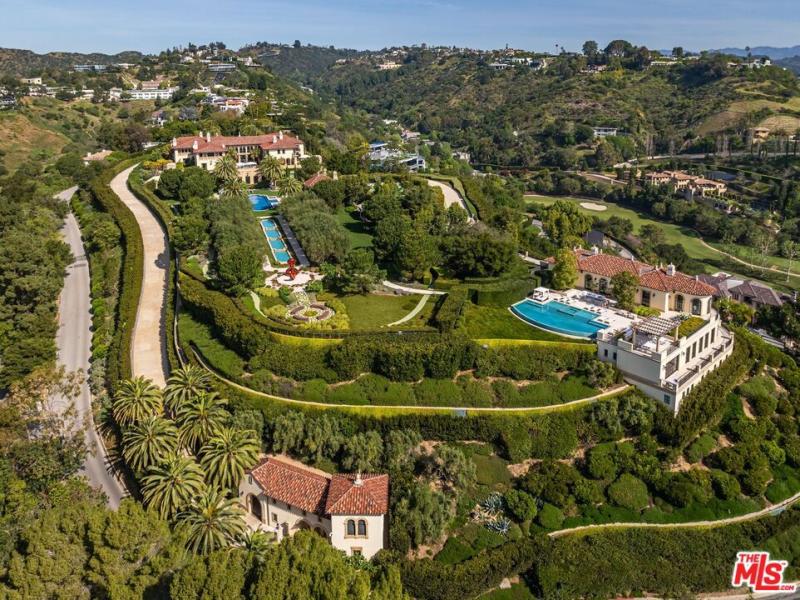
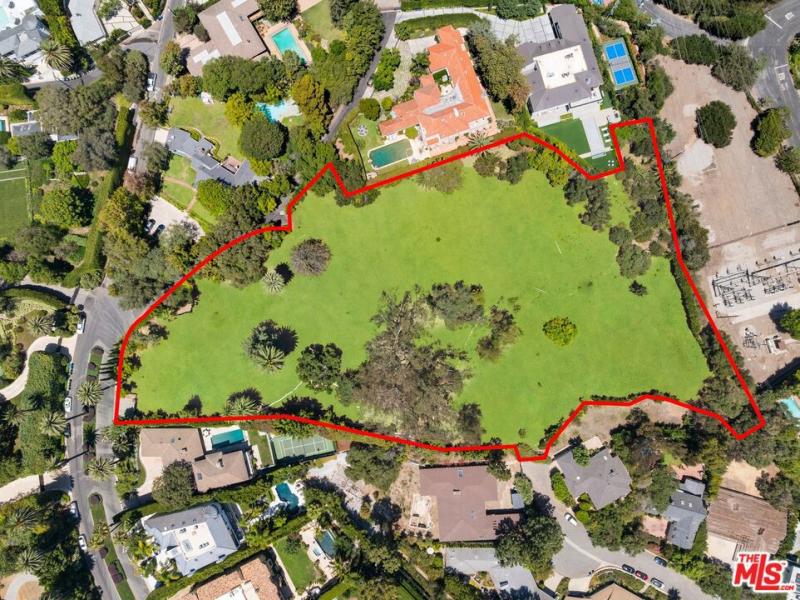
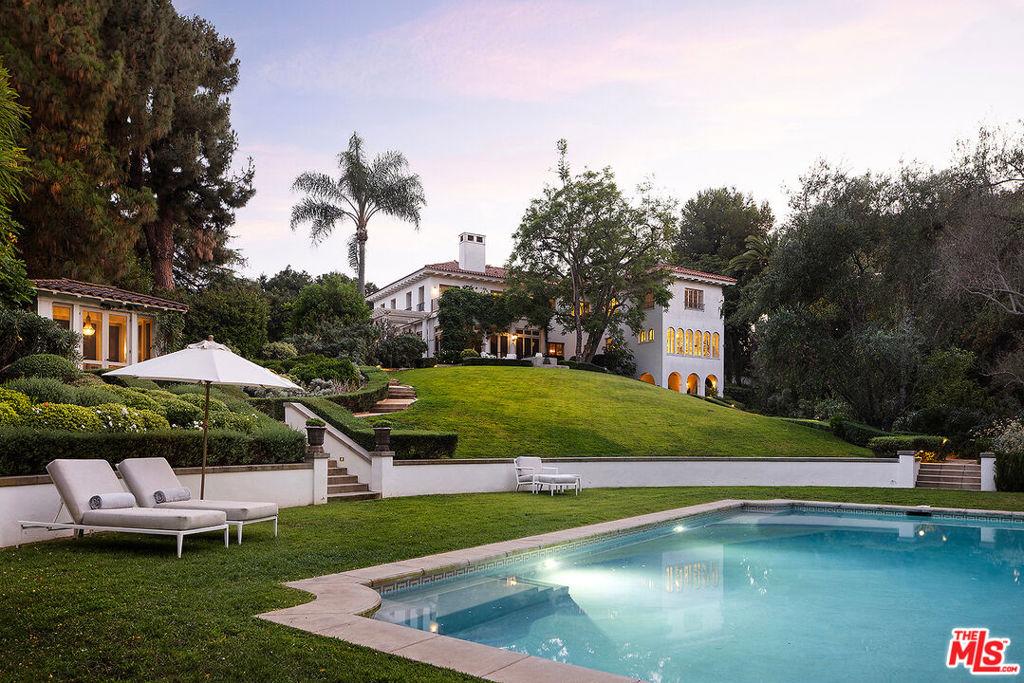
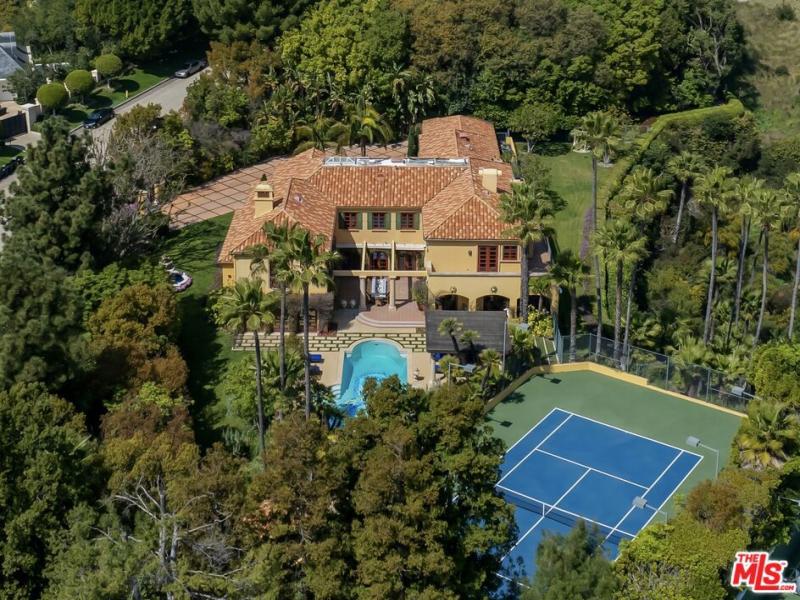
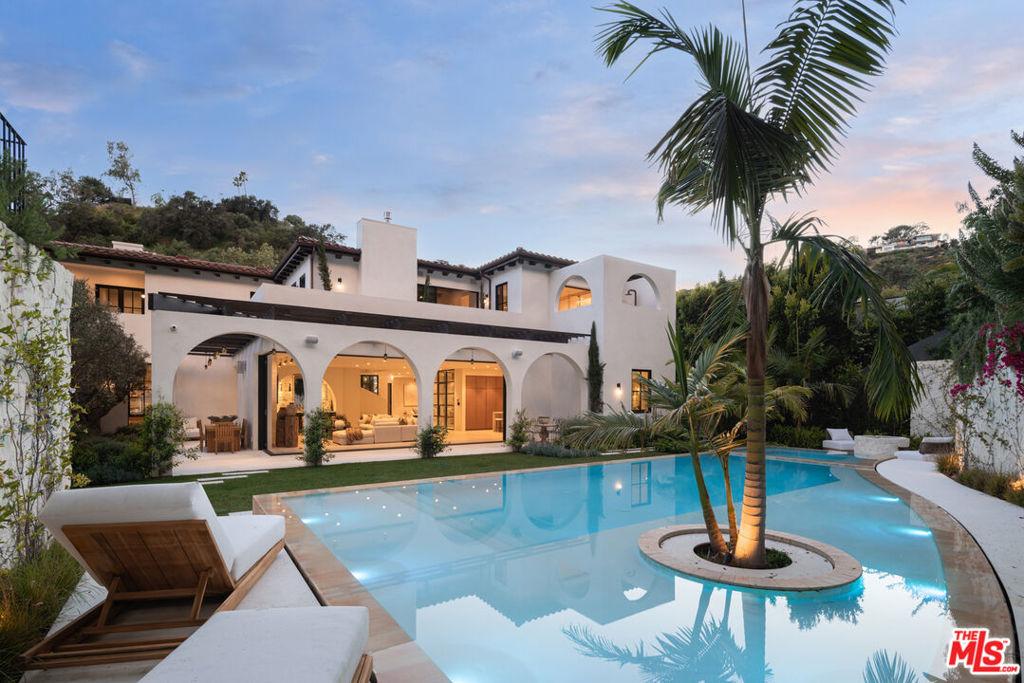
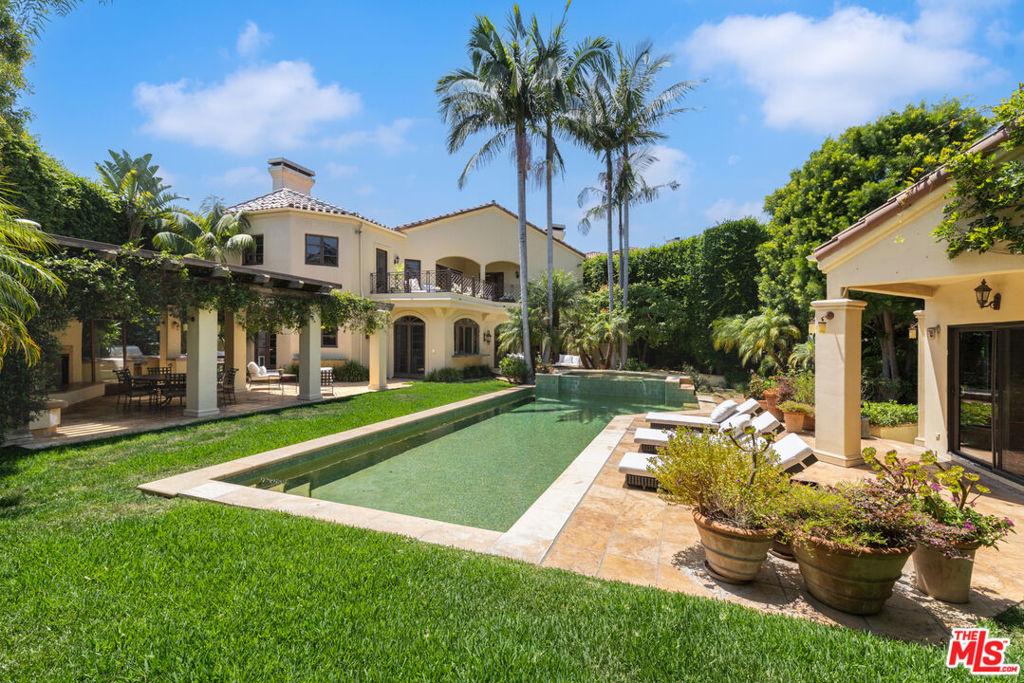
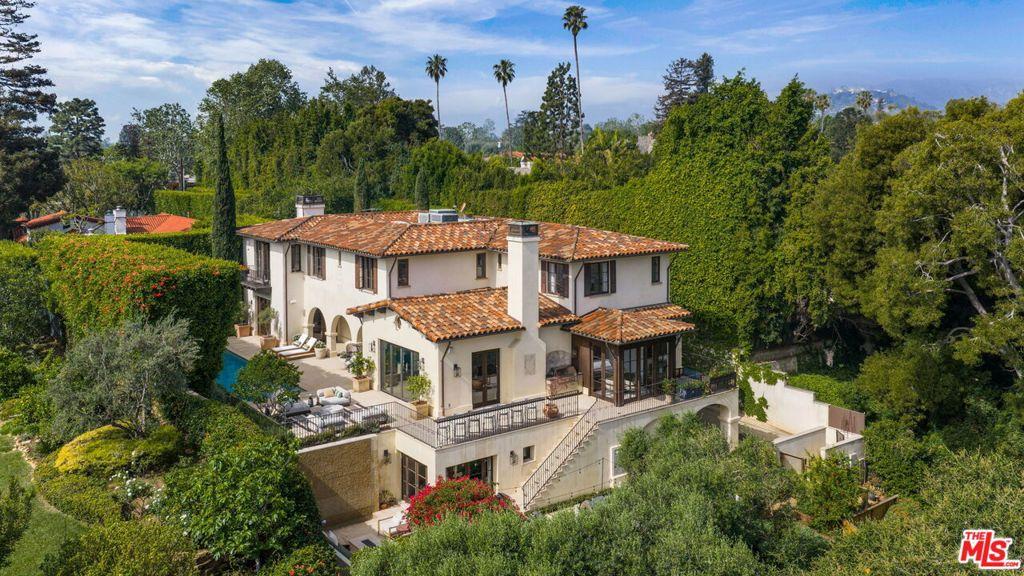
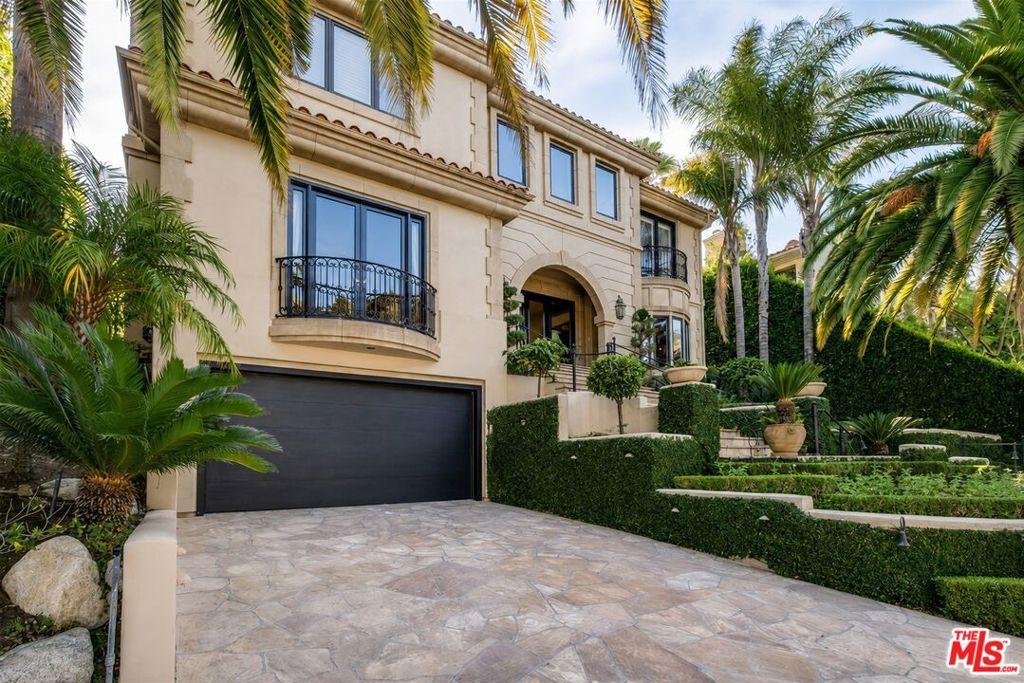
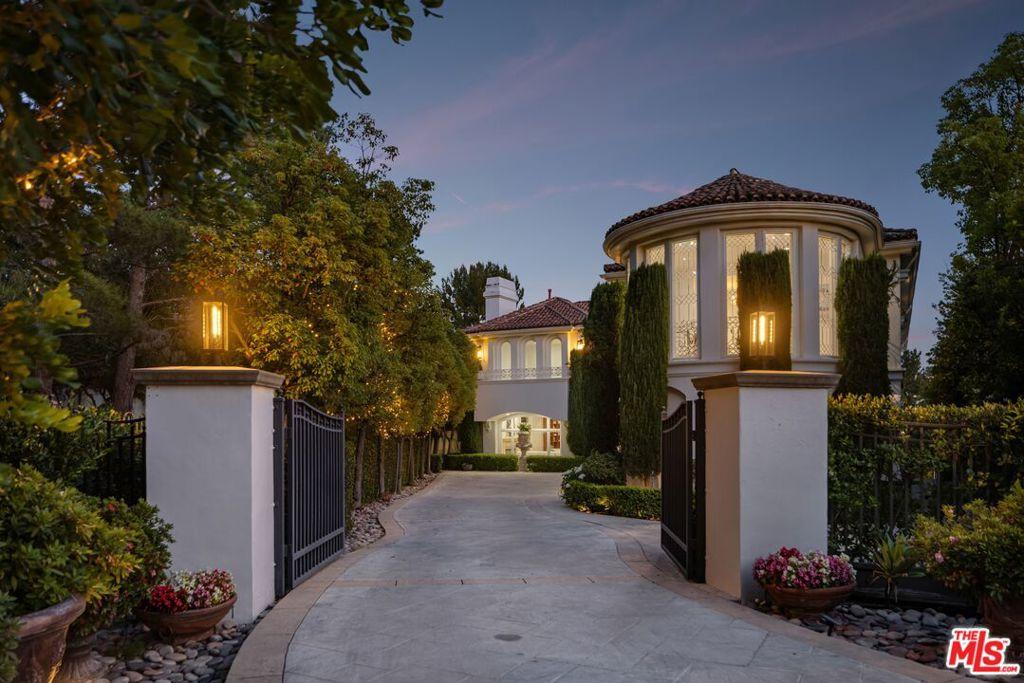
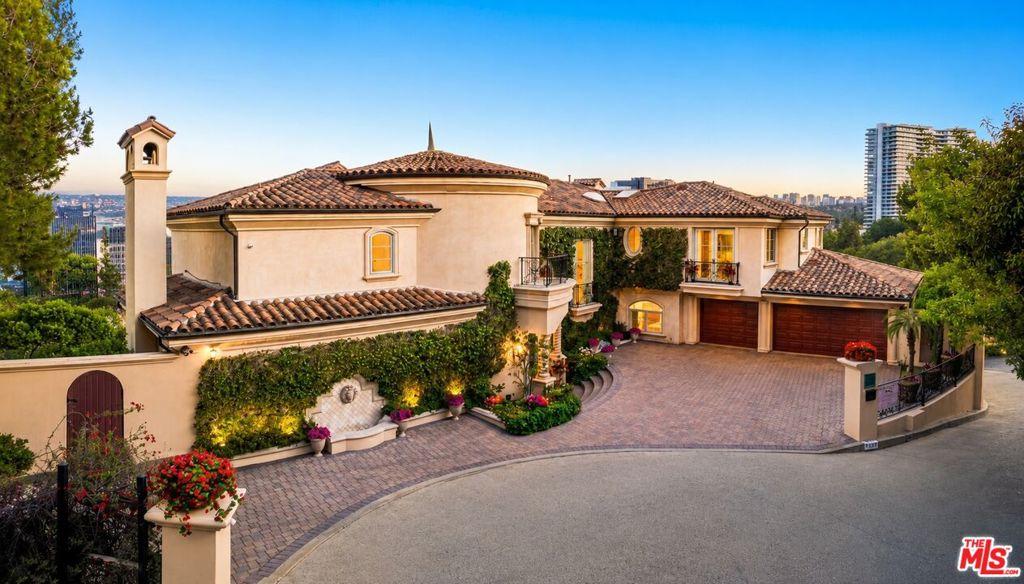
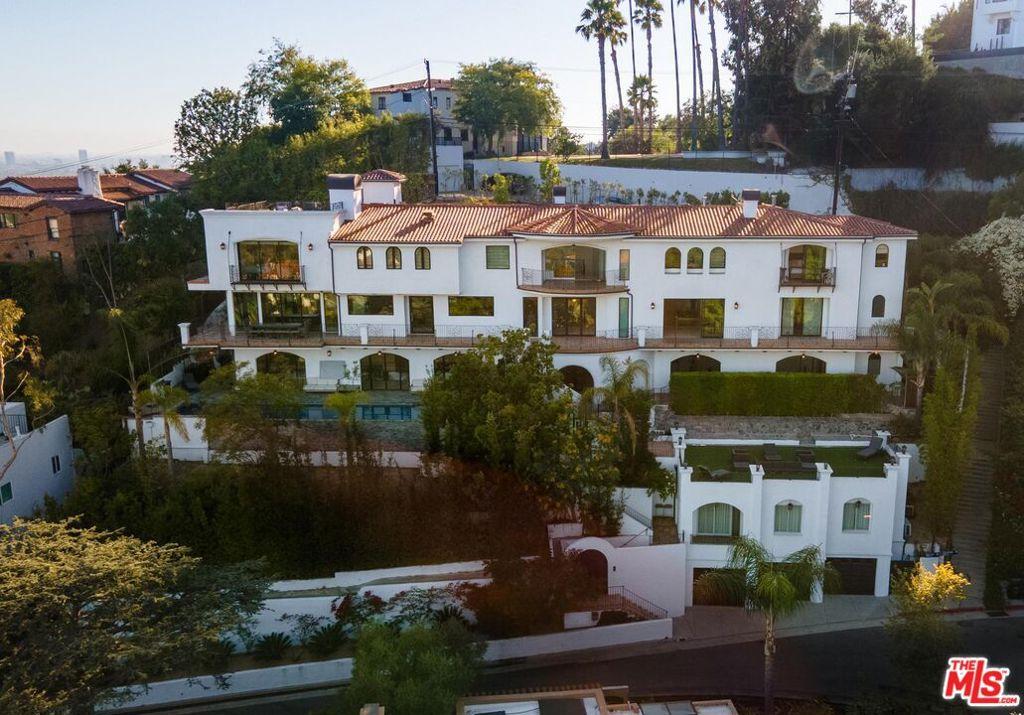
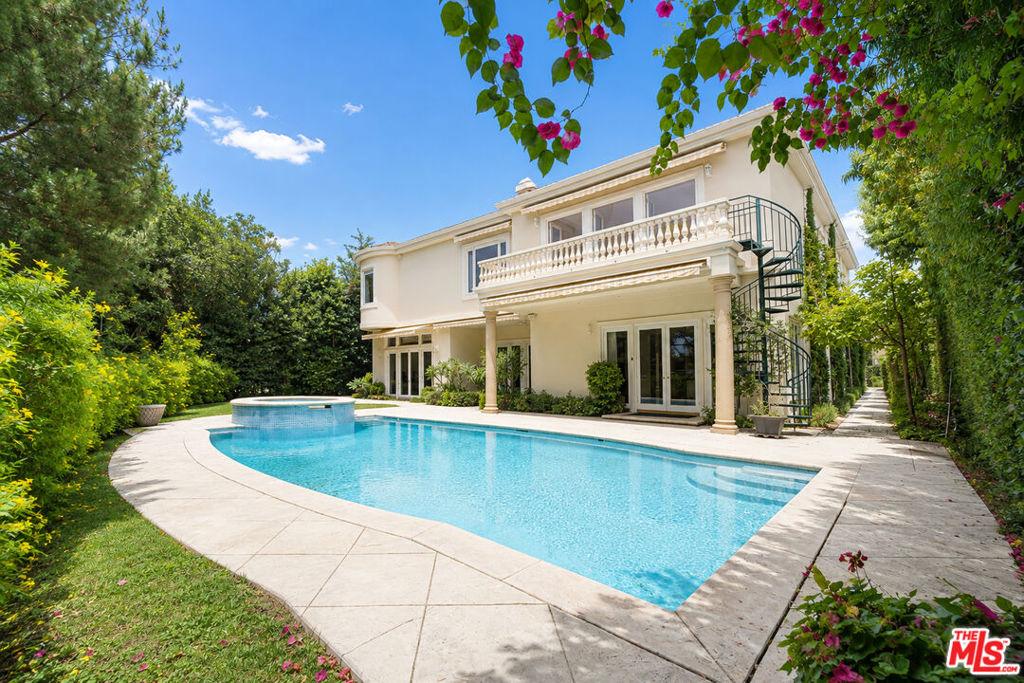
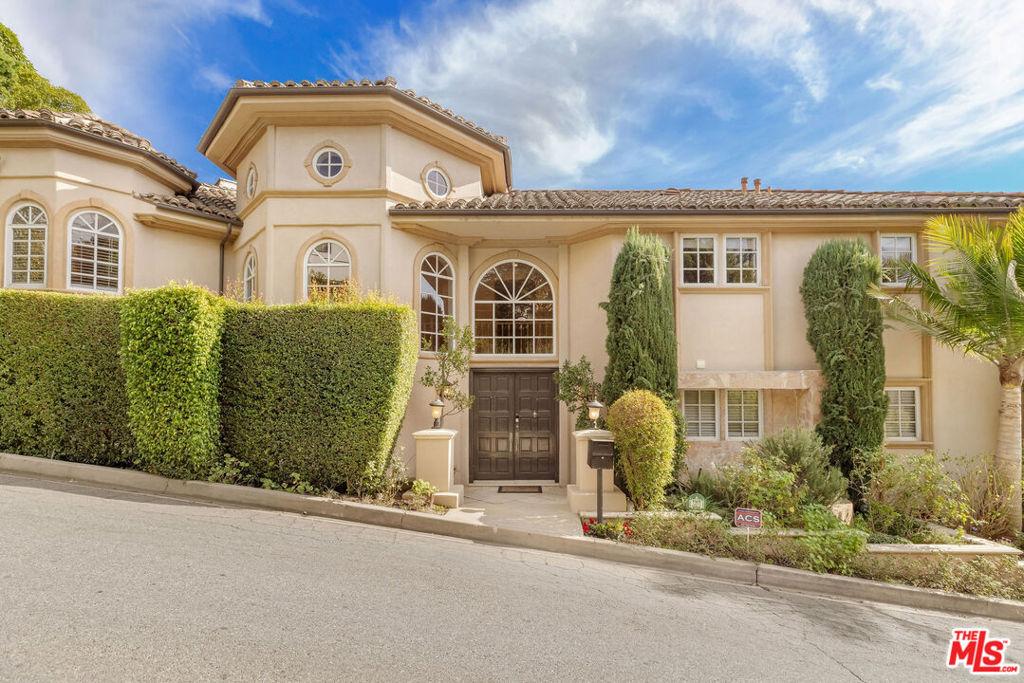
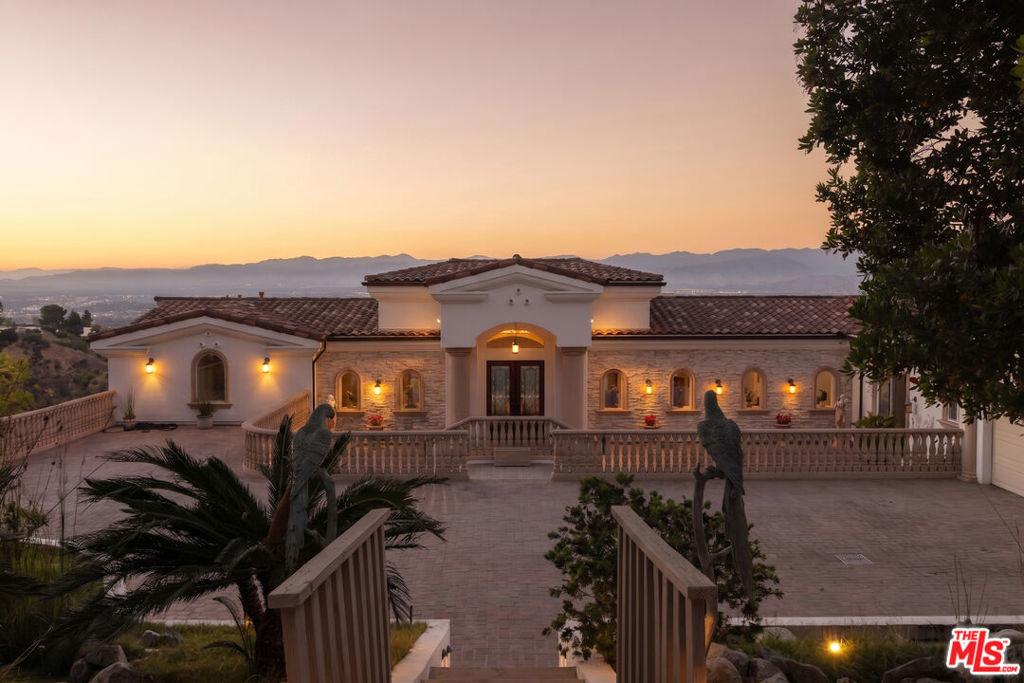
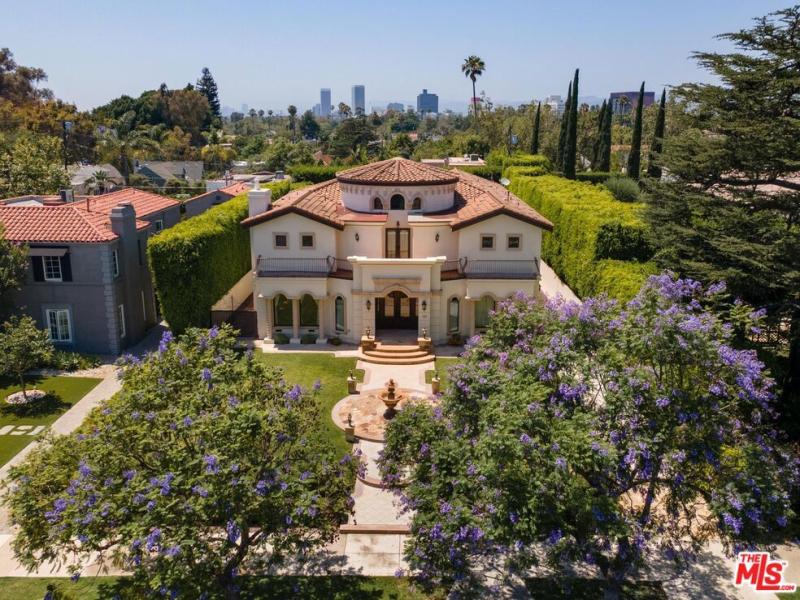
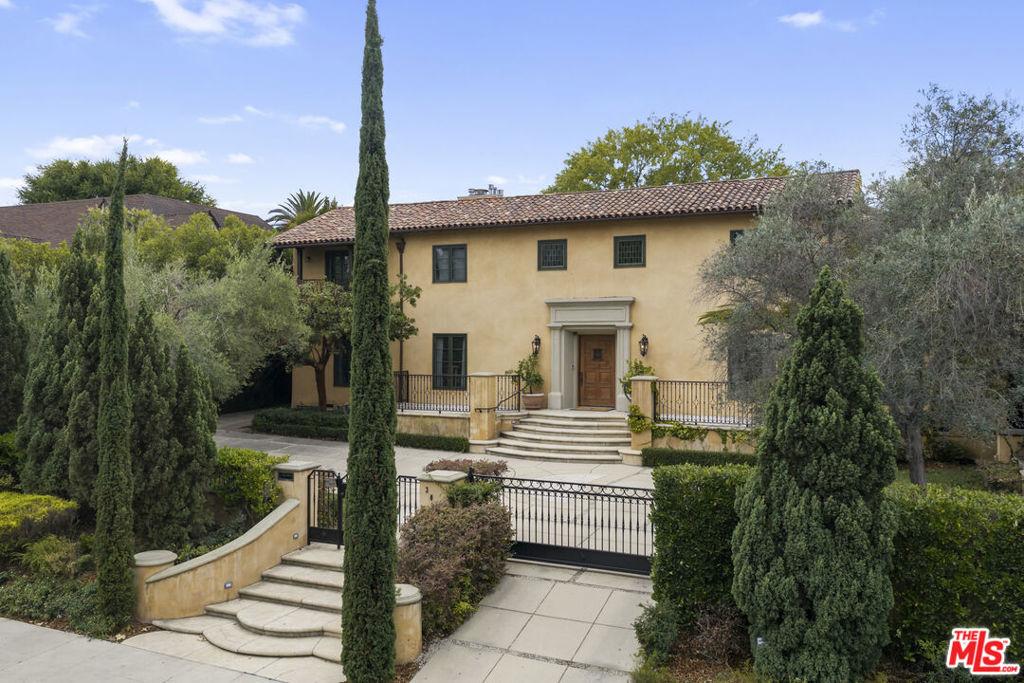
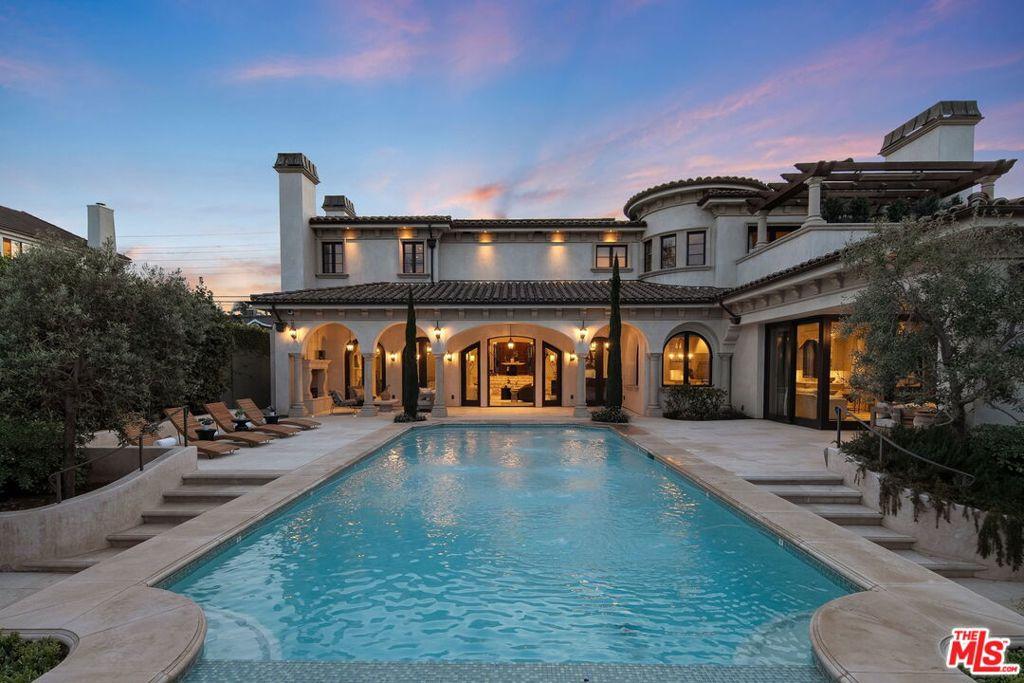
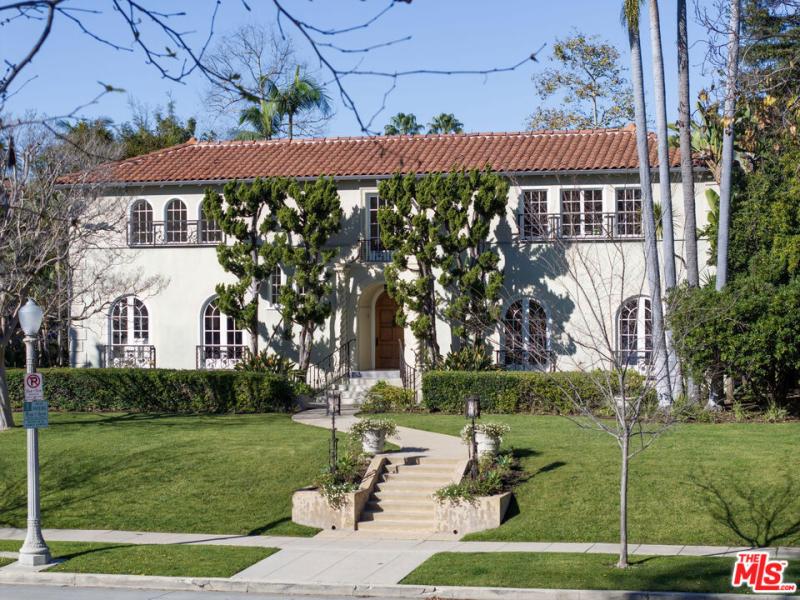
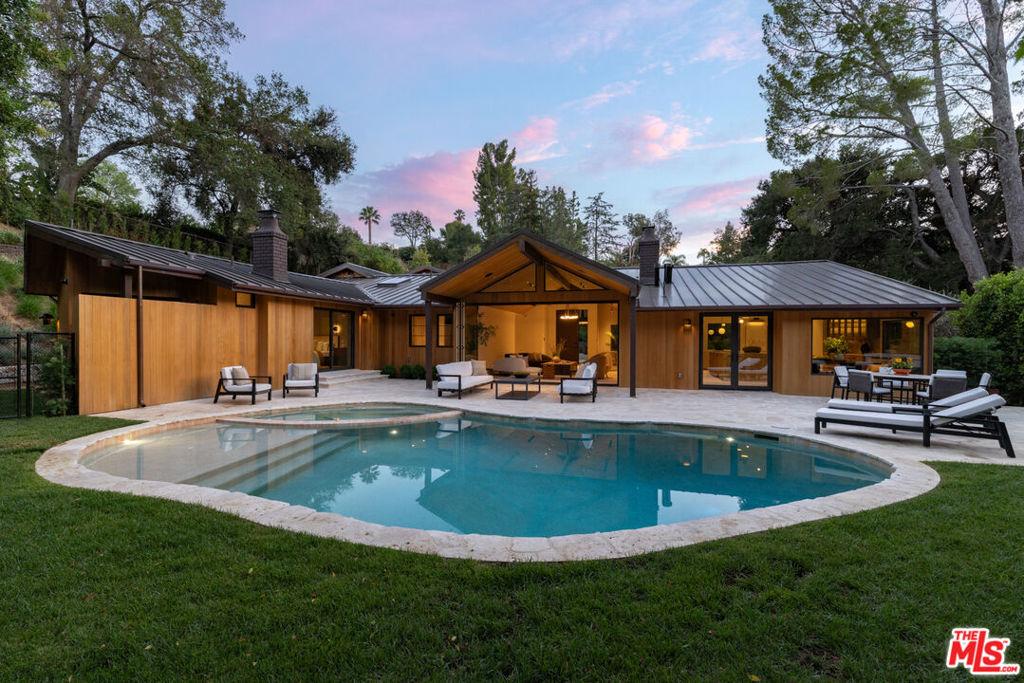
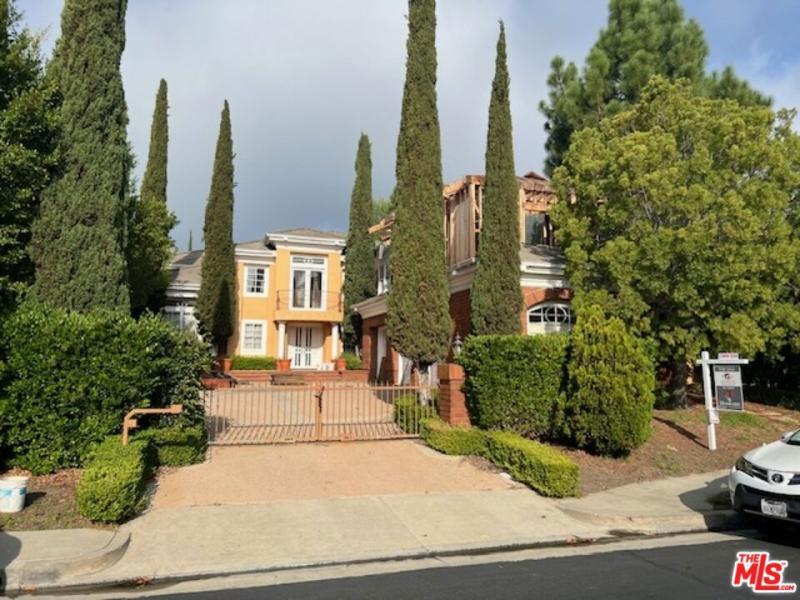
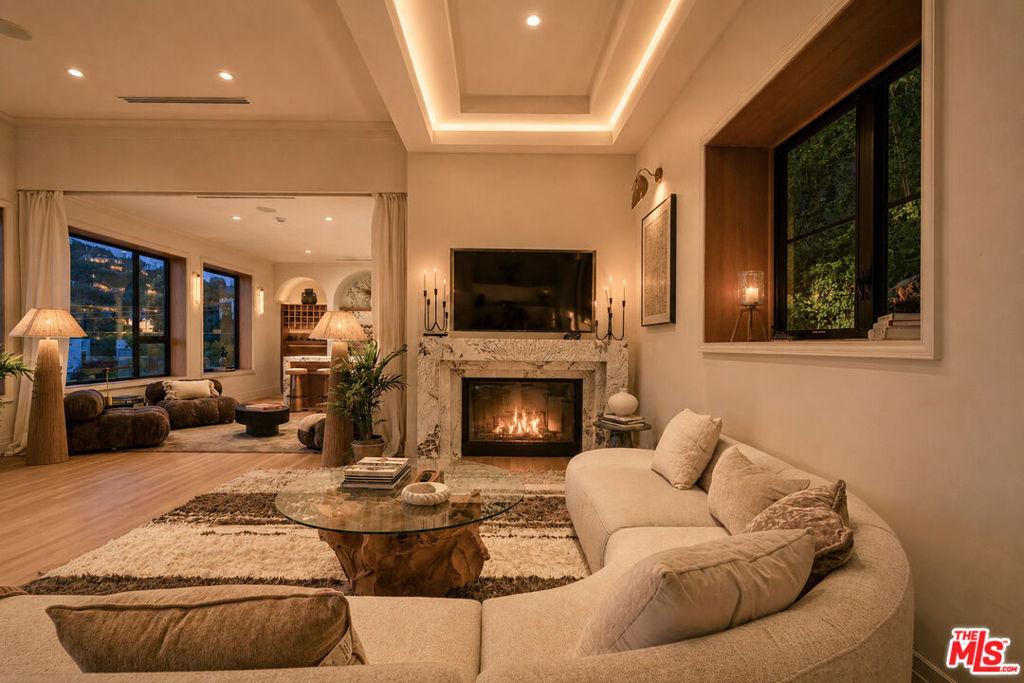
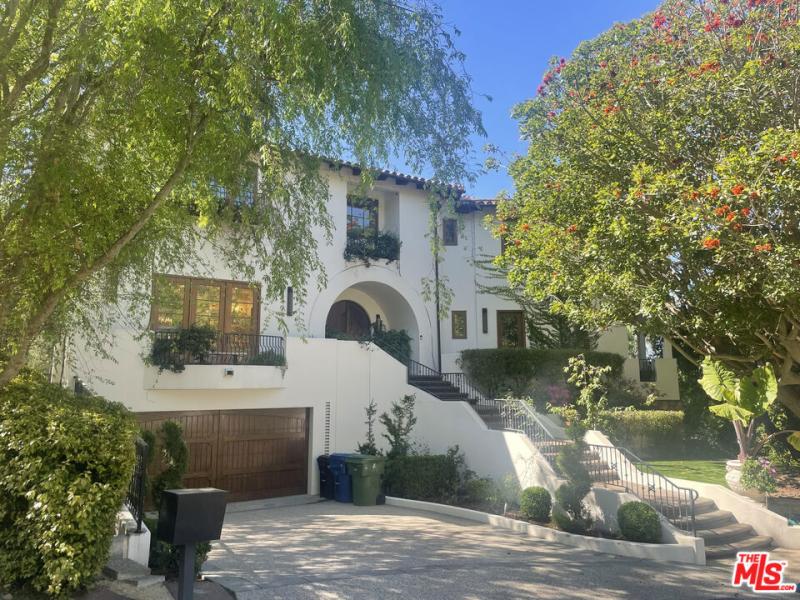
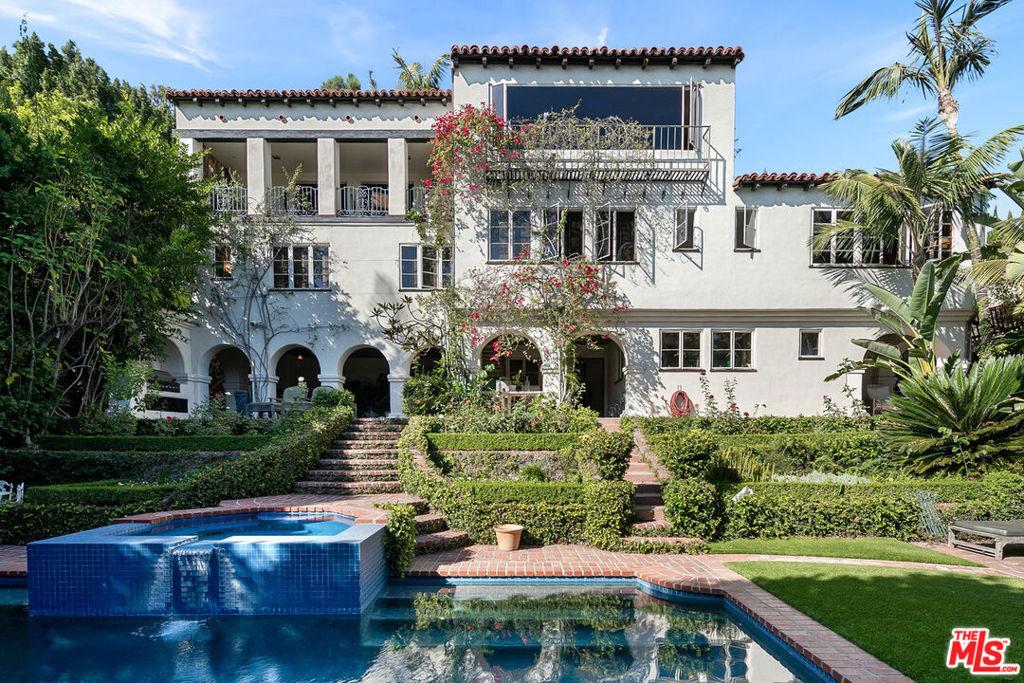
Mediterranean Homes for Sale currently number 127 active listings with a median asking price of $2,100,000 (CRMLS, September 2026).
Most Mediterranean homes for sale in Los Angeles date to the 1920s and 1930s, built during Hollywood’s Golden Age and still standing in neighborhoods that have worked hard to keep them intact. The Knight Group works this market directly, including off-market inventory that never reaches Zillow or Redfin. Well-priced properties don’t sit — competition here is consistent, so buyers who want a real shot need to be ready to move when something surfaces.
What you’re looking at is largely period housing stock in communities with a strong preservation streak, which shapes everything from what you can change to how the block feels. Character varies by neighborhood: Los Feliz runs more bohemian, with Griffith Park right there. Each of these areas has its own feel, distinct from the rest of the city.
Buyers in Mediterranean Los Angeles should move on well-priced properties quickly — competition is consistent. The Knight Group tracks off-market inventory here and can provide early access.
Because so much of the inventory here is period housing, the decision often comes down to neighborhood personality rather than the architecture itself. Los Feliz leans bohemian and puts Griffith Park at the end of the block, which appeals to buyers who want trails and a less formal street life. Other pockets read quieter and more traditional. Spend time in each one at different hours before you narrow your search — the differences between these communities are real, and they don’t show up in listing photos.
The other thing to weigh is preservation. These are communities that have deliberately protected their older stock, so plan on original detail being an asset to maintain rather than a starting point for a gut renovation, and get clear early on what alterations are realistic. Since a meaningful share of Mediterranean homes for sale in Los Angeles change hands quietly, it helps to have someone tracking off-market activity so you hear about a property before it’s listed.

Browse all Los Angeles real estate — or explore the full Los Angeles luxury real estate market.
Mediterranean homes in Los Angeles are more than just beautiful facades. They’re a lifestyle choice, a smart investment, and a piece of architectural history all rolled into one. You’re not just buying a house; you’re investing in a slice of California’s rich cultural heritage.
You might be wondering, What exactly makes a home ‘Mediterranean’? Well. It’s not just about slapping some stucco on the walls and calling it a day. True Mediterranean homes in LA typically feature:
Each of these elements serves both an aesthetic and practical purpose. For instance, those thick stucco walls? They’re not just for show. They help keep the interior cool during LA’s scorching summers, acting as a natural insulator.
But owning a Mediterranean home in LA isn’t all sunshine and roses. These homes often come with unique challenges. A survey by the National Association of Realtors found that 67% of buyers of historic homes (which many Mediterranean homes in LA are) underestimated the cost of maintenance and repairs. So, while you’re swooning over those hand-painted tiles, make sure you’re also budgeting for their upkeep.
As we dive deeper into the world of Mediterranean homes in LA, remember this: you’re not just looking at houses. You’re exploring a lifestyle, a piece of history, and potentially, your future oasis in the City of Angels. So, let’s get started on this sun-soaked process through LA’s Mediterranean landscape.
When you’re buying a Mediterranean home in Los Angeles, you’re not just investing in a property; you’re becoming part of a community. These neighborhoods often have a unique character that sets them apart from the rest of the city.
Take Beverly Hills, for example. You might think it’s all glitz and glamour, but tucked away in the quieter streets, you’ll find a tight-knit community of Mediterranean home owners. It’s not uncommon to see neighbors gathering for impromptu wine tastings in their beautiful courtyards.
But it’s not just about the social scene. Mediterranean home communities in LA often have a strong sense of architectural preservation. The Los Feliz Improvement Association, for instance, has been instrumental in maintaining the neighborhood’s Mediterranean and Spanish Colonial Revival homes. They organize annual home tours that showcase these architectural treasures, fostering a sense of pride among homeowners.
In Pasadena, the community aspect takes on a historical dimension. The Pasadena Heritage organization actively works to preserve the city’s Mediterranean and Spanish Colonial Revival homes. They offer workshops on maintaining these historic properties, creating a support network for homeowners. As Sarah Johnson, a Pasadena Heritage member, puts it: Owning a Mediterranean home here isn’t just about having a beautiful house. It’s about being a steward of history.
However. It’s not all rosy. Some Mediterranean home communities in LA face challenges. In a survey conducted by the LA Conservancy, 45% of Mediterranean home owners reported feeling pressure to modernize their properties, potentially compromising the historical integrity of their homes and neighborhoods.
On the flip side, these communities often band together to address such issues. In Hancock Park, a neighborhood known for its Mediterranean Revival homes, residents formed the Hancock Park Homeowners Association to protect the area’s architectural character. They successfully lobbied for the creation of an Historic Preservation Overlay Zone (HPOZ) in 2007, ensuring that the neighborhood’s Mediterranean charm would be preserved for future generations.
Living in a Mediterranean home community in LA often means embracing a certain lifestyle. You might find yourself participating in garden tours, attending neighborhood cocktail parties in Spanish-style courtyards, or joining local preservation efforts. It’s a way of life that values history, aesthetics, and community spirit.
But don’t just take our word for it. Maria Rodriguez, who recently purchased a Mediterranean home in Los Feliz, shares her experience: Moving here was like stepping into a different world. Our neighbors welcomed us with open arms, and there’s always someone willing to share advice on maintaining these beautiful old homes. It’s more than just a neighborhood; it’s a community of people who appreciate the unique character of these homes.
So, when you’re considering a Mediterranean home in LA, remember: you’re not just buying a house. You’re joining a community of like-minded individuals who appreciate architectural beauty, historical significance, and the unique lifestyle that comes with these homes. It’s a package deal, and for many. It’s priced at a premium.
When you’re hunting for a Mediterranean home in Los Angeles, location is everything. Each neighborhood has its own unique flavor, and understanding these nuances can make or break your house-hunting experience.
Moving east, we hit Los Feliz. This eclectic neighborhood is a melting pot of architectural styles, but its Mediterranean homes are truly something special. Many were built in the 1920s and 1930s during Hollywood’s Golden Age. In fact, the Los Feliz Improvement Association reports that approximately 30% of the homes in the Los Feliz Hills area are Mediterranean or Spanish Colonial Revival. You might even stumble upon a home designed by renowned architect Wallace Neff, known as the father of the California style.
Then there’s Pasadena, a city that’s practically synonymous with Mediterranean revival architecture. The Pasadena Heritage organization estimates that nearly 40% of the homes in certain historic districts, like Bungalow Heaven, are Mediterranean or Spanish Colonial Revival style. These homes often feature intricate tile work, wrought-iron details, and drought-resistant gardens that perfectly complement the architecture.
But it’s not just about aesthetics. Each of these areas offers a unique lifestyle. In Beverly Hills, you’re likely to find larger lots and more privacy. Los Feliz offers a more bohemian character with easy access to Griffith Park. Pasadena provides a small-town feel with big-city amenities.
However, owning a Mediterranean home in these areas comes with its own set of challenges. In Beverly Hills, for instance, strict preservation laws can make renovations a complex process. The Beverly Hills Cultural Heritage Commission must approve any significant changes to homes deemed historically significant.
In Los Feliz, the hilly terrain that offers those views can also mean higher maintenance costs. The Los Angeles Department of Building and Safety reports that homes in hillside areas require more frequent inspections and often need additional reinforcement to meet earthquake safety standards.
Pasadena, while rich in Mediterranean architecture, also faces unique challenges. The city’s Urban Forestry Advisory Committee notes that many of the mature trees that give Mediterranean homes their secluded feel are reaching the end of their lifespans. This means homeowners may need to invest in landscaping to maintain their property’s character.
As you explore these neighborhoods, pay attention to the details. Notice how the Mediterranean homes in Beverly Hills often feature larger, more ornate designs, while those in Los Feliz tend to be cozier with a focus on indoor-outdoor living. In Pasadena, you might spot more Craftsman influences blended with Mediterranean elements.
Remember, each area has its own unique character, and the Mediterranean homes within them reflect this. Whether you’re drawn to the glamour of Beverly Hills, the artistic character of Los Feliz, or the historic charm of Pasadena, there’s a Mediterranean home waiting for you in Los Angeles. Just be prepared for a competitive market, these homes are in high demand for a reason!
The market for Mediterranean homes in Los Angeles is as dynamic and complex as the city itself. If you’re considering diving into this niche market, you need to understand the current trends and what they mean for you as a potential buyer or investor.
However. This increased demand has also led to some challenges for buyers. Competition is fierce, and multiple offer situations are common. Real estate investor Mike Chen shares his experience: Last year, I put in an offer on a Mediterranean home in Pasadena. There were 12 other offers, and the house ended up selling for 20% over asking price. It’s a tough market out there.
Another trend to watch is the increasing focus on authenticity. Buyers are becoming more discerning, seeking homes that maintain true Mediterranean architectural elements rather than superficial imitations. This has led to a premium on well-preserved or thoughtfully restored properties.
The National Trust for Historic Preservation reports that homes with original architectural features can command prices up to 25% higher than comparable properties without these elements. This trend is particularly pronounced in the Mediterranean home market in Los Angeles.
But it’s not all about preserving the past. There’s also a growing trend of blending Mediterranean style with modern amenities. Architect Maria Rodriguez notes, We’re seeing a lot of homeowners who want to maintain the Mediterranean aesthetic while incorporating smart home technology and energy-efficient features. It’s about creating a home that looks timeless but functions for today’s lifestyle.
This blend of old and new is reflected in renovation trends. The National Association of Home Builders reports that in Los Angeles, renovations of Mediterranean homes increased by 18% in 2021 compared to the previous year. Many of these renovations focused on updating kitchens and bathrooms while preserving original architectural elements.
However. This market isn’t without its risks. The high prices and fierce competition can make it challenging for first-time buyers to enter the market. Additionally, the costs associated with maintaining these often older homes can be substantial.
A survey by the American Society of Home Inspectors found that owners of historic homes (including many Mediterranean-style properties) spend an average of 15-25% more on annual maintenance compared to owners of newer homes. This is something potential buyers need to factor into their budgets.
Despite these challenges, the allure of Mediterranean homes in Los Angeles remains strong. They’re not just houses; they’re pieces of art, bits of history, and gateways to a certain lifestyle. That’s why. Despite the challenges, people are willing to go to great lengths to own one.
So, if you’re considering entering the Mediterranean home market in Los Angeles, be prepared for a competitive landscape. But also know that you’re not just buying a house, you’re investing in a piece of LA’s architectural heritage and a lifestyle that continues to captivate buyers year after year.
Mediterranean homes in Los Angeles are architectural marvels that stand out in the city’s diverse real estate landscape. These homes are not just structures; they’re a lifestyle choice that transports you to the sun-drenched coasts of Europe without leaving Southern California.
The uniqueness of Mediterranean homes in LA lies in their distinctive features:
Stucco Exterior: The smooth, plastered walls aren’t just aesthetically pleasing. They provide excellent insulation, helping to maintain a consistent indoor temperature. The California Energy Commission reports that properly installed stucco can increase a home’s energy efficiency by up to 20%.
Arched Windows and Doorways: These architectural elements add a touch of romance and old-world charm. They also serve a practical purpose by allowing for better air circulation, which is crucial in LA’s Mediterranean climate.
Indoor-Outdoor Living: Many Mediterranean homes in LA feature courtyards, patios, and loggias that blur the line between indoor and outdoor spaces. This design philosophy aligns perfectly with LA’s outdoor-centric lifestyle.
Wrought Iron Details: From balconies to light fixtures, these intricate details add character and craftsmanship that’s hard to find in modern construction.
Tile Flooring: Often hand-painted, these tiles are not only beautiful but also practical in LA’s warm climate, helping to keep the home cool.
Thick Walls: Originally designed to keep homes cool in Mediterranean climates, these thick walls serve the same purpose in LA, reducing the need for air conditioning.
But it’s not just about the physical features. Mediterranean homes in LA often come with a rich history. Many were built during Hollywood’s Golden Age in the 1920s and 1930s, adding a touch of glamour and nostalgia.
You’re getting a piece of the city’s history. I’ve had clients discover original tiles from the 1920s or stumble upon hidden speak-easies from the Prohibition era during renovations.
Moreover, these homes often sit on larger lots compared to more modern constructions, offering a sense of privacy and space that’s increasingly rare in LA. A study by the Urban Land Institute found that Mediterranean homes in LA have an average lot size 30% larger than the city average.
Lastly, the uniqueness of Mediterranean homes in LA lies in their adaptability. While they maintain their historic charm, many have been updated to include modern amenities. Architect John Smith explains, We’re seeing a trend of homeowners preserving the Mediterranean aesthetic while incorporating smart home technology, energy-efficient systems, and open-concept living spaces. It’s the best of both worlds, old-world charm with modern convenience.
In essence, Mediterranean homes in Los Angeles offer a unique blend of architectural beauty, historical significance, and practical design that continues to captivate homeowners and architecture enthusiasts alike. They’re not just houses; they’re a gateway to a lifestyle that combines European elegance with California cool.
Buying a Mediterranean home in Los Angeles is an exciting venture, but it comes with its own set of considerations. Here’s what you need to keep in mind:
These homes often have unique features like hand-painted tiles or custom ironwork that require specialized care.
Preservation architect Mark Johnson notes, Before buying, check if the home is under any historical preservation orders. These can limit what changes you can make, even for necessary updates.
The California Energy Commission estimates that upgrading an older home to modern energy standards can reduce energy bills by up to 30%. However, these upgrades can be costly, especially if you need to maintain the home’s historical integrity.
Seismic Retrofitting: Given LA’s seismic activity, older homes may need retrofitting to meet current earthquake safety standards. The Los Angeles Department of Building and Safety mandates that certain older homes undergo seismic retrofitting, which can cost between $3,000 to $7,000 on average.
Plumbing and Electrical Systems: Many Mediterranean homes in LA still have their original plumbing and electrical systems. These may need updating to handle modern appliances and meet current safety codes.
Home inspector Sarah Thompson warns, I often see knob-and-tube wiring or galvanized pipes in these older homes. Replacing these systems can be expensive, but it’s crucial for safety and functionality.
Landscape architect John Davis estimates that maintaining a typical Mediterranean-style garden in LA can cost between $200 to $500 per month, depending on size and complexity.
Insurance Considerations: Insuring a historic Mediterranean home can be more complex and expensive than insuring a modern home. The California Department of Insurance reports that premiums for historic homes can be 20% higher on average due to the cost of replacing unique features.
Renovation Restrictions: If you’re planning to renovate, be aware that updating a Mediterranean home while maintaining its character can be challenging and expensive.
Contractor Mike Brown shares, Finding materials that match original features can be difficult and costly. For example, replacing a single hand-painted tile can cost upwards of $50, compared to $5 for a standard modern tile.
Lifestyle Fit: Finally, consider if the Mediterranean home lifestyle aligns with your needs. These homes often have formal dining rooms, separate kitchens, and other features that may not suit everyone’s modern living preferences.
Homeowner Jake Martinez reflects, We love our Mediterranean home, but it took some adjusting. The layout is different from modern homes, and we had to get creative with how we use the space to fit our lifestyle.
Buying a Mediterranean home in Los Angeles is not just a purchase; it’s an investment in a piece of architectural history and a unique lifestyle. While these homes come with challenges, many owners find the charm, character, and sense of history well worth the extra consideration and care these properties require.
Verifying the listing data of a Mediterranean home in Los Angeles is crucial to ensure you’re making an informed decision. Here’s a comprehensive guide on how to do it:
They can provide you with the most accurate and current information about the property.
Preservation expert John Smith notes, About 20% of Mediterranean homes in LA have some form of historical designation. This can affect everything from property taxes to renovation restrictions.
A study by the National Association of Realtors found that online listing data can be off by up to 7.5% on average when it comes to details like square footage or lot size.
Historian Emily Chen shares, Local historical societies often have detailed records about Mediterranean homes, including original floor plans and historical photographs. This can be invaluable for verifying the authenticity of a property’s features.
The Appraisal Institute reports that professional appraisals are typically accurate within 2-4% of a property’s actual market value.
Title expert Mike Brown warns, About 25% of title searches reveal issues that need to be addressed before a sale can proceed. For older homes like Mediterranean properties. This percentage can be even higher.
Home inspector Sarah Thompson explains, Mediterranean homes often have unique features like clay tile roofs or original plaster walls. A specialized inspector knows what to look for and can provide a more accurate assessment of the property’s condition.
Verify Earthquake Retrofitting: Given LA’s seismic activity, check if the home has undergone necessary earthquake retrofitting.
The Los Angeles Department of Building and Safety mandates that certain older homes undergo seismic retrofitting. You can verify this through their online database.
Check for Conservation Easements: Some Mediterranean homes may have conservation easements, which can limit future changes to the property.
The California Conservation Easement Database maintains records of these agreements.
Verify Utility Costs: Request copies of recent utility bills to get an idea of the home’s energy efficiency.
The U.S. Department of Energy estimates that older homes can have energy costs up to 50% higher than modern, energy-efficient homes.
Remember, verifying listing data is about more than just confirming numbers. It’s about understanding the full picture of what you’re potentially buying. As real estate attorney Lisa Wong puts it, When it comes to Mediterranean homes in LA, you’re not just buying a property. You’re buying a piece of history. Do your due diligence to ensure you know exactly what you’re getting into.
By following these steps, you can ensure that the Mediterranean home you’re interested in is accurately represented, allowing you to make an informed decision about your purchase.
Explore more Architecture neighborhoods:
Lucky for you we’re looking out.
Subscribe to this Custom Search to be alerted when new properties hit the market in the area.
Choose the frequency that works for you.