Fullerton CA Homes for Sale: College Town and Hillside Views
Fullerton CA Homes for Sale currently number 174 active listings with a median asking price of $1,023,995 (CRMLS, September 2026).
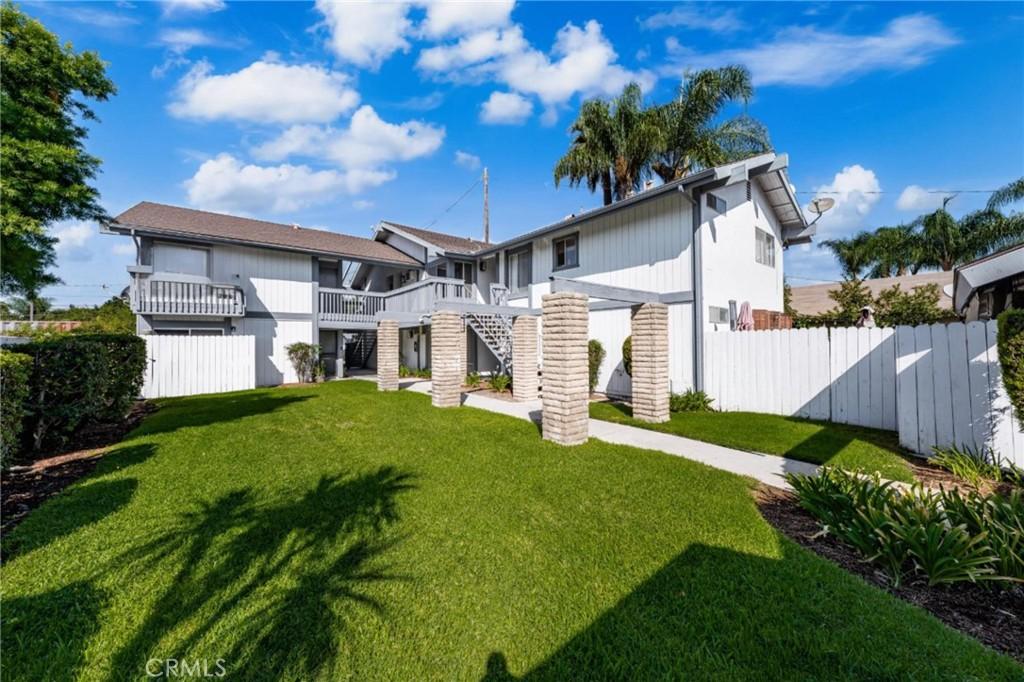
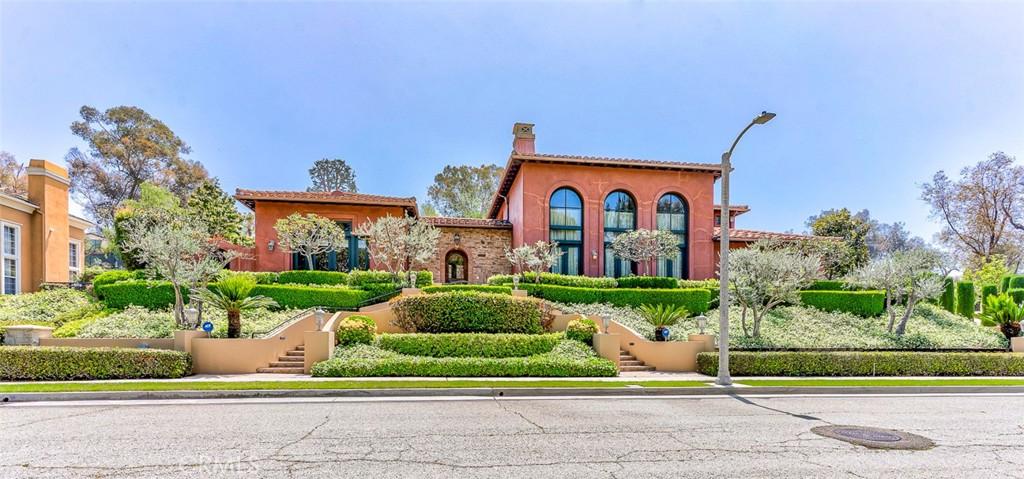
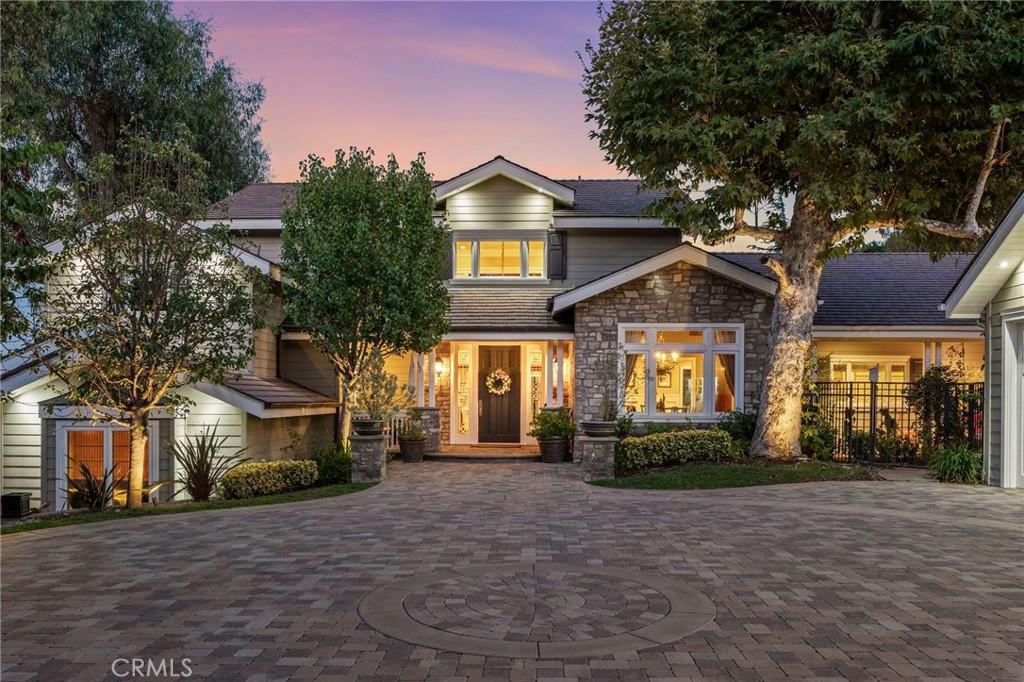
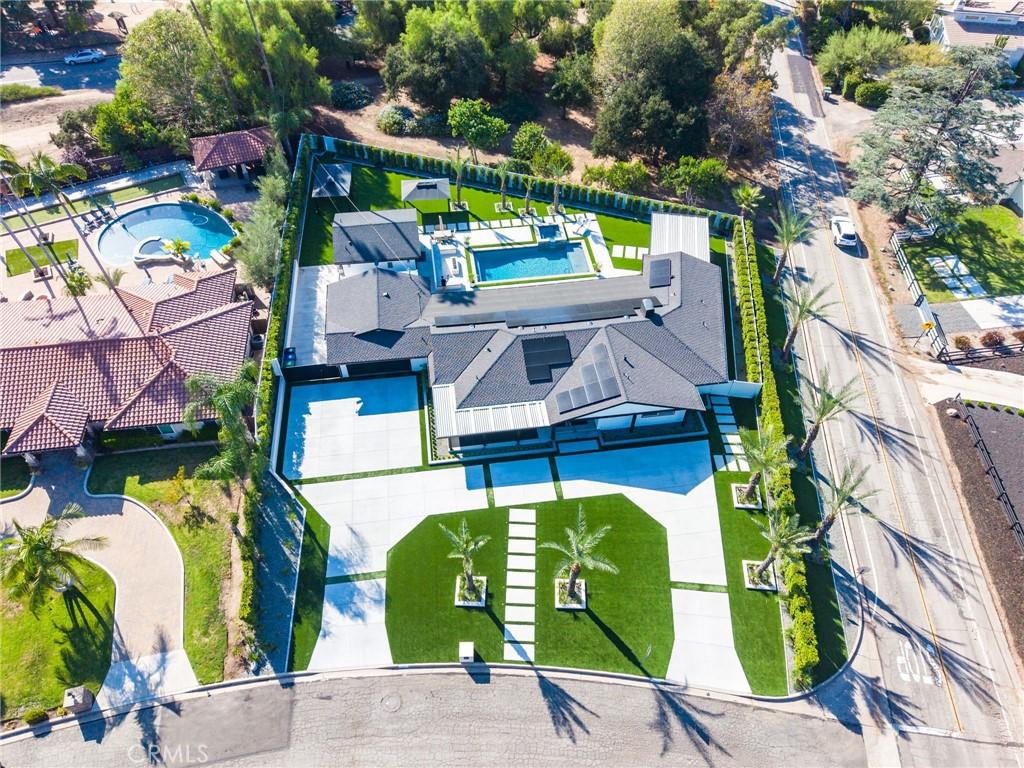
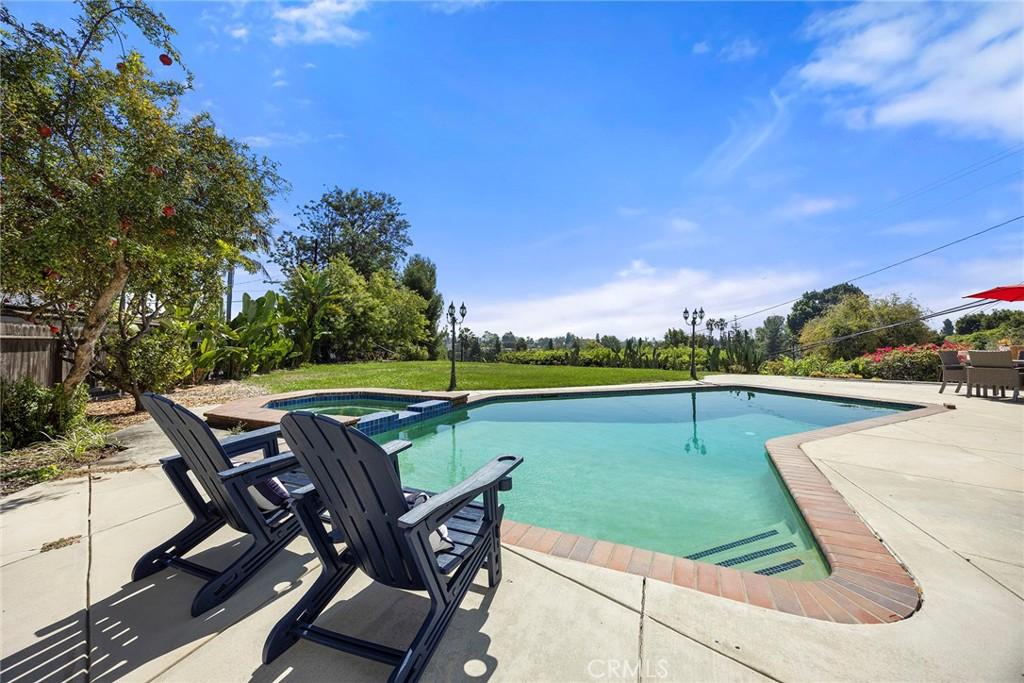
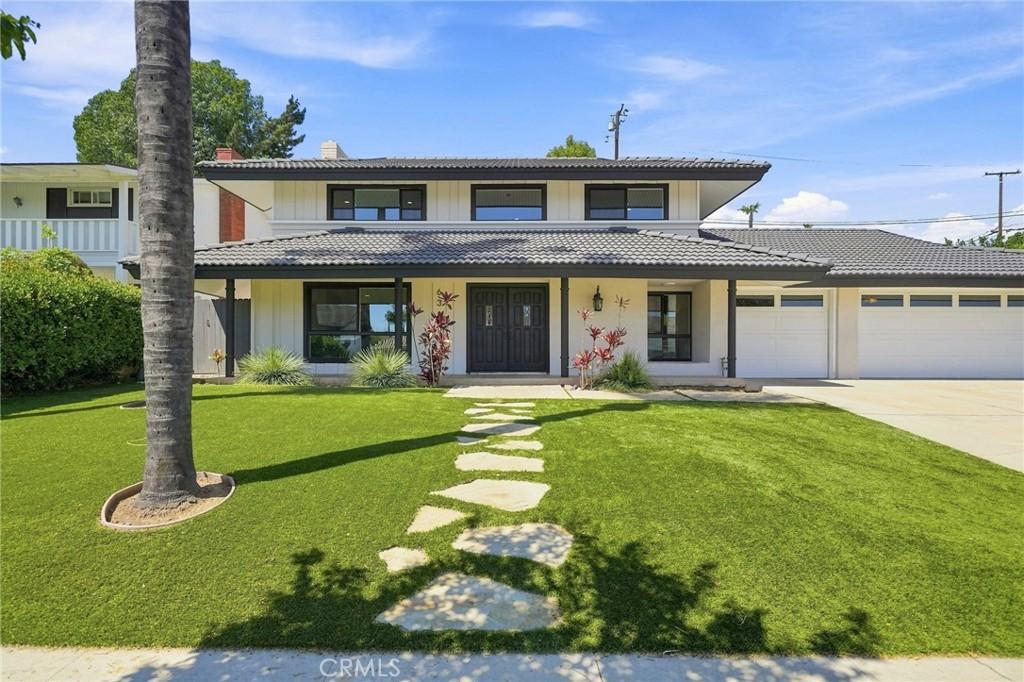
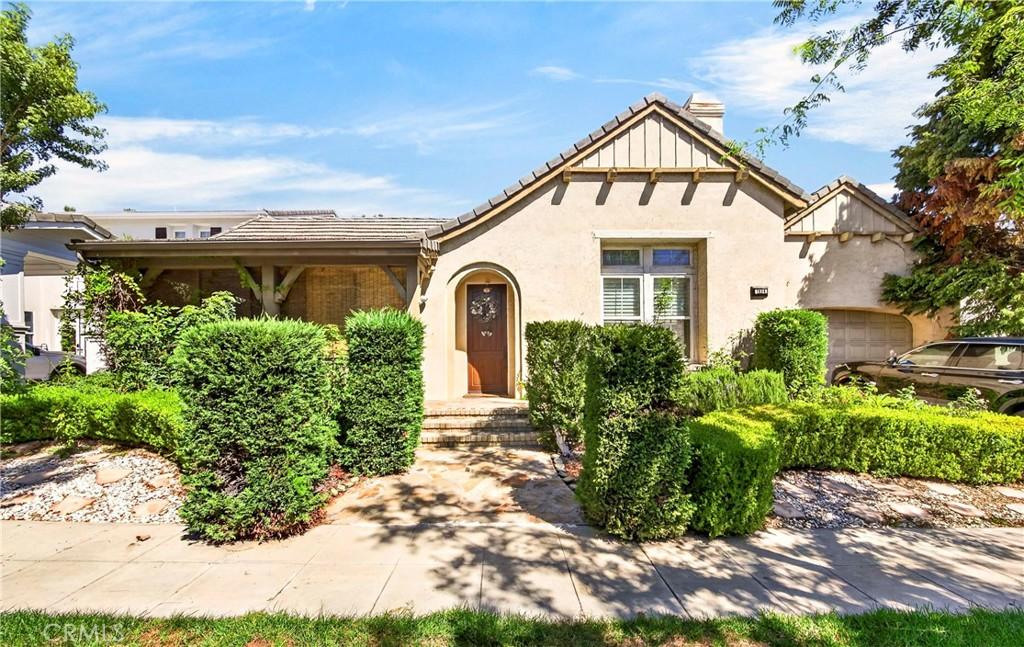
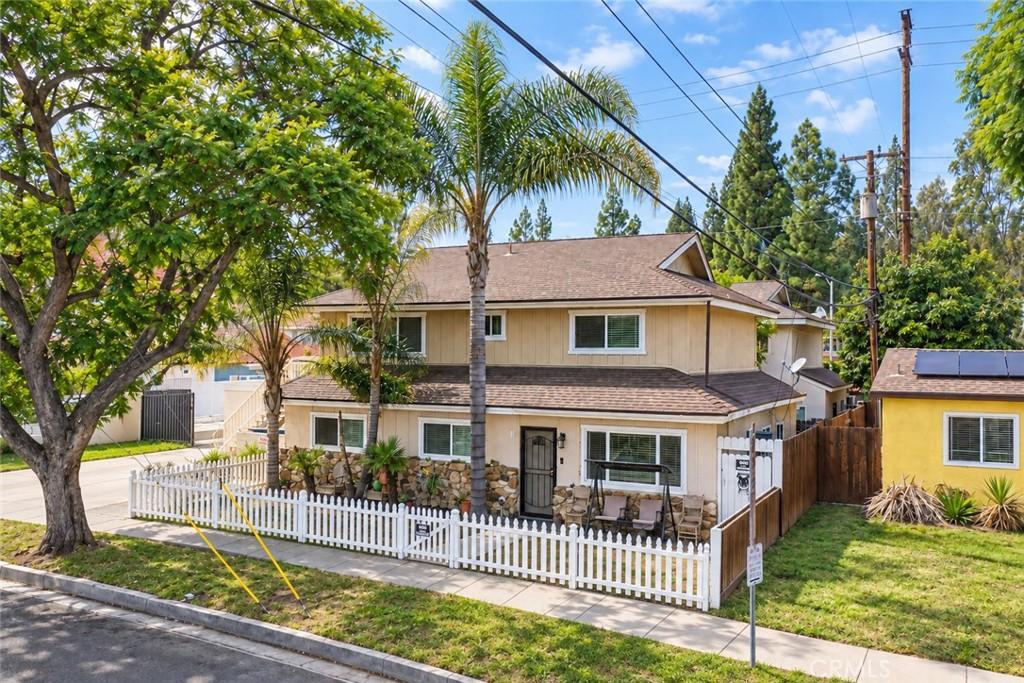
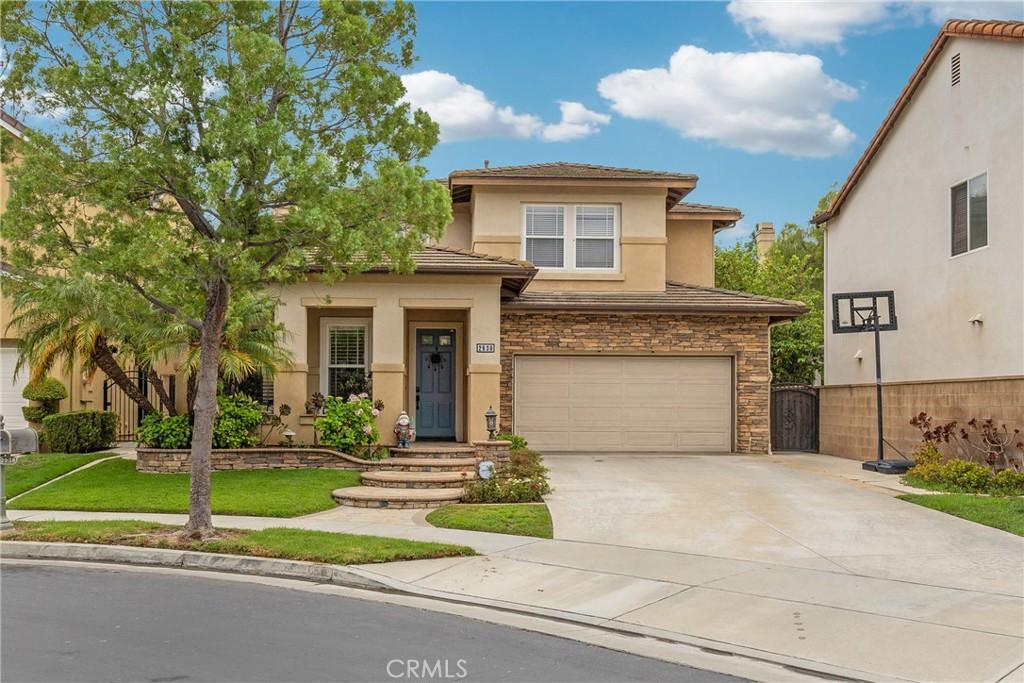
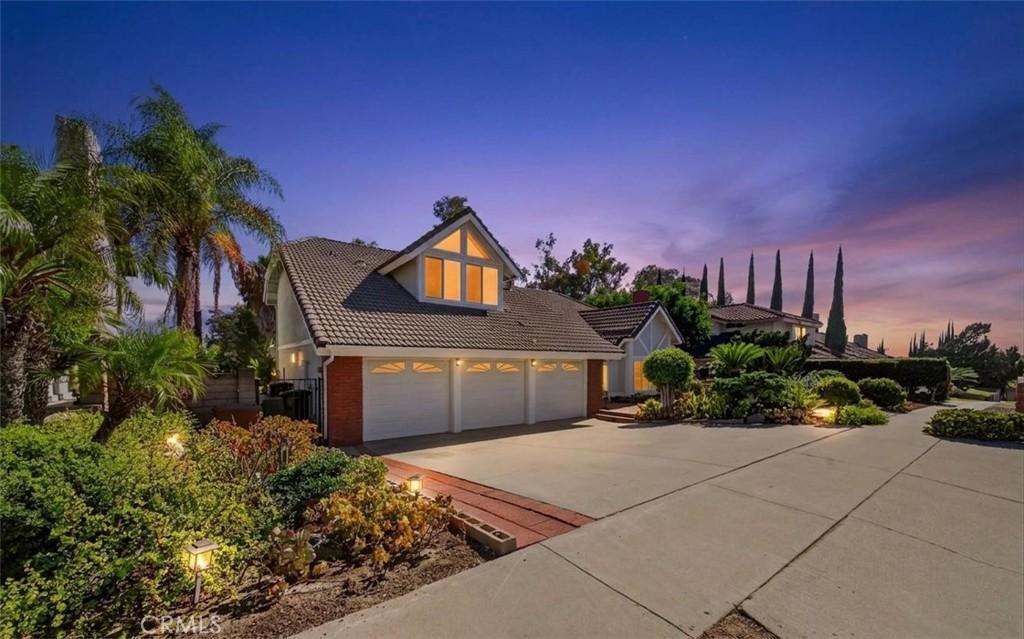
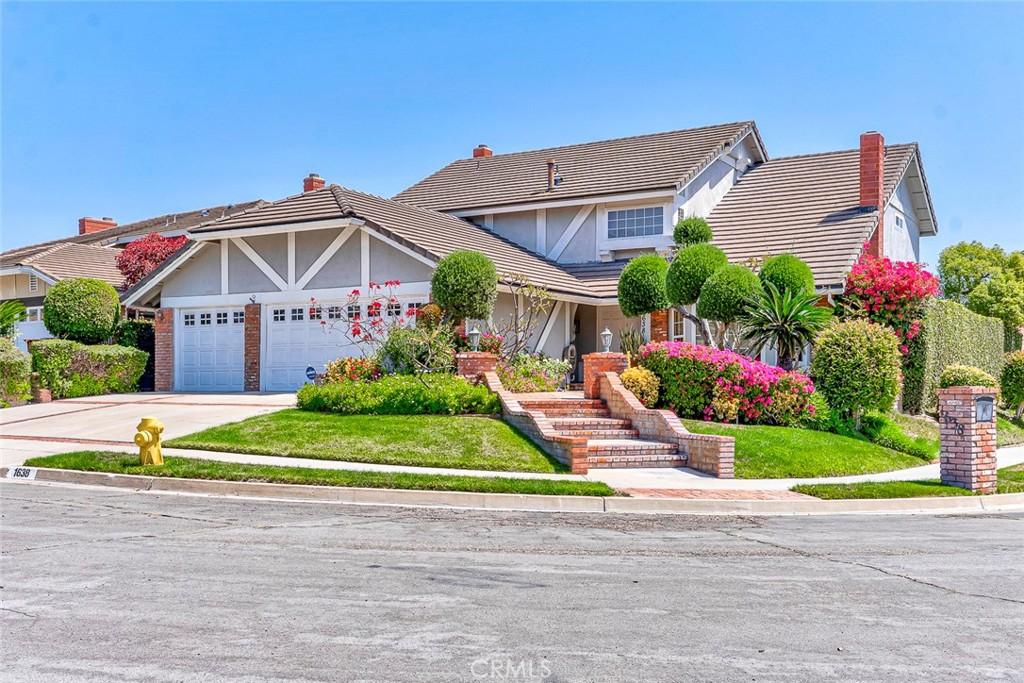
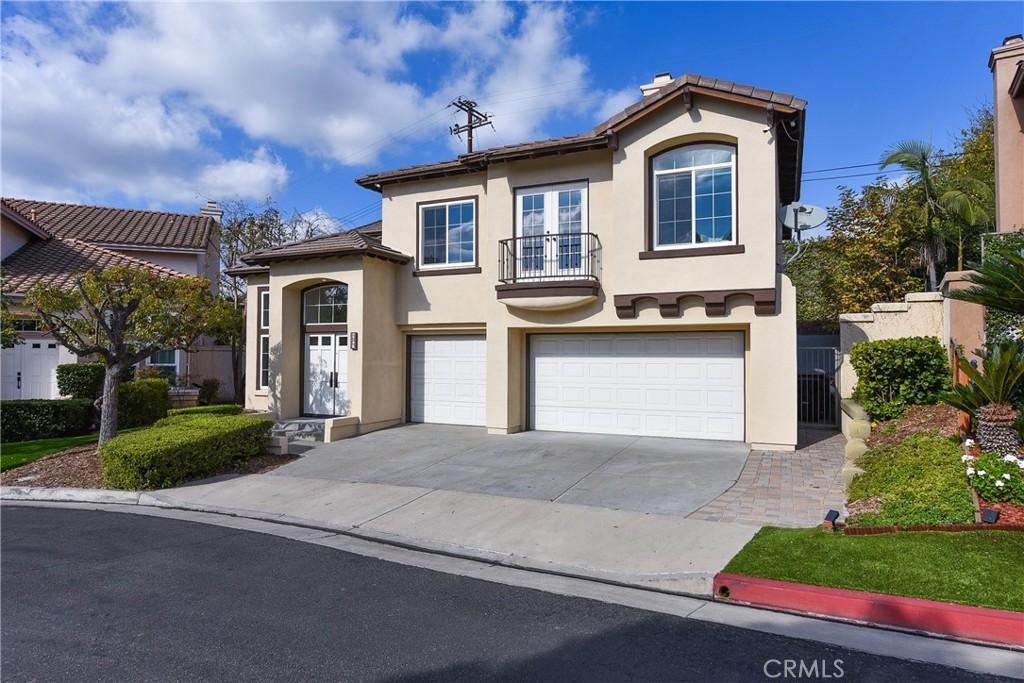
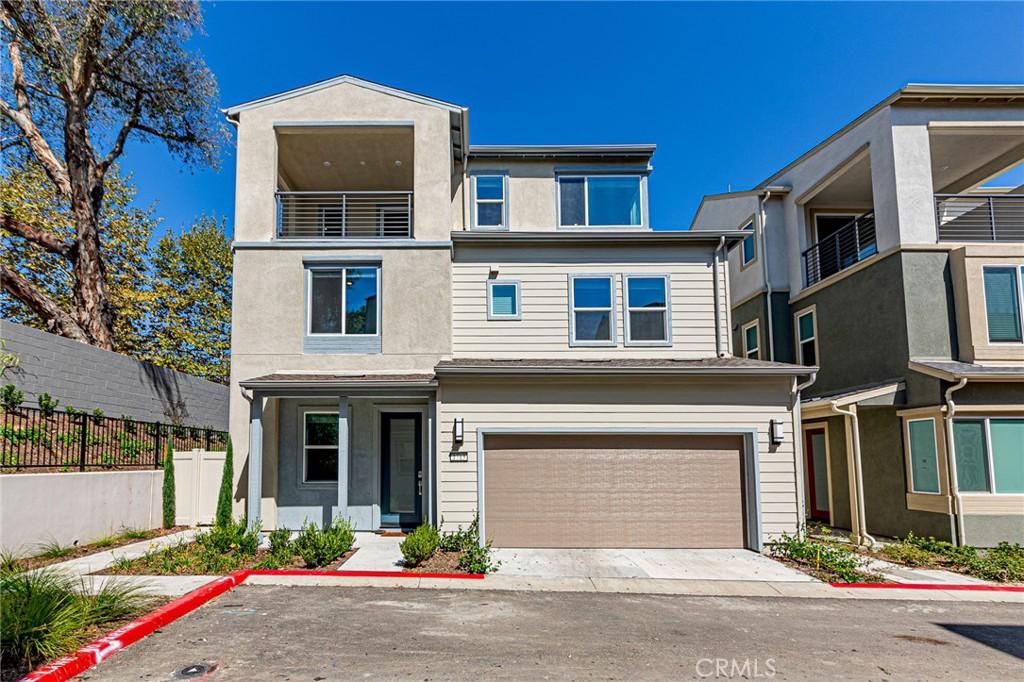
Buyers looking at Fullerton CA homes for sale are shopping a north Orange County city with real range, where a 1920s bungalow near the rail depot and a custom hillside home on a half-acre can list in the same week. The median home value is $1,088,994, with the average sales price running about $1,354,025 as of May 2025, pulled up by the larger hillside and custom properties. That is not a discount alternative to the coast, but you get more house and more land per dollar than the beach cities.
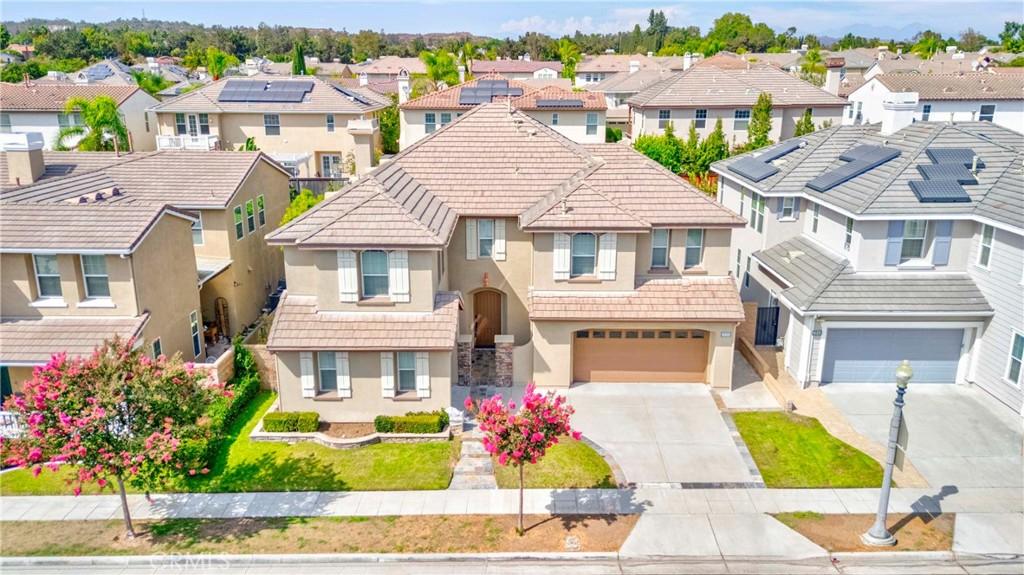
About 52% of the housing is detached single-family, so the traditional search holds up citywide. Large apartment complexes account for roughly 29%, concentrated near Cal State Fullerton and downtown, which is also where most condos and townhomes surface. Terrain drives the rest: Raymond Hills brings elevation, winding roads, and top-rated schools; Sunny Hills offers larger lots and tree-lined streets; Downtown Fullerton is the walkable, transit-adjacent option.
Browse the current Fullerton listings below, or contact The Knight Group to talk through which part of the city fits your budget and timeline.
Where is Fullerton and what defines it?
Fullerton sits in northern Orange County, bordered by Buena Park to the west, Anaheim to the south, Brea and Placentia to the east, and La Habra to the northwest. It is one of the county’s older cities, with a rail history that still shapes the layout: the historic downtown grew up around the tracks, and the depot area remains a transit anchor today.
Per NeighborhoodScout, Fullerton is the 41st largest community in California and contains roughly 29 associated neighborhoods. That neighborhood count matters more here than in a smaller city, because the difference between one Fullerton pocket and another can be the difference between a flat interior lot and a hillside home with a view. The subheading for this hub, College Town and Hillside Views, captures both poles of the city.
What does the Fullerton housing market look like right now?
Fullerton is a high-cost California market. Per NeighborhoodScout, the median home value in Fullerton is $1,088,994, which places it among the more expensive markets in the country. The average sales price ran higher, at roughly $1,354,025 as of May 2025, a figure pulled upward by the city’s larger hillside and custom homes.
Appreciation has been steady rather than explosive. NeighborhoodScout reported a recent quarterly appreciation rate of 1.69%, which annualizes to about 6.93%, and noted that Fullerton’s annual appreciation outpaced roughly 80% of California cities. Read that as a market with durable demand rather than a speculative one.
The practical takeaway for a buyer: Fullerton is not a discount alternative to coastal Orange County, but it does offer more house and more land per dollar than the beach cities, and its price stability lowers the odds of buying at a local peak. If you want a read on where a specific neighborhood sits inside that range, The Knight Group can pull comparable sales for the exact pocket you are considering.
What kinds of homes does Fullerton actually have?
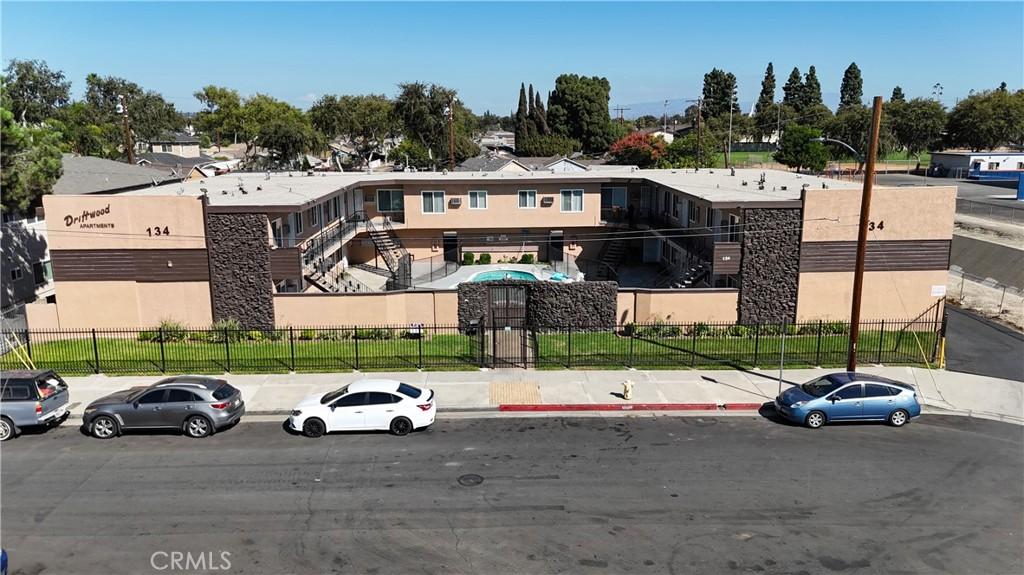
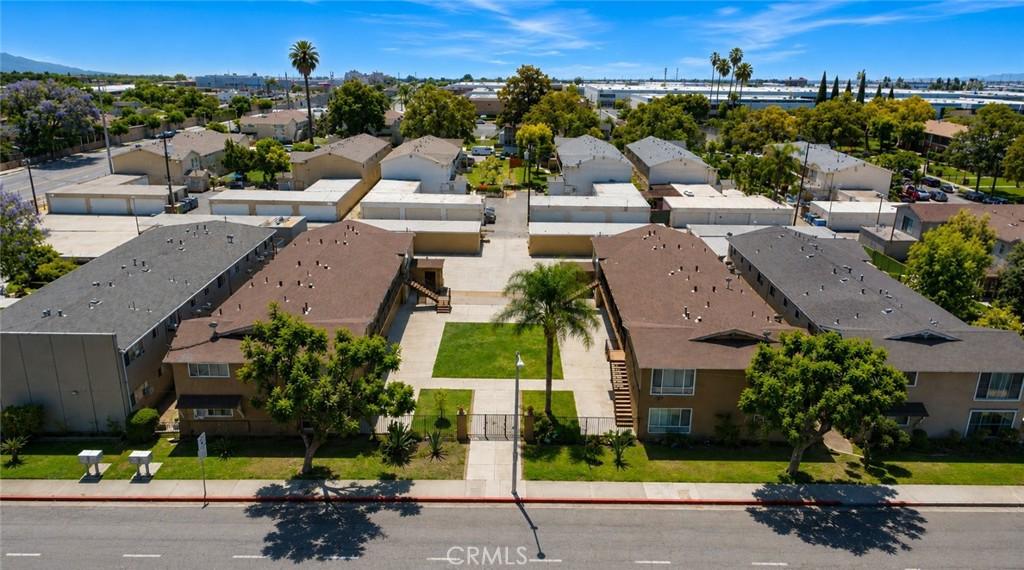
The housing stock is genuinely mixed. Per NeighborhoodScout, detached single-family homes are the most common type at about 52.06% of units. Large apartment complexes make up roughly 29.08%, a share inflated by the university and its student population. Row houses and other attached homes account for about 8.40%, and duplexes, converted homes, and small apartment buildings for another 8.34%.
For a buyer, that composition means two things. First, detached homes are the majority, so the traditional single-family search is well supported across most neighborhoods. Second, the large attached and multifamily share concentrates near the university and downtown, which is where condominium and townhome inventory tends to surface. If you want a low-maintenance attached home rather than a yard and a roof to manage, you will spend most of your search in those two zones.
What are the main neighborhoods in Fullerton?
Fullerton’s neighborhoods divide roughly into hillside pockets, established flatland tracts, and the walkable core around downtown. A few names come up repeatedly.
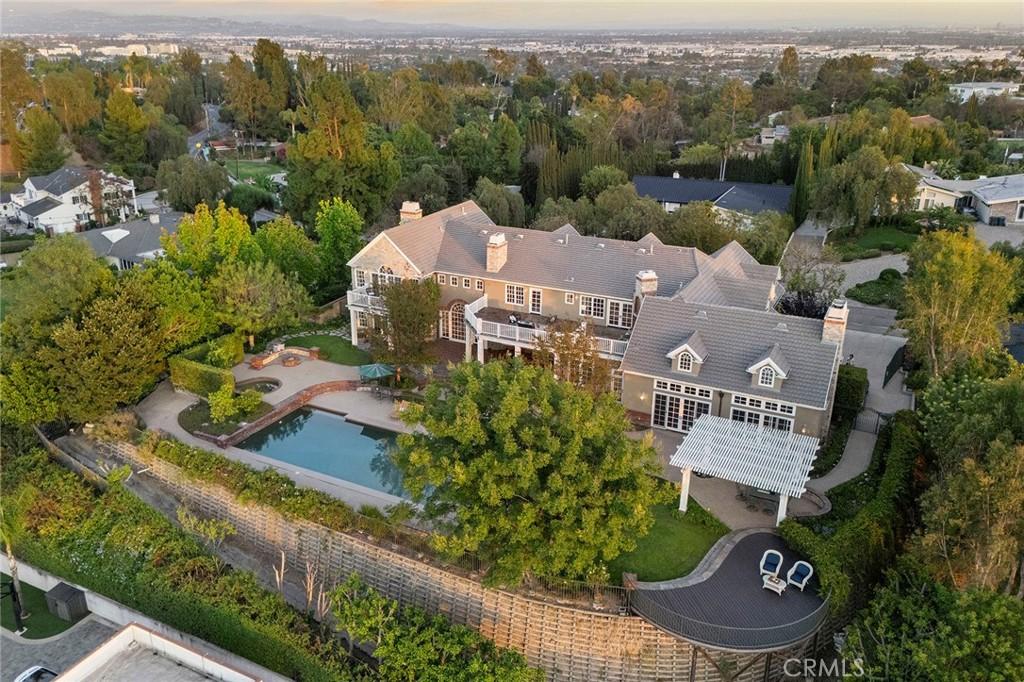
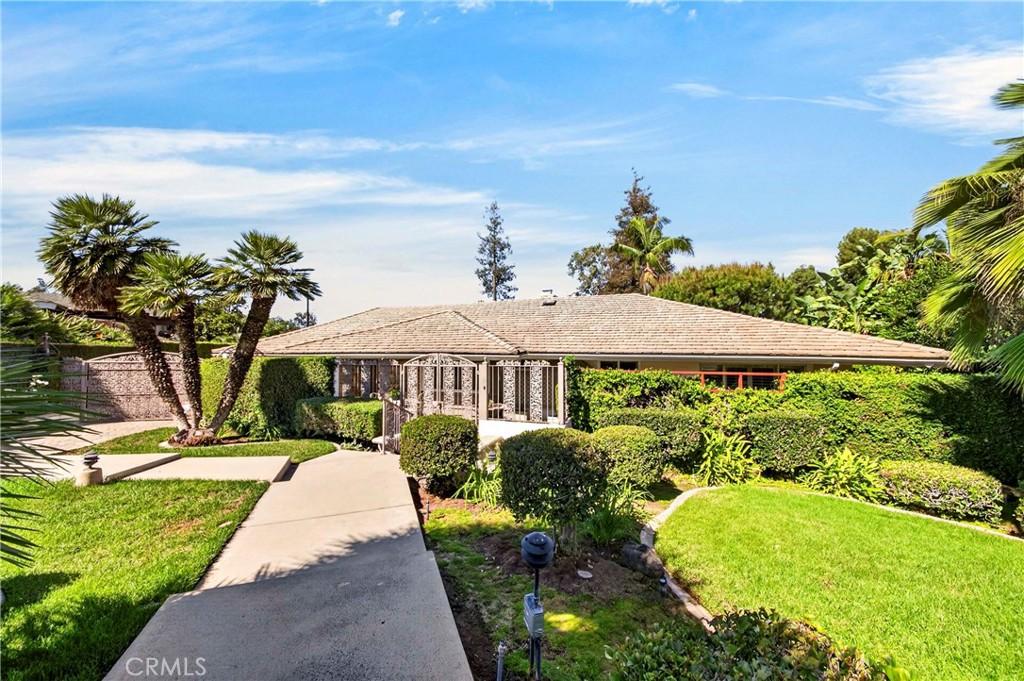
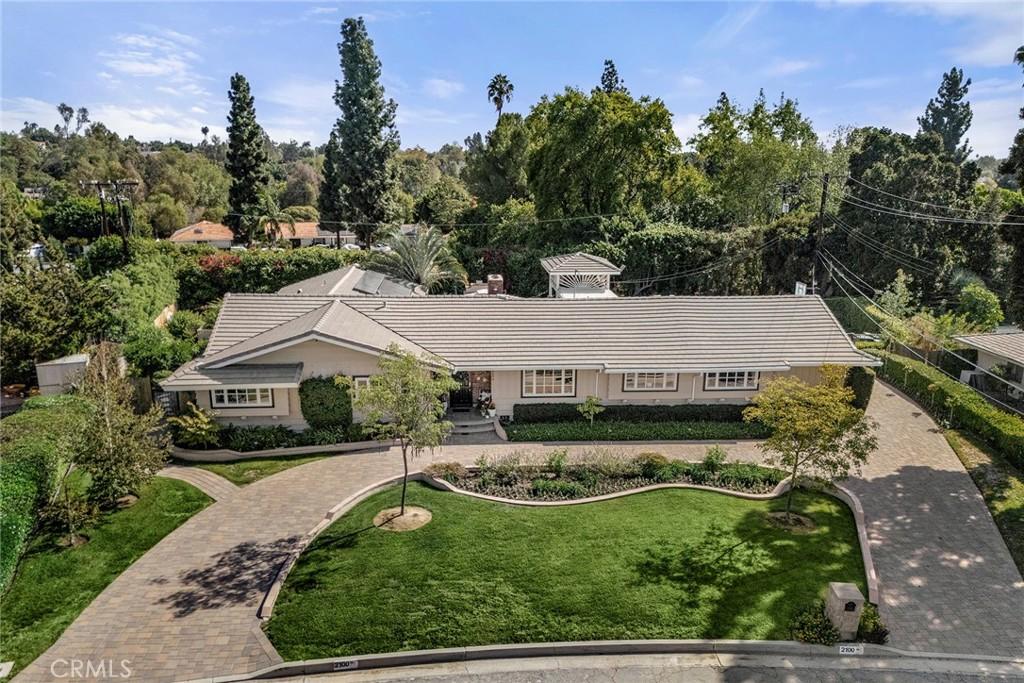
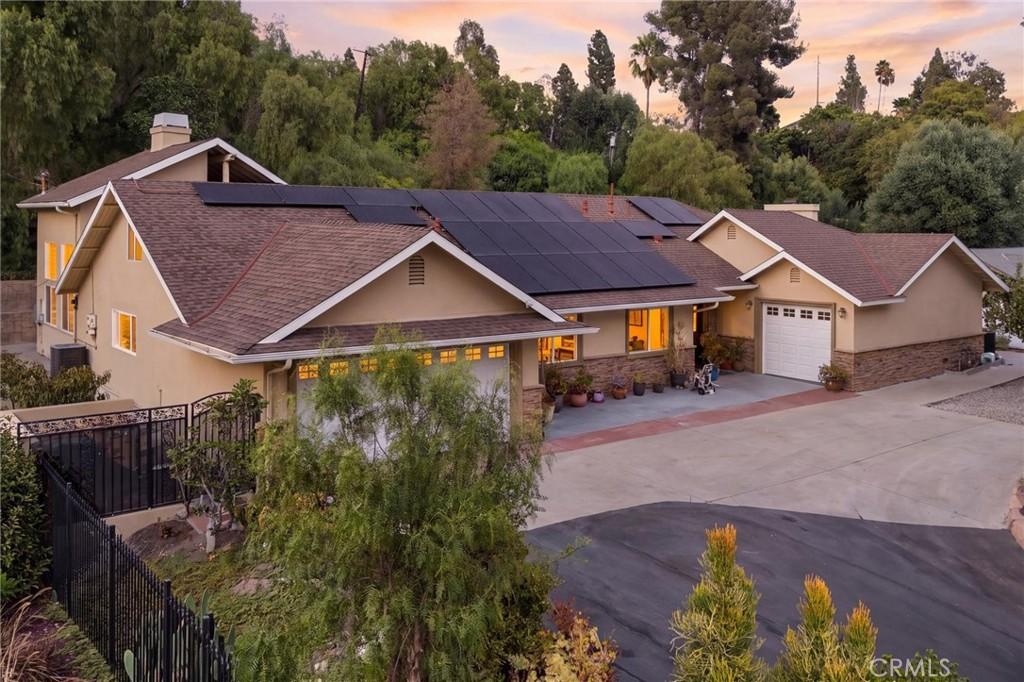
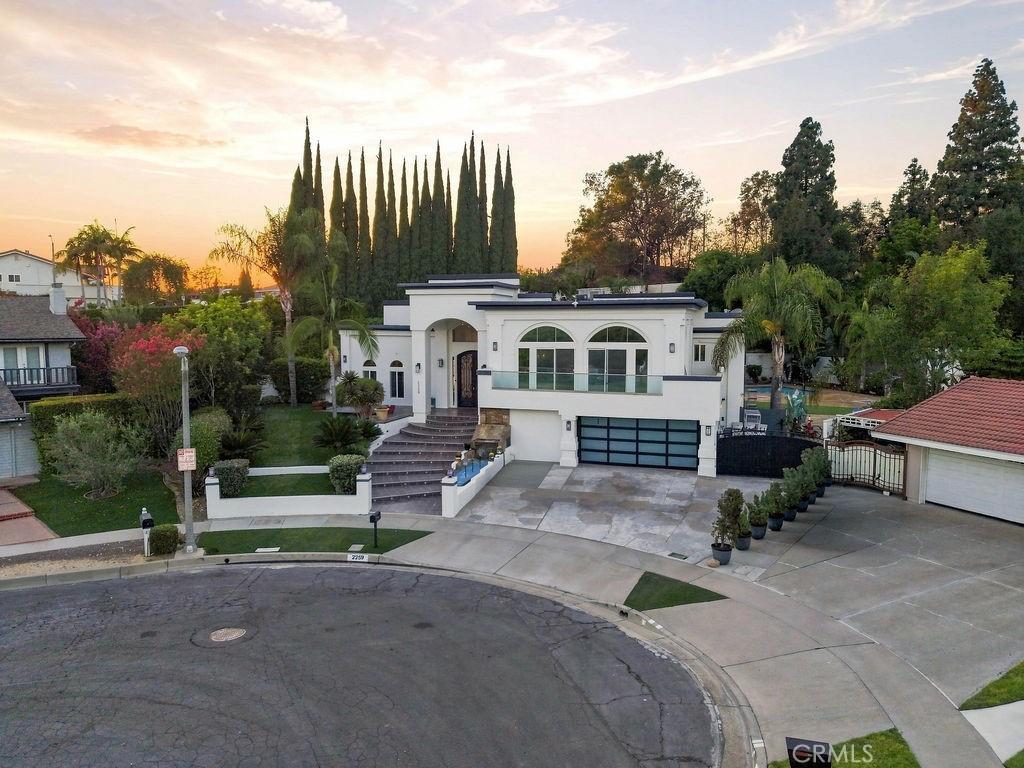
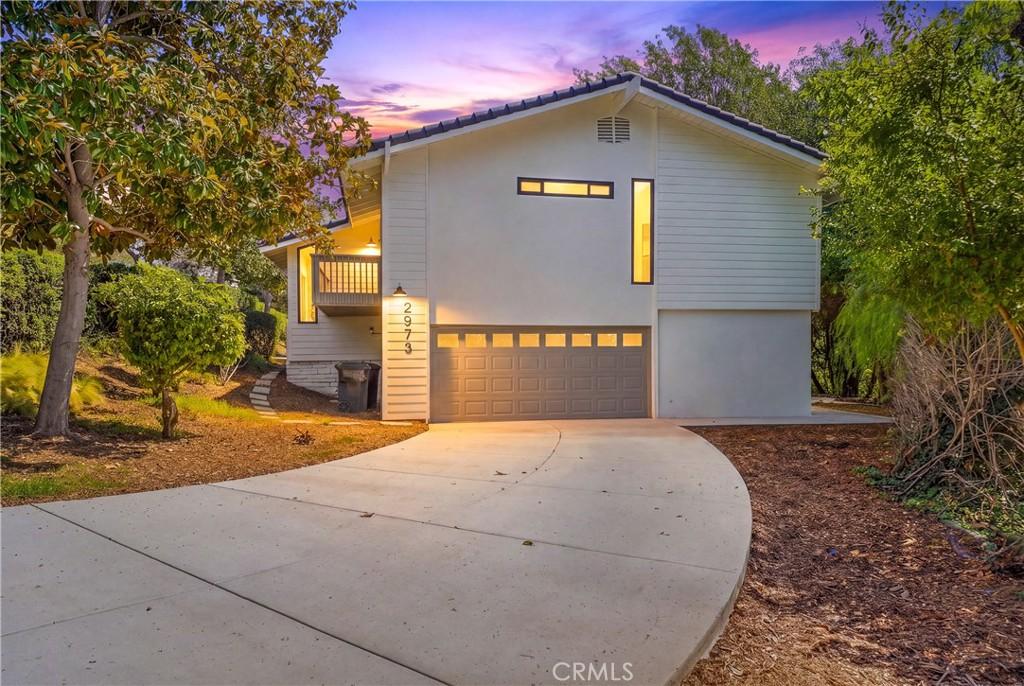
Raymond Hills sits northeast of downtown Fullerton and offers some of the most dramatic elevation in the city. Its winding roads pass centuries-old eucalyptus groves and lead to custom mid-century and modern hillside homes alongside California ranch-style houses, many on relatively spacious lots. It sits near Hillcrest Park and the Fullerton Loop recreational trail, and it is consistently associated with the city’s top-rated schools. This is where the hillside-view half of Fullerton’s identity lives.
Sunny Hills is one of Fullerton’s most established residential neighborhoods, located northwest of downtown and southeast of the Uptown area. It is known for larger lots, long-standing single-family homes, and tree-lined streets with a traditional suburban layout. Buyers who want space and a classic Fullerton feel, without necessarily buying into the steepest hillside terrain, tend to look here. The neighborhood shares its name with Sunny Hills High School.
Downtown Fullerton is the urban counterweight. It is known for historic architecture, a dense dining and nightlife scene, and a walkable layout near shops and transit. Housing here skews toward older single-family homes, condominiums, and smaller attached residences, which makes it the most likely place to find a lock-and-leave home within walking distance of a train and a restaurant row. It is also the most recognizable part of the city to outsiders.
Beyond those three, Fullerton contains adjacent pockets such as Golden Hill and the broader Fullerton Hills and Uptown areas, each with its own mix of terrain and housing age. Because this hub does not yet break out individual sub-neighborhood pages, the best next step is to tell The Knight Group which of these characters you are drawn to, and let the search narrow from there.
Why is Fullerton called a college town?
Fullerton is home to California State University, Fullerton, a public research university founded in 1957. Per the university, its fall 2024 enrollment was 43,662 students, including 38,597 undergraduates and 5,065 graduate students, which makes it the largest student body in the entire California State University system. The campus offers 109 degree programs.
The city also hosts Fullerton College, a separate community college, adding a second large student population to the mix.
For a homebuyer, the university has concrete effects. It sustains a deep rental market, which is relevant if you are buying as an investor or want the option to rent later. It also concentrates apartment and attached-housing development near campus, which is part of why Fullerton’s multifamily share is so high. There is a trade-off to name here: neighborhoods closest to campus carry more rental turnover and student density, while the hillside neighborhoods sit far enough away to feel entirely residential. Both are Fullerton, and they behave very differently.
How are the schools in Fullerton?
Schools are one of the strongest draws in this market. Fullerton is served by the Fullerton Joint Union High School District, which was organized in 1893 and covers grades nine through twelve across schools including Fullerton, Sunny Hills, Troy, Sonora, Buena Park, and La Habra.
Two names carry particular weight with buyers. Troy High School, established in 1964 at 2200 East Dorothy Lane, was ranked 23rd within California by U.S. News, and is well known regionally for its magnet technology and science competition programs. Sunny Hills High School, established in 1959 at 1801 Lancer Way, was ranked 71st within California by the same source.
School attendance boundaries drive real price differences in Fullerton, and they do not always follow neighborhood lines cleanly. If a specific high school assignment is a priority for your household, confirm the boundary for any individual address before you fall for the house. The Knight Group verifies attendance zones as part of the search rather than after an offer.
How is the commute and transit access from Fullerton?
Fullerton is well connected by freeway. State Route 57, the Orange Freeway, runs along the city’s eastern edge and links north toward the San Gabriel Valley and south toward central Orange County. State Route 91, the Riverside Freeway, crosses the southern part of the city and connects west toward Interstate 5 near the Buena Park and Fullerton border and east toward the Inland Empire. A common routing from Los Angeles County uses the 5 south to the 91 east to the 57 north.
The city is also a rail hub. Downtown Fullerton’s historic depot area functions as a transportation anchor, which is a genuine differentiator in car-dependent Orange County. For a buyer who commutes toward downtown Los Angeles or elsewhere along the rail corridor, a home within walking distance of the depot changes the daily math in a way a freeway address cannot.
The honest trade-off: the freeway access that makes Fullerton convenient also means the neighborhoods nearest the 91 and 57 carry more traffic noise. Hillside pockets like Raymond Hills trade some freeway proximity for quiet. Decide which you value before you tour.
What is there to do in Fullerton?
Fullerton’s lifestyle centers on its downtown and its open space. Downtown Fullerton carries a concentrated dining and nightlife scene set against historic architecture, and it is walkable in a way most Orange County cities are not. That density is a feature for buyers who want to leave the car at home for dinner, and a consideration for those who prefer quiet evenings, since the core stays active at night.
On the outdoor side, Hillcrest Park sits near the hillside neighborhoods, and the Fullerton Loop is a well-used recreational trail favored by cyclists and runners winding through the northeast side of the city. The combination of a genuine walkable core and real hillside trail access is uncommon in the county, and it is a large part of why buyers who could shop elsewhere choose Fullerton.
What should buyers know about new development and housing supply?
Fullerton is under state pressure to add housing. Under its regional housing allocation, the city must plan to accommodate 13,209 homes by 2029, and reporting on the market indicates roughly 850 units have been identified toward that target. Separately, the university market has absorbed a wave of purpose-built student housing, with more than 1,400 beds delivered by 2025.
Two implications matter for a buyer. First, the student-housing construction shifts some rental demand off single-family homes as students move into dedicated facilities, which can moderate investor competition for entry-level houses over time. Second, the broader housing mandate means more attached and infill development is likely near transit and commercial corridors in the coming years. If you are buying near downtown or a major corridor, ask what is entitled nearby before you commit. The Knight Group tracks pipeline activity as part of evaluating a specific address.
Is Fullerton a good place to invest in real estate?
Fullerton has a real case for investors, driven by the university. With the largest student body in the CSU system, the city sustains constant rental demand, and its high multifamily share reflects decades of building to meet it. A detached home near campus, or a condominium downtown, can pencil as a rental in ways that purely residential Orange County cities cannot match.
The counterweights are the same ones any high-cost California market carries. Entry prices are high, so the capital required is significant, and California landlord regulation applies. The new student-housing supply may also compete with private rentals near campus over time. This is a hold-for-appreciation-and-stability market more than a high-yield cash-flow market. If you are weighing Fullerton against other Orange County options for an investment, The Knight Group can model the specific numbers rather than the averages.
How Do You Choose Between Fullerton’s Hillside, Flatland, and Downtown Options?
Most buyers arrive with a price range and leave with a terrain preference, because in Fullerton real estate the two are tied together. Elevation in pockets like Raymond Hills usually means custom construction, larger and less regular lots, and winding access roads — comfortable for some drivers, tiring for others. The established flatland tracts around Sunny Hills trade the view for easier lots and a conventional street grid. Downtown gives up land entirely in exchange for walking distance to restaurants, shops, and the rail depot. None of these is the value play; they are different uses of a similar budget.
A practical way to narrow it: decide first whether you want a yard and a roof to maintain or an attached home someone else maintains, since that answer alone eliminates most of the city or most of the downtown and university zones. Then weigh commute and daily driving against lot size. The Knight Group can walk you through specific pockets once you know which of those tradeoffs you are willing to make.
Frequently Asked Questions About fullerton Homes for Sale
How much does a home cost in Fullerton?
Per NeighborhoodScout, the median home value in Fullerton is $1,088,994, and the average sales price ran near $1,354,025 as of May 2025. Actual pricing varies widely by neighborhood, with hillside pockets such as Raymond Hills at the top of the range and older condominiums downtown at the entry end.
What are the best neighborhoods in Fullerton?
It depends on what you want. Raymond Hills is the leading hillside-view neighborhood with custom and mid-century homes. Sunny Hills offers larger lots and established single-family homes on a traditional layout. Downtown Fullerton suits buyers who want a walkable, transit-connected location with older homes and condominiums.
Which high schools serve Fullerton?
Fullerton is served by the Fullerton Joint Union High School District. Troy High School and Sunny Hills High School are the most sought-after by buyers, and both were ranked in the top of California by U.S. News. Attendance boundaries do not always follow neighborhood lines, so confirm the zone for any specific address.
Is Fullerton a good place to live if I commute?
Yes, for most directions. State Routes 57 and 91 and nearby Interstate 5 give strong freeway access, and downtown Fullerton’s rail depot makes it one of the few Orange County cities where a train commute is realistic. Homes nearest the freeways carry more noise, while hillside neighborhoods trade freeway proximity for quiet.
Does Fullerton have condominiums and townhomes?
Yes. Attached homes and condominiums make up a meaningful share of the housing stock, concentrated near the university and downtown. If you want a lower-maintenance attached home rather than a detached house with a yard, those two areas are where most of the inventory surfaces.
Is Fullerton mostly student housing?
No. Detached single-family homes are the most common housing type in the city at roughly 52% of units, per NeighborhoodScout. Student and multifamily housing is real and concentrated near Cal State Fullerton, but the majority of the city is traditional residential neighborhoods, several of them hillside.
Why are homes near Cal State Fullerton different?
Proximity to a 43,000-plus student university brings higher rental density and more attached-housing development. That can be an advantage for investors and a consideration for buyers who want a purely quiet residential setting. The hillside neighborhoods sit far enough from campus to feel entirely residential.
Is now a good time to buy in Fullerton?
Fullerton’s appreciation has been steady, outpacing most California cities per NeighborhoodScout, which lowers the risk of buying at a local peak relative to more volatile markets. The right time depends on your budget, your target neighborhood, and current rates. The Knight Group can pull live comparable sales for the exact pocket you are considering.
How does The Knight Group work in the Fullerton market?
The Knight Group works Fullerton the way the city actually behaves: neighborhood by neighborhood, not as a single average. A hillside home in Raymond Hills, a family house zoned for Troy or Sunny Hills, a downtown condominium near the depot, and a rental near the university are four different transactions, and each one is priced and negotiated on its own terms.
That means verifying the school boundary before you tour, checking what is entitled near a downtown or corridor address, and modeling the real numbers if you are buying to hold rather than to live. It also means naming the trade-offs plainly, whether that is freeway noise, rental turnover near campus, or the premium the hillside pockets command.
Browse the Fullerton listings below to see what is currently available, and contact The Knight Group when you want a direct read on a specific neighborhood, a specific school zone, or a specific address.
What are Fullerton CA Homes like to shop for?
- Fullerton CA Homes span a wide range, from bungalows near the rail depot to custom hillside houses on generous lots.
- Buyers shopping Fullerton CA Homes are looking at a north Orange County city with genuine variety in age, style, and terrain.
- Detached single-family houses form the majority of the housing stock, so a traditional search holds up across most of the city.
- Large apartment complexes cluster near Cal State Fullerton and downtown, which is also where condominiums and townhomes tend to surface.
- Raymond Hills brings elevation, winding roads, and top-rated schools to buyers who want a view and a quieter setting.
- Sunny Hills offers larger lots and tree-lined streets on an established, traditional residential layout.
- Downtown Fullerton is the walkable, transit-adjacent option for buyers who want to live near the historic core.
- Fullerton CA Homes are not a discount alternative to the coast, but they deliver more house and more land per dollar than beach cities.
- Larger hillside and custom properties pull the average sales price above the citywide median home value.
- Fullerton sits in northern Orange County, bordered by Buena Park, Anaheim, Brea, Placentia, and La Habra.
- Rail history still shapes the layout, since the historic downtown grew up around the tracks and the depot area remains a transit anchor.
- Neighborhood choice matters more here than in smaller cities, because pockets differ between flat interior lots and hillside homes with views.
- Appreciation in Fullerton has been steady rather than explosive, outpacing most California cities and signaling durable rather than speculative demand.
- Price stability across the city lowers the odds of buying at a local peak compared with more volatile markets.
What is daily life like around Fullerton CA Homes?
- Schools rank among the strongest draws for buyers considering Fullerton CA Homes, with the Fullerton Joint Union High School District serving the city.
- Troy High School is well known regionally for its magnet technology and science competition programs and ranks highly within California.
- Sunny Hills High School is another name that carries particular weight with buyers evaluating school assignment before they tour.
- School attendance boundaries drive real price differences and do not always follow neighborhood lines cleanly, so addresses should be confirmed individually.
- Downtown Fullerton’s historic depot area functions as a transportation anchor, a genuine differentiator in car-dependent Orange County.
- Rail access changes the daily math for commuters heading toward downtown Los Angeles in a way a freeway address cannot.
- Neighborhoods nearest the freeways carry more traffic noise, while hillside pockets like Raymond Hills trade freeway proximity for quiet.
- Downtown Fullerton carries a concentrated dining and nightlife scene set against historic architecture and is walkable in a way most county cities are not.
- Hillcrest Park sits near the hillside neighborhoods and anchors the outdoor side of local life.
- The Fullerton Loop is a well-used recreational trail favored by cyclists and runners winding through the northeast side of the city.
- Fullerton CA Homes appeal to buyers who could shop elsewhere because a walkable core and real hillside trail access rarely coexist in the county.
- Purpose-built student housing near the university shifts rental demand off single-family houses, which can moderate investor competition for entry-level properties over time.
Which Fullerton CA Homes fit different kinds of buyers?
- Fullerton CA Homes vary widely in price by neighborhood, with hillside pockets at the top of the range and older downtown condominiums at the entry end.
- Raymond Hills is the leading hillside-view neighborhood, offering custom and mid-century homes to buyers who want elevation.
- Sunny Hills offers larger lots and established single-family homes arranged on a traditional layout.
- Downtown Fullerton suits buyers who want a walkable, transit-connected location with older homes and condominiums.
- Troy High School and Sunny Hills High School are the most sought-after schools among buyers, both ranked near the top of California.
- Attendance boundaries do not always follow neighborhood lines, so the zone for any specific address should be confirmed before touring.
- The downtown rail depot makes Fullerton one of the few Orange County cities where a train commute is realistic.
- Attached homes and condominiums make up a meaningful share of inventory, concentrated near the university and downtown.
- Detached single-family houses remain the most common type, so Fullerton CA Homes are far from being mostly student housing.
- Proximity to a large university brings higher rental density and more attached-housing development near campus.
- Hillside neighborhoods sit far enough from campus to feel entirely residential for buyers who want a quiet setting.
- Steady appreciation that outpaces most California cities lowers the risk of buying Fullerton CA Homes at a local peak.
- The Knight Group works Fullerton neighborhood by neighborhood, naming trade-offs like freeway noise, rental turnover near campus, and hillside premiums plainly.