Palm Springs CA Homes for Sale: What to Know Before You Buy
Most people searching Palm Springs CA homes for sale are shopping for one of three different things, and which one you’re after changes everything about how you read the inventory. Some buyers are tracking architecture — specific architects, specific lots, documented mid-century houses that don’t sit long. Others want a second home within two hours of Los Angeles. Others are underwriting a short-term rental, though the regulations have shifted that math.
The citywide median sits at $659,000, but that number hides more than it tells you. Old Las Palmas runs a trailing median near $2,760,000, with individual sales from $900,000 to $7 million and up. The Movie Colony sits around $2,850,000 to $3,000,000; Vista Las Palmas typically runs $2,000,000 to $3,700,000. What separates them is renovation quality and architectural documentation.
What are buyers actually choosing in Palm Springs?
The choice to buy in Palm Springs is usually one of three things.
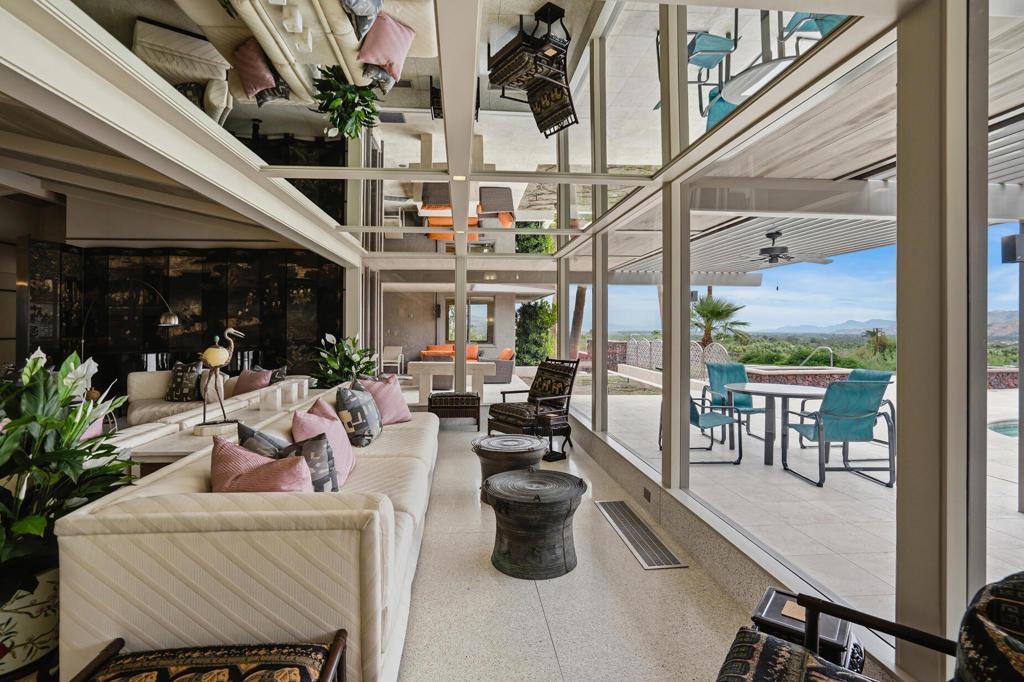
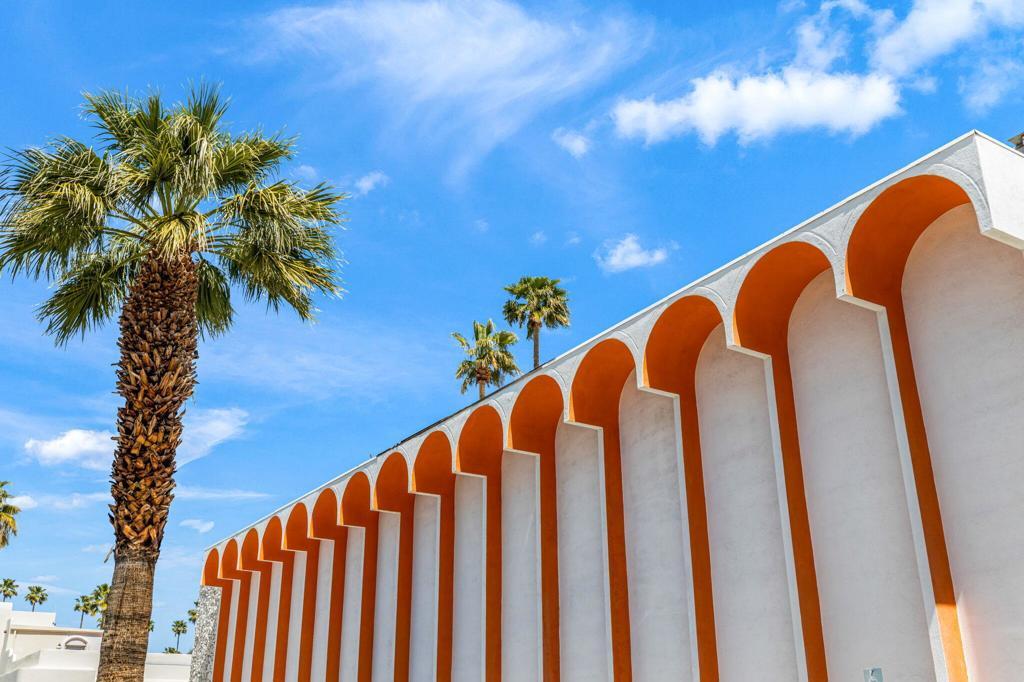
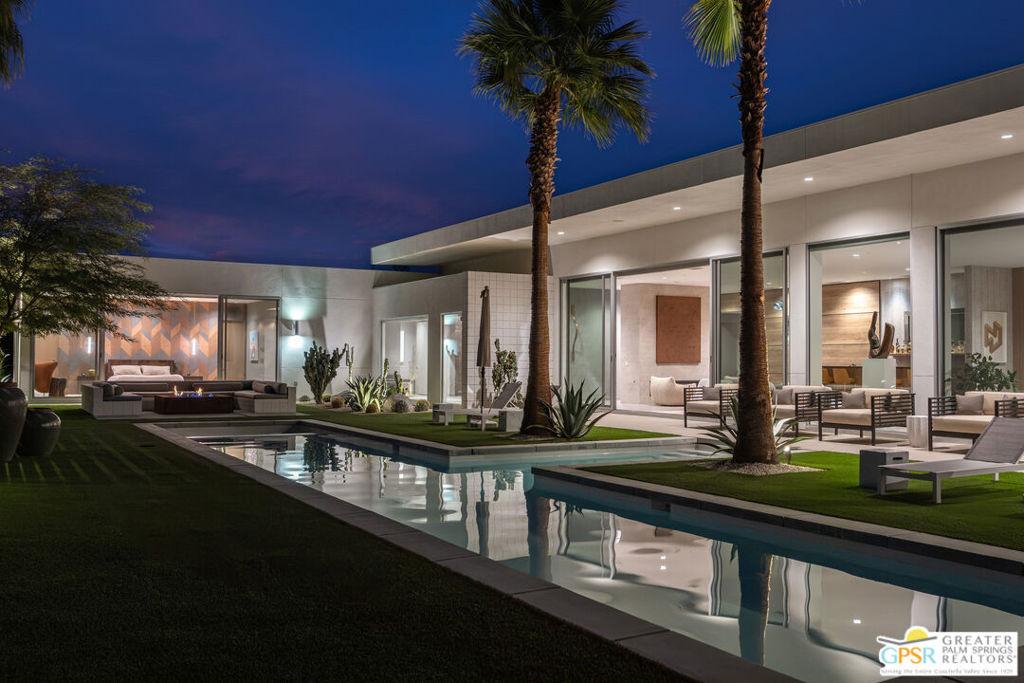
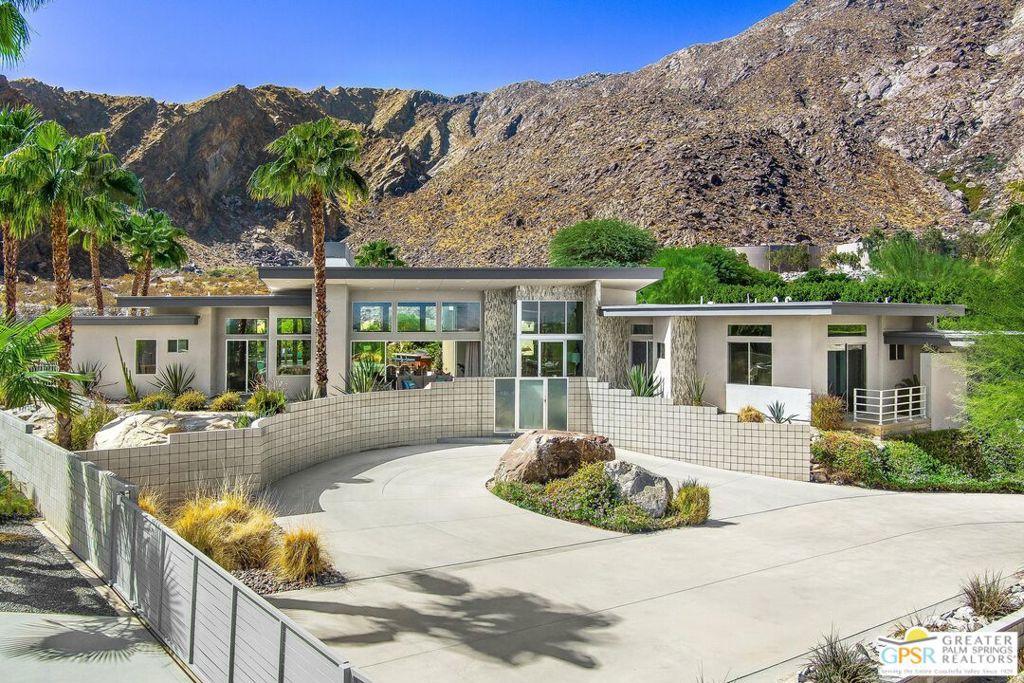
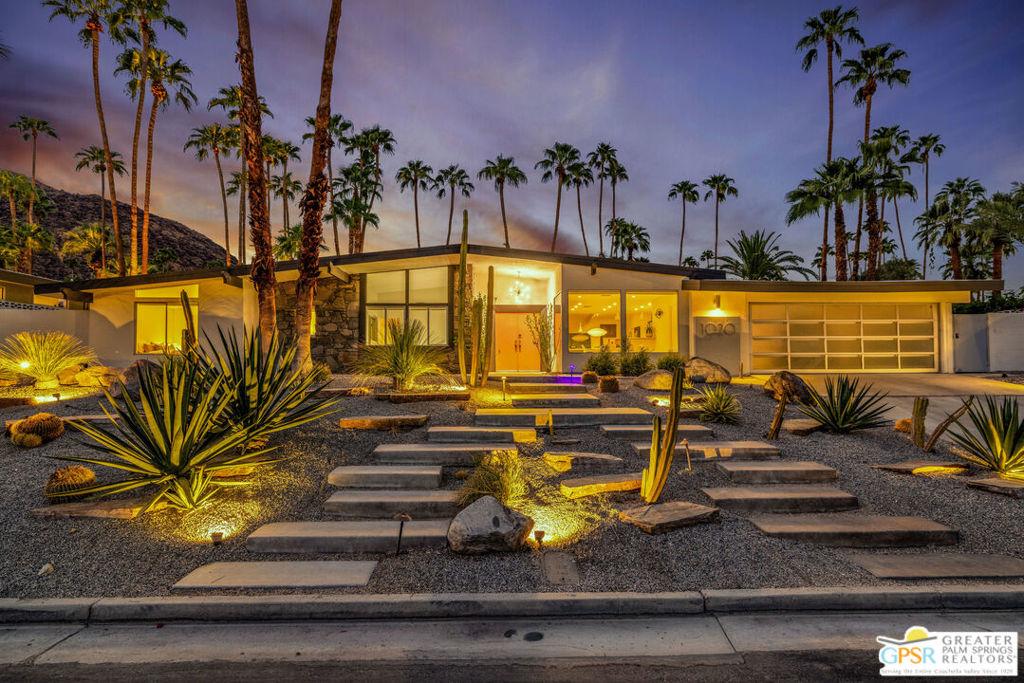
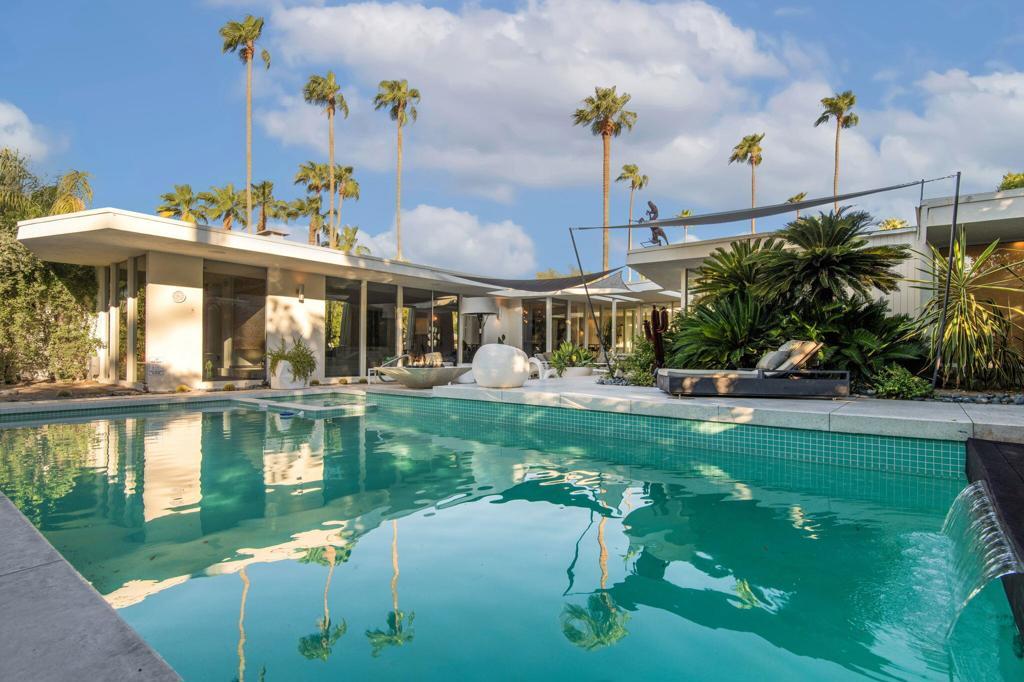
The first is architectural conviction. The mid-century modern housing stock in Palm Springs. built during the Hollywood Golden Age by architects including Albert Frey, E. Stewart Williams, Donald Wexler, William Krisel, and Richard Neutra as the celebrity class established desert retreats. is arguably the most significant collection of mid-century residential architecture accessible to private purchase in the United States. When Marilyn Monroe, Frank Sinatra, Cary Grant, and Liberace chose the desert, they chose Palm Springs, and the houses they and their contemporaries built or rented created a residential landscape that Modernism Week. the largest mid-century modern event in the world, drawing 150,000-plus visitors each February. has turned into an international design pilgrimage. Buyers who come to this market for architecture are not a niche. they are a substantial and active buyer segment with specific knowledge, specific targets, and specific willingness to pay a premium that non-architectural buyers would not understand.
The second is the LGBTQ+ community. Palm Springs has one of the highest concentrations of same-sex couples of any city in the United States. This is not a demographic footnote. it is a structural fact that shapes the city’s social infrastructure, its political orientation, its commercial investment (Arenas Road, the city’s recognized LGBTQ+ commercial district), and the quality of life available to buyers for whom community alignment matters. Palm Springs is not welcoming in the abstract sense that most Southern California cities aspire to; it is welcoming in the specific sense of an established, organized, politically influential community that owns significant real estate and has been shaping the city’s direction for decades.
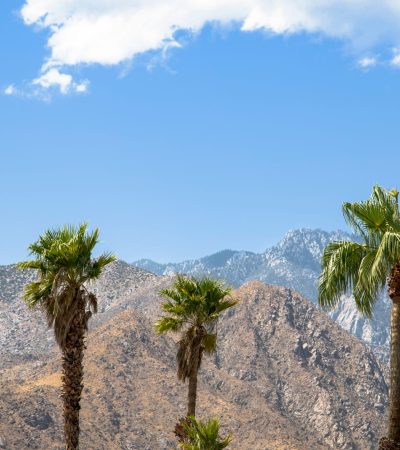
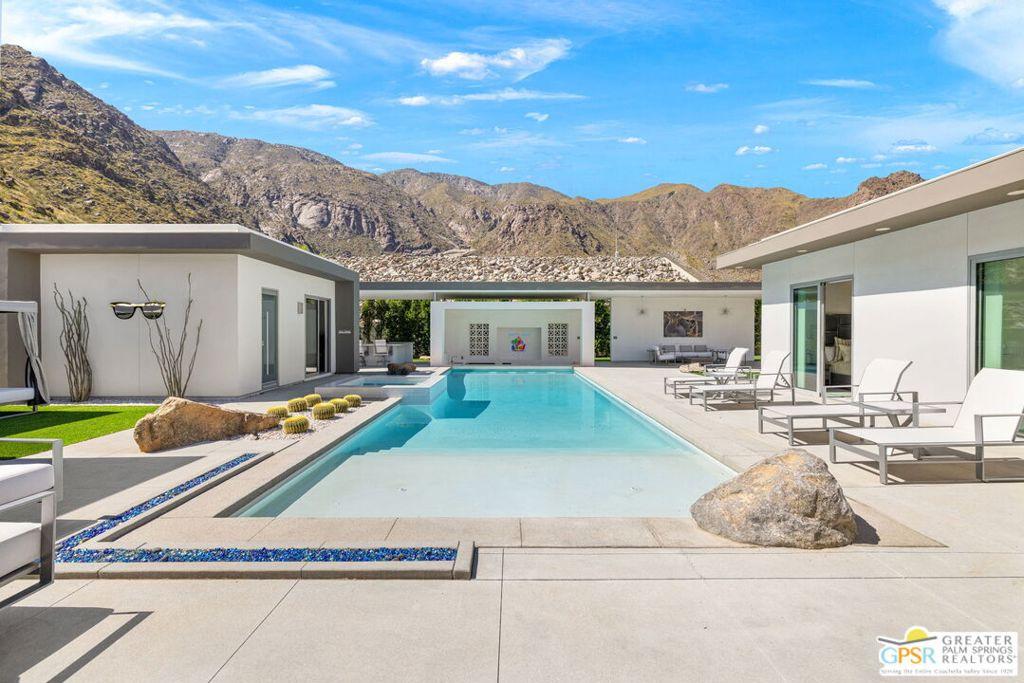
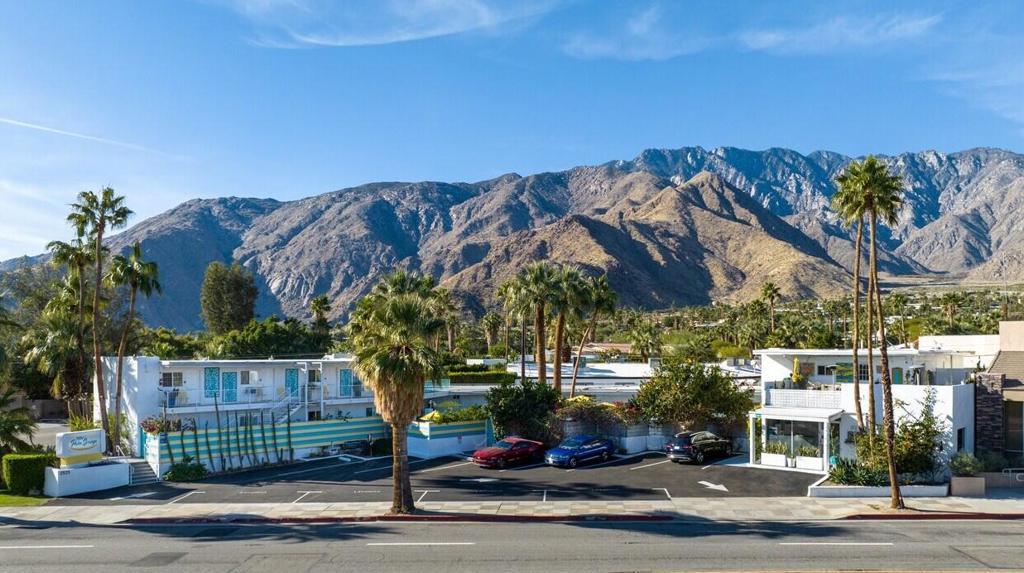
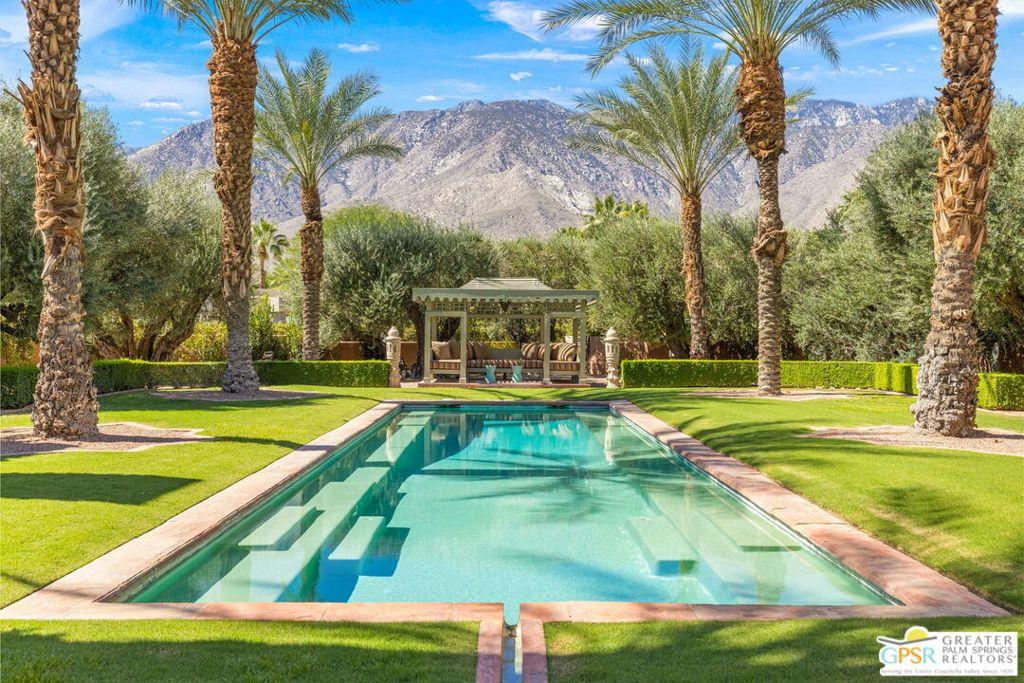
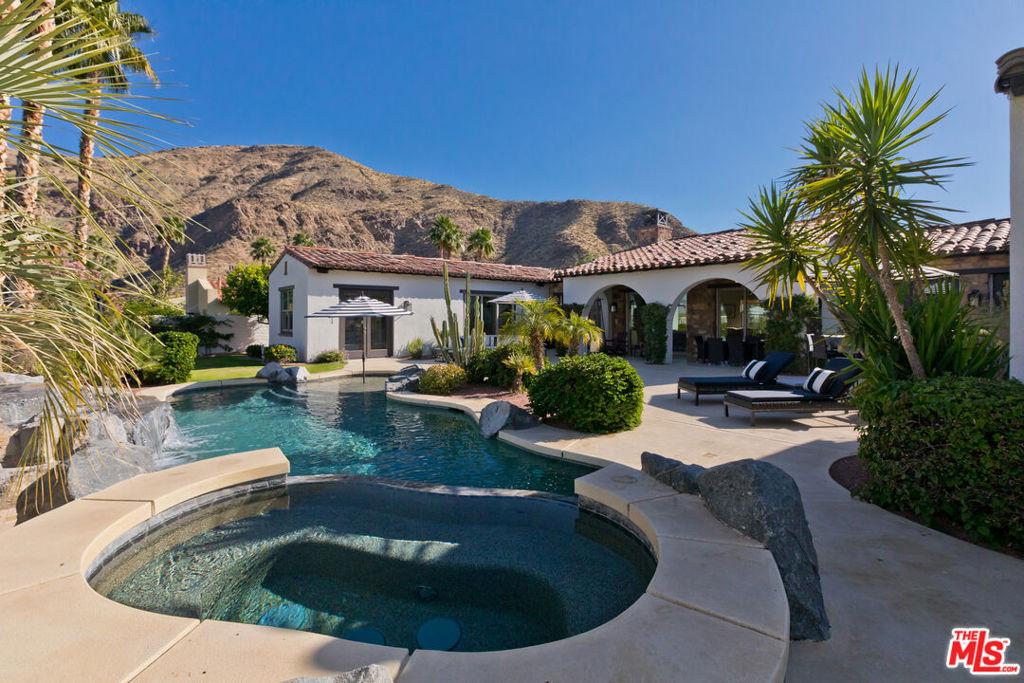
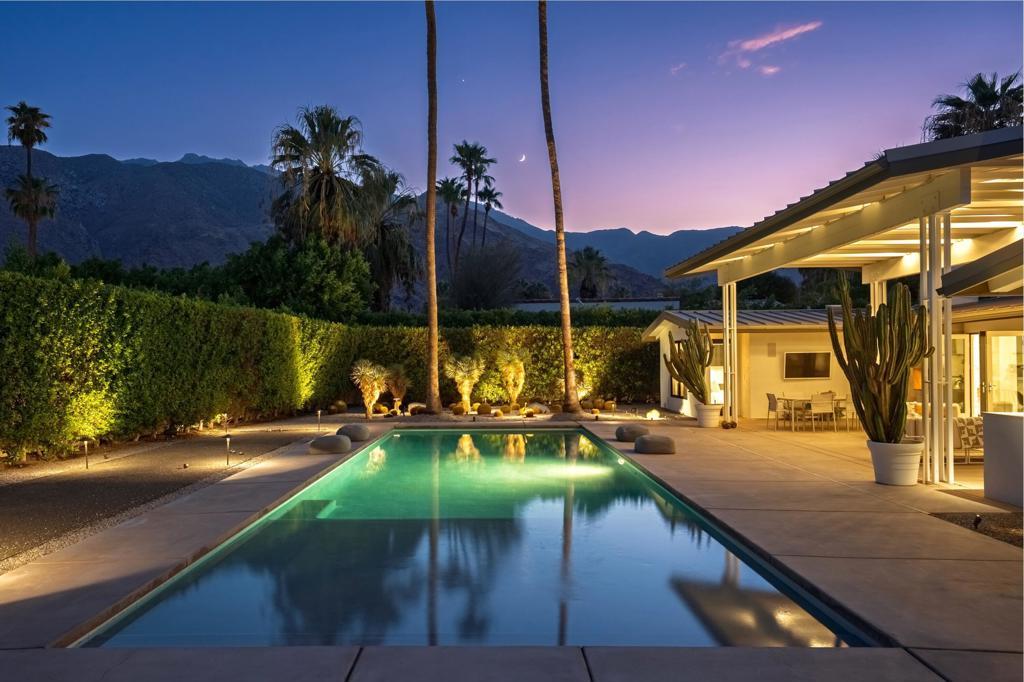
The third is the second-home and lifestyle calculation. For the Los Angeles buyer who wants a desert property within two hours. a place to escape the coastal winter grays, a property that can function as both a personal retreat and, historically, a short-term rental income property. Palm Springs has been the default answer for generations. The formula worked: buy a mid-century property, restore it, rent it on Airbnb during the October-May season, use it personally in summer when rates are lowest. That formula is under regulatory pressure now, but the fundamental lifestyle case. two hours from LA, pool culture, mountain backdrop, Palm Canyon Drive with real restaurant and nightlife energy, the desert light at golden hour on a Wexler steel house. is unchanged.
What is the Palm Springs housing market like right now?
As of May 2026, the median sale price in Palm Springs is $659,000, with the average home value at $620,000. down approximately 5.4 percent year-over-year as the post-pandemic STR investment premium deflates. Days on market average 67 days, and the sale-to-list ratio at 96 percent signals a market where sellers are discounting to close rather than receiving multiple offers. This is a buyer’s market for most of the city’s inventory.
The city-level median, however, is a misleading number for the architectural and premium segments:
Old Las Palmas is the most expensive residential pocket in the city. a neighborhood of estate-scale properties on the west side of North Palm Canyon that includes the original celebrity retreats and the most significant examples of formal residential architecture in the valley. The trailing median in Old Las Palmas is approximately $2,760,000, with individual properties ranging from $900,000 for smaller or less architecturally significant examples to $7 million and above for the premier estates.
The Movie Colony is the historic neighborhood on the eastern side of downtown that was the original celebrity enclave. Cary Grant, Errol Flynn, and Clark Gable all had homes here. Current medians are approximately $2,850,000-$3,000,000, with active appreciation in the documented-architecture subset of the inventory.
Vista Las Palmas is the mid-century estate neighborhood west of downtown, known for the Marilyn Monroe connection (Monroe stayed here during production) and for some of the most intact examples of desert modernist design available at any price. Current pricing typically runs $2,000,000-$3,700,000 for restored or original-condition properties, with variation based on renovation quality and architectural documentation.
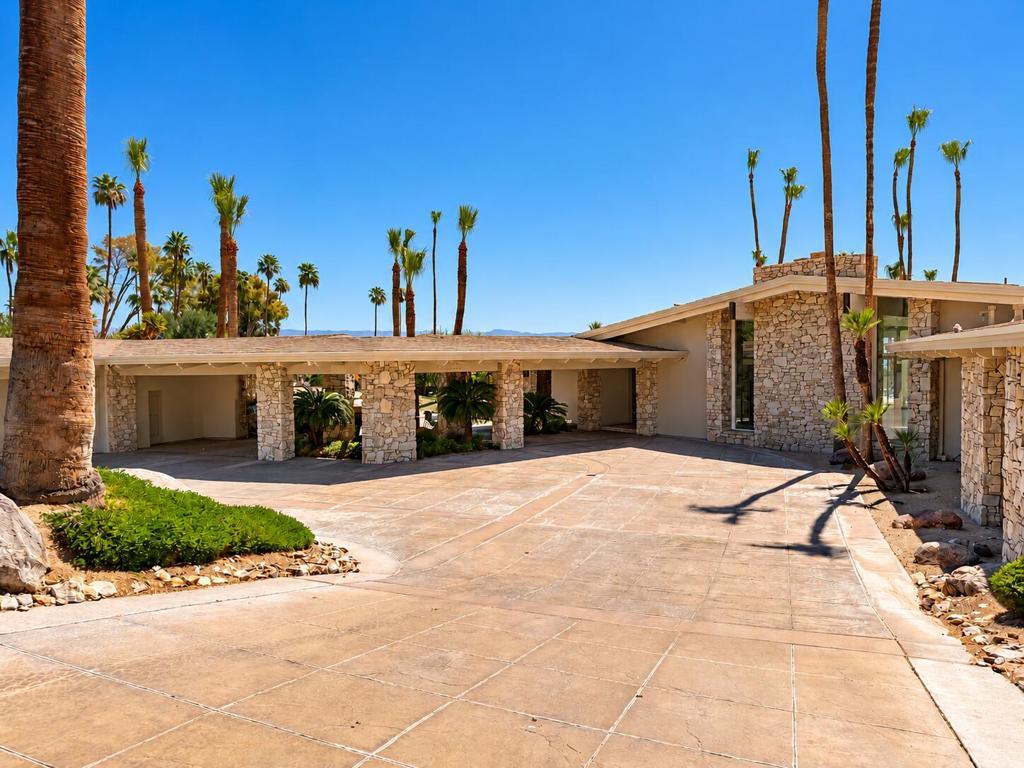
Twin Palms is William Krisel’s signature tract, where the architect designed a series of homes from 1956 onward that are now recognized as some of the most collectible examples of mid-century residential design in the country. Krisel’s butterfly rooflines and post-and-beam construction here have made Twin Palms the neighborhood that most architecture-driven buyers eventually circle back to. Prices span a significant range based on condition and restoration quality.
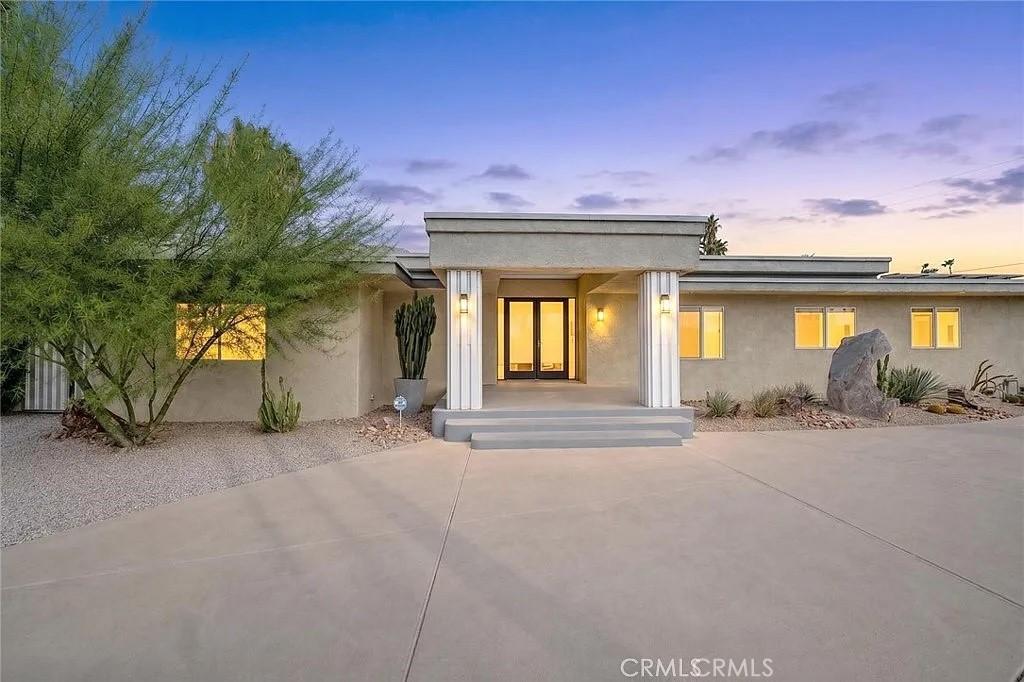
The entry-level market. condominiums and smaller homes in HOA communities from the 1970s and 1980s. starts in the $400,000-$550,000 range and is where the investor and vacation-home buyer without strong architectural conviction most often lands.
Which neighborhoods should buyers know in Palm Springs?
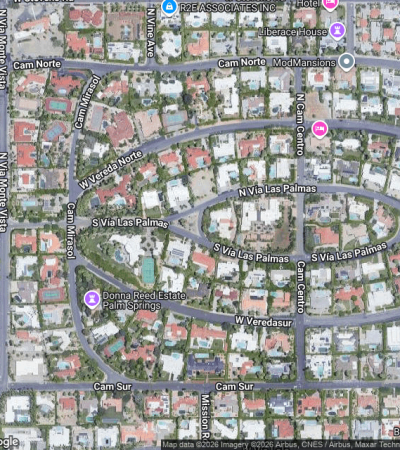
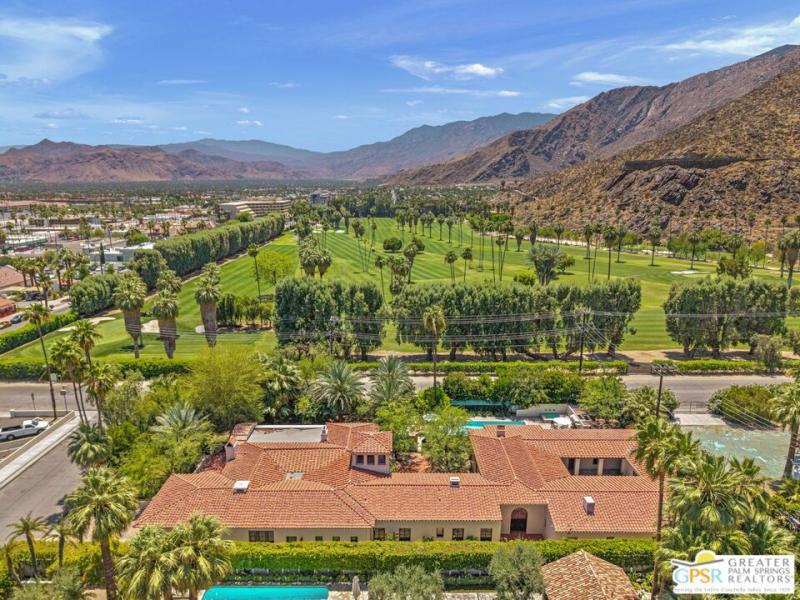
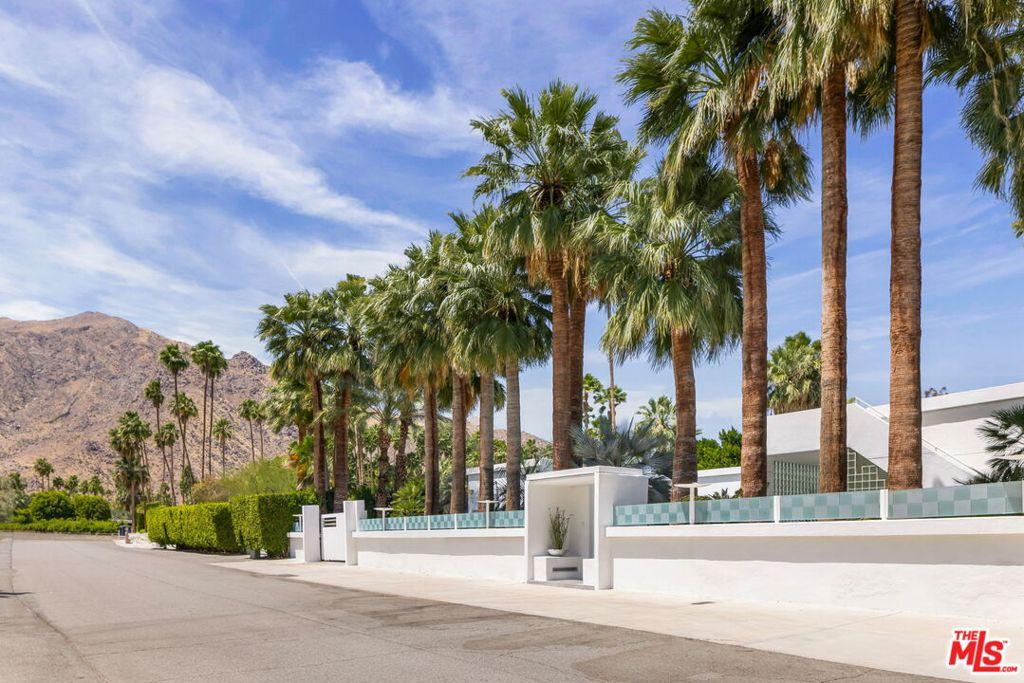
Old Las Palmas sits immediately west of North Palm Canyon Drive on the northern edge of downtown, a quiet residential area of mature desert landscaping, larger lots, and estate-scale properties that were the original winter home destination for the entertainment industry elite. The combination of historical significance, estate-level lot sizes, and proximity to downtown makes Old Las Palmas the premium address in the city.
The Movie Colony occupies the terrain east of downtown where the earliest celebrity real estate settled. The residential character here includes both historic estates and post-war development from the 1950s and 1960s, with the architectural stock varying more than in Vista Las Palmas but with the historical provenance anchoring value. The neighborhood is more accessible in price than Old Las Palmas while retaining the celebrity-history connection.
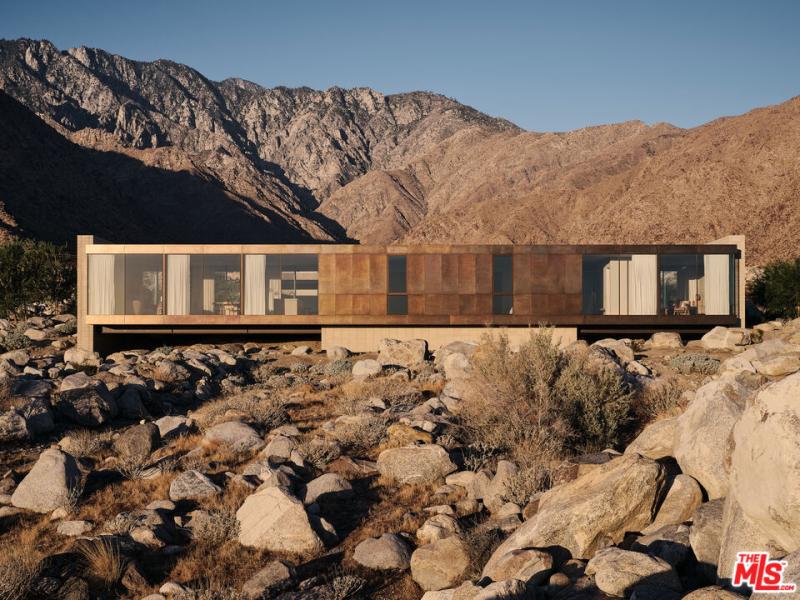
Vista Las Palmas is the neighborhood that architecture publications feature when they do Palm Springs stories. Krisel, Williams, and other mid-century masters designed homes here that have been carefully preserved or authentically restored. The scale is more intimate than Old Las Palmas. smaller lots, the classic desert modernist proportions of the era. and the neighborhood has a cohesion of architectural identity that few residential areas of any era can claim.
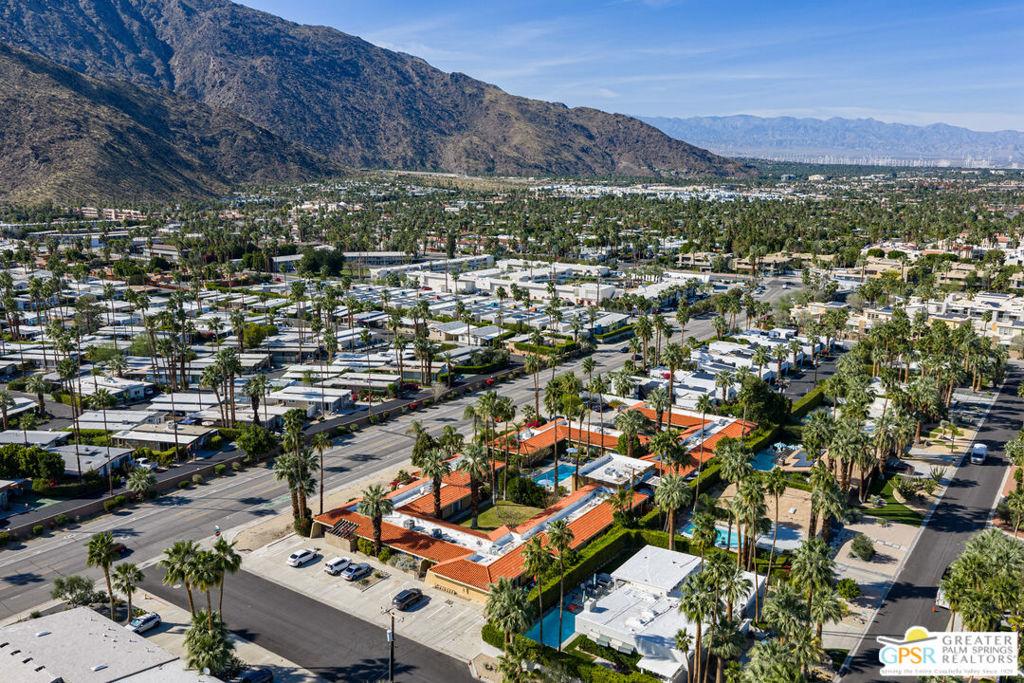
Twin Palms is the Krisel tract neighborhood. collectible tract housing at a scale that doesn’t exist anywhere else in American residential real estate. The butterfly roof profiles visible from any elevated vantage make the neighborhood instantly recognizable to anyone who has spent time studying the period. For buyers who want documented architectural significance at a lower price point than Old Las Palmas or Vista Las Palmas, Twin Palms is often the entry point.
Warm Sands is the LGBTQ+ neighborhood, sitting south of downtown between Palm Canyon Drive and the Deepwell area. The neighborhood has a concentration of smaller inns, vacation rentals, and primary residences that reflects the community’s long presence in the city. Pricing is more accessible than the architectural estate neighborhoods, and the walkability to downtown Palm Canyon is a practical advantage.
The Mesa sits on the southern edge of the city on elevated terrain above the Coachella Valley floor, with views across the valley and the Santa Rosa Mountains rising to the south. The neighborhood mixes vintage desert modern construction with newer custom homes, and the elevation and views produce a residential character that is more dramatic than the flat valley floor neighborhoods.
Deepwell occupies the transitional zone between the city’s established neighborhoods and the Palm Desert border, with a mix of mid-century single-family homes on larger lots. More accessible in pricing than the premier neighborhoods, with some of the most intact examples of 1950s-1960s residential architecture available at entry-level prices for the PS market.
Who is buying homes in Palm Springs?
The architecture collector. This buyer has done years of research. They know which streets in Vista Las Palmas have the most intact examples of Williams or Krisel design. They know the difference between an authentic restoration and a renovation that has destroyed the architectural value. They have a specific budget range in mind and they are waiting for the right example at the right price. When it appears, they move quickly and they pay a premium that non-collectors would not understand and don’t need to. the premium is not for the buyer; it’s for the asset.
The LGBTQ+ buyer seeking a welcoming community with infrastructure. Palm Springs is not aspirationally welcoming. it has been an organized, functioning LGBTQ+ community for decades. Buyers for whom community alignment is a genuine quality-of-life consideration will not find a stronger comparable address in Southern California. The presence of the community is structural, not seasonal.
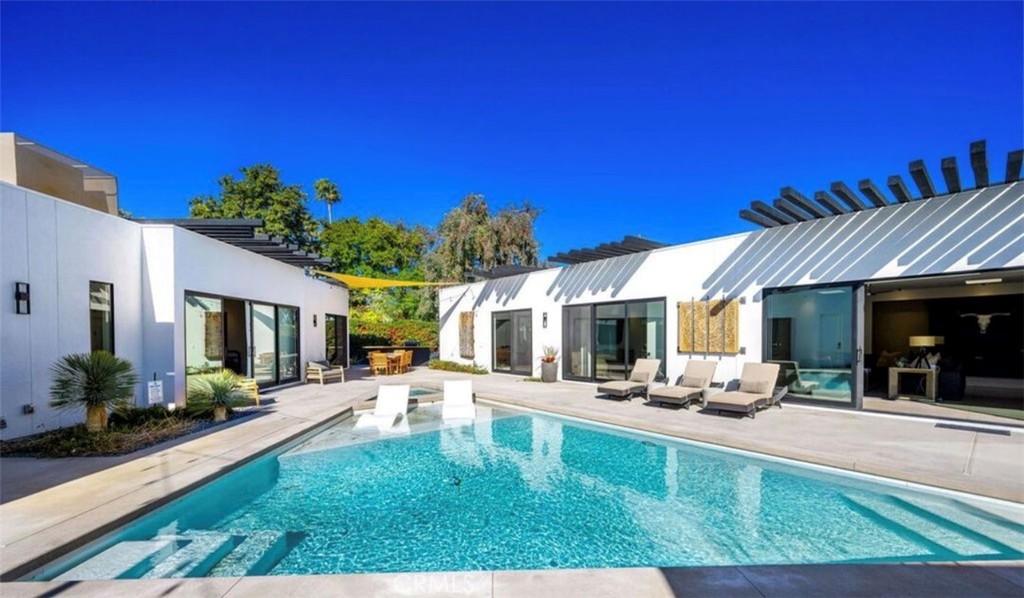
The LA weekend and second-home buyer. The two-hour drive from most of Los Angeles makes Palm Springs the most accessible desert address for the week-to-week lifestyle. Buyers in this category are typically prioritizing pool access, walkability to Palm Canyon Drive, and the seasonal rhythm of October-through-May occupancy. The desert light and temperature for this window makes the property genuinely usable.
The STR investor (with caveats. see What to Watch For). Palm Springs has historically been more permissive about short-term rental permits than other Coachella Valley cities. The income potential from winter-season rentals motivated a significant wave of purchases between 2019 and 2022. That regulatory environment has since tightened.
What is unique to Palm Springs in the region?
The architectural estate inventory is specific to Palm Springs in a way that cannot be replicated by another address. Indian Wells is more exclusive. Rancho Mirage is more private. Palm Desert has better retail. But none of them has Albert Frey’s Cody House or E. Stewart Williams’ Trousdale Estate or a street of intact Krisel butterfly-roof tracts available for private purchase. That inventory is here and nowhere else.
Modernism Week is the other irreplaceable thing. The February event draws 150,000-plus visitors, fills every hotel in the valley, and produces a community experience. architecture tours, film screenings, vintage fashion, design markets. that is unlike any other event of its kind in the United States. For residents who are aligned with this culture, February in Palm Springs is the year’s social and cultural peak. Buyers who purchase here and participate report that Modernism Week alone justifies the address in a way that no real estate marketing language adequately captures.
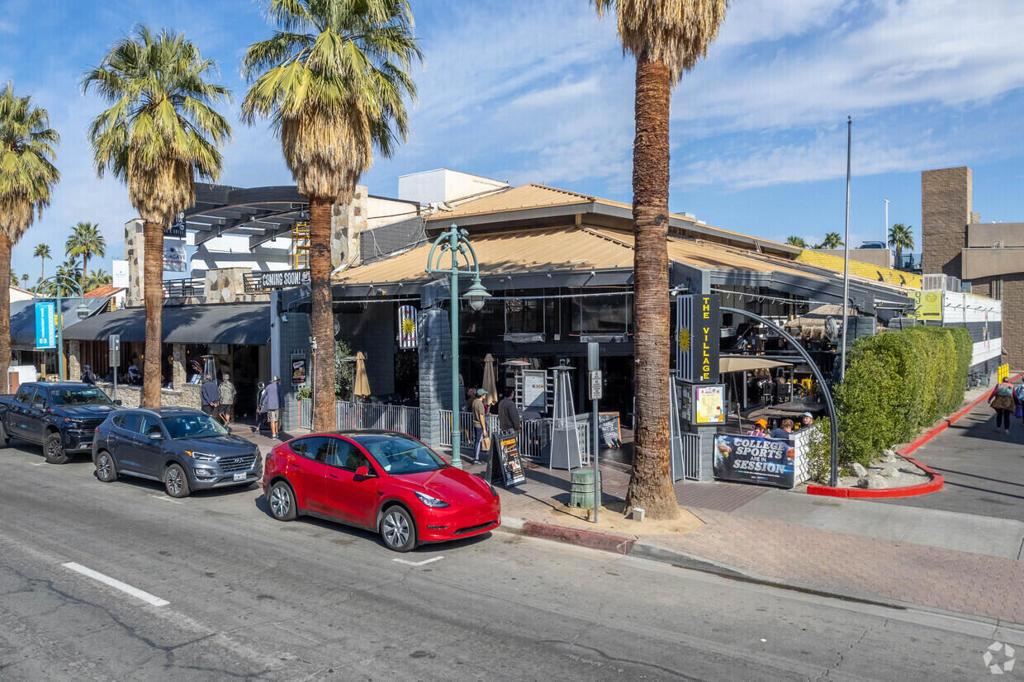
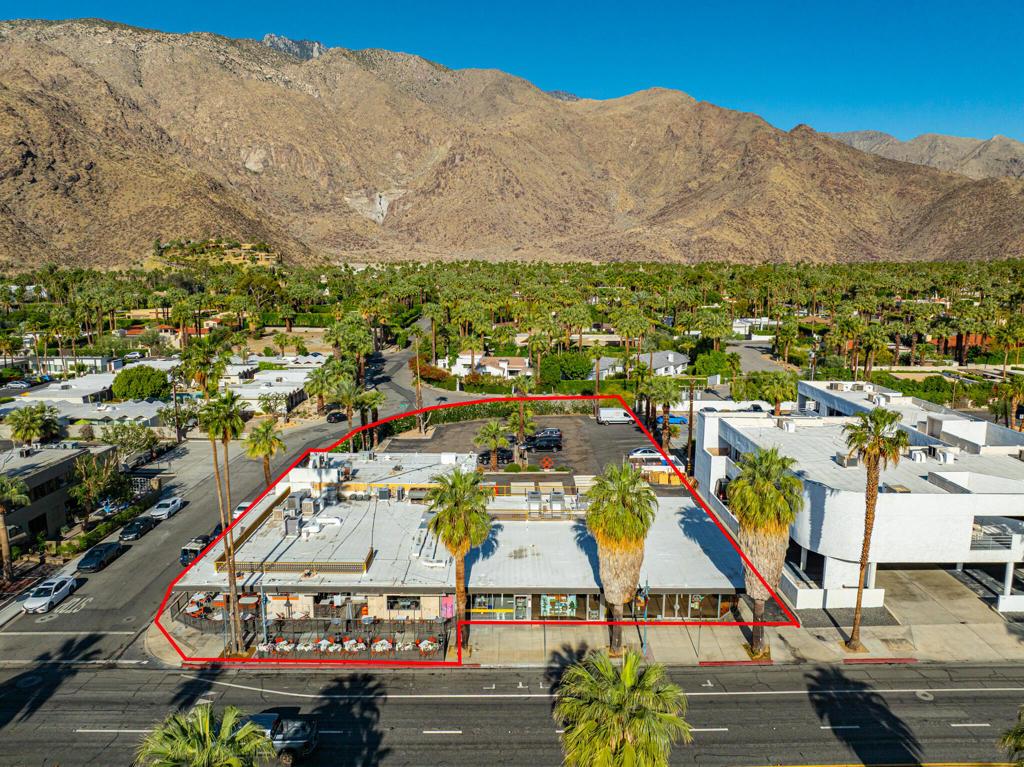
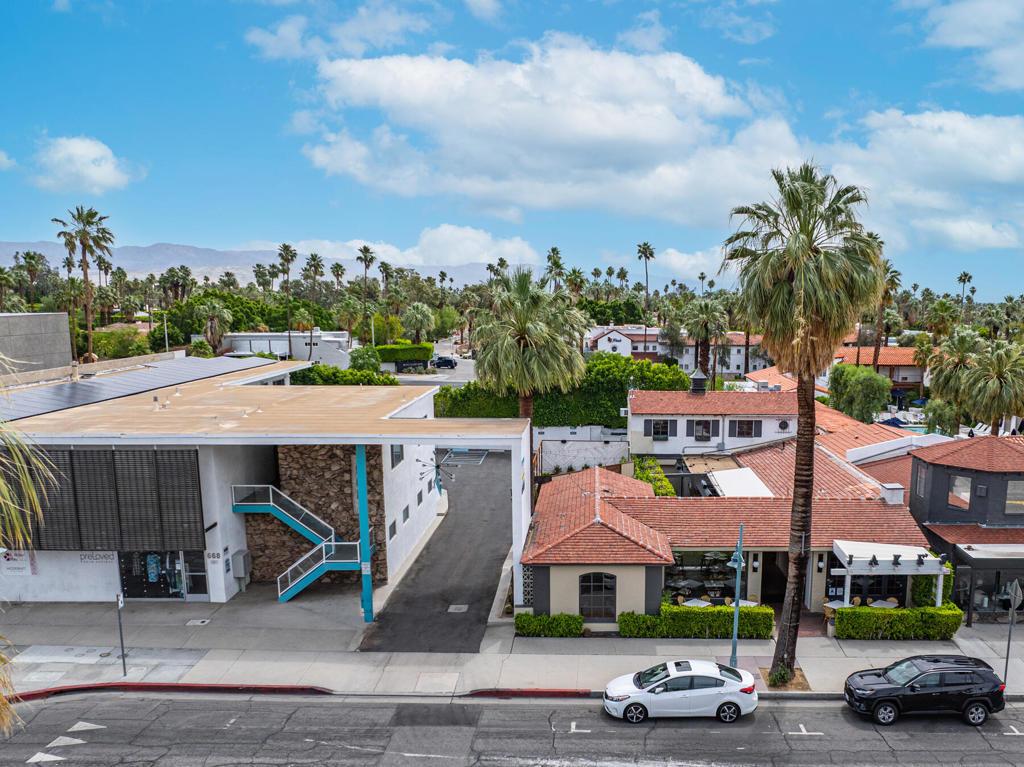
The commercial energy of Palm Canyon Drive in season. October through May. is the final differentiator. The restaurant scene, the boutique hotels, the gallery openings, the nightlife infrastructure on Arenas Road. Palm Springs in season has a genuine urban energy that its valley neighbors, however pleasant, do not replicate. This energy is real and it is seasonal.
What should buyers watch for before buying in Palm Springs?
Summer is not a lifestyle limitation. it is a structural condition of the city. From June through September, Palm Springs regularly reaches 110 degrees Fahrenheit and periodically hits 120 degrees. These are not anomalies; they are the season. Pool parties have a hard ceiling of 9 a.m. in July. Many businesses reduce hours or close seasonally. A meaningful portion of the winter-season population leaves. The Coachella Valley becomes a different place. Buyers who have not experienced a full Coachella Valley summer often underestimate what this means for their enjoyment of the property. The honest framing: Palm Springs is a seven-month city for most buyers who plan to use it regularly, and a twelve-month property only if you have reliable air conditioning, flexible schedules, and a genuine comfort with staying indoors from noon to 7 p.m. for a third of the calendar year.
The STR regulatory environment has changed. Palm Springs imposed short-term rental permit caps and regulations that have reduced the rental income available to the investor-buyer pool that drove significant purchase activity between 2019 and 2022. The specific rules. permit categories, density caps by neighborhood, owner-presence requirements. are subject to ongoing revision by the city council. Before underwriting any Palm Springs purchase with vacation rental income assumptions, verify current STR permit availability for the specific property and address, confirm the permit is transferable with the sale, and obtain current rental income actuals rather than projections.
The architectural premium is real, but so is the risk of losing it. Documented mid-century properties in Vista Las Palmas, Twin Palms, Movie Colony, and Old Las Palmas command premiums of 20-40 percent over comparable non-architectural properties. That premium depends entirely on the preservation of architectural integrity. A kitchen gut-renovation that replaces original cabinetry with contemporary finishes, a bathroom update that removes the original tile, a room addition that compromises the roofline. any of these can erase the architectural premium irreversibly. Buyers purchasing documented architectural properties should understand what authenticity preservation means in practice: working with restorers who specialize in mid-century, sourcing period-appropriate materials, and accepting maintenance costs that exceed what a non-architectural property would require.
Where can I see homes for sale in Palm Springs?
The 32 communities beneath the Palm Springs hub include architectural estates, gated HOA developments, hillside custom properties, and the historic residential pockets that define the city’s national identity. A few worth starting with:
Movie Colony. The original celebrity enclave. Estate-scale properties, documented architectural history, and a neighborhood character defined by the Golden Age Hollywood connection.
Vista Las Palmas. The mid-century modern estate neighborhood. Krisel, Williams, and contemporaries. The neighborhood architecture publications feature when they feature Palm Springs.
Twin Palms. The Krisel butterfly-roof tract. The most collectible residential neighborhood in Palm Springs for architecture-driven buyers who want documented pedigree at a more accessible entry point.
Old Las Palmas. The premier estate address. Largest lots, most significant architecture, and the historical provenance of the original Palm Springs celebrity residential core.
Warm Sands. South of downtown, the city’s recognized LGBTQ+ residential neighborhood. Walkable to Palm Canyon Drive, accessible pricing, and the community infrastructure that gives Palm Springs its specific social identity.
Deepwell. Transitional neighborhood between the city’s historic core and the Palm Desert border. Larger lots, mid-century construction, and some of the most intact examples of 1950s-1960s residential design available at entry-level Palm Springs pricing.
The Mesa. Elevated southern terrain with valley views and the Santa Rosa Mountain backdrop. Dramatic setting, a mix of vintage and contemporary custom construction.
There are 32 Palm Springs communities in TKG’s research inventory. If you don’t see what you’re looking for here, contact us. we cover the full city.
The Knight Group serves buyers and sellers across the Coachella Valley, including the full Palm Springs market. Call us at [phone] or use the contact form below to connect with an agent who knows this market specifically.
How to Compare Neighborhoods Before You Commit
The practical question in Palm Springs real estate is which trade-off you’re willing to make, because the premium neighborhoods and the entry-level inventory reward completely different buyers. If architectural provenance drives your decision, the documented pockets — Old Las Palmas, the Movie Colony, Vista Las Palmas, Twin Palms — carry pricing that reflects design significance rather than square footage, and within those areas condition and documentation separate one listing from another more than location does. If your priority is a desert base within driving distance of the coast, the condominium and HOA stock from the 1970s and 1980s puts you in the same city, the same climate, and the same walkable downtown at a fraction of the entry point.
Two things deserve weight before you write an offer. First, if rental income is part of your math, verify current short-term rental rules for the specific property — the regulatory picture has changed and the old buy-restore-rent formula no longer pencils the way it once did. Second, with days on market averaging 67 and sellers closing below list, there’s room to negotiate on most of the city’s inventory. That leverage thins considerably on well-documented architectural properties, which move on their own timeline.
What should I know before buying Palm Springs CA Homes?
- Buyers searching Palm Springs CA homes for sale are typically shopping for architecture, a second home near Los Angeles, or short-term rental income.
- Architectural conviction drives one major buyer group tracking specific architects, specific lots, and documented mid-century houses that do not sit long.
- Mid-century modern housing stock built during the Hollywood Golden Age defines the character of Palm Springs CA Homes more than any other single factor.
- Albert Frey, E. Stewart Williams, Donald Wexler, William Krisel, and Richard Neutra designed the desert houses that established the city’s architectural reputation.
- Marilyn Monroe, Frank Sinatra, Cary Grant, and Liberace chose the desert here, and the houses they built or rented shaped the residential landscape.
- Modernism Week, the largest mid-century modern event in the world, has turned the city into an international design pilgrimage each February.
- Architecture buyers are a substantial and active segment with specific knowledge, specific targets, and willingness to pay premiums other buyers would not understand.
- Palm Springs holds one of the highest concentrations of same-sex couples of any city in the United States, a structural rather than incidental fact.
- Arenas Road serves as the city’s recognized LGBTQ+ commercial district and anchors much of the social and commercial investment downtown.
- Community alignment shapes the political orientation, social infrastructure, and quality of life available to buyers considering Palm Springs CA Homes.
- Welcoming here means an established, organized, politically influential community that owns significant real estate and has shaped city direction for decades.
- Second-home buyers from Los Angeles come for a desert property that escapes coastal winter grays and functions as a personal retreat.
- The old formula was buying a mid-century property, restoring it, renting it during the October-to-May season, and using it personally in summer.
- Pool culture, the mountain backdrop, Palm Canyon Drive nightlife, and desert light on a Wexler steel house remain unchanged by regulatory pressure.
What are the neighborhoods and market like for Palm Springs CA Homes?
- Days on market and the sale-to-list ratio signal a market where sellers discount to close rather than receive multiple offers.
- Buyer’s market conditions describe most of the inventory as the post-pandemic short-term rental investment premium continues to deflate.
- Citywide medians are misleading for the architectural and premium segments of Palm Springs CA Homes, which behave very differently from the broad average.
- Old Las Palmas is the most expensive residential pocket, an estate-scale neighborhood on the west side of North Palm Canyon.
- Mature desert landscaping, larger lots, and proximity to downtown make Old Las Palmas the premium address among Palm Springs CA Homes.
- The Movie Colony sits east of downtown and was the original celebrity enclave, where Cary Grant, Errol Flynn, and Clark Gable had homes.
- Movie Colony housing stock mixes historic estates with post-war development, varying more architecturally than Vista Las Palmas while historical provenance anchors value.
- Vista Las Palmas is the mid-century estate neighborhood west of downtown, known for its Marilyn Monroe connection during production.
- Some of the most intact examples of desert modernist design available at any price sit within Vista Las Palmas.
- Architecture publications feature Vista Las Palmas when covering the city, because Krisel, Williams, and other masters designed carefully preserved homes there.
- Vista Las Palmas offers a more intimate scale than Old Las Palmas, with smaller lots and classic desert modernist proportions.
- Twin Palms is William Krisel’s signature tract, now recognized for some of the most collectible mid-century residential design in the country.
- Butterfly rooflines and post-and-beam construction make Twin Palms instantly recognizable and the neighborhood architecture-driven buyers eventually circle back to.
- Entry-level inventory consists of condominiums and smaller homes in HOA communities where investors and vacation-home buyers without architectural conviction most often land.
What is unique about living in Palm Springs CA Homes?
- Architectural estate inventory is specific to Palm Springs CA Homes in a way that cannot be replicated by another address in the valley.
- Indian Wells is more exclusive, Rancho Mirage more private, and Palm Desert has better retail, yet none holds comparable architectural inventory.
- Albert Frey’s Cody House, E. Stewart Williams’ Trousdale Estate, and streets of intact Krisel butterfly-roof tracts exist here and nowhere else.
- Modernism Week fills every hotel in the valley and produces architecture tours, film screenings, vintage fashion, and design markets each February.
- Residents aligned with mid-century culture treat February as the social and cultural peak of the year among Palm Springs CA Homes.
- Palm Canyon Drive in season delivers restaurants, boutique hotels, gallery openings, and nightlife infrastructure that valley neighbors do not replicate.
- Commercial energy here is genuinely urban but genuinely seasonal, running from October through May before quieting for the hot months.
- Summer heat is a structural condition rather than a lifestyle limitation, with the hottest stretch running from June through September.
- Pool parties have a hard morning ceiling in July, many businesses reduce hours or close seasonally, and much of the winter population leaves.
- Buyers who have not experienced a full Coachella Valley summer often underestimate how it affects enjoyment of Palm Springs CA Homes.
- Short-term rental permit caps and regulations have reduced rental income available to the investor-buyer pool that once drove purchase activity.
- Permit categories, density caps by neighborhood, and owner-presence requirements remain subject to ongoing revision by the city council.
- Documented mid-century properties in Vista Las Palmas, Twin Palms, Movie Colony, and Old Las Palmas command premiums over comparable non-architectural properties.
- Gut renovations, removed original tile, or additions that compromise a roofline can erase the architectural premium irreversibly and permanently.