Condos for Sale in Downtown Los Angeles
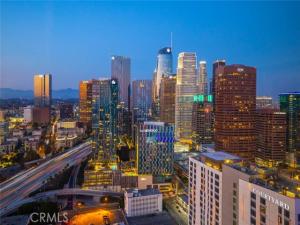
Condos for sale in downtown Los Angeles run from about $450,000 for a smaller unit in an older Historic Core building to $3 million-plus for a premium Arts District loft or a unit at the Ritz-Carlton Residences at LA Live. That range reflects a real split in who buys here. DTLA works for people who want to walk to Grand Central Market, the Museum of Contemporary Art, Crypto.com Arena, and the Arts District coffee shops, and who count that access as worth more than a yard and a garage. If you value quiet, outdoor space, or a car commute to a job 20 miles out, another neighborhood will serve you better.
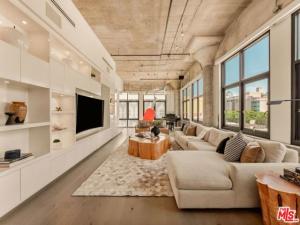
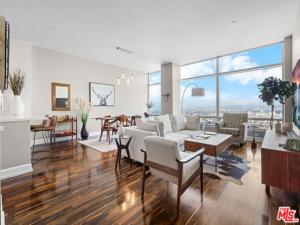
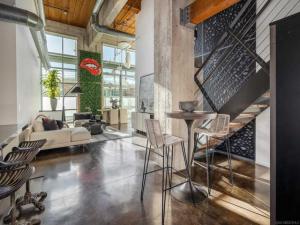
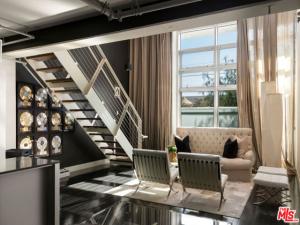
The housing stock splits into two products. Arts District lofts and adaptive reuse buildings — the Biscuit Company Lofts, the Spring Arts Tower, former warehouses along the LA River — offer big open floor plans, high ceilings, and exposed concrete and steel. South Park and Financial District high-rises are more conventional: pool, fitness center, concierge, secure parking. Little Tokyo and the Historic Core mix converted historic structures with newer residential. Arts District lofts trade at a premium over South Park, because that product is scarce and can’t be rebuilt.
Who is buying condos in Downtown Los Angeles?
The DTLA condo buyer pool is more diverse than the neighborhood’s reputation suggests.
The urban-lifestyle professional is the archetype: someone who works in the financial district, the entertainment industry nearby, the legal and professional services that cluster downtown, or remotely and wants to live in a walkable urban environment. This buyer has often come from New York, Chicago, or a European city and finds the suburban LA paradigm unappealing. They have calibrated their expectations for the urban lifestyle’s tradeoffs. the noise, the density, the limited parking. and found them acceptable.
The investor has historically been a significant share of the DTLA buyer pool. DTLA units near Crypto.com Arena and the convention center have attracted vacation rental and corporate housing investors, and the strong rental demand from young professionals has made long-term investment attractive as well. The investment landscape in DTLA has evolved. some of the buildings that were purchased as investment vehicles in 2014-2019 are now reselling into a market that has different characteristics than the original purchase assumptions. but the investor buyer remains active.
The buyer relocating from another city is specifically well-served by DTLA. New York professionals accustomed to building living, to not owning a car, to walkability as a given rather than a premium. find DTLA’s urban density more legible than any other LA neighborhood. The conversion from “I can’t live in LA because I don’t want to give up walkability” to “I can live in DTLA” is a real and common transaction pattern.
What kinds of condo buildings are in Downtown Los Angeles?
DTLA’s condo inventory has the widest physical diversity of any sub-market in this guide. There are effectively two distinct products that share the Downtown Los Angeles label, and they compete for different buyers.
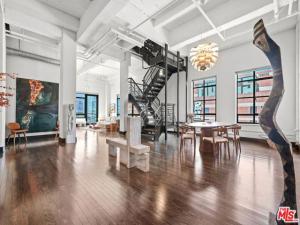
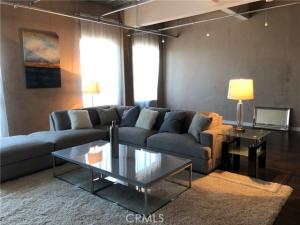
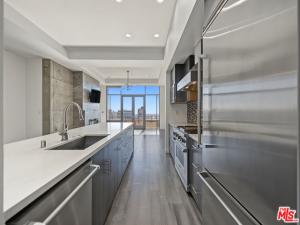
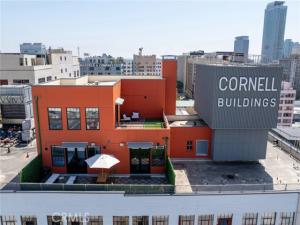
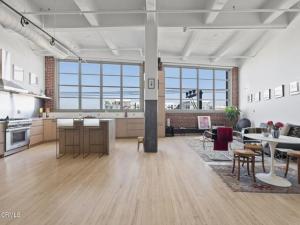
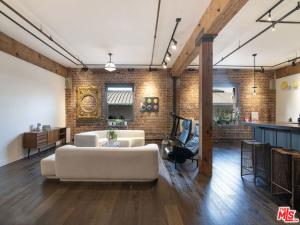
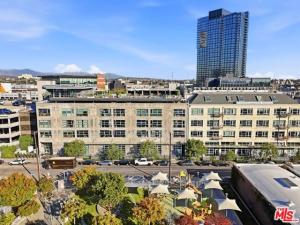
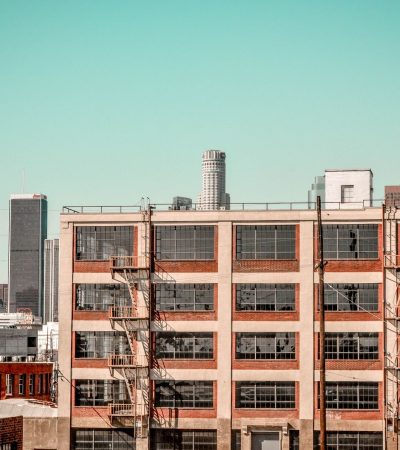
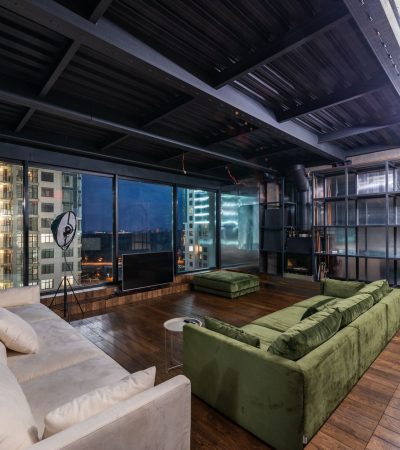
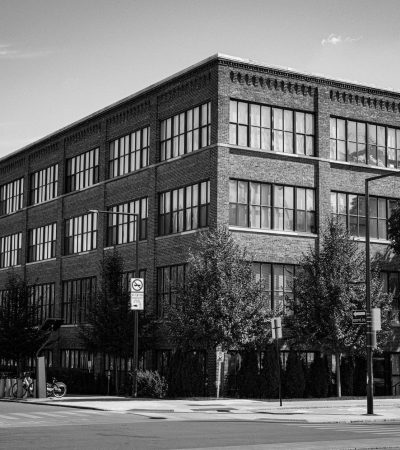
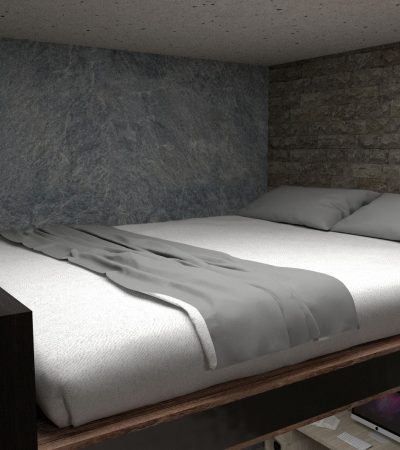
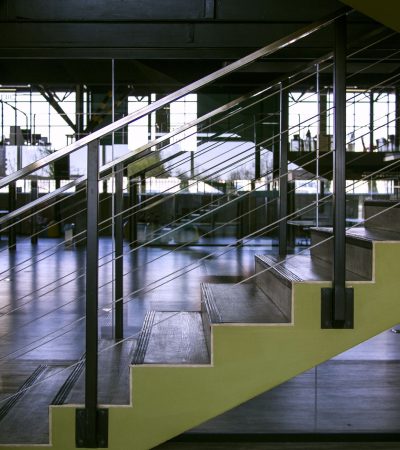
Arts District lofts and adaptive reuse are the most distinctive product in the LA condo market. The Arts District. the area south and east of Little Tokyo, around Traction Avenue, Rose Street, and the industrial blocks along the LA River. has been the site of warehouse-to-residential conversion projects since the 1990s that have produced a specific building type: large square footage, open floor plans, exposed concrete and steel, significant ceiling heights, industrial details preserved rather than hidden. These buildings are unlike anything available in suburban LA. The Spring Arts Tower, the Biscuit Company Lofts, former factory and warehouse conversions. these are buildings that produce a residential environment specific to DTLA that can’t be replicated by new construction because the source buildings don’t exist elsewhere.
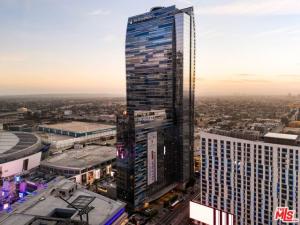
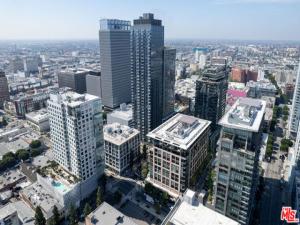
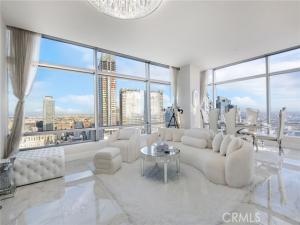
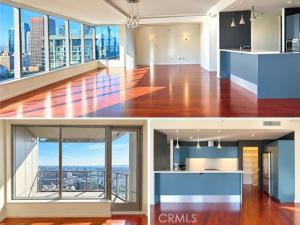
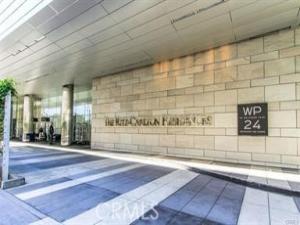
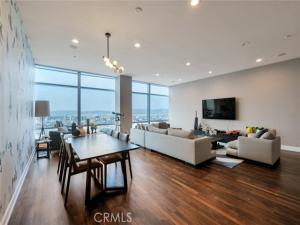
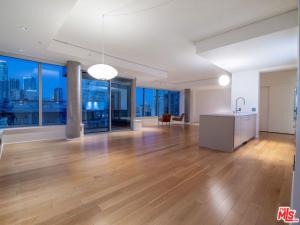
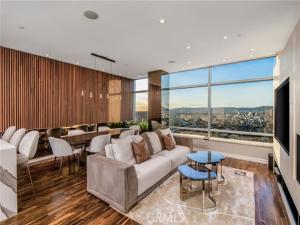
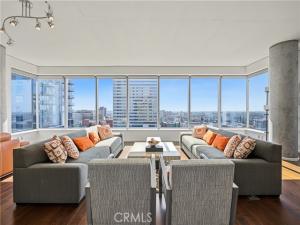
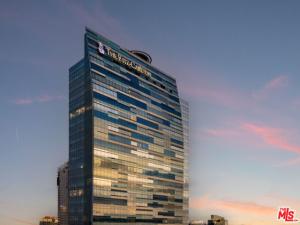
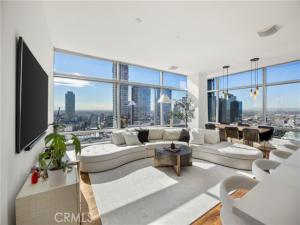
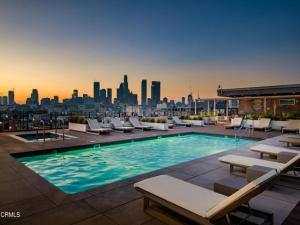
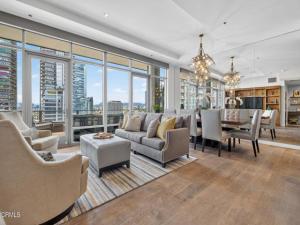
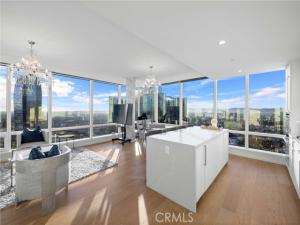
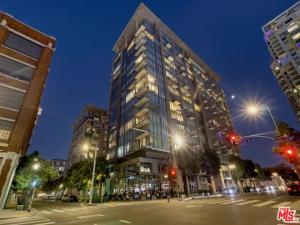
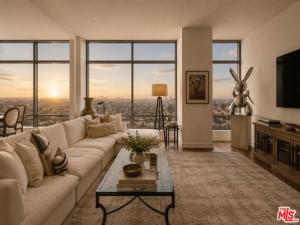
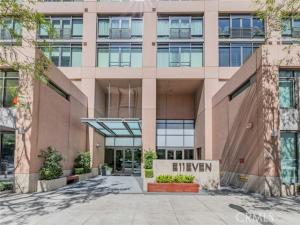
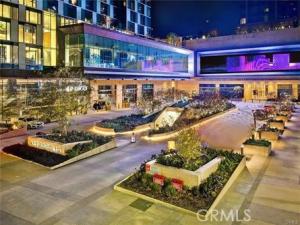
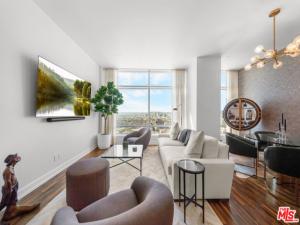
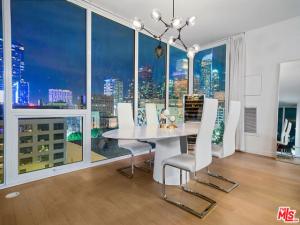
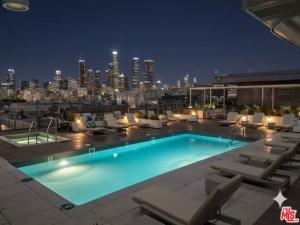
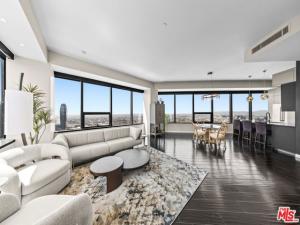
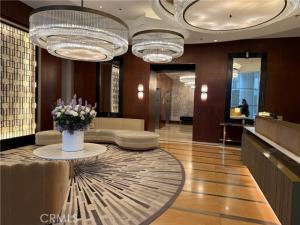
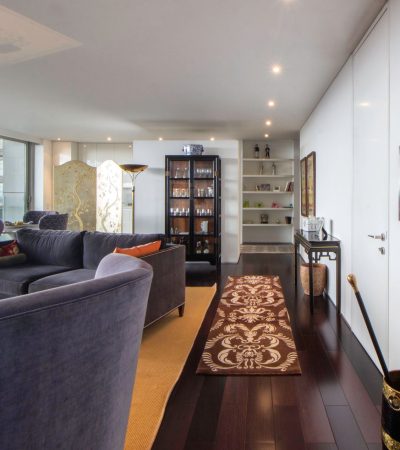
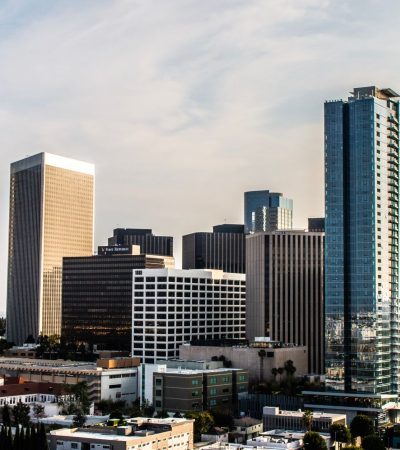
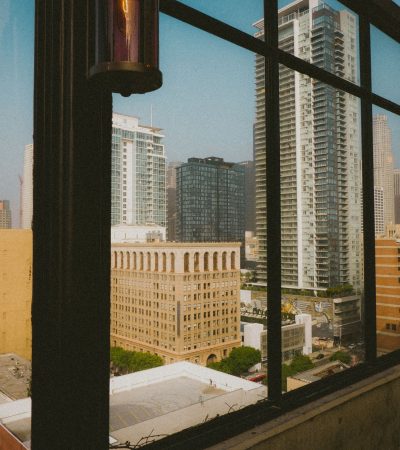
South Park and Financial District high-rises are the more conventional urban high-rise product. Buildings in the South Park neighborhood. the area between Staples Center/Crypto.com Arena and the Figueroa Street commercial corridor. include mid-rise and high-rise condo buildings with standard building amenities: pool, fitness center, concierge, secure parking. These are the buildings that most clearly compete with the urban high-rise product available in other LA neighborhoods. The Ritz-Carlton Residences at LA Live represent the upper tier of this category, where the hotel-adjacent amenity infrastructure produces a hospitality-standard residential experience.
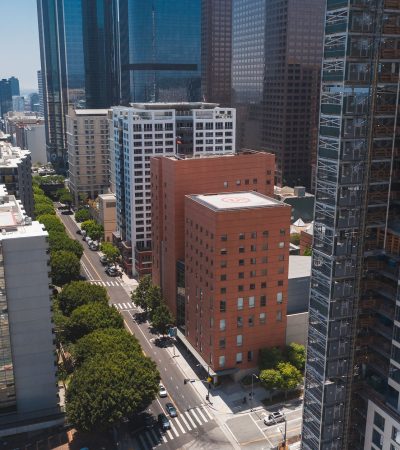
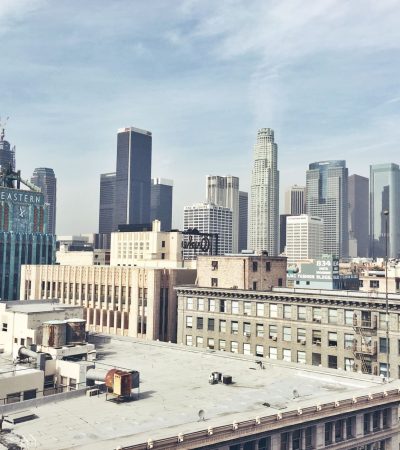
Little Tokyo and Historic Core buildings include adaptive reuse projects in historic structures and purpose-built residential development that has benefited from DTLA’s arts and culture infrastructure. These neighborhoods have a street-level character that is among the most interesting in Downtown Los Angeles.
What does a condo cost in Downtown Los Angeles?
Downtown Los Angeles condos for sale have the widest price range of any sub-market in this guide: from $450,000 for a smaller unit in an older building in the Historic Core to $3 million-plus for a significant unit in the Ritz-Carlton Residences or a premium Arts District loft.
The Arts District market trades at a premium over the South Park market, which surprises buyers who assume a financial district adjacent building should price higher than a former industrial building. The Arts District premium reflects the uniqueness of the product. an Arts District loft is a scarce good, and buyers who specifically want that physical experience will pay for it. A South Park high-rise unit is a more replicable product with more direct comparables.
Current market data for DTLA condos:
– Arts District lofts: $700,000-$2,500,000 depending on size, floor plan, and building. Price per square foot at the upper end: $700-$1,000+ for the premium converted warehouse buildings.
– South Park and Financial District: $450,000-$1,800,000. More supply and more price variability based on building year and condition.
– Little Tokyo and Historic Core: $450,000-$1,200,000. Value tier with significant neighborhood character.
The DTLA market had specific softness through 2024-2025 that has created buying opportunity. Days on market extended, some investor-owned units came to market as the short-term rental income thesis became harder to execute, and prices in some buildings corrected from their 2021-2022 highs. Buyers who are specifically looking for value-to-urban-access ratios in the LA market should run the DTLA comparison against Westside alternatives at comparable price points.
How do Arts District and South Park prices compare?
The most useful market comparison for a DTLA condo buyer is not DTLA versus the Westside. the lifestyle difference there is obvious. The useful comparison is Arts District versus South Park, because they represent two different products that DTLA has to offer at different price points with different investment profiles.
The Arts District trades at a premium over South Park despite being on the eastern edge of downtown rather than the center. The reason is the scarcity and distinctiveness of the product: there are a finite number of converted industrial and warehouse buildings in the Arts District, and the loft product they produce. the concrete floors, the double-height ceilings, the massive windows, the open plan that comes from a former factory rather than a designed residential building. is not replicable by new construction. Buyers who specifically want this aesthetic pay the Arts District premium knowingly.
South Park high-rises are more abundant and more standardized. The product is new or nearly new construction, with the contemporary amenity stack and the efficient floor plans that standard residential development produces. The proximity to Crypto.com Arena, the LA Convention Center, and the Figueroa entertainment corridor creates a specific market dynamic. vacation rental and event-weekend income potential. that has attracted investor buyers and maintained demand in the face of some softness in the broader DTLA market.
The investment profiles diverge accordingly. Arts District lofts attract owner-occupiers who want the specific lifestyle and the unique physical product. South Park units attract a more mixed buyer pool that includes investors, urban lifestyle buyers, and buyers who want Downtown access without the industrial building’s eccentricities.
What does condo ownership involve in Downtown Los Angeles?
DTLA building ownership has several specific features worth understanding before purchase.
The short-term rental landscape varies by building. Some DTLA buildings near Crypto.com Arena have been used as vacation and event-weekend rental properties, and their CC&Rs may either permit or specifically prohibit this use. The city of LA has short-term rental regulations that apply to DTLA buildings, and the intersection of city rules and individual building CC&Rs creates a complex picture that requires research at the specific building level. Buyers with STR income expectations need to verify both the city regulations and the specific CC&Rs before committing.
Parking in DTLA is an ownership consideration, not just an amenity. DTLA condos typically come with one or two assigned parking spaces in subterranean garages, and the availability of guest parking varies significantly. DTLA is the one LA neighborhood where the question “do I actually need a car?” is at least partially answerable in the affirmative. the Metro Red Line and Purple Line connect downtown to Hollywood, Koreatown, and Wilshire corridor destinations, and many residents structure their lives around transit and walking. The buyer who plans to continue driving regularly should verify the specific parking situation at any building they’re considering.
HOA fees in DTLA high-rises run higher than in suburban LA. The building amenities, the high-rise structure maintenance, the concierge and security infrastructure in the premium buildings. these cost money. Monthly HOA fees in the South Park high-rises and Financial District buildings typically run $700-$2,000 per month. The fees are higher in the hospitality-adjacent buildings and lower in the Historic Core and Arts District adaptive reuse buildings.
What are the trade-offs of a Downtown Los Angeles condo?
The retail vacancy and safety perception issues in parts of DTLA are real buyer considerations. This is the honest section, and the honest truth about downtown Los Angeles is that parts of it have struggled with retail vacancy and public safety perception that have affected buyer demand in specific corridors. The Financial District, particularly some blocks of South Spring Street and Broadway, has seen vacancy and foot traffic reduction that affects the street-level experience. The Arts District has held up considerably better. its gallery density, its restaurant infrastructure, and the demographic base it attracts have insulated it from the street-level conditions that affected other DTLA corridors.
Buyers should spend time in the neighborhood around the specific building they’re considering. at different times of day, on weekdays and weekends. before committing. DTLA varies significantly block by block. Knowing the specific block’s character is not optional research.
DTLA requires a specific buyer. This is not a critical observation. it’s a useful one. The buyer who loves DTLA tends to love it specifically and passionately. The buyer who is uncertain tends to not end up here, and when they do end up here by default or pressure, they often end up dissatisfied. Buy downtown because you want to live downtown, not because a budget conversation eliminated other neighborhoods and left you here.
The investment thesis that drove 2013-2019 DTLA buying has evolved. Some of the buildings that attracted investors in the DTLA development wave are now reselling into a market where the original assumptions. STR income, rapid appreciation, urban renaissance momentum. have played out differently than projected. Buyers purchasing for pure investment returns should update their model to current conditions rather than relying on DTLA’s pre-2020 investment narrative.
Where can I see condos for sale in Downtown Los Angeles?
TKG’s Downtown LA condo inventory includes 29 pages covering the full range of DTLA’s building landscape, from Arts District lofts to South Park high-rises.
Homes for Sale in Downtown Los Angeles. TKG’s full Downtown Los Angeles condo and loft search index.
NoHo Arts District Rentals. The Arts District residential product, the most distinctive condo category in DTLA.
Culver City Arts District Homes for Sale. Related arts district residential product for comparison.
The 29 DTLA pages in TKG’s inventory span the Financial District, South Park, Arts District, Historic Core, and Little Tokyo. Contact us for building-specific guidance.
The Knight Group serves buyers and sellers in Downtown Los Angeles and the broader LA metro. Call us at 310-409-7242 or use the contact form below to connect with an agent who knows the DTLA condo market specifically.
What Is It Like Buying Condos For Sale In Downtown Los Angeles?
- Condos For Sale In Downtown Los Angeles span smaller units in older Historic Core buildings through premium Arts District lofts and Ritz-Carlton Residences at LA Live homes.
- DTLA works for buyers who want to walk to Grand Central Market, the Museum of Contemporary Art, Crypto.com Arena, and Arts District coffee shops.
- Buyers who value quiet, outdoor space, or a car commute to a distant job will be better served by another neighborhood.
- Arts District lofts and adaptive reuse buildings such as the Biscuit Company Lofts and Spring Arts Tower offer big open floor plans and high ceilings.
- Exposed concrete and steel define the converted warehouse buildings along the LA River that give downtown its most distinctive residential product.
- South Park and Financial District high-rises are more conventional, offering a pool, fitness center, concierge, and secure parking.
- Little Tokyo and the Historic Core mix converted historic structures with newer residential construction across their blocks.
- Arts District lofts trade at a premium over South Park because that product is scarce and cannot be rebuilt.
- Urban-lifestyle professionals form the archetypal buyer for Condos For Sale In Downtown Los Angeles, working in finance, entertainment, legal and professional services, or remotely.
- Buyers arriving from New York, Chicago, or European cities often find the suburban Los Angeles paradigm unappealing and downtown density more legible.
- Investors have long made up a significant share of the buyer pool, drawn by vacation rental, corporate housing, and strong young-professional rental demand.
- Trading a yard and a garage for walkable access is the core calculation behind Condos For Sale In Downtown Los Angeles.
What Kinds Of Buildings Are Available Among Condos For Sale In Downtown Los Angeles?
- Condos For Sale In Downtown Los Angeles carry the widest physical diversity of any sub-market in this guide, with two distinct products competing for different buyers.
- Arts District lofts and adaptive reuse projects stand as the most distinctive product in the entire Los Angeles condo market.
- Traction Avenue, Rose Street, and the industrial blocks along the LA River anchor the Arts District south and east of Little Tokyo.
- Warehouse-to-residential conversion produced large square footage, open floor plans, exposed concrete and steel, and industrial details preserved rather than hidden.
- The Spring Arts Tower and the Biscuit Company Lofts create a residential environment that new construction cannot replicate because the source buildings do not exist elsewhere.
- South Park sits between Crypto.com Arena and the Figueroa Street commercial corridor, holding mid-rise and high-rise buildings with pool, fitness center, concierge, and secure parking.
- The Ritz-Carlton Residences at LA Live represent the upper tier, where hotel-adjacent amenities produce a hospitality-standard residential experience.
- Little Tokyo and Historic Core buildings combine adaptive reuse of historic structures with purpose-built residential development supported by downtown arts and culture infrastructure.
- Condos For Sale In Downtown Los Angeles show the widest price range of any sub-market covered in this guide.
- Arts District units trade at a premium over South Park, which surprises buyers who assume financial-district adjacency should price higher than a former industrial building.
- A South Park high-rise unit is a more replicable product with more direct comparables than a scarce Arts District loft.
- Market softness extended days on market and brought investor-owned units to Condos For Sale In Downtown Los Angeles as the short-term rental income thesis grew harder to execute.
What Should I Know Before Buying Condos For Sale In Downtown Los Angeles?
- Short-term rental rules vary by building, with CC&Rs near Crypto.com Arena either permitting or specifically prohibiting vacation and event-weekend rental use.
- City of Los Angeles short-term rental regulations intersect with individual building CC&Rs, creating a picture that requires research at the specific building level.
- Buyers with short-term rental income expectations should verify both city regulations and building CC&Rs before committing to a purchase.
- Parking counts as an ownership consideration rather than an amenity, with assigned subterranean spaces and guest parking availability varying significantly by building.
- The Metro Red Line and Purple Line connect downtown to Hollywood, Koreatown, and Wilshire corridor destinations, letting many residents structure their lives around transit and walking.
- HOA fees for Condos For Sale In Downtown Los Angeles run higher than in suburban Los Angeles because of amenities, high-rise maintenance, concierge, and security infrastructure.
- Fees run higher in hospitality-adjacent buildings and lower in Historic Core and Arts District adaptive reuse buildings.
- Retail vacancy and public safety perception in parts of downtown are real buyer considerations that have affected demand in specific corridors.
- Some blocks of South Spring Street and Broadway in the Financial District have seen vacancy and reduced foot traffic affecting the street-level experience.
- The Arts District has held up considerably better thanks to gallery density, restaurant infrastructure, and the demographic base it attracts.
- Buyers should spend time around a specific building at different times of day, on weekdays and weekends, because Condos For Sale In Downtown Los Angeles vary block by block.
- Buying Condos For Sale In Downtown Los Angeles works best for people who actively want downtown living rather than those left here by a budget conversation.