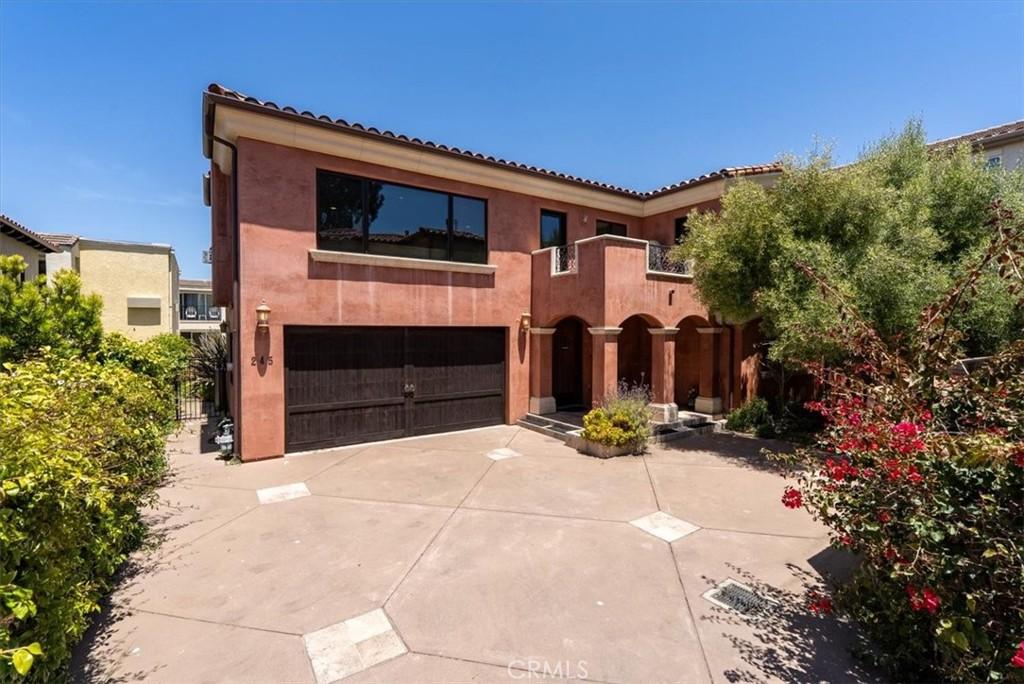
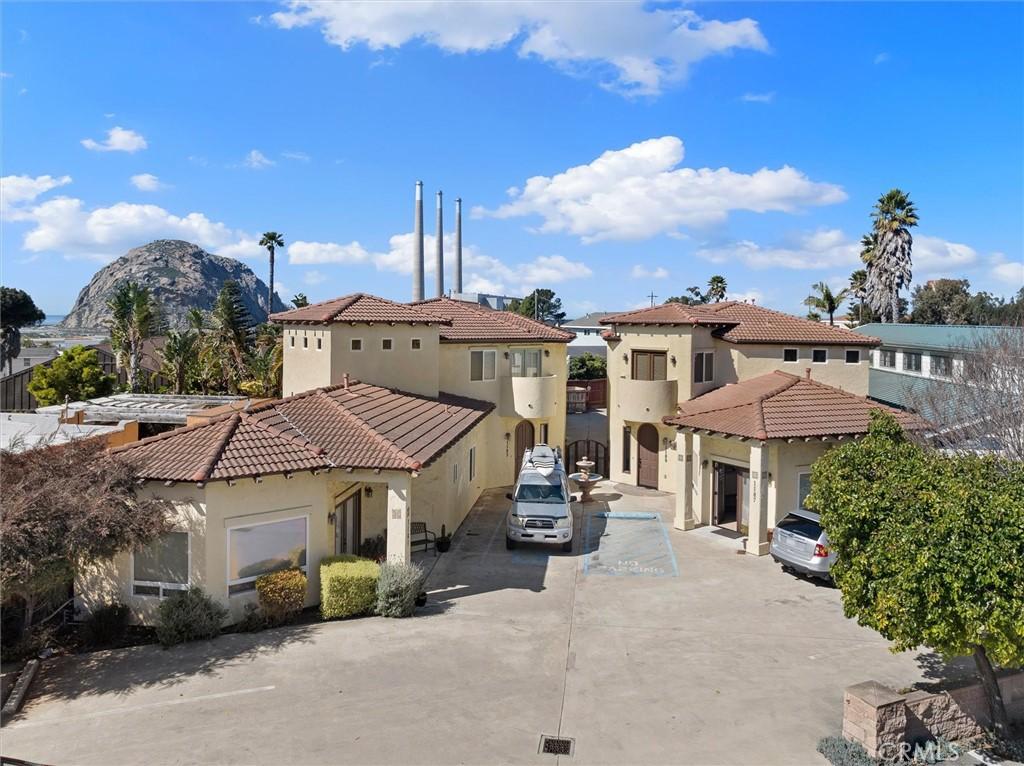
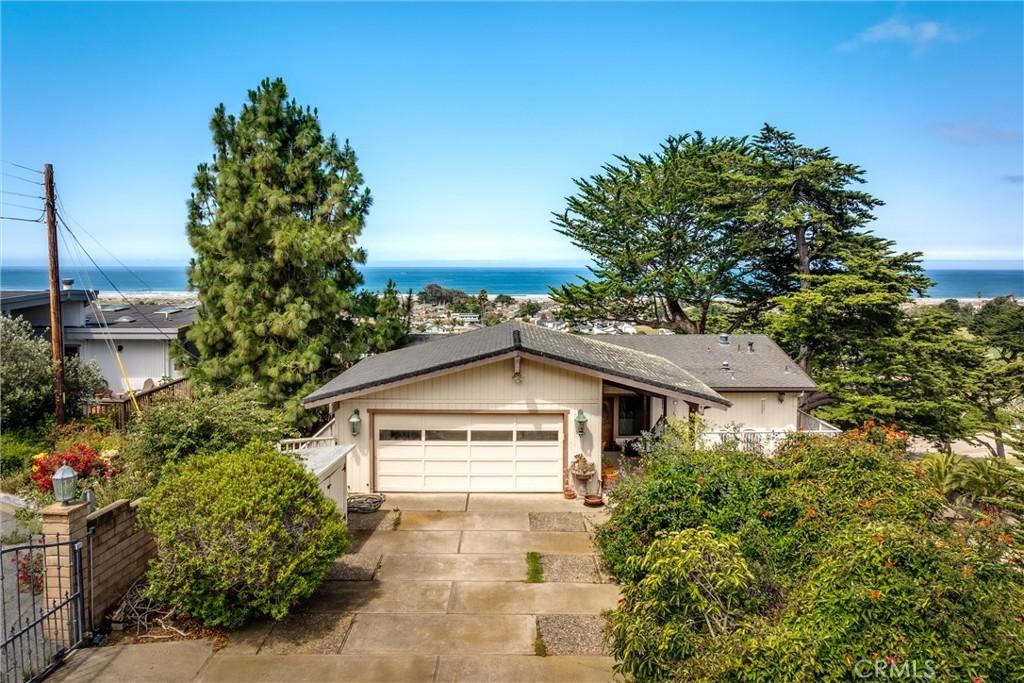
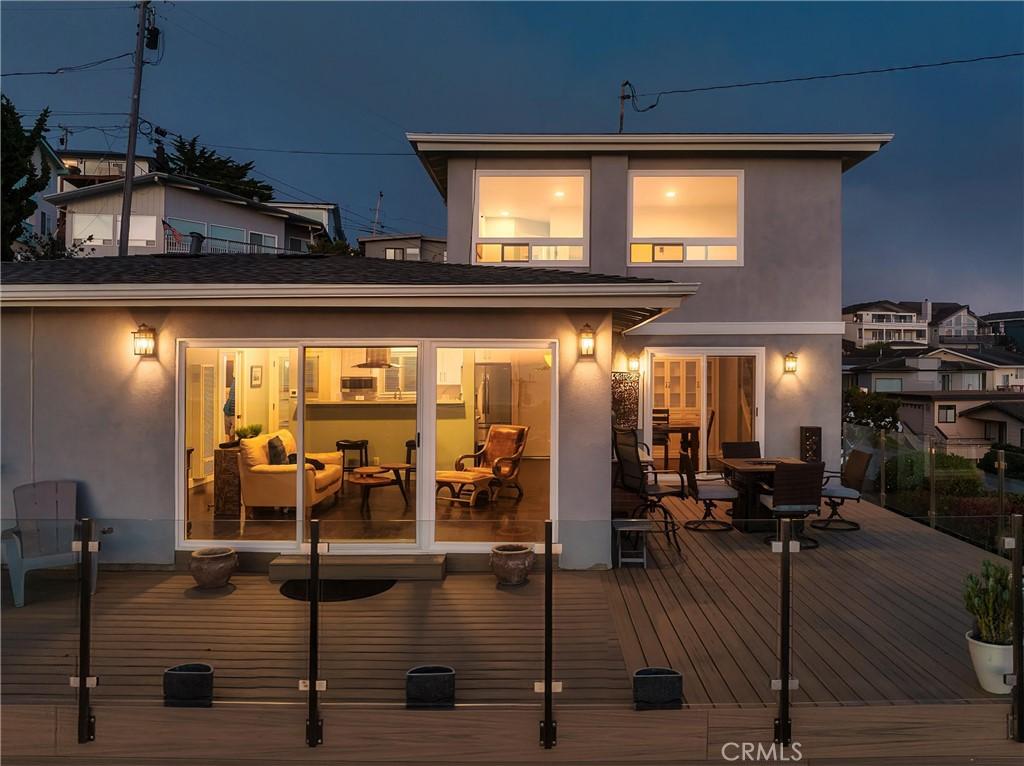
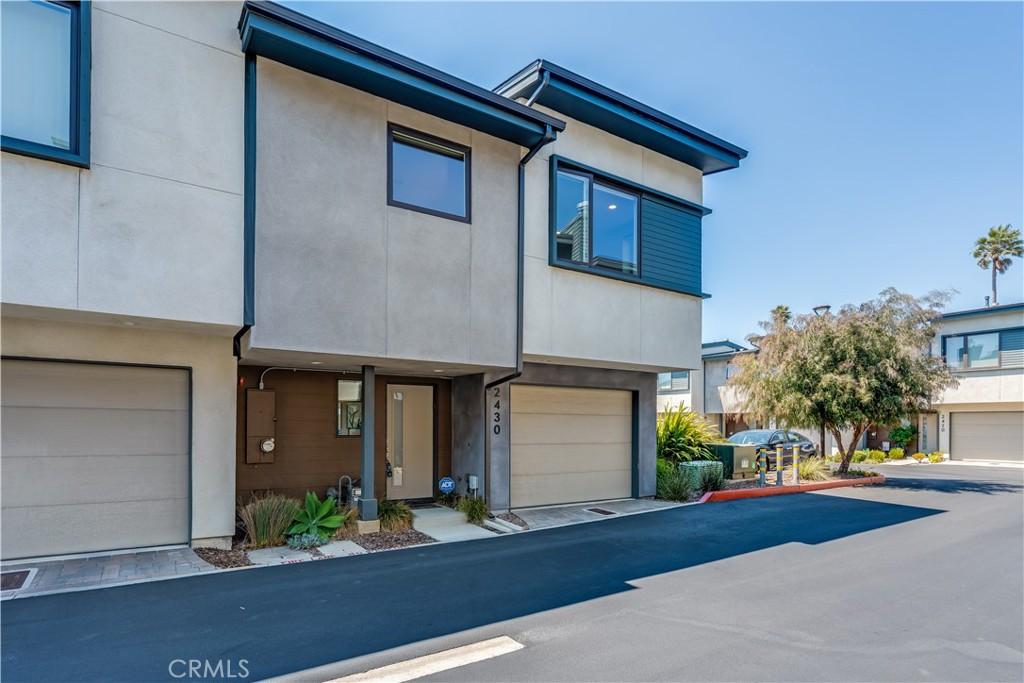
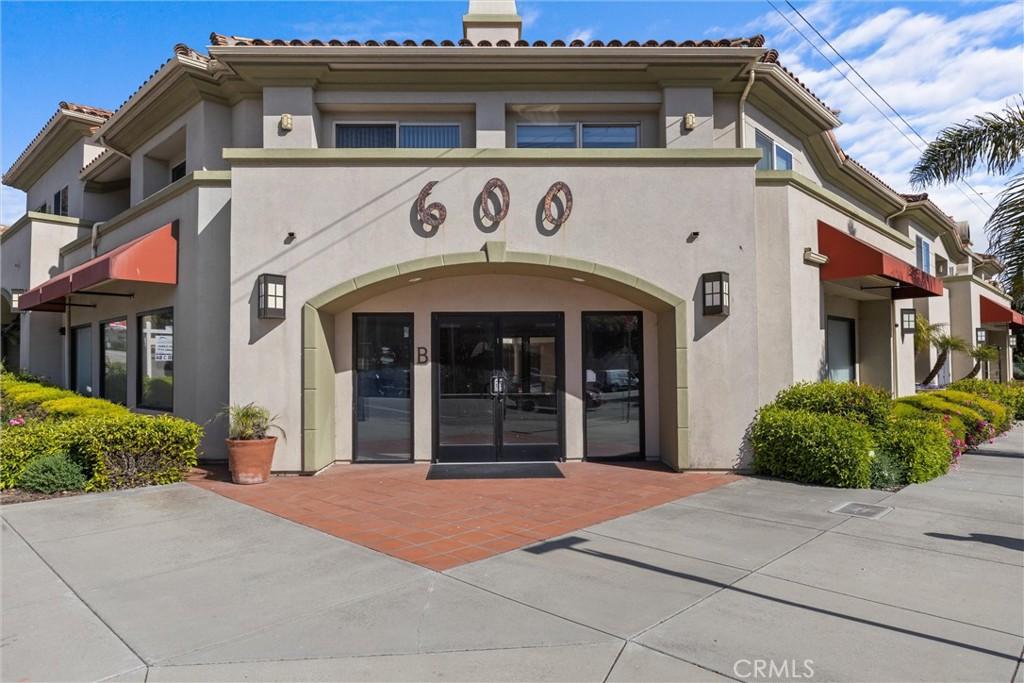
Homes for Sale in Morro Bay, California
Homes for sale in Morro Bay come to market slowly, so it helps to know the town before you write an offer. This is a working harbor city of 10,757 people in San Luis Obispo County, about 12 miles northwest of San Luis Obispo on Highway 1, built around the 576-foot Morro Rock. You get a real ocean town with a fishing fleet, a state park, and two state beaches at prices below comparable Southern California coastal markets. The trade-off is thin inventory and a regulatory setting shaped by the California Coastal Act.
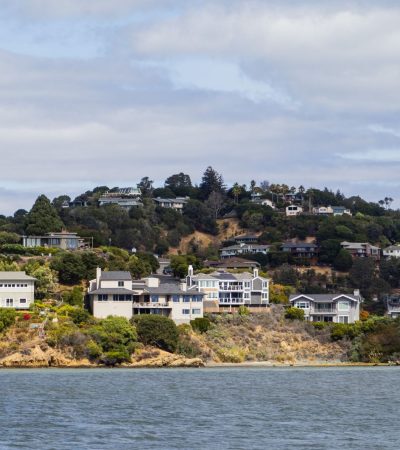
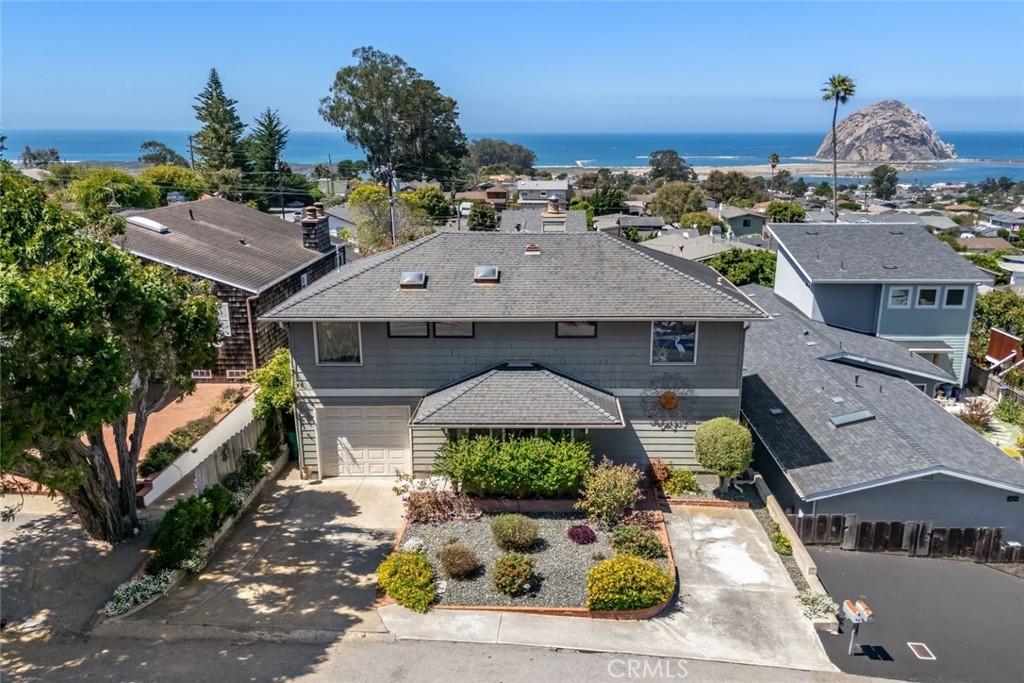
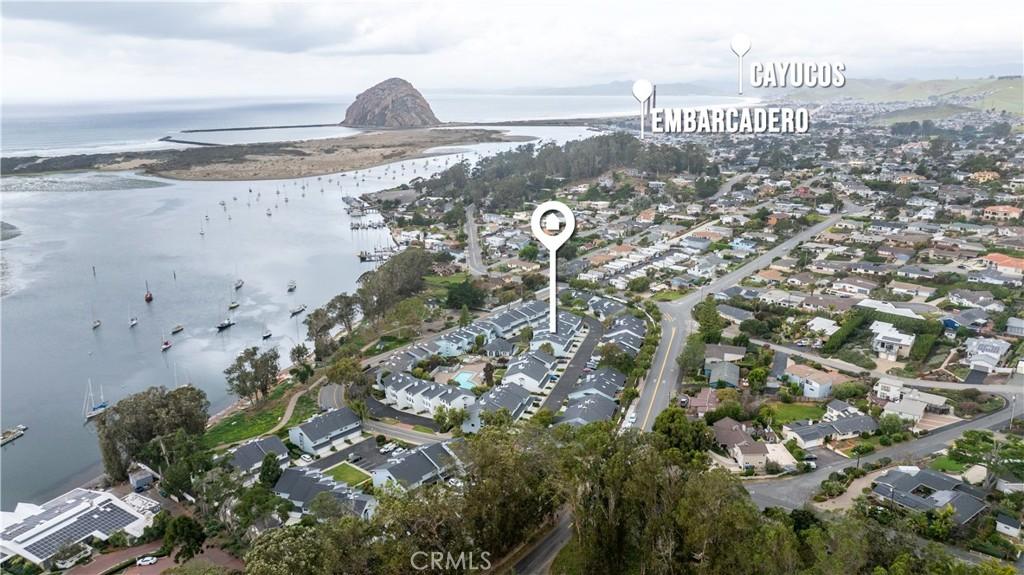
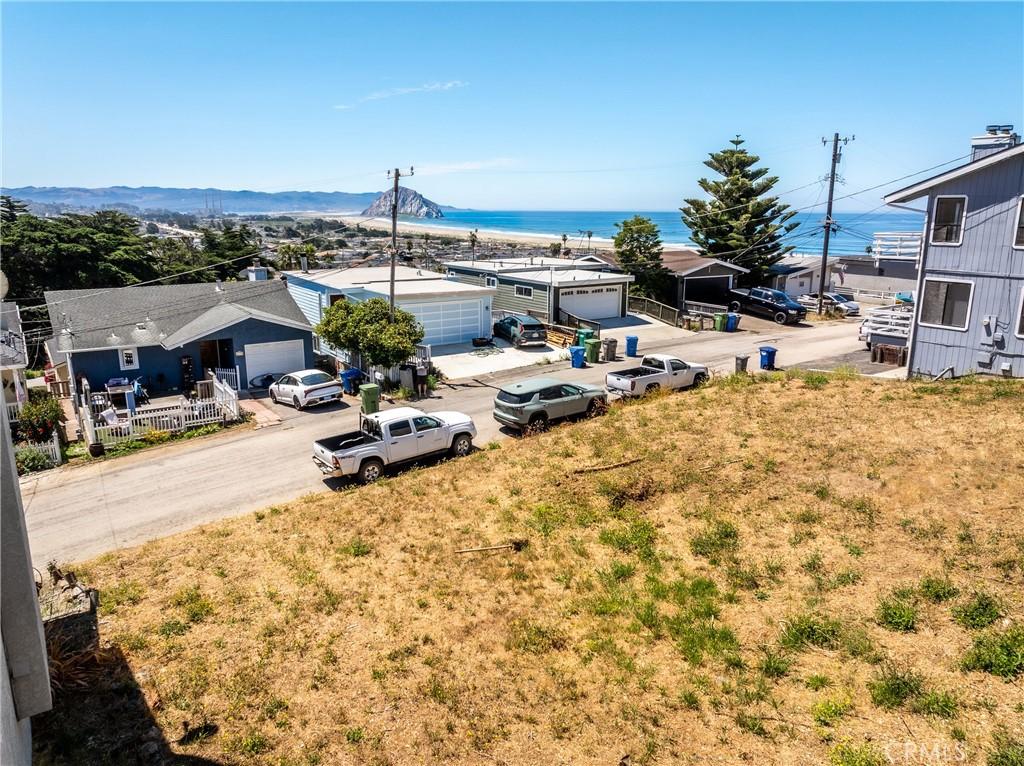
The city covers roughly 10.3 square miles, but close to half of that is water, leaving a compact strip of buildable land between the Pacific and the hills. What varies most is elevation and distance from the Embarcadero. Morro Heights sits on the hillside above downtown, where protected views of the Rock and water carry a clear premium. North Morro Bay is more suburban, with standard single-family homes on city lots serving a year-round local population.
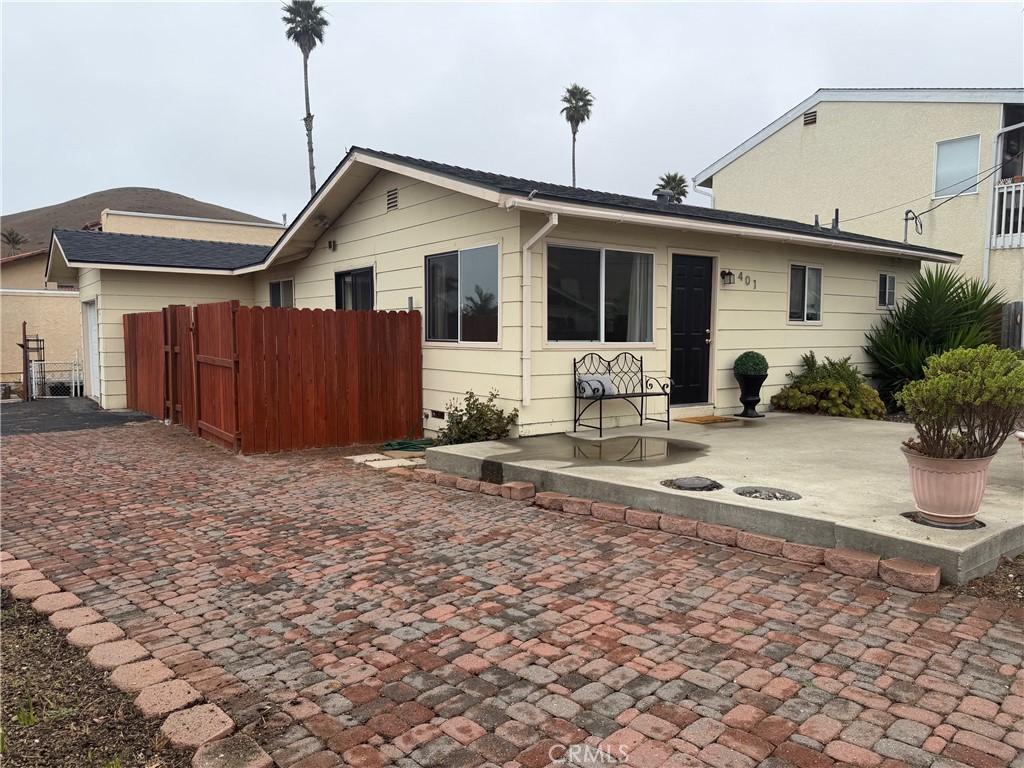
The Knight Group works both hillside and inland Morro Bay pockets for clients relocating from Los Angeles and elsewhere. Browse the active listings below, or contact the team to talk through which neighborhood fits how you actually plan to live here.
Where exactly is Morro Bay and how do you get there?
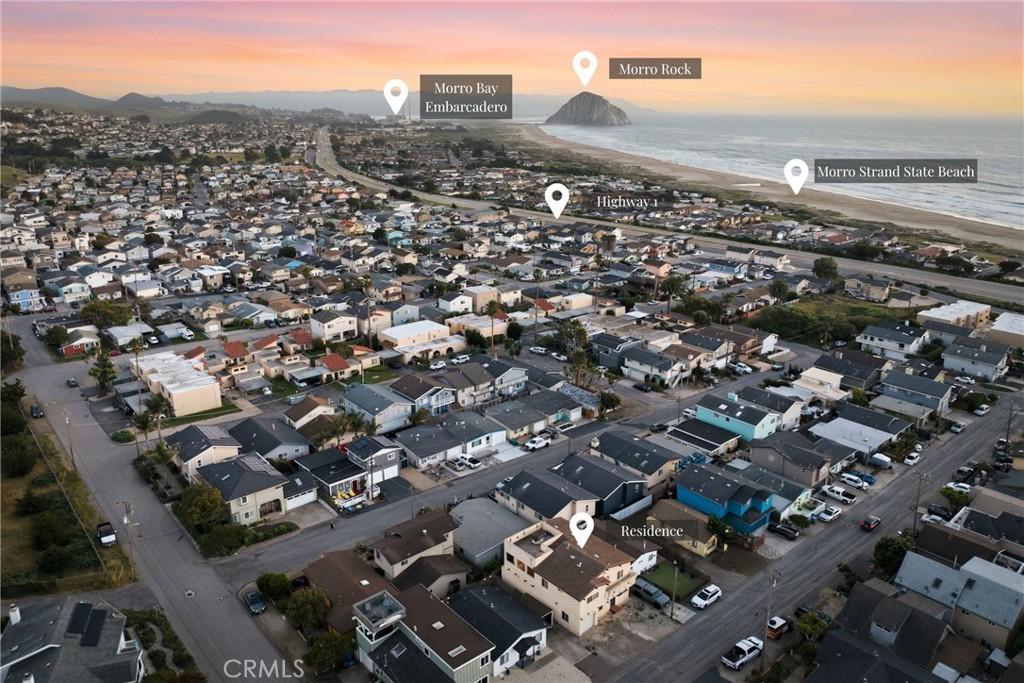
Morro Bay occupies the northern edge of Estero Bay, roughly midway between Santa Barbara and Monterey. The city covers about 10.3 square miles on paper, but nearly half of that figure is water: the bay itself, the harbor, and the back-bay estuary. The developable land is a compact strip between the Pacific and the hills, which is a large part of why supply stays tight.
Access runs almost entirely through Highway 1. Northbound, Highway 1 carries you past Cayucos and on toward Cambria and Big Sur. Southbound, it links to Los Osos, Baywood Park, and the San Luis Obispo area. Highway 41 branches inland from the north end of town, giving a second route toward Atascadero and Highway 101. There is no freeway and no rail stop in the city itself, so plan on driving for most trips. San Luis Obispo, about 20 minutes south, holds the nearest regional airport and the bulk of area medical, retail, and employment.
The practical read for buyers: Morro Bay is remote enough to stay quiet and self-contained, but close enough to San Luis Obispo that daily errands and appointments are manageable. Weekend traffic on Highway 1 through the Central Coast is the recurring friction, especially in summer.
What is Morro Rock and why does it matter to the town?
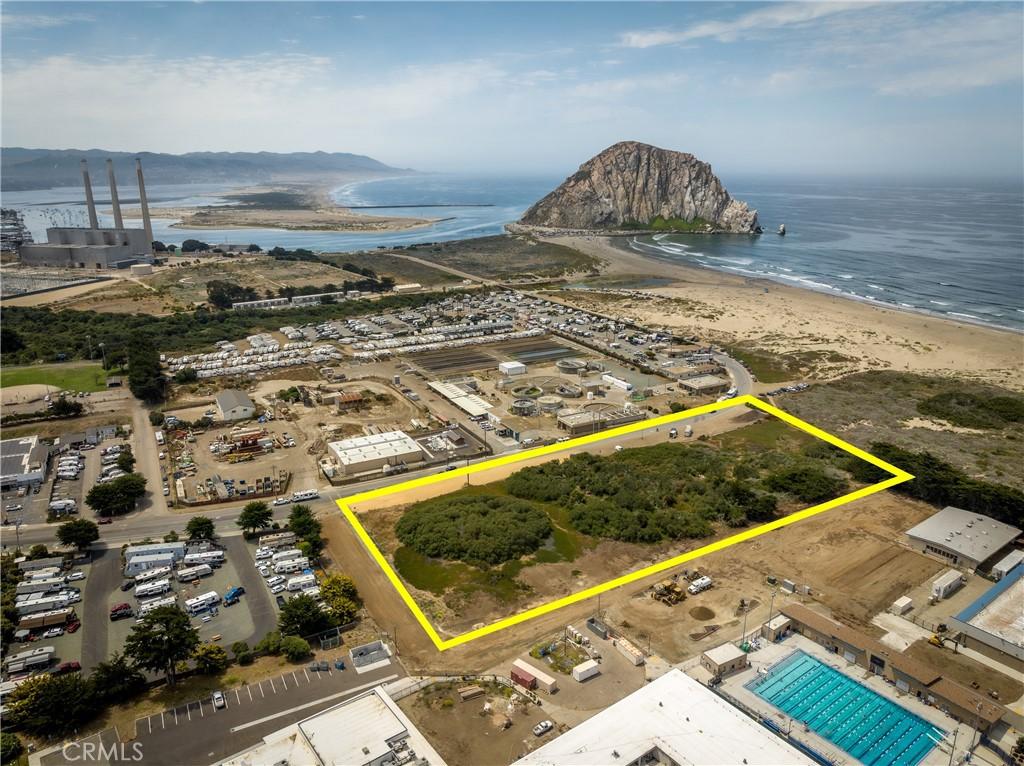
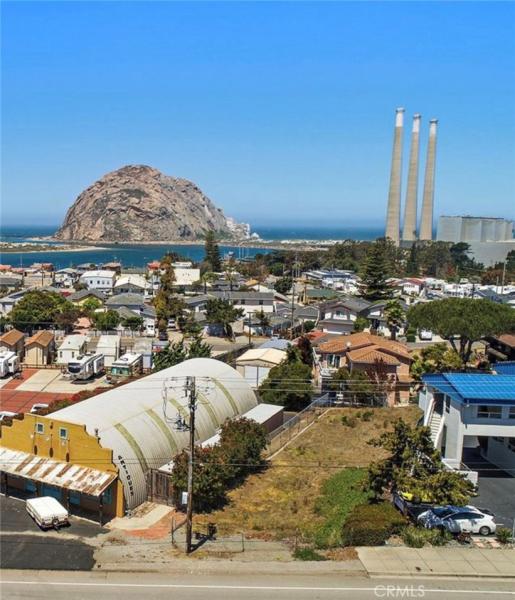
Morro Rock is the defining landmark and the reason the town has its name. It is a 576-foot volcanic plug at the harbor entrance, the last of a chain of similar peaks called the Nine Sisters that runs inland toward San Luis Obispo. It was quarried from 1889 to 1969, then designated a Historical Landmark in 1968. Climbing it is prohibited, both because of the injury risk and because it serves as a protected reserve for nesting peregrine falcons.
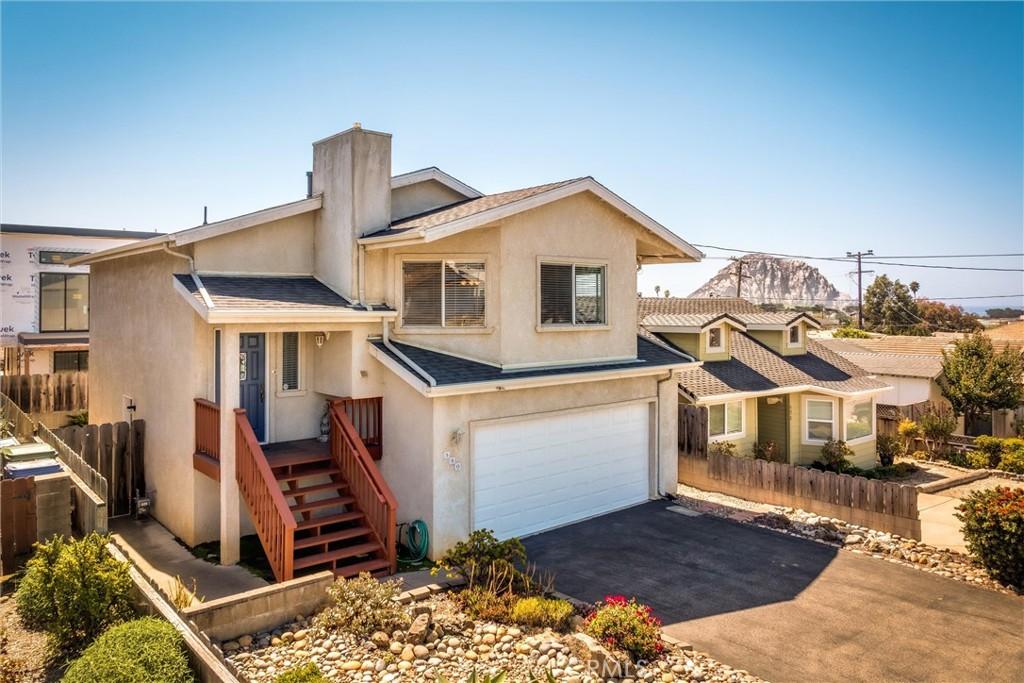
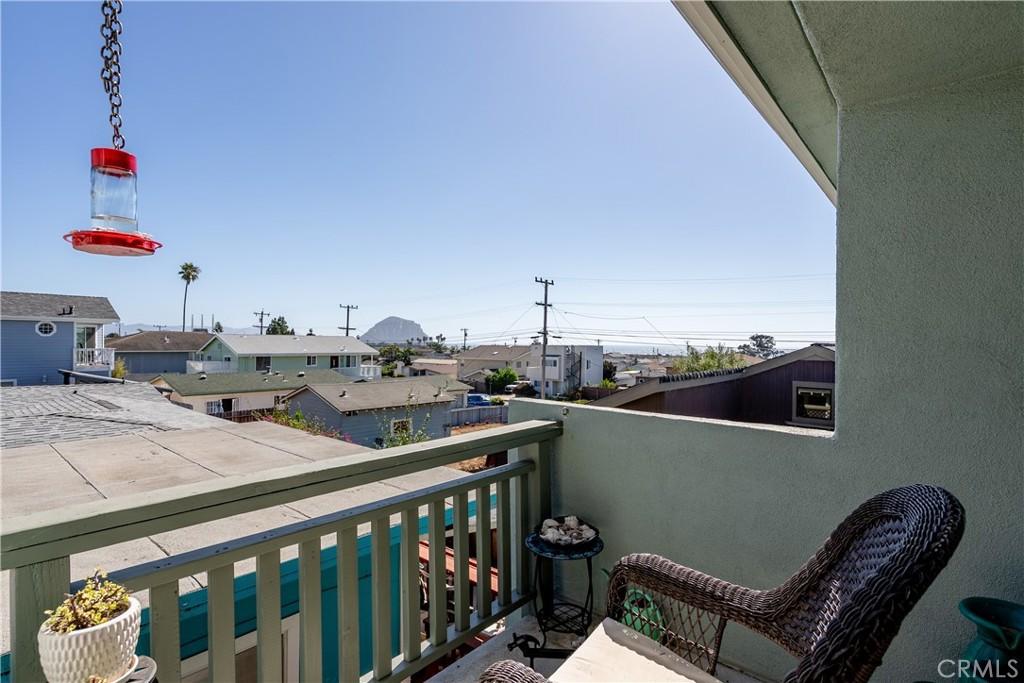
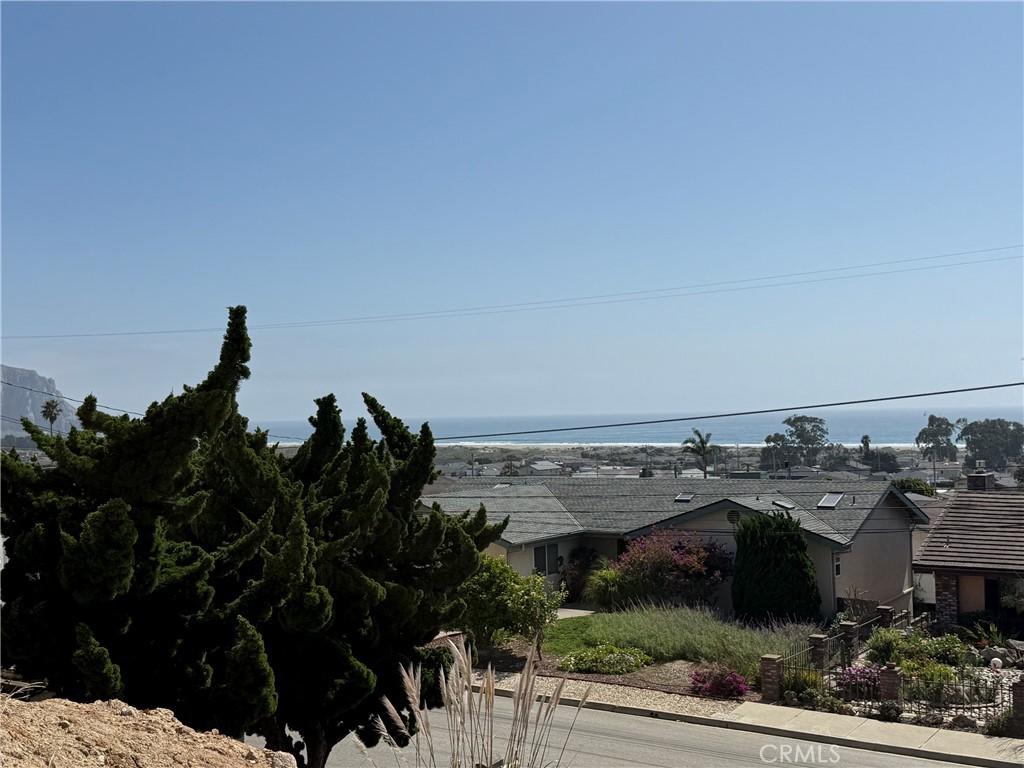
For real estate, the Rock is more than scenery. Sightlines to Morro Rock drive pricing across the residential hillsides, and a clean, protected view of the Rock and the water is one of the clearest premium factors in the local market. Homes on higher ground that hold that view command more than otherwise comparable properties lower down or blocked by newer construction. When you evaluate a hillside listing, confirm whether the view is protected by topography or merely borrowed from an empty lot next door that could be built out later.
What is the harbor and Embarcadero like?
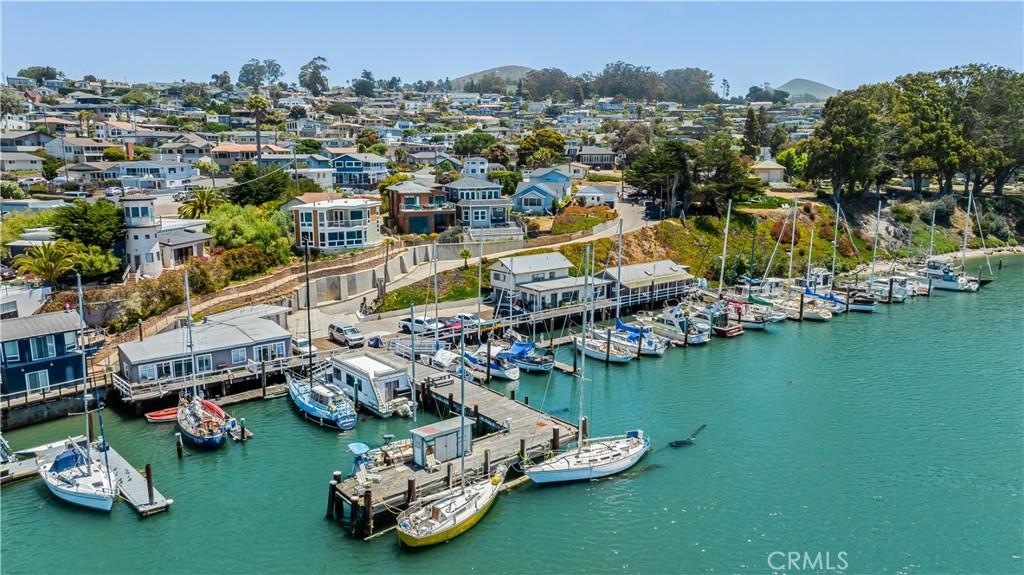
The harbor is a genuine working waterfront, not a decorative marina. The U.S. Army Corps of Engineers built the artificial harbor inside the natural embayment, and it is the only all-weather, small-craft, commercial and recreational harbor between Santa Barbara and Monterey. The commercial fleet lands halibut, sole, rockfish, and albacore, and oysters are farmed by aquaculture in the back bay.
The Embarcadero is the waterfront street that anchors the town’s tourism economy: restaurants, shops, kayak and boat operators, and parks strung along the water beneath the Rock. Tourism is the city’s largest industry, and hotel tax revenue funds a meaningful share of the municipal budget. That matters to residents in two ways. It keeps a base of local jobs and services in place, and it means the busiest waterfront blocks carry seasonal crowds and parking pressure. Most buyers who want quiet choose a home set back from the Embarcadero rather than adjacent to it, which is exactly the distinction the residential neighborhoods above and north of downtown provide.
What neighborhoods and areas make up Morro Bay?
Morro Bay is small, so the meaningful distinctions are less about formal neighborhood boundaries and more about elevation and distance from the tourist waterfront. The two residential pockets The Knight Group tracks most closely sit on opposite ends of that spectrum, and each one has its own page with current listings.
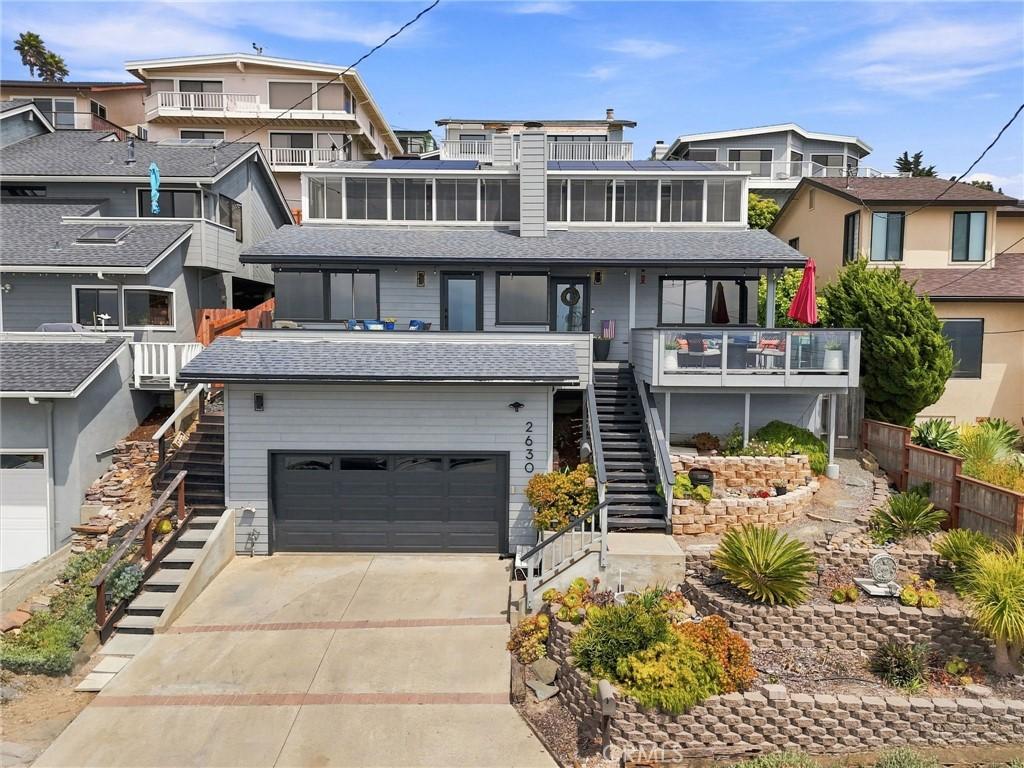
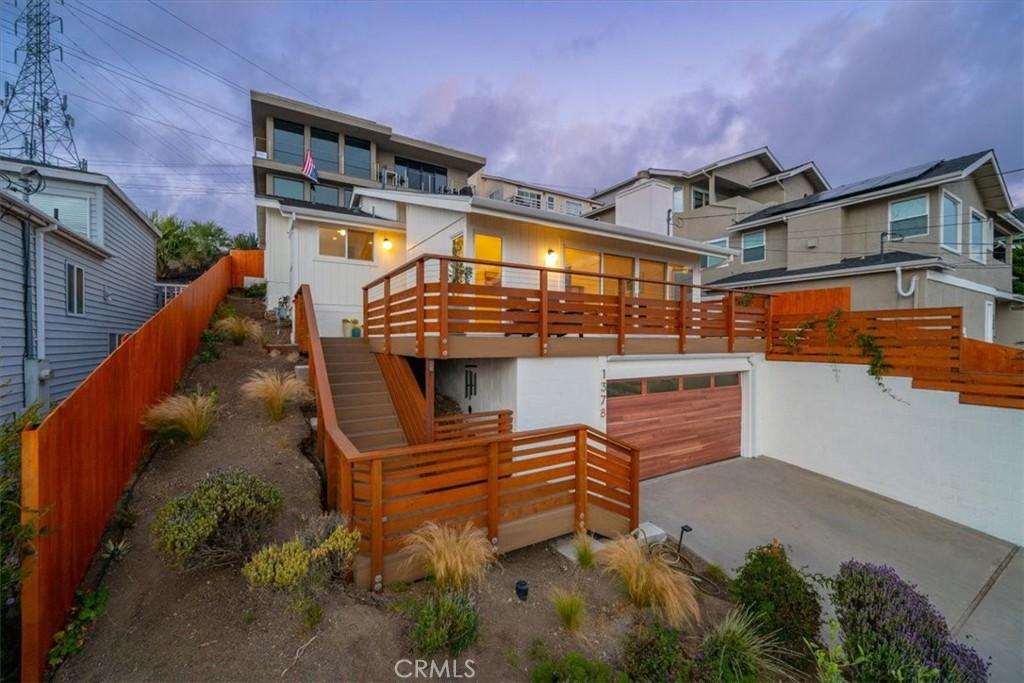
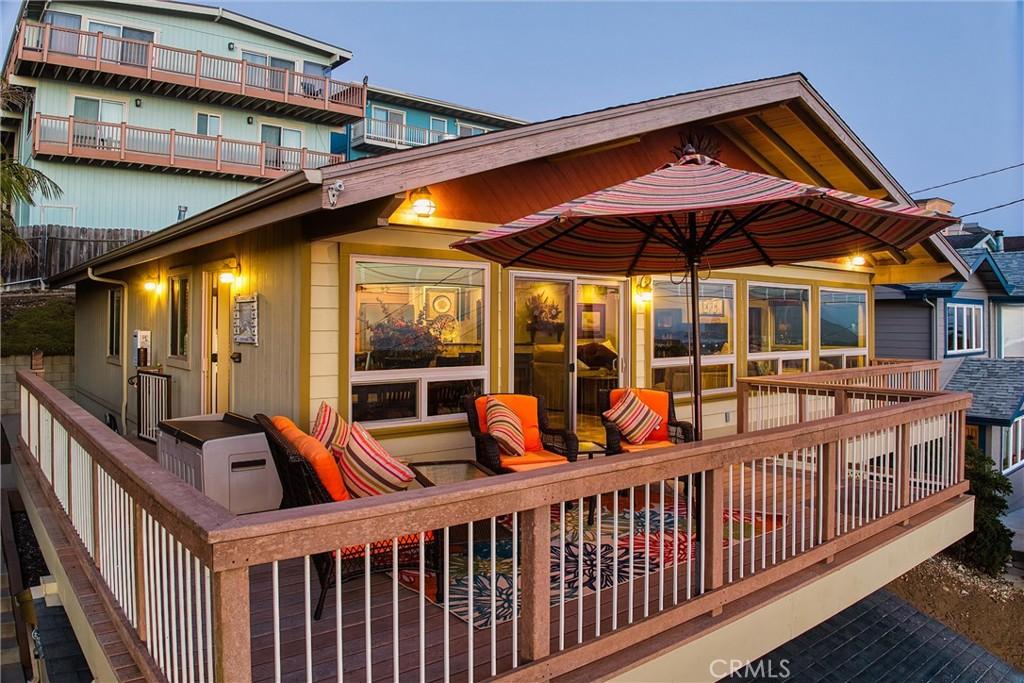
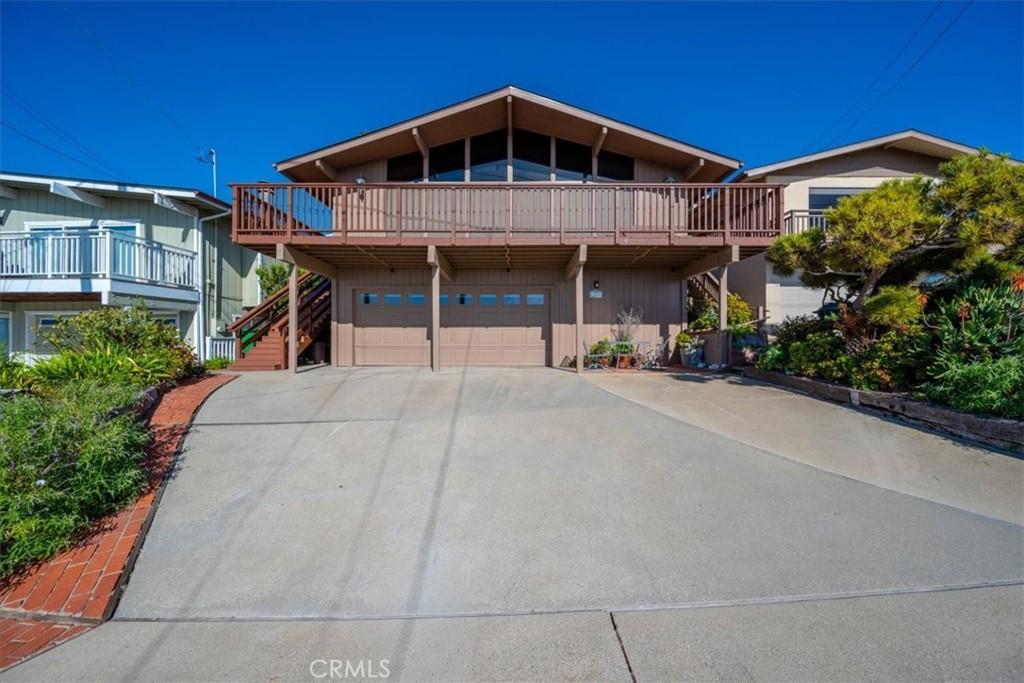
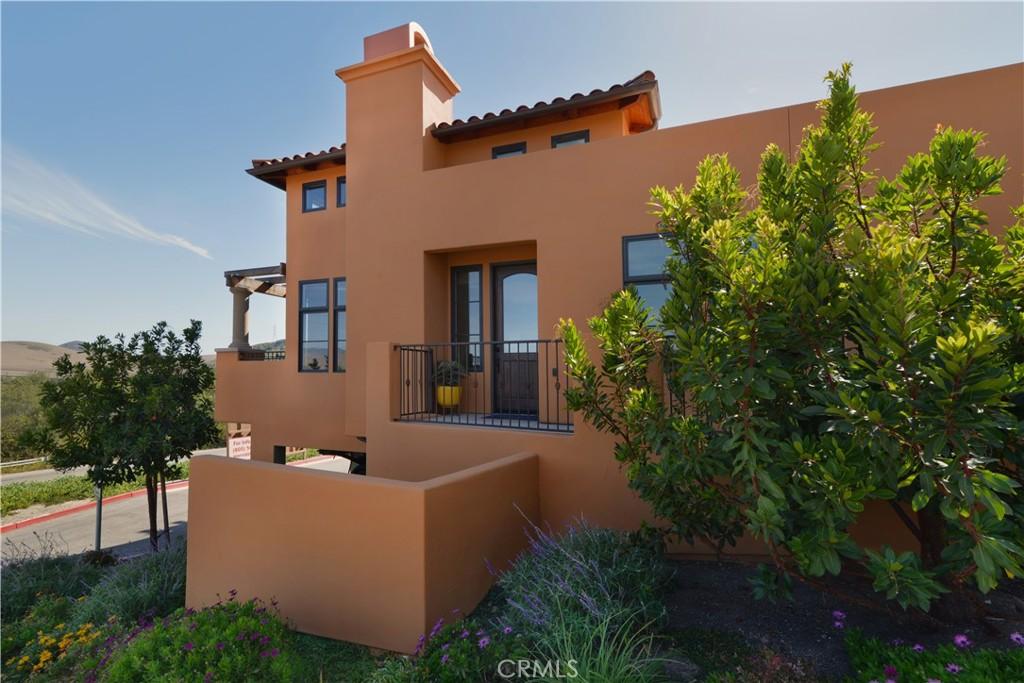
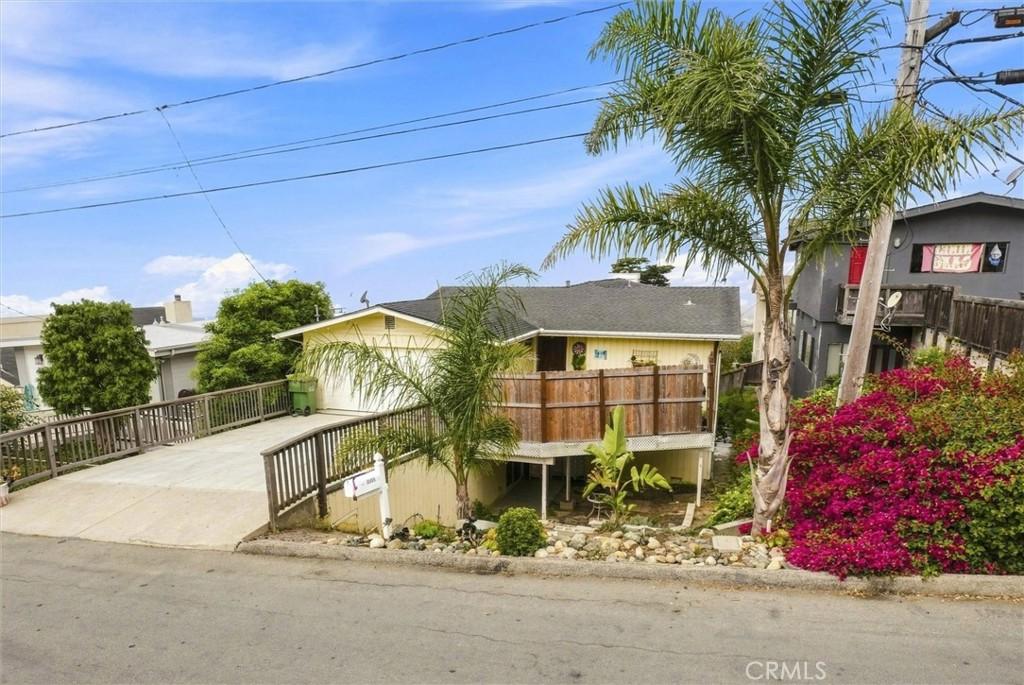
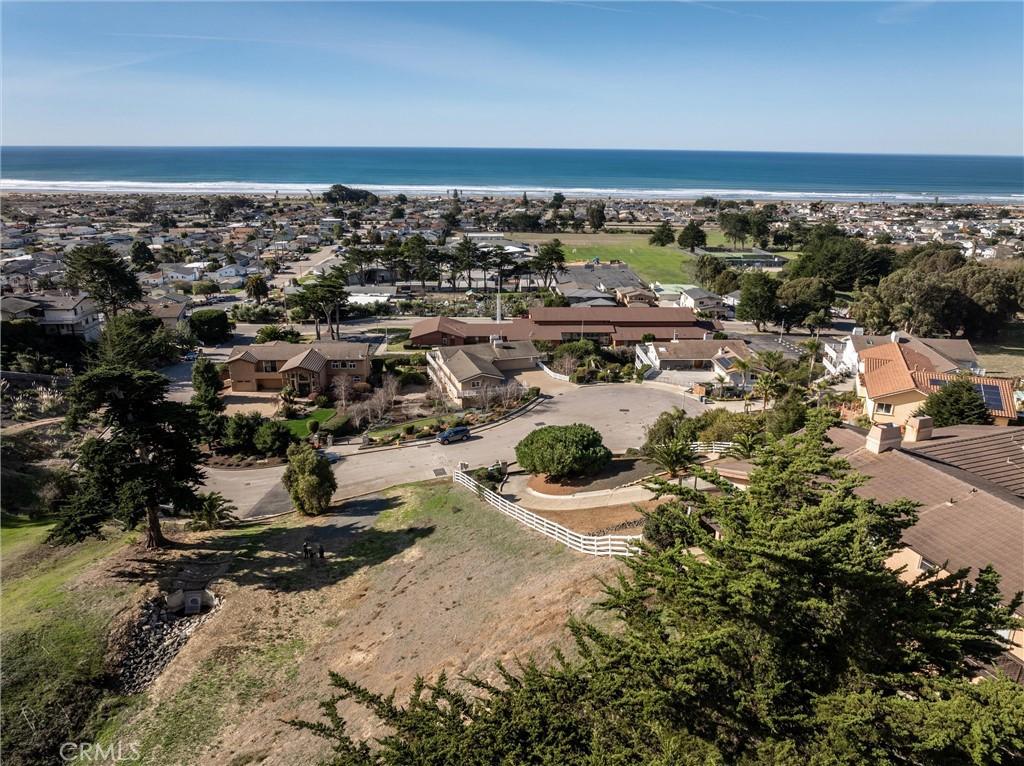
Morro Heights is the hillside residential neighborhood above downtown. Its defining feature is elevation: homes here sit above the harbor and commercial core, which delivers the water and Morro Rock views buyers pay a premium for, plus a real separation from the activity of the Embarcadero. It reads as residential and lower-traffic than the waterfront blocks, and it is the pocket to focus on if a protected view is the point of the purchase.
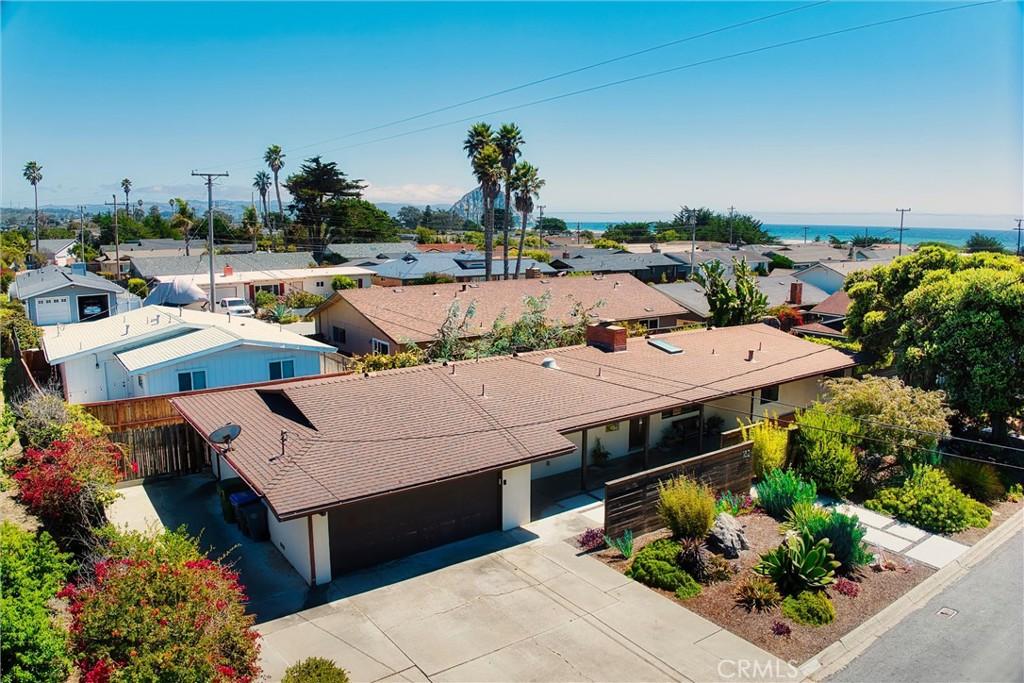
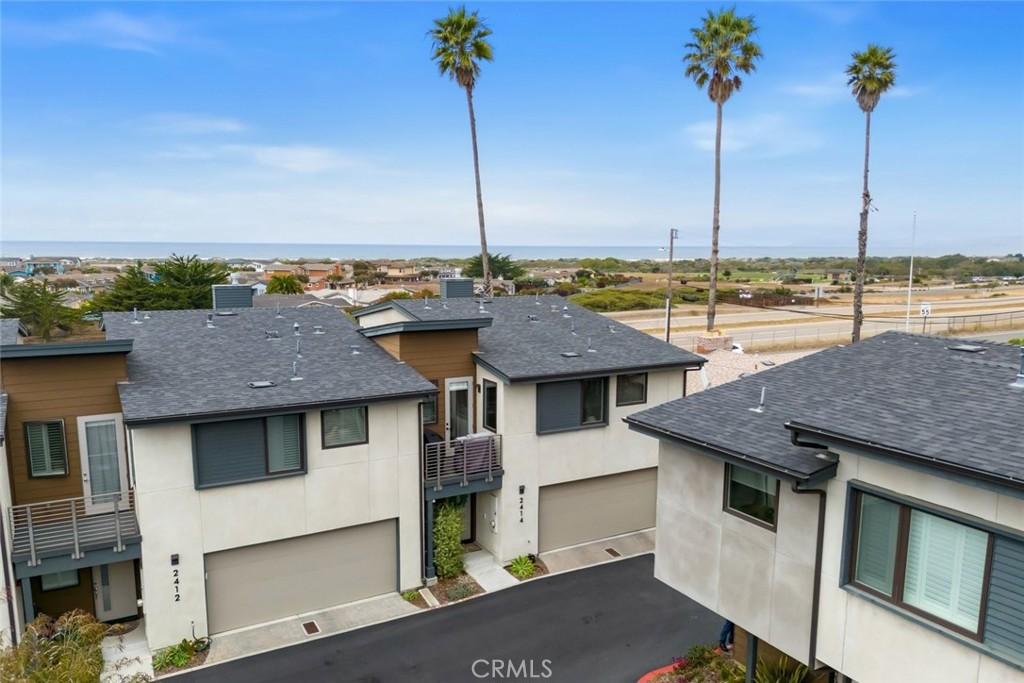
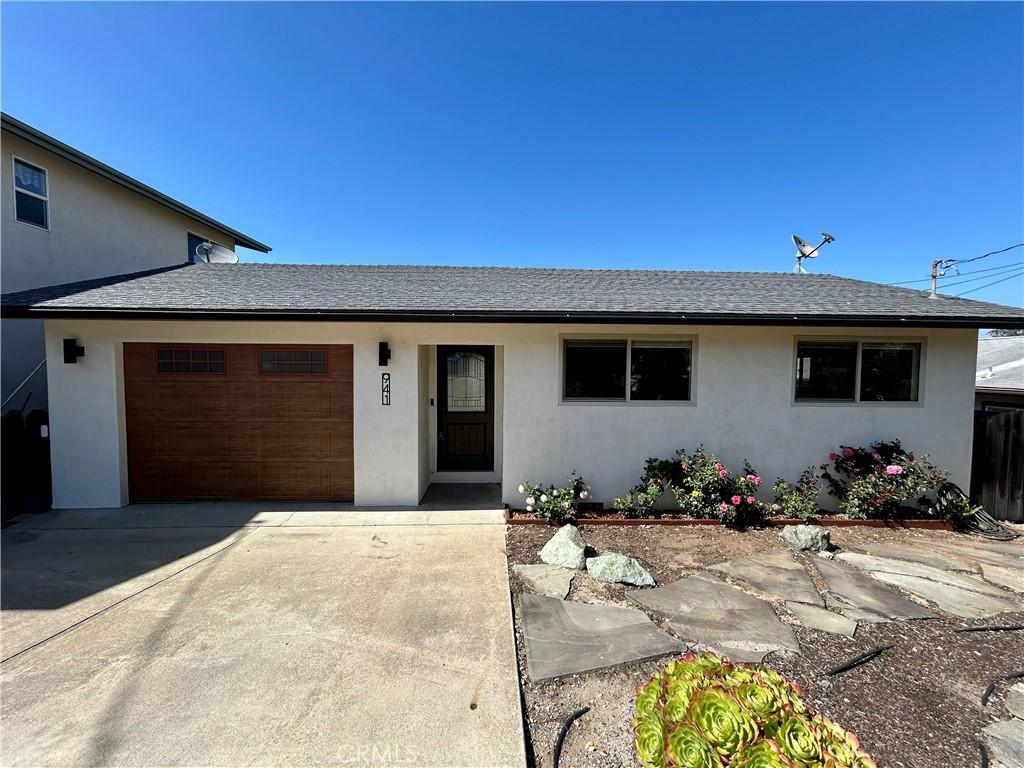
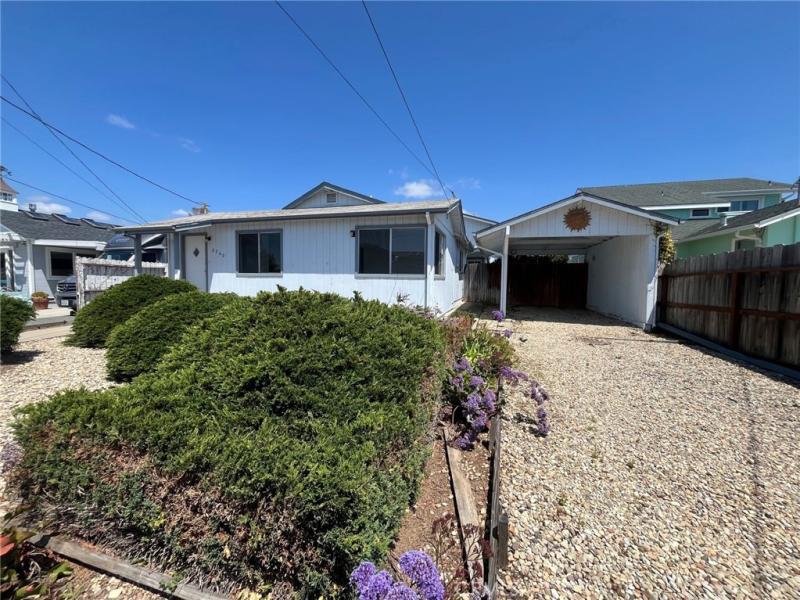
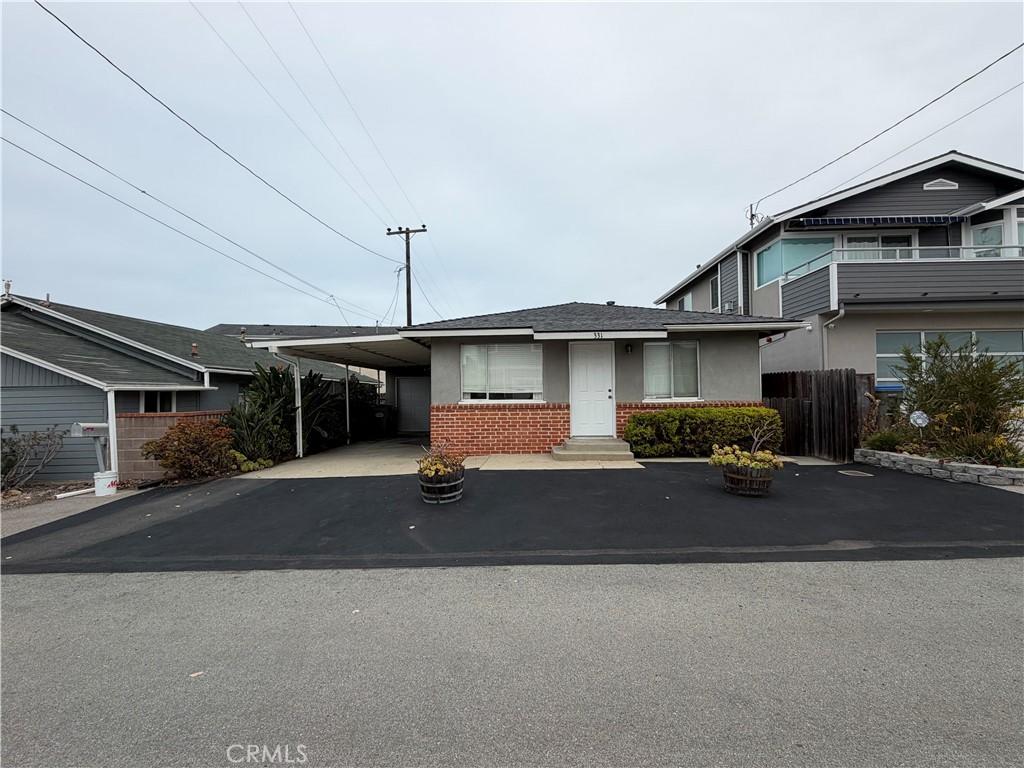
North Morro Bay is the residential area north of the downtown core, with a more suburban character than the hillside. It runs more to standard single-family homes on city lots alongside some larger properties, and it primarily serves a local, year-round population rather than vacation buyers. If you want a conventional neighborhood feel and less of the view premium, this is the side of town to weigh first.
Beyond these two, the town includes the downtown and Embarcadero commercial core, the areas near Morro Bay State Park to the south, and the stretch toward Morro Strand State Beach to the north. Cayucos sits just up the coast and Los Osos and Baywood Park lie across the estuary to the south, both frequently considered by the same buyers comparing Estero Bay options.
What does the Morro Bay housing market look like?
Morro Bay is a supply-constrained, view-tiered market. The developable land is limited by geography and by coastal regulation, so new construction is modest and the resale pool stays small. That structural scarcity is the market’s core feature: it supports values through cycles but also means a buyer may wait for the right home rather than choosing from a deep menu.
Pricing separates along a few clear lines. Protected views of Morro Rock and the bay carry the largest premium, which is why the hillside commands more than the flatter, inland-facing lots. Condition is the second lever. Updated, well-maintained homes consistently outperform properties carrying deferred maintenance, and the gap between the two is wider in a thin market where buyers have few alternatives to fall back on. Proximity to the Embarcadero cuts both ways: walkability to the water appeals to some buyers, while others discount for seasonal crowding and parking.
The buyer pool skews toward retirees, second-home purchasers, and relocating professionals, including a steady stream from Los Angeles seeking a coastal setting at Central Coast prices. That demand profile keeps the market steadier than a pure investor market would be, but it also means the best homes move on their own timeline. We are not quoting a specific median here because a small town’s monthly figures swing sharply on a handful of sales. Ask The Knight Group for a current, address-level read before you set a budget.
What are the schools like in Morro Bay?
Morro Bay is served by the San Luis Coastal Unified School District, which also covers San Luis Obispo and Los Osos. Within the district, local students attend Del Mar Elementary for kindergarten through fifth grade, Los Osos Middle School for grades six through eight, and Morro Bay High School for grades nine through twelve. The high school draws from the wider Estero Bay area, so the student body reflects more than just the city itself.
For families, the practical points are that the district spans a coastal, relatively affluent service area and that the middle school sits across the estuary in Los Osos, which adds a commute for that age band. Buyers who prioritize schools should confirm current attendance boundaries and any enrollment specifics directly, since district assignments can change and this page does not track ratings.
What is the climate and natural setting?
Morro Bay has a warm-summer Mediterranean climate, the marine-influenced pattern typical of the Central Coast. Summers are mild rather than hot: the July average runs around 60 degrees, cooled by ocean fog, while January averages about 55 degrees. Annual precipitation is roughly 17 inches, concentrated in the winter months. The upshot is a narrow temperature band year-round and frequent morning marine layer, which some buyers love for the cool, stable weather and others find grayer than inland San Luis Obispo County.
The natural setting is a genuine draw. Morro Bay State Park sits to the south with its estuary, marina, and heron rookery, and Morro Strand State Beach runs to the north. The back bay is a protected estuary that supports the oyster aquaculture and a large amount of birdlife. For an outdoor-oriented buyer, the access to water, trails, and beach is a large part of what the price buys.
What regulatory and risk factors should buyers know about?
Two factors deserve attention before you commit. First, Morro Bay lies within California’s coastal zone, which means development, remodels, and certain property changes can fall under the California Coastal Act and require coastal development permits in addition to normal city approvals. This can lengthen timelines and add cost to renovation or rebuild plans, so factor it in if your interest in a property depends on changing it.
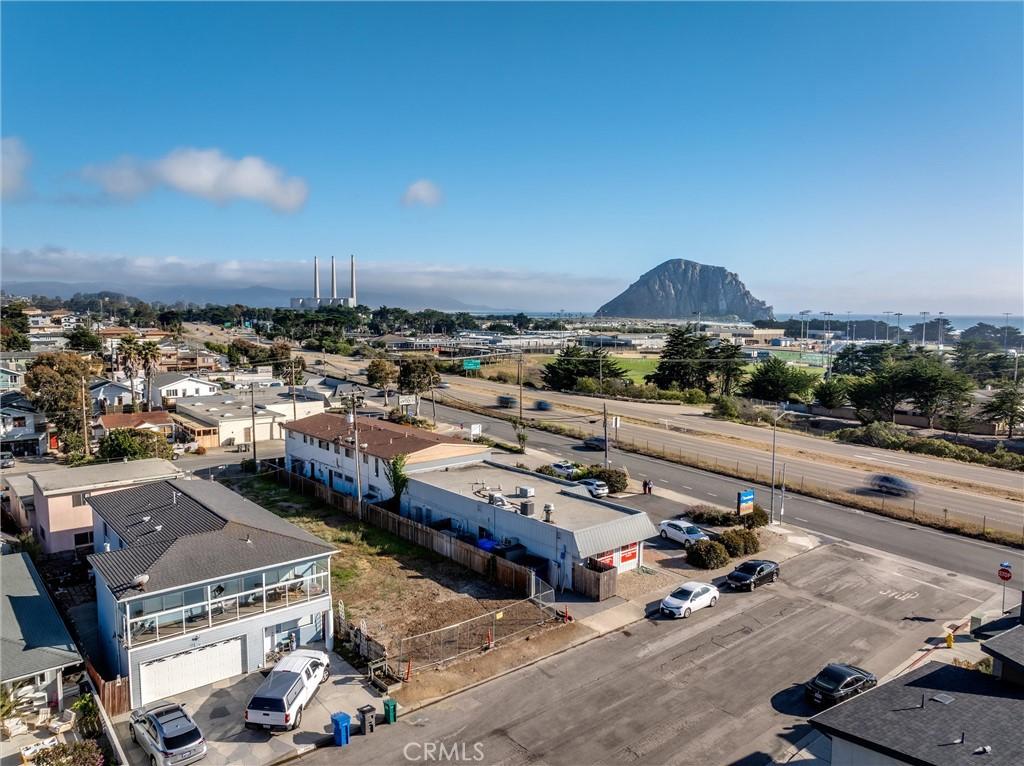
Second, low-lying areas near the harbor, the Embarcadero, and the estuary carry coastal flood and tsunami-zone considerations that hillside lots do not. This affects insurance and, in some cases, financing, and it is one more reason the elevated neighborhoods trade differently from the waterfront. There is also the ongoing question of the former PG&E power plant site: the plant closed in February 2014, and in 2021 the city council voted to have its three tall smokestacks removed by 2028. The future of that waterfront parcel is a live civic issue worth understanding if you buy nearby. Verify the specifics on any individual property with the city and your own inspectors rather than relying on general description.
What is the history of Morro Bay?
The area was long inhabited by the Chumash people before European arrival, and the Portolá expedition camped nearby in September 1769. Franklin Riley founded the town in 1870 as an export port, and the harbor and fishing economy grew from there. Abalone fishing peaked in the 1950s before overfishing thinned the stocks, and the fleet shifted to the finfish and shellfish it lands today. The city incorporated on July 17, 1964, making it a relatively young municipality.
The mid-century power plant, built by PG&E in the 1950s and expanded in the 1960s, shaped the skyline for decades before its 2014 closure. That layered history, working port, tourist waterfront, and a former industrial site now in transition, is part of why Morro Bay feels less manicured than resort towns to the south. For many buyers, that authenticity is the appeal.
What should buyers weigh before making an offer here?
Start with the constraint that shapes everything else: a small strip of buildable land, a fishing-and-tourism economy, and coastal regulation under the California Coastal Act. Those three factors keep the supply of Morro Bay real estate limited and make timing matter more than it would inland. Practically, that means being ready to move on a property that fits rather than waiting for three comparable options to appear at once. It also means deciding early which trade-off you are making, because the town’s housing stock splits along a clear line.
That line is elevation versus everyday practicality. Hillside property in Morro Heights buys sightlines and separation from waterfront activity, at a premium tied directly to the view. North Morro Bay trades the view for conventional single-family lots and a year-round neighborhood. Either way, verify what a listing’s view actually depends on, and account for the drive to San Luis Obispo for airport, medical, and larger retail trips.
Frequently Asked Questions About morro bay Homes for Sale
Is Morro Bay a good place to buy a home?
It suits buyers who want a real coastal town with a working harbor, state parks, and mild weather, at prices below comparable Southern California coastal markets. It suits impatient buyers less well, because inventory is thin and the best homes move on their own schedule. The right fit depends on whether you value the setting over selection.
Which Morro Bay neighborhood has the best views?
The hillside pocket, Morro Heights, carries the strongest and most protected views of Morro Rock and the bay because of its elevation above downtown. Views drive a real premium here, so confirm whether a given home’s sightline is protected by topography or exposed to future construction.
Where should I look for a more conventional residential neighborhood?
North Morro Bay, north of the downtown core, has a more suburban character with standard single-family homes and a year-round local population. It is the area to weigh if you want a neighborhood feel without paying the full hillside view premium.
What school district serves Morro Bay?
San Luis Coastal Unified School District. Local students attend Del Mar Elementary (K-5), Los Osos Middle School (6-8) across the estuary in Los Osos, and Morro Bay High School (9-12). Confirm current attendance boundaries directly, as assignments can change.
Does the California Coastal Act affect Morro Bay properties?
Yes. Morro Bay is within the coastal zone, so remodels, rebuilds, and certain changes can require coastal development permits on top of standard city approvals. This can add time and cost to renovation plans, which matters most if your purchase depends on altering the property.
Is flooding a concern in Morro Bay?
Low-lying areas near the harbor, Embarcadero, and estuary carry coastal flood and tsunami-zone considerations that affect insurance and sometimes financing. Elevated hillside lots do not share that exposure. Check the specific flood status of any property before you commit.
How far is Morro Bay from San Luis Obispo?
About 12 miles, or roughly 20 minutes by car via Highway 1. San Luis Obispo holds the nearest regional airport and most area medical, retail, and employment, so plan on driving there regularly.
What is the weather like year-round?
Mild and marine-influenced. Summers stay cool, with July averaging around 60 degrees under frequent morning fog, and winters are gentle, with January near 55 degrees. Annual rainfall is about 17 inches, mostly in winter. Expect a narrow temperature range and regular marine layer.
How does The Knight Group work in the Morro Bay market?
The Knight Group treats Morro Bay as a market where local knowledge changes the outcome. In a town this small, the difference between a protected view and a borrowed one, or between a flood-exposed lot and a hillside parcel, is not visible from a listing photo. The team’s job is to surface those distinctions before you write an offer, not after inspections.
For relocating buyers, especially those coming from Los Angeles, the team frames the trade-offs plainly: what you gain in setting and price, and what you give up in selection, pace, and permit flexibility. The starting point is usually a conversation about how you actually plan to use the home, followed by a current, address-level read on inventory in the specific pockets that fit. Browse the active listings on the neighborhood pages linked above, then contact The Knight Group to build a shortlist that matches your priorities rather than the market’s loudest listings.
What is it like to buy Homes For Sale In Morro Bay?
- Homes For Sale In Morro Bay come to market slowly, so understanding the town before writing an offer is genuinely useful.
- Morro Rock, a volcanic plug at the harbor entrance, anchors the town and gives Morro Bay its name.
- Buyers get a real ocean town with a fishing fleet, a state park, and two state beaches at coastal prices below comparable Southern California markets.
- Thin inventory and a regulatory setting shaped by the California Coastal Act are the trade-offs buyers accept here.
- Nearly half the city’s acreage is water, leaving a compact strip of buildable land between the Pacific and the hills.
- Elevation and distance from the Embarcadero are the factors that vary most across Homes For Sale In Morro Bay.
- Morro Heights sits on the hillside above downtown, where protected views of the Rock and water carry a clear premium.
- North Morro Bay reads as more suburban, with standard single-family homes on city lots and a year-round local population.
- The Knight Group works both hillside and inland pockets for clients relocating from Los Angeles and elsewhere.
- Hillside buyers should confirm whether a view is protected by topography or merely borrowed from an empty lot that could be built later.
- The harbor is a genuine working waterfront where the commercial fleet lands halibut, sole, rockfish, and albacore.
What should families know about Homes For Sale In Morro Bay?
- San Luis Coastal Unified School District serves Morro Bay and also covers San Luis Obispo and Los Osos.
- Del Mar Elementary handles the youngest grades, Los Osos Middle School the middle band, and Morro Bay High School the upper grades.
- Morro Bay High School draws from the wider Estero Bay area, so the student body reflects more than just the city itself.
- Families weighing Homes For Sale In Morro Bay should note the middle school sits across the estuary in Los Osos, adding a commute.
- Buyers who prioritize schools should confirm current attendance boundaries and enrollment specifics directly, since district assignments can change.
- Morro Bay has a warm-summer Mediterranean climate, the marine-influenced pattern typical of the Central Coast.
- Summers stay mild rather than hot, cooled by ocean fog, while winters remain gentle and precipitation concentrates in the winter months.
- Frequent morning marine layer appeals to buyers who want cool, stable weather and feels gray to those preferring inland conditions.
- Morro Bay State Park sits to the south with its estuary, marina, and heron rookery, and Morro Strand State Beach runs north.
- The back bay is a protected estuary supporting oyster aquaculture and a large amount of birdlife.
- California’s coastal zone rules mean remodels and rebuilds can require coastal development permits beyond normal city approvals.
- Low-lying areas near the harbor, Embarcadero, and estuary carry coastal flood and tsunami-zone considerations affecting insurance and sometimes financing.
- Chumash people long inhabited the area before European arrival, and the town was later founded as an export port.
- Homes For Sale In Morro Bay sit in a town shaped by a working port, tourist waterfront, and a former industrial site in transition.
Which neighborhoods have the best Homes For Sale In Morro Bay?
- Morro Heights carries the strongest and most protected views of Morro Rock and the bay because of its elevation above downtown.
- Views drive a real premium among Homes For Sale In Morro Bay, so confirm whether a sightline is protected or exposed to future construction.
- North Morro Bay sits north of the downtown core with a more suburban character and standard single-family homes.
- Buyers wanting a neighborhood feel without paying the full hillside view premium should weigh North Morro Bay carefully.
- San Luis Coastal Unified School District serves the town, with elementary, middle, and high school assignments spread across the Estero Bay area.
- Los Osos Middle School sits across the estuary, so families should confirm current attendance boundaries directly since assignments can change.
- The California Coastal Act applies because Morro Bay lies within the coastal zone, adding permit requirements to remodels and rebuilds.
- Coastal development permits can add time and cost, which matters most when a purchase depends on altering the property.
- Flood exposure concentrates in low-lying areas near the harbor, Embarcadero, and estuary, while elevated hillside lots avoid that risk.
- San Luis Obispo holds the nearest regional airport and most area medical, retail, and employment, so plan on driving there regularly.
- Weather stays mild and marine-influenced, with cool summers under frequent morning fog and gentle winters carrying most of the rainfall.
- The Knight Group treats Morro Bay as a market where local knowledge changes the outcome for buyers.
- Relocating buyers, especially those coming from Los Angeles, hear the trade-offs framed plainly: setting and price against selection, pace, and permit flexibility.
- Shortlists for Homes For Sale In Morro Bay start with how you plan to use the home, then an address-level read on inventory.