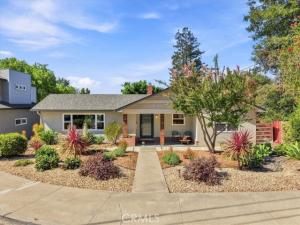
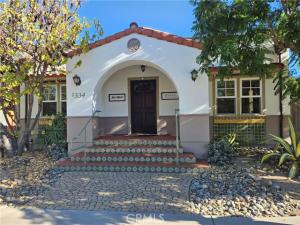
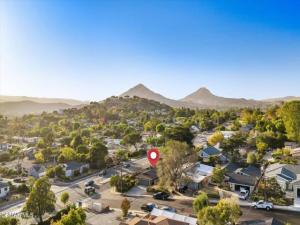
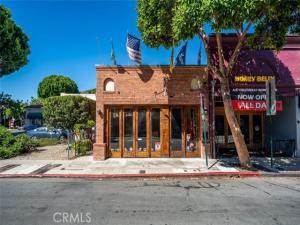
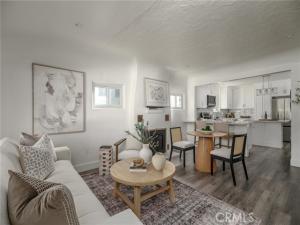
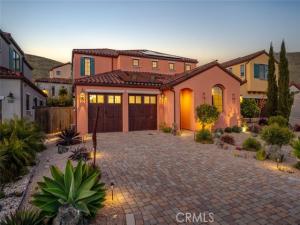
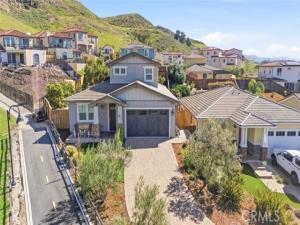
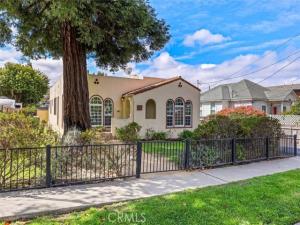
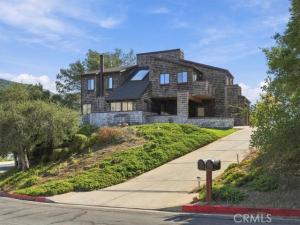
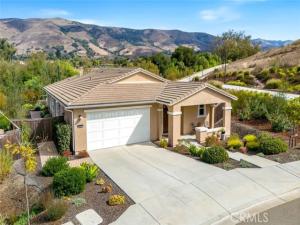
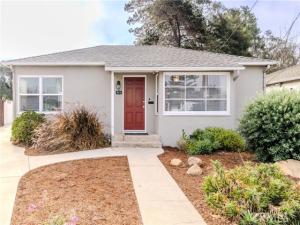
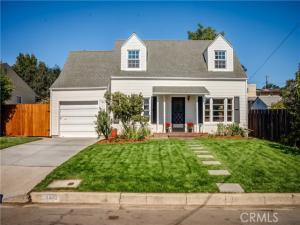
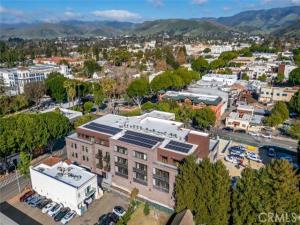
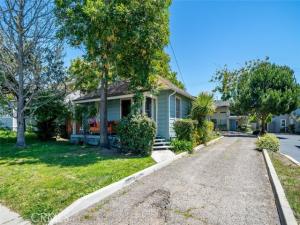
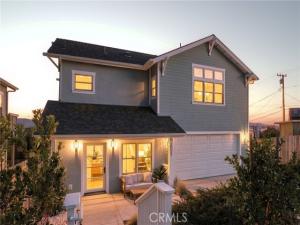
Homes for Sale in San Luis Obispo
Homes for sale in San Luis Obispo move through a small, supply-constrained market, so plan on competing rather than bargain-hunting. Recent listings in the city have spent roughly 27 to 32 days on market, and Zillow put the citywide average home value near $1.09 million, up about 3.1% year over year. Countywide numbers run lower, around $901,299, because they fold in less expensive inland and North County communities. The city sits about ten minutes inland from the Pacific on U.S. 101, midway between Los Angeles and San Francisco, with Amtrak service and SBP airport 3.3 miles from downtown.
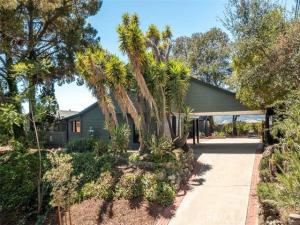
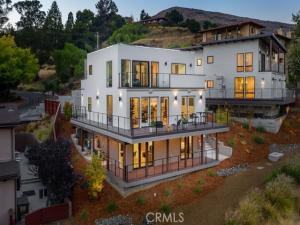
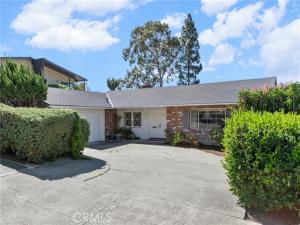
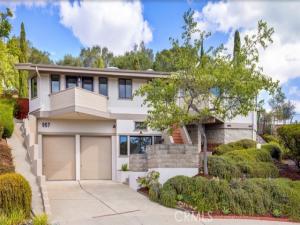
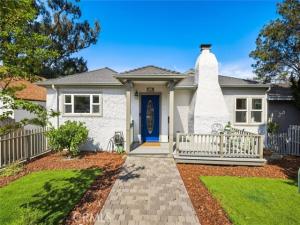
The housing stock splits three ways. Downtown and Old Town homes are older and smaller, and you pay for walkability to Higuera Street and the Thursday market. Mid-century tracts like Alta Vista offer single-level ranch homes on 7,000 to 10,000 square foot lots. Newer master-planned neighborhoods — Avila Ranch, Righetti Ranch, San Luis Ranch, and the Margarita Area — sit on the city’s edges with modern construction and bike-trail access. At the top, Orcutt and Highland have carried median sale prices near $1,942,500 and $1,482,500.
Browse the listings below to see what is currently available in San Luis Obispo, or contact The Knight Group to talk through which part of the city fits your budget and timeline.
Where is San Luis Obispo and how do you get there?
San Luis Obispo sits inland from the Pacific, about ten minutes from the coast and roughly midway on the 101 corridor between the two largest metros in California. The city grew up around that route. U.S. 101 was fully paved through San Luis Obispo in 1954, which brought the automobile tourism that produced the Motel Inn, billed as the world’s first motel, and later the Madonna Inn.
Access today runs on three modes. The 101 freeway is the spine, connecting north toward Paso Robles and Monterey and south toward Santa Barbara. San Luis Obispo station carries Amtrak’s Pacific Surfliner and the daily Coast Starlight, which runs between Los Angeles and Seattle through Santa Barbara, the Bay Area, Sacramento, and Portland. San Luis Obispo County Regional Airport, code SBP, sits about 3.3 miles from the city center and handles regional commercial flights.
For buyers relocating from Los Angeles or the Bay Area, that combination matters. You are not fully off the grid: the train, the airport, and the freeway all reach the rest of the state without a long drive to a distant hub.
What is the housing market like in San Luis Obispo?
It is a seller’s market with thin inventory and short marketing times. Homes in the city have recently spent roughly 27 to 32 days on market, and the median sale price per square foot in the county reached about $565 as of April 2025, up 6.6% year over year, per the June 2025 county update.
Price points vary widely by where you look. Zillow’s citywide average home value ran near $1.09 million, up about 3.1% year over year, while median sale prices reported across sources for the City of San Luis Obispo landed in a band from roughly $910,000 to just over $1 million depending on the month and mix of sales. The countywide figure sits lower because it folds in less expensive inland and North County communities.
Two structural forces keep prices firm. First, the city enforces tight growth boundaries and phased development, so new supply arrives slowly and in planned increments. Second, Cal Poly generates constant rental and ownership demand. Understand that firmness cuts both ways: it protects value over time, but it also means you will rarely find a bargain, and competitive offers are common on well-priced homes.
Which San Luis Obispo neighborhoods should you know?
The city breaks into a walkable historic center, established mid-century tracts, and a set of newer edge developments. Each carries a different price and a different trade-off.
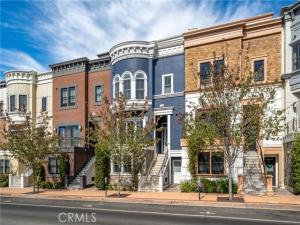
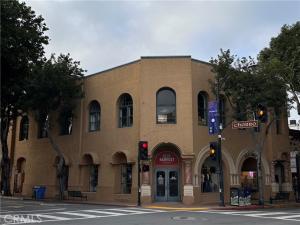
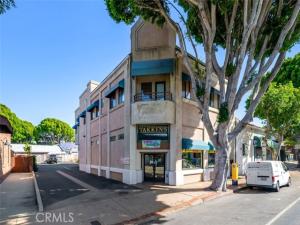
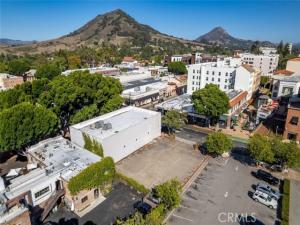
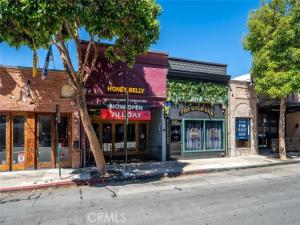
The Downtown Core and the Old Town Historic District are the most walkable parts of the city, close to Higuera Street, the mission, restaurants, and the Thursday market. Homes here are older and smaller, and you pay a premium for location and walkability. Japantown and the South Broad Street area sit near the center as well, mixing residential blocks with commercial frontage.
Alta Vista is a mid-century pocket about a mile north of downtown and a mile south of Cal Poly. It is primarily single-level ranch-style homes on 7,000 to 10,000 square foot lots, and its proximity to campus makes it popular with student renters, which is a factor to weigh if you want an owner-occupied street. Johnson Avenue and the Anholm area are established residential neighborhoods valued for their central location.
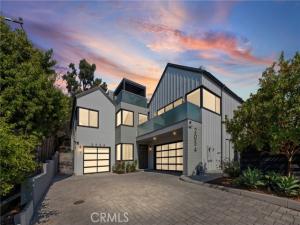
The newer master-planned neighborhoods sit on the city’s edges. Avila Ranch, Righetti Ranch, San Luis Ranch, and the Margarita Area are the names to know for modern construction, neighborhood parks, and bike-trail access. Righetti Ranch is known for newer homes set against rolling hills and vineyards, while Avila Ranch emphasizes parks and biking connections. Orcutt and Highland anchor the upper end. Per an AOL analysis of neighborhood sale data, Orcutt carried a median sale price near $1,942,500 and Highland near $1,482,500, making them the two most expensive named neighborhoods in the city.
If trails and open space rank highest for you, the areas near Laguna Lake, the South Hills, Johnson Ranch, Irish Hills, and Righetti Hill deserve attention for their direct access to the city’s open-space network.
How does Cal Poly shape the market?
Cal Poly is the single largest force in San Luis Obispo’s economy and its rental market. Fall enrollment has run near 22,900 students, with more than 8,600 living on campus, and the university has stated plans to grow the student body toward 25,000 by 2030. Its estimated annual economic contribution across San Luis Obispo and northern Santa Barbara counties is about $2.6 billion.
For buyers, this has two direct consequences. First, rental demand is durable, which supports investment purchases and keeps vacancy low, though the average tenant in the county spent roughly $1,800 per month on rent and utilities as of 2022. Second, neighborhoods close to campus carry a higher share of student renters, which changes the character of a street and can affect resale to owner-occupant buyers. The university has said it has been adding beds faster than it has added students, which may ease pressure over time, but campus-adjacent neighborhoods remain rental-heavy today.
What is the lifestyle and downtown like?
Downtown San Luis Obispo is compact and pedestrian-oriented, centered on Higuera Street and the mission plaza. The defining weekly event is the Downtown SLO Farmers’ Market, held every Thursday from 6 to 9 p.m. across five blocks of Higuera Street with more than 100 vendors selling produce, barbecue, prepared food, and crafts. It began in the late 1970s when downtown merchants closed the street to traffic and moved their businesses outdoors, and it has run weekly since.
The surrounding region adds to the draw. The Edna Valley wine country begins about ten minutes from downtown, with a cool marine-influenced climate, roughly 20 inches of annual rainfall, and a long growing season of about 287 days that suits balanced Central Coast whites and pinot noir. The combination of a working downtown, nearby wine country, coastal access, and university culture is a large part of what sustains demand and, by extension, price.
What are the schools like in San Luis Obispo?
The city is served by the San Luis Coastal Unified School District, which enrolls about 7,332 students across San Luis Obispo and Morro Bay. San Luis Obispo High School serves students living in the city. Because school-attendance boundaries can affect both price and resale, confirm the specific assigned schools for any address before you write an offer rather than relying on a neighborhood’s general reputation.
For higher education, Cal Poly and Cuesta College both draw students and staff into the local housing market, which is another reason rental demand stays steady across cycles.
What risks and regulatory factors should buyers weigh?
Wildfire is the risk to take seriously. In March 2025, Cal Fire released updated Fire Hazard Severity Zones statewide, and in June 2025 the San Luis Obispo City Council adopted them. More of the city now falls within moderate, high, and very high severity zones than under the prior maps. Because zone designation affects insurance availability and cost, defensible-space requirements, and in some cases building standards, check any prospective address on Cal Fire’s interactive zone map and get an insurance quote early in your search rather than after you are in contract.
Two more items belong on the checklist. Homeowners insurance across California has tightened, and coastal and hillside California markets like this one have seen carriers pull back, so budget for the possibility of higher premiums. And several of the newer master-planned neighborhoods can carry homeowners-association dues or special assessments; those vary by community and should be verified in writing during escrow, not assumed. The Knight Group will help you pull the specific disclosures for any home you are considering.
Is San Luis Obispo a good place to invest?
The case rests on constrained supply and a captive rental base. Cal Poly’s growth toward 25,000 students, the city’s phased growth controls, and steady in-migration from larger metros all point to durable demand. Price appreciation has continued, with the county median up 5.2% year over year as of April 2025 even as the pace slowed from the pandemic peak.
The counterweights are real. Entry prices are high, with a countywide average value near $901,299 and a city average above $1 million, so cash-flow math on a rental is tight at current rates. Insurance and wildfire-zone exposure add carrying cost and uncertainty. And the same growth controls that support value limit the number of properties available to buy. The honest read is that San Luis Obispo tends to reward long holds and lifestyle-driven ownership more than short-term rental yield.
What is the history behind San Luis Obispo?
The area was home to the Chumash people for thousands of years before European contact. On September 1, 1772, Father Junípero Serra founded Mission San Luis Obispo de Tolosa, the fifth of the 21 California missions, named for Saint Louis of Toulouse. The mission still stands at the center of downtown and remains the city’s historic anchor.
San Luis Obispo County was one of the original counties created at California statehood in 1850, with the city as its seat. The city’s modern shape was set by transportation: the railroad, then the paving of U.S. 101 in 1954, which turned San Luis Obispo into a halfway stop on the coast route and seeded its tourism economy. That layered history, Chumash, mission-era, and mid-century highway town, is still legible in the street grid and the building stock today.
How to Approach Buying in San Luis Obispo
Because inventory stays thin and well-priced homes draw competing offers, the practical question is not whether you can wait out the market but which trade-off you are willing to make. San Luis Obispo real estate splits along a fairly clear line: older, smaller homes closer to the center, where you pay for walkability, or newer construction on the city’s edges, where you get modern layouts and bike-trail access but more driving. Mid-century tracts sit between those two, offering single-level floor plans on larger lots. Decide which of those three you actually want before you start touring, because with marketing times running under about a month you may not have long to deliberate on any one house.
Two other factors deserve weight. Student rental demand near campus affects the character of some streets, so ask about the mix of owner-occupied homes if that matters to you. And the city’s growth boundaries mean new supply arrives in planned increments rather than all at once — worth understanding if you are counting on future options.
Frequently Asked Questions About san luis obispo Homes for Sale
How much does a house cost in San Luis Obispo?
Reported prices for the City of San Luis Obispo have ranged from roughly $910,000 to just over $1 million in median sale price depending on the month, with Zillow’s average home value near $1.09 million. The countywide average was about $901,299 and the county median sold price about $894,405 as of April 2025. Actual price depends heavily on neighborhood, from older downtown homes to higher-priced Orcutt and Highland properties.
Is San Luis Obispo a seller’s market or a buyer’s market?
It has been a seller’s market. Inventory is limited, homes have sold in roughly 27 to 32 days, and price per square foot rose about 6.6% year over year as of April 2025. Well-priced homes commonly draw competitive offers.
Which is the most expensive neighborhood in San Luis Obispo?
Per an AOL analysis of sale data, Orcutt carried the highest median sale price at about $1,942,500, followed by Highland near $1,482,500.
Do I need to worry about wildfire risk?
Yes, and you should check it property by property. Cal Fire updated the Fire Hazard Severity Zones in 2025, and the city adopted them in June 2025, placing more of San Luis Obispo in moderate, high, and very high zones. Zone status affects insurance and defensible-space requirements, so verify any address on Cal Fire’s map and get an insurance quote early.
How does Cal Poly affect buying a home here?
Cal Poly enrolls close to 22,900 students and plans to grow toward 25,000 by 2030, which keeps rental demand strong and makes campus-adjacent neighborhoods rental-heavy. That supports investment purchases but is worth weighing if you want an owner-occupied street.
What school district serves San Luis Obispo?
The city is served by San Luis Coastal Unified School District, which enrolls about 7,332 students, with San Luis Obispo High School serving city students. Confirm the specific assigned schools for any address before you buy.
How walkable is San Luis Obispo?
The downtown core and Old Town are highly walkable, centered on Higuera Street, the mission, and the Thursday farmers’ market. Newer edge neighborhoods like Avila Ranch and Righetti Ranch emphasize parks and bike trails rather than walk-to-downtown access, so walkability varies sharply by neighborhood.
Can you commute to San Luis Obispo without a car?
Partly. Amtrak’s Pacific Surfliner and Coast Starlight both stop in the city, and the regional airport sits about 3.3 miles out, but day-to-day life in most neighborhoods still assumes a car. Downtown living is the exception where car-light routines are practical.
How does The Knight Group work in the San Luis Obispo market?
The Knight Group is a California luxury real estate team covering the Central Coast, including San Luis Obispo and its surrounding county. We work from the specifics: the neighborhood boundaries, the wildfire-zone designation on the exact parcel, the school assignment, the HOA and disclosure package, and the recent comparable sales rather than a headline median.
For buyers, that means we help you weigh the real trade-offs, downtown walkability against edge-neighborhood newness, owner-occupied streets against rental-heavy blocks near campus, and firm long-term value against tight current cash flow. For sellers, it means pricing to the actual sub-market and marketing to the mix of local, university-driven, and out-of-area demand that defines this city.
Browse the current San Luis Obispo listings below, or contact The Knight Group to start a focused conversation about your budget, timeline, and the part of the city that fits.
What are homes for sale in San Luis Obispo actually like?
- Homes for sale in San Luis Obispo move through a small, supply-constrained market where buyers should plan on competing rather than bargain-hunting.
- Housing stock in the city splits three ways, between the historic center, mid-century tracts, and newer master-planned edge developments.
- Downtown and Old Town homes are older and smaller, and buyers pay a premium for walkability to Higuera Street and the Thursday market.
- Mid-century tracts such as Alta Vista offer single-level ranch floor plans on comparatively larger residential lots.
- Newer master-planned neighborhoods including Avila Ranch, Righetti Ranch, San Luis Ranch, and the Margarita Area sit on the city’s outer edges.
- Modern construction and bike-trail access define the edge neighborhoods, distinguishing them sharply from the older housing near the city core.
- Orcutt and Highland sit at the top of the local price ladder among San Luis Obispo neighborhoods.
- Countywide values run lower than city values because county figures fold in less expensive inland and North County communities.
- San Luis Obispo station carries Amtrak’s Pacific Surfliner and the daily Coast Starlight running between Los Angeles and Seattle.
- San Luis Obispo County Regional Airport, code SBP, sits near the city center and handles regional commercial flights.
- Homes for sale in San Luis Obispo appeal to buyers relocating from Los Angeles or the Bay Area who still want statewide access.
- Tight growth boundaries and constant Cal Poly demand keep prices firm on homes for sale in San Luis Obispo.
What should buyers know before choosing homes for sale in San Luis Obispo?
- San Luis Coastal Unified School District serves the city, enrolling students across both San Luis Obispo and Morro Bay.
- San Luis Obispo High School serves students living within the city limits.
- School-attendance boundaries can affect both price and resale, so buyers should confirm assigned schools for any specific address.
- Cal Poly and Cuesta College both draw students and staff into the local housing market, keeping rental demand steady across cycles.
- Wildfire is the risk buyers of homes for sale in San Luis Obispo should take most seriously.
- Cal Fire released updated Fire Hazard Severity Zones statewide, and the San Luis Obispo City Council later adopted them.
- More of the city now falls within moderate, high, and very high severity zones than under the prior maps.
- Zone designation affects insurance availability and cost, defensible-space requirements, and in some cases applicable building standards.
- Buyers should check any prospective address on Cal Fire’s interactive zone map and get an insurance quote early rather than after going into contract.
- Homeowners insurance across California has tightened, and coastal and hillside markets have seen carriers pull back, so premiums may run higher.
- Several newer master-planned neighborhoods can carry homeowners-association dues or special assessments that should be verified in writing during escrow.
- Phased growth controls, steady in-migration from larger metros, and Cal Poly’s expansion all point to durable demand in San Luis Obispo.
- Entry prices are high and insurance exposure adds carrying cost, so cash-flow math on a rental stays tight.
- Homes for sale in San Luis Obispo tend to reward long holds and lifestyle-driven ownership more than short-term rental yield.
Who is buying homes for sale in San Luis Obispo and why?
- San Luis Obispo has been a seller’s market, with limited inventory and short marketing times shaping how buyers write offers.
- Well-priced homes in the city commonly draw competitive offers from multiple buyers at once.
- Orcutt carries the highest median sale price among San Luis Obispo neighborhoods, followed by Highland.
- Cal Fire updated the Fire Hazard Severity Zones and the city adopted them, placing more of the city in moderate, high, and very high zones.
- Wildfire zone status affects insurance and defensible-space requirements, so buyers should verify each address on Cal Fire’s map property by property.
- Cal Poly enrollment growth keeps rental demand strong and makes campus-adjacent neighborhoods notably rental-heavy.
- Buyers seeking an owner-occupied street should weigh how close a prospective home sits to the Cal Poly campus.
- San Luis Coastal Unified School District serves the city, with San Luis Obispo High School serving students who live inside city limits.
- Downtown and Old Town rank as the most walkable parts of the city, centered on Higuera Street, the mission, and the Thursday farmers’ market.
- Newer edge neighborhoods such as Avila Ranch and Righetti Ranch emphasize parks and bike trails rather than walk-to-downtown access.
- Amtrak’s Pacific Surfliner and Coast Starlight both stop in the city, and the regional airport sits a short drive from the center.
- Daily life in most San Luis Obispo neighborhoods still assumes a car, with downtown living the exception where car-light routines work.
- The Knight Group is a California luxury real estate team covering the Central Coast, including San Luis Obispo and its surrounding county.
- Homes for sale in San Luis Obispo deserve evaluation on parcel-level specifics such as wildfire zone, school assignment, HOA disclosures, and recent comparable sales.