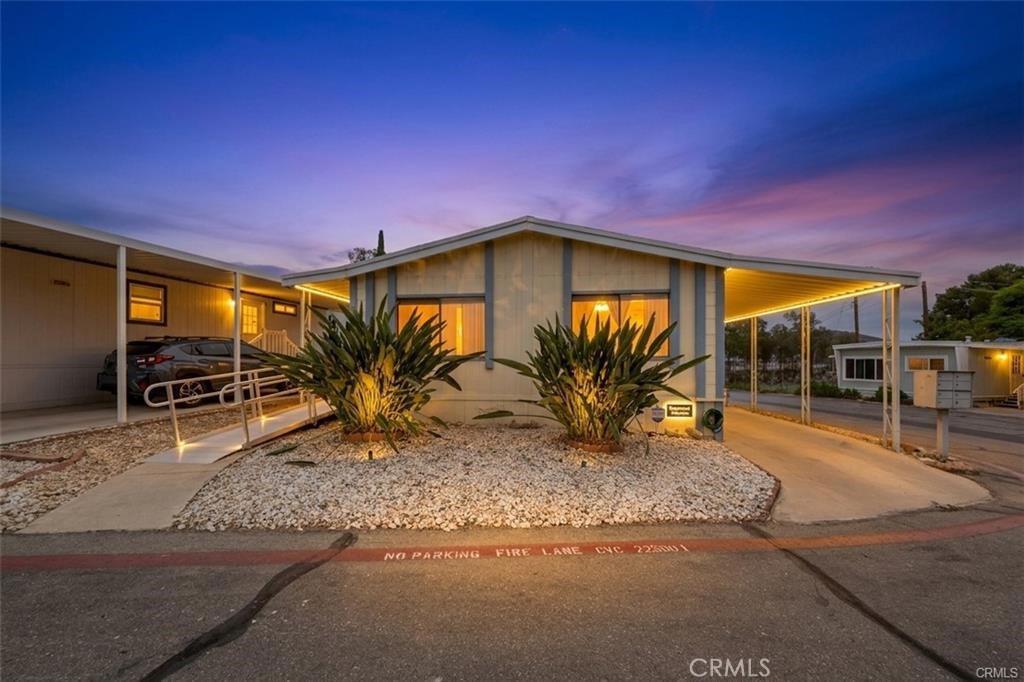
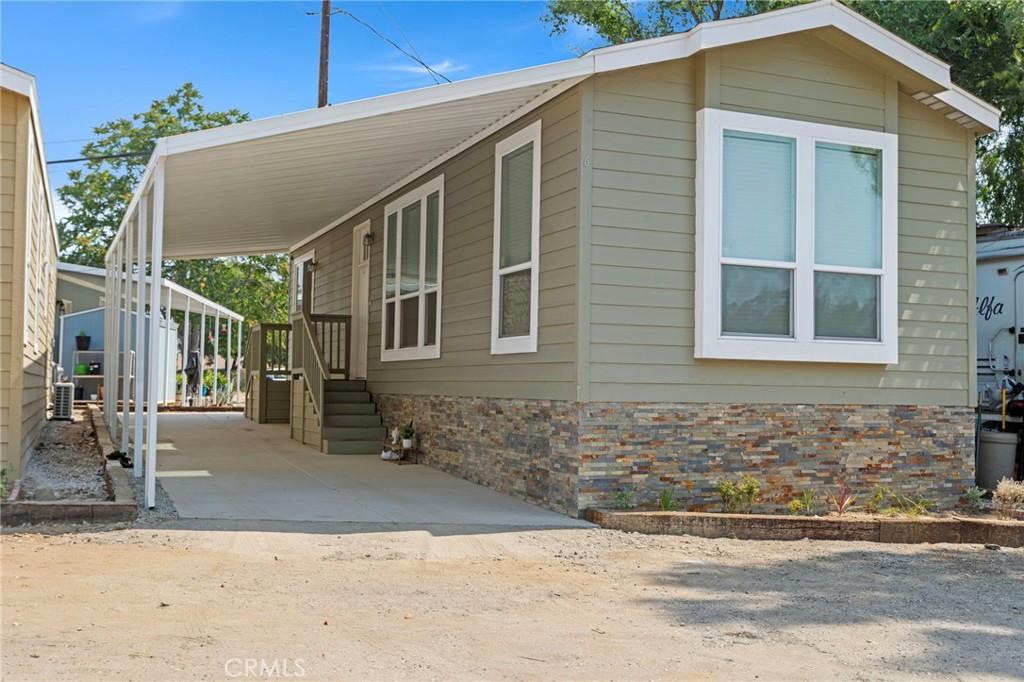
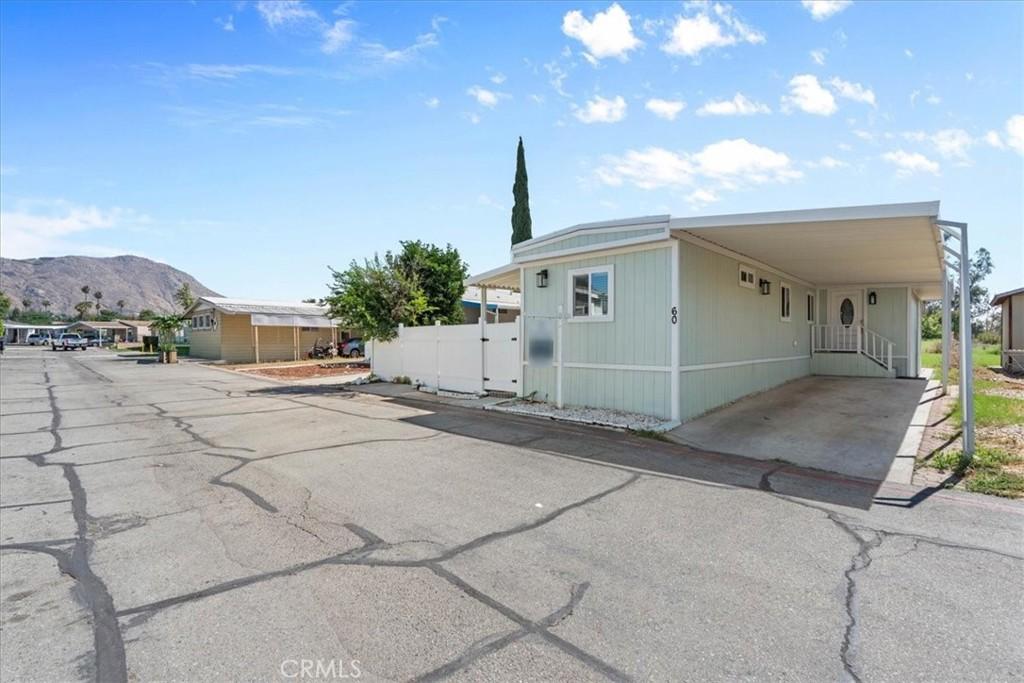
Grand Terrace CA Homes for Sale
Grand Terrace CA Homes for Sale currently number 29 active listings with a median asking price of $569,000 (CRMLS, September 2026).
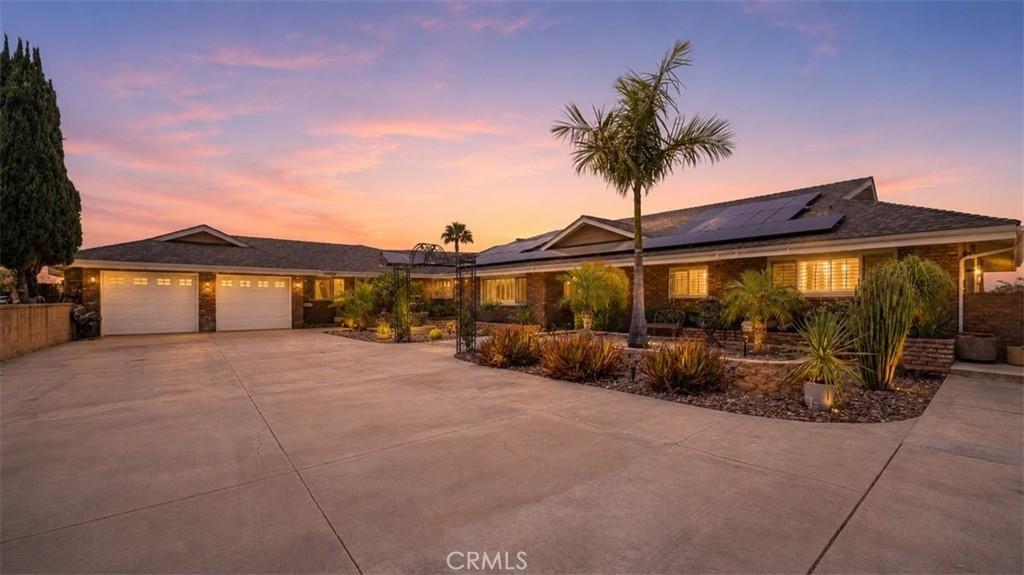
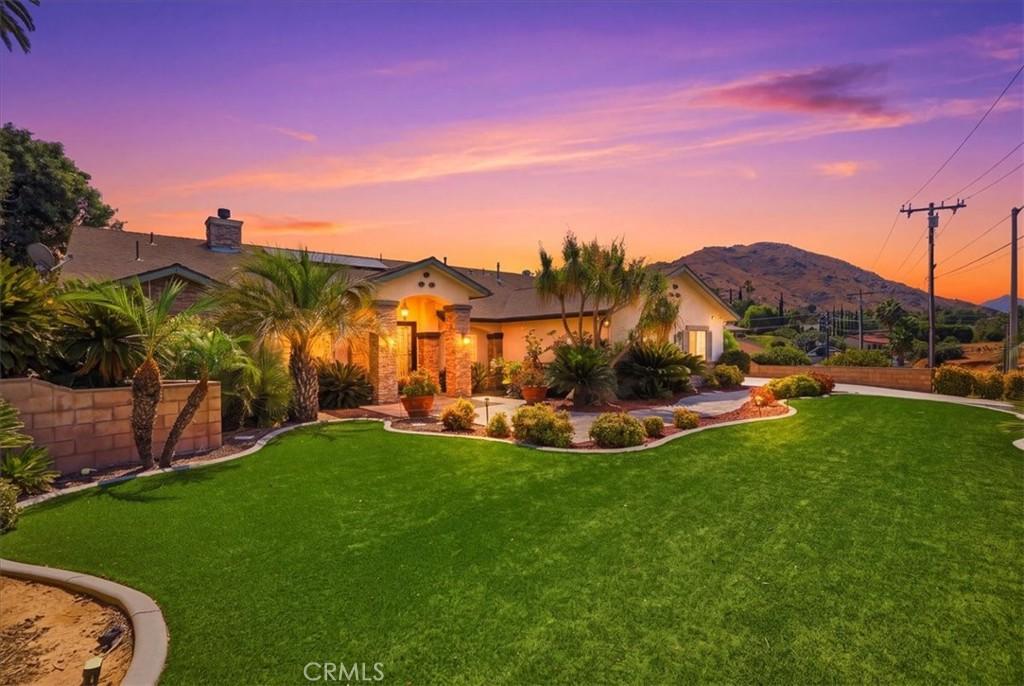
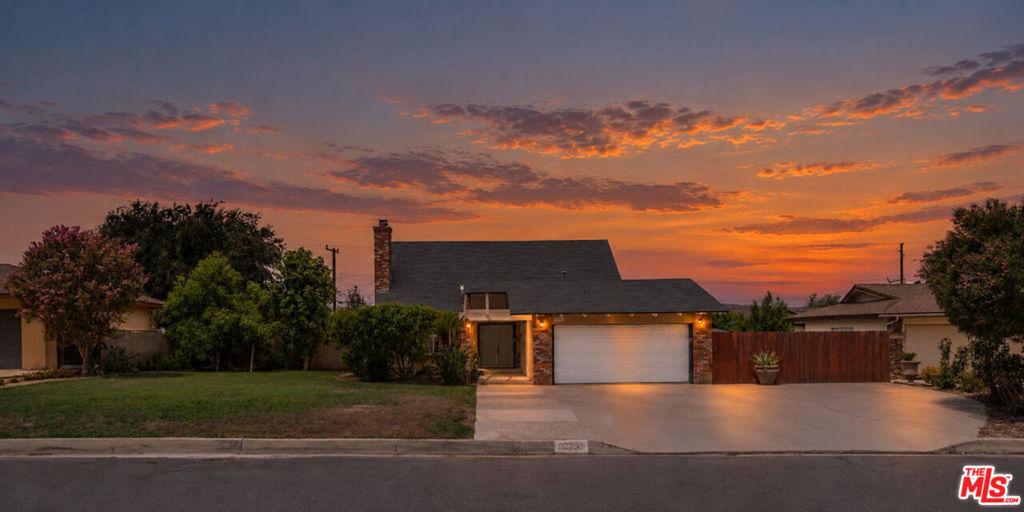
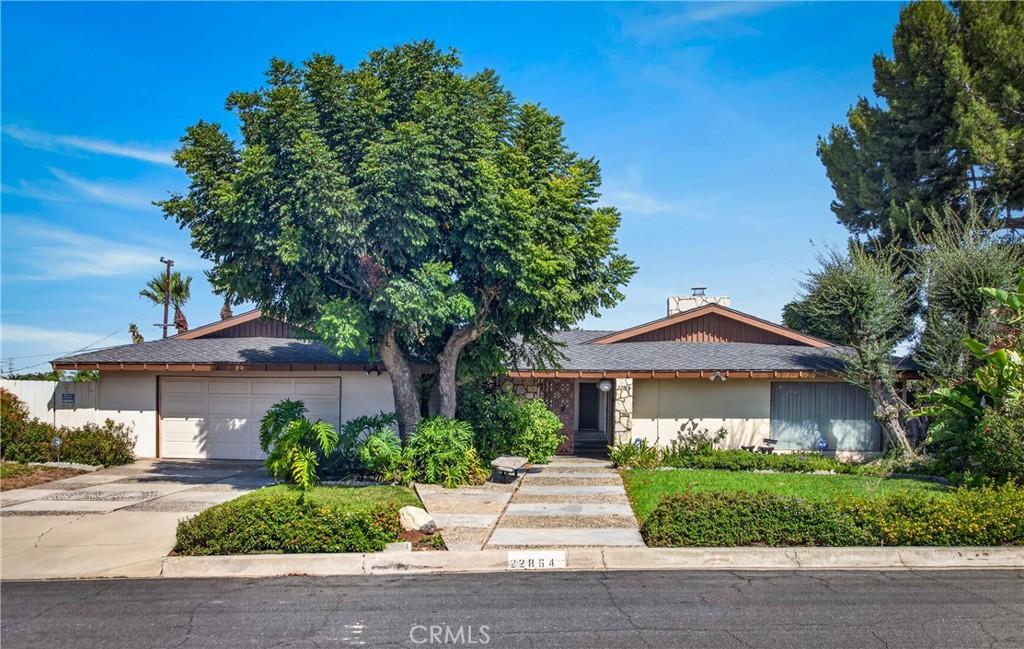
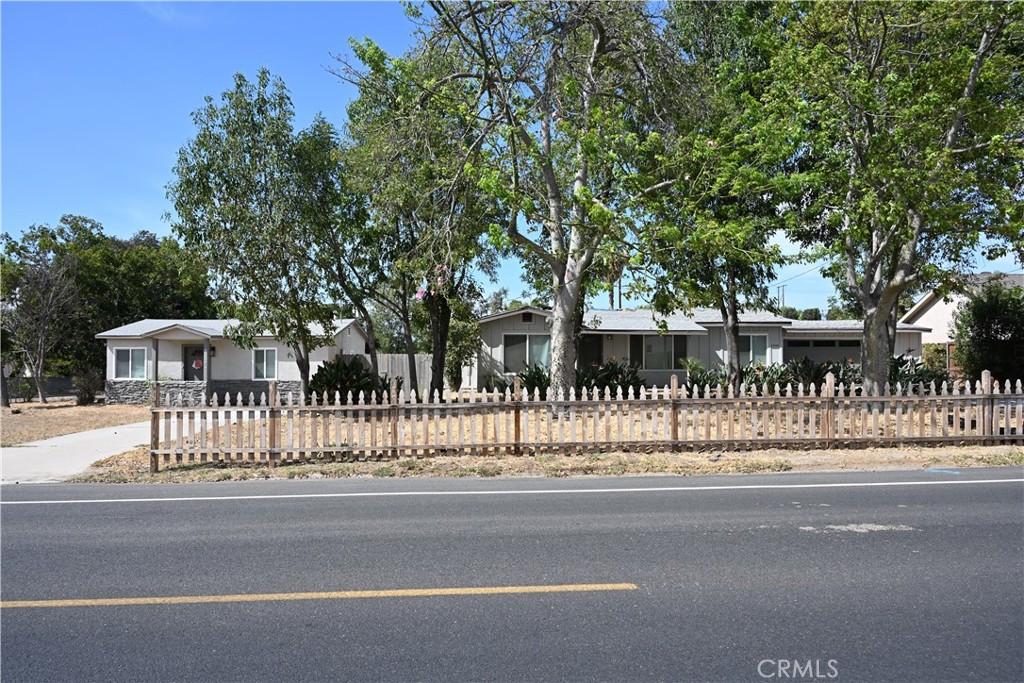
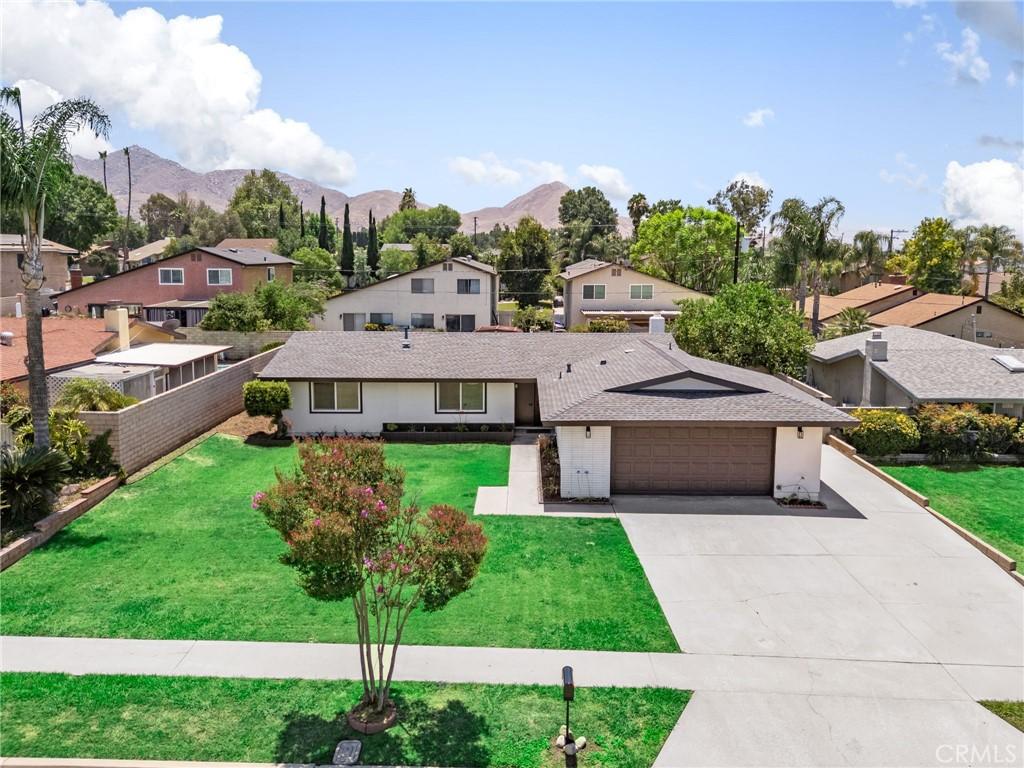
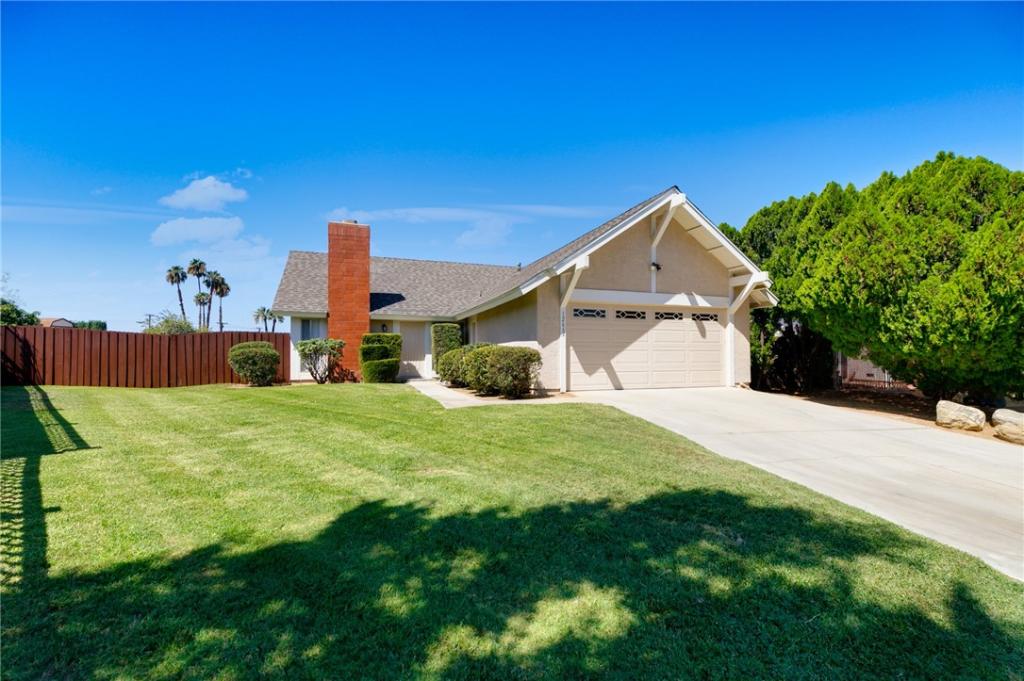
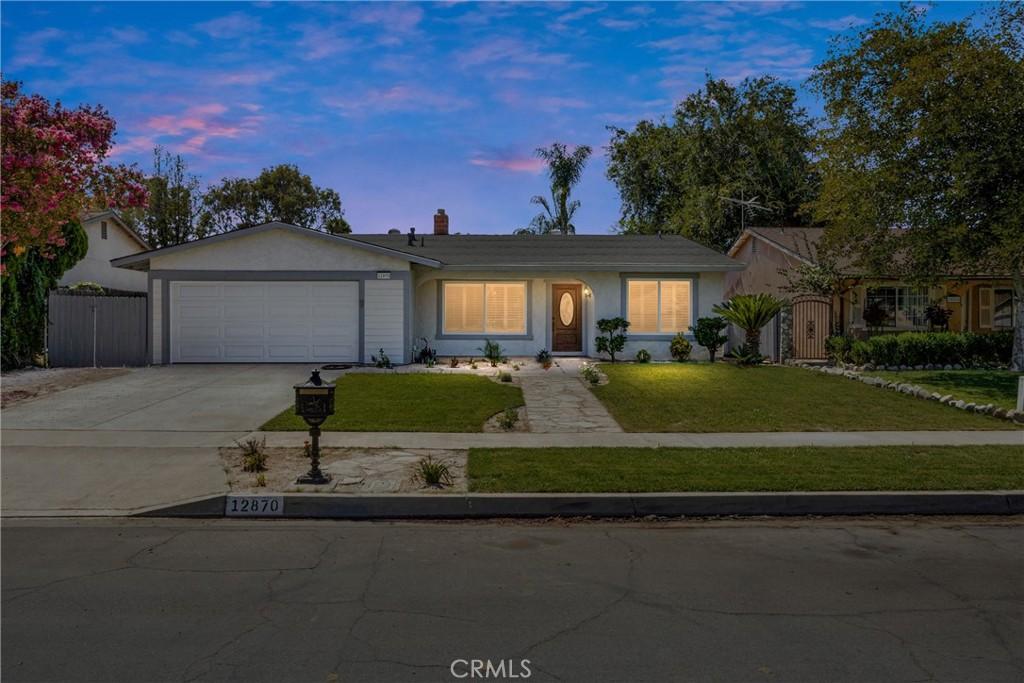
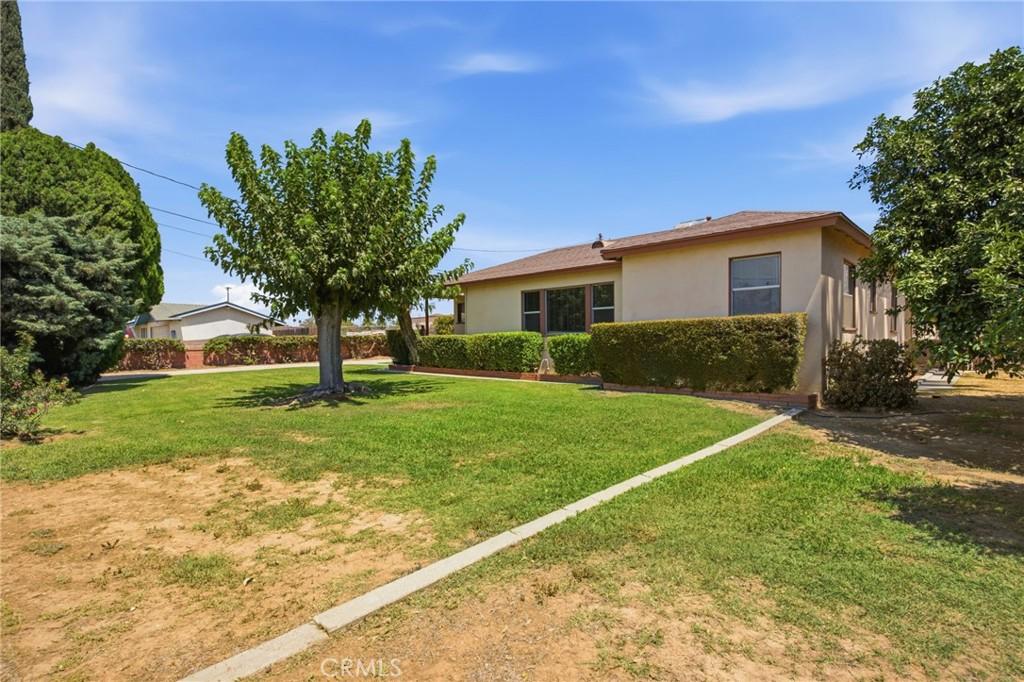
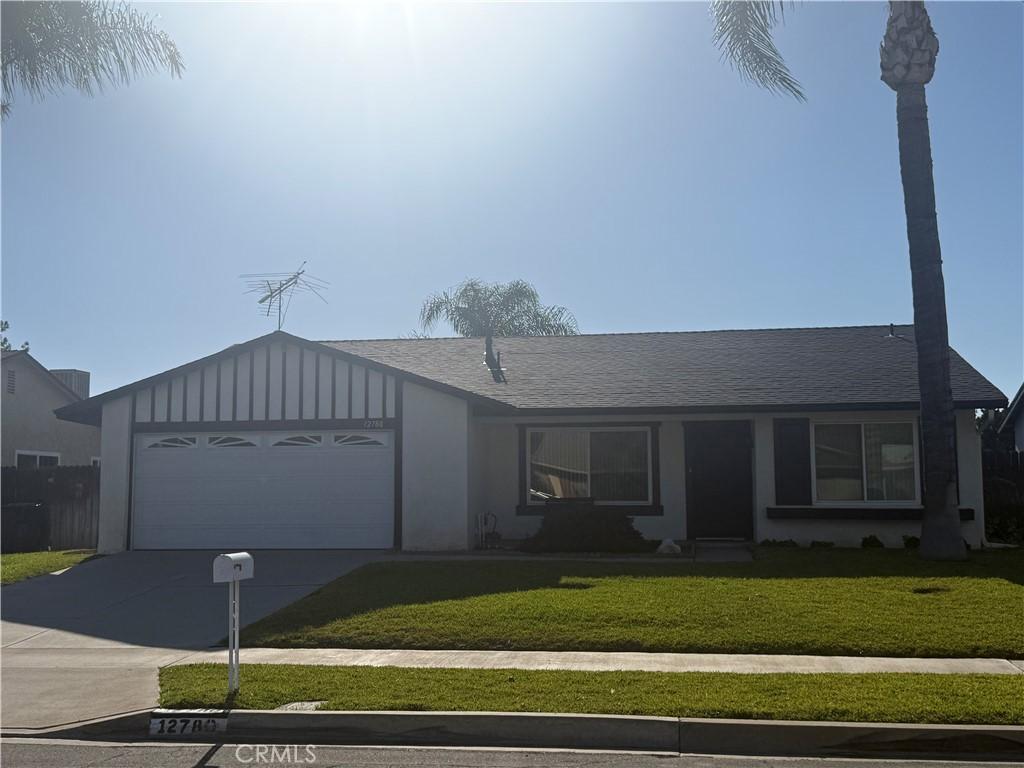
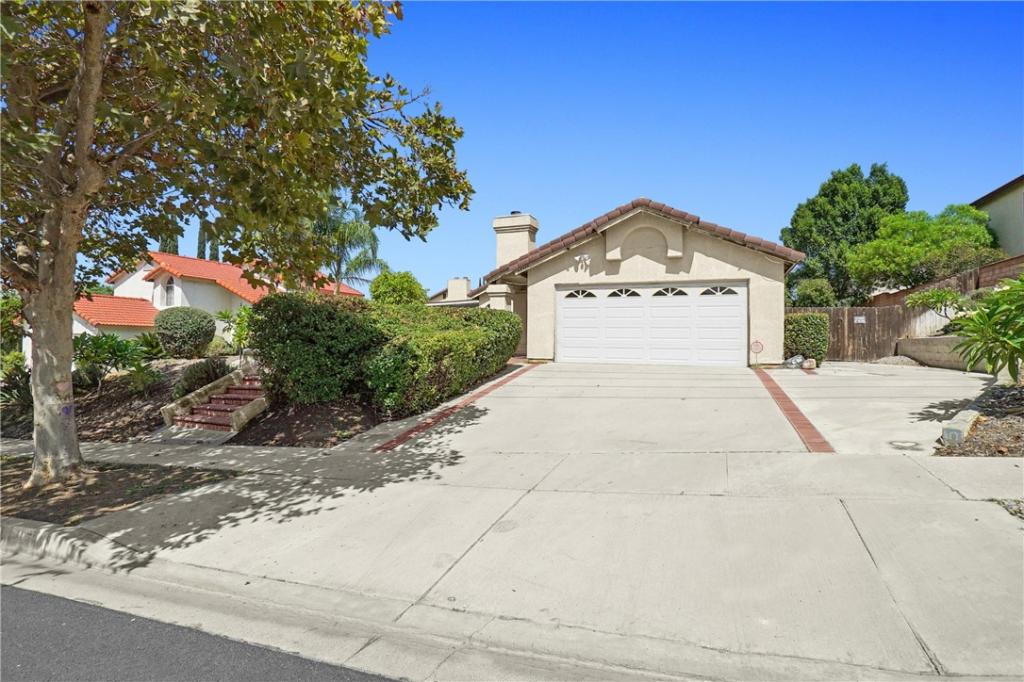
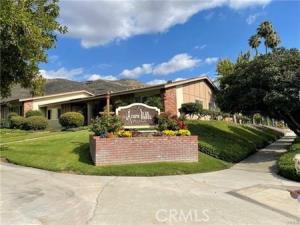
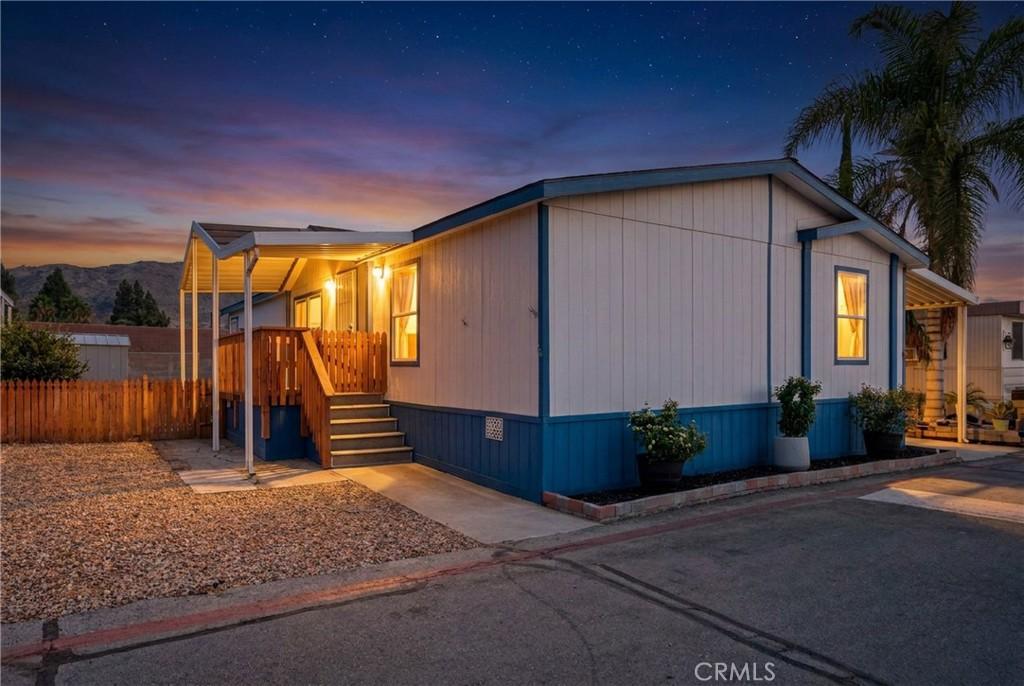
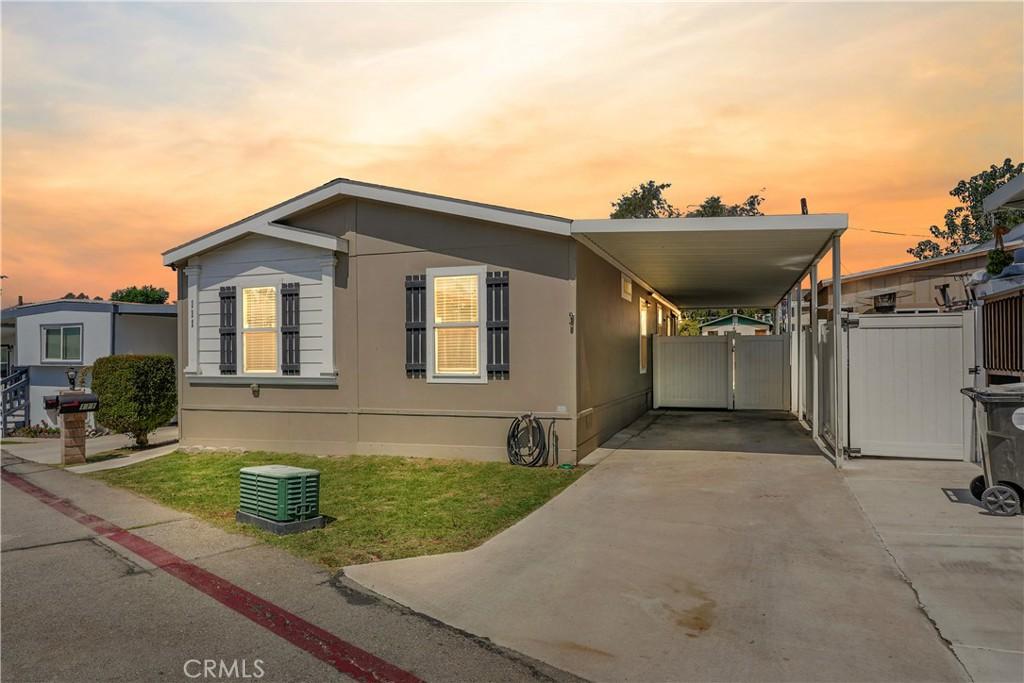
Most grand terrace ca homes for sale are detached single-family houses on real lots, in a 3.5-square-mile city of 13,150 people between Colton and the Riverside County line. Data USA’s 2024 profile puts the median property value at $517,600 against a median household income of $83,628 — a better income-to-price relationship than most of the Los Angeles basin. The trade-off is inventory: with 4,898 housing units citywide, a given month does not produce many listings, and buyers holding out for a specific street or view often wait.
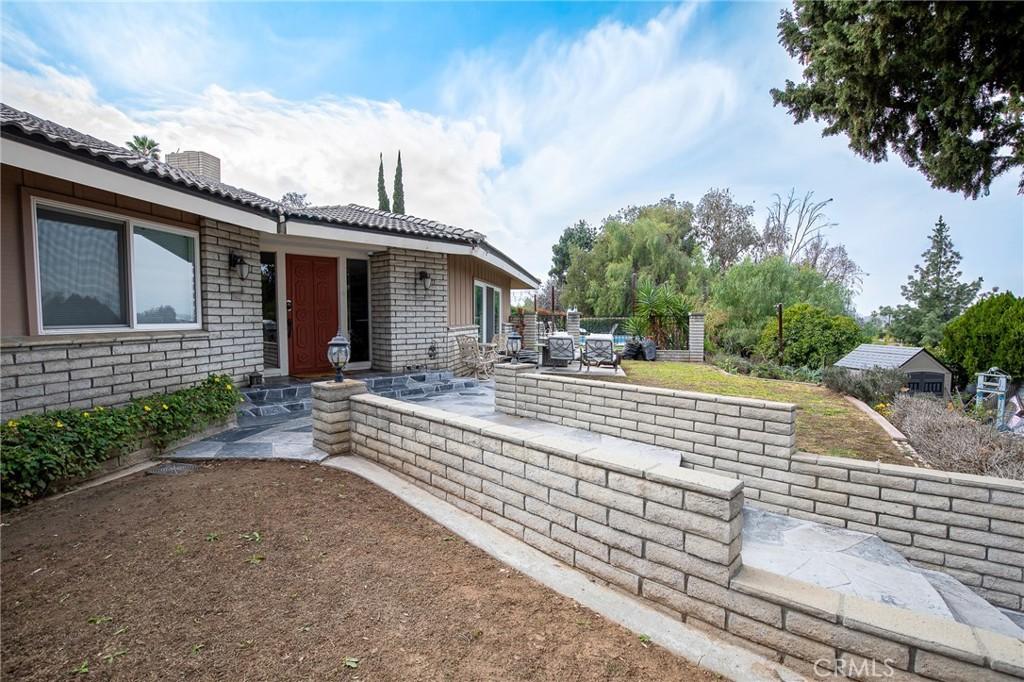
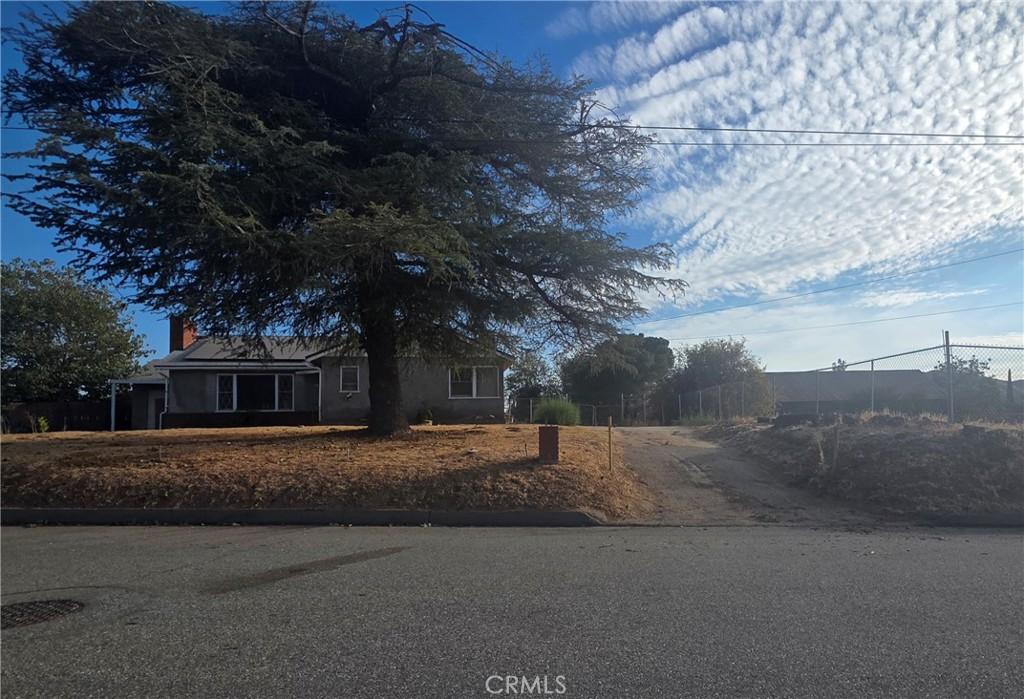
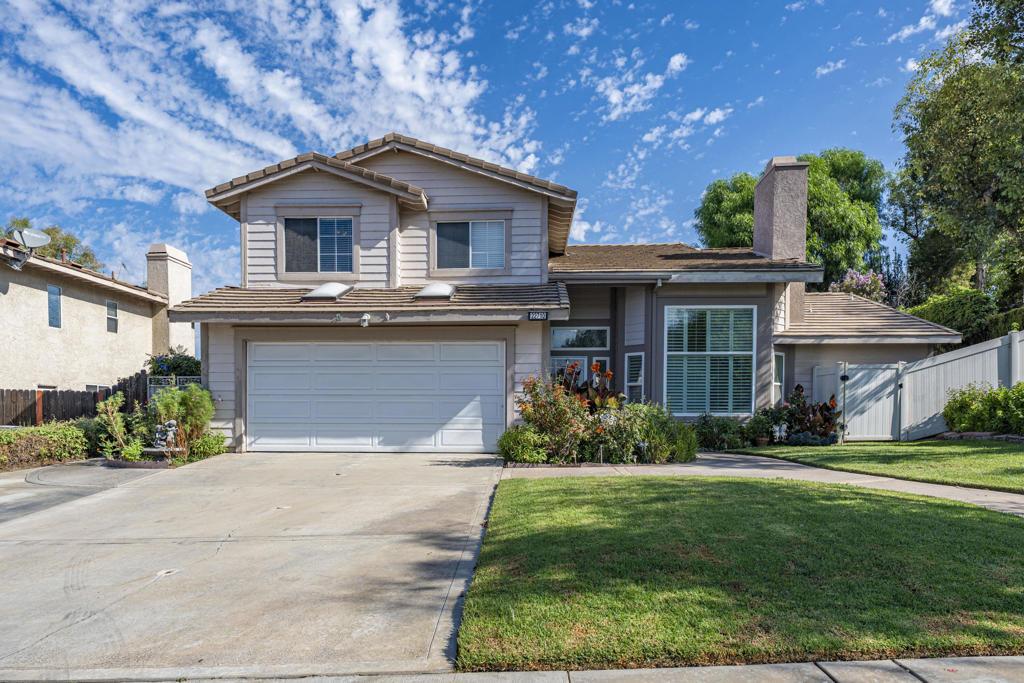
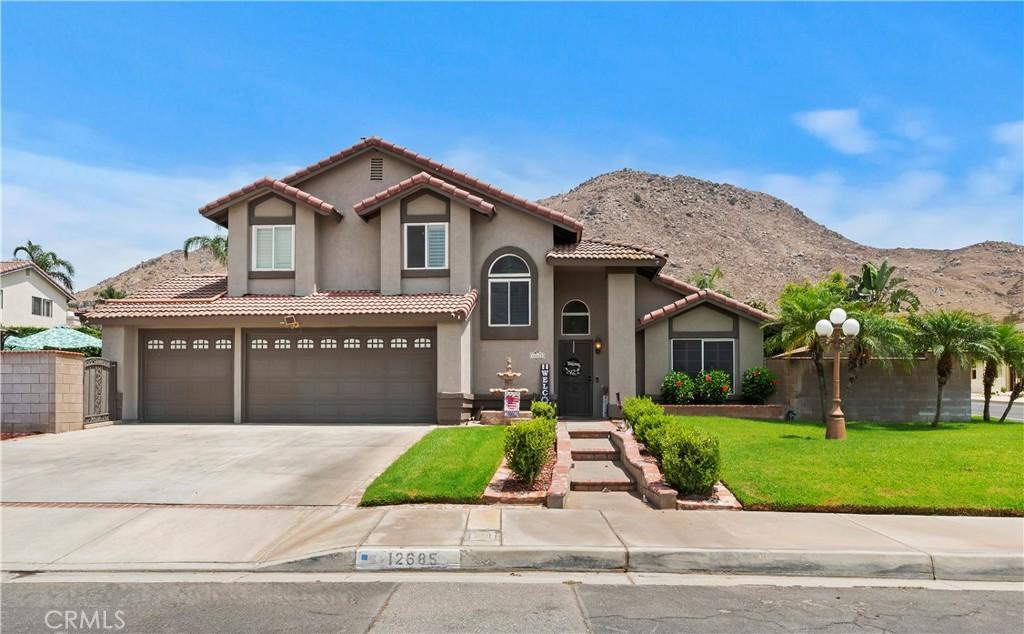
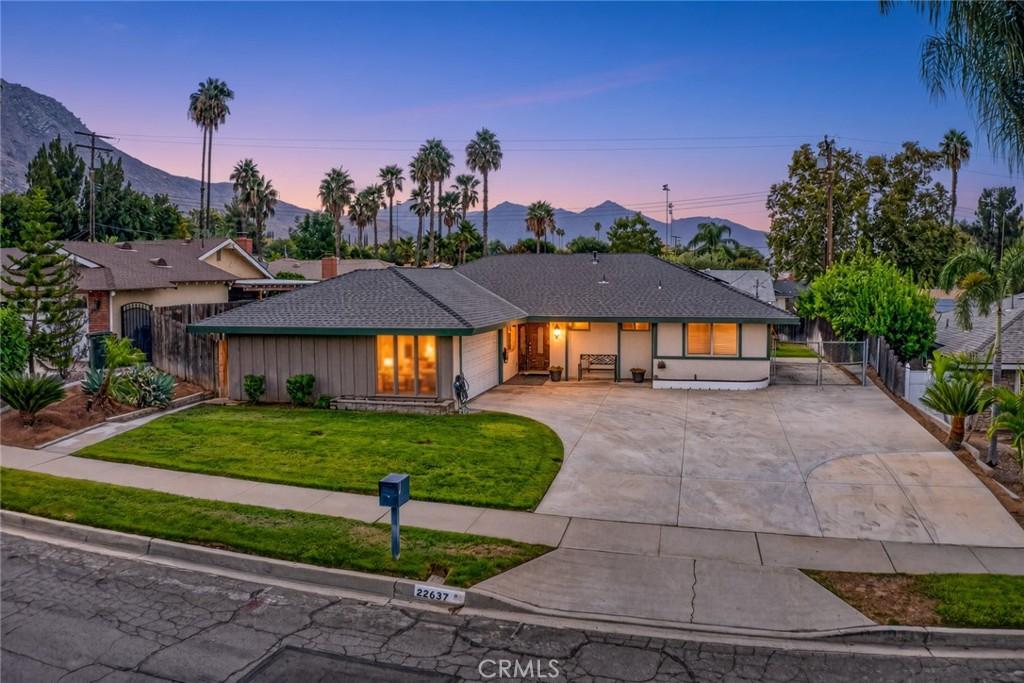
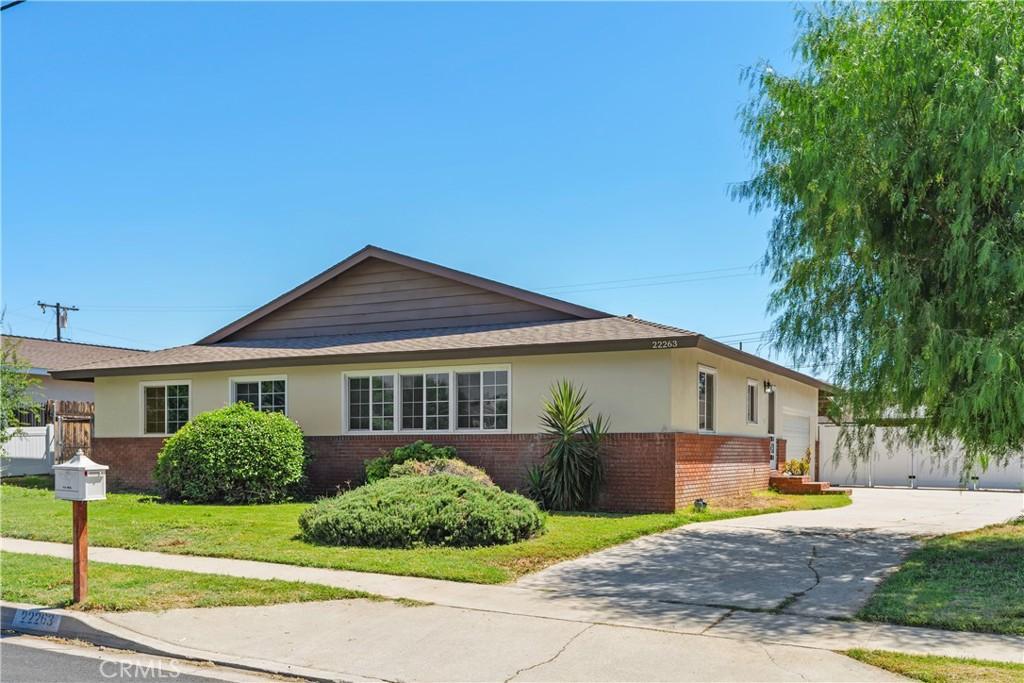
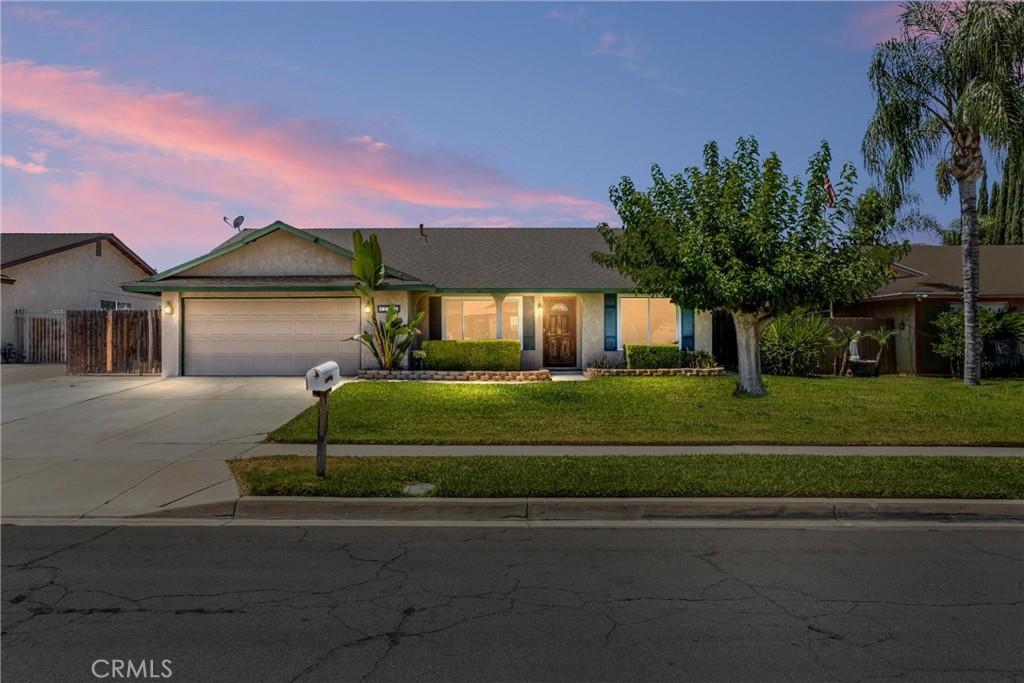
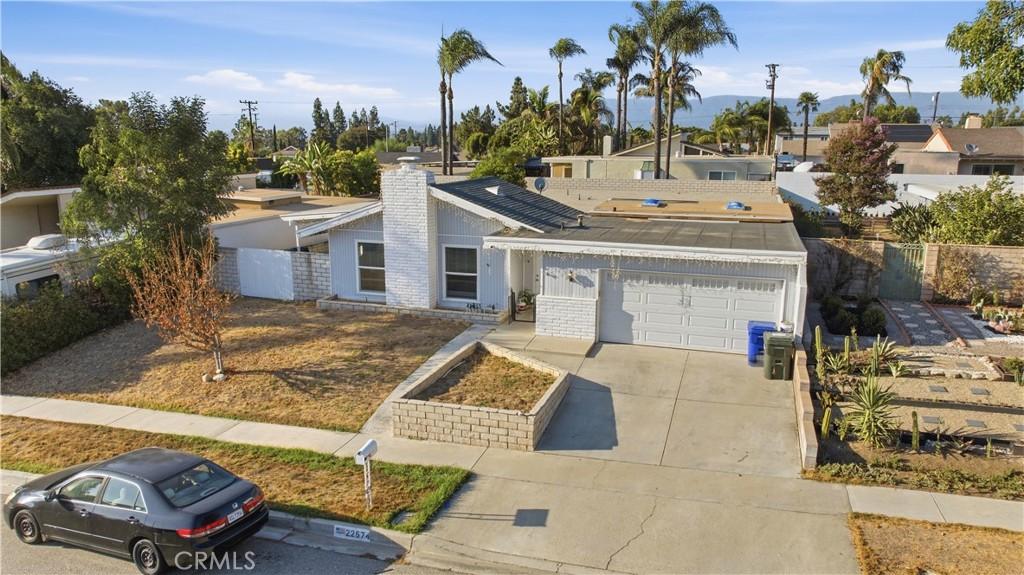
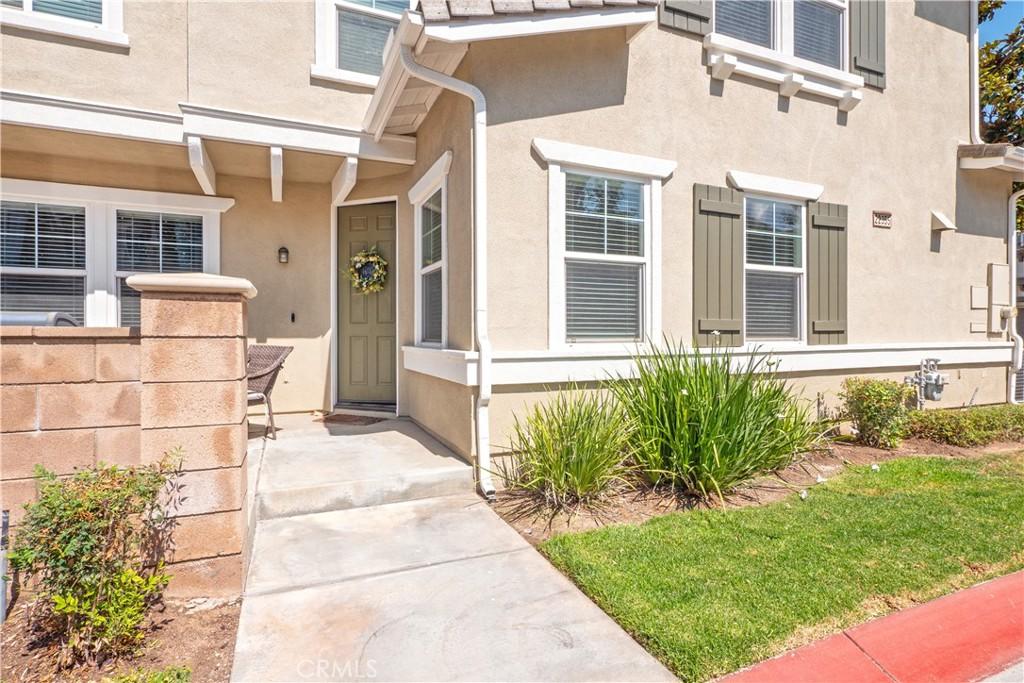
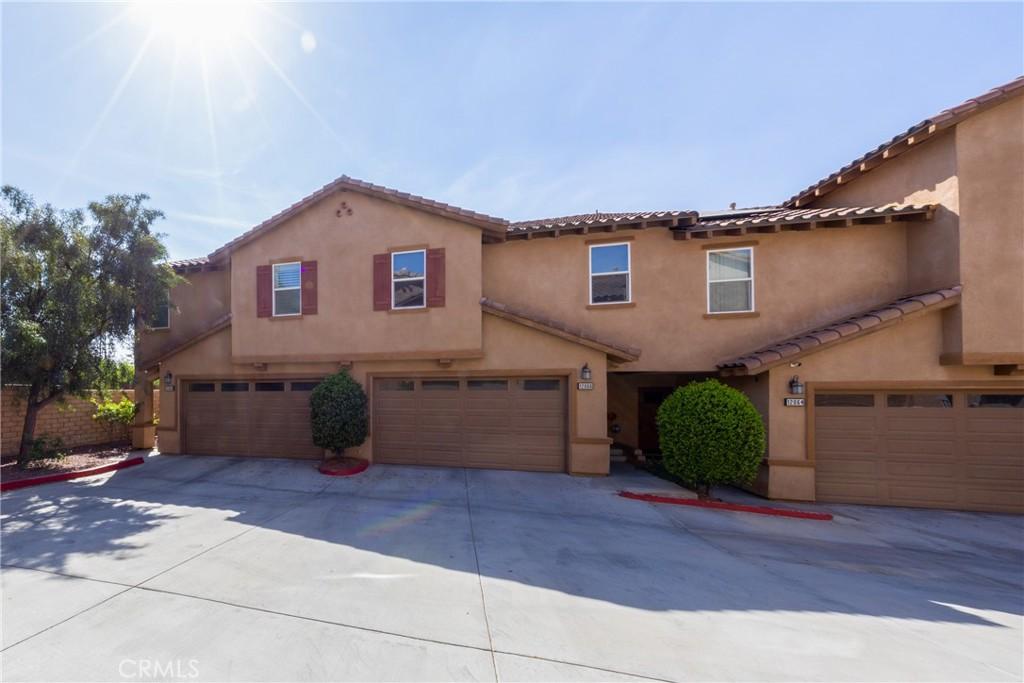
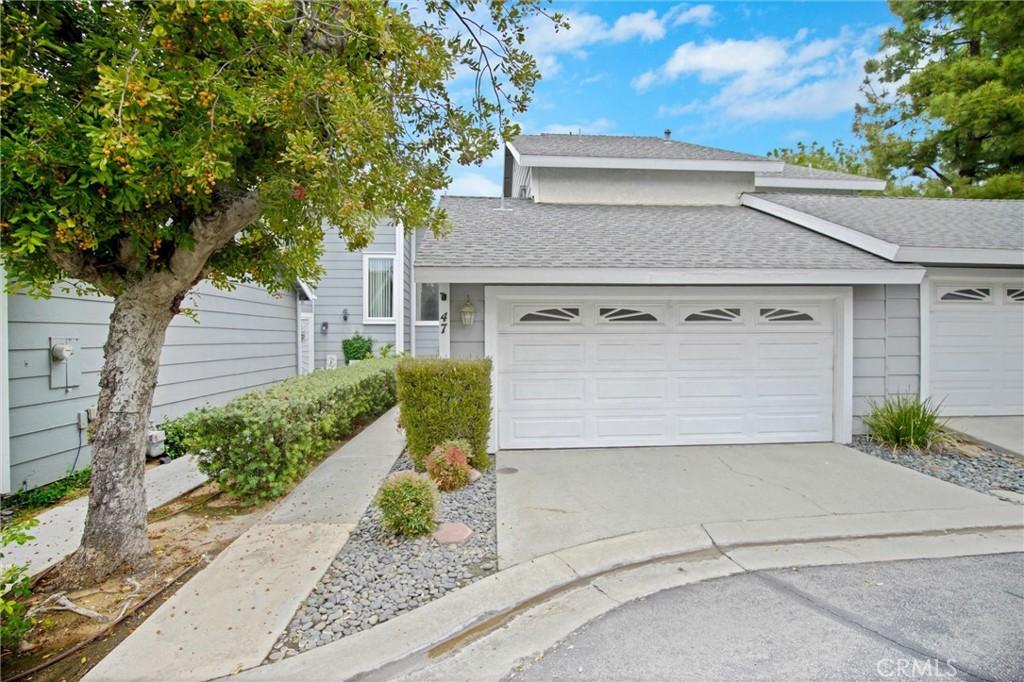
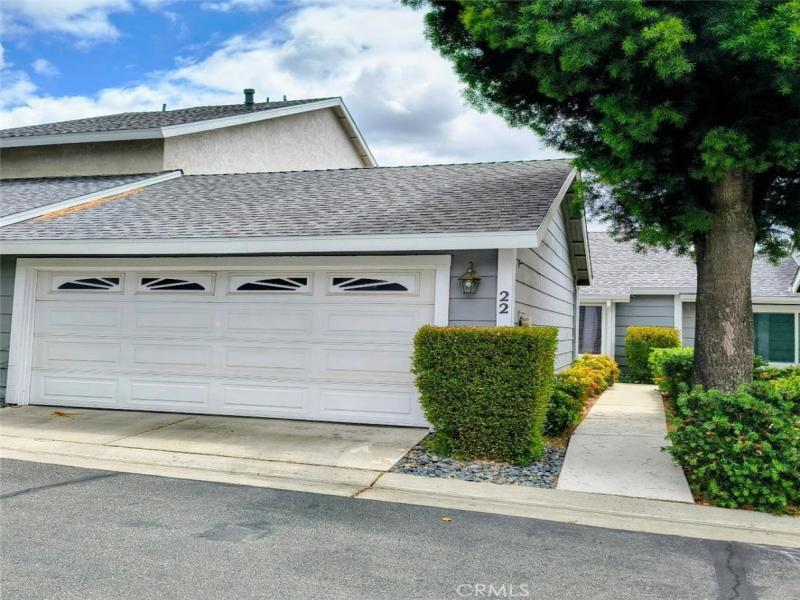
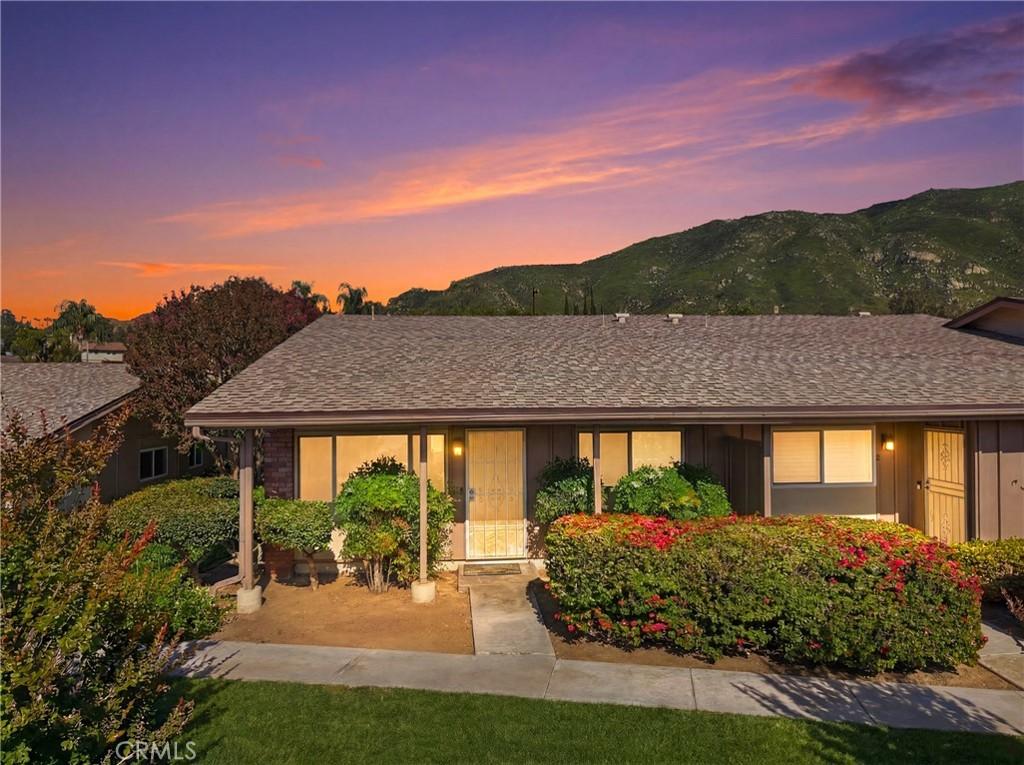
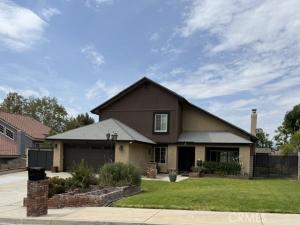
The housing stock is mixed by era, not master-planned — mid-century single-story ranch homes, tract product from around the 1978 incorporation, and later infill. Owner-occupancy runs 62.1%. Terrain drives the price spread: eastern lots climbing toward Blue Mountain carry elevation and view exposure, valley-floor and freeway-adjacent lots price differently. Condominium and attached product is mostly in neighboring Colton, Loma Linda, and Riverside.
Browse the current Grand Terrace listings below. If you want a read on a specific property, a specific block, or what a realistic offer looks like against the last comparable sale, contact The Knight Group and we will put the actual numbers in front of you.
Where exactly is Grand Terrace and what surrounds it?
Grand Terrace sits between two ridgelines. Blue Mountain rises to the east and the La Loma Hills sit to the west, with the developed city occupying the terrace between them. That is where the name comes from: the settlement was originally called “the Terrace,” and “Grand” was added around 1898 in reference to the views surrounding it. The city’s average elevation is roughly 1,063 feet.
The city lies between Highgrove and Colton along the Interstate 215 and Agua Mansa corridors. Its neighbors and near-neighbors include Colton, San Bernardino, Rialto, and Loma Linda, with the Box Springs Mountains and Moreno Valley to the southwest. For a buyer, the practical meaning is that Grand Terrace is a small municipal island inside a much larger metropolitan area. You get a small-city address and a small-city city hall without being isolated from Inland Empire jobs, hospitals, universities, or retail.
The city’s flag carries the motto “The Blue Mountain City,” a reference to the blue lupine that historically bloomed on Blue Mountain each spring. Blue Mountain is the defining terrain feature of the city and the anchor of the Blue Mountain Trail, which the city lists among its recreation assets.
What kind of housing does Grand Terrace actually have?
Predominantly detached single-family homes, owner-occupied. The 2020 Census recorded 4,898 total housing units at 95.9% occupancy, with 62.1% of occupied units owner-occupied. Data USA’s 2024 figure puts homeownership at 64.4%. Those are stable-neighborhood numbers, not investor-churn numbers.
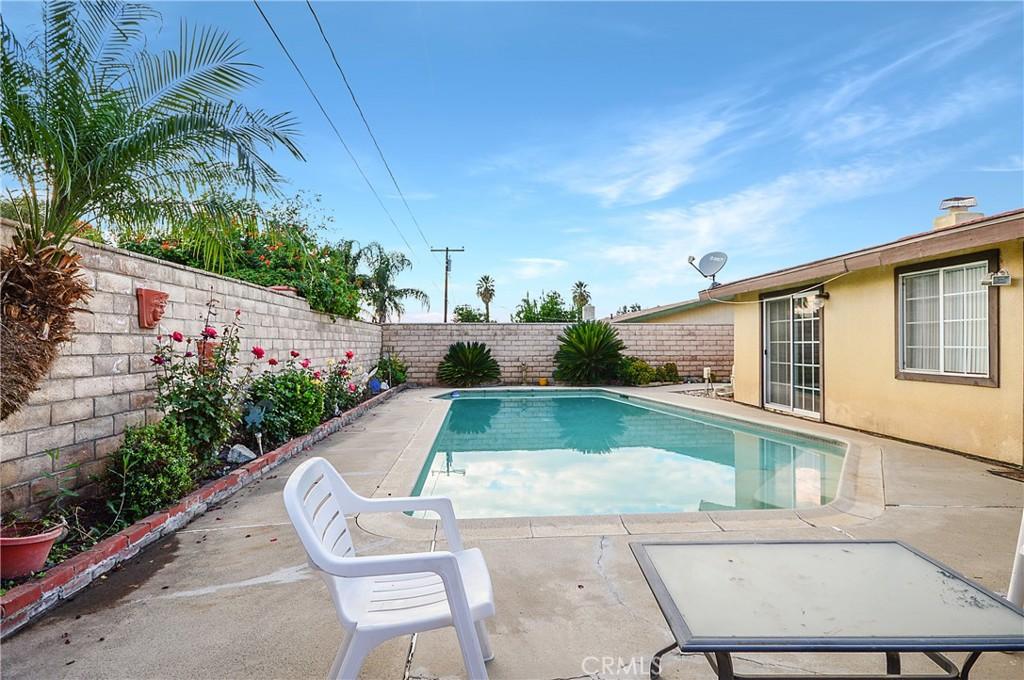
Because the city built out across several decades rather than in one master-planned push, the housing stock is mixed by era. You will find mid-century single-story ranch homes, tract product from the years around incorporation, and later infill. Lot sizes are generally more generous than what the same money buys in Orange County or the San Fernando Valley, so side yards and room for a pool or an ADU are ordinary considerations here rather than rarities.
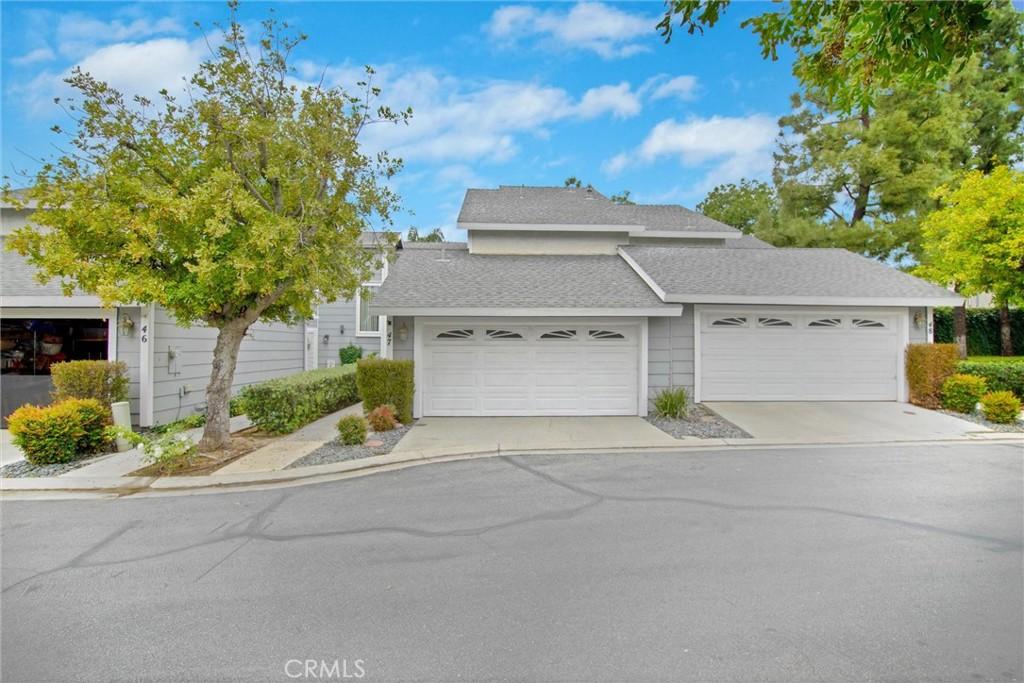
Population density was 3,753.9 people per square mile in the 2020 Census. That is suburban density, not urban density. The city has no significant high-rise or large-scale multifamily character, so buyers looking for condominium or attached product will find far more of it in adjacent Colton, Loma Linda, and Riverside than inside Grand Terrace itself.
One structural note before you shop: with fewer than 5,000 total housing units, monthly resale volume is small. Individual sales carry more weight in the comparable analysis than they would in a larger market, and one unusual transaction can distort a naive price-per-square-foot read. Pull the actual comparable set before you anchor on a portal estimate.
What does it cost to buy in Grand Terrace?
The honest answer is that it depends heavily on era, condition, lot, and whether the home is on the Blue Mountain slope with a view. The one figure we will cite is Data USA’s 2024 median property value for the city, $517,600. That is a self-reported owner valuation from Census survey data, not a closed-sale median, so treat it as an order-of-magnitude marker rather than a pricing target.
What matters more than a citywide median is the spread. In a market this small, the gap between an original-condition single-story on a flat interior lot and an updated home with a view can be substantial, and neither is well described by a single median. View lots on the elevated portions of the city price differently than valley-floor lots. Homes backing the freeway corridor price differently again.
Against income, Grand Terrace is comparatively reachable. The 2023 American Community Survey put median household income at $83,668, per capita income at $36,267, and the poverty rate at 7.0%. Median age was 38.1 in the 2020 Census. Working-age households with mid-market incomes and majority homeownership describe a market driven by owner-occupant demand rather than speculation.
If you want current closed-sale numbers for a specific street or price band in Grand Terrace, ask us for the pull. We will send the actual escrows, not a portal average.
Which parts of Grand Terrace should a buyer know?
Grand Terrace does not divide into a long list of named subdivisions the way a larger master-planned city does. At 3.5 square miles, orient by terrain and landmark instead.
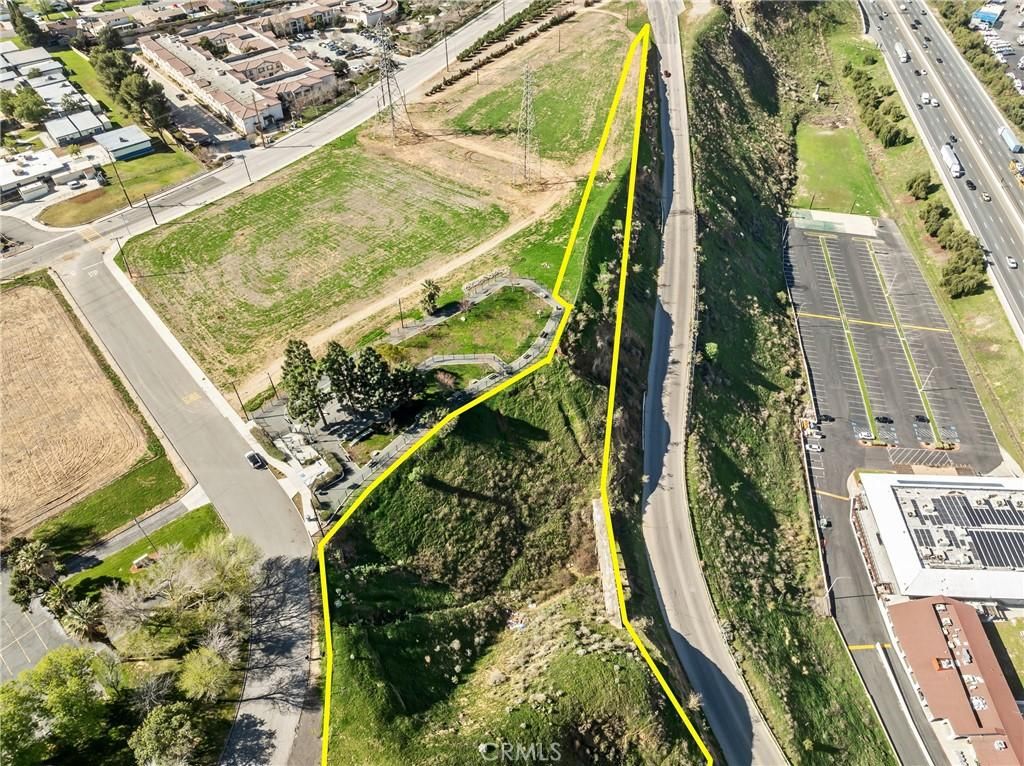
The eastern side runs up toward Blue Mountain. This is where elevation, slope, and view exposure enter the conversation, and where the Blue Mountain Trail provides direct access to the open hillside. Homes here trade at a premium for outlook, and buyers should ask specific questions about slope, drainage, and access rather than assuming a view lot is simply a better lot.
The western side runs toward the La Loma Hills and the Interstate 215 corridor. Freeway proximity is a commute asset and a noise liability at the same time, and the right answer varies block by block. We walk this with clients rather than generalizing.
The center of the city carries most of the civic and recreational infrastructure. The Ray Abril Jr. Educational Complex holds four Colton Joint Unified schools in one location, and the park system sits nearby. For households with children, proximity to that educational complex is one of the few durable location premiums inside the city.
Because Grand Terrace is compact, the listing set below covers the entire city. Filter by price and property type, then contact The Knight Group when you want a specific address evaluated.
What are the schools in Grand Terrace?
Grand Terrace is served by Colton Joint Unified School District, which opened in 1872 and covers most of Colton, all of Bloomington and Grand Terrace, and portions of Fontana, Rialto, and San Bernardino. Districtwide it operates five high schools, four middle schools, and 19 elementary schools.
Four of those campuses sit inside Grand Terrace at the Ray Abril Jr. Educational Complex: Grand Terrace Elementary School, Terrace View Elementary School, Terrace Hills Middle School, and Grand Terrace High School. Grand Terrace High School is the district’s newest comprehensive high school, having opened in 2012. Grand Terrace Elementary opened in 1980, shortly after incorporation.
Two elementaries, a middle school, and a high school clustered in one complex inside a city this size is unusual, and it matters to resale: households are not routed out of the city for the full K-12 sequence. The Roman Catholic Diocese of San Bernardino also operates the Blessed Junipero Serra House of Formation in Grand Terrace.
We do not publish school ratings. Boundaries and performance both change, and the district is the only authoritative source. If a specific school is a decision factor, confirm current boundary assignment with Colton Joint Unified before you write an offer.
How is the commute from Grand Terrace?
Short for most regional job centers. Data USA’s 2024 profile lists an average commute time of 25.6 minutes for Grand Terrace workers. The city sits directly on the Interstate 215 corridor, which connects north into San Bernardino and Riverside County to the south, and it is minutes from the interchange complex where the region’s east-west and north-south routes converge.
Loma Linda is immediately adjacent, and that proximity drives a large share of local commuting. The largest employment sector for Grand Terrace residents in Data USA’s 2024 data is health care and social assistance at 809 workers, followed by manufacturing at 773 and retail trade at 772. The Seventh-day Adventist community that settled the area in 1905 established the medical university now in Loma Linda, and the local health care employment concentration descends directly from that.
Be realistic about the long commutes. Grand Terrace to Orange County or Los Angeles is a genuine drive subject to the same corridor congestion that affects the entire Inland Empire. Buyers relocating from the coast should test the actual commute at the actual hour before committing, not once at midday.
What do residents actually do here on a weekend?
The city runs its own recreation program despite its size. The park inventory listed by the City of Grand Terrace includes Richard Rollins Community Park, Susan Petta Park, Veterans Freedom Park, the Grand Terrace Fitness Park, the Grand Terrace Dog Park, the REC Center, and the Blue Mountain Trail, plus youth sports leagues, a library, CERT volunteer training, and neighborhood watch.
Blue Mountain Trail is the recreational signature. Hillside trail access from inside city limits is not something most Inland Empire cities of this size offer, and it matters to buyers who want elevation and open space without driving to it.
For larger retail, dining, and entertainment, residents draw on Colton, Loma Linda, San Bernardino, and Riverside. A 3.5-square-mile city does not carry a full commercial base, so expect to leave the city for major shopping. In exchange, the commercial footprint stays small and the residential character stays intact.
What is the history behind Grand Terrace?
The land traces to Mexican land grants issued between 1830 and 1840. Mormon settlers arrived in the 1850s. By 1876 the Riverside Press documented nine buildings in the Terrace-Colton area. Seventh-day Adventists settled in 1905.
Agriculture arrived with water. The Gage Canal, a 22.5-mile waterway built at a cost of roughly $2 million, moved water from Santa Ana River marshlands and made commercial citrus viable across the terrace. The severe freeze of 1913 destroyed many of those groves, and growers replanted with hardier walnuts and peaches.
Cityhood took two decades of organizing. The Grand Terrace Chamber of Commerce formed in 1962 and championed incorporation. A Municipal Advisory Council followed in 1976, and residents voted 82% in favor of incorporating. On November 30, 1978, the charter city council was installed at Terrace Hills Junior High and Grand Terrace became San Bernardino County’s 16th city. In 2007, Money magazine named it one of the top 100 small cities in the nation.
That history explains the current character better than any market statistic does. This is a community that chose to become a city and has run its own affairs for more than four decades, which is why a place of 13,000 people has its own council-manager government, parks department, and public works operation.
What risks and costs should a Grand Terrace buyer check before writing an offer?
Order the Natural Hazard Disclosure report early and read it. Inland Southern California carries seismic exposure, and hillside-adjacent property in any city bordering undeveloped terrain can fall inside mapped fire hazard severity zones. The NHD report is the property-specific answer. Do not accept a general reassurance about the city as a whole.
Verify special assessments on the specific parcel. Some California properties carry Mello-Roos community facilities district charges or other special assessments that appear on the tax bill and materially change monthly cost. That is a parcel-level question answered by the tax bill and the preliminary title report, not by a citywide generalization.
Confirm whether an HOA applies. Grand Terrace is predominantly detached single-family and much of it is not governed by an association, but pockets of newer product can be. If an HOA exists, request the governing documents, reserve study, and current dues figure in writing during your contingency period.
Check slope and drainage on elevated lots. Homes on the Blue Mountain side may involve retaining walls, cut-and-fill pads, or hillside grading. Use an inspector who understands hillside construction and have them look at retaining structures, drainage paths, and any evidence of movement.
Price the insurance before you remove contingencies. California property insurance availability and cost have shifted significantly in recent years, and a quote obtained during escrow is worth more than an assumption carried over from a prior home.
Is Grand Terrace a reasonable place to invest?
It has real fundamentals and real constraints. In its favor: majority owner-occupancy, a full K-12 school complex inside city limits, direct freeway access, adjacency to the Loma Linda medical employment center, and a land area so small that new supply is structurally limited. Against it: a market with fewer than 5,000 housing units has thin transaction volume, which means less liquidity and wider spreads than a large market, and a small commercial base means local values track the broader Inland Empire cycle rather than moving independently.
For a buy-and-hold owner-occupant, that combination is favorable. For a short-hold speculator, the thin volume works against you. We tell clients the same thing either way: underwrite the specific property against the specific comparable set, not against a citywide narrative.
Weighing a Purchase Here Against the Neighboring Cities
Most buyers who look seriously at Grand Terrace real estate are also looking at Colton, Loma Linda, Rialto, and Riverside, and the comparison is worth making deliberately. The choice is less about price per foot than about what each market can supply. If you want an attached unit, a low-maintenance footprint, or simply a wider set of listings to choose from in a given month, the neighboring cities carry that product and this one largely does not. If you want a detached house on a real lot inside a small municipality with its own city hall, this is the narrower but more specific option.
That narrowness cuts both ways. Fewer than 5,000 housing units means you may wait for the right street or the right elevation, and it means passing on a well-matched home can cost you months. Decide in advance which features are genuinely fixed for you — slope and view, lot size, era, freeway distance — so you can move when one appears rather than reopening the question.
Frequently Asked Questions About grand terrace Homes for Sale
How big is Grand Terrace?
The city covers 3.5 square miles, all land, with a 2020 Census population of 13,150, up from 12,040 in the 2010 Census. Population density in 2020 was 3,753.9 people per square mile.
Is Grand Terrace its own city or part of Colton?
It is its own incorporated city. Grand Terrace incorporated on November 30, 1978 as the 16th city in San Bernardino County and operates under a council-manager form of government. Its students attend Colton Joint Unified School District schools, which is a common source of the confusion.
What school district serves Grand Terrace?
Colton Joint Unified School District, which covers all of Grand Terrace. Four district campuses sit inside the city at the Ray Abril Jr. Educational Complex: Grand Terrace Elementary, Terrace View Elementary, Terrace Hills Middle School, and Grand Terrace High School, which opened in 2012. Confirm current attendance boundaries directly with the district.
What kind of homes are for sale in Grand Terrace?
Mostly detached single-family homes across several construction eras, from mid-century ranch product to homes built around and after 1978 incorporation, plus later infill. The 2020 Census counted 4,898 housing units citywide with 62.1% owner-occupancy. Attached and condominium product is limited inside the city and more available in neighboring Colton, Loma Linda, and Riverside.
What is the commute like from Grand Terrace?
Data USA’s 2024 profile lists an average commute of 25.6 minutes. The city sits on the Interstate 215 corridor between Highgrove and Colton, which puts San Bernardino, Riverside, and Loma Linda within a short drive. Commutes to Los Angeles or Orange County are substantially longer and should be tested at your actual commute hour before you buy.
Are there view homes in Grand Terrace?
Yes. The city sits between Blue Mountain to the east and the La Loma Hills to the west at an elevation of roughly 1,063 feet, and elevated lots carry genuine outlook. View lots price at a premium and also introduce slope, drainage, and retaining-wall questions that a standard inspection may not fully address. Budget for a hillside-competent inspector.
Does Grand Terrace have parks and recreation?
The city operates Richard Rollins Community Park, Susan Petta Park, Veterans Freedom Park, the Grand Terrace Fitness Park, the Grand Terrace Dog Park, the REC Center, and the Blue Mountain Trail, along with youth sports leagues and a city library. Hillside trail access inside city limits is unusual for a city this size.
Do Grand Terrace homes have HOA dues or Mello-Roos?
It varies by parcel and cannot be answered citywide. Much of the housing stock is detached single-family without an association, but you should verify HOA status, dues, and any special assessment or community facilities district charge on the specific property using the preliminary title report and the current property tax bill during your contingency period.
How does The Knight Group work in the Grand Terrace market?
We treat small markets differently, because they behave differently. In a city with fewer than 5,000 housing units, a citywide median tells you almost nothing about what a specific home is worth. So we start with the parcel: era, lot, slope, orientation, condition, and the three to five genuinely comparable closings, not the twenty loosely similar ones a portal averages together.
For buyers, we tell you where the price is defensible and where it is not, and we name the specific inspection and disclosure items that apply: hillside drainage on the Blue Mountain side, freeway exposure on the western corridor, insurance cost, and any special assessment on the tax bill. If the property is overpriced against its comparable set, we say so before you write, not after.
For sellers, thin volume cuts both ways. Fewer competing listings can support price, but a mispriced launch in a small market takes longer to recover from because fewer new buyers enter each week. We price to the actual comparable set, prepare the property before it lists rather than after, and set timeline expectations with real numbers.
Browse the Grand Terrace listings below. When you want a specific address underwritten, a comparable-sales pull, or a candid read on whether Grand Terrace fits your budget and commute, contact The Knight Group and we will get you the numbers.
What are Grand Terrace CA Homes like to buy?
- Grand Terrace CA Homes are predominantly detached single-family houses on real lots rather than attached or master-planned product.
- Grand Terrace sits as a small city between Colton and the Riverside County line, occupying a terrace between two ridgelines.
- Blue Mountain rises to the east of the city and the La Loma Hills sit to the west of the developed area.
- The city name traces to the original settlement called “the Terrace,” with “Grand” added in reference to the surrounding views.
- Inventory is the trade-off here, because a small housing stock does not produce many listings in a given month.
- Buyers holding out for a specific street or a specific view in Grand Terrace often wait for the right listing to appear.
- Housing stock is mixed by era rather than master-planned, spanning mid-century single-story ranch homes, incorporation-era tract product, and later infill.
- Terrain drives the price spread, with eastern lots climbing toward Blue Mountain carrying elevation and view exposure.
- Valley-floor and freeway-adjacent lots price differently than the elevated eastern lots closer to Blue Mountain.
- Condominium and attached product is mostly found in neighboring Colton, Loma Linda, and Riverside rather than inside city limits.
- Lot sizes are generally more generous than what the same money buys in Orange County or the San Fernando Valley.
- Side yards and room for a pool or an ADU are ordinary considerations here rather than rarities.
- Owner-occupancy figures point to stable-neighborhood ownership patterns rather than investor-churn patterns across the city.
- Grand Terrace CA Homes sit in a small municipal island inside a much larger metropolitan area with Inland Empire access.
- Monthly resale volume is small, so individual sales carry more weight in the comparable analysis than in larger markets.
- Buyers should pull the actual comparable set for Grand Terrace CA Homes before anchoring on a portal estimate.
What is daily life like around Grand Terrace CA Homes?
- Commutes from Grand Terrace CA Homes are short for most regional job centers, according to the profile data cited for the city.
- Loma Linda is immediately adjacent to the city, and that proximity drives a large share of local commuting.
- Health care and social assistance is the largest employment sector for residents, followed by manufacturing and retail trade.
- The Seventh-day Adventist community that settled the area established the medical university now located in Loma Linda.
- Commutes to Orange County or Los Angeles are a genuine drive subject to the same corridor congestion affecting the Inland Empire.
- Buyers relocating from the coast should test the actual commute at the actual hour rather than once at midday.
- Parks listed by the city include Richard Rollins Community Park, Susan Petta Park, and Veterans Freedom Park.
- Recreation assets also include the Grand Terrace Fitness Park, the Grand Terrace Dog Park, and the REC Center.
- Blue Mountain Trail is the recreational signature, offering hillside trail access from inside city limits.
- Youth sports leagues, a library, CERT volunteer training, and neighborhood watch round out the city recreation program.
- Residents draw on Colton, Loma Linda, San Bernardino, and Riverside for larger retail, dining, and entertainment options.
- A small city footprint means leaving town for major shopping, which keeps the residential character intact in exchange.
- Grand Terrace CA Homes trace to land that originated in Mexican land grants, with Mormon settlers arriving decades later.
- The Gage Canal moved water from Santa Ana River marshlands and made commercial citrus viable across the terrace before a severe freeze.
- Buyers of Grand Terrace CA Homes should order the Natural Hazard Disclosure report early and verify special assessments on the specific parcel.
What should buyers know before choosing Grand Terrace CA Homes?
- Grand Terrace is its own incorporated city operating under a council-manager form of government, not a district of Colton.
- Students attend Colton Joint Unified School District schools, which is a common source of confusion about the city’s independence.
- Colton Joint Unified School District covers all of Grand Terrace, and buyers should confirm current attendance boundaries with the district.
- The Ray Abril Jr. Educational Complex holds district campuses inside the city, including Grand Terrace Elementary and Terrace View Elementary.
- Terrace Hills Middle School and Grand Terrace High School are district campuses located inside city limits.
- Grand Terrace CA Homes are mostly detached single-family houses spanning mid-century ranch product through incorporation-era construction and later infill.
- Attached and condominium product is limited inside the city and more available in neighboring Colton, Loma Linda, and Riverside.
- View homes exist because the city sits between Blue Mountain to the east and the La Loma Hills to the west.
- Elevated lots carry genuine outlook and price at a premium relative to comparable properties without the view.
- View lots introduce slope, drainage, and retaining-wall questions that a standard inspection may not fully address.
- Buyers on elevated parcels should budget for a hillside-competent inspector rather than relying on a general inspection.
- HOA dues and Mello-Roos charges vary by parcel and cannot be answered citywide across Grand Terrace CA Homes.
- Verification of HOA status, dues, and special assessments belongs in the preliminary title report and current tax bill during the contingency period.
- A citywide median tells you almost nothing about what a specific home is worth in a market this small.
- Pricing Grand Terrace CA Homes starts at the parcel, weighing era, lot, slope, orientation, condition, and the genuinely comparable closings.