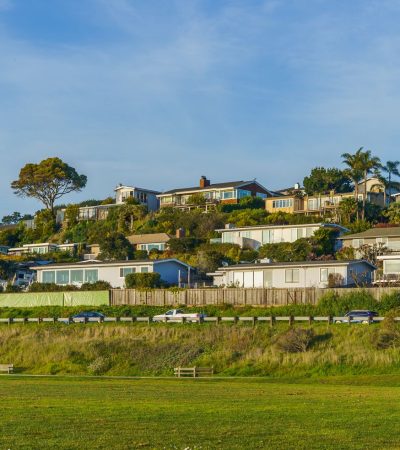
Colton CA Homes for Sale: What Buyers Should Know
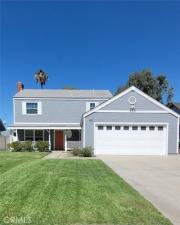
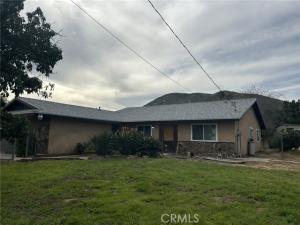
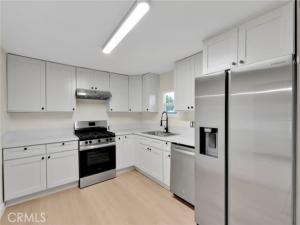
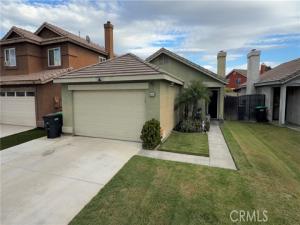
Colton CA Homes for Sale currently number 87 active listings with a median asking price of $499,900 (CRMLS, September 2026).
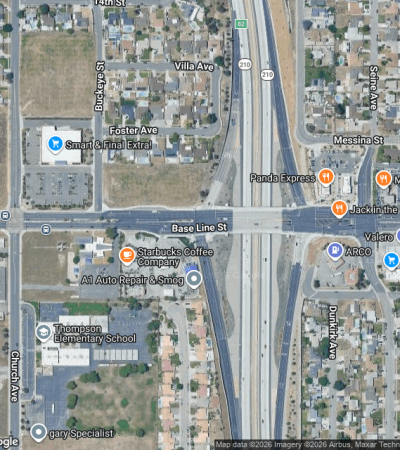
Most people searching Colton CA homes for sale are weighing the same trade-off: more house for the money in exchange for a longer drive. Colton is a city of roughly 54,000 in San Bernardino County, about four miles south of downtown San Bernardino, sitting where Interstate 10 crosses Interstate 215.
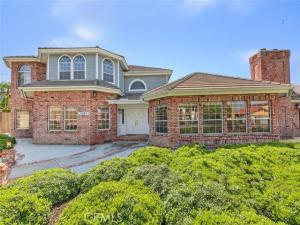
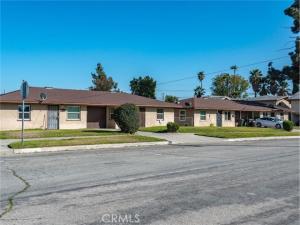
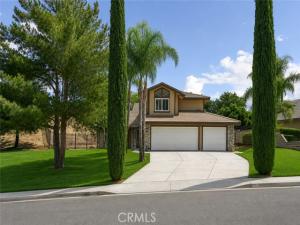
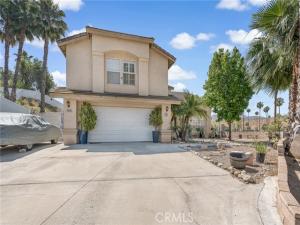
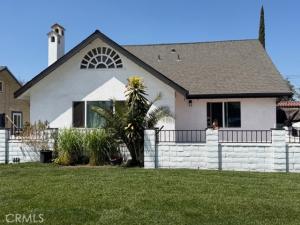
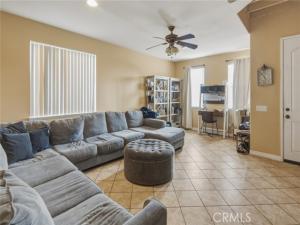
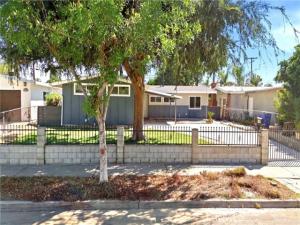
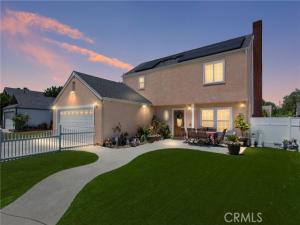
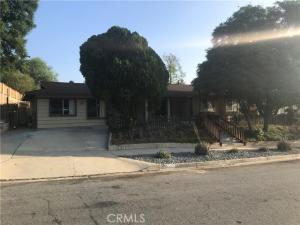
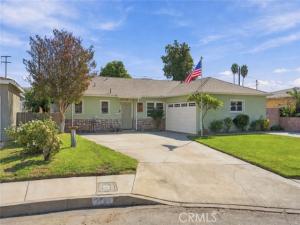
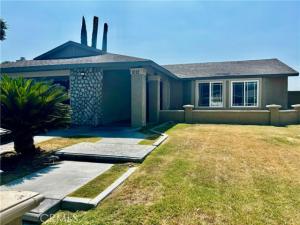
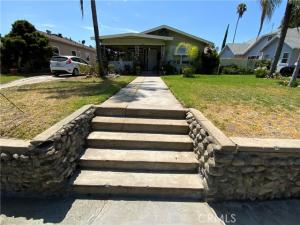
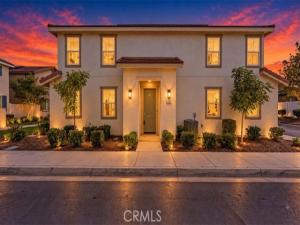
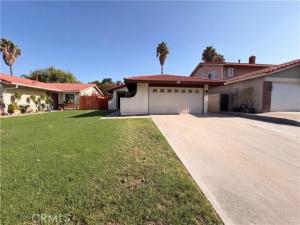
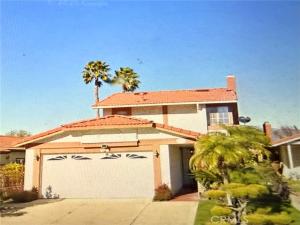
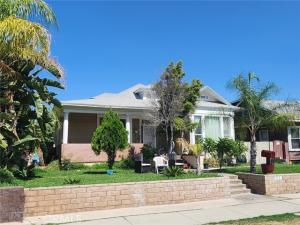
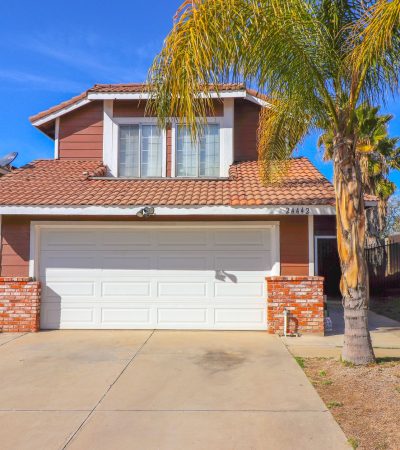
The housing stock splits two ways. Much of the core is modest single-family homes from the mid-20th century, while gated and planned communities like Willow Wood Park, Canyon Bluffs, Iron Horse Ridge, Garden Villa, and Countrywood Estates offer newer or lower-maintenance options. Price and resale vary sharply by street, school zone, and proximity to rail activity, so the specific property matters more here than the city average.
Browse the active listings and community pages below, or contact The Knight Group directly to talk through whether Colton fits what you are trying to do.
Why is Colton called the “Hub City”?
The nickname is literal and it comes from the railroads. The Southern Pacific Railroad Company established the Colton town site in 1875 and named it after David Douty Colton, a vice president of the company. The town grew up around rail operations and citrus orchards, and its location made it a natural transfer point for freight moving through Southern California.
The clearest surviving symbol of that history is Colton Crossing, once one of the busiest at-grade railroad crossings in the United States. It was installed in 1882 when the California Southern Railroad built north from San Diego and had to cross the Southern Pacific tracks. Through a century of railroad mergers, that spot became the point where the BNSF transcontinental route crossed the Union Pacific Sunset Route. For a buyer, this matters in a practical way: rail infrastructure runs through and around the city, and freight activity is part of the local backdrop in some neighborhoods.
What is the Colton housing market like?
Colton is a mid-priced Inland Empire market that trades at a discount to coastal Southern California. Treat those figures as a snapshot rather than a fixed rule, because the number moves month to month and varies widely by neighborhood and property type.
The broader context helps explain the appeal. The Inland Empire remains the most affordable major metro in Southern California, with median prices running well below Orange County and coastal Los Angeles. Colton sits comfortably inside that affordability band. The housing stock is a mix: modest single-family homes from the mid-20th century make up much of the core, while newer gated subdivisions and condominium communities add options for buyers who want lower-maintenance ownership or shared amenities.
What you give up for the price is worth naming plainly. Days on market here can run longer than in tighter coastal submarkets, some pockets sit near rail and industrial activity, and resale depends heavily on the specific street and school zone. Those are not reasons to avoid Colton. They are reasons to choose the right property inside it, which is where a local agent earns their keep.
What neighborhoods and communities are in Colton?
Colton is not one uniform place. It spans older established districts near the historic downtown, hillside areas out toward Reche Canyon, and a set of planned residential communities that function almost as small worlds of their own. The gated and named subdivisions tend to attract buyers who want predictable upkeep, shared amenities, and a clear sense of what they are buying into. The Knight Group maintains dedicated pages for the specific communities we cover, and each one has its own price character and inventory rhythm.
If you want a lower-maintenance, amenity-supported community, start with Willow Wood Park, a gated community in Colton that has offered shared amenities including a pool, spa, and tennis courts. For buyers comparing similar planned enclaves, Canyon Bluffs is another gated community in the city, and Countrywood Estates is an established condominium community worth reviewing if you want attached ownership.
On the single-family side, Iron Horse Ridge is a residential neighborhood that draws buyers looking for detached homes within the city, and Garden Villa is another Colton residential enclave to compare against it. Each of these pages lists the homes currently available in that specific community, so the fastest way to understand a given pocket is to open its page and look at what is actually on the market that week.
How is the commute from Colton?
Commute access is Colton’s strongest selling point. The city sits at the intersection of Interstate 10, which runs east to west across the region, and Interstate 215, which runs north through Colton, Grand Terrace, and San Bernardino. State Route 210 is also nearby. That freeway geometry gives drivers direct routes toward Los Angeles, Riverside, Ontario, and the wider Inland Empire job base.
For people who would rather not drive the full distance, Metrolink commuter rail provides service toward downtown Los Angeles, and Omnitrans buses cover San Bernardino County. The honest caveat is that a rail or freeway commute to central Los Angeles is long, and buyers who work on the Westside or in coastal job centers should test the actual drive at rush hour before committing. For jobs inside the Inland Empire, the commute picture is much friendlier.
What schools serve Colton?
Most of Colton is served by the Colton Joint Unified School District, which opened in 1872 and covers most of the city along with all of Bloomington and Grand Terrace and small portions of Fontana, Rialto, and San Bernardino. The district’s territory even extends into Riverside County, which is a reminder that district boundaries and city boundaries are not the same thing.
Because the district spans several communities, the specific schools that serve a given home depend on the exact address. Reche Canyon Elementary, for example, sits on the hillside side of the city and serves the neighborhoods near it. If schools are a priority in your search, verify the assigned schools for any individual property rather than assuming a citywide answer, and ask The Knight Group to confirm the current attendance zones before you write an offer.
What is the geography and land like in Colton?
Colton sits in the San Bernardino Valley, and its terrain shifts as you move across the city. The most recognizable landmark is Slover Mountain, which once stood as the tallest point in the valley at about 1,184 feet before more than a century of quarrying reshaped it. The California Portland Cement Company began extracting limestone from the mountain in 1894 and ran what was the first cement plant west of the Rocky Mountains. That industrial heritage is still visible in parts of the city.
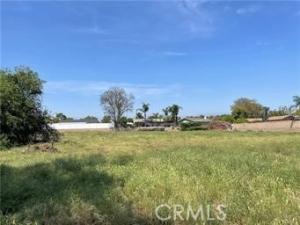
To the southeast, the land climbs toward Reche Canyon, a hillside area with a canyon floor elevation around 1,043 feet that offers a different feel from the flatter valley core: more open space, more slope, and a semi-rural character in places. The takeaway for a buyer is that Colton offers genuinely different living environments within one city, from flat established neighborhoods near downtown to hillside pockets with more room. Matching the environment to what you actually want is part of the search.
Is Colton a good place to buy an investment property?
Colton draws investor interest for the same reason it draws owner-occupants: entry prices sit below the Southern California average, and the location supports steady rental demand from a large regional workforce. The freeway and rail access, the presence of employment throughout the Inland Empire, and the mix of single-family and condominium stock all support a rental thesis.
That said, investment outcomes in Colton are property-specific, not city-specific. Proximity to rail and industrial corridors, the condition of an older single-family home, and the HOA rules and dues on a condominium all move the return math meaningfully. Anyone buying here to rent should underwrite the individual property carefully rather than relying on a citywide average. We are glad to run those numbers with you before you commit.
What should I know before buying a condo or home in a gated community in Colton?
Several of Colton’s most sought-after communities, including Willow Wood Park and Canyon Bluffs, are gated developments, and condominium ownership in California comes with a specific set of rules. When you buy in an HOA-governed community, you are buying into a set of governing documents, a monthly dues obligation, and reserve funds that pay for shared systems and amenities. Under California’s Davis-Stirling Act, the seller must provide the association’s key documents during your contingency period, and reviewing them is not optional busywork. It is how you learn whether the association is financially healthy and how it is run.
The practical checklist is short but non-negotiable. Read the current budget and reserve study, look for any pending special assessments, confirm the monthly dues and exactly what they cover, and check any rental restrictions if you plan to lease the unit. A well-run association protects your value. A poorly funded one can hand you surprise assessments. The Knight Group reviews these documents with buyers as a standard part of the process, so you go in knowing what you own and what you owe.
How does affordability in Colton compare to the rest of Southern California?
Colton is one of the more attainable footholds in Southern California homeownership. Statewide affordability is strained, and for many buyers the Inland Empire and the Central Valley are the most realistic paths into ownership. Within that, the Inland Empire remains the most affordable major metro in the region, and Colton prices sit inside that band rather than at the top of it.
The comparison that makes the point is simple. The same budget that buys a modest condominium closer to the coast can buy a detached single-family home with a yard in Colton, with freeway access to the same regional job centers. That is the core exchange the city offers. It is not for everyone, and the longer commute is a real cost, but for buyers who value space and price over proximity to the ocean, Colton is a rational choice.
What are the trade-offs of buying in Colton?
Every market asks you to give something up for what it offers, and Colton is no exception. The price advantage is real, but so are the reasons for it. The city carries an industrial and rail heritage, and some neighborhoods sit closer to freight corridors, warehousing, and the cement operations tied to Slover Mountain than others. That proximity can affect noise, truck traffic, and resale, and it varies block to block, so location within the city matters as much as the city itself.
The commute is the other honest cost. Freeway and Metrolink access are genuine, but a daily trip to coastal Los Angeles or the Westside is long, and traffic on Interstate 10 and Interstate 215 is a real part of the equation. Buyers whose jobs are inside the Inland Empire will feel this far less than those tethered to the coast. Older homes in the core also demand a careful inspection, since much of the housing stock dates to the mid-20th century and can carry deferred maintenance. None of this argues against Colton. It argues for buying the right property inside it with clear eyes.
What should buyers verify about taxes and special assessments in Colton?
California property taxes and community-level charges deserve a direct look before you write an offer. Base property tax follows the statewide framework, but individual homes can carry additional line items, and newer planned subdivisions across California sometimes include Mello-Roos community facilities district charges that fund infrastructure and are layered on top of the standard tax bill. Whether a specific Colton property carries any such charge is something to confirm from the actual tax record, not assume in either direction.
The same discipline applies to HOA-governed communities. Between monthly dues, potential special assessments, and any Mello-Roos or district charges, the true monthly carrying cost of a home can differ meaningfully from the mortgage payment alone. The Knight Group pulls and reviews these figures with buyers so the number you plan around is the real one, not an estimate that leaves out the pieces that surprise people after closing.
Buying in Colton: How to Compare Properties Street by Street
The most useful thing to understand about Colton real estate is that the city average tells you very little about any individual purchase. Two homes listed within a mile of each other can differ in age by fifty years, sit in different school attendance zones, and have completely different exposure to freight and freeway noise. That variation cuts both ways. It means a buyer who shops carefully can find real value here, and it means a buyer who shops on price alone can end up with a property that is harder to resell than the comparable sale down the road suggested.
Practically, that means walking the street at different times of day, checking how close the property sits to rail and industrial activity, and deciding early whether you want a detached mid-century home you will maintain yourself or an attached or gated option with shared upkeep. Bring those questions to us before you write an offer, not after.
Frequently Asked Questions About colton Homes for Sale
What is the median home price in Colton?
Prices vary significantly by neighborhood and property type, and the median moves month to month, so use this as a reference point rather than a fixed value for any specific home.
Is Colton in Los Angeles County?
No. Colton is in San Bernardino County, in the Inland Empire region, about four miles south of downtown San Bernardino.
Why is Colton called the “Hub City”?
The nickname comes from its role as a railroad hub. The Southern Pacific Railroad established the town site in 1875, and the city grew around rail operations. Colton Crossing, installed in 1882, became one of the busiest at-grade railroad crossings in the United States.
What freeways run through Colton?
Colton sits at the intersection of Interstate 10 and Interstate 215, with State Route 210 nearby. This freeway access is one of the main reasons buyers choose the city.
What school district serves Colton?
Most of Colton is served by the Colton Joint Unified School District, which opened in 1872 and also covers Bloomington, Grand Terrace, and portions of neighboring cities. Assigned schools depend on the specific home address, so confirm the attendance zone for any property before you buy.
Are there gated communities in Colton?
Yes. Willow Wood Park and Canyon Bluffs are both gated communities in Colton, and the city also has established condominium communities such as Countrywood Estates. Each has its own amenities, HOA rules, and price character.
Does Colton have public transit to Los Angeles?
Yes. Metrolink commuter rail provides service toward downtown Los Angeles, and Omnitrans buses serve San Bernardino County. A rail commute to central Los Angeles is long, so test the actual trip if you plan to rely on it daily.
Is Colton a good market for first-time buyers?
It can be. Colton’s below-average entry prices and mix of single-family homes and condominiums make it one of the more attainable Southern California markets, though buyers should weigh the longer commute to coastal job centers and inspect older homes and HOA finances carefully.
How does The Knight Group work in the Colton market?
The Knight Group covers Colton and the surrounding Inland Empire as part of our San Bernardino County practice. Our approach here is grounded in the specifics: the right neighborhood for your commute, the real condition of an older single-family home, the financial health of an HOA before you buy into a gated community, and the resale outlook for the exact street you are considering. We would rather tell you a property is wrong for you than sell you something you regret.
Whether you are buying your first home, adding a rental to your portfolio, or selling a property you already own here, we can walk you through current inventory, run realistic numbers, and represent you through the transaction. Open any of the community pages above to see what is on the market now, or contact The Knight Group to start a focused conversation about Colton.
What should buyers know about Colton CA Homes for sale?
- Colton CA Homes attract buyers weighing a familiar trade-off: more house for the money in exchange for a longer daily drive.
- Housing stock in Colton splits two ways, between modest mid-century single-family homes and newer planned or gated communities.
- Willow Wood Park, Canyon Bluffs, Iron Horse Ridge, Garden Villa, and Countrywood Estates offer newer or lower-maintenance options within the city.
- Price and resale for Colton CA Homes vary sharply by street, school zone, and proximity to rail activity.
- Southern Pacific Railroad Company established the Colton town site and named it after David Douty Colton, a vice president of the company.
- Colton earned the nickname Hub City literally, through railroads, citrus orchards, and a location that made it a natural freight transfer point.
- Colton Crossing stands as the clearest surviving symbol of that railroad history, once among the busiest at-grade crossings in the United States.
- California Southern Railroad built north from San Diego and had to cross the Southern Pacific tracks, creating Colton Crossing.
- Railroad mergers turned that crossing into the point where the BNSF transcontinental route met the Union Pacific Sunset Route.
- Rail infrastructure runs through and around Colton, making freight activity part of the local backdrop in some neighborhoods.
- Colton reads as a mid-priced Inland Empire market that trades at a discount to coastal Southern California.
- Days on market for Colton CA Homes can run longer than in tighter coastal submarkets, a real cost of the price advantage.
- Colton spans older established districts near the historic downtown, hillside areas toward Reche Canyon, and planned residential communities.
Are Colton CA Homes a good investment and what are the trade-offs?
- Colton draws investor interest because entry prices sit below the Southern California average and location supports steady rental demand.
- Freeway and rail access, Inland Empire employment, and a mix of single-family and condominium stock all support a rental thesis.
- Investment outcomes for Colton CA Homes are property-specific rather than city-specific, so citywide averages make a poor underwriting tool.
- Proximity to rail and industrial corridors, the condition of an older home, and HOA dues all move the return math meaningfully.
- Willow Wood Park and Canyon Bluffs rank among Colton’s most sought-after communities, and both are gated developments.
- Buying into an HOA-governed community means buying governing documents, a monthly dues obligation, and reserve funds covering shared systems.
- California’s Davis-Stirling Act requires the seller to provide the association’s key documents during the buyer’s contingency period.
- Reviewing association documents reveals whether the association is financially healthy and how it is actually run.
- Buyers should read the current budget and reserve study, look for pending special assessments, and confirm what monthly dues cover.
- Rental restrictions deserve a close check from anyone planning to lease a Colton condominium after purchase.
- Colton CA Homes offer one of the more attainable footholds in Southern California homeownership, inside the region’s most affordable major metro.
- The same budget that buys a modest coastal condominium can buy a detached single-family home with a yard in Colton.
- Industrial and rail heritage places some Colton neighborhoods closer to freight corridors, warehousing, and cement operations tied to Slover Mountain.
- Noise, truck traffic, and resale vary block to block, so location within the city matters as much as the city itself.
- Older homes in the Colton core demand careful inspection, since much of the housing stock can carry deferred maintenance.
What do people ask most about Colton CA Homes?
- Colton sits in San Bernardino County within the Inland Empire region, not in Los Angeles County, south of downtown San Bernardino.
- Southern Pacific Railroad established the Colton town site, and the city grew around rail operations that earned it the Hub City nickname.
- Colton Crossing became one of the busiest at-grade railroad crossings in the United States after its installation.
- Colton Joint Unified School District serves most of Colton and also covers Bloomington, Grand Terrace, and portions of neighboring cities.
- Assigned schools for Colton CA Homes depend on the specific address, so confirm the attendance zone before buying any property.
- Willow Wood Park and Canyon Bluffs are both gated communities in Colton, each with its own amenities and price character.
- Countrywood Estates stands among the established condominium communities in Colton, with its own HOA rules and price character.
- Metrolink commuter rail provides service from Colton toward downtown Los Angeles for residents who prefer transit over driving.
- Omnitrans buses serve San Bernardino County, giving Colton residents a local transit option beyond commuter rail.
- A rail commute from Colton to central Los Angeles runs long, so buyers should test the actual trip before relying on it daily.
- Colton CA Homes suit many first-time buyers thanks to below-average entry prices and a mix of single-family homes and condominiums.
- The Knight Group covers Colton and the surrounding Inland Empire as part of a San Bernardino County practice.
- Buyers of Colton CA Homes get help from The Knight Group on neighborhood fit, home condition, HOA finances, and resale outlook.