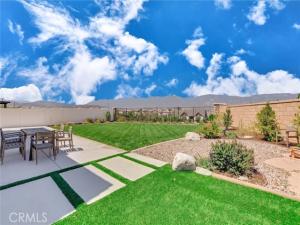
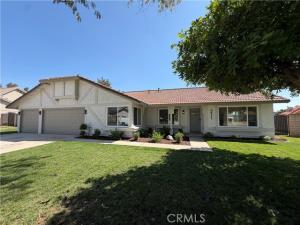
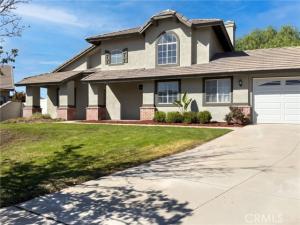
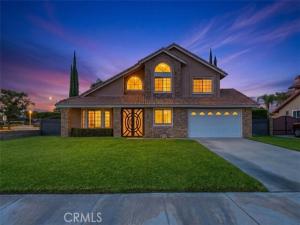
Homes for Sale in Rialto, California
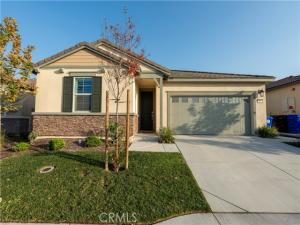
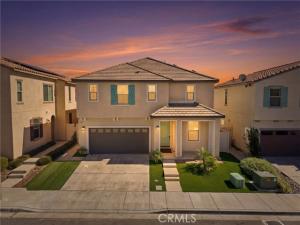
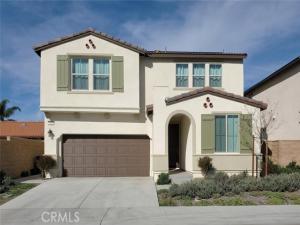
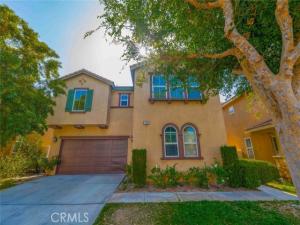
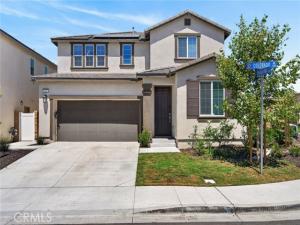
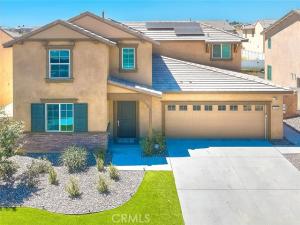
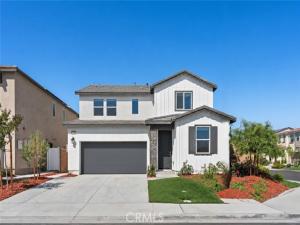
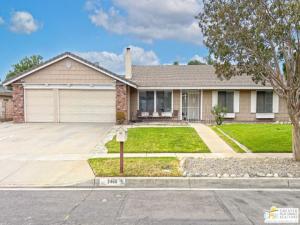
Homes for Sale in Rialto currently number 147 active listings with a median asking price of $585,915 (CRMLS, September 2026).
Homes for sale in Rialto put you about 56 miles east of downtown Los Angeles, in a San Bernardino County city of roughly 100,000 wrapped by four freeways — the 10, the 15, the 215, and the 210. The pitch is simple: metropolitan job access at a cost per square foot Los Angeles and Orange County stopped offering years ago. You pay for it in a longer drive and a hotter summer. Rialto residents average about a 33-minute commute, and the Metrolink station downtown runs to Union Station in roughly an hour and 38 minutes for $9 to $13.
Rialto is not one market. Values run from about $135,954 at the low end to roughly $1,297,000 at the top, with a median estimated value near $593,000. The older core — areas like The Depot and Foothill Terrace — is established single-family housing, often below the citywide median, with walkable access to the train and the Foothill Boulevard corridor. The north end is where new construction sits, including River Ranch, a 776-lot community with a clubhouse, pool, and parks that prices well above the middle of the city.
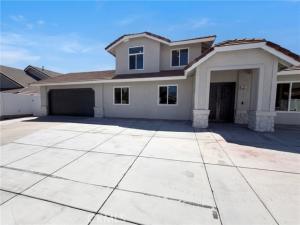
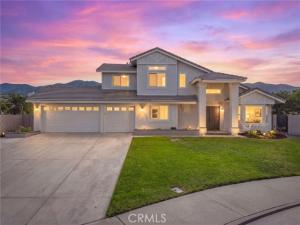
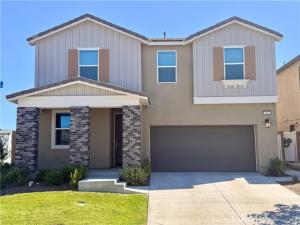
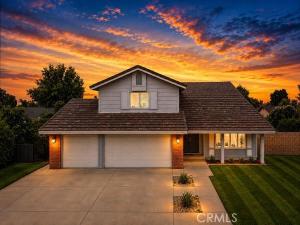
Below you can browse current listings across Rialto’s neighborhoods and new-home communities. If you want to talk through which pocket of the city fits your budget and timeline, contact The Knight Group and we will walk you through it.
What does the Rialto housing market look like right now?
Rialto is a mid-priced Inland Empire market that has cooled from its peak. Realtytrac reported a median list price around $596,692 across roughly 149 homes for sale, up about 4.7% year over year at that reading. More recent sale data told a softer story: a median sale price near $566,000 as of November 2025, down about 5.7% from a year earlier. Both numbers can be true. List prices and closed-sale prices move at different speeds, and Rialto has been in the part of the cycle where sellers ask for more than the last comparable sale delivered.
The spread matters more than either headline figure. Realtytrac’s data showed Rialto home values ranging from roughly $135,954 at the low end to about $1,297,000 at the top, with a median estimated value near $593,000. That range tells you Rialto is not one market. It is an older grid of established single-family homes, plus a growing tier of new master-planned construction that sits well above the citywide median.
Pace has normalized. Homes carried an average listing age of about 31 days in June 2025, up nearly 22% from the prior year, and were selling in roughly 56 days with about one offer on average, per Realtytrac. Rialto ran about 663 transactions over the trailing year. Read plainly: this is no longer a market where you waive every contingency in the first weekend. Buyers have room to inspect, negotiate, and walk. That is a healthier position than the 2021 frenzy, even if it feels slower.
Where is Rialto, and how long is the commute?
Rialto’s location is its main asset and its main cost. The city is threaded by Interstate 10 and old Route 66 running east to west, with State Route 210 crossing the north end and Interstate 15 clipping the northern border near the Cajon Pass. That gives drivers multiple routes toward Los Angeles, Orange County, the High Desert, and the Riverside job centers without funneling through a single choke point.
Rialto residents average about a 33-minute commute, modestly longer than the national average of roughly 27 minutes. If you are driving to a job inside the Inland Empire’s logistics and distribution corridor, that number is realistic. If your job is in coastal Los Angeles, the drive is longer and less predictable, and this is where the Metrolink option earns its keep.
The Rialto Metrolink station, also known as the John Longville Depot, sits at 292 South Palm Avenue on the San Bernardino Line and connects to downtown Los Angeles and San Bernardino. A trip from Los Angeles Union Station to Rialto runs roughly 1 hour and 38 minutes at a fare in the $9 to $13 range. That is not a fast commute, but it is a train seat instead of a steering wheel, and for some buyers that swap is the deciding factor in choosing Rialto over a closer, pricier city.
What neighborhoods and new-home communities does Rialto have?
Rialto splits into an established older core and a newer master-planned north end, and the four communities below cover both ends of that spread. Use each link to browse current listings in that specific area.
The Depot anchors the older, more urban side of Rialto. It takes its identity from the downtown Metrolink depot, and it is the part of the city where you get walkable proximity to the train, to Riverside Avenue, and to Rialto’s civic center. Downtown Rialto carries a Walk Score around 69, which is high for the Inland Empire, and the housing stock skews toward established single-family homes at price points below the citywide median. If train access to Los Angeles is a priority and you value being near the core rather than the edge, start with homes for sale in The Depot.
Foothill Terrace is a suburban neighborhood tied to Foothill Boulevard, the stretch of old Route 66 that runs through Rialto. It is the more traditional single-family option: established streets, mature landscaping, and a location that keeps you close to the Foothill corridor’s retail and services. Buyers who want a settled neighborhood rather than a brand-new tract will find the character here. Review what is available among homes for sale in Foothill Terrace.
River Ranch represents the new-construction north end. It is a 207-acre, 776-lot single-family community built out of the Lytle Creek Specific Plan, on what was one of the largest remaining tracts of undeveloped land in the city. Its designers took cues from the adjacent Lytle Creek arroyo, replacing some conventional concrete sidewalks with dry riverbed nature walks framed by riparian plantings. Amenities include a clubhouse, pool, splash park, fire pits, an outdoor kitchen, parks, and a dog park, and the community sits minutes from Interstate 210 with Renaissance Marketplace and the Shandin Hills Golf Club nearby. If you want a newer home with resort-style shared amenities, look at homes for sale in River Ranch.
Renaissance is a gated master-planned community developed on the former Rialto Municipal Airport property along Interstate 210, west of Ayala Avenue. It is organized into distinct home collections, marketed under names including Tailwind, Runway, Aviator, and Outbound, and its recreation center is built around a swimming pool, spa, tot lots, and open turf. Renaissance also lends its name to Renaissance Marketplace, the open-air retail center that opened in 2018 with dozens of stores and a Cinemark theater a short drive away. For gated, newer construction with retail at the doorstep, browse homes for sale in Renaissance.
One structural note about the north end: Rialto’s largest housing plan, the roughly 8,000-home Lytle Creek project, sits at the city’s extreme northern edge. Communities like River Ranch and Renaissance are the leading wave of that build-out, which means the north end of the city will keep adding new inventory and new neighbors for years. That is good for amenities and bad for anyone expecting scarcity to push their new-build’s resale value quickly.
What schools serve Rialto?
Most of the city is served by Rialto Unified School District, a K-12 public district that traces its roots to a school district formed in 1891. Its comprehensive high schools include Rialto High School and Eisenhower High School. As with any California district, individual school assignment depends on your exact address, and boundaries do not always follow neighborhood lines, so confirm the assigned schools for a specific property before you make it a deciding factor.
We do not publish school ratings on these pages, because ratings shift year to year and the right school depends on your child. If schools are central to your decision, tell us, and we will pull the current assignment and enrollment details for any address you are considering.
What is daily life in Rialto actually like?
Rialto is a working, car-oriented Inland Empire city with a growing retail base and deep local history. It was established in 1887 as one of the Santa Fe Railroad stations between San Bernardino and Pasadena, and its name, borrowed from the Rialto Bridge in Venice, means crossing place: fitting for a town that grew where the railroad met the highway. For decades it was citrus groves and vineyards, and by the 1950s roadside orange-juice stands lined its stretch of Route 66. It incorporated as a city in 1911 with about 1,500 residents. That history still shows up in the older neighborhoods and along Foothill Boulevard.
On the retail and leisure side, Renaissance Marketplace is the modern center of gravity, an open-air plaza that opened in 2018 with roughly 51 stores, casual restaurants, and a Cinemark movie theater. The newer master-planned communities layer in their own shared amenities, from River Ranch’s clubhouse, pool, and dog park to Renaissance’s recreation center and turf areas. For golf, Shandin Hills Golf Club is close to the north-end communities. Day to day, expect suburban convenience rather than a walkable urban core, with the exception of the downtown Depot area, which is the most pedestrian-friendly part of the city.
Who is buying in Rialto, and why?
Rialto’s buyer pool is dominated by people priced out of markets closer to the coast who still need access to Southern California’s job centers. First-time buyers stretch their budget further here than in Los Angeles, Orange, or the western Inland Empire. Move-up buyers who want a new-construction home with a yard and community amenities gravitate to the north-end master plans. Investors watch the market for rental demand tied to the region’s logistics workforce.
The common thread is a space-and-price calculation. Rialto’s median home value near $593,000 buys meaningfully more square footage and lot than the same dollar in coastal counties. The people who choose Rialto have decided that newer, bigger, and cheaper is worth a longer commute and hotter summers. The people who pass usually decide the drive is the deal-breaker. Both are rational. The point of working with an agent who knows the city is to run that math honestly before you commit, not after.
What should you know about new construction and special taxes before you buy?
New master-planned communities in the Inland Empire frequently carry two extra costs on top of the mortgage: homeowners association dues and special tax assessments, often structured as Mello-Roos or a community facilities district. These assessments fund the infrastructure, parks, and amenities that make new communities attractive, and they are added to your property tax bill for a set number of years. We are not quoting a figure for any specific Rialto community here, because those amounts vary by community and by lot, and stating a number we have not verified would be worse than useless.
What we will tell you is to ask. Before you write an offer on a new-build in River Ranch, Renaissance, or any Lytle Creek community, get the exact HOA dues and any Mello-Roos or CFD assessment in writing, and factor them into your monthly payment and your resale calculus. A home that pencils at the sticker price can look different once the special assessment is added. This is one of the specific things The Knight Group verifies for you before you are emotionally committed to a house.
What are the trade-offs and risks of buying in Rialto?
Three honest cautions. First, the market has softened: with sale prices down year over year in late 2025 and homes taking around 56 days to sell, this is not a market where fast appreciation is guaranteed, and a new-construction premium can be slow to recover on resale while the surrounding Lytle Creek build-out keeps adding competing inventory. Second, the commute is real: 33 minutes on average locally, and considerably more to coastal Los Angeles, whether by car or the roughly 98-minute Metrolink ride. Third, the north-end communities near the Cajon Pass sit in a wind-exposed, hot-summer part of Southern California, and any Inland Empire buyer should confirm a property’s specific hazard disclosures, insurance cost, and special-assessment status rather than assuming.
None of these is a reason to avoid Rialto. They are reasons to buy with clear eyes. The buyers who do best here are the ones who priced the commute and the carrying costs into the decision from the start.
How Rialto Compares to Nearby Inland Empire Buys
The trade-off worth doing math on is dollars against minutes. Buyers looking at Rialto real estate are usually also weighing cities closer to the coast, where the same square footage costs more, or pushing further out past the Cajon Pass, where it costs less but the drive stretches. Rialto sits in the middle: four freeway options instead of one, a Metrolink seat if you want to skip the wheel, and prices that reflect an inland address. Summer heat is part of the deal, and so is a commute that runs longer than the national norm.
Inside the city, your budget decides the conversation more than your wish list does. The older grid gives you established construction, mature streets, and train access on foot. The northern tracts give you newer builds and shared amenities at a premium. Decide which of those two you are actually buying before you start touring, because they behave like separate markets.
Frequently Asked Questions About rialto Homes for Sale
Is Rialto a good place to buy a home?
It depends on your priorities. Rialto offers more house per dollar than most of coastal Southern California, newer master-planned options, and multiple freeway and Metrolink connections. The trade-offs are commute length and a market that has cooled from its peak. For a space-focused buyer working in or near the Inland Empire, it is a strong value. For someone who needs to be in coastal Los Angeles daily, the drive may outweigh the savings.
What is the median home price in Rialto?
Estimates cluster around the high $500,000s. Realtytrac reported a median list price near $596,692 and a median estimated value near $593,000, while a more recent reading put the median sale price around $566,000 as of November 2025. Values across the city ranged from roughly $135,954 to about $1,297,000, so the right number for you depends heavily on the neighborhood and whether the home is new construction.
How long does it take to commute from Rialto to Los Angeles?
Locally, Rialto commuters average about 33 minutes. By Metrolink, the San Bernardino Line runs from the Rialto depot to Los Angeles Union Station in roughly 1 hour and 38 minutes for a fare of about $9 to $13. Driving to coastal Los Angeles varies widely with traffic and is generally longer than the train.
What school district serves Rialto?
Most of the city is served by Rialto Unified School District, a K-12 public district with comprehensive high schools including Rialto High School and Eisenhower High School. School assignment depends on the exact property address, so confirm the assigned schools before making them a deciding factor.
Are there new-construction homes in Rialto?
Yes. The north end of the city is actively building. River Ranch is a 776-lot single-family community from the Lytle Creek Specific Plan, and Renaissance is a gated master-planned community on the former Rialto Municipal Airport site, both offering newer homes with shared amenities. The broader Lytle Creek plan calls for roughly 8,000 homes over time.
Do Rialto’s new communities have Mello-Roos or HOA fees?
New master-planned communities in the Inland Empire commonly carry HOA dues and special tax assessments such as Mello-Roos or a community facilities district. We do not quote specific figures here because they vary by community and lot. Ask for the exact dues and assessments in writing before you make an offer, and we will help you verify them.
Does Rialto have Metrolink access?
Yes. The Rialto station, also called the John Longville Depot, is at 292 South Palm Avenue on the Metrolink San Bernardino Line, with service to downtown Los Angeles and San Bernardino.
How competitive is the Rialto market right now?
Less competitive than it was. Homes averaged about 31 days on market in mid-2025 and were selling in roughly 56 days with about one offer on average, per Realtytrac. That gives buyers more room to inspect and negotiate than during the 2021 rush, though well-priced homes in desirable pockets still move.
How does The Knight Group work in the Rialto market?
We start with your numbers, not a house. Before we send you listings, we want to know your budget, your commute, and whether a new-build with HOA and possible Mello-Roos costs actually pencils better for you than an established home in The Depot or Foothill Terrace. Then we match you to the neighborhoods that fit, from the walkable downtown depot area to the amenity-rich north-end master plans at River Ranch and Renaissance.
On every property we verify the things that change the deal: school assignment, HOA dues, any special tax assessment, and the honest resale outlook given how much new inventory Lytle Creek is still adding. We negotiate on the current market, not last year’s, and in a cooler Rialto that works in a prepared buyer’s favor. When you are ready to see what is available, browse the community listings above or contact The Knight Group and we will build you a short list worth your time.
What is it like to buy Homes For Sale In Rialto?
- Homes For Sale In Rialto sit in a San Bernardino County city east of downtown Los Angeles, wrapped by four separate freeways.
- Rialto trades metropolitan job access against a longer drive and a hotter summer than coastal Southern California buyers are used to.
- Cost per square foot in Rialto reflects a pricing level that Los Angeles and Orange County stopped offering years ago.
- Homes For Sale In Rialto span a wide value range, from modest entry-level properties to homes near the top of the city.
- The older core of Rialto, including The Depot and Foothill Terrace, is established single-family housing on a mature street grid.
- Foothill Terrace and The Depot offer walkable access to the train and to the Foothill Boulevard corridor.
- The north end of Rialto is where new construction sits, priced well above the middle of the city.
- River Ranch is a north-end Rialto community with a clubhouse, pool, and parks included among its shared amenities.
- Homes For Sale In Rialto are best understood as two markets, an older established grid and a newer master-planned tier.
- Rialto commuters reach Los Angeles, Orange County, the High Desert, and the Riverside job centers without funneling through a single corridor.
- The Rialto Metrolink station, also known as the John Longville Depot, sits on the San Bernardino Line downtown.
- Metrolink service from Rialto connects riders to downtown Los Angeles and San Bernardino, offering a train seat instead of a steering wheel.
- The Knight Group walks buyers through which pocket of Rialto fits their budget and timeline before touring begins.
Who is buying Homes For Sale In Rialto and why?
- Buyers of Homes For Sale In Rialto are largely people priced out of coastal markets who still need Southern California job access.
- First-time buyers stretch their budget further in Rialto than in Los Angeles, Orange, or the western Inland Empire.
- Move-up buyers wanting new construction with a yard and community amenities gravitate to the north-end master plans in Rialto.
- Investors watch Homes For Sale In Rialto for rental demand tied to the region’s logistics and distribution workforce.
- The common thread among Rialto buyers is a space-and-price calculation weighing square footage and lot size against commute length.
- People who choose Rialto have decided newer, bigger, and cheaper is worth a longer commute and hotter summers.
- Buyers who pass on Rialto usually decide the drive itself is the deal-breaker, which is an equally rational conclusion.
- New master-planned communities in the Inland Empire frequently carry homeowners association dues on top of the mortgage payment.
- Special tax assessments, often structured as Mello-Roos or a community facilities district, fund infrastructure, parks, and amenities in new communities.
- Buyers should get exact HOA dues and any Mello-Roos or CFD assessment in writing before writing an offer on a new build.
- River Ranch, Renaissance, and other Lytle Creek communities are the Rialto new-build addresses where assessment questions matter most.
- Homes For Sale In Rialto carry a softened market backdrop, so fast appreciation is not guaranteed for buyers today.
- A new-construction premium in Rialto can be slow to recover on resale while Lytle Creek keeps adding competing inventory.
- North-end Rialto communities near the Cajon Pass sit in a wind-exposed, hot-summer part of Southern California.
- Buyers should confirm hazard disclosures, insurance cost, and special-assessment status on any Rialto property rather than assuming.
What should you know before touring Homes For Sale In Rialto?
- Rialto commuters reach Los Angeles Union Station by Metrolink on the San Bernardino Line rather than driving the whole way.
- Driving from Rialto to coastal Los Angeles varies widely with traffic and is generally longer than the train ride.
- Rialto High School and Eisenhower High School are comprehensive high schools within Rialto Unified School District.
- School assignment for Homes For Sale In Rialto depends on the exact property address, so confirm schools before deciding.
- The north end of Rialto is actively building, making new construction a genuine option for buyers here.
- River Ranch is a single-family community in Rialto drawn from the Lytle Creek Specific Plan.
- Renaissance is a gated master-planned community in Rialto built on the former Rialto Municipal Airport site.
- The broader Lytle Creek plan calls for a large number of additional homes in Rialto over time.
- New master-planned communities in the Inland Empire commonly carry HOA dues and special assessments such as Mello-Roos.
- The Rialto station, also called the John Longville Depot, sits on the Metrolink San Bernardino Line with service to San Bernardino.
- Homes For Sale In Rialto face less competition than during the earlier rush, giving buyers more room to inspect and negotiate.
- Well-priced homes in desirable Rialto pockets still move, even in a cooler and less competitive market.
- The Knight Group starts with a buyer’s budget and commute before sending any listings in Rialto.
- The Knight Group verifies school assignment, HOA dues, special tax assessments, and the honest resale outlook on every property.