Belmont CA Homes for Sale: What Buyers Should Know
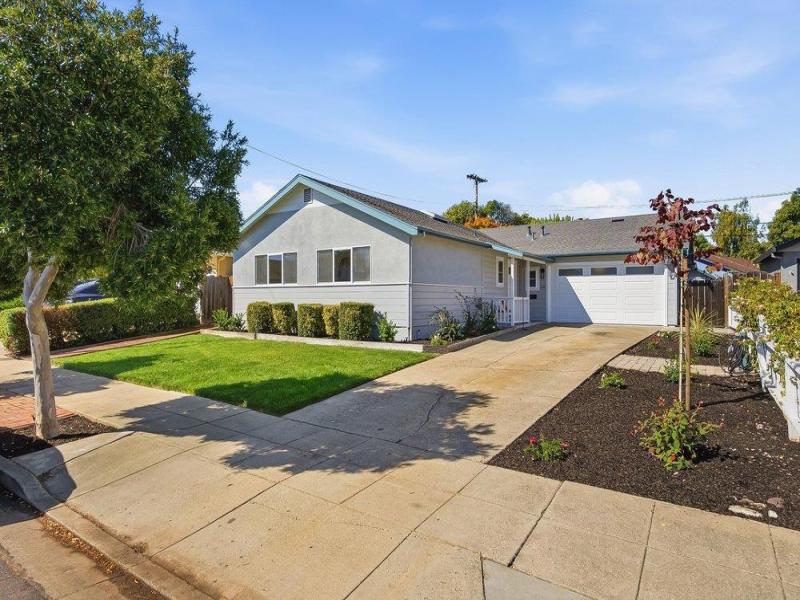
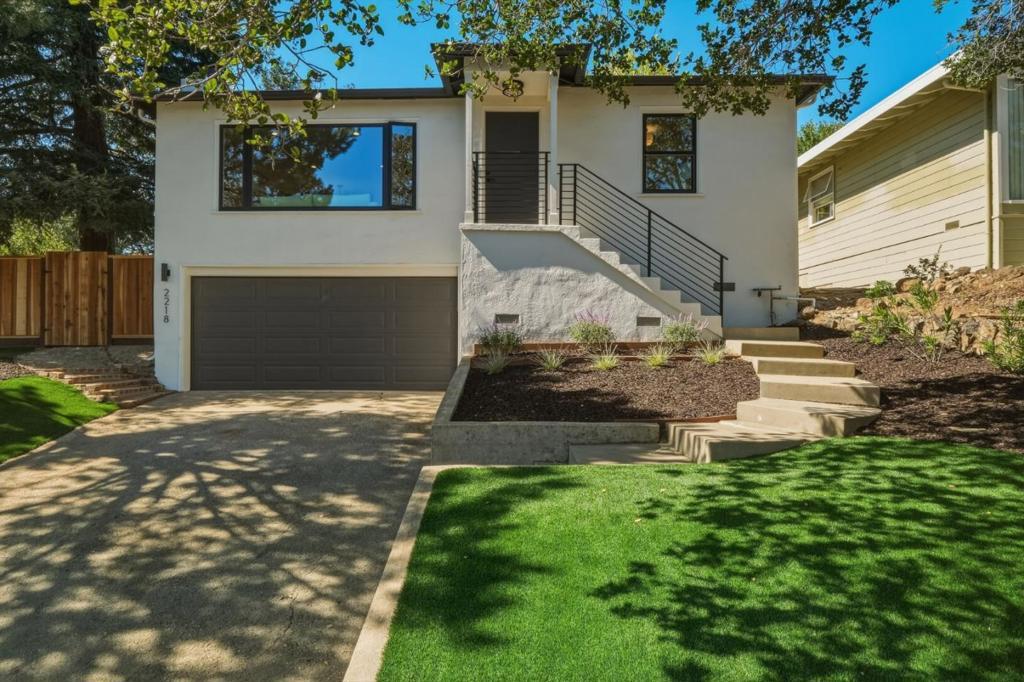
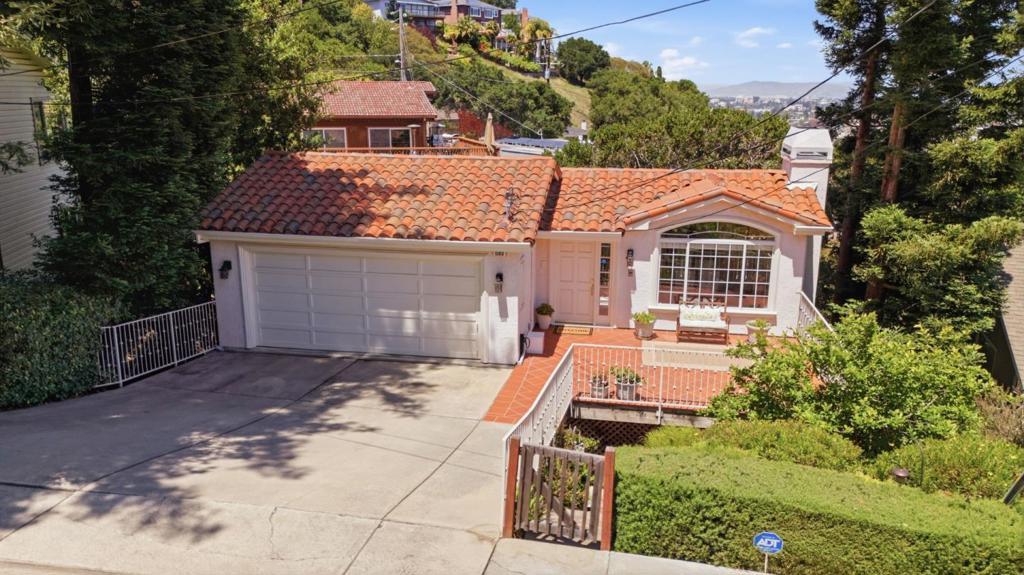
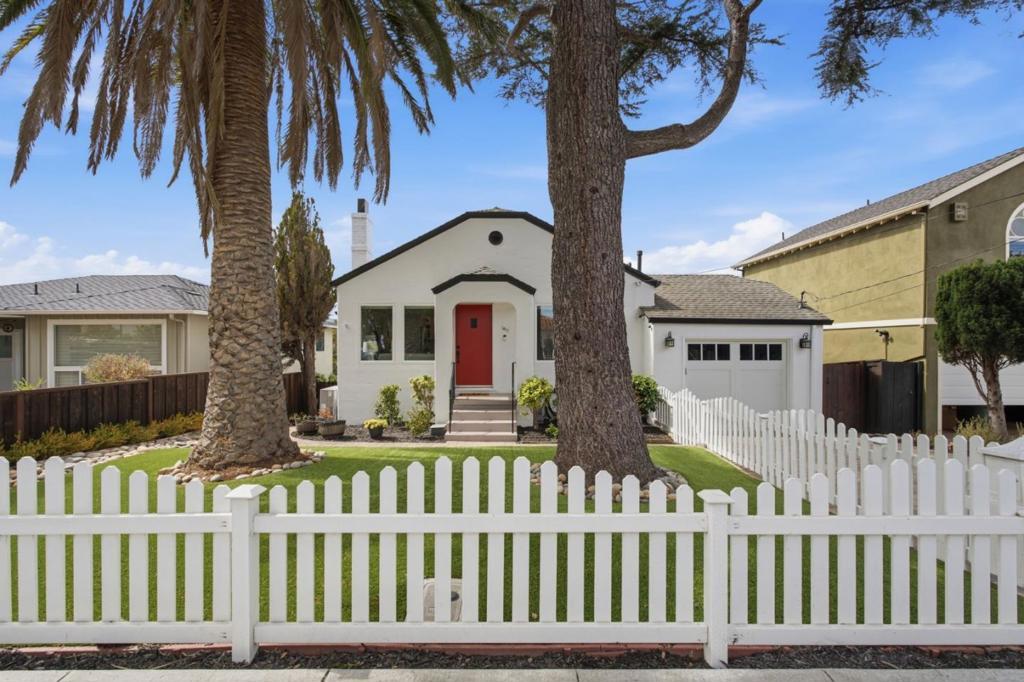
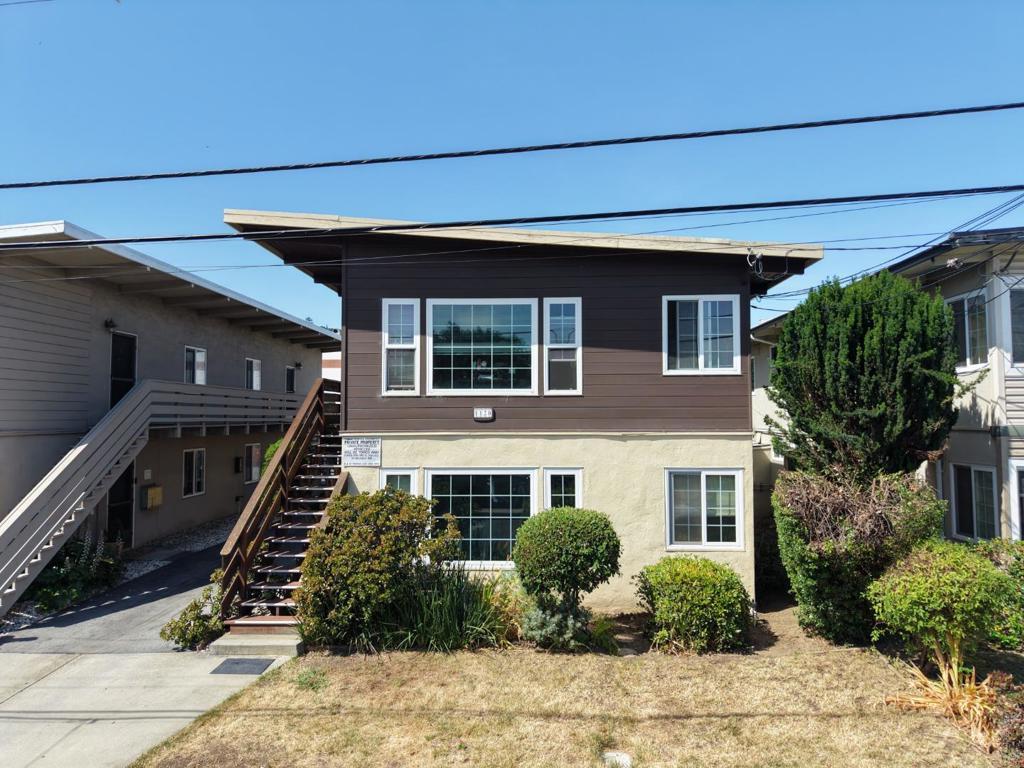
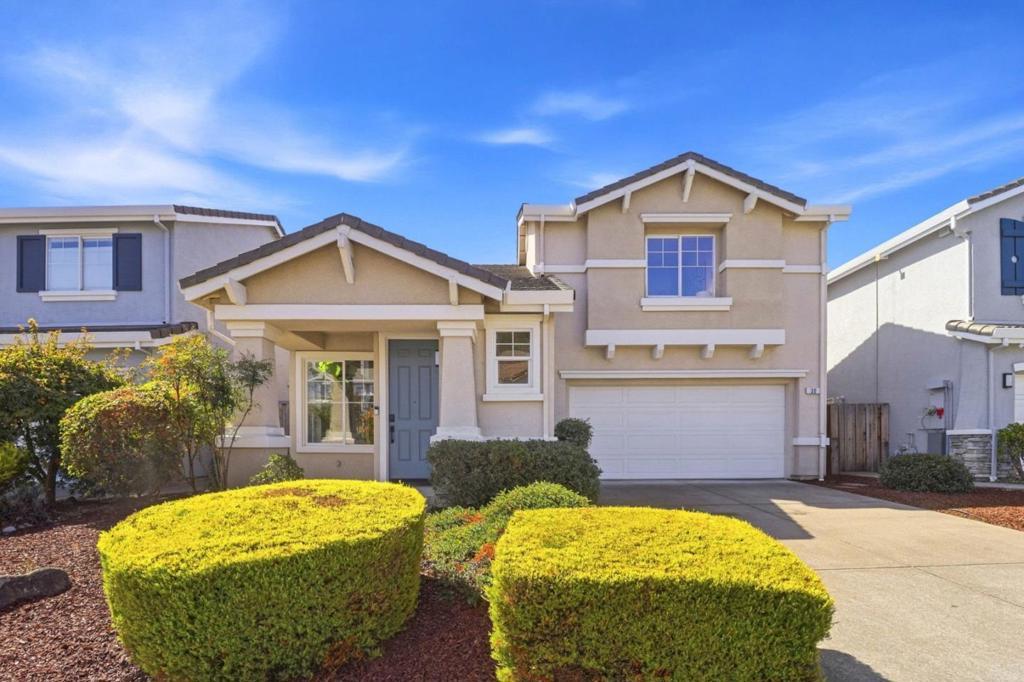
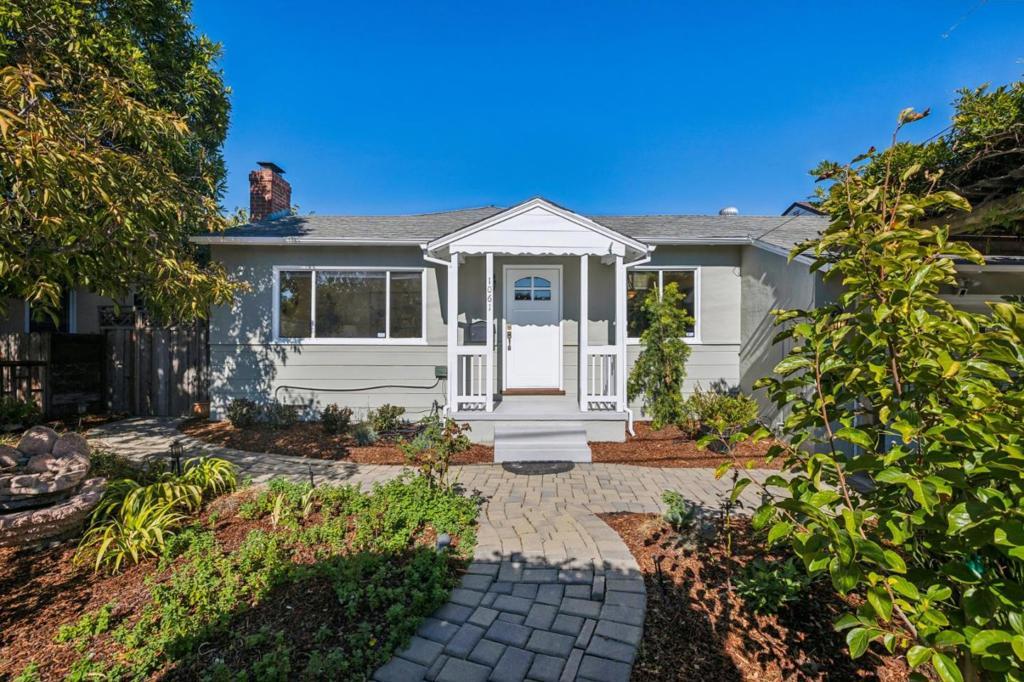
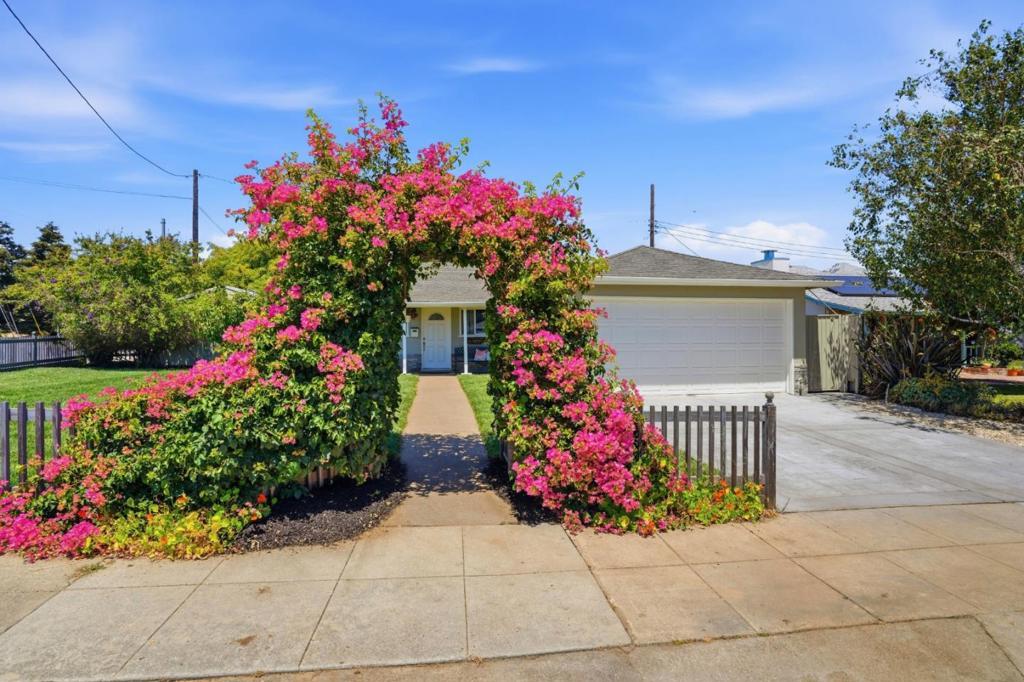
Belmont CA Homes for Sale currently number 47 active listings with a median asking price of $1,800,000 (CRMLS, September 2026).
Most buyers looking at Belmont CA homes for sale are weighing the same three things: the Caltrain station in the middle of town, the public school pipeline, and 337 acres of city open space packed into 4.64 square miles. Belmont sits in San Mateo County, roughly halfway between San Francisco and San Jose, with US 101 on the bay side, I-280 along the western ridge, and Highway 92 connecting the two. About 28,335 people live here as of the 2020 census.
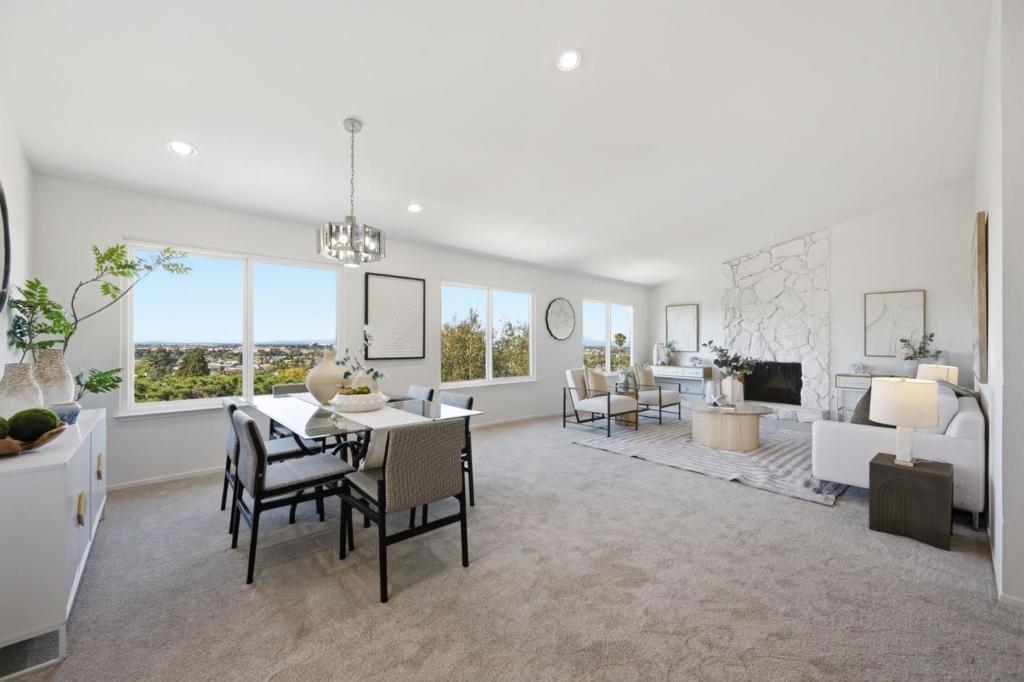
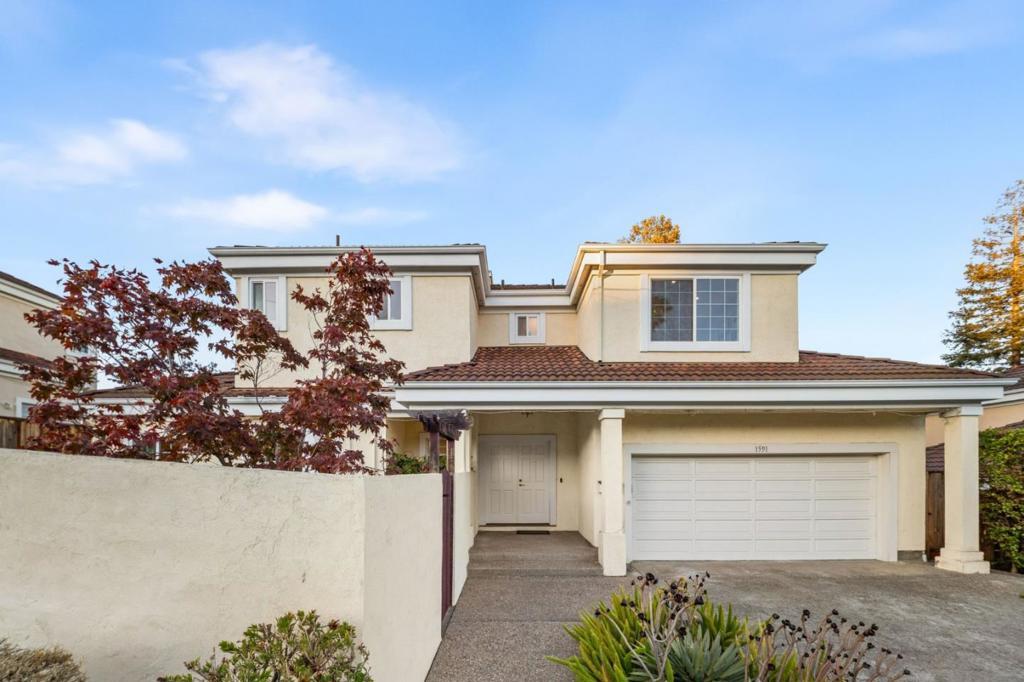
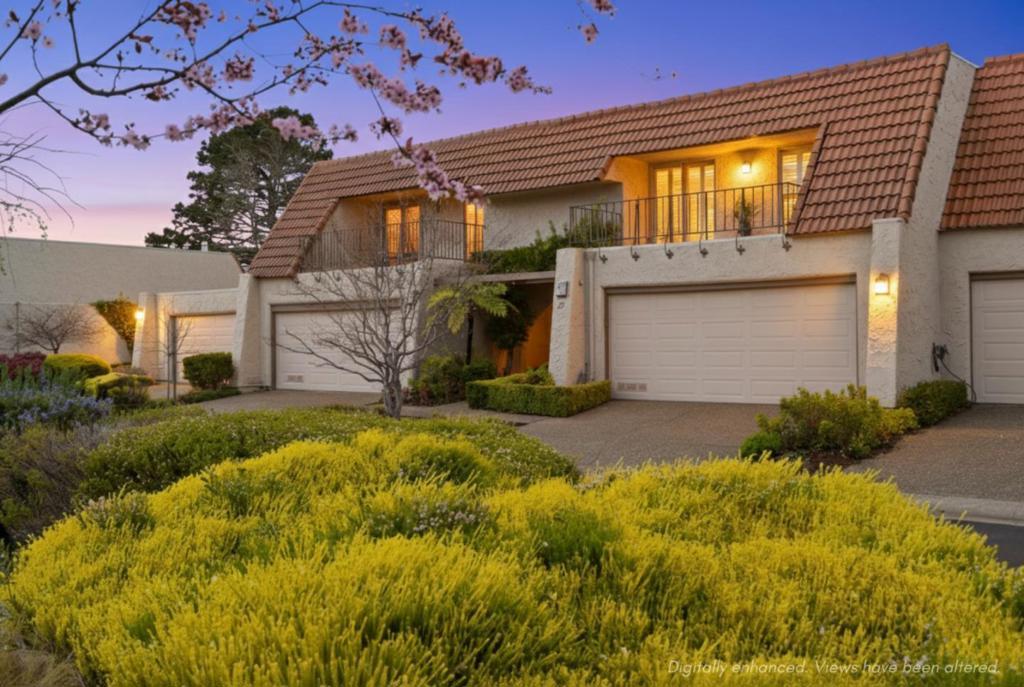
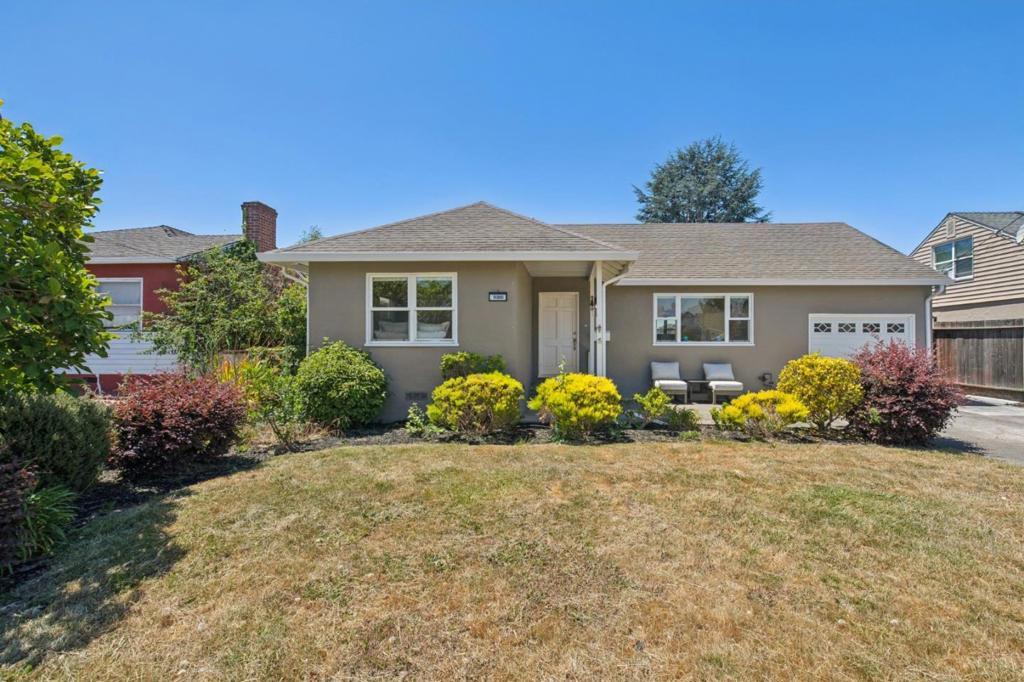
The housing stock is mostly single-family homes built between the late 1920s and the 1970s. What changes is the ground under them. Flat, walkable blocks near El Camino Real and downtown trade at a convenience premium; hillside lots above Carlmont Drive carry a view premium and sometimes a build penalty. Burlingame Properties put 2025 prices between roughly $1.6 million and over $4 million, with a citywide median near $2.19 million.
Browse the current Belmont listings below. If you want a read on which of the city’s named pockets actually fits your budget, commute, and tolerance for a hillside driveway, contact The Knight Group and we will build the shortlist with you.
Where exactly is Belmont on the Peninsula?
Belmont occupies the mid-Peninsula, wedged between San Mateo to the north and San Carlos to the south, with Redwood Shores and the bay to the east. It was originally part of Rancho de las Pulgas, the Spanish land grant covering much of this stretch of the Peninsula, and it incorporated on October 29, 1926.
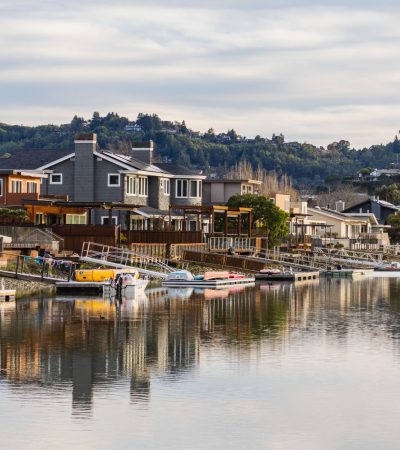
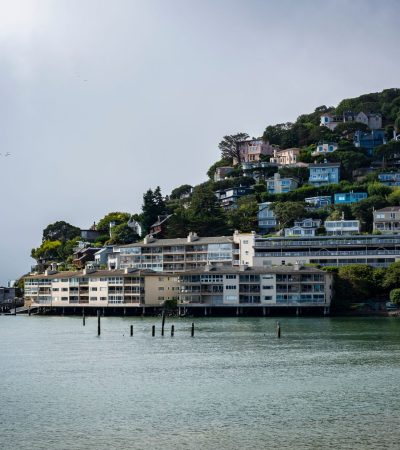
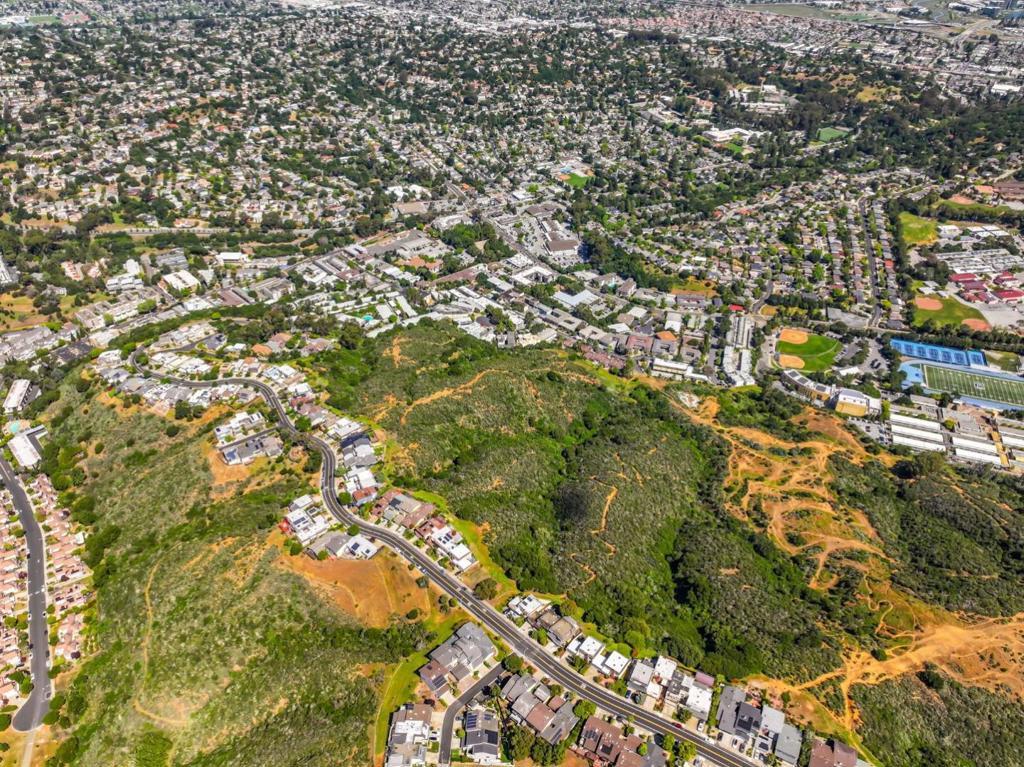
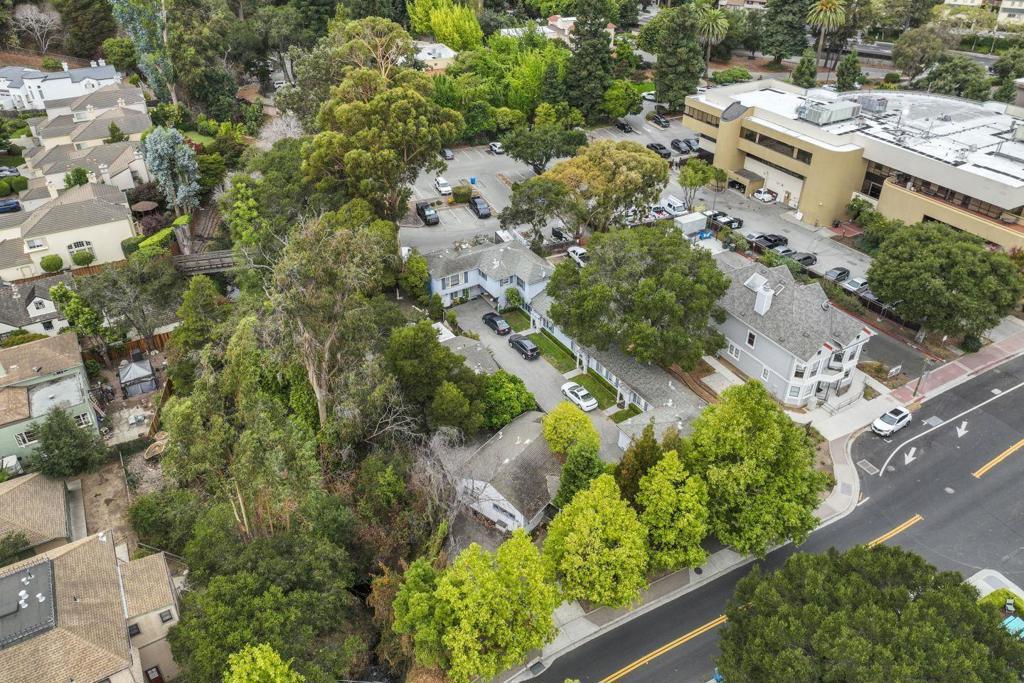
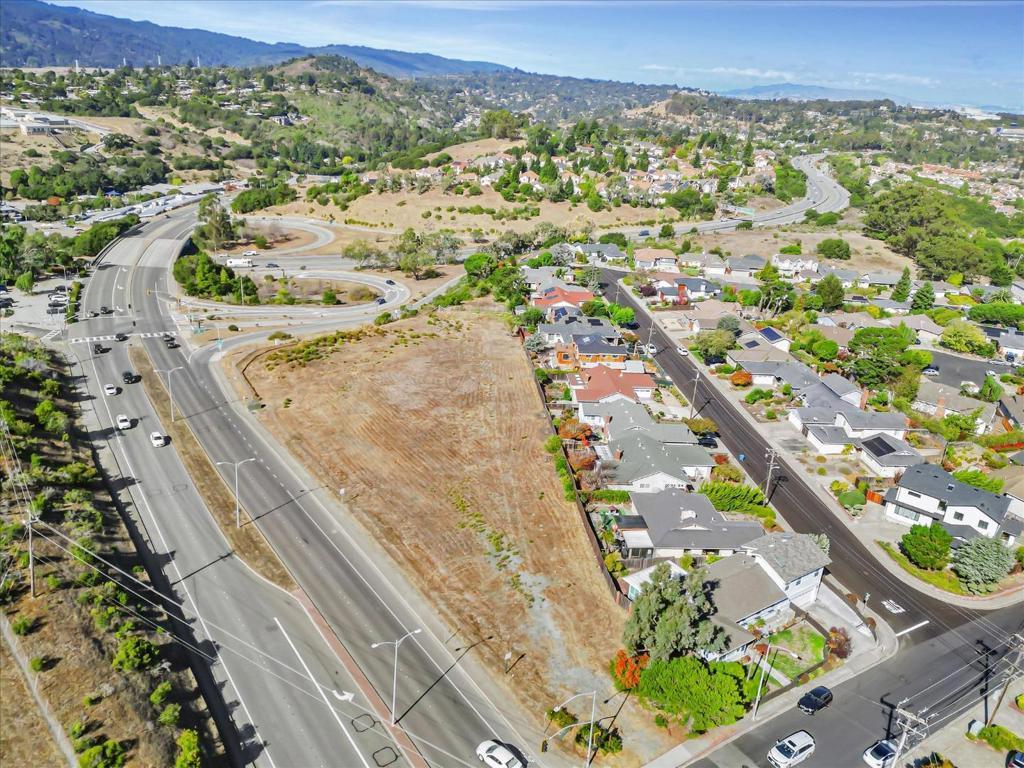
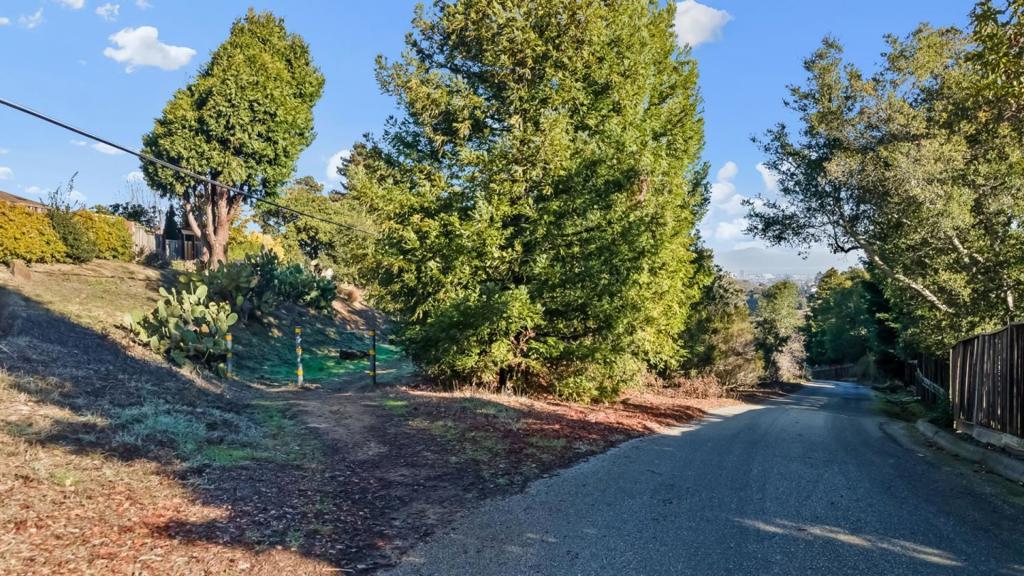
Geography drives almost everything about how Belmont lives. The eastern edge, near the bay and just west of Bair Island State Marine Park, is flat, gridded, and walkable. Move west across El Camino Real and the land climbs. By the western hills, streets wind, sidewalks and streetlights largely disappear, and lots follow contour lines rather than a grid. That transition is the most useful mental map a buyer can carry into a Belmont search.
US 101 runs along the bay side, Interstate 280 along the ridge to the west, and State Route 92 connects the two a short drive north before continuing toward Half Moon Bay and across the San Mateo Bridge. Few Peninsula cities put all three corridors within minutes of the driveway.
What does Belmont’s terrain do to home prices?
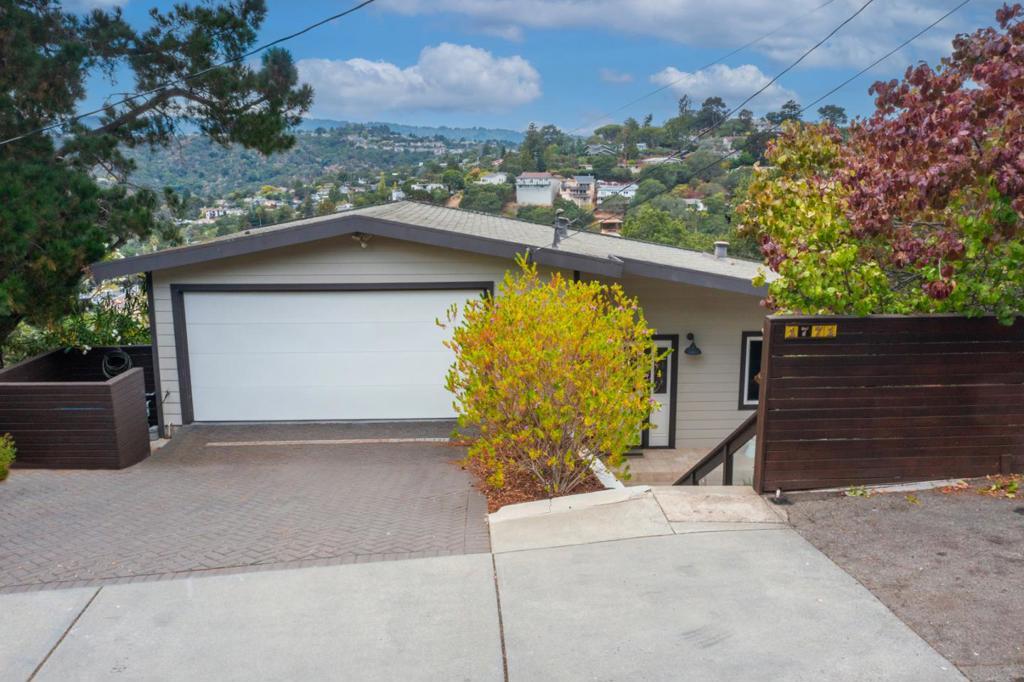
Topography is the pricing variable buyers underestimate. Flat, walkable blocks near downtown and the train carry a convenience premium relative to their size. Hillside parcels carry a view premium and, sometimes, a construction penalty, because a steep or irregular lot costs more to build on, expand, or landscape.
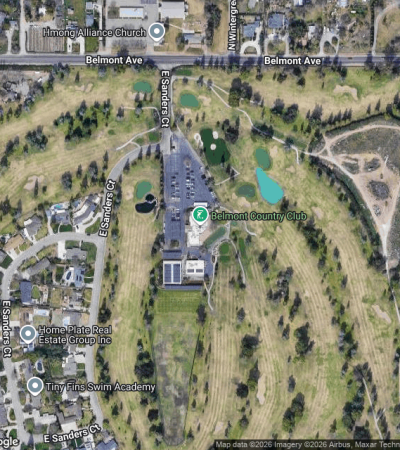
According to neighborhood sales data published by Burlingame Properties for 2025, home prices across Belmont ranged from roughly $1.6 million to over $4 million, with a citywide median around $2.19 million. The same source put the Carlmont area at a $2.54 million median with a range of $2.13 million to $3.75 million, and the Belmont Country Club area at a $2.62 million median with a wider range of $1.35 million to $4.5 million across 42 sales. Within a single named neighborhood, the gap between bottom and top can exceed $3 million, and the differentiators are view, lot usability, and degree of renovation.
So do not shop Belmont by neighborhood name alone. A trophy address with a compromised lot can appraise below a plain address with a flat, buildable rear yard.
Which Belmont neighborhoods sit in the hills?
The west side is where Belmont’s higher price tiers concentrate and where the named pockets get most granular.
Hallmark, also referred to locally as Belmont Woods, is widely described as the city’s most desirable subdivision, with homes built from the 1960s onward and a median that Burlingame Properties placed around $3.2 million in 2025. One of the Waterdog Lake trailheads sits at Hallmark and Lake Road, which is a fair summary of the tradeoff: you are buying proximity to open space and distance from the train.
Belmont Heights covers the eastern hillside, where the inventory skews toward significant remodels and newer construction on lots of 7,500 square feet and up. Western Hills sits on the opposite flank, deeper into the wooded terrain toward the I-280 ridge.
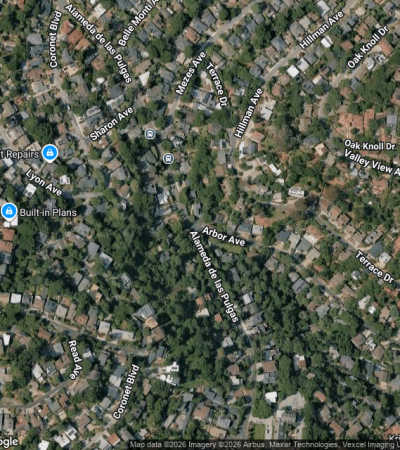
The Belmont Country Club area carries the city’s most interesting backstory. The name comes from a 1920s effort to remake Belmont as an upscale destination on the model of Hillsborough, which stalled when the Belle Monti clubhouse went bankrupt in 1930. Serious residential development did not resume until the late 1950s. Streets carry pioneer names including Sharon, Cipriani, and Pullman. Housing mixes steep winding lanes, orderly postwar blocks, newer custom homes, and 1960s and 1970s properties from roughly 1,100 to over 2,000 square feet with two to five bedrooms.
Within that same territory, Plateau-Skymont is the more conventional suburban grid: 1950s and 1960s three- and four-bedroom homes on comparatively regular blocks. It is often the entry point for buyers who want the hill address without the hill driveway. Belle Monte and Knolls of Belmont are smaller named pockets in the same broad hillside band, each with a tighter inventory count and correspondingly thin comparable-sales data.
Haskins Estate is one of the pocket names longtime residents use when describing the city’s map, alongside Hallmark, Sterling Downs, and Carlmont. McDougal is another small enclave that appears in listing data and local usage more often than on city maps.
Which Belmont neighborhoods sit on the flats and near downtown?
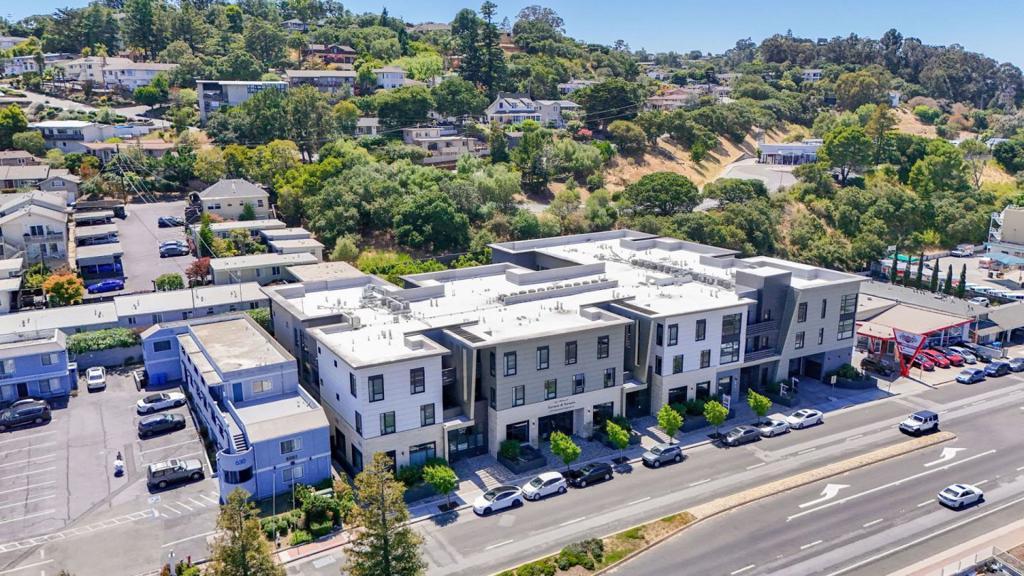
East of and along El Camino Real, the character changes completely: flatter streets, sidewalks, smaller lots, older housing stock, and genuine walkability to the train.
Sterling Downs is the clearest example. It is made up largely of postwar single-family cottages mixed with light-industrial warehouse space, and its streets and sidewalks are relatively flat, which sets it apart from most of Belmont. It is consistently among the more attainable parts of the city and among the easiest walks to downtown and Caltrain. The adjacent Sterling pocket shares that flat, gridded character.
Downtown Belmont and Central Belmont cover the commercial core and the blocks immediately around it. The housing there runs to older craftsman and ranch homes plus attached units near the commercial frontage, generally on 5,000 to 7,500 square foot lots. This is the part of Belmont where a buyer can realistically live without a second car.
Carlmont is the transitional neighborhood and one of the largest. It borders downtown to the south and is the most walkable part of town outside the core, with sidewalks and direct access to the Carlmont Village Shopping Center. Its eastern portion near downtown holds smaller homes of roughly 1,200 square feet from the Bayview Heights development that began in 1927, alongside older Mediterranean-style properties. Its western portion holds sprawling hillside homes built in the 1960s and 1970s, plus a 1950s subdivision of 1,500 to 2,000 square foot homes, some with bay views. The Charles Armstrong School, one of the region’s best-known schools serving students with dyslexia, is in this area.
The Carlmont name extends to smaller sub-pockets. Carlmont Village and Carlmont Woods both describe distinct sections of the broader Carlmont area, the first closer to the retail center and the second further into the trees.
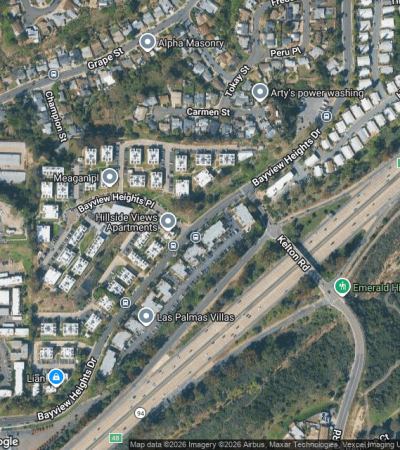
Bayview Heights is the original 1927 tract on the eastern side of Carlmont, and it remains one of the more consistent sources of smaller, older, entry-tier Belmont houses. Bayview at Belmont is a separate named community that shares the view orientation but not the vintage.
Cipriani takes its name from one of the pioneer street names and shares it with Cipriani Elementary School. According to neighborhood data published by Flyhomes, roughly 43 percent of households in Cipriani are renter-occupied, which is high for Belmont and worth knowing if you are underwriting a purchase there as an owner-occupant or as an investor.
Finally, The Belmont and Ten Forty Continentals are address-specific named developments rather than broad neighborhoods. For those, the governing documents matter more than the map: association budget, reserve study, rental caps, and insurance posture determine whether a unit is financeable and what it costs to hold. We pull those before writing an offer, not after.
Which schools serve Belmont?
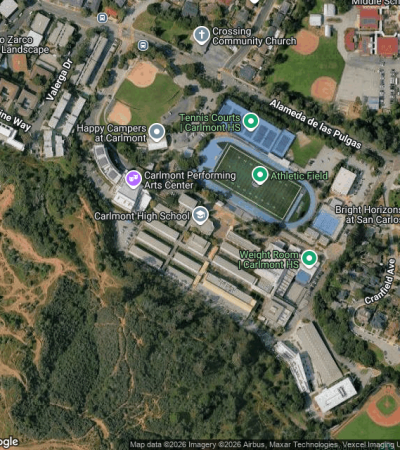
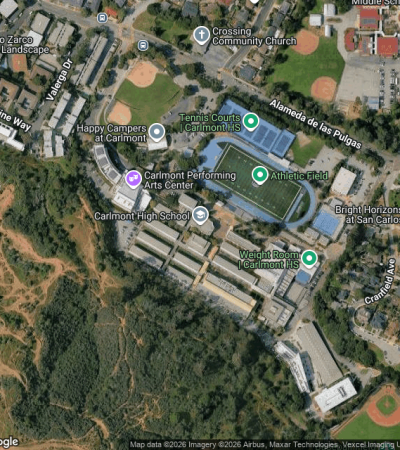
Belmont’s public school structure splits across two districts. Kindergarten through eighth grade is served by the Belmont-Redwood Shores School District, which operates elementary campuses including Central, Cipriani, Fox, and Nesbit, plus Ralston Middle School. High school students attend Sequoia Union High School District, and the assigned campus is Carlmont High School at 1400 Alameda de las Pulgas.
Carlmont High was founded in 1952 and takes its name from the fact that its campus straddles the boundary between San Carlos and Belmont. It is one of ten high schools in the Sequoia Union district. GreatSchools has rated it 10 out of 10, and Niche has assigned it an A+ grade, with a reported graduation rate of 98 percent and an average GPA of 3.68.
Private options in and around the city include Notre Dame Elementary and Notre Dame High School, Immaculate Heart of Mary, Serendipity School, and the Charles Armstrong School. Notre Dame de Namur University also maintains its campus in Belmont. One caution applies everywhere on the Peninsula: attendance boundaries change, and a school assignment is not a permanent feature of a parcel. Confirm it with the district before you make it a purchase criterion.
How is the commute from Belmont?
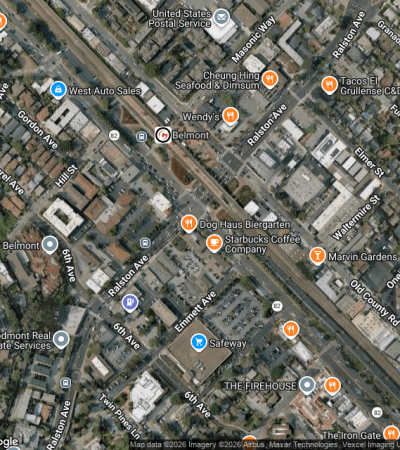
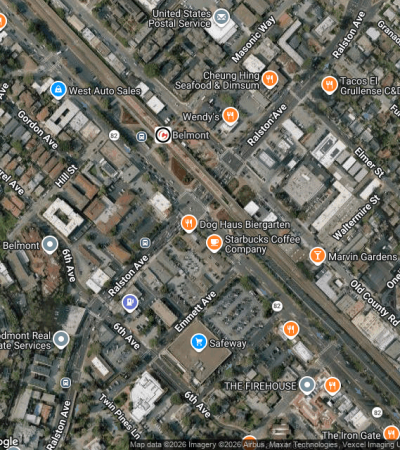
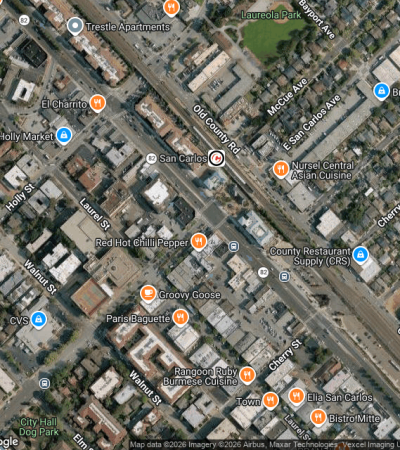
Belmont Caltrain station sits at 995 El Camino Real, near Ralston Avenue. It has 375 parking spaces, 18 bike racks, BikeLink e-lockers, two ticket vending machines, and a SamTrans connection. Rail travel time to San Francisco’s 4th and King terminal runs about 30 to 40 minutes depending on train type. Under Caltrain’s electrified service plan, corridor service runs every 30 minutes midday, evenings, and weekends, with 15- to 20-minute peak service at 16 stations.
Driving, the position suits a two-direction household. Downtown San Francisco is roughly 25 to 45 minutes without heavy traffic and longer at peak, and south-bay job centers in Palo Alto, Mountain View, and San Jose are reachable on either 101 or 280. The honest trade-off is intra-city: hillside neighborhoods are quiet and private, but they are not walkable to the train. If daily rail is central to your life, the flats near downtown and Sterling Downs deserve a hard look before the hills do.
What is there to do in Belmont outside the house?
Belmont maintains 14 developed parks across roughly 31 acres, plus 337 acres of open space used for hiking, running, and biking. That ratio, in a city this size, is the amenity residents talk about most.
Waterdog Lake and Open Space, part of which is designated the John Brooks Memorial Open Space, carries trails of varying length. Trailheads sit at Hallmark and Lake Road, at 2400 Lyall Way, and at 2642 Carlmont Drive. Dogs must be leashed throughout.
Twin Pines Park is the civic center of the park system: 19 acres in a ravine alongside Ralston Avenue north of El Camino Real, following a creek. It houses the Belmont Historical Society Museum, the Parks and Recreation department, and the Senior and Community Center. Picnic areas including Buckeye, Redwood, and Meadow can be reserved, and rental facilities such as the Cottage, Lodge, and Manor accommodate 25 to 250 people. Other recreation includes Davey Glen Park, Hidden Canyon Park, San Juan Canyon, the Carlmont Village Shopping Center, and a Movement climbing gym.
What history shaped Belmont?
Belmont began as a stagecoach stop in 1850, on land that had been part of Rancho de las Pulgas. Its defining historic structure is Ralston Hall, built in 1868 as a summer residence for William Chapman Ralston, founder of the Bank of California. The redwood mansion is an Italianate villa with Steamboat Gothic and Victorian detailing, and it holds status as both a California Historical Landmark and a National Historic Landmark.
Ralston died in 1875 and the estate passed to his business partner, Senator William Sharon. In 1922 the Sisters of Notre Dame de Namur, having outgrown their San Jose campus, purchased the Ralston and Sharon estate along with several adjoining properties and restored the mansion. Classes in the college, high school, and elementary departments began in September 1923. That single transaction explains why a city of four and a half square miles carries a university, a private high school, and a National Historic Landmark. A structure originally built for the 1915 Panama-Pacific International Exposition also stands on Belmont Avenue. Belmont’s largest employers as of 2021 included RingCentral with 693 employees, Autobahn Motors, Safeway, and Volkswagen Group of America.
What risks and disclosures should a Belmont buyer check?
Slope, soils, and drainage. A large share of Belmont’s inventory sits on grade. Ask for any geotechnical or soils reports the seller holds, inspect retaining walls and drainage carefully, and price future expansion against the slope. Foundation work on a hillside parcel is not the same line item it is on a flat one.
Wildland interface and insurance. Homes bordering the wooded open space around Waterdog Lake and the western canyons should be evaluated for defensible space and insurability. Request the natural hazard disclosure report and the parcel’s fire hazard severity zone determination early, and get a written insurance quote before you release your contingency.
Association governance. Attached and planned developments in California are governed by the Davis-Stirling Common Interest Development Act, which sets the rules for association disclosure, assessments, and dispute resolution. Read the budget, reserve study, minutes, and any pending litigation or special assessment before removing contingencies.
Local costs at close. Confirm the applicable documentary transfer tax and any city-level requirements when you write. Terms and who pays are negotiable, and they vary by jurisdiction on the Peninsula.
What should a Belmont seller know before listing?
Belmont sellers compete against San Carlos, San Mateo, and Redwood City on the same weekend. Three things move the outcome. First, pre-listing inspection and disclosure work: with a wide spread between the low and high end of a single neighborhood, the fastest way to lose money is letting a buyer discover a slope, sewer, or roof issue mid-escrow and reprice the deal around it. Second, presentation of the lot, because usable outdoor space is scarce on hillside parcels and a functional yard, deck, or view line earns more than an equivalent spend on interior staging. Third, timing against the school calendar versus the Caltrain-commuter buyer pool, since those two groups shop on different clocks.
How Do Commute Options Shape a Belmont Home Search?
The station downtown is the reason many buyers start looking here, but it only pays off if you actually reach it without a car. Homes on the flats east of and along El Camino Real put the platform within a genuine walk, which is why those smaller, older lots hold value despite modest square footage. From the western hills, the same trip means driving down and parking, so the train stops being a daily habit and becomes an occasional one. Buyers who commute by car often prefer the ridge side, where I-280 is the closer on-ramp, while 101 serves the bay side.
Decide which corridor you will use most before you tour, because that single choice narrows Belmont real estate faster than price filters do. It also explains why two similar houses a mile apart can attract completely different buyers — and different offers.
Frequently Asked Questions About belmont Homes for Sale
Is Belmont a good place to buy on the Peninsula?
It suits buyers who want a Caltrain station, strong public schools, and immediate access to open space, and who are willing to accept hillside terrain in exchange for privacy. It suits poorly anyone who wants flat lots and a walkable core citywide, because Belmont delivers that only in the eastern flats.
What is the price range for a home in Belmont?
Per neighborhood sales data published by Burlingame Properties for 2025, prices ranged from about $1.6 million to over $4 million, with a citywide median near $2.19 million. Entry-tier inventory concentrates in Sterling Downs, Bayview Heights, and the El Camino corridor. The top of the market concentrates in Hallmark and the view lots of Belmont Heights and the Belmont Country Club area.
Which Belmont neighborhood is the most expensive?
Hallmark, also known as Belmont Woods, is generally described as the city’s premier subdivision, with a 2025 median around $3.2 million according to Burlingame Properties. Individual view lots elsewhere in the hills can exceed that.
Which Belmont neighborhood is the most affordable?
Sterling Downs is consistently among the most attainable, built largely of postwar cottages on flat streets. The El Camino Real corridor also carries smaller single-family homes, condos, townhomes, and garden-style apartments at the lower end of the city’s range.
Does Belmont have condos and townhomes?
Yes. Attached housing is concentrated along the El Camino Real corridor and near the commercial core, and in named developments such as The Belmont and Ten Forty Continentals. Every attached purchase in California should be underwritten on the association’s finances and governing documents, not just the unit.
What high school do Belmont students attend?
Carlmont High School, part of the Sequoia Union High School District, located at 1400 Alameda de las Pulgas. Kindergarten through eighth grade is handled by the Belmont-Redwood Shores School District. Confirm current boundaries with the districts, since assignments can change.
How long is the train ride from Belmont to San Francisco?
About 30 to 40 minutes to 4th and King, depending on whether you catch a local or an express. The Belmont station is at 995 El Camino Real with 375 parking spaces and a SamTrans connection.
Do Belmont homes have wildfire exposure?
Properties adjacent to the western canyons and the open space around Waterdog Lake sit at a wildland interface and should be assessed individually. Request the natural hazard disclosure report and the parcel’s fire hazard severity zone determination, and secure a written insurance quote during your contingency period.
How does The Knight Group work in the Belmont market?
We work Belmont at the parcel level, not the city level. We start by narrowing which of the twenty-plus named pockets match your constraints on commute, school assignment, lot usability, and budget, then walk the candidates before running comparables. In a market where the spread inside one neighborhood can exceed $3 million, the comparable set is the deliverable.
For buyers, we pull the disclosure package, prior permits, and any geotechnical history before you commit to an offer strategy, and we settle the insurance question early on any hillside parcel. For sellers, we run pre-listing inspections, build the pricing case from verified condition, and position the property against the specific buyer pool it serves.
Start by browsing the listings below, or reach out to The Knight Group directly. Tell us the commute you have to make and the trade-off you are least willing to accept, and we will tell you which part of Belmont to spend your weekends in.
What is it like to buy Belmont CA Homes on the Peninsula?
- Belmont CA Homes sit in San Mateo County, roughly halfway between San Francisco and San Jose on the mid-Peninsula.
- Buyers weigh three things consistently: the Caltrain station in the middle of town, the public school pipeline, and city open space.
- Housing stock across Belmont is mostly single-family homes built between the late nineteen-twenties era and the later postwar decades.
- Terrain is the real variable, because what changes between one Belmont block and the next is the ground under the houses.
- Flat, walkable blocks near El Camino Real and downtown trade at a convenience premium relative to their size.
- Hillside lots above Carlmont Drive carry a view premium and sometimes a build penalty on steep or irregular ground.
- Belmont sits wedged between San Mateo to the north and San Carlos to the south, with Redwood Shores and the bay east.
- Rancho de las Pulgas, the Spanish land grant covering much of this stretch of the Peninsula, originally included the land Belmont occupies.
- Belmont CA Homes on the eastern edge, near the bay and just west of Bair Island State Marine Park, occupy flat gridded walkable streets.
- Moving west across El Camino Real, the land climbs and the character of the streets changes markedly.
- Western hills streets wind, sidewalks and streetlights largely disappear, and lots follow contour lines rather than a grid.
- Few Peninsula cities put all three freeway corridors within minutes of the driveway the way Belmont does.
- Belmont CA Homes should not be shopped by neighborhood name alone, since view, lot usability, and renovation level drive the differences.
- Trophy addresses with compromised lots can appraise below plain addresses that offer a flat, buildable rear yard.
What is daily life like around Belmont CA Homes?
- Belmont Caltrain station sits on El Camino Real near Ralston Avenue, with parking, bike racks, BikeLink e-lockers, and a SamTrans connection.
- Caltrain’s electrified service plan runs corridor trains midday, evenings, and weekends, with more frequent peak service at stations along the line.
- Driving from Belmont suits a two-direction household, with downtown San Francisco north and south-bay job centers reachable on either freeway.
- Hillside pockets among Belmont CA Homes are quiet and private but are not walkable to the train station.
- Flats near downtown and Sterling Downs deserve a hard look before the hills when daily rail is central to your life.
- Developed parks and open space used for hiking, running, and biking make up the amenity Belmont residents talk about most.
- Waterdog Lake and Open Space, part of which is designated the John Brooks Memorial Open Space, carries trails of varying length.
- Trailheads sit at Hallmark and Lake Road, on Lyall Way, and on Carlmont Drive, with dogs leashed throughout.
- Twin Pines Park anchors the park system in a ravine alongside Ralston Avenue north of El Camino Real, following a creek.
- Twin Pines Park houses the Belmont Historical Society Museum, the Parks and Recreation department, and the Senior and Community Center.
- Picnic areas including Buckeye, Redwood, and Meadow can be reserved, alongside rental facilities such as the Cottage, Lodge, and Manor.
- Davey Glen Park, Hidden Canyon Park, San Juan Canyon, Carlmont Village Shopping Center, and a Movement climbing gym round out recreation.
- Ralston Hall, a redwood Italianate villa with Steamboat Gothic and Victorian detailing, stands as both a California and National Historic Landmark.
- Buyers of Belmont CA Homes on grade should request geotechnical reports, inspect retaining walls and drainage, and check fire hazard disclosures.
Who should consider Belmont CA Homes, and what are the options?
- Belmont suits buyers who want a Caltrain station, strong public schools, and immediate access to open space close to home.
- Hillside terrain is the trade-off buyers accept in exchange for privacy across much of the city’s inventory.
- Belmont CA Homes suit poorly anyone wanting flat lots and a walkable core citywide, since that exists only in the eastern flats.
- Entry-tier inventory concentrates in Sterling Downs, Bayview Heights, and the El Camino Real corridor.
- Top-of-market inventory concentrates in Hallmark and the view lots of Belmont Heights and the Belmont Country Club area.
- Hallmark, also known as Belmont Woods, is generally described as the city’s premier subdivision.
- Individual view lots elsewhere in the Belmont hills can exceed even the premier subdivision’s typical pricing.
- Sterling Downs ranks consistently among the most attainable pockets, built largely of postwar cottages on flat streets.
- El Camino Real corridor housing includes smaller single-family homes, condos, townhomes, and garden-style apartments at the lower end.
- Attached Belmont CA Homes cluster along the El Camino Real corridor and near the commercial core.
- Named developments such as The Belmont and Ten Forty Continentals offer condo and townhome options.
- Attached purchases in California should be underwritten on the association’s finances and governing documents, not just the unit itself.
- Carlmont High School, part of the Sequoia Union High School District, serves the city from Alameda de las Pulgas.
- Belmont-Redwood Shores School District handles kindergarten through eighth grade, though buyers should confirm current boundaries since assignments can change.
- Properties adjacent to the western canyons and open space around Waterdog Lake sit at a wildland interface and warrant individual assessment.
- Buyers seeking Belmont CA Homes should request the natural hazard disclosure report and secure a written insurance quote during the contingency period.