San Ramon Real Estate | Homes for Sale in San Ramon, CA
San Ramon is the largest city in the San Ramon Valley, a planned suburban city at the southern end of the valley that has developed over the past three decades from agricultural land into one of the most complete suburban communities in the East Bay. The city is home to Bishop Ranch, one of the largest office and research parks in the Bay Area, which provides a significant local employment base that partially insulates the residential market from the pure commute-dependence that affects other east Contra Costa County communities. With top-ranked public schools through San Ramon Valley Unified, a City Center with genuine walkable commercial amenity, excellent parks and trail infrastructure, and newer housing stock, San Ramon represents the most complete suburban package in the Tri-Valley corridor. This guide covers San Ramon’s real estate market, neighborhoods, schools, lifestyle, and what buyers need to know to compete effectively here.
How is the San Ramon real estate market?
San Ramon’s market is driven by the combination of SRVUSD school quality, Bishop Ranch employment access, and the comprehensive suburban amenity that comes from a city that has been built largely from scratch in a planned environment over the past 30 years. The result is newer housing stock, well-designed parks and trail systems, contemporary commercial infrastructure, and a community identity shaped by residents who chose the city for these specific attributes.
Prices in San Ramon are at the upper end of the San Ramon Valley market, reflecting the school quality, the local employment base, and the comprehensive community infrastructure. Competition for well-priced family homes in SRVUSD’s top attendance zones is intense, and properties that are correctly priced and well-presented attract multiple offers within the first week of marketing. Buyers who are not pre-approved and prepared to move quickly regularly lose properties to more prepared competitors.
The local employment base at Bishop Ranch means that some San Ramon buyers are purchasing based on work proximity rather than Bay Area core commute access, which creates a buyer demographic that is somewhat less sensitive to BART proximity than comparable communities in the Lamorinda area. This employment driver sustains demand through market cycles when commute-dependent communities soften more dramatically.
What are the neighborhoods in San Ramon?
Crow Canyon Country Club, in the western hills of San Ramon, provides a private golf and country club community with residential properties ranging from condominiums adjacent to the course to larger single-family homes on hillside lots. The private club character and HOA governance structure differ from the broader city residential market, and buyers considering the Country Club area should review membership requirements and fees alongside the residential purchase.
The Gale Ranch area in the eastern portion of San Ramon is one of the city’s newest and most comprehensive master-planned community developments, with contemporary single-family homes, townhomes, community parks, and retail at the neighborhood commercial centers. This area attracts buyers who want the newest construction and most complete planned community infrastructure within the San Ramon market.
The Windemere and Bollinger Valley areas in the southern portion of the city provide mid-range single-family homes in master-planned community formats developed in the 1990s and 2000s. These areas are the most established within the newer San Ramon developments and have the landscaping maturity that comes from two-plus decades of residential occupancy. Both areas are popular with school-seeking families for their SRVUSD campus access.
The City Center area near the intersection of Bollinger Canyon Road and Camino Ramon provides the most walkable access to San Ramon’s commercial and civic amenities, including the CityWalk shopping and restaurant development, the Dougherty Valley Performing Arts Center, and the City offices and library. Properties near City Center are the most walkable within the city for daily services and entertainment.
What are the schools like in San Ramon?
San Ramon Valley Unified School District serves the entire city, and this is the defining driver of San Ramon’s real estate demand. California High School and Dougherty Valley High School are the two comprehensive secondary campuses serving San Ramon students, both of which maintain strong academic records and extensive extracurricular programs consistent with the district’s overall performance position. The district’s elementary campuses distributed across the city’s residential developments maintain consistent high performance across campuses, which reduces the single-campus-dependency that drives intense micro-market stratification in some other Bay Area districts.
What is the lifestyle like in San Ramon?
The Iron Horse Regional Trail runs through the western portion of San Ramon, connecting to Danville, Alamo, and the broader multi-use trail network extending north through the valley. San Ramon’s network of internal parks and trails connects to the Iron Horse and to the Las Trampas Regional Wilderness in the hills west of the city, providing a comprehensive outdoor recreation infrastructure that is one of the most complete of any Tri-Valley community.
The Dougherty Valley Performing Arts Center hosts community and professional performances that provide cultural programming for the city’s residential population. The abundance of organized sports leagues, community pools, and recreation programming through the City of San Ramon parks department reflects the deliberate investment the city has made in family-oriented amenities since its planned development began. For families with children and active adults, the quality and availability of organized recreation in San Ramon is among the best in the East Bay.
How do you commute from San Ramon?
San Ramon does not have a BART station within its boundaries. The Dublin/Pleasanton BART station is approximately 10 to 15 minutes north by car, providing BART system access with commute times to San Francisco’s Embarcadero averaging 55 to 65 minutes. The local employment base at Bishop Ranch means that many San Ramon residents work within 5 to 10 minutes of their homes, reducing the commute burden that affects more purely bedroom-community suburban markets. I-680 provides freeway access north toward Danville and Walnut Creek and south toward Dublin and the Tri-Valley connection to I-580.
What types of homes are available in San Ramon?
San Ramon’s housing stock is predominantly newer construction from the 1980s through the 2000s in master-planned community formats, with contemporary floor plans, standard suburban lot sizes, and HOA amenities. Lot sizes in the flatlands communities average 5,000 to 7,500 square feet, with hillside properties in Crow Canyon and the western areas sometimes exceeding a half acre. Construction quality and condition are generally above the Bay Area average for the age of the stock, reflecting the development standards applied during the planned community build-out era.
Working With TKG in San Ramon
The Knight Group serves San Ramon buyers and sellers with the preparation and SRVUSD school boundary analysis that this competitive market requires. Understanding which campuses serve which neighborhoods, how to position offers competitively in a multiple-offer environment, and how to assess the value differences between Gale Ranch, Windemere, and the Bollinger Valley sections requires specific San Ramon market knowledge. Connect with TKG to discuss the current San Ramon market.
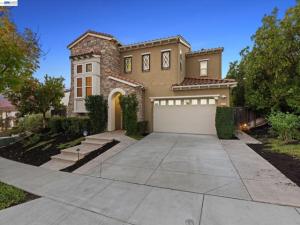
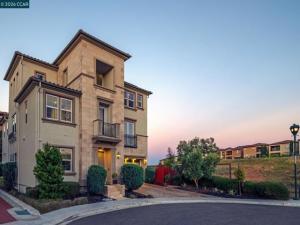
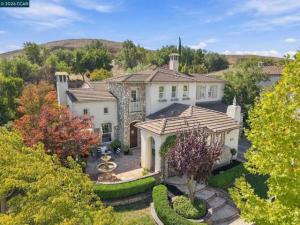
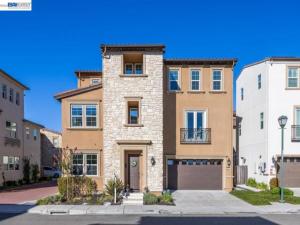
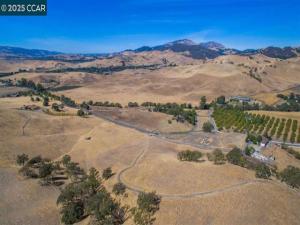
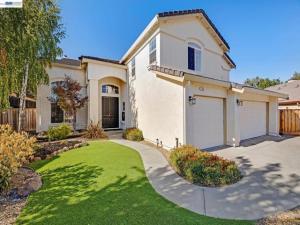
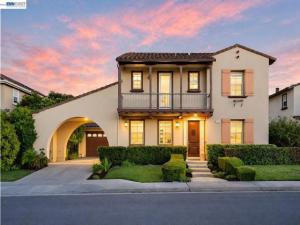
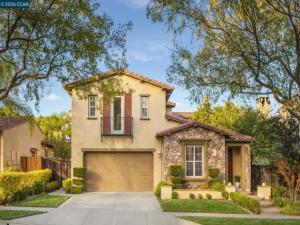
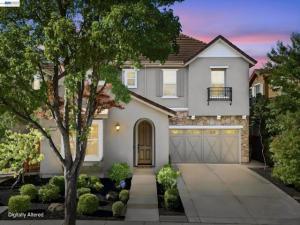
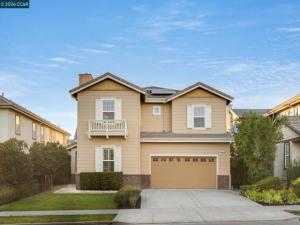
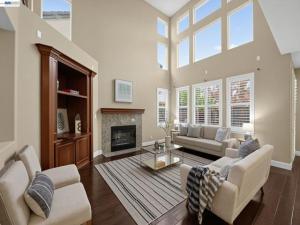
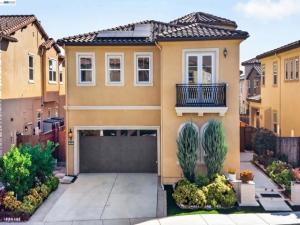
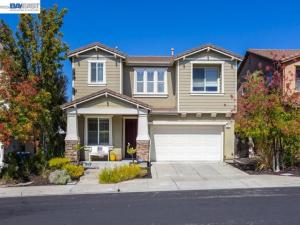
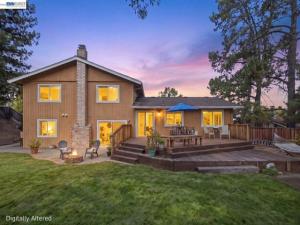
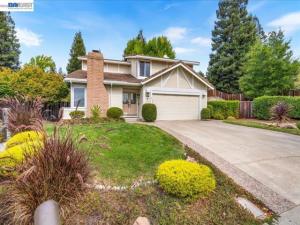
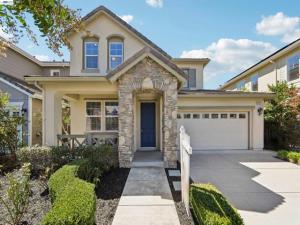
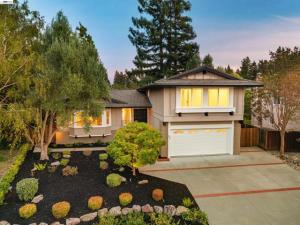
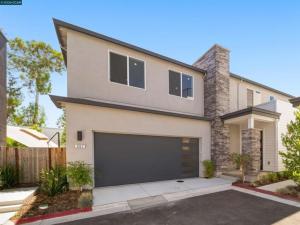
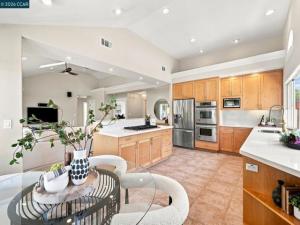
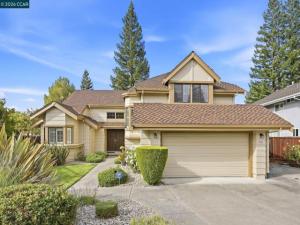
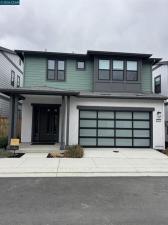
Current San Ramon Listings

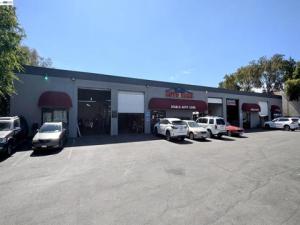
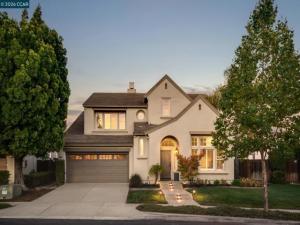
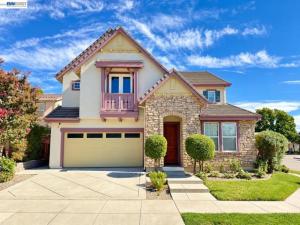
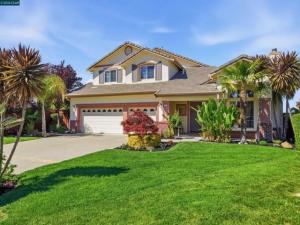
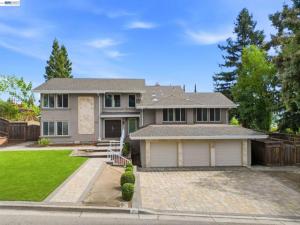
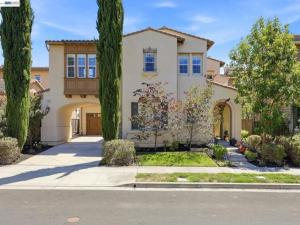
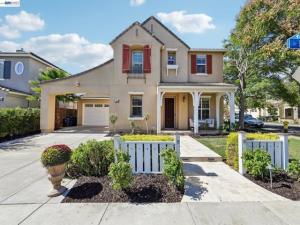
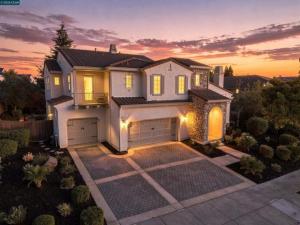

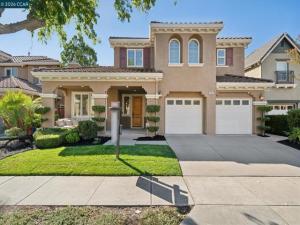
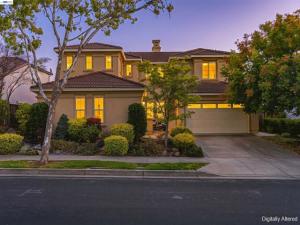
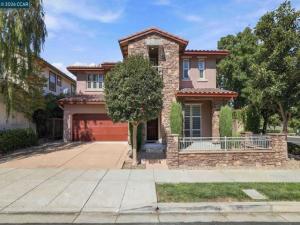
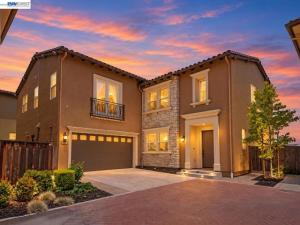
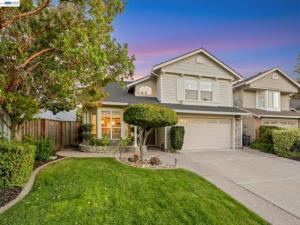
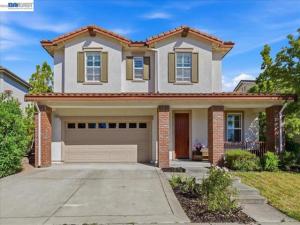
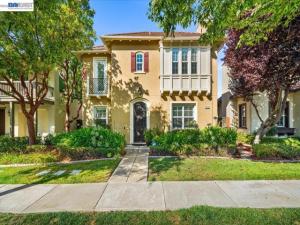
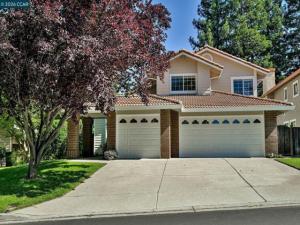


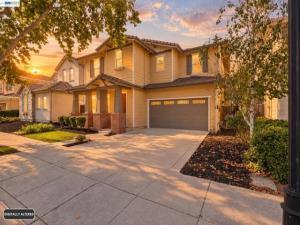
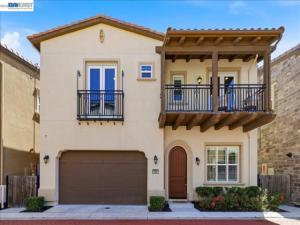
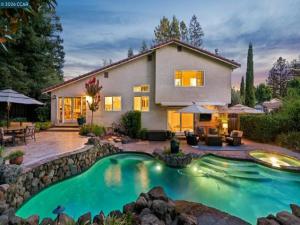
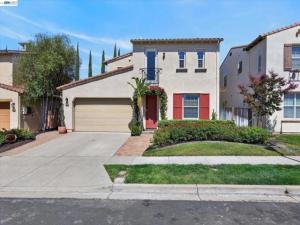
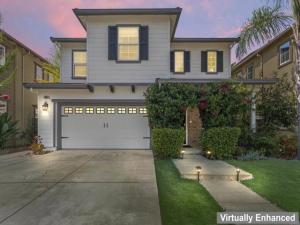
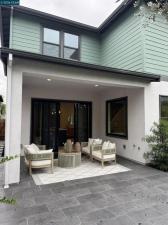
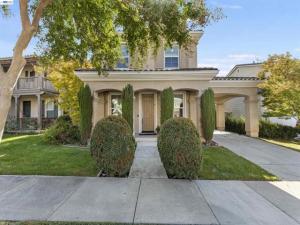
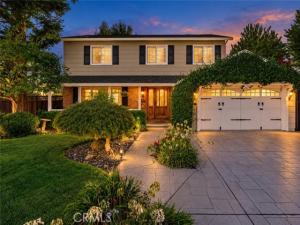
This site was last updated Oct 23 2026 2:32:10 am.
Connect with TKG about San Ramon real estate.
Is San Ramon a good real estate investment?
San Ramon's rental market is anchored by Bishop Ranch employment and SRVUSD school access, with a professional family renter profile that is consistent and self-renewing as new employees join the Tri-Valley tech and biotech workforce. The city's newer construction inventory means that landlords compete in a rental market with contemporary product specifications that tenants expect, and properties that are dated or poorly maintained lose occupancy to the newer inventory that the ongoing development pipeline continues to add.
New construction rental competition is the most specific investment consideration in San Ramon that differs from markets with more constrained supply. The ongoing development pipeline adds new single-family homes and townhomes to the rental market inventory as investors purchase newly built units or as newly built renter-operated communities add institutional supply. Individual investor buyers in San Ramon should underwrite at competitive current market rents against the comparable new construction that their tenants will evaluate as alternatives.
Frequently Asked Questions About San Ramon Real Estate
What is Bishop Ranch and how does it affect San Ramon real estate?
Bishop Ranch is one of the largest master-planned business parks in the Bay Area, located on the western edge of San Ramon along Bollinger Canyon Road. Major tenants include Chevron, AT&T, and other large corporations, and the park provides direct employment for tens of thousands of workers within the San Ramon city limits. The local employment base is the most distinctive feature of San Ramon's demand profile: many residents work within 5 to 10 minutes of their homes, which creates a residential character that is different from purely commute-dependent suburban markets and sustains housing demand across broader economic cycles.
How does the California High School and Dougherty Valley High School boundary affect San Ramon?
San Ramon students are split between California High School (serving primarily the western and central city areas) and Dougherty Valley High School (serving the Windemere and eastern sections). Both schools perform well within the San Ramon Valley Unified system, and the two campuses are considered roughly equivalent in academic quality and extracurricular programming. Buyers who have a specific campus preference should verify which campus serves any specific address they are considering within San Ramon.
Are there HOA restrictions that affect San Ramon buyers significantly?
Most San Ramon master-planned communities are HOA-governed, with restrictions on exterior modifications, landscaping standards, pet policies, and parking that vary by community. Buyers should receive and review complete HOA CC&Rs, rules and regulations, and reserve fund disclosures as part of standard transaction due diligence. HOA monthly fees in San Ramon's communities typically range from $100 to $350, depending on the community amenity level and maintenance scope. TKG reviews HOA documents and flags any significant restrictions before buyers commit in any San Ramon HOA community.
How is the San Ramon real estate market?
San Ramon's market is consistently competitive due to the combination of SRVUSD school quality, the local Bishop Ranch employment base, and the comprehensive community infrastructure that makes the city one of the most complete planned suburban environments in the Bay Area. Spring market competition from February through May is intense, with correctly priced family homes in the top school attendance zones regularly receiving multiple offers. Buyers who specifically target the Gale Ranch and Dougherty Valley High School attendance area are competing against a concentrated buyer pool that has done its research and is prepared to move quickly and aggressively.
The newer construction sections of San Ramon also introduce a new construction versus resale decision that buyers in more supply-constrained markets do not face. Builder incentives on newer phases of Gale Ranch and other San Ramon development projects can sometimes represent better value than comparable resale properties in the same area, particularly for buyers who want contemporary floor plans and specifications. TKG provides the side-by-side new versus resale analysis that allows buyers to make this decision with accurate comparative information rather than builder marketing materials alone.
What are the costs of living in San Ramon?
San Ramon city government provides municipal services including its own police department, a robust parks and recreation system, and infrastructure maintenance at a level that reflects the city's financial health as a relatively affluent planned community. San Ramon Valley Unified School District levies parcel taxes that add to the annual property tax obligation for San Ramon homeowners. These parcel taxes, combined with the base property tax and any applicable Mello-Roos CFD assessments in newer developments, represent the full annual property tax structure that TKG calculates for any San Ramon property in the early buyer advisory phase.
Why Families Choose San Ramon Over Other Tri-Valley Options
The family buyer who specifically chooses San Ramon over Pleasanton, Dublin, or Danville has typically identified one or more of these specific reasons: the Bishop Ranch employment base that allows a car-free or short commute for the employment-located spouse; the California High School or Dougherty Valley High School specifically (rather than SRVUSD generically, as Danville's Monte Vista or San Ramon Valley High campuses also have strong reputations); the newer construction stock in Gale Ranch that provides contemporary specifications unavailable in Danville's older inventory; or the completeness of the City Center commercial and recreational infrastructure that makes San Ramon feel more self-contained than comparable Tri-Valley communities. TKG helps buyers articulate their specific reason for targeting San Ramon and then verify that the specific addresses and campuses they are considering actually deliver those priorities.
What are the healthcare options in San Ramon?
San Ramon Regional Medical Center, a Tenet Healthcare facility on Norris Canyon Road, is the primary hospital serving the San Ramon Valley. The facility has expanded its specialty care programs in recent years as the San Ramon Valley's population has grown and as the insured professional demographic of the valley has created demand for higher-complexity specialty services. For subspecialty care beyond what the San Ramon Regional facility provides, John Muir Medical Center in Walnut Creek is approximately 20 to 25 minutes north. Kaiser Permanente's San Ramon Medical Center serves Kaiser plan holders within the city.
The growing Bishop Ranch employment base has supported the development of a substantial commercial infrastructure in San Ramon that serves both the employee population during working hours and the resident population for daily needs. The City Center development at Bollinger Canyon Road and Camino Ramon anchors the commercial character that San Ramon has been building over the past decade, with the Dougherty Valley Performing Arts Center, a full-service hotel, restaurants, and retail all concentrated in a walkable format that is unusual for a suburban California city of San Ramon's size and vintage.
What is the quality of life in San Ramon?
San Ramon consistently appears near the top of regional and national quality-of-life rankings for Bay Area suburban communities, reflecting the combination of school quality, safety, commercial completeness, and employment proximity that the city has assembled through deliberate planning and steady investment over the past three decades. The rankings are not self-generated: they reflect the measured reality of what San Ramon delivers on the dimensions that quality-of-life indices measure, and they explain the sustained demand for San Ramon residential properties that has produced the city's appreciation trajectory.
The practical daily-life experience of San Ramon residents confirms what the rankings reflect. The school campuses are well-maintained and staffed with experienced teachers supported by an active parent community. The parks are clean and well-programmed. The commercial infrastructure provides daily services, specialty retail, and restaurant options without requiring a drive to a regional center. The commute to Bishop Ranch is genuinely short for the employees who live in the city, and the freeway access to the broader Bay Area is practical for residents whose employment requires occasional or regular Bay Area core trips.
The specific schools serving a San Ramon address depend on the elementary attendance boundary, and buyers should verify the specific elementary school assignment for any property they are considering rather than assuming that all San Ramon addresses are equivalent from a school access perspective. Elementary school boundaries in San Ramon have been adjusted as new residential development has added student population, and the current boundaries should be confirmed with the San Ramon Valley Unified School District directly or through the SRVUSD boundary lookup tool on the district's website. All San Ramon addresses feed into the same middle school and high school configuration, with Dougherty Valley High School serving the Dougherty Valley section and California High School serving other San Ramon neighborhoods.
Browse all Contra Costa County real estate.