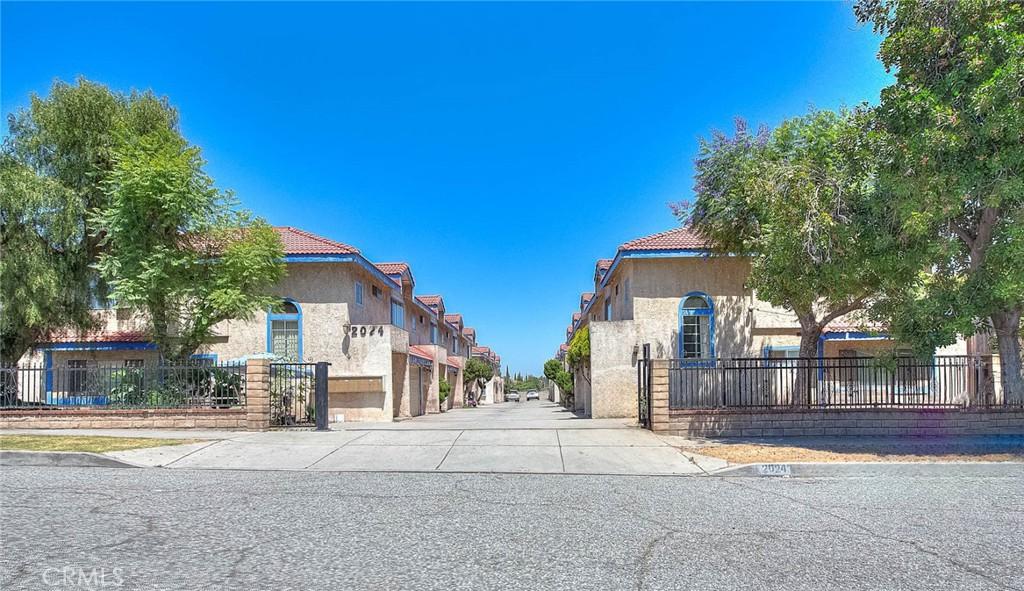
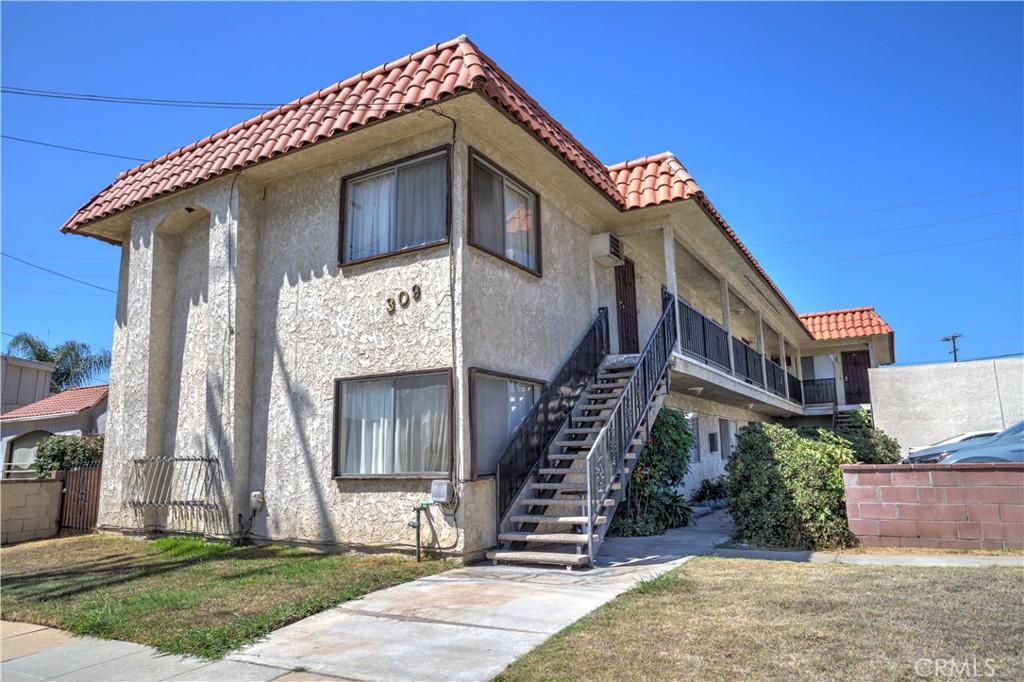
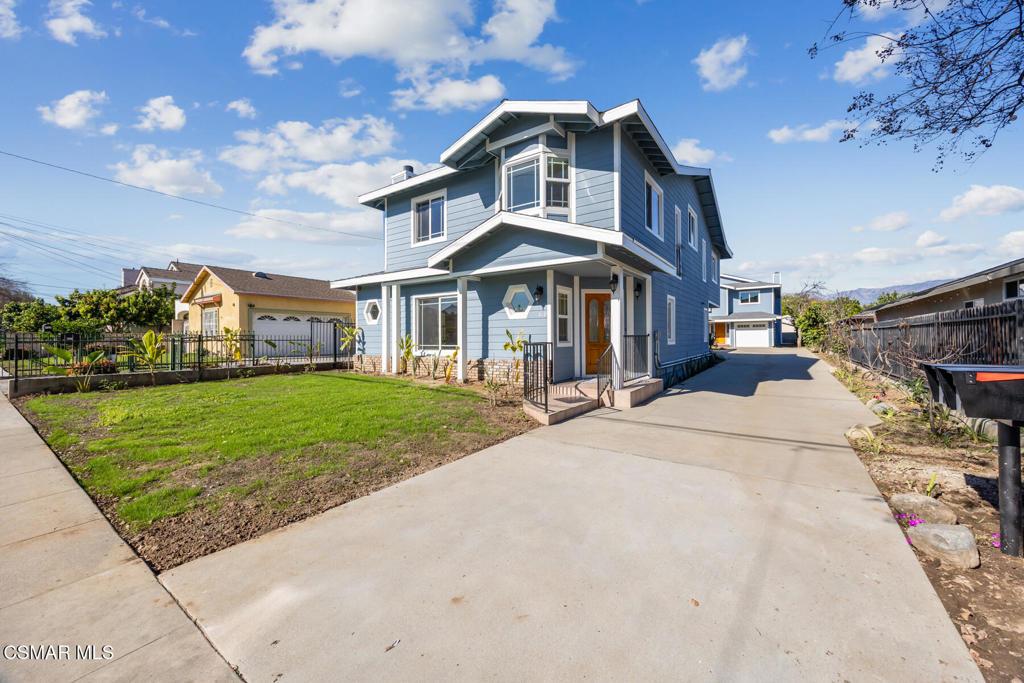
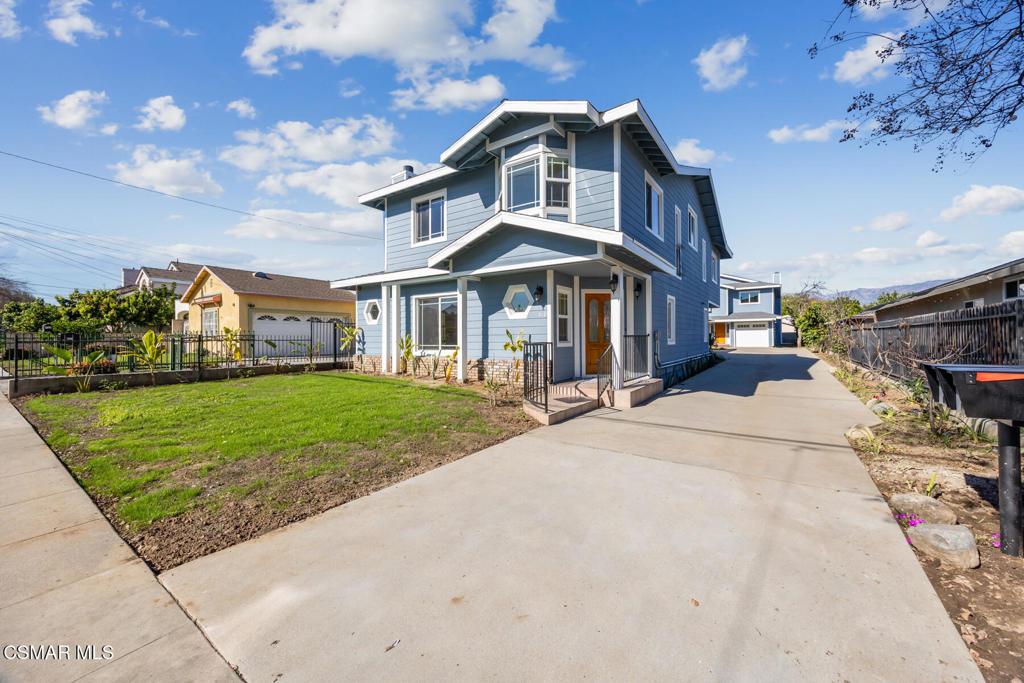
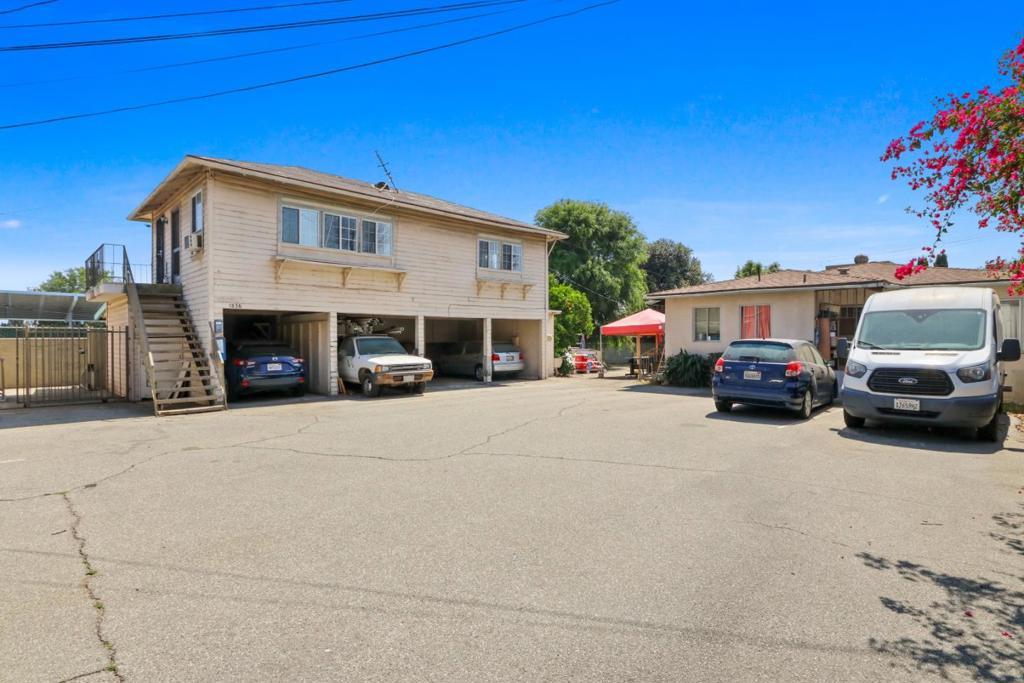
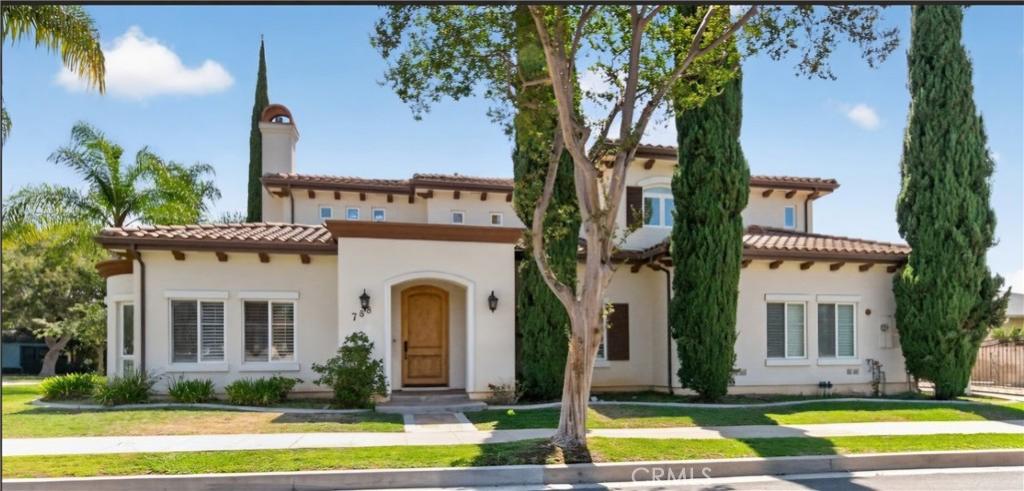
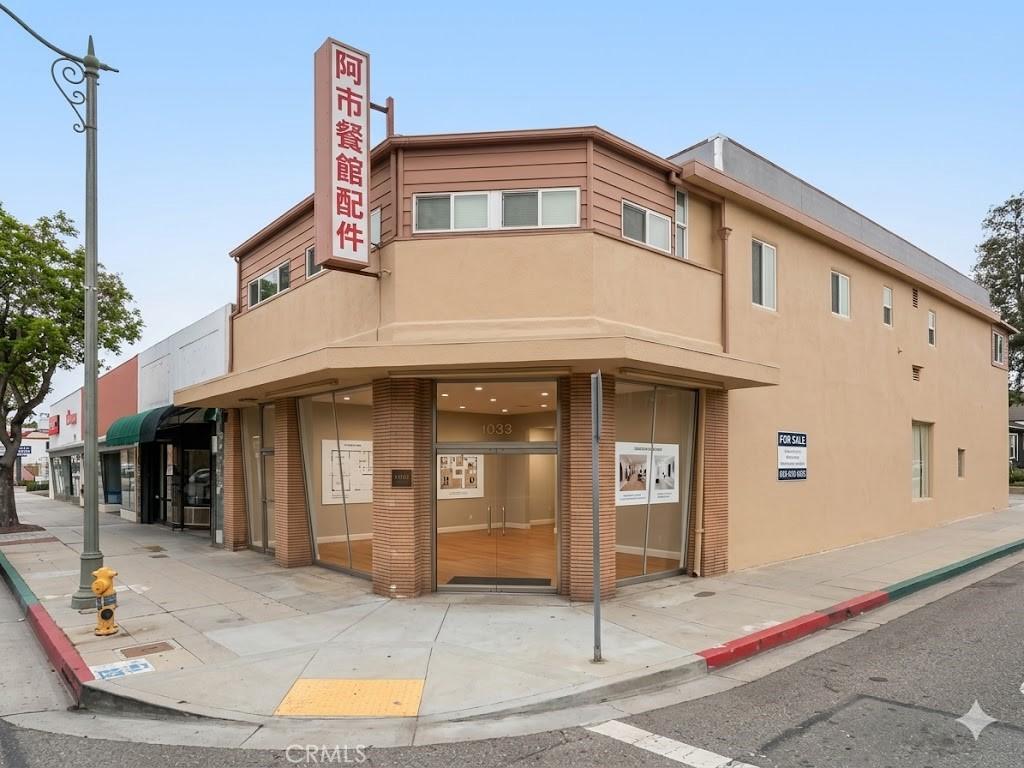
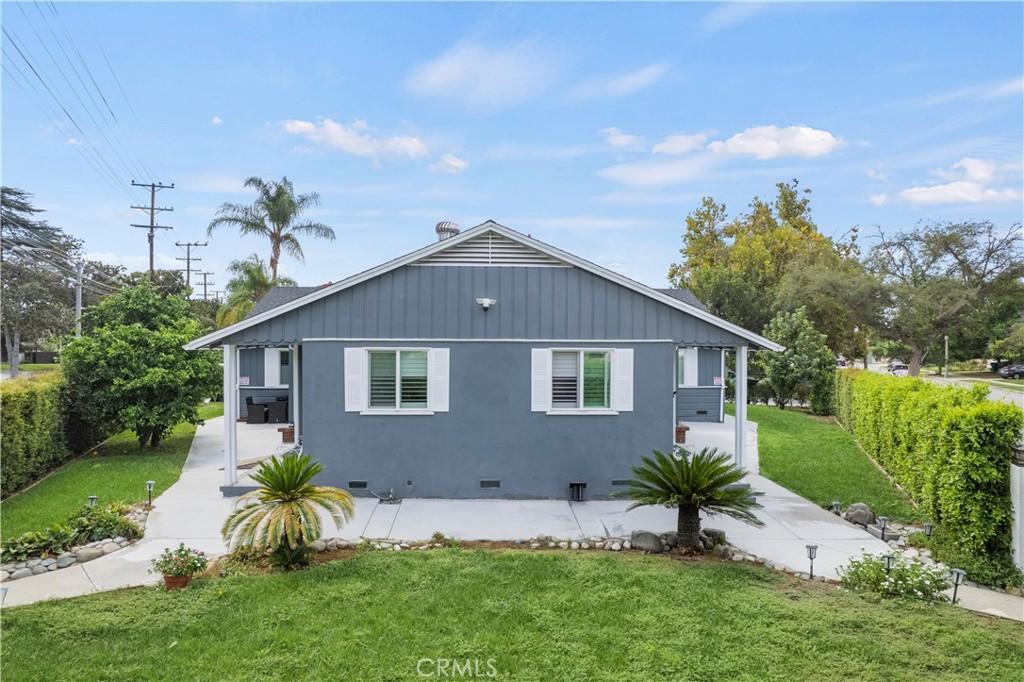
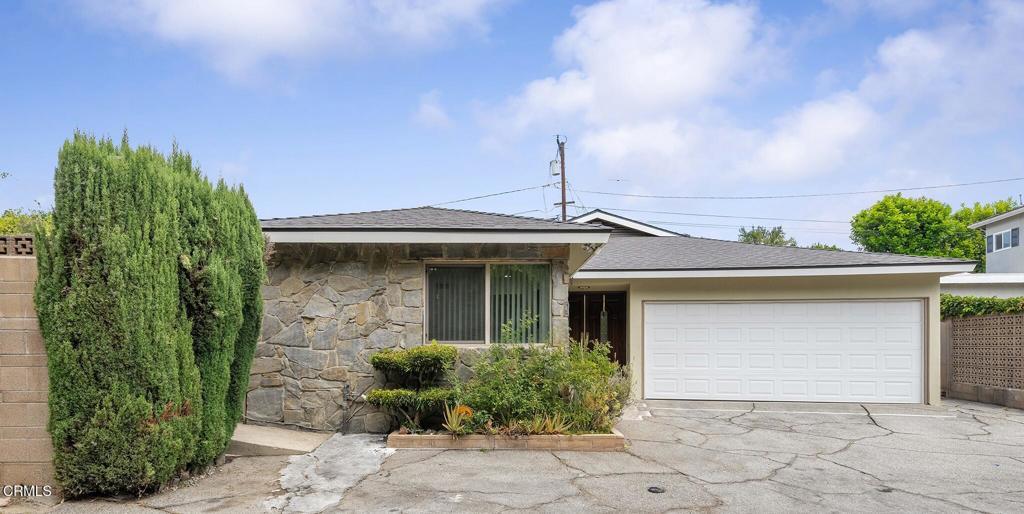
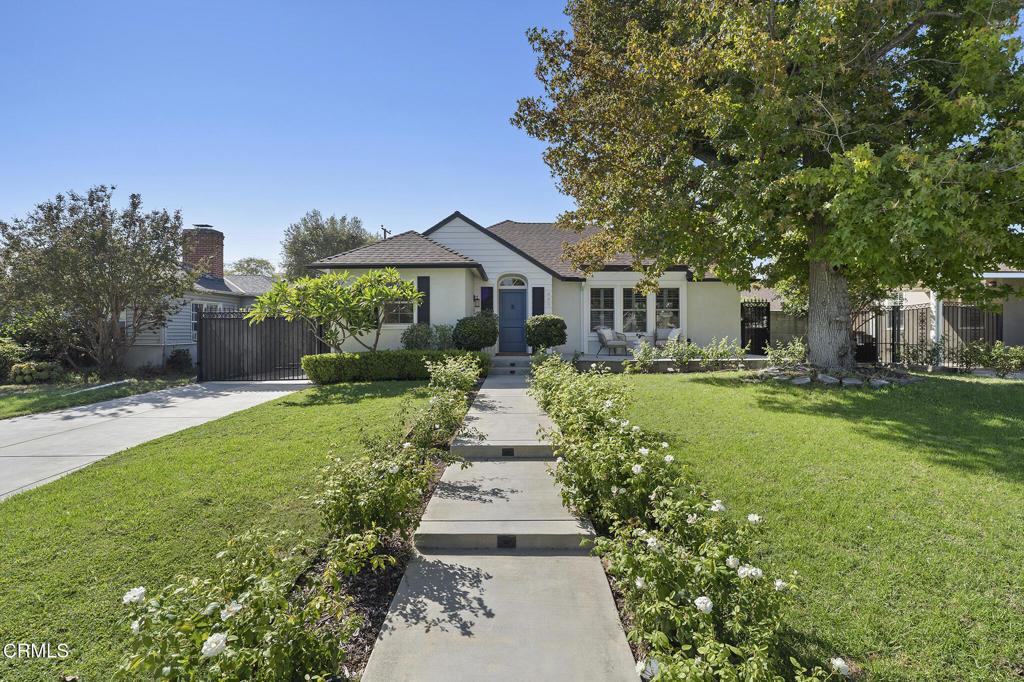
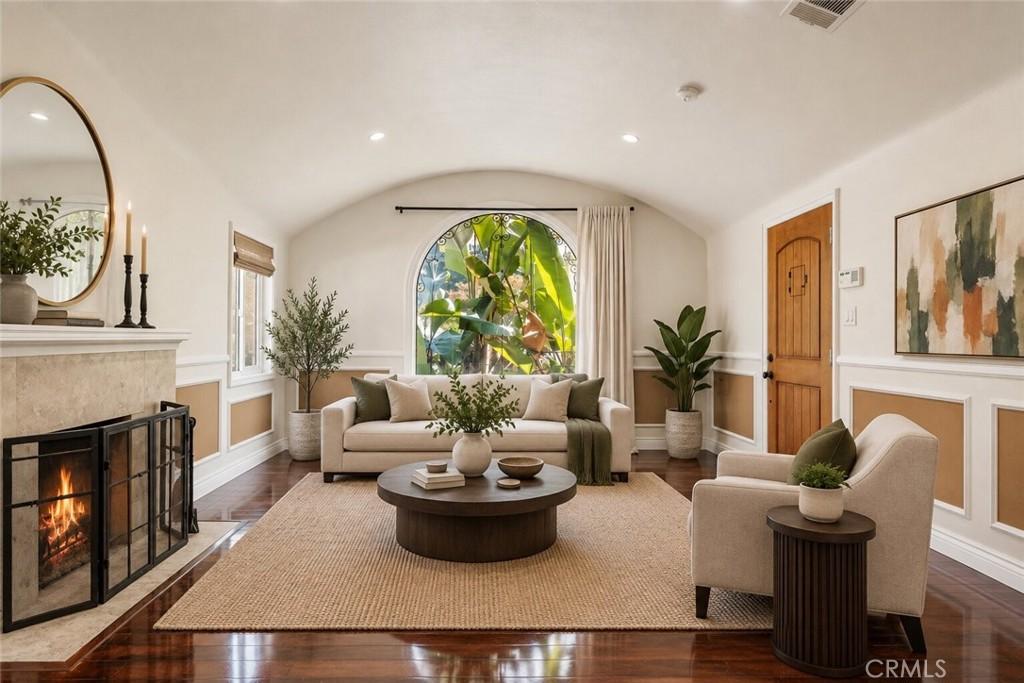
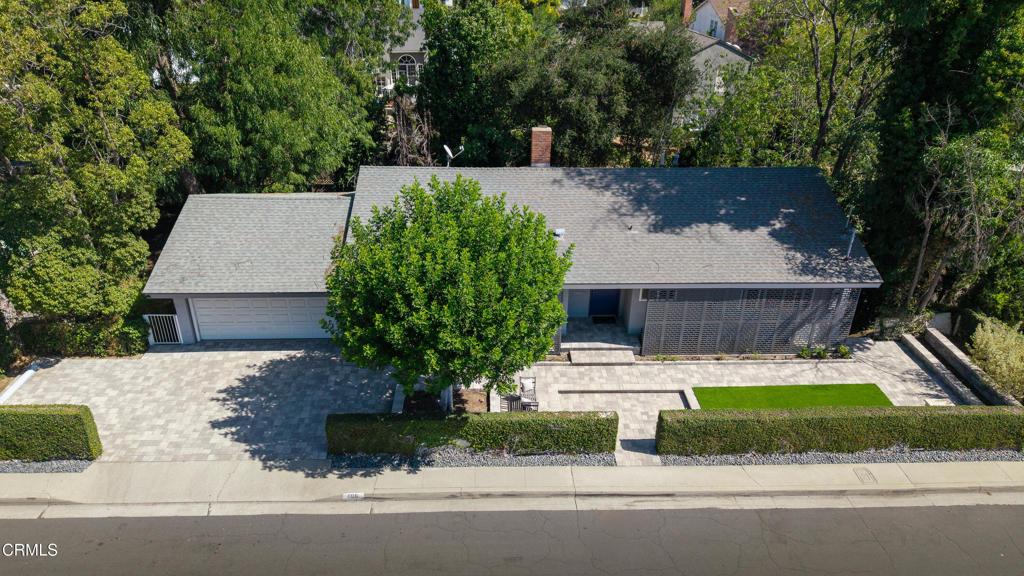
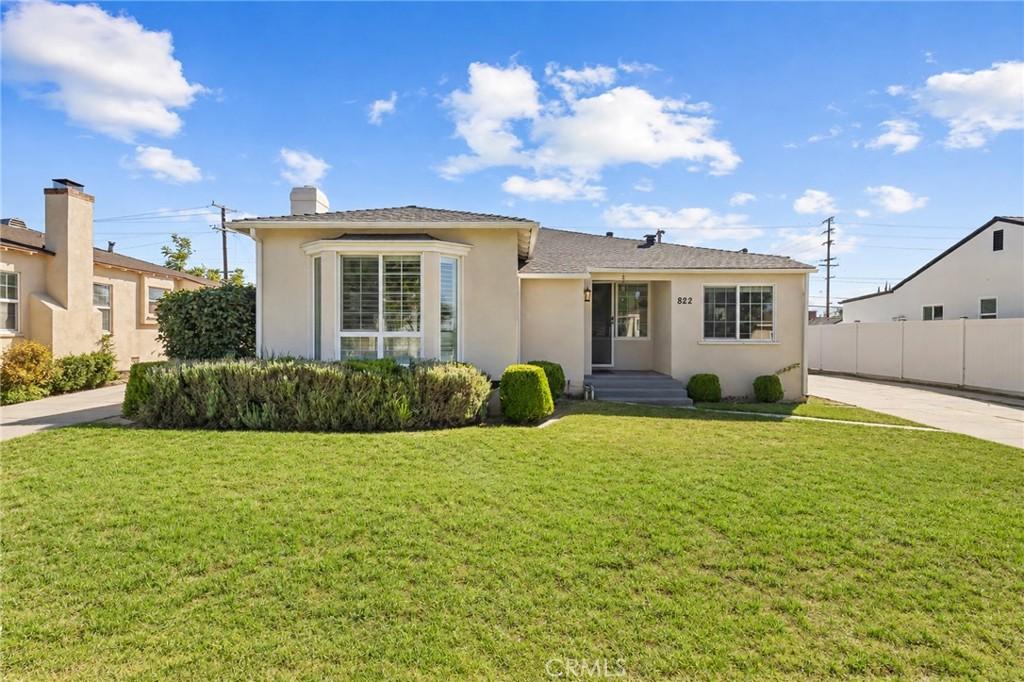
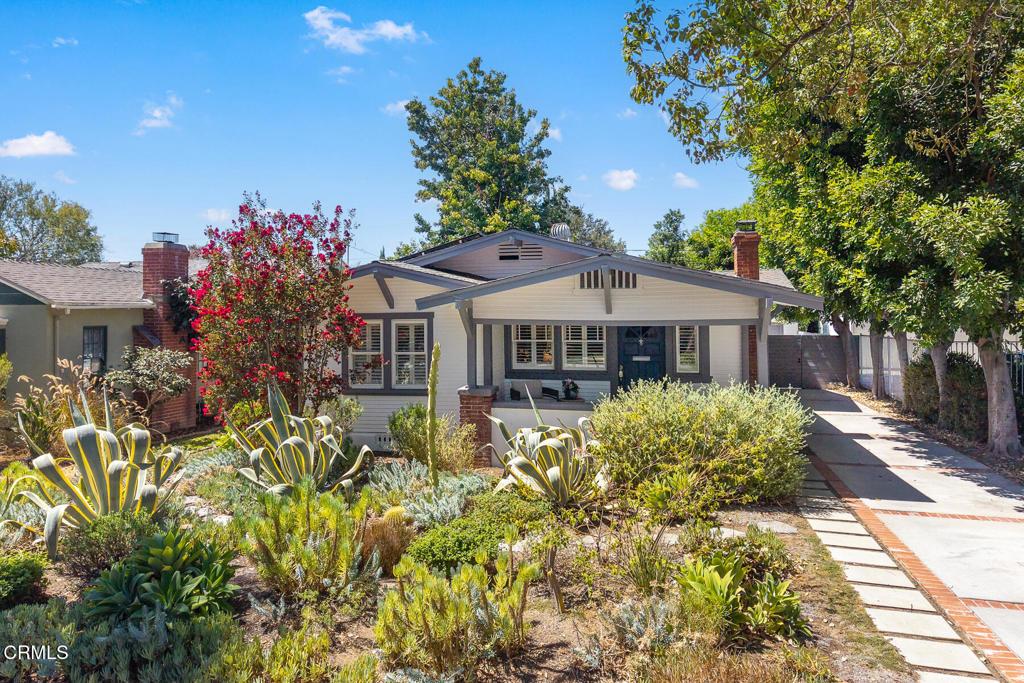
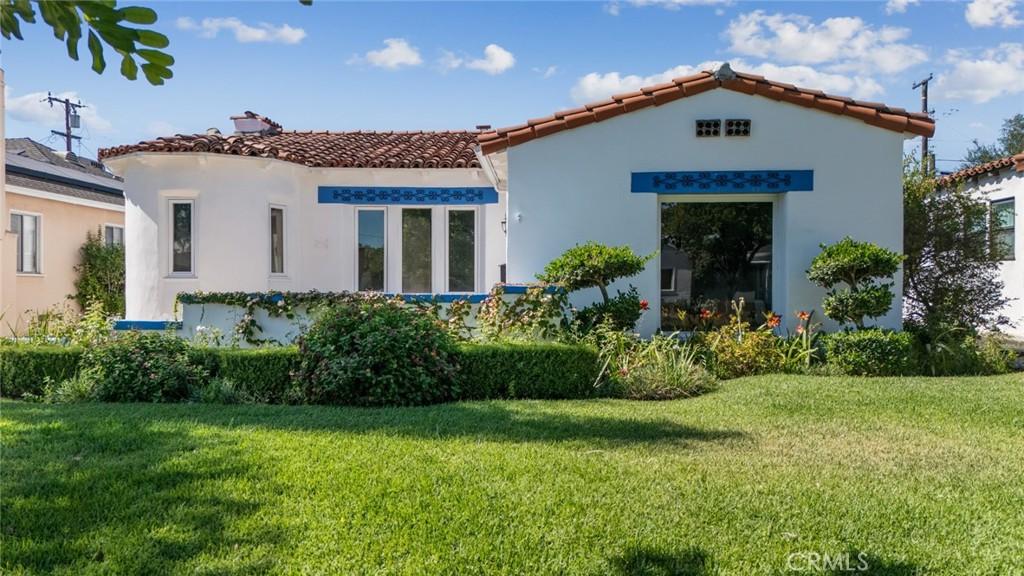
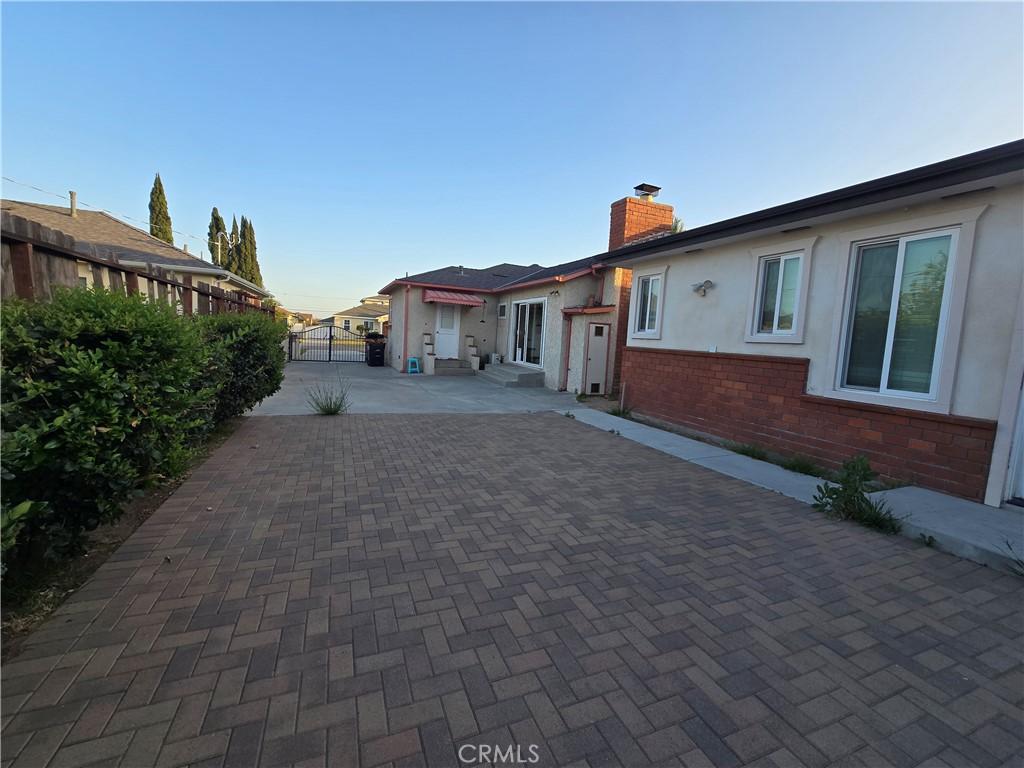
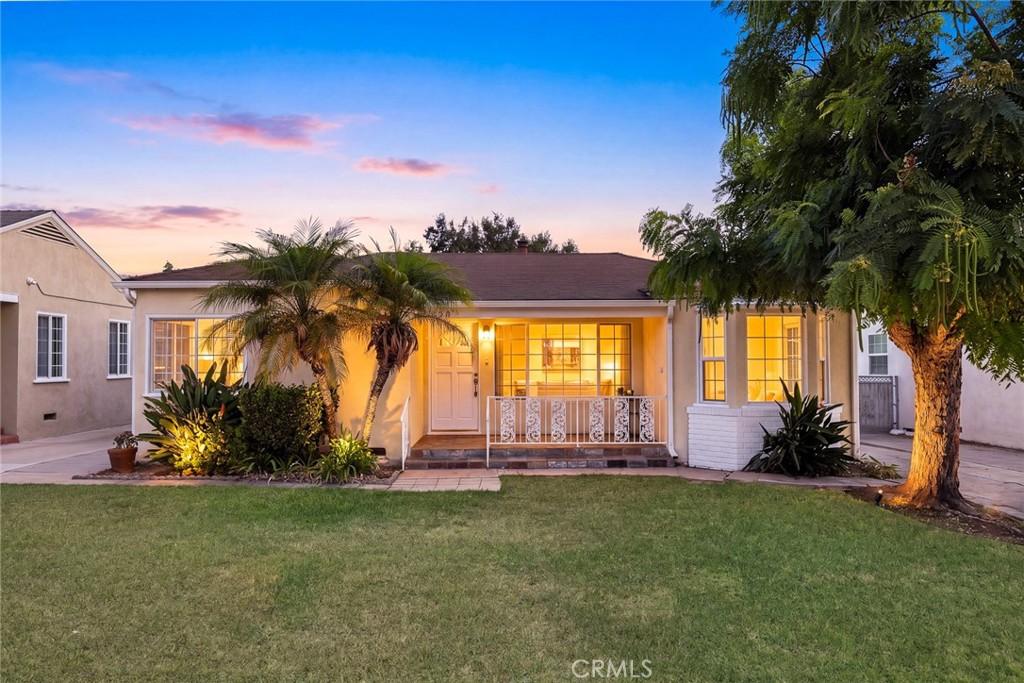
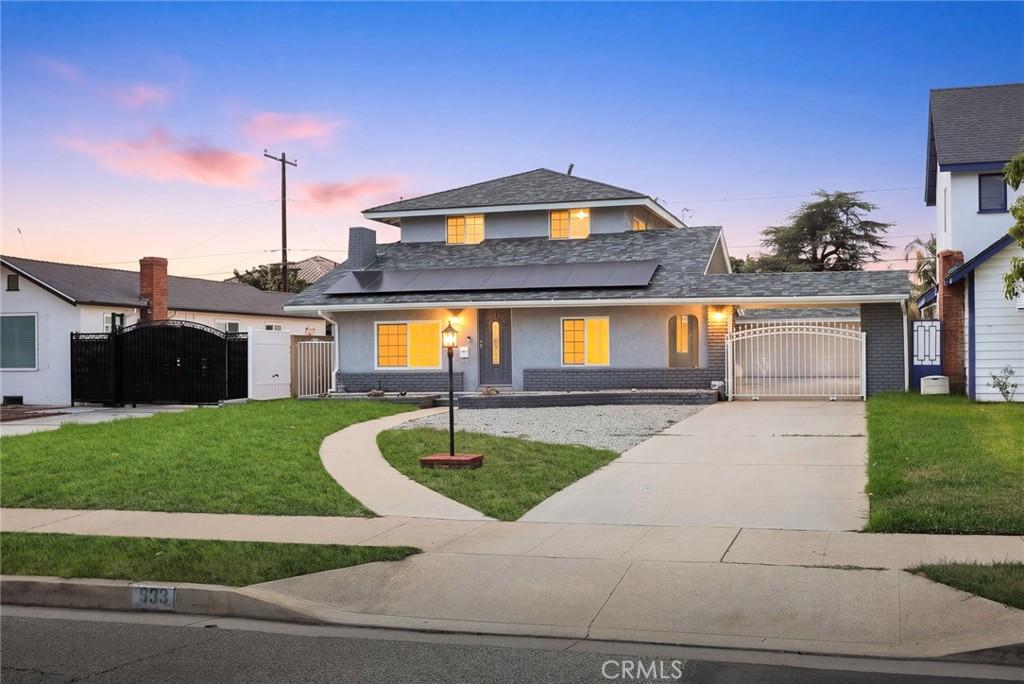
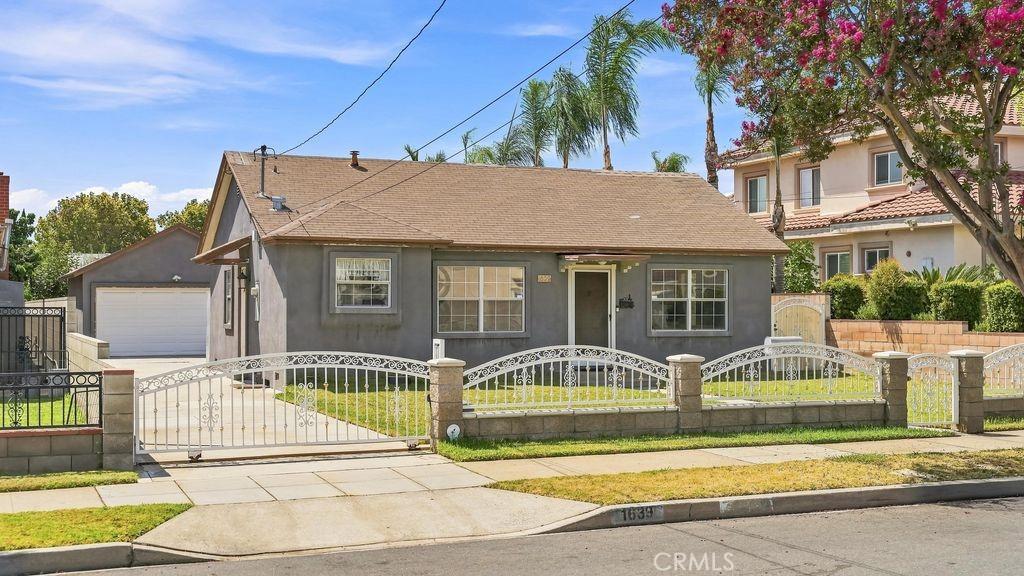
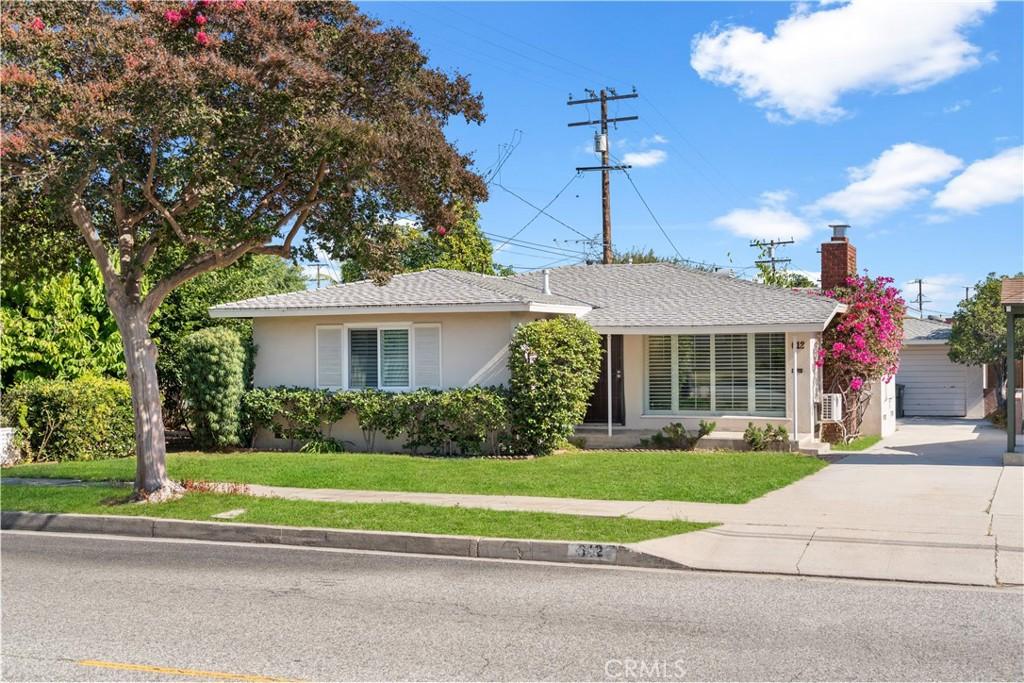
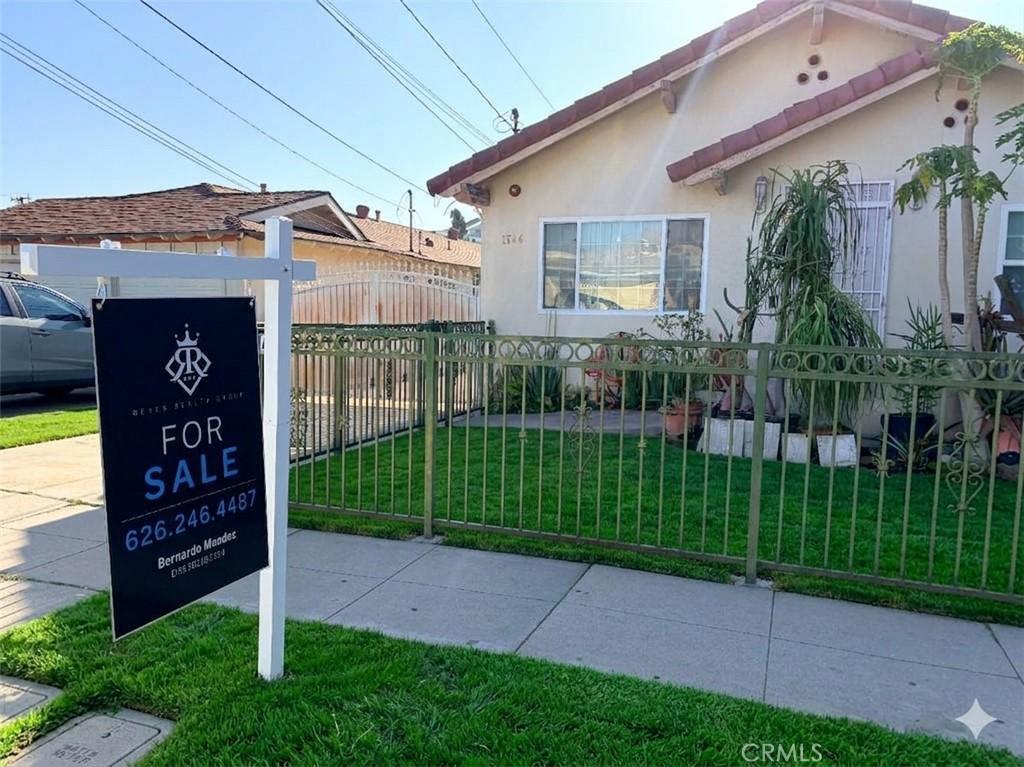
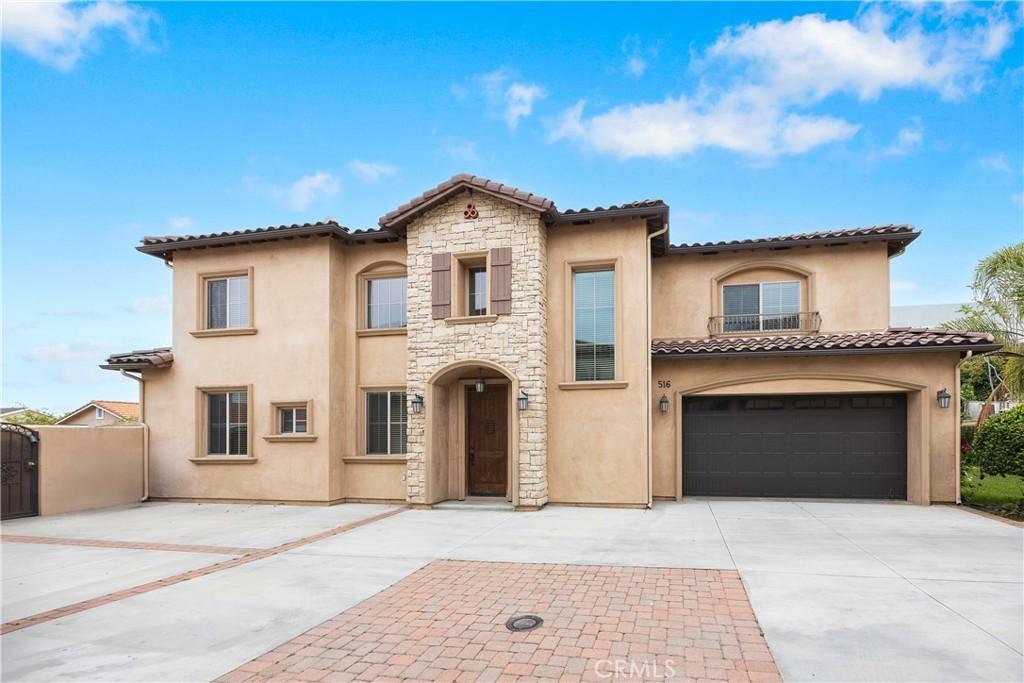
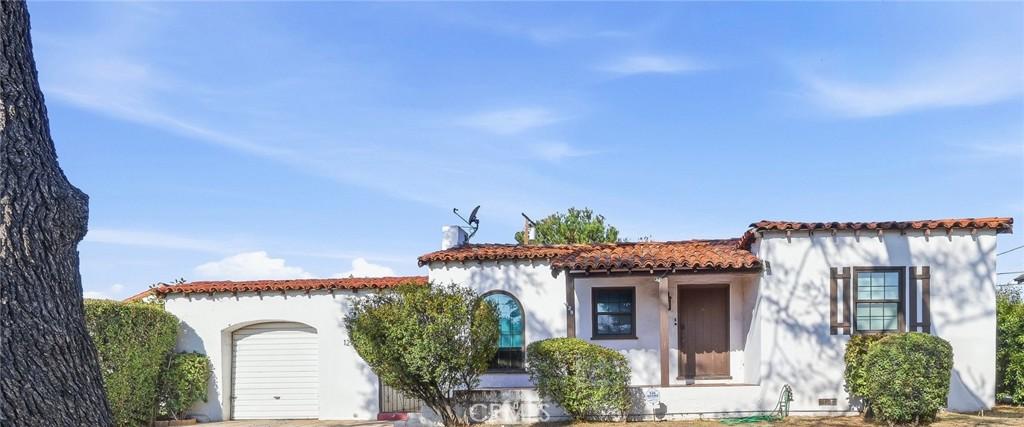
San Gabriel is a community in the San Gabriel Valley — Los Angeles County’s eastern residential corridor known for its Asian-American cultural richness, proximity to the San Gabriel Mountains, and residential diversity ranging from working-class neighborhoods to prestigious estate communities. San Gabriel is a historically significant and culturally rich San Gabriel Valley community — the location of the 1771 Mission San Gabriel Arcángel that gave the valley its name, and today a dense, diverse city with a large Chinese-American and Latino population and strong commercial corridors along Valley Boulevard and Las Tunas Drive. San Gabriel’s 2026 median home price of approximately $900,000 to $1.3 million reflects the city’s central San Gabriel Valley positioning, the community’s cultural richness, and the residential demand from buyers who specifically want the Asian-American community environment that San Gabriel provides.


San Gabriel is one of the San Gabriel Valley’s distinct communities, san gabriel is a historically significant and culturally rich san gabriel valley community — the location of the 1771 mission san gabriel arcángel that gave the valley its name, and today a dense, diverse city with a large chinese-american and latino population and strong commercial corridors along valley boulevard and las tunas drive within a region whose cultural, demographic, and economic diversity creates meaningful differences between communities that a broad “San Gabriel Valley” label obscures. The specific character of each SGV community — its school district, demographic composition, commercial culture, and housing stock — determines its residential value for any specific buyer profile.
San Gabriel Unified School District serves San Gabriel’s K-12 population. Valley Boulevard, the city’s primary commercial artery, supports one of the San Gabriel Valley’s strongest Chinese-American restaurant and retail concentrations, providing the food culture and commercial infrastructure that the community’s predominantly Asian-American demographic supports and that food-tourism visitors seek for the authentic culinary experience. The school district serving San Gabriel is a primary determinant of property values in the San Gabriel Valley, where significant premium pricing reflects the most highly rated public school systems in LA County. Arcadia Unified, Pasadena Unified, and La Cañada Unified are the Valley’s most sought-after public school districts. Other Valley communities are served by larger, more variable unified districts. Buyers with school-age children should research the specific district and campus assignment for any San Gabriel address under consideration.
The 210 Freeway connects San Gabriel to the broader San Gabriel Valley and to downtown LA via the 110 Freeway connection at Pasadena. The 10 Freeway provides southern Valley connectivity for communities below the foothill zone. The A Line (formerly Gold Line) Metro provides rail transit to downtown LA from Pasadena and select Valley stations, providing an alternative to freeway commuting for residents near station access. The San Gabriel Mountains’ trail network is accessible from foothill communities within 20 to 40 minutes, providing the recreation access that active residents specifically value in this region.
The San Gabriel Valley’s food and commercial culture is a significant quality-of-life attribute — the concentration of authentic Asian cuisine, international grocery options (Ranch 99, H Mart, and independent markets), and culturally specific professional services creates a daily-life environment that buyers from Asian heritage communities specifically seek and that buyers from other backgrounds may find exciting and enriching as a feature of their residential environment. Old Town Pasadena and the Arcadia commercial corridor are the Valley’s most nationally recognized commercial districts, but neighborhood-scale commercial culture exists across the region’s diverse communities at various levels of density and authenticity.
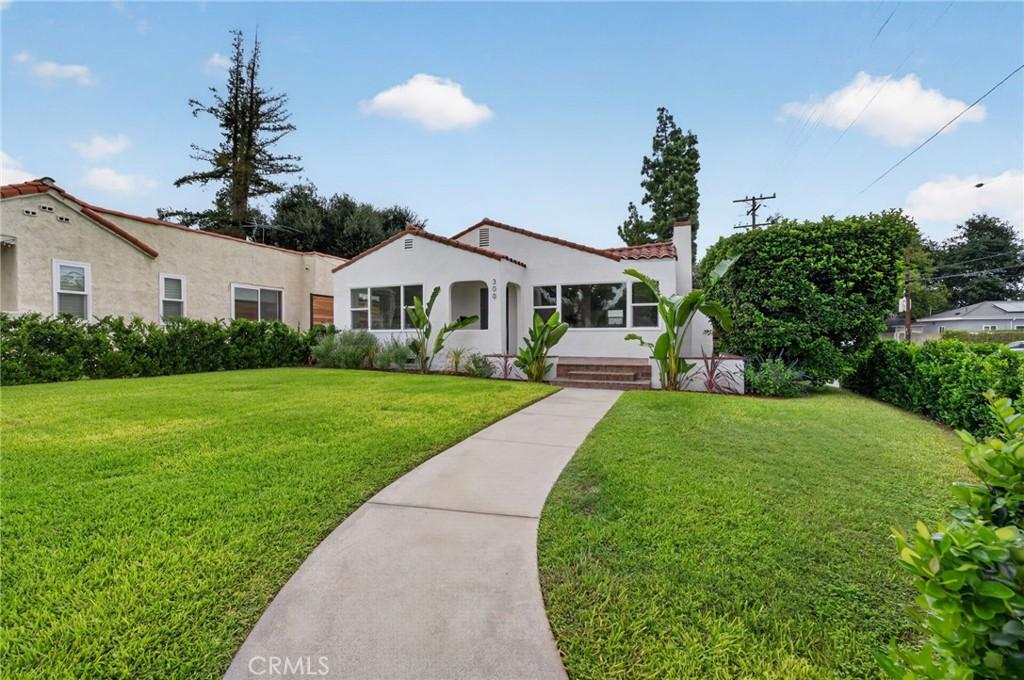
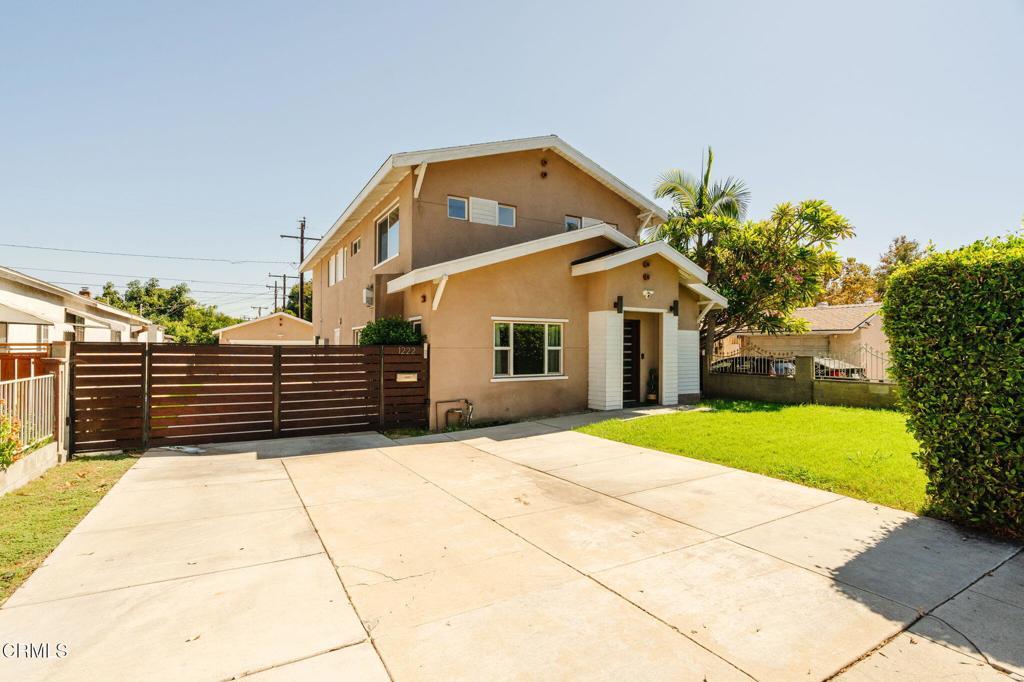
The San Gabriel Valley’s residential market is influenced by international buyer activity — particularly from mainland China and Taiwan — that has specifically targeted Arcadia, San Gabriel, and surrounding communities for investment purchasing. This international buyer activity has historically supported pricing in the Valley’s most preferred communities above the levels that purely local demand would sustain, and it creates a specific investment characteristic that differs from most Los Angeles residential sub-markets where domestic buyers dominate. Buyers and sellers in the Valley’s internationally active communities should understand this market dynamic as part of their analysis.
San Gabriel is the historic core of the San Gabriel Valley — the site of Mission San Gabriel Archangel (founded 1771), the fourth of California’s 21 Spanish missions, which is the name source and the founding institution of the entire San Gabriel Valley. The Mission San Gabriel’s rose garden, the wine press (California’s first commercial winery), and the historic cemetery that documents the Mission era’s impact on the indigenous Tongva people and the Spanish settlers create the historical depth that positions San Gabriel as the valley’s cultural and historical center. The San Gabriel Valley’s Chinese-American transformation has been most concentrated in San Gabriel’s commercial corridors — the Valley Boulevard and San Gabriel Boulevard restaurant strips that constitute the most comprehensive authentic Chinese restaurant ecosystem outside of China’s major cities. The San Gabriel Valley Chinese restaurants (the San Gabriel Superstore, the Asian-American commercial center, and the restaurant corridors that serve every regional Chinese cuisine from Cantonese dim sum to Sichuan hot pot) make San Gabriel a dining destination for the entire LA metropolitan area.
San Gabriel’s residential market provides the Central SGV mid-range affordability with the Chinese-American cultural infrastructure that the community’s demographic concentration creates as a genuine residential amenity for the Chinese-American buyer. The Alhambra Unified School District serves San Gabriel for K-12 education; the district’s academic quality is competitive within the SGV’s strong educational market. The 10 and 60 freeway access and the Metro Gold Line (now A Line) provide the transportation infrastructure that connects San Gabriel to Downtown and Pasadena.
The San Gabriel Mountains form the Valley’s northern boundary — a dramatic wall of peaks rising from the Valley floor to elevations above 10,000 feet, providing a visual backdrop of natural grandeur and recreational access that few urban residential regions in the United States can match. The Angeles National Forest, Mount Wilson Observatory, the Rim of the World scenic byway, and the extensive trail network accessible from the Valley’s foothill communities make the mountains a daily-life asset for active residents who can reach major trailheads in 20 to 40 minutes from most San Gabriel Valley addresses. The San Gabriel Canyon Road provides access to the San Gabriel Reservoir and the canyon trails that serve as the entry point to the mountains’ interior for hikers, cyclists, and climbers.
The San Gabriel Valley’s food culture is one of its most celebrated and most recognized features — the concentration of authentic Chinese, Taiwanese, Vietnamese, Korean, and other Asian cuisines along the Valley’s commercial corridors has made the region a destination for Southern California food tourists seeking the most authentic representation of Asian culinary traditions available outside of Asia itself. The San Gabriel Valley Restaurant Row, the Alhambra commercial corridor, and Arcadia’s dining options provide a depth and authenticity of Asian culinary experience that no other region in the western United States matches. For residents who value food culture as a quality-of-life attribute, the San Gabriel Valley’s dining environment is a primary residential draw.
Old Town Pasadena is the San Gabriel Valley’s most vibrant urban commercial district — a mixed-use neighborhood centered on Colorado Boulevard that has evolved from an early 1990s revitalization project into one of Southern California’s most successful historic downtown districts, with restaurants, boutiques, the Laemmle theater, and the architecturally significant Paseo Colorado mall providing commercial and entertainment access within a walkable, historically preserved streetscape. The Rose Bowl, Caltech, and the Norton Simon Museum extend Pasadena’s cultural infrastructure beyond Old Town to create a comprehensive urban amenity profile that no other San Gabriel Valley community replicates.
The San Gabriel Valley is Los Angeles County’s eastern residential corridor — a sprawling region east of downtown LA encompassing some of the county’s most diverse communities, from the established wealth of Pasadena and Bradbury to the working-class communities of Montebello and San Gabriel, with a strong Taiwanese-American and Chinese-American cultural presence that has reshaped communities like Arcadia, San Gabriel, and Monterey Park into some of California’s most internationally significant Asian-American residential enclaves. The 2026 median home price in the San Gabriel Valley ranges from approximately $700,000 to $1 million in more accessible communities to $2 to $5 million or beyond in Pasadena, Arcadia, and Bradbury.
The San Gabriel Valley’s Asian-American community concentration is the region’s most distinctive demographic feature — Arcadia has become internationally known as a destination for mainland Chinese buyers seeking US residential real estate investments, and the Valley’s Chinese-language commercial infrastructure, from restaurants to banks to professional services, is among the most comprehensive in the western United States. The cultural richness that this demographic concentration produces — in food, retail, professional services, and community institutions — creates a specific quality of life attribute that buyers of Chinese, Taiwanese, Korean, and Vietnamese heritage specifically value when choosing San Gabriel Valley communities.
Pasadena’s position as the Valley’s cultural and intellectual anchor — home to Caltech, the Pasadena City College, the Norton Simon Museum, the Rose Bowl, and Old Town Pasadena’s retail and dining district — provides an institutional gravity that no other San Gabriel Valley community matches. The annual Tournament of Roses parade and Rose Bowl Game on January 1st anchor a civic identity that has sustained Pasadena’s national recognition for over a century. Caltech and the adjacent Jet Propulsion Laboratory provide a significant science and technology professional employment base that shapes the educational and professional demographics of Pasadena and its surrounding communities.
The 210 Freeway (Foothill Freeway) is the San Gabriel Valley’s primary connectivity artery — running east-west through the foothill communities at the base of the San Gabriel Mountains, connecting Pasadena to Monrovia, Arcadia, Azusa, and the eastern Valley communities that string along the mountain front. The 10 Freeway connects the southern Valley to downtown LA and the Westside. The 605 Freeway provides north-south access through the Valley’s eastern section. The Gold Line Metro (now the A Line) connects Pasadena, Arcadia, and Monrovia to downtown LA, providing rail transit access for the Valley’s more transit-oriented resident demographic.
The San Gabriel Valley — the broad, flatland basin east of Downtown Los Angeles bounded by the San Gabriel Mountains to the north and the Puente Hills to the south — is the most economically dynamic and culturally distinctive residential geography in the Los Angeles metropolitan area that is not either a coastal community or the urban core. The SGV’s transformation from the mid-century residential suburbs that housed the aerospace and defense industry’s workforce into the most concentrated Asian-American residential and commercial landscape in the United States has produced one of California’s most remarkable demographic and economic shifts. The SGV’s Taiwanese, Chinese, Korean, and Japanese-American communities have built the commercial and cultural infrastructure — the San Gabriel Square (the “Great Mall of China”), the San Gabriel Boulevard restaurant corridor, the Pasadena and Arcadia hospital systems — that sustains a comprehensive Asian-American urban life within a metropolitan context. The communities of Arcadia, Pasadena, Alhambra, Temple City, and Monterey Park in the western SGV, and the San Gabriel, Rosemead, and El Monte communities in the central valley, represent the geographic range of this cultural transformation.
The San Gabriel Valley’s residential market reflects the academic achievement culture that the SGV’s predominantly Chinese-American residential demographic has built into a remarkable educational infrastructure: the SAT prep centers, the academic tutoring industry, the high school academic competitions, and the peer culture of academic achievement that produce the extraordinary college admission outcomes that sustain the SGV’s reputation as one of California’s most academically competitive residential geographies for the family buyer. The SGV’s school districts — Arcadia USD, San Marino USD, Temple City USD, Alhambra USD — range from excellent to extraordinary in their academic performance metrics, with San Marino USD routinely ranking among California’s top 5-10 public school districts and Arcadia USD providing the comprehensive academic quality that sustains family residential demand at prices that reflect the educational premium. The I-10, I-210, and I-605 freeway corridors provide the SGV’s access to Downtown, the San Fernando Valley, and Orange County employment markets.
San Gabriel’s 2026 median home price of approximately $900,000 to $1.3 million reflects the city’s central San Gabriel Valley positioning, the community’s cultural richness, and the residential demand from buyers who specifically want the Asian-American community environment that San Gabriel provides. Current comparable sales data for specific property types within San Gabriel is available from The Knight Group. The San Gabriel Valley’s significant price variation across communities — from $700,000 entry-level options to $5 million premium estates in Bradbury — means that any single price estimate requires qualification by the specific community and property type under consideration.
School district assignments in the San Gabriel Valley vary significantly by community and address. Premium districts include Arcadia Unified, Pasadena Unified (with strong specific schools), and La Cañada Unified; other communities are served by Alhambra Unified, Montebello Unified, Duarte Unified, and other districts with variable performance. The specific district and campus assignment for any San Gabriel address should be verified with the relevant district office, and buyers with school-age children should research individual campus performance data rather than relying solely on district-level generalizations.
The A Line (formerly Gold Line) Metro connects Pasadena, Arcadia, and communities along its eastern extension to Union Station downtown LA, providing rail transit for residents near the stations. Bus service across the Valley provides additional transit options. For communities not served by the A Line, commuting is primarily by car via the 210, 10, 605, and other freeway connections. The Valley’s transit accessibility varies significantly by community — Pasadena’s Old Town, near the A Line stations, is among the Valley’s most transit-accessible residential environments; eastern Valley communities are almost entirely car-dependent.
The San Gabriel Valley’s Chinese restaurant ecosystem is the most comprehensive outside of mainland China and Taiwan — a concentration of regional Chinese cuisines (Cantonese, Shanghainese, Sichuan, Hunan, Fujianese, Cantonese dim sum, Taiwanese, and many others), each represented by multiple restaurants achieving the authentic regional quality that immigrant chefs from the specific regions of China have brought to the SGV. The concentration reflects the demographic transformation: the SGV is now home to the largest Chinese-American community in Southern California (approximately 400,000 Chinese-Americans in the greater SGV area), with a critical mass of both authentic-cuisine restaurateurs and the customer base that sustains the quality and the diversity that regional authenticity requires. Food critics from the New York Times, the LA Times, and the national food media regularly identify the SGV as the best Chinese food available in the United States — a consensus that the diversity, the authenticity, and the quality of the SGV’s restaurant ecosystem justifies. For residential buyers who are food-motivated in their neighborhood selection, the SGV’s Chinese restaurant landscape is a genuine quality-of-life asset that no other American metropolitan area can match.
Explore more San Gabriel Valley neighborhoods:
Lucky for you we’re looking out.
Subscribe to this Custom Search to be alerted when new properties hit the market in the area.
Choose the frequency that works for you.