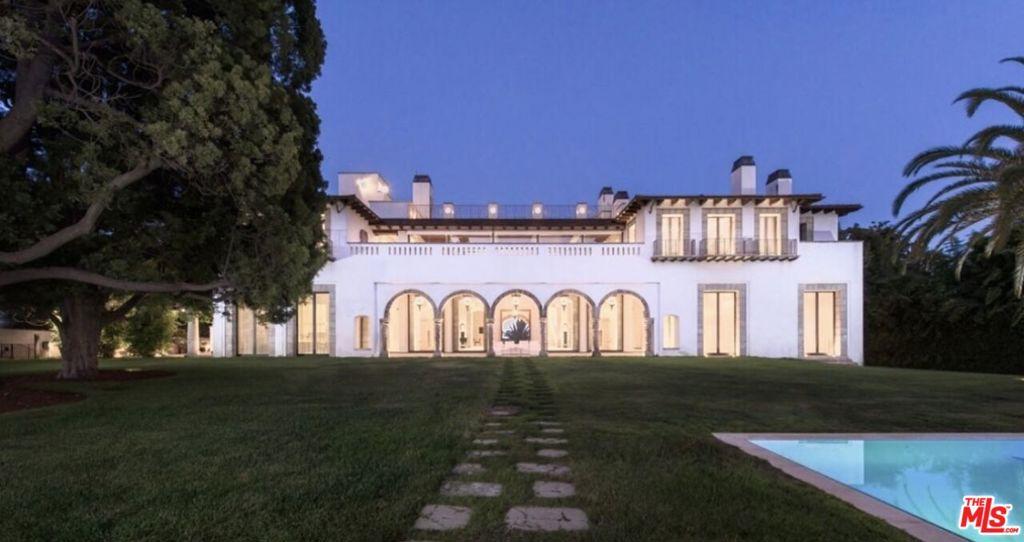
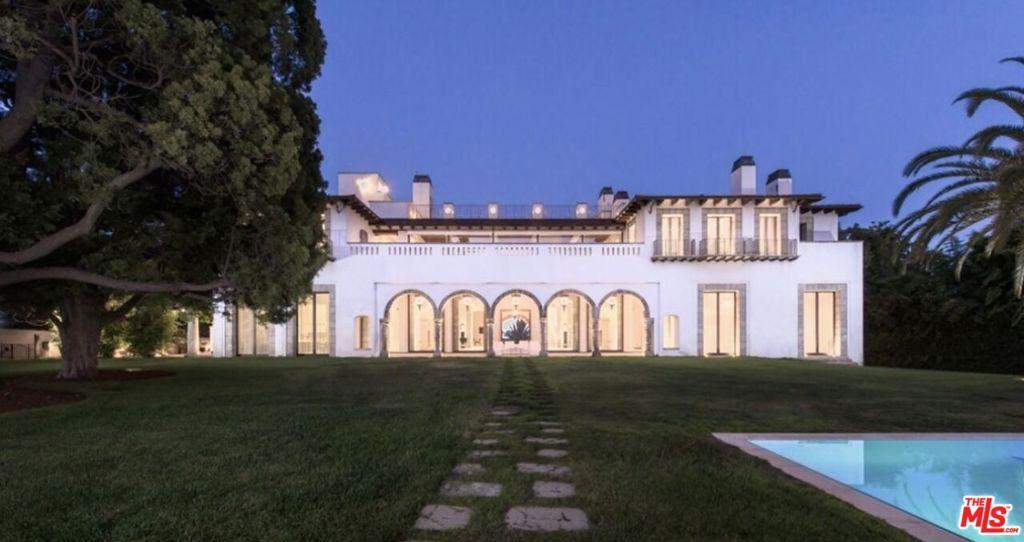
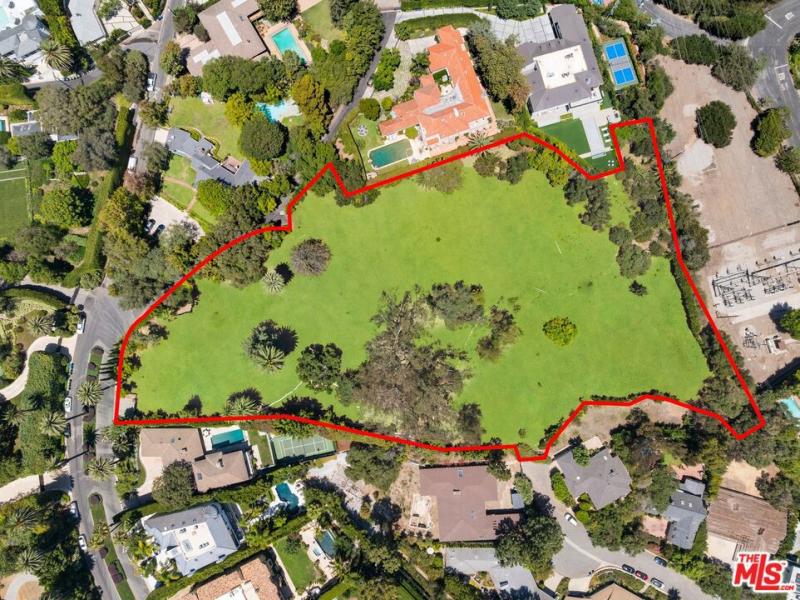
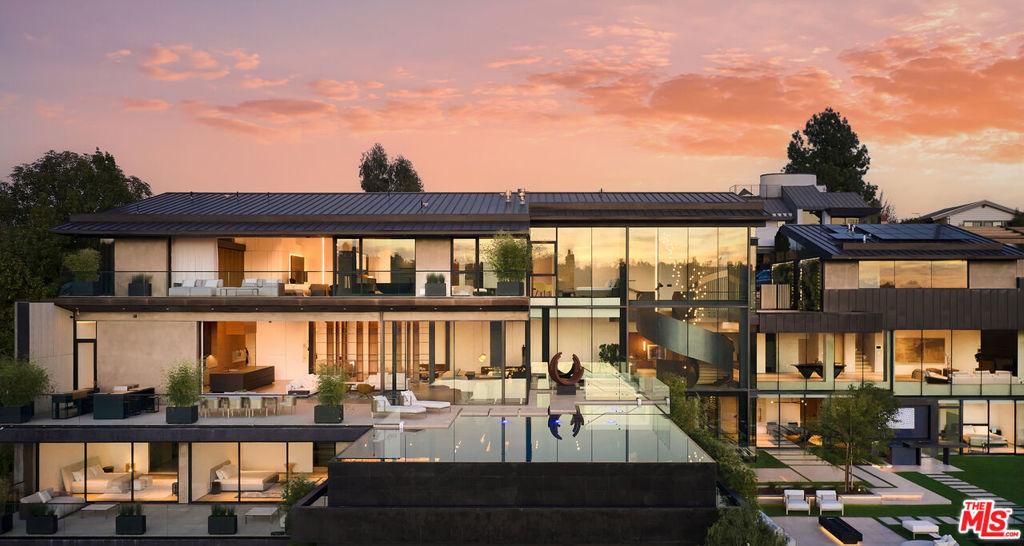
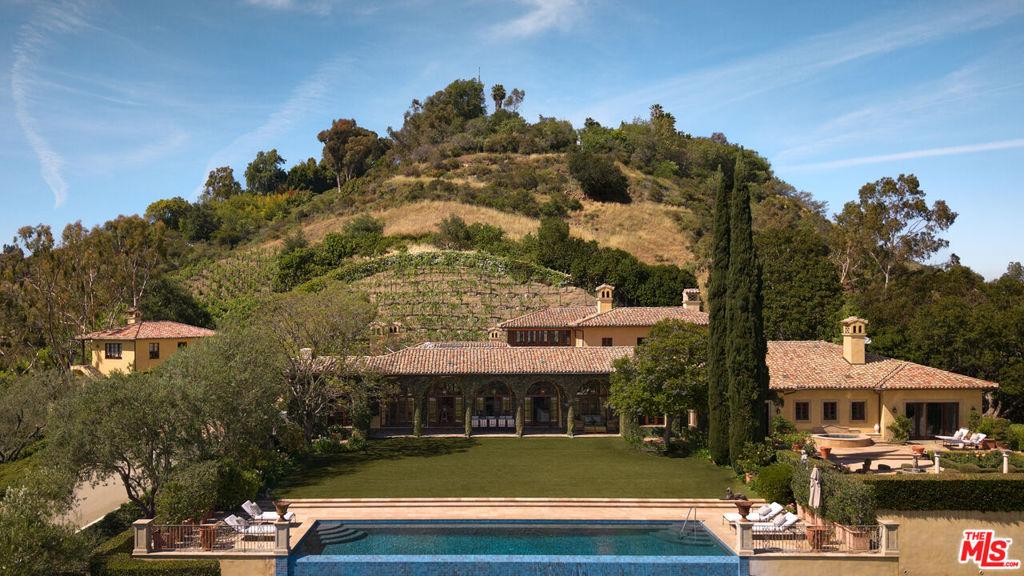
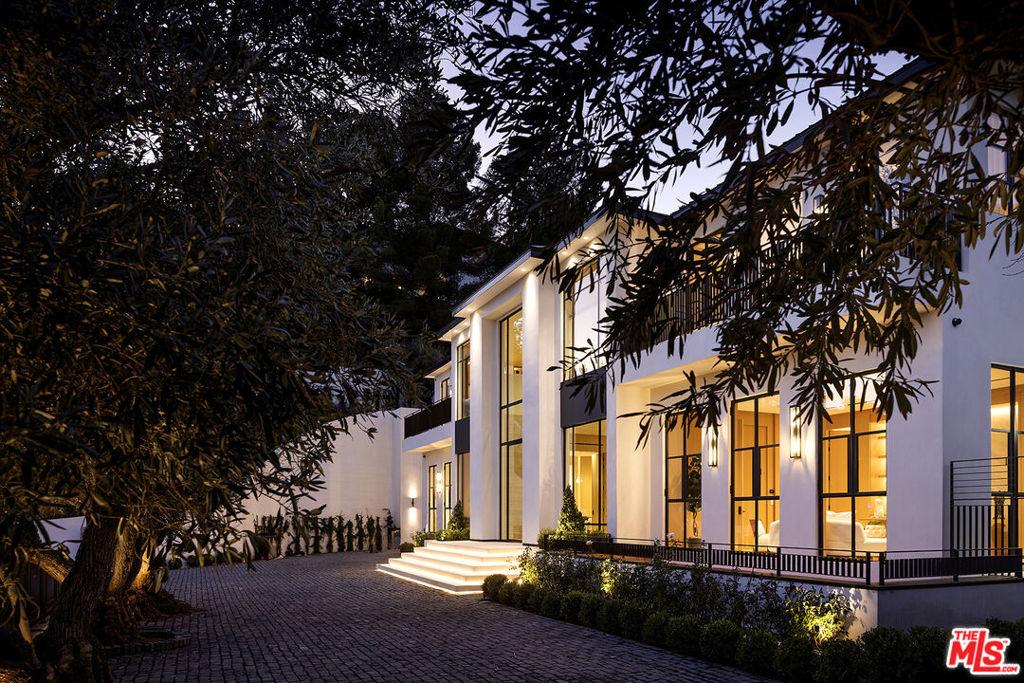
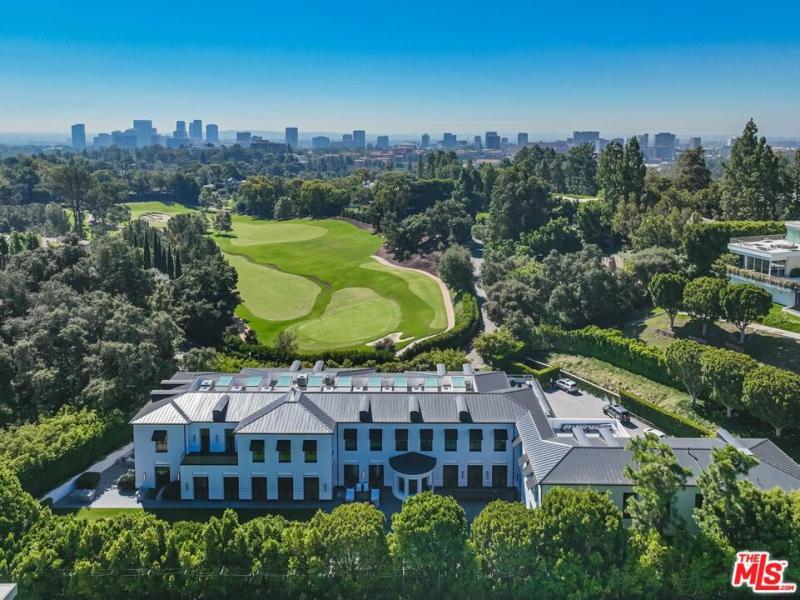
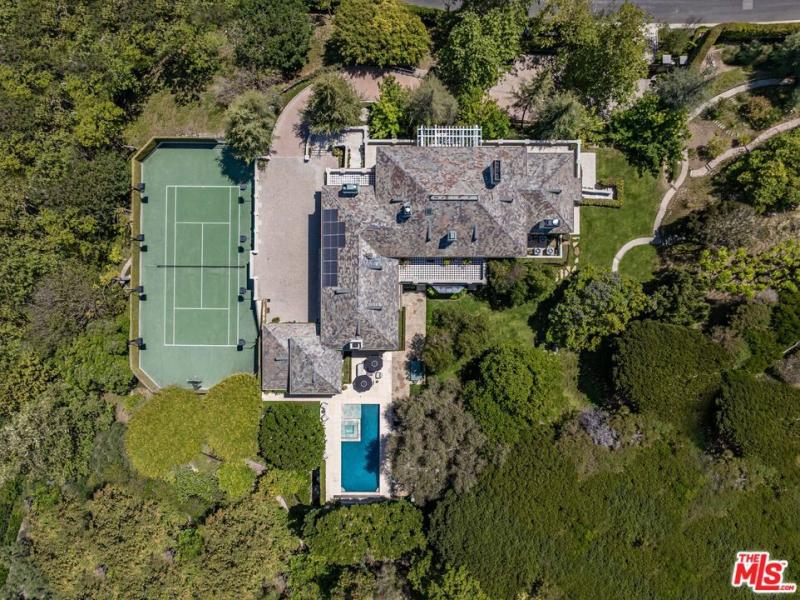
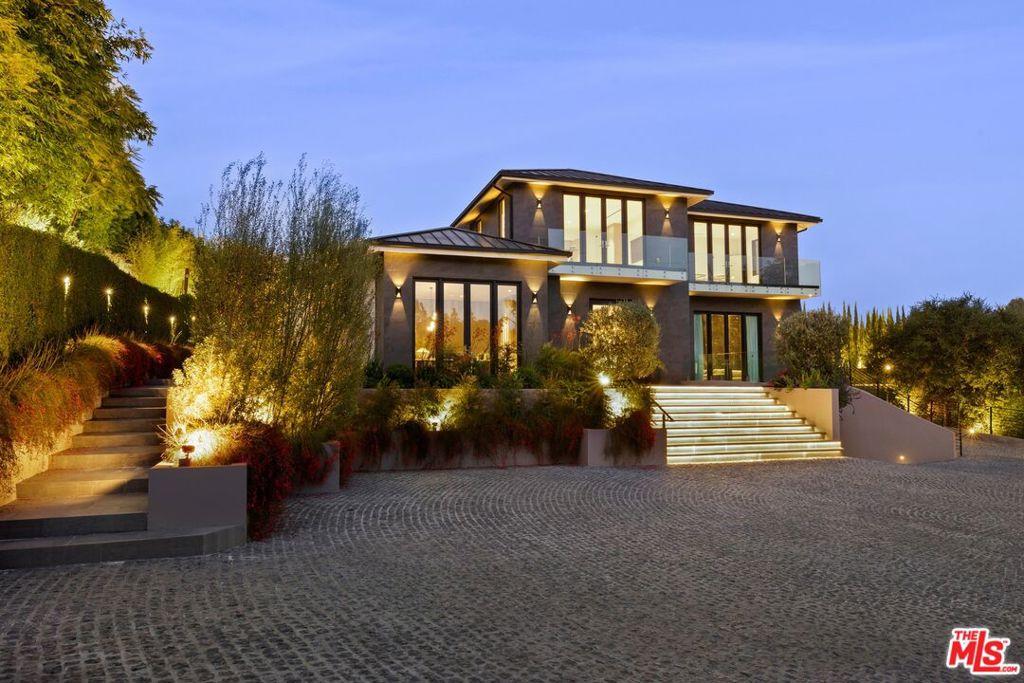
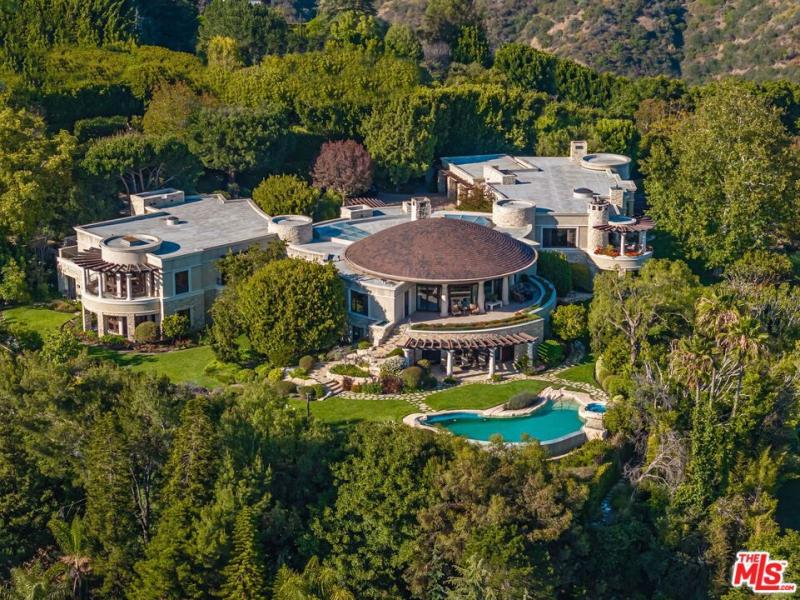
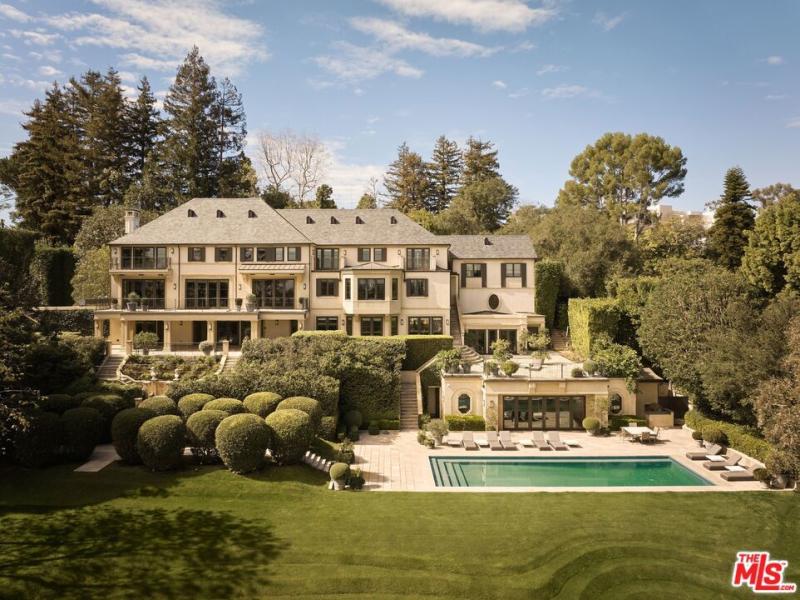
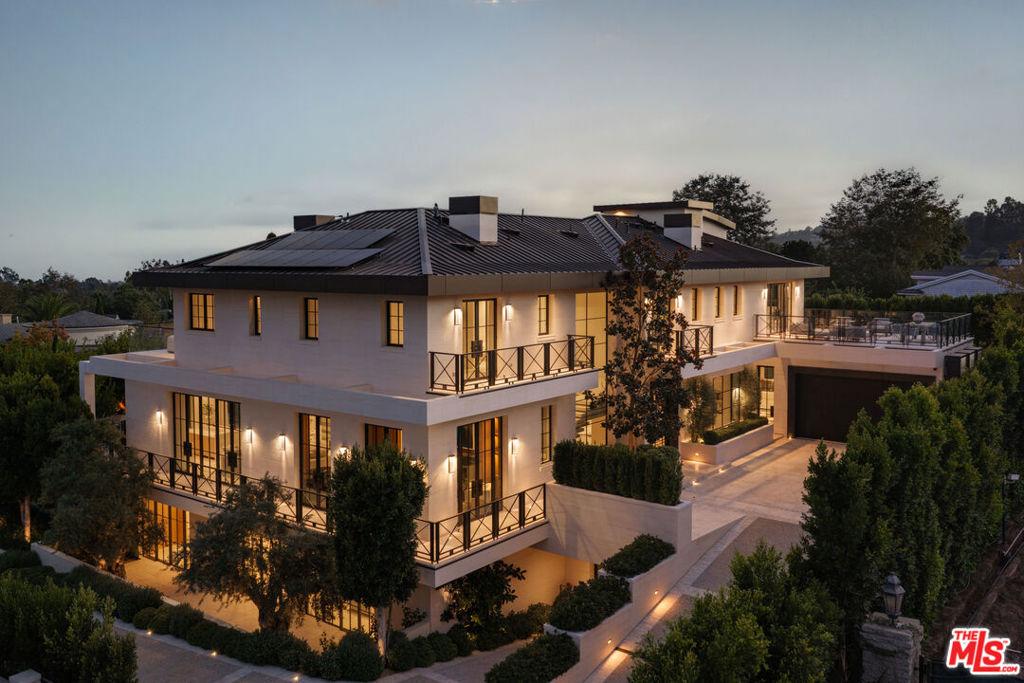
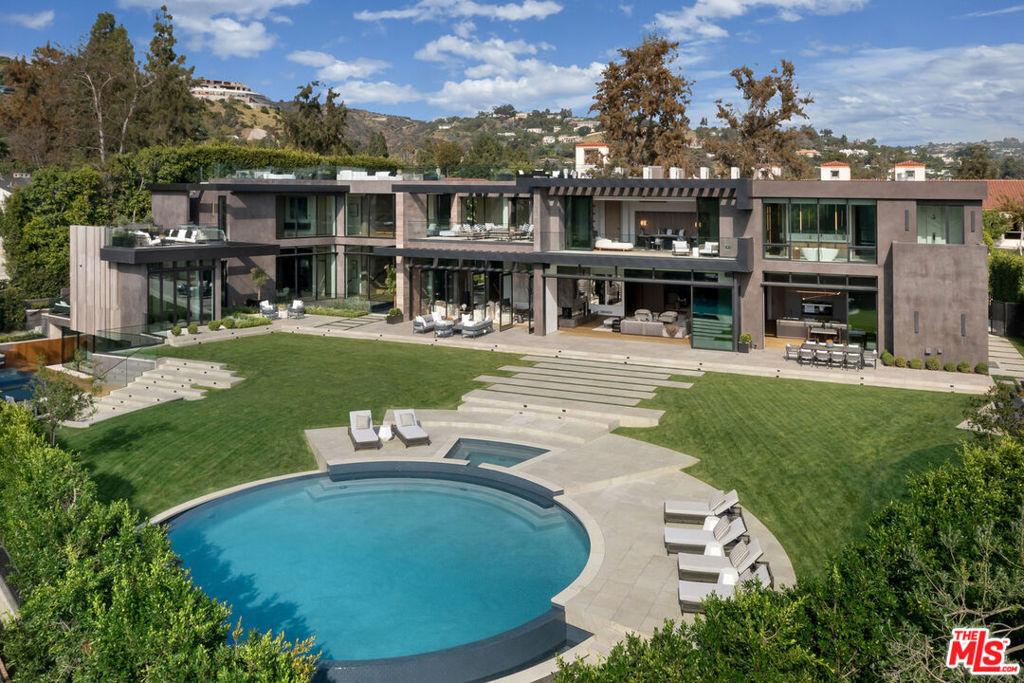
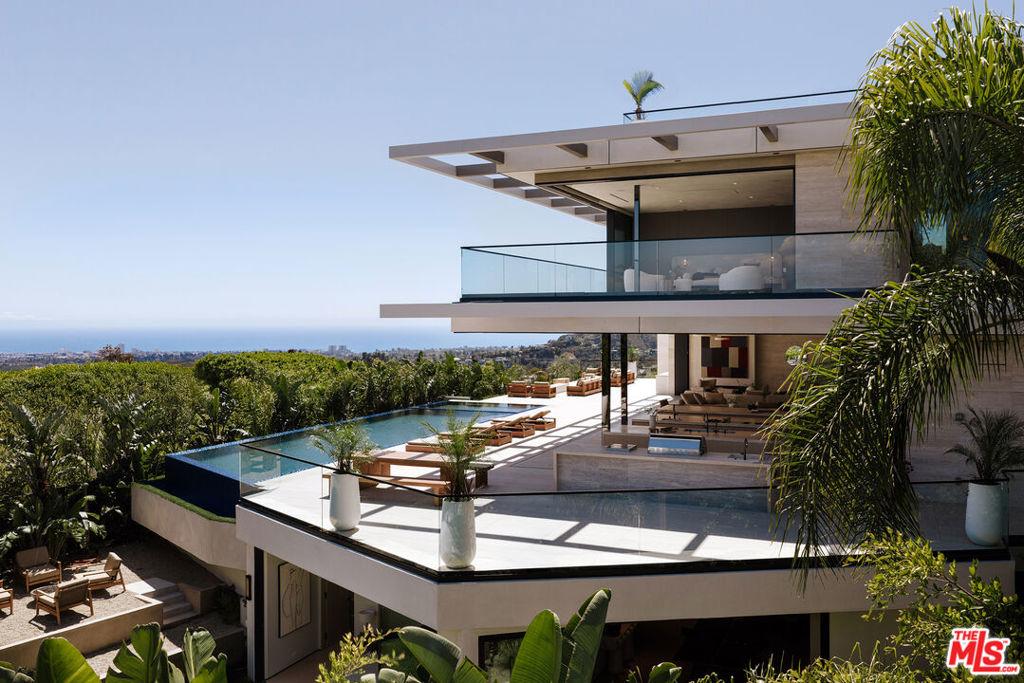
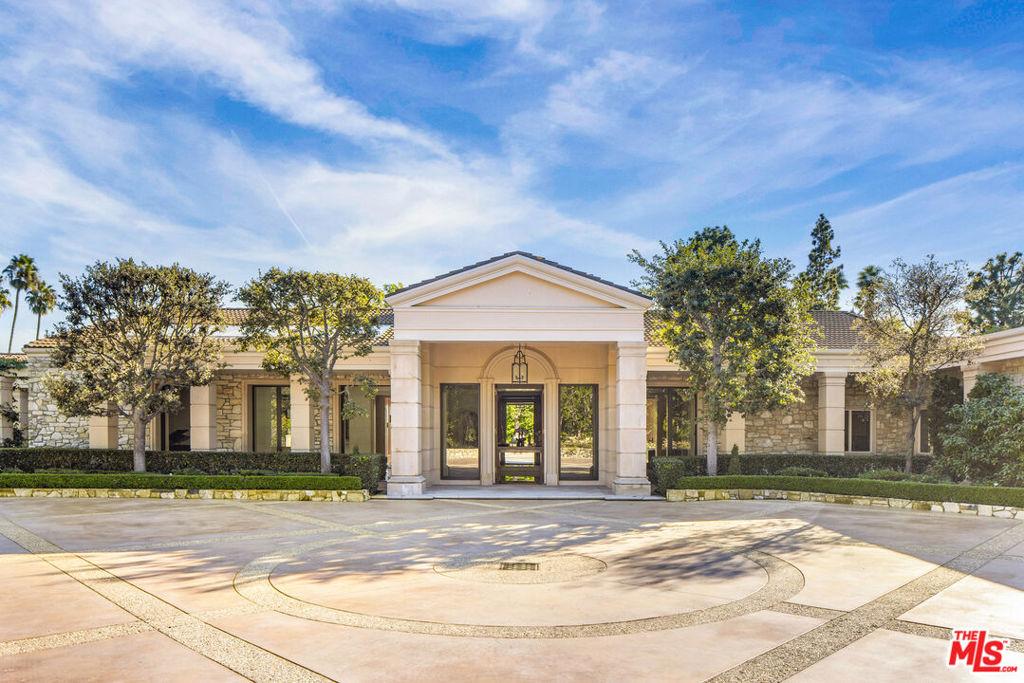
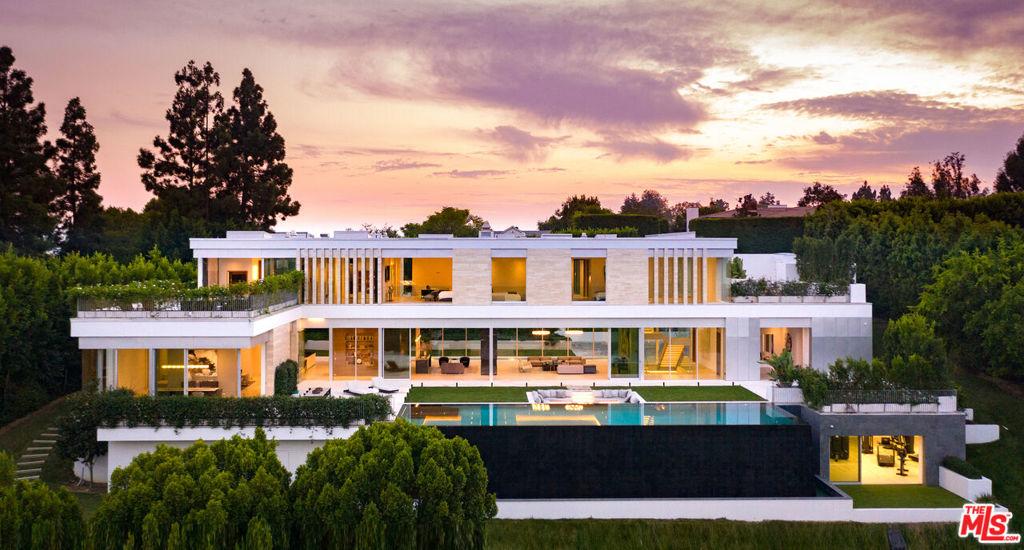
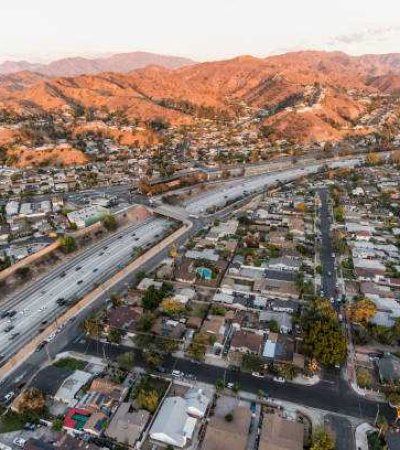
Homes for Sale in the San Gabriel Valley
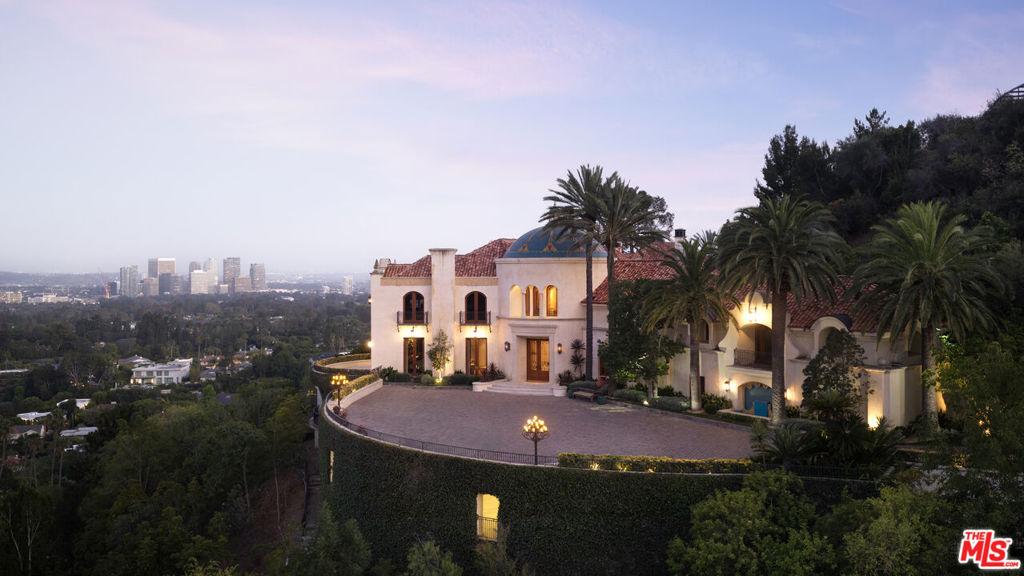
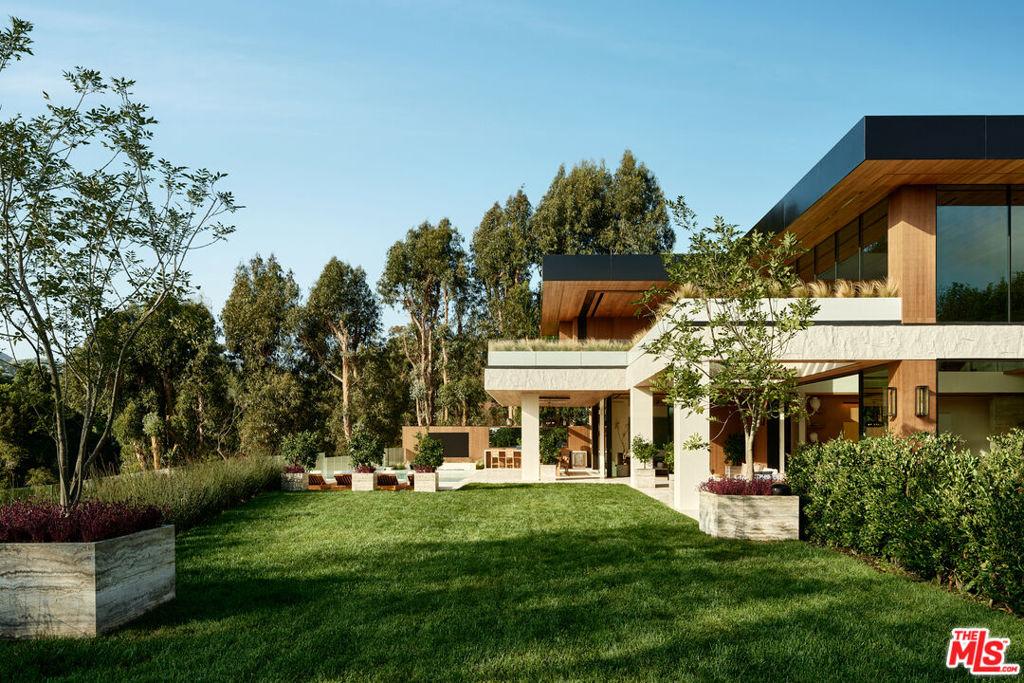
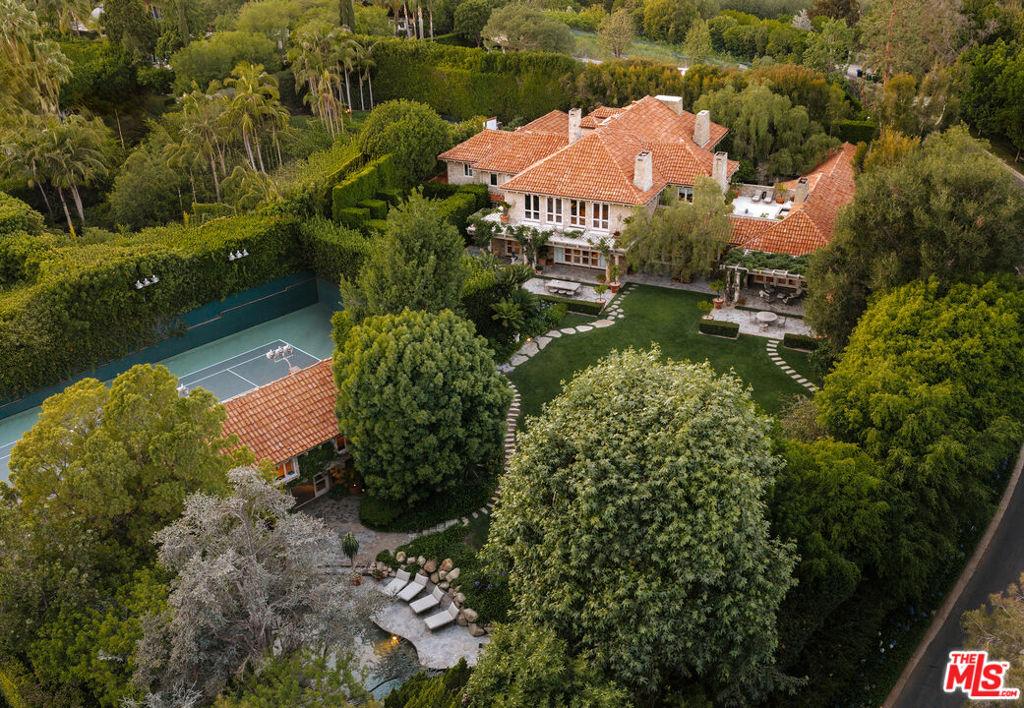
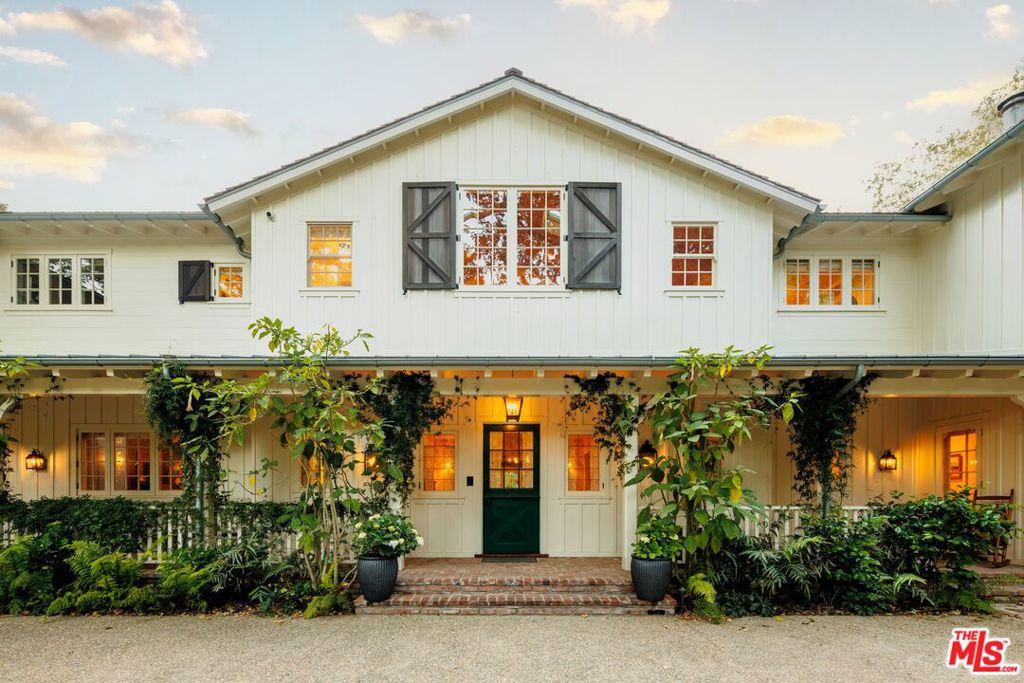
Homes for Sale in San Gabriel Valley currently number 236 active listings with a median asking price of $13,395,000 (CRMLS, September 2026).
Most buyers looking at homes for sale in San Gabriel Valley are making one of a few specific trades: more house per dollar than the Westside, proximity to employers like Caltech and JPL, school districts that outperform their price tier, or architectural character — Craftsman, Monterey Colonial, Arts and Crafts — that other parts of LA sold off to developers. There’s also the food. The SGV has the deepest concentration of Chinese, Taiwanese, Vietnamese, Korean, and Southeast Asian cooking in the Western Hemisphere, and for a lot of buyers that’s a daily amenity, not a novelty.
The region runs two markets at once. San Marino, Arcadia, and South Pasadena are expensive and inventory-constrained — San Marino runs $2M–$10M+, Arcadia $1.2M–$4M. Pasadena spans $1.2M to $6M+ depending on the neighborhood. Head into the Foothill corridor and Monrovia starts around $700K.
Beyond the food, the SGV buyer is typically making one or more of the following choices: more house per dollar than the Westside, proximity to specific institutional employers (Caltech, JPL, the UC system, biotech and aerospace employers in the Foothill corridor), access to school systems that consistently outperform their price tier, and the opportunity to buy architectural character — Pasadena Craftsman, Monterey Colonial, Arts and Crafts — that the Westside has largely sold to developers.
The Market Right Now
The SGV runs two fundamentally different markets simultaneously. The northern tier — San Marino, Arcadia, and South Pasadena — are legitimately expensive by any California standard: medians in San Marino consistently clear $2.5M and inventory is perpetually constrained. These sub-markets are driven by the combination of school district quality, cultural community infrastructure, and the compound appreciation that comes from being in a market where demand consistently exceeds available product.
The mid-tier SGV — Alhambra, Monterey Park, Rosemead, El Monte — represents some of the best-value accessible markets in LA County. These cities have benefited from demand spillover from the northern tier without absorbing the same price premium, creating buyer opportunities for people who want SGV infrastructure (food culture, community, school access) at a price point that is still meaningfully below Pasadena.
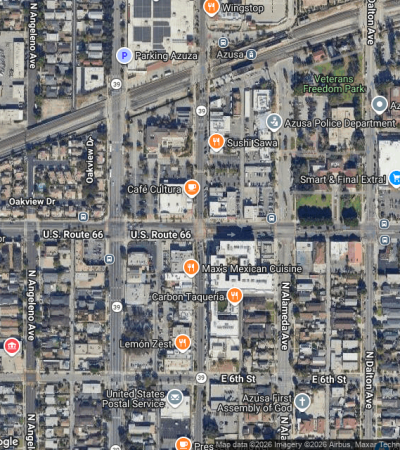
The eastern Foothill corridor — Monrovia, Duarte, Azusa, and beyond — offers the deepest value in the SGV at the cost of the longest commute to core LA employment centers. These sub-markets are seeing increased buyer interest from remote and hybrid workers who have decoupled from daily commute requirements and are optimizing for square footage and lifestyle rather than proximity.
The Pockets That Matter (and What They’ll Cost You)
Pasadena — The cultural anchor of the San Gabriel Valley, with a coherent identity — Colorado Boulevard, Old Town Pasadena, the Rose Bowl, Caltech, the Norton Simon Museum — that is unusual for an LA sub-market. Pasadena’s residential stock includes the most significant concentration of preserved Craftsman, Arts and Crafts, and Beaux-Arts architecture in Southern California. The product range is genuinely wide, from sub-$1M bungalows in the northeast quadrant to $6M+ estate properties in the San Rafael Hills and Linda Vista neighborhoods. Price range: $1.2M–$6M+, with significant variation by neighborhood within Pasadena.
San Marino — One of the most consistently affluent cities in California, with an unusually low population (14,000), extremely high residential property values, the Huntington Library and Gardens as a literal next-door neighbor, and among the highest-performing public school systems in the state. Inventory is rare — the residential stock is mostly owner-occupied and held for long periods. When a San Marino property comes to market, it attracts a serious and well-prepared buyer pool immediately. Price range: $2M–$10M+; the median transaction is typically above $3M.
Arcadia — The horse country of the San Gabriel Valley, home to Santa Anita Park and the equestrian community that clusters around it. The Chinese-American community in Arcadia has been the dominant buyer force for two decades, creating a social and commercial infrastructure (restaurants, schools, community institutions) that is among the most developed of any cultural community in LA. The schools — particularly Arcadia Unified — are a primary driver for buyers with school-age children. Price range: $1.2M–$4M, with the most active demand in the $1.5M–$2.5M range.
South Pasadena — The small-city pocket adjacent to Pasadena’s southern border that offers the Craftsman character and community identity of its neighbor at slightly lower price points, with the added advantage of Gold Line Metro access to downtown LA (Pasadena-Downtown Pasadena-South Pasadena is one of the Metro’s better-performing commuter routes). South Pasadena USD is another strong school district pull. Price range: $1.5M–$4M, with a buyer profile that includes both cultural community buyers and commuter-dependent professional families.
Monrovia — The Foothill corridor’s strongest value-and-character argument. Monrovia’s historic downtown on Myrtle Avenue, its Craftsman and Victorian residential stock, and its improving commercial district make it the SGV’s clearest answer for buyers who want architectural character at a price point that the northern tier has outgrown. Price range: $700K–$2M, with significant upside potential as Foothill corridor demand increases. The buyer who discovers Monrovia early and holds for a decade tends to be satisfied with the outcome.
Who Buys Here and Why It Adds Up
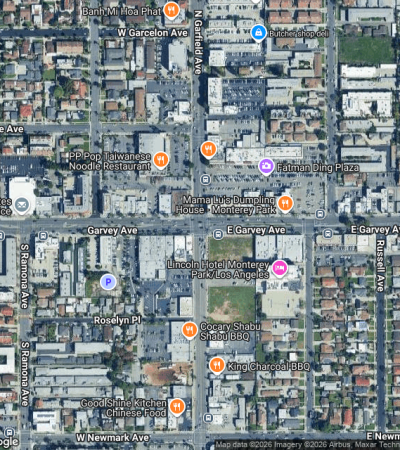
The Chinese-American and Taiwanese-American buyer community is the dominant force in the northern SGV and has been for 30+ years. This is not a demographic trend — it is an established community with deep roots, institutions, and infrastructure. Buyers from this community are choosing the SGV for family networks, cultural continuity, community institutions, and grocery and restaurant access that does not exist at comparable quality anywhere else in Southern California. The SGV’s Chinese supermarkets (99 Ranch, H Mart, Shun Fat) and the restaurant density along Valley Boulevard and Garvey Avenue are not amenities to these buyers — they are baseline requirements.
Caltech, JPL, and the broader Foothill scientific and aerospace employer community draw a distinct buyer profile: scientific and academic professionals for whom proximity to their institution is the primary decision variable, and for whom the SGV’s housing values make the LA market accessible in a way the Westside does not. Many Caltech faculty have spent careers in Pasadena and South Pasadena, and the generational wealth transfer within that community keeps the Pasadena market active even in soft cycles.
The third buyer profile is architectural buyers from the broader LA area who have discovered that the Craftsman and Arts and Crafts housing stock in Pasadena, South Pasadena, and Monrovia is both more beautiful and more affordable than comparable vintage architecture anywhere west of the 405. These buyers often come from Silver Lake or Highland Park and are moving to the next tier of architectural quality at a price point that is not available on the Westside.
What to Know Before You Start Looking
The SGV is not a luxury market in the Beverly Hills or Bel Air sense — it is a value-and-community market that happens to include several genuinely affluent sub-markets. The buyer who comes to the SGV expecting concierge building services, a walk-to-Nobu lifestyle, or the brand cachet that Beverly Hills or Bel Air carries will be poorly served. The SGV’s prestige is entirely internal — it is prestigious within the communities that know it deeply, and opaque to buyers outside those communities. That opacity is part of why the value has persisted.
The commute to Westside employment centers is the most significant practical limitation of SGV living for buyers who work in Santa Monica, Culver City, or Beverly Hills. The east-west freeway options — the 10 and the 210 — are both heavily trafficked during peak hours, and the cross-town commute from Pasadena to Santa Monica during morning rush can exceed 60 minutes regularly. Buyers who work in downtown LA or Pasadena itself have dramatically better commute options. Gold Line Metro access from Pasadena and South Pasadena offers a genuine alternative to driving for downtown-bound commuters. Verify the commute before committing — the SGV rewards buyers whose employment geography allows them to live there.
Earthquake exposure is higher in the SGV than in coastal LA — the San Andreas Fault runs east of Pasadena, and the SGV sits in closer proximity to the fault system than the Westside. This is an established and publicly modeled risk, and buyers should verify that any SGV property they purchase has been appropriately seismically evaluated, particularly for older construction (pre-1980s). Retrofit requirements for soft-story buildings and cripple-wall structures exist in multiple SGV cities and should be verified before purchase.
How to Decide Between the Three SGV Tiers
The practical question isn’t which city is best — it’s which constraint you’re willing to accept. If school district and long-term scarcity matter most, the northern tier is where the money goes, and you should expect to compete quickly when something lists, because the product doesn’t sit. If you want the region’s food culture, community infrastructure, and school access without the northern-tier premium, the mid-tier cities are where San Gabriel Valley real estate still trades below Pasadena for comparable daily life. If square footage is the priority and you don’t commute daily, the Foothill corridor gives you the most house and the most architectural character per dollar.
Two things are worth weighing before you narrow the search. First, commute tolerance drives more of your budget here than almost any other factor — South Pasadena’s Metro access and Monrovia’s distance from core LA employment sit at opposite ends of that trade. Second, inventory behaves differently by tier: the expensive northern cities are constrained by owners who hold for decades, so timing there is less about the season and more about being ready when a listing appears.
What should I know about homes for sale in San Gabriel Valley before I start looking?
- Buyers looking at homes for sale in San Gabriel Valley are typically making a specific trade rather than chasing a single neighborhood name.
- More house per dollar than the Westside is one of the core reasons buyers choose the San Gabriel Valley over other parts of Los Angeles.
- Proximity to institutional employers such as Caltech and JPL drives a meaningful share of demand across the region.
- School systems that consistently outperform their price tier are a repeated draw for families evaluating homes for sale in San Gabriel Valley.
- Architectural character is a genuine motivator here, with Craftsman, Monterey Colonial, and Arts and Crafts housing stock still intact.
- Pasadena Craftsman homes represent the kind of vintage architecture that the Westside has largely sold off to developers.
- Food culture functions as a daily amenity rather than a novelty for many buyers who settle in the region.
- Chinese, Taiwanese, Vietnamese, Korean, and Southeast Asian cooking reaches its deepest concentration in the Western Hemisphere here.
- The region runs two markets at once, with San Marino, Arcadia, and South Pasadena expensive and inventory-constrained.
- The Foothill corridor and cities like Monrovia sit at a very different entry point than the northern-tier communities.
What is the market for homes for sale in San Gabriel Valley like right now?
- The market for homes for sale in San Gabriel Valley runs as several fundamentally different sub-markets operating simultaneously rather than one uniform region.
- San Marino, Arcadia, and South Pasadena form a northern tier that is legitimately expensive by any California standard.
- School district quality, cultural community infrastructure, and compound appreciation drive the northern tier where demand consistently exceeds available product.
- Alhambra, Monterey Park, Rosemead, and El Monte represent some of the best-value accessible markets anywhere in Los Angeles County.
- Mid-tier cities have absorbed demand spillover from the northern tier without absorbing the same price premium.
- Monrovia, Duarte, and Azusa in the eastern Foothill corridor offer the deepest value at the cost of the longest commute.
- Remote and hybrid workers are increasingly driving Foothill corridor interest, optimizing for square footage and lifestyle rather than commute proximity.
- Pasadena anchors the region culturally through Colorado Boulevard, Old Town Pasadena, the Rose Bowl, Caltech, and the Norton Simon Museum.
- San Marino inventory is rare because residential stock is mostly owner-occupied and held for long periods before ever listing.
- Arcadia serves as horse country for buyers considering homes for sale in San Gabriel Valley, anchored by Santa Anita Park and its equestrian community.
Who buys homes for sale in San Gabriel Valley and why?
- Chinese-American and Taiwanese-American buyers have been the dominant force in the northern portion of the region for decades.
- Family networks, cultural continuity, and community institutions anchor that buyer community rather than any passing demographic trend.
- Restaurant density along Valley Boulevard and Garvey Avenue reaches a quality that does not exist elsewhere in Southern California.
- Caltech, JPL, and the broader Foothill scientific and aerospace employers draw scientific and academic professionals to homes for sale in San Gabriel Valley.
- Architectural buyers arriving from Silver Lake and Highland Park find Craftsman and Arts and Crafts stock more beautiful and more affordable than Westside equivalents.
- Prestige across homes for sale in San Gabriel Valley is entirely internal, recognized within communities that know it deeply and opaque to outsiders.
- Buyers expecting concierge building services or Beverly Hills brand cachet will be poorly served by this value-and-community market.
- Commuting to Santa Monica, Culver City, or Beverly Hills is the most significant practical limitation for buyers working on the Westside.
- Earthquake exposure among homes for sale in San Gabriel Valley is higher than coastal Los Angeles, making seismic evaluation of older construction essential.