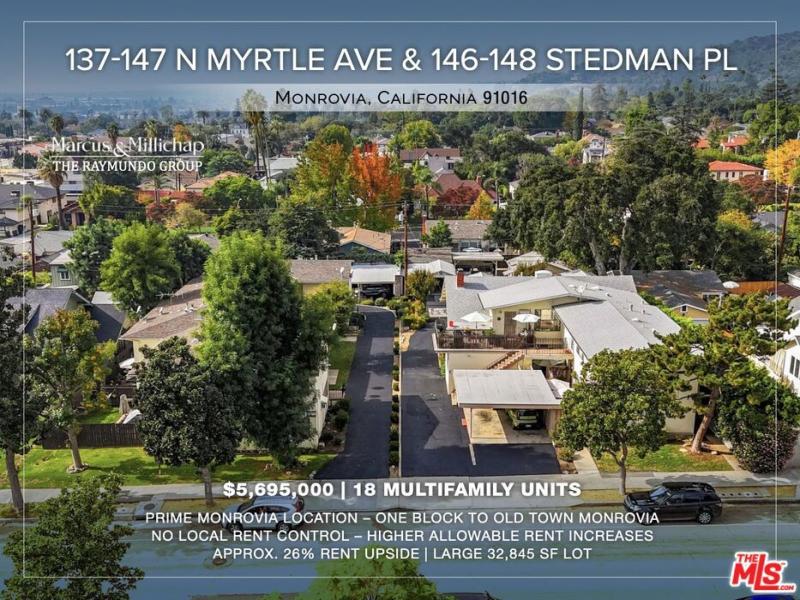
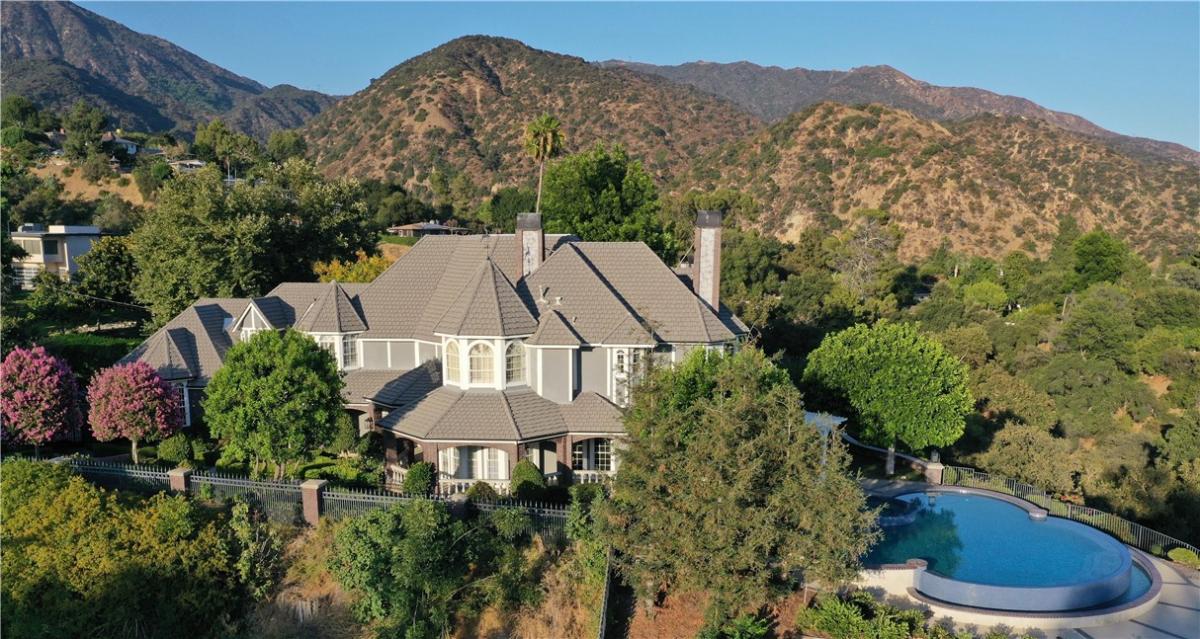
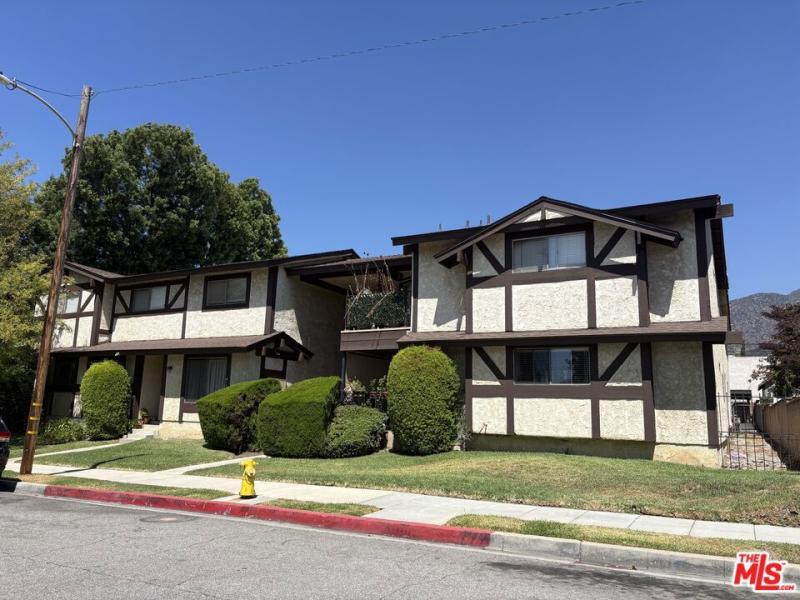
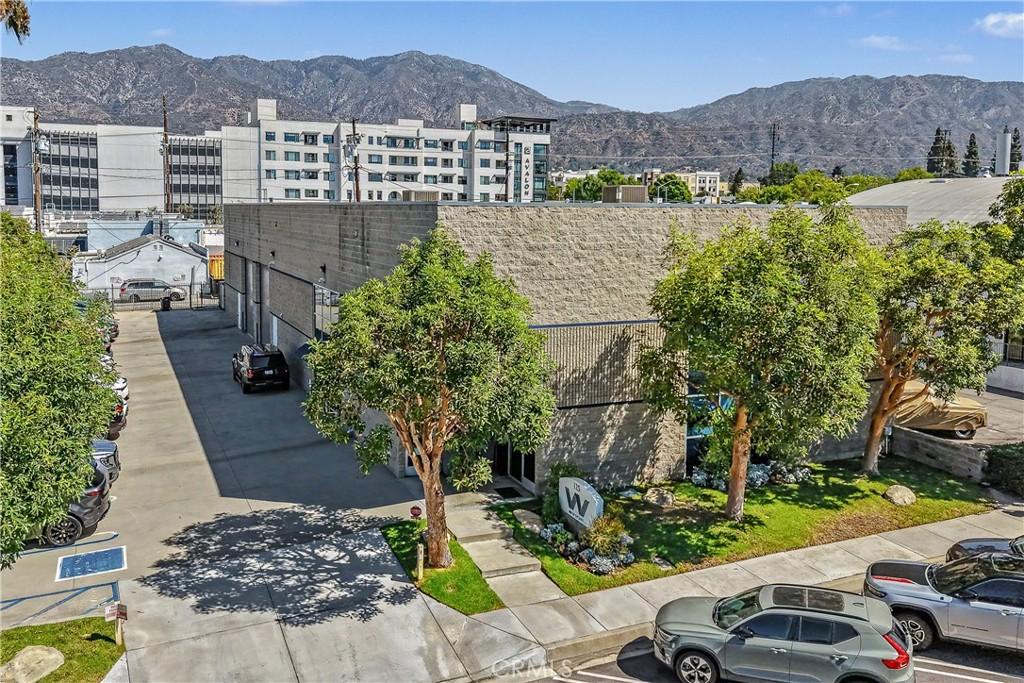
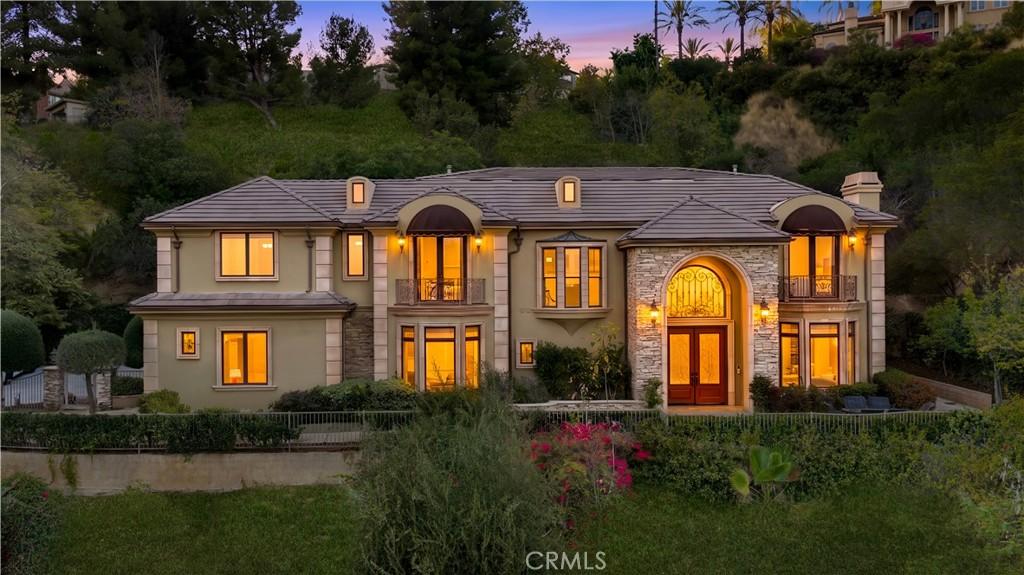
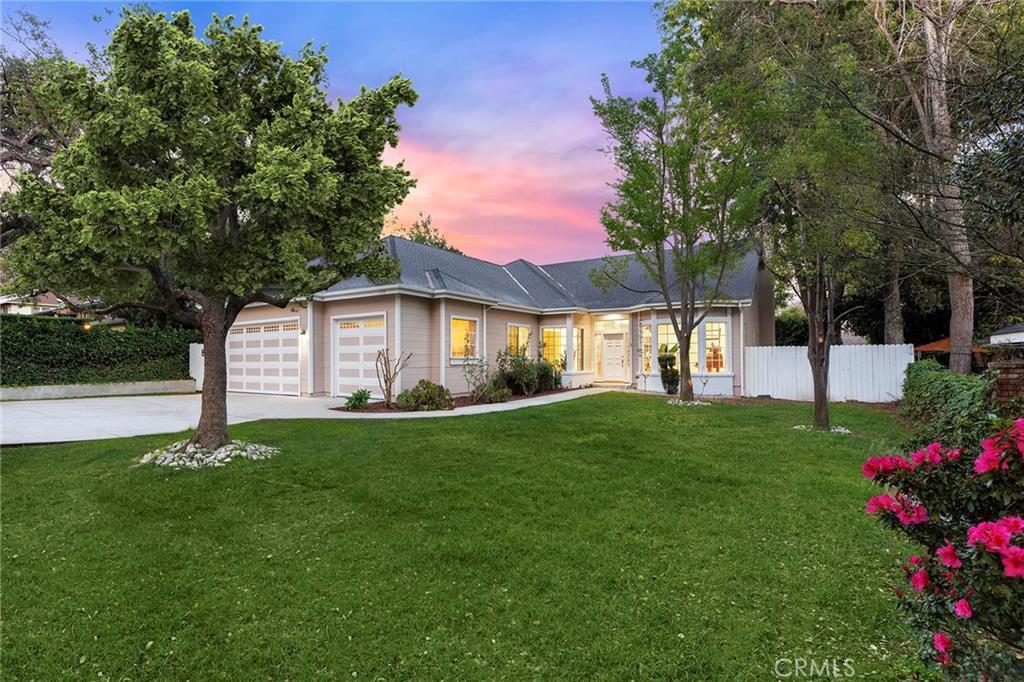
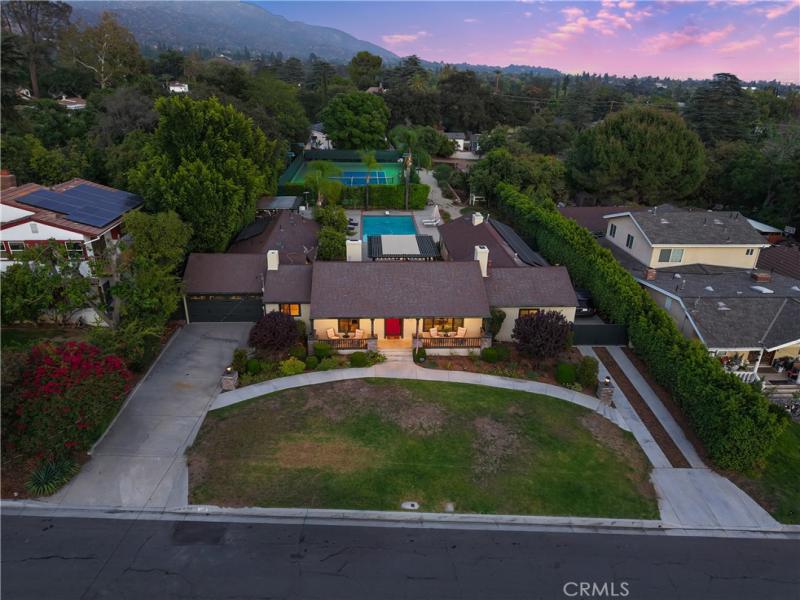
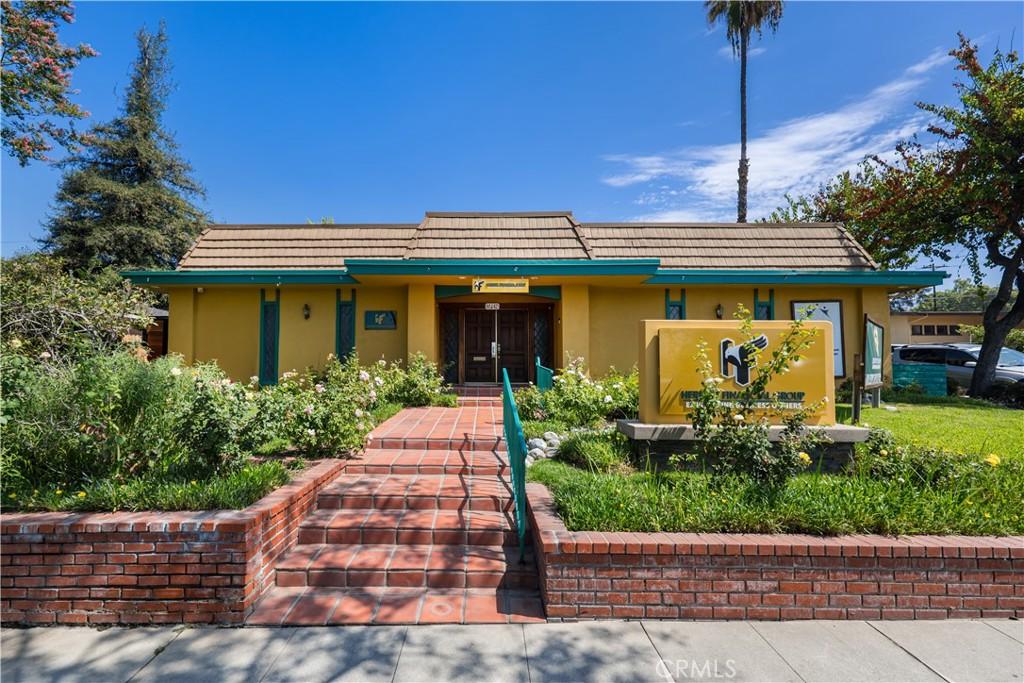
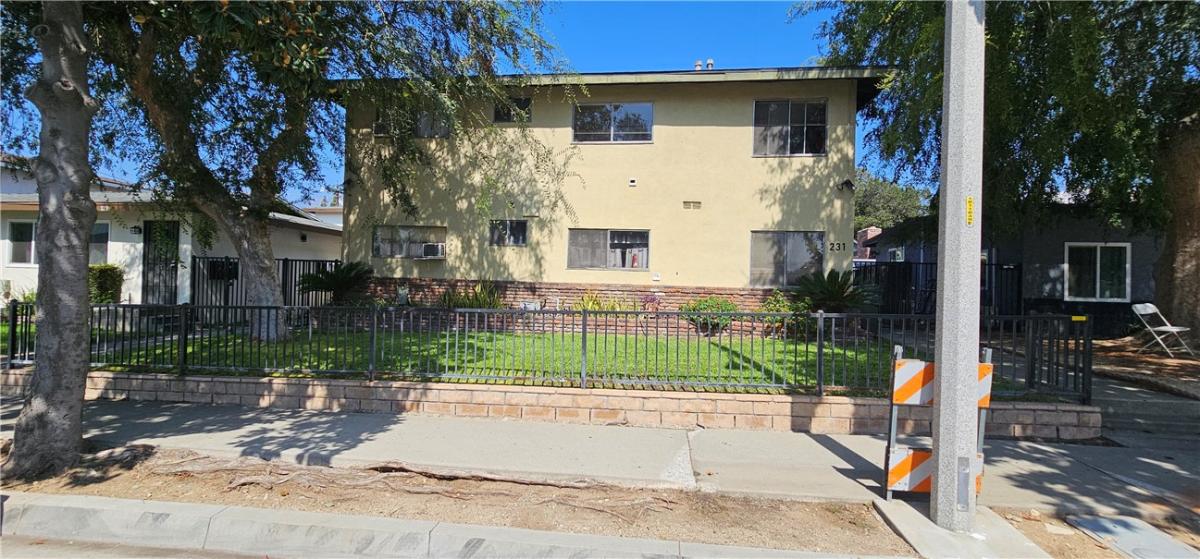
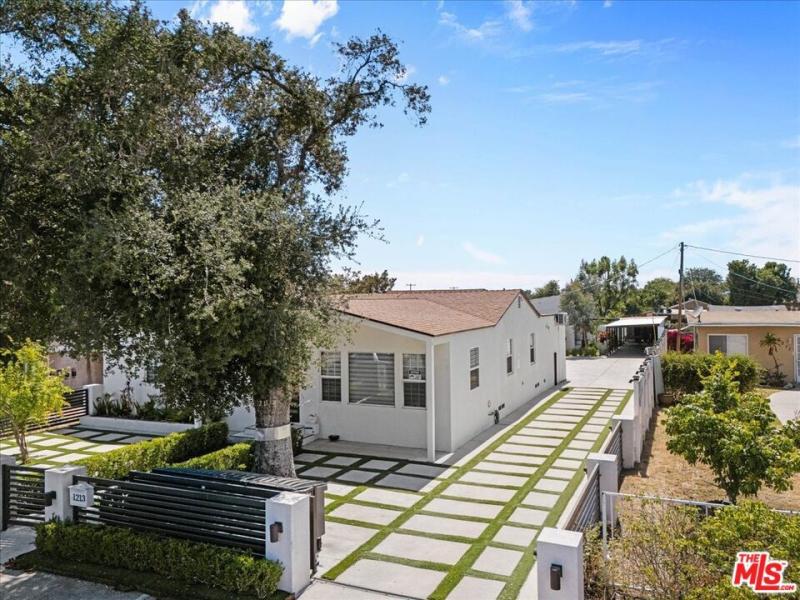
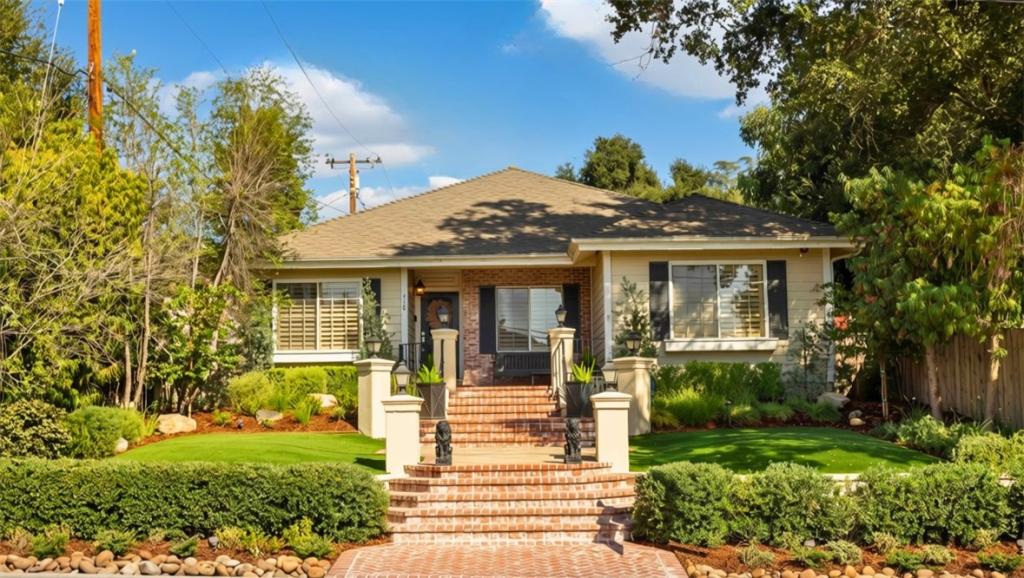
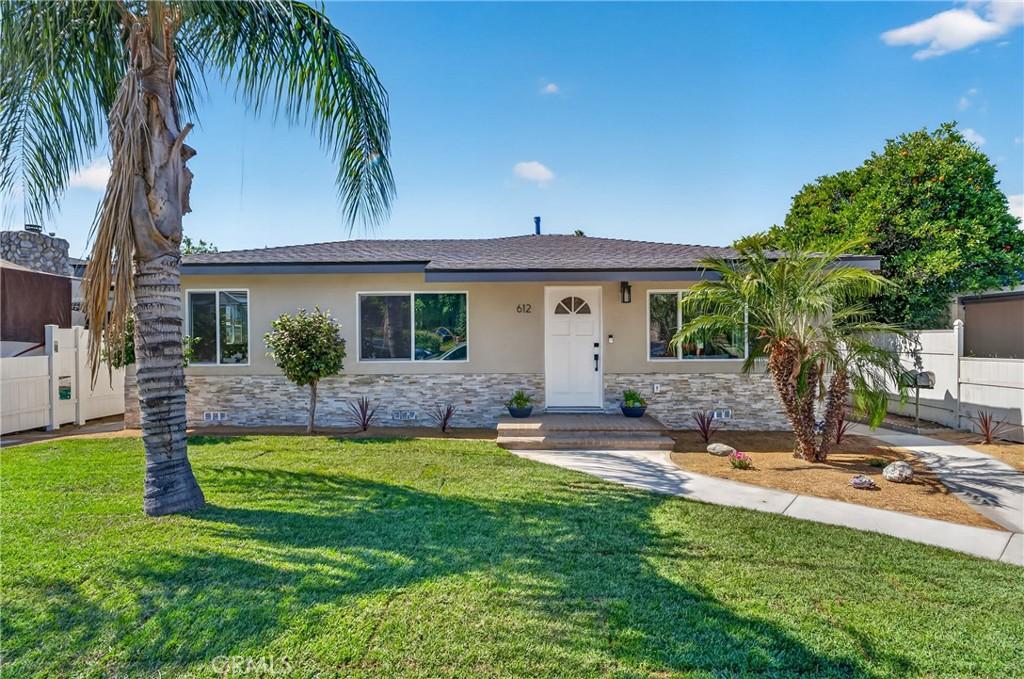
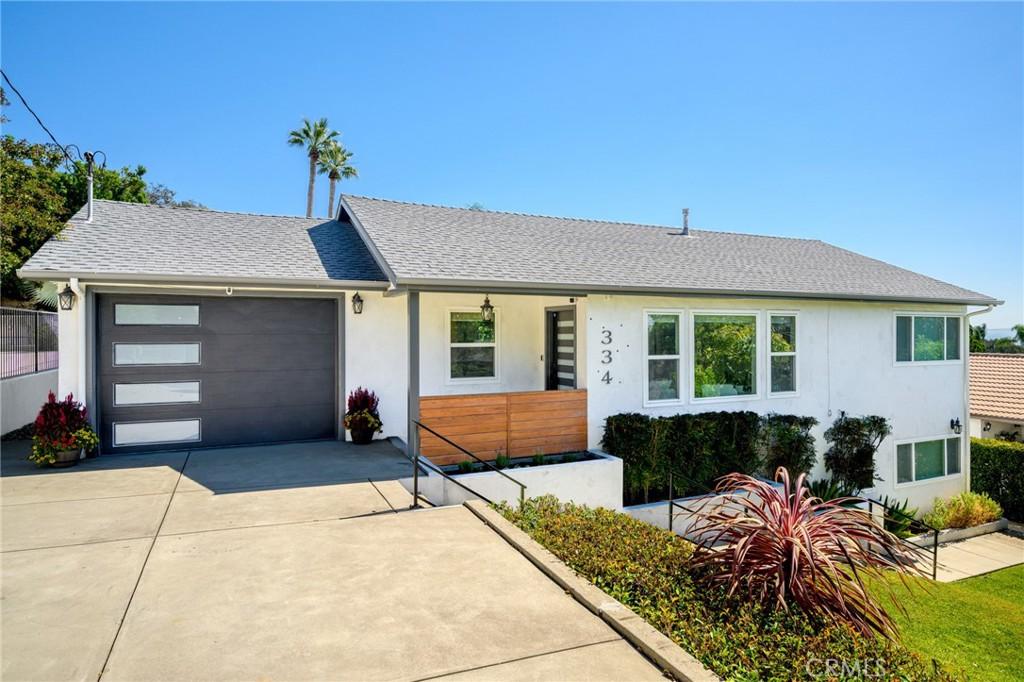
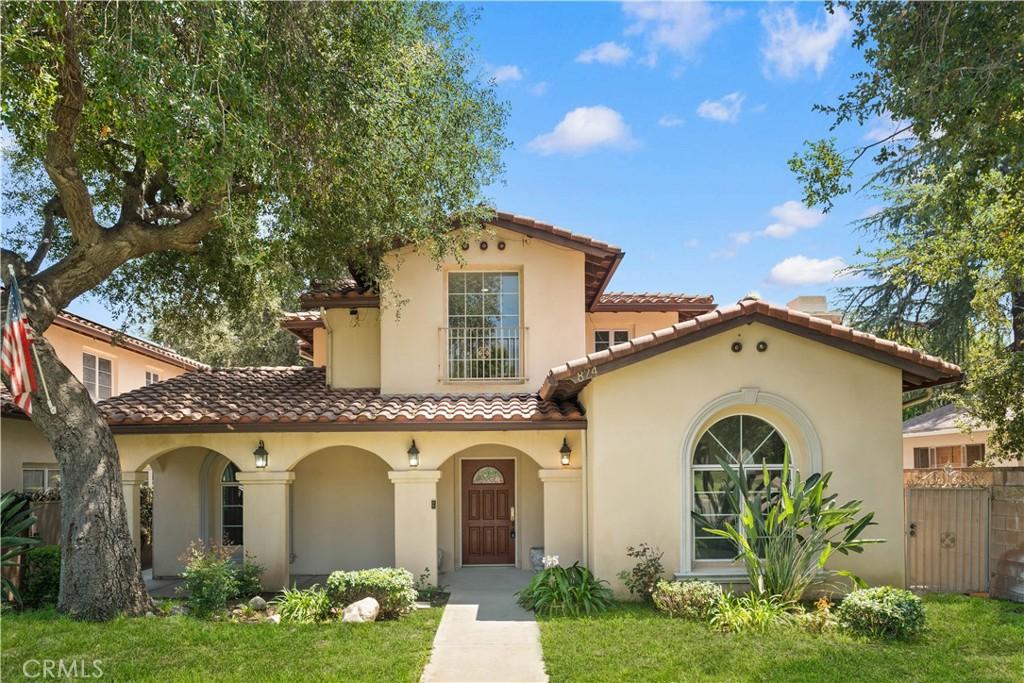
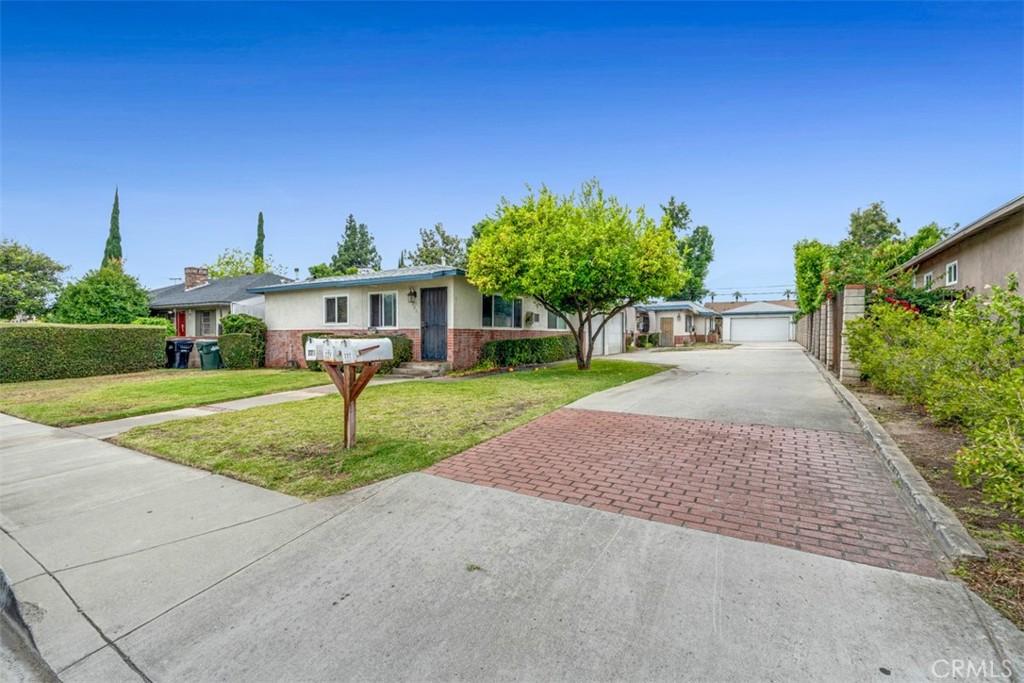
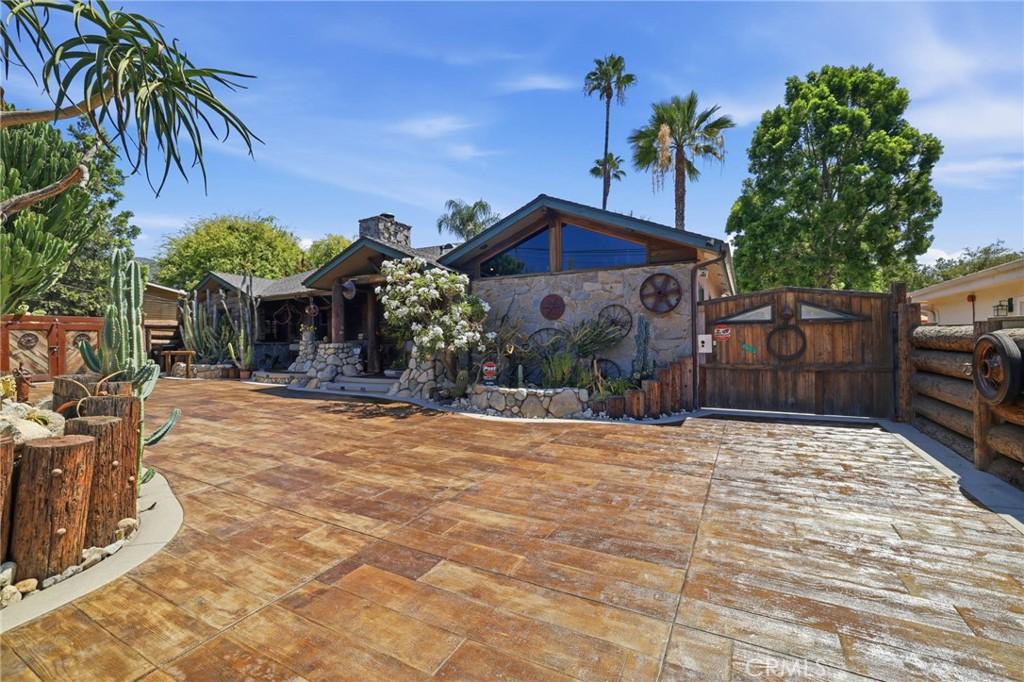
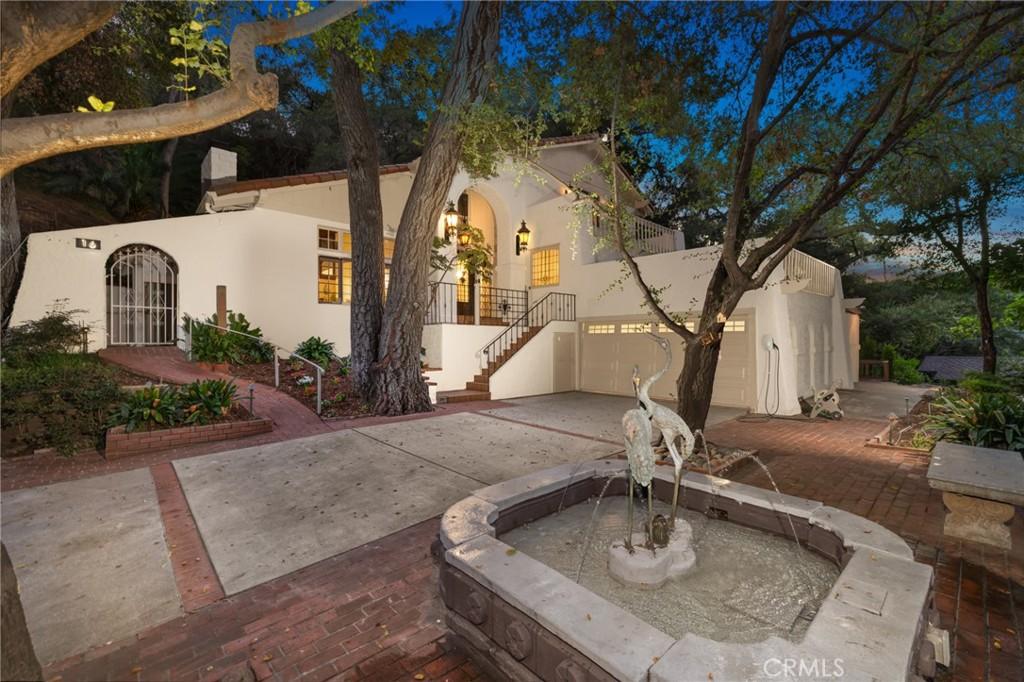
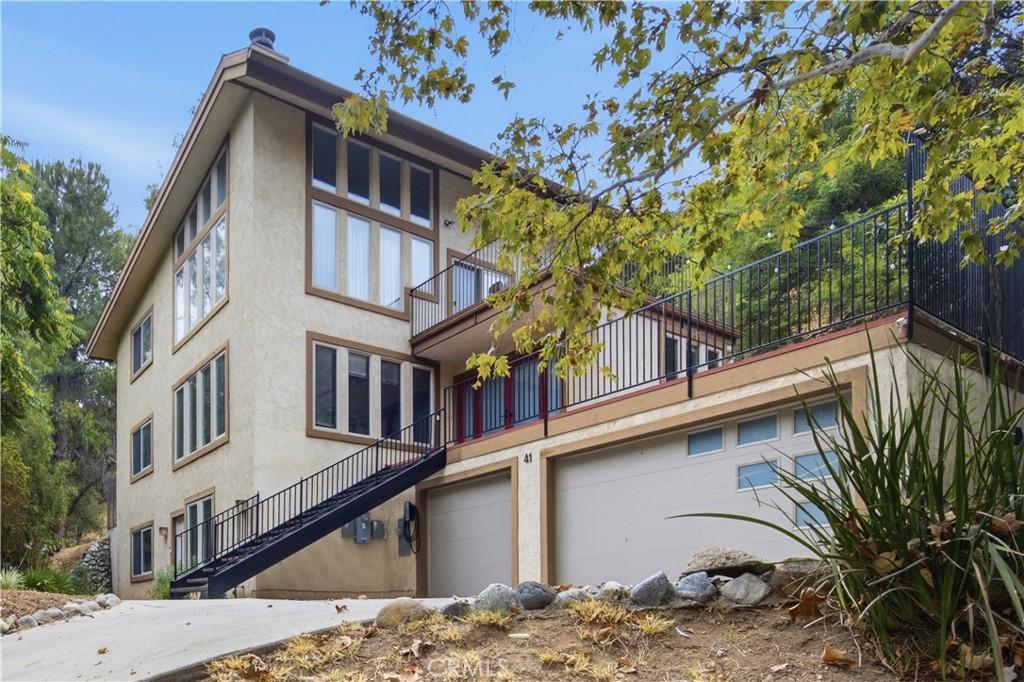
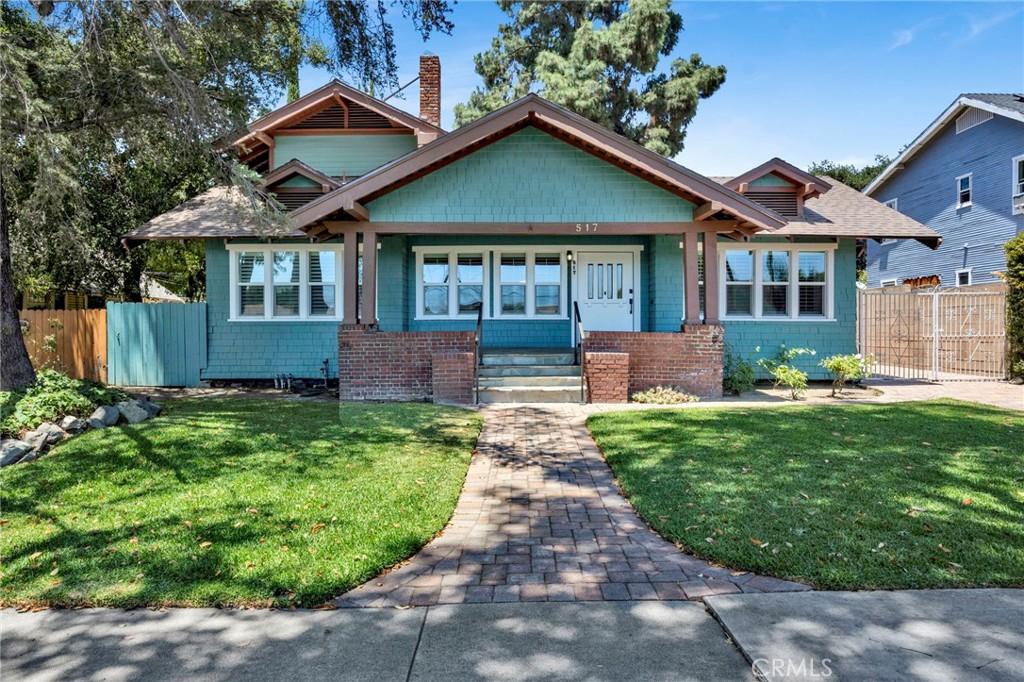
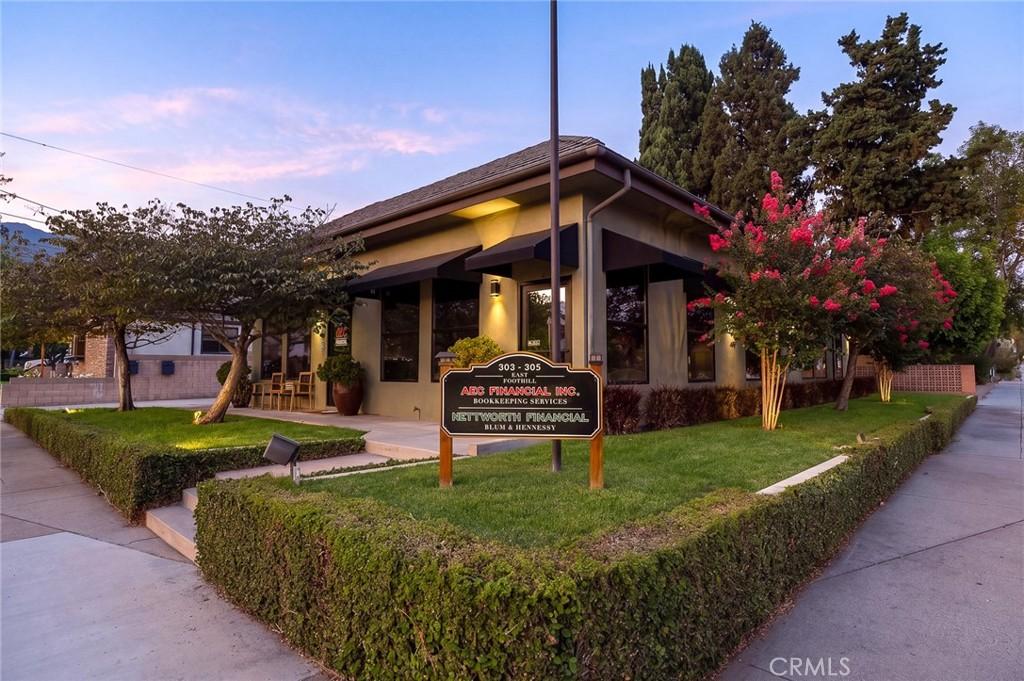
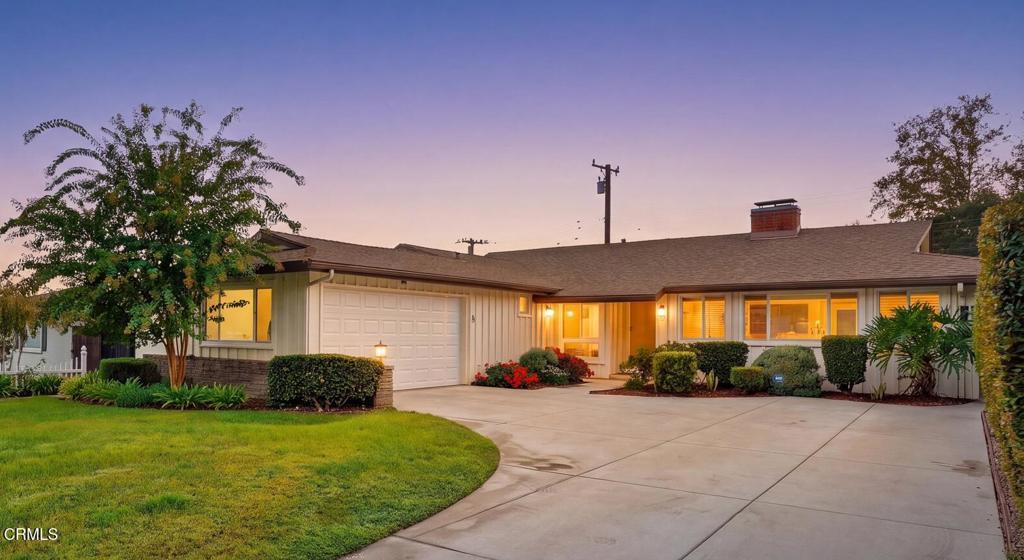
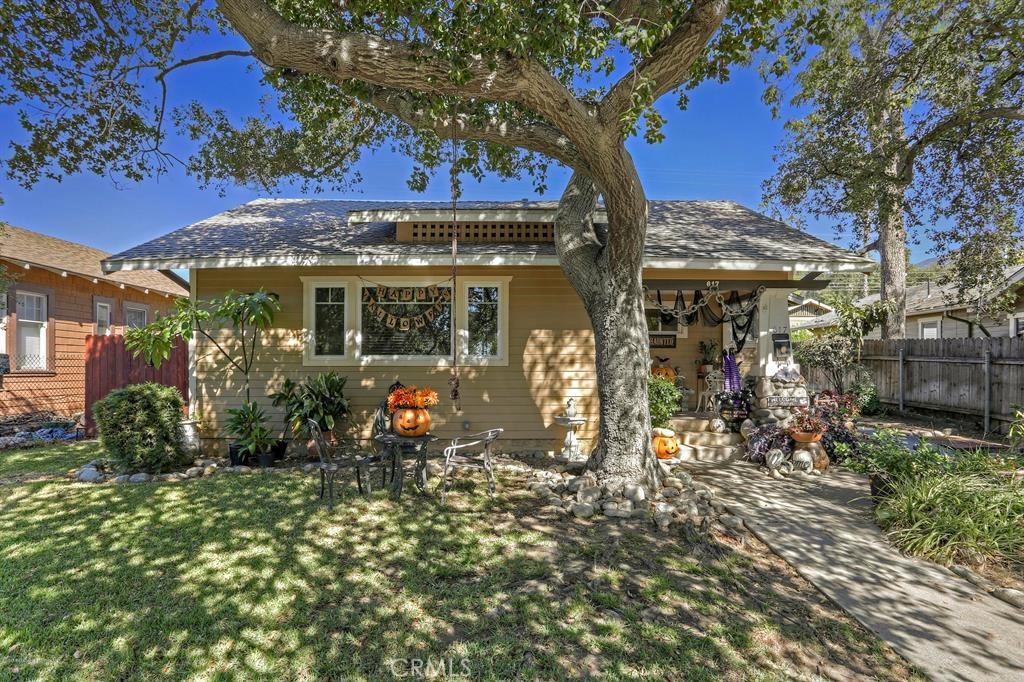
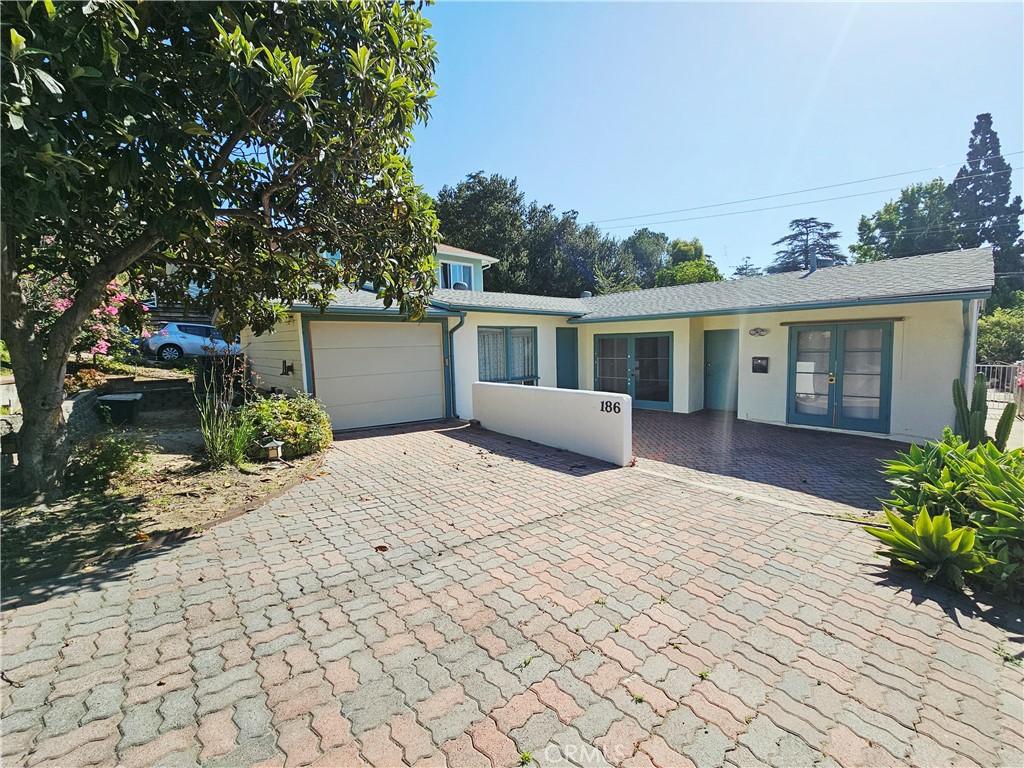
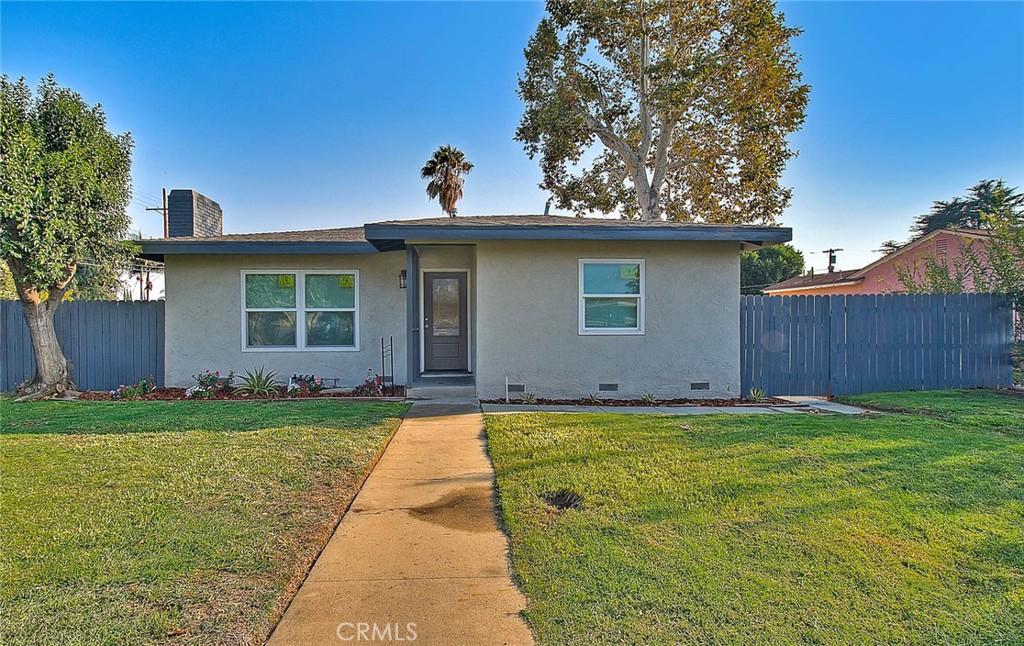
Monrovia homes for sale ranging from $800,000 to $2,500,000+. A historic foothill city in the San Gabriel Valley, Monrovia is known for its walkable Old Town, intact Craftsman and Victorian housing stock, its direct proximity to the Angeles National Forest, and a school district that consistently outperforms its mid-tier market position. The Knight Group works this area directly, including off-market inventory that does not reach Zillow or Redfin. Well-priced homes in desirable Monrovia neighborhoods move quickly; buyers should approach the market with financing in place and a clear understanding of current pricing before engaging in active search.


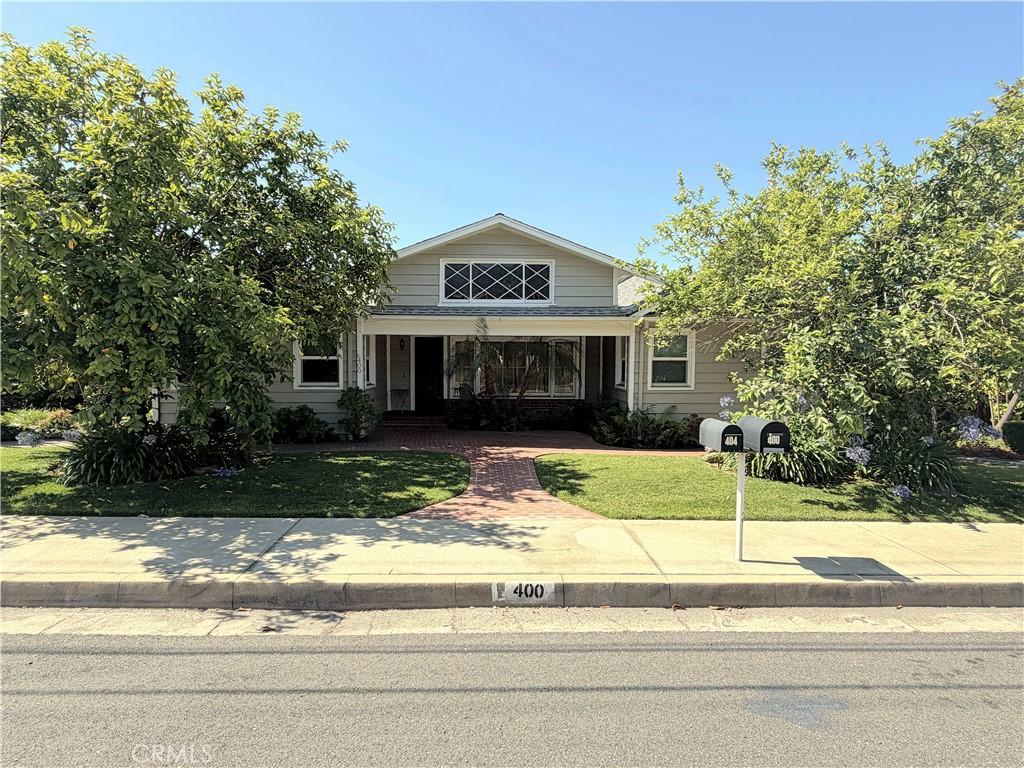
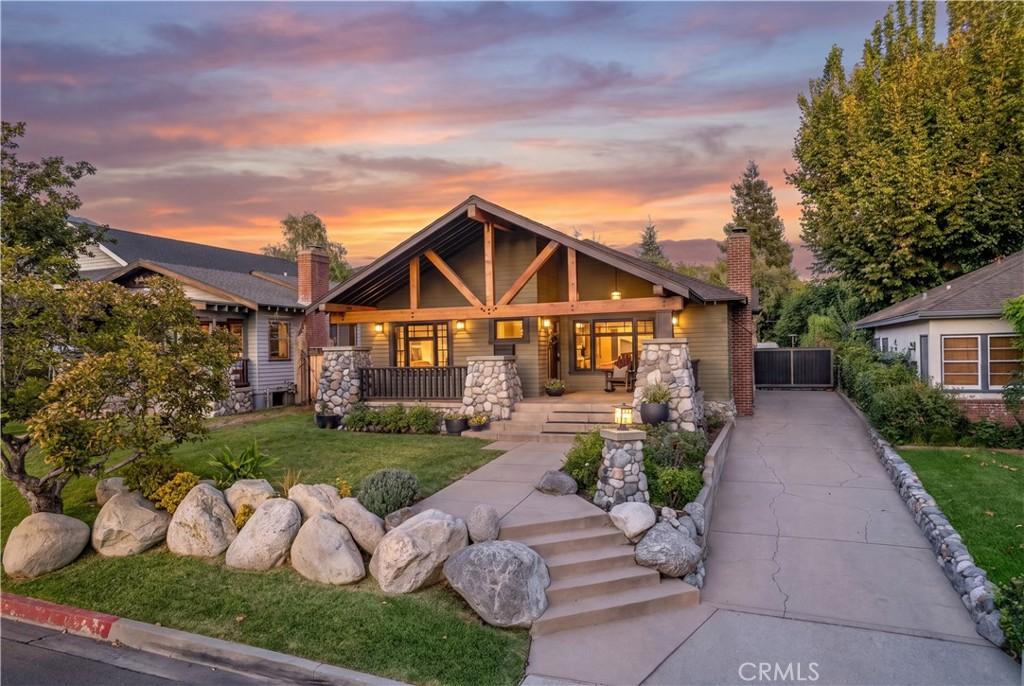
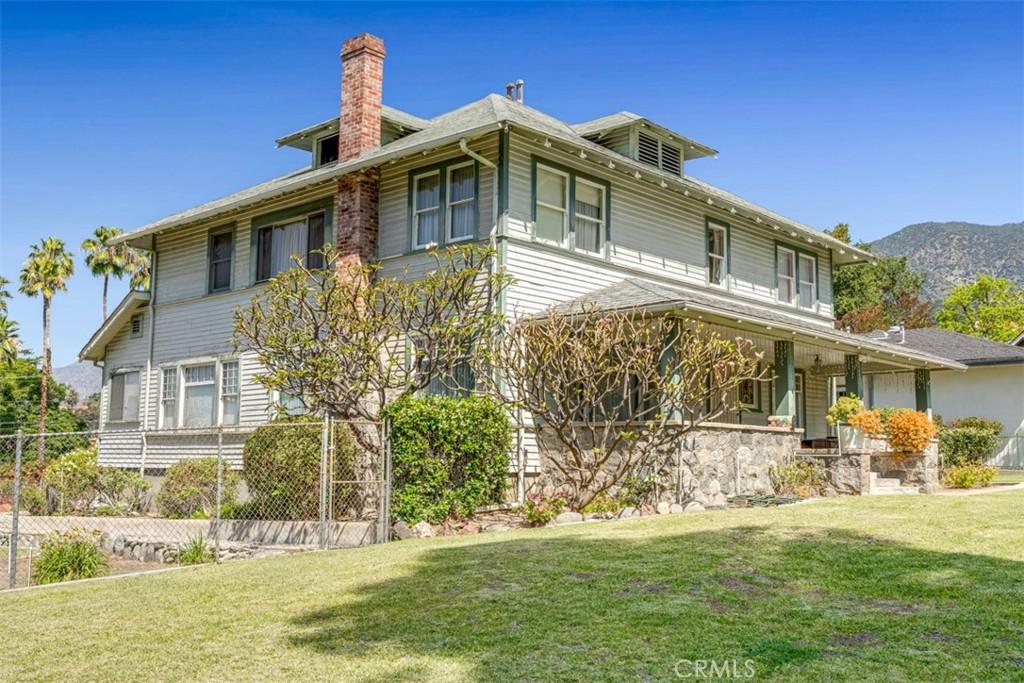
Monrovia is a 13.7-square-mile incorporated city in the eastern San Gabriel Valley, situated at the base of the San Gabriel Mountains between Arcadia to the west and Duarte to the east. The city was incorporated in 1887 as one of the earliest municipalities in Los Angeles County and has retained more of its original Victorian and early 20th-century residential character than most San Gabriel Valley cities of comparable size. The pre-war housing stock in Monrovia, which includes a significant concentration of Victorian cottages, Craftsman bungalows, and early California bungalows built between 1890 and 1930, represents one of the most intact collections of historic residential architecture in the eastern San Gabriel Valley and is the primary basis for Monrovia’s distinctive character relative to the post-war suburban cities that surround it.
The Monrovia Unified School District operates Monrovia High School and a system of elementary and middle schools that serve the city’s residential population. Monrovia High School consistently places in the top 20-25% of California high schools on standardized assessments, with a graduation rate above the state average and a college acceptance profile that reflects the community’s academic emphasis. The MUSD’s performance is above adjacent Duarte USD and El Monte USD, competitive with Temple City USD, and below Arcadia USD and Glendora USD. Families who are specifically evaluating Monrovia for school district quality should request the current MUSD performance data from the district and compare it to adjacent Arcadia USD and Temple City USD to understand the district’s specific positioning in the mid-tier SGV school district hierarchy.
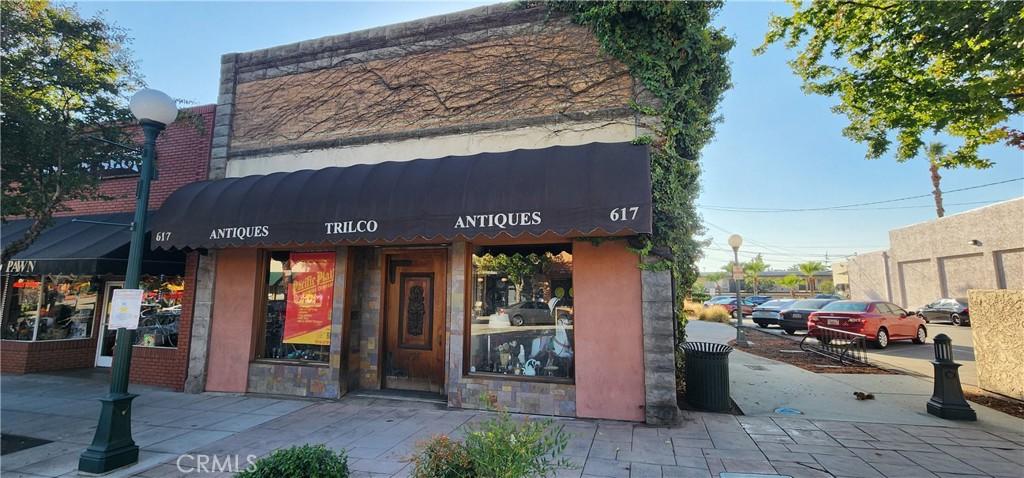
Old Town Monrovia on Myrtle Avenue is the commercial heart of the city and one of the most authentic historic main streets in the San Gabriel Valley. The two-block core of Old Town, anchored by the restored 1925 Monrovia Library and the surrounding restaurant and retail cluster, hosts the Monrovia Certified Farmers Market on Friday evenings and a range of restaurants, coffee shops, and specialty retail businesses that cater to the residential community. The Old Town Monrovia historic district has been recognized by the California Office of Historic Preservation, and the preservation framework that governs the historic commercial buildings has maintained the district’s architectural character through multiple development cycles.
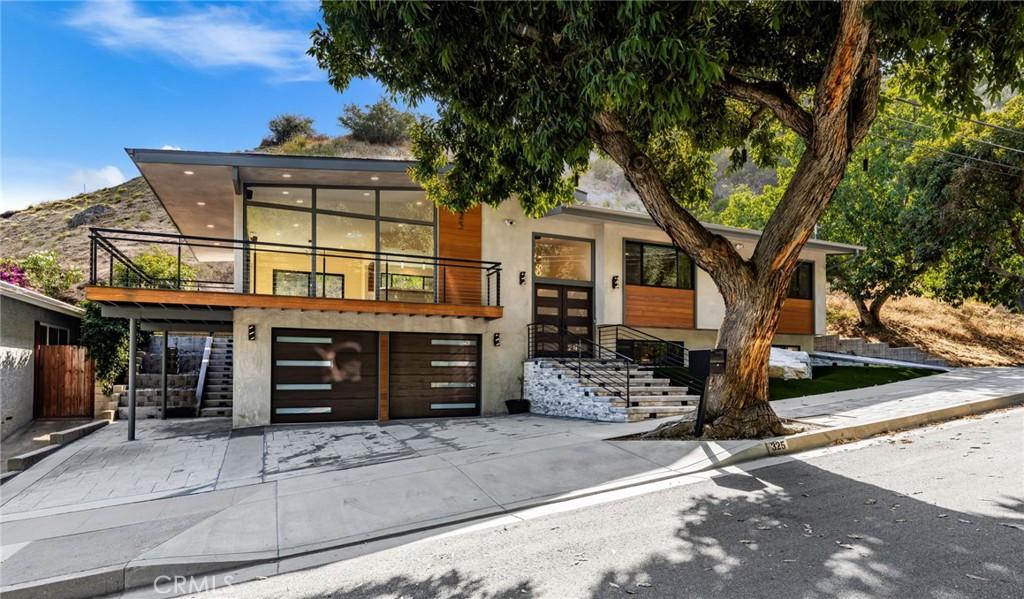
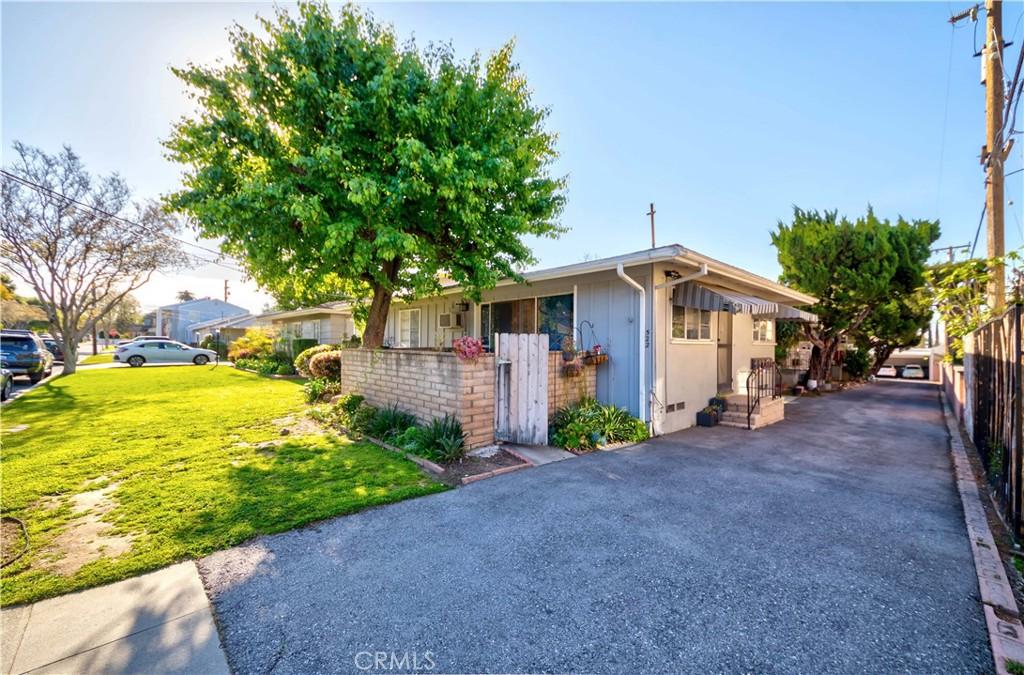
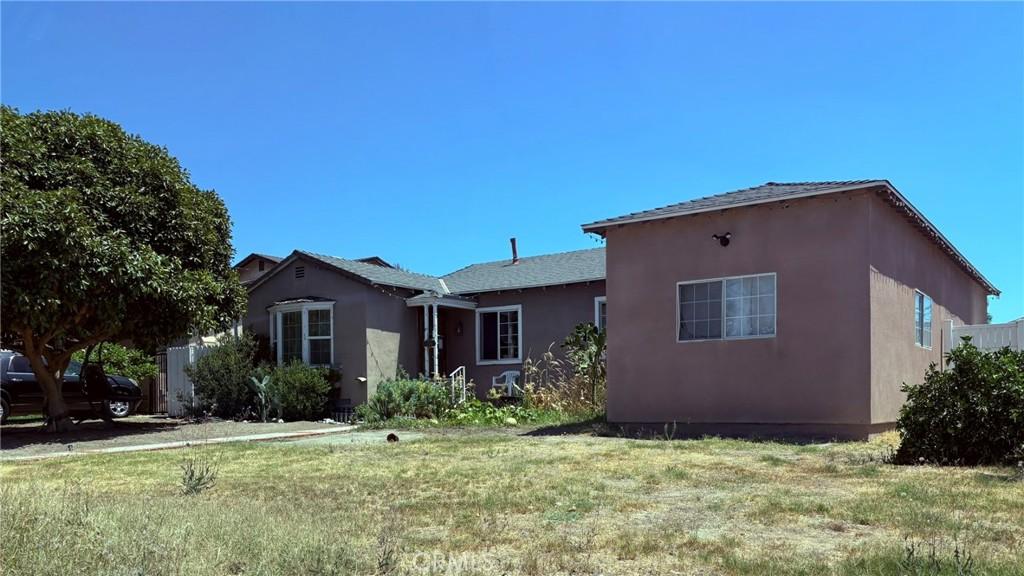
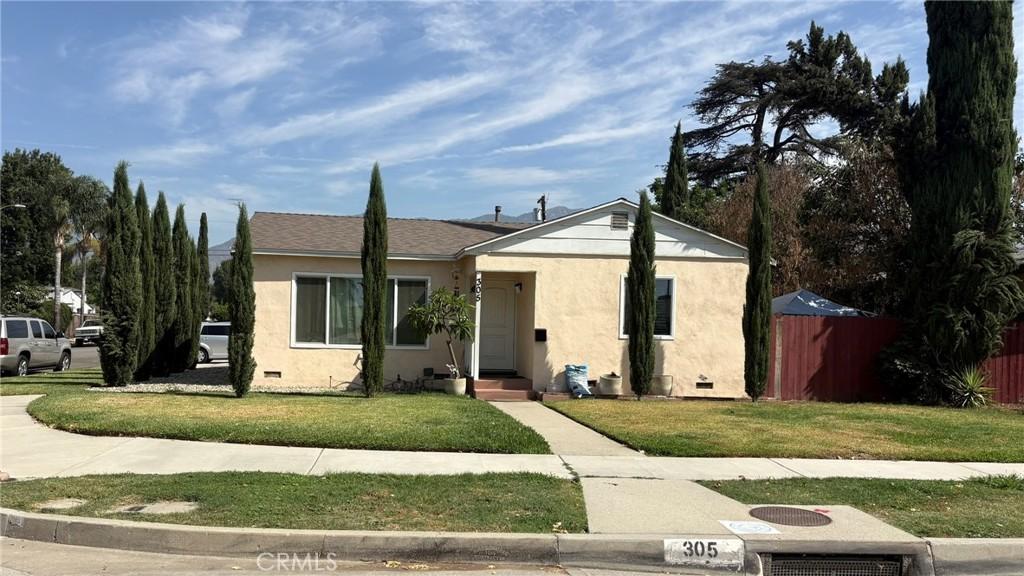
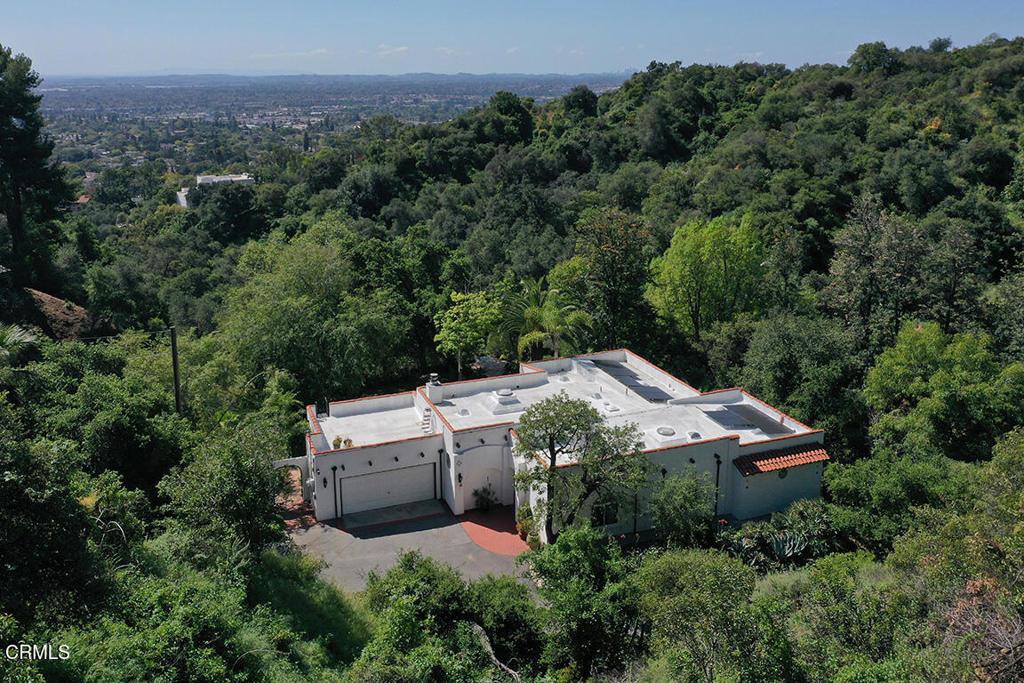
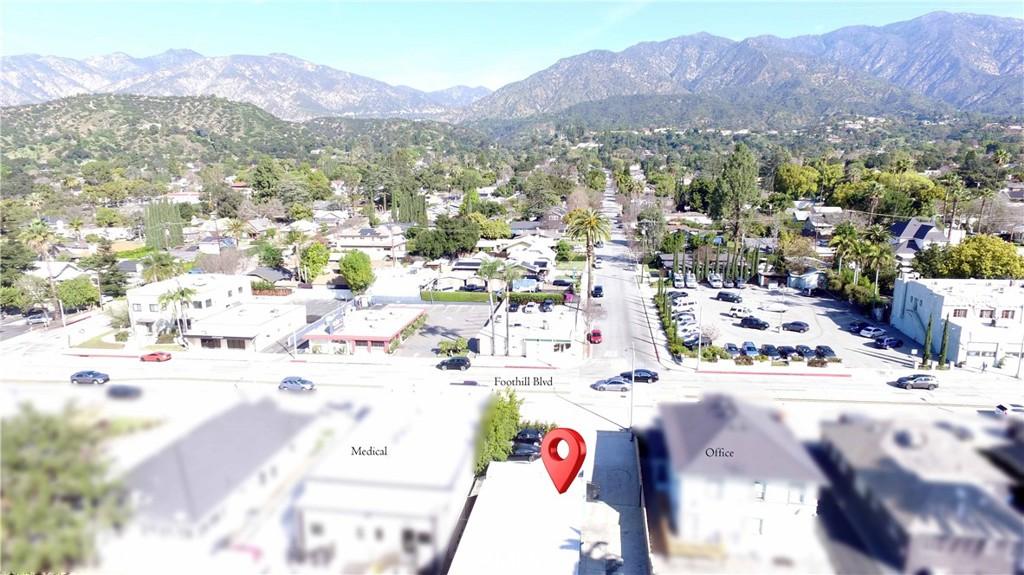
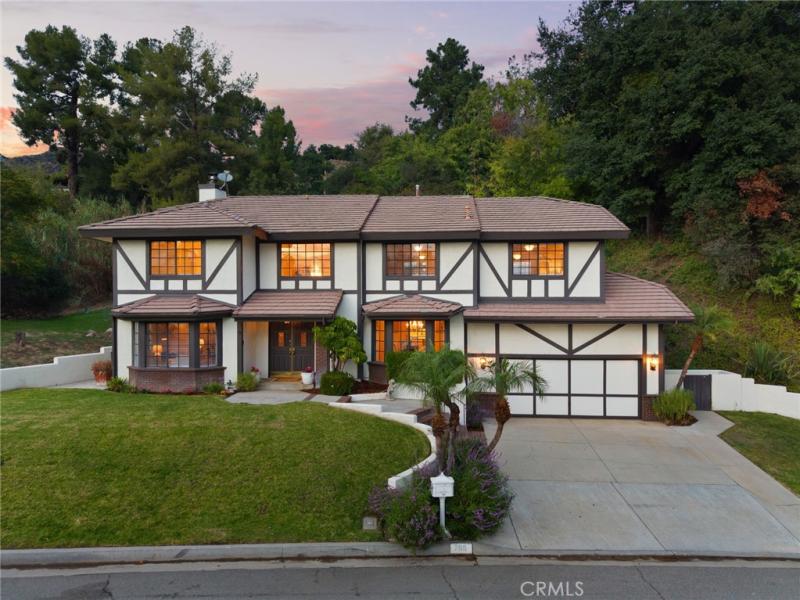
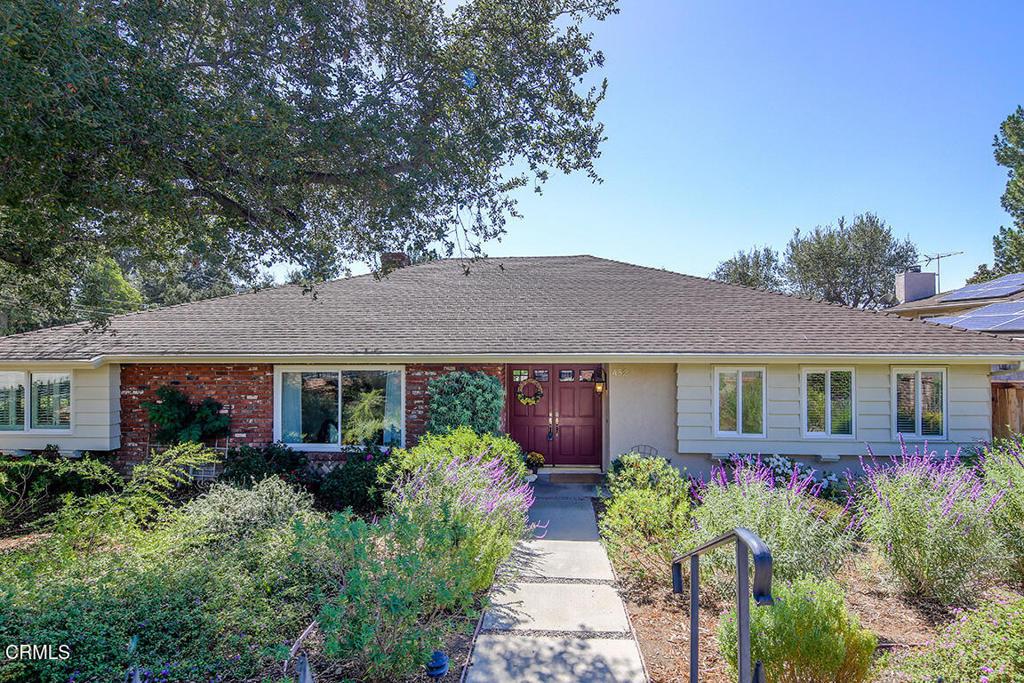
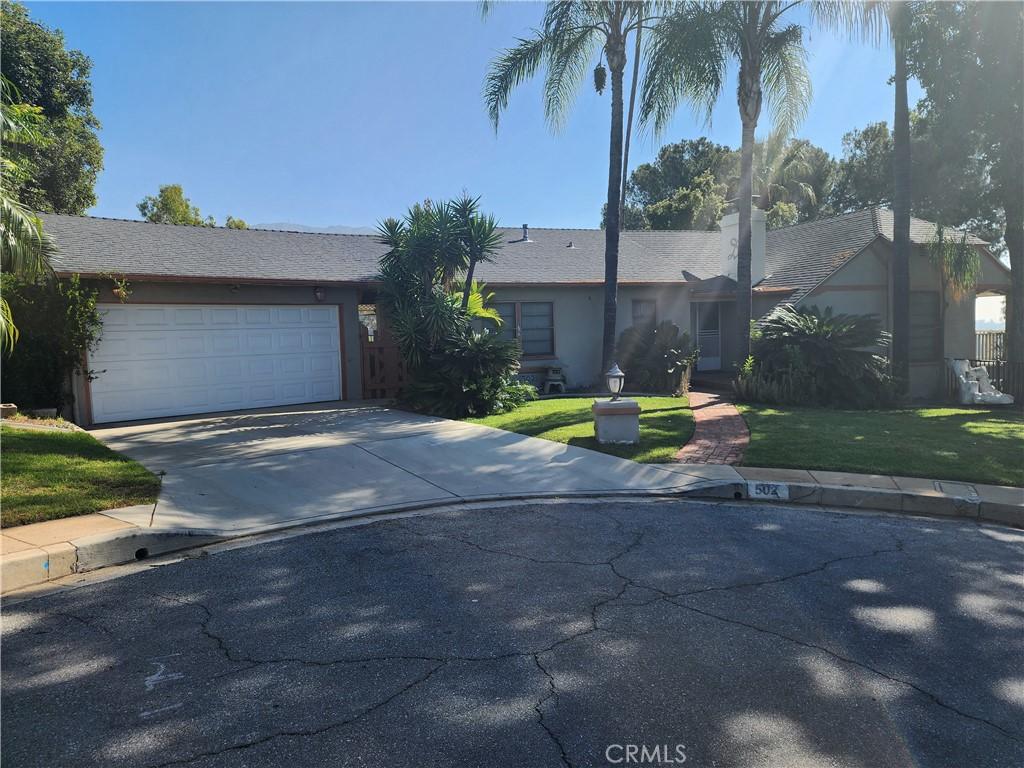
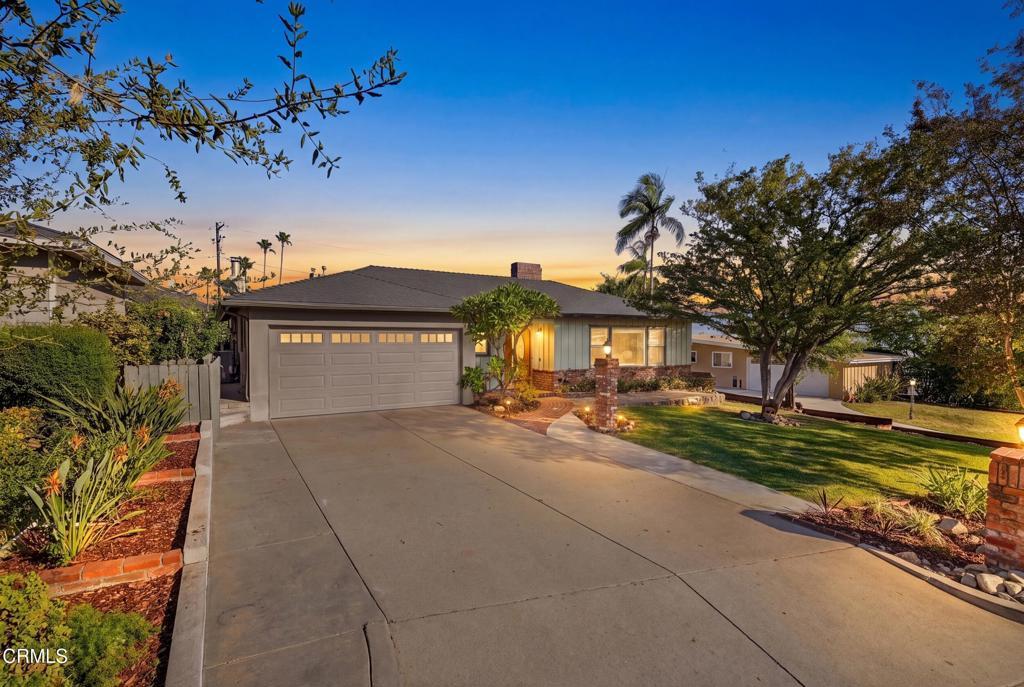
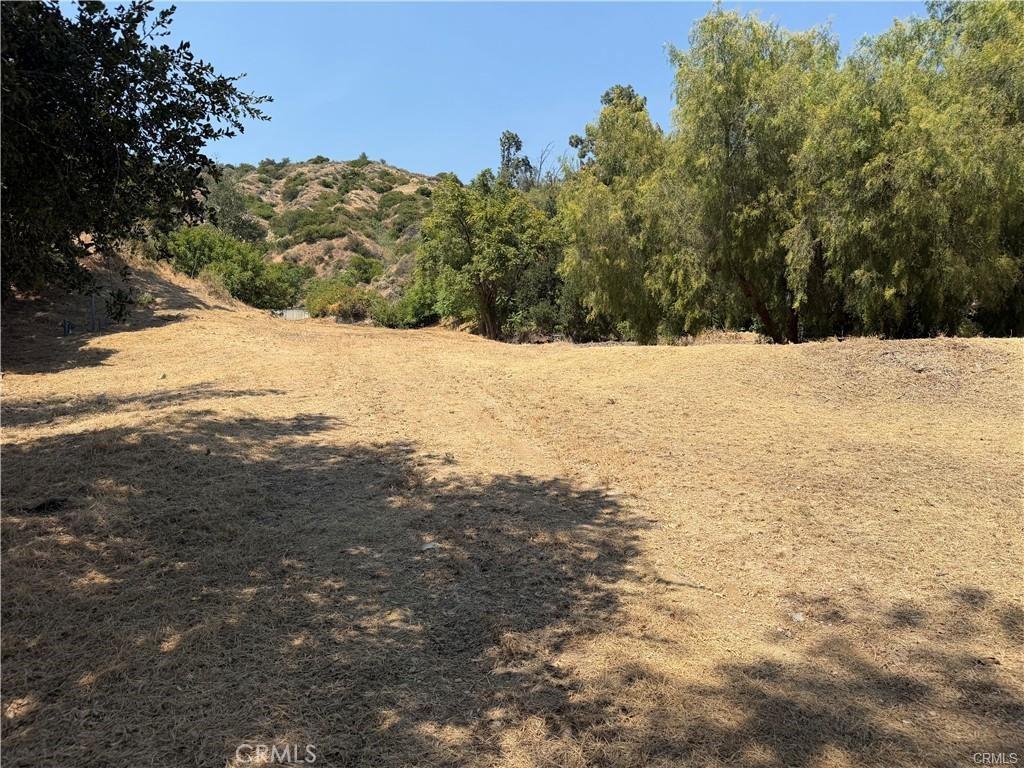
The residential neighborhoods of Monrovia fall into two distinct categories based on topography. The flatland neighborhoods south of Foothill Boulevard contain the city’s most affordable inventory, including the Victorian and Craftsman homes of the historic residential district east and west of Myrtle Avenue, as well as the post-war ranch-style development that fills the city’s southern flatland sections. The hillside neighborhoods north of Foothill Boulevard, in the area known as the Rancho Monrovia Foothills, contain the city’s premium residential addresses: larger lots, mid-century and contemporary custom homes, mountain and valley views, and proximity to the Monroe Avenue Canyon and other natural area access points that connect residents directly to the Angeles National Forest trail system.
The Angeles National Forest is accessible from Monrovia via the Monrovia Canyon Park at 1200 N. Canyon Blvd, a 100-acre city-owned park that connects to the National Forest and includes the Monrovia Canyon Falls trail, one of the most accessible waterfall hikes in the San Gabriel Valley. The park charges a small day-use fee and provides parking for the trailhead. For Monrovia residents whose address places them in the hillside residential areas, the access to hiking and trail running directly from or near the residential streets is a meaningful quality-of-life amenity that differentiates Monrovia from the more commercially developed and trail-inaccessible western SGV cities.
The current median home value in Monrovia is approximately $850,000-$1,100,000, reflecting the market’s position as a mid-tier eastern SGV city with a historic character premium in the Old Town-adjacent neighborhoods and a foothill premium for the hillside residential addresses. The Victorian and Craftsman homes in the historic residential district, particularly those that have been sensitively maintained or restored, command premiums over the standard post-war inventory in the city’s flatland sections. The hillside properties in the Rancho Monrovia Foothills command the city’s highest prices, particularly those with unobstructed San Gabriel Valley views and canyon or park adjacency.
The fire risk profile of Monrovia is significant for the hillside residential areas. The northern and mountainside sections of the city are in the Very High Fire Hazard Severity Zone, and the Monrovia community experienced significant fire damage in the 2020 Bobcat Fire, which burned across adjacent portions of the Angeles National Forest. Buyers evaluating hillside Monrovia properties should obtain homeowner insurance quotes and confirm coverage availability before removing contingencies, as the post-2020 insurance market for Very High FHSZ properties in Los Angeles County has tightened substantially. Buyers in the flatland and Old Town areas of Monrovia are generally in the moderate fire hazard zone rather than the very high zone and face correspondingly less restrictive insurance market conditions.
The commute infrastructure for Monrovia residents centers on the 210 Freeway (Foothill Freeway), which runs along the city’s northern edge and provides east-west freeway access to Pasadena (approximately 20-30 minutes west) and to the San Bernardino area to the east. The Metro A Line serves Monrovia via the Monrovia Station at Myrtle Avenue and Duarte Road, providing a transit connection to Pasadena and downtown Los Angeles for residents who prefer rail commuting. The A Line commute from Monrovia to Pasadena takes approximately 15-20 minutes; the connection to downtown Los Angeles via Union Station takes approximately 55-65 minutes. The City of Hope National Medical Center in adjacent Duarte is accessible from Monrovia by car in approximately 5-10 minutes, making Monrovia a convenient residential base for City of Hope employees.
Property due diligence in Monrovia should account for the characteristics of the historic housing stock in the Old Town adjacent residential areas. Homes built before 1940 may have original plumbing, knob-and-tube electrical wiring, wood-lath plaster walls, and foundation systems that predate modern seismic codes. Buyers interested in the Victorian or Craftsman homes of the historic residential district should engage a general inspector with specific experience in pre-war residential properties and should budget for the system upgrades that are typically required to bring older homes to contemporary standards of function and safety. The California Historic Building Code provides alternative compliance pathways for work on historic structures, and buyers who plan significant renovation work on a historically designated property should consult with the City of Monrovia Planning Division about the applicable review requirements.
The Knight Group maintains direct coverage of the Monrovia residential market and works with buyers seeking both the historic flatland inventory and the premium hillside properties. The combination of Old Town walkability, Angeles National Forest access, MUSD school district performance, and accessible pricing relative to adjacent Arcadia and Pasadena positions Monrovia as one of the most well-rounded mid-tier values in the eastern San Gabriel Valley for buyers who value character and outdoor access alongside school district quality and commute infrastructure. Contact The Knight Group to review current active listings, off-market inventory, and the specific comparable sale data that informs current Monrovia pricing.
The Monrovia civic infrastructure reflects the city’s status as a long-established municipality with a tradition of active community engagement. The Monrovia City Hall on Olive Avenue administers city planning, building and safety, public works, and the Monrovia Police Department. The MPD provides law enforcement with the familiarity and community orientation that characterizes small-city policing, and the department’s community engagement programs reflect Monrovia’s emphasis on maintaining the small-town civic character that differentiates it from the surrounding unincorporated and larger-city environments. The Los Angeles County Fire Department provides fire and emergency medical services to Monrovia under a contract arrangement that is common among smaller Los Angeles County municipalities.
The sub-area character within Monrovia varies significantly enough that buyers should understand the internal geography before focusing their search. The Old Town core, roughly the area within walking distance of Myrtle Avenue between Foothill Boulevard and Duarte Road, contains the most historically significant residential properties and the highest walkability in the city. The historic district streets immediately east and west of Myrtle Avenue include the highest concentration of Victorian, Craftsman, and Arts and Crafts homes in good to excellent condition, and properties in this area command a premium within the Monrovia market based on the architectural quality and the downtown walkability. The northeast section of the city, closer to the city’s edge with Duarte, has a more standard post-war residential character without the historic premium of the Old Town area.
The hillside residential area north of Foothill Boulevard, sometimes called the Monrovia Foothills or Rancho Monrovia, contains the city’s most expensive and most scenically positioned residential inventory. The properties in this area sit on larger lots, often 10,000-20,000 square feet or larger, with direct views across the San Gabriel Valley and direct proximity to the canyon parks and Angeles National Forest trail access. The canyon-adjacent properties near Monrovia Canyon Park and the Monroe Avenue Canyon provide a residential setting that is virtually unique in the eastern SGV: a single-family home within an incorporated city that is simultaneously within walking distance of a functioning natural canyon environment. Buyers who are specifically motivated by the outdoor lifestyle component of the foothill residential experience should concentrate their search in the northern Monrovia hillside area.
The commute considerations for Monrovia buyers differ based on the sub-area of the city. Old Town-adjacent residents can walk or bike to the Monrovia A Line station on Myrtle Avenue, making transit commuting genuinely feasible for those whose employment is in the Pasadena or downtown Los Angeles corridor. Hillside residents are more car-dependent, with the drive to the A Line station or the 210 Freeway interchange taking 5-15 minutes depending on the specific hillside location. For buyers whose employment is in the City of Hope medical campus (Duarte), Monrovia offers one of the closest residential options with a full-service downtown and a functional school district, making the commute from almost any Monrovia address to City of Hope straightforward by car in 5-10 minutes.
The property tax schedule for Monrovia purchases includes the Monrovia Unified School District bond obligations in addition to the standard base rate and county assessments. The total effective property tax rate in Monrovia typically falls in the 1.15-1.25% range of assessed value. Buyers should confirm the specific assessment schedule for any property they are considering by reviewing the current property tax bill provided by the seller during the due diligence period.
The Monrovia Civic Center complex on the 400 block of South Myrtle Avenue, which includes City Hall, the Monrovia Library, and the Monrovia Community Center, anchors the civic identity of Old Town Monrovia and provides city services within walking distance of the downtown commercial district. The Monrovia Public Library is one of the most actively used public facilities in the city, reflecting the community’s emphasis on education and reading that is characteristic of the demographics of the owner-occupant residential population. The community center hosts a range of city-sponsored programs, classes, and events throughout the year, providing a programming infrastructure that extends the civic calendar beyond the signature annual events like the Wistaria Festival and the Old Town Monrovia Harvest Celebration.
The overall investment case for Monrovia residential real estate reflects a combination of the historic preservation premium in the Old Town residential district, the foothill premium in the northern hillside areas, and the mid-tier school district performance that positions Monrovia competitively against adjacent Duarte and El Monte while trading at a meaningful discount to adjacent Arcadia. The city’s limited developable land (most of the flatter residential terrain is already developed, and the northern hillside areas are constrained by topography, fire risk, and the National Forest boundary) creates structural supply limitations that support pricing over multi-year holding periods. Buyers who are purchasing for long-term ownership rather than near-term resale will find that Monrovia’s specific combination of historic character, outdoor access, and structural supply constraints creates a favorable long-term investment environment relative to the cities that surround it.
The Metro A Line station in Monrovia (Monrovia Station at Myrtle Avenue and Duarte Road) serves as both a transit resource for resident commuters and as an economic driver for the Old Town area, as the station-area development around the transit hub has brought new residential and mixed-use projects to the vicinity of Myrtle Avenue and Duarte Road. Buyers who are specifically evaluating transit access as a component of their lifestyle and commute preferences should note that Old Town Monrovia’s walkability to the A Line station is one of the strongest transit-walkability combinations in the eastern San Gabriel Valley, making Monrovia competitive with the more expensive San Gabriel and South Pasadena markets on transit access metrics while offering a distinctive character and price point that those cities do not.
The Knight Group maintains direct coverage of the Monrovia residential market, working with buyers who are evaluating both the historic Old Town-adjacent flatland inventory and the premium hillside residential properties in the Monrovia Foothills. For buyers whose priorities include architectural character, walkable downtown access, Angeles National Forest proximity, and school district performance at a price point below adjacent Arcadia, Monrovia offers a residential environment that is genuinely difficult to replicate elsewhere in the eastern San Gabriel Valley. The Knight Group can provide a current market comparison across Monrovia, Arcadia, Temple City, and Duarte that helps buyers understand the specific value proposition of Monrovia’s different sub-areas and price tiers relative to the broader eastern SGV market alternatives, enabling an informed purchase decision that reflects the buyer’s individual priorities and financial parameters. Monrovia’s specific combination of historic village walkability, mountain access, and mid-tier school district performance at an eastern SGV price point that is below Arcadia and competitive with Temple City creates a value positioning that has attracted consistent residential demand from buyers who have specifically researched the eastern SGV market and identified Monrovia’s unique character as a primary differentiator.
What are current home prices in Monrovia?
Monrovia homes currently list in the $800,000-$2,500,000 range. The median home value is approximately $900,000-$1,050,000 as of mid-2026. Entry-level options are in the $700K-$900K range for smaller post-war homes in the flatland sections; Victorian and Craftsman homes in good condition in the historic district typically list from $1M-$1.6M; and hillside homes with mountain views range from $1.2M to $2.5M+ depending on the lot, views, and improvements.
What is the fire risk situation in Monrovia?
The hillside residential areas in northern Monrovia are in the Very High Fire Hazard Severity Zone and experienced adjacent fire activity during the 2020 Bobcat Fire. Buyers evaluating hillside properties should confirm homeowner insurance availability and cost as part of due diligence, as the post-2020 insurance market for VHFHSZ properties in Los Angeles County has tightened significantly. The flatland and Old Town areas of Monrovia are in the moderate fire hazard zone and generally have standard insurance market conditions.
How is the Monrovia Unified School District?
The Monrovia Unified School District performs above the California state average and above adjacent Duarte USD and El Monte USD, with Monrovia High School placing consistently in the top 20-25% of California high schools. Families who are specifically comparing MUSD to adjacent Arcadia USD should note that AUSD performs significantly above MUSD and that the Arcadia price premium over Monrovia reflects this school district differential. For families who want strong public school performance at a price point below Arcadia and Temple City, Monrovia offers a competitive alternative.
Does The Knight Group work in Monrovia?
Yes. The Knight Group covers the Monrovia market directly, with access to pre-market and off-market inventory from the agent networks and owner relationships that serve the Old Town and hillside residential communities. Contact The Knight Group to discuss your criteria and current market conditions.
Explore more San Gabriel Valley neighborhoods:
Lucky for you we’re looking out.
Subscribe to this Custom Search to be alerted when new properties hit the market in the area.
Choose the frequency that works for you.