Sierra Madre Homes for SaleListings

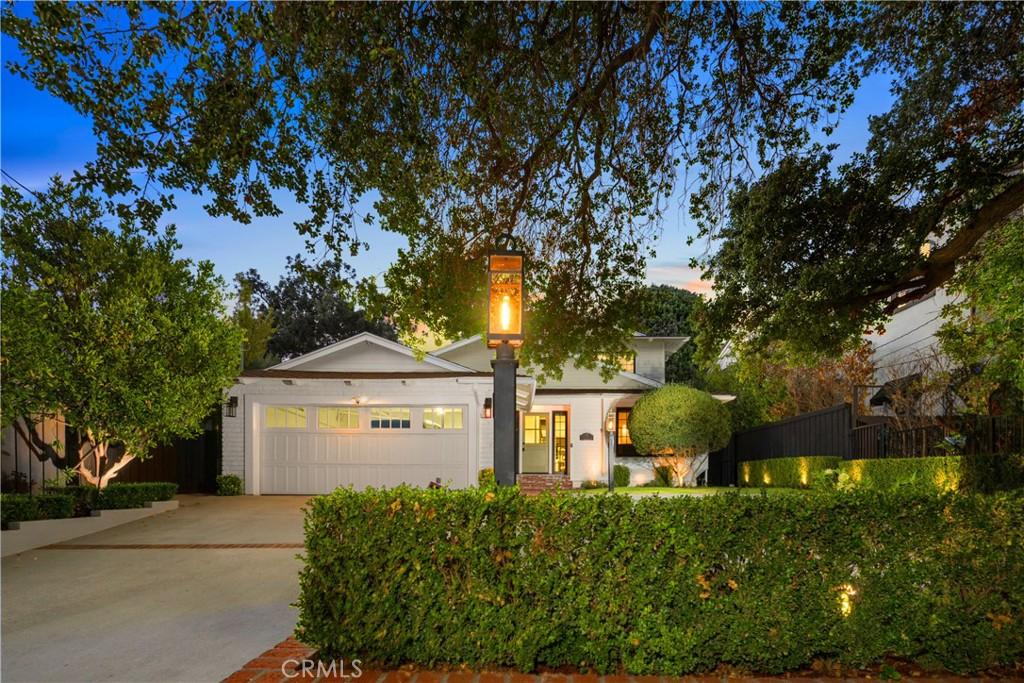
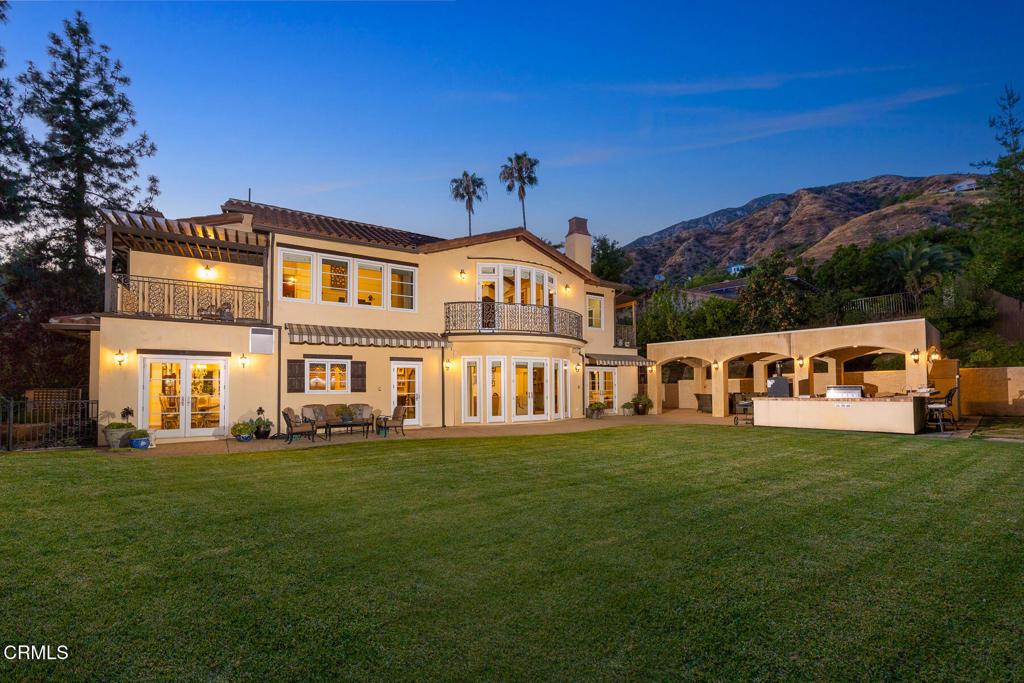
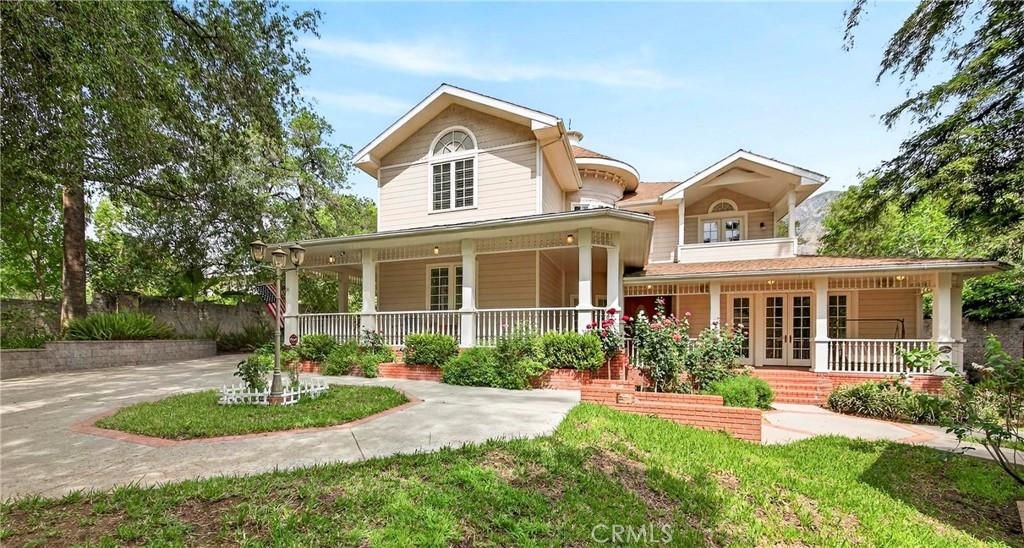
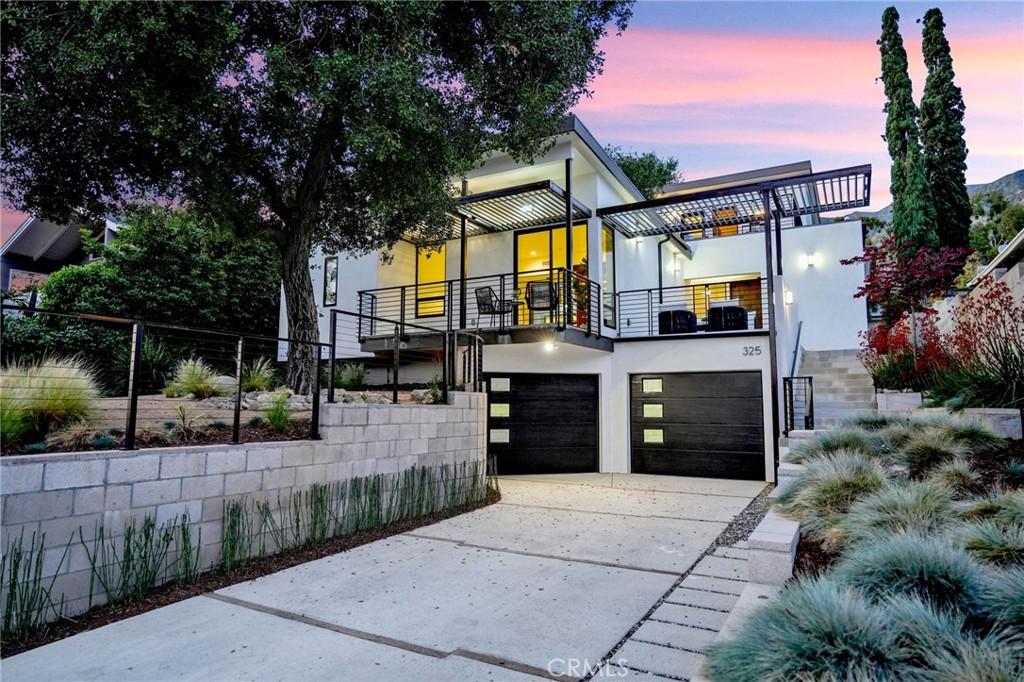
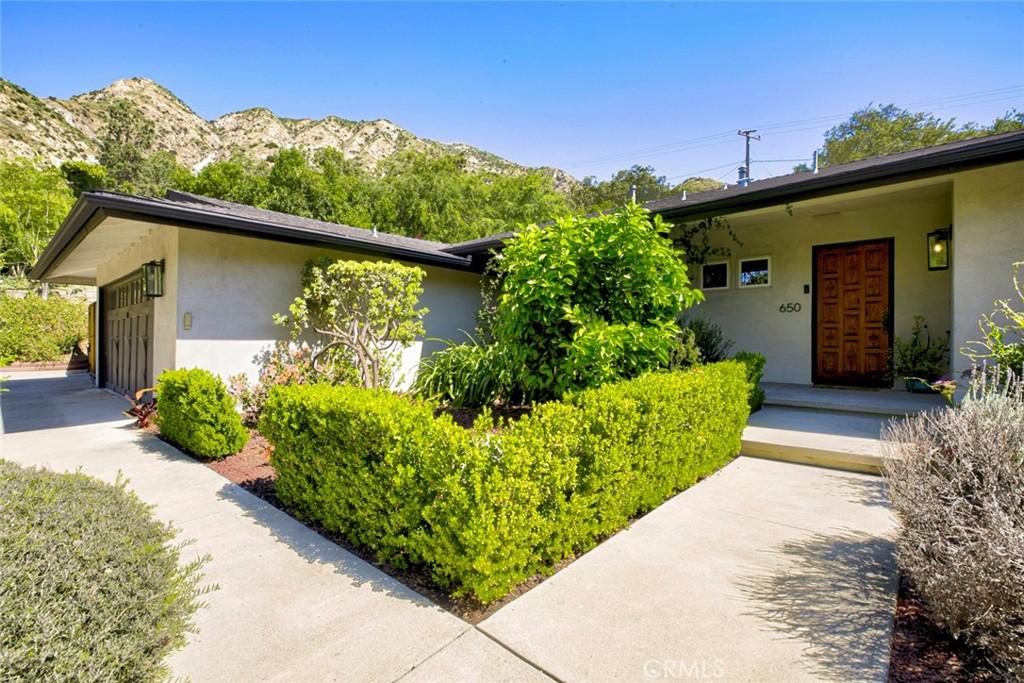
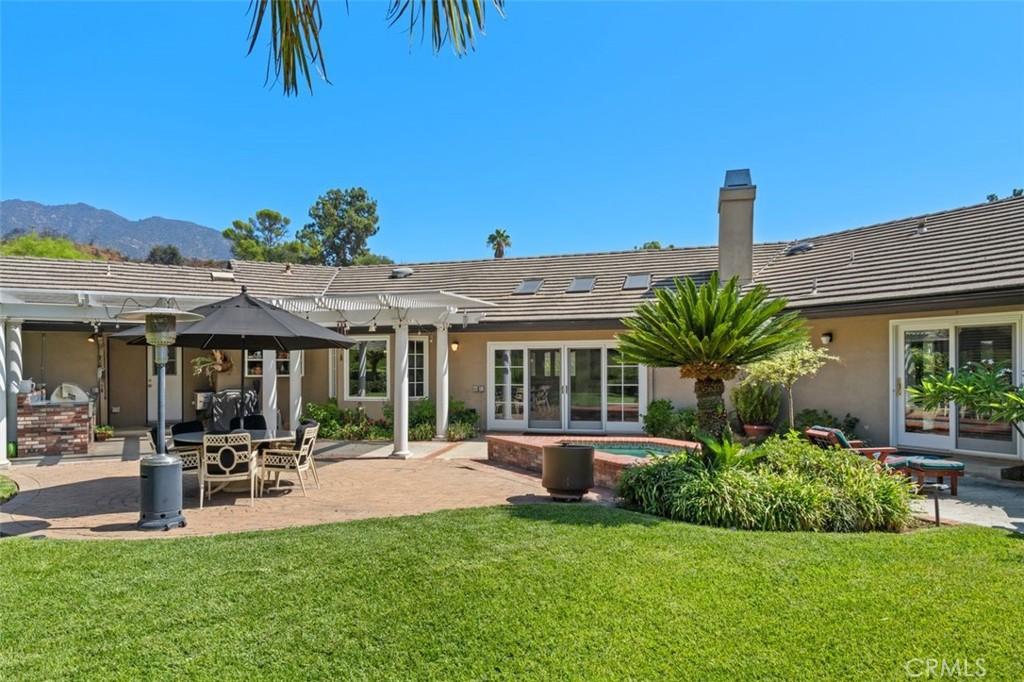
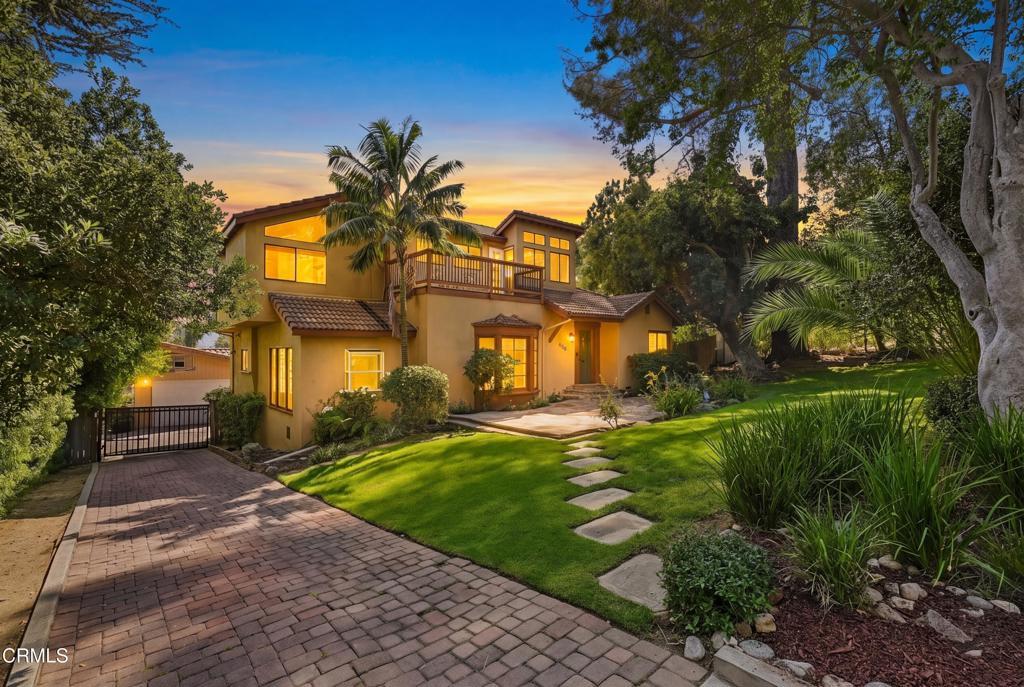
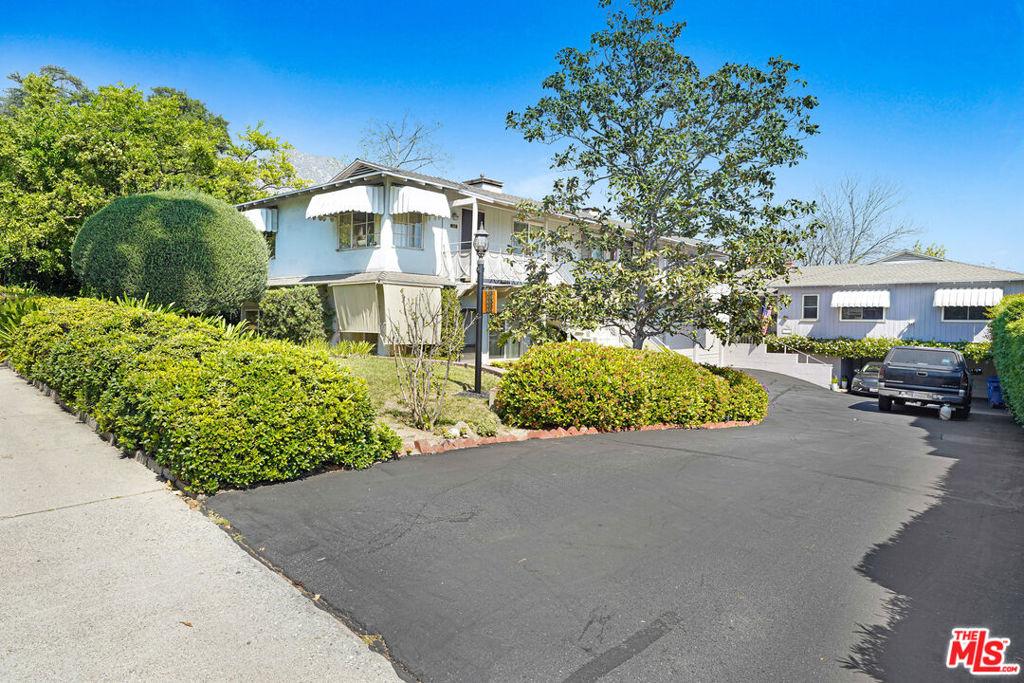
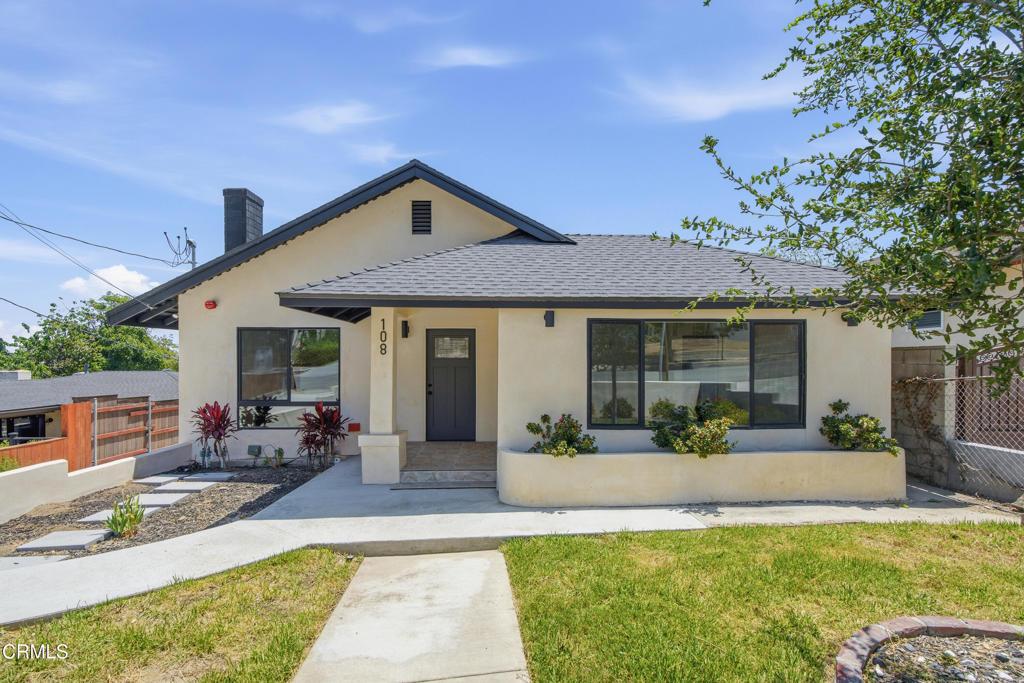
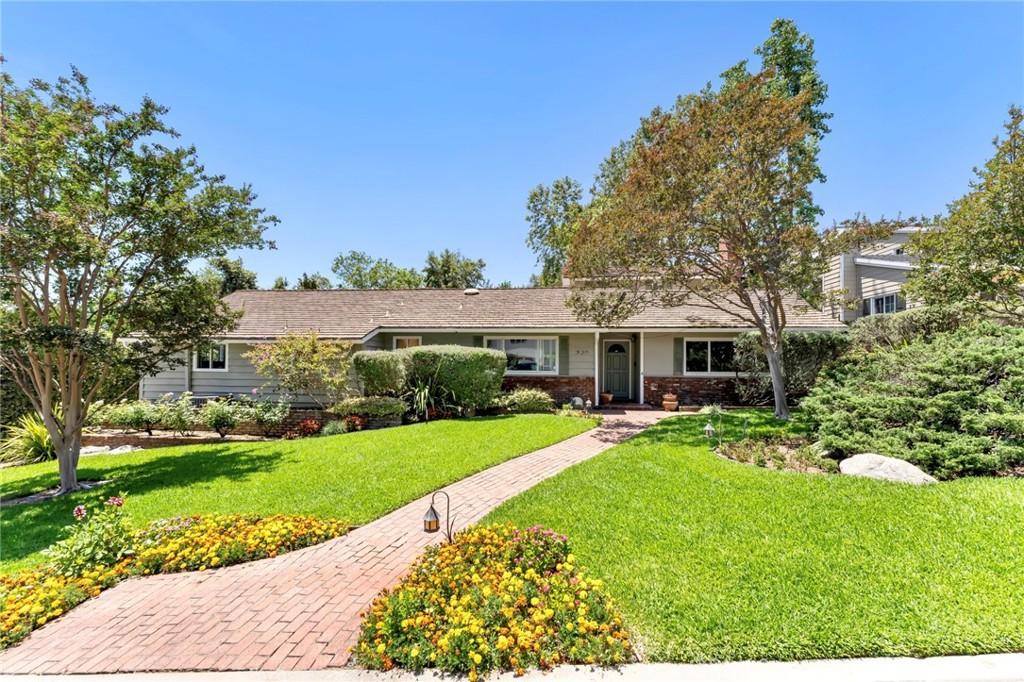
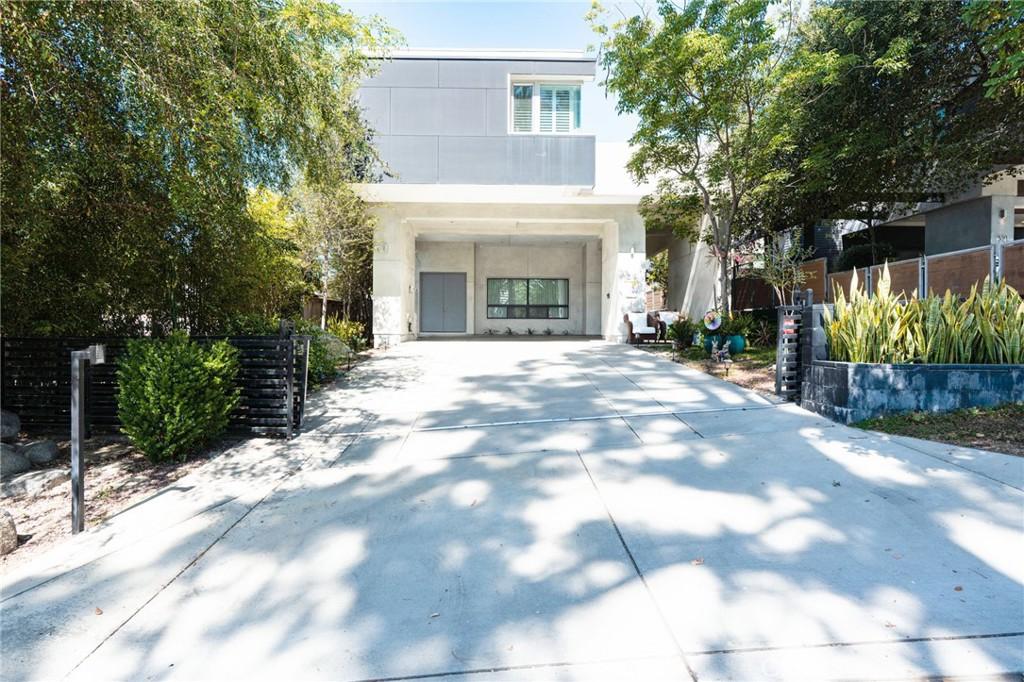
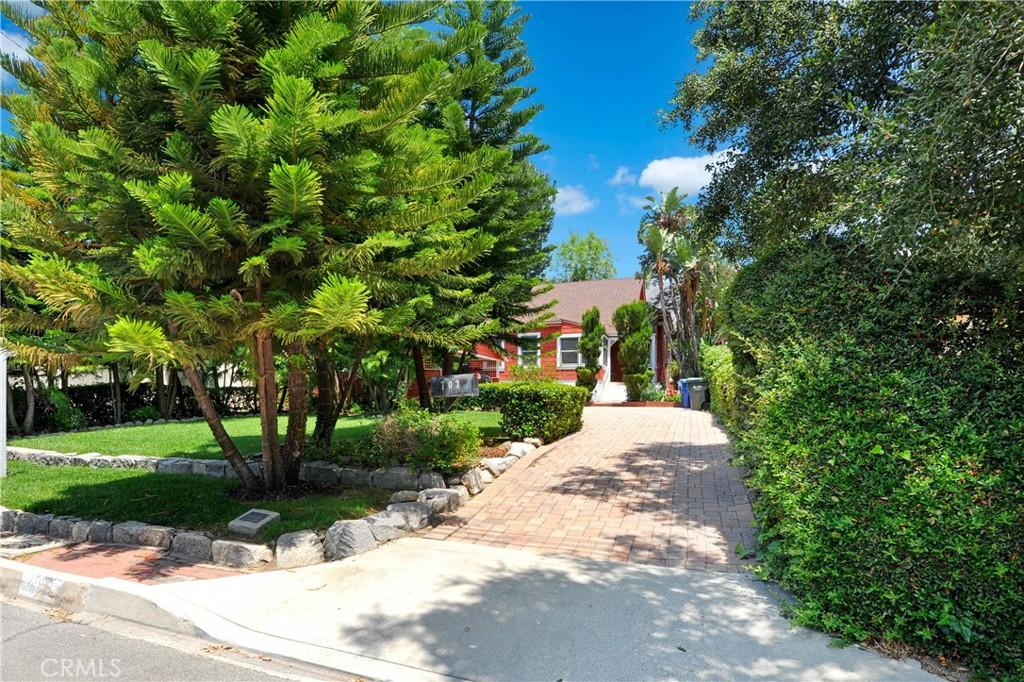
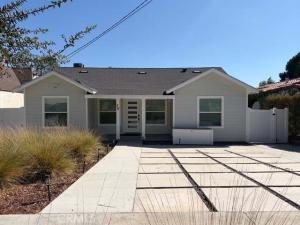
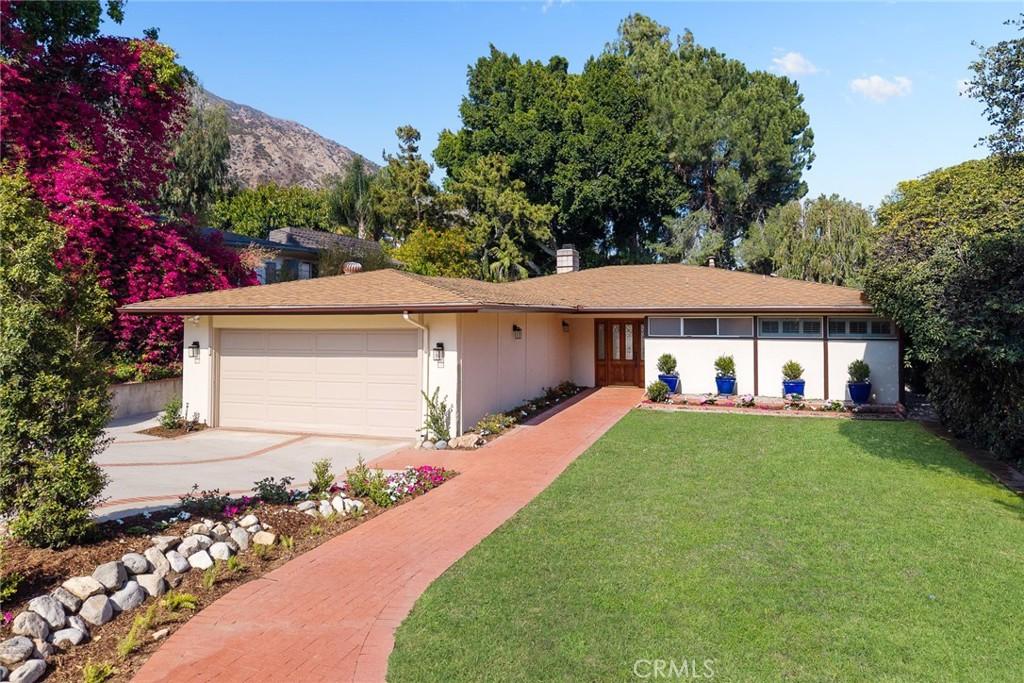
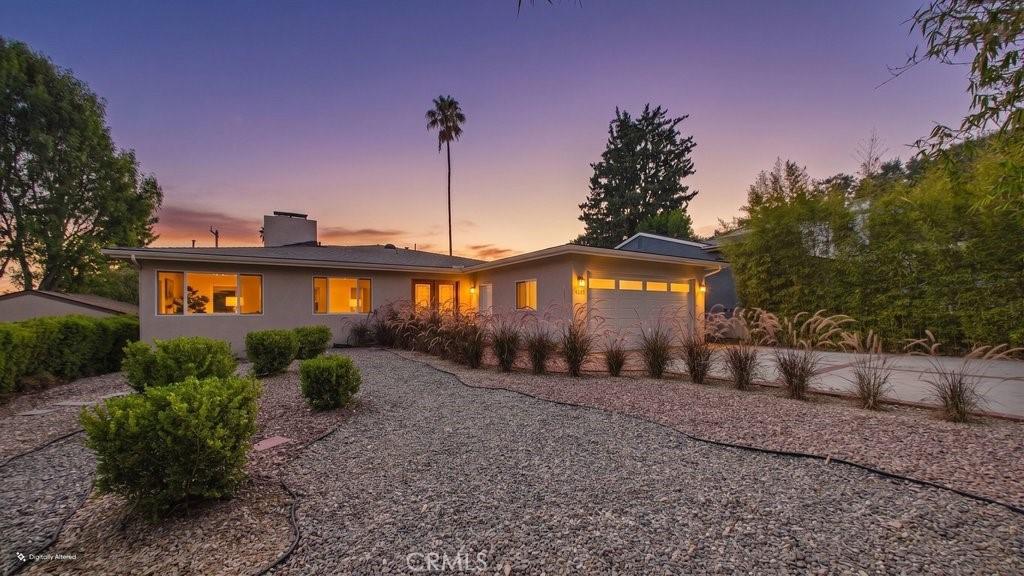
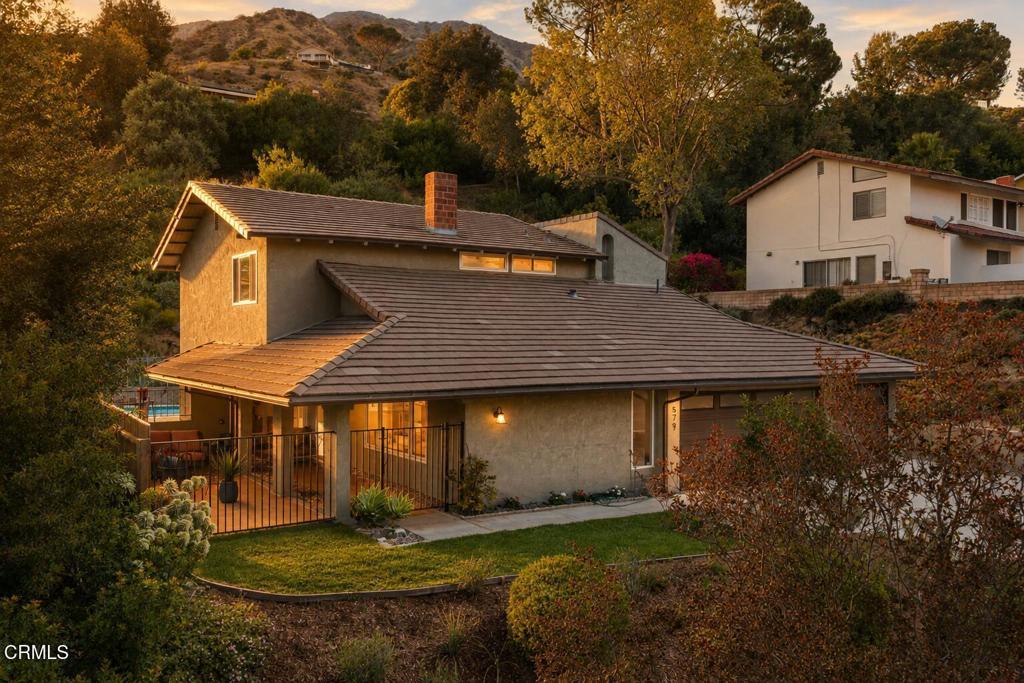
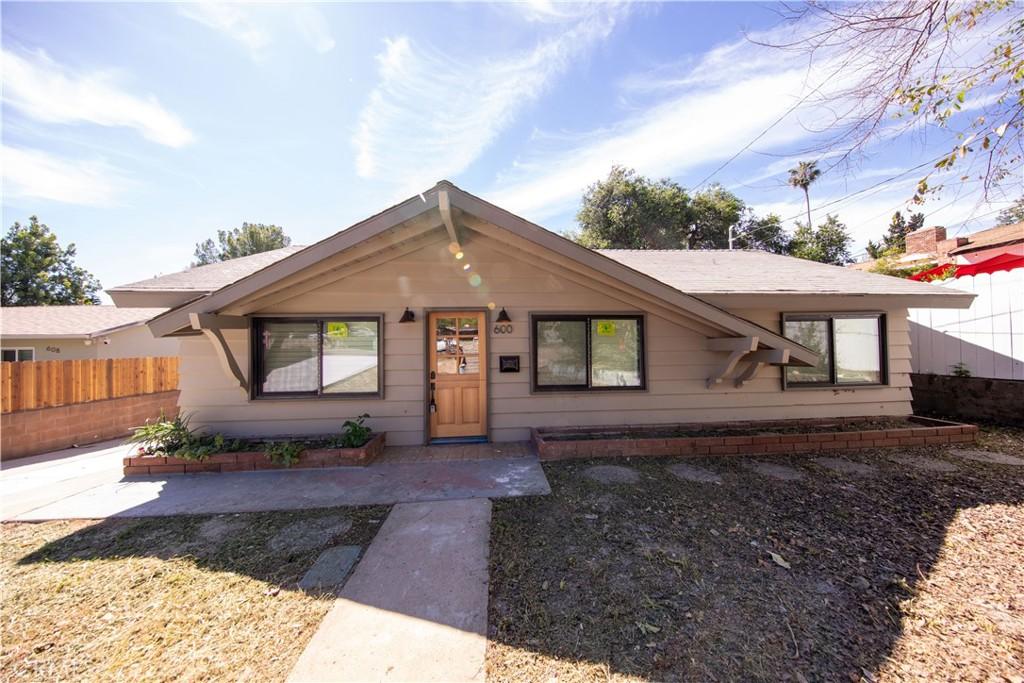
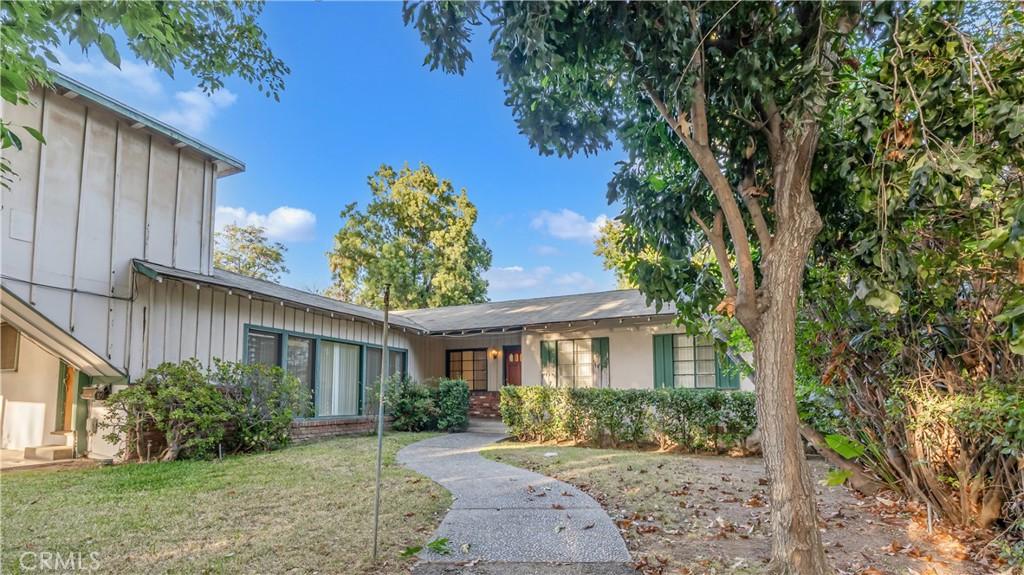
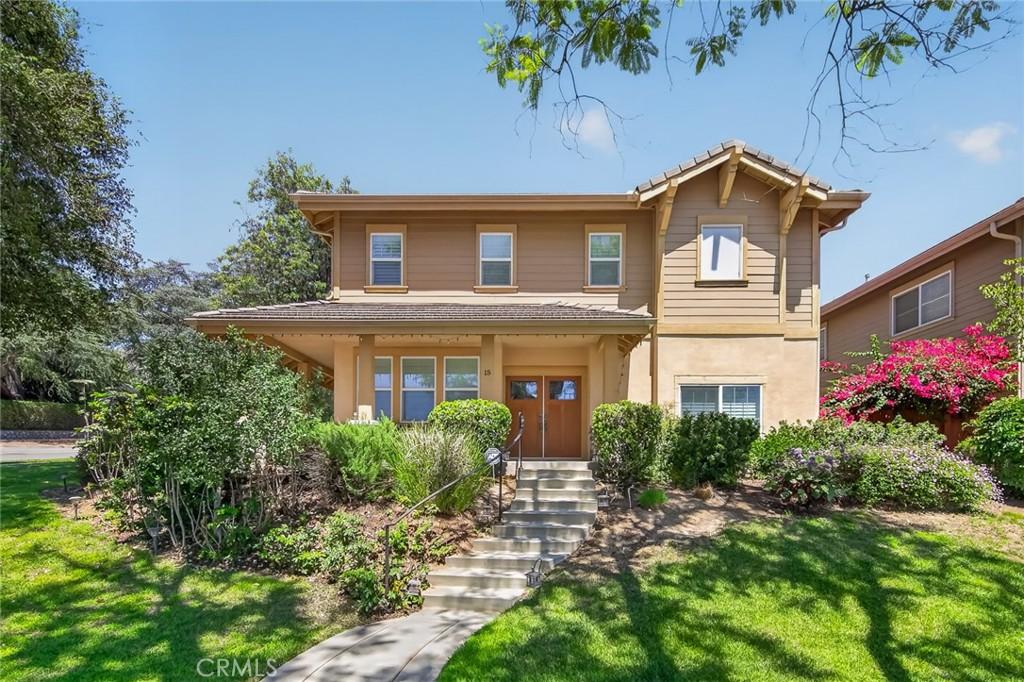
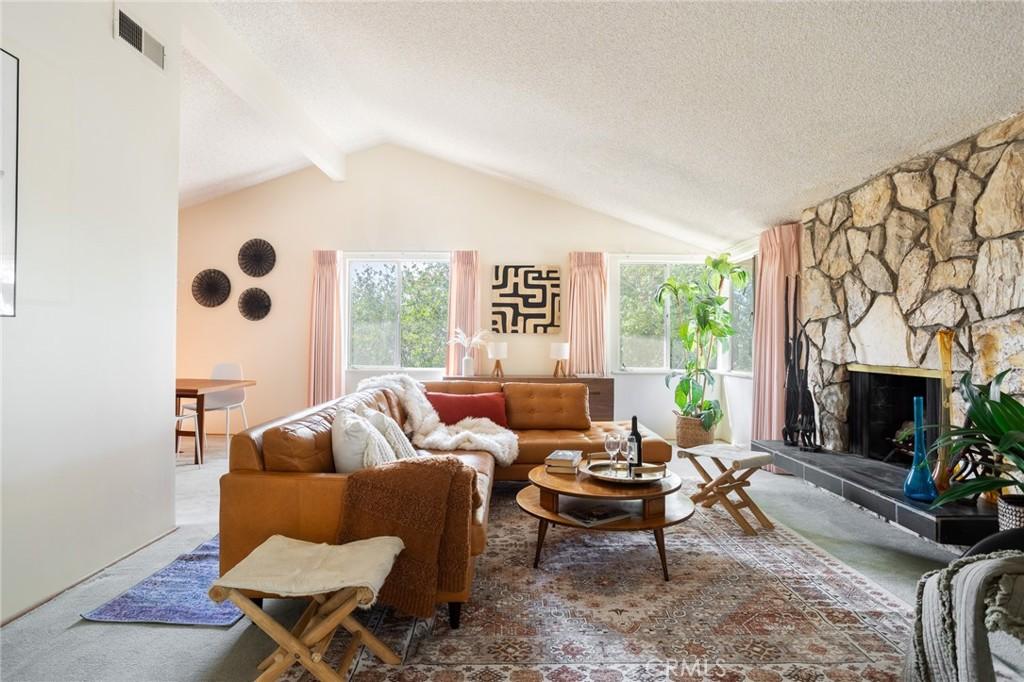
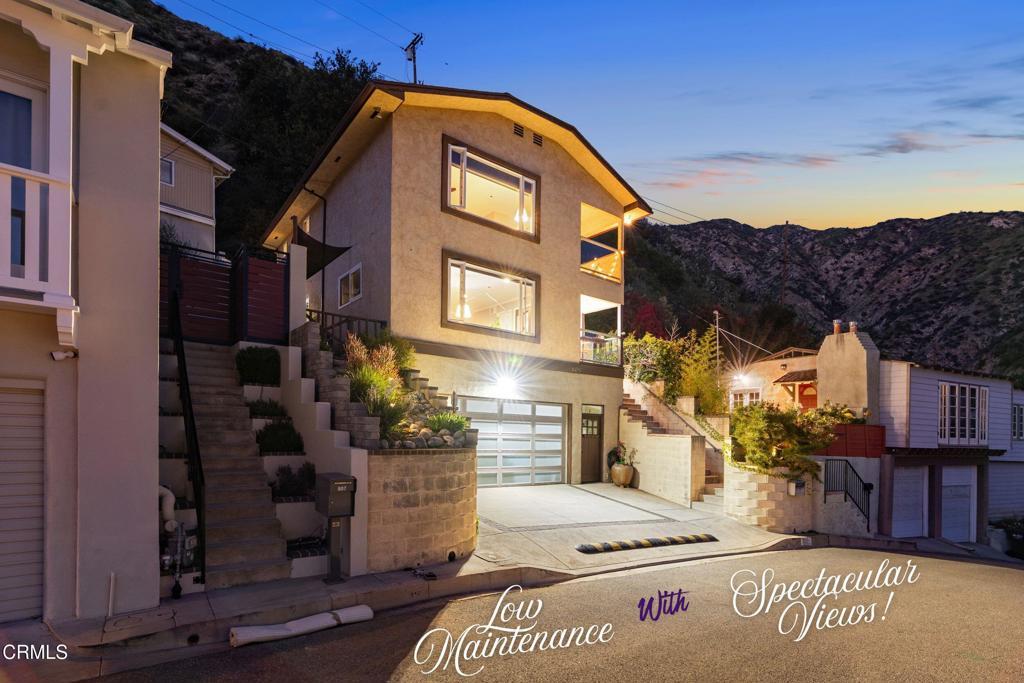
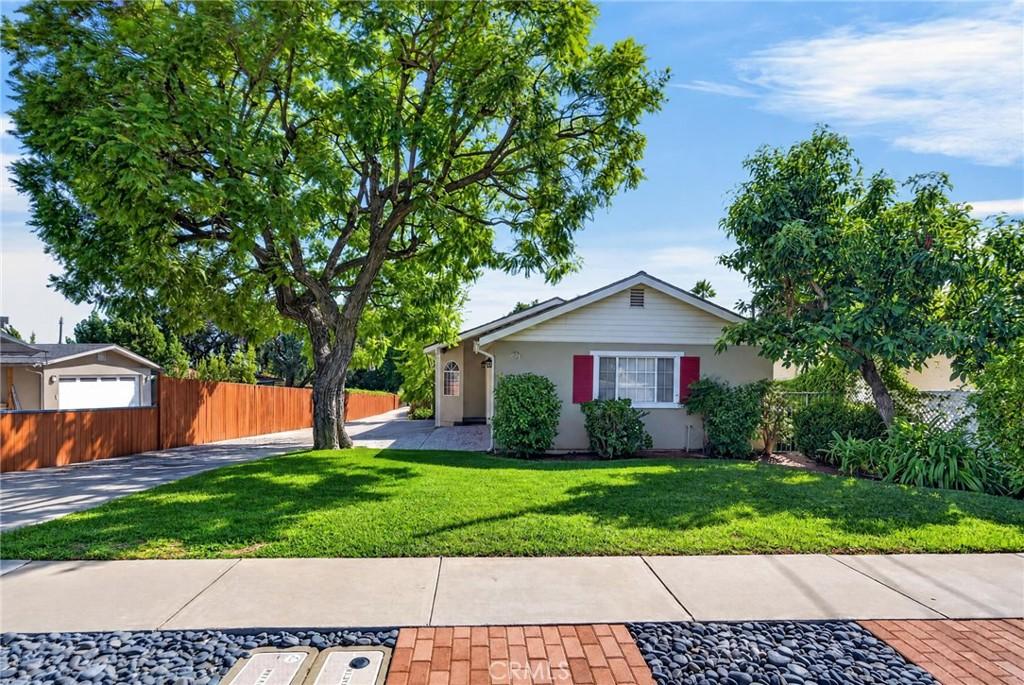
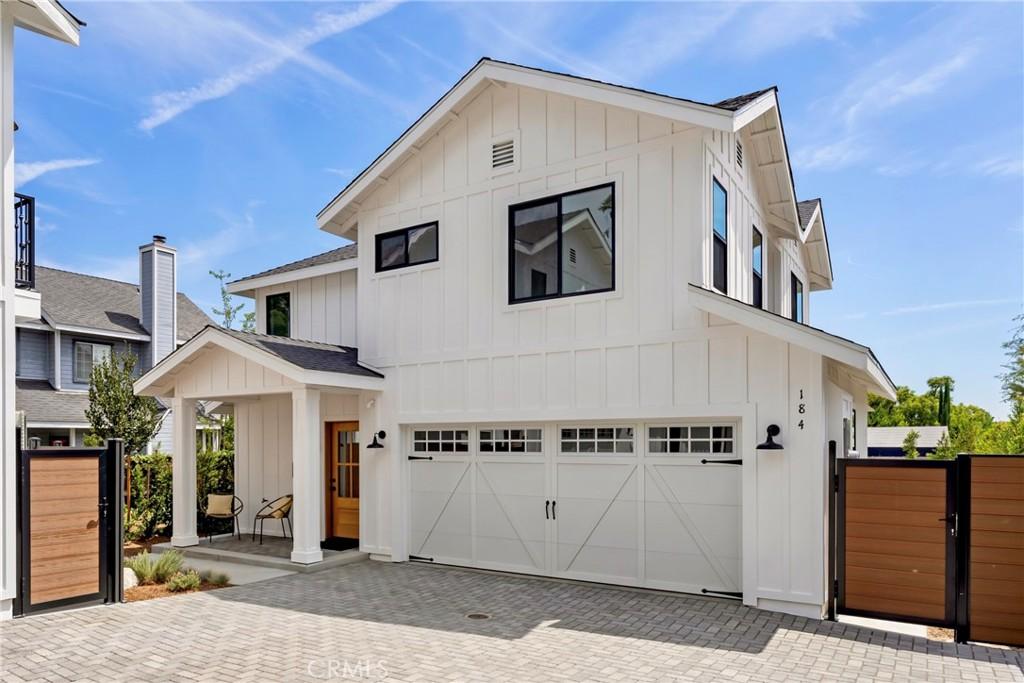
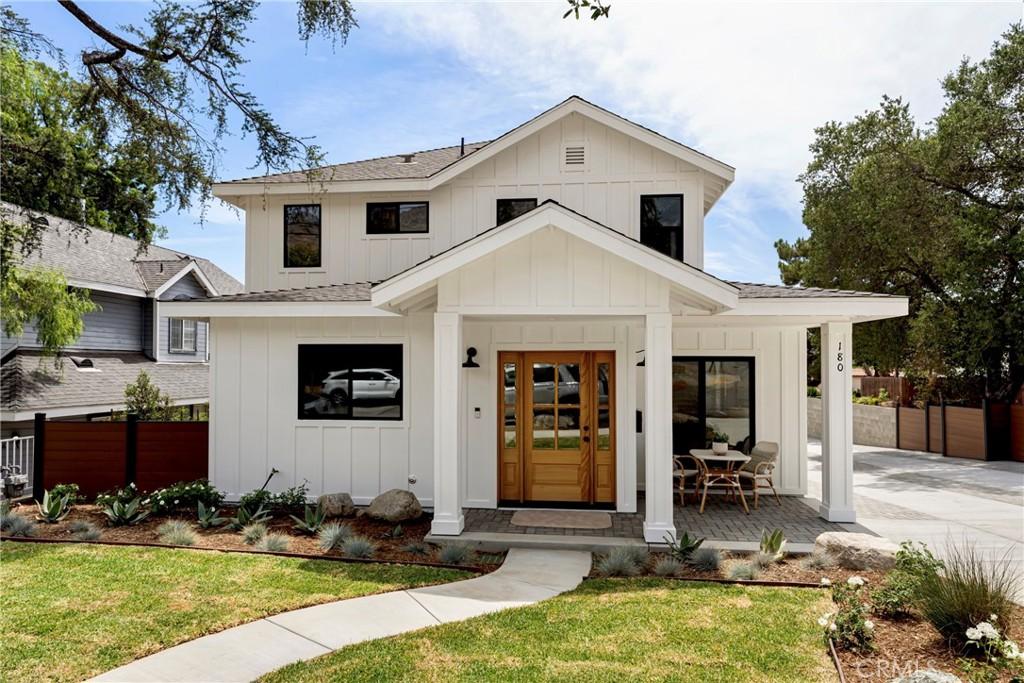
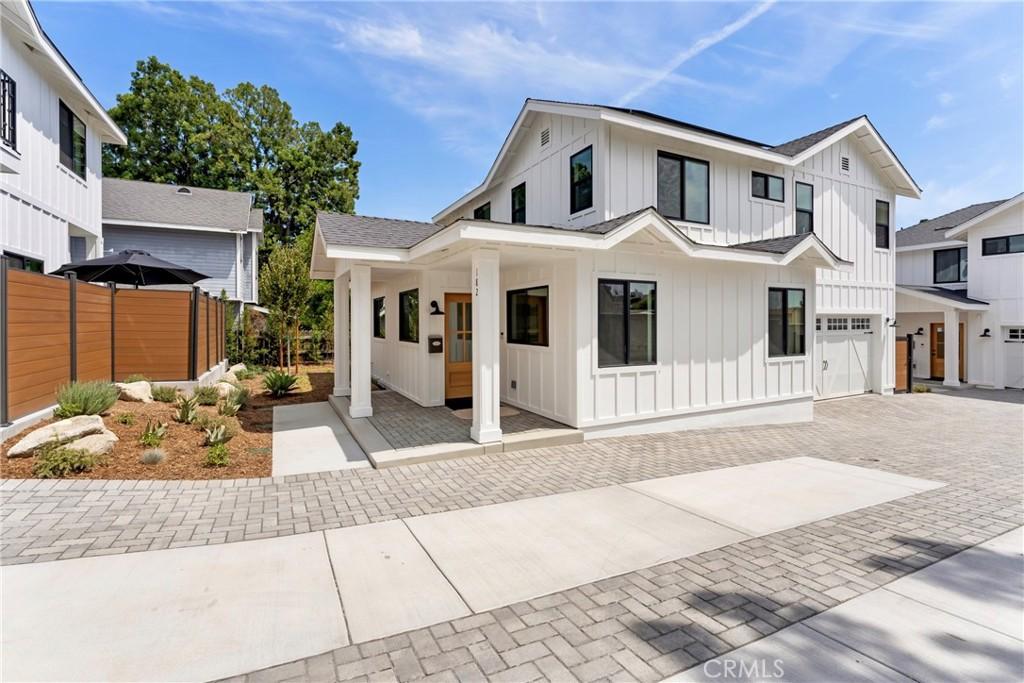
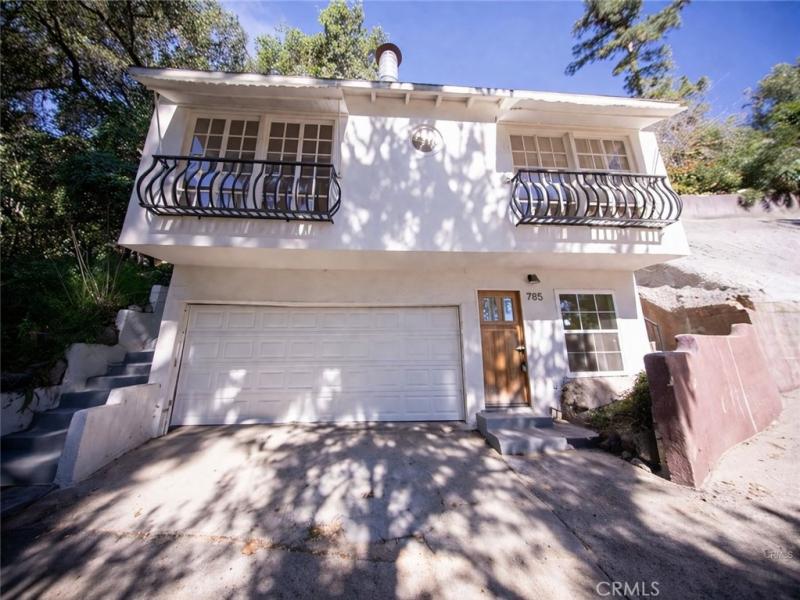
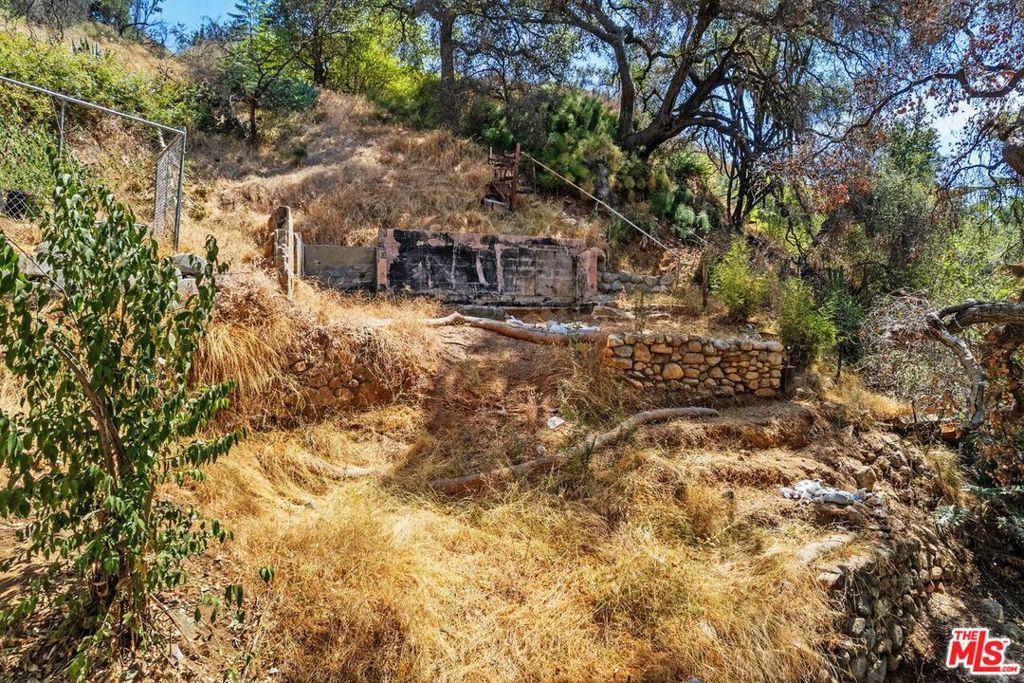
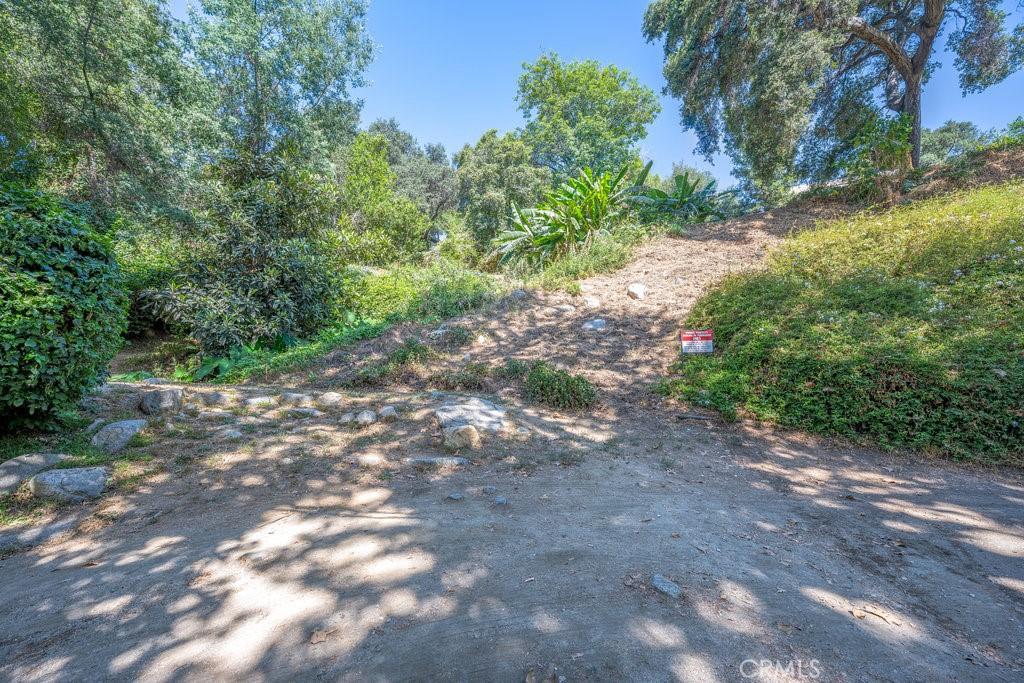
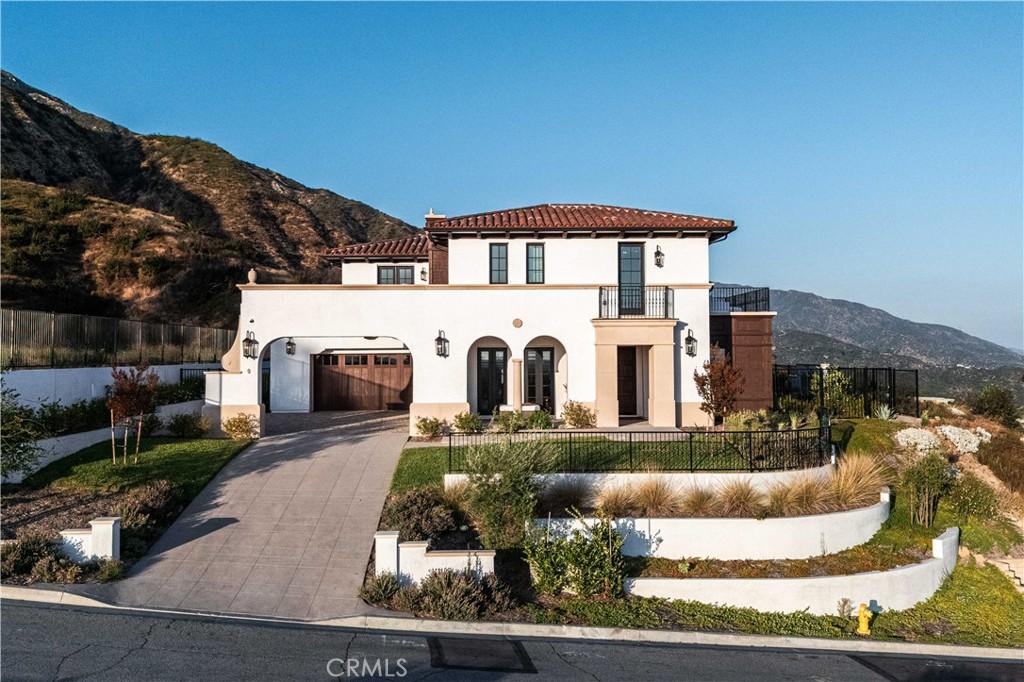
Sierra Madre homes for sale ranging from $900,000 to $2,800,000+. A small incorporated city of approximately 11,000 residents at the base of the San Gabriel Mountains, Sierra Madre is known for its preserved village downtown, its Craftsman and Victorian residential architecture, its proximity to trails in the Angeles National Forest, and one of the most cohesive small-town residential communities in the San Gabriel Valley. The Knight Group works this area directly, including off-market inventory. Sierra Madre’s limited housing stock and consistent buyer demand create a market where well-priced properties move quickly; buyers should approach active listings with financing in place.

Sierra Madre Homes for Sale in San Gabriel Valley

Community

Sierra Madre: Village Character, Market Dynamics, and Residential Identity

Sierra Madre is a 2.9-square-mile incorporated city at the eastern edge of the Pasadena-area communities, bordered by Arcadia to the south, Monrovia to the east, and the Angeles National Forest to the north. The city was incorporated in 1907 and has maintained a remarkably consistent residential and commercial character over more than a century, largely because of its small size, its position at the mountain foothills where developable flat land is limited, and the community’s active engagement in land use and development decisions that reflect a strong preference for preserving the city’s small-scale village identity. Sierra Madre has no traffic lights and no major chain retail establishments within its city limits, characteristics that the community has preserved as defining features of its residential environment.

The downtown commercial district centered on Baldwin Avenue between Sierra Madre Boulevard and Alegria Avenue is Sierra Madre’s village center: a walkable cluster of restaurants, cafes, independent retail shops, and the Sierra Madre Public Library that serves the daily commercial needs of the residential population without the scale or character of a conventional suburban commercial district. The establishments that line Baldwin Avenue have a locally owned and curated character that reflects the community’s preference for commercial uses that enhance the village environment rather than expanding it toward regional-scale retail or fast-food formats. The weekly Sierra Madre Farmers Market operates in the downtown area and provides a Saturday morning gathering point for residents throughout the city.

The Wistaria Festival, held annually in March when the Wistaria vine at the corner of Baldwin Avenue and Sierra Madre Boulevard is in full bloom, is Sierra Madre’s most recognized community tradition. The vine, which holds a Guinness World Record as the largest blooming plant in the world, covers a quarter-acre lot adjacent to the downtown commercial district and draws tens of thousands of visitors during the brief annual bloom period. For Sierra Madre residents, the Wistaria Festival is a specific expression of the city’s community identity: a tradition that celebrates a natural feature unique to the city and that has organized the community’s civic calendar for more than a century.

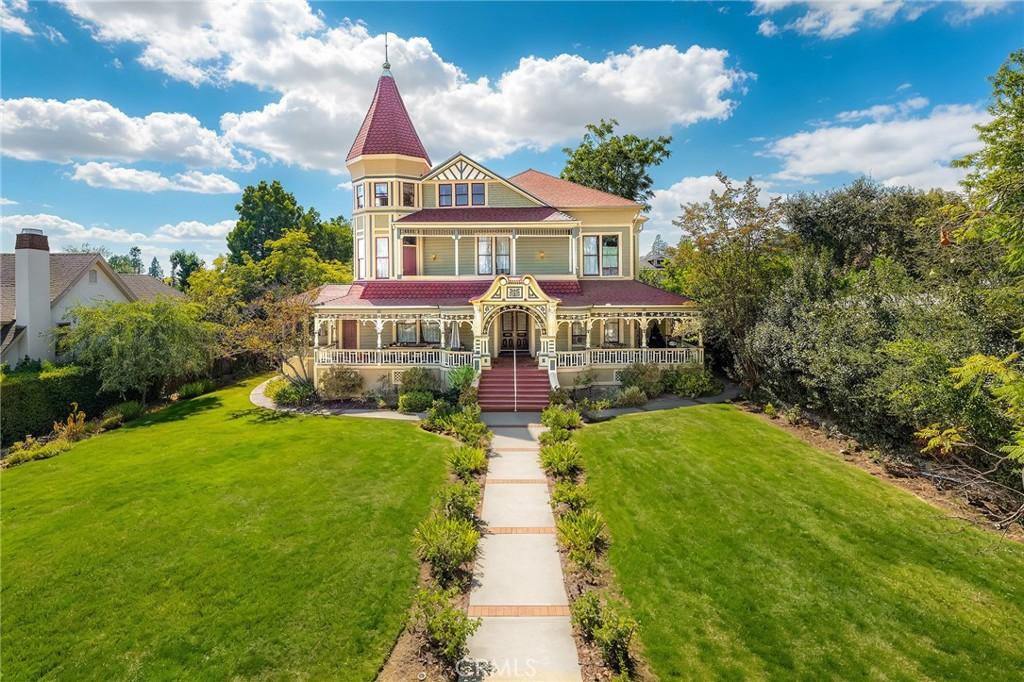
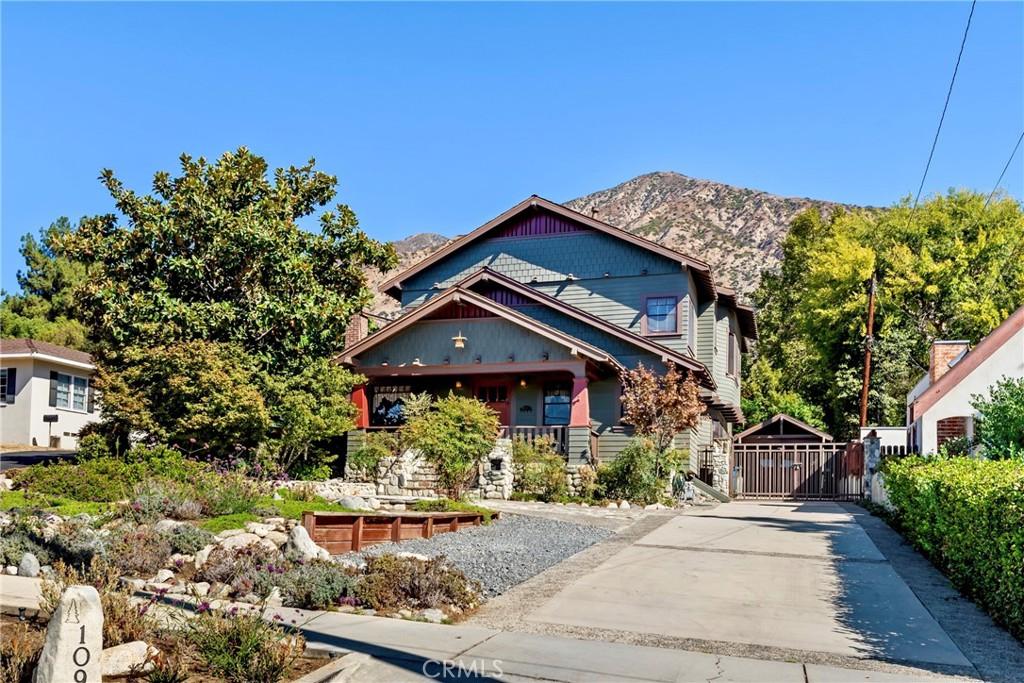
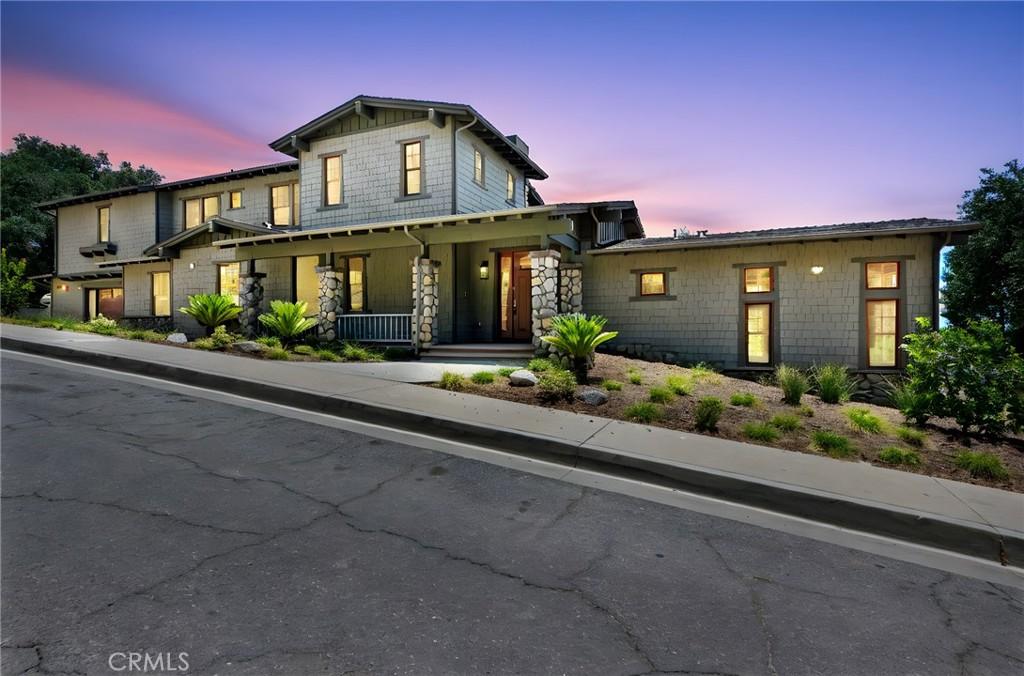
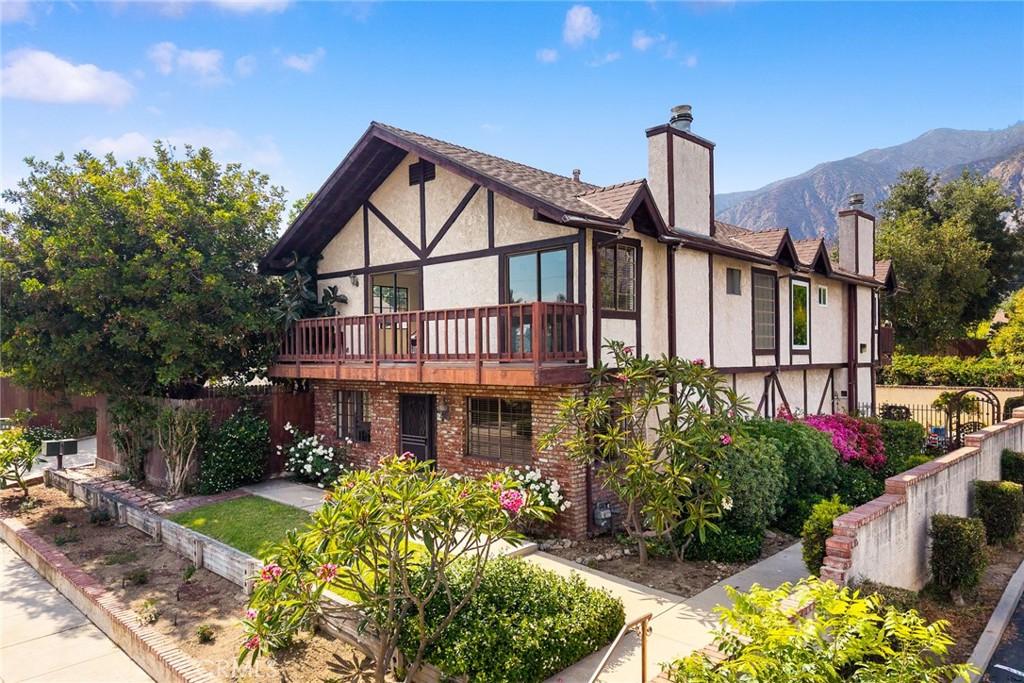
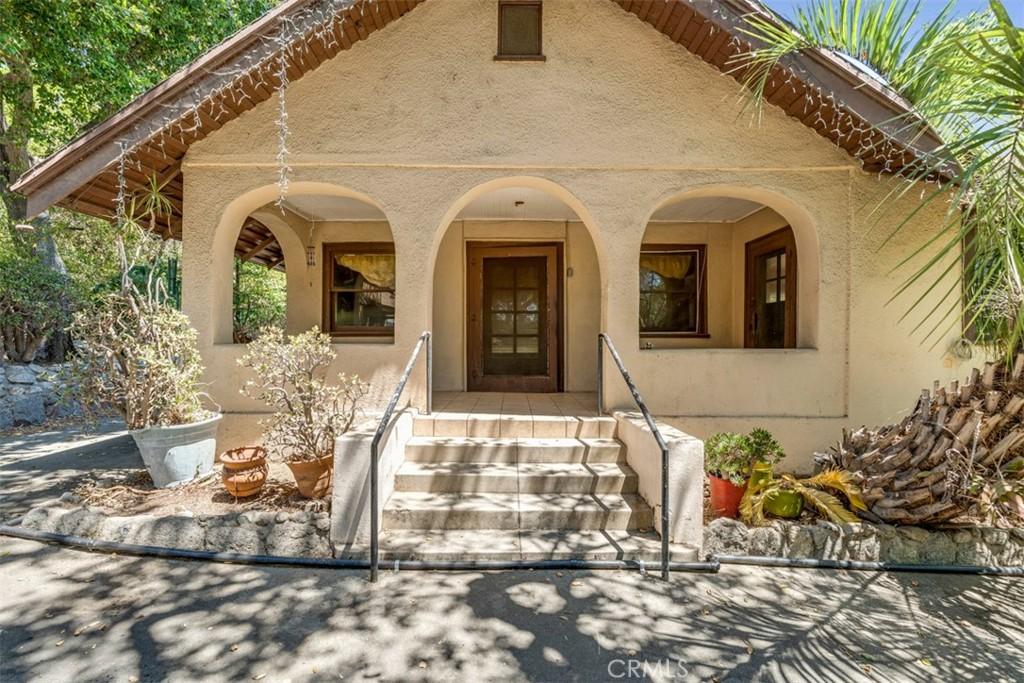
The residential character of Sierra Madre is defined by its compact geography and the architectural heritage of its pre-war housing stock. The city’s residential streets contain a high concentration of Victorian cottages (1890s-1910s), California bungalows (1900s-1920s), and Craftsman homes (1905-1930) that are well-preserved relative to comparable communities in the San Gabriel Valley. The city has an active Historic Preservation Commission that works to identify and protect architecturally significant properties, and the Mills Act tax reduction program is available to owners of designated historic structures. Buyers who are specifically interested in the Victorian or Craftsman housing stock should consult with the Sierra Madre Historic Preservation Commission and the city’s planning department about the specific designation status, permit requirements, and available incentives before purchasing.
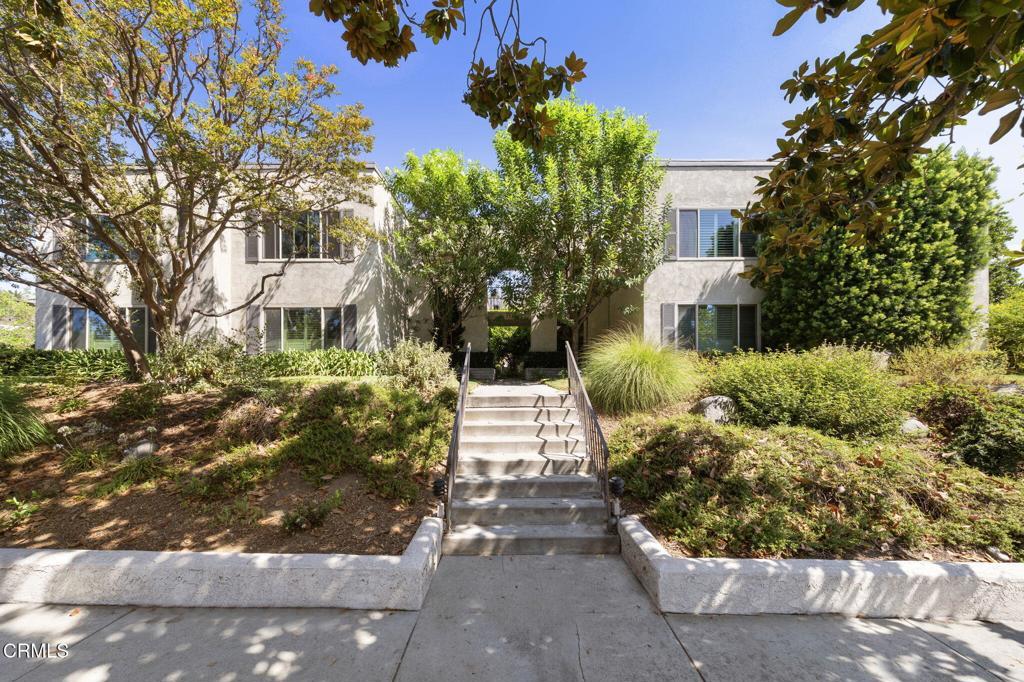
The Sierra Madre school district question is somewhat complex for buyers with school-age children. Sierra Madre is served by the Pasadena Unified School District for elementary education, with most Sierra Madre elementary-age children attending Carter Elementary School, which is physically located in Sierra Madre. Sierra Madre students typically advance to Sierra Madre Middle School and then to Sierra Madre High School (Pasadena Unified’s alternative, smaller high school option) or to Pasadena High School or Muir High School within the PUSD system. PUSD’s overall performance varies significantly across its schools, and families considering Sierra Madre specifically for school quality should research the specific school assignment and current performance data for their children’s grade levels before making a purchase decision based primarily on school considerations.
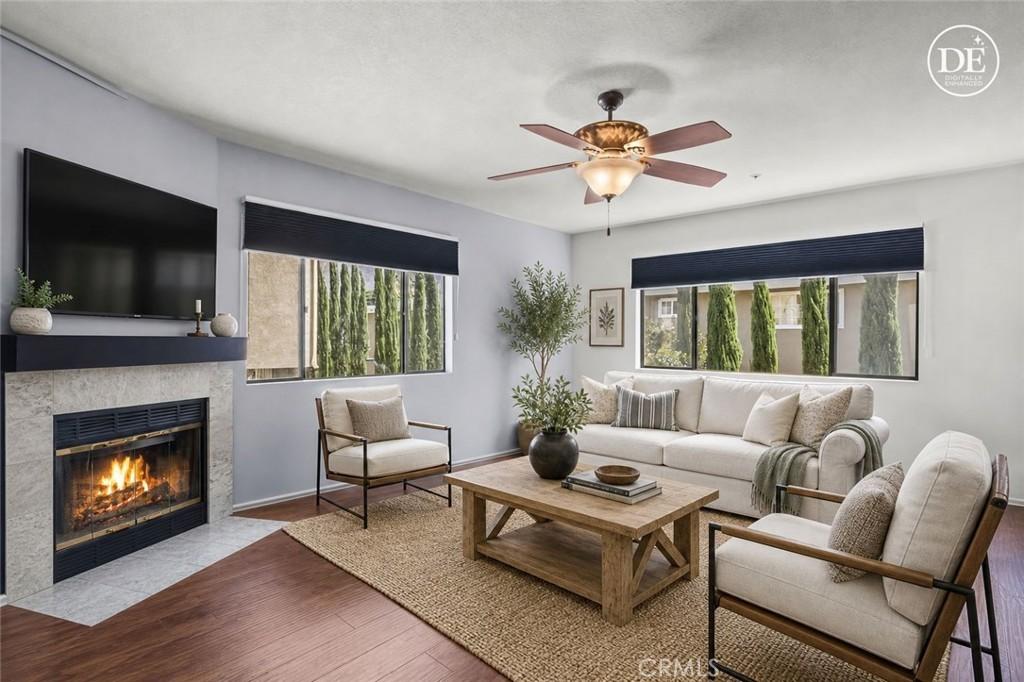
The residential market in Sierra Madre operates in a narrow band of supply and consistent demand from a buyer profile that is specifically motivated by the village character, the mountain proximity, the architectural heritage, and the small-city governance structure that Sierra Madre provides. With a total housing stock of approximately 4,000 units and annual transaction volume of fewer than 150-200 sales per year, the Sierra Madre market is genuinely small and the off-market transaction component is meaningful. Well-positioned properties in good condition receive competitive offers from buyers who have been waiting specifically for a Sierra Madre home to become available, and the average days-on-market for desirable properties reflects this pent-up demand dynamic.

The current median home value in Sierra Madre is approximately $1.1-$1.5 million, with the premium properties (larger lots, historical significance, mountain views, canyon adjacency) reaching $2.5M+. The Sierra Madre premium over adjacent Arcadia flatland inventory of comparable size reflects the village character, the architectural heritage, and the specific buyer demand for the small-city environment that Sierra Madre uniquely provides. The discount to premium Pasadena neighborhoods reflects PUSD’s lower average performance relative to PUSD’s own high-performing magnet options and adjacent top-tier school districts (AUSD, SMUSD).

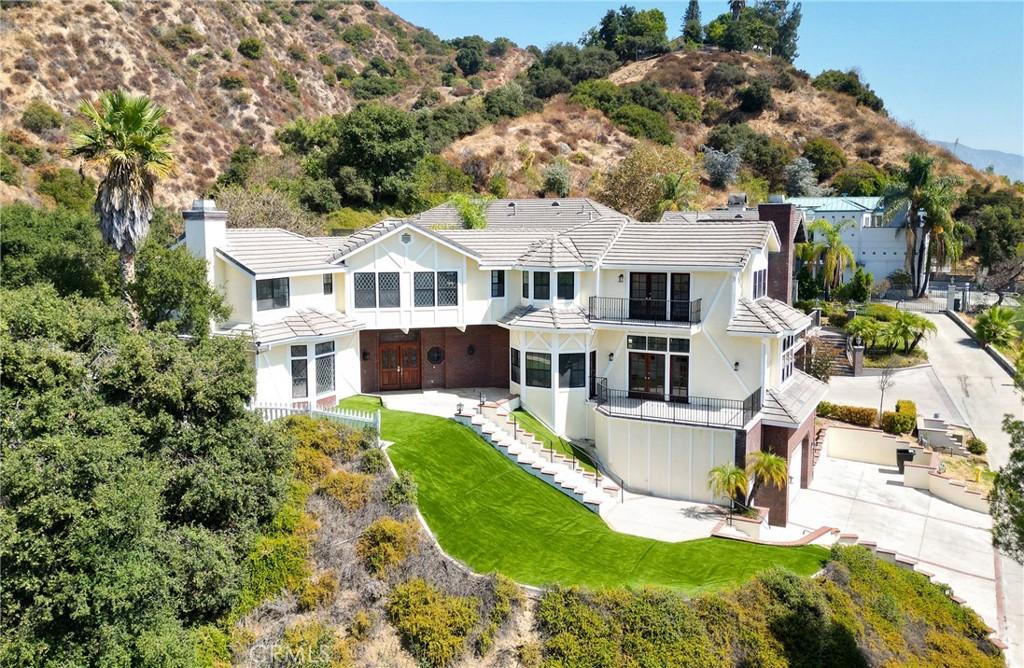
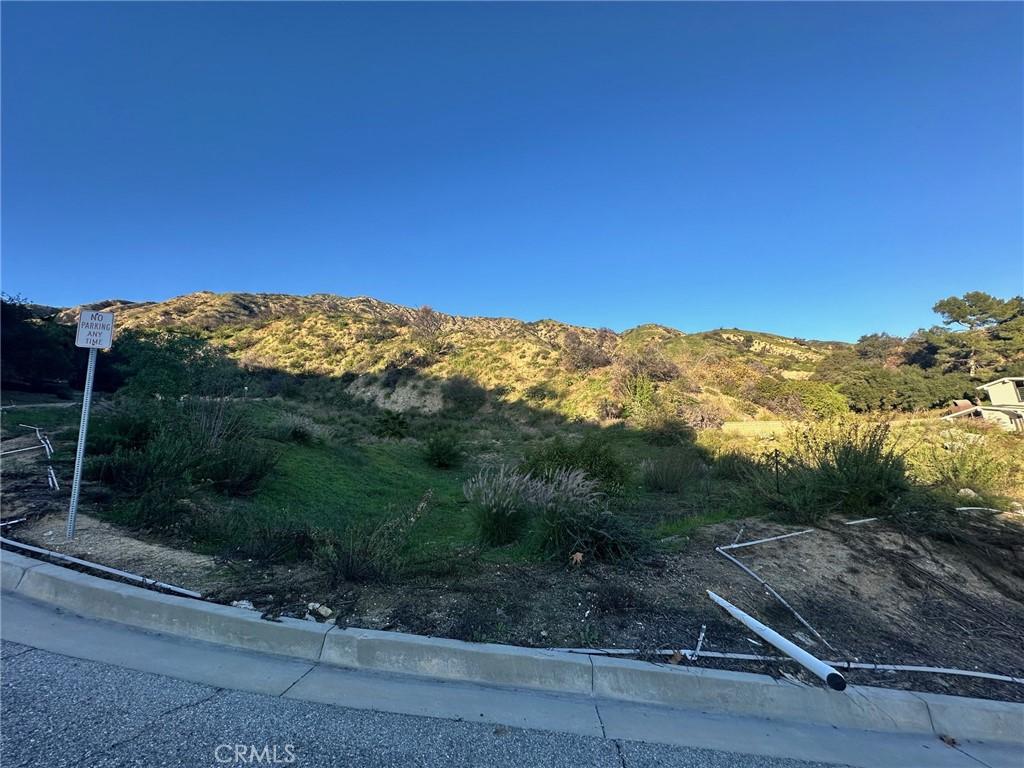
The fire risk profile of Sierra Madre requires careful attention from buyers considering any property in the northern sections of the city adjacent to the mountain slopes. The Very High Fire Hazard Severity Zone covers the hillside and canyon-adjacent residential areas, and the city’s position at the direct interface of residential development and the Angeles National Forest creates the fire interface conditions that define the highest risk residential areas in the San Gabriel Valley. Buyers should confirm homeowner insurance availability and cost as part of their due diligence on any Sierra Madre property, particularly those in the northern residential areas. The city’s emergency preparedness planning and its evacuation route network are specifically designed for the mountain-interface condition, and buyers should understand the evacuation procedures and the specific risk profile of any property they are considering before completing a purchase.

The commute infrastructure for Sierra Madre residents is car-dependent, consistent with the city’s small-town residential character and the absence of a Metro rail station within or immediately adjacent to the city. The closest Metro A Line station is the Arcadia Station, approximately 10-15 minutes south of central Sierra Madre by car, which provides a transit option to Pasadena and downtown Los Angeles for residents who commute by rail after driving to the station. The 210 Freeway is accessible via Rosemead Boulevard in Arcadia to the south, approximately 10-15 minutes from central Sierra Madre by car, providing east-west freeway access to Pasadena and the broader commute network. The commute to downtown Pasadena by car takes approximately 15-25 minutes from most Sierra Madre addresses under favorable traffic conditions.

The Knight Group maintains direct coverage of the Sierra Madre residential market and works with buyers who are specifically seeking the small-city, village-character residential environment that Sierra Madre provides. The combination of walkable downtown access, Angeles National Forest adjacency, Craftsman and Victorian architectural heritage, and the small-town governance culture that Sierra Madre has maintained over more than a century creates a residential environment that is genuinely irreplaceable in the San Gabriel Valley context. For buyers who have identified Sierra Madre as their target, working with The Knight Group’s direct market presence is the most effective way to access pre-market and off-market opportunities in a city where the total transaction volume is small enough that a single agent relationship can provide access to a meaningful portion of the available inventory before it reaches the broader market.

Sierra Madre: Governance, Long-Term Value, and the Village Investment Case

The City of Sierra Madre provides municipal services through a city government structure that reflects the community’s preference for local control and careful stewardship of the city’s character. The Sierra Madre City Hall on Sierra Madre Boulevard administers city planning, building and safety, and public works. The Sierra Madre Police Department provides law enforcement with a community-oriented approach that is characteristic of the smallest municipal police departments, and the department’s presence in the compact city reflects a commitment to the personal, familiar relationship between police and residents that is one of the features of small-city governance that Sierra Madre residents specifically value. The Los Angeles County Fire Department provides fire and emergency medical response services to Sierra Madre via a contractual arrangement.

The long-term investment case for Sierra Madre residential real estate rests on a set of structural constraints and demand characteristics that are unlikely to change in the medium to long term. The city’s geographic constraints (mountain boundary to the north, the Angeles National Forest, the adjacent incorporated cities of Arcadia and Monrovia, and the limited developable flat land within the city’s 2.9-square-mile footprint) prevent meaningful residential supply expansion. The combination of the village character, the walkable downtown, and the mountain access creates a specific demand profile that is not replicable in adjacent communities. And the community’s active governance tradition, reflected in the Historic Preservation Commission, the careful land use decision-making process, and the community engagement culture, provides a form of character insurance: the residential environment buyers are purchasing today is highly likely to remain substantially consistent through a multi-decade ownership horizon.

The architectural preservation culture in Sierra Madre is one of its most distinctive characteristics from a buyer’s perspective. The combination of the Mills Act historic designation program (which provides property tax reductions for designated historic structures), the Historic Preservation Commission’s active oversight of exterior alterations, and the community’s own informal social pressure toward maintaining architectural authenticity creates a self-reinforcing preservation dynamic that has kept the city’s historic residential streetscapes more intact than comparable communities elsewhere in the San Gabriel Valley. Buyers who purchase Sierra Madre Craftsman or Victorian homes and maintain them appropriately are participating in a community-wide stewardship tradition that contributes to the long-term character and value stability of the entire residential environment.

The Wistaria vine at 601 W. Sierra Madre Boulevard, which holds a Guinness World Record as the world’s largest blooming plant (covering a quarter acre with over 1.5 million blossoms during peak bloom), is a specific expression of the natural phenomena that Sierra Madre’s mountain-interface location enables. The annual Wistaria Festival has been held since 1917 and draws 35,000+ visitors over a single weekend in late February or early March, temporarily transforming the small city into a regional destination. For the residential community, the Festival represents a specific form of community identity and civic engagement that is sustained by the generations of residents who have chosen Sierra Madre in part for the quality of its civic traditions.

Buyers who are evaluating Sierra Madre against adjacent markets should understand the specific trade-offs clearly. Sierra Madre offers the most authentic small-city, walkable-downtown, mountain-access residential environment in the eastern SGV, but the school district (PUSD) is not as strong or as consistently high-performing as adjacent Arcadia USD, and the commute to most Los Angeles employment centers requires a car trip to the 210 Freeway or the nearest Metro A Line station (in Arcadia). For buyers for whom the village character, the preservation culture, the outdoor access, and the specific community identity are primary motivators, Sierra Madre is likely to align strongly with those priorities. For buyers for whom the school district quality is the primary motivator, the adjacent Arcadia market (AUSD) is likely to be a stronger fit despite the higher price point. The Knight Group can provide a direct market comparison across Sierra Madre, Arcadia, and Monrovia to help buyers understand the specific trade-offs in the context of their individual priorities.

The water infrastructure in Sierra Madre is provided by the City of Sierra Madre’s own municipal water utility, which draws from both local groundwater and imported water sources managed through the San Gabriel Valley Municipal Water District. The city’s water utility provides service to the residential population with rates and reliability standards that are managed at the municipal level, giving the city direct control over the water service quality that is a meaningful issue in older residential communities where distribution infrastructure may require ongoing investment. Buyers who are accustomed to purchasing homes in larger cities served by Los Angeles Department of Water and Power or Los Angeles County Waterworks should understand that Sierra Madre’s municipal water utility operates independently and that the specific rate structure and any active conservation programs should be confirmed with the city’s Public Works Department.

The property inspection process for Sierra Madre’s predominantly pre-war and early post-war housing stock requires a scope that is calibrated to the characteristics of the city’s older inventory. Galvanized steel plumbing, knob-and-tube and aluminum wiring, wood-lath plaster walls, original single-pane windows, and foundation systems that predate modern seismic codes are common in homes built before 1960, which represent a significant portion of the Sierra Madre housing stock. Buyers considering homes built before 1940 should engage both a general home inspector and a licensed structural engineer to assess the foundation conditions and seismic upgrade requirements. The septic inspection requirement applies to any Sierra Madre property that is not connected to the city’s sanitary sewer system, and buyers should confirm sewer connection status during the due diligence period before assuming standard sewer service.

The total effective property tax rate for Sierra Madre properties typically falls in the 1.15-1.25% range of assessed value, including the Pasadena Unified School District bond obligations and Los Angeles County supplemental assessments. The specific assessment schedule varies by parcel and assessment district, and buyers should review the current property tax bill provided by the seller during the due diligence period. Sierra Madre properties that are designated as historic landmarks under the California Mills Act may qualify for a property tax reduction that can be significant for owners of larger, high-assessed-value historic properties; buyers of potentially designatable historic properties should inquire about the Mills Act process with the Sierra Madre Historic Preservation Commission and the Los Angeles County Assessor’s Office before closing to understand the timeline and requirements for obtaining the designation benefit.

FAQs

What are current home prices in Sierra Madre?
Sierra Madre homes currently list in the $900,000-$2,800,000 range. The median home value is approximately $1.1-$1.4 million as of mid-2026. The most affordable options are smaller post-war homes in the southern flatland sections; Craftsman and Victorian homes in good condition in the historic residential areas typically list from $1.2M-$2M; and properties with canyon adjacency, mountain views, or large lots can reach $2.5M+. The city’s small transaction volume means individual sales have a large influence on comparable pricing, and buyers should review the most recent comparable sales carefully before submitting any offer.

What are the schools like in Sierra Madre?
Sierra Madre is served by the Pasadena Unified School District. Carter Elementary School is physically located in Sierra Madre and serves the city’s elementary-age children. Middle school and high school students attend PUSD facilities in Pasadena. PUSD’s overall performance varies significantly across its schools, and families evaluating Sierra Madre for educational quality should research the specific school assignment and current performance data before making a school-driven buying decision. Sierra Madre does not have its own unified school district, which distinguishes it from adjacent Arcadia and Temple City where city-specific districts drive a clear school district premium.

What is the fire risk in Sierra Madre?
The northern sections of Sierra Madre adjacent to the mountain slopes are in the Very High Fire Hazard Severity Zone, and the city’s position at the mountain interface means that wildfire risk is a material consideration for buyers in those areas. Buyers should confirm homeowner insurance availability and cost before removing contingencies on any Sierra Madre property, particularly those in the northern residential areas. The city’s emergency management framework addresses the mountain-interface risk directly, and buyers should familiarize themselves with evacuation procedures and the specific risk profile of any property before completing a purchase.

Does The Knight Group have off-market access in Sierra Madre?
Yes. The Knight Group works the Sierra Madre market directly and maintains agent relationships that can provide access to pre-market and off-market opportunities in a city where the annual transaction volume is small enough that those relationships represent a meaningful portion of the available inventory each year. Contact The Knight Group to discuss your criteria and current market conditions in Sierra Madre.

Explore More

Explore more San Gabriel Valley neighborhoods:

Hey, You ALMOST MISSED IT!

Lucky for you we’re looking out.

Subscribe to this Custom Search to be alerted when new properties hit the market in the area.

Choose the frequency that works for you.

get alerts

[showcaseidx_contact]