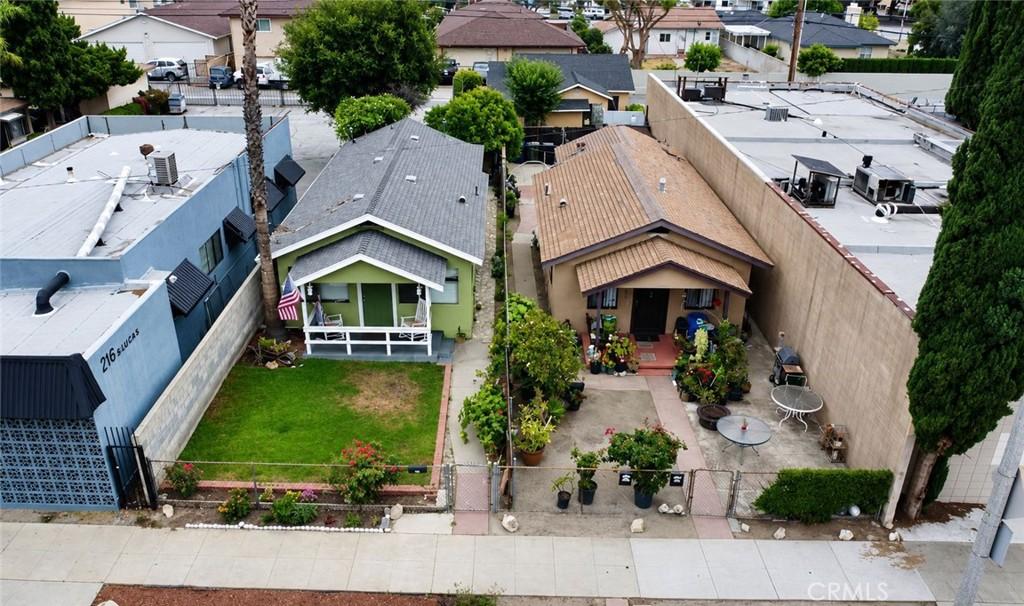
Azusa is a foothill city in the eastern San Gabriel Valley covering 9.8 square miles, with a population of approximately 50,000. The city sits at the mouth of the San Gabriel Canyon, where the San Gabriel River exits the San Gabriel Mountains and enters the valley floor, giving Azusa direct access to the Angeles National Forest and the recreational corridor of the upper San Gabriel River. Azusa occupies a transitional position between the dense urban eastern SGV cities to the west and the foothill communities of Glendora, San Dimas, and La Verne to the east, offering a combination of valley-floor accessibility and mountain-proximate living that distinguishes it from other central SGV cities.
The city is home to Azusa Pacific University, a Christian liberal arts university with approximately 10,000 students, which anchors the city’s identity as a college town within the eastern SGV and contributes significant demand for both rental and owner-occupant housing near the campus. The Metro A Line (formerly Gold Line) Azusa Downtown and APU/Citrus College stations extend transit connectivity to the city and make it one of the most transit-accessible communities in the eastern SGV for commuters heading to Pasadena, downtown Los Angeles, and the cities along the A Line corridor.
Azusa is bordered by Glendora to the east, San Dimas to the southeast, the City of Industry to the south, Baldwin Park to the southwest, Irwindale to the west, and the San Gabriel Mountains and Angeles National Forest to the north. The San Gabriel Canyon Road (State Route 39) provides the primary access into the canyon from Azusa, leading to the East Fork and West Fork trailheads, the San Gabriel Reservoir, and the Morris Reservoir recreational area. For buyers who prioritize access to mountain recreation as part of their residential criteria, Azusa’s position at the canyon mouth provides one of the most direct connections to the San Gabriel Mountain trail network available in the eastern SGV.
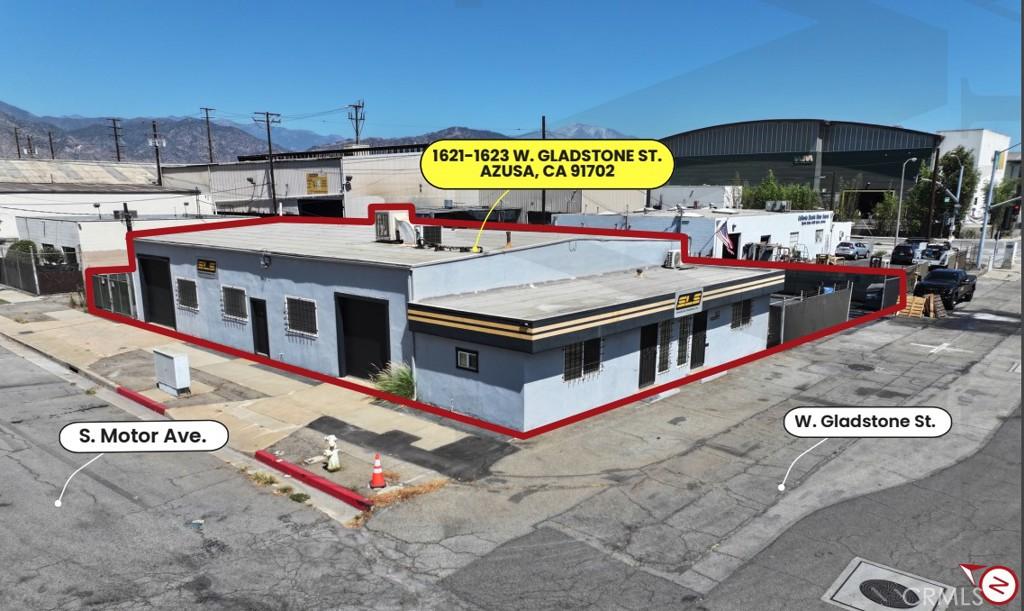
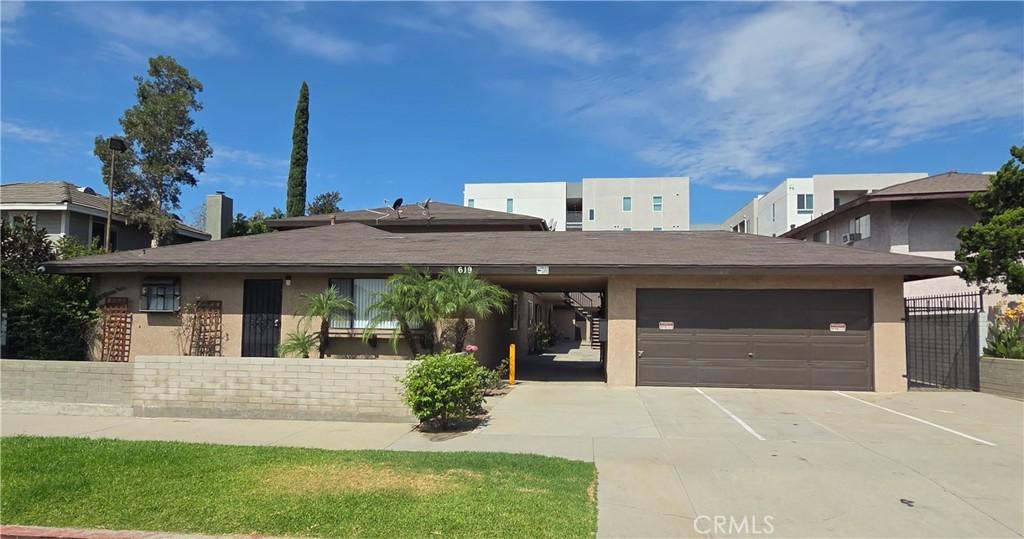
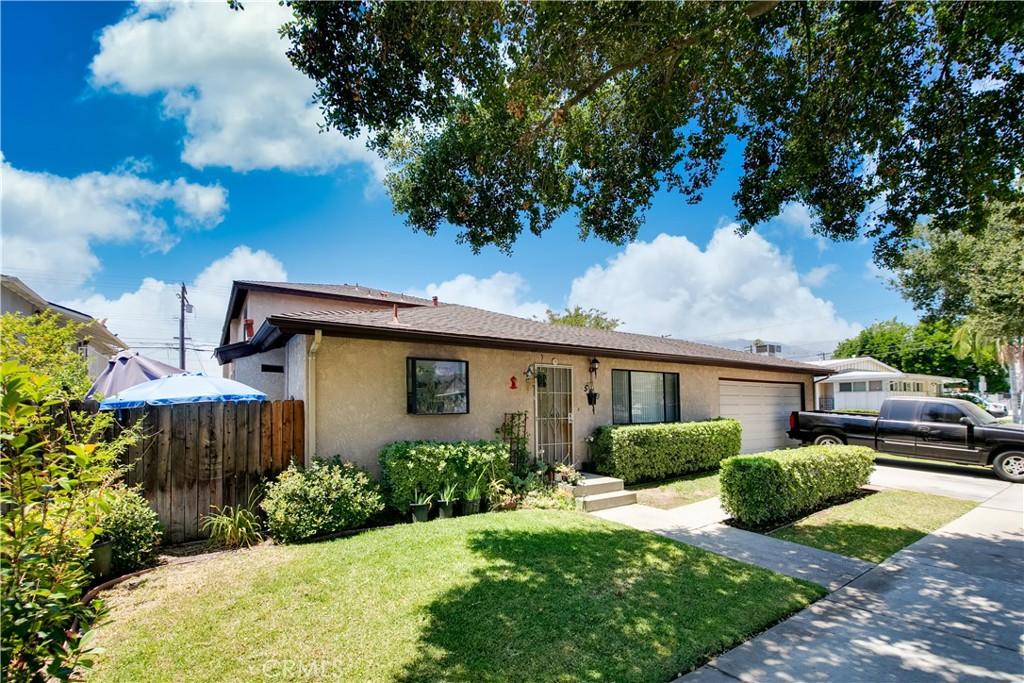
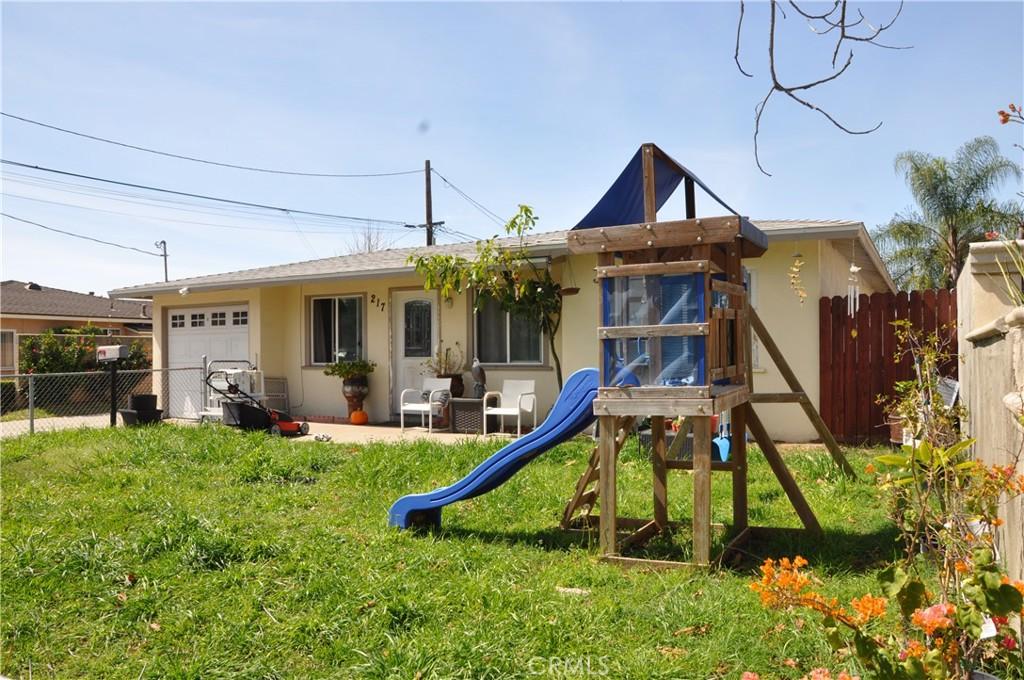
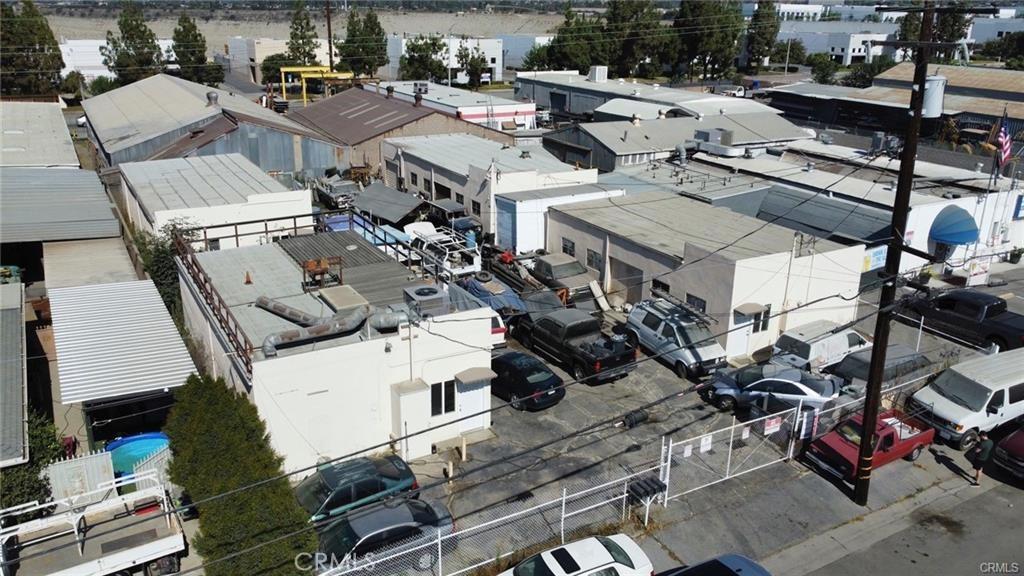
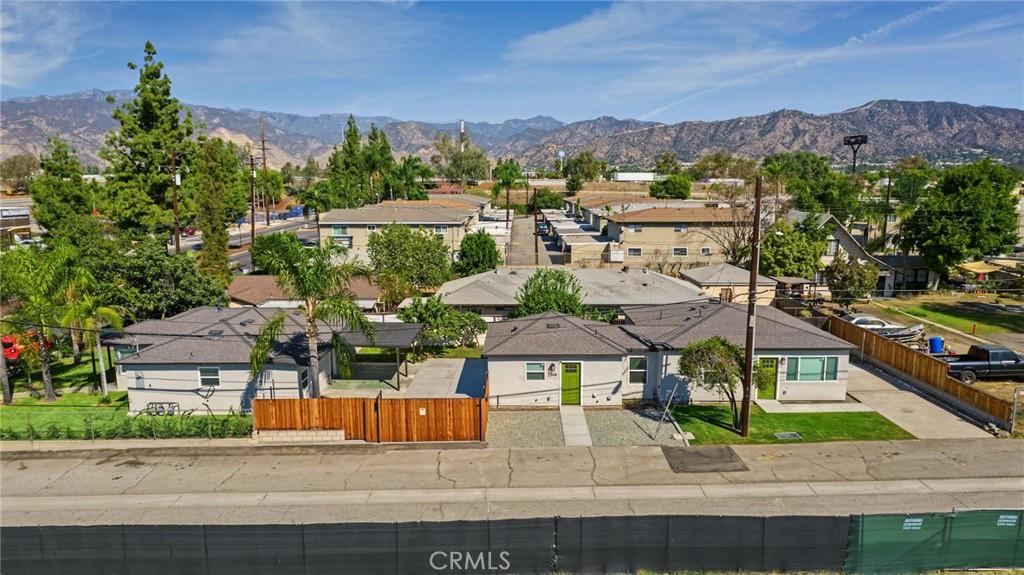
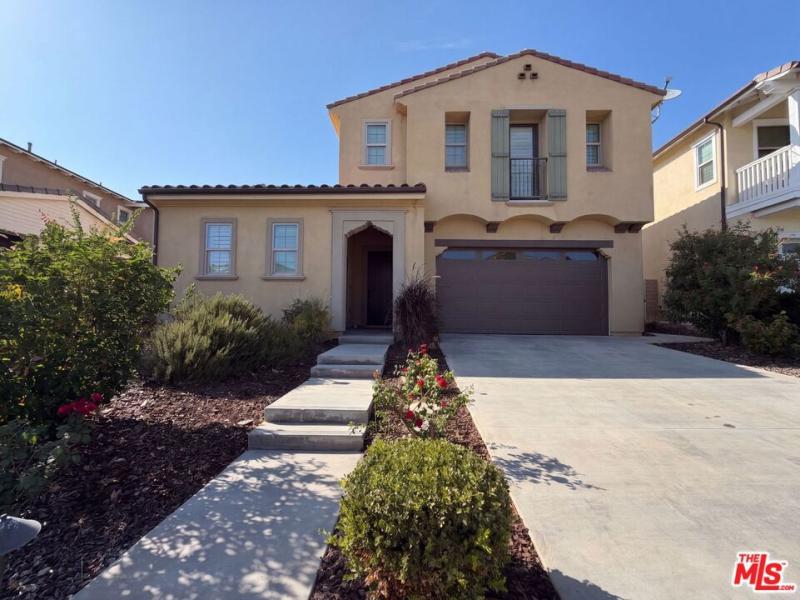
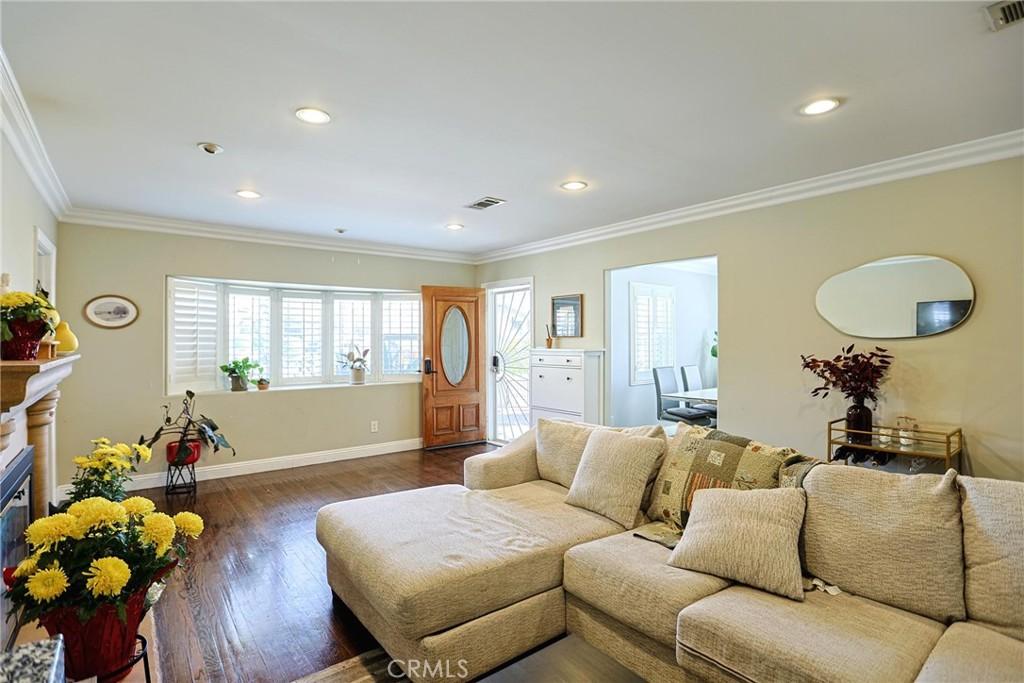
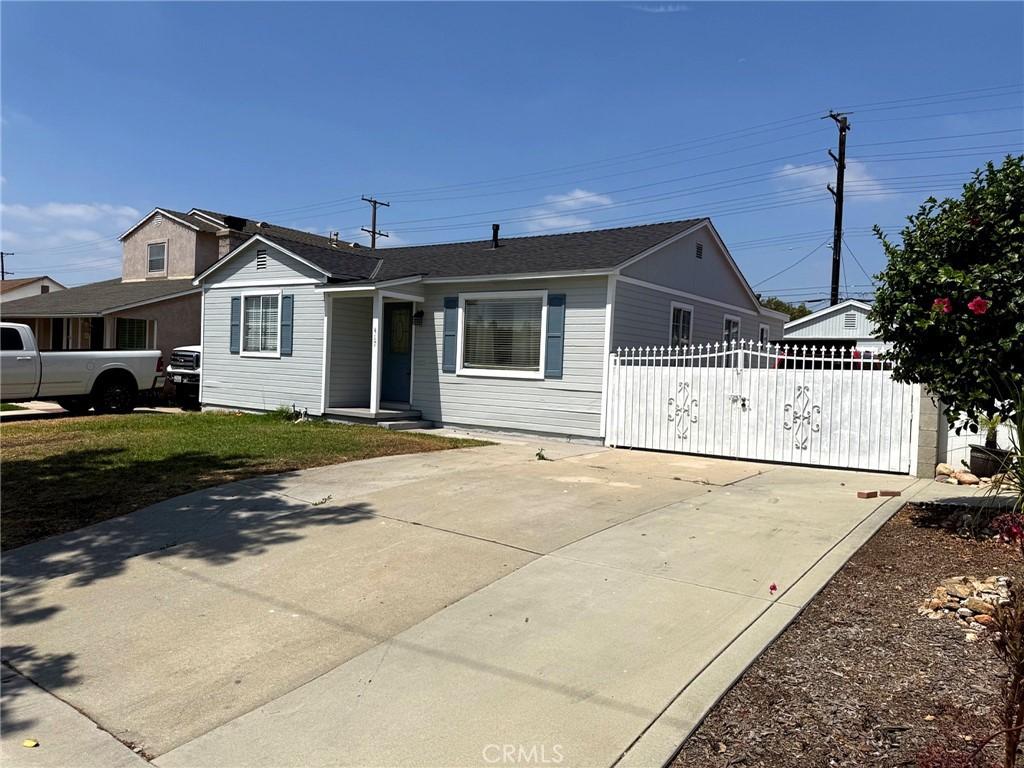
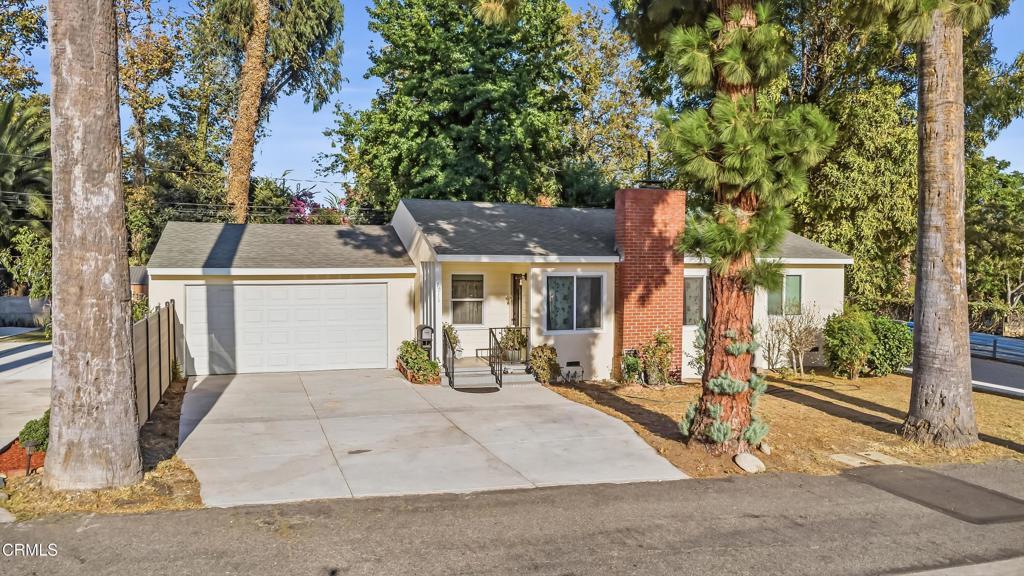
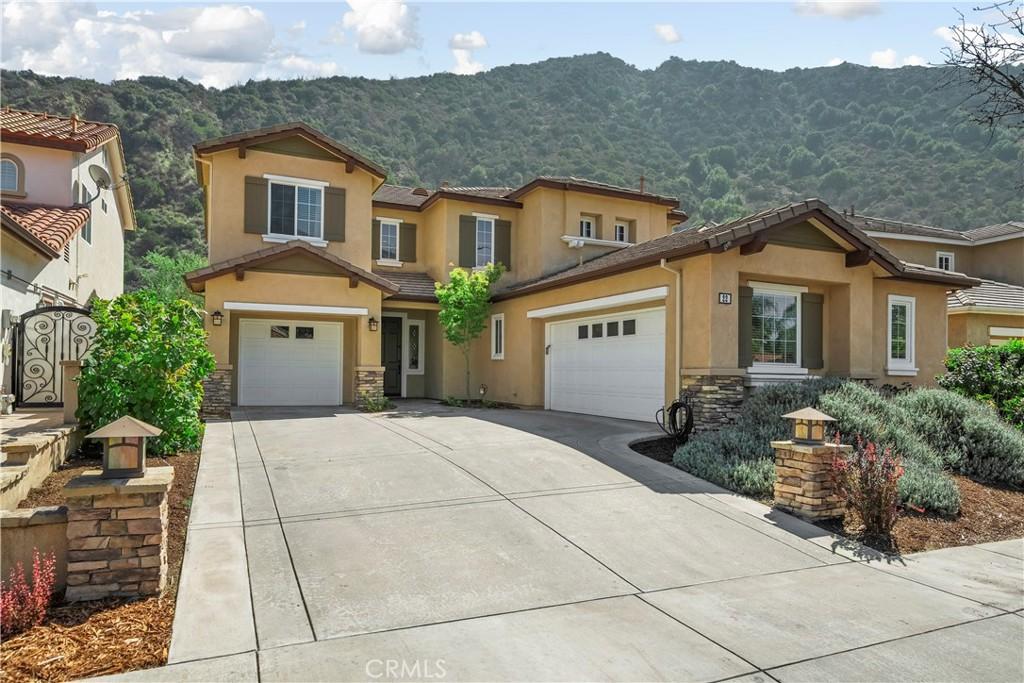
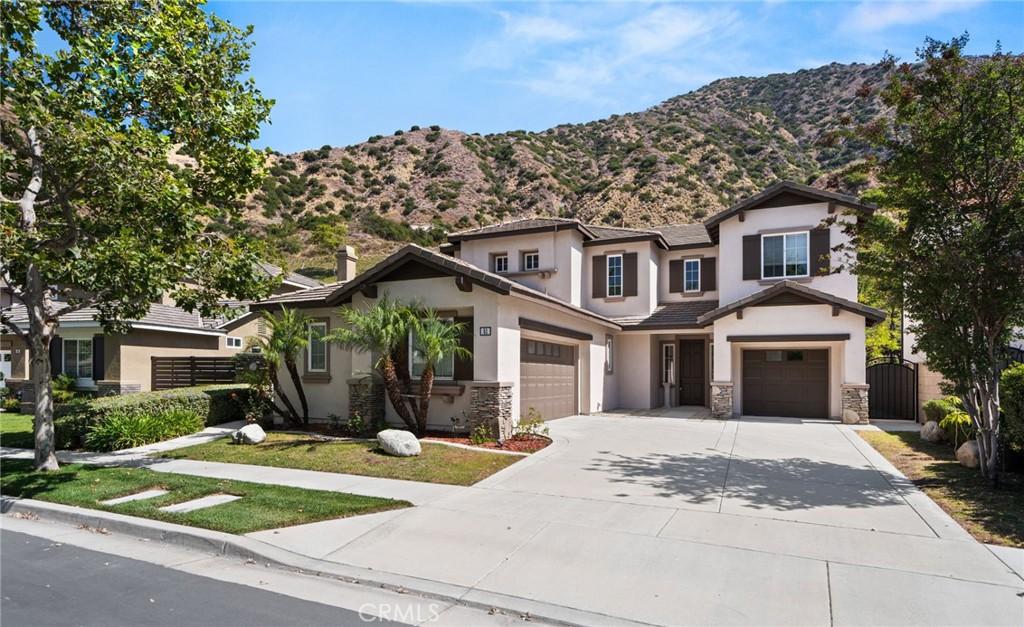
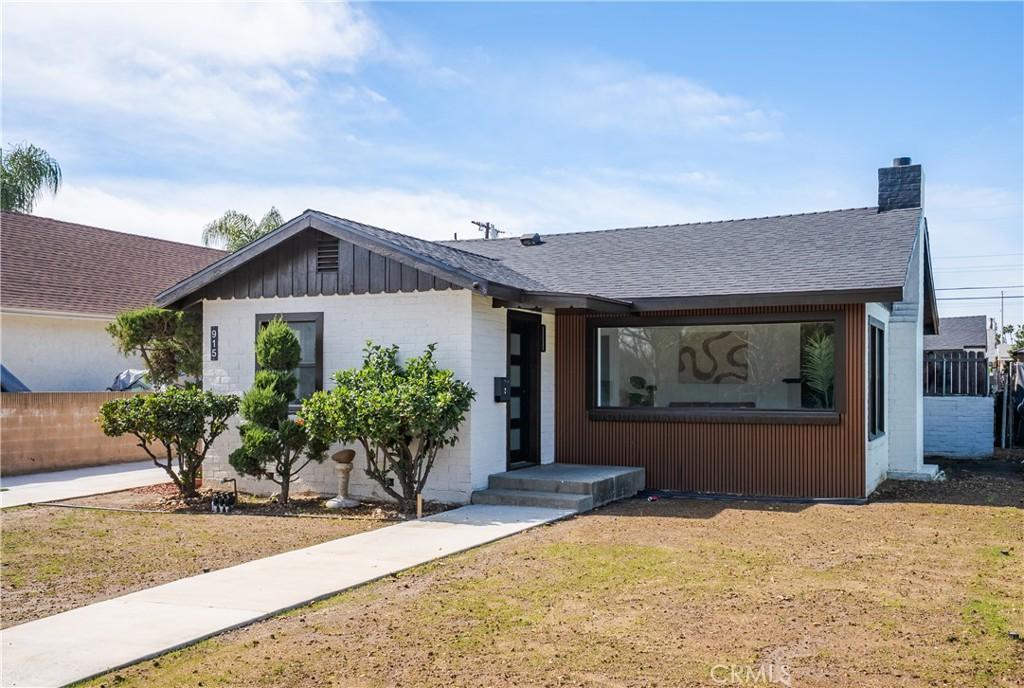
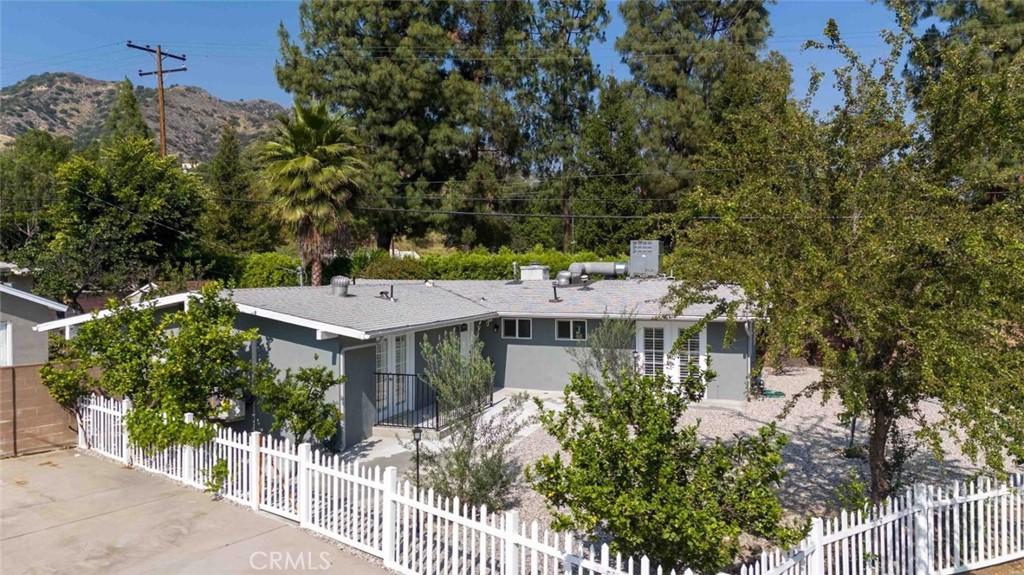
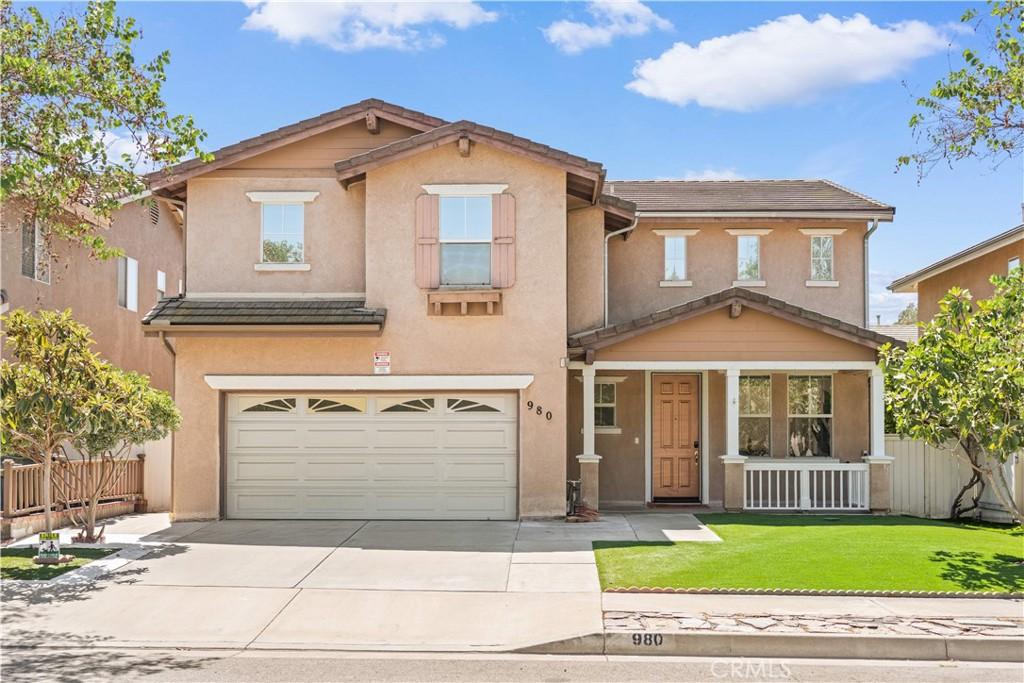
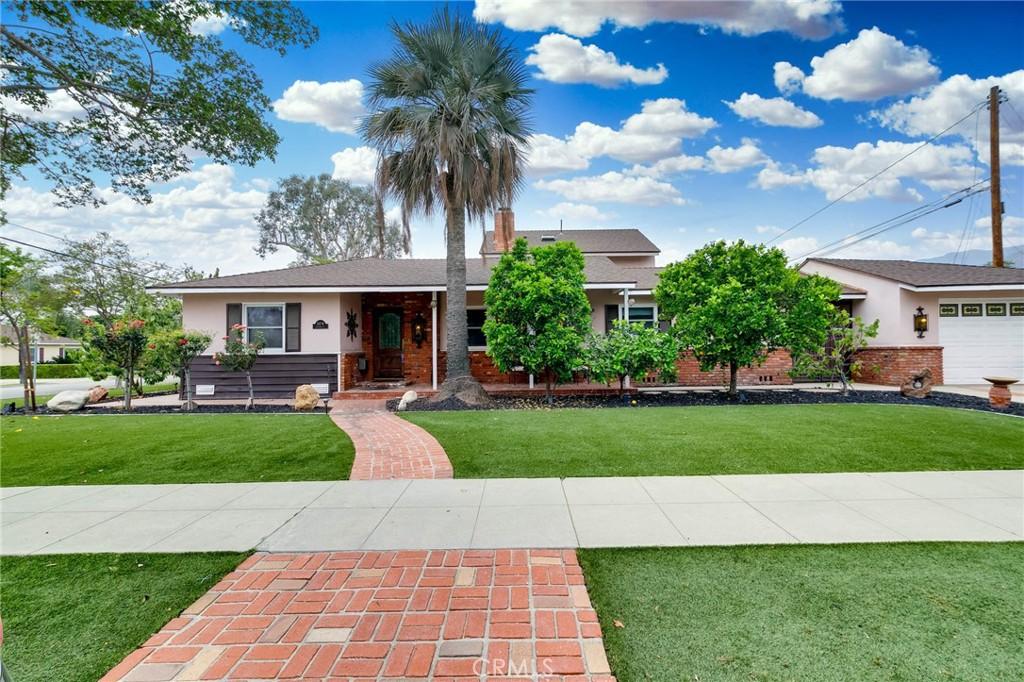
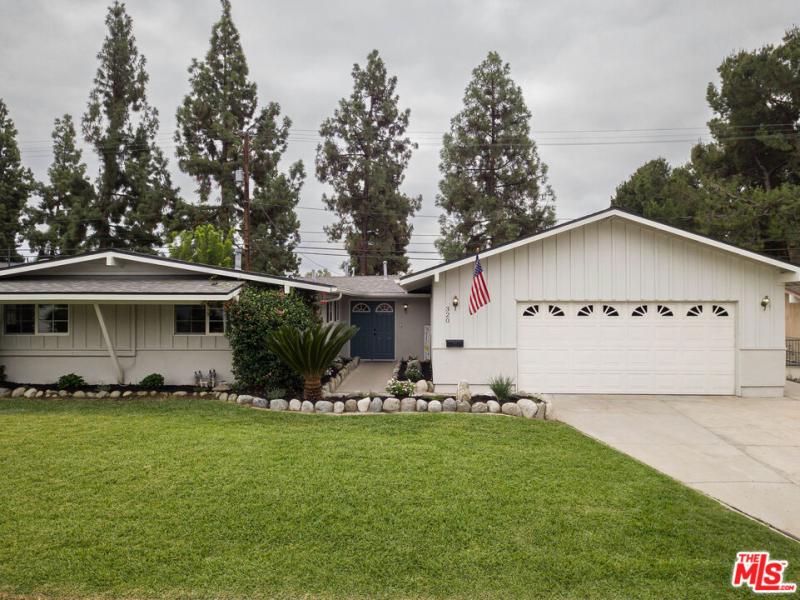
The housing stock in Azusa reflects the city’s development history as a foothill agricultural and later industrial community that transitioned to residential development in the post-war decades. Single-family homes in Azusa were built primarily between 1945 and 1980, with the earlier stock concentrated in the southern and western sections and later development extending toward the foothills in the northern portions of the city. Lot sizes in Azusa’s residential sections are generally in the 5,500 to 8,000 square foot range for the post-war neighborhoods, with some larger parcels in the hillside adjacent areas. The city also has a significant student-oriented rental housing inventory adjacent to the Azusa Pacific University campus, which drives demand from investors and reduces the single-family owner-occupant housing availability in that specific area.
Azusa Pacific University contributes substantially to the city’s economic and social character. The university employs several thousand faculty and staff and draws students from across Southern California and beyond, many of whom seek housing in the city during their enrollment. The academic calendar and the university’s community programming events contribute to the activity level around the campus corridors and provide cultural amenities for city residents who want access to university events, sports competitions, and the commercial services that develop around major university campuses. For buyers who value proximity to a university environment, Azusa Pacific’s presence is a meaningful quality-of-life consideration.
The Metro A Line (formerly Foothill Gold Line) extension reached Azusa in 2016 with two stations: the Azusa Downtown Station near the city center and the APU/Citrus College Station near the university campus. These two stations make Azusa one of the few eastern SGV cities with rail transit connectivity to the broader LA Metro network, providing commuters with an alternative to driving the I-210 or SR-66 corridors to Pasadena and downtown Los Angeles. The Citrus College Station takes its name from Citrus College, the community college campus located just across the Azusa border in the City of Glendora, which serves students from Azusa and the surrounding eastern SGV communities.
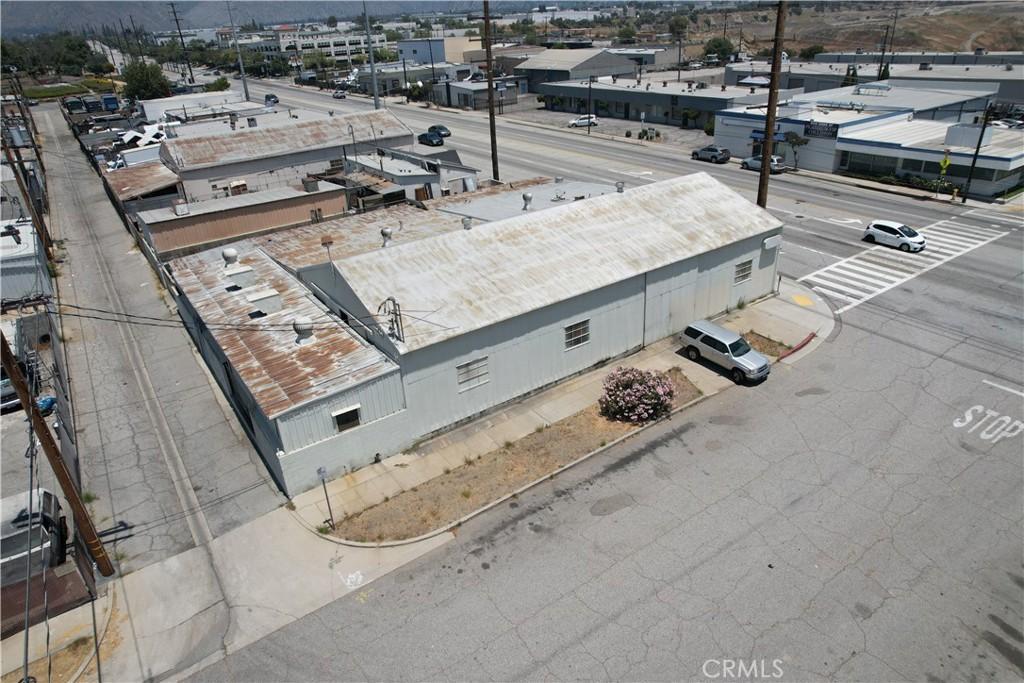
The primary commercial corridors in Azusa are Foothill Boulevard (the historic Route 66 alignment through the city) and Azusa Avenue, which runs north-south from the canyon mouth to the SR-66/I-210 interchange area at the city’s southern edge. The Foothill Boulevard corridor provides locally oriented retail, dining, and services in a commercial character that reflects the city’s working-class and college-town population mix. The Azusa Marketplace and other retail concentrations along the Foothill Boulevard and Alosta Avenue corridors provide supermarket, pharmacy, and big-box retail access within city limits. For broader retail, residents access the Glendora Village commercial district and the Puente Hills and West Covina retail centers to the south.
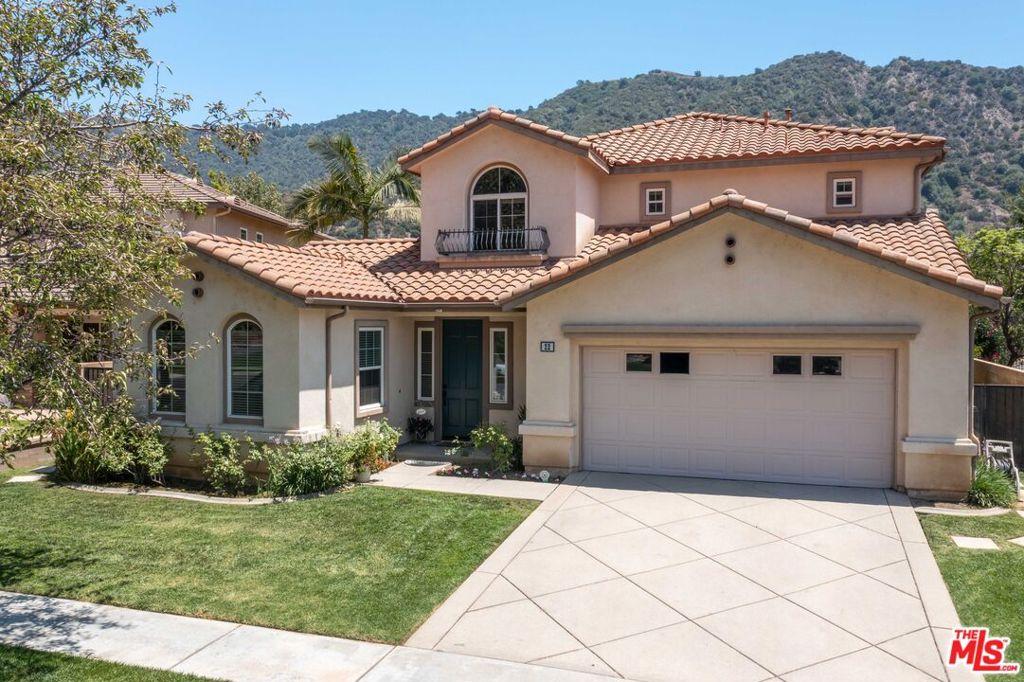
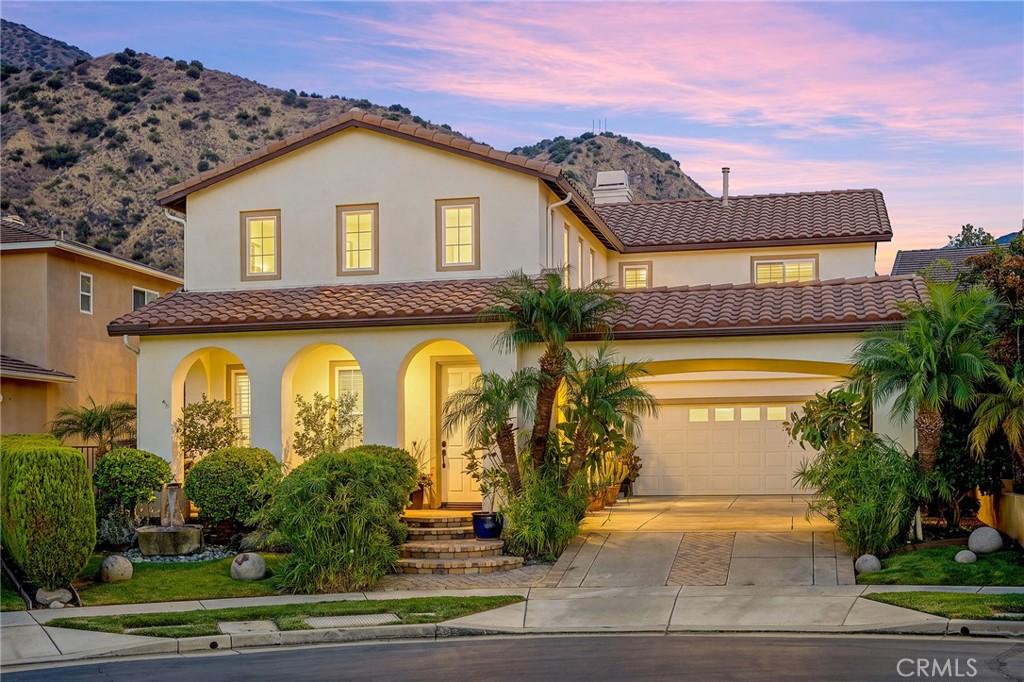
Property values in Azusa have reflected both the city’s eastern SGV position and the premium associated with San Gabriel Mountain access and Metro A Line transit connectivity. Single-family homes in Azusa have generally traded in the $650,000 to $950,000 range, with the upper end representing updated properties in the northern sections with mountain views and the lower end representing original-condition homes in the more densely developed southern sections. The university rental market near the APU campus has also affected pricing in that specific area, as investor competition for rental-suitable properties competes with owner-occupant buyers for available inventory. Buyers who are specifically motivated by the mountain access and transit connectivity of Azusa will find the pricing justifiable relative to competing eastern SGV cities that lack those specific attributes.
The San Gabriel Canyon recreational corridor accessible from Azusa includes fishing in the San Gabriel Reservoir and Morris Reservoir (permit required), hiking on the East Fork and West Fork trails leading to the Devil’s Punchbowl and other destination hikes, mountain biking on the canyon trails, and the East Fork’s popular Gold Rush history sites including the Bridge to Nowhere trail. The recreational access from Azusa is one of the most practically accessible entry points into the Angeles National Forest in the eastern LA County area, and buyers who prioritize outdoor recreation as a regular part of their lifestyle will find the canyon proximity a meaningful differentiator versus competing communities that require a longer drive to reach comparable mountain access.
The Azusa real estate market benefits from consistent demand driven by three distinct buyer profiles: owner-occupant buyers who value the mountain access and transit connectivity, investor buyers who seek properties near the APU campus for student rental income, and first-time buyers who are drawn by the price tier relative to Glendora and other foothill communities to the east. Each of these buyer profiles drives different demand patterns in different sections of the city, and sellers should understand which buyer profile their specific property is most likely to attract before setting pricing and marketing strategy. The Knight Group provides buyer and seller representation across Azusa and the adjacent foothill SGV communities and is available for a current market consultation at your specific address and criteria.
The Azusa Arts, Culture, and Recreation District, centered on the renovated Civic Auditorium and the surrounding downtown area, provides performance space, cultural programming, and community event facilities that contribute to the downtown Azusa identity. The downtown area has seen ongoing investment and commercial improvement in the years since the Metro A Line Azusa Downtown station opened, reflecting the transit-oriented development pressure that new rail access creates in communities along LA Metro’s expanding network. For buyers who value an active downtown environment within walking distance of their residential neighborhood, the area around the Azusa Downtown station provides a community core that is not present in most eastern SGV cities of comparable size.
The Azusa Unified School District (AUSD) operates a range of academic programs across its elementary, middle, and high school campuses that include traditional college preparatory tracks and career technical pathways. Azusa High School is the primary comprehensive high school serving city residents, and the district has invested in facilities and program improvements in recent years as part of its response to state accountability measures and community expectations. Citrus College, located just over the border in Glendora, is a California community college that serves students from Azusa and the surrounding eastern SGV and foothill communities, providing affordable post-secondary education, transfer pathways to four-year universities, and workforce certificate programs.
The Morris Reservoir and San Gabriel Reservoir, located in the San Gabriel Canyon immediately north of Azusa, serve as part of the water supply infrastructure for the San Gabriel Valley Municipal Water District and the Los Angeles County Waterworks Districts. The reservoirs are not open for public recreation but define the visual character of the canyon viewed from Azusa’s northern residential sections and contribute to the mountain backdrop that makes northern Azusa addresses visually distinctive compared to the flat-valley residential character of most eastern SGV cities. The water management infrastructure in the canyon also serves as context for the wildfire risk evaluation that buyers of northern Azusa properties need to conduct, as the canyon-adjacent areas fall within California’s Very High Fire Hazard Severity Zones that affect insurance availability and cost.
For buyers evaluating Azusa alongside Glendora to the east, the key differentiators are the Metro A Line transit access (present in Azusa, not in Glendora), the Azusa Pacific University influence on the community character and rental market (Azusa only), the school district assignments (Azusa USD vs. Glendora USD, the latter of which has a stronger average academic performance reputation), and the price tier (Glendora generally prices above Azusa for comparable properties given the school district premium). Buyers who value the transit access and the mountain recreation proximity and who are not specifically prioritizing school district reputation will generally find Azusa more competitive on price than Glendora. Buyers who are committed to the Glendora Unified School District will typically need to budget meaningfully more for comparable properties in Glendora. The Knight Group can provide side-by-side analysis of Azusa and Glendora listing inventory at your specific budget and criteria. Contact our office for a current consultation.
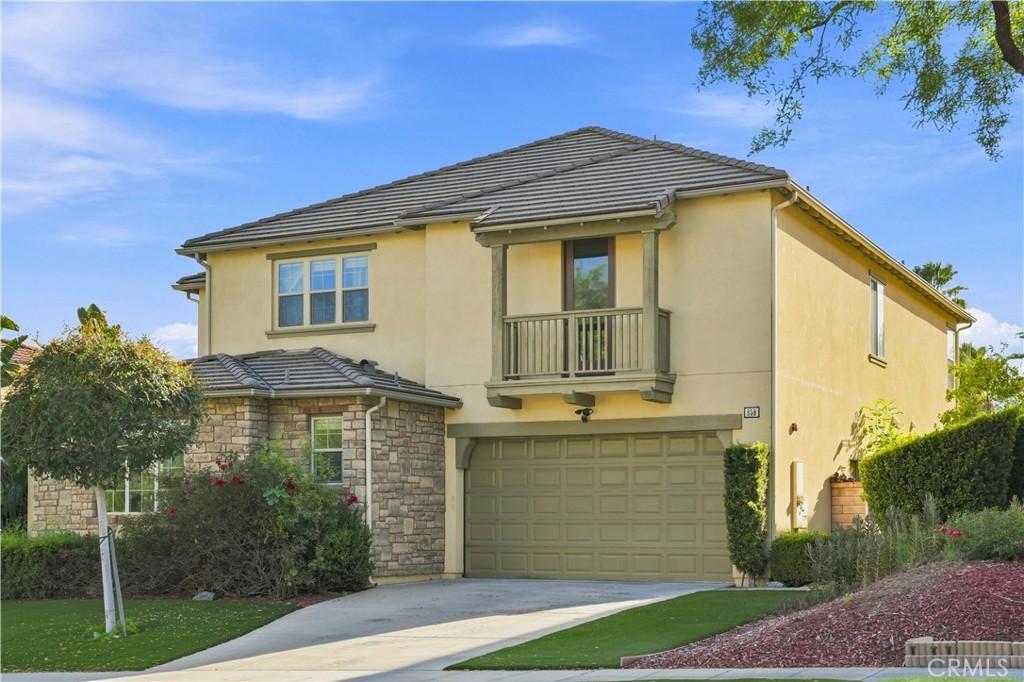
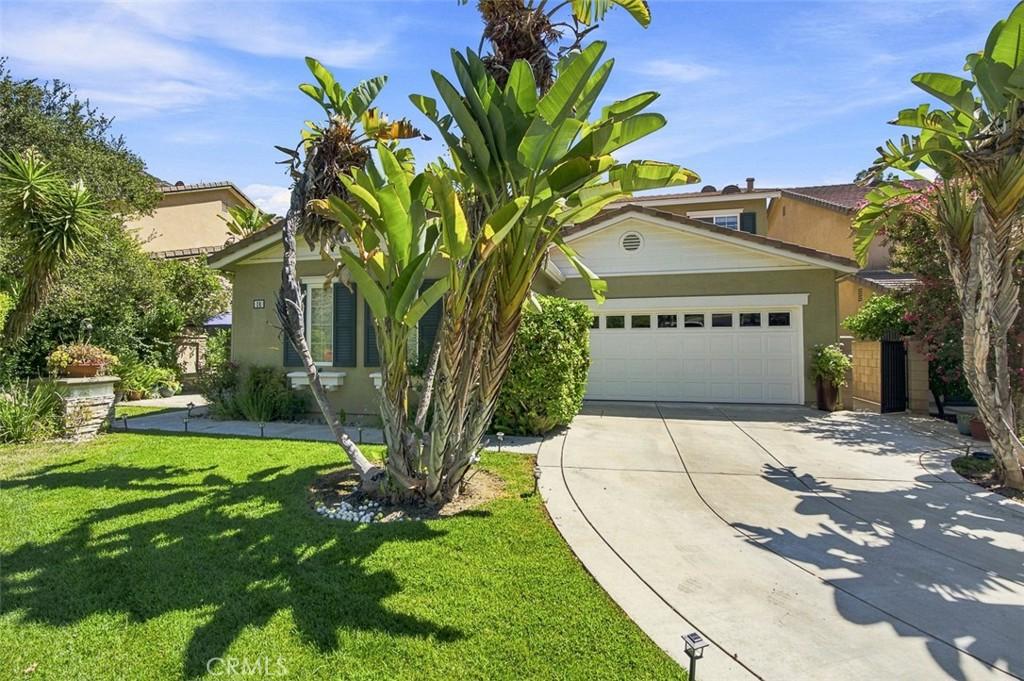
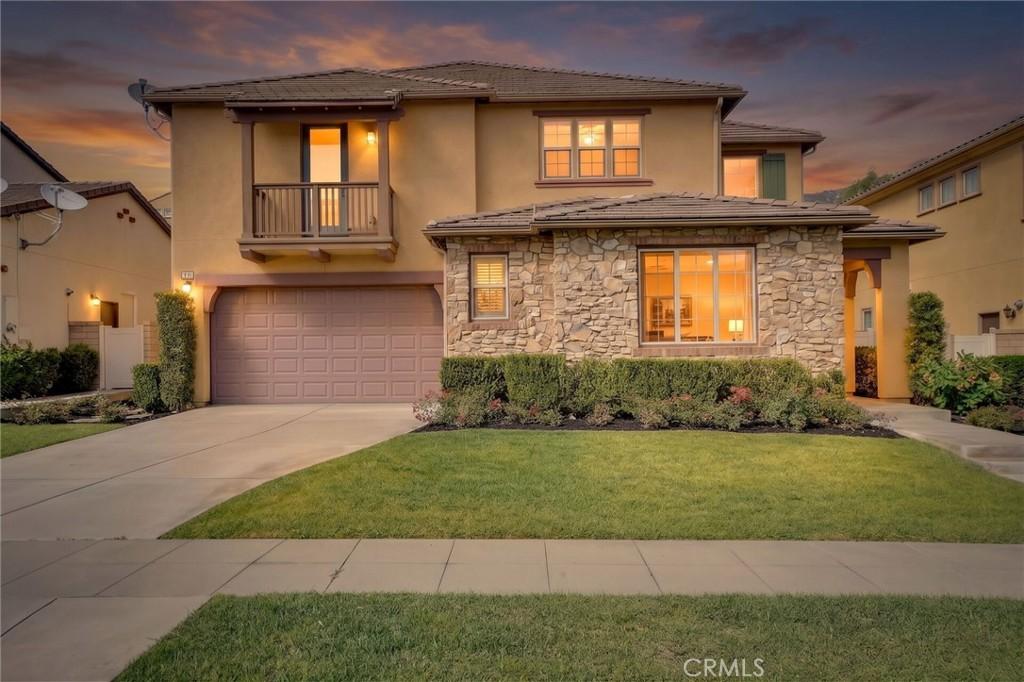
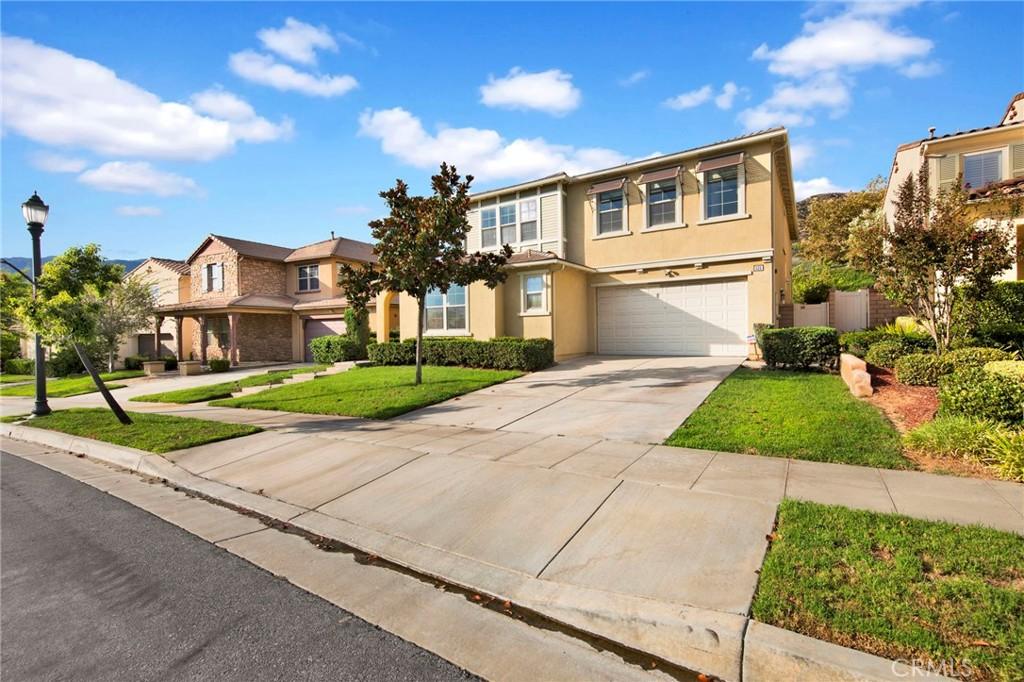
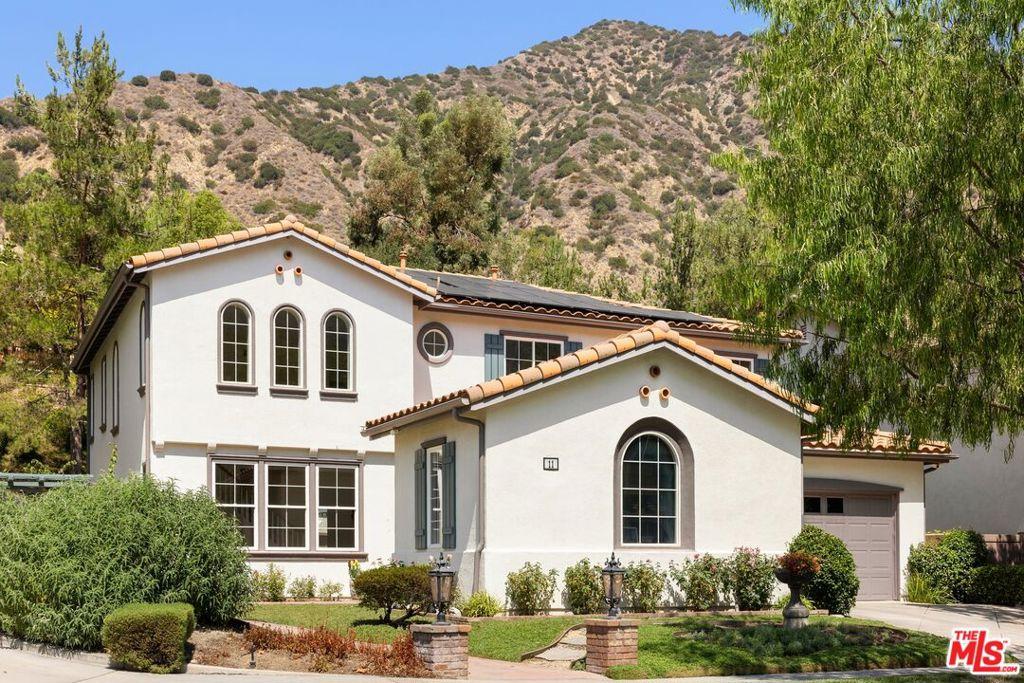
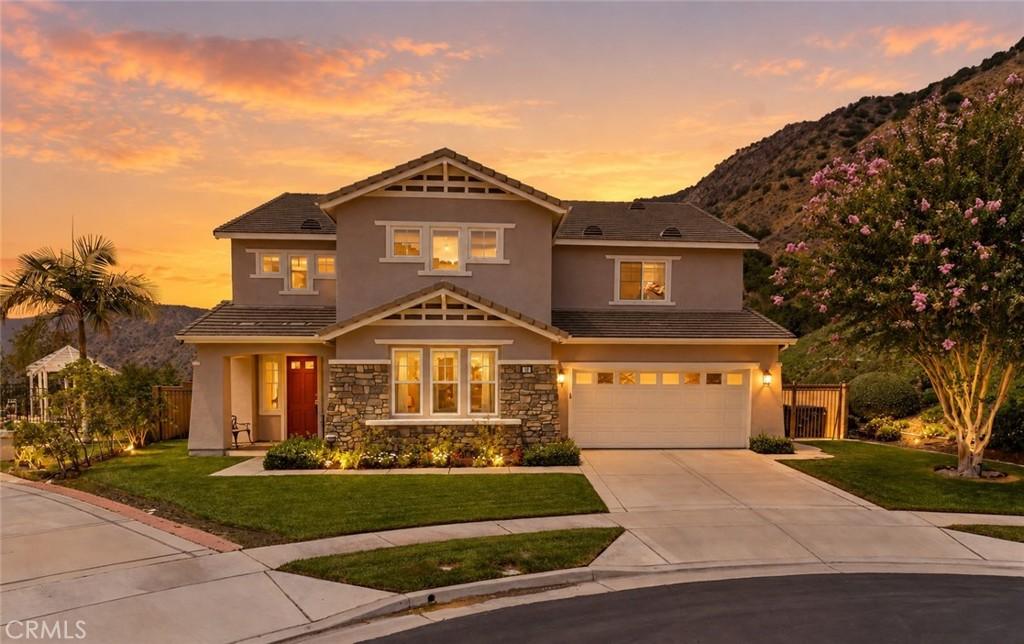
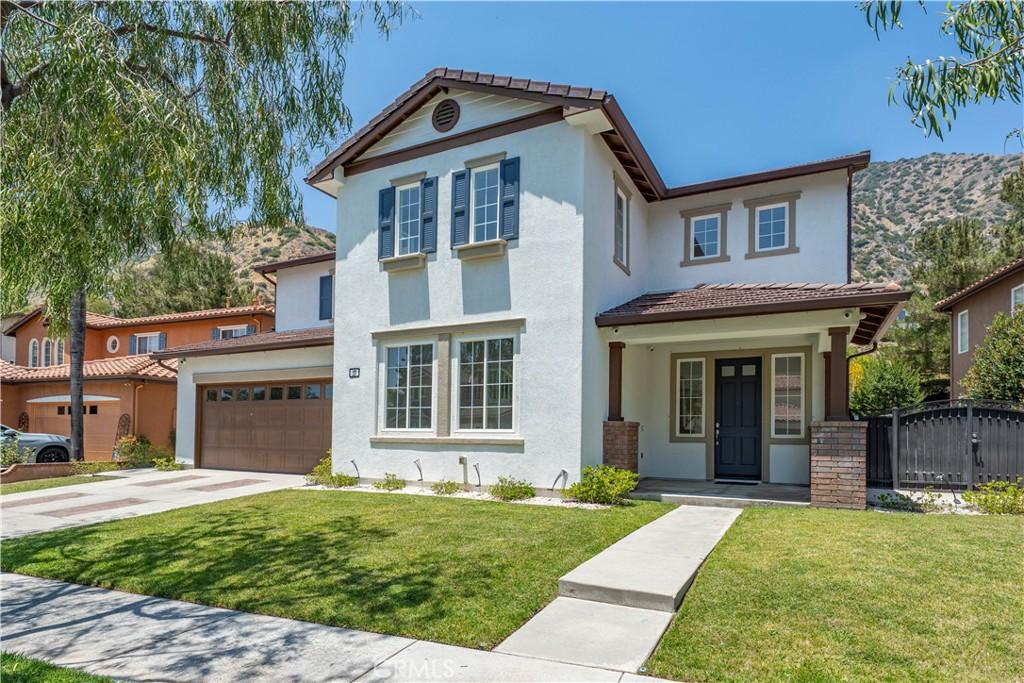
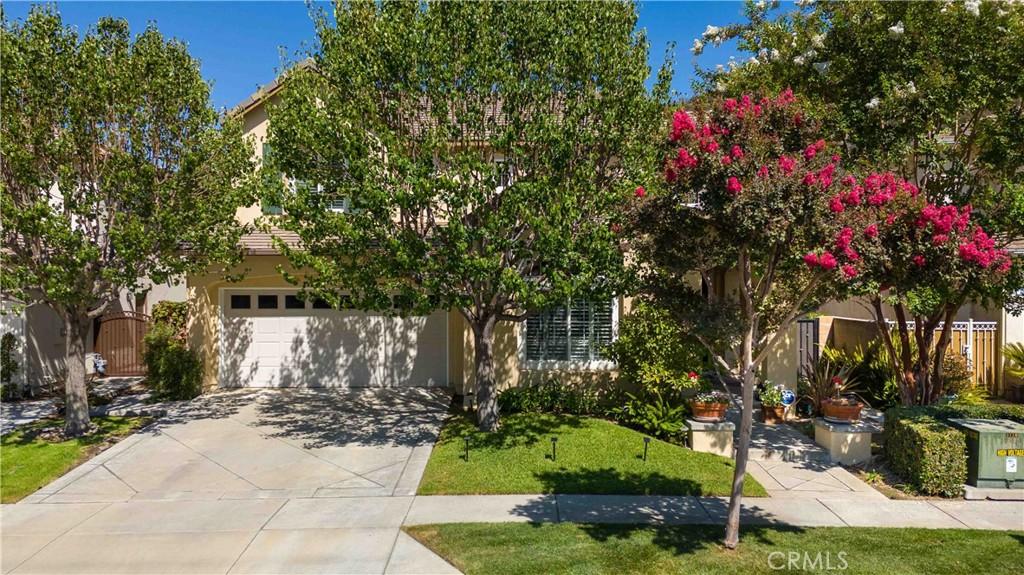
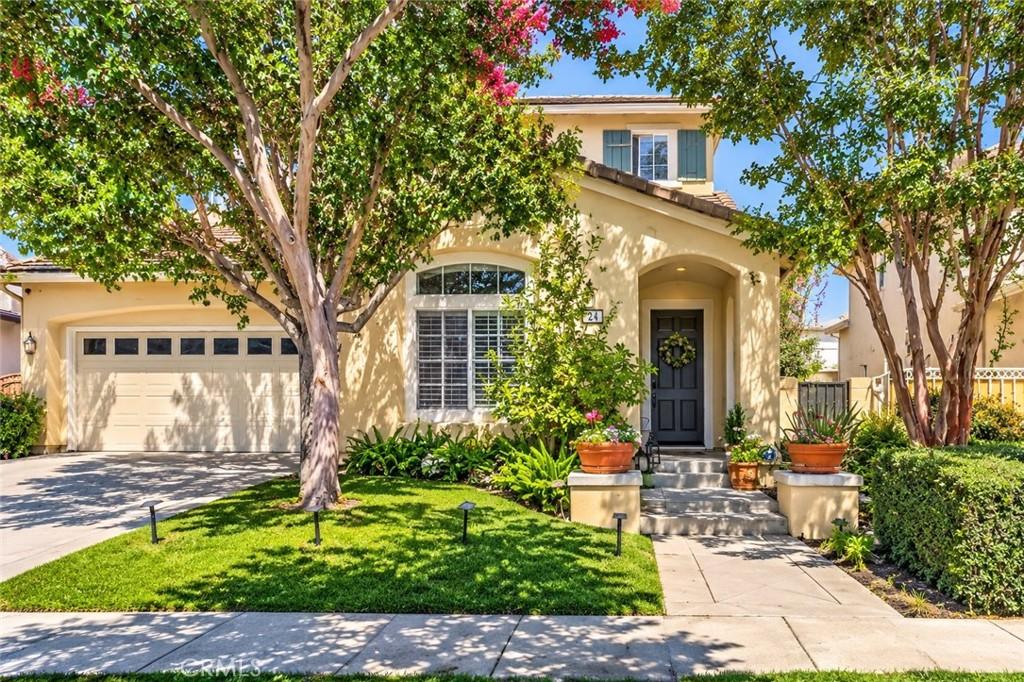
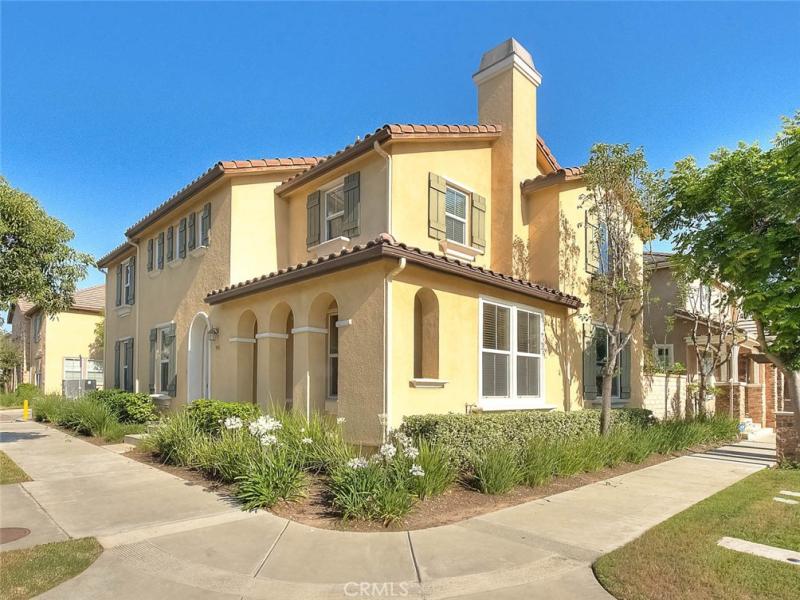
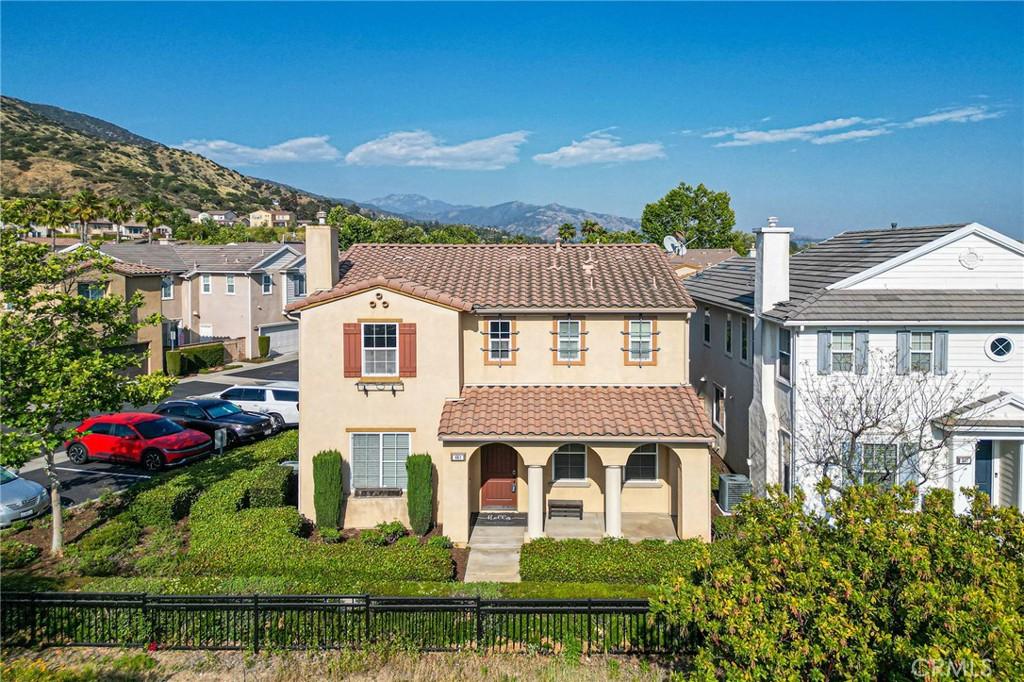
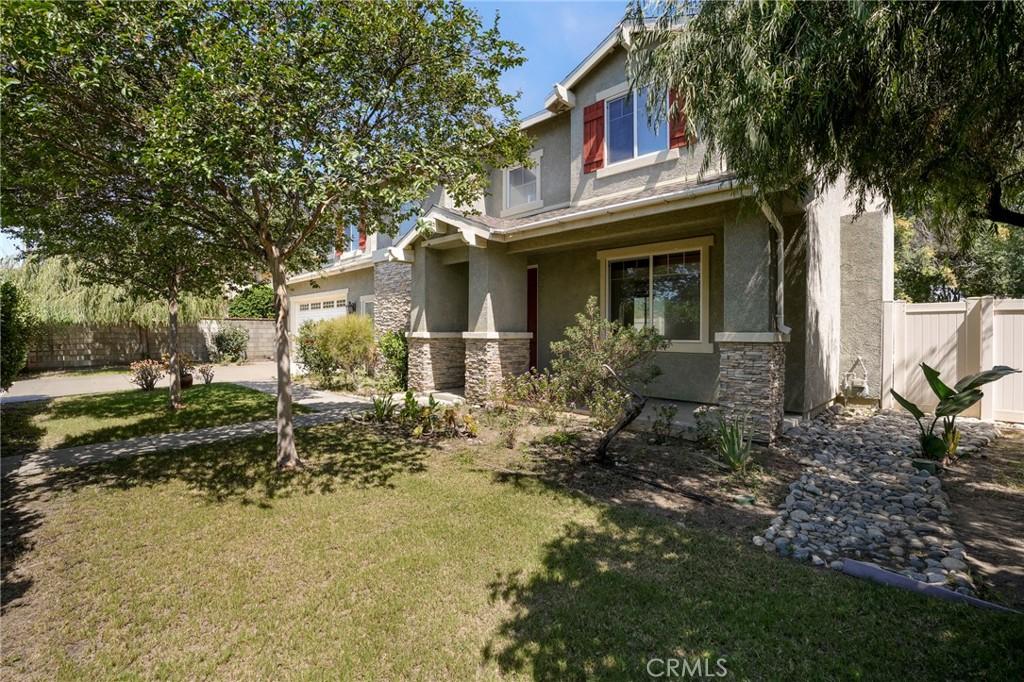
The Rosedale neighborhood in Azusa’s western section, developed in the late 1990s and early 2000s as a planned residential community on former industrial land, provides a contrast to the older post-war residential stock in the city’s central and southern sections. Rosedale homes are larger, newer, and more uniformly updated than the city average, with planned community amenities including parks and a community center that distinguish the neighborhood from the surrounding city. Rosedale pricing reflects the premium associated with newer construction, larger floor plans, and planned community amenities, and buyers who want new or near-new residential character within Azusa should evaluate Rosedale properties alongside comparable-age alternatives in adjacent Glendora and Covina.
Wildfire risk is a meaningful consideration for buyers evaluating northern Azusa properties in close proximity to the San Gabriel Mountains and the San Gabriel Canyon. The California Department of Forestry and Fire Protection (CalFire) has designated portions of northern Azusa within the Very High Fire Hazard Severity Zone (VHFHSZ), which affects homeowner’s insurance availability and cost, lender requirements, and the mandatory defensible space maintenance obligations for property owners. Buyers evaluating Azusa properties in the northern section of the city should request the property’s fire zone designation, obtain insurance quotes before finalizing the purchase, and budget for the ongoing defensible space maintenance requirements of properties within or adjacent to the VHFHSZ. The Knight Group is available to provide guidance on identifying fire zone status for specific Azusa properties and to connect buyers with insurance professionals experienced in foothill SGV wildfire risk coverage. Contact us for a current Azusa buyer consultation.
The gold rush history of the San Gabriel Canyon is part of the broader Azusa community identity, as the canyon was the site of the San Gabriel Placers gold discovery in 1842, predating the better-known Gold Rush in the northern Sierra Nevada. The East Fork of the San Gabriel River through Azusa Canyon remains a popular destination for recreational gold panning, and the “Bridge to Nowhere” trail, a famous Azusa Canyon hike that leads to a Depression-era bridge stranded by a 1938 flood, is one of the more unique hiking destinations in the greater Los Angeles area. These canyon history and recreation assets contribute to the Azusa community’s distinct identity within the eastern SGV and provide residents with an accessible outdoor destination that is genuinely different from the park and trail options available in most SGV cities. The Azusa real estate market benefits from this combination of canyon access, transit connectivity, and university character that makes the city more than just a price-tier option in the eastern SGV. Contact The Knight Group for a current Azusa listing inventory and buyer consultation covering Azusa and the adjacent foothill SGV communities at your target price range.
Azusa is served by the City of Azusa Electric and Water Utility, a municipal utility that provides electric and water services to city addresses. Unlike most of the surrounding SGV cities that are served by Southern California Edison for electricity and by MWD-connected water agencies for water, Azusa’s municipal utility means that residents interact with a city-managed service provider for both utilities. The municipal utility’s rate structure and service quality record should be reviewed by buyers evaluating Azusa properties, as the utility’s performance directly affects the cost and reliability of essential services at the property. The Azusa Light and Water department publishes its rate schedule and service information through the city’s official website and through its annual consumer confidence report, which provides a resource for buyers who want to understand the utility cost implications of an Azusa purchase before committing. Contact The Knight Group for a comprehensive Azusa buyer consultation including guidance on the utility environment and other practical considerations for Azusa residential ownership.
The Azusa market rewards buyers who take the time to evaluate individual blocks and properties carefully, as the variance in residential quality between the newer Rosedale development in the west, the post-war residential core in the center and south, and the foothill-adjacent sections in the north is substantial. Buyers who approach Azusa as a homogeneous city and evaluate it solely based on average metrics will miss the significant differences in what their budget can access depending on which area of the city they prioritize. The Knight Group can help buyers navigate the Azusa residential landscape with a guided buyer tour and block-by-block analysis. Contact our office for a current consultation.
Buyers who are relocating to the San Gabriel Valley from other parts of the country and who are evaluating foothill SGV cities will find that Azusa provides one of the most distinctive combinations of attributes in the eastern SGV: mountain canyon access within minutes of the city, a functioning downtown with Metro rail connectivity, a university presence that provides cultural programming and rental demand, and pricing that is generally below the other foothill cities to the east. For buyers whose prior residential experience includes college towns or mountain-adjacent communities, Azusa’s combination of these attributes in an accessible SGV format will feel both familiar and practical. The Knight Group is available for out-of-area buyer orientation and a comprehensive Azusa residential market consultation. Contact our office.
The San Gabriel Valley offers a diverse mix of established communities with strong school districts, convenient freeway access, and a rich cultural dining scene. Residents typically fall within the Alhambra, Arcadia, Rowland, or West Covina Unified School Districts depending on their specific city and address. The 10, 60, and 605 Freeways provide direct access to Downtown LA (20–40 minutes), the South Bay, and the Inland Empire. The SGV’s dining scene — particularly along Valley Blvd and in San Gabriel proper — draws visitors from across LA County. Shopping, healthcare, and daily conveniences are distributed across multiple retail corridors and medical centers throughout the valley.
The San Gabriel Valley real estate market spans a wide range of price points and property types, from entry-level condos in the mid-$500Ks to estate homes approaching $3M in cities like Arcadia and San Marino. Demand from first-time buyers, move-up buyers, and investors remains consistent due to the SGV’s relative affordability versus Westside and coastal LA markets. The Knight Group tracks the full SGV market including off-market opportunities — particularly relevant in tighter micro-markets like Arcadia, Temple City, and Alhambra where publicly listed inventory moves quickly. Contact us for a neighborhood-specific market analysis.
Does Azusa have rail transit access?
Yes. Azusa has two Metro A Line (formerly Gold Line) stations: the Azusa Downtown Station near the civic center and the APU/Citrus College Station near the Azusa Pacific University campus. Both stations provide connections to the A Line extending west through Arcadia, Monrovia, Duarte, Irwindale, Azusa, and eventually to Pasadena, Los Angeles, and Long Beach via the rail network. Azusa is one of the few eastern SGV cities with direct rail transit access, which adds commute optionality for residents whose employment is along the A Line corridor.
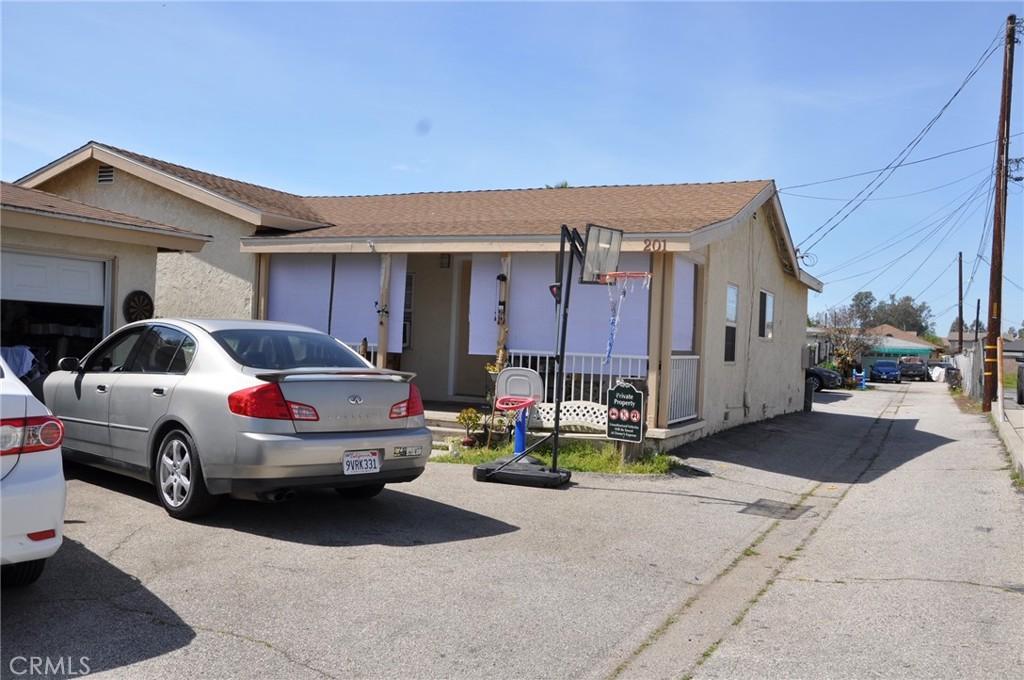
What school district serves Azusa?
Azusa is served by the Azusa Unified School District (AUSD) for all K-12 public education. Azusa High School and Sierra High School are the primary secondary campuses. Citrus College, located just east of Azusa in Glendora, provides community college education within a short drive. Azusa Pacific University offers four-year and graduate programs for residents seeking higher education options within the city itself.
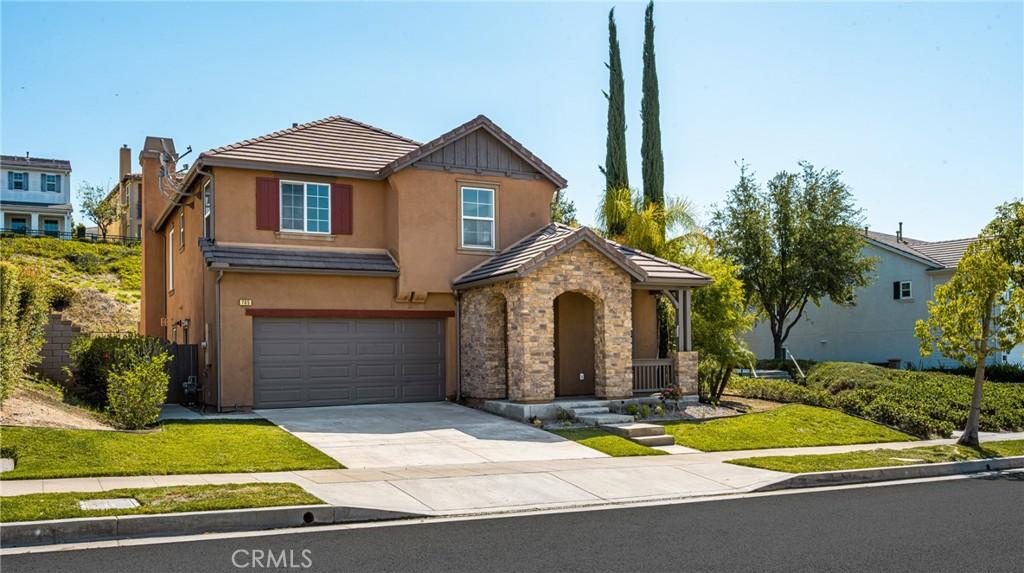
How is access to the San Gabriel Canyon from Azusa?
San Gabriel Canyon Road (State Route 39) provides direct access north from central Azusa into the canyon, with access to the San Gabriel Reservoir, Morris Reservoir, East Fork and West Fork trailheads, and the broader Angeles National Forest trail network. The drive from central Azusa to the main canyon recreation areas is approximately 10 to 20 minutes depending on the specific destination. An Adventure Pass is required for parking at most forest trailheads.
What is the price range for Azusa homes?
Single-family homes in Azusa have generally traded in the $650,000 to $950,000 range, with updated properties in the northern foothill-adjacent sections approaching the upper end and original-condition homes in the southern sections representing lower price points. The university-adjacent rental market and the mountain access premium both influence pricing in their respective sections of the city. Contact The Knight Group for a current Azusa market analysis and listing inventory at your target price range.
Explore more San Gabriel Valley neighborhoods:
Lucky for you we’re looking out.
Subscribe to this Custom Search to be alerted when new properties hit the market in the area.
Choose the frequency that works for you.