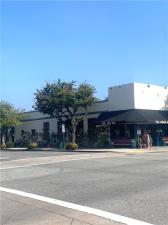
La Verne’s Old Town commercial district along D Street between Arrow Highway and Foothill Boulevard is the historic commercial heart of the city, with a walkable street environment that contains independently owned restaurants, coffee shops, wine bars, and specialty retail that provide a small-town commercial character comparable to San Dimas’ Bonita Avenue Promenade. The University of La Verne’s campus, located immediately adjacent to the Old Town district, contributes to the pedestrian activity and commercial vitality of the area and provides a consistent population of students, faculty, and staff who support the downtown commercial environment throughout the academic year. For buyers who value walkable downtown commercial access as a residential quality-of-life attribute, La Verne’s Old Town district is one of the more compelling small-city downtowns in the eastern SGV foothill corridor.
The I-210 (Foothill Freeway) runs through La Verne’s southern section with the Fruit Street and White Avenue interchanges providing access. The freeway connects La Verne westward through the foothill corridor toward San Dimas, Glendora, and ultimately Pasadena and the I-134, and eastward to Pomona and the I-10 junction in Upland. The I-210’s westward routing through the SGV foothill communities provides La Verne residents with access to the broad range of eastern and western SGV employment centers that are served by the freeway corridor. The eastward I-10 junction provides access to the Ontario and Rancho Cucamonga Inland Empire employment corridor, making La Verne a practical residential option for buyers whose employment is in the eastern Inland Empire as well as for buyers who work further west in the SGV or the Westside.
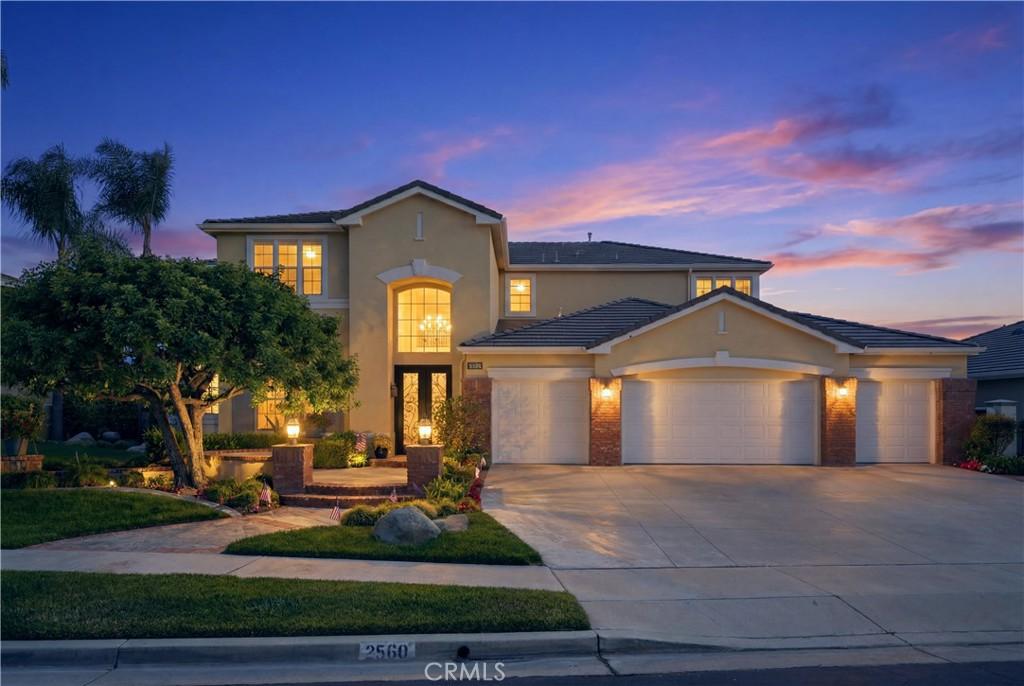
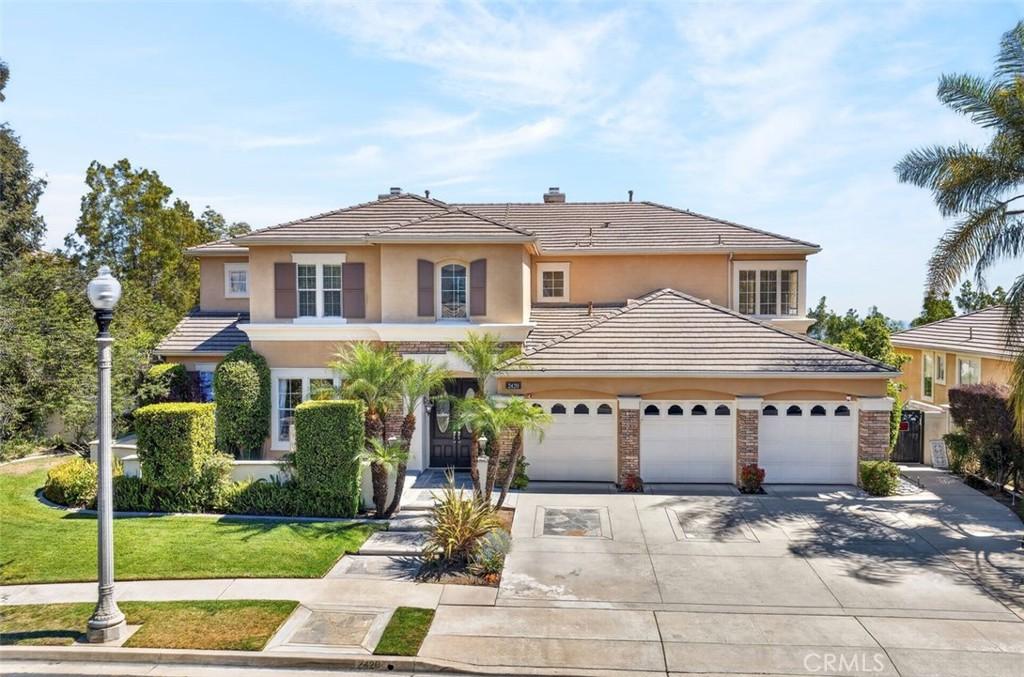
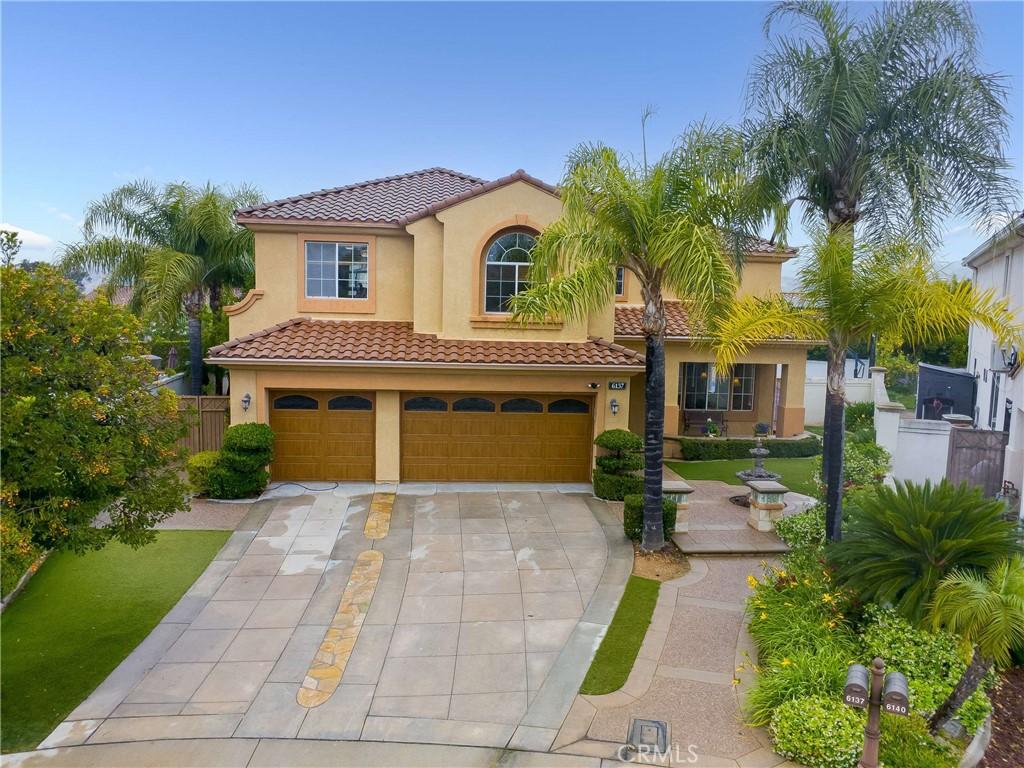
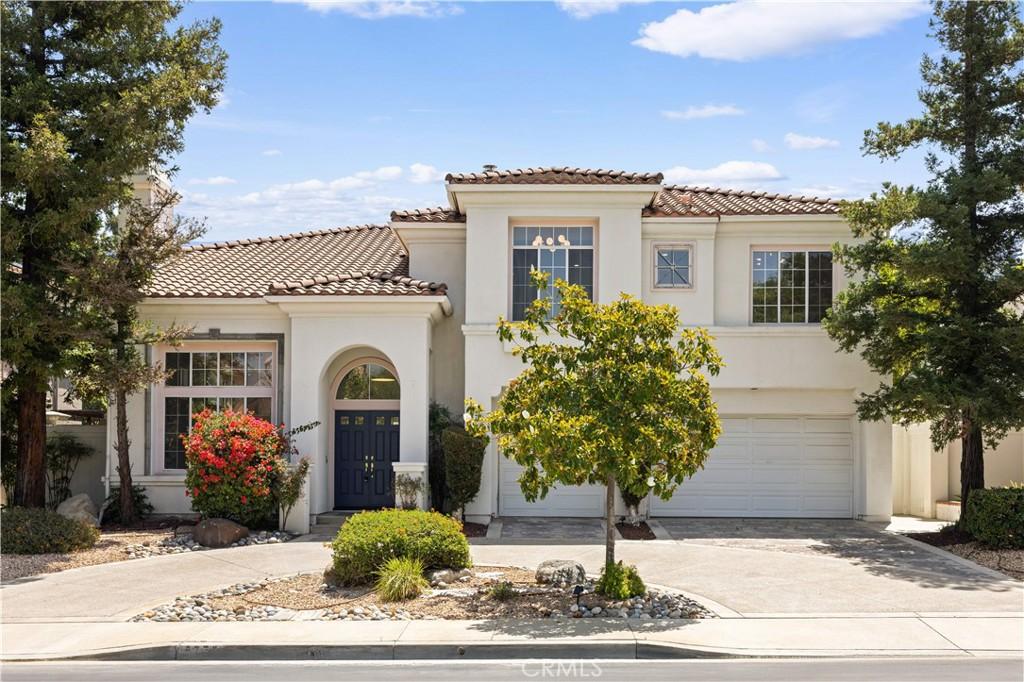
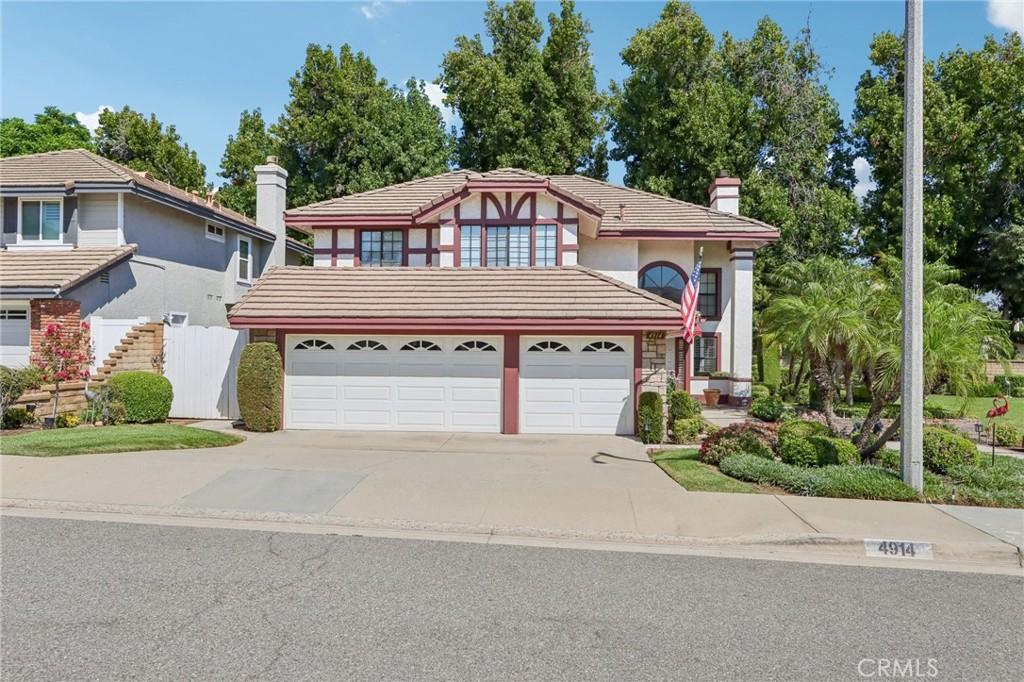
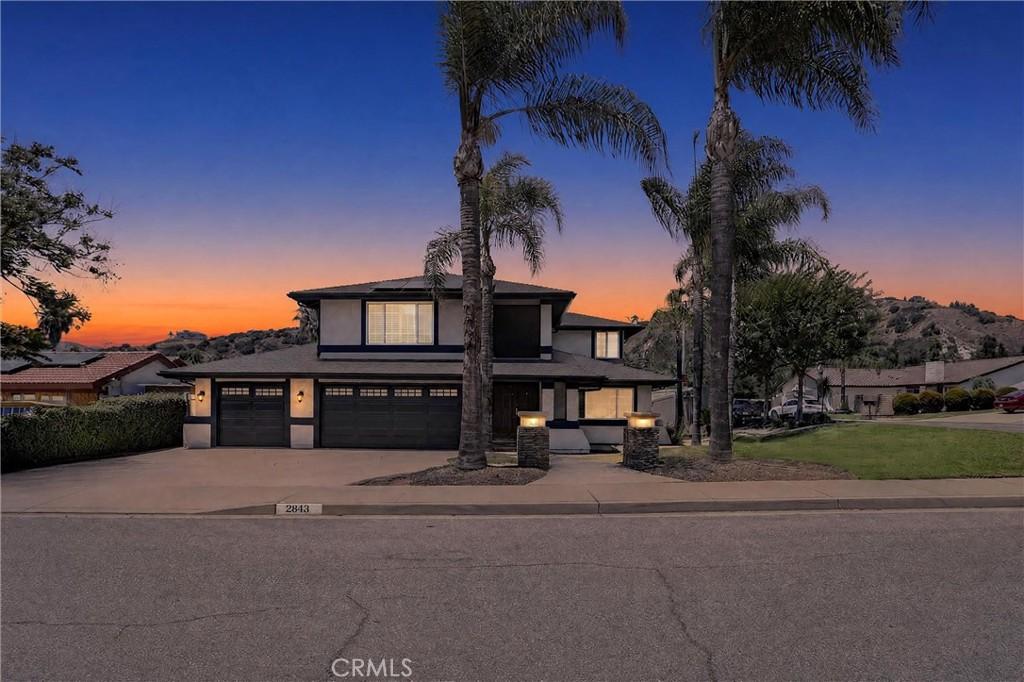
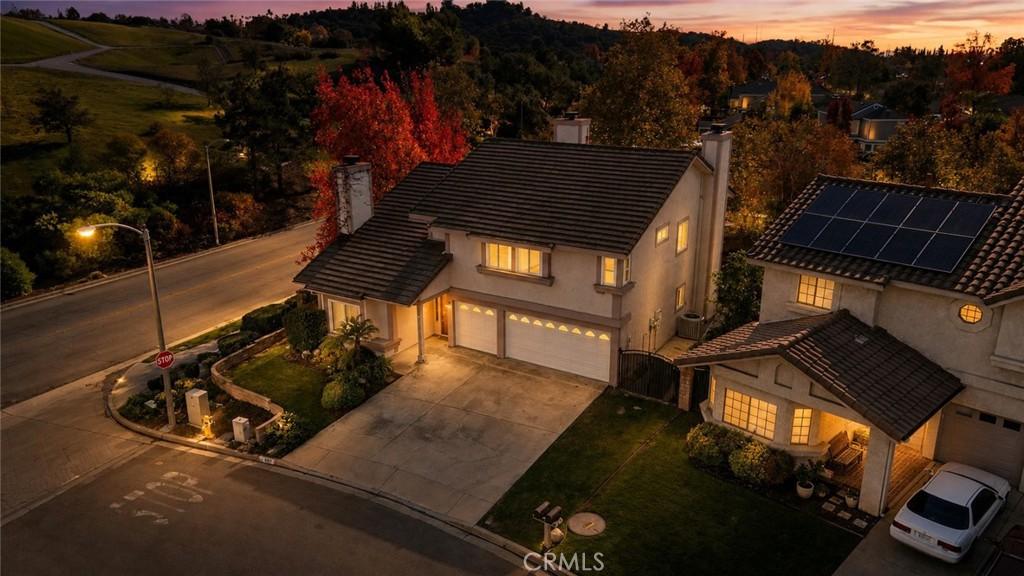
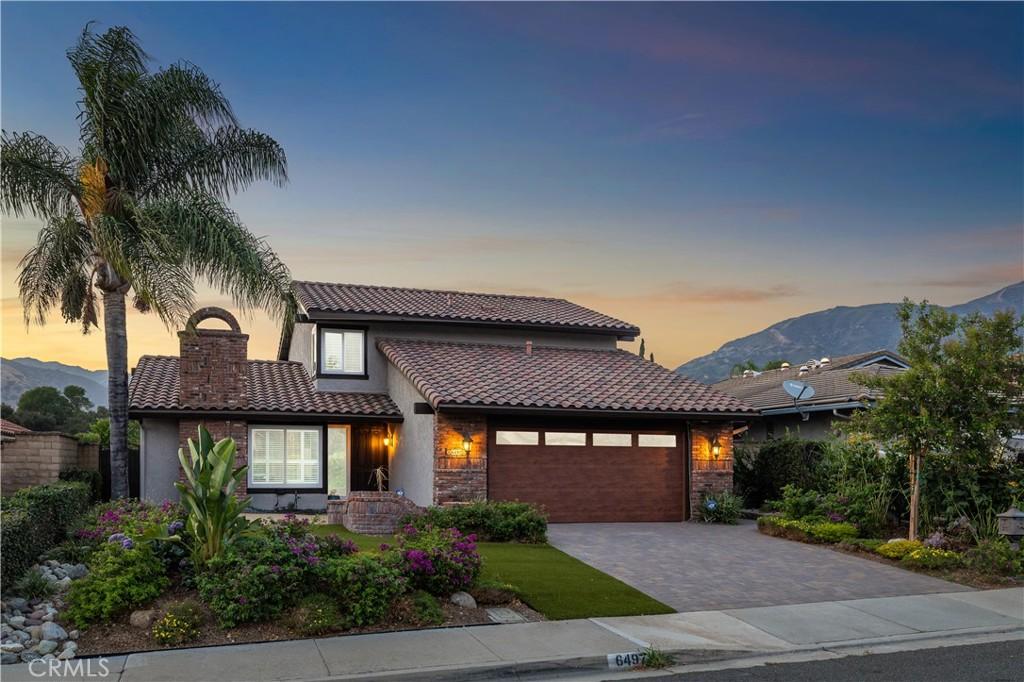
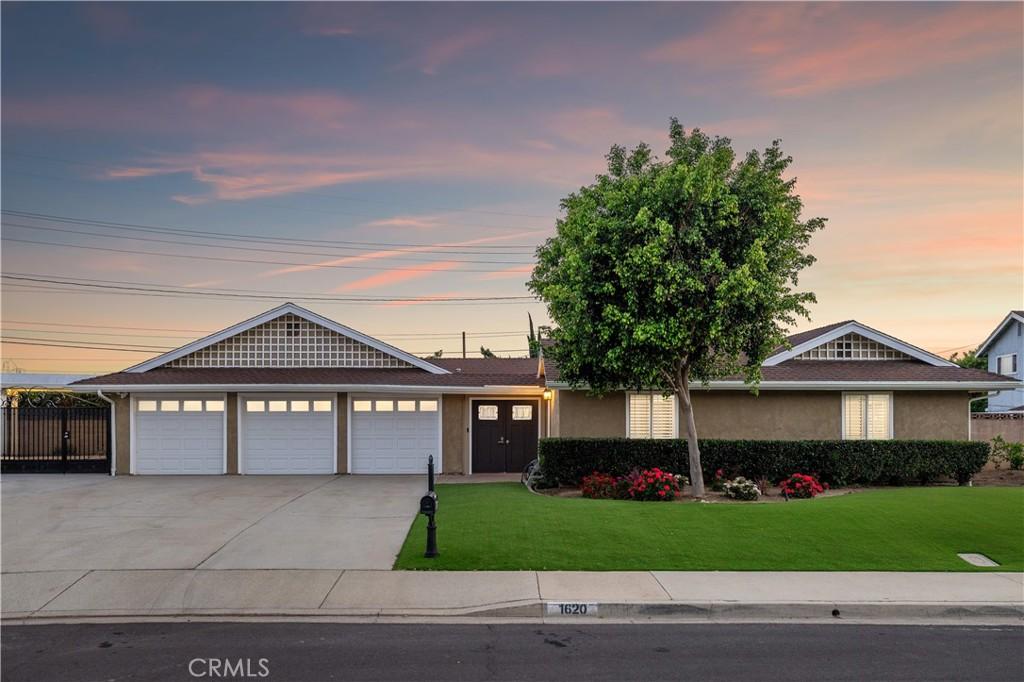
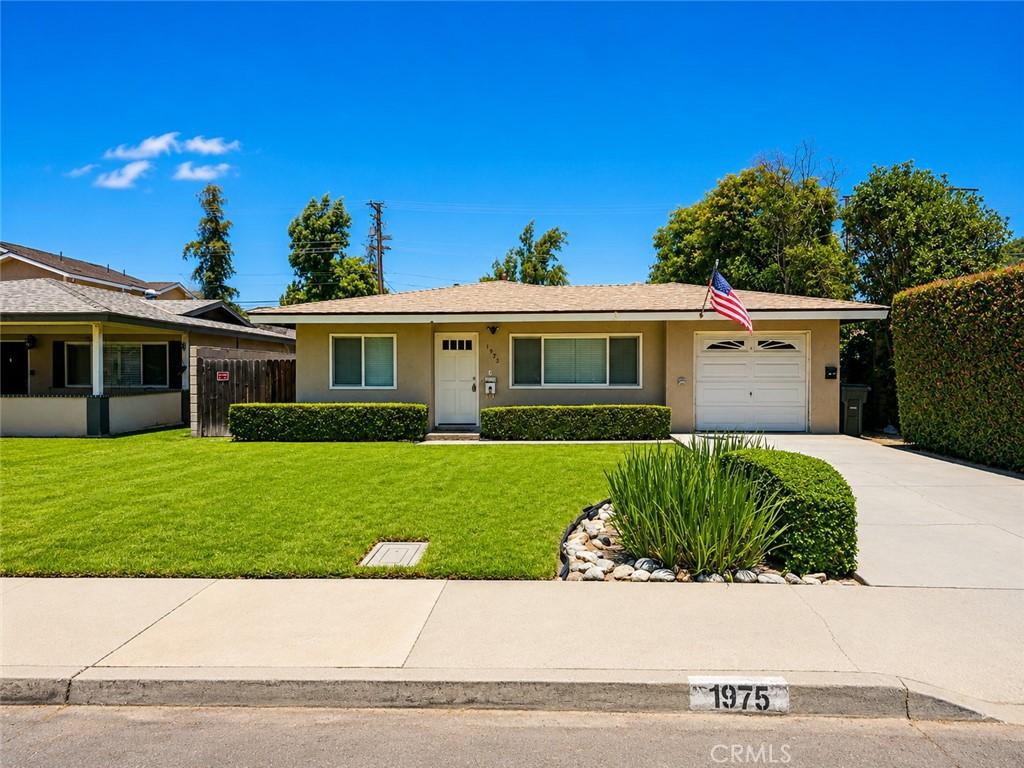
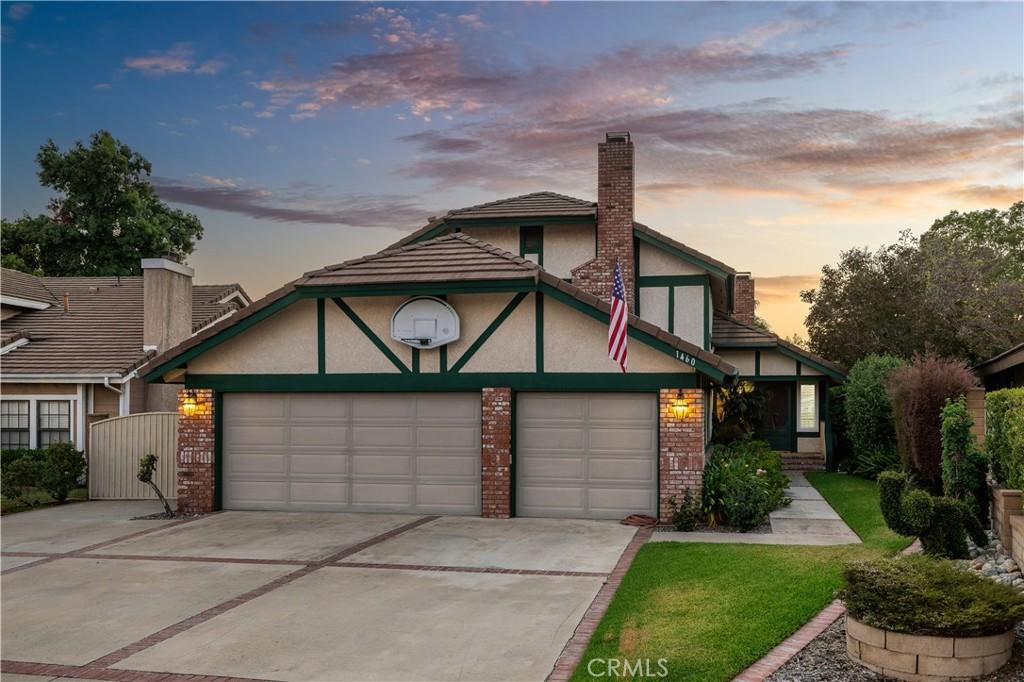
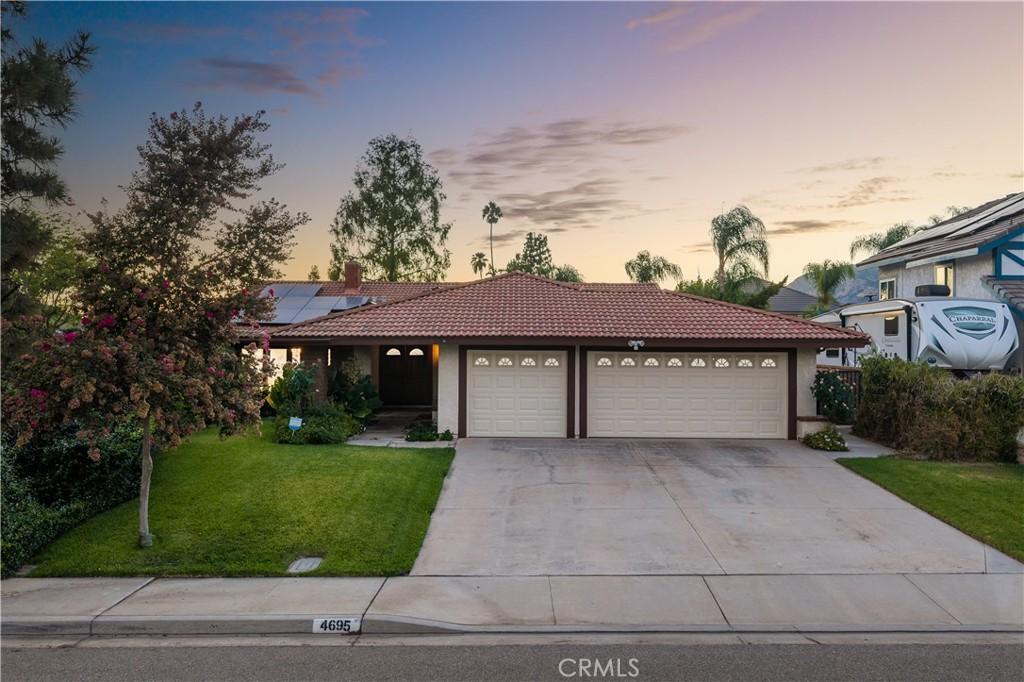
Property values in La Verne reflect the community’s university-town character, historic downtown quality of life, and foothill positioning. Single-family homes in La Verne have generally traded in the $800,000 to $1,200,000 range, with the established historic sections adjacent to the downtown and the foothill sections with mountain views approaching the upper end, and the more conventional suburban sections toward the lower end. La Verne prices comparably to adjacent San Dimas given the shared Bonita USD school district and similar foothill positioning, with the University of La Verne campus contributing a distinctive community character that some buyers specifically value. For buyers comparing La Verne and San Dimas, the key differentiators are the university campus presence and Old Town character in La Verne versus the Bonita Avenue Promenade and rodeo heritage character of San Dimas.
The La Verne Metrolink station on the San Bernardino Line, located in the Old Town district on D Street, provides commuter rail access to downtown Los Angeles and intermediate stops along the San Bernardino Metrolink corridor. The station’s location in the walkable downtown means that La Verne residents who live in or near the Old Town section can access Metrolink without a car, making La Verne among the most transit-accessible residential communities in the eastern SGV foothill corridor for buyers who want to reduce their car dependence for the daily commute. The station’s location also means that La Verne’s Old Town businesses benefit from Metrolink transit access for visitors and employees.
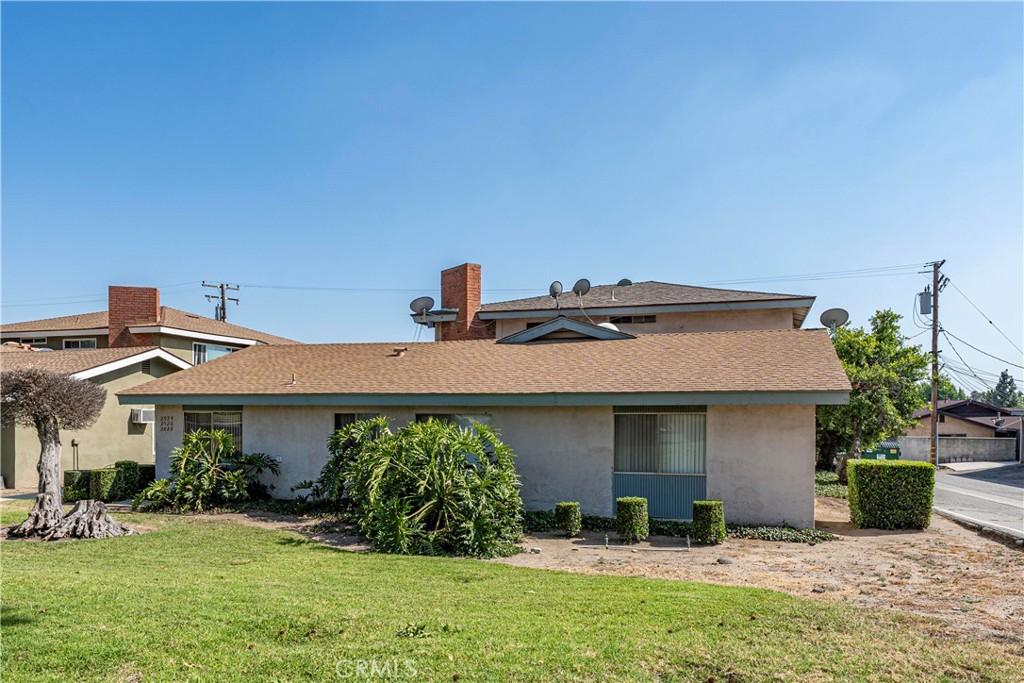
The University of La Verne’s presence creates a consistent rental demand from graduate students, faculty, and staff who seek residential accommodations near the campus. This university-adjacent rental demand supplements the general family rental market in La Verne and provides investors with access to a renter cohort that has specific geographic preferences that support occupancy in the downtown-adjacent sections of the city. Investors evaluating La Verne rental properties should assess the proximity of their target property to the University campus and the Old Town district when forecasting rental demand, as properties within walking distance of both the campus and the commercial district command rental premiums over comparable properties further from the university.
La Verne’s Fruit Street Park, Live Oak Park, and the Heritage Park complex provide the city’s primary community recreation infrastructure. The La Verne Community Center offers fitness, youth programming, and senior activities. The city’s parks system is compact given La Verne’s small city size but serves the residential population effectively for informal recreation. The foothill areas north of Foothill Boulevard provide access to the San Gabriel Mountain trail network via trails that connect to the Angeles National Forest above the residential development zone, providing outdoor recreation access comparable to what adjacent San Dimas and Glendora offer for buyers who prioritize trail access as a residential quality-of-life criterion.
Buyers evaluating La Verne and adjacent San Dimas as alternatives should note that while both cities are served by Bonita USD and have similar foothill positions on the I-210, the community character differentiates them in ways that appeal to distinct buyer profiles. La Verne’s university presence, Old Town walkability, and Metrolink access in the historic downtown tend to attract buyers who value an active, walkable urban village character. San Dimas’ equestrian community, Bonita Avenue Promenade, and Raging Waters/Puddingstone recreation complex tend to attract buyers who value outdoor recreation and a more distinctly rural-heritage community character. Contact The Knight Group for a La Verne and San Dimas comparison consultation and current listing inventory at your specific criteria and budget.
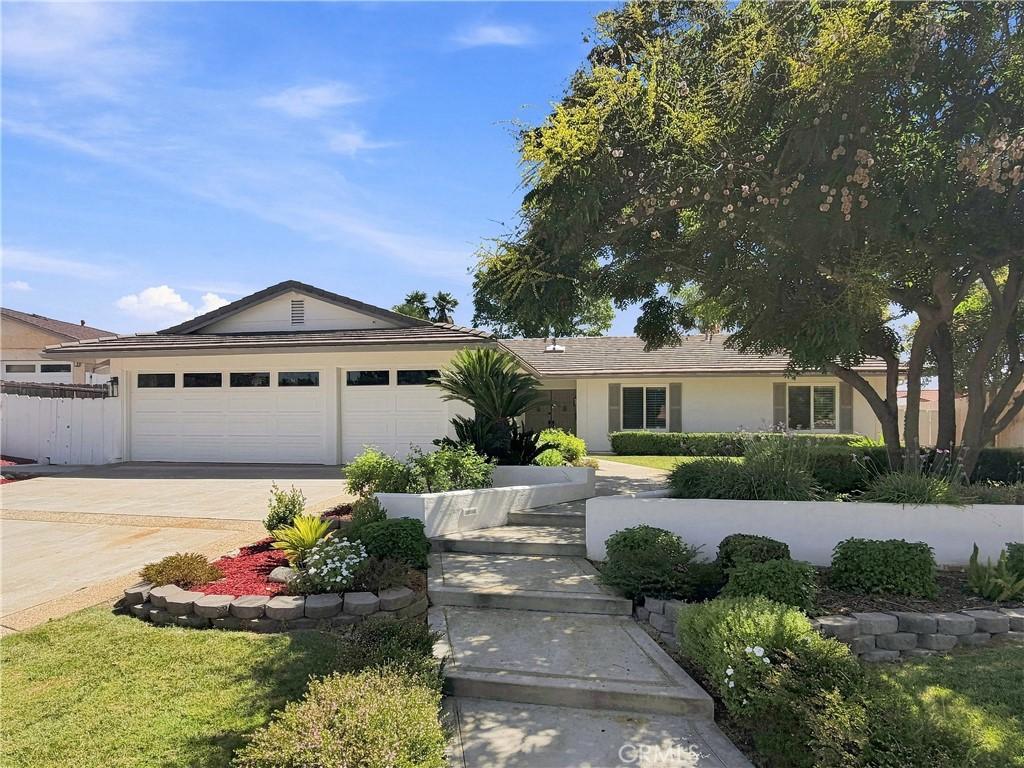
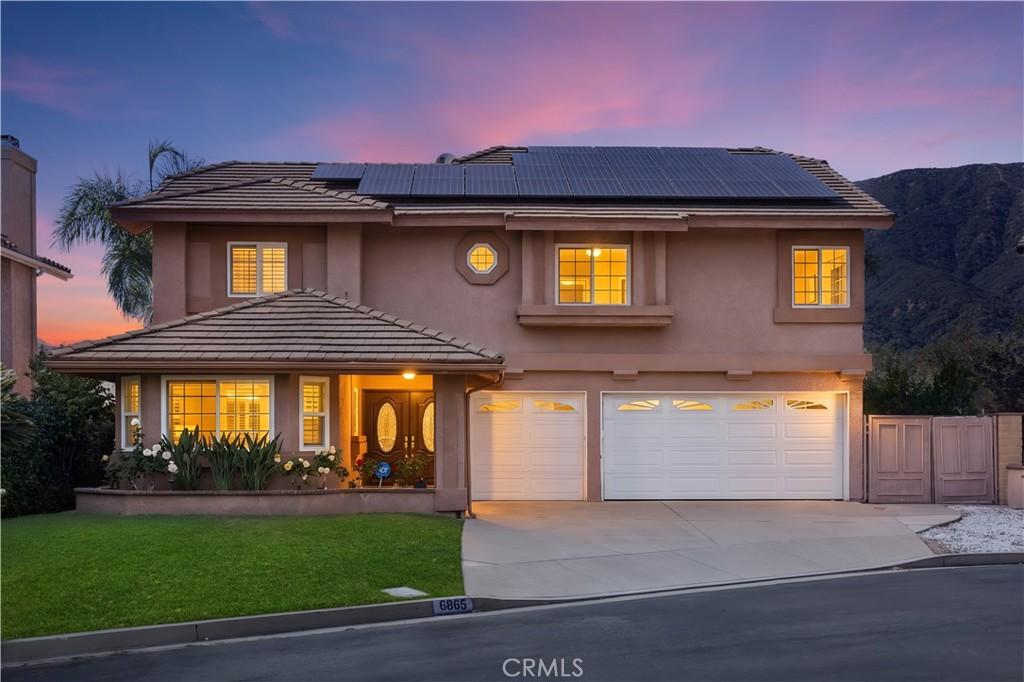
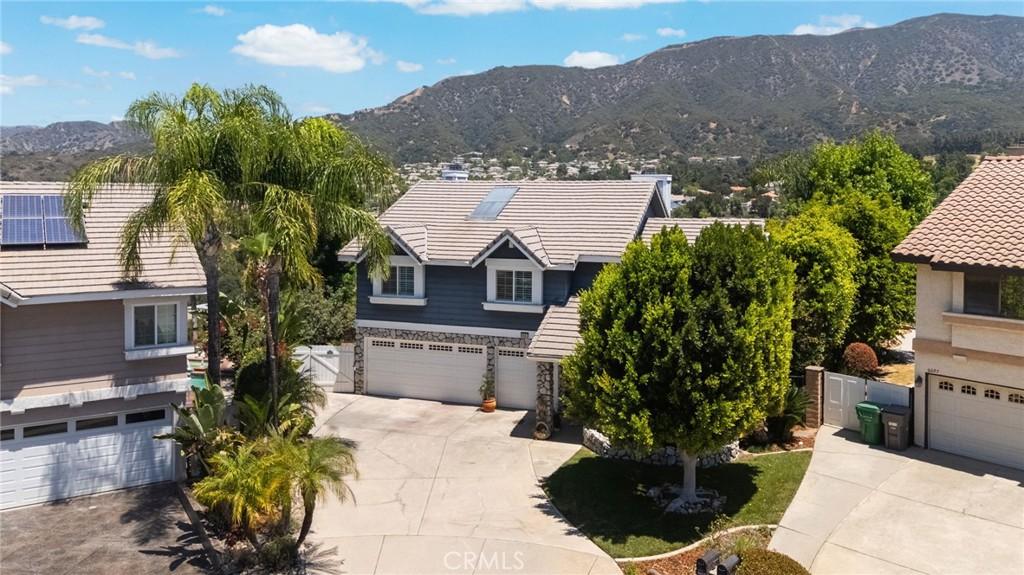
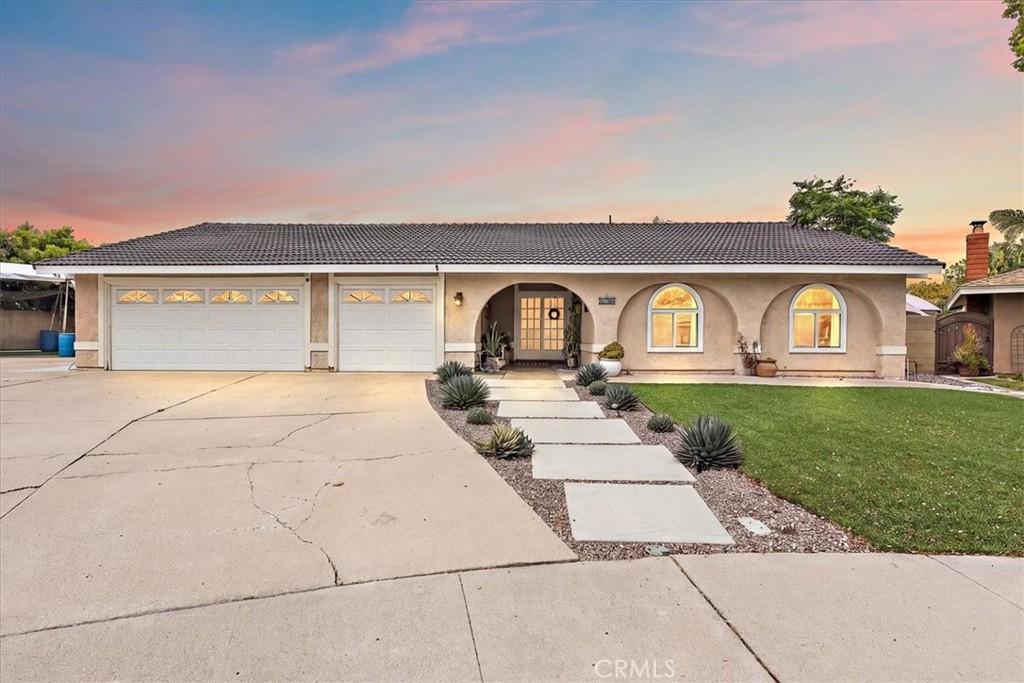
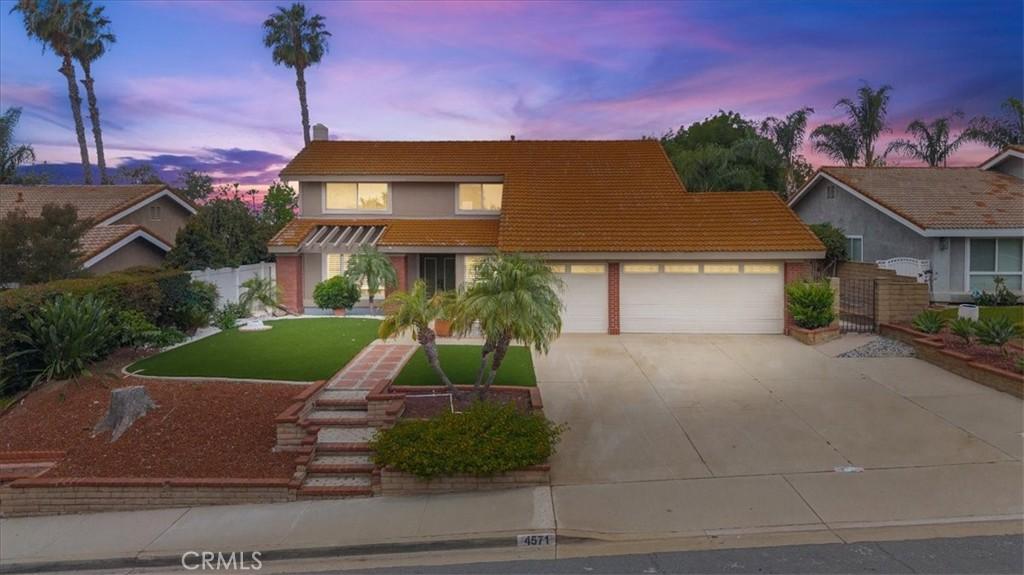
La Verne’s northern foothill sections, north of Foothill Boulevard and approaching the San Gabriel Mountain foothills, contain some of the city’s newer residential development with properties that were built in the 1980s and 1990s on graded foothill lots. These sections have more conventional suburban residential character than the historic downtown-adjacent sections, but they offer the closest proximity to the national forest trail access and the mountain views that the foothill position provides. Buyers who are specifically seeking trail access and mountain proximity within La Verne should focus their search on the northern sections, while buyers who prioritize walkable downtown and university character should evaluate the properties within walking distance of the Old Town district and the University of La Verne campus.
The La Verne water supply is provided by the La Verne-Claremont Water Company and the Pomona Water Utility, with service area coverage varying by property location within the city. The eastern SGV and foothill communities access water from a combination of the Metropolitan Water District of Southern California imported supply and the San Gabriel Valley Groundwater Basin. Buyers should confirm water provider and current rate information for any specific La Verne property they are evaluating, as the service area split between providers means that adjacent properties may be served by different utilities with different rate structures.
The University of La Verne campus hosts a range of public programs, lectures, concerts, and cultural events throughout the academic year that provide residents of the surrounding community with access to programming that is not typically available in communities without a university. The university’s Leo F. Caglia Athletic Center and sports facilities host intercollegiate athletic events that provide entertainment programming for community residents. The university’s community engagement mission means that many of its programs are open to non-students, and La Verne residents who are interested in continuing education, cultural programming, or athletic events have a range of accessible options without needing to travel to a larger institution.
Sellers in La Verne who are evaluating their listing timeline should consider that the city’s buyer pool is somewhat more diverse in its motivations than purely school-district communities like Walnut. La Verne attracts buyers who are motivated by the university town character and Old Town walkability in addition to Bonita USD school coverage, which means that the community’s appeal is less concentrated in the spring school-district window and is more evenly distributed across the calendar year. Sellers who price their La Verne properties accurately relative to the specific section’s character and proximity to downtown amenities will attract motivated buyers who are specifically seeking the La Verne quality-of-life profile. Contact The Knight Group for a La Verne seller consultation and current market analysis at your specific property address and condition.
La Verne residents who are considering selling their current property to move up to a larger home within the city or to relocate to adjacent Claremont should obtain a current market analysis before listing, as the La Verne to Claremont move-up path is one of the more common intra-community upgrade sequences in the eastern foothill corridor. Understanding the current La Verne market value and the realistic net proceeds from the sale is essential to determining whether the Claremont acquisition is financeable at the target price range within the constraints of the seller’s equity position and replacement purchase budget. The Knight Group provides coordinated sell-and-buy strategy consultations for move-up buyers in the eastern foothill corridor. Contact our office for a La Verne seller consultation and a Claremont buyer orientation.
The Via Verde section adjacent to La Verne’s eastern boundary, while technically addressed in San Dimas, is effectively a shared community between La Verne and San Dimas residents who use both cities’ commercial and recreational infrastructure. The Via Verde Golf Course, accessible from both La Verne and San Dimas, provides a public golf facility within reasonable distance of both communities. Buyers who are evaluating properties in the Via Verde section should confirm the specific city address and school district assignment, as the proximity to the La Verne/San Dimas boundary and the shared Via Verde community character can create confusion about the governing school district. Contact The Knight Group for address-specific school district and city jurisdiction guidance for properties near the La Verne and San Dimas boundary. Our office is available for a comprehensive buyer consultation and current listing inventory at your target criteria and price range.
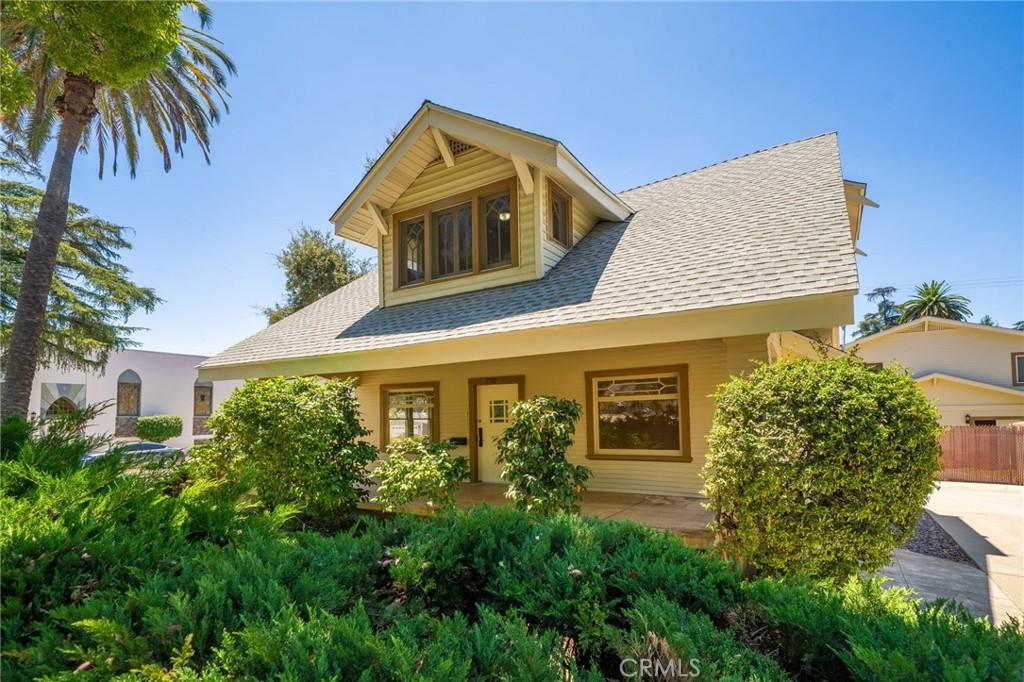
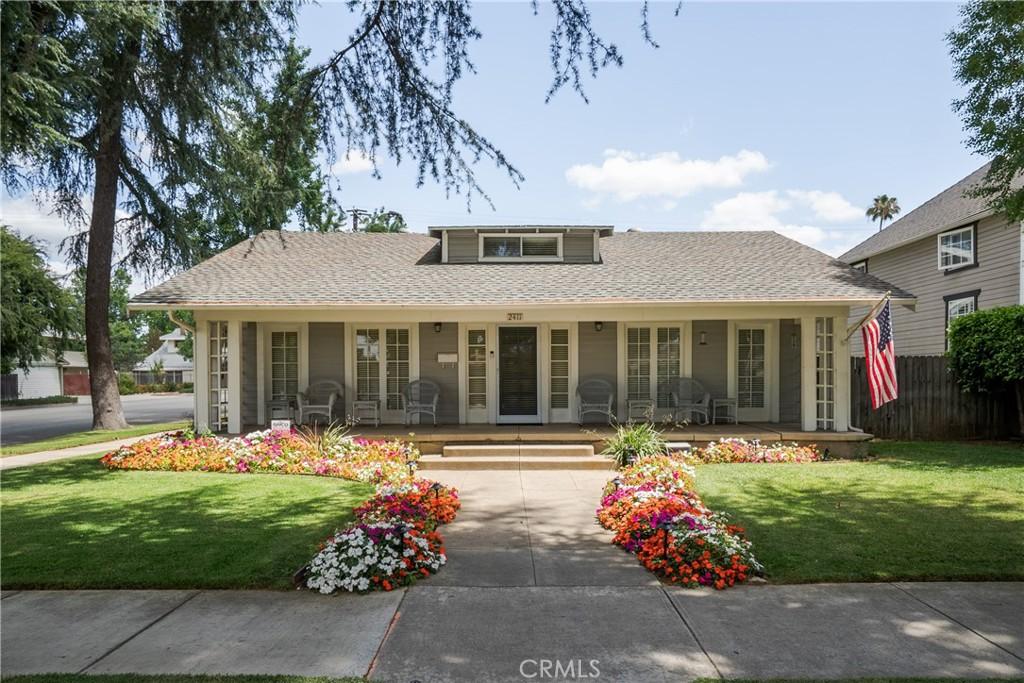
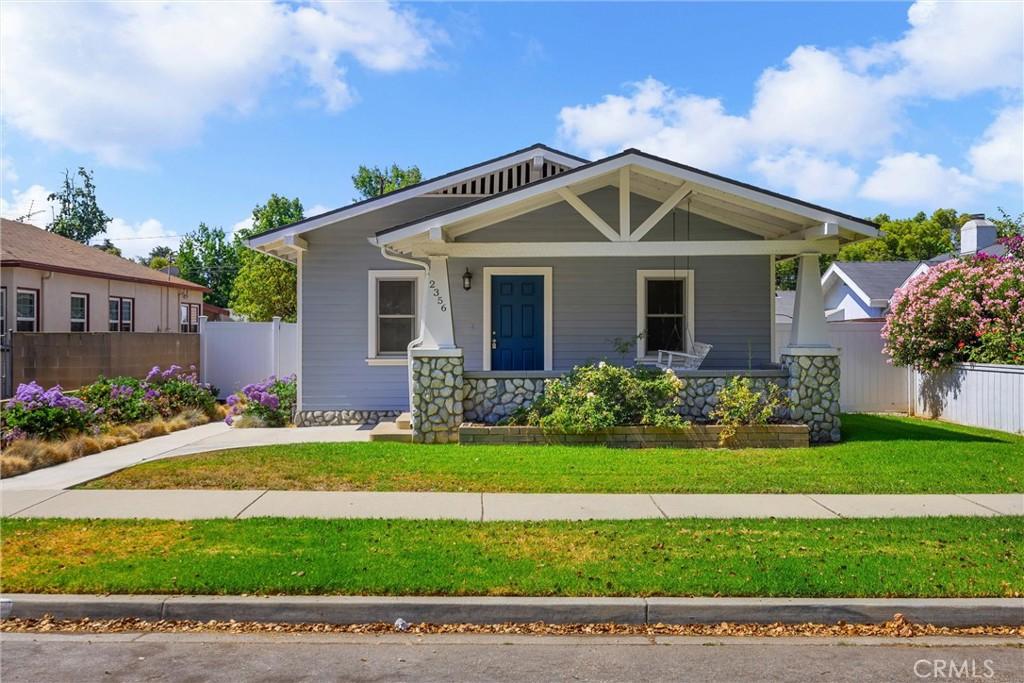
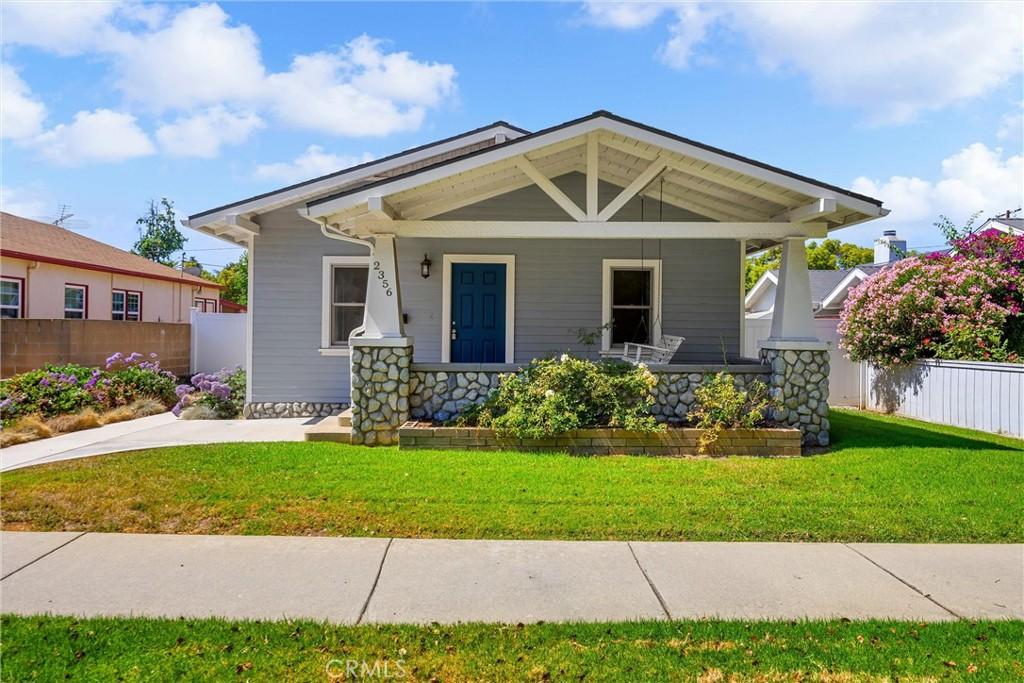
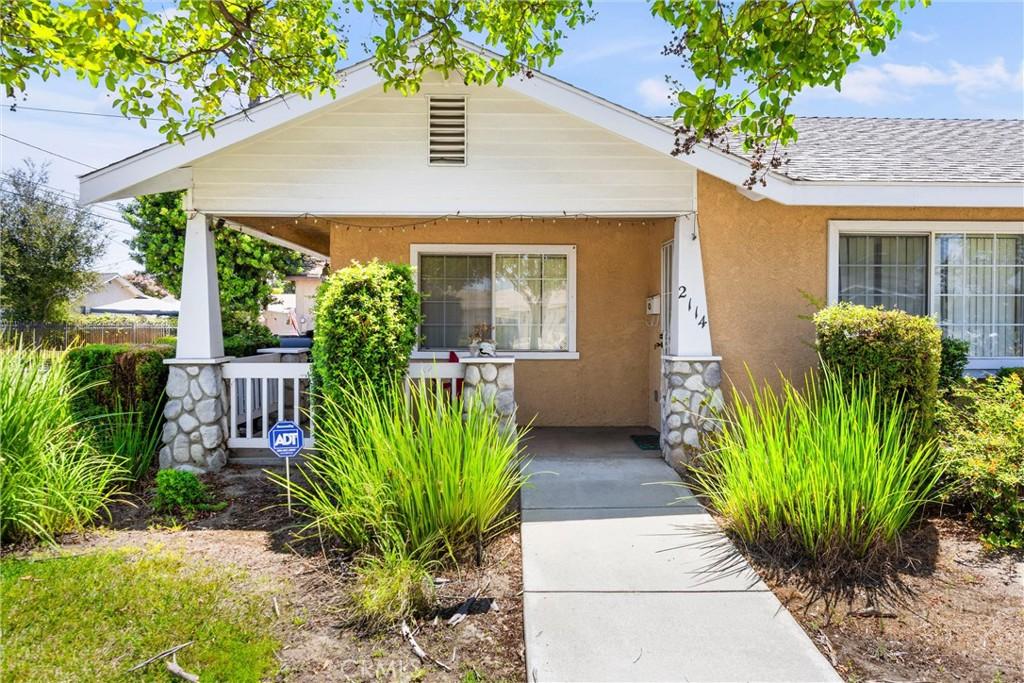
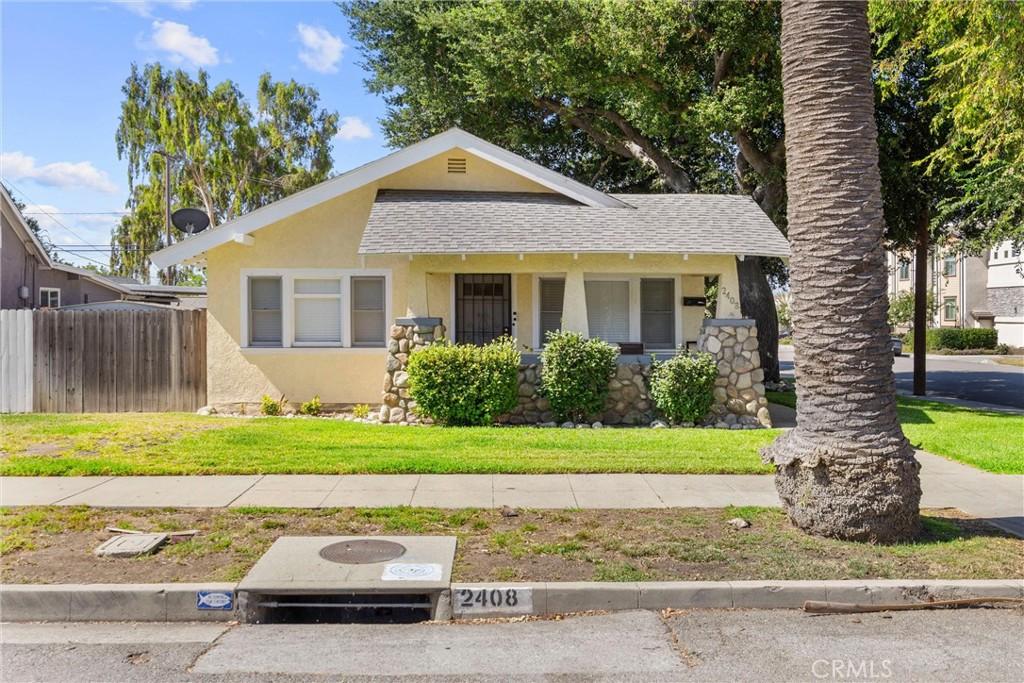
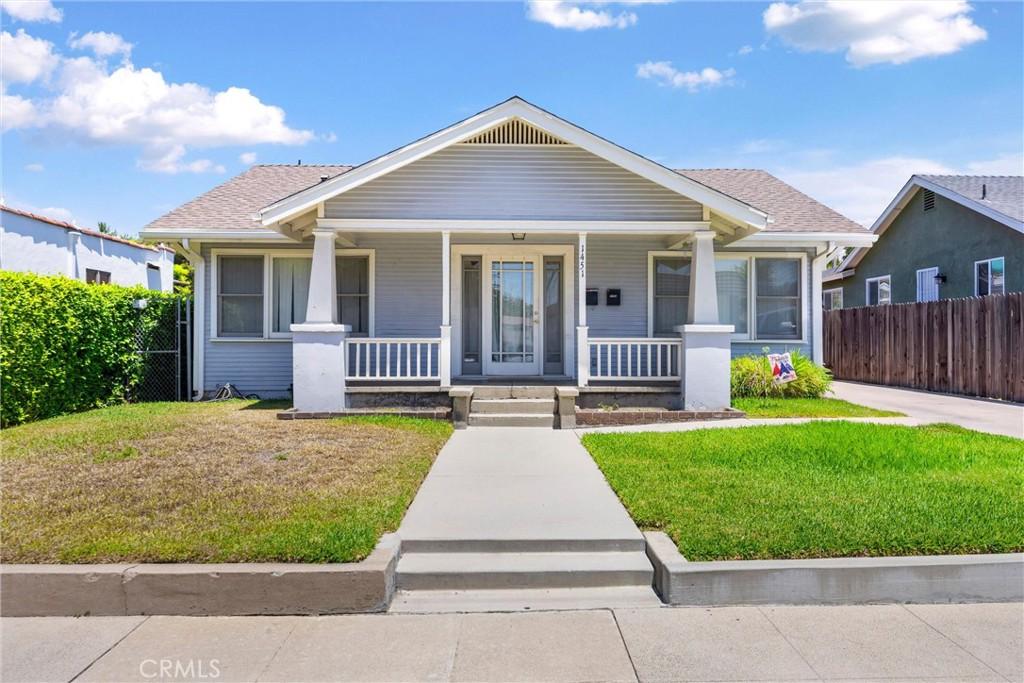
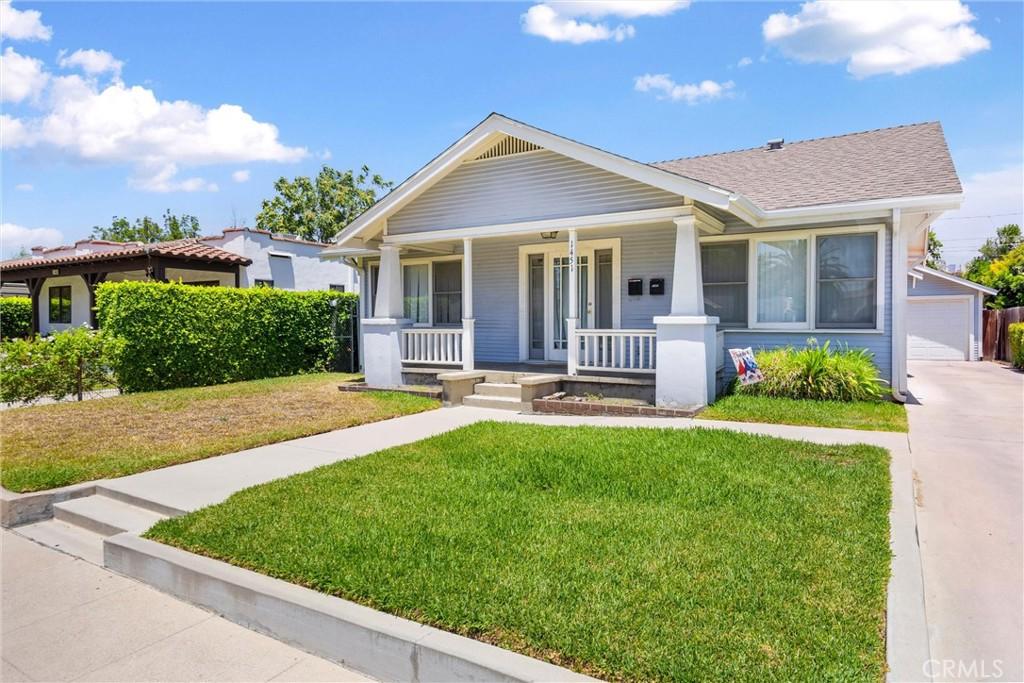
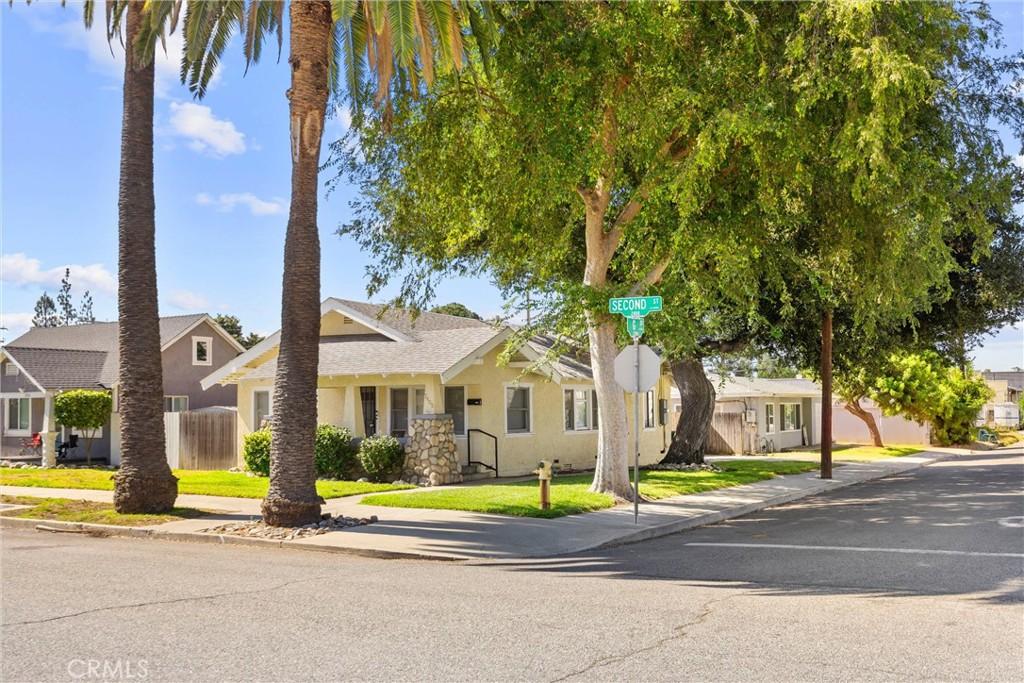
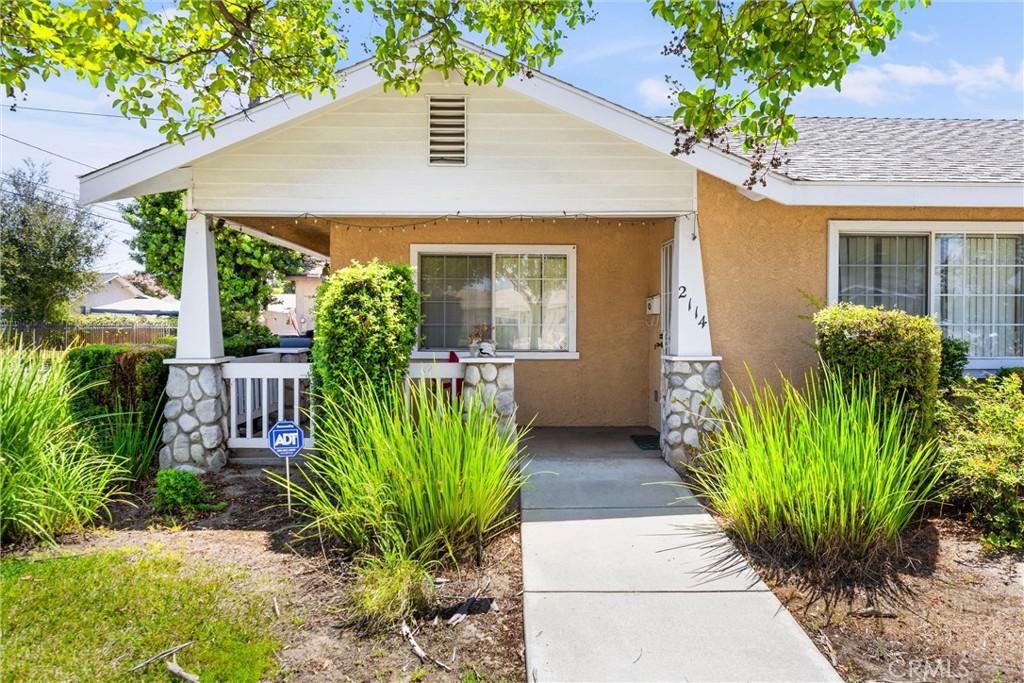
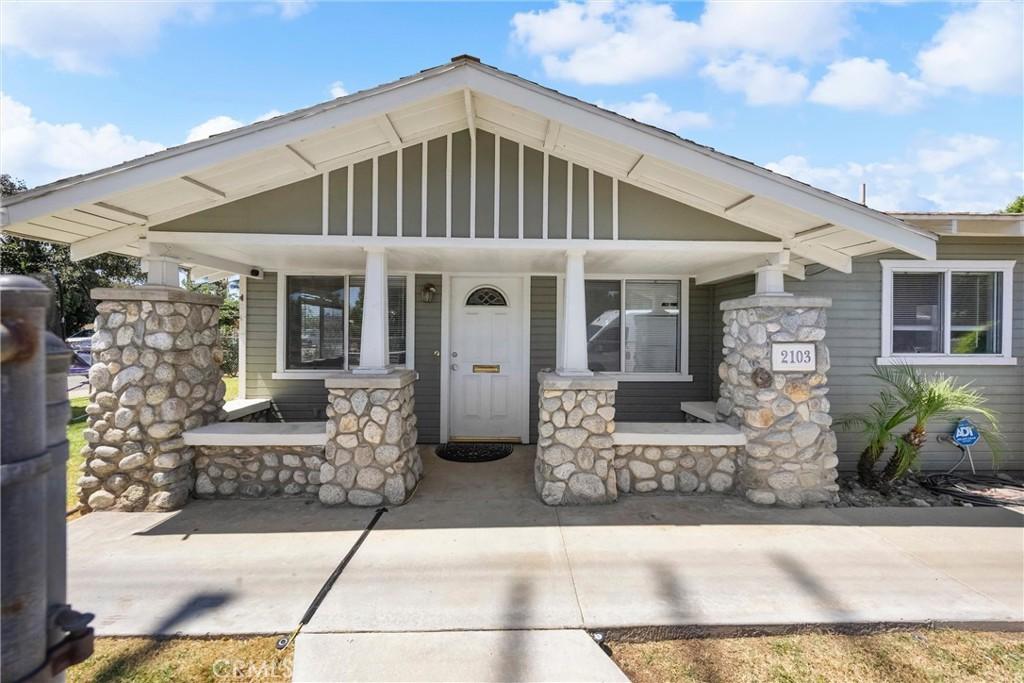
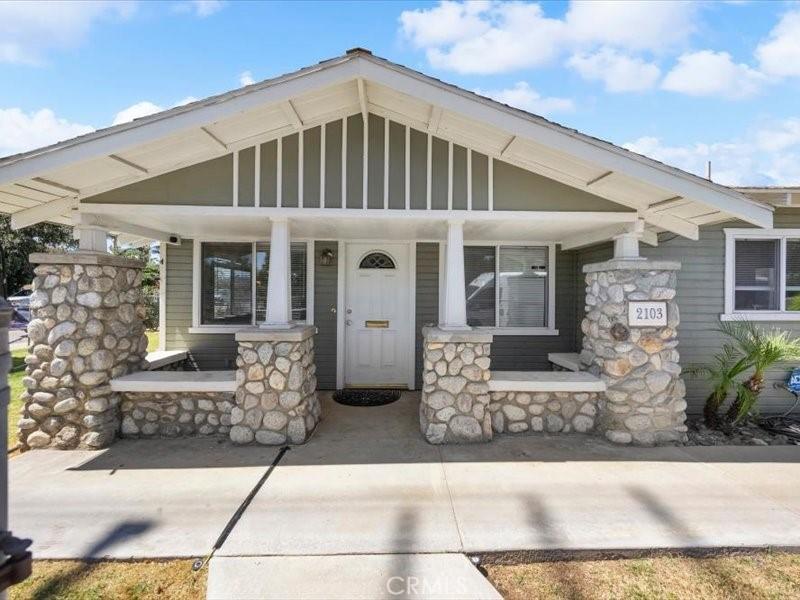
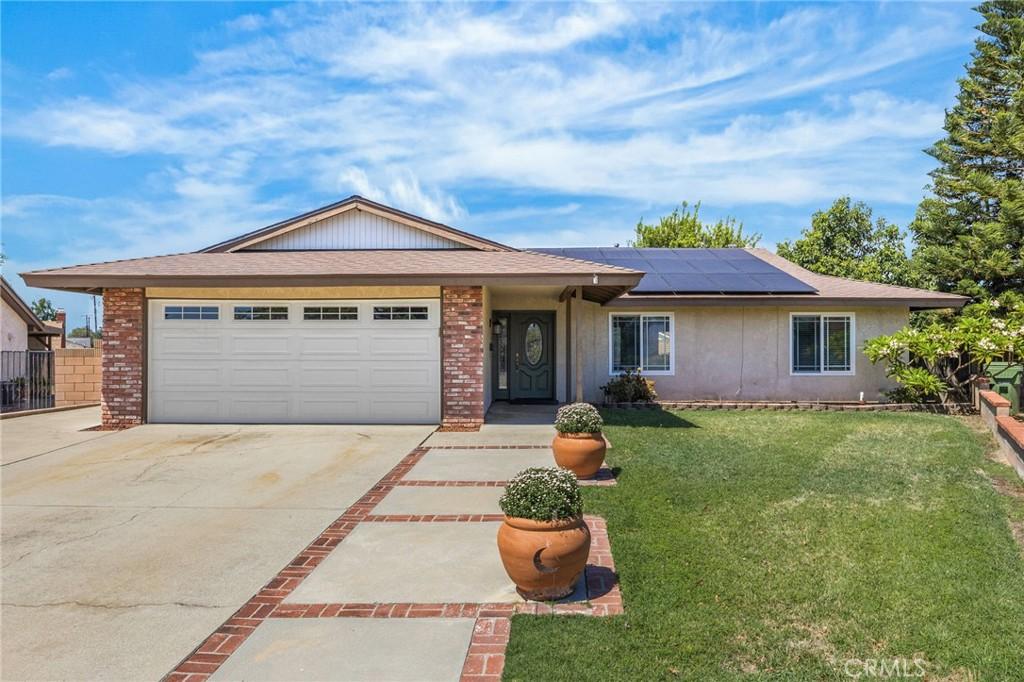
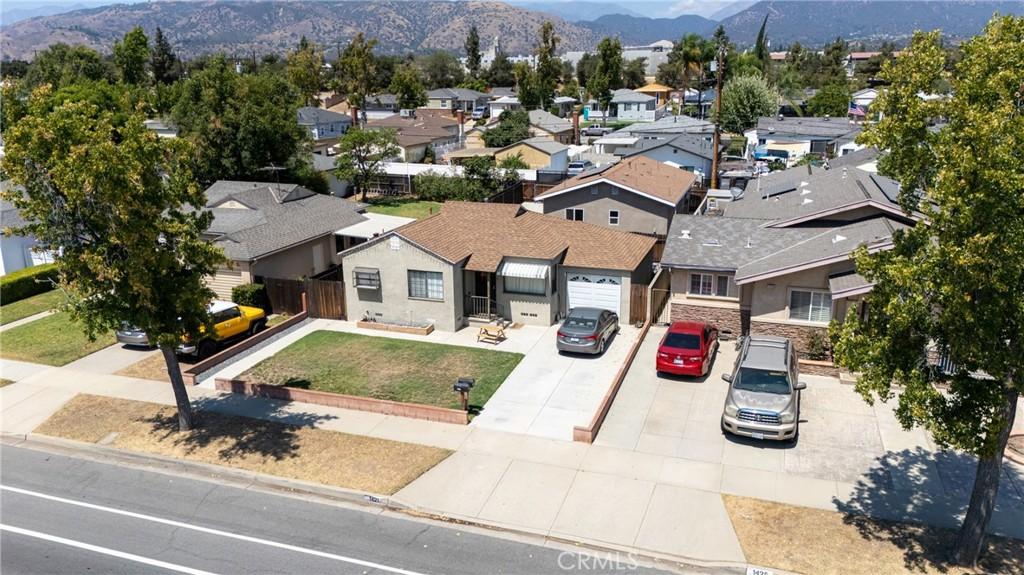
La Verne’s historic residential sections adjacent to the University campus and the Old Town district include some of the city’s most architecturally distinctive properties, with California Craftsman bungalows, Spanish Colonial Revival homes, and mid-century properties that reflect the city’s residential development history from the early 20th century through the post-war era. These historic sections are among the most walkable residential areas in the eastern foothill corridor and provide a residential character that buyers seeking architectural variety and pedestrian access will find more compelling than the more uniform tract development in the city’s northern sections. Buyers who are specifically interested in historic La Verne residential character should work with The Knight Group to identify current inventory in the downtown-adjacent sections and assess the specific renovation needs and opportunities for any historic property they are evaluating. Contact our office for a La Verne buyer consultation and current listing inventory organized by neighborhood section and condition tier.
La Verne’s Community Development Department administers the city’s historic preservation program, which provides design review guidance for alterations to designated historic properties and identifies historically significant structures throughout the city. Buyers who are considering purchasing a designated historic property in La Verne should understand the applicable design review requirements before planning renovations, as certain exterior alterations to designated properties require city approval to ensure consistency with the property’s historic character. The Knight Group can connect buyers with historic preservation consultants and contractors who are experienced in the La Verne historic residential market. Contact our office for a comprehensive La Verne buyer consultation covering historic, mid-century, and newer residential inventory at your specific criteria and budget.
Buyers who are pre-approved and actively searching in La Verne should be aware that the most desirable properties in the Old Town-adjacent sections and the northern foothill sections attract interest quickly. The La Verne market at the ,000 to ,100,000 price tier, which represents the city primary transaction range for single-family detached homes in established sections, has consistent buyer demand from families who are prioritizing Bonita USD coverage and downtown walkability as their primary residential criteria. Working with a buyer representative who has current La Verne market knowledge and who can respond quickly to new listing activity in the target section is the most effective strategy for competitive La Verne buyers. Contact The Knight Group for a La Verne buyer representation consultation and a current listing inventory at your pre-approved price range and community criteria.
La Verne property values have generally appreciated at a steady rate over the past decade, supported by the consistent demand from the Bonita USD family buyer cohort, the university-affiliated buyer and renter population, and the quality-of-life appeal of the Old Town district and foothill positioning. The city has not experienced the speculative run-up that has characterized some western SGV communities, and the La Verne market tends to track the broader eastern foothill corridor price trend without the volatility that comes from school-district-premium concentration. For buyers who are evaluating long-term appreciation potential alongside near-term quality-of-life criteria, La Verne provides a favorable combination of lifestyle quality and steady value trajectory in the eastern foothill residential market. Sellers who are assessing their property value trajectory before making a listing decision should request a current market analysis from The Knight Group to understand how recent comparable sales in the specific neighborhood section affect their estimated value. Contact our office for a La Verne seller consultation and a no-obligation current market analysis.
What is it like to live in Homes For Sale In LA Verne?
- La Verne’s Old Town commercial district along D Street between Arrow Highway and Foothill Boulevard serves as the historic commercial heart of the city.
- Old Town La Verne offers a walkable street environment containing independently owned restaurants, coffee shops, wine bars, and specialty retail businesses.
- Small-town commercial character in La Verne’s downtown compares to the Bonita Avenue Promenade found in neighboring San Dimas.
- The University of La Verne campus sits immediately adjacent to the Old Town district and drives pedestrian activity throughout the commercial area.
- Students, faculty, and staff at the University of La Verne form a consistent population supporting downtown businesses across the academic year.
- Buyers considering Homes For Sale In LA Verne who value walkable downtown access will find one of the more compelling small-city downtowns in the eastern SGV foothill corridor.
- Employment centers across the eastern and western San Gabriel Valley are reachable through the freeway corridor serving the foothill communities.
- The Ontario and Rancho Cucamonga Inland Empire employment corridor is accessible by way of the eastward freeway junction.
- Homes For Sale In LA Verne suit buyers working in the eastern Inland Empire as well as those employed further west in the San Gabriel Valley or on the Westside.
- The La Verne Metrolink station on the San Bernardino Line sits in the Old Town district on D Street.
- Commuter rail service from the local station reaches downtown Los Angeles along with intermediate stops on the San Bernardino corridor.
- Residents living in or near Old Town can reach Metrolink without a car because the station sits within the walkable downtown.
- Homes For Sale In LA Verne rank among the most transit-accessible residential options in the eastern SGV foothill corridor for buyers reducing car dependence.
- Old Town businesses benefit from Metrolink transit access that brings visitors and employees into the commercial district.
- Property values throughout the city reflect university-town character, historic downtown quality of life, and foothill positioning near the mountains.