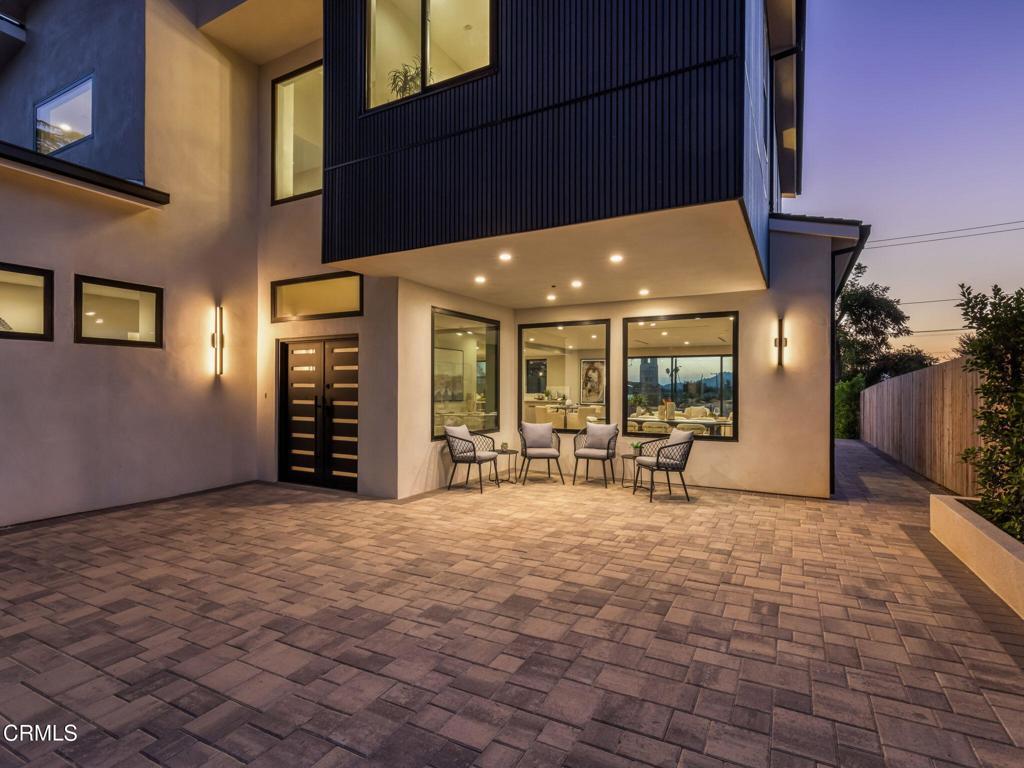
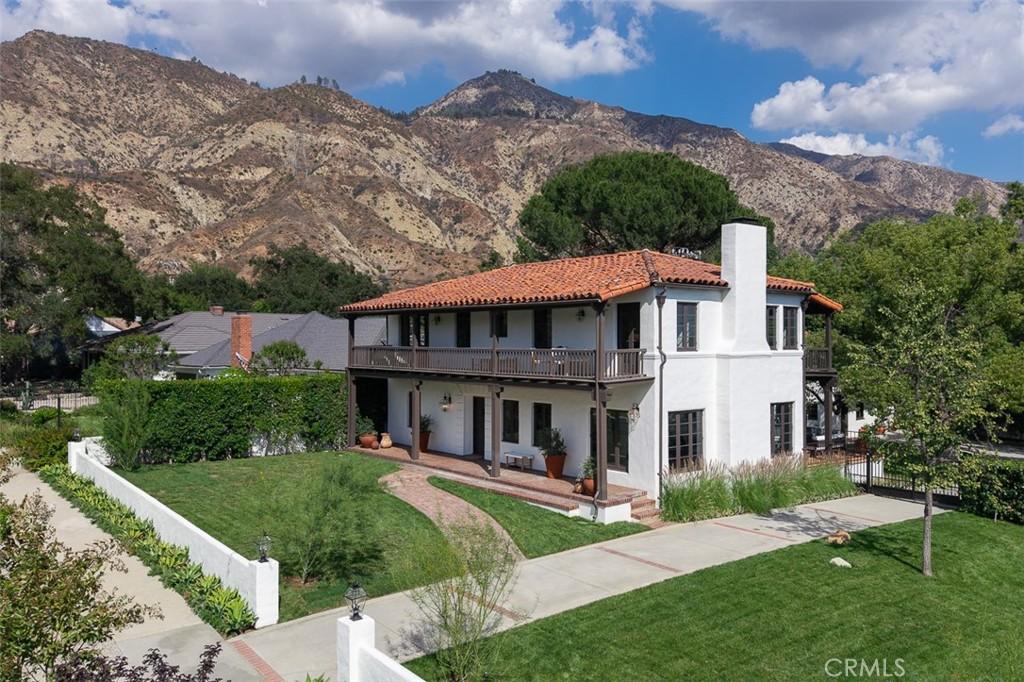
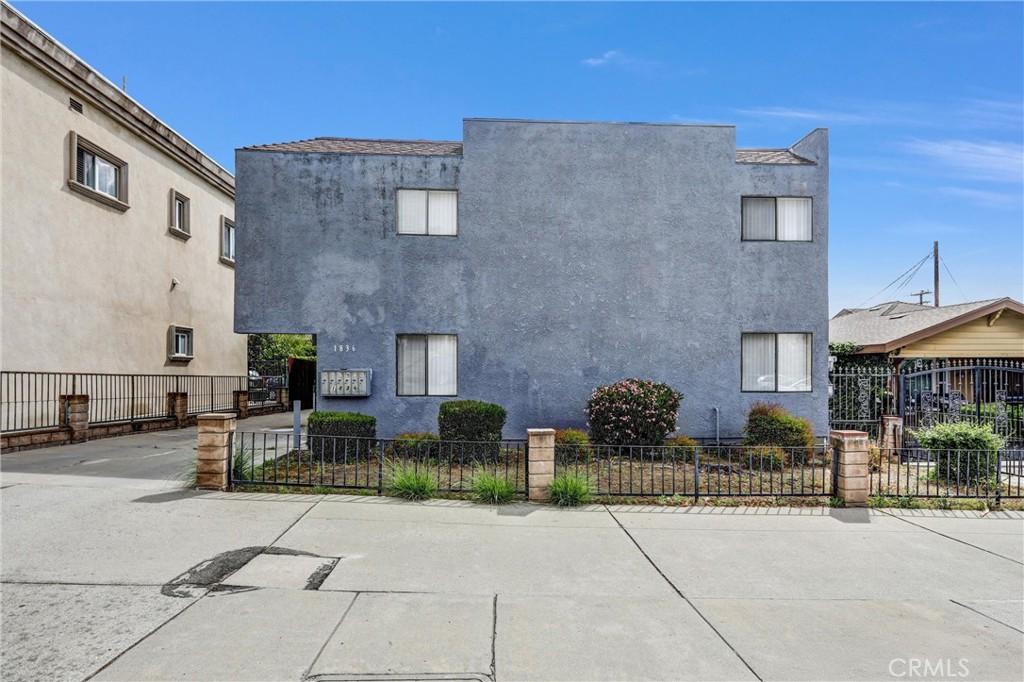
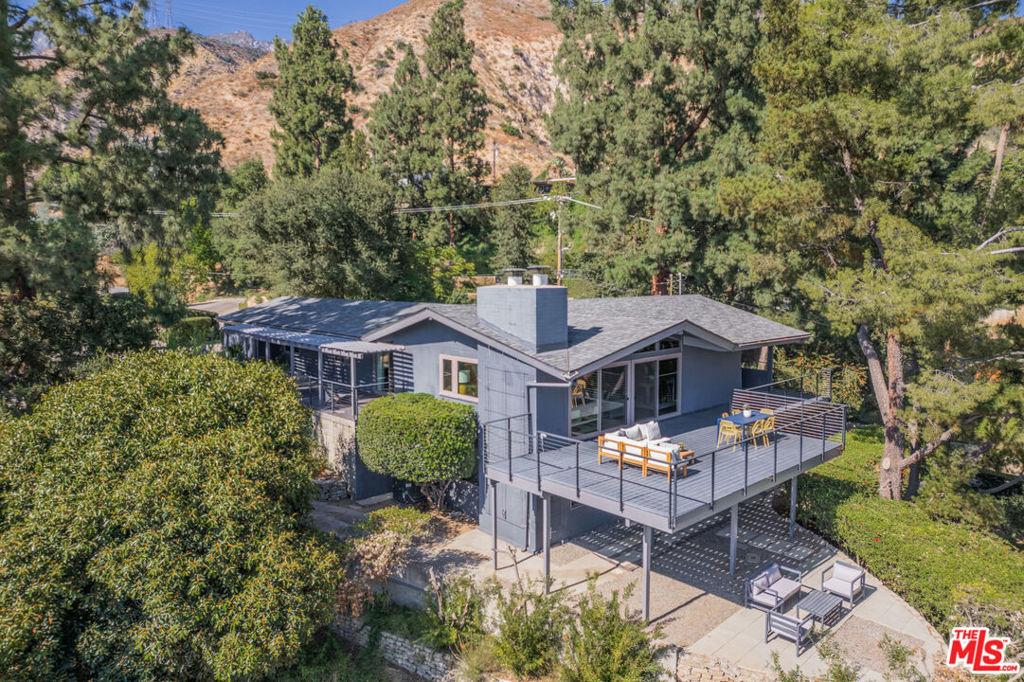
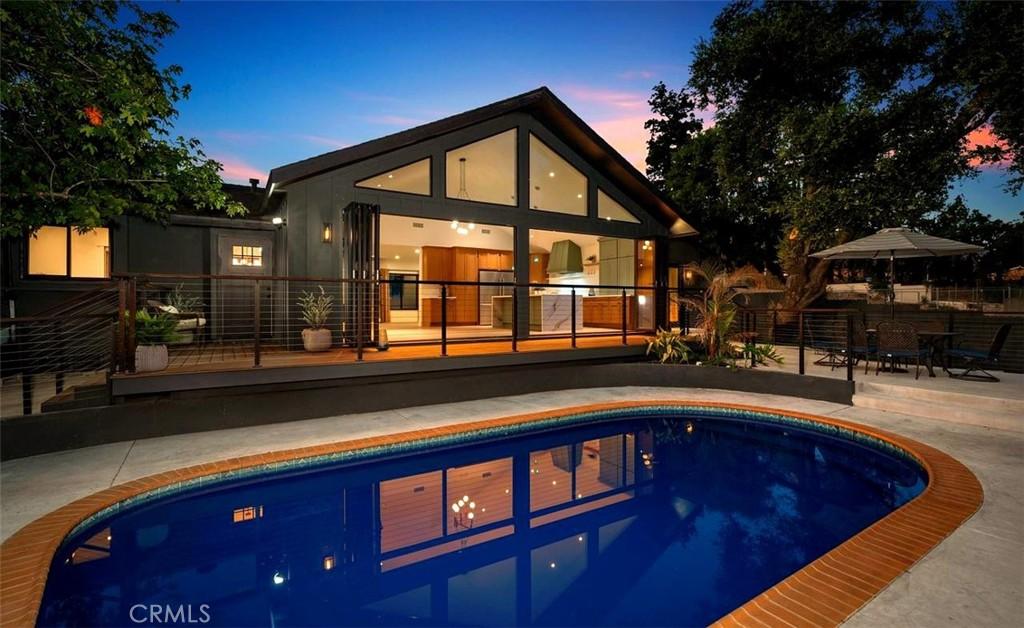
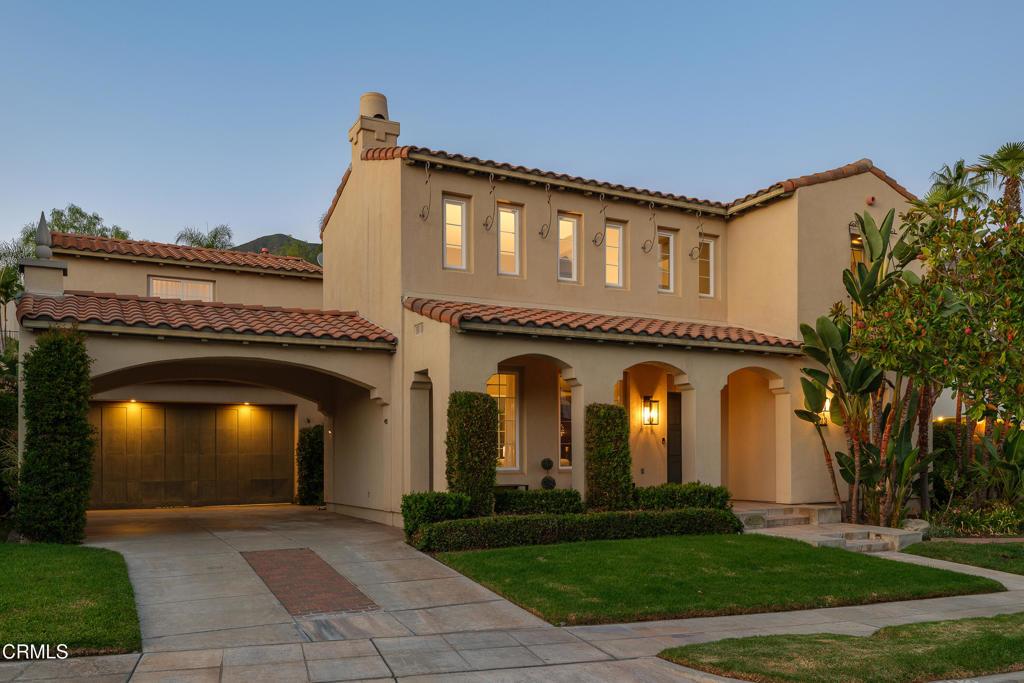
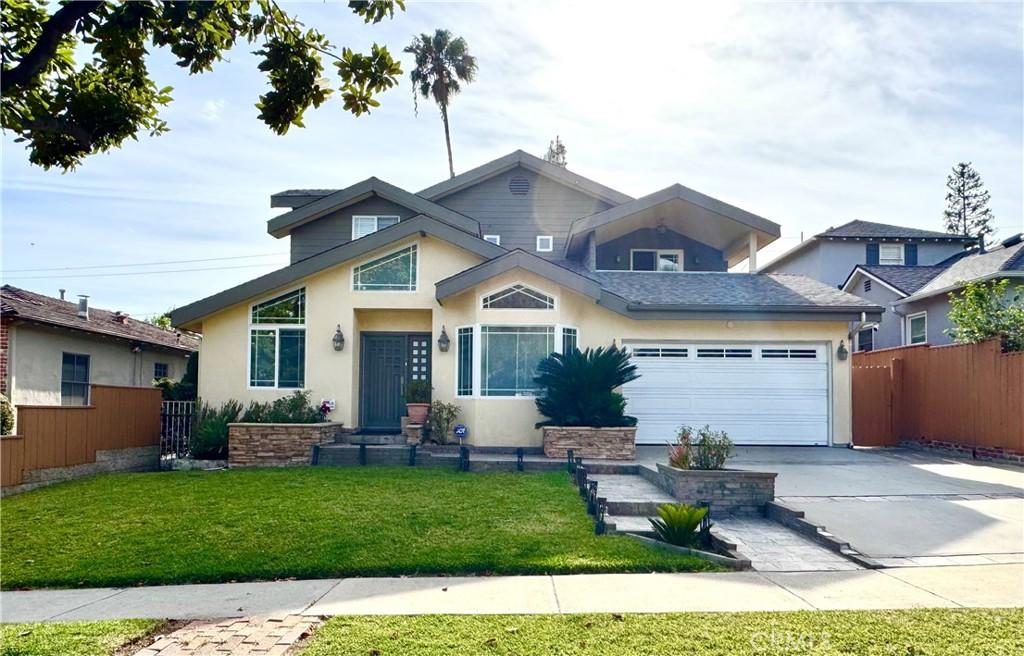
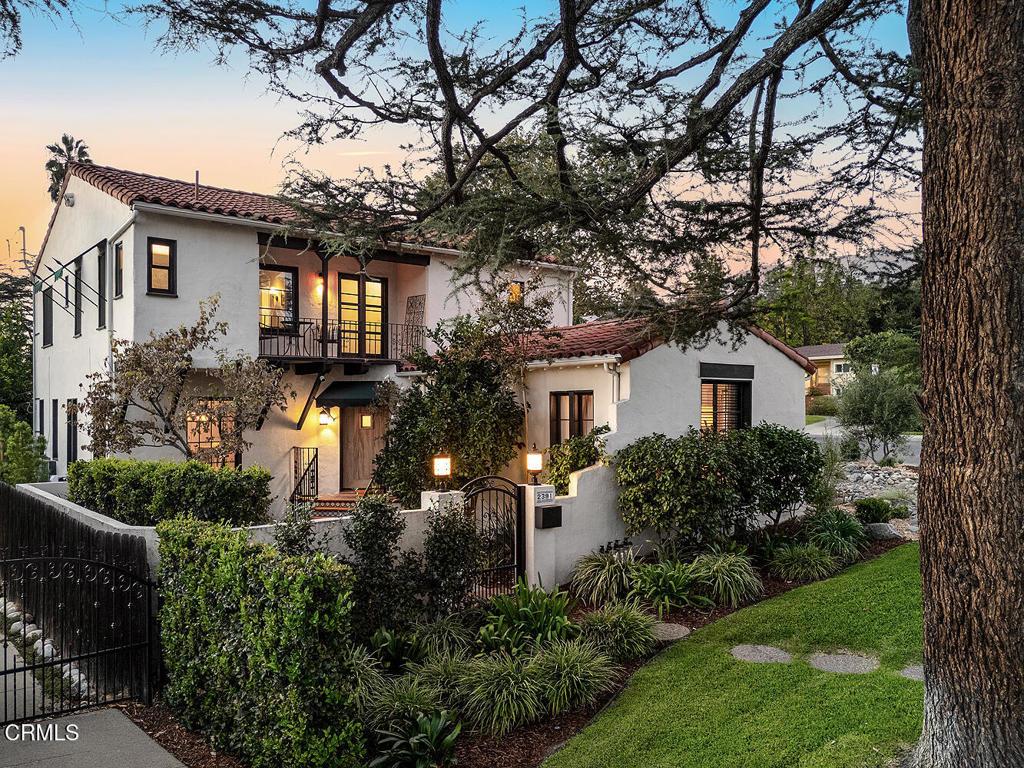
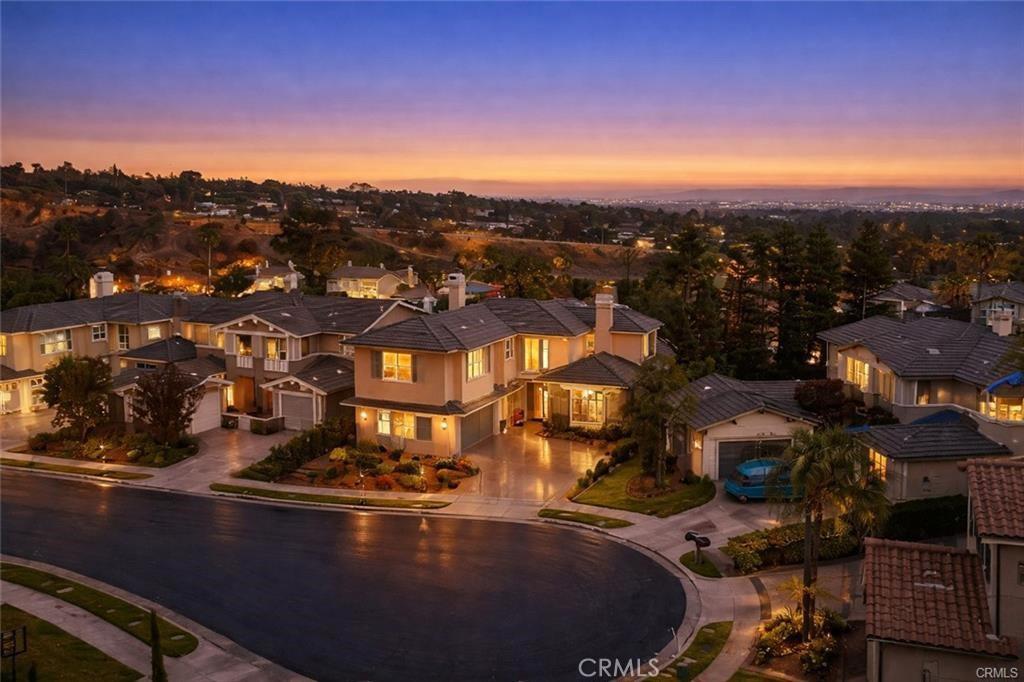
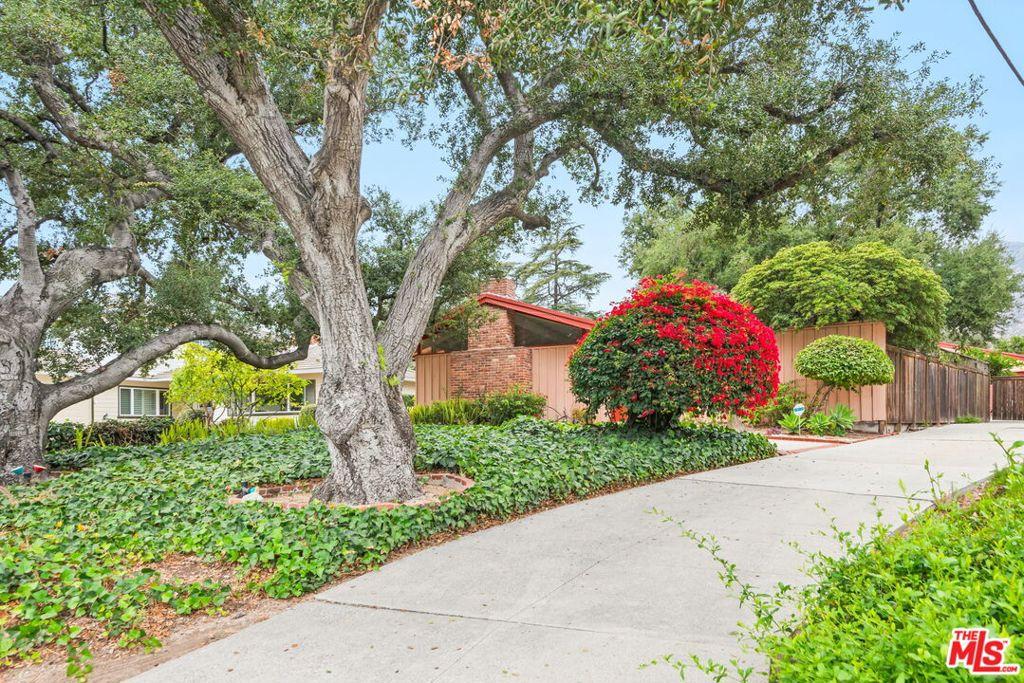
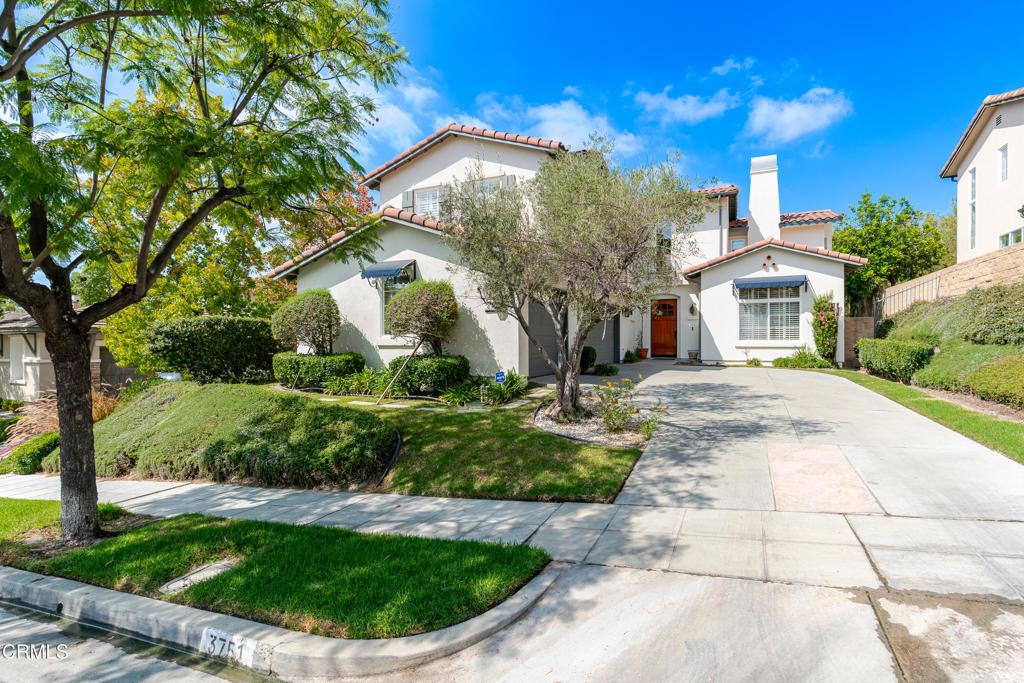
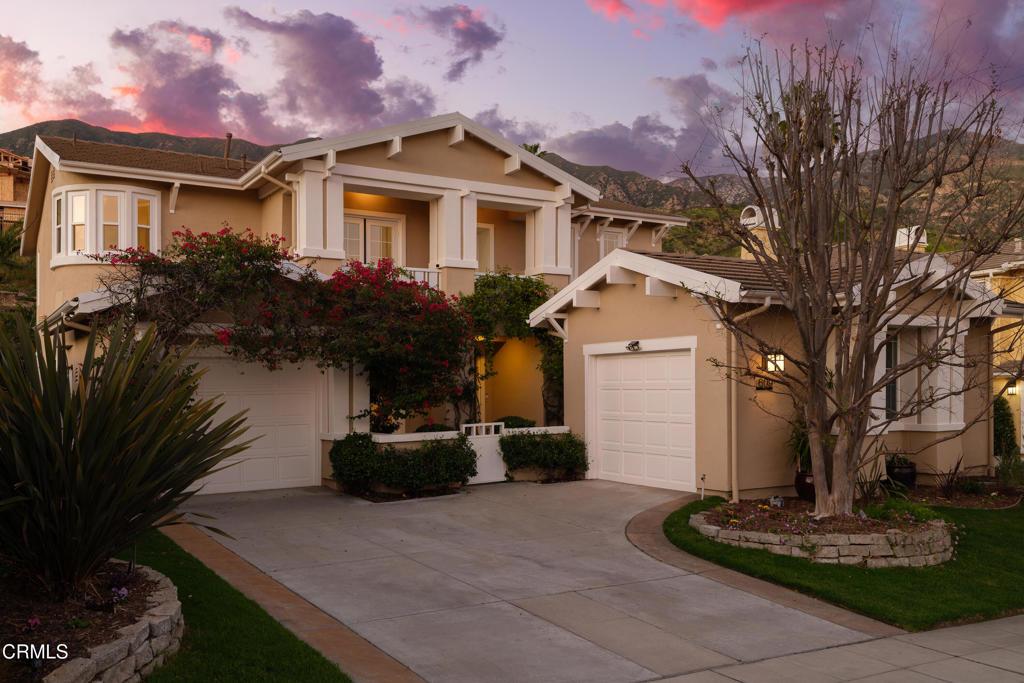
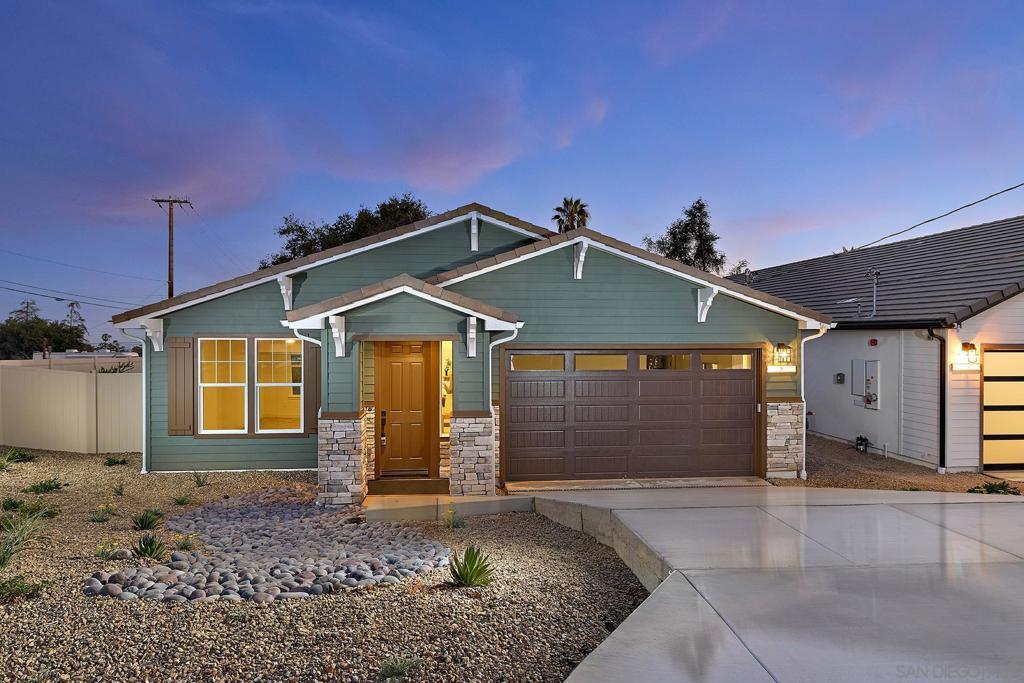
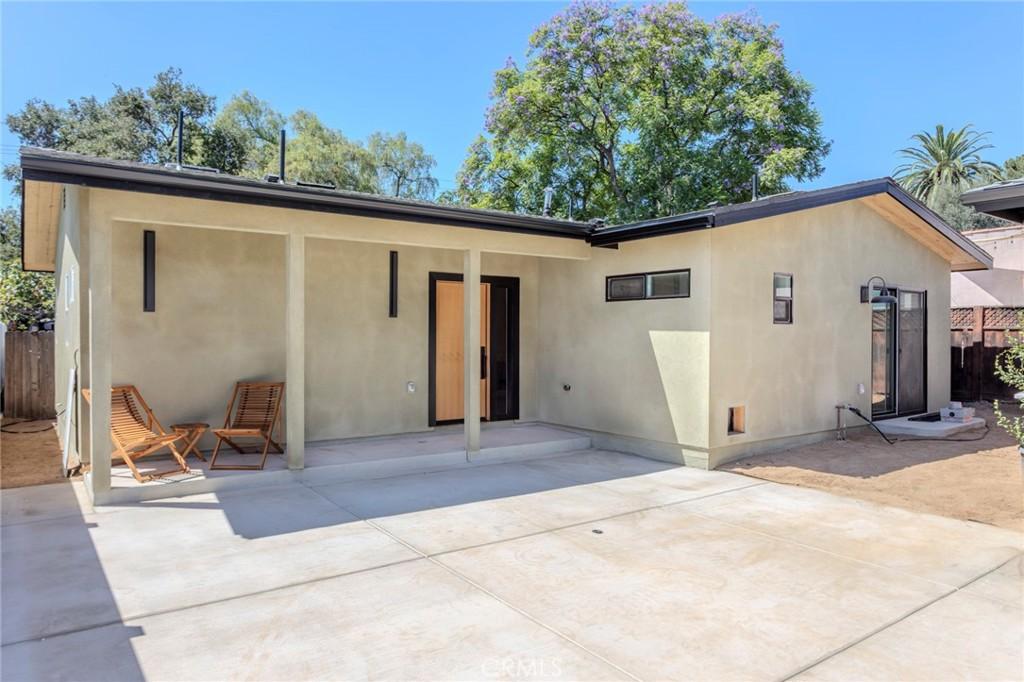
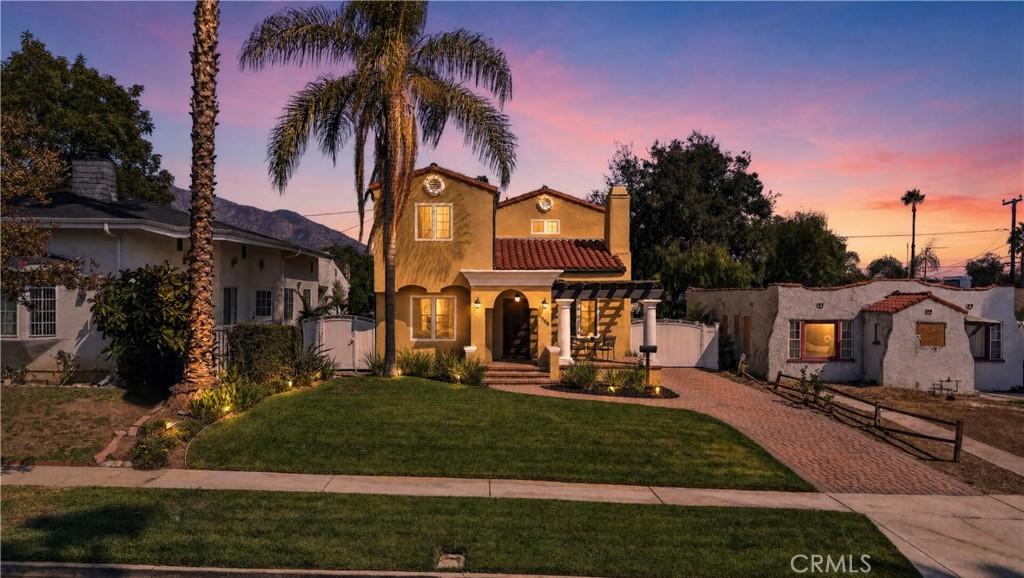
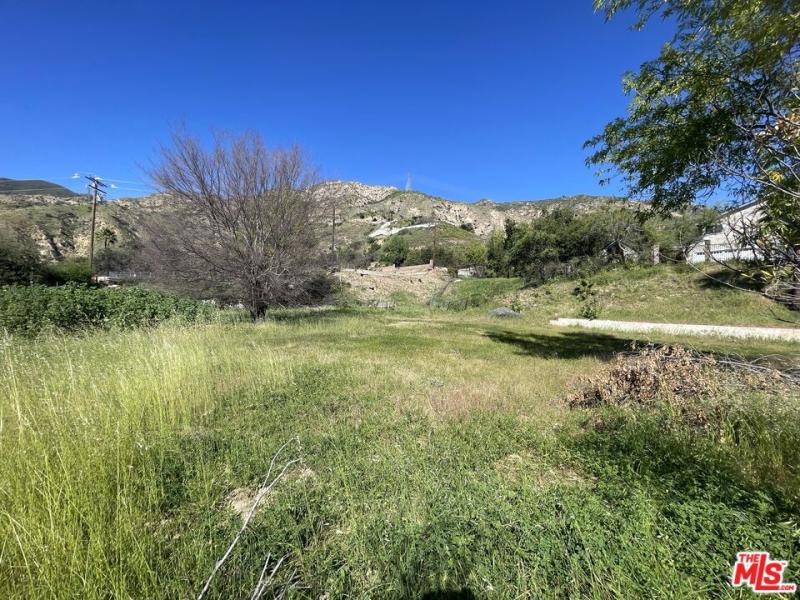
What is the Altadena market like right now?
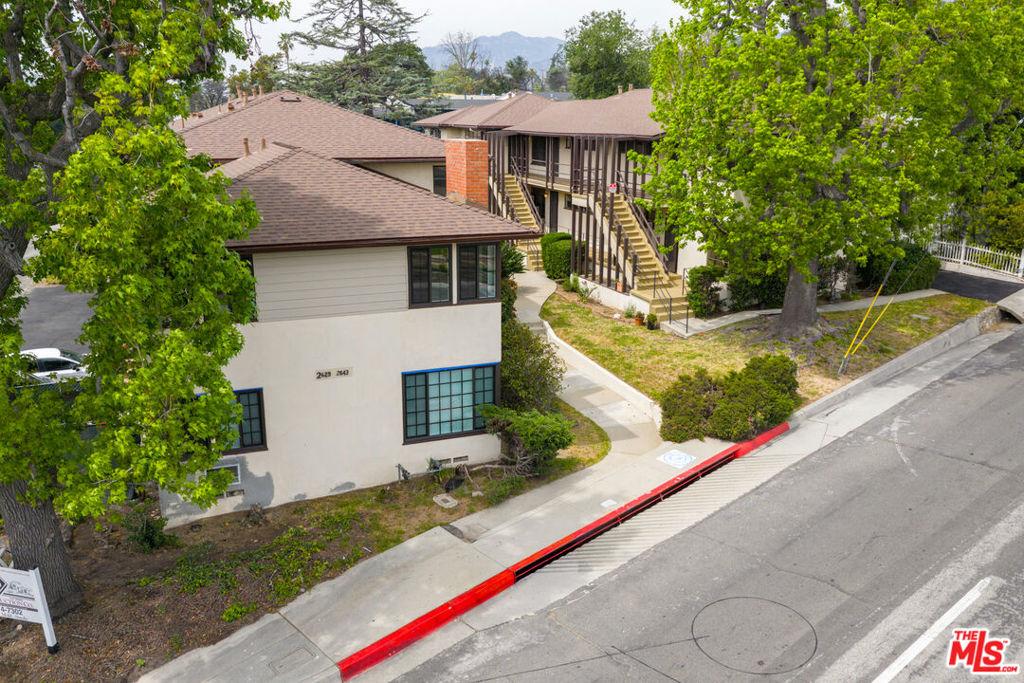
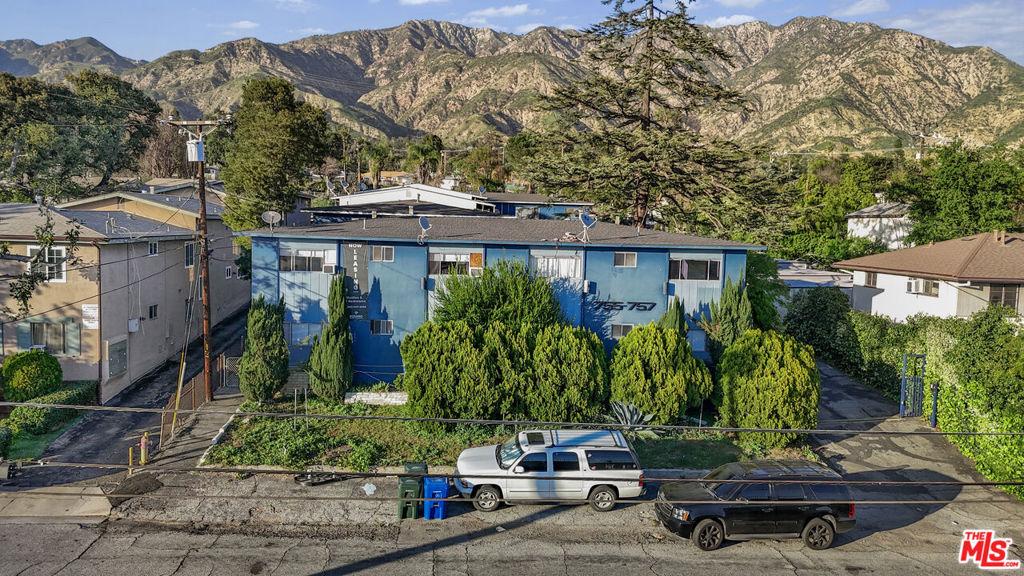
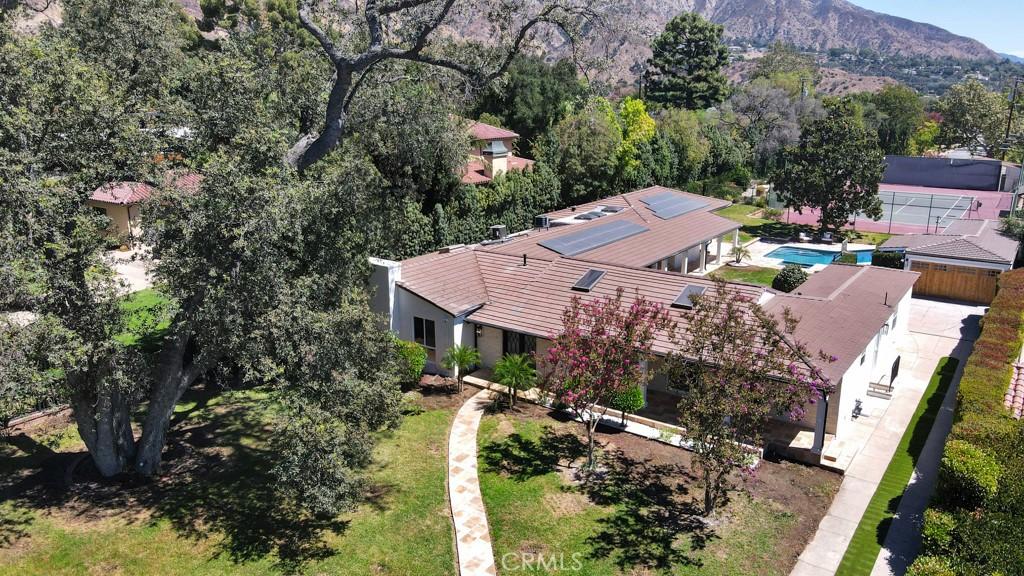
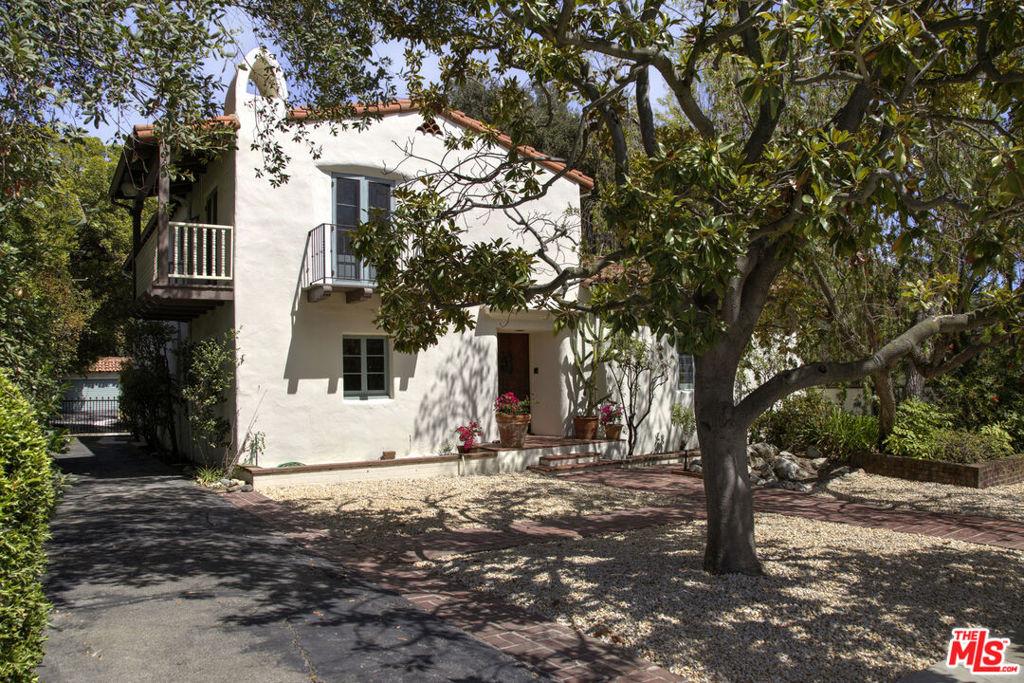
Altadena is tracked as a distinct sub-market of San Gabriel Valley, and its figures diverge from the parent average. The measurements below come from CRMLS listing data as of September 2026.
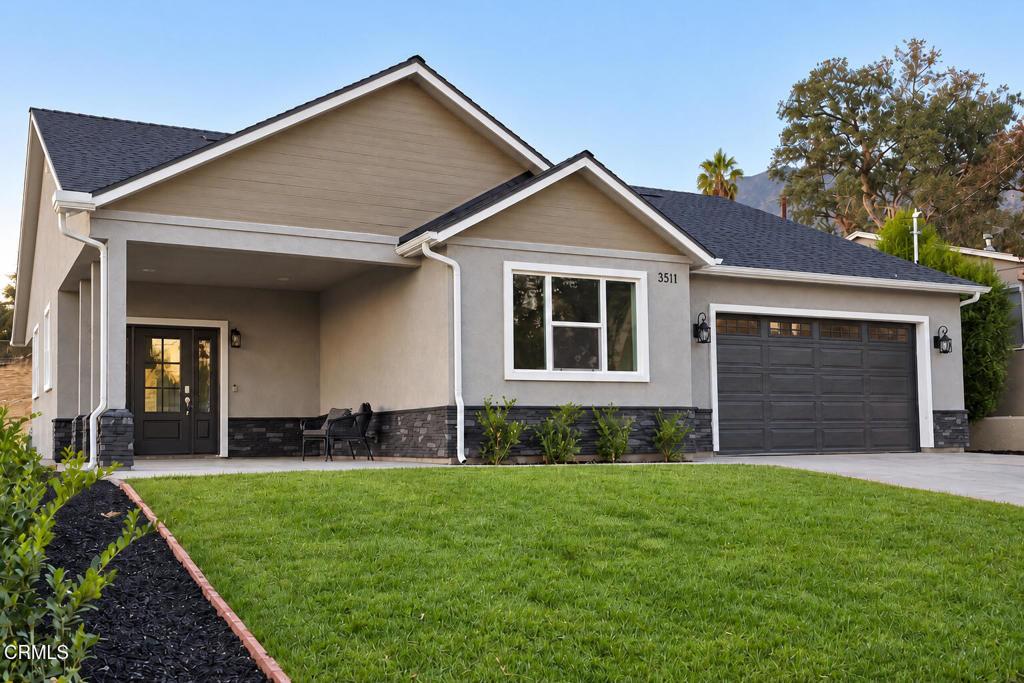
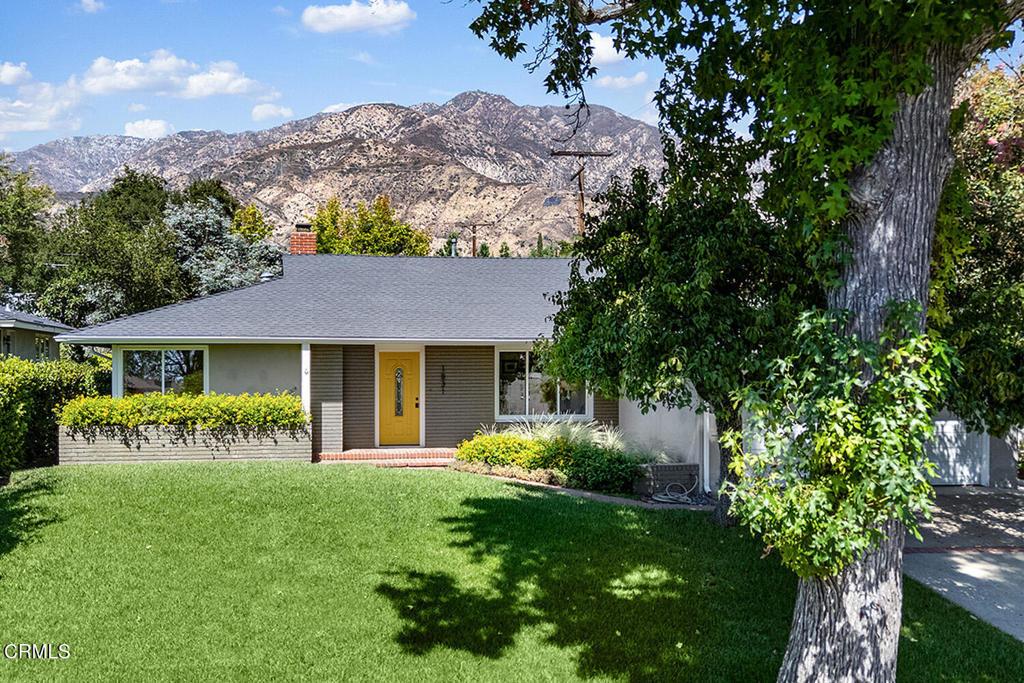
- Active listings: 103 in Altadena, priced at a median of $1,200,000 as of September 2026.
- Median asking price per square foot in Altadena: $712.
- Median list price across 19 tracked Altadena properties: $1,299,000.
- Median lot size in Altadena: 7,376 sq ft.
- Median living area in Altadena: 1,862 sq ft.
- Median days on market in Altadena: 33.
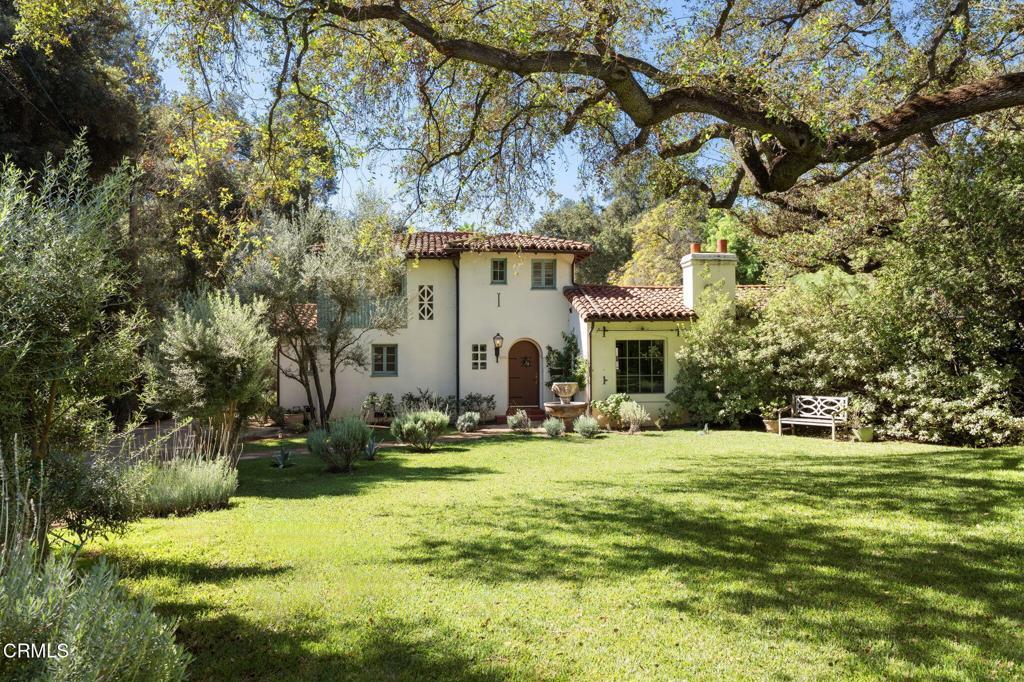
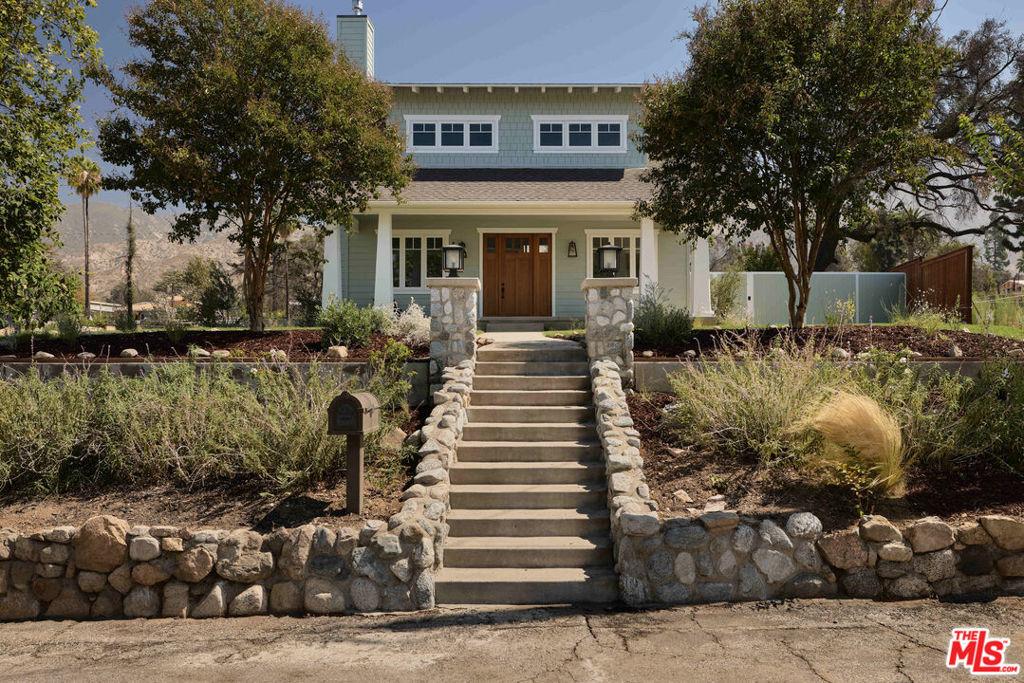
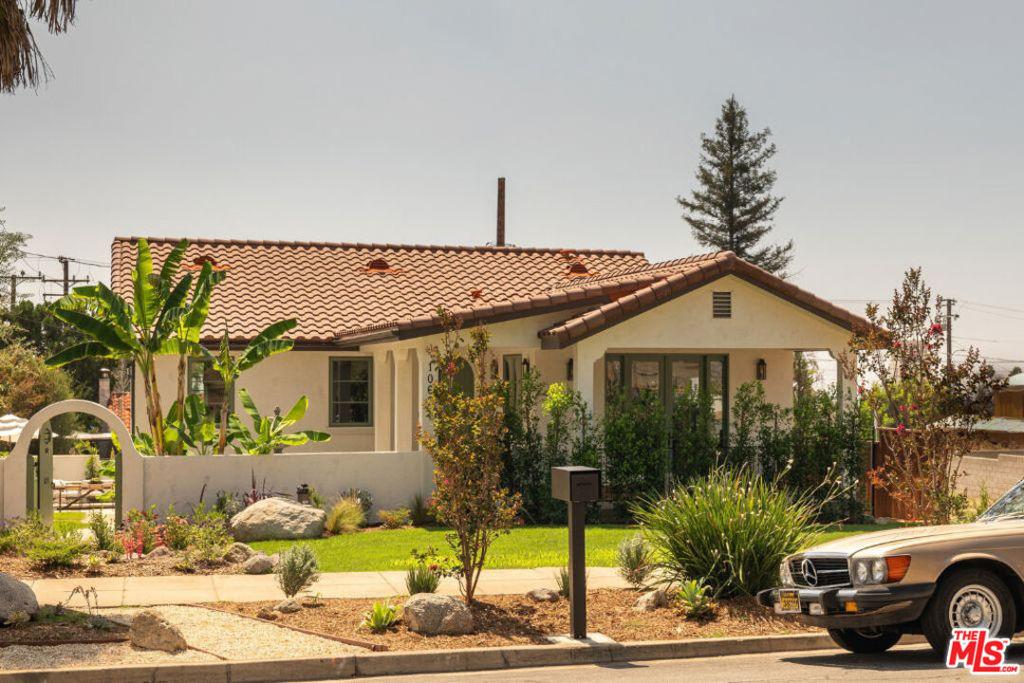
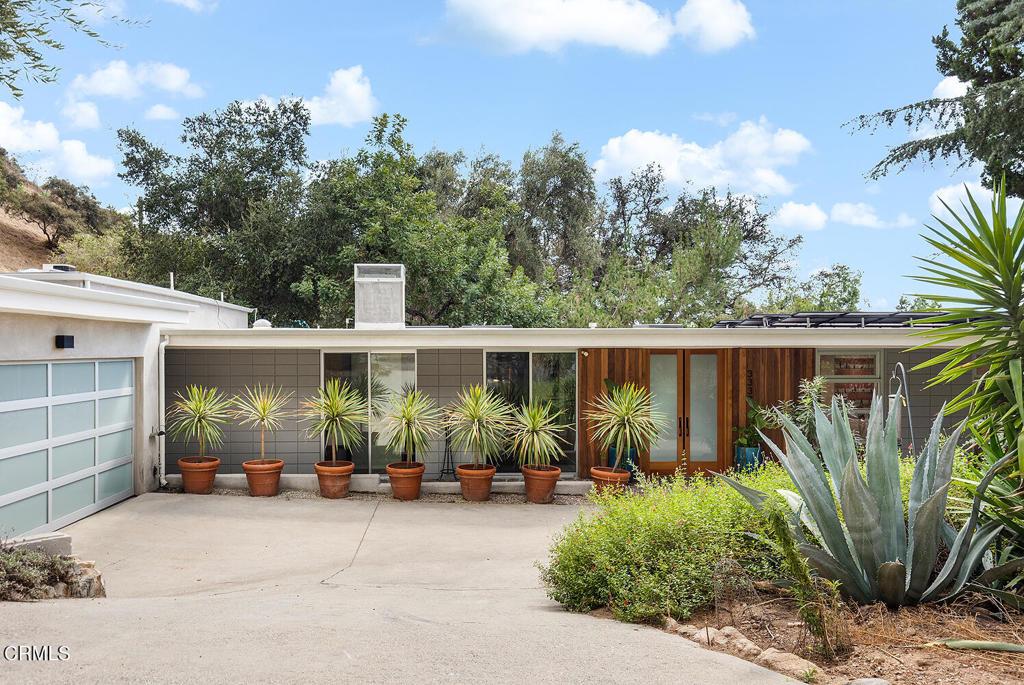
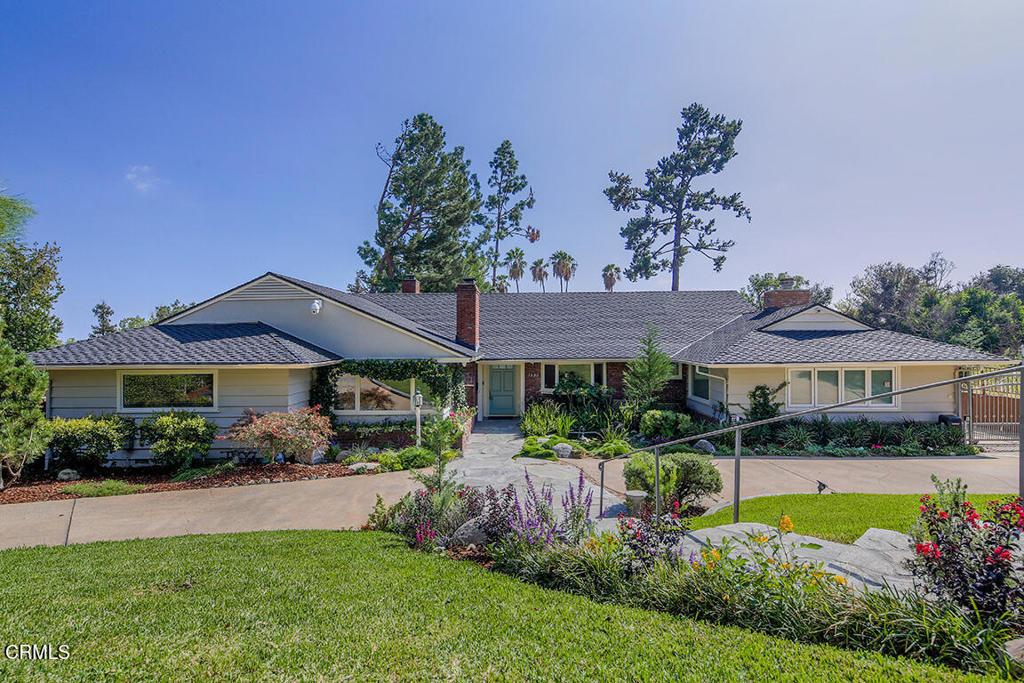
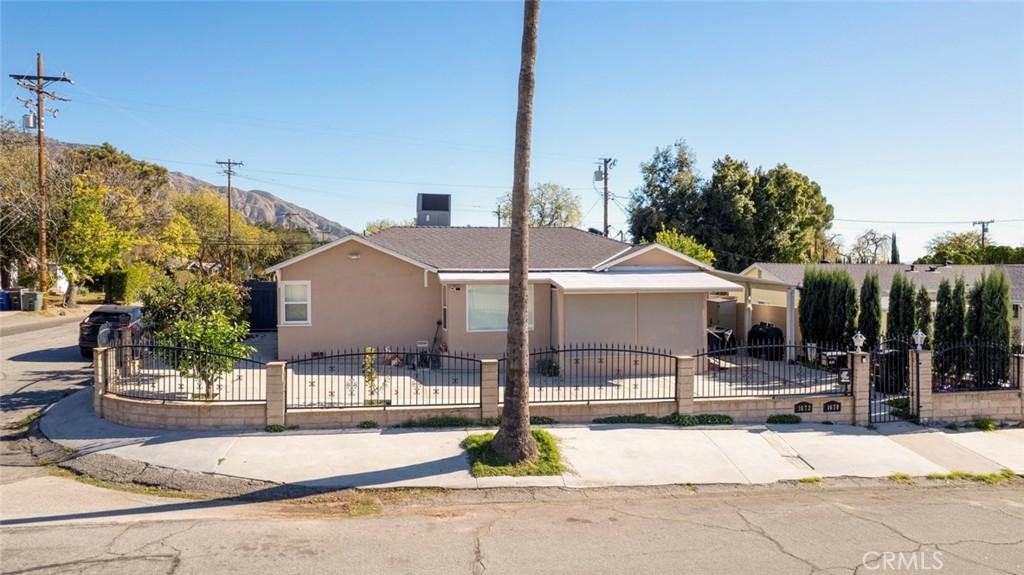
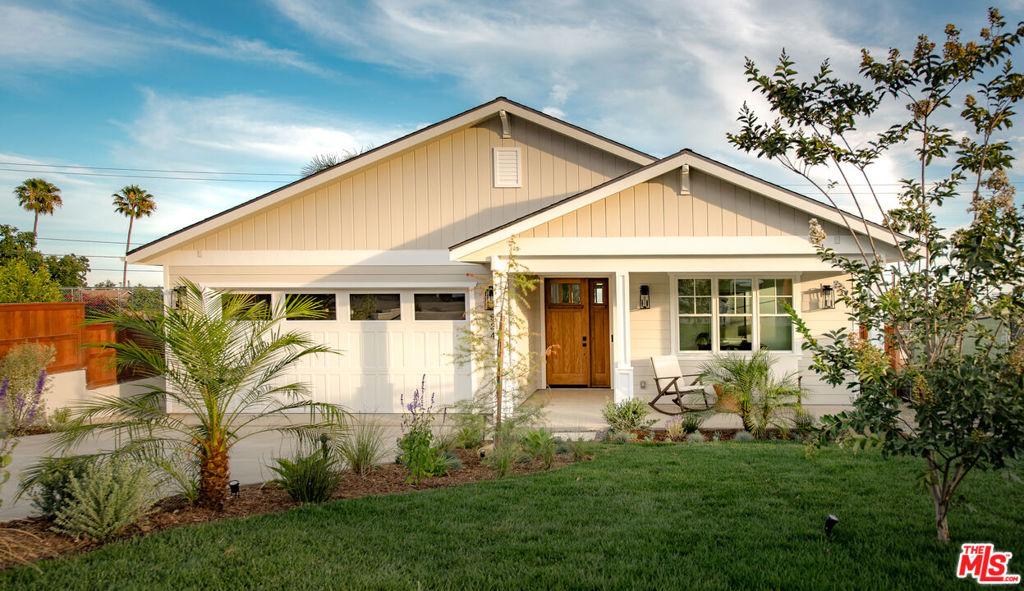
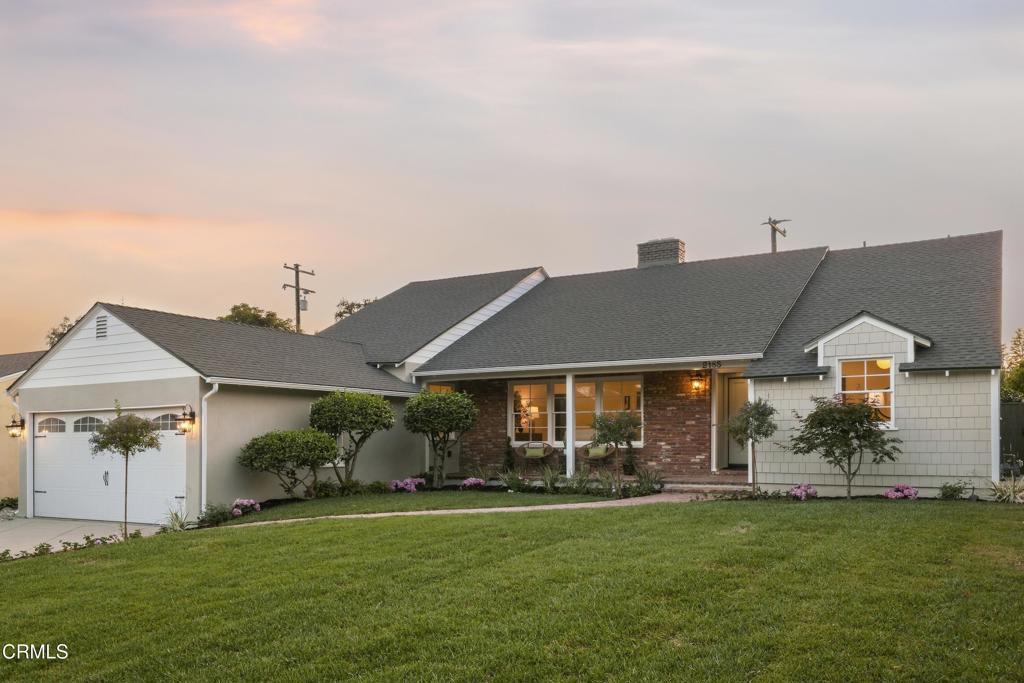
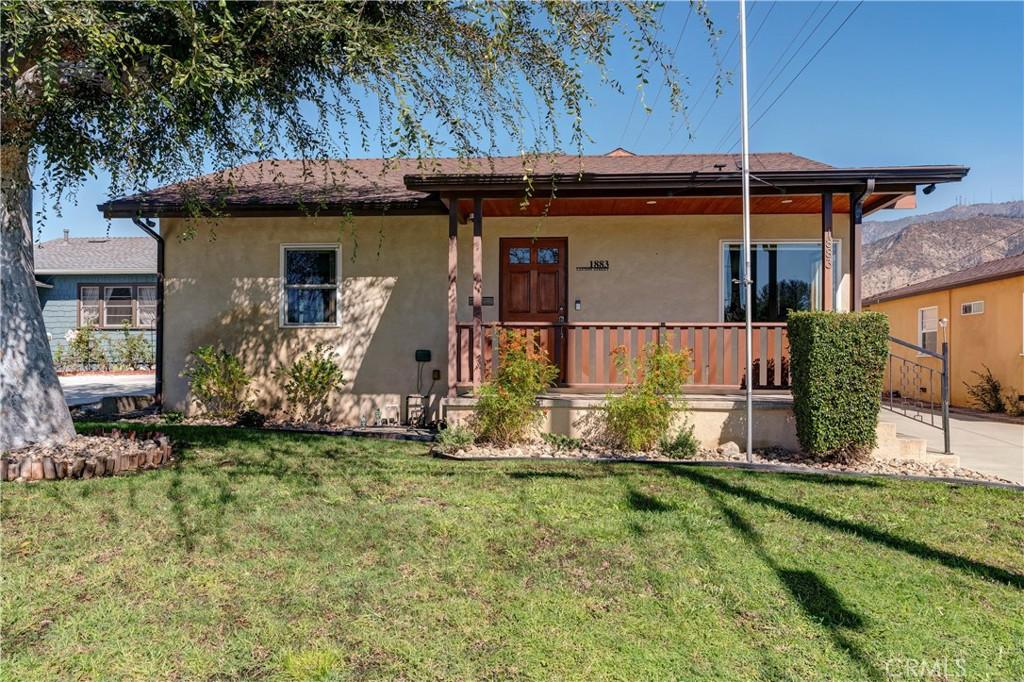
- Housing stock in Altadena was built between 1921 and 1958, with a median year of 1931.
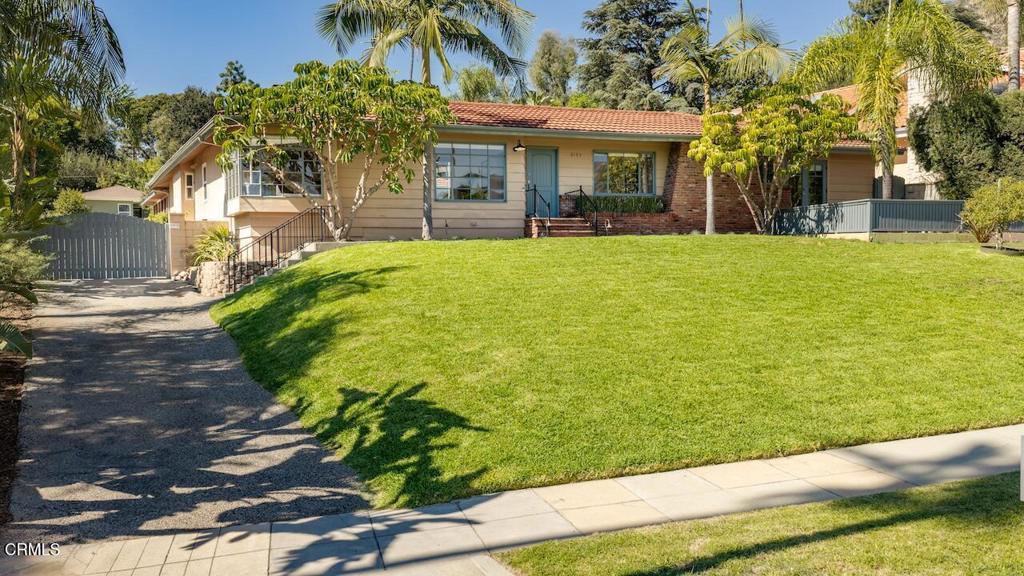
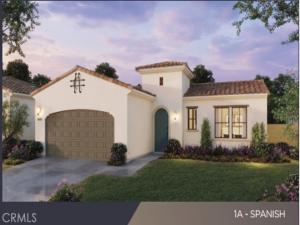
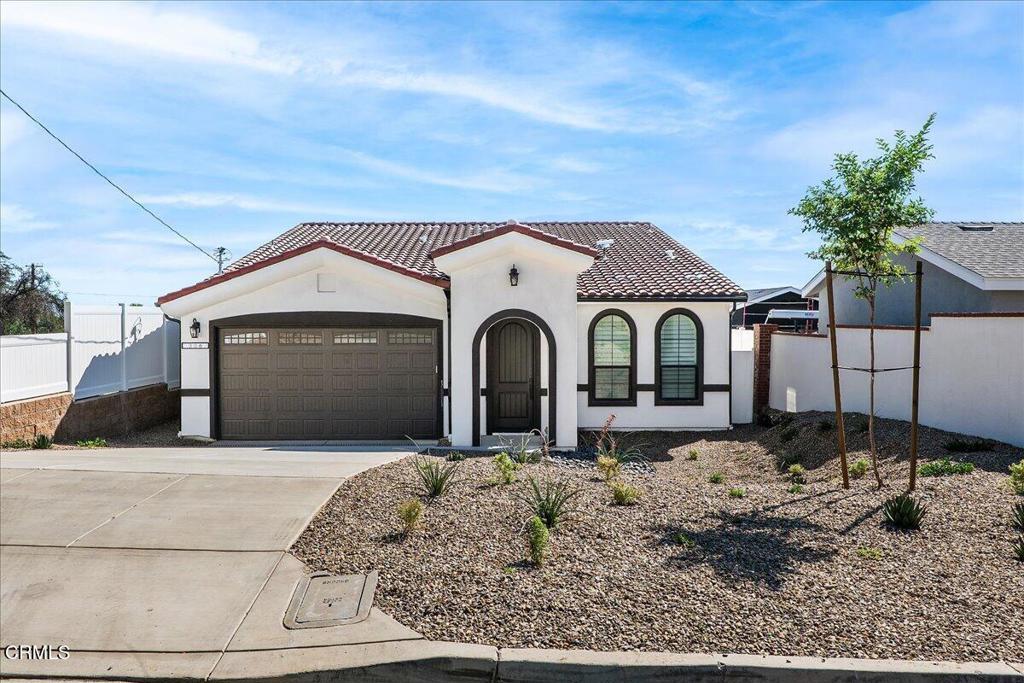
- Typical Altadena home height: 1 story.
How does Altadena compare with nearby San Gabriel Valley neighborhoods?
Median lot size separates San Gabriel Valley sub-markets more sharply than price does. Altadena ranks 3rd of the 4 comparable sub-markets tracked here.
- Pasadena: median lot 8,370 sq ft, median list price $1,398,000.
- Covina: median lot 7,598 sq ft, median list price $825,000.
- Altadena: median lot 7,376 sq ft, median list price $1,299,000.
- El Monte: median lot 5,582 sq ft, median list price $782,000.
How much do homes in Altadena actually sell for?
Buyers have real negotiating room in Altadena. Across 8 recorded sales, homes traded at a median of 94.2% of their original asking price after a median 40 days on market (CRMLS, September 2026). Asking prices are what sellers hope for; these are the numbers they accepted.
- Homes in Altadena sold for a median of 94.2% of their original asking price across 8 recorded sales.
- Median time on market in Altadena: 40 days.
- 38% of Altadena sellers reduced their price before selling.
- 12% of sales in Altadena closed above the original asking price.
- Median recorded sale price in Altadena: $1,312,500.
- Median recorded price per square foot in Altadena: $717.
- A buyer in Altadena who opens below asking is negotiating with the market, not against it.
Where price resistance shows up in San Gabriel Valley
Negotiating room is not evenly distributed across price. Measured across recorded sales in this dataset, the gap between asking and accepted widens sharply at the top of the market.
- Under $1M: sold at a median 98.7% of original ask after 20 days, with 33% of sellers reducing (1316 sales).
- $1M-$2M: sold at a median 99.3% of original ask after 19 days, with 28% of sellers reducing (1571 sales).
- $2M-$5M: sold at a median 98.9% of original ask after 22 days, with 20% of sellers reducing (752 sales).
- $5M and above: sold at a median 91.3% of original ask after 54 days, with 24% of sellers reducing (174 sales).
How is the San Gabriel Valley Real Estate real estate market?
The San Gabriel Valley is Los Angeles County’s eastern residential corridor — a sprawling region east of downtown LA encompassing some of the county’s most diverse communities, from the established wealth of Pasadena and Bradbury to the working-class communities of Montebello and San Gabriel, with a strong Taiwanese-American and Chinese-American cultural presence that has reshaped communities like Arcadia, San Gabriel, and Monterey Park into some of California’s most internationally significant Asian-American residential enclaves. The 2026 median home price in the San Gabriel Valley ranges from approximately $700,000 to $1 million in more accessible communities to $2 to $5 million or beyond in Pasadena, Arcadia, and Bradbury.
The San Gabriel Valley’s Asian-American community concentration is the region’s most distinctive demographic feature — Arcadia has become internationally known as a destination for mainland Chinese buyers seeking US residential real estate investments, and the Valley’s Chinese-language commercial infrastructure, from restaurants to banks to professional services, is among the most comprehensive in the western United States. The cultural richness that this demographic concentration produces — in food, retail, professional services, and community institutions — creates a specific quality of life attribute that buyers of Chinese, Taiwanese, Korean, and Vietnamese heritage specifically value when choosing San Gabriel Valley communities.
Pasadena’s position as the Valley’s cultural and intellectual anchor — home to Caltech, the Pasadena City College, the Norton Simon Museum, the Rose Bowl, and Old Town Pasadena’s retail and dining district — provides an institutional gravity that no other San Gabriel Valley community matches. The annual Tournament of Roses parade and Rose Bowl Game on January 1st anchor a civic identity that has sustained Pasadena’s national recognition for over a century. Caltech and the adjacent Jet Propulsion Laboratory provide a significant science and technology professional employment base that shapes the educational and professional demographics of Pasadena and its surrounding communities.
The 210 Freeway (Foothill Freeway) is the San Gabriel Valley’s primary connectivity artery — running east-west through the foothill communities at the base of the San Gabriel Mountains, connecting Pasadena to Monrovia, Arcadia, Azusa, and the eastern Valley communities that string along the mountain front. The 10 Freeway connects the southern Valley to downtown LA and the Westside. The 605 Freeway provides north-south access through the Valley’s eastern section. The Gold Line Metro (now the A Line) connects Pasadena, Arcadia, and Monrovia to downtown LA, providing rail transit access for the Valley’s more transit-oriented resident demographic.
San Gabriel Valley Real Estate: Asian-American Cultural Capital and Academic Achievement
The San Gabriel Valley — the broad, flatland basin east of Downtown Los Angeles bounded by the San Gabriel Mountains to the north and the Puente Hills to the south — is the most economically dynamic and culturally distinctive residential geography in the Los Angeles metropolitan area that is not either a coastal community or the urban core. The SGV’s transformation from the mid-century residential suburbs that housed the aerospace and defense industry’s workforce into the most concentrated Asian-American residential and commercial landscape in the United States has produced one of California’s most remarkable demographic and economic shifts. The SGV’s Taiwanese, Chinese, Korean, and Japanese-American communities have built the commercial and cultural infrastructure — the San Gabriel Square (the “Great Mall of China”), the San Gabriel Boulevard restaurant corridor, the Pasadena and Arcadia hospital systems — that sustains a comprehensive Asian-American urban life within a metropolitan context. The communities of Arcadia, Pasadena, Alhambra, Temple City, and Monterey Park in the western SGV, and the San Gabriel, Rosemead, and El Monte communities in the central valley, represent the geographic range of this cultural transformation.
The San Gabriel Valley’s residential market reflects the academic achievement culture that the SGV’s predominantly Chinese-American residential demographic has built into a remarkable educational infrastructure: the SAT prep centers, the academic tutoring industry, the high school academic competitions, and the peer culture of academic achievement that produce the extraordinary college admission outcomes that sustain the SGV’s reputation as one of California’s most academically competitive residential geographies for the family buyer. The SGV’s school districts — Arcadia USD, San Marino USD, Temple City USD, Alhambra USD — range from excellent to extraordinary in their academic performance metrics, with San Marino USD routinely ranking among California’s top 5-10 public school districts and Arcadia USD providing the comprehensive academic quality that sustains family residential demand at prices that reflect the educational premium. The I-10, I-210, and I-605 freeway corridors provide the SGV’s access to Downtown, the San Fernando Valley, and Orange County employment markets.
What is the market for Altadena Homes like?
- San Gabriel Valley forms Los Angeles County’s eastern residential corridor, a sprawling region east of downtown encompassing the county’s most diverse communities.
- Altadena Homes belong to a region spanning established wealth in Pasadena and Bradbury and working-class communities in Montebello and San Gabriel.
- Taiwanese-American and Chinese-American cultural presence has reshaped Arcadia, San Gabriel, and Monterey Park into internationally significant Asian-American residential enclaves.
- Median home prices across the region climb steeply from the more accessible communities toward Pasadena, Arcadia, and Bradbury.
- Arcadia has become internationally known as a destination for mainland Chinese buyers seeking United States residential real estate investments.
- Chinese-language commercial infrastructure spanning restaurants, banks, and professional services ranks among the most comprehensive in the western United States.
- Buyers of Chinese, Taiwanese, Korean, and Vietnamese heritage specifically value the cultural richness that this demographic concentration produces.
- Pasadena anchors the Valley intellectually through Caltech, Pasadena City College, the Norton Simon Museum, the Rose Bowl, and Old Town.
- Tournament of Roses parade and Rose Bowl Game anchor a civic identity sustaining Pasadena’s national recognition for over a century.
- Caltech and the adjacent Jet Propulsion Laboratory supply a science and technology employment base shaping professional demographics near Altadena Homes.
- Foothill Freeway serves as the Valley’s primary connectivity artery, linking Pasadena to Monrovia, Arcadia, Azusa, and eastern Valley communities.
- Gold Line Metro, now the A Line, connects Pasadena, Arcadia, and Monrovia to downtown Los Angeles for transit-oriented residents.
- San Gabriel Square, known as the Great Mall of China, exemplifies the commercial infrastructure supporting Asian-American urban life around Altadena Homes.