West Hollywood Real EstateListings

Homes for Sale in West Hollywood

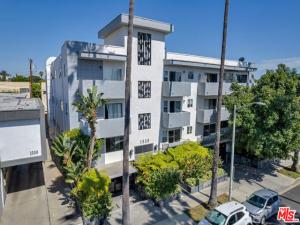
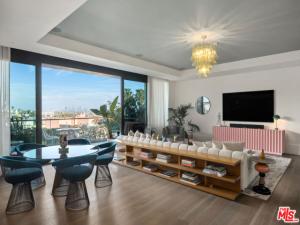
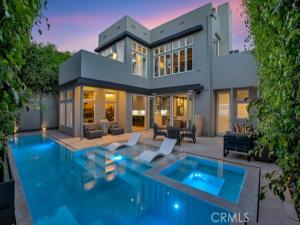
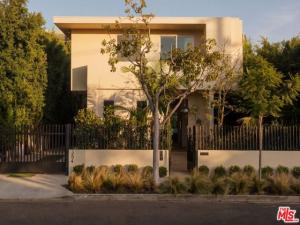
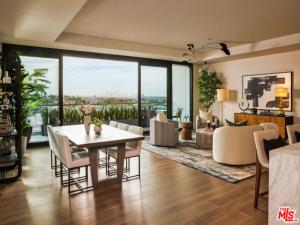
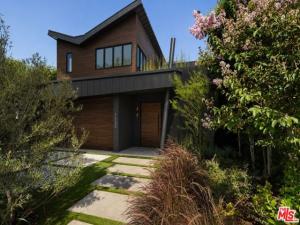
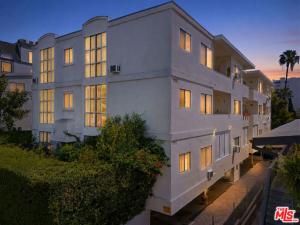
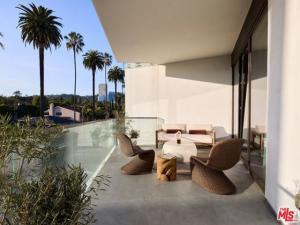
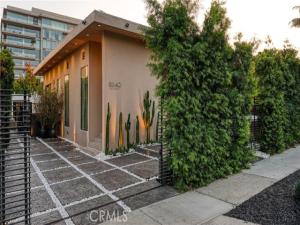
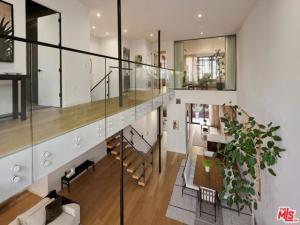
Homes for Sale in West Hollywood carry a median list price of $1,675,000 across 11 tracked properties (CRMLS, September 2026). The median lot in West Hollywood measures 3,522 sq ft.

West Hollywood Real Estate in Central los Angeles Homes for Sale

Community

What should I know about West Hollywood real estate?

West Hollywood is one of Central Los Angeles’s residential communities, west hollywood is an incorporated city adjacent to and embedded within los angeles — a city of approximately 35,000 residents known for the sunset strip, its vibrant lgbtq+ community, world-class restaurants and boutiques along melrose and robertson, and one of la’s most distinctive urban residential characters within a zone whose identity is anchored by the entertainment industry’s physical presence — the studios, agencies, production companies, and the talent that populates them — and by the cultural infrastructure that decades of creative industry investment has produced in the form of theatres, clubs, museums, and the street-level commercial character that urban creative economies sustain.

Los Angeles Unified School District serves West Hollywood for K-12 education. Central LA’s LAUSD campuses include both historically strong and more challenged schools; West Hollywood has specific school options that reflect the area’s professional demographic; Hollywood’s school situation reflects the neighborhood’s residential diversity. Many Central LA families use private schools or the LAUSD magnet program structure. Specific campus assignments should be verified with LAUSD for any address under consideration.

The Metro B Line (Red Line) subway is Central LA’s most significant transit asset — providing frequent service to downtown Los Angeles, North Hollywood, and the connecting Metro network. Bus service across Hollywood and West Hollywood’s commercial corridors provides local connectivity. The proximity to the 101 Freeway and the 405 Freeway provides freeway access when rail transit is impractical. For residents of West Hollywood who work in the entertainment industry’s Hollywood and Studio City cluster, the commute is among the shortest in the Los Angeles metropolitan area — often achievable by walking or short drive without freeway exposure.

West Hollywood: California’s Most Walkable Urban Village

West Hollywood’s 1.9 square miles of incorporated city territory between Beverly Hills, Hollywood, and West LA provide the most genuinely urban, pedestrian-scaled residential environment in Southern California — a city where the combination of density (approximately 35,000 residents in fewer than 2 square miles), the commercial street network (Santa Monica Boulevard, Sunset Strip, Melrose Avenue, Robertson Boulevard), and the progressive municipal government that has sustained tenant protections, urban design standards, and the community programming that makes WeHo’s public realm function as a social amenity create the walkable city character that most of LA aspires to but rarely achieves. The Design District’s furniture and interior design showrooms, the Sunset Strip’s historic music venues (the Roxy, the Troubadour, Whisky a Go Go), the West Hollywood Book Fair, and the Halloween Carnaval (one of the country’s largest street festivals) create the year-round cultural programming that sustains WeHo’s community identity beyond its residential function.

West Hollywood’s housing market reflects the supply constraint that a 1.9-square-mile incorporated city with 40 years of tenant-protective rent stabilization has produced: the apartment stock is deep, the single-family market is extremely limited (a small number of single-family homes exist on the residential streets north of Santa Monica Boulevard), and the condo market serves the ownership-track buyer who wants the WeHo lifestyle at the highest per-square-foot prices in the region outside Beverly Hills. The city’s rental market is stabilized for pre-1979 units under WeHo’s Rent Stabilization Ordinance — making the turnover of stabilized units relatively rare and the premium for market-rate units (in post-1979 buildings exempt from stabilization) significant relative to the stabilized-unit rents that long-term tenants pay.

West Hollywood’s Urban Residential Ecosystem: Neighborhoods Within the City

West Hollywood’s 1.9 square miles contain several distinct residential micro-neighborhoods that the city’s compact geography creates with surprising distinctiveness: the Norma Triangle (the small residential area bounded by Santa Monica Boulevard, Sunset Boulevard, and Doheny Drive) is the most concentrated residential enclave within the most urban section of WeHo, with the highest walkability scores in the city and the immediate Sunset Strip access; the West Hollywood Heights (the hillside streets above the commercial core) provide the canyon-adjacent residential character that the Santa Monica Mountains’ western spurs create as they descend toward the flat WeHo commercial landscape; the Eastside WeHo (east of Fairfax, along Santa Monica Boulevard toward Beverly Hills) provides the Design District adjacency and the Plummer Park community center access that sustains the older residential population that has lived in WeHo through the city’s evolution. The Palm Avenue and Larrabee Street residential streets between Santa Monica and Sunset provide the dense apartment living that the core WeHo residential tenant community occupies in the stabilized-rent buildings that pre-date the city’s 1984 incorporation.

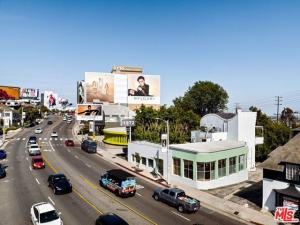
West Hollywood’s retail and cultural infrastructure creates a lifestyle density that few American cities of comparable size achieve: the Book Soup independent bookstore (a landmark on the Sunset Strip since 1975), the LGBTQ+ nightlife concentrated along Santa Monica Boulevard between Robertson and La Cienega, the Sunset Marquis hotel’s music industry social scene, the Pacific Design Center’s Blue, Green, and Red buildings (the architecture school-quality design showrooms that give the WeHo Design District its character), and the weekly WeHo Farmers Market at Plummer Park create the year-round programming that WeHo’s residential community accesses as its living room. The West Hollywood Library, the Santa Monica Boulevard and San Vicente Boulevard park strips, and the city’s extensive human services programming (the social services that the city has invested in for its large senior, homeless, and LGBTQ+ communities) reflect the progressive municipal infrastructure that justifies the “city” identity that WeHo’s 1984 incorporation created.

Who lives near Homes For Sale In West Hollywood and what should buyers know?

  • West Hollywood functions as an incorporated city adjacent to and embedded within Los Angeles, known for the Sunset Strip and its vibrant LGBTQ+ community.
  • World-class restaurants and boutiques along Melrose and Robertson give Homes For Sale In West Hollywood one of LA’s most distinctive urban residential characters.
  • Entertainment industry presence anchors the zone’s identity through studios, agencies, production companies, and the talent that populates them.
  • Theatres, clubs, museums, and street-level commercial character reflect decades of creative industry investment in the surrounding cultural infrastructure.
  • Central LA families frequently use private schools or the LAUSD magnet program structure alongside the district’s mix of strong and more challenged campuses.
  • Metro B Line subway service stands as Central LA’s most significant transit asset, reaching downtown Los Angeles, North Hollywood, and the connecting Metro network.
  • Bus service across Hollywood and West Hollywood’s commercial corridors supplies local connectivity, while nearby freeways serve trips where rail proves impractical.
  • Entertainment industry workers commuting to the Hollywood and Studio City cluster often reach the office by walking or short drive without freeway exposure.
  • Homes For Sale In West Hollywood occupy incorporated territory between Beverly Hills, Hollywood, and West LA, forming Southern California’s most pedestrian-scaled residential environment.
  • Sunset Strip music venues including the Roxy, the Troubadour, and Whisky a Go Go join the Book Fair and Halloween Carnaval as year-round cultural programming.
  • Housing stock leans heavily toward apartments and condominiums, with the single-family market extremely limited on residential streets north of Santa Monica Boulevard.

Area Details

What makes West Hollywood’s walkability and culture unique?

Hollywood’s walkability — the Walk of Fame, the Hollywood Farmers Market, Amoeba Music, the Hollywood Bowl within reach by short drive or Metro — creates the urban pedestrian lifestyle that distinguishes Central LA’s residential areas from the car-dependent suburban neighborhoods that dominate most of the Los Angeles metropolitan area. West Hollywood’s Santa Monica Boulevard and the surrounding restaurant and nightlife district provide commercial energy that sustains a genuinely urban 18-hour street life. The density of cultural amenities, restaurants, and entertainment venues per square mile in Central LA is exceeded in the Los Angeles area only by the downtown core itself.

The Metro B Line (Red Line) runs through Hollywood with stations at Hollywood/Vine, Hollywood/Highland, and Hollywood/Western, providing subway access to downtown Los Angeles (approximately 20 to 25 minutes) and to North Hollywood in the San Fernando Valley. The Metro D Line (Purple Line) extension under construction will connect Westwood and Century City to the Metro system by the late 2020s, improving transit access from West Hollywood and adjacent communities. The combination of existing subway access and the improving transit network makes Central LA one of Los Angeles’s most transit-accessible residential zones.

The Hollywood Hills’ recreational trail access is within driving distance of most Central LA addresses — Runyon Canyon is accessible from Hollywood’s residential streets by a short walk or drive, and Griffith Park’s extensive trail network is accessible via the 101 Freeway or surface streets in approximately 15 to 20 minutes. The combination of urban walkability for commercial and entertainment access and nearby natural trail access creates a dual-lifestyle option that distinguishes Central LA’s quality of life from purely suburban alternatives at comparable price points.

What is it like to live in Homes For Sale In West Hollywood?

  • Homes For Sale In West Hollywood sit within a Central LA setting where walkability distinguishes residential life from the car-dependent suburban neighborhoods surrounding the metropolitan area.
  • Santa Monica Boulevard and the surrounding restaurant and nightlife district supply the commercial energy that sustains a genuinely urban eighteen-hour street life.
  • Cultural amenity density per square mile across Central LA is exceeded within the Los Angeles area only by the downtown core itself.
  • Walk of Fame access, the Hollywood Farmers Market, Amoeba Music, and the Hollywood Bowl reach residents by short drive or Metro.
  • Metro B Line service, known as the Red Line, runs through Hollywood with stations at Hollywood/Vine, Hollywood/Highland, and Hollywood/Western.
  • Subway connections from the Metro B Line reach downtown Los Angeles and North Hollywood in the San Fernando Valley without freeway driving.
  • Metro D Line extension construction, the Purple Line project, will connect Westwood and Century City to the wider Metro system.
  • Transit access from Homes For Sale In West Hollywood and adjacent communities improves as the Purple Line extension reaches completion later this decade.
  • Central LA ranks among Los Angeles’s most transit-accessible residential zones because existing subway service combines with an improving regional transit network.
  • Runyon Canyon opens to Hollywood’s residential streets by a short walk or drive, placing trail recreation close to daily routines.
  • Griffith Park’s extensive trail network reaches Central LA addresses by way of the freeway or ordinary surface streets.
  • Buyers choosing Homes For Sale In West Hollywood gain a dual lifestyle pairing urban walkability with natural trail access unavailable in purely suburban alternatives.

Market Trends

What is the West Hollywood market like right now?

West Hollywood is tracked as a distinct sub-market of Central los Angeles, and its figures diverge from the parent average. The measurements below come from CRMLS listing data as of September 2026.

  • Median list price across 11 tracked West Hollywood properties: $1,675,000.
  • Median lot size in West Hollywood: 3,522 sq ft.
  • Median living area in West Hollywood: 1,341 sq ft.
  • Median days on market in West Hollywood: 64.
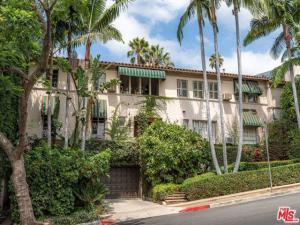
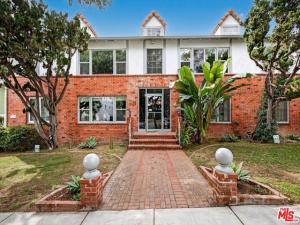
  • Housing stock in West Hollywood was built between 1919 and 2021, with a median year of 1925.
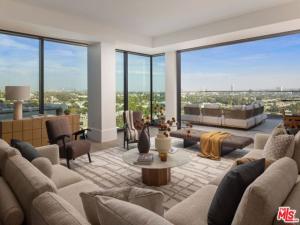
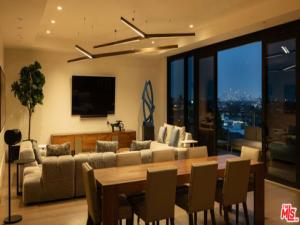
  • City views are the most common outlook in West Hollywood, recorded on 36% of tracked properties.
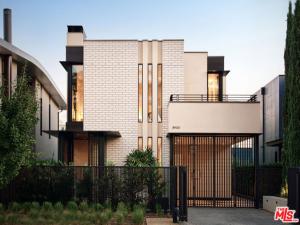
  • Typical West Hollywood home height: 2 stories.

FAQs

What is the price range in West Hollywood?

Central LA pricing varies significantly by community — West Hollywood single-family homes and premium condominiums trade from $1.5 to $3 million or beyond; Hollywood proper spans from $800,000 for smaller bungalows to $2 million for larger single-family homes in premium locations. The specific pricing within West Hollywood depends on property type, condition, and precise location within the neighborhood. Current market data is available from The Knight Group.

Is Central LA walkable?

Central LA has among the highest walkability scores in the Los Angeles metropolitan area. Hollywood and West Hollywood’s commercial corridors — Sunset Boulevard, Santa Monica Boulevard, Melrose Avenue, and Hollywood Boulevard — are accessible on foot from most Central LA residential streets. The Metro B Line’s Hollywood stations allow car-free commuting to downtown LA. Grocery, dining, and entertainment access on foot distinguishes Central LA from the car-dependent suburban neighborhoods that dominate most of the Los Angeles basin at comparable price points.

How is traffic in Central LA?

Central LA’s location at the intersection of the 101, 10, and adjacent freeway network means that traffic congestion is a constant element of daily life for residents who drive. The Hollywood and Sunset Boulevards’ tourist and entertainment traffic creates additional congestion beyond standard commute patterns. The Metro subway’s availability is particularly valuable in Central LA precisely because driving alternatives are often less reliable in time than the subway’s schedule. Many Central LA residents adapt by walking, using rideshare, or scheduling around peak-hour congestion.

What makes West Hollywood different from the surrounding Los Angeles neighborhood?

West Hollywood is an independently incorporated city (incorporated 1984) rather than a neighborhood of the City of Los Angeles — a distinction that creates the municipal governance differences that WeHo residents experience directly. The City of West Hollywood’s Rent Stabilization Ordinance (more protective than the City of LA’s RSO), the WeHo Sheriff’s contract policing model, the city’s aggressive urban design and public realm standards, and the municipal programming (the WeHo Pride events, the community centers, the arts grants) reflect the progressive, LGBTQ-inclusive municipal culture that WeHo’s founding identity established and that the city’s governance has maintained. For residential buyers, the distinction matters primarily in the rent stabilization context (WeHo’s RSO is more tenant-protective than LA’s) and in the city service quality that a small, well-funded municipal government provides relative to the City of LA’s budget-strained service delivery across 503 square miles.

What is the Pacific Design Center and why is it significant for the WeHo Design District?

The Pacific Design Center (PDC) is a landmark architectural complex in West Hollywood — the three dramatically colored and shaped buildings (the Blue Whale, the Green Whale, and the Red Building, nicknamed for their exterior cladding colors and their monumental scale amid the surrounding low-rise commercial landscape) designed by Cesar Pelli that house the furniture, interior design, lighting, and decorative arts showrooms that make the WeHo Design District the largest concentration of design trade showrooms in the western United States. The PDC’s approximately 130 showrooms are primarily to-the-trade (open to interior designers and architects with client projects, not generally available for public retail purchase), but the design community’s concentration in the PDC and the surrounding Robertson Boulevard and Melrose Avenue showroom corridors creates the professional design ecosystem that sustains WeHo’s identity as the design capital of Southern California. The Blue Whale building’s MOCA Pacific Design Center satellite gallery (a small contemporary art museum within the PDC complex) adds the public cultural access that sustains the center’s role beyond the trade showroom function. For WeHo residents, the PDC is the architectural landmark that defines the western edge of the Design District.


Explore More

Hey, You ALMOST MISSED IT!

Lucky for you we’re looking out.
Subscribe to this Custom Search to be alerted when new properties hit the market in the area.
Choose the frequency that works for you.

get alerts

[showcaseidx_contact]