Central Los Angeles Real Estate: What Buyers Should Know Before They Tour
Central Los Angeles real estate covers the dense, transit-served core of the city, running from Downtown west along Wilshire through Westlake, Koreatown and Wilshire Center, then north into Hollywood and the independent city of West Hollywood. It is the oldest continuously urban part of the county, and the part where you can most reasonably expect to live without a car. That density is the whole proposition, and it comes with the sharpest regulatory exposure in the county: Measure ULA on high-value sales, seismic retrofit orders on older concrete and soft-story buildings, and city-set annual rent increases.
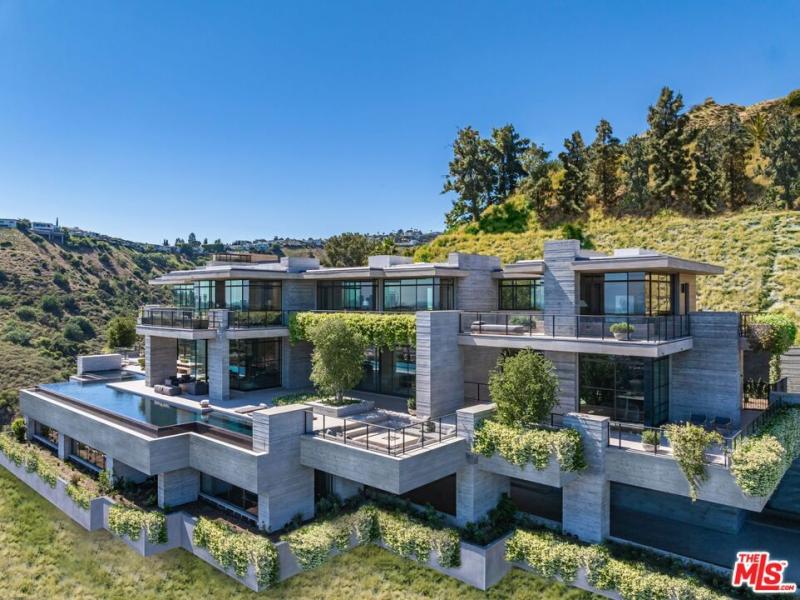
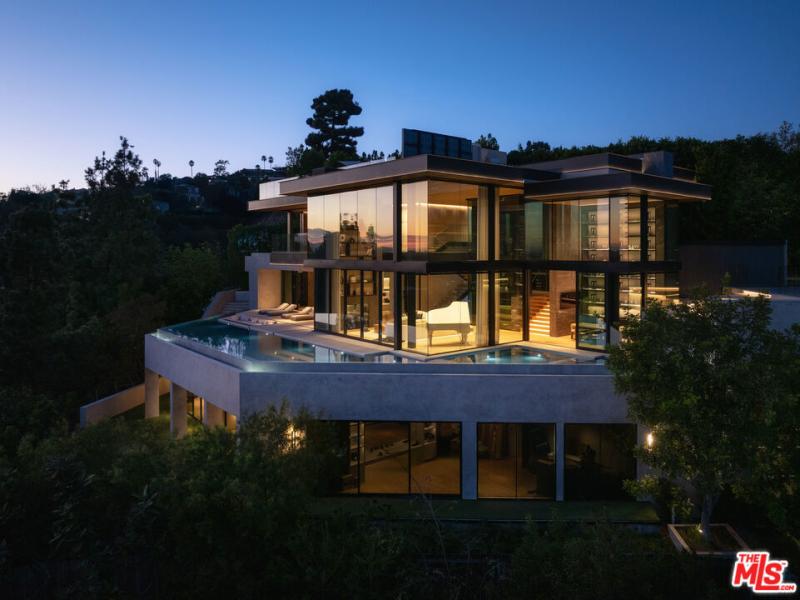
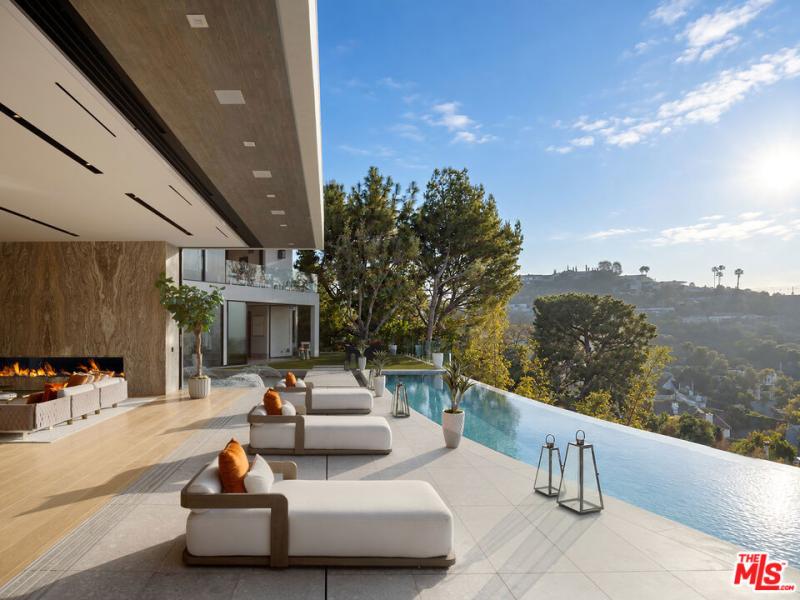
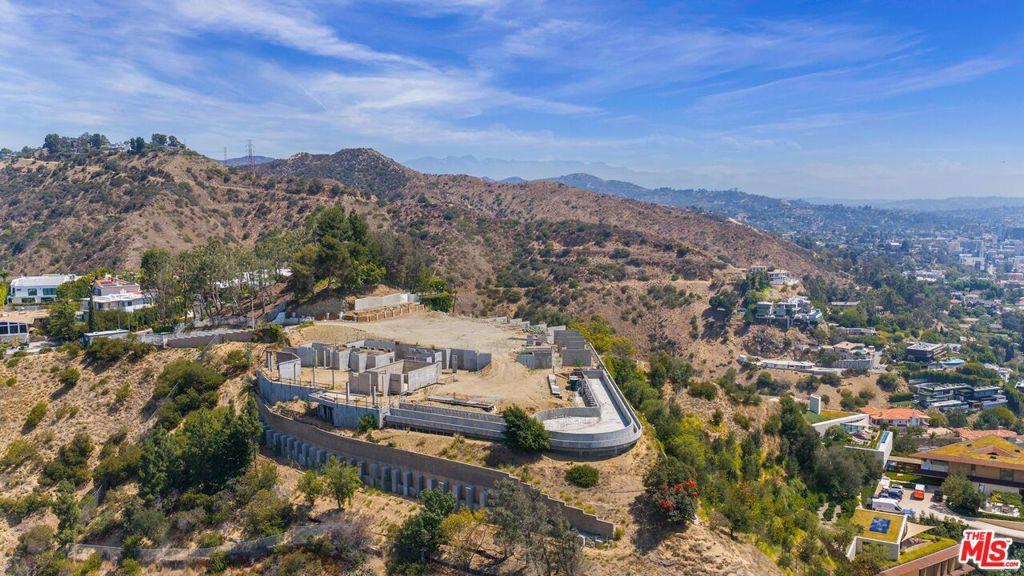
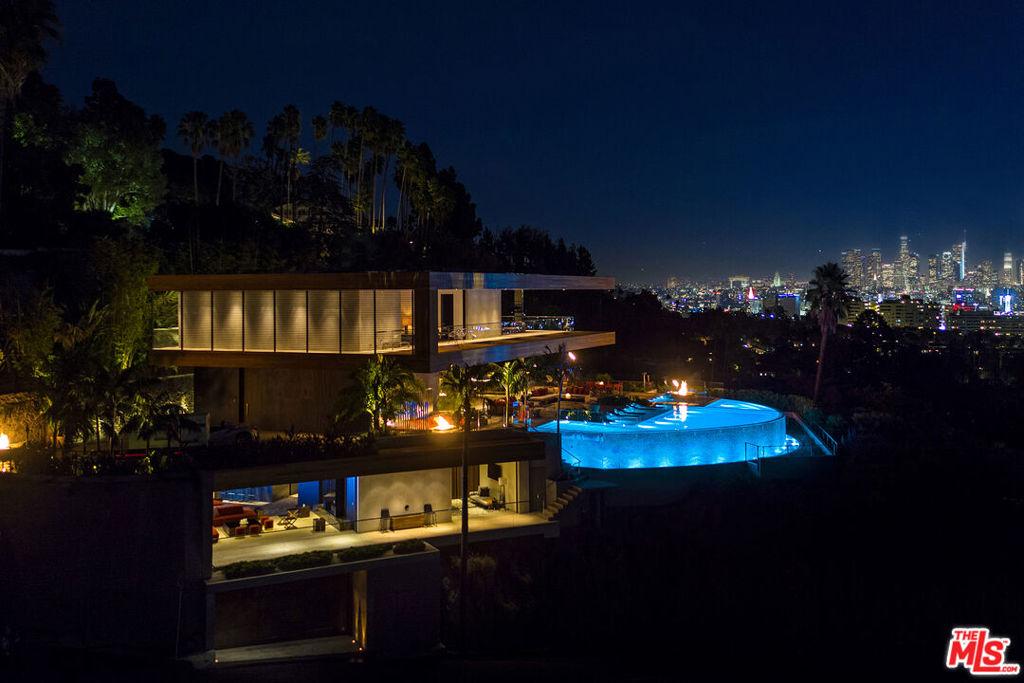
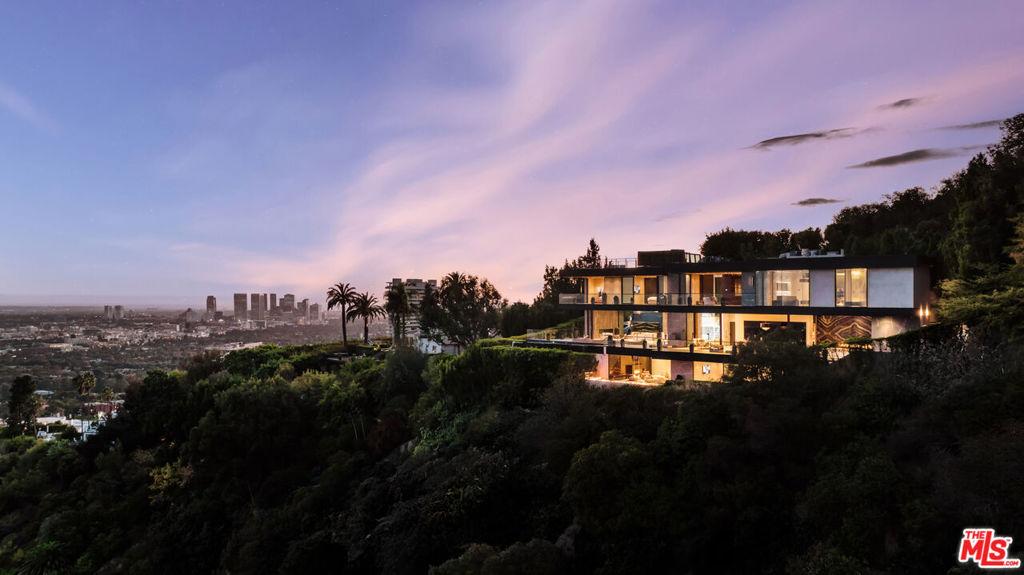
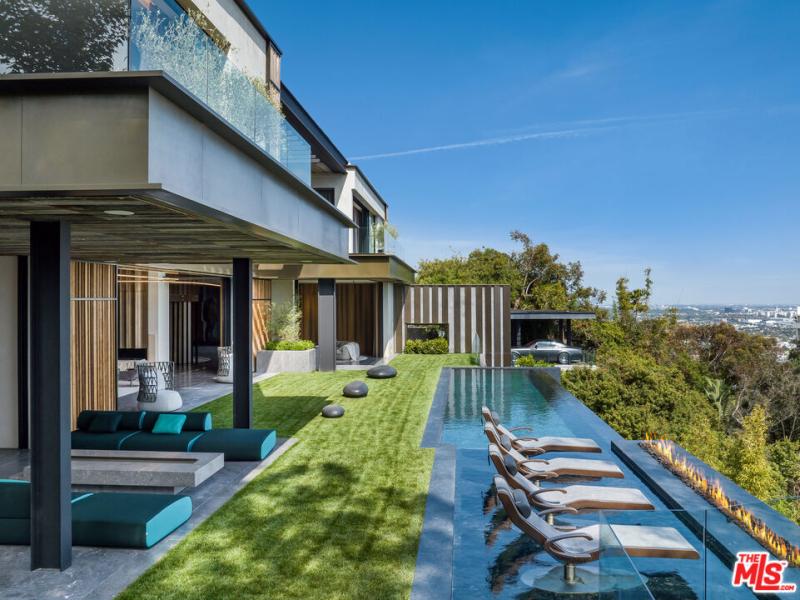
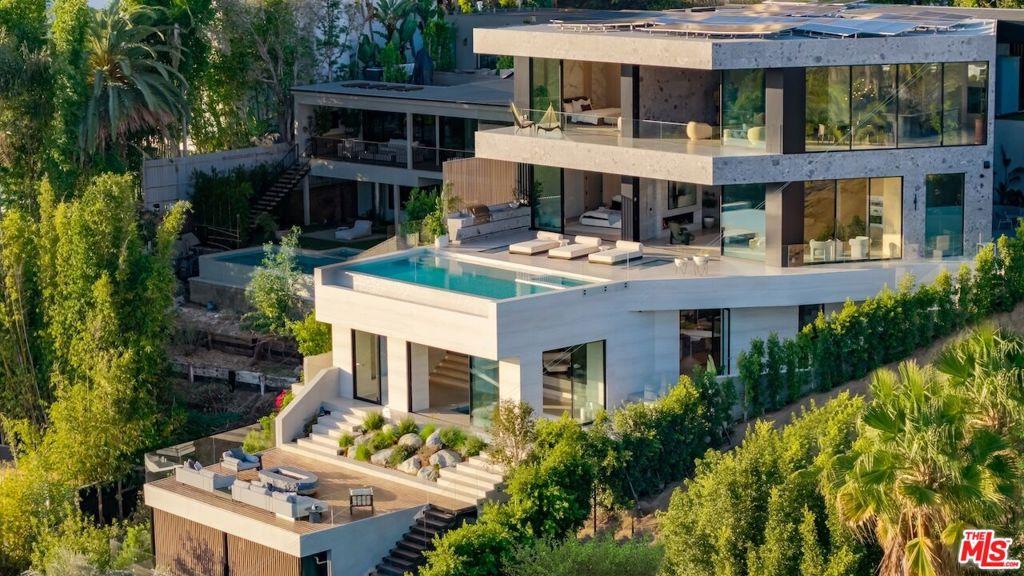
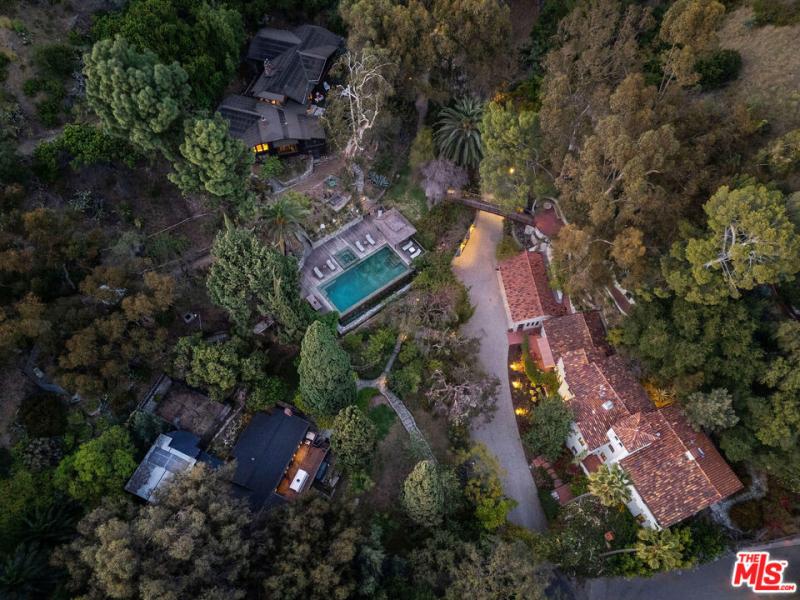
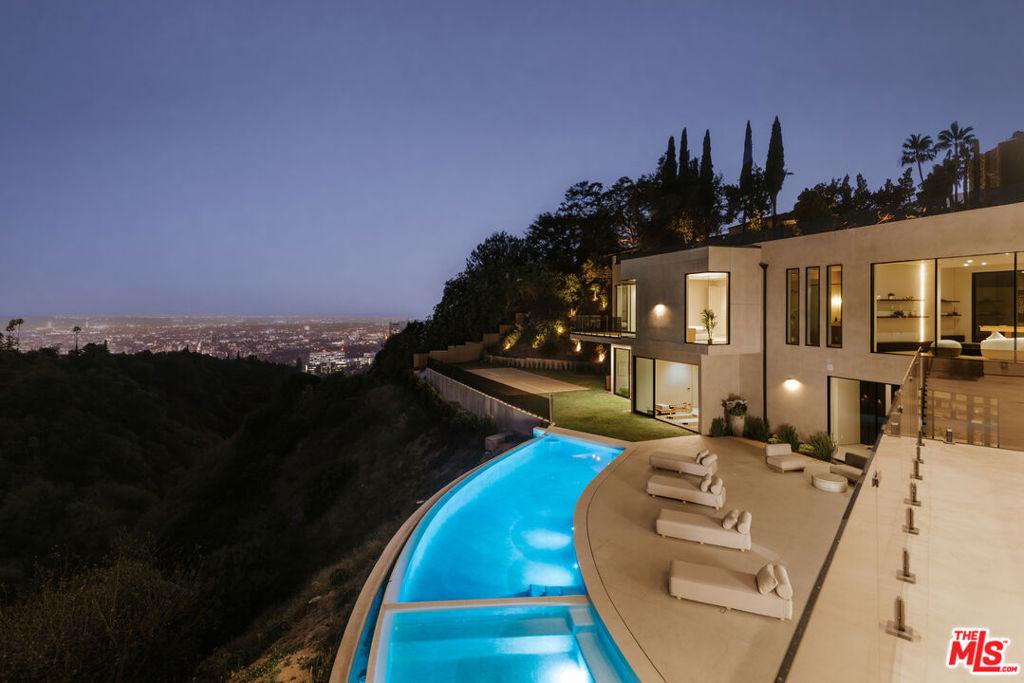
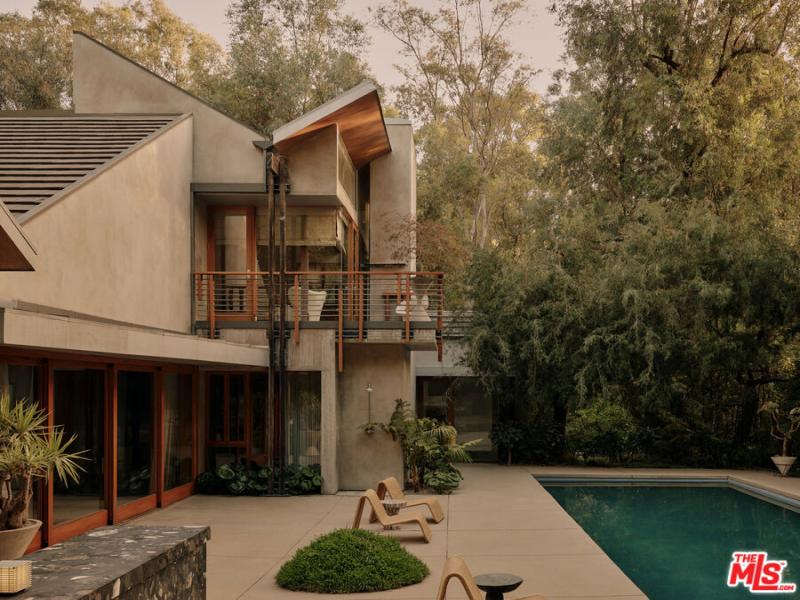
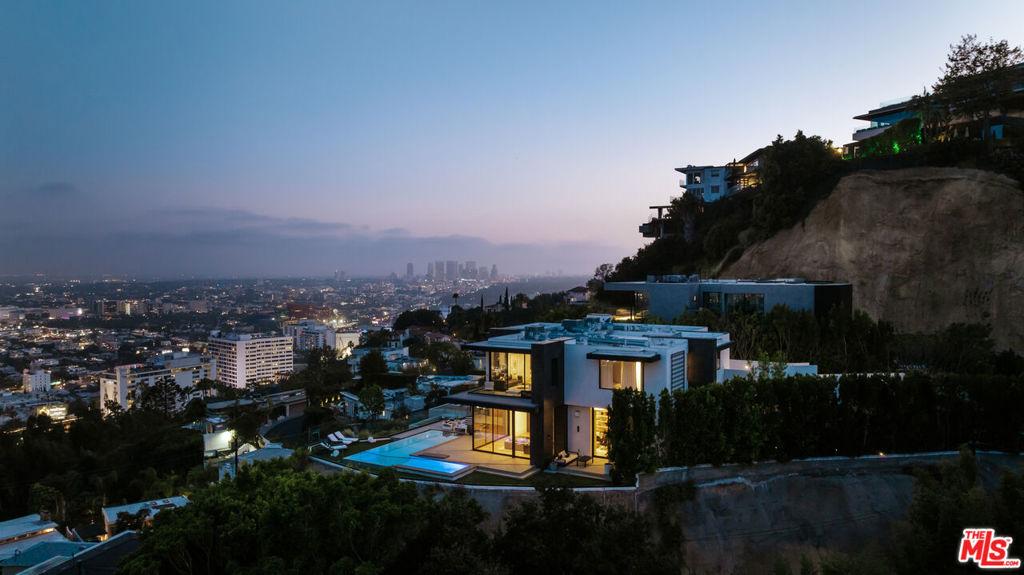
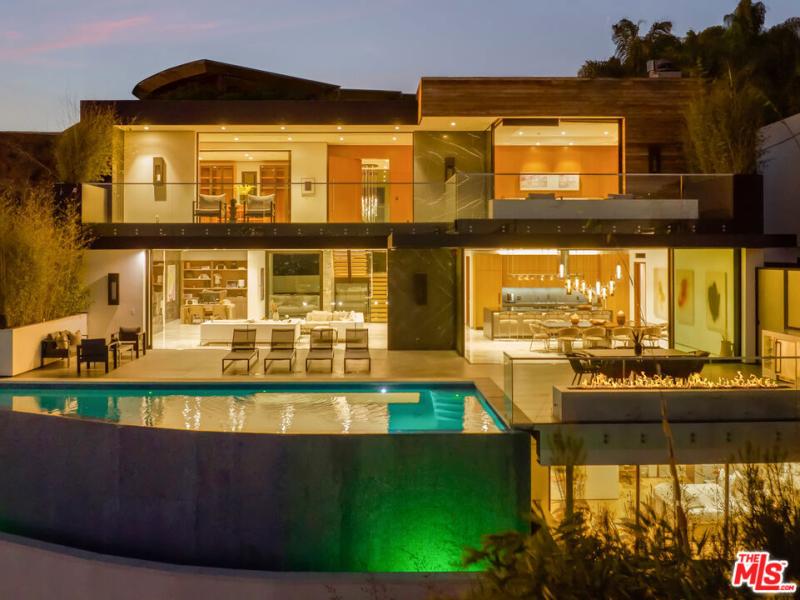
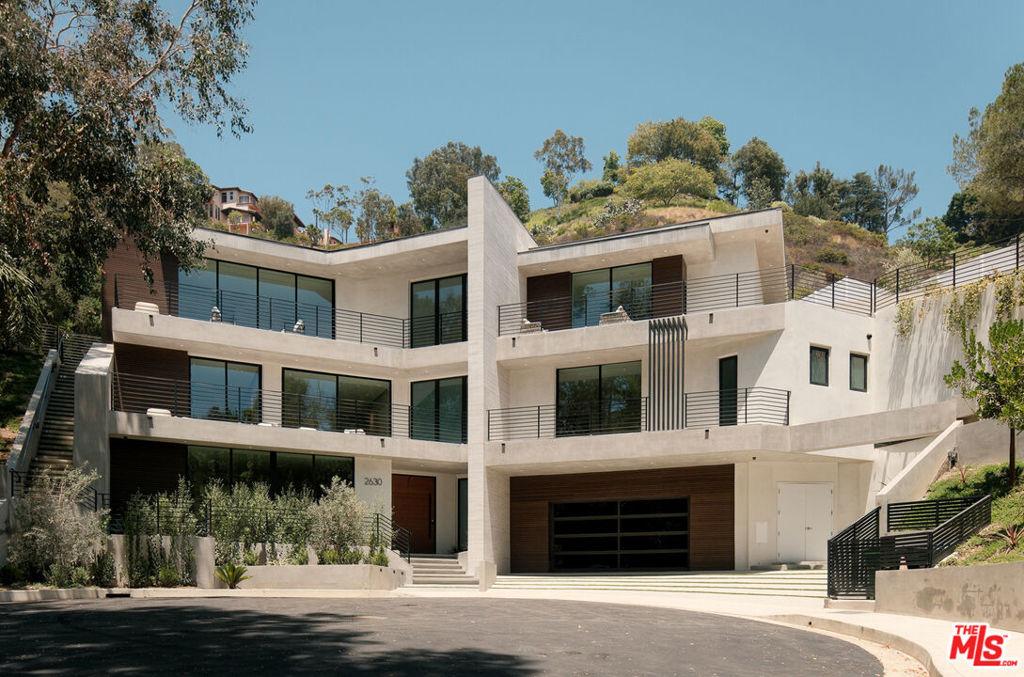
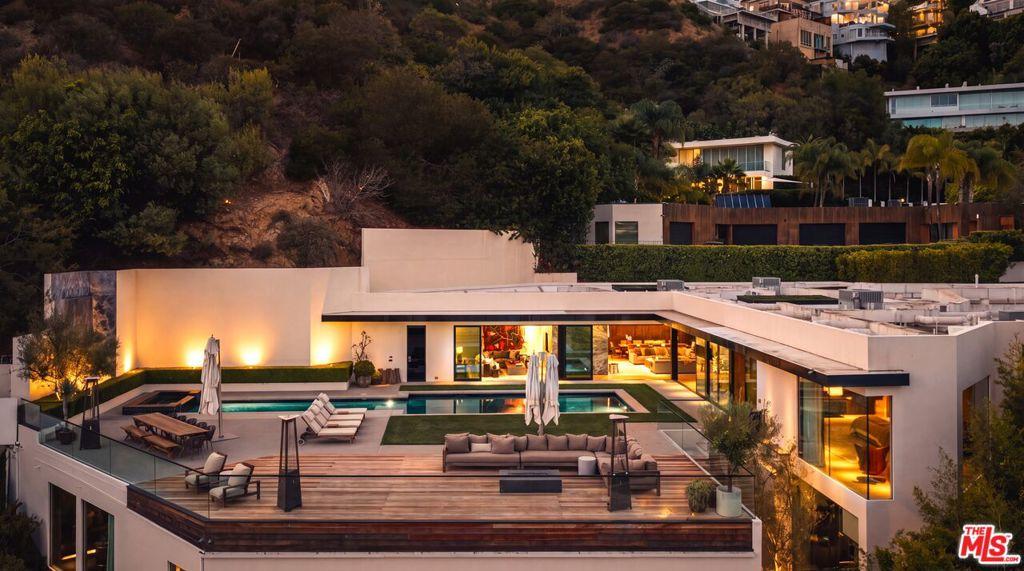
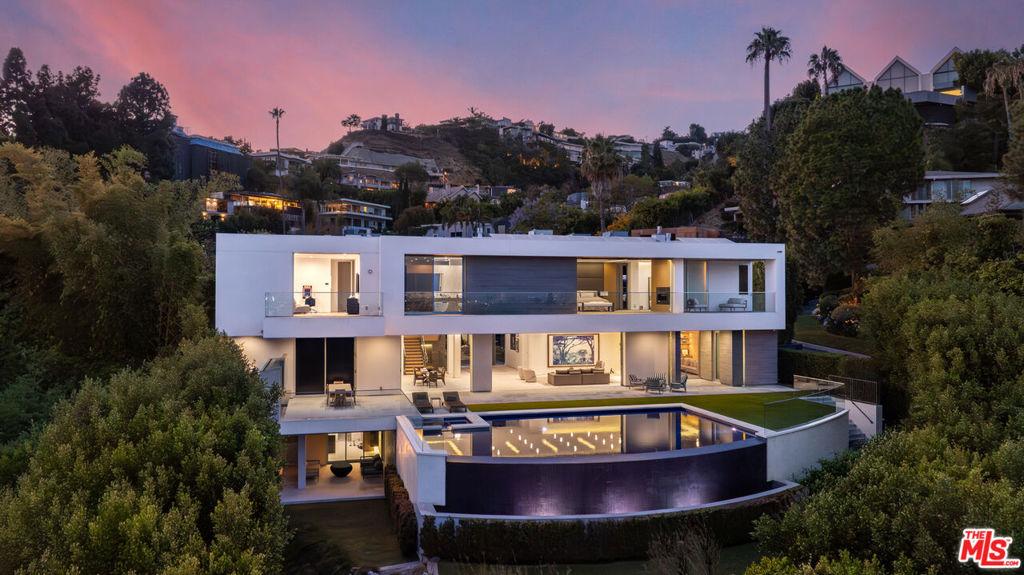
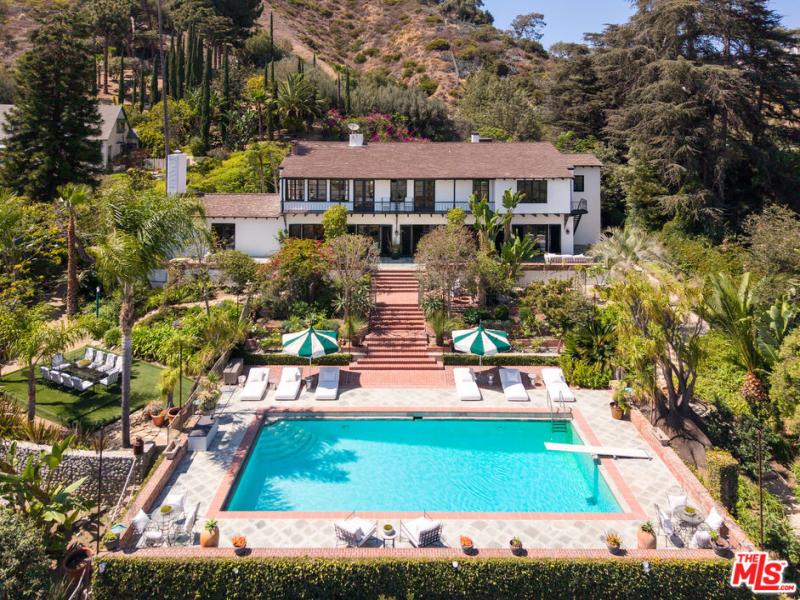
Inventory runs heavily to condominiums and pre-1978 rent-stabilized apartment buildings, with period 1920s courtyards in Westlake, high-rises along the Metro B Line in Hollywood, and hillside homes above Sunset in West Hollywood. Prices move with the submarket: Koreatown’s average home value sat near $772,774 in 2026, Hollywood’s 90028 median near $808,000, and West Hollywood near $1.0 million citywide, with hillside houses routinely above $2 million.
Browse the active listings below, or contact The Knight Group directly. We will tell you which of these neighborhoods fits your price, your commute and your tolerance for regulation, and which do not.
Which neighborhoods make up Central Los Angeles?
The region is a set of adjoining but distinct submarkets. Pricing, building age, governing city and rent rules change block to block.
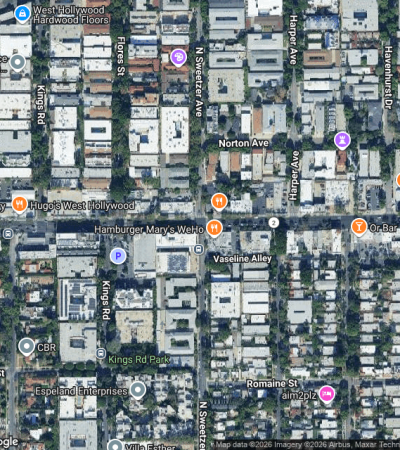
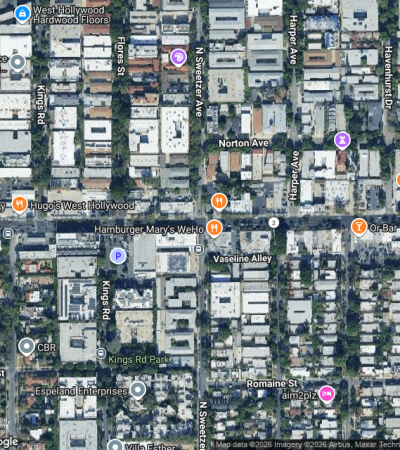
West Hollywood is the outlier: it is not part of the City of Los Angeles at all. It incorporated in 1984 and runs its own planning department, rent stabilization program and transfer tax structure. Housing stock skews toward mid-century condominium buildings, converted apartments and hillside homes above Sunset. Hollywood sits directly east, inside the City of LA, under the Hollywood Community Plan Update the City Council adopted on May 3, 2023. Its inventory ranges from high-rise condominiums along the Metro B Line corridor to protected historic districts such as Whitley Heights, whose preservation plan the city adopted in December 2010.
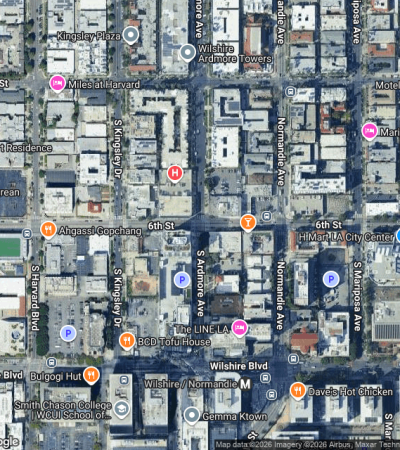
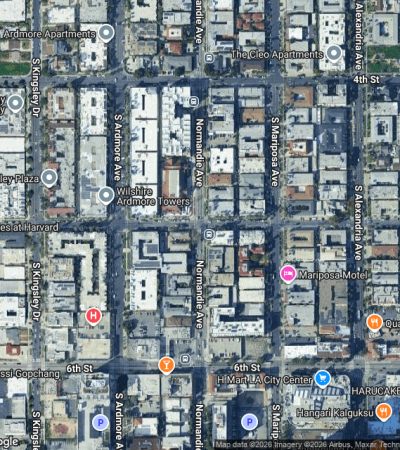
Koreatown is the densest neighborhood in the city and the most vertically built. The City Council fixed its western boundary at Western Avenue through Council File 09-0606, and the neighborhood centers near Sixth Street and Alexandria Avenue. Adjacent to it, Little Bangladesh received its own city designation in 2010 after roughly 18 months of council work under then-Councilmember Tom LaBonge, with signage installed the following year. Its recognized core is a four-block stretch of Third Street between South New Hampshire and South Alexandria avenues, and it trades within the greater Koreatown market.
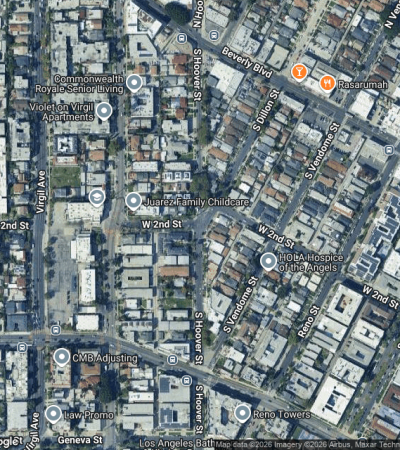
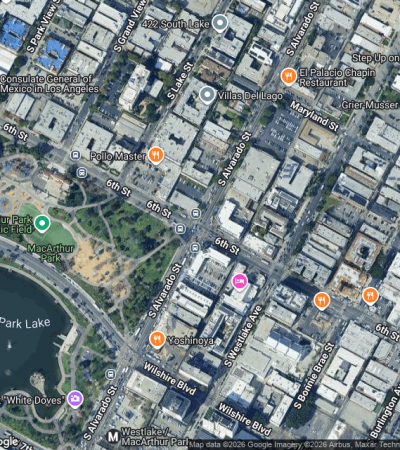
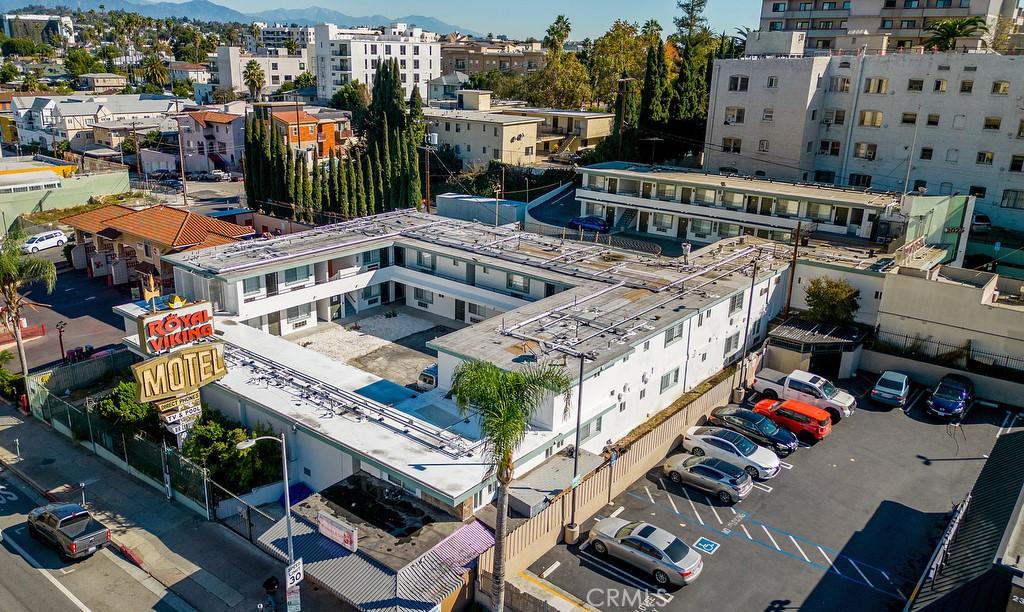
Wilshire Center is the office and mid-rise district wrapped around the Wilshire corridor, bounded roughly by Melrose Avenue north, Virgil Avenue and Hoover Street east, Wilton Place and Crenshaw Boulevard west, and Koreatown south. It falls under the city’s Wilshire Community Plan. Westlake, centered on MacArthur Park, was built out in the 1920s and holds period apartment buildings and former mansions subdivided into rentals decades ago. Rampart Village sits just south of the 101 Freeway between Historic Filipinotown and Westlake, layering Craftsman bungalows, 1920s to 1940s courtyard apartments, mid-century walk-ups and newer low-rise infill on the same streets.
Downtown Los Angeles is not one market either. It divides into the Arts District and Little Tokyo east, the Fashion District and South Park south, the Financial District and Bunker Hill west, and the Historic Core in the middle, east of Hill Street to Main Street between Third and Ninth. South Park carries the largest residential concentration, more than 6,000 residents per the Downtown LA Alliance. Our broader Los Angeles page covers central-city pockets that do not sit cleanly inside a named boundary.
What does housing actually cost across Central Los Angeles?
There is no single Central LA price, and the direction of travel in 2026 has been flat to slightly negative in several submarkets.
Zillow’s 2026 data put the average home value in Koreatown near $772,774, down about 6.0 percent year over year, reflecting a condo-heavy inventory rather than a collapse in land value. In Hollywood, Redfin reported a median sale price near $808,000 in the 90028 ZIP code in March 2026, down 1.2 percent, with homes averaging 103 days on market against 51 a year earlier. West Hollywood sits higher: Redfin and Zillow data in early 2026 placed the citywide median near $1.0 million, with condominiums below that and hillside single-family homes routinely above $2 million.
Two things follow. Days on market has roughly doubled in parts of Hollywood, so sellers priced to last year’s comparables are sitting. And the gap between a Koreatown condominium and a West Hollywood condominium is not about finish level. It is about governing city, HOA structure, and what the building’s rent and retrofit status does to financing.
How does Measure ULA change what a Central LA seller nets?
Measure ULA is the largest line item most high-value Central LA sellers fail to budget for. It applies to transfers inside the City of Los Angeles, which covers Downtown, Hollywood, Koreatown, Wilshire Center, Westlake, Rampart Village and Little Bangladesh.
For transactions closing after June 30, 2026, the City of Los Angeles Office of Finance set the ULA thresholds at $5,400,000 and $10,900,000. Sales above $5,400,000 and below $10,900,000 are taxed at 4 percent. Sales at or above $10,900,000 are taxed at 5.5 percent. Thresholds and rates adjust annually using the Bureau of Labor Statistics Chained Consumer Price Index, so the governing number is the one in effect on your closing date, not your list date.
Three details matter more than the headline rate. The tax sits on top of the existing City and County documentary transfer taxes. It is assessed on gross consideration rather than gain, so a seller with a large mortgage and small profit still pays on full price. And it triggers at the threshold rather than phasing in, which creates a hard pricing decision near $5.4 million. Run that math before you set a list price.
Why does West Hollywood behave differently from the rest of the region?
Because it is a separate city. West Hollywood incorporated in 1984, and Measure ULA, a City of Los Angeles ordinance, has no force inside its boundaries. A $6 million sale there does not carry the 4 percent surcharge the identical sale would carry two blocks east in Hollywood. At the upper end that is a meaningful net-proceeds difference, and one reason high-value inventory has held up better on the West Hollywood side of the line.
The trade-off runs the other way on rentals. West Hollywood has run its own Rent Stabilization Ordinance since 1985, covering most multi-family units built and occupied as rentals before July 1, 1979, with annual increases capped at a percentage of regional CPI set by the city each year. An investor buying a stabilized building there is buying a regulated income stream, and the underwriting has to reflect that from day one.
What should a condominium buyer check before writing an offer here?
Central Los Angeles holds some of the county’s oldest multi-family building stock, which creates diligence items that do not exist in newer suburban product.
Start with seismic status. Los Angeles Ordinance 183893, adopted in October 2015, imposes mandatory retrofit requirements on wood-frame soft-story and non-ductile reinforced concrete buildings, excluding detached single-family homes and duplexes. For soft-story buildings under order, the clock runs two years to submit plans, three and a half years to pull a permit, and seven years to complete construction or demolish. Non-ductile concrete runs a longer schedule extending up to 25 years from service of the order. If you buy into a building with an open order, you buy a share of that assessment. Ask for the order, the engineering report and the reserve study before removing contingencies.
Then look at how the building was created. Many Downtown and Wilshire-corridor residential buildings are conversions of former commercial structures, and the pace is accelerating. The city’s Citywide Adaptive Reuse Ordinance took effect on February 1, 2026, allowing buildings at least 15 years old to convert to residential use by right with staff-level approval, with a separate administrative path for newer buildings. The prior framework generally required a pre-1974 construction date. Cushman & Wakefield’s Greater Los Angeles office reporting has shown vacancy near 23 percent with roughly 50 million square feet empty, which explains the policy shift. Conversions can produce excellent units at attractive per-foot pricing, and also unusual floor plates, limited parking and untested HOA budgets.
Finally, ask whether the building holds a Mills Act contract. The Mills Act is a state program administered locally that reduces property tax for qualifying historic properties in exchange for a long-term commitment, generally ten years or more, to maintain historic character. The tax benefit is real. So is the restriction on what you may change.
How good is transit and freeway access from Central Los Angeles?
This is the strongest transit position in Southern California, and it improved measurably in 2026. LA Metro opened Section 1 of the D Line extension on May 8, 2026. The four-mile segment runs from Wilshire/Western in Koreatown to Wilshire/La Cienega, adding stations at Wilshire/La Brea, Wilshire/Fairfax and Wilshire/La Cienega, creating a one-seat ride between Koreatown, the Miracle Mile corridor and the edge of Beverly Hills.
Metro has tentatively scheduled Section 2, adding Beverly Hills and Century City stations, for spring 2027, and Section 3, reaching UCLA and the VA hospital, for fall 2027. Metro also selected the San Vicente to Fairfax alignment for the K Line Northern Extension, a roughly ten-mile underground line intended to connect Crenshaw/Expo to Hollywood. That project is years out and should not be underwritten as though it were built.
The existing B Line subway runs from North Hollywood through the Cahuenga Pass into Hollywood and on to Downtown, which is why those condominium markets price transit adjacency into the square-foot number. On the freeway side, the 101, the 110 and the 10 pass through or border the region. In Central LA, proximity to a rail station is usually worth more to resale than proximity to a freeway on-ramp.
What is the rental market like, and where do renters look?
Softer than it was, and unevenly so. Multifamily reporting for Q2 2026 put the Los Angeles vacancy rate near 5.5 percent, up about 50 basis points year over year, with average asking rents around $2,310 per unit. Separate 2026 data put the average Los Angeles apartment rent near $2,736 as of March, and RentCafe showed average Koreatown rent near $2,215. Concessions have returned where new supply is landing, with Downtown absorbing several thousand units during 2026.
Leverage exists in new construction and much less of it in stabilized older stock. Inside the City of Los Angeles, the Rent Stabilization Ordinance generally covers buildings constructed on or before October 1, 1978, the allowable increase for the 2025 to 2026 regulatory year was 3 percent, and the prior gas and electric utility adders were eliminated in February 2026.
Our rental inventory is organized by submarket. See West Hollywood homes for rent for the Santa Monica Boulevard and Design District corridors, Koreatown rentals for mid-rise and high-rise product near the D Line, Hollywood rentals for B Line adjacency and newer podium buildings, and Downtown Los Angeles rentals for loft conversions and tower units where 2026 concessions are most common.
Where should a buyer start a for-sale search?
Start with the submarket, not the price filter. Governing city, rent status and retrofit exposure vary so much inside a two-mile radius that two identically priced units carry very different risk.
Look at homes for sale in West Hollywood for the strongest walkability and no Measure ULA exposure at the upper end. Look at homes for sale in Koreatown if you are buying on price per square foot and transit access and accept dense, older buildings. Look at homes for sale in Hollywood for historic-district houses and new high-rise inventory, where longer marketing times currently favor buyers. Look at homes for sale in Downtown Los Angeles for large-format loft space, provided you underwrite HOA budgets and conversion history carefully.
Which schools serve Central Los Angeles?
Los Angeles Unified School District serves the entire region, including West Hollywood, which does not run its own district despite being a separate city. That surprises buyers who assume municipal independence extends to schools.
Two programs are worth knowing. Third Street Elementary operates a School for Advanced Studies program and a Korean dual-language program, relevant to families buying near Koreatown and the Wilshire corridor. Larchmont Charter School is a tuition-free public charter serving TK through 12th grade across four campuses, founded in 2008, with enrollment above 1,500 students; its Fairfax campus opened in West Hollywood. Charter enrollment is by application rather than address, so attendance boundary is not the whole picture. Verify boundaries and eligibility with LAUSD before you buy on the strength of a school.
What is the history behind these neighborhoods?
Central Los Angeles was the city’s first wealthy suburb and then its first commercial corridor. In the 1920s, the stretch of Wilshire Boulevard just west of Downtown shifted from large houses into a retail and office district. The Ambassador Hotel opened at 3400 Wilshire in 1921. Bullock’s Wilshire opened at Westmoreland Avenue in 1929 and is widely described as the first American department store designed around customers arriving by automobile.
The corridor declined after the 1968 assassination of Robert F. Kennedy at the Ambassador, and the hotel closed to guests in 1989. Falling rents and vacant storefronts drew a new generation of business owners, a large share of them Korean immigrants, and the city eventually recognized the area as Koreatown. The neighborhood was among the hardest hit in the 1992 unrest, and the rebuilding that followed is a direct ancestor of today’s mid-rise development pattern.
Downtown’s residential character is younger than most buyers assume. The original 1999 Adaptive Reuse Ordinance converted vacant commercial buildings into housing and, per the Los Angeles Conservancy, drove more than $2 billion in private investment afterward. The Historic Core, South Park and Arts District residential markets exist because of it. The 2026 citywide expansion applies the same policy to a far larger inventory.
What are the real trade-offs of buying in Central Los Angeles?
The upside is genuine: the best transit in the region, deep rental demand, a wide range of price points, and a policy environment actively converting commercial square footage into housing. The downside is equally real. Density means noise, parking scarcity and less private outdoor space than the same money buys in the Valley or on the Westside. Older stock means retrofit assessments and HOA reserves that require inspection rather than assumption. Regulation means a City of LA seller above $5.4 million pays a substantial transfer tax and a City of LA landlord does not set the annual increase. None of these are reasons to avoid Central Los Angeles. They are reasons to buy here with an agent who reads the ordinance rather than the listing remarks.
Renting, Buying or Holding: Matching the Building Type to Your Plan
Most homes for sale in Central Los Angeles fall into three broad buckets, and the right one depends less on taste than on how long you intend to stay. Condominiums dominate the transit corridors, from the Metro B Line high-rises in Hollywood to the vertical stock in Koreatown, and they carry HOA dues plus a share of any seismic retrofit work the city orders on older concrete or soft-story construction. Small pre-1978 apartment buildings trade as income property, but rent-stabilized units come with city-set annual increases that cap what you can underwrite. Hillside houses above Sunset in West Hollywood are the least regulated on the rental side and the most expensive to enter.
Ask three questions before you write an offer: which city governs the parcel, whether the building has an open retrofit order, and what the HOA’s reserves look like against that work. Lenders ask the same questions, and the answers decide whether your financing survives underwriting.
Frequently asked questions about Central Los Angeles real estate
Is West Hollywood part of the City of Los Angeles?
No. It incorporated as its own city in 1984 and has its own planning, permitting and rent stabilization authority. City of Los Angeles ordinances, including Measure ULA, do not apply inside its boundaries. It is still served by Los Angeles Unified School District.
Does Measure ULA apply to my Central LA sale?
It applies to transfers inside the City of Los Angeles. For closings after June 30, 2026, the Office of Finance set thresholds at $5,400,000 and $10,900,000, taxed at 4 percent and 5.5 percent. Thresholds adjust yearly, and the tax is assessed on gross price, not gain.
Which Central LA neighborhood is the most walkable?
Downtown, Koreatown and West Hollywood, each for a different reason. Downtown has the densest concentration of employment, dining and rail. Koreatown pairs residential density with continuous street-level retail. West Hollywood has a compact commercial spine along Santa Monica Boulevard, with the D Line now reaching its eastern edge.
Can I get a rent-controlled apartment in Koreatown?
Many Koreatown buildings fall under the City of Los Angeles Rent Stabilization Ordinance, which generally covers buildings constructed on or before October 1, 1978. Coverage depends on the property and its permit history, so confirm status with the Los Angeles Housing Department rather than relying on a listing claim.
Are Downtown loft conversions a good buy?
They can be, and they need more diligence than standard condominiums. Review the HOA budget and reserve study, seismic retrofit status, the parking arrangement and whether a historic-preservation contract restricts alterations. Conversions often deliver more square footage per dollar with a different maintenance profile.
How is the Metro D Line extension affecting values along Wilshire?
Section 1 opened on May 8, 2026, connecting Wilshire/Western to Wilshire/La Cienega through three new stations. Station-adjacent buildings generally price at a premium to comparable product further from rail. Sections 2 and 3 are tentatively scheduled for 2027, and buyers should treat those dates as targets rather than commitments.
Is now a good time to buy in Central Los Angeles?
It depends on the submarket. In 2026, Hollywood and Koreatown showed flat to modestly declining prices and longer marketing periods, which favors buyers with financing in place. West Hollywood held firmer at the upper end. The answer requires looking at the building, not the region.
How does The Knight Group work in this market?
We work Central Los Angeles building by building, not ZIP code by ZIP code. Before we advise on price, we check which city governs the parcel, whether it sits inside the City of LA for Measure ULA purposes, whether the building carries a seismic retrofit order, whether units are rent-stabilized, and whether a historic-preservation contract limits what an owner can do.
For sellers, that produces a net-proceeds number you can rely on and pricing built on current days on market. For buyers, it produces a shortlist with diligence already started. For investors, it produces underwriting that treats regulated rent as regulated rent.
Browse the listings on this page, then reach out. Tell us your price range, your commute and whether you plan to hold or occupy, and we will tell you where to look first and what to skip.
What is Central Los Angeles like to live in?
- Central Los Angeles covers the dense, transit-served core of the city, stretching from Downtown west along Wilshire and north into Hollywood.
- Density is the whole proposition here, and it is the part of the county where living without a car is most reasonable.
- Inventory runs heavily to condominiums and older rent-stabilized apartment buildings rather than detached single-family houses.
- West Hollywood is the outlier, an independent city with its own planning department, rent stabilization program and transfer tax structure.
- Housing stock in West Hollywood skews toward mid-century condominium buildings, converted apartments and hillside homes above Sunset.
- Hollywood sits inside the City of Los Angeles and falls under the Hollywood Community Plan Update adopted by the City Council.
- Hollywood inventory ranges from high-rise condominiums along the Metro B Line corridor to protected historic districts such as Whitley Heights.
- Koreatown is the densest neighborhood in the city and the most vertically built, centering near Sixth Street and Alexandria Avenue.
- Little Bangladesh holds a city designation and a recognized core along Third Street, trading within the greater Koreatown market.
- Wilshire Center is the office and mid-rise district wrapped around the Wilshire corridor, governed by the city’s Wilshire Community Plan.
- Westlake centers on MacArthur Park and holds period apartment buildings and former mansions subdivided into rentals decades ago.
- Rampart Village layers Craftsman bungalows, courtyard apartments, mid-century walk-ups and newer low-rise infill on the same streets.
- Downtown Los Angeles divides into the Arts District, Little Tokyo, the Fashion District, South Park, the Financial District, Bunker Hill and the Historic Core.
- South Park carries the largest residential concentration within Downtown, according to the Downtown LA Alliance.
- Regulatory exposure across Central Los Angeles is the sharpest in the county, spanning Measure ULA, seismic retrofit orders and city-set rent increases.
- Pricing, building age, governing city and rent rules in Central Los Angeles change block to block across adjoining but distinct submarkets.
How do people get around and rent in Central Los Angeles?
- Central Los Angeles holds the strongest transit position in Southern California, and that position improved measurably with recent rail expansion.
- Metro opened the first section of the D Line extension, running from Wilshire/Western in Koreatown west to Wilshire/La Cienega.
- New D Line stations at Wilshire/La Brea, Wilshire/Fairfax and Wilshire/La Cienega create a one-seat ride toward the Miracle Mile corridor.
- Later D Line sections adding Beverly Hills, Century City, UCLA and the VA hospital remain tentatively scheduled rather than committed.
- Metro selected the San Vicente to Fairfax alignment for the K Line Northern Extension, an underground line intended to reach Hollywood.
- The existing B Line subway runs from North Hollywood through the Cahuenga Pass into Hollywood and on to Downtown.
- Condominium markets along the B Line price transit adjacency directly into the square-foot number.
- Proximity to a rail station usually matters more to resale in Central Los Angeles than proximity to a freeway on-ramp.
- The rental market has softened unevenly, with vacancy up year over year and concessions returning where new supply is landing.
- Downtown absorbed several thousand units, making loft conversions and tower units the likeliest place to find lease concessions.
- The Rent Stabilization Ordinance inside the City of Los Angeles generally covers older buildings, and gas and electric utility adders were eliminated.
- Renter leverage exists in new construction and much less of it in stabilized older stock.
- Governing city, rent status and retrofit exposure vary so much that identically priced units carry very different risk.
- Los Angeles Unified School District serves all of Central Los Angeles, including West Hollywood, which does not run its own district.
- Third Street Elementary runs a School for Advanced Studies program and a Korean dual-language program near the Wilshire corridor.
What should buyers know before buying in Central Los Angeles?
- West Hollywood is not part of the City of Los Angeles and holds its own planning, permitting and rent stabilization authority.
- Measure ULA does not apply inside West Hollywood, though Los Angeles Unified School District still serves the city.
- Measure ULA applies to transfers inside the City of Los Angeles, with thresholds set by the Office of Finance that adjust yearly.
- Measure ULA is assessed on gross sale price rather than on gain, which changes seller net proceeds materially.
- Downtown, Koreatown and West Hollywood rank as the most walkable parts of Central Los Angeles, each for a different reason.
- Downtown carries the densest concentration of employment, dining and rail in Central Los Angeles.
- Koreatown pairs residential density with continuous street-level retail along its blocks.
- West Hollywood offers a compact commercial spine along Santa Monica Boulevard, with the D Line now reaching its eastern edge.
- Many Koreatown buildings fall under the City of Los Angeles Rent Stabilization Ordinance, depending on the property and its permit history.
- Rent stabilization status should be confirmed with the Los Angeles Housing Department rather than taken from a listing claim.
- Downtown loft conversions can be good buys but require more diligence than standard condominiums.
- Loft diligence covers the HOA budget and reserve study, seismic retrofit status, parking arrangements and historic-preservation contracts.
- Conversions often deliver more square footage per dollar with a different maintenance profile than conventional condominium product.
- Station-adjacent buildings along Wilshire generally price at a premium to comparable product further from rail.
- Hollywood and Koreatown showed flat to modestly declining prices and longer marketing periods, favoring buyers with financing in place.
- The Knight Group works Central Los Angeles building by building, checking governing city, retrofit orders, rent status and preservation contracts before advising on price.